

Dysfunctional purinergic signaling correlates with disease severity in COVID-19 patients
Open accessThe DOI matches its Crossref record; 83 of the 83 references it cites were found in a registry or an index.
Abstract
Ectonucleotidases modulate inflammatory responses by balancing extracellular ATP and adenosine (ADO) and might be involved in COVID-19 immunopathogenesis. Here, we explored the contribution of extracellular nucleotide metabolism to COVID-19 severity in mild and severe cases of the disease. We verified that the gene expression of ectonucleotidases is reduced in the whole blood of patients with COVID-19 and is negatively correlated to levels of CRP, an inflammatory marker of disease severity. In line with these findings, COVID-19 patients present higher ATP levels in plasma and reduced levels of ADO when compared to healthy controls. Cell type-specific analysis revealed higher frequencies of CD39+ T cells in severely ill patients, while CD4+ and CD8+ expressing CD73 are reduced in this same group. The frequency of B cells CD39+CD73+ is also decreased during acute COVID-19. Interestingly, B cells from COVID-19 patients showed a reduced capacity to hydrolyze ATP into ADP and ADO. Furthermore, impaired expression of ADO receptors and a compromised activation of its signaling pathway is observed in COVID-19 patients. The presence of ADO in vitro, however, suppressed inflammatory responses triggered in patients’ cells. In summary, our findings support the idea that alterations in the metabolism of extracellular purines contribute to immune dysregulation during COVID-19, possibly favoring disease severity, and suggest that ADO may be a therapeutic approach for the disease.
Overview
The claims and statistics of this paper haven’t been checked yet.
Free: it reads the open-access text and checks the first 5 claims that cite a source we can check. Create a free account to check every claim.
Integrity signals
Registry
Cites
Statistics
Figures
Verification
Claims the paper makes
The claims and statistics of this paper haven’t been checked yet.
Free: it reads the open-access text and checks the first 5 claims that cite a source we can check. Create a free account to check every claim.
Claims other papers make about this one
Each is checked against this paper’s own text: does it say what the citing paper says it does?
The source backs part of the claim, not all of it — or backs it for a different population, condition or comparison.
In the citing paper
“Ectonucleotidases CD39 and CD73 responsible for ATP cleavage to adenosine had reduced expression in severe COVID-19 patients’ blood.”
From NAD+ Precursors Nicotinamide Mononucleotide (NMN) and Nicotinamide Riboside (NR): Potential Dietary Contribution to Health (2023) · cites this paper as [110]
Experimental — accuracy not yet measuredThe source backs part of the claim, not all of it — or backs it for a different population, condition or comparison.
In the citing paper
“Unvaccinated severe COVID-19 patients presented higher ATP levels and lower levels of adenosine in plasma when compared to healthy controls.”
From NAD+ Precursors Nicotinamide Mononucleotide (NMN) and Nicotinamide Riboside (NR): Potential Dietary Contribution to Health (2023) · cites this paper as [110]
Experimental — accuracy not yet measuredThe source backs part of the claim, not all of it — or backs it for a different population, condition or comparison.
In the citing paper
“In addition, in vitro administration of exogenous adenosine prevented inflammatory responses in the leukocytes of patients [110]”
From NAD+ Precursors Nicotinamide Mononucleotide (NMN) and Nicotinamide Riboside (NR): Potential Dietary Contribution to Health (2023) · cites this paper as [110]
Experimental — accuracy not yet measuredThe cited source says what the claim attributes to it.
In the citing paper
“It was found that alterations in the purinergic metabolism contribute to immune dysregulation during COVID-19, possibly contributing to disease severity.”
From NAD+ Precursors Nicotinamide Mononucleotide (NMN) and Nicotinamide Riboside (NR): Potential Dietary Contribution to Health (2023) · cites this paper as [110]
The cited source says what the claim attributes to it.
In the citing paper
“Besides the impaired generation from ATP, the adenosine receptors were also less expressed, in a disease severity-dependent manner [110].”
From NAD+ Precursors Nicotinamide Mononucleotide (NMN) and Nicotinamide Riboside (NR): Potential Dietary Contribution to Health (2023) · cites this paper as [110]
Self-check
Percentages, sums and reported differences re-computed from the paper’s own numbers.
The self-check needs the paper’s full text.
Citations
Cites
Analysis of Relative Gene Expression Data Using Real-Time Quantitative PCR and the 2−ΔΔCT Method
Livak, K. J., & Schmittgen, T. D. (2001) · Methods · doi:10.1006/meth.2001.1262 · Cited by 180,860 · cited 1×
“6 (Applied Biosystems) according to the delta-CT method (26).”
MethodClinical features of patients infected with 2019 novel coronavirus in Wuhan, China
Huang, C., Wang, Y., Li, X., Ren, L., Zhao, J., Hu, Y., Zhang, L., Fan, G., Xu, J., Gu, X., et al. (2020) · The Lancet · doi:10.1016/s0140-6736(20)30183-5 · Cited by 48,884
Integrating single-cell transcriptomic data across different conditions, technologies, and species
Butler, A., Hoffman, P., Smibert, P., Papalexi, E., & Satija, R. (2018) · Nature Biotechnology · doi:10.1038/nbt.4096 · Cited by 13,174 · cited 1×
“4 package (29) and differentially expressed genes were analyzed using the 10x Genomics Loupe Browser (v.”
MethodClinical and immunological features of severe and moderate coronavirus disease 2019
Chen, G., Wu, D., Guo, W., Cao, Y., Huang, D., Wang, H., Wang, T., Zhang, X., Chen, H., Yu, H., et al. (2020) · Journal of Clinical Investigation · doi:10.1172/jci137244 · Cited by 4,750 · cited 1×
“Despite the preferential tropism to the lungs, SARS-CoV-2 can be detected in several organs, triggering exacerbated inflammatory responses not only in the target tissues but also systemically, which seems to be responsible for multi-organ failure (3, 4).”
BackgroundReceptors for Purines and Pyrimidines
Burnstock, G., & Verkhratsky, A. (2012) · Purinergic Signalling and the Nervous System · doi:10.1007/978-3-642-28863-0_5 · Cited by 3,958 · cited 1×
“Extracellular ATP (eATP) can act as a “danger” signal, p romot ing immune ce l l a c t i v a t ion and e l i c i t ing proinflammatory responses (6, 8).”
BackgroundMutation of the mouse klotho gene leads to a syndrome resembling ageing
Kuro-o, M., Matsumura, Y., Aizawa, H., Kawaguchi, H., Suga, T., Utsugi, T., Ohyama, Y., Kurabayashi, M., Kaname, T., Kume, E., et al. (1997) · Nature · doi:10.1038/36285 · Cited by 3,837
An inflammatory cytokine signature predicts COVID-19 severity and survival
Del Valle, D. M., Kim-Schulze, S., Huang, H.-H., Beckmann, N. D., Nirenberg, S., Wang, B., Lavin, Y., Swartz, T. H., Madduri, D., Stock, A., et al. (2020) · Nature Medicine · doi:10.1038/s41591-020-1051-9 · Cited by 2,605 · cited 1×
“Both cytokines are increased in the blood of COVID19 patients (76).”
BackgroundPathological inflammation in patients with COVID-19: a key role for monocytes and macrophages
Merad, M., & Martin, J. C. (2020) · Nature Reviews Immunology · doi:10.1038/s41577-020-0331-4 · Cited by 2,472
Muñoz-Planillo, R., Kuffa, P., Martínez-Colón, G., Smith, B. L., Rajendiran, T. M., & Núñez, G. (2013) · Immunity · doi:10.1016/j.immuni.2013.05.016 · Cited by 2,147 · cited 1×
“Indeed, the accumulation of ATP has been shown the trigger inflammatory responses such as the activation of the inflammasome pathway (64, 65).”
BackgroundMultiorgan and Renal Tropism of SARS-CoV-2
Puelles, V. G., Lütgehetmann, M., Lindenmeyer, M. T., Sperhake, J. P., Wong, M. N., Allweiss, L., Chilla, S., Heinemann, A., Wanner, N., Liu, S., et al. (2020) · New England Journal of Medicine · doi:10.1056/nejmc2011400 · Cited by 1,775 · cited 1×
“Despite the preferential tropism to the lungs, SARS-CoV-2 can be detected in several organs, triggering exacerbated inflammatory responses not only in the target tissues but also systemically, which seems to be responsible for multi-organ failure (3, 4).”
BackgroundClinical features of COVID-19 in elderly patients: A comparison with young and middle-aged patients
Liu, K., Chen, Y., Lin, R., & Han, K. (2020) · Journal of Infection · doi:10.1016/j.jinf.2020.03.005 · Cited by 1,642
COVID-19: immunopathology and its implications for therapy
Cao, X. (2020) · Nature Reviews Immunology · doi:10.1038/s41577-020-0308-3 · Cited by 1,609 · cited 1×
“It is important to mention, though, that gene expression analysis in whole blood of COVID-19 patients should be interpreted with caution due to the mono-lymphopenia associated with the disease (51, 52).”
BackgroundOhta, A., & Sitkovsky, M. (2001) · Nature · doi:10.1038/414916a · Cited by 1,334 · cited 1×
“ADO signals via receptors A1R, A2AR, A2BR, and A3R, and it has been reported that alterations in the expression of these receptors may directly influence the inflammatory response in some pathologies (37, 38).”
BackgroundPathogenic T-cells and inflammatory monocytes incite inflammatory storms in severe COVID-19 patients
Zhou, Y., Fu, B., Zheng, X., Wang, D., Zhao, C., Qi, Y., Sun, R., Tian, Z., Xu, X., & Wei, H. (2020) · National Science Review · doi:10.1093/nsr/nwaa041 · Cited by 1,295
CD39 and CD73 in immunity and inflammation
Antonioli, L., Pacher, P., Vizi, E. S., & Haskó, G. (2013) · Trends in Molecular Medicine · doi:10.1016/j.molmed.2013.03.005 · Cited by 1,263 · cited 1×
“ATP dephosphorylation into ADO mediated by ectonucleotidases is a key regulatory mechanism of immune responses, promoting the shift from ATP-driven inflammation to immunosuppression induced by ADO (41).”
BackgroundAdenosine receptors: therapeutic aspects for inflammatory and immune diseases
Haskó, G., Linden, J., Cronstein, B., & Pacher, P. (2008) · Nature Reviews Drug Discovery · doi:10.1038/nrd2638 · Cited by 1,217
Cellular function and molecular structure of ecto-nucleotidases
Zimmermann, H., Zebisch, M., & Sträter, N. (2012) · Purinergic Signalling · doi:10.1007/s11302-012-9309-4 · Cited by 977 · cited 8×
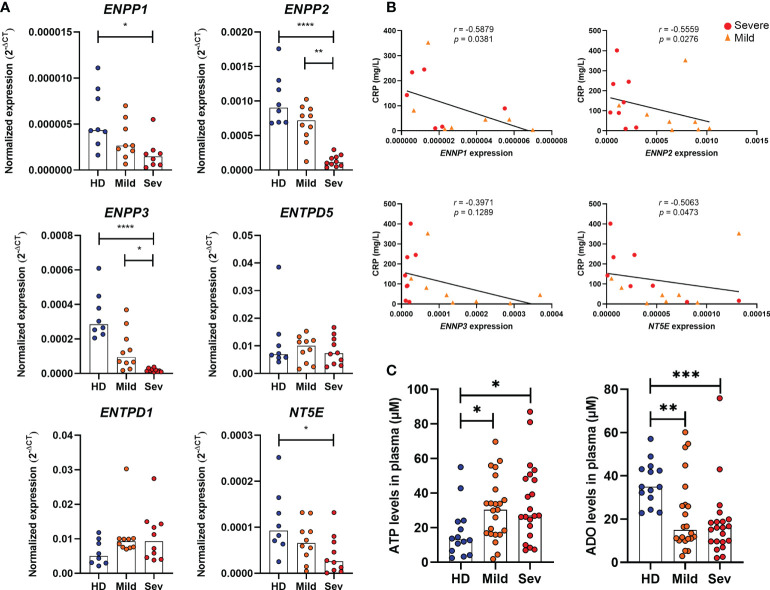
“(A) Gene expression of nucleotidases ENPP1, ENPP2, ENPP3, ENTPD5, ENTPD1 (CD39) and NT5E (CD73) in whole blood of healthy donors (n=8) and COVID-19 patients (Mild hospitalized, n=10; Severe, n=10).”
BackgroundInfluentialAdenosine: an endogenous regulator of innate immunity
Haskó, G. (2004) · Trends in Immunology · doi:10.1016/j.it.2003.11.003 · Cited by 899
ATP Release Guides Neutrophil Chemotaxis via P2Y2 and A3 Receptors
Chen, Y., Corriden, R., Inoue, Y., Yip, L., Hashiguchi, N., Zinkernagel, A., Nizet, V., Insel, P. A., & Junger, W. G. (2006) · Science · doi:10.1126/science.1132559 · Cited by 858
Rodrigues, T. S., de Sá, K. S. G., Ishimoto, A. Y., Becerra, A., Oliveira, S., Almeida, L., Gonçalves, A. V., Perucello, D. B., Andrade, W. A., Castro, R., et al. (2021) · Journal of Experimental Medicine · doi:10.1084/jem.20201707 · Cited by 839
The inflammasome: a danger sensing complex triggering innate immunity
Pétrilli, V., Dostert, C., Muruve, D. A., & Tschopp, J. (2007) · Current Opinion in Immunology · doi:10.1016/j.coi.2007.09.002 · Cited by 700
The adenosine pathway in immuno-oncology
Allard, B., Allard, D., Buisseret, L., & Stagg, J. (2020) · Nature Reviews Clinical Oncology · doi:10.1038/s41571-020-0382-2 · Cited by 586
Tissue damage from neutrophil-induced oxidative stress in COVID-19
Laforge, M., Elbim, C., Frère, C., Hémadi, M., Massaad, C., Nuss, P., Benoliel, J.-J., & Becker, C. (2020) · Nature Reviews Immunology · doi:10.1038/s41577-020-0407-1 · Cited by 586
Cancer Exosomes Express CD39 and CD73, Which Suppress T Cells through Adenosine Production
Clayton, A., Al-Taei, S., Webber, J., Mason, M. D., & Tabi, Z. (2011) · The Journal of Immunology · doi:10.4049/jimmunol.1003884 · Cited by 540
Zhou, Y., Yang, Q., Chi, J., Dong, B., Lv, W., Shen, L., & Wang, Y. (2020) · International Journal of Infectious Diseases · doi:10.1016/j.ijid.2020.07.029 · Cited by 407
SARS-CoV-2 infection pathogenesis is related to oxidative stress as a response to aggression
Cecchini, R., & Cecchini, A. L. (2020) · Medical Hypotheses · doi:10.1016/j.mehy.2020.110102 · Cited by 399
CD39 Expression Identifies Terminally Exhausted CD8+ T Cells
Gupta, P. K., Godec, J., Wolski, D., Adland, E., Yates, K., Pauken, K. E., Cosgrove, C., Ledderose, C., Junger, W. G., Robson, S. C., et al. (2015) · PLOS Pathogens · doi:10.1371/journal.ppat.1005177 · Cited by 396 · cited 12×
“Coronavirus Disease 2019 (COVID-19) is an inflammatory disease caused by the infection with the SARS coronavirus 2 (SARS-CoV-2).”
BackgroundInfluentialRegulation of Inflammation by Adenosine
Haskó, G., & Cronstein, B. (2013) · Frontiers in Immunology · doi:10.3389/fimmu.2013.00085 · Cited by 367 · cited 1×
“While eATP has proinflammatory properties, ADO can promote immunosuppression via inhibition of T cell proliferation and function and induction of anti-inflammatory cytokines (12, 13).”
BackgroundBasal Release of ATP: An Autocrine-Paracrine Mechanism for Cell Regulation
Corriden, R., & Insel, P. A. (2010) · Science Signaling · doi:10.1126/scisignal.3104re1 · Cited by 344 · cited 1×
“Extracellular ATP (eATP) can act as a “danger” signal, p romot ing immune ce l l a c t i v a t ion and e l i c i t ing proinflammatory responses (6, 8).”
BackgroundExtra-respiratory manifestations of COVID-19
Lai, C.-C., Ko, W.-C., Lee, P.-I., Jean, S.-S., & Hsueh, P.-R. (2020) · International Journal of Antimicrobial Agents · doi:10.1016/j.ijantimicag.2020.106024 · Cited by 330
Németh, Z. H., Lutz, C. S., Csóka, B., Deitch, E. A., Leibovich, S. J., Gause, W. C., Tone, M., Pacher, P., Vizi, E. S., & Haskó, G. (2005) · The Journal of Immunology · doi:10.4049/jimmunol.175.12.8260 · Cited by 291
Biomarkers in COVID-19: An Up-To-Date Review
Samprathi, M., & Jayashree, M. (2021) · Frontiers in Pediatrics · doi:10.3389/fped.2020.607647 · Cited by 290
The AID antibody diversification enzyme is regulated by protein kinase A phosphorylation
Basu, U., Chaudhuri, J., Alpert, C., Dutt, S., Ranganath, S., Li, G., Schrum, J. P., Manis, J. P., & Alt, F. W. (2005) · Nature · doi:10.1038/nature04255 · Cited by 273 · cited 1×
“In addition, the absence of CD73 and defective activation of the ADO downstream PKA-mediated phosphorylation of activation-induced deaminase (AID) impairs immunoglobulin class switching in human B cells (60, 61).”
BackgroundSARS-CoV-2 engages inflammasome and pyroptosis in human primary monocytes
Ferreira, A. C., Soares, V. C., de Azevedo-Quintanilha, I. G., Dias, S. D. S. G., Fintelman-Rodrigues, N., Sacramento, C. Q., Mattos, M., de Freitas, C. S., Temerozo, J. R., Teixeira, L., et al. (2021) · Cell Death Discovery · doi:10.1038/s41420-021-00428-w · Cited by 273
Adenosine production by human B cells and B cell–mediated suppression of activated T cells
Saze, Z., Schuler, P. J., Hong, C.-S., Cheng, D., Jackson, E. K., & Whiteside, T. L. (2013) · Blood · doi:10.1182/blood-2013-02-482406 · Cited by 269 · cited 2×
“While mostly human CD4+ and CD8+ T cells can either express CD39 or CD73, B lymphocytes are usually doublepositive for these enzymes and, therefore, play a significant role in the generation of ADO from ATP (36).”
BackgroundZhou, Y., Fu, B., Zheng, X., et al. (2020) · bioRxiv (Cold Spring Harbor Laboratory) · doi:10.1101/2020.02.12.945576 · Cited by 261 · cited 1×
“In support of our findings, lymphocyte activation markers such as CD38, CD69, and CD44 are highly expressed on CD4+ and CD8+ T cells of COVID-19 patients (58), and CD73 absence in CD8+ T cells induces granzyme production in these individuals (20).”
BackgroundMatrix metalloproteinases in acute lung injury: mediators of injury and drivers of repair
Davey, A., McAuley, D. F., & O'Kane, C. M. (2011) · European Respiratory Journal · doi:10.1183/09031936.00032111 · Cited by 249 · cited 1×
“Moreover, matrix metalloproteinase (MMP-9), which is released by neutrophils during acute lung damage and is elevated in COVID-19 patients’ blood (54, 55), can cleave CD73 from the cellular membrane generating a soluble protein (56, 57).”
BackgroundTaruno, A. (2018) · International Journal of Molecular Sciences · doi:10.3390/ijms19030808 · Cited by 206
Csóka, B., Németh, Z. H., Virág, L., Gergely, P., Leibovich, S. J., Pacher, P., Sun, C.-X., Blackburn, M. R., Vizi, E. S., Deitch, E. A., et al. (2007) · Blood · doi:10.1182/blood-2007-01-065870 · Cited by 204
ENTPD1/CD39 is a promising therapeutic target in oncology
Bastid, J., Cottalorda-Regairaz, A., Alberici, G., Bonnefoy, N., Eliaou, J.-F., & Bensussan, A. (2013) · Oncogene · doi:10.1038/onc.2012.269 · Cited by 202 · cited 12×
“Coronavirus Disease 2019 (COVID-19) is an inflammatory disease caused by the infection with the SARS coronavirus 2 (SARS-CoV-2).”
BackgroundInfluentialATP Released From Astrocytes During Swelling Activates Chloride Channels
Darby, M., Kuzmiski, J. B., Panenka, W., Feighan, D., & MacVicar, B. A. (2003) · Journal of Neurophysiology · doi:10.1152/jn.00510.2002 · Cited by 193
Idzko, M., Dichmann, S., Ferrari, D., Di Virgilio, F., la Sala, A., Girolomoni, G., Panther, E., & Norgauer, J. (2002) · Blood · doi:10.1182/blood.v100.3.925 · Cited by 155
Interleukin-6 Receptor Inhibition in Covid-19 — Cooling the Inflammatory Soup
Rubin, E. J., Longo, D. L., & Baden, L. R. (2021) · New England Journal of Medicine · doi:10.1056/nejme2103108 · Cited by 152
Erdmann, A. A., Gao, Z.-G., Jung, U., Foley, J., Borenstein, T., Jacobson, K. A., & Fowler, D. H. (2005) · Blood · doi:10.1182/blood-2004-04-1407 · Cited by 149 · cited 1×
“Mechanistically, activation of the cAMP/PKA pathway via ADO receptors inhibits the production of TNF-a, IFN-g, and IL-2 and T cell proliferation (71, 72).”
MethodSARS-CoV-2–associated ssRNAs activate inflammation and immunity via TLR7/8
Salvi, V., Nguyen, H. O., Sozio, F., Schioppa, T., Gaudenzi, C., Laffranchi, M., Scapini, P., Passari, M., Barbazza, I., Tiberio, L., et al. (2021) · JCI Insight · doi:10.1172/jci.insight.150542 · Cited by 148 · cited 11×
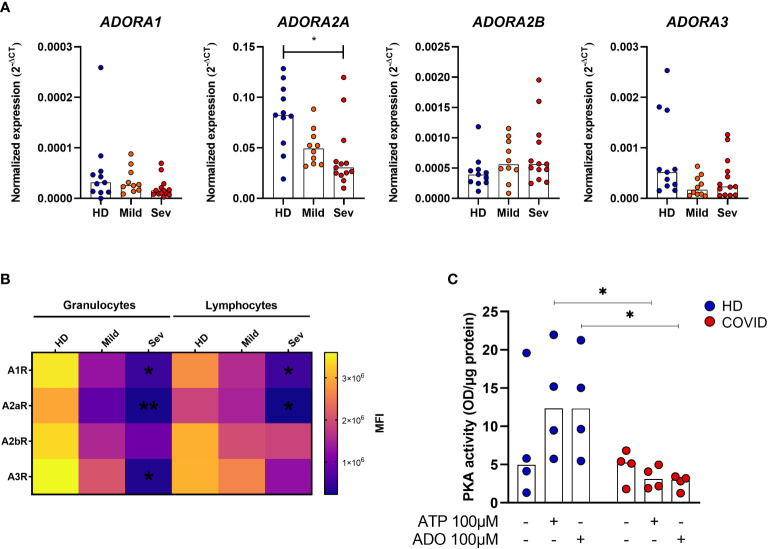
“To explore if this signaling pathway is affected during acute COVID-19, we accessed PKA activation inMNCs from patients and HDs.”
MethodInfluentialKoscsó, B., Csóka, B., Selmeczy, Z., Himer, L., Pacher, P., Virág, L., & Haskó, G. (2012) · The Journal of Immunology · doi:10.4049/jimmunol.1101224 · Cited by 128
Flögel, U., Burghoff, S., van Lent, P. L. E. M., Temme, S., Galbarz, L., Ding, Z., El-Tayeb, A., Huels, S., Bönner, F., Borg, N., et al. (2012) · Science Translational Medicine · doi:10.1126/scitranslmed.3003717 · Cited by 122 · cited 1×
“ADO signals via receptors A1R, A2AR, A2BR, and A3R, and it has been reported that alterations in the expression of these receptors may directly influence the inflammatory response in some pathologies (37, 38).”
BackgroundMatrix metalloproteinases (MMP) 3 and 9 as biomarkers of severity in COVID-19 patients
Gelzo, M., Cacciapuoti, S., Pinchera, B., Rosa, A. D., Cernera, G., Scialò, F., Comegna, M., Mormile, M., Fabbrocini, G., Parrella, R., et al. (2022) · Scientific Reports · doi:10.1038/s41598-021-04677-8 · Cited by 121 · cited 1×
“Moreover, matrix metalloproteinase (MMP-9), which is released by neutrophils during acute lung damage and is elevated in COVID-19 patients’ blood (54, 55), can cleave CD73 from the cellular membrane generating a soluble protein (56, 57).”
BackgroundPurinergic signaling in the modulation of redox biology
Savio, L. E. B., Leite-Aguiar, R., Alves, V. S., Coutinho‐Silva, R., & Wyse, Â. T. D. S. (2021) · Redox Biology · doi:10.1016/j.redox.2021.102137 · Cited by 120 · cited 1×
“It has already been reported that under healthy conditions CD39 is largely expressed on B cells and monocytes, followed by CD4+ T cells and, less significantly, by CD8+ T and NK cells (35).”
BackgroundAdenosine A2Aagonists in development for the treatment of inflammation
Lappas, C. M., Sullivan, G. W., & Linden, J. (2005) · Expert Opinion on Investigational Drugs · doi:10.1517/13543784.14.7.797 · Cited by 118 · cited 1×
“Mechanistically, activation of the cAMP/PKA pathway via ADO receptors inhibits the production of TNF-a, IFN-g, and IL-2 and T cell proliferation (71, 72).”
MethodMMP-2 and MMP-9 levels in plasma are altered and associated with mortality in COVID-19 patients
Mesquita, C. D. A., Couto, A. E. S., Campos, L. C. B., Vasconcelos, T. F., Michelon-Barbosa, J., Corsi, C. A. C., Mestriner, F., Petroski-Moraes, B. C., Garbellini-Diab, M. J., Couto, D. M. S., et al. (2021) · Biomedicine & Pharmacotherapy · doi:10.1016/j.biopha.2021.112067 · Cited by 115 · cited 1×
“Moreover, matrix metalloproteinase (MMP-9), which is released by neutrophils during acute lung damage and is elevated in COVID-19 patients’ blood (54, 55), can cleave CD73 from the cellular membrane generating a soluble protein (56, 57).”
Voelter, W., Zech, K., Arnold, P., & Ludwig, G. (1980) · Journal of Chromatography A · doi:10.1016/s0021-9673(01)91386-x · Cited by 105 · cited 1×
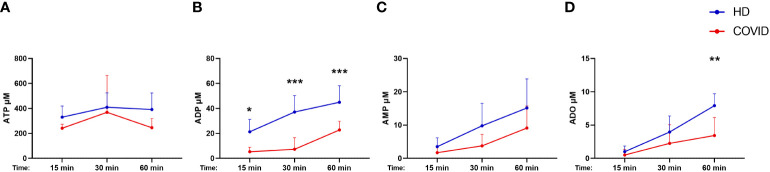
“ATP and ADO levels in plasma were determined by highperformance liquid chromatography (HPLC), as previously described (27).”
MethodHigh risk groups for severe COVID-19 in a whole of population cohort in Australia
Liu, B. C., Spokes, P., He, W., & Kaldor, J. M. (2021) · BMC Infectious Diseases · doi:10.1186/s12879-021-06378-z · Cited by 98 · cited 1×
“Mild and severe COVID-19 patients had underlying medical conditions including hypertension, diabetes, and obesity, consistent with previously published studies (24, 25).”
ResultSchena, F., Volpi, S., Faliti, C. E., Penco, F., Santi, S., Proietti, M., Schenk, U., Damonte, G., Salis, A., Bellotti, M., et al. (2013) · Cell Reports · doi:10.1016/j.celrep.2013.05.022 · Cited by 95 · cited 1×
“In addition, the absence of CD73 and defective activation of the ADO downstream PKA-mediated phosphorylation of activation-induced deaminase (AID) impairs immunoglobulin class switching in human B cells (60, 61).”
BackgroundTargeting the Immunomodulatory CD73/Adenosine System to Improve the Therapeutic Gain of Radiotherapy
de Leve, S., Wirsdörfer, F., & Jendrossek, V. (2019) · Frontiers in Immunology · doi:10.3389/fimmu.2019.00698 · Cited by 95
Guirland, C., Buck, K. B., Gibney, J. A., DiCicco-Bloom, E., & Zheng, J. Q. (2003) · The Journal of Neuroscience · doi:10.1523/jneurosci.23-06-02274.2003 · Cited by 79 · cited 1×
“It is important to mention though that co-treatment with other cAMP inducers, such as the neuropeptide PACAP (80), could result in a more pronounced immunosuppressant effect.”
BackgroundGeneration and Function of Non-cell-bound CD73 in Inflammation
Schneider, E., Rissiek, A., Winzer, R., Puig, B., Rissiek, B., Haag, F., Mittrücker, H., Magnus, T. U., & Tolosa, E. (2019) · Frontiers in Immunology · doi:10.3389/fimmu.2019.01729 · Cited by 79 · cited 2×
“Regardless of the specific mechanism behind this alteration has not been elucidated in detail here, loss of CD73 could contribute to the maintenance of the effector function of T cells by preventing ADO-mediated immunosuppression (53, 57).”
BackgroundAdenosine stimulates CREB activation in macrophages via a p38 MAPK-mediated mechanism
Németh, Z. H., Leibovich, S. J., Deitch, E. A., Sperlágh, B., Virág, L., Vizi, E. S., Szabó, C., & Haskó, G. (2003) · Biochemical and Biophysical Research Communications · doi:10.1016/j.bbrc.2003.11.006 · Cited by 78
Zhang, C., He, H., Wang, L., Zhang, N., Huang, H., Xiong, Q., Yan, Y., Wu, N., Ren, H., Han, H., et al. (2017) · The Journal of Immunology · doi:10.4049/jimmunol.1700187 · Cited by 76 · cited 1×
“In addition, it has been reported that viral infection and the viral load itself might influence the purinergic signaling in different viral infections (17, 18).”
BackgroundIdentification of druggable inhibitory immune checkpoints on Natural Killer cells in COVID-19
Demaria, O., Carvelli, J., Batista, L., Thibult, M., Morel, A., André, P., Morel, Y., Vely, F., & Vivier, É. (2020) · Cellular and Molecular Immunology · doi:10.1038/s41423-020-0493-9 · Cited by 75
Enhanced expression of CD39 and CD73 on T cells in the regulation of anti-tumor immune responses
Shevchenko, I., Mathes, A., Groth, C., Karakhanova, S., Müller, V. A., Utikal, J. S., Werner, J., Bazhin, A. V., & Umansky, V. (2020) · OncoImmunology · doi:10.1080/2162402x.2020.1744946 · Cited by 67
Raczkowski, F., Rissiek, A., Ricklefs, I., Heiß, K., Schumacher, V., Wundenberg, K., Haag, F., Koch‐Nolte, F., Tolosa, E., & Mittrücker, H. (2018) · PLoS ONE · doi:10.1371/journal.pone.0197151 · Cited by 65
Ahmadi, P., Hartjen, P., Kohsar, M., Kummer, S., Schmiedel, S., Bockmann, J., Fathi, A., Huber, S., Haag, F., & Wiesch, J. S. Z. (2020) · Cells · doi:10.3390/cells9081750 · Cited by 63
Zheng, Y., Li, Y., Tang, B., Zhao, Q., Wang, D., Liu, Y., Guo, M., Zhao, S. Q., Qi, Y., Zhang, Y., et al. (2020) · Cancer Immunology Immunotherapy · doi:10.1007/s00262-020-02629-1 · Cited by 57
Purinergic modulation of the immune response to infections
Eberhardt, N., Bergero, G., Mazzocco, Y. L., & Aoki, M. P. (2022) · Purinergic Signalling · doi:10.1007/s11302-021-09838-y · Cited by 50 · cited 1×
“In addition, it has been reported that viral infection and the viral load itself might influence the purinergic signaling in different viral infections (17, 18).”
Backgroundda Silva, G. B., Manica, D., da Silva, A. P., Kosvoski, G. C., Hanauer, M. C., Assmann, C. E., Simões, J. L. B., Pillat, M. M., de Lara, J. D., Marafon, F., et al. (2022) · Journal of Molecular Medicine · doi:10.1007/s00109-022-02185-4 · Cited by 50 · cited 1×
“Like us, others have suggested that increased systemic levels of ATP are likely to be involved in the immunopathogenesis of COVID-19 (62, 63), possibly as consequence of the altered expression of nucleotidases.”
BackgroundTherapeutic effects of adenosine in high flow 21% oxygen aereosol in patients with Covid19-pneumonia
Correale, P., Caracciolo, M., Bilotta, F., Conte, M., Cuzzola, M., Falcone, C., Mangano, C., Falzea, A. C., Iuliano, E., Morabito, A., et al. (2020) · PLoS ONE · doi:10.1371/journal.pone.0239692 · Cited by 41 · cited 1×
“Moreover, preliminary data suggest that inhaled ADO reduces the levels of CRP in the blood while improving oxygenation rates and reduces hospitalization time in patients with COVID-19 (78, 79).”
BackgroundFunctional characterization of P2Y and P2X receptors in human eosinophils
Idzko, M., Dichmann, S., Panther, E., Ferrari, D., Herouy, Y., Virchow, C., Luttmann, W., Virgilio, F. D., & Norgauer, J. (2001) · Journal of Cellular Physiology · doi:10.1002/jcp.1129 · Cited by 40
Alterations in CD39/CD73 axis of T cells associated with COVID‐19 severity
Dorneles, G. P., Teixeira, P. C., da Silva, I. M., Schipper, L. L., Filho, P. S., Rodrigues, L. C., Bonorino, C., Peres, A., Fonseca, S. G., Monteiro, M. C., et al. (2022) · Journal of Cellular Physiology · doi:10.1002/jcp.30805 · Cited by 40 · cited 4×
“However, it has been shown that incubation with plasma from COVID-19 patients inhibits the expression of CD73 in lymphocytes from HDs (21), suggesting the contribution of soluble factors in these alterations besides the virus itself.”
BackgroundResultInfluentialRomão, P. R. T., Teixeira, P. C., Schipper, L. L., da Silva, I., Filho, P. S., Rodrigues, L. C., Peres, A., Fonseca, S. G., Monteiro, M. C., Lira, F. S., et al. (2022) · International Immunopharmacology · doi:10.1016/j.intimp.2022.108697 · Cited by 38
Role of CD39 in COVID-19 Severity: Dysregulation of Purinergic Signaling and Thromboinflammation
Díaz‐García, E., García-Tovar, S., Alfaro, E., Zamarrón, E., Mangas-Moro, A., Galera, R., Ruiz-Hernández, J. J., Solé‐Violán, J., Rodríguez‐Gallego, C., Rym, A. M. V. D., et al. (2022) · Frontiers in Immunology · doi:10.3389/fimmu.2022.847894 · Cited by 37 · cited 1×
“Like us, others have suggested that increased systemic levels of ATP are likely to be involved in the immunopathogenesis of COVID-19 (62, 63), possibly as consequence of the altered expression of nucleotidases.”
BackgroundKim, E.-S., Ackermann, C., Tóth, I., Dierks, P., Eberhard, J. M., Wroblewski, R., Scherg, F., Geyer, M., Schmidt, R. E., Beisel, C., et al. (2017) · Journal of Leukocyte Biology · doi:10.1189/jlb.5a0816-346r · Cited by 36 · cited 1×
“Similar results were already reported in patients infected with HIV andHBV, where the compromised generation of ADO is claimed to favor inflammatory responses and immune activation (15, 16, 59).”
ResultZhou, S.-N., Zhang, N., Liu, H., Xia, P., Zhang, C., Song, J., Fan, X., Shi, M., Jin, L., Zhang, J., et al. (2020) · Gastroenterology report · doi:10.1093/gastro/goaa048 · Cited by 33 · cited 1×
“Similar results were already reported in patients infected with HIV andHBV, where the compromised generation of ADO is claimed to favor inflammatory responses and immune activation (15, 16, 59).”
ResultEfficacy and Effect of Inhaled Adenosine Treatment in Hospitalized COVID-19 Patients
Caracciolo, M., Correale, P., Mangano, C., Foti, G., Falcone, C., Macheda, S., Cuzzola, M., Conte, M., Falzea, A. C., Iuliano, E., et al. (2021) · Frontiers in Immunology · doi:10.3389/fimmu.2021.613070 · Cited by 32 · cited 1×
“Moreover, preliminary data suggest that inhaled ADO reduces the levels of CRP in the blood while improving oxygenation rates and reduces hospitalization time in patients with COVID-19 (78, 79).”
BackgroundZacca, E. R., Vesely, M. C. A., Ferrero, P. V., Acosta, C. D. V., Ponce, N. E., Bossio, S., Mussano, E. D., Onetti, L. B., Cadile, I. I., Rodríguez, E. V. A., et al. (2020) · Journal of Molecular Biology · doi:10.1016/j.jmb.2020.10.021 · Cited by 30
Marimuthu, A. K., Anandhan, M., Sundararajan, L., Chandrasekaran, J., & Ramakrishnan, B. (2021) · Lung India · doi:10.4103/lungindia.lungindia_935_20 · Cited by 23
Zhang, W., Zhou, S., Liu, G., Kong, F., Chen, S., & Yan, H. (2018) · Purinergic Signalling · doi:10.1007/s11302-018-9628-1 · Cited by 16
Chang, W.-X., Huang, H.-H., Huang, L., Shi, J., Jiao, Y., Zhang, C., Jin, L., Yang, T., Shi, M., Tu, B., et al. (2019) · Translational Medicine Communications · doi:10.1186/s41231-019-0033-8 · Cited by 16 · cited 1×
“Similar results were already reported in patients infected with HIV andHBV, where the compromised generation of ADO is claimed to favor inflammatory responses and immune activation (15, 16, 59).”
ResultNonproductive exposure of PBMCs to SARS‐CoV‐2 induces cell‐intrinsic innate immune responses
Kazmierski, J., Friedmann, K., Postmus, D., Emanuel, J., Fischer, C., Jansen, J., Richter, A. M., de Jarcy, L. B., Schüler, C., Sohn, M., et al. (2022) · Molecular Systems Biology · doi:10.15252/msb.202210961 · Cited by 16
Self-citationSARS-CoV-2-associated ssRNAs activate inflammation and immunity via TLR7/8Preprint
Salvi, V., Nguyen, H. O., Sozio, F., et al. (2021) · bioRxiv (Cold Spring Harbor Laboratory) · doi:10.1101/2021.04.15.439839 · Cited by 15
Downregulation of CD73 on CD4+ T cells from patients with chronic Chikungunya infection
Palmeira, P. H. D. S., Gois, B. M., Guerra‐Gomes, I. C., Peixoto, R. F., Dias, C. N. D. S., de Araújo, J. M. G., do Amaral, I. P. G., & Keesen, T. S. L. (2022) · Human Immunology · doi:10.1016/j.humimm.2022.01.006 · Cited by 7
Non-productive exposure of PBMCs to SARS-CoV-2 induces cell-intrinsic innate immunity responsesPreprint
Kazmierski, J., Friedmann, K., Postmus, D., Fischer, C., Jansen, J., Richter, A. M., de Jarcy, L. B., Schüler, C., Sohn, M., Sauer, S., et al. (2022) · bioRxiv (Cold Spring Harbor Laboratory) · doi:10.1101/2022.02.15.480527 · Cited by 2 · cited 2×
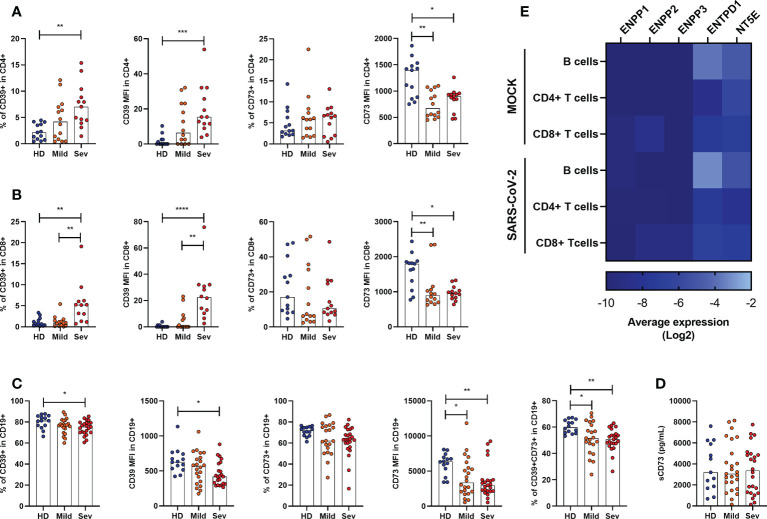
“(28) recently performed single cells RNASeq experiments investigating the global transcriptional profile of PBMCs from HDs exposed in vitro to SARS-CoV-2 for 24h (data accessible at NCBI Gene Expression Omnibus [GEO] accession GSE197665 (28)).”
Self-citationMann, B. J., Chhabra, P., Ma, M., Brovero, S. G., Jones, M., Linden, J. M., & Brayman, K. L. (2022) · bioRxiv (Cold Spring Harbor Laboratory) · doi:10.1101/2022.02.25.481997 · Cited by 1 · cited 1×
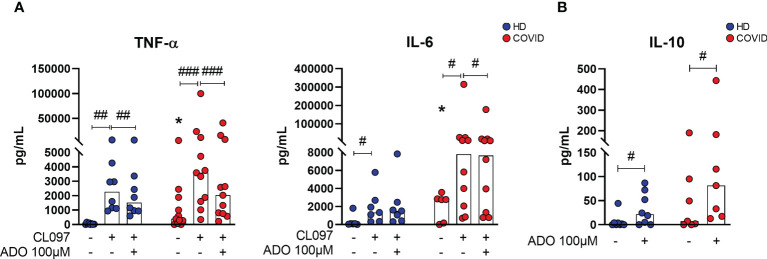
“In fact, it has been reported that ADO reduces NFkB activation in T cells and monocytes of COVID-19 patients in vitro (21), and the administration of an A2aR agonist attenuated the production of pro-inflammatory cytokines in SARS-CoV-2 mice infection model (77).”
Background
Research works printed but not linked: 1
- WHO. COVID-19 therapeutic trial synopsis. (Switzerland: World Health Organization) (2020).
Cited by
Alegre, G. F. S., & Pastore, G. M. (2023) · Current Nutrition Reports · doi:10.1007/s13668-023-00475-y · Cited by 101
Elsaghir, A., El-Sabaa, E. M. W., Zahran, A. M., Mandour, S. A., Salama, E. H. A., Aboulfotuh, S., El-morshedy, R. M., Tocci, S., Mandour, A., Ali, W. E., et al. (2023) · International Journal of Molecular Sciences · doi:10.3390/ijms242417614 · Cited by 22
Chang, Y.-Y., & Wei, A. (2024) · PLoS ONE · doi:10.1371/journal.pone.0297664 · Cited by 16
Elsaghir, A., El-Sabaa, E. M. W., Ahmed, A. K., Abdelwahab, S. F., Sayed, I. M., & El‐Mokhtar, M. A. (2023) · Pathogens · doi:10.3390/pathogens12020279 · Cited by 14
Editorial: Hypoxia and inflammation: A two-way street
Saas, P., & Fan, G. (2023) · Frontiers in Immunology · doi:10.3389/fimmu.2023.1171116 · Cited by 13
“These results are recently confirmed by others (3, 4).”
Result
Metadata
- Authors
- Pietrobon, A. J., Andrejew, R., Custódio, R. W. A., Oliveira, L. D. M., Scholl, J. N., Teixeira, F. M. E., de Brito, C. A., Glaser, T., Kazmierski, J., Goffinet, C., Turdo, A. C., Yendo, T., Aoki, V., Figueiró, F., Battastini, A. M., Ulrich, H., Benard, G., Duarte, A. J. D. S., & Sato, M. N.
- Affiliations
- Universidade de São Paulo (BR)
- Universidade Federal do Rio Grande do Sul (BR)
- Berlin Institute of Health at Charité - Universitätsmedizin Berlin (DE)
- Corresponding author
- Sato, Maria Notomi
- ORCID
- Venue
- Frontiers in Immunology
- Publisher
- Frontiers Media SA
- Published
- 2022-09-30
- Volume
- 13
- Pages
- 1012027-1012027
- ISSN
- 1664-3224 (ISSN-L)
- PMC
- PMC9562777
- OpenAlex
- W4298140749
- Cited by
- 23
- References
- 81
- Citations by year
- 2026: 1 · 2025: 1 · 2024: 10 · 2023: 9 · 2022: 2
- FWCI
- 3.51
- Type
- journal article
- Language
- en
- Open access
- gold
- doi.org
- Licence
- Locations
- Frontiers in Immunology (publishedVersion, cc-by)
- PubMed Central (publishedVersion, cc-by)
- PubMed (publishedVersion)
- DOAJ (DOAJ: Directory of Open Access Journals) (submittedVersion, cc-by-sa)
- LA Referencia (Red Federada de Repositorios Institucionales de Publicaciones Científicas) (submittedVersion, cc-by-nc-sa)
- Funders
- Fundação de Amparo à Pesquisa do Estado de São Paulo (2020/13148-0, 2018/07366-4)
- Coordenação de Aperfeiçoamento de Pessoal de Nível Superior (88887.503842/2020-00)
- Conselho Nacional de Desenvolvimento Científico e Tecnológico
- Topics
- Life Sciences › Biochemistry, Genetics and Molecular Biology › Physiology › Adenosine and Purinergic Signaling
- Health Sciences › Medicine › Infectious Diseases › COVID-19 Clinical Research Studies
- Life Sciences › Biochemistry, Genetics and Molecular Biology › Molecular Biology › Biochemical and Molecular Research
- Keywords
- COVID-19 pandemic, disease severity, purinergic signaling, adenosine, extracellular ATP, ectonucleotidases, CD39, CD73, B cells, adenosine receptors, C-reactive protein, inflammation, immunopathogenesis, nucleotide metabolism
- MeSH terms
- COVID-19, Adenosine, Adenosine Diphosphate, Adenosine Triphosphate, Humans, Purines, Severity of Illness Index, Signal Transduction
About these checks
Registry, retraction, Cites and statistics results are computed, not judged, with one exception: a printed reference that no index lists is read once by a model before it counts as a citation error. Claims are extracted by a model and kept only when their quote appears verbatim in the text; each cited source is then checked, with a model’s help, for whether it says what the claim relies on. Those verdicts can be wrong — read the claim’s quote and the cited source before relying on one.
Statistics and arithmetic are recomputed, not judged.
Confidence bands are shown only for fields calibrated on our annotated test set. None is calibrated yet, so no band is shown.
What counts as a claim ›How we measure confidence ›How we check this ›
Are you an author, or do you see a problem with this page? Request a review
Data sources
Bibliographic data: Semantic Scholar, OpenAlex, Crossref.
Contains information from the Semantic Scholar Academic Graph Datasets, made available under the ODC Attribution License (ODC-BY 1.0).
Semantic Scholar’s data is described in: Kinney, R., et al. (2023). The Semantic Scholar Open Data Platform. arXiv:2301.10140.
