

Potential of Spirulina platensis as a feed supplement for poultry to enhance growth performance and immune modulation
Open accessThe DOI matches its Crossref record; 80 of the 92 references it cites were found in a registry or an index, and 7 are not checked yet; 13 of the 46 sources its claims cite were checked for support.
Abstract
Increase in drug resistance as well as ineffective immunization efforts against various pathogens (viruses, bacteria and fungi) pose a significant threat to the poultry industry. Spirulina is one of the most widely used natural ingredients which is becoming popular as a nutritional supplement in humans, animals, poultry and aquaculture. It contains protein, vitamins, minerals, fatty acids, pigments, and essential amino acids. Moreover, it also has considerable quantities of unique natural antioxidants including polyphenols, carotenoids, and phycocyanin. Dietary supplementation of Spirulina can beneficially affect gut microbial population, serum biochemical parameters, and growth performance of chicken. Additionally, it contains polyphenolic contents having antibacterial effects. Spirulina extracts might inhibit bacterial motility, invasion, biofilm formation, and quorum sensing in addition to acting directly on the bacterium by weakening and making the bacterial cell walls more porous, subsequently resulting in cytoplasmic content leakage. Additionally, Spirulina has shown antiviral activities against certain common human or animal viruses and this capability can be considered to exhibit potential benefits against avian viruses also. Spirulan, a calcium-rich internal polysaccharide of Spirulina, is potentially responsible for its antiviral effect through inhibiting the entry of several viruses into the host cells, boosting the production of nitric oxide in macrophages, and stimulating the generation of cytokines. Comparatively a greater emphasis has been given to the immune modulatory effects of Spirulina as a feed additive in chicken which might boost disease resistance and improve survival and growth rates, particularly under stress conditions. This manuscript reviews biological activities and immune-stimulating properties of Spirulina and its potential use as a dietary supplement in poultry to enhance growth, gut health and disease resistance.
Verified 2026-11-22 · 7 references not checked yet
Overview
CoChat Summary
## TL;DR
This is a narrative review of studies on *Spirulina platensis* as a poultry feed additive, arguing that it can improve growth, antioxidant status, immunity, and resistance to pathogens. The paper also notes that optimal doses, extract types, and production/processing constraints still need more research.
## Key findings
- Spirulina supplementation was reported to improve growth-related outcomes in several poultry studies, including higher body weight gain, better feed conversion ratio (FCR), improved European Production Efficiency values, and lower abdominal fat; for example, drinking-water supplementation at 0.5, 1, and 2 g/L for 4 weeks improved body weight gain and chick viability, and 10 g/kg diet increased body weight gain in Cobb broilers over 35 days.
- Immune measures often increased with Spirulina: the paper reports higher thymus, bursa, and spleen weights in some broiler diets; increased macrophage phagocytic activity; and stronger antibody responses, including a secondary anti-SRBC titer of 6.8 Log2 in the 10,000 ppm group versus 5.5 Log2 in the 0 ppm group.
- Antioxidant and biochemical markers improved in some studies: Spirulina increased total antioxidant capacity and T4 in growing Japanese quail chicks, while reducing plasma cholesterol, total lipids, ALP, ALT, and AST; it also stimulated antioxidant enzymes and reduced lipid peroxidation and DNA damage.
- Anti-pathogenic effects were described against viruses, bacteria, fungi, and toxins; the paper states that ethanolic Spirulina extract reduced infectious units of several viruses by 50%–76.7% in vitro, and in broilers infected with H5N1 avian influenza, 20% spirulina prevented mortality versus 30% death in the non-supplemented group.
## Methods
- This is a narrative review, not an original experimental study; it synthesizes previously published poultry and related animal/human studies on Spirulina’s growth, immune, antioxidant, and anti-pathogenic effects.
- The evidence base includes broilers, laying hens, Japanese quails, K-strain White Leghorns, and in ovo, dietary, and drinking-water interventions across multiple doses and durations reported from prior studies.
- The analysis is descriptive and comparative across studies, with no meta-analysis or new statistical model reported in the text provided.
## Limitations
- The paper explicitly states that further studies are needed on the optimum Spirulina dose for different poultry species, age groups, and production systems, as well as on the type of Spirulina extract used (organic or aqueous).
- The paper explicitly notes challenges of high cost, limited large-scale production, and the need to improve digestibility and sustainability of Spirulina production.
- Evident from the text: many conclusions are drawn from heterogeneous studies with different species, doses, and outcomes, and the paper does not present a systematic review protocol or pooled quantitative estimate.
Model-written summary. Check it against the paper before relying on it.
Integrity signals
Registry
Cites
Statistics
Figures
Verification
Claims the paper makes
9 Valid · 3 Not valid · 10 Not checked · 4 Own results and interpretations
The cited sources support only part of this claim — read each source’s verdict below.
In the paper
“Moreover, it also has considerable quantities of unique natural antioxidants including polyphenols, carotenoids, and phycocyanin.”
§ Potential of Spirulina platensis as a feed supplement for poultry to enhance growth performance and immune modulation > Abstract Increase in drug resistance as well as ineffective immunization efforts against various pathogens (viruses, bacteria and fungi) pose a significant threat to the poultry industry. Spirulina is one of the most widely used natural ingredients which is becoming popular as a nutritional supplement in humans, animals, poultry and aquaculture. It contains protein, vitamins, minerals, fatty acids, pigments, and essential amino acids. Moreover, it also has considerable quantities of unique natural antioxidants including polyphenols, carotenoids, and phycocyanin. Dietary supplementation of Spirulina can beneficially affect gut microbial population, serum biochemical parameters, and growth performance of chicken. Additionally, it contains polyphenolic contents having antibacterial effects. Spirulina extracts might inhibit bacterial motility, invasion, biofilm formation, and quorum sensing in addition to acting directly on the bacterium by weakening and making the bacterial cell walls more porous, subsequently resulting in cytoplasmic content leakage. Additionally, Spirulina has shown antiviral activities against certain common human or animal viruses and this capability can be considered to exhibit potential benefits against avian viruses also. Spirulan, a calcium-rich internal polysaccharide of Spirulina, is potentially responsible for its antiviral effect through inhibiting the entry of several viruses into the host cells, boosting the production of nitric oxide in macrophages, and stimulating the generation of cytokines. Comparatively a greater emphasis has been given to the immune modulatory effects of Spirulina as a feed additive in chicken which might boost disease resistance and improve survival and growth rates, particularly under stress conditions. This manuscript reviews biological activities and immune-stimulating properties of Spirulina and its potential use as a dietary supplement in poultry to enhance growth, gut health and disease resistance.
What the sources say
- Not checked — no full text of the sourcecites [4] Farag MR Mahmoud A Mohamed Ezzat Abd E-H Kuldeep D. Nutritional and healthical aspects of spirulina (Arthrospira) for poultry. Anim Human. Int J Pharmacol (2016) 12: 36– 51. doi: 10.3923/ijp.2016.36.51 source
- Not checked — no full text of the sourcecites [10] Ghaeni M Roomiani L. Review for application and medicine effects of spirulina, Spirulina platensis microalgae. J Advanced Agric Technol (2016) 3 (2). doi: 10.18178/joaat.3.2.114-117 source
- Partly supportedcites [11] Maoka T. Carotenoids in marine animals. Mar Drugs (2011) 9: 278–93. doi: 10.3390/md9020278 PMC3093257 21566799 sourceExperimental — accuracy not yet measured
Section 10 (page not provided) identifies zeaxanthin from spirulina and says carotenoids have antioxidative activity. It does not establish that spirulina contains considerable quantities of antioxidants or address its polyphenols or phycocyanin. (LLM, conf=0.88)
plain- Asserted: passes — The authors put it forward as true.
- Checkable: passes — It can be checked against evidence.
- Load-bearing: unclear — It is unclear whether the paper’s conclusions depend on it.
- Based: passes — The paper gives a reason why it holds.
The cited sources support only part of this claim — read each source’s verdict below.
In the paper
“It contains protein, vitamins, minerals, fatty acids, pigments, and essential amino acids.”
§ Potential of Spirulina platensis as a feed supplement for poultry to enhance growth performance and immune modulation > Abstract Increase in drug resistance as well as ineffective immunization efforts against various pathogens (viruses, bacteria and fungi) pose a significant threat to the poultry industry. Spirulina is one of the most widely used natural ingredients which is becoming popular as a nutritional supplement in humans, animals, poultry and aquaculture. It contains protein, vitamins, minerals, fatty acids, pigments, and essential amino acids. Moreover, it also has considerable quantities of unique natural antioxidants including polyphenols, carotenoids, and phycocyanin. Dietary supplementation of Spirulina can beneficially affect gut microbial population, serum biochemical parameters, and growth performance of chicken. Additionally, it contains polyphenolic contents having antibacterial effects. Spirulina extracts might inhibit bacterial motility, invasion, biofilm formation, and quorum sensing in addition to acting directly on the bacterium by weakening and making the bacterial cell walls more porous, subsequently resulting in cytoplasmic content leakage. Additionally, Spirulina has shown antiviral activities against certain common human or animal viruses and this capability can be considered to exhibit potential benefits against avian viruses also. Spirulan, a calcium-rich internal polysaccharide of Spirulina, is potentially responsible for its antiviral effect through inhibiting the entry of several viruses into the host cells, boosting the production of nitric oxide in macrophages, and stimulating the generation of cytokines. Comparatively a greater emphasis has been given to the immune modulatory effects of Spirulina as a feed additive in chicken which might boost disease resistance and improve survival and growth rates, particularly under stress conditions. This manuscript reviews biological activities and immune-stimulating properties of Spirulina and its potential use as a dietary supplement in poultry to enhance growth, gut health and disease resistance.
What the sources say
- Not checked — no full text of the sourcecites [5] Habib MAB Parvin M Huntington TC Hasan MR.. A review on culture, production and use of spirulina as food for humans and feeds for domestic animals and fish. In: FAO Fisheries and Aquaculture Circular Rome: Food and agrculture organization of the United States Nations (2008), 1034.
- Partly supportedcites [6] Alvarenga RR Rodrigues PB Cantarelli V Zangeronimo MG Da Silva Junior JW Da Silva LR. Energy values and chemical composition of spirulina (Spirulina platensis) evaluated with broilers. Braz J Anim. Sci (2011) 40: 992–6. doi: 10.1590/S1516-35982011000500008 sourceExperimental — accuracy not yet measured
The Introduction describes spirulina as rich in protein, vitamins and minerals. Results and Discussion says it contains all essential amino acids and antioxidant carotenoids, supporting the pigment component. The paper measures lipid content but does not identify fatty acids, so that part of the claim is not established by our copy. (LLM, conf=0.83)
- Not checked — no full text of the sourcecites [7] Zahroojian N Moravej H Shivazad M. Effects of dietary marine algae (Spirulina platensis) on egg quality and production performance of laying hens. J Agric Sci Technol (2013) 15: 1353–60.
- Not checked — no full text of the sourcecites [10] Ghaeni M Roomiani L. Review for application and medicine effects of spirulina, Spirulina platensis microalgae. J Advanced Agric Technol (2016) 3 (2). doi: 10.18178/joaat.3.2.114-117 source
- Not checked — no full text of the sourcecites [15] Eriksen NT. Production of phycocyanin - a pigment with applications in biology, biotechnology, foods and medicine. Appl Microbiol Biotechnol (2008) 80: 1– 14. doi: 10.1007/s00253-008-1542-y 18563408 source
plain- Asserted: passes — The authors put it forward as true.
- Checkable: passes — It can be checked against evidence.
- Load-bearing: unclear — It is unclear whether the paper’s conclusions depend on it.
- Based: passes — The paper gives a reason why it holds.
Every source the paper cites for this claim was checked and supports it.
In the paper
“Spirulina’s bioactive ingredients have shown to weaken bacterial cell walls making it more permeable, that subsequently led to leakage of cytoplasmic contents (65).”
§ Potential of Spirulina platensis as a feed supplement for poultry to enhance growth performance and immune modulation > Anti-pathogenic effects of Spirulina platensis
What the sources say
- Supportedcites [65] Abdel-Moneim EA-M Mohamed TE-S Abdelrazeq MS Ahmed MS Aldhumri SA Ouda SM. Antioxidant and antimicrobial activities of Spirulina platensis extracts and biogenic selenium nanoparticles against selected pathogenic bacteria and fungi. Saudi J Biol Sci (2021) 29(2): 1319– 562X. doi: 10.1016/j.sjbs.2021.09.046 PMC8848030 35197787 source
The Discussion section, under “Antimicrobial activity of Spirulina,” states that Spirulina bioactive compounds can impair bacterial cell integrity and increase permeability, leading to cytoplasmic content leakage. This directly supports the cited mechanism, though the passage describes it as a possible action rather than a mechanism demonstrated by the study’s experiments. (LLM, conf=0.93)
plainstates a cause- Asserted: passes — The authors put it forward as true.
- Checkable: passes — It can be checked against evidence.
- Load-bearing: unclear — It is unclear whether the paper’s conclusions depend on it.
- Based: passes — The paper gives a reason why it holds.
- Supported
The cited sources support only part of this claim — read each source’s verdict below.
In the paper
“Additionally, it has been observed that these microalgae have a high nutrient digestibility that was superior or equivalent to that of other vegetable diets and feeds (6, 8).”
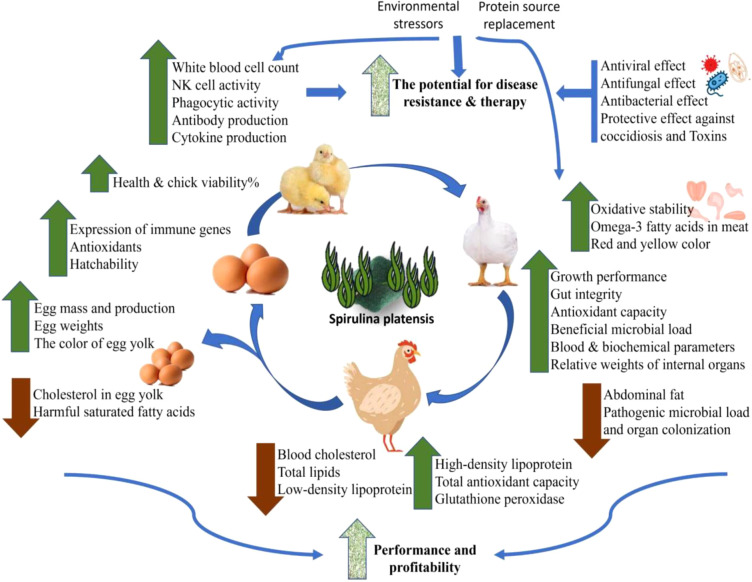
§ Potential of Spirulina platensis as a feed supplement for poultry to enhance growth performance and immune modulation > Introduction Numerous diseases continue to occur in the poultry industry despite the widespread use of vaccines and medications, resulting in financial losses. For instance, avian viral infections such as avian influenza (AI), infectious bronchitis (IB), infectious bursal disease (IBD), and Newcastle disease (ND) lead to significant economic losses, particularly in broilers, due to respiratory distress, increased mortality, reduced growth, and immunological suppression (1). The same is true for coccidiosis and bacterial infections like Salmonella, E. coli, etc. Until the emergence of resistant strains, chemical antimicrobials and antiprotozoals successfully inhibited and suppressed bacteria and protozoa. So there is a persistent need to use natural substances to address this issue. Algae, for instance, is a source of vital biological useful components, making the use of natural habitats as a source of these chemicals a viable strategy for creating innovative cuisines (2, 3). One of the greatest sources for organic nutrients among edible algae is the microscopic blue-green alga Spirulina (Arthrospira), which is used as a nutritional supplement for both human and animal feed globally (4). Spirulina platensis is a filamentous commercial cyanobacterium that is utilized as dietary and feed supplement in humans, aquaculture, livestock and poultry industry. Spirulina can grow in both saline and fresh water, and it is semi- and mass-cultivated in several countries. Dried spirulina is a rich nutritional source, with a high protein content (260-770 g/kg) representing 70% dry weight and a large fat content (10-140 g/kg) (5–7). Additionally, it has been observed that these microalgae have a high nutrient digestibility that was superior or equivalent to that of other vegetable diets and feeds (6, 8). Therefore, Spirulina has the potential to partially replace the traditional protein sources, particularly soybean meal (9). Oleic acid, linoleic acid, gamma-linolenic acid, docosahexaenoic acid (DHA), sulfolipids, and glycolipids are among the many polyunsaturated fatty acids found in spirulina, in addition to Omega-3 and -6 polyunsaturated fatty acids that are abundant in spirulina (25% and 60% of the total fatty acids) (5, 10). Spirulina also contains pigments, such as carotenoids (4000 mg/kg), which include β-carotene and zeaxanthin (10, 11), and chlorophyll pigments (12–14). Phycobiliproteins (15), vitamins (16), and macro- and micromineral components like calcium, iron, magnesium, manganese, potassium, zinc, and selenium are also found in spirulina (10, 17). Moreover, polysaccharides, pro-vitamin A, vitamin E, vitamin K and various B vitamins (10) as well as antioxidants are also important constituents of spirulina (18). Spirulina is used as a dietary additive in a wide variety of food products due to its exceptional and impressive nutrient composition. This helps to improve the nutritional qualities of the products, as well as their potential to improve reproductive and productive performance, general health, and the symptoms of various animal diseases like arthritis, diabetes, anaemia, hypertension, and cardiovascular disorders. Spirulina are strong contenders as an alternative to antibiotics in chicken feed. These substances exhibited potential medicinal properties like antimicrobial, antioxidant, anti-cancer, anti-inflammatory, immune-enhancing, and colourants (18–20) in addition to their metalloprotective, radioprotective, and hypocholesterolemic effects (4, 10). Additionally, Spirulina (SPA) with antiviral properties has shown to strengthen the immune system, and its rich nutritional profile promoted growth performance by improving the intestinal villi length and number of the epithelial cells particlulary goblet cells (21). For a sustainable and feasible future of food security, spirulina is becoming a more affordable method of increasing poultry output (9). Here, therapeutic and immune-stimulating benefits of Spirulina were reviewed from another angle in case they could actually be used as nutritional supplement with antibiotic or vaccine to fight off various diseases of chicken ( Figure 1 ).
What the sources say
- Partly supportedcites [6] Alvarenga RR Rodrigues PB Cantarelli V Zangeronimo MG Da Silva Junior JW Da Silva LR. Energy values and chemical composition of spirulina (Spirulina platensis) evaluated with broilers. Braz J Anim. Sci (2011) 40: 992–6. doi: 10.1590/S1516-35982011000500008 sourceExperimental — accuracy not yet measured
The Results and Discussion (page unavailable in our copy) describe spirulina’s nutrient and energy metabolizability coefficients as satisfactory and report higher apparent metabolizable energy than soybean meal in broilers. They do not establish that spirulina’s nutrient digestibility is superior or equivalent to that of vegetable diets and feeds generally; higher nutrient content or metabolizable energy is not itself a digestibility comparison. (LLM, conf=0.84)
- Not checked — no full text of the sourcecites [8] Plaza M Herrero M Cifuentes A Ibanez E. Innovative natural functional ingredients from microalgae. J Agric Food Chem (2009) 57: 7159–70. doi: 10.1021/jf901070g 19650628 source
plain- Asserted: passes — The authors put it forward as true.
- Checkable: passes — It can be checked against evidence.
- Load-bearing: unclear — It is unclear whether the paper’s conclusions depend on it.
- Based: passes — The paper gives a reason why it holds.
- Partly supported
The sources with a verdict support this claim; the rest weren’t checked yet, have no full text we could read, or their verdicts aren’t rated yet.
In the paper
“Additionally, Spirulina has shown antiviral activities against certain common human or animal viruses and this capability can be considered to exhibit potential benefits against avian viruses also.”
§ Potential of Spirulina platensis as a feed supplement for poultry to enhance growth performance and immune modulation > Abstract Increase in drug resistance as well as ineffective immunization efforts against various pathogens (viruses, bacteria and fungi) pose a significant threat to the poultry industry. Spirulina is one of the most widely used natural ingredients which is becoming popular as a nutritional supplement in humans, animals, poultry and aquaculture. It contains protein, vitamins, minerals, fatty acids, pigments, and essential amino acids. Moreover, it also has considerable quantities of unique natural antioxidants including polyphenols, carotenoids, and phycocyanin. Dietary supplementation of Spirulina can beneficially affect gut microbial population, serum biochemical parameters, and growth performance of chicken. Additionally, it contains polyphenolic contents having antibacterial effects. Spirulina extracts might inhibit bacterial motility, invasion, biofilm formation, and quorum sensing in addition to acting directly on the bacterium by weakening and making the bacterial cell walls more porous, subsequently resulting in cytoplasmic content leakage. Additionally, Spirulina has shown antiviral activities against certain common human or animal viruses and this capability can be considered to exhibit potential benefits against avian viruses also. Spirulan, a calcium-rich internal polysaccharide of Spirulina, is potentially responsible for its antiviral effect through inhibiting the entry of several viruses into the host cells, boosting the production of nitric oxide in macrophages, and stimulating the generation of cytokines. Comparatively a greater emphasis has been given to the immune modulatory effects of Spirulina as a feed additive in chicken which might boost disease resistance and improve survival and growth rates, particularly under stress conditions. This manuscript reviews biological activities and immune-stimulating properties of Spirulina and its potential use as a dietary supplement in poultry to enhance growth, gut health and disease resistance.
What the sources say
- Supportedcites [58] Chen YH Chang GK Kuo SM Huang SY Hu IC Lo YL. Well-tolerated spirulina extract inhibits influenza virus replication and reduces virus-induced mortality. Sci Rep (2016) 6: 24253. doi: 10.1038/srep24253 27067133 PMC4828654 source
The Discussion reports antiviral activity of Spirulina-derived substances against several viruses, including influenza A, HIV-1 and HSV-1. The Results also report that the extract inhibited replication across a broad range of influenza strains. The suggestion about potential benefits against avian viruses is the citing authors’ inference, not a finding attributed to this source. (LLM, conf=0.91)
- Not checked — no full text of the sourcecites [59] El-Baz FK El-Senousy WM El-Sayed AB Kamel MM. In vitro antiviral and antimicrobial activities of Spirulina platensis extract. J Appl Pharm Sci (2013) 3: 52–6. doi: 10.7324/JAPS.2013.31209 doi:10.7324/japs.2013.31209
- Not checked — no full text of the sourcecites [60] Hayashi T Hayashi K Maeda M Kojima I. Calcium spirulan, an inhibitor of enveloped virus replication, from a blue-green alga Spirulina platensis. J Nat Prod (1996) 59: 83–7. doi: 10.1016/j.intimp.2005.09.009 8984158 source
plainstates a possible cause- Asserted: passes — The authors put it forward as true.
- Checkable: passes — It can be checked against evidence.
- Load-bearing: passes — The paper’s conclusions depend on it.
- Based: passes — The paper gives a reason why it holds.
- Supported
6 more claims · 2 with their cited sources checked
Create a free account to see all 26 claims and to verify the 1 reference still open.
- Probably not a substantial claim. 3
- It may state two separate claims as one. 12
- The quote only partly states this claim. 2
Claims other papers make about this one
Each is checked against this paper’s own text: does it say what the citing paper says it does?
The cited source says what the claim attributes to it.
In the citing paper
“Spirulina has demonstrated numerous benefits for poultry, including a decreased cholesterol, an improved growth performance, and an enhanced immune system, among others [77].”
From Emerging Applications of Chlorella sp. and Spirulina (Arthrospira) sp. (2023) · cites this paper as [77]
Self-check
Percentages, sums and reported differences re-computed from the paper’s own numbers.
Self-check results appear here once an independent check has confirmed them.
Cited works that were retracted
Works this paper cites that were later retracted, from the retraction notices publishers deposit. Major when the notice came out before this paper was published.
Rated major: it would touch a result — a value a result rests on, reported and recomputed p-values on opposite sides of the significance level, two passages that conflict with no sign which is right, or a cited work retracted before this paper was published.
In the paper
“It was reported that a calcium-rich intracellular polysaccharide called spirulan found in Spirulina platensis prevents multiple viruses from replicating in vitro by preventing the virus’ entry into the various host cells that are being utilized (60, 61), increases macrophage nitric oxide synthesis and stimulates cytok…”
Cited work 10.1016/j.intimp.2005.09.009 · retracted 2021-07-22 · notice 10.1016/j.intimp.2021.107981 · this paper published 2023-01-31
Citations
Cites
1 retracted
Hayashi (1996) · doi:10.1016/j.intimp.2005.09.009 · Cited by 60 · cited 1×
“It was reported that a calcium-rich intracellular polysaccharide called spirulan found in Spirulina platensis prevents multiple viruses from replicating in vitro by preventing the virus’ entry into the various host cells that are being utilized (60, 61), increases macrophage nitric oxide synthesis and stimulates cytok…”
BackgroundRetractedCommercial Applications of Microalgae
Spolaore, P., Joannis-Cassan, C., Duran, E., & Isambert, A. (2006) · Journal of Bioscience and Bioengineering · doi:10.1263/jbb.101.87 · Cited by 4,285 · cited 1×
“Phycobiliproteins (15), vitamins (16), and macroand micromineral components like calcium, iron, magnesium, manganese, potassium, zinc, and selenium are also found in spirulina (10, 17).”
BackgroundMicro-algae as a source of protein
Becker, E. W. (2007) · Biotechnology Advances · doi:10.1016/j.biotechadv.2006.11.002 · Cited by 2,311
Microalgae: biotechnology and microbiology
(1994) · Choice Reviews Online · doi:10.5860/choice.32-0920 · Cited by 1,130
Lordan, S., Ross, R. P., & Stanton, C. (2011) · Marine Drugs · doi:10.3390/md9061056 · Cited by 748
Production of phycocyanin—a pigment with applications in biology, biotechnology, foods and medicine
Eriksen, N. T. (2008) · Applied Microbiology and Biotechnology · doi:10.1007/s00253-008-1542-y · Cited by 714 · cited 1×
“Phycobiliproteins (15), vitamins (16), and macroand micromineral components like calcium, iron, magnesium, manganese, potassium, zinc, and selenium are also found in spirulina (10, 17).”
BackgroundNutritional and therapeutic potential of spirulina
Khan, Z., Bhadouria, P., & Bisen, P. (2005) · Current Pharmaceutical Biotechnology · doi:10.2174/138920105774370607 · Cited by 524 · cited 1×
“Because microalgae are a significant source of C-phycocyanin, an antioxidant pigment with hypolipidemic activity, birds fed Spirulina showed improved antioxidant activity, which is another benefit of Spirulina feed (45, 46).”
BackgroundInnovative natural functional ingredients from microalgae
Plaza, M., Herrero, M., Cifuentes, A., & Ibáñez, E. (2009) · Journal of Agricultural and Food Chemistry · doi:10.1021/jf901070g · Cited by 509 · cited 1×
“Additionally, it has been observed that these microalgae have a high nutrient digestibility that was superior or equivalent to that of other vegetable diets and feeds (6, 8).”
BackgroundComparison of microalgal biomass profiles as novel functional ingredient for food products
Batista, A. P., Gouveia, L., Bandarra, N. M., Franco, J. M., & Raymundo, A. (2013) · Algal Research · doi:10.1016/j.algal.2013.01.004 · Cited by 450
Food commodities from microalgae
Draaisma, R. B., Wijffels, R. H., (Ellen) Slegers, P., Brentner, L. B., Roy, A., & Barbosa, M. J. (2013) · Current Opinion in Biotechnology · doi:10.1016/j.copbio.2012.09.012 · Cited by 432
Research works printed but not linked: 9
- Deepika DS Sowmya KL Kiran KR. Efficacy of microalgal biomass in poultry nutrition journal of poultry fisheries & wildlife sciences. Poult Fish Wildl Sci (2021) 9(5): 1000216.
- Mariey Y Samak H Abou-Khashba H Sayed M Abou-Zeid A. Effect of using Spirulina platensis algae as a feed additives for poultry diets: 2 productive performance of broiler. Egypt. Poult. Sci (2014) 34: 245–58.
- Mokhbatly AA Ghazy EW Dabdelhady DH Walid A Abdelwahab M. Ameliorative effect of Spirulina platensis against diclofenac sodium-induced hepathotoxicity in broilers: hematological, biochemical, biological, antioxidant, immunological and histopathological study. Assiut Vet Med J (2018) 64 No. 156: 164–77.
- Kumari P Kundu P Kajal S Narang G. Effect of spirulina feeding on serum protein level in infectious bursal disease vaccinated chickens. Pharma Innovation J (2019) 8(2): 543–6.
- Al-ghanayem A. Antimicrobial activity of Spirulina platensis extracts against certain pathogenic bacteria and fungi. Adv Biores. (2017) 8(6): 96– 101. doi: 10.15515/abr.0976-4585.8.6.96101 · doi:10.15515/abr.0976-4585.8.6.96101
- Mala R Sarojini M Saravanababu S Umadevi G. Screening for antimicrobial activity of crude extracts of Spirulina platensis. J Cell Tissue Res (2009) 9: 1951–5.
- Raju MVLN Rao SV Radhika K Chawak MM. Dietary supplementation of spirulina and its effects on broiler chicken exposed to aflatoxicosis. Indian J Poult. Sci (2005) 40: 36– 40. doi: 10.3389/fvets.2021.640968 · doi:10.3389/fvets.2021.640968
- Mirzaie S Zirak-Khattab F Hosseini SA Donyaei-Darian H. ffects of dietary spirulina on antioxidant status, lipid profile, immune response and performance characteristics of broiler chickens reared under high ambient temperature. Asian Australas J Anim Sci (2018) 31(4): 556–63. doi: 10.5713/ajas.17.0483 PMC5838328 28920419 · DOI · Paper page
- Stein HH Lagos LV Casas GA. Nutritional value of feed ingredients of plant origin fed to pigs. anim. Feed Sci Technol (2016) 218: 33– 69. doi: 10.1021/np960017o · DOI · Paper page
Cited by
Spínola, M. P., Mendes, A. R., & Prates, J. A. M. (2024) · Foods · doi:10.3390/foods13223656 · Cited by 146
Microalgae‐Based Hydrogel for Inflammatory Bowel Disease and Its Associated Anxiety and Depression
Zhong, D., Jin, K., Wang, R., Chen, B., Zhang, J., Ren, C., Chen, X. S., Lu, J., & Zhou, M. (2024) · Advanced Materials · doi:10.1002/adma.202312275 · Cited by 162
Emerging Applications of Chlorella sp. and Spirulina (Arthrospira) sp.
Abreu, A. P., Martins, R., & Nunes, J. (2023) · Bioengineering · doi:10.3390/bioengineering10080955 · Cited by 119
Abdel‐Wareth, A. A. A., Williams, A. N., Salahuddin, M., Gadekar, S., & Lohakare, J. (2024) · Frontiers in Veterinary Science · doi:10.3389/fvets.2024.1382163 · Cited by 91
Transforming waste to wealth: Harnessing carbon dioxide for sustainable solutions
Alli, Y. A., Bamisaye, A., Bamidele, M. O., Etafo, N. O., Chkirida, S., Lawal, A., Hammed, V. O., Akinfenwa, A. S., Hanson, E., Nwakile, C., et al. (2024) · Results in Surfaces and Interfaces · doi:10.1016/j.rsurfi.2024.100321 · Cited by 103
Shah, M. A. R., Zhu, F., Cui, Y., Hu, X., Chen, H., Kayani, S., & Huo, S. (2024) · Trends in Food Science & Technology · doi:10.1016/j.tifs.2024.104648 · Cited by 63
Panaite, T. D., Cornescu, G. M., Predescu, N. C., Cismileanu, A., Turcu, R. P., Saracila, M., & Soica, C. (2023) · Applied Sciences · doi:10.3390/app131810451 · Cited by 42
Attia, Y. A., Hassan, R. A., Addeo, N. F., Bovera, F., Alhotan, R. A., Al‐Qurashi, A. D., Al-Baadani, H. H., AlBanoby, M. A., Khafaga, A. F., Eisenreich, W., et al. (2023) · Veterinary Sciences · doi:10.3390/vetsci10120678 · Cited by 45
Self-citationElzaher, H. A. A., Ibrahim, Z. A., Ahmed, S. A., Salah, A. S., Osman, A., Swelum, A. A., Suliman, G. M., Téllez‐Isaías, G., Alagawany, M. M., & El-Hack, M. E. A. (2023) · Poultry Science · doi:10.1016/j.psj.2023.103205 · Cited by 36
Self-citationReview of respiratory syndromes in poultry: pathogens, prevention, and control measures
Liu, H., Pan, S., Wang, C., et al. (2025) · Veterinary Research · doi:10.1186/s13567-025-01506-y · Cited by 28
Lestingi, A., Alagawany, M. M., Cerbo, A. D., Crescenzo, G., & Zizzadoro, C. (2024) · Life · doi:10.3390/life14121537 · Cited by 41
Self-citationSpínola, M. P., Alfaia, C. M., Costa, M. M., Pinto, R. M. A., Lopes, P. A., Pestana, J. M., Tavares, J. C., Mendes, A. R., Mourato, M. P., Tavares, B., et al. (2024) · Frontiers in Veterinary Science · doi:10.3389/fvets.2024.1342310 · Cited by 28
Ramandani, A. A., Sun, Y., Lan, J. C., Chen, W., Chang, J., Rachmadona, N., Lim, J. W., & Khoo, K. S. (2024) · Biochemical Engineering Journal · doi:10.1016/j.bej.2024.109454 · Cited by 20
Chang, M., & Liu, K. (2023) · International Journal of Food Science & Technology · doi:10.1111/ijfs.16882 · Cited by 23
Rhodotorula mucilaginosa ZTHY2 Attenuates Cyclophosphamide-Induced Immunosuppression in Mice
Kang, K., Deng, X., WeiTian, X., Chen, J., Lin, H., & Chen, Z. (2023) · Animals · doi:10.3390/ani13213376 · Cited by 18
Salah, A. S., EL-TARABANY, M. S., Mostafa, M., Zaki, R. S., Azzam, M. M., Euony, O. I. E., Alagawany, M. M., Lestingi, A., Elolimy, A. A., Madkour, M., et al. (2025) · Frontiers in Veterinary Science · doi:10.3389/fvets.2024.1532353 · Cited by 30
Self-citationFernandes, E., Martins, C. F., Sales, J., Carvalho, D. F. P., Prates, J. A. M., Lordelo, M. M., Martins, L. L., Raymundo, A., & de Almeida, A. M. (2024) · Poultry Science · doi:10.1016/j.psj.2024.104106 · Cited by 17
Spínola, M. P., Costa, M. M., & Prates, J. A. M. (2024) · Foods · doi:10.3390/foods13050799 · Cited by 20
Abdo, S. E., Nahas, A. F. E., Abdellatif, R. E., Mohamed, R. A., Helal, M. A., Azzam, M. M., Cerbo, A. D., & El‐Kassas, S. (2024) · Veterinary Sciences · doi:10.3390/vetsci11100474 · Cited by 26
“%) in its dry weight and is rich in essential amino acids [22–24].”
BackgroundSelf-citationPerformance and economic efficiency of laying hens in response to adding zeolite to feed and litter
Elsherbeni, A. I., Youssef, I. M., Hamouda, R. E.-S., Kamal, M., El-Gendi, G. M., El-Garhy, O. H., Alfassam, H. E., Rudayni, H. A., Allam, A. A., Moustafa, M., et al. (2024) · Poultry Science · doi:10.1016/j.psj.2024.103799 · Cited by 21
Cicci, A., Scarponi, P., Cavınato, C., & Bravi, M. (2024) · The Science of The Total Environment · doi:10.1016/j.scitotenv.2024.172773 · Cited by 14
Dong, Z., Liu, Z., Xu, Y., Tan, B., Sun, W., Ai, Q., Yang, Z., & Zeng, J. (2024) · Frontiers in Immunology · doi:10.3389/fimmu.2024.1354040 · Cited by 19
Salah, A. S., Lestingi, A., EL-TARABANY, M. S., Mostafa, M., Zaki, R. S., Azzam, M. M., Cerbo, A. D., Alagawany, M. M., & Fotouh, A. (2025) · The Journal of Applied Poultry Research · doi:10.1016/j.japr.2025.100519 · Cited by 24
Self-citationSelim, S., Abdel‐Megeid, N. S., Alhotan, R. A., Ebrahim, A., & Hussein, E. A. (2024) · Poultry Science · doi:10.1016/j.psj.2024.103971 · Cited by 16
Self-citationAlghamdi, M. A., Reda, F. M., Mahmoud, H. K., Bahshwan, S. M., Salem, H. M., Alhazmi, W. A., Soror, A.-F. S., Mostafa, N. G., Attia, S., Mohamed, M. D. A., et al. (2023) · Poultry Science · doi:10.1016/j.psj.2023.103350 · Cited by 22
Algae as a sustainable feed resource: revolutionizing animal nutrition
Kazemi, M. (2025) · Aquaculture International · doi:10.1007/s10499-025-02195-2 · Cited by 13
Wlaźlak, S., & Biesek, J. (2025) · Poultry Science · doi:10.1016/j.psj.2025.105456 · Cited by 20
“Functional feed for broiler chickens: exploring Spirulina platensis as a nutritional supplement”
Irshad, Z., Qasim, M., Hajati, H., & Hosseini, S. A. (2024) · World s Poultry Science Journal · doi:10.1080/00439339.2024.2308230 · Cited by 17
“Broilers fed a meal enriched with Spirulina platensis had a considerably greater dressing percentage compared to the control group, according to a study by (Nahed et al .”
ResultChai, A. B. Z., Lau, B. T., Ginjom, I. R. H., Tee, M. K. T., Show, P. L., & Palombo, E. A. (2025) · Computers and Electronics in Agriculture · doi:10.1016/j.compag.2025.110163 · Cited by 11
Mullenix, G. J., Greene, E. S., Ramser, A., Maynard, C. J., & Dridi, S. (2024) · Frontiers in Veterinary Science · doi:10.3389/fvets.2024.1382535 · Cited by 17
Amer, S. A., Behairy, A., Moustafa, A. A., Eltanahy, A., Younis, E. M., Abdel‐Warith, A. A., Osman, A., Gouda, A., Davies, S. J., & Tolba, S. A. (2024) · Journal of Applied Phycology · doi:10.1007/s10811-024-03364-1 · Cited by 10
“Arthrospira is semi-or mass-cultivated in several countries (El-Shall et al. 2023).”
Biodetoxification of Aflatoxin B1 by Arthrospira platensis in Broilers
Bagherzadeh‐Kasmani, F., Javaremi, A. N., & Ghazaghi, M. (2023) · Journal of Applied Phycology · doi:10.1007/s10811-023-02962-9 · Cited by 10
“It has been shown that the use of Spirulina as a feed supplement in the diet of broilers improves the growth rate, meat quality, microbial population of the digestive system, blood parameters as well as serum biochemical changes, increases the weight of the bursa, thymus and spleen, enhances the phagocytic activity of…”
BackgroundSustainable Poultry Production Through Novel Nutrition and Circular Resource Management
Osei-Akoto, A., Abdel‐Wareth, A. A. A., Salahuddin, M., Goswami, P. K., & Lohakare, J. (2026) · Sustainability · doi:10.3390/su18083673 · Cited by 21
Reda, F. M., Alagawany, M. M., Mahmoud, H. K., Alshahrani, M. Y., Suliman, M., Alghamdi, M. A., Ismail, T. A., El‐Saadony, M. T., & El-Shall, N. A. (2024) · The Journal of Applied Poultry Research · doi:10.1016/j.japr.2024.100480 · Cited by 12
Self-citationShehab, N. G., Omolaoye, T. S., du Plessis, S. S., Rawat, S. S., Naidoo, N. S., Abushawish, K. Y., Ahmed, A., Alaa, B., Ihsan, H., Abdelhalim, M., et al. (2024) · Antioxidants · doi:10.3390/antiox13080939 · Cited by 12
“Likewise, it is utilized in aquaculture and poultry farming as a feed supplement [20].”
BackgroundAwad, A. M., Sedeik, M. E., Salaheldin, A. H., Goda, R. I., & El-Shall, N. A. (2023) · Research in Veterinary Science · doi:10.1016/j.rvsc.2023.105012 · Cited by 11
Self-citationSpirulina (Arthrospira), as feed additive in finfish and shellfish aquaculture
Ringø, E. (2025) · Aquaculture and Fisheries · doi:10.1016/j.aaf.2025.06.005 · Cited by 10
Spirulina platensis as a super prebiotic to enhance the antibacterial effect of Lactobacillus casei
Elwakil, B. H., Eskandrani, A. A., El-Kady, H., Shahin, Y. H., & Awaad, A. K. (2024) · South African Journal of Botany · doi:10.1016/j.sajb.2024.08.048 · Cited by 22
Almukainzi, M., El-Masry, T. A., Ibrahim, H. A., Saad, H. M., Zahaby, E. I. E., Saleh, A., & El‐Nagar, M. M. F. (2024) · Marine Drugs · doi:10.3390/md22090395 · Cited by 9
Wang, Y., Zhao, X., Qin, Q., Cai, B., & Wei, S. (2023) · International Journal of Biological Macromolecules · doi:10.1016/j.ijbiomac.2023.128860 · Cited by 10
Saied, A. M., Attia, A. I., Reda, F. M., El-Kholy, M. S., Al-Badwi, M. A. A., Azzam, M. M., Cerbo, A. D., Alagawany, M. M., El-Tarabily, K. A., & Nagar, A. G. E. (2025) · Frontiers in Immunology · doi:10.3389/fimmu.2025.1695478 · Cited by 9
Self-citationSalahuddin, M., Abdel‐Wareth, A. A. A., Stamps, K. G., Carr, T. L., Gray, C. D., Aviña, A. M. W., & Lohakare, J. (2025) · Poultry Science · doi:10.1016/j.psj.2025.105800 · Cited by 9
Lopes, P. A., Alfaia, C. M., Spínola, M. P., Pinto, R. M. A., Pestana, J. M., Costa, M. M., Tavares, J. C., Mourato, M. P., Tavares, B., Carvalho, D. F. P., et al. (2025) · BMC Veterinary Research · doi:10.1186/s12917-025-04532-2 · Cited by 5
“This pattern suggests an immune response balance induced by A. platensis , corroborating prior studies [26, 28, 29].”
El‐Nagar, M. M. F., & El‐Sisi, A. E. (2025) · Food and Chemical Toxicology · doi:10.1016/j.fct.2025.115616 · Cited by 8
Dahmouni, S., Bengharbi, Z., Benabdelmoumene, D., Benamar, N., Qadi, W. S. M., Dawoud, E. A. D., Al-Olayan, E. M., Dahimi, O., Moreno, A., Zainudin, M. A. M., et al. (2025) · Biology · doi:10.3390/biology14040379 · Cited by 5
“This is particularly valuable given the significant challenges posed by bacterial infections and parasitic diseases, such as coccidiosis, which adversely impact growth performance, feed efficiency, and overall health in broilers [9,10].”
Roccatello, R., Tura, M., Aprea, E., Dabbou, S., Soglia, F., Sirri, F., & Toschi, T. G. (2024) · Future Foods · doi:10.1016/j.fufo.2024.100520 · Cited by 6
Abdelaziz, R., Tartor, Y. H., Barakat, A., El-Didamony, G., Gado, M. M., Zaki, M. S. A., Eid, R. A., & El-Samadony, H. A. (2024) · BMC Veterinary Research · doi:10.1186/s12917-023-03875-y · Cited by 8
“NDV transmission can occur through infected avian species, including chickens, as well as various other domestic and wild animals [7].”
BackgroundNurjannah, I., Subroto, T., Hardianto, A., Adinisa, L., & Mochida, K. (2025) · International Journal of Molecular Sciences · doi:10.3390/ijms262110425 · Cited by 8
Isazaei, A., Bagherzadeh‐Kasmani, F., Ghazaghi, M., Mehri, M., & Esfandiari, J. (2025) · Poultry Science · doi:10.1016/j.psj.2025.105874 · Cited by 7
Barbhuiya, P. A., Talukdar, S., Mondal, N. S., Kumari, P., Ahmed, M., & Pathak, M. P. (2025) · Current Topics in Medicinal Chemistry · doi:10.2174/0115680266370869250630062043 · Cited by 6
Kawsar, I., Haque, M. I., Azim, M. M. N., Shuvo, R. I., Bhuiyan, M. E. J., Mozumder, A., Hashem, M., Islam, K., Bhuiyan, M. M. U., Hossain, M. G., et al. (2025) · Poultry Science · doi:10.1016/j.psj.2025.105466 · Cited by 5
Wu, R., Zhao, N., Li, H., Zhang, W., Hua, Y., Ji, P., & Wei, Y. (2025) · International Journal of Biological Macromolecules · doi:10.1016/j.ijbiomac.2025.143405 · Cited by 6
Kumagai, T., Miyamoto, M., Koseki, Y., Imai, Y., & Ishino, T. (2025) · Tropical Medicine and Health · doi:10.1186/s41182-025-00727-3 · Cited by 4
“Spirulina is also used as a nutritional supplement for livestock and humans and has been shown to have growth-promoting, antiviral and anti-oxidant effects [22–24].”
Jastaniah, S. D. S., & Albaqami, N. M. (2024) · Journal of Applied Phycology · doi:10.1007/s10811-024-03363-2 · Cited by 5
“They contain terpenes, indoles, acetogenins, phenols, volatile halogenated hydrocarbons, and fatty acids that have antibacterial effects (Cardozo et al. 2007; Abd Elzaher et al. 2023; El-Shall et al. 2023).”
García-Avalos, E. M., Gómez‐Oliván, L. M., Hernández‐Navarro, M. D., Saleem, M. H., Juan-Reyes, N. S., Elizalde-Velázquez, G. A., & Rosales-Pérez, K. E. (2023) · The Science of The Total Environment · doi:10.1016/j.scitotenv.2023.168510 · Cited by 5
Liang, C., Jia, Y. S., He, R.-T., Ding, B., Cao, X., & Zhang, J. (2025) · Journal of Hazardous Materials · doi:10.1016/j.jhazmat.2025.139594 · Cited by 3
Utilization of Algae Based-Meal as an Alternative Protein Source in Poultry Nutrition: A Review
Alemu, S. B., & Abrar, B. (2025) · American Journal of Zoology · doi:10.11648/j.ajz.20250802.15 · Cited by 4
Investigating the Effect of Algal Inclusions in Broiler Chickens
Al-Khalaifah, H. S., Al-Nasser, A. Y., & Al-Surrayai, T. (2025) · Life · doi:10.3390/life15040670 · Cited by 7
“Phyco-cyanin has the ability to enhance immune function and reduce oxidative stress, which can lead to better regulation of the coagulation cascade such as protein-C [81].”
Reid, T. K. O., Gardner, K. E., Paglia, K. L., Ulans, A., Spierling, R., Edwards, M. S., Lundquist, T., McFarlane, Z. D., Pokharel, S., & Bennett, D. C. (2024) · Animals · doi:10.3390/ani14223343 · Cited by 4
Khalil, E. M., Rady, M. I., Darwish, S., & Abd‐Allah, E. R. (2024) · Naunyn-Schmiedeberg s Archives of Pharmacology · doi:10.1007/s00210-024-03483-z · Cited by 4
“…a dietary complement for people, aquaculture, livestock, and poultry, and having proteins, fatty acids, chlorophyll, vitamins, minerals, and necessary amino acids as well as significant amounts of rare natural antioxidants such phycocyanin, carotenoids, and polyphenols (El-Shall et al. 2023).”
Dağsuyu, E., & Yanardağ, R. (2023) · Protein Expression and Purification · doi:10.1016/j.pep.2023.106417 · Cited by 4
Zidi, S., Khadraoui, N., Essid, R., Chniba, I., Abassi, S., Chibani, S., Gazbar, M., Mlik, B., Gazbar, H., Almawi, W. Y., et al. (2026) · Frontiers in Microbiology · doi:10.3389/fmicb.2026.1769010 · Cited by 2
Golestani, N., Paton, M. P., Ross, B. R., Wildish, A., Duarte, M. D., Williams, C. W., & Pearson, W. (2026) · Journal of Equine Veterinary Science · doi:10.1016/j.jevs.2026.105804 · Cited by 3
Influence of including Arthrospira platensis as a functional ingredient in dairy cow feed
Barceló-Villalobos, M., Molina, F. A. A., Vizcaíno, A. J., Alarcón, F. J., & Acién, F. G. (2025) · Algal Research · doi:10.1016/j.algal.2025.104295 · Cited by 5
Synthesis of biosafe spirulina-derived carbon dots and their fluorescence imaging in zebrafish
Wang, Y., Gu, Z., Dong, J., Liu, C., Zhu, J., Wang, Z., Li, J., Lu, M., Han, J. W., Cao, S., et al. (2025) · Results in Chemistry · doi:10.1016/j.rechem.2025.102503 · Cited by 2
Pootthachaya, P., Wongtangtintharn, S., Puangsap, W., Pintaphrom, N., Srikha, T., Cherdthong, A., Yuangsoi, B., Tengjaroensakul, B., & Hironori, I. (2025) · Algal Research · doi:10.1016/j.algal.2025.104112 · Cited by 4
Physiology and Growth Performance of Gallus gallus domesticus Supplemented with Algal Extracts
Abideen, Z. U., Farooq, M., Ruby, T., & Khan, A. A. (2025) · Brazilian Journal of Poultry Science · doi:10.1590/1806-9061-2025-2071 · Cited by 2
Assessment of growth and physiological effects of dietary Arthrospira platensis in broiler chickens
Abideen, Z. U., Haider, M. Z., Zaman, M. K., Farooq, M., Majdalawieh, A. F., Abu‐Yousef, I. A., Ruby, T., & Khan, A. A. (2026) · Livestock Science · doi:10.1016/j.livsci.2026.106014 · Cited by 1
El-Aziz, A. H. A., Elbaz, A. M., Youssef, I. M., Jabir, M. S., Naiel, M. A. E., El-Hack, M. E. A., & Swelum, A. A. (2026) · World s Poultry Science Journal · doi:10.1080/00439339.2026.2666545
Mendes, A. R., Martins, C. F., Spínola, M. P., Carvalho, D. F. P., Madacussengua, O., Ferreira, J. T., Fontes, A. M. R., Pinto, R. M. A., Mourato, M. P., Davis, A., et al. (2026) · Journal of Animal Physiology and Animal Nutrition · doi:10.1111/jpn.70064 · Cited by 1
“Furthermore, it has several functional advantages, such as antimicrobial, anti-oxidant, anti‐inflammatory and immunomodulatory effects (El‐Ghany 2020; Yongabi Anchang et al. 2016), that positively affect gut health and immunity of monogastric animals (El‐Ghany 2020; El‐”
Wang, Y., Jia, Y., Ge, G., Bao, J. R., Ding, X., Liu, X., & Wang, Z. (2026) · Microorganisms · doi:10.3390/microorganisms14020288 · Cited by 1
“Spirulina ( Limnospira platensis ) is a protein-rich microalga increasingly used as a functional ingredient in animal feeds, largely due to its antioxidant and immunomodulatory bioactive compounds [1,2].”
Magwell, P. F. R., Fotsop, O. W., Minyaka, E., et al. (2026) · Journal of Applied Phycology · doi:10.1007/s10811-025-03764-x · Cited by 1
Mendes, A. R., Madacussengua, O., Martins, C. F., Carvalho, D. F. P., Spínola, M. P., Pinto, R. M. A., Costa, M. M., Pestana, J. M., Ferreira, J. I., Fontes, A. M., et al. (2026) · British Poultry Science · doi:10.1080/00071668.2025.2606838 · Cited by 1
Qin, F., Tan, C., Mao, Y., Ma, X., Buzdar, J. A., Arain, M. A., Yao, C., & Lu, B. (2025) · Journal of Animal Physiology and Animal Nutrition · doi:10.1111/jpn.70025 · Cited by 4
Alhujaili, W. F., Hafiz, H. A., Alshehry, G. A., Aldhalmi, A. K., Khan, M. M. H., Kamal, M., & El‐Mekkawy, M. M. (2025) · The Journal of Applied Poultry Research · doi:10.1016/j.japr.2025.100635 · Cited by 1
Fernandes, E., Martins, C. F., Sales, J., Carvalho, D. F. P., Prates, J. A. M., Lordelo, M. M., Mourato, M. P., Martins, L. L., Raymundo, A., & de Almeida, A. M. (2025) · Algal Research · doi:10.1016/j.algal.2025.104380 · Cited by 2
Fernandes, E., Palma, M., Lente-Silva, A., Viegas, I., Jones, J. G., Lordelo, M. M., Martins, L. L., Raymundo, A., & de Almeida, A. M. (2025) · ACS Food Science & Technology · doi:10.1021/acsfoodscitech.5c00332 · Cited by 1
Wang, C., Sun, D., Hu, X., Chen, W., Zou, C., & Zou, J. (2025) · Comparative Biochemistry and Physiology Part D Genomics and Proteomics · doi:10.1016/j.cbd.2025.101563 · Cited by 5
Performance of microalgae-based food on pet health
Cabrita, A. R. J., Maia, M. R. G., & Fonseca, A. J. M. (2025) · Elsevier eBooks · doi:10.1016/b978-0-443-22080-7.00018-1 · Cited by 1
Microalgae and Cyanobacteria-Based Sustainable Solutions for Agriculture
Makepa, D. C., Flores, L. F., & Ram, A. T. (2025) · Frontier studies in soil science · doi:10.1007/978-3-031-91114-9_41 · Cited by 3
Mow, N. A., Beg, M. A. H., Islam, K. B. M. S., Ahmed, S., Bose, P., & Rahman, M. Z. (2024) · Journal of Bioscience and Environment Research · doi:10.69517/jber.2024.01.02.0002 · Cited by 2
Sadid, M. M., & Anam, M. S. (2024) · Journal of Life Science and Biomedicine · doi:10.54203/jlsb.2024.5 · Cited by 1
Botutihe, L. A., Safira, R., Yuliani, S., & Kintoko, K. (2024) · Pharmaciana · doi:10.12928/pharmaciana.v14i1.26205 · Cited by 1
“On the certificate of spirulina analysis indicates the content of karatenoids and vitamin E (tocopherol) as described by El-Shall et al. (2023), Spirulina has a large amount of natural antioxidants including polyphenols, carotenoids, and phycocyanin.”
BackgroundHassan, E., El‐Sayed, G., Hassan, A. M., & El‒Sayed, S. A. E. (2024) · Mansoura Veterinary Medical Journal · doi:10.35943/2682-2512.1239 · Cited by 3
The Therapeutic Importance of Oxy+: An Overview
Alam, M. A., Eqbal, K., Ahmad, I., Sofi, G., Rahman, M. A., & Alam, M. (2024) · Hippocratic Journal of Unani Medicine · doi:10.4103/hjum.hjum_53_25 · Cited by 1
Amir, M., Agustini, N. W. S., Malau, A. P. H., et al. (2023) · IOP Conference Series Earth and Environmental Science · doi:10.1088/1755-1315/1271/1/012079 · Cited by 1
ARMELIA, A., Djarot, I. N., Paminto, A. K., NURFAIZ, I., Nuha, N., & HANDAYANI, T. (2023) · Jurnal Teknologi Lingkungan · doi:10.55981/jtl.2023.300 · Cited by 6
Liu, L., Roach, B., Dhamad, A. E., Sims, R. N., Liyanage, R., Kidd, M. T., Bottje, W. G., Greene, E. S., & Dridi, S. (2026) · Frontiers in Physiology · doi:10.3389/fphys.2026.1912121 · Cited by 1
Nazmi, F., Mirghelenj, S. A., Daneshyar, M., Torshizi, M. A. K., Payvastegan, S., Hajati, H., Hashemi, A., Chaparabad, H. G., & Ebrahimi, M. (2026) · British Poultry Science · doi:10.1080/00071668.2026.2637576
Masisi, K., Mokoba, M., Lebogang, L., & Gessesse, A. (2026) · Bioprocess and Biosystems Engineering · doi:10.1007/s00449-026-03354-2
Kawsar, M. A., Rahman, M. H., Islam, M. F., Pandıt, D., Munny, F. J., Yeasmin, S. M., & (30734), Y. Z. (2026) · Aquaculture · doi:10.1016/j.aquaculture.2026.744312 · Cited by 1
Combinatorial Therapy of Spirulina and Nitazoxanide Ameliorated Experimental Cryptosporidiosis
Amer, N. M., Mohamed, E. A., Atta, S. A., Helal, N. S., & Fahmy, Z. (2026) · Journal of Parasitic Diseases · doi:10.1007/s12639-026-01961-0
Rasouli, H., Asadzadeh, S., Rezaeipour, V., Abdullahpour, R., & Chobchian, M. (2026) · Tropical Animal Health and Production · doi:10.1007/s11250-026-05008-7
“Spi-rulina platensis (SP) is a filamentous cyanobacterium widely used as a dietary and feed supplement in humans and animal nutrition (El-Shall et al. 2023).”
Aini, B. W. R., Sriasih, M., Panjaitan, T. S. S., & Wiryawan, I. K. G. (2026) · IOP Conference Series Earth and Environmental Science · doi:10.1088/1755-1315/1625/1/012027
Masisi, K., Lebogang, L., & Gessesse, A. (2026) · Frontiers in Veterinary Science · doi:10.3389/fvets.2026.1798140 · Cited by 1
“Similarly, when used as poultry feed supplement, Spirulina not only improved animal health and growth but also enhanced the nutritional quality of egg and meat products (15, 16, 20).”
Yousefi, H. R., Bagherzadeh‐Kasmani, F., Ghazaghi, M., & Mehri, M. (2026) · Poultry Science · doi:10.1016/j.psj.2026.107108
Abdelhady, H. A., Yassin, A. M., Aboul-Ella, H., Fahmy, K. N. E.-D., Farghali, H. A. M. A., & Tony, M. A. (2026) · BMC Veterinary Research · doi:10.1186/s12917-026-05498-5
“Owing to these properties, Spirulina has been increasingly incorporated as a nutraceutical feed additive in animal nutrition, with growing interest in its potential to modulate metabolic, immunological, and gut-related molecular pathways under physiologically demanding conditions [12–14].”
Ashour, E. A., Al-Ardhi, S. A., Elsayed, D. A. A., Moustafa, M., Youssef, I. M., Khan, M. M. H., & El-Hack, M. E. A. (2026) · Veterinary Medicine and Science · doi:10.1002/vms3.70986 · Cited by 2
Hendam, B. M., Morsy, M. H. E., Aljàrari, R. M., Alowaidi, S. A., Eissa, M. E. H., Eissa, E. H., & El‐Aziz, Y. M. A. (2026) · Scientific Reports · doi:10.1038/s41598-026-45365-9 · Cited by 1
Shi, Z.-W., Jian, L., Ma, J., Li, X.-F., Peng, L., & Ren, D. (2026) · Journal of Applied Phycology · doi:10.1007/s10811-026-03847-3
“As a microalga rich in bioactive components, L. platensis is widely recognized for its exceptionally high content of carotenoids, particularly β-carotene and zeaxan-thin (El-Shall et al. 2023; Mohammed et al. 2023).”
Metadata
- Authors
- El-Shall, N. A., Jiang, S., Farag, M. R., Azzam, M., Al-Abdullatif, A. A., Alhotan, R., Dhama, K., Hassan, F.-U., & Alagawany, M.
- Affiliations
- Alexandria University (EG)
- Guangdong Academy of Agricultural Sciences (CN)
- Zagazig University (EG)
- Mansoura University (EG)
- King Saud University (SA)
- Indian Veterinary Research Institute (IN)
- University of Agriculture Faisalabad (PK)
- Corresponding author
- Jiang, Shouqun
- Alagawany, Mahmoud
- ORCID
- Venue
- Frontiers in Immunology
- Publisher
- Frontiers Media SA
- Published
- 2023-01-31
- Volume
- 14
- Pages
- 1072787-1072787
- ISSN
- 1664-3224 (ISSN-L)
- PMC
- PMC9927202
- OpenAlex
- W4318592078
- Cited by
- 131
- References
- 92
- Citations by year
- 2026: 33 · 2025: 48 · 2024: 36 · 2023: 14
- FWCI
- 4.28
- Type
- journal article
- Language
- en
- Open access
- gold
- doi.org
- Licence
- Locations
- Frontiers in Immunology (publishedVersion, cc-by)
- PubMed Central (publishedVersion, cc-by)
- PubMed (publishedVersion)
- DOAJ (DOAJ: Directory of Open Access Journals) (submittedVersion, cc-by-sa)
- Greater South Information System
- Funders
- Guangdong Academy of Agricultural Sciences
- Science and Technology Planning Project of Guangdong Province (202106TD)
- Topics
- Life Sciences › Agricultural and Biological Sciences › Animal Science and Zoology › Animal Nutrition and Physiology
- Life Sciences › Immunology and Microbiology › Immunology › Aquaculture disease management and microbiota
- Life Sciences › Agricultural and Biological Sciences › Aquatic Science › Seaweed-derived Bioactive Compounds
- Keywords
- Spirulina platensis, poultry feed additives, growth performance, immunomodulation, gut health, disease resistance, phycocyanin, polyphenols, antiviral activity, antibacterial activity, quorum sensing inhibition, gut microbiota, natural feed additives
- MeSH terms
- Animals, Antiviral Agents, Humans, Poultry, Dietary Supplements, Spirulina, Disease Resistance
About these checks
Registry, retraction, Cites and statistics results are computed, not judged, with one exception: a printed reference that no index lists is read once by a model before it counts as a citation error. Claims are extracted by a model and kept only when their quote appears verbatim in the text; each cited source is then checked, with a model’s help, for whether it says what the claim relies on. Those verdicts can be wrong — read the claim’s quote and the cited source before relying on one.
The claim verdicts this report counts are experimental: their accuracy is not yet measured.
A language model drew the claims from the paper on 2026-10-11, under version 3 of the claim definition (model deepseek-v4.1-flash, prompt extract-v3).
A second model labelled each claim on 2026-10-11 (model jev-1.13-20260917, definition revision gold-guideline-v0.2).
Cited sources are checked with a language model’s help (gpt-6-sol).
Statistics and arithmetic are recomputed, not judged.
Confidence bands are shown only for fields calibrated on our annotated test set. None is calibrated yet, so no band is shown.
What counts as a claim ›How we measure confidence ›How we check this ›
Are you an author, or do you see a problem with this page? Request a review
Data sources
Bibliographic data: Semantic Scholar, OpenAlex, Crossref.
Contains information from the Semantic Scholar Academic Graph Datasets, made available under the ODC Attribution License (ODC-BY 1.0).
Semantic Scholar’s data is described in: Kinney, R., et al. (2023). The Semantic Scholar Open Data Platform. arXiv:2301.10140.
