

C-reactive protein: structure, function, regulation, and role in clinical diseases
Open accessThe DOI matches its Crossref record; 159 of the 162 references it cites were found in a registry or an index.
Abstract
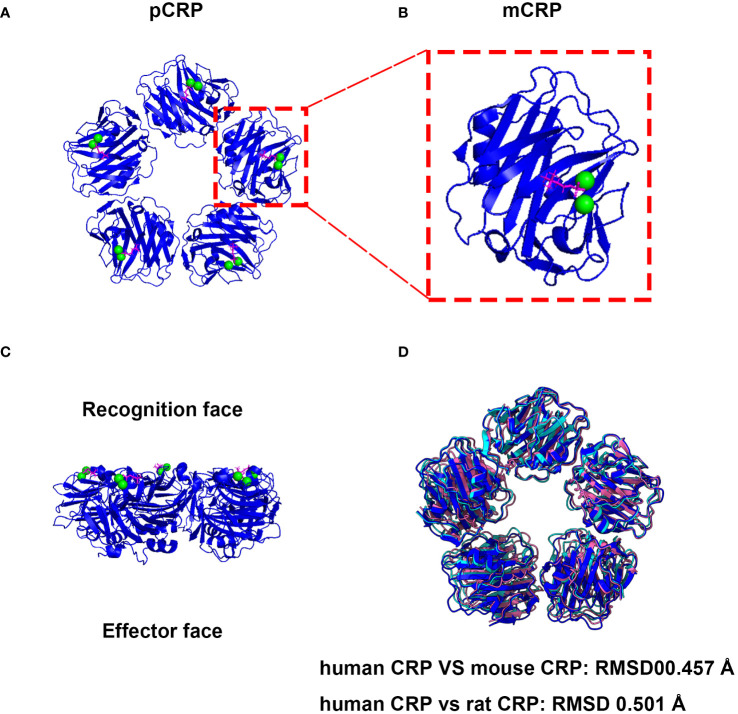
C-reactive protein (CRP) is a plasma protein that is evolutionarily conserved, found in both vertebrates and many invertebrates. It is a member of the pentraxin superfamily, characterized by its pentameric structure and calcium-dependent binding to ligands like phosphocholine (PC). In humans and various other species, the plasma concentration of this protein is markedly elevated during inflammatory conditions, establishing it as a prototypical acute phase protein that plays a role in innate immune responses. This feature can also be used clinically to evaluate the severity of inflammation in the organism. Human CRP (huCRP) can exhibit contrasting biological functions due to conformational transitions, while CRP in various species retains conserved protective functions in vivo . The focus of this review will be on the structural traits of CRP, the regulation of its expression, activate complement, and its function in related diseases in vivo .
Overview
The claims and statistics of this paper haven’t been checked yet.
Free: it reads the open-access text and checks the first 5 claims that cite a source we can check. Create a free account to check every claim.
Integrity signals
Registry
Cites
Statistics
Figures
Verification
Claims the paper makes
The claims and statistics of this paper haven’t been checked yet.
Free: it reads the open-access text and checks the first 5 claims that cite a source we can check. Create a free account to check every claim.
Claims other papers make about this one
Each is checked against this paper’s own text: does it say what the citing paper says it does?
The cited source says what the claim attributes to it.
In the citing paper
“Via APPs, hepatocytes directly contribute to extracellular pathogen clearance via complement-mediated antigen opsonization [34–36].”
From Inflammation and immunity in liver homeostasis and disease: a nexus of hepatocytes, nonparenchymal cells and immune cells (2025) · doi:10.1038/s41423-025-01313-7 · cites this paper as [36]
Self-check
Percentages, sums and reported differences re-computed from the paper’s own numbers.
The self-check needs the paper’s full text.
Citations
Cites
Clinical characteristics of coronavirus disease 2019 in China
Guan, W.-J., Ni, Z.-Y., Hu, Y., Liang, W.-H., Ou, C.-Q., He, J.-X., Liu, L., Shan, H., Lei, C.-L., Hui, D. S. C., et al. (2020) · New England Journal of Medicine · doi:10.1056/nejmoa2002032 · Cited by 30,246
Accurate structure prediction of biomolecular interactions with AlphaFold 3
Abramson, J., Adler, J., Dunger, J., Evans, R., Green, T., Pritzel, A., Ronneberger, O., Willmore, L., Ballard, A. J., Bambrick, J., et al. (2024) · Nature · doi:10.1038/s41586-024-07487-w · Cited by 15,861
Rosuvastatin to Prevent Vascular Events in Men and Women with Elevated C-Reactive Protein
Ridker, P. M., Danielson, E., Fonseca, F. A. H., Genest, J., Gotto, A. M., Kastelein, J. J. P., Koenig, W., Libby, P., Lorenzatti, A. J., MacFadyen, J. G., et al. (2008) · New England Journal of Medicine · doi:10.1056/nejmoa0807646 · Cited by 6,674
Ruan, Q., Yang, K., Wang, W., Jiang, L., & Song, J. (2020) · Intensive Care Medicine · doi:10.1007/s00134-020-05991-x · Cited by 4,898
UCSF ChimeraX: Tools for structure building and analysis
Meng, E. C., Goddard, T. D., Pettersen, E. F., Couch, G. S., Pearson, Z. J., Morris, J. H., & Ferrin, T. E. (2023) · Protein Science · doi:10.1002/pro.4792 · Cited by 4,442
Ridker, P. M., Rifai, N., Rose, L., Buring, J. E., & Cook, N. R. (2002) · New England Journal of Medicine · doi:10.1056/nejmoa021993 · Cited by 3,604
C-reactive protein: a critical update
Pepys, M. B., & Hirschfield, G. M. (2003) · Journal of Clinical Investigation · doi:10.1172/jci18921 · Cited by 3,503 · cited 3×
“Although the exact role of CRP in atherosclerosis and its complications remains unclear, there is now increasing evidence that it may be a direct causative factor (9, 114).”
BackgroundC-reactive protein: a critical update
Pepys, M. B., & Hirschfield, G. M. (2003) · Journal of Clinical Investigation · doi:10.1172/jci200318921 · Cited by 3,436
DNA methylation-based biomarkers and the epigenetic clock theory of ageing
Horvath, S., & Raj, K. (2018) · Nature Reviews Genetics · doi:10.1038/s41576-018-0004-3 · Cited by 3,095 · cited 1×
“Thus, these promoters lacking CpG may evolve TF binding sites containing CpG, utilizing dynamic methylation to achieve a rapid and reversible response (21, 78).”
BackgroundRole of C-Reactive Protein at Sites of Inflammation and Infection
Sproston, N. R., & Ashworth, J. J. (2018) · Frontiers in Immunology · doi:10.3389/fimmu.2018.00754 · Cited by 3,029
Risk factors of critical & mortal COVID-19 cases: A systematic literature review and meta-analysis
Zheng, Z., Peng, F., Xu, B., Zhao, J., Liu, H., Peng, J., Li, Q., Jiang, C., Zhou, Y., Liu, S., et al. (2020) · Journal of Infection · doi:10.1016/j.jinf.2020.04.021 · Cited by 2,074
Black, S., Kushner, I., & Samols, D. (2004) · Journal of Biological Chemistry · doi:10.1074/jbc.r400025200 · Cited by 1,844
Serological reactions in pneumonia with a non-protein somatic fraction of Pneumococcus
Tillett, W. S., & Francis, T. (1930) · Journal of Experimental Medicine · doi:10.1084/jem.52.4.561 · Cited by 1,482 · cited 1×
“Tillett and Francis fi rst discovered CRP can react with C-polysaccharides in the pneumococcus cell wall in the presence of calcium ions (6).”
BackgroundHuman C-reactive protein: expression, structure, and function
Volanakis, J. (2001) · Molecular Immunology · doi:10.1016/s0161-5890(01)00042-6 · Cited by 926
Garlanda, C., Bottazzi, B., Bastone, A., & Mantovani, A. (2005) · Annual Review of Immunology · doi:10.1146/annurev.immunol.23.021704.115756 · Cited by 836
Acute phase proteins in dogs and cats: current knowledge and future perspectives
Cerón, Eckersall, & Martínez‐Subiela, S. (2005) · Veterinary Clinical Pathology · doi:10.1111/j.1939-165x.2005.tb00019.x · Cited by 829
The physiological structure of human C-reactive protein and its complex with phosphocholine
Thompson, D., Pepys, M. B., & Wood, S. P. (1999) · Structure · doi:10.1016/s0969-2126(99)80023-9 · Cited by 818
C-reactive protein levels in the early stage of COVID-19
Wang, L. (2020) · Médecine et Maladies Infectieuses · doi:10.1016/j.medmal.2020.03.007 · Cited by 686
Candido, J., & Hagemann, T. (2013) · Journal of Clinical Immunology · doi:10.1007/s10875-012-9847-0 · Cited by 653
C-Reactive Protein: Risk Marker or Mediator in Atherothrombosis?
Jialal, I., Devaraj, S., & Venugopal, S. K. (2004) · Hypertension · doi:10.1161/01.hyp.0000130484.20501.df · Cited by 568
Torzewski, J., Torzewski, M., Bowyer, D. E., Fröhlich, M., Koenig, W., Waltenberger, J., Fitzsimmons, C., & Hombach, V. (1998) · Arteriosclerosis, Thrombosis, and Vascular Biology · doi:10.1161/01.atv.18.9.1386 · Cited by 561
Pepys, M. B. (2006) · Annual Review of Medicine · doi:10.1146/annurev.med.57.121304.131243 · Cited by 559 · cited 1×
“SAP is present in both of them, which leads to a very high concentration of SAP in amyloid deposits, which can account for about 15% of the total mass (7).”
BackgroundC-reactive protein and clinical outcomes in patients with COVID-19
Smilowitz, N. R., Kunichoff, D., Garshick, M., Shah, B., Pillinger, M., Hochman, J. S., & Berger, J. S. (2021) · European Heart Journal · doi:10.1093/eurheartj/ehaa1103 · Cited by 436
Breviario, F., d'Aniello, E. M., Golay, J., Peri, G., Bottazzi, B., Bairoch, A., Saccone, S., Marzella, R., Predazzi, V, & Rocchi, M. (1992) · Journal of Biological Chemistry · doi:10.1016/s0021-9258(18)41653-5 · Cited by 417
Three dimensional structure of human C-reactive protein
Shrive, A. K., Gheetham, G. M. T., Holden, D., Myles, D. A. A., Turnell, W. G., Volanakis, J. E., Pepys, M. B., Bloomer, A. C., & Greenhough, T. J. (1996) · Nature Structural & Molecular Biology · doi:10.1038/nsb0496-346 · Cited by 356 · cited 1×
“Shrive team fi rst obtained the X-ray crystal structure of huCRP in a calcium-binding state (PDB ID: 1GNH) (43).”
BackgroundRegulation of complement activation by C-reactive protein
Mold, C., Gewurz, H., & Du Clos, T. W. (1999) · Immunopharmacology · doi:10.1016/s0162-3109(99)00007-7 · Cited by 326 · cited 1×
“In addition, CRP inhibits complement hyperactivation by binding to complement factor H (CFH), the major inhibitor of the alternative pathway (AP) (85).”
BackgroundC-Reactive Protein Level May Predict the Risk of COVID-19 Aggravation
Wang, G., Wu, C., Zhang, Q., Wu, F., Yu, B., Lv, J., Li, Y., Li, T., Zhang, S., Wu, C., et al. (2020) · Open Forum Infectious Diseases · doi:10.1093/ofid/ofaa153 · Cited by 286 · cited 1×
“Plasma levels of CRP can be used for the early diagnosis of pneumonia (137), independent of patient age, gender, and physical condition, and correlate with in fl ammation levels (138), higher in patients with severe pneumonia.”
C-reactive protein and inflammation: conformational changes affect function
Wu, Y., Potempa, L. A., El Kebir, D., & Filep, J. G. (2015) · Biological Chemistry · doi:10.1515/hsz-2015-0149 · Cited by 285 · cited 2×
“Monomeric CRP has been considered as a major contributor in local in fl ammation (54, 55, 58).”
BackgroundKhreiss, T., József, L., Potempa, L. A., & Filep, J. G. (2004) · Circulation · doi:10.1161/01.cir.0000125527.41598.68 · Cited by 278
C-Reactive Protein and Cancer—Diagnostic and Therapeutic Insights
Hart, P. C., Rajab, I. M., Alebraheem, M., & Potempa, L. A. (2020) · Frontiers in Immunology · doi:10.3389/fimmu.2020.595835 · Cited by 275
Eisenhardt, S. U., Habersberger, J., Murphy, A., Chen, Y.-C., Woollard, K. J., Bassler, N., Qian, H., von zur Muhlen, C., Hagemeyer, C. E., Ahrens, I., et al. (2009) · Circulation Research · doi:10.1161/circresaha.108.190611 · Cited by 272
Xu, D., Hopf, C., Reddy, R., Cho, R. W., Guo, L., Lanahan, A., Petralia, R. S., Wenthold, R. J., O'Brien, R. J., & Worley, P. (2003) · Neuron · doi:10.1016/s0896-6273(03)00463-x · Cited by 265 · cited 1×
“Among them, NPR is a transmembrane molecule with a transmembrane domain at its amino terminus (11, 12).”
BackgroundEvolution of C-Reactive Protein
Pathak, A., & Agrawal, A. (2019) · Frontiers in Immunology · doi:10.3389/fimmu.2019.00943 · Cited by 250 · cited 1×
“The plasma levels of CRP exhibit a positive correlation with the severity of in fl ammation, making it a commonly employed nonspeci fi c biomarker in clinical applications (20 – 22).”
BackgroundPentraxins: Structure, Function, and Role in Inflammation
Du Clos, T. W. (2013) · ISRN Inflammation · doi:10.1155/2013/379040 · Cited by 248 · cited 1×
“In the absence of calcium, CRP can bind to polycations such as poly-L-lysine, poly-L-arginine, and myelin essential protein (42).”
BackgroundRidker, P. M. (2009) · Clinical Chemistry · doi:10.1373/clinchem.2008.119214 · Cited by 206
Szalai, A. J., Briles, D. E., & Volanakis, J. E. (1995) · The Journal of Immunology · doi:10.4049/jimmunol.155.5.2557 · Cited by 203
Ji, S., Wu, Y., Zhu, L., Potempa, L. A., Sheng, F., Lu, W., & Zhao, J. (2007) · The FASEB Journal · doi:10.1096/fj.06-6722com · Cited by 198
Why C-reactive protein is one of the most requested tests in clinical laboratories?
Plebani, M. (2023) · Clinical Chemistry and Laboratory Medicine (CCLM) · doi:10.1515/cclm-2023-0086 · Cited by 197
C-Reactive Protein (CRP) and its Association with Periodontal Disease: A Brief Review
Pandey, A. (2014) · JOURNAL OF CLINICAL AND DIAGNOSTIC RESEARCH · doi:10.7860/jcdr/2014/8355.4646 · Cited by 169
Khreiss, T., József, L., Hossain, S., Chan, J. S. D., Potempa, L. A., & Filep, J. G. (2002) · Journal of Biological Chemistry · doi:10.1074/jbc.m205378200 · Cited by 167
C-reactive protein: A promising biomarker for poor prognosis in COVID-19 infection
Sahu, B. R., Kampa, R. K., Padhi, A., & Panda, A. K. (2020) · Clinica Chimica Acta · doi:10.1016/j.cca.2020.06.013 · Cited by 165 · cited 1×
“Although elevated CRP blood level is associated with death caused by COVID-19, results are inconsistent across populations (149, 150).”
BackgroundC-Reactive protein as a prognostic indicator in hospitalized patients with COVID-19
Sharifpour, M., Rangaraju, S., Liu, M., Alabyad, D., Nahab, F. B., Creel-Bulos, C., & Jabaley, C. S. (2020) · PLoS ONE · doi:10.1371/journal.pone.0242400 · Cited by 163 · cited 15×
“Based on this, several studies have evaluated CRP levels in COVID-19 patients and their risk of death (148).”
BackgroundInfluentialLysenko, E., Richards, J. C., Cox, A. D., Stewart, A., Martin, A., Kapoor, M., & Weiser, J. N. (2000) · Molecular Microbiology · doi:10.1046/j.1365-2958.2000.01707.x · Cited by 154
McFadyen, J. D., Kiefer, J., Braig, D., Loseff-Silver, J., Potempa, L. A., Eisenhardt, S. U., & Peter, K. (2018) · Frontiers in Immunology · doi:10.3389/fimmu.2018.01351 · Cited by 152
How C-Reactive Protein Structural Isoforms With Distinctive Bioactivities Affect Disease Progression
Rajab, I. M., Hart, P. C., & Potempa, L. A. (2020) · Frontiers in Immunology · doi:10.3389/fimmu.2020.02126 · Cited by 143
IL-6 regulates induction of C-reactive protein gene expression by activating STAT3 isoforms
Ngwa, D. N., Pathak, A., & Agrawal, A. (2022) · Molecular Immunology · doi:10.1016/j.molimm.2022.04.003 · Cited by 137 · cited 1×
“In addition, CRP not only can bind to various pathogens, including fungi, yeasts, and bacteria, but also has calcium-dependent binding properties to chromatin, histones, and small ribonucleoprotein U1, and glycans (41).”
BackgroundKhreiss, T., József, L., Potempa, L. A., & Filep, J. G. (2005) · Circulation Research · doi:10.1161/01.res.0000183881.11739.cb · Cited by 130
Regulation of C-reactive protein conformation in inflammation
Yao, Z., Zhang, Y., & Wu, H. (2019) · Inflammation Research · doi:10.1007/s00011-019-01269-1 · Cited by 130 · cited 2×
“Monomeric CRP has been considered as a major contributor in local in fl ammation (54, 55, 58).”
BackgroundInflammatory cytokines as biomarkers in heart failure
Ueland, T., Gullestad, L. L., Nymo, S. H., Yndestad, A., Aukrust, P., & Askevold, E. T. (2014) · Clinica Chimica Acta · doi:10.1016/j.cca.2014.09.001 · Cited by 127
Causes and outcomes of markedly elevated C-reactive protein levels.
Landry, A., Docherty, P., Ouellette, S., & Cartier, L.-J. (2017) · Europe PMC (PubMed Central) · Cited by 126
Roxby, A. C., Greninger, A. L., Hatfield, K. M., Lynch, J. B., Dellit, T. H., James, A. E., Taylor, J., Page, L. C., Kimball, A. A., Arons, M. M., et al. (2020) · JAMA Internal Medicine · doi:10.1001/jamainternmed.2020.2233 · Cited by 123
Yeung, D., Peterknecht, E., Hajibandeh, S., Hajibandeh, S., & Torrance, A. D. W. (2021) · International Journal of Colorectal Disease · doi:10.1007/s00384-021-03854-5 · Cited by 123 · cited 1×
“The cut-off CRP values can be used to predict anastomotic leakage to expedite investigation and treatment (123).”
MethodSzalai, A. J., VanCott, J. L., McGhee, J. R., Volanakis, J. E., & Benjamin, W. H. (2000) · Infection and Immunity · doi:10.1128/iai.68.10.5652-5656.2000 · Cited by 113 · cited 1×
“CRPtg animals can resist infection by the Gram-negative pathogen Salmonella even without CRP binding (108).”
BackgroundChu, W., Burns, D. K., Swerlick, R. A., & Presky, D. H. (1995) · Journal of Biological Chemistry · doi:10.1074/jbc.270.17.10236 · Cited by 111
C-reactive protein as a biomarker of severe H1N1 influenza
Vasileva, D., & Badawi, A. F. (2018) · Inflammation Research · doi:10.1007/s00011-018-1188-x · Cited by 110
C-reactive protein, immunothrombosis and venous thromboembolism
Dix, C. H. K., Zeller, J., Stevens, H., Eisenhardt, S. U., Shing, K. S. C. T., Nero, T. L., Morton, C. J., Parker, M. W., Peter, K., & McFadyen, J. D. (2022) · Frontiers in Immunology · doi:10.3389/fimmu.2022.1002652 · Cited by 110
Human C-reactive protein is protective against fatal Streptococcus pneumoniae infection in mice.
Yother, J., Volanakis, J. E., & Briles, D. E. (1982) · The Journal of Immunology · doi:10.4049/jimmunol.128.5.2374 · Cited by 109
C-reactive protein at the interface between innate immunity and inflammation
Peisajovich, A., Marnell, L., Mold, C., & Du Clos, T. W. (2008) · Expert Review of Clinical Immunology · doi:10.1586/1744666x.4.3.379 · Cited by 105
The Dual Complexity of PTX3 in Health and Disease: A Balancing Act?
Magrini, E. I., Mantovani, A., & Garlanda, C. (2016) · Trends in Molecular Medicine · doi:10.1016/j.molmed.2016.04.007 · Cited by 100
The Complex Role of C-Reactive Protein in Systemic Lupus Erythematosus
Enocsson, H., Karlsson, J., Li, H., Wu, Y., Kushner, I., Wetterö, J., & Sjöwall, C. (2021) · Journal of Clinical Medicine · doi:10.3390/jcm10245837 · Cited by 96
Isolation of canine C-reactive protein and characterization of its properties
Yamamoto, S., Tagata, K., Nagahata, H., Ishikawa, Y., Morimatsu, M., & NAIKI, M. (1992) · Veterinary Immunology and Immunopathology · doi:10.1016/0165-2427(92)90103-w · Cited by 95
Identification of Acidic pH-dependent Ligands of Pentameric C-reactive Protein
Hammond, D. J., Singh, S. K., Thompson, J. A., Beeler, B. W., Rusiñol, A. E., Pangburn, M. K., Potempa, L. A., & Agrawal, A. C. (2010) · Journal of Biological Chemistry · doi:10.1074/jbc.m110.142026 · Cited by 94
Warusevitane, A., Karunatilake, D., Sim, J., Smith, C. J., & Roffe, C. (2016) · PLoS ONE · doi:10.1371/journal.pone.0150269 · Cited by 94
Pentraxins: Multifunctional proteins at the interface of innate immunity and inflammation
Deban, L., Bottazzi, B., Garlanda, C., de la Torre, Y. M., & Mantovani, A. (2009) · BioFactors · doi:10.1002/biof.21 · Cited by 91 · cited 2×
“PTX3 is highly conserved in humans and mice, while CRP and SAP, their sequence and expression regulation have evolutionary differences between mice and humans (13).”
BackgroundSuresh, M. V., Singh, S. K., Ferguson, D. A., & Agrawal, A. (2006) · The Journal of Immunology · doi:10.4049/jimmunol.176.7.4369 · Cited by 87
No Reduction of Atherosclerosis in C-reactive Protein (CRP)-deficient Mice
Teupser, D., Weber, O., Rao, T. N., Sass, K., Thiery, J., & Fehling, H. J. (2011) · Journal of Biological Chemistry · doi:10.1074/jbc.m110.161414 · Cited by 84 · cited 1×
“The baseline CRP concentrations in mice was trace, ~7.5 m g/ml, which rise only twofold in the acute phase response (151), and have been reported to be a minor acute phase reactant in response to in fl ammatory stimuli (152).”
BackgroundInfluentialLaboratory biomarkers associated with COVID-19 severity and management
Keddie, S., Ziff, O. J., Chou, M., Taylor, R. L., Heslegrave, A., Garr, E., Lakdawala, N., Church, A. J., Ludwig, D., Manson, J. J., et al. (2020) · Clinical Immunology · doi:10.1016/j.clim.2020.108614 · Cited by 84 · cited 14×
“Based on this, several studies have evaluated CRP levels in COVID-19 patients and their risk of death (148).”
BackgroundInfluentialMotevalli, S. M., Eltahan, A. S., Liu, L., Magrini, A., Rosato, N., Guo, W., Bottini, M., & Liang, X. (2019) · Biophysics Reports · doi:10.1007/s41048-018-0079-6 · Cited by 82
C-Reactive Protein Triggers Cell Death in Ischemic Cells
Sheriff, A., Kayser, S., Brunner, P., & Vogt, B. (2021) · Frontiers in Immunology · doi:10.3389/fimmu.2021.630430 · Cited by 79 · cited 1×
“The whole gene contains only one intron, which separates the region into encoding the signal peptide and the mature protein (66).”
BackgroundShrive, A. K., Metcalfe, A., Cartwright, J., & Greenhough, T. J. (1999) · Journal of Molecular Biology · doi:10.1006/jmbi.1999.2956 · Cited by 77
Evolution of the Pentraxin Family: The New Entry PTX4
Martinez de la Torre, Y., Fabbri, M., Jaillon, S., Bastone, A., Nebuloni, M., Vecchi, A., Mantovani, A., & Garlanda, C. (2010) · The Journal of Immunology · doi:10.4049/jimmunol.0901672 · Cited by 75
Probing the C1q-binding site on human C-reactive protein by site-directed mutagenesis.
Agrawal, A., & Volanakis, J. E. (1994) · The Journal of Immunology · doi:10.4049/jimmunol.152.11.5404 · Cited by 73 · cited 1×
“Based on site-directed mutagenesis studies of amino acids at speci fi c sites, Agrawal and Volanakis proposed that the interaction between CRP and C1q is dependent on conformational changes in the CRP pentamer (57).”
BackgroundZeng, G., Chen, D., Zhou, R., Xinfeng, Z., Ye, C., Tao, H., Sheng, W., & Wu, Y. (2022) · Journal of Clinical Laboratory Analysis · doi:10.1002/jcla.24505 · Cited by 66
Potempa, L. A., Rajab, I. M., Olson, M. E., & Hart, P. C. (2021) · Frontiers in Immunology · doi:10.3389/fimmu.2021.744129 · Cited by 62
Structure-Function Relationships of C-Reactive Protein in Bacterial Infection
Ngwa, D. N., & Agrawal, A. (2019) · Frontiers in Immunology · doi:10.3389/fimmu.2019.00166 · Cited by 61 · cited 1×
“Those studies found that huCRP facilitates the survival of mice infected with S. pneumoniae (103, 104).”
BackgroundMuñoz-Bermúdez, R., Abella, E., Zuccarino, F., Masclans, J. R., & Nolla‐Salas, J. (2019) · World Journal of Critical Care Medicine · doi:10.5492/wjccm.v8.i5.59 · Cited by 61
Li, Q.-Y., Li, H.-Y., Fu, G., Yu, F., Wu, Y., & Zhao, M.-H. (2017) · Journal of the American Society of Nephrology · doi:10.1681/asn.2016070735 · Cited by 58
Singh, K., Mittal, S., Gollapudi, S., Butzmann, A., Kumar, J., & Ohgami, R. S. (2020) · International Journal of Laboratory Hematology · doi:10.1111/ijlh.13354 · Cited by 58
Structure, Expression, and Evolution of Guinea Pig Serum Amyloid P Component and C-Reactive Protein1
Rubio, N., Sharp, P. M., Rits, M., Zahedi, K. A., & Whitehead, A. S. (1993) · The Journal of Biochemistry · doi:10.1093/oxfordjournals.jbchem.a124039 · Cited by 57 · cited 1×
“Among them, NPR is a transmembrane molecule with a transmembrane domain at its amino terminus (11, 12).”
BackgroundCrawford, J. R., Trial, J., Nambi, V., Hoogeveen, R. C., Taffet, G. E., & Entman, M. L. (2016) · Journal of Cardiovascular Translational Research · doi:10.1007/s12265-016-9678-0 · Cited by 56
Binding of model soluble immune complexes to modified C-reactive protein
Motie, M., Brockmeier, S. L., & Potempa, L. A. (1996) · The Journal of Immunology · doi:10.4049/jimmunol.156.11.4435 · Cited by 54 · cited 1×
“In addition, mCRP has been shown to promote the removal of immune complexes (ICs) (131).”
BackgroundC-reactive protein predicts outcome in COVID-19: is it also a therapeutic target?
Pepys, M. B. (2021) · European Heart Journal · doi:10.1093/eurheartj/ehab169 · Cited by 50 · cited 1×
“Mark et al. showed that CRP had inherent pro-in fl ammatory effects, either on human peripheral blood mononuclear cells in vitro or when administered parenterally to mice or healthy human volunteers in vivo (99, 100).”
BackgroundOkemefuna, A. I., Stach, L., Rana, S., Buetas, A. J. Z., Gor, J., & Perkins, S. J. (2009) · Journal of Biological Chemistry · doi:10.1074/jbc.m109.044495 · Cited by 48
C-Reactive Protein Is Elevated Only in High Creatine Kinase Responders to Muscle Damaging Exercise
Isaacs, A. W., Macaluso, F., Smith, C., & Myburgh, K. H. (2019) · Frontiers in Physiology · doi:10.3389/fphys.2019.00086 · Cited by 47 · cited 1×
“The results showed that all individuals with acute myocardial infarction showed elevated CRP secretion levels, and there was a signi fi cant correlation between peak CRP concentration and creatine kinase values (109, 110).”
BackgroundJimenez, R. V., Wright, T. T., Jones, N. R., Wu, J., Gibson, A., & Szalai, A. J. (2018) · Frontiers in Immunology · doi:10.3389/fimmu.2018.00372 · Cited by 46 · cited 1×
“…somatic C-polysaccharide of Streptococcus pneumoniae on microorganisms in the presence of calcium, then triggers the innate immunity through the classical complement pathway by interacting with the global head region of C1q or other cell surface glycoproteins such as Fc g R receptors (16, 24, 25).”
BackgroundTherapeutic Lowering of C-Reactive Protein
Jimenez, R. V., & Szalai, A. J. (2021) · Frontiers in Immunology · doi:10.3389/fimmu.2020.619564 · Cited by 46 · cited 1×
“…(IL-8) by human neutrophils (60), but also promote in fl ammation of the human coronary artery endothelial cells phenotype through a p38 mitogen-activated protein kinase-dependent mechanism (61) and enhance neutrophil localization and activation at in fl amed or injured vascular sites (62, 63).”
BackgroundKim, Y., Hooten, N. N., Dluzen, D. F., Martindale, J. L., Gorospe, M., & Evans, M. K. (2015) · Molecular and Cellular Biology · doi:10.1128/mcb.00645-15 · Cited by 45
Zhang, Z., Na, H., Gan, Q., Tao, Q., Alekseyev, Y., Hu, J., Yan, Z., Yang, J. B., Tian, H., Zhu, S., et al. (2021) · Aging Cell · doi:10.1111/acel.13501 · Cited by 45
Agrawal, A. C., Suresh, M. V., Singh, S., & Ferguson, D. (2008) · Endocrine Metabolic & Immune Disorders - Drug Targets · doi:10.2174/187153008786848321 · Cited by 43 · cited 1×
“Those studies found that huCRP facilitates the survival of mice infected with S. pneumoniae (103, 104).”
BackgroundElectronic Theses and Dissertations
Fineman, Y. (2003) · portal Libraries and the Academy · doi:10.1353/pla.2003.0032 · Cited by 42
C-reactive protein in gallbladder diseases: diagnostic and therapeutic insights
Rajab, I. M., Majerczyk, D., Olson, M. E., Addams, J. M. B., Choe, M. L., Nelson, M. S., & Potempa, L. A. (2020) · Biophysics Reports · doi:10.1007/s41048-020-00108-9 · Cited by 41
Alsaif, S., Rogers, A. C., Pua, P., Casey, P., Aherne, G. G., Brannigan, A. E., Mulsow, J., Shields, C. J., & Cahill, R. A. (2021) · World Journal of Surgical Oncology · doi:10.1186/s12957-021-02142-4 · Cited by 40
Li, H.-Y., Tang, Z.-M., Wang, Z., Lv, J.-M., Liu, X.-L., Liang, Y.-L., Cheng, B., Gao, N., Ji, S.-R., & Wu, Y. (2022) · Cellular and Molecular Gastroenterology and Hepatology · doi:10.1016/j.jcmgh.2021.09.003 · Cited by 39 · cited 3×
“While human CRP is known to adopt an activated conformation and interact with C1q and CFH to activate or inhibit complement, respectively (86), doubts have been raised about the conservation of these interactions in rodents (86, 87).”
BackgroundSelf-citationPepys, M. B., Gallimore, J. R., Lloyd, J., Li, Z., Graham, D., Taylor, G. W., Ellmerich, S., Mangione, P. P., Tennent, G. A., Hutchinson, W. L., et al. (2012) · Journal of Immunological Methods · doi:10.1016/j.jim.2012.07.013 · Cited by 38
Jia, Z.-K., Li, H., Liang, Y., Potempa, L. A., Ji, S., & Wu, Y. (2018) · Frontiers in Immunology · doi:10.3389/fimmu.2018.00234 · Cited by 38
Isolation of Mouse C-Reactive Protein from Liver and Serum
Bodmer, B., & Siboo, R. (1977) · The Journal of Immunology · doi:10.4049/jimmunol.118.3.1086 · Cited by 37 · cited 1×
“Many studies have used calcium-dependent PC af fi nity to successfully separate CRP from blood, such as horseshoe crab (32), mouse (33), dog (34), cat (35), cow (36), since the calcium-dependent PC af fi nity is conserved in the species and as a basis for testing the function of multi-species CRP in…”
BackgroundPilely, K., Fumagalli, S., Rosbjerg, A., Genster, N., Skjoedt, M., Perego, C., Ferrante, A. M. R., Simoni, M. G. D., & Garred, P. (2017) · Frontiers in Immunology · doi:10.3389/fimmu.2017.01040 · Cited by 37
Functionality of C-Reactive Protein for Atheroprotection
Singh, S. K., & Agrawal, A. C. (2019) · Frontiers in Immunology · doi:10.3389/fimmu.2019.01655 · Cited by 37
C-Reactive Protein: The Most Familiar Stranger
Ji, S., Zhang, S.-H., Chang, Y., Li, H., Wang, M., Lv, J., Zhu, L., Tang, P. M., & Wu, Y. (2023) · The Journal of Immunology · doi:10.4049/jimmunol.2200831 · Cited by 37 · cited 1×
“It will return to baseline once the in fl ammation subsides (19).”
BackgroundRassouli, M., Sambasivam, H., Azadi, P., Dell, A., Morris, H. R., Nagpurkar, A., Mookerjea, S., & Murray, R. K. (1992) · Journal of Biological Chemistry · doi:10.1016/s0021-9258(19)50678-0 · Cited by 36
Ramadan, M. A. M., Shrive, A. K., Holden, D., Myles, D. A. A., Volanakis, J. E., DeLucas, L. J., & Greenhough, T. J. (2002) · Acta Crystallographica Section D Biological Crystallography · doi:10.1107/s0907444902005693 · Cited by 36
C-Reactive Protein Promotes the Expansion of Myeloid Derived Cells With Suppressor Functions
Jimenez, R. V., Kuznetsova, V., Connelly, A. N., Hel, Z., & Szalai, A. J. (2019) · Frontiers in Immunology · doi:10.3389/fimmu.2019.02183 · Cited by 36
Animal Models of C-Reactive Protein
Torzewski, M., Waqar, A. B., & Fan, J. (2014) · Mediators of Inflammation · doi:10.1155/2014/683598 · Cited by 35 · cited 1×
“However, whether CRP can activate auto-complement in rats is still controversial, and there are concerns that serum CRP levels in mice may be inaccurately measured (84).”
BackgroundClinical significance and prognostic value of C-reactive protein/albumin ratio in gastric cancer
Yu, Q., Li, K., Fu, Y., Tang, Y., Liang, X.-Q., Liang, Z.-Q., & Bai, J.-H. (2021) · Annals of Surgical Treatment and Research · doi:10.4174/astr.2021.100.6.338 · Cited by 33
Self-citationNoone, D. P., Isendoorn, M. M. E., Hamers, S. M. W. R., Keizer, M. E., Wulffelé, J., van der Velden, T. T., Dijkstra, D. J., Trouw, L. A., Filippov, D. V., & Sharp, T. H. (2024) · Proceedings of the National Academy of Sciences · doi:10.1073/pnas.2404542121 · Cited by 33
Bell, S. A., Clos, T. W. D., Khursigara, G., Picazo, J. J., & Rubin, R. L. (1995) · Journal of Autoimmunity · doi:10.1006/jaut.1995.0022 · Cited by 31 · cited 1×
“The CRP subunit is similar to pCRP and mCRP, but its monomeric structure exposes protein regions hidden in pentameric forms, including hidden protein neoepitopes (129, 130).”
BackgroundLee, R. T., Takagahara, I., & Lee, Y. C. (2002) · Journal of Biological Chemistry · doi:10.1074/jbc.m106039200 · Cited by 30 · cited 1×
“The physiological function of CRP is related to calcium-dependent ligand af fi nity (30, 31).”
BackgroundExpression of rabbit C‐reactive protein in transgenic mice
LIN, C. S., Xia, D., YUN, J. S., Wagner, T. E., Magnuson, T., Mold, C., & Samols, D. R. (1995) · Immunology and Cell Biology · doi:10.1038/icb.1995.82 · Cited by 30 · cited 1×
“The baseline CRP concentrations in mice was trace, ~7.5 m g/ml, which rise only twofold in the acute phase response (151), and have been reported to be a minor acute phase reactant in response to in fl ammatory stimuli (152).”
BackgroundInfluentialConformational folding and disulfide bonding drive distinct stages of protein structure formation
Lv, J., Lü, S., Liu, Z.-P., Zhang, J., Gao, B., Yao, Z., Wu, Y., Potempa, L. A., Ji, S., Long, M., et al. (2018) · Scientific Reports · doi:10.1038/s41598-018-20014-y · Cited by 30 · cited 1×
“The formation of disul fi de bonds in hCRP protomers should occur in the early spontaneous folding stage driven by the conformational folding of six b strands, which plays a vital role in the subsequent conformational reconstruction of the whole subunit and the pentamer assembly (29).”
BackgroundDortay, H., Schmöckel, S. M., Fettke, J., & Mueller‐Roeber, B. (2011) · Protein Expression and Purification · doi:10.1016/j.pep.2011.03.010 · Cited by 29
VanDevanter, D., Heltshe, S. L., Skalland, M., West, N. E., Sanders, D. B., Goss, C. H., & Flume, P. A. (2021) · Journal of Cystic Fibrosis · doi:10.1016/j.jcf.2021.12.003 · Cited by 29 · cited 1×
“…fungi, parasites or subjected to in fl ammatory stimuli, as well as after tissue damage caused by trauma and progressive cancer, the plasma concentration of CRP can increase rapidly within 6 – 8 hours and reach the peak in about 48 hours, rising 1000-fold from the basal level ~ 0.5 m g/ml (18).”
BackgroundInfluentialGang, T. B., Hanley, G. A., & Agrawal, A. C. (2015) · Infection and Immunity · doi:10.1128/iai.03058-14 · Cited by 27
Pathak, A., Singh, S. K., Thewke, D. P., & Agrawal, A. C. (2020) · Frontiers in Immunology · doi:10.3389/fimmu.2020.01780 · Cited by 26
Prediction of COVID-19 Patients at High Risk of Progression to Severe Disease
Dai, Z., Zeng, D., Cui, D., Wang, D., Feng, Y., Shi, Y., Zhao, L., Xu, J., Guo, W., Yang, Y., et al. (2020) · Frontiers in Public Health · doi:10.3389/fpubh.2020.574915 · Cited by 26 · cited 1×
“Based on this, several studies have evaluated CRP levels in COVID-19 patients and their risk of death (148).”
BackgroundTargeting C-Reactive Protein by Selective Apheresis in Humans: Pros and Cons
Torzewski, J., Brunner, P., Ries, W., Garlichs, C. D., Kayser, S., Heigl, F., & Sheriff, A. (2022) · Journal of Clinical Medicine · doi:10.3390/jcm11071771 · Cited by 26 · cited 2×
“While human CRP is known to adopt an activated conformation and interact with C1q and CFH to activate or inhibit complement, respectively (86), doubts have been raised about the conservation of these interactions in rodents (86, 87).”
BackgroundMethodBienstock, S., Lee, S., Lin, F. Y.-H., Blankstein, R., Leipsic, J. A., Patel, K., Narula, J., Chandrashekhar, Y., Fuster, V., & Shaw, L. J. (2023) · JACC. Cardiovascular imaging · doi:10.1016/j.jcmg.2023.08.019 · Cited by 26
Singh, S. K., Ngwa, D. N., & Agrawal, A. C. (2020) · Frontiers in Immunology · doi:10.3389/fimmu.2020.01812 · Cited by 24 · cited 3×
“Currently, research on the impact of human CRP has predominantly involved introducing human CRP into mouse and rat models either through transgenic methods or direct injection (72, 81, 82).”
BackgroundC-reactive protein (CRP) recognizes uric acid crystals and recruits proteases C1 and MASP1
Alberts, A., Klingberg, A., Wessig, A. K., Combes, C., Witte, T., Brand, K., Pich, A., & Neumann, K. (2020) · Scientific Reports · doi:10.1038/s41598-020-63318-8 · Cited by 23 · cited 1×
“PC are not normally exposed to the cell surface but are exposed due to damage by complement or certain phospholipases (98).”
BackgroundRevisiting the clinical usefulness of C-reactive protein in the set of cancer cachexia
Tavares, P., Moreira‐Gonçalves, D., Santos, L. L., & Ferreira, R. M. (2021) · Porto Biomedical Journal · doi:10.1097/j.pbj.0000000000000123 · Cited by 23 · cited 1×
“Simultaneously, CRP is a highly sensitive marker of in fl ammation to be considered in diagnosing cancer cachexia (126).”
BackgroundZhang, L., Li, W., Gong, M., Zhang, Z., Xue, X., Mao, J., Zhang, H., Li, S., Liu, X., Wu, F., et al. (2022) · The FASEB Journal · doi:10.1096/fj.202200198r · Cited by 23 · cited 1×
“It is recognized that CRP behaves differently in mice and rats compared to humans, particularly in its role as an acute phase protein and its interaction with the complement system (83).”
BackgroundRelationship Between Serum Inflammatory Factor Levels and Differentiated Thyroid Carcinoma
Zhang, X., Li, S., Wang, J., Liu, F., & Zhao, Y. (2021) · Technology in Cancer Research & Treatment · doi:10.1177/1533033821990055 · Cited by 22
Reversible promoter methylation determines fluctuating expression of acute phase proteins
Zhang, S., Wang, M., Feng, J.-R., Chang, Y., Ji, S., & Wu, Y. (2020) · eLife · doi:10.7554/elife.51317 · Cited by 21
Lee, S.-H., Kim, K. H., Choi, C. W., Kim, S. J., Kim, D., Choi, C. I., & Hwang, S.-H. (2019) · Annals of Surgical Treatment and Research · doi:10.4174/astr.2019.97.2.65 · Cited by 21
C-Reactive Protein Enhances IgG-Mediated Cellular Destruction Through IgG-Fc Receptors in vitro
Temming, A. R., Buirs, M. T., Bentlage, A. E. H., Treffers, L. W., Feringa, H., de Taeye, S. W., Kuijpers, T. W., Nagelkerke, S. Q., Brasser, G., Mok, J. Y., et al. (2021) · Frontiers in Immunology · doi:10.3389/fimmu.2021.594773 · Cited by 21
Yıldırım, M., & Koca, B. (2021) · Cancer Biomarkers · doi:10.3233/cbm-210251 · Cited by 21
Crystal Structures of Limulus SAP-Like Pentraxin Reveal Two Molecular Aggregations
Shrive, A. K., Burns, I. D., Chou, H., Stahlberg, H., Armstrong, P. B., & Greenhough, T. J. (2009) · Journal of Molecular Biology · doi:10.1016/j.jmb.2009.01.008 · Cited by 20
Guillon, C., Bigouagou, U. M., Folio, C., Jeannin, P., Delneste, Y., & Gouet, P. (2015) · Protein and Peptide Letters · doi:10.2174/0929866522666141231111226 · Cited by 20
Monomeric C-reactive protein as a biomarker for major depressive disorder
Hornick, M. G., & Potempa, L. A. (2024) · Frontiers in Psychiatry · doi:10.3389/fpsyt.2023.1325220 · Cited by 20 · cited 1×
“With accumulating in human atherosclerotic lesions, mCRP can induce monocyte chemotaxis, promote neutrophil survival, which may amplify the in fl ammatory response (52, 65).”
BackgroundMatrix sieving-enforced retrograde transcytosis regulates tissue accumulation of C-reactive protein
Li, H., Liu, X., Liu, Y.-T., Jia, Z.-K., Filep, J. G., Potempa, L. A., Ji, S., & Wu, Y. (2018) · Cardiovascular Research · doi:10.1093/cvr/cvy181 · Cited by 19 · cited 1×
“However, the transport of mCRP locally produced in the in fl ammatory microenvironment into the circulation remains unclear (79, 80).”
BackgroundNoone, D. P., van der Velden, T. T., & Sharp, T. H. (2021) · Frontiers in Immunology · doi:10.3389/fimmu.2021.757633 · Cited by 19
C-reactive protein as a possible marker for severity and mortality of COVID-19 infection.
Tahery, N., Khodadost, M., Sherafat, S. J., Rezaei–Tavirani, M., Ahmadi, N., Montazer, F., Tavirani, M. R., & Naderi, N. (2021) · Gastroenterology and hepatology from bed to bench. · Cited by 18
Gheita, T. A., El-Gazzar, I. I., Azkalany, G. S., El-Fishawy, H. S., & ElFaramawy, A. (2012) · The Egyptian Rheumatologist · doi:10.1016/j.ejr.2012.08.002 · Cited by 18
Secretory quality control constrains functional selection-associated protein structure innovation
Cheng, B., Lv, J., Liang, Y., Zhu, L., Huang, X.-P., Li, H., Potempa, L. A., Ji, S., & Wu, Y. (2022) · Communications Biology · doi:10.1038/s42003-022-03220-3 · Cited by 17
Self-citationMonomeric C‐reactive protein induces the cellular pathology of Alzheimer's disease
Gan, Q., Wong, A., Zhang, Z., Na, H., Tian, H., Tao, Q., Rajab, I. M., Potempa, L. A., & Qiu, W. Q. (2022) · Alzheimer s & Dementia Translational Research & Clinical Interventions · doi:10.1002/trc2.12319 · Cited by 17
Svanberg, C., Enocsson, H., Govender, M., Martinsson, K., Potempa, L. A., Rajab, I. M., Fernandez-Botrán, R., Wetterö, J., Larsson, M., & Sjöwall, C. (2023) · Journal of Autoimmunity · doi:10.1016/j.jaut.2023.102998 · Cited by 17
Kadokura, H., Dazai, Y., Fukuda, Y., Hirai, N., Nakamura, O., & Inaba, K. (2020) · Proceedings of the National Academy of Sciences · doi:10.1073/pnas.2004606117 · Cited by 16
Amezcua-Guerra, L. M., Audelo, K., Guzmán, J., Estrella-Santiago, D. P., González-Flores, J., García-Ávila, C., Torres, Z., Baranda-Tovar, F. M., Tavera-Alonso, C., Sandoval, J., et al. (2021) · Inflammation Research · doi:10.1007/s00011-021-01466-x · Cited by 15 · cited 1×
“Although elevated CRP blood level is associated with death caused by COVID-19, results are inconsistent across populations (149, 150).”
BackgroundA new purification procedure for bovine C-reactive protein and serum amyloid P component
Sarikaputi, M., Morimatsu, M., Syuto, B., Saito, M., & NAIKI, M. (1991) · International Journal of Biochemistry · doi:10.1016/0020-711x(91)90155-g · Cited by 14
Ballarano, C. A., & Frishman, W. H. (2021) · Cardiology in Review · doi:10.1097/crd.0000000000000383 · Cited by 13 · cited 1×
“CRP is associated with the binding and regulation of SLE associated nuclear antigens such as chromatin, histones, small nuclear ribonucleoprotein U1, and apoptotic cells (127).”
BackgroundWang, M., Zhang, C., Zhou, H., Ge, Z.-B., Su, C.-C., Lou, Z.-H., Zhang, X., Xu, T., Li, S., Zhu, L., et al. (2022) · Journal of Biological Chemistry · doi:10.1016/j.jbc.2022.102160 · Cited by 13
Self-citationRecurrent mutations at C-reactive protein gene promoter SNP position −286 in human cancers
Wang, M., Zhou, H., Zhang, S., Hui, F., Zhu, W., Su, H., Guo, H., Li, X.-W., Ji, S., & Wu, Y. (2014) · Cell Research · doi:10.1038/cr.2014.7 · Cited by 12 · cited 1×
“STAT3 and Rel bind adjacent to the CRP promoter in the non-coding region, allowing closer binding of C/EBP, an important signaling molecule, to the nucleic acid and promoting its ef fi ciency in inducing CRP expression (73).”
BackgroundSelf-citationTreatment of Pneumococcal Infection by Using Engineered Human C-Reactive Protein in a Mouse Model
Ngwa, D. N., Singh, S. K., Gang, T. B., & Agrawal, A. C. (2020) · Frontiers in Immunology · doi:10.3389/fimmu.2020.586669 · Cited by 12 · cited 1×
“Currently, research on the impact of human CRP has predominantly involved introducing human CRP into mouse and rat models either through transgenic methods or direct injection (72, 81, 82).”
BackgroundNgwa, D. N., & Agrawal, A. (2022) · The Journal of Immunology · doi:10.4049/jimmunol.2200148 · Cited by 12 · cited 1×
“Furthermore, CRP acting as an innate pattern recognition receptor (23), can precipitate the somatic C-polysaccharide of Streptococcus pneumoniae on microorganisms in the presence of calcium, then triggers the innate immunity through the classical complement pathway by interacting with the global…”
BackgroundSingh, S. K., Prislovsky, A., Ngwa, D. N., Munkhsaikhan, U., Abidi, A. H., Brand, D. D., & Agrawal, A. (2024) · Frontiers in Immunology · doi:10.3389/fimmu.2024.1385085 · Cited by 11
Purification of recombinant C-reactive protein mutants
Thirumalai, A., Singh, S. K., Hammond, D. J., Gang, T. B., Ngwa, D. N., Pathak, A., & Agrawal, A. C. (2017) · Journal of Immunological Methods · doi:10.1016/j.jim.2017.01.011 · Cited by 10 · cited 1×
“The CRP of human, mouse and rat were expressed in different systems and puri fi ed based on the calcium-dependent binding properties to PC (37 – 40).”
BackgroundC‐reactive protein as a candidate biomarker in fibrotic interstitial lung disease
Cottin, V., & Valenzuela, C. (2024) · Respirology · doi:10.1111/resp.14666 · Cited by 10
Photoacoustic viscoelasticity imaging for the detection of acute hepatitis: a feasibility study
Wang, Q., & Shi, Y. (2020) · Biophysics Reports · doi:10.1007/s41048-020-00104-z · Cited by 9
Clinical analysis of 132 cases COVID-19 from Wuhan
Li, H., Wang, J., Xu, L., Zhao, X.-L., Feng, J., & Xu, Y. (2020) · Medicine · doi:10.1097/md.0000000000022847 · Cited by 9
Cherubini, F., Cristiano, A., Valentini, A., Bernardini, S., & Nuccetelli, M. (2021) · Inflammation Research · doi:10.1007/s00011-021-01465-y · Cited by 9
Investigation of C‐reactive protein binding to phosphatidyl choline by CZE and ESI‐Mass analysis
Peng, Y., Ho, Y., Wu, C., & Liu, M. (2009) · Electrophoresis · doi:10.1002/elps.200800608 · Cited by 8
Ngwa, D. N., Singh, S. K., & Agrawal, A. C. (2021) · Frontiers in Immunology · doi:10.3389/fimmu.2020.620784 · Cited by 8 · cited 1×
“The physiological function of CRP is related to calcium-dependent ligand af fi nity (30, 31).”
BackgroundFranklin, M., Chamness, M. S., Smith, L., Chenier, T. S., Sizemore, C., Rogers, M., & Forgione, K. (1992) · Journal of Orthopaedic and Sports Physical Therapy · doi:10.2519/jospt.1992.16.5.208 · Cited by 7
Evolution of host-defense function of C-reactive protein from horseshoe crab to humans
Pathak, A., Singh, S. K., Thirumalai, A., Armstrong, P. B., & Agrawal, A. C. (2016) · The Journal of Immunology · doi:10.4049/jimmunol.196.supp.132.5 · Cited by 6
Cheng, B., Wu, D., Wu, K., Huang, X., Lv, J., Ji, S., & Zhu, L. (2021) · Journal of Chromatographic Science · doi:10.1093/chromsci/bmab121 · Cited by 4
Self-citationNoone, D. P., Isendoorn, M. M. E., Hamers, S. M. W. R., et al. (2024) · bioRxiv (Cold Spring Harbor Laboratory) · doi:10.1101/2024.03.18.585147 · Cited by 3
C-reactive protein is an atheroprotective molecule
Pathak, A., Singh, S. K., & Agrawal, A. C. (2018) · The Journal of Immunology · doi:10.4049/jimmunol.200.supp.170.16 · Cited by 2
Jia, Z.-K., Li, H., Liang, Y., Potempa, L. A., Ji, S., & Wu, Y. Z. (2020) · Frontiers in Immunology · doi:10.3389/fimmu.2020.619847 · Cited by 2
Muñoz-Bermúdez, R., Abella, E., Zuccarino, F., Masclans, J. R., & Nolla‐Salas, J. (2019) · World Journal of Critical Care Medicine · doi:10.5492/wjccm.v8.i5.82 · Cited by 1
Mechanism of Transcriptional Regulation of C-Reactive Protein Gene Expression.
Voleti, B. (2007) · Digital Commons - East Tennessee State University (East Tennessee State University) · Cited by 1
Cited by
(2025) · doi:10.1038/s41423-025-01313-7 · Cited by 97
“Via APPs, hepatocytes directly contribute to extracellular pathogen clearance via complement-mediated antigen opsonization [34 – 36].”
InfluentialThe Pathogenic Role of C-Reactive Protein in Diabetes-Linked Unstable Atherosclerosis
Sibianu, M., & SLEVIN, M. A. (2025) · International Journal of Molecular Sciences · doi:10.3390/ijms26146855 · Cited by 29
“The dissociation of pCRP to mCRP occurs at sites of tissue injury or vascular damage, mediated by factors such as acidic pH, oxidative stress, or contact with activated platelets and necrotic cells [26,27].”
Qiu, X. Y., Shen, S., Lu, D., Jiang, N., Yifei, F. E. N. G., Lu, D., Yang, C., & Xiang, B. (2025) · BMC Gastroenterology · doi:10.1186/s12876-025-03625-4 · Cited by 26
Mukherjee, S., & Im, S. (2025) · Biomedicines · doi:10.3390/biomedicines13020359 · Cited by 19
“CRP belongs to the pentraxin (PTX) family of proteins with a short-chain structure and is synthesized by hepatocytes in response to inflammatory signals [32].”
Inflammatory biomarkers for predicting postoperative atrial fibrillation in cardiac surgery
Cozlac, A.-R., Staicu, R. E., Sintean, M., Negru, A. G., Gorun, F. I., Ciurescu, S., Vernic, C., Lascu, A., Deutsch, P., Horhat, F. G., et al. (2025) · Journal of Medicine and Life · doi:10.25122/jml-2025-0085 · Cited by 20
“CRP is a classic acute-phase reactant, primarily synthesized by the liver in response to inflammatory cytokines, particularly IL-6 [14].”
Metadata
- Authors
- Zhou, H.-H., Tang, Y.-L., Xu, T.-H., & Cheng, B.
- Affiliations
- Chinese Academy of Medical Sciences & Peking Union Medical College (CN)
- Corresponding author
- Cheng, Bin
- ORCID
- Cheng, Bin
- Venue
- Frontiers in Immunology
- Publisher
- Frontiers Media SA
- Published
- 2024-06-14
- Volume
- 15
- Pages
- 1425168-1425168
- ISSN
- 1664-3224 (ISSN-L)
- PMC
- PMC11211361
- OpenAlex
- W4399690107
- Cited by
- 162
- References
- 162
- Citations by year
- 2026: 83 · 2025: 71 · 2024: 8
- FWCI
- 7.15
- Type
- journal article
- Language
- en
- Open access
- gold
- doi.org
- Licence
- Locations
- Frontiers in Immunology (publishedVersion, cc-by)
- PubMed Central (publishedVersion, cc-by)
- PubMed (publishedVersion)
- DOAJ (DOAJ: Directory of Open Access Journals) (submittedVersion)
- Funders
- National Natural Science Foundation of China (31960141)
- Topics
- Life Sciences › Immunology and Microbiology › Immunology › Biomarkers in Disease Mechanisms
- Health Sciences › Medicine › Endocrinology, Diabetes and Metabolism › Adipokines, Inflammation, and Metabolic Diseases
- Life Sciences › Immunology and Microbiology › Immunology › Cytokine Signaling Pathways and Interactions
- Keywords
- C-reactive protein, acute phase proteins, inflammation, innate immunity, calcium-dependent binding, protein conformational change, complement activation
- MeSH terms
- Animals, C-Reactive Protein, Complement Activation, Humans, Immunity, Innate, Inflammation, Protein Conformation, Structure-Activity Relationship
About these checks
Registry, retraction, Cites and statistics results are computed, not judged, with one exception: a printed reference that no index lists is read once by a model before it counts as a citation error. Claims are extracted by a model and kept only when their quote appears verbatim in the text; each cited source is then checked, with a model’s help, for whether it says what the claim relies on. Those verdicts can be wrong — read the claim’s quote and the cited source before relying on one.
Statistics and arithmetic are recomputed, not judged.
Confidence bands are shown only for fields calibrated on our annotated test set. None is calibrated yet, so no band is shown.
What counts as a claim ›How we measure confidence ›How we check this ›
Are you an author, or do you see a problem with this page? Request a review
Data sources
Bibliographic data: Semantic Scholar, OpenAlex, Crossref.
Contains information from the Semantic Scholar Academic Graph Datasets, made available under the ODC Attribution License (ODC-BY 1.0).
Semantic Scholar’s data is described in: Kinney, R., et al. (2023). The Semantic Scholar Open Data Platform. arXiv:2301.10140.
