

The DOI matches its Crossref record; 159 of the 159 references it cites were found in a registry or an index.
Interactions by Disorder – A Matter of Context
Open accessAbstract
Living organisms depend on timely and organized interactions between proteins linked in interactomes of high complexity. The recent increased precision by which protein interactions can be studied, and the enclosure of intrinsic structural disorder, suggest that it is time to zoom out and embrace protein interactions beyond the most central points of physical encounter. The present paper discusses protein-protein interactions in the view of structural disorder with an emphasis on flanking regions and contexts of disorder-based interactions. Context constitutes an overarching concept being of physicochemical, biomolecular, and physiological nature, but it also includes the immediate molecular context of the interaction. For intrinsically disordered proteins, which often function by exploiting short linear motifs, context contributes in highly regulatory and decisive manners and constitute a yet largely unrecognized source of interaction potential in a multitude of biological processes. Through selected examples, this review emphasizes how multivalency, charges and charge clusters, hydrophobic patches, dynamics, energetic frustration, and ensemble redistribution of flanking regions or disordered contexts are emerging as important contributors to allosteric regulation, positive and negative cooperativity, feedback regulation and negative selection in binding. The review emphasizes that understanding context, and in particular the role the molecular disordered context and flanking regions take on in protein interactions, constitute an untapped well of energetic modulation potential, also of relevance to drug discovery and development.
Overview
The claims and statistics of this paper haven’t been checked yet.
Run the check — free, no account needed. It reads the open-access text and checks the sources it cites.
Integrity signals
Registry
Cites
Statistics
Figures
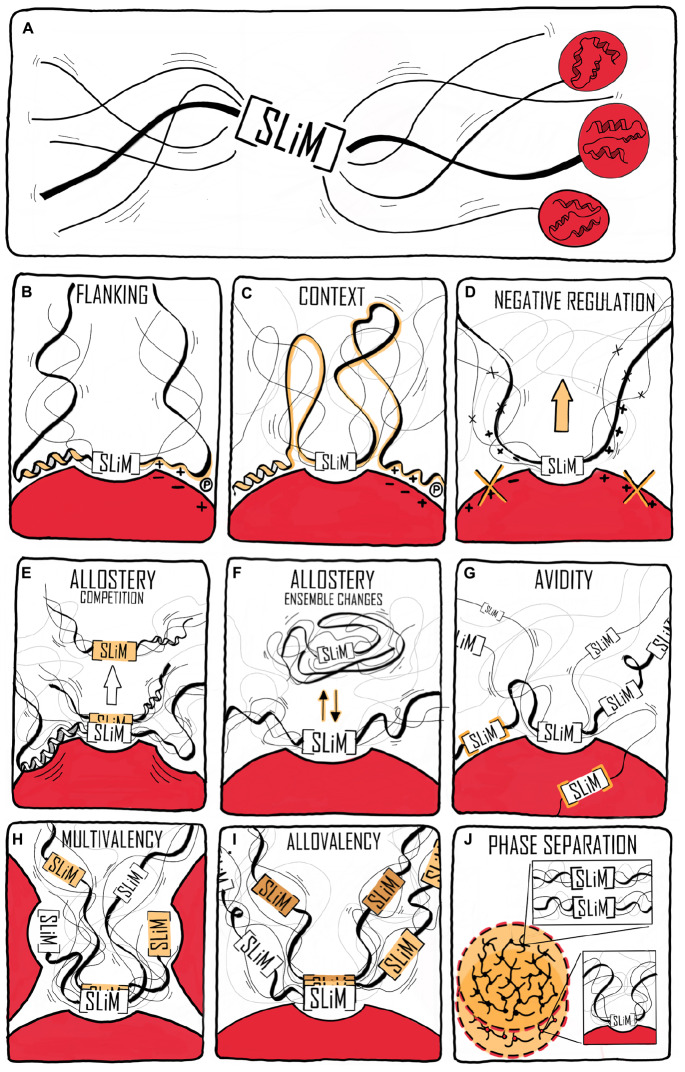
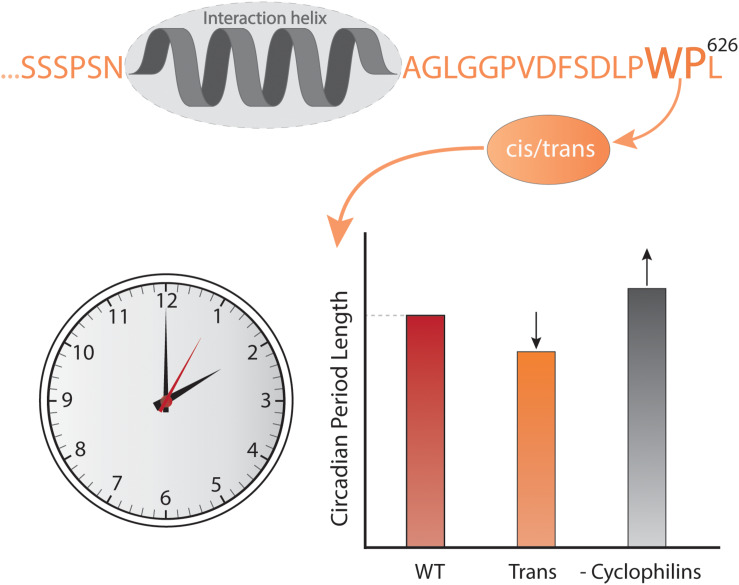
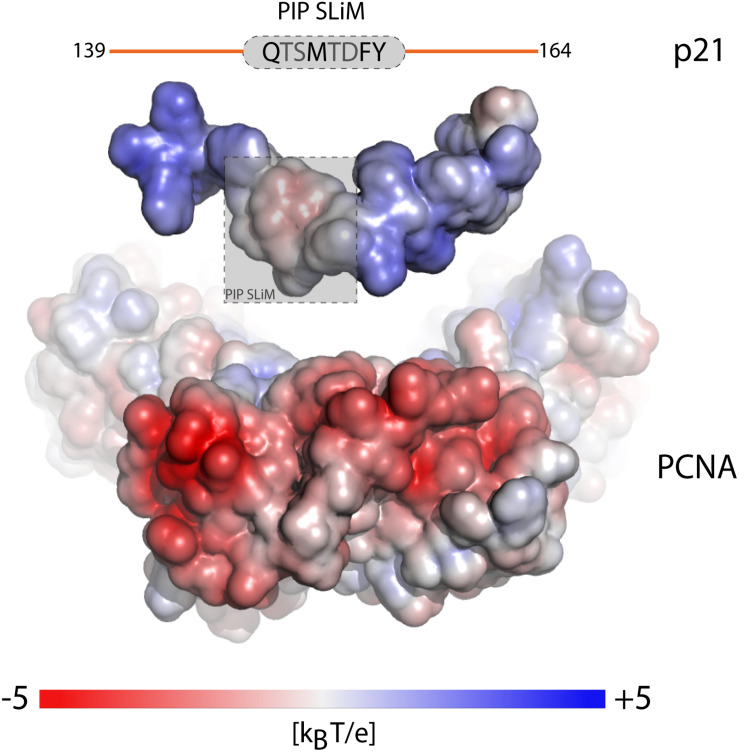
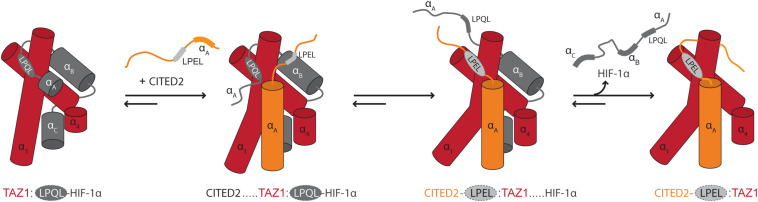
Verification
Claims the paper makes
The claims and statistics of this paper haven’t been checked yet.
Run the check — free, no account needed. It reads the open-access text and checks the sources it cites.
Claims other papers make about this one
Each is checked against this paper’s own text: does it say what the citing paper says it does?
In the citing paper
“Although there are clear context dependent modulations of intrinsic sequence-ensemble relationships, these modulations range from being negligible to predictable based on the sequence features of IDRs and the types of folded domains to which IDRs are tethered.80,81”
From AlphaFold and Implications for Intrinsically Disordered Proteins (2021) · cites this paper as [81]
Self-check
Percentages, sums and reported differences re-computed from the paper’s own numbers.
The self-check needs the paper’s full text.
Citations
Cites
Principles that Govern the Folding of Protein Chains
Anfinsen, C. B. (1973) · Science · doi:10.1126/science.181.4096.223 · Cited by 7,096 · cited 1×
“…the importance of context in the understanding of proteins was formulated by Christian B. Anfinsen stating “ that the native conformation is determined by the totality of interatomic interactions and hence by the amino acid sequence, in a given environment ” (Anfinsen et al., 1961; Anfinsen, 1973).”
BackgroundBiomolecular condensates: organizers of cellular biochemistry
Banani, S. F., Lee, H. O., Hyman, A. A., & Rosen, M. K. (2017) · Nature Reviews Molecular Cell Biology · doi:10.1038/nrm.2017.7 · Cited by 6,058 · cited 1×
“Localization of NPM1 within nucleoli depends upon its ability to undergo LLPS with Arg-motif containing proteins and ribosomal RNA (Mitrea et al., 2016; Banani et al., 2017).”
BackgroundAlberti, S., Gladfelter, A., & Mittag, T. (2019) · Cell · doi:10.1016/j.cell.2018.12.035 · Cited by 2,856 · cited 2×
“Additional examples illustrate how IDRs with multiple interacting motifs can participate in LLPS mediated by weak multivalent interactions (Boija et al., 2018; Alberti et al., 2019).”
BackgroundSensors and regulators of intracellular pH
Casey, J. R., Grinstein, S., & Orlowski, J. (2010) · Nature Reviews Molecular Cell Biology · doi:10.1038/nrm2820 · Cited by 2,218 · cited 1×
“Thus, depending on location (Casey et al., 2010), IDPs may compact, gain secondary structure, or engage in folding or partial folding when the pH changes.”
BackgroundA signature motif in transcriptional co-activators mediates binding to nuclear receptors
Heery, D. M., Kalkhoven, E., Hoare, S., & Parker, M. G. (1997) · Nature · doi:10.1038/42750 · Cited by 2,128
Role of the CLOCK Protein in the Mammalian Circadian Mechanism
Gekakis, N., Staknis, D., Nguyen, H. B., Davis, F. C., Wilsbacher, L. D., King, D. P., Takahashi, J. S., & Weitz, C. J. (1998) · Science · doi:10.1126/science.280.5369.1564 · Cited by 2,035
Wang, J., Choi, J.-M., Holehouse, A., Lee, H. O., Zhang, X., Jahnel, M., Maharana, S., Lemaitre, R., Pozniakovsky, A., Drechsel, D., et al. (2018) · Cell · doi:10.1016/j.cell.2018.06.006 · Cited by 1,876 · cited 1×
“In phase separation, the context of the disordered chain also has implications for interactions as explained by the stickers-and-spacers model of phase separation developed based on studies of RNA-binding proteins with prion-like domains (Wang et al., 2018; Martin et al., 2020).”
BackgroundBoija, A., Klein, I. A., Sabari, B. R., Dall’Agnese, A., Coffey, E. L., Zamudio, A. V., Li, C. H., Shrinivas, K., Manteiga, J. C., Hannett, N. M., et al. (2018) · Cell · doi:10.1016/j.cell.2018.10.042 · Cited by 1,815 · cited 6×
“Furthermore, for a mutant of GCN4 in which the aromatic residues of the hydrophobic patches were changed to Ala, incorporation into MED15 droplets was attenuated (Boija et al., 2018).”
BackgroundInfluentialPCNA, the Maestro of the Replication Fork
Moldovan, G.-L., Pfander, B., & Jentsch, S. (2007) · Cell · doi:10.1016/j.cell.2007.05.003 · Cited by 1,796 · cited 2×
“PCNA has an enormous interactome (Moldovan et al., 2007; Prestel et al., 2019) 1 ), and the APIM motif [KR] (cid:127)(cid:56) 2 [KR] for cytosolic partners (Gilljam et al., 2009; Sebesta et al., 2017).”
BackgroundBoisvert, F., van Koningsbruggen, S., de Navascués, J., & Lamond, A. I. (2007) · Nature Reviews Molecular Cell Biology · doi:10.1038/nrm2184 · Cited by 1,671 · cited 1×
“The nucleolus, a membrane-less compartment, is the site of ribosome biogenesis (Boisvert et al., 2007).”
Background
Cited by
Sorted by citations
The molecular basis for cellular function of intrinsically disordered protein regions
Holehouse, A. S., & Kragelund, B. B. (2023) · Nature Reviews Molecular Cell Biology · doi:10.1038/s41580-023-00673-0 · Cited by 741
“…presence of osmolytes or ions; (ii) the chemical context of the IDR, namely, PTMs and changes in pH leading to protonation and deprotonation effects 41 ; and (iii) the structural context, that is, the presence or absence Intrinsically disordered regions (IDRs) have critical cellular roles across…”
AlphaFold and Implications for Intrinsically Disordered Proteins
Ruff, K. M., & Pappu, R. V. (2021) · Journal of Molecular Biology · doi:10.1016/j.jmb.2021.167208 · Cited by 635
Abyzov, A., Blackledge, M., & Zweckstetter, M. (2022) · Chemical Reviews · doi:10.1021/acs.chemrev.1c00774 · Cited by 215
Brocca, S., Grandori, R., Longhi, S., & Uversky, V. N. (2020) · International Journal of Molecular Sciences · doi:10.3390/ijms21239045 · Cited by 193
ELM—the Eukaryotic Linear Motif resource—2024 update
Kumar, M., Michael, S., Alvarado-Valverde, J., Zeke, A., Lázár, T., Glavina, J., Nagy‐Kanta, E., Donagh, J. M., Kálmán, Z. E., Pascarelli, S., et al. (2023) · Nucleic Acids Research · doi:10.1093/nar/gkad1058 · Cited by 185
“SLiMs bind partner protein domains with moderate affinity and therefore in many contexts they exhibit co-operativity to achieve their functional output ( 22–24 ).”
BackgroundCamacho‐Zarco, A. R., Schnapka, V., Guseva, S., Abyzov, A., Adamski, W., Milles, S., Jensen, M. R., Žı́dek, L., Salvi, N., & Blackledge, M. J. (2022) · Chemical Reviews · doi:10.1021/acs.chemrev.1c01023 · Cited by 157
PED in 2021: a major update of the protein ensemble database for intrinsically disordered proteins
Lazar, T., Martínez-Pérez, E., Quaglia, F., Hatos, A., Chemes, L. B., Iserte, J. A., Méndez, N. A., Garrone, N. A., Saldaño, T. E., Marchetti, J., et al. (2021) · Nucleic Acids Research · doi:10.1093/nar/gkaa1021 · Cited by 142
“However, this recent abundance of LDRs is predominantly due to the context-dependent folding of proteins with conditional disorder, such as pH sensitivity, PTM-dependent folding, localization-dependent disorder and folding upon binding to a partner (7–9).”
BackgroundBinding Revisited—Avidity in Cellular Function and Signaling
Erlendsson, S., & Teilum, K. (2021) · Frontiers in Molecular Biosciences · doi:10.3389/fmolb.2020.615565 · Cited by 116
“…has also been expanded to include interactions involving fully flexible systems such as intrinsically disordered proteins (IDPs), and systems with less specific binding sequences e.g., phosphorylation sites or short linear motifs (SLiMs) (Mittag et al., 2008; Tompa, 2014; Bugge et al., 2020).”
BackgroundSystematic discovery of protein interaction interfaces using AlphaFold and experimental validation
Lee, C. Y., Hubrich, D., Varga, J. K., Schäfer, C., Welzel, M., Schumbera, E., Djokic, M., Strom, J. M., Schönfeld, J., Geist, J. L., et al. (2024) · Molecular Systems Biology · doi:10.1038/s44320-023-00005-6 · Cited by 105
“Various studies have highlighted that fl anking sequences of motifs can in fl uence binding af fi nities and speci fi cities (Luck et al, 2012; Bugge et al, 2020).”
Systematic discovery of protein interaction interfaces using AlphaFold and experimental validation
Lee, C. Y., Hubrich, D., Varga, J. K., Schäfer, C., Welzel, M., Schumbera, E., Đokić, M., Strom, J. M., Schönfeld, J., Geist, J. L., et al. (2023) · doi:10.1101/2023.08.07.552219 · Cited by 105
Molecular determinants of condensate composition
Holehouse, A. S., & Alberti, S. (2025) · Molecular Cell · doi:10.1016/j.molcel.2024.12.021 · Cited by 107
Sequence-based prediction of intermolecular interactions driven by disordered regions
Ginell, G. M., Emenecker, R. J., Lotthammer, J. M., Keeley, A. T., Plassmeyer, S. P., Razo, N. J., Usher, E. T., Pelham, J. F., & Holehouse, A. S. (2025) · Science · doi:10.1126/science.adq8381 · Cited by 123
Intrinsically disordered proteins: modes of binding with emphasis on disordered domains
Morris, O. M., Torpey, J. H., & Isaacson, R. L. (2021) · Open Biology · doi:10.1098/rsob.210222 · Cited by 104
“It has been widely reported that flanking regions modulate the nature of the interaction between an IDP and its target, contributing to binding affinity and specificity [40].”
BackgroundInfluentialIntrinsically disordered proteins/regions and insight into their biomolecular interactions
Chakrabarti, P., & Chakravarty, D. (2022) · Biophysical Chemistry · doi:10.1016/j.bpc.2022.106769 · Cited by 101
Interaction modules that impart specificity to disordered protein
Čermáková, K., & Hodges, H. C. (2023) · Trends in Biochemical Sciences · doi:10.1016/j.tibs.2023.01.004 · Cited by 96
Intrinsically Disordered Proteins: Critical Components of the Wetware
Kulkarni, P., Bhattacharya, S., Achuthan, S., Behal, A., Jolly, M. K., Kotnala, S., Mohanty, A. R., Govindan Rangarajan, C., Salgia, R., & Uversky, V. N. (2022) · Chemical Reviews · doi:10.1021/acs.chemrev.1c00848 · Cited by 88
Lindorff-Larsen, K., & Kragelund, B. B. (2021) · Journal of Molecular Biology · doi:10.1016/j.jmb.2021.167196 · Cited by 85
Self-citationProteome‐scale mapping of binding sites in the unstructured regions of the human proteome
Benz, C., Ali, M., Krystkowiak, I., Simonetti, L., Sayadi, A., Mihalič, F., Kliche, J., Andersson, E., Jemth, P., Davey, N. E., et al. (2022) · Molecular Systems Biology · doi:10.15252/msb.202110584 · Cited by 86
“Many SLiM-based PPIs rely on additional binding sites present in the interacting proteins, which further complicates their identification (Ivarsson & Jemth, 2019; Bugge et al , 2020).”
Theillet, F., & Luchinat, E. (2022) · Progress in Nuclear Magnetic Resonance Spectroscopy · doi:10.1016/j.pnmrs.2022.04.002 · Cited by 88
Zeng, X., Ruff, K. M., & Pappu, R. V. (2022) · Proceedings of the National Academy of Sciences · doi:10.1073/pnas.2200559119 · Cited by 72
“Such transitions, especially in the context of tethered systems, are likely to make important contributions to the spatial and temporal control over biochemical reactions where IDRs modulate the effective concentrations of ligands around binding sites or of substrates around active sites of enzymes (31, 32, 34, 56, 84…”
BackgroundOn the specificity of protein–protein interactions in the context of disorder
Teilum, K., Olsen, J. G., & Kragelund, B. B. (2021) · Biochemical Journal · doi:10.1042/bcj20200828 · Cited by 74
Expanding the molecular grammar of polar residues and arginine in FUS phase separation
Wake, N., Weng, S.-L., Zheng, T., Wang, S., Kirilenko, V., Mittal, J., & Fawzi, N. L. (2025) · Nature Chemical Biology · doi:10.1038/s41589-024-01828-6 · Cited by 65
“Alternatively, considering the role of various residue pair contacts in PS, one could adopt a nonbinary inclusive classification where most (if not all) residues contribute to PS depending on the context and other environmental factors such as temperature, salt and pH 57,58 .”
Intrinsically disordered regions as facilitators of the transcription factor target search
Jonas, F., Navon, Y., & Barkai, N. (2025) · Nature Reviews Genetics · doi:10.1038/s41576-025-00816-3 · Cited by 74
“However, functionally conserved IDRs show little sequence conservation when tested using alignment-based comparative tools, suggesting distinct sequence–function relationships that are independent of linear residue ordering 36–42 .”
Naudi-Fabra, S., Tengo, M., Jensen, M. R., Blackledge, M. J., & Milles, S. (2021) · Journal of the American Chemical Society · doi:10.1021/jacs.1c06264 · Cited by 65
actifpTM: a refined confidence metric of AlphaFold2 predictions involving flexible regions
Varga, J. K., Ovchinnikov, S., & Schueler‐Furman, O. (2025) · Bioinformatics · doi:10.1093/bioinformatics/btaf107 · Cited by 56
“Additionally, the bound conformations can still be somewhat flexible, especially the flanking regions surrounding a more tightly bound region (Bugge et al. 2020). ipTM (and a confidence metric, defined as a weighted sum of ipTM and pTM) is a frequently used score for assessing docked…”
Intrinsic and extrinsic regulators of Aux/IAA protein degradation dynamics
de Figueiredo, M. R. A., & Strader, L. C. (2022) · Trends in Biochemical Sciences · doi:10.1016/j.tibs.2022.06.004 · Cited by 53
Intrinsically disordered proteins: Ensembles at the limits of Anfinsen's dogma
Kulkarni, P., Leite, V. B. P., Roy, S., Bhattacharyya, S., Mohanty, A. R., Achuthan, S., Singh, D., Appadurai, R., Govindan Rangarajan, C., Weninger, K., et al. (2022) · Biophysics Reviews · doi:10.1063/5.0080512 · Cited by 49
Langstein-Skora, I., Schmid, A., Huth, F., Shabani, D., Spechtenhauser, L., Likhodeeva, M., Kunert, F., Metzner, F. J., Emenecker, R. J., Richardson, M. O. G., et al. (2022) · bioRxiv (Cold Spring Harbor Laboratory) · doi:10.1101/2022.02.10.480018 · Cited by 47
Theisen, F. F., Staby, L., Tidemand, F. G., O’Shea, C., Prestel, A., Willemoës, M., Kragelund, B. B., & Skriver, K. (2021) · Journal of the American Chemical Society · doi:10.1021/jacs.1c04214 · Cited by 45
SOURSOP: A Python Package for the Analysis of Simulations of Intrinsically Disordered Proteins
Lalmansingh, J. M., Keeley, A. T., Ruff, K. M., Pappu, R. V., & Holehouse, A. S. (2023) · Journal of Chemical Theory and Computation · doi:10.1021/acs.jctc.3c00190 · Cited by 42
The molecular grammar of protein disorder guiding genome-binding locations
Jonas, F., Carmi, M., Krupkin, B., Steinberger, J., Brodsky, S., Jana, T., & Barkai, N. (2023) · Nucleic Acids Research · doi:10.1093/nar/gkad184 · Cited by 47
Commonly asked questions about transcriptional activation domains
Udupa, A., Kotha, S. R., & Staller, M. V. (2023) · Current Opinion in Structural Biology · doi:10.1016/j.sbi.2023.102732 · Cited by 48
Mantonico, M. V., Leo, F. D., Quilici, G., Colley, L. S., Marchis, F. D., Crippa, M. P., Mezzapelle, R., Schulte, T., Zucchelli, C., Pastorello, C., et al. (2024) · Nature Communications · doi:10.1038/s41467-024-45505-7 · Cited by 46
Quantifying charge state heterogeneity for proteins with multiple ionizable residues
Fossat, M. J., Posey, A. E., & Pappu, R. V. (2021) · Biophysical Journal · doi:10.1016/j.bpj.2021.11.2886 · Cited by 35
“Indeed, several studies have documented the important contributions made by ionizable residues to conformational (21-26), binding (27-33), and phase equilibria of IDPs (34-42).”
Intrinsic Disorder in Plant Transcription Factor Systems: Functional Implications
Salladini, E., Jørgensen, M. L. M., Theisen, F. F., & Skriver, K. (2020) · International Journal of Molecular Sciences · doi:10.3390/ijms21249755 · Cited by 34
Mindel, V., Brodsky, S., Cohen, A., Manadre, W., Jonas, F., Carmi, M., & Barkai, N. (2023) · Nucleic Acids Research · doi:10.1093/nar/gkad1191 · Cited by 37
Stereochemistry in the disorder–order continuum of protein interactions
Newcombe, E. A., Due, A. D., Sottini, A., Elkjær, S., Theisen, F. F., Fernandes, C. B., Staby, L., Delaforge, E., Bartling, C. R. O., Brakti, I., et al. (2024) · Nature · doi:10.1038/s41586-024-08271-6 · Cited by 38
“Such strong enthalpy–entropy compensation within the core binding region imposed by dynamic flanking regions was reported previously for the N-terminal flanking region of DREB2A 40 , and the larger enthalpic contribution for DREB2A binding shows that context matters 41 .”
Subcellular localization as a driver of protein function
Sigaeva, A., Hutchings, C., Cesnik, A. J., Lilley, K. S., & Lundberg, E. K. (2026) · Nature Reviews Molecular Cell Biology · doi:10.1038/s41580-026-00947-3 · Cited by 39
“Secondly, subcellular localization can directly influence the stability, structure and, consequently, behaviour of a protein through changes in pH and salt concentration 84,85 , redox state 86,87 , molecular crowding 88–90 and solvating properties 91 .”
Leysen, H., Walter, D., Christiaenssen, B., Vandoren, R., Harputluoğlu, İ., Loon, N. V., & Maudsley, S. R. (2021) · International Journal of Molecular Sciences · doi:10.3390/ijms222413387 · Cited by 34
DNA binding redistributes activation domain ensemble and accessibility in pioneer factor Sox2
Bjarnason, S., McIvor, J. A. P., Prestel, A., Demény, K. S., Bullerjahn, J. T., Kragelund, B. B., Mercadante, D., & Heidarsson, P. O. (2024) · Nature Communications · doi:10.1038/s41467-024-45847-2 · Cited by 35
“The classical modular view of TFs, which assumes separate functional domains unaffected by each others ’ presence, has recently come into question and at the same time, interdomain synergy and context are increasingly coming into view 38,39 .”
Pathogenic mutations of human phosphorylation sites affect protein–protein interactions
Rrustemi, T., Meyer, K., Roske, Y., Uyar, B., Akalin, A., Imami, K., Ishihama, Y., Daumke, O., & Selbach, M. (2024) · Nature Communications · doi:10.1038/s41467-024-46794-8 · Cited by 33
“They achieve this in a number of different ways such as the induction of structural changes in adjacent structured regions, transitioning from disorder-to-order, and/or by mediating protein-protein interactions 17 – 19 .”
BackgroundNative proline-rich motifs exploit sequence context to target actin-remodeling Ena/VASP protein ENAH
Hwang, T., Parker, S. S., Hill, S. M., Grant, R. A., Ilunga, M. W., Sivaraman, V., Mouneimne, G., & Keating, A. E. (2022) · eLife · doi:10.7554/elife.70680 · Cited by 33
Protein disorder and autoinhibition: The role of multivalency and effective concentration
Fenton, M. J., Gregory, E., & Daughdrill, G. W. (2023) · Current Opinion in Structural Biology · doi:10.1016/j.sbi.2023.102705 · Cited by 30
Multivalency emerges as a common feature of intrinsically disordered protein interactions
Sipko, E. L., Chappell, G. F., & Berlow, R. B. (2023) · Current Opinion in Structural Biology · doi:10.1016/j.sbi.2023.102742 · Cited by 30
Disordered Regions Flanking the Binding Interface Modulate Affinity between CBP and NCOA
Karlsson, E., Schnatwinkel, J., Paissoni, C., Andersson, E., Herrmann, C., Camilloni, C., & Jemth, P. (2022) · Journal of Molecular Biology · doi:10.1016/j.jmb.2022.167643 · Cited by 31
SRC homology 3 domains: multifaceted binding modules
Dionne, U., Percival, L. J., Chartier, F. J.-M., Landry, C. R., & Bisson, N. (2022) · Trends in Biochemical Sciences · doi:10.1016/j.tibs.2022.04.005 · Cited by 31
Orchestration of signaling by structural disorder in class 1 cytokine receptors
Seiffert, P., Bugge, K., Nygaard, M. M., Haxholm, G. W., Martinsen, J. H., Pedersen, M. N., Arleth, L., Boomsma, W., & Kragelund, B. B. (2020) · Cell Communication and Signaling · doi:10.1186/s12964-020-00626-6 · Cited by 29
“Furthermore, anking residues outside a SLiM and post translational modi cations (PTMs) can tune a nity and add regulatory properties assisting in the spatiotemporal orchestration of multiple binding events [13,14].”
BackgroundWang, B., Svetlov, V. V., Wolf, Y. I., Koonin, E. V., Nudler, E., & Artsimovitch, I. (2021) · mBio · doi:10.1128/mbio.01423-21 · Cited by 32
Shinn, M. K., Cohan, M. C., Bullock, J. L., Ruff, K. M., Levin, P. A., & Pappu, R. V. (2022) · Proceedings of the National Academy of Sciences · doi:10.1073/pnas.2211178119 · Cited by 29
The MYC oncoprotein directly interacts with its chromatin cofactor PNUTS to recruit PP1 phosphatase
Wei, Y., Redel, C., Ahlner, A., Lemak, A. S., Johansson-Åkhe, I., Houliston, S., Kenney, T. M. G., Tamachi, A., Morad, V., Duan, S., et al. (2022) · Nucleic Acids Research · doi:10.1093/nar/gkac138 · Cited by 28
“To determine whether PNUTS(1-148) interacted directly with MYC, we initially focused our analysis on the six highly conserved and regulatory MYC Box (MB) regions.”
InfluentialProtein Condensation, Cellular Organization, and Spatiotemporal Regulation of Cytoplasmic Properties
van Tartwijk, F. W., & Kaminski, C. F. (2022) · Advanced Biology · doi:10.1002/adbi.202101328 · Cited by 28
Kjærgaard, M., Glavina, J., & Chemes, L. B. (2020) · Methods in enzymology on CD-ROM/Methods in enzymology · doi:10.1016/bs.mie.2020.09.012 · Cited by 27
Schiavina, M., Salladini, E., Murrali, M. G., Tria, G., Felli, I. C., Pierattelli, R., & Longhi, S. (2020) · Scientific Reports · doi:10.1038/s41598-020-76522-3 · Cited by 27
Wang, D., Wu, S., Wang, D., Song, X., Yang, M., Zhang, W., Huang, S., Weng, J., Liu, Z., & Wang, W. (2022) · Chemical Science · doi:10.1039/d1sc06825c · Cited by 28
αα-Hub domains and intrinsically disordered proteins: A decisive combo
Bugge, K., Staby, L., Salladini, E., Falbe-Hansen, R. G., Kragelund, B. B., & Skriver, K. (2020) · Journal of Biological Chemistry · doi:10.1074/jbc.rev120.012928 · Cited by 23
“The context of αα -hub interactions is multifacial, including the disordered SLiM context of the partners, the modular protein scaffold of the hub, as well as the environment (139).”
Domínguez, F. D. B. P., Shiliaev, N., Lukash, T., Agback, P., Palchevska, O., Gould, J. R., Meshram, C. D., Prevelige, P. E., Green, T. J., Agback, T., et al. (2021) · Journal of Virology · doi:10.1128/jvi.00836-21 · Cited by 23
“Besides demonstrating unusual 386 physical characteristics, IDPs can interact with multiple proteins, mediate formation of 387 large complexes and thus, are critically involved in numerous cellular processes (46-49).”
BackgroundThe bacterial DNA sliding clamp, β-clamp: structure, interactions, dynamics and drug discovery
Simonsen, S., Søgaard, C. K., Olsen, J. G., Otterlei, M., & Kragelund, B. B. (2024) · Cellular and Molecular Life Sciences · doi:10.1007/s00018-024-05252-w · Cited by 23
“However, flanking sequence regions outside the CBM as well as contacts made from other (folded) parts of the ligand, can impact binding affinity, conformation, and function as seen for other SLiMs [80].”
Sénicourt, L., le Maire, A., Allemand, F., Carvalho, J. E., Guée, L., Germain, P., Schubert, M., Bernadó, P., Bourguet, W., & Sibille, N. (2021) · Journal of Molecular Biology · doi:10.1016/j.jmb.2021.166899 · Cited by 24
Direct prediction of intermolecular interactions driven by disordered regionsPreprint
Ginell, G. M., Emenecker, R. J., Lotthammer, J. M., Usher, E. T., & Holehouse, A. S. (2024) · bioRxiv (Cold Spring Harbor Laboratory) · doi:10.1101/2024.06.03.597104 · Cited by 22
Staby, L., Due, A. D., Kunze, M. B. A., Jørgensen, M. L. M., Skriver, K., & Kragelund, B. B. (2021) · Journal of Molecular Biology · doi:10.1016/j.jmb.2021.167320 · Cited by 22
Location, location, location: Protein kinase nanoclustering for optimised signalling output
Gormal, R. S., Martínez‐Mármol, R., Brooks, A. J., & Meunier, F. A. (2023) · eLife · doi:10.7554/elife.93902 · Cited by 22
Naudi-Fabra, S., Elena‐Real, C. A., Vedel, I. M., Tengo, M., Motzny, K., Jiang, P., Schmieder, P., Liu, F., & Milles, S. (2024) · Nature Communications · doi:10.1038/s41467-024-50212-4 · Cited by 26
Proteome-scale characterisation of motif-based interactome rewiring by disease mutations
Kliche, J., Simonetti, L., Krystkowiak, I., Kuss, H., Diallo, M., Rask, E., Nilsson, J., Davey, N. E., & Ivarsson, Y. (2024) · Molecular Systems Biology · doi:10.1038/s44320-024-00055-4 · Cited by 20
“…likely to result in the reduction or enhancement of af fi nity, there is a growing literature reporting on the contribution of non-consensus residues in motif instances (wild-card positions) and of motif-fl anking regions to the af fi nity of interactions (Karlsson et al, 2022; Bugge et al, 2020).”
Gruber, T., Lewitzky, M., Machner, L., Weininger, U., Feller, S. M., & Balbach, J. (2021) · Journal of Molecular Biology · doi:10.1016/j.jmb.2021.167407 · Cited by 21
Role of charges in a dynamic disordered complex between an IDP and a folded domain
Bugge, K., Sottini, A., Ivanović, M. T., Buus, F. S., Saar, D., Fernandes, C. B., Kocher, F., Martinsen, J. H., Schuler, B., Best, R. B., et al. (2025) · Nature Communications · doi:10.1038/s41467-025-58374-5 · Cited by 20
“Reviewer #2 (Remarks to the Author) In the reviewed manuscript, Bugge et al. probe the dynamic, electrostatic interactions between prothymosin alpha (an IDP) and the small, folded domain of H1.”
Use of AI-methods over MD simulations in the sampling of conformational ensembles in IDPs
Sil, S., Datta, I., & Basu, S. (2025) · Frontiers in Molecular Biosciences · doi:10.3389/fmolb.2025.1542267 · Cited by 22
Pelham, J. F., Mosier, A. E., Altshuler, S. C., Rhodes, M. L., Kirchhoff, C. L., Fall, W. B., Mann, C., Baik, L. S., Chiu, J. C., & Hurley, J. (2021) · Cell Reports · doi:10.1016/j.celrep.2023.112376 · Cited by 19
Langstein-Skora, I., Schmid, A., Huth, F., Shabani, D., Spechtenhauser, L., Likhodeeva, M., Kunert, F., Metzner, F. J., Emenecker, R. J., Richardson, M. O. G., et al. (2026) · Nature Cell Biology · doi:10.1038/s41556-025-01867-8 · Cited by 19
“The importance of context in relation to motif function has been seen in other systems 61,82,110 .”
Evolution of SLiM-mediated hijack functions in intrinsically disordered viral proteins
Glavina, J., Palópoli, N., & Chemes, L. B. (2022) · Essays in Biochemistry · doi:10.1042/ebc20220059 · Cited by 15
“The close inspection of host and viral SLiMs indicates that fine-tuning of binding affinity and specificity occurs at multiple levels [101] which include changes in core [67], wildcard [70,102] and flanking [72,103] residues (Figure 4) as well as conformational preferences such as secondary…”
BackgroundIntrinsic disorder and flexibility in proteins: a challenge for structural biology and drug design
Zanotti, G. (2023) · Crystallography Reviews · doi:10.1080/0889311x.2023.2208518 · Cited by 16
“All these factors are analysed and discussed in reference [86], and examples are reported.”
BackgroundAllosteric control of dynamin-related protein 1 through a disordered C-terminal Short Linear Motif
Pérez-Jover, I., Rochon, K., Hu, D., Mahajan, M. K., Mohan, P. M., Santos-Pérez, I., Gisasola, J. O., Galvez, J. M. M., Agirre, J., Qi, X., et al. (2024) · Nature Communications · doi:10.1038/s41467-023-44413-6 · Cited by 15
“1a, b) that, unlike other IDRs in Drp1, is highly conserved among metazoans (Supplementary Fig.”
BackgroundInfluentialDesign of functional intrinsically disordered proteins
Garg, A., Foutel, N. S. G., Gielnik, M. B., & Kjærgaard, M. (2024) · Protein Engineering Design and Selection · doi:10.1093/protein/gzae004 · Cited by 15
Synergies of Single Molecule Fluorescence and NMR for the Study of Intrinsically Disordered Proteins
Naudi-Fabra, S., Blackledge, M. J., & Milles, S. (2021) · Biomolecules · doi:10.3390/biom12010027 · Cited by 15
Putta, S., Álvarez, L., Lüdtke, S., Sehr, P. A., Müller, G. A., Fernandez, S. M., Tripathi, S. M., Lewis, J., Gibson, T. J., Chemes, L. B., et al. (2022) · Structure · doi:10.1016/j.str.2022.05.019 · Cited by 16
A context-dependent and disordered ubiquitin-binding motif
Dreier, J. E., Prestel, A., Martins, J. M. D. S., Broendum, S. S., Nielsen, O., Garbers, A. E., Suga, H., Boomsma, W., Rogers, J. M., Hartmann‐Petersen, R., et al. (2022) · Cellular and Molecular Life Sciences · doi:10.1007/s00018-022-04486-w · Cited by 15
“In some cases, a SLiM alone may not represent the entire binding event, and the context of the disordered chain can impact the interaction both positively and negatively [25, 71].”
Ubiquitin Interacting Motifs: Duality Between Structured and Disordered Motifs
Lambrughi, M., Maiani, E., Fas, B. A., Shaw, G. S., Kragelund, B. B., Lindorff‐Larsen, K., Teilum, K., Invernizzi, G., & Papaleo, E. (2021) · Frontiers in Molecular Biosciences · doi:10.3389/fmolb.2021.676235 · Cited by 13
“Although individual SLiMs are short and mostly participate in transient interactions, they are essential to protein binding specificity and function (Bugge et al., 2020; Kumar et al., 2020).”
BackgroundFunctional roles and cancer variants of the bifunctional glycosylase NEIL2
Hua, A., & Sweasy, J. B. (2023) · Environmental and Molecular Mutagenesis · doi:10.1002/em.22555 · Cited by 12
“This particular missense mutation occurs in the NEIL2 disordered region, which is known to participate in protein – protein interactions (Bugge et al., 2020).”
The MDMX Acidic Domain Uses Allovalency to Bind Both p53 and MDMX
Fenton, M. J., Borcherds, W. M., Chen, L., Anbanandam, A., Levy, R., Chen, J., & Daughdrill, G. W. (2022) · Journal of Molecular Biology · doi:10.1016/j.jmb.2022.167844 · Cited by 12
Jankowski, M. S., Griffith, D., Shastry, D. G., Pelham, J. F., Ginell, G. M., Thomas, J., Karande, P., Holehouse, A. S., & Hurley, J. M. (2024) · Nature Communications · doi:10.1038/s41467-024-47761-z · Cited by 23
Protein binding and folding through an evolutionary lens
Jemth, P. (2025) · Current Opinion in Structural Biology · doi:10.1016/j.sbi.2024.102980 · Cited by 11
MUL1‐RING recruits the substrate, p53‐TAD as a complex with UBE2D2–UB conjugate
Lee, M., Lee, S.-O., Choi, J., Ryu, M., Lee, M., Kim, J., Hwang, E., Lee, C., Chi, S., & Ryu, K. (2022) · FEBS Journal · doi:10.1111/febs.16360 · Cited by 11
Fagerberg, E., Lenton, S., Nylander, T., Seydel, T., & Skepö, M. (2022) · The Journal of Physical Chemistry B · doi:10.1021/acs.jpcb.1c08976 · Cited by 11
The Structure of the Drp1 Lattice on Membrane
Peng, R., Rochon, K., Hutson, A. N., Stagg, S. M., & Mears, J. A. (2025) · Journal of Molecular Biology · doi:10.1016/j.jmb.2025.169125 · Cited by 12
“42,43 We tested the influence of the MoRF-1 region on the Drp1 lattice.”
Evolution of A bHLH Interaction Motif
Millard, P. S., Kragelund, B. B., & Burow, M. (2021) · International Journal of Molecular Sciences · doi:10.3390/ijms22010447 · Cited by 10
Structural properties of the HNF-1A transactivation domain
Kind, L., Driver, M., Raasakka, A., Onck, P. R., Njølstad, P. R., Arnesen, T., & Kursula, P. (2023) · Frontiers in Molecular Biosciences · doi:10.3389/fmolb.2023.1249939 · Cited by 10
“IDRs frequently harbor SLiMs, which are sequence elements of 6 - 12 residues that mediate the binding to folded interaction partners or promote LLPS by partaking in multivalent interactions (64).”
BackgroundShitaye, G., Ventserova, N., D’Abrosca, G., Dragone, M., Maina, E. W., Fattorusso, R., Iacovino, R., Russo, L., Isernia, C., & Malgieri, G. (2025) · Frontiers in Chemistry · doi:10.3389/fchem.2025.1597656 · Cited by 10
Staby, L., Kemplen, K. R., Stein, A., Ploug, M., Clarke, J., Skriver, K., Heidarsson, P. O., & Kragelund, B. B. (2020) · Cellular and Molecular Life Sciences · doi:10.1007/s00018-020-03639-z · Cited by 10
Hidden Multivalency in Phosphatase Recruitment by a Disordered AKAP Scaffold
Watson, M. L., Almeida, T., Ray, A., Hanack, C., Elston, R., Btesh, J., McNaughton, P. A., & Stott, K. M. (2022) · Journal of Molecular Biology · doi:10.1016/j.jmb.2022.167682 · Cited by 10
Gurumoorthy, V., Shrestha, U. R., Zhang, Q., Pingali, S. V., Boder, E. T., Urban, V. S., Smith, J. C., Petridis, L., & O’Neill, H. (2023) · Biomacromolecules · doi:10.1021/acs.biomac.2c01158 · Cited by 10
Lemieux, P., Bradley, D. T. C., Dubé, A. K., Dionne, U., & Landry, C. R. (2023) · Genetics · doi:10.1093/genetics/iyad175 · Cited by 8
“Furthermore, the mechanisms behind the contribution of disordered regions to PPI are also undefined, but the modifications of these regions, as we did by replacing the binding motif, can also affect binding in unexpected ways (Bugge et al. 2020).”
BackgroundStm1 regulates Ifh1 activity revealing crosstalk between ribosome biogenesis and ribosome dormancy
Bianco, E., Bonassera, M., Uliana, F., Tilma, J., Winkler, M., Zencir, S., Gossert, A. D., Oborská‐Oplová, M., Dechant, R. C., Hugener, J., et al. (2025) · Molecular Cell · doi:10.1016/j.molcel.2025.04.008 · Cited by 10
Martinsen, J. H., Saar, D., Fernandes, C. B., Schuler, B., Bugge, K., & Kragelund, B. B. (2022) · Protein Science · doi:10.1002/pro.4281 · Cited by 10
“The function and native conformation of protein domains are often effected by their full-chain context, 37 – 39 and accumulating evidence suggests that the binding mode of the GD in the nucleosome is influenced by its disordered tails.”
BackgroundLuo, S., Wohl, S., Zheng, W., & Yang, S. (2023) · Biomolecules · doi:10.3390/biom13030530 · Cited by 10
Mihalič, F., Arcila, D., Pettersson, M. E., Farkhondehkish, P., Andersson, E., Andersson, L., Betancur‐R, R., & Jemth, P. (2024) · Molecular Biology and Evolution · doi:10.1093/molbev/msae018 · Cited by 8
“However, recent data suggested that flanking disordered regions of the binding motif may modulate affinity (Bugge et al. 2020; Theisen et al. 2021; Karlsson et al. 2022).”
BackgroundMetabotropic Glutamate Receptors at Ribbon Synapses in the Retina and Cochlea
Klotz, L., & Enz, R. (2022) · Cells · doi:10.3390/cells11071097 · Cited by 9
Biallelic variants in SNUPN cause a limb girdle muscular dystrophy with myofibrillar-like features
Iruzubieta, P., Damborenea, A., Ioghen, M. R., Bajew, S., Fernández‐Torrón, R., Töpf, A., Herrero-Reiriz, Á., Epure, D., Vill, K., Hernández‐Laín, A., et al. (2024) · Brain · doi:10.1093/brain/awae046 · Cited by 8
“15 Specifically, the IDR may act as a swinging arm 57 that permits high amplitude motions required for binding or as a flanking region 58 to the folded domains.”
BackgroundKolonko, M., Uversky, V. N., & Greb‐Markiewicz, B. (2021) · International Journal of Molecular Sciences · doi:10.3390/ijms22062868 · Cited by 9
“Interestingly, protein-protein interaction (PPI) could lead to LLPS formation, which enable the partition of specific functions, but in contrast LLPS may also prevent from protein interactions [22,23][24].”
BackgroundDisordered proteins mitigate the temperature dependence of site-specific binding free energies
Thole, J. F., Waudby, C. A., & Pielak, G. J. (2023) · Journal of Biological Chemistry · doi:10.1016/j.jbc.2023.102984 · Cited by 9
Karlsson, E., Ottoson, C., Ye, W., Andersson, E., & Jemth, P. (2023) · Biochemistry · doi:10.1021/acs.biochem.3c00285 · Cited by 8
Engineering intrinsically disordered regions for guiding genome navigation
Liu, J., Kumar, D. K., Hurieva, B., Jonas, F., & Barkai, N. (2026) · Molecular Cell · doi:10.1016/j.molcel.2026.01.019 · Cited by 9
Metadata
- Authors
- Bugge, K., Brakti, I., Fernandes, C. B., Dreier, J. E., Lundsgaard, J. E., Olsen, J. G., Skriver, K., & Kragelund, B. B.
- Affiliations
- University of Copenhagen (DK)
- Corresponding author
- Skriver, Karen
- Kragelund, Birthe B.
- ORCID
- Venue
- Frontiers in Molecular Biosciences
- Publisher
- Frontiers Media SA
- Published
- 2020-06-16
- Volume
- 7
- Pages
- 110-110
- ISSN
- 2296-889X (ISSN-L)
- PMC
- PMC7308724
- OpenAlex
- W3036355682
- Cited by
- 155
- References
- 159
- Citations by year
- 2026: 16 · 2025: 21 · 2024: 20 · 2023: 31 · 2022: 34 · 2021: 24 · 2020: 9
- FWCI
- 2.35
- Type
- journal article
- Language
- en
- Open access
- gold
- doi.org
- Licence
- Locations
- Frontiers in Molecular Biosciences (publishedVersion, cc-by)
- PubMed Central (publishedVersion, cc-by)
- PubMed (publishedVersion)
- Research at the University of Copenhagen (University of Copenhagen) (publishedVersion, cc-by)
- DOAJ (DOAJ: Directory of Open Access Journals) (submittedVersion, cc-by-sa)
- Funders
- Novo Nordisk Fonden
- Topics
- Life Sciences › Biochemistry, Genetics and Molecular Biology › Molecular Biology › Protein Structure and Dynamics
- Life Sciences › Biochemistry, Genetics and Molecular Biology › Molecular Biology › Protein Interaction Studies and Fluorescence Analysis
- Life Sciences › Biochemistry, Genetics and Molecular Biology › Molecular Biology › 14-3-3 protein interactions
- Keywords
- protein-protein interaction, intrinsically disordered proteins, structural disorder, flanking regions, context-dependent interactions, short linear motifs, multivalency, charge clusters, hydrophobic patch, allosteric regulation, feedback regulation, protein-protein interaction network, drug discovery
About these checks
Registry, retraction, Cites and statistics results are computed, not judged, with one exception: a printed reference that no index lists is read once by a model before it counts as a citation error. Claims are extracted by a model and kept only when their quote appears verbatim in the text; each cited source is then checked, with a model’s help, for whether it says what the claim relies on. Those verdicts can be wrong — read the claim’s quote and the cited source before relying on one.
Statistics and arithmetic are recomputed, not judged.
Confidence bands are shown only for fields calibrated on our annotated test set. None is calibrated yet, so no band is shown.
What counts as a claim ›How we measure confidence ›How we check this ›
Are you an author, or do you see a problem with this page? Request a review
