

The DOI matches its Crossref record; 86 of the 89 references it cites were found in a registry or an index.
CYFIP family proteins between autism and intellectual disability: links with Fragile X syndrome
Open accessAbstract
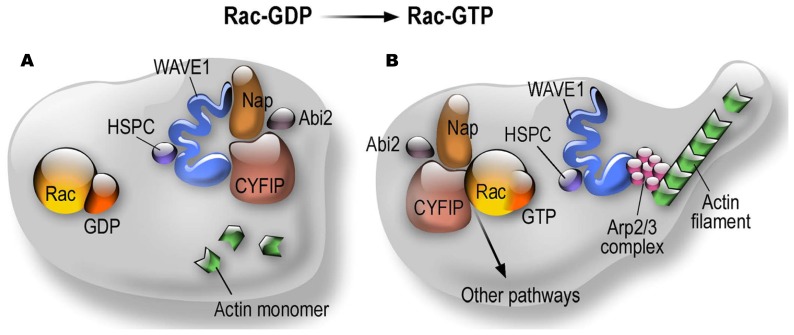
Intellectual disability (ID) and autism spectrum disorders (ASDs) have in common alterations in some brain circuits and brain abnormalities, such as synaptic transmission and dendritic spines morphology. Recent studies have indicated a differential expression for specific categories of genes as a cause for both types of disease, while an increasing number of genes is recognized to produce both disorders. An example is the Fragile X mental retardation gene 1 (FMR1), whose silencing causes the Fragile X syndrome, the most common form of ID and autism, also characterized by physical hallmarks. Fragile X mental retardation protein (FMRP), the protein encoded by FMR1, is an RNA-binding protein with an important role in translational control. Among the interactors of FMRP, CYFIP1/2 (cytoplasmic FMRP interacting protein) proteins are good candidates for ID and autism, on the bases of their genetic implication and functional properties, even if the precise functional significance of the CYFIP/FMRP interaction is not understood yet. CYFIP1 and CYFIP2 represent a link between Rac1, the WAVE (WAS protein family member) complex and FMRP, favoring the cross talk between actin polymerization and translational control.
Overview
The claims and statistics of this paper haven’t been checked yet.
Run the check — free, no account needed. It reads the open-access text and checks the sources it cites.
Integrity signals
Registry
Cites
Statistics
Figures
Verification
Claims the paper makes
The claims and statistics of this paper haven’t been checked yet.
Run the check — free, no account needed. It reads the open-access text and checks the sources it cites.
Claims other papers make about this one
Each is checked against this paper’s own text: does it say what the citing paper says it does?
The source backs part of the claim, not all of it — or backs it for a different population, condition or comparison.
In the citing paper
“Indeed, it is reported that reduction of Cyfip1 or fly Hspc300 affects the level of the other components of the WRC (Kunda et al., 2003; Schenck et al., 2004; Abekhoukh and Bardoni, 2014; Gautier et al., 2011; Qurashi et al., 2007; De Rubeis et al., 2013).”
From New insights into the regulatory function of CYFIP1 in the context of WAVE- and FMRP-containing complexes (2017) · cites this paper as Abekhoukh and Bardoni, 2014
Experimental — accuracy not yet measuredThe source backs part of the claim, not all of it — or backs it for a different population, condition or comparison.
In the citing paper
“while it is known that CYFIP1 interacts with many proteins (Rac, WRC members and membrane components) that are not known partners of FMRP (Abekhoukh and Bardoni, 2014).”
From New insights into the regulatory function of CYFIP1 in the context of WAVE- and FMRP-containing complexes (2017) · cites this paper as Abekhoukh and Bardoni, 2014
Experimental — accuracy not yet measuredThe cited source says what the claim attributes to it.
In the citing paper
“CYFIP1 and CYFIP2 are members of a family of proteins interacting with the Fragile X mental retardation protein (FMRP, encoded by FMR1) in mammals, as well as in the fly (Abekhoukh and Bardoni, 2014; Schenck et al., 2001, 2003).”
From New insights into the regulatory function of CYFIP1 in the context of WAVE- and FMRP-containing complexes (2017) · cites this paper as Abekhoukh and Bardoni, 2014
The cited source says what the claim attributes to it.
In the citing paper
“Owing to their high level of homology, CYFIP1 and CYFIP2 have been often considered as having the same function (Abekhoukh and Bardoni, 2014).”
From New insights into the regulatory function of CYFIP1 in the context of WAVE- and FMRP-containing complexes (2017) · cites this paper as Abekhoukh and Bardoni, 2014
The cited source says what the claim attributes to it.
In the citing paper
“These conclusions are consistent with the fact that FMRP is, indeed, not only involved in translation regulation (Maurin et al., 2014) and CYFIP1 is a component of complexes that do not contain FMRP (Abekhoukh and Bardoni, 2014; Chen et al., 2014).”
From New insights into the regulatory function of CYFIP1 in the context of WAVE- and FMRP-containing complexes (2017) · cites this paper as Abekhoukh and Bardoni, 2014
Self-check
Percentages, sums and reported differences re-computed from the paper’s own numbers.
The self-check needs the paper’s full text.
Citations
Cites
FMRP Stalls Ribosomal Translocation on mRNAs Linked to Synaptic Function and Autism
Darnell, J. C., Van Driesche, S. J., Zhang, C., Hung, K. Y. S., Mele, A., Fraser, C. E., Stone, E. F., Chen, C., Fak, J. J., Chi, S. W., et al. (2011) · Cell · doi:10.1016/j.cell.2011.06.013 · Cited by 2,072
Large recurrent microdeletions associated with schizophrenia.
GROUP, Stefansson, H., Rujescu, D., Cichon, S., Pietiläinen, O. P. H., Ingason, A., Steinberg, S., Fossdal, R., Sigurdsson, E., Sigmundsson, T., et al. (2008) · Nature · doi:10.1038/nature07229 · Cited by 1,745
De novo mutations in schizophrenia implicate synaptic networks
Fromer, M., Pocklington, A. J., Kavanagh, D. H., Williams, H. J., Dwyer, S., Gormley, P., Georgieva, L., Rees, E., Palta, P., Ruderfer, D. M., et al. (2014) · Nature · doi:10.1038/nature12929 · Cited by 1,617
A polygenic burden of rare disruptive mutations in schizophrenia
Purcell, S. M., Moran, J. L., Fromer, M., Ruderfer, D., Solovieff, N., Roussos, P., O’Dushlaine, C., Chambert, K., Bergen, S. E., Kähler, A., et al. (2014) · Nature · doi:10.1038/nature12975 · Cited by 1,385
Altered synaptic plasticity in a mouse model of fragile X mental retardation
Huber, K. M., Gallagher, S. M., Warren, S. T., & Bear, M. F. (2002) · Proceedings of the National Academy of Sciences · doi:10.1073/pnas.122205699 · Cited by 1,349
Brown, V., Jin, P., Ceman, S., Darnell, J. C., O'Donnell, W. T., Tenenbaum, S. A., Jin, X., Feng, Y., Wilkinson, K. D., Keene, J. D., et al. (2001) · Cell · doi:10.1016/s0092-8674(01)00568-2 · Cited by 1,109
Abnormal dendritic spines in fragile X knockout mice: Maturation and pruning deficits
Comery, T. A., Harris, J. B., Willems, P. J., Oostra, B. A., Irwin, S. A., Weiler, I. J., & Greenough, W. T. (1997) · Proceedings of the National Academy of Sciences · doi:10.1073/pnas.94.10.5401 · Cited by 1,046
Willsey, A. J., Sanders, S. J., Li, M., Dong, S., Tebbenkamp, A. T., Muhle, R. A., Reilly, S. K., Lin, L., Fertuzinhos, S., Miller, J. A., et al. (2013) · Cell · doi:10.1016/j.cell.2013.10.020 · Cited by 934
Mechanism of regulation of WAVE1-induced actin nucleation by Rac1 and Nck
Eden, S., Rohatgi, R., Podtelejnikov, A. V., Mann, M., & Kirschner, M. W. (2002) · Nature · doi:10.1038/nature00859 · Cited by 835
Gilman, S. R., Iossifov, I., Levy, D., Ronemus, M., Wigler, M., & Vitkup, D. (2011) · Neuron · doi:10.1016/j.neuron.2011.05.021 · Cited by 701
CNVs conferring risk of autism or schizophrenia affect cognition in controls
Stefansson, H., Meyer-Lindenberg, A., Steinberg, S., Magnusdottir, B., Morgen, K., Arnarsdottir, S., Bjornsdottir, G., Walters, G. B., Jonsdottir, G. A., Doyle, O. M., et al. (2014) · Nature · doi:10.1038/nature12818 · Cited by 699
Zhang, Y., Bailey, A. M., Matthies, H. J. G., Renden, R., Smith, M. A., Speese, S. D., Rubin, G. M., & Broadie, K. S. (2001) · Cell · doi:10.1016/s0092-8674(01)00589-x · Cited by 651
Dendritic Spine Structural Anomalies in Fragile-X Mental Retardation Syndrome
Irwin, S. A. (2000) · Cerebral Cortex · doi:10.1093/cercor/10.10.1038 · Cited by 626
The Fragile X Syndrome Protein Represses Activity-Dependent Translation through CYFIP1, a New 4E-BP
Napoli, I., Mercaldo, V., Boyl, P. P., Eleuteri, B., Zalfa, F., De Rubeis, S., Di Marino, D., Mohr, E., Massimi, M., Falconi, M., et al. (2008) · Cell · doi:10.1016/j.cell.2008.07.031 · Cited by 609
Mutations causing syndromic autism define an axis of synaptic pathophysiology
Auerbach, B. D., Osterweil, E. K., & Bear, M. F. (2011) · Nature · doi:10.1038/nature10658 · Cited by 592
Suppression of two major Fragile X Syndrome mouse model phenotypes by the mGluR5 antagonist MPEP
Yan, Q. J., Rammal, M., Tranfaglia, M., & Bauchwitz, R. P. (2005) · Neuropharmacology · doi:10.1016/j.neuropharm.2005.06.004 · Cited by 521
Feng, Y., Absher, D., Eberhart, D. E., Brown, V., Malter, H. E., & Warren, S. T. (1997) · Molecular Cell · doi:10.1016/s1097-2765(00)80012-x · Cited by 511
Structure and control of the actin regulatory WAVE complex
Chen, Z., Borek, D., Padrick, S. B., Gomez, T. S., Metlagel, Z., Ismail, A. M., Umetani, J., Billadeau, D. D., Otwinowski, Z., & Rosen, M. K. (2010) · Nature · doi:10.1038/nature09623 · Cited by 500
Recurrent microdeletions at 15q11.2 and 16p13.11 predispose to idiopathic generalized epilepsies
de Kovel, C. G. F., Trucks, H., Helbig, I., Mefford, H. C., Baker, C., Leu, C., Kluck, C., Muhle, H., von Spiczak, S., Ostertag, P., et al. (2010) · Brain · doi:10.1093/brain/awp262 · Cited by 445 · cited 1×
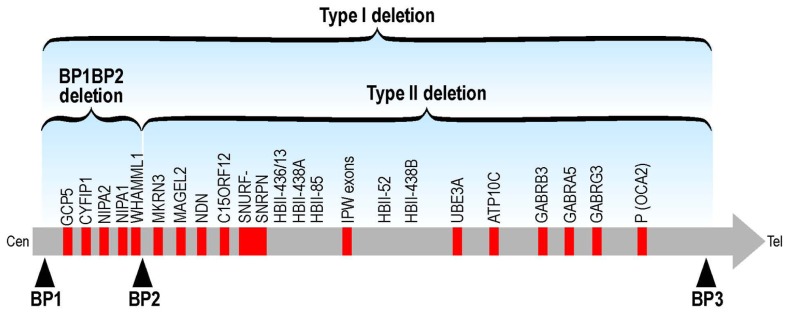
“Two studies reported patients affected by schizophrenia (Stefansson et al.,2008; Kirov et al.,2009) and in one case by epilepsia (De Kovel et al., 2010), while another group recently published a deletion of BP1–BP2 in two young patients affected only by ID and several dysmorphic features (Madrigal…”
BackgroundLeblond, C. S., Heinrich, J., Delorme, R., Proepper, C., Betancur, C., Huguet, G., Konyukh, M., Chaste, P., Ey, E., Rastam, M., et al. (2012) · PLoS Genetics · doi:10.1371/journal.pgen.1002521 · Cited by 429
Support for the involvement of large copy number variants in the pathogenesis of schizophrenia.
Kirov, G., Grozeva, D., Norton, N., Ivanov, D., Mantripragada, K. K., Holmans, P., International Schizophrenia Consortium, the Wellcome Trust Case Control Consortium, Craddock, N., Owen, M. J., et al. (2009) · Human Molecular Genetics · doi:10.1093/hmg/ddp043 · Cited by 390
Schenck, A., Bardoni, B., Moro, A., Bagni, C., & Mandel, J.-L. (2001) · Proceedings of the National Academy of Sciences · doi:10.1073/pnas.151231598 · Cited by 356
Self-citationKunda, P., Craig, G., Dominguez, V., & Baum, B. (2003) · Current Biology · doi:10.1016/j.cub.2003.10.005 · Cited by 341
Prader–Willi syndrome and Angelman syndrome
Buiting, K. (2010) · American Journal of Medical Genetics Part C: Seminars in Medical Genetics · doi:10.1002/ajmg.c.30273 · Cited by 336
The WAVE regulatory complex links diverse receptors to the actin cytoskeleton
Chen, B., Brinkmann, K., Chen, Z., Pak, C. W., Liao, Y., Shi, S., Henry, L., Grishin, N. V., Bogdan, S., & Rosen, M. K. (2014) · Cell · doi:10.1016/j.cell.2013.11.048 · Cited by 323
Schenck, A., Bardoni, B., Langmann, C., Harden, N., Mandel, J.-L., & Giangrande, A. (2003) · Neuron · doi:10.1016/s0896-6273(03)00354-4 · Cited by 316
Self-citationWilliams syndrome: From genotype through to the cognitive phenotype
Donnai, D., & Karmiloff‐Smith, A. (2000) · American Journal of Medical Genetics · doi:10.1002/1096-8628(200022)97:2 · Cited by 314
De Rubeis, S., Pasciuto, E., Li, K. W., Fernández, E., Di Marino, D., Buzzi, A., Ostroff, L. E., Klann, E., Zwartkruis, F. J. T., Komiyama, N. H., et al. (2013) · Neuron · doi:10.1016/j.neuron.2013.06.039 · Cited by 296
Audiogenic Seizures Susceptibility in Transgenic Mice with Fragile X Syndrome
Musumeci, S. A., Bosco, P., Calabrese, G., Bakker, C., De Sarro, G. B., Elia, M., Ferri, R., & Oostra, B. A. (2000) · Epilepsia · doi:10.1111/j.1528-1157.2000.tb01499.x · Cited by 289
Fragile X mental retardation protein is associated with translating polyribosomes in neuronal cells
Stefani, G., Fraser, C. E., Darnell, J. C., & Darnell, R. B. (2004) · The Journal of Neuroscience · doi:10.1523/jneurosci.2306-04.2004 · Cited by 274
Irwin, S. A., Idupulapati, M., Gilbert, M. E., Harris, J. B., Chakravarti, A. B., Rogers, E. J., Crisostomo, R. A., Larsen, B. P., Mehta, A., Alcantara, C. J., et al. (2002) · American Journal of Medical Genetics · doi:10.1002/ajmg.10500 · Cited by 270
Gene Duplication: A Drive for Phenotypic Diversity and Cause of Human Disease
Conrad, B., & Antonarakis, S. E. (2007) · Annual Review of Genomics and Human Genetics · doi:10.1146/annurev.genom.8.021307.110233 · Cited by 270
Activation of the WAVE Complex by Coincident Signals Controls Actin Assembly
Lebensohn, A. M., & Kirschner, M. W. (2009) · Molecular Cell · doi:10.1016/j.molcel.2009.10.024 · Cited by 263
Inhibitory signalling to the Arp2/3 complex steers cell migration
Dang, I., Gorelik, R., Sousa-Blin, C., Derivery, E., Guérin, C., Linkner, J., Némethová, M., Dumortier, J. G., Giger, F. A., Chipysheva, T. A., et al. (2013) · Nature · doi:10.1038/nature12611 · Cited by 248
Nakamoto, M., Nalavadi, V., Epstein, M. P., Narayanan, U., Bassell, G. J., & Warren, S. T. (2007) · Proceedings of the National Academy of Sciences · doi:10.1073/pnas.0707484104 · Cited by 245
CRMP-2 Is Involved in Kinesin-1-Dependent Transport of the Sra-1/WAVE1 Complex and Axon Formation
Kawano, Y., Yoshimura, T., Tsuboi, D., Kawabata, S., Kaneko-Kawano, T., Shirataki, H., Takenawa, T., & Kaibuchi, K. (2005) · Molecular and Cellular Biology · doi:10.1128/mcb.25.22.9920-9935.2005 · Cited by 241
Corbin, F. (1997) · Human Molecular Genetics · doi:10.1093/hmg/6.9.1465 · Cited by 239
A WAVE-1 and WRP Signaling Complex Regulates Spine Density, Synaptic Plasticity, and Memory
Soderling, S. H., Guire, E. S., Kaech, S., White, J., Zhang, F., Schutz, K., Langeberg, L. K., Banker, G., Raber, J., & Scott, J. D. (2007) · The Journal of Neuroscience · doi:10.1523/jneurosci.3209-06.2006 · Cited by 217
Inherited Interstitial Duplications of Proximal 15q: Genotype-Phenotype Correlations
Browne, C. E., Dennis, N. R., Maher, E. R., Long, F., Nicholson, J. C., Sillibourne, J., & Barber, J. C. K. (1997) · The American Journal of Human Genetics · doi:10.1086/301624 · Cited by 207
Circuit and Plasticity Defects in the Developing Somatosensory Cortex of Fmr1 Knock-Out Mice
Bureau, I., Shepherd, G. M. G., & Svoboda, K. (2008) · The Journal of Neuroscience · doi:10.1523/jneurosci.1076-08.2008 · Cited by 201
Chuang, S.-C., Zhao, W., Bauchwitz, R., Yan, Q., Bianchi, R., & Wong, R. K. S. (2005) · Journal of Neuroscience · doi:10.1523/jneurosci.1777-05.2005 · Cited by 190
Bittel, D. C., Kibiryeva, N., & Butler, M. G. (2006) · Pediatrics · doi:10.1542/peds.2006-0424 · Cited by 188
Autism spectrum disorders: an overview on diagnosis and treatment
Brentani, H., Paula, C. S., Bordini, D., Rolim, D., Sato, F. P., Portolese, J., Pacífico, M. C., & McCracken, J. T. (2013) · Brazilian Journal of Psychiatry · doi:10.1590/1516-4446-2013-s104 · Cited by 188
Khandjian, E. W., Huot, M.-E., Tremblay, S., Davidovic, L., Mazroui, R., & Bardoni, B. (2004) · Proceedings of the National Academy of Sciences · doi:10.1073/pnas.0405398101 · Cited by 178
Self-citationThe Prader-Willi phenotype of fragile X syndrome
Nowicki, S. T., Tassone, F., Ono, M. Y., Ferranti, J., Croquette, M. F., Goodlin-Jones, B., & Hagerman, R. J. (2007) · Journal of Developmental & Behavioral Pediatrics · doi:10.1097/01.dbp.0000267563.18952.c9 · Cited by 174
Doornbos, M., Sikkema-Raddatz, B., Ruijvenkamp, C. A. L., Dijkhuizen, T., Bijlsma, E. K., Gijsbers, A. C. J., Hilhorst-Hofstee, Y., Hordijk, R., Verbruggen, K. T., Kerstjens-Frederikse, W. S. (., et al. (2009) · European Journal of Medical Genetics · doi:10.1016/j.ejmg.2009.03.010 · Cited by 165
FMRP interferes with the Rac1 pathway and controls actin cytoskeleton dynamics in murine fibroblasts
Castets, M., Schaeffer, C., Bechara, E., Schenck, A., Khandjian, E. W., Luche, S., Moine, H., Rabilloud, T., Mandel, J.-L., & Bardoni, B. (2005) · Human Molecular Genetics · doi:10.1093/hmg/ddi077 · Cited by 162
Self-citationAschrafi, A., Cunningham, B. A., Edelman, G. M., & Vanderklish, P. W. (2005) · Proceedings of the National Academy of Sciences · doi:10.1073/pnas.0409803102 · Cited by 148
Giuffrida, R., Musumeci, S., D'Antoni, S., Bonaccorso, C. M., Giuffrida-Stella, A. M., Oostra, B. A., & Catania, M. V. (2005) · The Journal of Neuroscience · doi:10.1523/jneurosci.0932-05.2005 · Cited by 141
Recent developments in the genetics of autism spectrum disorders
Murdoch, J. D., & State, M. W. (2013) · Current Opinion in Genetics & Development · doi:10.1016/j.gde.2013.02.003 · Cited by 138
WAVE regulatory complex activation by cooperating GTPases Arf and Rac1
Koronakis, V., Hume, P. J., Humphreys, D., Liu, T., Hørning, O., Jensen, O. N., & McGhie, E. J. (2011) · Proceedings of the National Academy of Sciences · doi:10.1073/pnas.1107666108 · Cited by 138
MED23 Mutation Links Intellectual Disability to Dysregulation of Immediate Early Gene Expression
Hashimoto, S., Boissel, S., Zarhrate, M., Rio, M., Münnich, A., Egly, J., & Colleaux, L. (2011) · Science · doi:10.1126/science.1206638 · Cited by 134
Mechanism-based approaches to treating fragile X
Dölen, G., Carpenter, R. L., Ocain, T. D., & Bear, M. F. (2010) · Pharmacology & Therapeutics · doi:10.1016/j.pharmthera.2010.02.008 · Cited by 129
Increased apoptosis induction by 121F mutant p53
Saller, E., Tom, E., Brunori, M., Otter, M., Estreicher, A., Mack, D. H., & Iggo, R. D. (1999) · The EMBO Journal · doi:10.1093/emboj/18.16.4424 · Cited by 124
Mongroo, P. S., Noubissi, F. K., Cuatrecasas, M., Kalabis, J., King, C. E., Johnstone, C. N., Bowser, M., Castells, A., Spiegelman, V. S., & Rustgi, A. K. (2011) · Cancer Research · doi:10.1158/0008-5472.can-10-3295 · Cited by 123
Absence of metabotropic glutamate receptor-mediated plasticity in the neocortex of fragile X mice
Wilson, B. M., & Cox, C. L. (2007) · Proceedings of the National Academy of Sciences · doi:10.1073/pnas.0610875104 · Cited by 121
A metabolomic and systems biology perspective on the brain of the fragile X syndrome mouse model
Davidovic, L., Navratil, V., Bonaccorso, C. M., Catania, M. V., Bardoni, B., & Dumas, M.-E. (2011) · Genome Research · doi:10.1101/gr.116764.110 · Cited by 118
Self-citationThe Wave complex is intrinsically inactive
Derivery, E., Lombard, B., Loew, D., & Gautreau, A. M. (2009) · Cell Motility and the Cytoskeleton · doi:10.1002/cm.20342 · Cited by 114
Ingason, A., Kirov, G., Giegling, I., Hansen, T., Isles, A. R., Jakobsen, K. D., Kristinsson, K. T., le Roux, L., Gustafsson, O., Craddock, N., et al. (2011) · American Journal of Psychiatry · doi:10.1176/appi.ajp.2010.09111660 · Cited by 114
Fragile X Syndrome: from molecular pathology to therapy
Maurin, T., Zongaro, S., & Bardoni, B. (2014) · Neuroscience & Biobehavioral Reviews · doi:10.1016/j.neubiorev.2014.01.006 · Cited by 113
Self-citationThomas, A. M., Bui, N., Perkins, J. R., Yuva‐Paylor, L. A., & Paylor, R. E. (2011) · Psychopharmacology · doi:10.1007/s00213-011-2375-4 · Cited by 104
Anitei, M., Stange, C., Parshina, I., Baust, T., Schenck, A., Raposo, G., Kirchhausen, T., & Hoflack, B. (2010) · Nature Cell Biology · doi:10.1038/ncb2034 · Cited by 102
Haploinsufficiency of Cyfip1 Produces Fragile X-Like Phenotypes in Mice
Bozdagi, O., Sakurai, T., Dorr, N., Pilorge, M., Takahashi, N., & Buxbaum, J. D. (2012) · PLoS ONE · doi:10.1371/journal.pone.0042422 · Cited by 97
Cyfip1 is a putative invasion suppressor in epithelial cancers
Silva, J. M., Ezhkova, E., Silva, J., Heart, S., Castillo, M., Campos, Y., Castro, V., Bonilla, F., Cordon-Cardo, C., Muthuswamy, S. K., et al. (2009) · Cell · doi:10.1016/j.cell.2009.04.013 · Cited by 87
On BC1 RNA and the fragile X mental retardation protein
Iacoangeli, A., Rozhdestvensky, T. S., Dolzhanskaya, N., Tournier, B., Schütt, J., Brosius, J., Denman, R. B., Khandjian, E. W., Kindler, S., & Tiedge, H. (2008) · Proceedings of the National Academy of Sciences · doi:10.1073/pnas.0710991105 · Cited by 83
WAVE/SCAR, a multifunctional complex coordinating different aspects of neuronal connectivity
Schenck, A., Qurashi, A., Carrera, P., Bardoni, B., Diebold, C., Schejter, E., Mandel, J.-L., & Giangrande, A. (2004) · Developmental Biology · doi:10.1016/j.ydbio.2004.07.009 · Cited by 76
Self-citationVoineagu, I., & Eapen, V. (2013) · Frontiers in Human Neuroscience · doi:10.3389/fnhum.2013.00738 · Cited by 74
Making and breaking synapses through local mRNA regulation
Swanger, S. A., & Bassell, G. J. (2011) · Current Opinion in Genetics & Development · doi:10.1016/j.gde.2011.04.002 · Cited by 74
Cory, G. O. C., & Ridley, A. J. (2002) · Nature · doi:10.1038/418732a · Cited by 72
Peters, S. U., Horowitz, L. T., Barbieri‐Welge, R. L., Taylor, J. L., & Hundley, R. J. (2011) · Journal of Child Psychology and Psychiatry · doi:10.1111/j.1469-7610.2011.02455.x · Cited by 68
Zhao, L., Wang, D., Wang, Q., Rodal, A. A., & Zhang, Y. Q. (2013) · PLoS Genetics · doi:10.1371/journal.pgen.1003450 · Cited by 67
Essential role for Abi1 in embryonic survival and WAVE2 complex integrity
Dubielecka, P. M., Ladwein, K. I., Xiong, X., Migeotte, I., Chorzalska, A., Anderson, K. V., Sawicki, J. A., Rottner, K., Stradal, T. E., & Kotula, L. (2011) · Proceedings of the National Academy of Sciences · doi:10.1073/pnas.1016811108 · Cited by 66
Bogdan, S., Grewe, O., Strunk, M., Mertens, A., & Klämbt, C. (2004) · Development · doi:10.1242/dev.01274 · Cited by 59
Is the spectrum of mutations in Indian patients with cystic fibrosis different?
Kabra, M., Kabra, S. K., Ghosh, M., Khanna, A., Arora, S., Menon, P. S. N., Verma, I. C., & Wallace, A. J. (2000) · American Journal of Medical Genetics · doi:10.1002/1096-8628(20000717)93:2 · Cited by 47
Regulatory BC1 RNA and the Fragile X Mental Retardation Protein: Convergent Functionality in Brain
Zhong, J. W., Chuang, S.-C., Bianchi, R., Zhao, W., Paul, G., Thakkar, P., Liu, D., Fenton, A. A., Wong, R. K. S., & Tiedge, H. (2010) · PLoS ONE · doi:10.1371/journal.pone.0015509 · Cited by 43
Clathrin is required for Scar/Wave-mediated lamellipodium formation
Gautier, J. J., Lomakina, M. E., Bouslama‐Oueghlani, L., Derivery, E., Beilinson, H. A., Faigle, W., Loew, D., Louvard, D., Échard, A., Alexandrova, A. Y., et al. (2011) · Journal of Cell Science · doi:10.1242/jcs.081083 · Cited by 42
FMRP regulates actin filament organization via the armadillo protein p0071
Nolze, A., Schneider, J., Keil, R., Lederer, M., Hüttelmaier, S., Kessels, M. M., Qualmann, B., & Hatzfeld, M. (2013) · RNA · doi:10.1261/rna.037945.112 · Cited by 35
Pittman, A. J., Gaynes, J. A., & Chien, C.-B. (2010) · Developmental Biology · doi:10.1016/j.ydbio.2010.05.512 · Cited by 34
HSPC300 and its role in neuronal connectivity
Qurashi, A., Şahin, H. B., Carrera, P., Gautreau, A. M., Schenck, A., & Giangrande, A. (2007) · Neural Development · doi:10.1186/1749-8104-2-18 · Cited by 34
Autism and intellectual disability: Two sides of the same coin
Schwartz, C. E., & Neri, G. (2012) · American Journal of Medical Genetics Part C Seminars in Medical Genetics · doi:10.1002/ajmg.c.31329 · Cited by 32
15q11.2 microdeletion and FMR1 premutation in a family with intellectual disabilities and autism
Madrigal, I., Rodríguez-Revenga, L., Xunclà, M., & Milà, M. (2012) · Gene · doi:10.1016/j.gene.2012.07.023 · Cited by 23
Ultrastructural abnormalities in CA1 hippocampus caused by deletion of the actin regulator WAVE-1
Hazai, D., Szudoczki, R., Ding, J., Soderling, S. H., Weinberg, R. J., Sótonyi, P., & Rácz, B. (2013) · PLoS ONE · doi:10.1371/journal.pone.0075248 · Cited by 22
Intellectual disabilities, neuronal posttranscriptional RNA metabolism, and RNA-binding proteins
Bardoni, B., Abekhoukh, S., Zongaro, S., & Melko, M. (2012) · Progress in brain research · doi:10.1016/b978-0-444-54299-1.00003-0 · Cited by 15
Self-citationMelko, M., Nguyen, L. S., Shaw, M. A., Jolly, L. A., Bardoni, B., & Gécz, J. (2013) · Human Molecular Genetics · doi:10.1093/hmg/ddt155 · Cited by 13
Self-citationReply to Bagni: On BC1 RNA and the fragile X mental retardation protein
Iacoangeli, A., Rozhdestvensky, T. S., Dolzhanskaya, N., Tournier, B., Schütt, J., Brosius, J., Denman, R. B., Khandjian, É. W., Kindler, S., & Tiedge, H. (2008) · Proceedings of the National Academy of Sciences · doi:10.1073/pnas.0803737105 · Cited by 12
Major synaptic signaling pathways involved in intellectual disability
Pavlowsky, A., Chelly, J., & Billuart, P. (2012) · Molecular Psychiatry · doi:10.1038/mp.2012.79 · Cited by 8
Research works printed but not linked: 3
- Bardoni, 2000, Fmr1 gene and fragile X syndrome., Am. J. Med. Genet., 97, 153, 10.1002/1096-8628(200022)97:2153::AID-AJMG73.0.CO;2-M · DOI
- Cassidy, 2000, Prader-Willi and Angelman syndromes: sister imprinted disorders., Am. J. Med. Genet., 97, 136, 10.1002/1096-8628(200022)97:2136::AID-AJMG53.0.CO;2-V · DOI
- Spranger, 2000, Interstitial deletion of 5q33.3q35.1 in a girl with mild mental retardation., Am. J. Med. Genet., 93, 107, 10.1002/1096-8628(20000717)93:2107::AID-AJMG53.0.CO;2-8 · DOI
Cited by
Sorted by citations
Glutamate Synapses in Human Cognitive Disorders
Volk, L. J., Chiu, S., Sharma, K., & Huganir, R. L. (2015) · Annual Review of Neuroscience · doi:10.1146/annurev-neuro-071714-033821 · Cited by 256
Global treadmilling coordinates actin turnover and controls the size of actin networks
Carlier, M., & Shekhar, S. (2017) · Nature Reviews Molecular Cell Biology · doi:10.1038/nrm.2016.172 · Cited by 148
Co-regulation of mRNA translation by TDP-43 and Fragile X Syndrome protein FMRP
Majumder, P., Chu, J.-F., Chatterjee, B., Swamy, K. B. S., & Shen, C.-K. J. (2016) · Acta Neuropathologica · doi:10.1007/s00401-016-1603-8 · Cited by 100
Reduced protein synthesis in schizophrenia patient-derived olfactory cells
English, J. A., Fan, Y., Föcking, M., Lopez, L. M., Hryniewiecka, M., Wynne, K. J., Dicker, P., Matigian, N., Cagney, G., Mackay‐Sim, A., et al. (2015) · Translational Psychiatry · doi:10.1038/tp.2015.119 · Cited by 97
Novel West syndrome candidate genes in a Chinese cohort
Peng, J., Wang, Y., He, F., Chen, C., Wu, L., Yang, L., Ma, Y., Zhang, W., Shi, Z., Chen, C., et al. (2018) · CNS Neuroscience & Therapeutics · doi:10.1111/cns.12860 · Cited by 86
Metadata
- Authors
- Abekhoukh, S., & Bardoni, B.
- Affiliations
- Centre National de la Recherche Scientifique (FR)
- Corresponding author
- Bardoni, Barbara
- Venue
- Frontiers in Cellular Neuroscience
- Publisher
- Frontiers Media SA
- Published
- 2014-03-27
- Volume
- 8
- Pages
- 81-81
- ISSN
- 1662-5102 (ISSN-L)
- PMC
- PMC3973919
- OpenAlex
- W2123421954
- Cited by
- 110
- References
- 89
- Citations by year
- 2026: 1 · 2025: 6 · 2024: 9 · 2023: 16 · 2022: 5 · 2021: 11 · 2020: 12 · 2019: 10 · 2018: 14 · 2017: 8 · 2016: 9 · 2015: 8 · 2014: 1
- FWCI
- 1.15
- Type
- journal article
- Language
- en
- Open access
- gold
- doi.org
- Licence
- cc-by
- Locations
- Frontiers in Cellular Neuroscience (publishedVersion, cc-by)
- Europe PMC (PubMed Central) (publishedVersion, cc-by)
- PubMed Central (publishedVersion, cc-by)
- PubMed (publishedVersion)
- DOAJ (DOAJ: Directory of Open Access Journals) (submittedVersion, cc-by-sa)
- Funders
- Agence Nationale de la Recherche (ANR-11-LABX-0028)
- Institut National de la Santé et de la Recherche Médicale (ANR-11-LABX-0028-01)
- Fondation ARC pour la Recherche sur le Cancer (#ANR-11-LABX-0028-01)
- Centre National de la Recherche Scientifique (ANR-11-LABX-0028-01)
- Topics
- Life Sciences › Biochemistry, Genetics and Molecular Biology › Genetics › Genetics and Neurodevelopmental Disorders
- Life Sciences › Neuroscience › Cognitive Neuroscience › Autism Spectrum Disorder Research
- Life Sciences › Neuroscience › Cellular and Molecular Neuroscience › Neuroscience and Neuropharmacology Research
- Keywords
- CYFIP1, CYFIP2, FMRP, FMR1 gene, fragile X syndrome, autism spectrum disorder, intellectual disability, translational regulation, actin polymerization, WAVE complex, Rac1, synaptic transmission, dendritic spines
About these checks
Registry, retraction, Cites and statistics results are computed, not judged, with one exception: a printed reference that no index lists is read once by a model before it counts as a citation error. Claims are extracted by a model and kept only when their quote appears verbatim in the text; each cited source is then checked, with a model’s help, for whether it says what the claim relies on. Those verdicts can be wrong — read the claim’s quote and the cited source before relying on one.
Statistics and arithmetic are recomputed, not judged.
Confidence bands are shown only for fields calibrated on our annotated test set. None is calibrated yet, so no band is shown.
What counts as a claim ›How we measure confidence ›How we check this ›
Are you an author, or do you see a problem with this page? Request a review
