

The DOI matches its Crossref record; 237 of the 237 references it cites were found in a registry or an index.
Changing Brain Networks Through Non-invasive Neuromodulation
Open accessAbstract
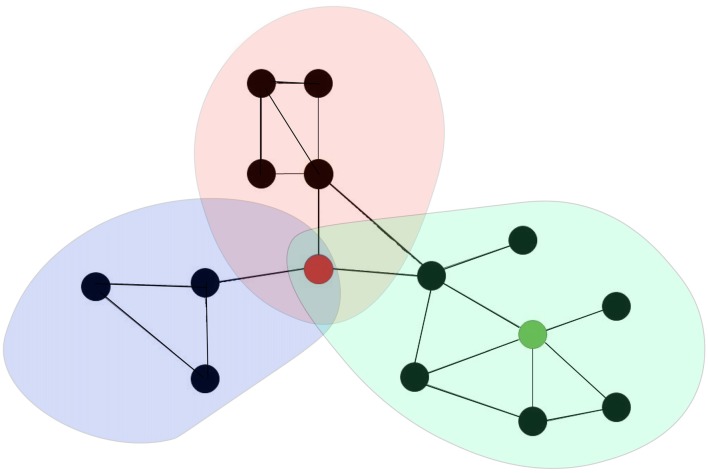
Background/Objective: Non-invasive neuromodulation techniques, such as repetitive Transcranial Magnetic Stimulation (rTMS) and transcranial Direct Current Stimulation (tDCS), have increasingly been investigated for their potential as treatments for neurological and psychiatric disorders. Despite widespread dissemination of these techniques, the underlying therapeutic mechanisms and the ideal stimulation site for a given disorder remain unknown. Increasing evidence support the possibility of non-invasive neuromodulation affecting a brain network rather than just the local stimulation target. In this paper, we present evidence in a clinical setting to support the idea that non-invasive neuromodulation changes brain networks. Method: This paper addresses the idea that non-invasive neuromodulation modulates brain networks, rather than just the local stimulation target, using neuromodulation studies in tinnitus and major depression as examples. We present studies that support this hypothesis from different perspectives. Main Results/Conclusion: Studies stimulating the same brain region, such as the dorsolateral prefrontal cortex, have shown to be effective for several disorders and studies using different stimulation sites for the same disorder have shown similar results. These findings, as well as results from studies investigating brain network connectivity on both macro and micro levels, suggest that non-invasive neuromodulation affects a brain network rather than just the local stimulation site targeted. We propose that non-invasive neuromodulation should be approached from a network perspective and emphasize the therapeutic potential of this approach through the modulation of targeted brain networks.
Overview
The claims and statistics of this paper haven’t been checked yet.
Run the check — free, no account needed. It reads the open-access text and checks the sources it cites.
Integrity signals
Registry
Cites
Statistics
Figures
Verification
Claims the paper makes
The claims and statistics of this paper haven’t been checked yet.
Run the check — free, no account needed. It reads the open-access text and checks the sources it cites.
Claims other papers make about this one
Each is checked against this paper’s own text: does it say what the citing paper says it does?
The source backs part of the claim, not all of it — or backs it for a different population, condition or comparison.
In the citing paper
“rTMS uses focused magnetic field pulses to modify neural activity at the stimulation site and can induce structural and functional connectivity changes in distributed brain networks, 14 including the cognitive control network.”
From Cognitive Outcomes After Transcranial Magnetic Stimulation for the Treatment of Late-Life Depression: Résultats cognitifs après la stimulation magnétique transcrânienne pour le traitement de la dépression chez les personnes âgées (2026) · cites this paper as [14]
Experimental — accuracy not yet measured
Self-check
Percentages, sums and reported differences re-computed from the paper’s own numbers.
The self-check needs the paper’s full text.
Citations
Cites
Catastrophic cascade of failures in interdependent networks
Buldyrev, S. V., Parshani, R., Paul, G., Stanley, H. E., & Havlin, S. (2010) · Nature · doi:10.1038/nature08932 · Cited by 4,513 · cited 1×
“A generic property of a network is that dysfunction can spread easily between linked elements, leading to pathological cascades that include large parts of the system (Buldyrev et al., 2010; Huang et al., 2011).”
BackgroundThe cognitive control of emotion
OCHSNER, K., & GROSS, J. (2005) · Trends in Cognitive Sciences · doi:10.1016/j.tics.2005.03.010 · Cited by 4,495 · cited 2×
“…the (dorsolateral) prefrontal cortex with top-down prefrontal control, important in various disorder including tinnitus (Mitchell et al., 2005), substance use disorder (Bradshaw et al., 2017), pain (Martinez et al., 2017), depression (Ochsner and Gross, 2005) and schizophrenia (Mayer et al., 2015).”
BackgroundLarge-scale brain networks and psychopathology: a unifying triple network model
Menon, V. (2011) · Trends in Cognitive Sciences · doi:10.1016/j.tics.2011.08.003 · Cited by 4,168 · cited 2×
“…been suggested as a mechanism underlying the preoccupation with self-referential processes related to DMN hyperactivity, and deficits in cognitive functioning, associated with CEN hypoconnectivity (Menon, 2011; Manoliu et al., 2013; Kaiser et al., 2015; Anderson et al., 2016; Wang et al., 2016).”
BackgroundTheta Burst Stimulation of the Human Motor Cortex
Huang, Y.-Z., Edwards, M. J., Rounis, E., Bhatia, K. P., & Rothwell, J. C. (2005) · Neuron · doi:10.1016/j.neuron.2004.12.033 · Cited by 4,158
Deep Brain Stimulation for Treatment-Resistant Depression
Mayberg, H. S., Lozano, A. M., Voon, V., McNeely, H. E., Seminowicz, D., Hamani, C., Schwalb, J. M., & Kennedy, S. H. (2005) · Neuron · doi:10.1016/j.neuron.2005.02.014 · Cited by 4,059 · cited 2×
“…Mayberg, 2009; Fox et al., Frontiers in Human Neuroscience | www.frontiersin.org 8 April 2018 | Volume 12 | Article 128 2012a) to decrease hyperactivity in this brain region as this has been associated with antidepressant response in depressed patients (Mayberg et al., 2005; Drevets et al., 2008).”
BackgroundMethodFunctional and Effective Connectivity: A Review
Friston, K. J. (2011) · Brain Connectivity · doi:10.1089/brain.2011.0008 · Cited by 3,415 · cited 4×
“Connectivity in brain networks can indeed be assessed in different ways (Friston, 2011).”
BackgroundInfluentialThe economy of brain network organization
Bullmore, E., & Sporns, O. (2012) · Nature Reviews Neuroscience · doi:10.1038/nrn3214 · Cited by 3,284 · cited 2×
“, 2005) might have important implications for understanding clinical brain disorders (Bullmore and Sporns, 2012; Menon, 2013; Rubinov and Bullmore, 2013; van den Heuvel and Sporns, 2013a; Crossley et al., 2014).”
BackgroundThe Human Connectome: A Structural Description of the Human Brain
Sporns, O., Tononi, G., & Kötter, R. (2005) · PLoS Computational Biology · doi:10.1371/journal.pcbi.0010042 · Cited by 3,260 · cited 2×
“Conceptualizing the brain as a network (Sporns et al., 2005) might have important implications for understanding clinical brain disorders (Bullmore and Sporns, 2012; Menon, 2013; Rubinov and Bullmore, 2013; van den Heuvel and Sporns, 2013a; Crossley et al.”
BackgroundBardo, M. T., & Hammer, R. P. (1991) · Neuroscience · doi:10.1016/0306-4522(91)90226-e · Cited by 3,229
Mayberg, H. S., Liotti, M., Brannan, S. K., McGinnis, S., Mahurin, R. K., Jerabek, P. A., Silva, J. A., Tekell, J. L., Martin, C. C., Lancaster, J. L., et al. (1999) · American Journal of Psychiatry · doi:10.1176/ajp.156.5.675 · Cited by 2,416 · cited 1×
“Another brain region that has been considered a key region in emotion regulation (Mayberg et al., 1999) and that has recently been investigated as a new rTMS target for depression is the dorsomedial prefrontal cortex (DMPFC; i.e., DMN node; Downar and Daskalakis, 2013; Anderson et al., 2016; Liu S.…”
Background
Cited by
Sorted by citations
Consensus Paper: Cerebellum and Ageing
Arleo, A., Bareš, M., Bernard, J. A., Bogoian, H. R., Bruchhage, M. M. K., Bryant, P., Carlson, E. S., Chan, C. C. H., Chen, L., Chung, C., et al. (2023) · The Cerebellum · doi:10.1007/s12311-023-01577-7 · Cited by 129
“According to the rehabilitation potentiality of the Non Invasive Brain stimulation (NIBS) techniques [256, 257], further research in the future could be crucial to evaluate neuromodulation approaches to improve functions mediated by the cerebellum [233].”
Corlier, J., Carpenter, L. L., Wilson, A. C., Tirrell, E., Gobin, A. P., Kavanaugh, B. C., & Leuchter, A. F. (2019) · Brain stimulation · doi:10.1016/j.brs.2019.07.018 · Cited by 86
“This change in oscillations may rapidly spread through brain networks to related brain regions [3,4].”
BackgroundUnderstanding Functional Neurological Disorder: Recent Insights and Diagnostic Challenges
Mavroudis, I. A., Kazis, D. A., Kamal, F. Z., Gurzu, I. L., Ciobica, A. S., Pădurariu, M., Novac, B., & Iordache, A. (2024) · International Journal of Molecular Sciences · doi:10.3390/ijms25084470 · Cited by 88
“For instance, focus on dysfunctional sensorimotor networks or limbic salience via non-invasive brain stimulation techniques like transcranial magnetic stimulation (TMS) or transcranial direct current stimulation (tDCS) may provide a therapeutic advantage for FND individuals [171,172].”
BackgroundBesteher, B., Christian Gaser, B., Ivanšić, D., Guntinas‐Lichius, O., Dobel, C., & Nenadić, I. (2019) · NeuroImage Clinical · doi:10.1016/j.nicl.2019.101976 · Cited by 70
“There is increasing evidence that regional stimulation might improve tinnitus, but the optimal target (or multiple targets) of stimulation is still under debate (Chung et al., 2012; Lehner et al., 2016; Lehner et al., 2013; To et al., 2018; Wang et al., 2015).”
Corlier, J., Wilson, A. C., Hunter, A. M., Vince-Cruz, N., Krantz, D. E., Levitt, J. G., Minzenberg, M., Ginder, N. D., Cook, I. A., & Leuchter, A. F. (2019) · Cerebral Cortex · doi:10.1093/cercor/bhz035 · Cited by 69
“The relatively strong prediction based upon spectral similarity is consistent with the observation that frequency spectrum coupling shapes brain network connectivity (To et al., 2018).”
BackgroundInfluentialPapadopoulos, L., Lynn, C. W., Battaglia, D. A., & Bassett, D. S. (2020) · PLoS Computational Biology · doi:10.1371/journal.pcbi.1008144 · Cited by 54
Holczer, A., Németh, V. L., Vékony, T., Vécsei, L., Klivènyi, P., & Must, A. (2020) · Frontiers in Human Neuroscience · doi:10.3389/fnhum.2020.00179 · Cited by 56
“Both TMS and tDCS can modulate functional networks of the brain which capability can be utilized for studying and treating brain disorders (To et al., 2018).”
BackgroundCorlier, J., Burnette, E., Wilson, A. C., Lou, J. J., Landeros, A., Minzenberg, M. J., & Leuchter, A. F. (2020) · Journal of Affective Disorders · doi:10.1016/j.jad.2020.01.068 · Cited by 53
Non-invasive neuromodulation for tinnitus: A meta-analysis and modeling studies
Lefebvre-Demers, M., Doyon, N., & Fecteau, S. (2020) · Brain stimulation · doi:10.1016/j.brs.2020.11.014 · Cited by 53
“This is an open access article way, rTMS may modulate abnormal activity in the neural regions affected by tinnitus [9].”
BackgroundMethodMartinotti, G., Pettorruso, M., Montemitro, C., Spagnolo, P. A., Martellucci, C. A., Carlo, F. D., Fanella, F., & Giannantonio, M. D. (2022) · Progress in Neuro-Psychopharmacology and Biological Psychiatry · doi:10.1016/j.pnpbp.2022.110513 · Cited by 50
The large‐scale structural connectome of task‐specific focal dystonia
Hanekamp, S., & Simonyan, K. (2020) · Human Brain Mapping · doi:10.1002/hbm.25012 · Cited by 43
Ljubisavljević, M., Oommen, J., Filipović, S. R., Bjekić, J., Szólics, M., & Nagelkerke, N. J. D. (2019) · Frontiers in Aging Neuroscience · doi:10.3389/fnagi.2019.00144 · Cited by 43
“Unlike in unilateral stimulation in bilateral tDCS anodal and cathodal stimulation are simultaneously applied over homologous cortical brain regions aiming to enhance the excitability in one region, while at the same time reducing the excitability in the opposite hemisphere (To et al., 2018).”
Cheong, W. H., Jeon, J. B., In, J. H., Kim, G., Song, H., An, J., Park, J., Kim, Y. S., Hwang, C. S., & Kim, K. M. (2022) · Advanced Functional Materials · doi:10.1002/adfm.202200337 · Cited by 41
Invasive and Non-invasive Neurostimulation for OCD
Bergfeld, I. O., Dijkstra, E., Graat, I., de Koning, P. P., van den Boom, B. J. G., Arbab, T., Vulink, N. C. C., Denys, D. A. J. P., Willuhn, I., & Mocking, R. J. T. (2021) · Current topics in behavioral neurosciences · doi:10.1007/7854_2020_206 · Cited by 46
Corlier, J., Tadayonnejad, R., Wilson, A. C., Lee, J. C., Marder, K. G., Ginder, N. D., Wilke, S. A., Levitt, J. G., Krantz, D. E., & Leuchter, A. F. (2021) · Psychological Medicine · doi:10.1017/s0033291721002178 · Cited by 43
Effects of Electrical Stimulation in Tinnitus Patients: Conventional Versus High-Definition tDCS
Jacquemin, L., Shekhawat, G. S., de Heyning, P. V., Mertens, G., Fransén, E., Rompaey, V. V., Topsakal, V., Moyaert, J., Beyers, J., & Gilles, A. (2018) · Neurorehabilitation and neural repair · doi:10.1177/1545968318787916 · Cited by 42
Moses, T. E. H., Gray, E., Mischel, N., & Greenwald, M. K. (2023) · Neurobiology of Stress · doi:10.1016/j.ynstr.2023.100515 · Cited by 45
“NIBS interventions often have immediate effects, which can be temporary or longer-lasting depending on the protocol used (To et al., 2018).”
BackgroundBriley, P. M., Webster, L., Boutry, C., Cottam, W. J., Auer, D. P., Liddle, P. F., & Morriss, R. K. (2022) · Neuroscience & Biobehavioral Reviews · doi:10.1016/j.neubiorev.2022.104701 · Cited by 42
“inducing changes in communication, or “connectivity”, between the targeted brain area and other key brain networks (To et al., 2018).”
BackgroundWang, F., Zhang, C., Hou, S., & Geng, X. (2018) · The Journals of Gerontology Series A · doi:10.1093/gerona/gly221 · Cited by 39
Steardo, L., D’Angelo, M., Monaco, F., Stefano, V. D., & Steardo, L. (2025) · Neuroscience & Biobehavioral Reviews · doi:10.1016/j.neubiorev.2025.106030 · Cited by 40
Hand, L. J., Paterson, L. M., & Lingford-Hughes, A. R. (2024) · Translational Psychiatry · doi:10.1038/s41398-024-03159-5 · Cited by 38
Pettorruso, M., Miuli, A., Natale, C. D., Montemitro, C., Zoratto, F., Risio, L. D., d’Andrea, G., Dannon, P. N., Martinotti, G., & Giannantonio, M. D. (2020) · Addictive Behaviors · doi:10.1016/j.addbeh.2020.106657 · Cited by 32
Understanding associations between rumination and inflammation: A scoping review
Szabo, Y. Z., Burns, C., & Lantrip, C. (2022) · Neuroscience & Biobehavioral Reviews · doi:10.1016/j.neubiorev.2022.104523 · Cited by 35
Qi, F., Nitsche, M. A., Ren, X., Wang, D., & Wang, L. (2023) · Frontiers in Neurology · doi:10.3389/fneur.2023.1156987 · Cited by 32
Lang, S., Gan, L. S., Yoon, E. J., Hanganu, A., Kibreab, M., Cheetham, J., Hammer, T., Kathol, I., Sarna, J. R., Martino, D., et al. (2020) · Frontiers in Neurology · doi:10.3389/fneur.2020.584374 · Cited by 31
Chen, H., Hu, X., Gao, J., Han, H., Wang, X., & Xue, C. (2022) · Frontiers in Psychiatry · doi:10.3389/fpsyt.2022.853961 · Cited by 30
Sehatpour, P., Dondé, C., Hoptman, M. J., Kreither, J., Adair, D., Dias, E. C., Vail, B., Rohrig, S. N., Silipo, G. S., López‐Calderón, J., et al. (2020) · NeuroImage · doi:10.1016/j.neuroimage.2020.117311 · Cited by 25
“Responses from after stimulation are combined across all runs (1-12).”
Luckhardt, C., Boxhoorn, S., Schütz, M., Fann, N., & Freitag, C. M. (2021) · Progress in brain research · doi:10.1016/bs.pbr.2021.03.002 · Cited by 27
Leuchter, A. F., Wilson, A. C., Vince-Cruz, N., & Corlier, J. (2021) · Brain stimulation · doi:10.1016/j.brs.2021.08.011 · Cited by 29
Iordan, A. D., Ryan, S., Tyszkowski, T., Peltier, S., Rahman‐Filipiak, A., & Hampstead, B. M. (2022) · Cerebral Cortex · doi:10.1093/cercor/bhac010 · Cited by 27
Ciricugno, A., Oldrati, V., Cattaneo, Z., Leggio, M. G., Urgesi, C., & Olivito, G. (2024) · The Cerebellum · doi:10.1007/s12311-023-01652-z · Cited by 24
“Indeed, consistent evidence points to the efficacy of NIBS in treating core symptoms and cognitive functions in different neurological and neuropsychiatric disorders as well as in improving behavioral and socio-affective deficits (see [163, 164]).”
BackgroundSahlsten, H., Holm, A., Rauhala, E., Takala, M., Löyttyniemi, E., Karukivi, M., Nikkilä, J., Ylitalo, K., Paavola, J., Johansson, R. K., et al. (2019) · Trends in Hearing · doi:10.1177/2331216518822198 · Cited by 23
Beuter, A. C., Balossier, A., Vassal, F., Hemm, S., & Volpert, V. A. (2020) · Biological Cybernetics · doi:10.1007/s00422-020-00818-w · Cited by 22
Neurostimulation, doping, and the spirit of sport
Pugh, J., & Pugh, C. J. A. (2020) · Neuroethics · doi:10.1007/s12152-020-09435-7 · Cited by 22
“However, there have been mixed results in these applications, and there is still debate about the extent of tDCS’ therapeutic efficacy, possible mechanisms of any apparent therapeutic effects, ideal stimulation sites, and whether tDCS affects local stimulation sites or whole brain networks [37].”
van Dongen, J. D. M., Haveman, Y. R. A., Sergiou, C. S., & Choy, O. (2024) · Aggression and Violent Behavior · doi:10.1016/j.avb.2024.102008 · Cited by 25
Lozada, P. S. M., Pozo-Neira, J., & León-Rojas, J. E. (2025) · Cancers · doi:10.3390/cancers17132174 · Cited by 19
An updated meta-analysis: repetitive transcranial magnetic stimulation for treating tinnitus
Yin, L., Chen, X., Lu, X., An, Y., Zhang, T., & Yan, J. (2021) · Journal of International Medical Research · doi:10.1177/0300060521999549 · Cited by 21
Spagnolo, P., Parker, J. A., Horovitz, S., & Hallett, M. (2021) · Brain Science · doi:10.3390/brainsci11060791 · Cited by 21
Kochanowski, B., Kageki-Bonnert, K., Pinkerton, E. A., Dougherty, D. D., & Chou, T. (2024) · Harvard Review of Psychiatry · doi:10.1097/hrp.0000000000000396 · Cited by 19
Chen, D., Lei, X., Du, L., & Long, Z. (2022) · Journal of Psychiatric Research · doi:10.1016/j.jpsychires.2022.01.064 · Cited by 20
Implications of Transcranial Magnetic Stimulation as a Treatment Modality for Tinnitus
Denton, A. J., Finberg, A., Ashman, P. E., Bencie, N. B., Scaglione, T., Kuzbyt, B., Telischi, F. F., Mittal, R., & Eshraghi, A. A. (2021) · Journal of Clinical Medicine · doi:10.3390/jcm10225422 · Cited by 18
da Silva, R. D. M. F., Batistuzzo, M. C., Shavitt, R. G., Miguel, E. C., Stern, E. R., Mezger, E., Padberg, F., D’Urso, G., & Brunoni, A. R. (2019) · Expert Review of Neurotherapeutics · doi:10.1080/14737175.2019.1637257 · Cited by 17
Spagnolo, P. A., Pérez, L. J. G., Terraneo, A., Gallimberti, L., & Bonci, A. (2018) · European Journal of Neuroscience · doi:10.1111/ejn.14313 · Cited by 19
“Repetitive TMS has been shown to modulate whole brain circuits and their connectivity (Fox et al., 2012; To et al., 2018), by targeting just one brain region (or node; Grefkes & Fink, 2011; Fox et al.”
BackgroundBriley, P. M., Boutry, C., Webster, L., Veniero, D., Harvey-Seutcheu, C., Jung, J., Liddle, P. F., & Morriss, R. K. (2024) · Imaging Neuroscience · doi:10.1162/imag_a_00073 · Cited by 14
Birreci, D., Riggi, M. D., Costa, D. D., Angelini, L., Cannavacciuolo, A., Passaretti, M., Paparella, G., Guerra, A., & Bologna, M. (2024) · Brain Sciences · doi:10.3390/brainsci14070695 · Cited by 14
“NIBS techniques encompass various methodologies designed to modulate cortical activity without surgical intervention, offering promising avenues for clinical and research applications [21,22].”
BackgroundCognitive enhancement for the ageing world: opportunities and challenges
Ienca, M., Shaw, D., & Elger, B. S. (2018) · Ageing and Society · doi:10.1017/s0144686x18000491 · Cited by 14
“from outside the skull) enhance internal information processing, like noninvasive neuromodulation (To et al. 2018).”
BackgroundKearney-Ramos, T. E., & Haney, M. (2021) · Progress in Neuro-Psychopharmacology and Biological Psychiatry · doi:10.1016/j.pnpbp.2021.110290 · Cited by 12
Hao, J., Luo, W., Xie, Y., Feng, Y., Sun, W., Peng, W., Zhao, J., Zhang, P.-M., Ding, J., & Wang, X. (2021) · Frontiers in Human Neuroscience · doi:10.3389/fnhum.2021.637071 · Cited by 15
Luckhardt, C., Schütz, M., Mühlherr, A. M., Mössinger, H., Boxhoorn, S., Dempfle, A., Salvador, R., Ruffini, G., Pereira, H. C., Castelo-Branco, M. S., et al. (2021) · Trials · doi:10.1186/s13063-021-05172-1 · Cited by 14
“tDCS has been successfully employed to modulate resting state activity [15] as well as functional connectivity of brain networks [16].”
MethodBriley, P. M., Webster, L., Boutry, C., Oh, H., Auer, D. P., Liddle, P. F., & Morriss, R. K. (2024) · Psychiatry Research Neuroimaging · doi:10.1016/j.pscychresns.2024.111846 · Cited by 16
“…and changes in the activity of connected deeper, brain areas (Duprat et al., 2022; Klomjai et al., 2015; Oathes et al., 2021; Tik et al., 2023; To et al., 2018). rTMS is performed whilst a patient is awake and alert, and is usually well-tolerated, with transient side effects including…”
BackgroundYu, Y., Zhang, X., Nitsche, M. A., Vicario, C. M., & Qi, F. (2024) · Frontiers in Physiology · doi:10.3389/fphys.2024.1365530 · Cited by 12
Enhancing Brain Connectivity With Infra-Low Frequency Neurofeedback During Aging: A Pilot Study
Dobrushina, O. R., Добрынина, Л. А., Arina, G. A., Kremneva, E. I., Novikova, E. S., Gubanova, M. V., Pechenkova, E., Suslina, A. D., Aristova, V. V., Trubitsyna, V. V., et al. (2022) · Frontiers in Human Neuroscience · doi:10.3389/fnhum.2022.891547 · Cited by 14
State-dependent tDCS modulation of the somatomotor network: A MEG study
Masina, F., Montemurro, S., Marino, M., Manzo, N., Pellegrino, G., & Arcara, G. (2022) · Clinical Neurophysiology · doi:10.1016/j.clinph.2022.07.508 · Cited by 12
Kashyap, R., Bhattacharjee, S., Bharath, R. D., Venkatasubramanian, G., Udupa, K., Bashir, S., Oishi, K., Desmond, J. E., Chen, S. A., & Guan, C. (2022) · Frontiers in Human Neuroscience · doi:10.3389/fnhum.2022.952602 · Cited by 12
“One such requirement is to gauge focality when multiple ROIs (or network of ROIs) need to be targeted (To et al., 2018).”
BackgroundWang, X., Zhou, X. W., Bao, J., Chen, Z., Tang, J., Gong, X., Ni, J., Fang, Q., Liu, Y., & Su, M. (2019) · Frontiers in Neuroscience · doi:10.3389/fnins.2019.01225 · Cited by 11
“In addition, rTMS can intervene in various electrostatic processes, such as protein– protein interactions (To et al., 2018).”
BackgroundLu, T., Wang, Q., Gu, Z., Li, Z., & Yan, Z. (2024) · Brazilian Journal of Otorhinolaryngology · doi:10.1016/j.bjorl.2024.101438 · Cited by 11
Goldenkoff, E. R., Brissenden, J. A., Lee, T. G., Michon, K. J., & Vesia, M. (2025) · Journal of Neuroscience · doi:10.1523/jneurosci.0404-25.2025 · Cited by 11
Thakkar, B., Peterson, C. L., & Acevedo, E. O. (2024) · Journal of Integrative Neuroscience · doi:10.31083/j.jin2303054 · Cited by 13
“Previous studies where rTMS has been utilized as an intervention in patients with neuropsychiatric disorders have revealed that rTMS not only modulates the activity of the stimulation target but also alters the network activity in surrounding brain regions [65,66].”
Yang, K., Xi, X., Wang, T., Wang, J., Kong, W., Zhao, Y., & Zhang, Q. (2021) · Neuroscience Letters · doi:10.1016/j.neulet.2021.135968 · Cited by 10
“Non-invasive neuromodulators affect the brain network as a whole and do not singularly target the local stimulation site [15]; therefore, we can explore the effect of different electrical stimulation experiments by analyzing the connectivity and complexity of the brain network before and after stimulation.”
BackgroundLau, C. I., Chen, W., & Walsh, V. (2020) · Progress in brain research · doi:10.1016/bs.pbr.2020.05.018 · Cited by 10
Gorka, S. M., Jimmy, J., Koning, K. M., Phan, K. L., Rotstein, N. M., Dang, B. H., Halavi, S. E., Spivak, N. M., Monti, M. M., Reggente, N., et al. (2024) · Frontiers in Human Neuroscience · doi:10.3389/fnhum.2024.1486770 · Cited by 9
Intrinsic functional connectivity correlates of pro-environmentalism
Carlson, J. M., Oja, M., & Fang, L. (2024) · Journal of Environmental Psychology · doi:10.1016/j.jenvp.2024.102512 · Cited by 9
He, Z., Liao, D., Ji, Q., Yan, S., & Ai, S. (2025) · Frontiers in Neuroscience · doi:10.3389/fnins.2025.1579846 · Cited by 9
“Low-frequency rTMS (= 1 Hz) has been associated with inhibitory effects on neuroplasticity (To et al., 2018).”
Targeting network hubs with noninvasive brain stimulation in patients with fibromyalgia
Kaplan, C. M., Harris, R. E., Lee, U., DaSilva, A. F. M., Mashour, G. A., & Harte, S. E. (2019) · Pain · doi:10.1097/j.pain.0000000000001696 · Cited by 9
“In parallel to the chronic pain field, research on noninvasive brain stimulation has evolved from a focus on the effects on a specific brain region, to examining how brain stimulation changes network dynamics on a global scale.(23,25) A recent study used network control theory to predict the effects of stimulating dif…”
BackgroundReducing suicidal ideation by biofeedback-guided respiration – heart rate coherence
Jelinek, H. F., & Khandoker, A. H. (2020) · Digital Psychiatry · doi:10.1080/2575517x.2020.1732733 · Cited by 9
“However around 30% of this clinical group does not respond to either behavioral therapy or anti-depressive medication having led to the search for alternative therapies including repetitive transcranial magnetic stimulation (rTMS), transcranial direct current Sstimulation (tDCS) and vagal nerve stimulation (VNS) [6,7].”
BackgroundNoninvasive Brain Stimulation: An Overview of Available Approaches for Research in Neuroaesthetics
Cattaneo, Z. (2018) · Empirical Studies of the Arts · doi:10.1177/0276237418818637 · Cited by 9
Multisite non-invasive brain stimulation in Parkinson’s disease: A scoping review
Machado, C. B. D. S., da Silva, L. M., Gonçalves, A. F., de Andrade, P. R., Mendes, C. K. T. T., de Assis, T. J. C. F., Júnior, C. D. O. G., & Andrade, S. M. (2021) · Neurorehabilitation · doi:10.3233/nre-210190 · Cited by 8
“Changes in cortical networks by NIBS have been reported in previous studies (Hess, 2013; To et al., 2018), however, the dynamic of these effects depends of methodological issues, such as time, electrode montage and stimulation parameters (Deng et al.”
MethodBenrimoh, D. A., Azeez, A., Batail, J.-M. V., Xiao, X., Buchanan, D. M., Bandeira, I. D., Geoly, A. D., Keynan, N. Y., Kratter, I. H., & Williams, N. (2024) · npj Mental Health Research · doi:10.1038/s44184-024-00099-2 · Cited by 8
“…other treatments (e.g. treatmentasusual)andmayhelptoidentifyif,inagiventimespan,theSNT processitself,regardlessofstimulation,leadstomoreimprovementinlas-situdethanothertreatments. rTMSdoesnotonlyproducelocalizedeffects;rather,bystimulating oneregionitcanhaveeffectsoninterconnectedbrainnetworks 34 .”
Gann, M. A., Paparella, I., Zich, C., Grigoras, I., Huertas‐Penen, S., Rieger, S. W., Thielscher, A., Sharott, A., Stagg, C. J., & Schwab, B. C. (2025) · Brain stimulation · doi:10.1016/j.brs.2025.08.011 · Cited by 7
Yuan, Y., Wu, Q., Wang, X., Liu, M., Yan, J., & Ji, H. (2023) · NeuroImage · doi:10.1016/j.neuroimage.2023.119979 · Cited by 8
Shao, H., Gu, G., Guo, X., Li, X., & Cui, D. Y. (2025) · Computer Methods and Programs in Biomedicine · doi:10.1016/j.cmpb.2025.108675 · Cited by 7
Buard, I., Lopez‐Esquibel, N., Schoeneberger, S., Berliner, J. M., & Kluger, B. M. (2020) · Cognitive and Behavioral Neurology · doi:10.1097/wnn.0000000000000224 · Cited by 7
Gupta, A. K., Kumar, A., & Chandrashekhar, N. (2021) · Industrial Psychiatry Journal · doi:10.4103/0972-6748.328795 · Cited by 7
“© 2021 Industrial Psychiatry Journal | Published by Wolters Kluwer - Medknow S93 session.[4-8] Many studies have suggested that rTMS could be efficacious in the treatment of major depression and other psychiatric indications.”
BackgroundLuckhardt, C., Schütz, M., Mühlherr, A. M., Boxhoorn, S., Ecker, C., Mössinger, H., Siemann, J., Schlechter, F., Castelo-Branco, M. S., Pereira, H. C., et al. (2025) · Autism Research · doi:10.1002/aur.70084 · Cited by 6
“It modulates cortical excitability, resulting in changes of resting state activity (Boonstra et al. 2016) and functional connectivity of brain networks (To et al. 2018).”
Zheng, Y., Tang, S., Zheng, H., Wang, X., Liu, L., Yang, Y., Zhen, Y., & Zheng, Z. (2023) · PLoS Computational Biology · doi:10.1371/journal.pcbi.1010866 · Cited by 6
Konicar, L., Prillinger, K., Klöbl, M., Lanzenberger, R. R., Antal, A., & Plener, P. L. (2022) · Frontiers in Psychiatry · doi:10.3389/fpsyt.2022.840836 · Cited by 7
“tDCS is also able to alter brain connectivity and thus likely modulate neural communication (32).”
BackgroundCochlear implant induced changes in cortical networks associated with tinnitus severity
Shoushtarian, M., Esmaelpoor, J., Bravo, M., & Fallon, J. B. (2024) · Journal of Neural Engineering · doi:10.1088/1741-2552/ad731d · Cited by 5
“To et al reported on evidence from studies on tinnitus and major depression showing effectiveness of neuromodulation techniques targeting the dorsolateral prefrontal cortex for both these conditions [31].”
Cortical waves and post‐stroke brain stimulation
Bessonov, N., Beuter, A. C., Trofimchuk, S. I., & Volpert, V. A. (2019) · Mathematical Methods in the Applied Sciences · doi:10.1002/mma.5620 · Cited by 5
Searchfield, G. D., Adhia, D. B., Barde, A., Ridder, D. D., Doborjeh, M., Doborjeh, Z., Goodey, R., Maslin, M. R. D., Sanders, P. J., Smith, P. F., et al. (2024) · Journal of the Royal Society of New Zealand · doi:10.1080/03036758.2024.2363424 · Cited by 5
“Further stimulation options include multisite electrical stimulation and bimodal stimulation (De Ridder and Vanneste 2014a; To et al. 2018; De Ridder, Adhia, et al. 2021).”
Bayat, F. K., Alp, M. İ., Bostan, S., Gülçür, H. Ö., Öztürk, G., & Güveniş, A. (2022) · European Biophysics Journal · doi:10.1007/s00249-022-01613-0 · Cited by 5
Ammanuel, S. G., Kondapavulur, S., Lu, A. Y., Breshears, J. D., Clark, J. P., Silva, A. B., & Chang, E. F. (2024) · Journal of neurosurgery · doi:10.3171/2023.10.jns231023 · Cited by 4
Beck, E. N., Narayanan, S. S., McDermott, R., & Witney, A. G. (2019) · bioRxiv (Cold Spring Harbor Laboratory) · doi:10.1101/539510 · Cited by 5
“The DLPFC is a critical region for 109 cognitive and emotional processing, properties previously exploited with anodal tDCS to 110 modulate working memory (29,30), sustained attention (31), depression (32,33), and various 111 other processes in both healthy and patient populations (34).”
BackgroundGöke, K., McClintock, S. M., Mah, L., Rajji, T. K., Lee, H. H., Nestor, S. M., Downar, J., Noda, Y., Daskalakis, Z. J., Mulsant, B. H., et al. (2026) · The Canadian Journal of Psychiatry · doi:10.1177/07067437251315515 · Cited by 4
“…executive functions, such as response inhibition,set-shifting,andplanning. rTMSusesfocusedmag-netic fi eld pulses to modify neural activity at the stimulation site and can induce structural and functional connectivity changes in distributed brain networks, 14 including the cognitive control network.”
Li, L., Luo, X., Liu, Y., Jiang, Y., Chen, Y., Chen, Y., & Wang, J. (2025) · Neurology and Therapy · doi:10.1007/s40120-025-00759-1 · Cited by 4
“While M1-rTMS primarily modulated thalamocortical connectivity (Δ functional magnetic resonance imaging [fMRI] + 0.28; p < 0.001) [77, 78], pcTBS exhibited GABAergic plasticity enhancement (ΔGABA/ creatine ratio magnetic resonance spectroscopy [MRS] + 15%; p = 0.007) [79].”
InfluentialWickens, S., Gummersall, T., & Brown, T. (2025) · Brain and Cognition · doi:10.1016/j.bandc.2025.106307 · Cited by 4
Objective assessment of tinnitus laterality
Shoushtarian, M., Esmaelpoor, J., Bravo, M., & Fallon, J. B. (2025) · PLoS ONE · doi:10.1371/journal.pone.0325903 · Cited by 4
“As an example, in most neuromodulation studies for tinnitus where techniques such as transcranial magnetic stimulation are used, the left auditory cortex or dorsolateral prefrontal cortex (DLPFC) are targeted [2].”
Brazilian research on noninvasive brain stimulation applied to health conditions
Sá, K. N., Santos, G. V., de Souza, M. P., de Andrade, D. C., & Baptista, A. F. (2021) · Arquivos de Neuro-Psiquiatria · doi:10.1590/0004-282x-anp-2020-0480 · Cited by 4
Virtual neural network-guided optimization of non-invasive brain stimulation in Alzheimer’s disease
Luppi, J. J., Stam, C. J., Scheltens, P., & de Haan, W. (2024) · PLoS Computational Biology · doi:10.1371/journal.pcbi.1011164 · Cited by 4
“Improvement of cognitive symptoms is presumably achieved by modulating pre-existing activity of specific parts of the brain, which in turn can exert influence on connected, unstimulated regions [20, 21].”
BackgroundCicero, N. G., Riley, E., Swallow, K. M., Rosa, E. D., & Anderson, A. K. (2025) · GeroScience · doi:10.1007/s11357-025-01582-0 · Cited by 4
“Neuromodulation techniques may be efficacious by targeting brain networks rather than just the focal region receiving stimulation [40–42].”
Bansal, K., Cattaneo, Z., Oldrati, V., Ferrari, C., Grossman, E. D., & Garcia, J. O. (2024) · bioRxiv (Cold Spring Harbor Laboratory) · doi:10.1101/2024.09.12.612716 · Cited by 4
“Neuromodulation has the potential to induce prolonged intervals of altered cortical dynamics between functionally connected circuits (Edwards et al., 2019; To et al., 2018).”
BackgroundMa, R., Wang, S., Yin, Z., Gan, Y., Zhao, Z., Yuan, T., Chen, Y., Du, T., Voon, V., Zhu, G., et al. (2026) · Journal of Psychiatry and Neuroscience · doi:10.1139/jpn-24-0163 · Cited by 3
Prabhu, N. M., Lehmann, N., Kaminski, E., Müller, N. G., & Taubert, M. (2024) · Scientific Reports · doi:10.1038/s41598-024-70857-x · Cited by 3
“The prefrontal networks that support the strategy building aspect of motor learning were the prime targets of c-tDCS in our study 24,46 .”
BackgroundMethodYadav, S., Sharma, S., Chatterjee, S., Sharma, A., & Thakur, S. (2025) · Lasers in Medical Science · doi:10.1007/s10103-025-04289-y · Cited by 3
“Additionally, LASER emission indirectly provides pain relief by stimu - lating the release of endogenous opioid peptides, acting as an analgesic by blocking pain signals carried by A-delta and C-fiber nerves [ 23, 45 –47 ].”
Antal, A., Ramasawmy, P., Rubal‐Otero, L., Chakalov, I., Rodríguez, M. Á., Hunold, A., Schellhorn, K., & Carrillo‐de‐la‐Peña, M. T. (2025) · BMC Cancer · doi:10.1186/s12885-025-15143-3 · Cited by 2
“Repeated anodal tDCS of M1 mediates analgesia both through local and network effects in the brain, employing long-lasting neuroplastic modifications that outlast the stimulation period [108–110].”
Jacob, R., Otto, A., Jarvers, I., Kandsperger, S., Ecker, A., Schleicher, D., Malloni, W. M., Neumann, I. D., & Brunner, R. M. (2025) · BMC Psychiatry · doi:10.1186/s12888-025-07689-0 · Cited by 2
“Such findings could inform the refinement of neuromodulation techniques such as Transcranial Magnetic Stimulation or neurofeedback [21, 100], by targeting brain regions or connectivity profiles associated with impaired stress responses.”
Yadav, S., Sharma, S., Thakur, S. S., & Pattnaik, S. (2026) · Lasers in Medical Science · doi:10.1007/s10103-025-04778-0 · Cited by 2
“Additionally, LASER emission indirectly relieves pain by inducing the release of endogenous opioid peptides, which function as analgesics by blocking pain signals transmitted by A-delta and C-fibre nerves [ 2 , 20 –22].”
Bittencourt, A. M. L., FAVERO, B. P., Haas, C., Portolan, E. T., Gallardo, E., Rothmann, L. M., Grassi‐Oliveira, R., & Viola, T. W. (2026) · Drug and Alcohol Dependence · doi:10.1016/j.drugalcdep.2026.113064 · Cited by 2
Contò, F., Agosta, S., Tadin, D., Pascual‐Leone, Á., & Battelli, L. (2026) · International Review of Psychiatry · doi:10.1080/09540261.2026.2677894 · Cited by 2
“These findings reinforce the view that noninvasive stimulation often exerts its influence through distributed networks rather than solely at the stimulation target (Cambiaghi, 2023; Contò et al., 2021; To et al., 2018).”
Quantifying test-retest reliability of repeated objective attentional measures in Lewy body dementia
Elder, G. J., Colloby, S. J., Firbank, M., & Taylor, J. (2022) · Journal of Neurology · doi:10.1007/s00415-022-10977-4 · Cited by 2
“Although attentional measures were not the primary outcome measure in the intervention group, tDCS may affect brain networks beyond the targeted localised region of interest [39].”
BackgroundCiricugno, A., Slaby, R. J., Benedek, M., & Cattaneo, Z. (2023) · Current clinical neurology · doi:10.1007/978-3-031-14724-1_7 · Cited by 3
Metadata
- Authors
- To, W. T., De Ridder, D., Hart Jr., J., & Vanneste, S.
- Affiliations
- The University of Texas at Dallas (US)
- Corresponding author
- To, Wing Ting
- Venue
- Frontiers in Human Neuroscience
- Publisher
- Frontiers Media SA
- Published
- 2018-04-13
- Volume
- 12
- Pages
- 128-128
- ISSN
- 1662-5161 (ISSN-L)
- PMC
- PMC5908883
- OpenAlex
- W2797266467
- Cited by
- 135
- References
- 237
- Citations by year
- 2026: 11 · 2025: 27 · 2024: 27 · 2023: 8 · 2022: 13 · 2021: 16 · 2020: 14 · 2019: 10 · 2018: 9
- FWCI
- 1.16
- Type
- journal article
- Language
- en
- Open access
- gold
- doi.org
- Licence
- cc-by
- Locations
- Frontiers in Human Neuroscience (publishedVersion, cc-by)
- Europe PMC (PubMed Central) (publishedVersion, cc-by)
- PubMed Central (publishedVersion, cc-by)
- PubMed (publishedVersion)
- DOAJ (DOAJ: Directory of Open Access Journals) (submittedVersion, cc-by-sa)
- Topics
- Life Sciences › Neuroscience › Neurology › Transcranial Magnetic Stimulation Studies
- Health Sciences › Medicine › Clinical Neurology › Deep Brain Stimulation and Movement Disorders
- Life Sciences › Neuroscience › Cognitive Neuroscience › Functional Brain Connectivity Studies
- Keywords
- non-invasive neuromodulation, repetitive transcranial magnetic stimulation, transcranial direct current stimulation, brain networks, tinnitus, major depressive disorder, dorsolateral prefrontal cortex, brain network connectivity, stimulation site selection
About these checks
Registry, retraction, Cites and statistics results are computed, not judged, with one exception: a printed reference that no index lists is read once by a model before it counts as a citation error. Claims are extracted by a model and kept only when their quote appears verbatim in the text; each cited source is then checked, with a model’s help, for whether it says what the claim relies on. Those verdicts can be wrong — read the claim’s quote and the cited source before relying on one.
Statistics and arithmetic are recomputed, not judged.
Confidence bands are shown only for fields calibrated on our annotated test set. None is calibrated yet, so no band is shown.
What counts as a claim ›How we measure confidence ›How we check this ›
Are you an author, or do you see a problem with this page? Request a review
