

CAR-Treg cell therapies and their future potential in treating ocular autoimmune conditions
Open accessThe DOI matches its Crossref record; 80 of the 80 references it cites were found in a registry or an index.
Abstract
Ophthalmic autoimmune and autoinflammatory conditions cause significant visual morbidity and require complex medical treatment complicated by significant side effects and lack of specificity. Regulatory T cells (Tregs) have key roles in immune homeostasis and in the resolution of immune responses. Polyclonal Treg therapy has shown efficacy in treating autoimmune disease. Genetic engineering approaches to produce antigen-specific Treg therapy has the potential for enhanced treatment responses and fewer systemic side effects. Cell therapy using chimeric antigen receptor modified T cell (CAR-T) therapy, has had significant success in treating haematological malignancies. By modifying Tregs specifically, a CAR-Treg approach has been efficacious in preclinical models of autoimmune conditions leading to current phase 1-2 clinical trials. This review summarises CAR structure and design, Treg cellular biology, developments in CAR-Treg therapies, and discusses future strategies to apply CAR-Treg therapy in the treatment of ophthalmic conditions.
Overview
The claims and statistics of this paper haven’t been checked yet.
Free: it reads the open-access text and checks the first 5 claims that cite a source we can check. Create a free account to check every claim.
Integrity signals
Registry
Cites
Statistics
Figures
Verification
Claims the paper makes
The claims and statistics of this paper haven’t been checked yet.
Free: it reads the open-access text and checks the first 5 claims that cite a source we can check. Create a free account to check every claim.
Claims other papers make about this one
Each is checked against this paper’s own text: does it say what the citing paper says it does?
The cited source says what the claim attributes to it.
In the citing paper
“Alternatively, Tregs can be genetically engineered and expanded ex vivo to be applied as a cell-based therapy, a burgeoning but still experimental treatment modality (Abraham et al., 2023).”
From Gene Therapy-Associated Uveitis (GTAU): Understanding and mitigating the adverse immune response in retinal gene therapy (2025) · cites this paper as Abraham et al., 2023
Self-check
Percentages, sums and reported differences re-computed from the paper’s own numbers.
The self-check needs the paper’s full text.
Citations
Cites
Axicabtagene Ciloleucel CAR T-Cell Therapy in Refractory Large B-Cell Lymphoma
Neelapu, S. S., Locke, F. L., Bartlett, N. L., Lekakis, L. J., Miklos, D. B., Jacobson, C. A., Braunschweig, I., Oluwole, O. O., Siddiqi, T., Lin, Y., et al. (2017) · New England Journal of Medicine · doi:10.1056/nejmoa1707447 · Cited by 6,030 · cited 1×
“The first CAR-T cell therapy received US FDA approval in 2017 and since then the field has expanded substantially with hundreds of ongoing clinical trials (2, 3).”
BackgroundZFN, TALEN, and CRISPR/Cas-based methods for genome engineering
Gaj, T., Gersbach, C. A., & Barbas, C. F. (2013) · Trends in Biotechnology · doi:10.1016/j.tibtech.2013.04.004 · Cited by 3,820 · cited 1×
“Alternative approaches leveraging guided transgene delivery may increase the safety profile of CAR-Treg therapies (75).”
BackgroundCAR-T cell therapy: current limitations and potential strategies
Sterner, R. C., & Sterner, R. M. (2021) · Blood Cancer Journal · doi:10.1038/s41408-021-00459-7 · Cited by 2,926
Development of therapeutic antibodies for the treatment of diseases
Lu, R.-M., Hwang, Y.-C., Liu, I.-J., Lee, C.-C., Tsai, H.-Z., Li, H.-J., & Wu, H.-C. (2020) · Journal of Biomedical Science · doi:10.1186/s12929-019-0592-z · Cited by 2,085 · cited 1×
“At present there are limited published sequences of eye specific autoantibodies to guide CAR design, hence other techniques to initially characterise antigen binding domains such as the use of hybridoma or phage display might be considered (73).”
BackgroundRussell, S., Bennett, J., Wellman, J. A., Chung, D. C., Yu, Z.-F., Tillman, A., Wittes, J., Pappas, J., Elci, O., McCague, S., et al. (2017) · The Lancet · doi:10.1016/s0140-6736(17)31868-8 · Cited by 1,952
Targeting a CAR to the TRAC locus with CRISPR/Cas9 enhances tumour rejection
Eyquem, J., Mansilla-Soto, J., Giavridis, T., van der Stegen, S. J. C., Hamieh, M., Cunanan, K. M., Odak, A., Gönen, M., & Sadelain, M. (2017) · Nature · doi:10.1038/nature21405 · Cited by 1,831 · cited 1×
“linking the transgene to the TCR promotor region when combined with TCR knockout (76).”
BackgroundEngineering strategies to overcome the current roadblocks in CAR T cell therapy
Rafiq, S., Hackett, C. S., & Brentjens, R. J. (2020) · Nature Reviews Clinical Oncology · doi:10.1038/s41571-019-0297-y · Cited by 1,472 · cited 3×
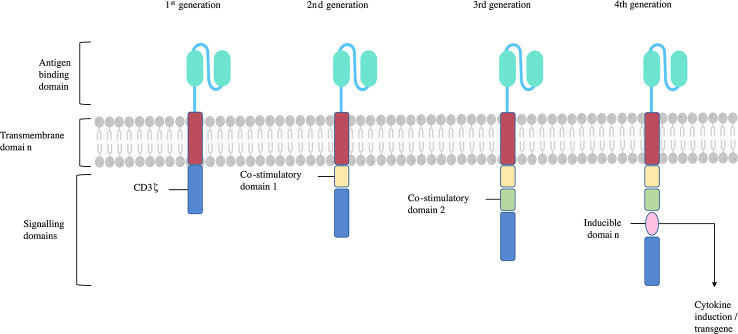
“When activated by target recognition by the antigen binding domain, this domain initiates TCR like signalling (28).”
BackgroundInfluentialRegulatory T Cells and Human Disease
Sakaguchi, S., Mikami, N., Wing, J. B., Tanaka, A., Ichiyama, K., & Ohkura, N. (2020) · Annual Review of Immunology · doi:10.1146/annurev-immunol-042718-041717 · Cited by 1,120 · cited 6×
“pTreg promote immune homeostasis, often at barrier sites, with their dysregulation being associated with the development IMIDs, including rheumatoid arthri t i s (RA), systemic lupus erythematosus (SLE), multiple sclerosis (MS), and inflammatory bowel disease (IBD) (6).”
BackgroundInfluentialAnti-CD19 CAR T cell therapy for refractory systemic lupus erythematosus
Mackensen, A., Müller, F., Mougiakakos, D., Böltz, S., Wilhelm, A., Aigner, M., Völkl, S., Simon, D., Kleyer, A., Munoz, L., et al. (2022) · Nature Medicine · doi:10.1038/s41591-022-02017-5 · Cited by 1,092 · cited 3×
“For conditions with disease pathology related to antibody production such as SLE or GvHD there may also be a role for use of CARTregs in directly suppressing B-cell driven antibody production, as seen with a CD-19 targeting CAR-Treg in pre-clinical models of GvHD (46, 47).”
BackgroundType 1 diabetes immunotherapy using polyclonal regulatory T cells
Bluestone, J. A., Buckner, J. H., Fitch, M., Gitelman, S. E., Gupta, S., Hellerstein, M. K., Herold, K. C., Lares, A., Lee, M. R., Li, K., et al. (2015) · Science Translational Medicine · doi:10.1126/scitranslmed.aad4134 · Cited by 1,033 · cited 2×
“This approach has been trialled in patients with IMIDs including Type I Diabetes (16, 17), and ulcerative colitis (18), and as an adjuvant to immune suppression in the context of solid organ transplantation (19, 20).”
MethodAn essential role for the IL-2 receptor in Treg cell function
Chinen, T., Kannan, A. K., Levine, A. G., Fan, X., Klein, U., Zheng, Y., Gasteiger, G., Feng, Y., Fontenot, J. D., & Rudensky, A. Y. (2016) · Nature Immunology · doi:10.1038/ni.3540 · Cited by 888 · cited 1×
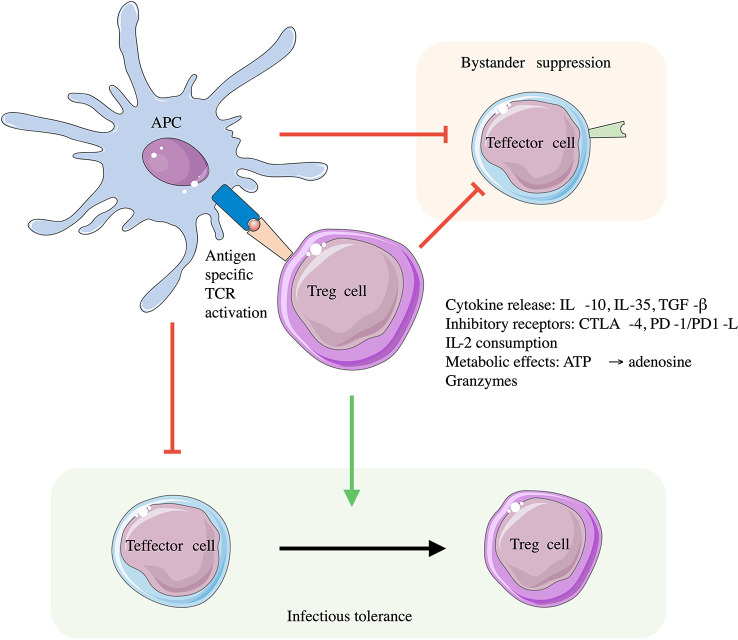
“Once activated, Tregs have several antigen non-specific mechanisms of action, these include but are not limited to: release of inhibitory cytokines (IL-10, IL-35, TGF-b) (6, 12); consumption of IL-2 inhibiting T-effector cell differentiation and function (13); expression of PD-1 and PD-L1 inhibiting T-cell proliferati…”
BackgroundTan, D. T., Dart, J. K., Holland, E. J., & Kinoshita, S. (2012) · The Lancet · doi:10.1016/s0140-6736(12)60437-1 · Cited by 799 · cited 1×
“Corneal transplants, including partial- or full-thickness grafts typically remain stable with topical steroid therapy alone, with often no ongoing need for medication (66).”
BackgroundNon Viral Vectors in Gene Therapy- An Overview
Ramamoorth, M. (2015) · JOURNAL OF CLINICAL AND DIAGNOSTIC RESEARCH · doi:10.7860/jcdr/2015/10443.5394 · Cited by 761 · cited 1×
“Alternatives to viral vectors are also being explored such as use of liposomes or electroporation however these currently have low transduction efficiency (77).”
BackgroundOhkura, N., Hamaguchi, M., Morikawa, H., Sugimura, K., Tanaka, A., Ito, Y., Osaki, M., Tanaka, Y., Yamashita, R., Nakano, N., et al. (2012) · Immunity · doi:10.1016/j.immuni.2012.09.010 · Cited by 754 · cited 2×
“This appears to be modulated by TCR signalling (24) and the inflammatory microenvironment (25).”
BackgroundReengineering chimeric antigen receptor T cells for targeted therapy of autoimmune disease
Ellebrecht, C. T., Bhoj, V. G., Nace, A., Choi, E. J., Mao, X., Cho, M. J., Di Zenzo, G., Lanzavecchia, A., Seykora, J. T., Cotsarelis, G., et al. (2016) · Science · doi:10.1126/science.aaf6756 · Cited by 738 · cited 1×
“More fine-tuned targeted elimination of specific subsets of autoantibody producing B-cells has also been explored as seen with chimeric autoantigen receptor T-cells (CAAR T therapy) which has demonstrated efficacy in models of pemphigus vulgaris and factor VIII deficiency (36, 37).”
BackgroundMaj, T., Wang, W., Crespo, J., Zhang, H., Wang, W., Wei, S., Zhao, L., Vatan, L., Shao, I., Szeliga, W., et al. (2017) · Nature Immunology · doi:10.1038/ni.3868 · Cited by 733 · cited 1×
“CD39/73 expression leading to pro-inflammatory ATP degradation to adenosine thus exerting an anti-inflammatory effect (14).”
BackgroundEULAR recommendations for the management of Sjogren's syndrome with topical and systemic therapies
Ramos-Casals, M., Brito-Zerón, P., Bombardieri, S., Bootsma, H., De Vita, S., Dörner, T., Fisher, B. A., Gottenberg, J.-E., Hernandez-Molina, G., Kocher, A., et al. (2020) · Annals of the Rheumatic Diseases · doi:10.1136/annrheumdis-2019-216114 · Cited by 732 · cited 1×
“Corneal surface related IMIDs such as PUK Sjögren’s syndrome or GvHD are also managed with escalating steroid and immunotherapy regimens in addition to ocular surface protection (55, 56, 65).”
BackgroundTreg cell-based therapies: challenges and perspectives
Raffin, C., Vo, L. T., & Bluestone, J. A. (2020) · Nature Reviews Immunology · doi:10.1038/s41577-019-0232-6 · Cited by 720
Poirot, L., Philip, B., Schiffer-Mannioui, C., Le Clerre, D., Chion-Sotinel, I., Derniame, S., Potrel, P., Bas, C., Lemaire, L., Galetto, R., et al. (2015) · Cancer Research · doi:10.1158/0008-5472.can-14-3321 · Cited by 605 · cited 1×
“Gene editing techniques can be leveraged to remove MHC related genes allowing the use of allogeneic Tregs to produce CAR-Treg therapies (80), this could help resolve barriers related to deficient autologous Treg function in patients with autoimmune conditions.”
BackgroundZhang, C., Liu, J., Zhong, J. F., & Zhang, X. (2017) · Biomarker Research · doi:10.1186/s40364-017-0102-y · Cited by 578 · cited 2×
“The flexibility of the hinge region affects the ability of the antigen binding domain to access the antigen epitope it binds to (27).”
BackgroundNie, H., Zheng, Y., Li, R., Guo, T. B., He, D., Fang, L., Liu, X., Xiao, L., Chen, X., Wan, B., et al. (2013) · Nature Medicine · doi:10.1038/nm.3085 · Cited by 515 · cited 2×
“This appears to be modulated by TCR signalling (24) and the inflammatory microenvironment (25).”
BackgroundSawitzki, B., Harden, P. N., Reinke, P., Moreau, A., Hutchinson, J. A., Game, D. S., Tang, Q., Guinan, E. C., Battaglia, M., Burlingham, W. J., et al. (2020) · The Lancet · doi:10.1016/s0140-6736(20)30167-7 · Cited by 458 · cited 2×
“This approach has been trialled in patients with IMIDs including Type I Diabetes (16, 17), and ulcerative colitis (18), and as an adjuvant to immune suppression in the context of solid organ transplantation (19, 20).”
BackgroundMethodPrinciples of regulatory T cell function
Dikiy, S., & Rudensky, A. Y. (2023) · Immunity · doi:10.1016/j.immuni.2023.01.004 · Cited by 445 · cited 8×
“Alternative approaches have included the use of engineered receptors to redirect the specificity of a starting population of Tregs, or the conversion of antigen specific effector T-cells into Tregs through enforced FOXP3 expression (23).”
BackgroundInfluentialTreg Heterogeneity, Function, and Homeostasis
Shevyrev, D., & Tereshchenko, V. (2020) · Frontiers in Immunology · doi:10.3389/fimmu.2019.03100 · Cited by 404 · cited 4×
“Once activated, Tregs have several antigen non-specific mechanisms of action, these include but are not limited to: release of inhibitory cytokines (IL-10, IL-35, TGF-b) (6, 12); consumption of IL-2 inhibiting T-effector cell differentiation and function (13); expression of PD-1 and PD-L1 inhibiting T-cell proliferati…”
BackgroundInfluentialKansal, R., Richardson, N., Neeli, I., Khawaja, S., Chamberlain, D., Ghani, M., Ghani, Q.-U.-A., Balazs, L., Beranova-Giorgianni, S., Giorgianni, F., et al. (2019) · Science Translational Medicine · doi:10.1126/scitranslmed.aav1648 · Cited by 382 · cited 3×
“For conditions with disease pathology related to antibody production such as SLE or GvHD there may also be a role for use of CARTregs in directly suppressing B-cell driven antibody production, as seen with a CD-19 targeting CAR-Treg in pre-clinical models of GvHD (46, 47).”
BackgroundCAR/FoxP3-engineered T regulatory cells target the CNS and suppress EAE upon intranasal delivery
Fransson, M., Piras, E., Burman, J., Nilsson, B., Essand, M., Lu, B., Harris, R. A., Magnusson, P. U., Brittebo, E., & Loskog, A. S. (2012) · Journal of Neuroinflammation · doi:10.1186/1742-2094-9-112 · Cited by 372 · cited 1×
“The transferred MOG CAR-Tregs successfully localised to the brain following intranasal delivery leading to reduced disease activity scores in EAE induced mice (44).”
BackgroundDesiccating Stress Induces T Cell-Mediated Sjögren’s Syndrome-Like Lacrimal Keratoconjunctivitis
Niederkorn, J. Y., Stern, M. E., Pflugfelder, S. C., De Paiva, C. S., Corrales, R. M., Gao, J., & Siemasko, K. (2006) · The Journal of Immunology · doi:10.4049/jimmunol.176.7.3950 · Cited by 338 · cited 1×
“This effect of Tregs is also seen in ocular surface conditions, with exacerbation of a mouse model of ocular Sjögren’s following Treg depletion (53) and adoptive transfer of Tregs successfully suppressing ocular surface inflammation (54).”
BackgroundSavage, P. A., Klawon, D. E. J., & Miller, C. H. (2020) · Annual Review of Immunology · doi:10.1146/annurev-immunol-100219-020937 · Cited by 321 · cited 3×
“In contrast, peripheral ‘pTregs’ are induced following the exposure of effector CD4+ T cells to conditions including the presence of IL-2 and TGF-beta (7). tTregs have Tcell receptor (TCR) specificity for autoantigens imprinted in the thymus and have a key role in immune self-tolerance. pTreg promote immune homeostasi…”
BackgroundGuidance on Noncorticosteroid Systemic Immunomodulatory Therapy in Noninfectious Uveitis
Dick, A. D., Rosenbaum, J. T., Al-Dhibi, H. A., Belfort, R., Brézin, A. P., Chee, S. P., Davis, J. L., Ramanan, A. V., Sonoda, K.-H., Carreño, E., et al. (2018) · Ophthalmology · doi:10.1016/j.ophtha.2017.11.017 · Cited by 285
Self-citationSiegler, E. L., & Kenderian, S. S. (2020) · Frontiers in Immunology · doi:10.3389/fimmu.2020.01973 · Cited by 282
Blat, D., Zigmond, E., Alteber, Z., Waks, T., & Eshhar, Z. (2014) · Molecular Therapy · doi:10.1038/mt.2014.41 · Cited by 246 · cited 1×
“CAR Tregs specific for carcinoembryonic antigen (CEA) have also been shown to localise to the colon, and prevent development of colitis (39).”
BackgroundBucher, K., Rodríguez-Bocanegra, E., Dauletbekov, D., & Fischer, M. D. (2021) · Progress in Retinal and Eye Research · doi:10.1016/j.preteyeres.2020.100915 · Cited by 242 · cited 2×
“Although effective in providing visual acuity improvements, ocular inflammation, and immune responses to the gene therapy (both the viral vector and the transgene product) can lead to reductions in final visual outcomes, or treatment failures (68).”
BackgroundAntigen-Specific FoxP3-Transduced T-Cells Can Control Established Type 1 Diabetes
Jaeckel, E., von Boehmer, H., & Manns, M. P. (2005) · Diabetes · doi:10.2337/diabetes.54.2.306 · Cited by 232 · cited 1×
“In Type 1 Diabetes (T1D) the use of islet specific Treg adoptive cell therapy was able to stabilise and reverse diabetes in a mouse model (40) supporting antigen specific Treg therapy.”
BackgroundFOXP3 and scurfy: how it all began
Ramsdell, F., & Ziegler, S. F. (2014) · Nature Reviews Immunology · doi:10.1038/nri3650 · Cited by 226
Tenspolde, M., Zimmermann, K., Weber, L. C., Hapke, M., Lieber, M., Dywicki, J., Frenzel, A., Hust, M., Galla, M., Buitrago-Molina, L. E., et al. (2019) · Journal of Autoimmunity · doi:10.1016/j.jaut.2019.05.017 · Cited by 221 · cited 1×
“Inducing ectopic FoxP3 expression has also been explored, but this does not appear to be sufficient to induce a functional Treg phenotype when starting with CD4+ cells, given the limited efficacy of FoxP3 transfected Tregs in vivo (30, 31).”
BackgroundPolyclonal Regulatory T Cell Therapy for Control of Inflammation in Kidney Transplants
Chandran, S., Tang, Q., Sarwal, M., Laszik, Z. G., Putnam, A. L., Lee, K., Leung, J., Nguyen, V., Sigdel, T., Tavares, E. C., et al. (2017) · American Journal of Transplantation · doi:10.1111/ajt.14415 · Cited by 219 · cited 1×
“This approach has been trialled in patients with IMIDs including Type I Diabetes (16, 17), and ulcerative colitis (18), and as an adjuvant to immune suppression in the context of solid organ transplantation (19, 20).”
MethodThe Multicenter Uveitis Steroid Treatment Trial: Rationale, Design, and Baseline Characteristics
(2010) · American Journal of Ophthalmology · doi:10.1016/j.ajo.2009.11.019 · Cited by 214
Luxturna: FDA documents reveal the value of a costly gene therapy
Darrow, J. J. (2019) · Drug Discovery Today · doi:10.1016/j.drudis.2019.01.019 · Cited by 213 · cited 1×
“Given the high costs of in current gene therapies (70, 71), which may limit access to one attempt at treatment, any enhancement of therapeutic success modifying immune responses will bring will be highly cost efficient.”
BackgroundCuring CNS autoimmune disease with myelin‐reactive Foxp3+ Treg
Stephens, L. A., Malpass, K. H., & Anderton, S. M. (2009) · European Journal of Immunology · doi:10.1002/eji.200839073 · Cited by 206 · cited 1×
“Antigen specific approaches to Treg therapy have also demonstrated greater efficacy in therapeutic responses in preclinical studies, with a lower risk of off-target side effects (11, 22).”
BackgroundCAR-T Regulatory (CAR-Treg) Cells: Engineering and Applications
Arjomandnejad, M., Kopec, A. L., & Keeler, A. M. (2022) · Biomedicines · doi:10.3390/biomedicines10020287 · Cited by 171
Elinav, E., Adam, N., Waks, T., & Eshhar, Z. (2009) · Gastroenterology · doi:10.1053/j.gastro.2009.01.049 · Cited by 168 · cited 1×
“The 2,4,6trinitrobenzene sulfonic acid induced colitis model was treated successfully with CAR- 2,4,6-trinitrophenol Tregs both in managing disease and preventing development of the colitis model (38).”
MethodHigh-risk Corneal Transplantation: Recent Developments and Future Possibilities
Armitage, W. J., Goodchild, C., Griffin, M. D., Gunn, D. J., Hjortdal, J., Lohan, P., Murphy, C. C., Pleyer, U., Ritter, T., Tole, D. M., et al. (2019) · Transplantation · doi:10.1097/tp.0000000000002938 · Cited by 157
Engineering-enhanced CAR T cells for improved cancer therapy
Milone, M. C., Xu, J., Chen, S., Collins, M. A., Zhou, J., Powell, D. J., & Melenhorst, J. J. (2021) · Nature Cancer · doi:10.1038/s43018-021-00241-5 · Cited by 156 · cited 1×
“The first CAR-T cell therapy received US FDA approval in 2017 and since then the field has expanded substantially with hundreds of ongoing clinical trials (2, 3).”
BackgroundDawson, N. A. J., Rosado-Sánchez, I., Novakovsky, G. E., Fung, V. C. W., Huang, Q., McIver, E., Sun, G., Gillies, J., Speck, M., Orban, P. C., et al. (2020) · Science Translational Medicine · doi:10.1126/scitranslmed.aaz3866 · Cited by 147 · cited 1×
“2 generation CD28 CARs appear to have greater stability compared to OX40 2 generation CAR (74).”
BackgroundKim, Y. C., Zhang, A.-H., Yoon, J., Culp, W. E., Lees, J. R., Wucherpfennig, K. W., & Scott, D. W. (2018) · Journal of Autoimmunity · doi:10.1016/j.jaut.2018.05.003 · Cited by 132 · cited 1×
“Myelin basic protein (MBP) TCR transgenic Tregs both successfully localised to brain and spinal cord tissues and reduced EAE disease activity in mice (45).”
BackgroundNovel Treatments in Myasthenia Gravis
Menon, D., Barnett, C., & Bril, V. (2020) · Frontiers in Neurology · doi:10.3389/fneur.2020.00538 · Cited by 121 · cited 1×
“This approach is also being explored in other diseases related to autoantibody production such as myasthenia gravis (35).”
BackgroundRegulatory T Cells in Autoimmunity and Cancer: A Duplicitous Lifestyle
Hatzioannou, A., Boumpas, A., Papadopoulou, M., Papafragkos, I., Varveri, A., Alissafi, T., & Verginis, P. (2021) · Frontiers in Immunology · doi:10.3389/fimmu.2021.731947 · Cited by 108
Voskens, C., Stoica, D., Rosenberg, M., Vitali, F., Zundler, S., Ganslmayer, M., Knott, H., Wiesinger, M., Wunder, J., Kummer, M., et al. (2022) · Gut · doi:10.1136/gutjnl-2022-327075 · Cited by 108 · cited 1×
“This approach has been trialled in patients with IMIDs including Type I Diabetes (16, 17), and ulcerative colitis (18), and as an adjuvant to immune suppression in the context of solid organ transplantation (19, 20).”
MethodCD19-targeted CAR regulatory T cells suppress B cell pathology without GvHD
Imura, Y., Ando, M., Kondo, T., Ito, M., & Yoshimura, A. (2020) · JCI Insight · doi:10.1172/jci.insight.136185 · Cited by 106
The Future of Regulatory T Cell Therapy: Promises and Challenges of Implementing CAR Technology
Mohseni, Y. R., Tung, S. L., Dudreuilh, C., Lechler, R. I., Fruhwirth, G. O., & Lombardi, G. (2020) · Frontiers in Immunology · doi:10.3389/fimmu.2020.01608 · Cited by 98 · cited 4×
“Processes to generate CAR-Tregs typically use lentiviral transfection of already isolated Tregs (5, 23).”
BackgroundMethodInfluentialToward an optimized process for clinical manufacturing of CAR-treg cell therapy
Fritsche, E., Volk, H.-D., Reinke, P., & Abou-El-Enein, M. (2020) · Trends in Biotechnology · doi:10.1016/j.tibtech.2019.12.009 · Cited by 97 · cited 4×
“For conditions with disease pathology related to antibody production such as SLE or GvHD there may also be a role for use of CARTregs in directly suppressing B-cell driven antibody production, as seen with a CD-19 targeting CAR-Treg in pre-clinical models of GvHD (46, 47).”
BackgroundInfluentialTargeting Ocular Drug Delivery: An Examination of Local Anatomy and Current Approaches
Dosmar, E., Walsh, J., Doyel, M., Bussett, K., Oladipupo, A., Amer, S., & Goebel, K. (2022) · Bioengineering · doi:10.3390/bioengineering9010041 · Cited by 91 · cited 2×
“These delivery routes may introduce constraints on maximum therapeutic dose able to be delivered compared with intravenous transfusion, in addition to introducing procedure specific risks such as haemorrhage, endophthalmitis, or the development of retinal tears (60).”
BackgroundSilver, P. B., Horai, R., Chen, J., Jittayasothorn, Y., Chan, C., Villasmil, R., Kesen, M. R., & Caspi, R. R. (2015) · The Journal of Immunology · doi:10.4049/jimmunol.1402650 · Cited by 87
The Landscape of Cellular and Gene Therapy Products: Authorization, Discontinuations, and Cost
Shukla, V., Seoane-Vazquez, E. C., Fawaz, S., Brown, L. M., & Rodríguez-Monguió, R. (2019) · Human Gene Therapy Clinical Development · doi:10.1089/humc.2018.201 · Cited by 80
Zhuang, Z., Wang, Y., Zhu, G., Gu, Y., Mao, L., Hong, M., Li, Y., & Zheng, M. (2017) · Scientific Reports · doi:10.1038/srep40414 · Cited by 74 · cited 1×
“For example, Tregs are upregulated in the disease resolution phase of the animal models of uveitis, experimental autoimmune uveoretinitis (EAU), with concomitant increase in IL-10 and TGFBeta levels measured (48) There is also reported variation in the ratio of Tregs to Teffector cells in patients with uveitis during…”
BackgroundBuilding a CAR-Treg: Going from the basic to the luxury model
Rosado‐Sánchez, I., & Levings, M. K. (2020) · Cellular Immunology · doi:10.1016/j.cellimm.2020.104220 · Cited by 74 · cited 3×
“Further modifications to CARs can enhance the phenotype stability of the Treg they are added to by, for example, constitutive FoxP3 or IL-2 production which are intended to help reduce the risk of Tregs developing T effector function (23, 29).”
BackgroundSchlöder, J., Shahneh, F. Z., Schneider, F.-J., & Wieschendorf, B. (2022) · Frontiers in Immunology · doi:10.3389/fimmu.2022.973813 · Cited by 67
Regulatory T cell therapy: Current and future design perspectives
Rana, J., & Biswas, M. (2020) · Cellular Immunology · doi:10.1016/j.cellimm.2020.104193 · Cited by 62
Corneal transplantation after failed grafts: Options and outcomes
del Barrio, J. L. A., Bhogal, M. S., Ang, M., Ziaei, M., Robbie, S. J., Montesel, A., Gore, D. M., Mehta, J. S., & ALIO, J. L. (2020) · Survey of Ophthalmology · doi:10.1016/j.survophthal.2020.10.003 · Cited by 61
Ciulla, T. A., Hussain, R. M., Berrocal, A. M., & Nagiel, A. (2020) · Expert Opinion on Biological Therapy · doi:10.1080/14712598.2020.1740676 · Cited by 59
Siemasko, K. F., Gao, J., Calder, V. L., Hanna, R., Calonge, M., Pflugfelder, S. C., Niederkorn, J. Y., & Stern, M. E. (2008) · Investigative Ophthalmology & Visual Science · doi:10.1167/iovs.08-2075 · Cited by 58 · cited 1×
“This effect of Tregs is also seen in ocular surface conditions, with exacerbation of a mouse model of ocular Sjögren’s following Treg depletion (53) and adoptive transfer of Tregs successfully suppressing ocular surface inflammation (54).”
BackgroundA Review of Ocular Graft-versus-Host Disease: Pathophysiology, Clinical Presentation and Management
Carreno-Galeano, J. T., Dohlman, T. H., Kim, S. Y., Yin, J., & Dana, R. (2021) · Ocular Immunology and Inflammation · doi:10.1080/09273948.2021.1939390 · Cited by 58
Parvathaneni, K., & Scott, D. W. (2018) · Blood Advances · doi:10.1182/bloodadvances.2018018556 · Cited by 56
Chan, Y. K., Dick, A. D., Hall, S. M., Langmann, T., Scribner, C. L., Mansfield, B. C., & for the Ocular Gene Therapy Inflammation Working Group (2021) · Translational Vision Science & Technology · doi:10.1167/tvst.10.4.3 · Cited by 56 · cited 1×
“This may also present a significant barrier to future use of further gene therapy products for different diseases; for example if multiple ocular diseases are amenable to viral vector delivered gene therapies, there is the prospect of recurrent immune responses triggered by repeated use of immunologically crossreactiv…”
BackgroundSelf-citationIPEX Syndrome: Improved Knowledge of Immune Pathogenesis Empowers Diagnosis
Barzaghi, F., & Passerini, L. (2021) · Frontiers in Pediatrics · doi:10.3389/fped.2021.612760 · Cited by 55
Bolivar-Wagers, S., Loschi, M. L., Jin, S., Thangavelu, G., Larson, J. H., McDonald-Hyman, C. S., Aguilar, E. G., Saha, A., Koehn, B. H., Hefazi, M., et al. (2022) · JCI Insight · doi:10.1172/jci.insight.160674 · Cited by 50
Sun, G., Hou, Y., Gong, W., Liu, S., Li, J., Yuan, Y., Zhang, D., Chen, Q., & Yan, X. (2017) · Inflammation · doi:10.1007/s10753-017-0704-4 · Cited by 46
Arjomandnejad, M., Sylvia, K., Blackwood, M., Nixon, T., Tang, Q., Muhuri, M., Gruntman, A. M., Gao, G., Flotte, T. R., & Keeler, A. M. (2021) · Molecular Therapy - Methods & Clinical Development · doi:10.1016/j.omtm.2021.10.010 · Cited by 44 · cited 1×
“An example of the application of CAR-Treg therapy in gene therapy has been developed in an AAV specific CAR-Treg which helped reduce immune responses directed against both the AAV capsid and the transgene product, thereby providing initial evidence of bystander suppression of the CAR-Treg (72).”
BackgroundDomínguez-Casas, L., Sánchez-Bilbao, L., Calvo-Río, V., Maiz, O., Blanco, A., Beltrán, E., Costa, L. M., Demetrio‐Pablo, R., del Buergo, M. Á., Rubio‐Romero, E., et al. (2020) · Seminars in Arthritis and Rheumatism · doi:10.1016/j.semarthrit.2020.03.023 · Cited by 44
Silver, P. B., Agarwal, R. K., Su, S.-B., Suffia, I., Grajewski, R. S., Luger, D., Chan, C., Mahdi, R. M., Nickerson, J. M., & Caspi, R. R. (2007) · The Journal of Immunology · doi:10.4049/jimmunol.179.8.5146 · Cited by 37
Foxp3+ regulatory T cell therapy for tolerance in autoimmunity and solid organ transplantation
Sanders, J. M., Jeyamogan, S., Mathew, J. M., & Leventhal, J. R. (2022) · Frontiers in Immunology · doi:10.3389/fimmu.2022.1055466 · Cited by 35
Treatment of uveitis by in situ administration of ex vivo–activated polyclonal regulatory T cells
Grégoire, S., Terrada, C., Martin, G. H., Fourcade, G., Baeyens, A., Marodon, G., Fisson, S., Billiard, F., Lucas, B., Tadayoni, R., et al. (2016) · The Journal of Immunology · doi:10.4049/jimmunol.1501723 · Cited by 33 · cited 1×
“Nevertheless, intravitreal delivery of polyclonal Tregs has previously demonstrated efficacy in treating a uveitis model in mice (61).”
BackgroundJoshi, L., Sharief, L. A. T., Yaganti, S., Sandhu, S., Taylor, S. R. J., Wakefield, D., McCluskey, P., & Lightman, S. (2014) · Ophthalmology · doi:10.1016/j.ophtha.2013.11.032 · Cited by 29 · cited 1×
“relapses despite high levels of immunosuppression (64).”
Autologous regulatory T cells in clinical intraportal allogenic pancreatic islet transplantation
Bergström, M., Yao, M. H., Müller, M., Korsgren, O., von Zur‐Mühlen, B., & Lundgren, T. (2021) · Transplant International · doi:10.1111/tri.14163 · Cited by 29 · cited 2×
“This approach has been trialled in patients with IMIDs including Type I Diabetes (16, 17), and ulcerative colitis (18), and as an adjuvant to immune suppression in the context of solid organ transplantation (19, 20).”
MethodZhang, L., Wan, F., Song, J., Tang, K., Zheng, F., Guo, J., Guo, D., & Bi, H. (2015) · Inflammation · doi:10.1007/s10753-015-0229-7 · Cited by 26 · cited 2×
“There is competing evidence regarding whether functionality of Tregs during active inflammation in EAU is impaired or not (48, 50).”
BackgroundAlzhrani, A., Bottomley, M. J., Wood, K. J., Hester, J., & Issa, F. (2020) · Cellular Immunology · doi:10.1016/j.cellimm.2020.104214 · Cited by 26 · cited 2×
“The use of antigen-specific CAR-Treg therapy helps address concerns of the development of general ised immunosuppression from polyclonal Treg therapies, with the ensuing loss of tumour surveillance or risk of viral infection (21).”
BackgroundRaffin, C., Zhou, Y., Piccoli, L., Lanzavecchia, A., Sadelain, M., Tareen, S. U., Fontenot, J. D., & Bluestone, J. A. (2018) · The Journal of Immunology · doi:10.4049/jimmunol.200.supp.176.17 · Cited by 23 · cited 2×
“Frontiers in Ophthalmology 05 antigens associated with disease states and damaged retinal tissue may also prove valuable in eye disease, as achieved elsewhere with CV specific CAR Tregs which are being investigated for RA (43).”
BackgroundImam, S., & Jaume, J. C. (2019) · Journal of the Endocrine Society · doi:10.1210/js.2019-mon-lb033 · Cited by 19 · cited 1×
“A CAR-Treg developed with specificity for a pancreatic beta cell epitope (GAD65) demonstrated stable homing to pancreatic cells in a humanized mouse model of T1D, with evidence for improved glycaemic control following treatment reported (41).”
BackgroundGallego-Valle, J., Gil-Manso, S., Pita, A., Bernaldo-de-Quirós, E., López-Esteban, R., Martínez‐Bonet, M., Pérez-Fernández, V. A., Pérez–Caballero, R., Pardo, C., Gil‐Jaurena, J., et al. (2021) · Biomedicines · doi:10.3390/biomedicines9050461 · Cited by 11 · cited 1×
“Inducing ectopic FoxP3 expression has also been explored, but this does not appear to be sufficient to induce a functional Treg phenotype when starting with CD4+ cells, given the limited efficacy of FoxP3 transfected Tregs in vivo (30, 31).”
BackgroundRegulatory T cells in human uveitis
Kottoor, S. H. (2011) · University of Birmingham Institutional Research Archive (University of Birmingham) · Cited by 2
Cited by
Knoedler, L., Dean, J., Diatta, F. H., Thompson, N. T., Knoedler, S. A., Rhys, R., Sherwani, K., Ettl, T., Mayer, S. A., Falkner, F., et al. (2024) · Frontiers in Immunology · doi:10.3389/fimmu.2024.1372862 · Cited by 37
“However, the application of CAR-T regs is not without risks as complex genetic modi fi cations have been implicated with neurologic and hematologic side effects (111, 112).”
BackgroundT-regulatory cells for the treatment of autoimmune diseases
Fisher, M. S., & Sennikov, S. V. (2025) · Frontiers in Immunology · doi:10.3389/fimmu.2025.1511671 · Cited by 43
Purdy, R., John, M., Bray, A., Clare, A. J., Copland, D. A., Chan, Y. K., Henderson, R. H., Nerinckx, F., Leroy, B. P., Yang, P., et al. (2025) · Progress in Retinal and Eye Research · doi:10.1016/j.preteyeres.2025.101354 · Cited by 24
“Alternatively, Tregs can be genetically engineered and expanded ex vivo to be applied as a cell-based therapy, a burgeoning but still experimental treatment modality (Abraham et al., 2023).”
Self-citationChimeric antigen receptor T-cell therapy in autoimmune diseases
Liu, J., Yan, Z., & Hai, Z. (2024) · Frontiers in Immunology · doi:10.3389/fimmu.2024.1492552 · Cited by 28
Regulatory T Cell-Based Adoptive Cell Therapy in Autoimmunity
Gozálvez, E., Lario, A., Muñoz‐Sánchez, G., & Lozano, F. (2025) · International Journal of Molecular Sciences · doi:10.3390/ijms262110340 · Cited by 18
“Therefore, if these antigens are expressed not only in the site of an autoimmune reaction but also in other healthy tissues, the immune response may be less effective and lead to systemic hyperactivation of CAR-Treg that, in turn, can cause a nonspecific immunosuppressive reaction [185].”
Metadata
- Authors
- Abraham, A. R., Maghsoudlou, P., Copland, D. A., Nicholson, L. B., & Dick, A. D.
- Affiliations
- University of Bristol (GB)
- Corresponding author
- Abraham, Alan R.
- Dick, Andrew D.
- Venue
- Frontiers in Ophthalmology
- Publisher
- Frontiers Media SA
- Published
- 2023-04-18
- Volume
- 3
- Pages
- 1184937-1184937
- ISSN
- 2674-0826 (ISSN-L)
- PMC
- PMC11182176
- OpenAlex
- W4366291973
- Cited by
- 20
- References
- 80
- Citations by year
- 2026: 3 · 2025: 11 · 2024: 6
- FWCI
- 0.56
- Type
- journal article
- Language
- en
- Open access
- gold
- doi.org
- Licence
- Locations
- Frontiers in Ophthalmology (publishedVersion, cc-by)
- PubMed Central (publishedVersion, cc-by)
- PubMed (publishedVersion)
- DOAJ (DOAJ: Directory of Open Access Journals) (submittedVersion, cc-by-sa)
- Bristol Research (University of Bristol) (submittedVersion, cc-by)
- Explore Bristol Research (submittedVersion, cc-by)
- Funders
- Moorfields Eye Charity
- Topics
- Life Sciences › Immunology and Microbiology › Immunology › T-cell and B-cell Immunology
- Health Sciences › Medicine › Oncology › CAR-T cell therapy research
- Health Sciences › Medicine › Ophthalmology › Ocular Diseases and Behçet’s Syndrome
- Keywords
- regulatory T cells, immune tolerance
About these checks
Registry, retraction, Cites and statistics results are computed, not judged, with one exception: a printed reference that no index lists is read once by a model before it counts as a citation error. Claims are extracted by a model and kept only when their quote appears verbatim in the text; each cited source is then checked, with a model’s help, for whether it says what the claim relies on. Those verdicts can be wrong — read the claim’s quote and the cited source before relying on one.
Statistics and arithmetic are recomputed, not judged.
Confidence bands are shown only for fields calibrated on our annotated test set. None is calibrated yet, so no band is shown.
What counts as a claim ›How we measure confidence ›How we check this ›
Are you an author, or do you see a problem with this page? Request a review
Data sources
Bibliographic data: Semantic Scholar, OpenAlex, Crossref.
Contains information from the Semantic Scholar Academic Graph Datasets, made available under the ODC Attribution License (ODC-BY 1.0).
Semantic Scholar’s data is described in: Kinney, R., et al. (2023). The Semantic Scholar Open Data Platform. arXiv:2301.10140.
