

The DOI matches its Crossref record; 5 of the 5 references it cites were found in a registry or an index.
New Insights toward Colorectal Cancer Chemotherapy Using Natural Bioactive Compounds
Overview
The claims and statistics of this paper haven’t been checked yet.
Run the check — free, no account needed. It reads the open-access text and checks the sources it cites.
Integrity signals
Registry
Cites
Statistics
Figures
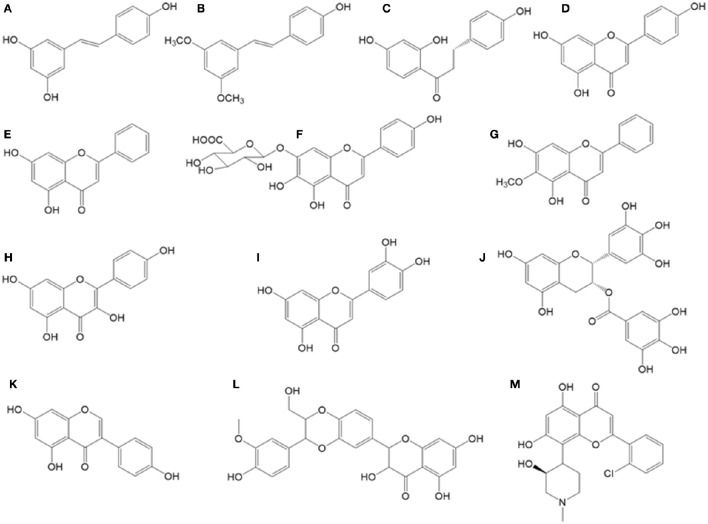
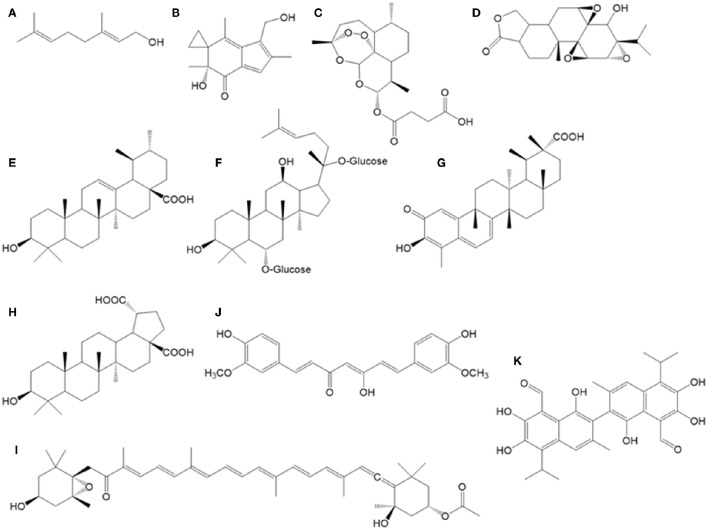
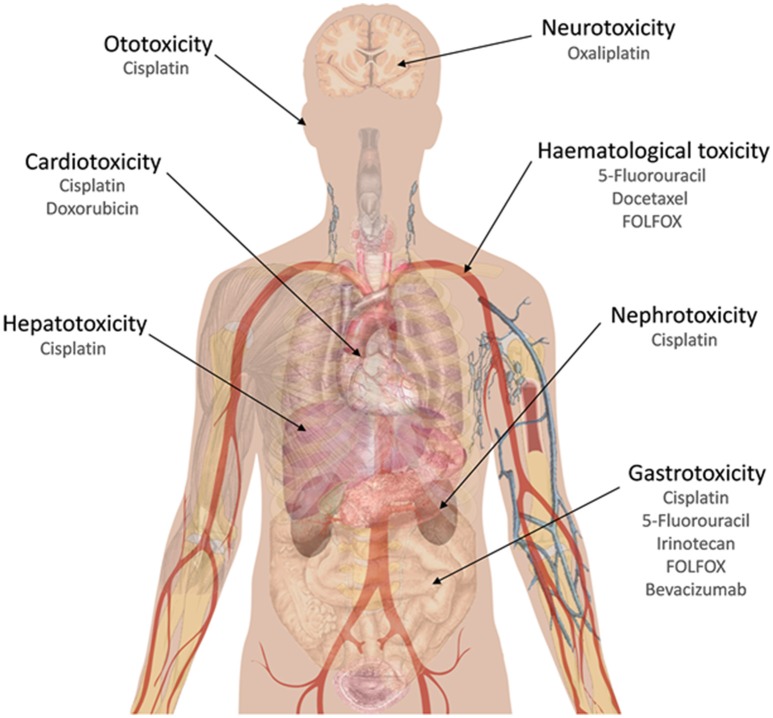
Verification
Claims the paper makes
The claims and statistics of this paper haven’t been checked yet.
Run the check — free, no account needed. It reads the open-access text and checks the sources it cites.
Claims other papers make about this one
Each is checked against this paper’s own text: does it say what the citing paper says it does?
In the citing paper
“Studies have also noted that increase in stabilized p53 increases the expression of the pro-apoptotic Bax protein,70 which destabilizes the mitochondrial membrane potential and makes it porous in nature, which in turn augments release of the apoptotic inducer cytochrome C proteins in the cytoplasm.71”
Self-check
Percentages, sums and reported differences re-computed from the paper’s own numbers.
The self-check needs the paper’s full text.
Citations
Cites
Polyphenols: Food sources and bioavailability
Manach, C., Scalbert, A., Morand, C., Rémésy, C., & Jiménez, L. (2004) · The American Journal of Clinical Nutrition · doi:10.1093/ajcn/79.5.727 · Cited by 8,175
Chou, T.-C., & Talalay, P. (1984) · Advances in Enzyme Regulation · doi:10.1016/0065-2571(84)90007-4 · Cited by 7,178
Bioavailability of curcumin: Problems and promises
Anand, P., Kunnumakkara, A. B., Newman, R. A., & Aggarwal, B. B. (2007) · Molecular Pharmaceutics · doi:10.1021/mp700113r · Cited by 5,543
Cancer chemopreventive activity of resveratrol, a natural product derived from grapes
Jang, M., Cai, L., Udeani, G. O., Slowing, K. V., Thomas, C. F., Beecher, C. W. W., Fong, H. H. S., Farnsworth, N. R., Kinghorn, A. D., Mehta, R. G., et al. (1997) · Science · doi:10.1126/science.275.5297.218 · Cited by 4,935 · cited 1×
“Since the publication in 1997 of the chemopreventive activity of topically applied resveratrol in a mouse model of skin cancer (Jang et al., 1997), this natural compound has been extensively studied for the prevention and also treatment of many diseases, including CRC.”
BackgroundMolecular Pathways Involved in Colorectal Cancer: Implications for Disease Behavior and Prevention
Colussi, D., Brandi, G., Bazzoli, F., & Ricciardiello, L. (2013) · International Journal of Molecular Sciences · doi:10.3390/ijms140816365 · Cited by 429
Research works printed but not linked: 192
- Achenbach, 2000, Bcl-2 independence of flavopiridol-induced apoptosis. Mitochondrial depolarization in the absence of cytochrome c release, J. Biol. Chem., 275, 32089, 10.1074/jbc.M005267200 · DOI
- Adachi, 2008, (-)-Epigallocatechin gallate causes internalization of the epidermal growth factor receptor in human colon cancer cells, Carcinogenesis, 29, 1986, 10.1093/carcin/bgn128 · DOI
- Adachi, 2009, (-)-Epigallocatechin gallate downregulates EGF receptor via phosphorylation at Ser1046/1047 by p38 MAPK in colon cancer cells, Carcinogenesis, 30, 1544, 10.1093/carcin/bgp166 · DOI
- Aggarwal, 2013, Curcumin-free turmeric exhibits anti-inflammatory and anticancer activities: identification of novel components of turmeric, Mol. Nutr. Food Res., 57, 1529, 10.1002/mnfr.201200838 · DOI
- Ali, 2014, Resveratrol enhances mitomycin C-mediated suppression of human colorectal cancer cell proliferation by up-regulation of p21WAF1/CIP1, Anticancer Res., 34, 5439
- Almasan, 2003, Apo2L/TRAIL: apoptosis signaling, biology, and potential for cancer therapy, Cytokine Growth Factor Rev., 14, 337, 10.1016/S1359-6101(03)00029-7 · DOI
- Ambrosini, 2008, The cyclin-dependent kinase inhibitor flavopiridol potentiates the effects of topoisomerase I poisons by suppressing Rad51 expression in a p53-dependent manner, Cancer Res., 68, 2312, 10.1158/0008-5472.CAN-07-2395 · DOI
- Amiri, 2013, Synergistic anti-proliferative effect of resveratrol and etoposide on human hepatocellular and colon cancer cell lines, Eur. J. Pharmacol., 718, 34, 10.1016/j.ejphar.2013.09.020 · DOI
- Anitha, 2014, In vitro combinatorial anticancer effects of 5-fluorouracil and curcumin loaded N,O-carboxymethyl chitosan nanoparticles toward colon cancer and in vivo pharmacokinetic studies, Eur. J. Pharm. Biopharm., 88, 238, 10.1016/j.ejpb.2014.04.017 · DOI
- Bar-Sela, 2010, Curcumin as an anti-cancer agent: review of the gap between basic and clinical applications, Curr. Med. Chem., 17, 190, 10.2174/092986710790149738 · DOI
- Bode, 2013, In vivo and in vitro metabolism of trans-resveratrol by human gut microbiota, Am. J. Clin. Nutr., 97, 295, 10.3945/ajcn.112.049379 · DOI
- Braun, 2011, Balancing the efficacy and toxicity of chemotherapy in colorectal cancer, Ther. Adv. Med. Oncol., 3, 43, 10.1177/1758834010388342 · DOI · Paper page
- Bray, 2013, Global estimates of cancer prevalence for 27 sites in the adult population in 2008, Int. J. Cancer, 132, 1133, 10.1002/ijc.27711 · DOI
- Britten, 1999, Enhanced antitumor activity of 6-hydroxymethylacylfulvene in combination with irinotecan and 5-fluorouracil in the HT29 human colon tumor xenograft model, Cancer Res., 59, 1049
- Brown, 2010, Repeat dose study of the cancer chemopreventive agent resveratrol in healthy volunteers: safety, pharmacokinetics, and effect on the insulin-like growth factor axis, Cancer Res., 70, 9003, 10.1158/0008-5472.CAN-10-2364 · DOI
- Buhrmann, 2015, Resveratrol induces chemosensitization to 5-fluorouracil through up-regulation of intercellular junctions, Epithelial-to-mesenchymal transition and apoptosis in colorectal cancer, Biochem. Pharmacol., 98, 51, 10.1016/j.bcp.2015.08.105 · DOI
- Burns, 2002, Plant foods and herbal sources of resveratrol, J. Agric. Food Chem., 50, 3337, 10.1021/jf0112973 · DOI
- Carnesecchi, 2004, Geraniol, a component of plant essential oils, modulates DNA synthesis and potentiates 5-fluorouracil efficacy on human colon tumor xenografts, Cancer Lett., 215, 53, 10.1016/j.canlet.2004.06.019 · DOI
- Caro, 2004, Oxidative stress, toxicology, and pharmacology of CYP2E1, Annu. Rev. Pharmacol. Toxicol., 44, 27, 10.1146/annurev.pharmtox.44.101802.121704 · DOI
- Carter, 2014, Resveratrol and cancer: focus on in vivo evidence, Endocr. Relat. Cancer, 21, R209, 10.1530/ERC-13-0171 · DOI
- Chan, 2009, Scutellarin sensitizes drug-evoked colon cancer cell apoptosis through enhanced caspase-6 activation, Anticancer Res., 29, 3043
- Chauhan, 2002, Chemotherapeutic potential of curcumin for colorectal cancer, Curr. Pharm. Des., 8, 1695, 10.2174/1381612023394016 · DOI
- Cheah, 2014, Low molecular weight procyanidins from grape seeds enhance the impact of 5-Fluorouracil chemotherapy on Caco-2 human colon cancer cells, PLoS ONE, 9, e98921, 10.1371/journal.pone.0098921 · DOI
- Chen, 2004, Flavonoids inhibit tumor necrosis factor-alpha-induced up-regulation of intercellular adhesion molecule-1 (ICAM-1) in respiratory epithelial cells through activator protein-1 and nuclear factor-kappaB: structure-activity relationships, Mol. Pharmacol., 66, 683, 10.1124/mol.66.3 · DOI
- Chen, 2002, TNF-R1 signaling: a beautiful pathway, Science, 296, 1634, 10.1126/science.1071924 · DOI
- Chen, 2000, Oroxylin A inhibition of lipopolysaccharide-induced iNOS and COX-2 gene expression via suppression of nuclear factor- kappaB activation, Biochem. Pharmacol., 59, 1445, 10.1016/S0006-2952(00)00255-0 · DOI
- Cho, 2013, Kaempferol induces cell cycle arrest in HT-29 human colon cancer cells, J. Cancer Prev., 18, 1, 10.15430/JCP.2013.18.3.257 · DOI
- Colombo, 2011, Chemotherapeutic activity of silymarin combined with doxorubicin or paclitaxel in sensitive and multidrug-resistant colon cancer cells, Cancer Chemother. Pharmacol., 67, 369, 10.1007/s00280-010-1335-8 · DOI
- Darpolor, 2011, Preclinical study of treatment response in HCT-116 cells and xenografts with 1H-decoupled 31P MRS, NMR Biomed., 24, 1159, 10.1002/nbm.1674 · DOI
- Dasari, 2014, Cisplatin in cancer therapy: molecular mechanisms of action, Eur. J. Pharmacol., 740, 364, 10.1016/j.ejphar.2014.07.025 · DOI · Paper page
- Del Follo-Martinez, 2013, Resveratrol and quercetin in combination have anticancer activity in colon cancer cells and repress oncogenic microRNA-27a, Nutr. Cancer, 65, 494, 10.1080/01635581.2012.725194 · DOI
- Ding, 2012, Wogonin and related natural flavones overcome tumor necrosis factor-related apoptosis-inducing ligand (TRAIL) protein resistance of tumors by down-regulation of c-FLIP protein and up-regulation of TRAIL receptor 2 expression, J. Biol. Chem., 287, 641, 10.1074/jbc.M111.286526 · DOI
- Du, 2006, Synergistic inhibitory effects of curcumin and 5-fluorouracil on the growth of the human colon cancer cell line HT-29, Chemotherapy, 52, 23, 10.1159/000090238 · DOI
- Du, 2016, BAY61-3606 potentiates the anti-tumor effects of TRAIL against colon cancer through up-regulating DR4 and down-regulating NF-κB, Cancer Lett., 383, 145, 10.1016/j.canlet.2016.10.002 · DOI
- Engelmann, 2002, Apigenin – strong cytostatic and anti-angiogenic action in vitro contrasted by lack of efficacy in vivo, Phytomedicine, 9, 489, 10.1078/09447110260573100 · DOI
- Erdogan, 2016, The flavonoid apigenin reduces prostate cancer CD44(+) stem cell survival and migration through PI3K/Akt/NF-κB signaling, Life Sci., 162, 77, 10.1016/j.lfs.2016.08.019 · DOI
- Evangelou, 2002, Vanadium in cancer treatment, Crit. Rev. Oncol. Hematol., 42, 249, 10.1016/S1040-8428(01)00221-9 · DOI
- Ferlay, 2015, Cancer incidence and mortality worldwide: sources, methods and major patterns in GLOBOCAN 2012, Int. J. Cancer, 136, E359, 10.1002/ijc.29210 · DOI · Paper page
- Fernández, 2016, Colon microbiota fermentation of dietary prebiotics towards short-chain fatty acids and their roles as anti-inflammatory and antitumour agents: a review, J. Funct. Foods, 25, 511, 10.1016/j.jff.2016.06.032 · DOI
- Fidler, 2003, PG490-88, a derivative of triptolide, causes tumor regression and sensitizes tumors to chemotherapy, Mol. Cancer Ther., 2, 855
- Fornier, 2007, Phase I dose-finding study of weekly docetaxel followed by flavopiridol for patients with advanced solid tumors, Clin. Cancer Res., 13, 5841, 10.1158/1078-0432.CCR-07-1218 · DOI
- Fuchs, 2003, Phase III comparison of two irinotecan dosing regimens in second-line therapy of metastatic colorectal cancer, J. Clin. Oncol., 21, 807, 10.1200/JCO.2003.08.058 · DOI
- Fulda, 2004, Sensitization for anticancer drug-induced apoptosis by the chemopreventive agent resveratrol, Oncogene, 23, 6702, 10.1038/sj.onc.1207630 · DOI
- Ganai, 2015, Bioactivity of genistein: a review of in vitro and in vivo studies, Biomed. Pharmacother., 76, 30, 10.1016/j.biopha.2015.10.026 · DOI
- Gao, 2013, Ginseng saponin metabolite 20(S)-protopanaxadiol inhibits tumor growth by targeting multiple cancer signaling pathways, Oncol. Rep., 30, 292, 10.3892/or.2013.2438 · DOI
- Gescher, 2013, Resveratrol in the management of human cancer: how strong is the clinical evidence?, Ann. N.Y. Acad. Sci., 1290, 12, 10.1111/nyas.12205 · DOI
- Goel, 2008, Curcumin as “Curecumin”: from kitchen to clinic, Biochem. Pharmacol., 75, 787, 10.1016/j.bcp.2007.08.016 · DOI
- Gruca, 2014, Synthetic genistein glycosides inhibiting egfr phosphorylation enhance the effect of radiation in HCT 116 colon cancer cells, Molecules, 19, 18558, 10.3390/molecules191118558 · DOI
- Guo, 2008, Biotransformation of the chemopreventive agent 2′,4′,4-trihydroxychalcone (isoliquiritigenin) by UDP-glucuronosyltransferases, Drug Metab. Dispos., 36, 2104, 10.1124/dmd.108.021857 · DOI
- Guo, 2006, Efficacy of sequential treatment of HCT116 colon cancer monolayers and xenografts with docetaxel, flavopiridol, and 5-fluorouracil, Acta Pharmacol. Sin., 27, 1375, 10.1111/j.1745-7254.2006.00421.x · DOI
- Gupta, 2011, Chemosensitization of tumors by resveratrol, Ann. N.Y. Acad. Sci., 1215, 150, 10.1111/j.1749-6632.2010.05852.x · DOI
- Gupta, 2013, Therapeutic roles of curcumin: lessons learned from clinical trials, AAPS J., 15, 195, 10.1208/s12248-012-9432-8 · DOI
- Gutiérrez-del-Río, 2016, Chapter 3. Therapeutic uses of kaempferol: anticancer and anti-inflammatory activity, 71
- Ha, 2012, Oroxylin A improves the sensitivity of HT-29 human colon cancer cells to 5-FU through modulation of the COX-2 signaling pathway, Biochem. Cell Biol., 90, 521, 10.1139/o2012-005 · DOI
- Hanif, 1997, Curcumin, a natural plant phenolic food additive, inhibits cell proliferation and induces cell cycle changes in colon adenocarcinoma cell lines by a prostaglandin-independent pathway, J. Lab. Clin. Med., 130, 576, 10.1016/S0022-2143(97)90107-4 · DOI
- Harborne, 2000, Advances in flavonoid research since 1992, Phytochemistry, 55, 481, 10.1016/S0031-9422(00)00235-1 · DOI · Paper page
- Hirano, 1989, Antiproliferative effects of synthetic and naturally occurring flavonoids on tumor cells of the human breast carcinoma cell line, ZR-75-1, Res. Commun. Chem. Pathol. Pharmacol., 64, 69
- Ho, 2014, Presentation and management of docetaxel-related adverse effects in patients with breast cancer, Cancer Manag. Res., 6, 253, 10.2147/CMAR.S40601 · DOI
- Horinaka, 2006, The dietary flavonoid apigenin sensitizes malignant tumor cells to tumor necrosis factor-related apoptosis-inducing ligand, Mol. Cancer Ther., 5, 945, 10.1158/1535-7163.MCT-05-0431 · DOI
- Hosokawa, 2004, Fucoxanthin induces apoptosis and enhances the antiproliferative effect of the PPARgamma ligand, troglitazone, on colon cancer cells, Biochim. Biophys. Acta, 1675, 113, 10.1016/j.bbagen.2004.08.012 · DOI
- Housman, 2014, Drug resistance in cancer: an overview, Cancers (Basel)., 6, 1769, 10.3390/cancers6031769 · DOI · Paper page
- Hu, 2014, Genistein modulates the anti-tumor activity of cisplatin in MCF-7 breast and HT-29 colon cancer cells, Arch. Toxicol., 88, 625, 10.1007/s00204-013-1184-4 · DOI
- Huang, 1994, Inhibitory effects of dietary curcumin on forestomach, duodenal, and colon carcinogenesis in mice, Cancer Res., 54, 5841
- Huang, 1992, Inhibitory effects of curcumin on tumor initiation by benzo[a]pyrene and 7,12-dimethylbenz[a]anthracene, Carcinogenesis, 13, 2183, 10.1093/carcin/13.11.2183 · DOI
- Hwang, 2005, Combination of 5-fluorouracil and genistein induces apoptosis synergistically in chemo-resistant cancer cells through the modulation of AMPK and COX-2 signaling pathways, Biochem. Biophys. Res. Commun., 332, 433, 10.1016/j.bbrc.2005.04.143 · DOI
- Hwang, 2007b, Apoptotic effect of EGCG in HT-29 colon cancer cells via AMPK signal pathway, Cancer Lett., 247, 115, 10.1016/j.canlet.2006.03.030 · DOI
- Hwang, 2007a, Resveratrol induces apoptosis in chemoresistant cancer cells via modulation of AMPK signaling pathway, Ann. N.Y. Acad. Sci., 1095, 441, 10.1196/annals.1397.047 · DOI
- Jagetia, 2007, Recent advances in indian herbal drug research guest editor: thomas paul asir devasagayam radioprotective potential of plants and herbs against the effects of ionizing radiation, J. Clin. Biochem. Nutr., 40, 74, 10.3164/jcbn.40.74 · DOI
- James, 2015, Curcumin inhibits cancer stem cell phenotypes in ex vivo models of colorectal liver metastases, and is clinically safe and tolerable in combination with FOLFOX chemotherapy, Cancer Lett., 364, 135, 10.1016/j.canlet.2015.05.005 · DOI
- Jiang, 2001, Functional p53 is required for triptolide-induced apoptosis and AP-1 and nuclear factor-kappaB activation in gastric cancer cells, Oncogene, 20, 8009, 10.1038/sj.onc.1204981 · DOI
- Jin, 2013, Epigallocatechin gallate inhibits the proliferation of colorectal cancer cells by regulating Notch signaling, Onco Targets Ther., 6, 145, 10.2147/OTT.S40914 · DOI
- Jin, 2003, Panaxadiol selectively inhibits cyclin A-associated Cdk2 activity by elevating p21WAF1/CIP1 protein levels in mammalian cells, Carcinogenesis, 24, 1767, 10.1093/carcin/bgg097 · DOI
- Jung, 2007, Effect of betulinic acid on anticancer drug-resistant colon cancer cells, Basic Clin. Pharmacol. Toxicol., 101, 277, 10.1111/j.1742-7843.2007.00115.x · DOI
- Kaminski, 2014, Resveratrol-induced potentiation of the antitumor effects of oxaliplatin is accompanied by an altered cytokine profile of human monocyte-derived macrophages, Apoptosis, 19, 1136, 10.1007/s10495-014-0988-x · DOI
- Kantara, 2014, Curcumin promotes autophagic survival of a subset of colon cancer stem cells, which are ablated by DCLK1-siRNA, Cancer Res., 74, 2487, 10.1158/0008-5472.CAN-13-3536 · DOI
- Karin, 2004, The IKK NF-kappa B system: a treasure trove for drug development, Nat. Rev. Drug Discov., 3, 17, 10.1038/nrd1279 · DOI · Paper page
- Kasala, 2015, Chemopreventive and therapeutic potential of chrysin in cancer: mechanistic perspectives, Toxicol. Lett., 233, 214, 10.1016/j.toxlet.2015.01.008 · DOI
- Katayama, 2007, Flavonoids inhibit breast cancer resistance protein-mediated drug resistance: transporter specificity and structure-activity relationship, Cancer Chemother. Pharmacol., 60, 789, 10.1007/s00280-007-0426-7 · DOI
- Kawamori, 1999, Chemopreventive effect of curcumin, a naturally occurring anti-inflammatory agent, during the promotion/progression stages of colon cancer, Cancer Res., 59, 597
- Kelland, 2000, Flavopiridol, the first cyclin-dependent kinase inhibitor to enter the clinic: current status, Expert Opin. Investig. Drugs, 9, 2903, 10.1517/13543784.9.12.2903 · DOI
- Khan, 2012, Chrysin protects against cisplatin-induced colon. toxicity via amelioration of oxidative stress and apoptosis: probable role of p38MAPK and p53, Toxicol. Appl. Pharmacol., 258, 315, 10.1016/j.taap.2011.11.013 · DOI
- Kim, 1998, Chemopreventive effects of carotenoids and curcumins on mouse colon carcinogenesis after 1,2-dimethylhydrazine initiation, Carcinogenesis, 19, 81, 10.1093/carcin/19.1.81 · DOI
- Kim, 2009, Inhibition of NF-kB by ginsenoside Rg3 enhances the susceptibility of colon cancer cells to docetaxel, Arch. Pharm. Res., 32, 755, 10.1007/s12272-009-1515-4 · DOI
- Klein-Marcuschamer, 2007, Engineering microbial cell factories for biosynthesis of isoprenoid molecules: beyond lycopene, Trends Biotechnol., 25, 417, 10.1016/j.tibtech.2007.07.006 · DOI
- Koh, 2012, Sensitization of ionizing radiation-induced apoptosis by ursolic acid, Free Radic. Res., 46, 339, 10.3109/10715762.2012.656101 · DOI
- Kumar, 2007, Chemistry and biological activities of flavonoids: an overview, Sci. World J., 73, 637, 10.1155/2013/162750 · DOI
- Kumar, 2013, Chemistry and biological activities of flavonoids: an overview, Sci. World J., 2013, 162750, 10.1155/2013/162750 · DOI
- Kumazaki, 2013, Anti-cancer effects of naturally occurring compounds through modulation of signal transduction and miRNA expression in human colon cancer cells, J. Nutr. Biochem., 24, 1849, 10.1016/j.jnutbio.2013.04.006 · DOI
- Kunnumakkara, 2009, Curcumin sensitizes human colorectal cancer to capecitabine by modulation of cyclin D1, COX-2, MMP-9, VEGF and CXCR4 expression in an orthotopic mouse model, Int. J. Cancer, 125, 2187, 10.1002/ijc.24593 · DOI
- Lan, 2015, Natural product (-)-gossypol inhibits colon cancer cell growth by targeting RNA-binding protein Musashi-1, Mol. Oncol., 9, 1406, 10.1016/j.molonc.2015.03.014 · DOI
- Lee, 2008, Isoliquiritigenin inhibits tumor growth and protects the kidney and liver against chemotherapy-induced toxicity in a mouse xenograft model of colon carcinoma, J. Pharmacol. Sci., 106, 444, 10.1254/jphs.FP0071498 · DOI
- Lee, 2014a, Kaempferol Downregulates Insulin-like growth factor-I receptor and ErbB3 signaling in HT-29 human colon cancer cells, J. Cancer Prev., 19, 161, 10.15430/JCP.2014.19.3.161 · DOI
- Lee, 2014b, Mechanisms underlying apoptosis-inducing effects of kaempferol in HT-29 human colon cancer cells, Int. J. Mol. Sci., 15, 2722, 10.3390/ijms15022722 · DOI
- Lee, 2006, Separation and characterization of silybin, isosilybin, silydianin and silychristin in milk thistle extract by liquid chromatography-electrospray tandem mass spectrometry, J. Chromatogr. A, 1116, 57, 10.1016/j.chroma.2006.03.053 · DOI
- Lee, 2014, Apigenin-induced apoptosis is enhanced by inhibition of autophagy formation in HCT116 human colon cancer cells, Int. J. Oncol., 44, 1599, 10.3892/ijo.2014.2339 · DOI
- Lefort, 2011, The dietary flavonoid apigenin enhances the activities of the anti-metastatic protein CD26 on human colon carcinoma cells, Clin. Exp. Metastasis, 28, 337, 10.1007/s10585-010-9364-6 · DOI
- León, 2015, Oxidovanadium(IV) complexes with chrysin and silibinin: anticancer activity and mechanisms of action in a human colon adenocarcinoma model, J. Biol. Inorg. Chem., 20, 1175, 10.1007/s00775-015-1298-7 · DOI
- Li, 2007, Liposomal curcumin with and without oxaliplatin: effects on cell growth, apoptosis, and angiogenesis in colorectal cancer, Mol. Cancer Ther., 6, 1276, 10.1158/1535-7163.MCT-06-0556 · DOI
- Li, 2009, Kaempferol induces apoptosis in human HCT116 colon cancer cells via the Ataxia-Telangiectasia mutated-p53 pathway with the involvement of p53 upregulated modulator of apoptosis, Chem. Biol. Interact., 177, 121, 10.1016/j.cbi.2008.10.048 · DOI
- Li, 2010, Chrysin sensitizes tumor necrosis factor-α-induced apoptosis in human tumor cells via suppression of nuclear factor-kappaB, Cancer Lett., 293, 109, 10.1016/j.canlet.2010.01.002 · DOI
- Li, 2009, Panaxadiol, a purified ginseng component, enhances the anti-cancer effects of 5-fluorouracil in human colorectal cancer cells, Cancer Chemother. Pharmacol., 64, 1097, 10.1007/s00280-009-0966-0 · DOI
- Liu, 2011, The antimalarial agent artesunate possesses anticancer properties that can be enhanced by combination strategies, Int. J. Cancer, 128, 1471, 10.1002/ijc.25707 · DOI
- Liu, 2014, Triptolide synergistically enhances antitumor activity of oxaliplatin in colon carcinoma in vitro and in vivo, DNA Cell Biol., 33, 418, 10.1089/dna.2014.2356 · DOI
- Luo, 2014, Apoptotic effect of genistein on human colon cancer cells via inhibiting the nuclear factor-kappa B (NF-B) pathway, Tumour Biol., 35, 11483, 10.1007/s13277-014-2487-7 · DOI
- Majumdar, 2009, Curcumin synergizes with resveratrol to inhibit colon cancer, Nutr. Cancer, 61, 544, 10.1080/01635580902752262 · DOI
- Marín, 2015, Bioavailability of dietary polyphenols and gut microbiota metabolism: antimicrobial properties, Biomed Res. Int., 2015, 905215, 10.1155/2015/905215 · DOI
- Merrill, 2011, Risk-adjusted colon and rectal cancer incidence rates in the United States, Dis. Colon Rectum, 54, 1301, 10.1097/DCR.0b013e3182242bd3 · DOI
- Mertens-Talcott, 2005, Ellagic acid and quercetin interact synergistically with resveratrol in the induction of apoptosis and cause transient cell cycle arrest in human leukemia cells, Cancer Lett., 218, 141, 10.1016/j.canlet.2004.06.007 · DOI
- Meshnick, 2002, Artemisinin: mechanisms of action, resistance and toxicity, Int. J. Parasitol., 32, 1655, 10.1016/S0020-7519(02)00194-7 · DOI
- Misawa, 2011, Pathway engineering for functional isoprenoids, Curr. Opin. Biotechnol., 22, 627, 10.1016/j.copbio.2011.01.002 · DOI
- Miyamoto, 2006, Preventive effects of chrysin on the development of azoxymethane-induced colonic aberrant crypt foci in rats, Oncol. Rep., 15, 1169, 10.3892/or.15.5.1169 · DOI
- Miyamoto, 2010, Dietary flavonoids suppress azoxymethane-induced colonic preneoplastic lesions in male C57BL/KsJ-db/db mice, Chem. Biol. Interact., 183, 276, 10.1016/j.cbi.2009.11.002 · DOI
- Mizushina, 2013, Inhibitory effects of a major soy isoflavone, genistein, on human DNA topoisomerase II activity and cancer cell proliferation, Int. J. Oncol., 43, 1117, 10.3892/ijo.2013.2032 · DOI
- Mohapatra, 2011, 5-fluorouracil increases the chemopreventive potentials of resveratrol through DNA damage and MAPK signaling pathway in human colorectal cancer cells, Oncol. Res., 19, 311, 10.3727/096504011X13079697132844 · DOI
- Morin, 1997, Activation of beta-catenin-Tcf signaling in colon cancer by mutations in beta-catenin or APC, Science, 275, 1787, 10.1126/science.275.5307.1787 · DOI
- Morris, 2016, Reduction in promotor methylation utilizing EGCG (Epigallocatechin-3-gallate) restores RXRalpha expression in human colon cancer cells, Oncotarget, 7, 11, 10.18632/oncotarget.9204 · DOI
- Moseley, 2013, Green tea polyphenol epigallocatechin 3-gallate, contributes to the degradation of DNMT3A and HDAC3 in HCT 116 human colon cancer cells, Anticancer Res., 33, 5325
- Motwani, 2001, Augmentation of apoptosis and tumor regression by flavopiridol in the presence of CPT-11 in Hct116 colon cancer monolayers and xenografts, Clin. Cancer Res., 7, 4209
- Murakami, 2013, Curcumin combined with turmerones, essential oil components of turmeric, abolishes inflammation-associated mouse colon carcinogenesis, Biofactors, 39, 221, 10.1002/biof.1054 · DOI
- Nautiyal, 2011, Combination of dasatinib and curcumin eliminates chemo-resistant colon cancer cells, J. Mol. Signal., 6, 7, 10.1186/1750-2187-6-7 · DOI
- Newcomb, 2004, Flavopiridol: pleiotropic biological effects enhance its anti-cancer activity, Anticancer Drugs, 15, 411, 10.1097/01.cad.0000127332.06439.47 · DOI
- Ohishi, 2002, Synergistic effects of (-)-epigallocatechin gallate with sulindac against colon carcinogenesis of rats treated with azoxymethane, Cancer Lett., 177, 118, 10.1016/S0304-3835(01)00767-4 · DOI
- Osman, 2015, Luteolin supplementation adjacent to aspirin treatment reduced dimethylhydrazine-induced experimental colon carcinogenesis in rats, Tumour Biol., 36, 1179, 10.1007/s13277-014-2678-2 · DOI
- Pampaloni, 2014, In vitro effects of polyphenols on colorectal cancer cells, World J. Gastrointest. Oncol., 6, 289, 10.4251/wjgo.v6.i8.289 · DOI
- Pan, 2011, Molecular mechanisms for chemoprevention of colorectal cancer by natural dietary compounds, Mol. Nutr. Food Res., 55, 32, 10.1002/mnfr.201000412 · DOI
- Park, 2001, Synergistic effects of dexamethasone and genistein on the expression of Cdk inhibitor p21WAF1/CIP1 in human hepatocellular and colorectal carcinoma cells, Int. J. Oncol., 18, 997, 10.3892/ijo.18.5.997 · DOI
- Park, 1999, Glucocorticoid receptor-induced down-regulation of MMP-9 by ginseng components, PD and PT contributes to inhibition of the invasive capacity of HT1080 human fibrosarcoma cells, Mol. Cells, 9, 476, 10.1016/S1016-8478(23)13573-4 · DOI
- Patel, 2008, Curcumin enhances the effects of 5-fluorouracil and oxaliplatin in mediating growth inhibition of colon cancer cells by modulating EGFR and IGF-1R, Int. J. Cancer, 122, 267, 10.1002/ijc.23097 · DOI
- Patel, 2010, Clinical pharmacology of resveratrol and its metabolites in colorectal cancer patients, Cancer Res., 70, 7392, 10.1158/0008-5472.CAN-10-2027 · DOI
- Pavlidis, 2013, Role of bevacizumab in colorectal cancer growth and its adverse effects: a review, World J. Gastroenterol., 19, 5051, 10.3748/wjg.v19.i31.5051 · DOI
- Perkins, 2002, Chemopreventive efficacy and pharmacokinetics of curcumin in the min/+ mouse, a model of familial adenomatous polyposis, Cancer Epidemiol. Biomarkers Prev., 11, 535
- Poindessous, 2003, Enhanced antitumor activity of irofulven in combination with 5-fluorouracil and cisplatin in human colon and ovarian carcinoma cells, Int. J. Oncol., 23, 1347, 10.3892/ijo.23.5.1347 · DOI
- Prasad, 2014, Recent developments in delivery, bioavailability, absorption and metabolism of curcumin: the golden pigment from golden spice, Cancer Res. Treat., 46, 2, 10.4143/crt.2014.46.1.2 · DOI
- Prasad, 2012, Ursolic acid inhibits growth and metastasis of human, colorectal cancer in an orthotopic nude mouse model by targeting multiple cell signaling pathways: chemosensitization with capecitabine, Clin. Cancer Res., 18, 4942, 10.1158/1078-0432.CCR-11-2805 · DOI
- Psahoulia, 2007, Quercetin enhances TRAIL-mediated apoptosis in colon cancer cells by inducing the accumulation of death receptors in lipid rafts, Mol. Cancer Ther., 6, 2591, 10.1158/1535-7163.MCT-07-0001 · DOI
- Ranelletti, 2000, Quercetin inhibits p21-RAS expression in human colon cancer cell lines and in primary colorectal tumors, Int. J. Cancer, 85, 438, 10.1002/(SICI)1097-0215(20000201)85:3438::AID-IJC223.0.CO;2-F · DOI
- Rao, 1993, Inhibition by dietary curcumin of azoxymethane-induced ornithine decarboxylase, tyrosine protein kinase, arachidonic acid metabolism and aberrant crypt foci formation in the rat colon, Carcinogenesis, 14, 2219, 10.1093/carcin/14.11.2219 · DOI
- Ravindran, 2009, Curcumin and cancer cells: how many ways can curry kill tumor cells selectively?, AAPS J., 11, 495, 10.1208/s12248-009-9128-x · DOI
- Reddivari, 2016, Grape compounds suppress colon cancer stem cells in vitro and in a rodent model of colon carcinogenesis, BMC Complement. Altern. Med., 16, 278, 10.1186/s12906-016-1254-2 · DOI
- Renuka, 2016, Chrysin, a flavonoid attenuates histological changes of hyperammonemic rats: a dose dependent study, Biomed. Pharmacother., 82, 345, 10.1016/j.biopha.2016.05.013 · DOI
- Romier, 2008, Modulation of signalling nuclear factor-kappaB activation pathway by polyphenols in human intestinal Caco-2 cells, Br. J. Nutr., 100, 542, 10.1017/S0007114508966666 · DOI
- Ronnekleiv-Kelly, 2012, Chrysin activates the aryl hydrocarbon receptor and reduces colon cancer cell viability, J. Surg. Res., 172, 305, 10.1016/j.jss.2011.11.536 · DOI
- Rossi, 2006, Flavonoids and colorectal cancer in Italy, Cancer Epidemiol. Biomarkers Prev., 15, 1555, 10.1158/1055-9965.EPI-06-0017 · DOI
- Rotches-Ribalta, 2012, Pharmacokinetics of resveratrol metabolic profile in healthy humans after moderate consumption of red wine and grape extract tablets, Pharmacol. Res., 66, 375, 10.1016/j.phrs.2012.08.001 · DOI
- Saldanha, 2014, Molecular mechanisms for inhibition of colon cancer cells by combined epigenetic-modulating epigallocatechin gallate and sodium butyrate, Exp. Cell Res., 324, 40, 10.1016/j.yexcr.2014.01.024 · DOI
- Santandreu, 2011, Resveratrol potentiates the cytotoxic oxidative stress induced by chemotherapy in human colon cancer cells, Cell. Physiol. Biochem., 28, 219, 10.1159/000331733 · DOI
- Serova, 2006, Characterizations of irofulven cytotoxicity in combination with cisplatin and oxaliplatin in human colon, breast, and ovarian cancer cells, Cancer Chemother. Pharmacol., 57, 491, 10.1007/s00280-005-0063-y · DOI
- Shao, 2013, Apigenin sensitizes colon cancer cells to antitumor activity of ABT-263, Mol. Cancer Ther., 12, 2640, 10.1158/1535-7163.MCT-13-0066 · DOI
- Shi, 2015, Apigenin, a dietary flavonoid, inhibits proliferation of human bladder cancer T-24 cells via blocking cell cycle progression and inducing apoptosis, Cancer Cell Int., 15, 33, 10.1186/s12935-015-0186-0 · DOI
- Shimizu, 2005, (-)-Epigallocatechin gallate and polyphenon e inhibit growth and activation of the epidermal growth factor receptor and human epidermal growth factor receptor-2 signaling pathways in human colon cancer cells, Clin. Cancer Res., 11, 2735, 10.1158/1078-0432.ccr-04-2014 · DOI
- Singh, 2011, Green tea catechin, epigallocatechin-3-gallate (EGCG): mechanisms, perspectives and clinical applications, Biochem. Pharmacol., 82, 1807, 10.1016/j.bcp.2011.07.093 · DOI
- Singh, 2013, Resveratrol-based combinatorial strategies for cancer management, Ann. N.Y. Acad. Sci., 1290, 113, 10.1111/nyas.12160 · DOI
- Singh, 2016, Review on EGFR inhibitors: critical updates, Mini Rev. Med. Chem., 16, 1134, 10.2174/1389557516666160321114917 · DOI
- Son, 2013, Protective effect of genistein on radiation-induced intestinal injury in tumor bearing mice, BMC Complement. Altern. Med., 13, 103, 10.1186/1472-6882-13-103 · DOI
- Sparks, 1998, Mutational analysis of the APC/beta-catenin/Tcf pathway in colorectal cancer, Cancer Res., 58, 1130
- Spector, 2003, Soy consumption and colorectal cancer, Nutr. Cancer, 47, 1, 10.1207/s15327914nc4701_1 · DOI
- Srimuangwong, 2012a, Hexahydrocurcumin enhances inhibitory effect of 5-fluorouracil on HT-29 human colon cancer cells, World J. Gastroenterol., 18, 2383, 10.3748/wjg.v18.i19.2383 · DOI
- Srimuangwong, 2012b, Effects of hexahydrocurcumin in combination with 5-fuorouracil on dimethylhydrazine-induced colon cancer in rats, World J. Gastroenterol., 18, 6951, 10.3748/wjg.v18.i47.6951 · DOI
- Suganuma, 1999, Synergistic effects of (–)-epigallocatechin gallate with (–)-epicatechin, sulindac, or tamoxifen on cancer-preventive activity in the human lung cancer cell line PC-9, Cancer Res., 59, 44
- Takada, 2004, Flavopiridol inhibits NF-kappaB activation induced by various carcinogens and inflammatory agents through inhibition of IkappaBalphakinase and p65 phosphorylation. Abrogation of cyclin D1, cyclooxygenase-2, and matrix metalloprotease-9, J. Biol. Chem., 279, 4750, 10.1074/jbc.M304546200 · DOI
- Tallarida, 2002, The interaction index: a measure of drug synergism, Pain, 98, 163, 10.1016/S0304-3959(02)00041-6 · DOI
- Tang, 2007, Synergistic effect of triptolide combined with 5-fluorouracil on colon carcinoma, Postgrad. Med. J., 83, 338, 10.1136/pgmj.2006.055426 · DOI
- Thorn, 2011, Doxorubicin pathways: pharmacodynamics and adverse effects, Pharmacogenet. Genomics, 21, 440, 10.1097/FPC.0b013e32833ffb56 · DOI
- Tolba, 2015, Pterostilbine, an active component of blueberries, sensitizes colon cancer cells to 5-fluorouracil cytotoxicity, Sci. Rep., 5, 15239, 10.1038/srep15239 · DOI
- Tolcher, 2015, Safety, efficacy, and pharmacokinetics of navitoclax (ABT-263) in combination with irinotecan: results of an open-label, phase 1 study, Cancer Chemother. Pharmacol., 76, 1041, 10.1007/s00280-015-2882-9 · DOI
- Tsai, 2015, Increase in apoptosis by combination of metformin with silibinin in human colorectal cancer cells, World J. Gastroenterol., 21, 4169, 10.3748/wjg.v21.i14.4169 · DOI
- Tsai, 2011, Curcumin and its nano-formulation: the kinetics of tissue distribution and blood-brain barrier penetration, Int. J. Pharm., 416, 331, 10.1016/j.ijpharm.2011.06.030 · DOI
- van der Stok, 2016, Surveillance after curative treatment for colorectal cancer, Nat. Rev. Clin. Oncol., 10.1038/nrclinonc.2016.199 · DOI
- Vieira, 2011, Efficacy of geraniol but not of β-ionone or their combination for the chemoprevention of rat colon carcinogenesis, Brazilian J. Med. Biol. Res., 44, 538, 10.1590/S0100-879X2011000600007 · DOI
- Walle, 2004, High absorption but very low bioavailability of oral resveratrol in humans, Drug Metab. Dispos., 32, 1377, 10.1124/dmd.104.000885 · DOI
- Wang, 2007a, Notoginseng enhances anti-cancer effect of 5-fluorouracil on human colorectal cancer cells, Cancer Chemother. Pharmacol., 60, 69, 10.1007/s00280-006-0350-2 · DOI
- Wang, 2007b, Chemopreventive effects of Panax notoginseng and its major constituents on SW480 human colorectal cancer cells, Int. J. Oncol., 31, 1149
- Wang, 2015, Protopanaxadiol, an active ginseng metabolite, significantly enhances the effects of fluorouracil on colon cancer, Nutrients, 7, 799, 10.3390/nu7020799 · DOI
- Wang, 2004, Individual and interactive effects of apigenin analogs on G2/M cell-cycle arrest in human colon carcinoma cell lines, Nutr. Cancer, 48, 106, 10.1207/s15327914nc4801_14 · DOI
- Wubetu, 2015, Epigallocatechin gallate hinders human hepatoma and colon cancer sphere formation, J. Gastroenterol. Hepatol., 31, 256, 10.1111/jgh.13069 · DOI
- Xavier, 2011, Quercetin enhances 5-fluorouracil-induced apoptosis in MSI colorectal cancer cells through p53 modulation, Cancer Chemother. Pharmacol., 68, 1449, 10.1007/s00280-011-1641-9 · DOI
- Xiao, 2015, Genistein suppresses FLT4 and inhibits human colorectal cancer metastasis, Oncotarget, 6, 3225, 10.18632/oncotarget.3064 · DOI
- Xing, 2011, Metabolic and pharmacokinetic studies of scutellarin in rat plasma, urine, and feces, Acta Pharmacol. Sin., 32, 655, 10.1038/aps.2011.11 · DOI
- Yallapu, 2012, Curcumin nanoformulations: a future nanomedicine for cancer, Drug Discov. Today, 17, 71, 10.1016/j.drudis.2011.09.009 · DOI
- Yang, 2015, Gossypol sensitizes the antitumor activity of 5-FU through down-regulation of thymidylate synthase in human colon carcinoma cells, Cancer Chemother. Pharmacol., 76, 575, 10.1007/s00280-015-2749-0 · DOI
- Yang, 2015, Enhanced action of apigenin and naringenin combination on estrogen receptor activation in non-malignant colonocytes: implications on sorghum-derived phytoestrogens, Food Funct., 6, 749, 10.1039/C4FO00300D · DOI
- Yang, 2014, Nonsteroidal anti-inflammatory drug activated gene-1 (NAG-1) modulators from natural products as anti-cancer agents, Life Sci., 100, 75, 10.1016/j.lfs.2014.01.075 · DOI
- Yang, 2015, Resveratrol elicits anti-colorectal cancer effect by activating miR-34c-KITLG in vitro and in vivo, BMC Cancer, 15, 969, 10.1186/s12885-015-1958-6 · DOI
- Yoshida, 2008, Kaempferol sensitizes colon cancer cells to TRAIL-induced apoptosis, Biochem. Biophys. Res. Commun., 375, 129, 10.1016/j.bbrc.2008.07.131 · DOI
- Yu, 2004, Inhibition of proliferation and induction of apoptosis by genistein in colon cancer HT-29 cells, Cancer Lett., 215, 159, 10.1016/j.canlet.2004.06.010 · DOI
- Yue, 2016b, Turmeric ethanolic extract possesses stronger inhibitory activities on colon tumour growth than curcumin - the importance of turmerones, J. Funct. Foods, 22, 565, 10.1016/j.jff.2016.02.011 · DOI
- Yue, 2016a, Combined therapy using bevacizumab and turmeric ethanolic extract (with absorbable curcumin) exhibited beneficial efficacy in colon cancer mice, Pharmacol. Res., 111, 43, 10.1016/j.phrs.2016.05.025 · DOI
- Zhang, 2003, Molecular mechanism of gossypol-induced cell growth inhibition and cell death of HT-29 human colon carcinoma cells, Biochem. Pharmacol., 66, 93, 10.1016/S0006-2952(03)00248-X · DOI
- Zhang, 2013, Genistein, a soya isoflavone, prevents azoxymethane-induced up-regulation of WNT/β-catenin signalling and reduces colon pre-neoplasia in rats. Br. J, Nutr, 109, 33, 10.1017/S0007114512000876 · DOI
- Zhong, 2010, Molecular targets of apigenin in colorectal cancer cells: involvement of p21, NAG-1 and p53, Eur. J. Cancer, 46, 3365, 10.1016/j.ejca.2010.07.007 · DOI
- Zhou, 2012, Epigallocatechin-3-gallate inhibits proliferation and migration of human colon cancer SW620 cells in vitro, Acta Pharmacol. Sin., 33, 120, 10.1038/aps.2011.139 · DOI
- Zhu, 2010, Synergistic anti-cancer activity by the combination of TRAIL/APO-2L and celastrol, Cancer Invest., 28, 23, 10.3109/07357900903095664 · DOI
Cited by
Sorted by citations
Antiproliferative and palliative activity of flavonoids in colorectal cancer
Fernández, J., Silván, B., Entrialgo-Cadierno, R., Villar, C. J., Capasso, R., Uranga, J. A., Lombó, F., & Abalo, R. (2021) · Biomedicine & Pharmacotherapy · doi:10.1016/j.biopha.2021.112241 · Cited by 258
Self-citationMishra, S., das, K., Chatterjee, S., Sahoo, P., Kundu, S., Pal, M., Bhaumik, A., & Ghosh, C. K. (2023) · ACS Omega · doi:10.1021/acsomega.2c04964 · Cited by 65
Metadata
- Authors
- Redondo-Blanco, S., Fernández, J., Gutiérrez-del-Río, I., Villar, C. J., & Lombó, F.
- Venue
- Frontiers in Pharmacology
- Publisher
- Frontiers Media SA
- Published
- 2017-03-14
- Volume
- 8
- ISSN
- 1663-9812
- PMC
- PMC5348533
- Cited by
- 113
- References
- 5
- Funders
- Ministerio de Economía y Competitividad (AGL-2010-20622)
About these checks
Registry, retraction, Cites and statistics results are computed, not judged, with one exception: a printed reference that no index lists is read once by a model before it counts as a citation error. Claims are extracted by a model and kept only when their quote appears verbatim in the text; each cited source is then checked, with a model’s help, for whether it says what the claim relies on. Those verdicts can be wrong — read the claim’s quote and the cited source before relying on one.
Statistics and arithmetic are recomputed, not judged.
Confidence bands are shown only for fields calibrated on our annotated test set. None is calibrated yet, so no band is shown.
What counts as a claim ›How we measure confidence ›How we check this ›
Are you an author, or do you see a problem with this page? Request a review
How to cite
Cite CoChat for the checks on this page, and the paper for its own findings.
- This page
- CoChat. (2026). Citation check: New Insights toward Colorectal Cancer Chemotherapy Using Natural Bioactive Compounds. https://app.cochat.ai/papers/10.3389/fphar.2017.00109
- The paper
- Redondo-Blanco, S., Fernández, J., Gutiérrez-del-Río, I., Villar, C. J., & Lombó, F. (2017). New Insights toward Colorectal Cancer Chemotherapy Using Natural Bioactive Compounds. Frontiers in Pharmacology. https://doi.org/10.3389/fphar.2017.00109
