

The DOI matches its Crossref record; 10 of the 10 references it cites were found in a registry or an index.
A Review of Advancement on Influencing Factors of Acne: An Emphasis on Environment Characteristics
Open accessAbstract
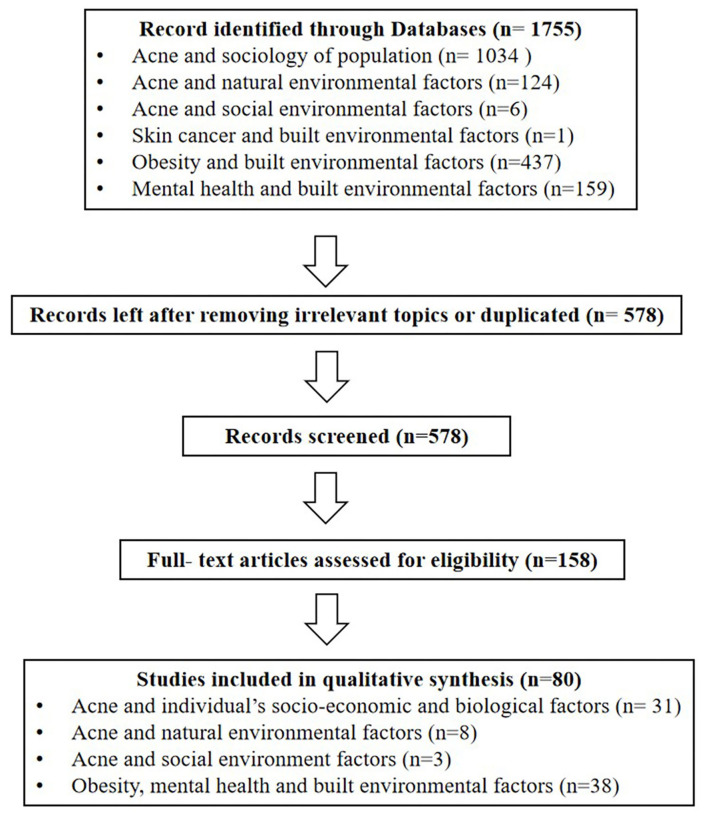
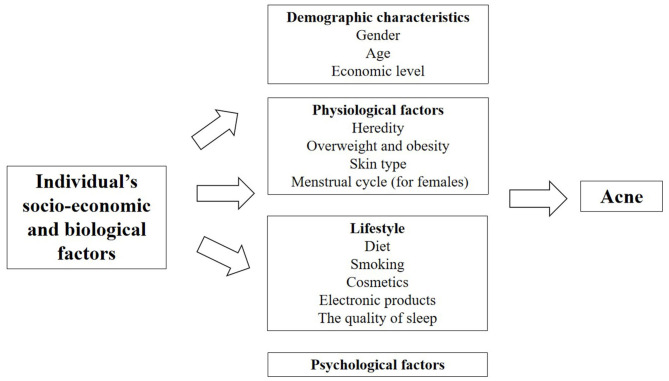
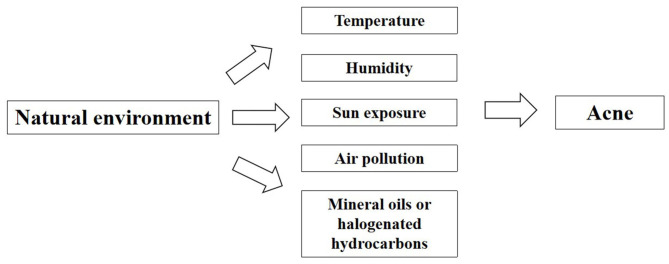
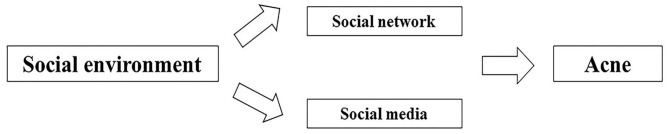
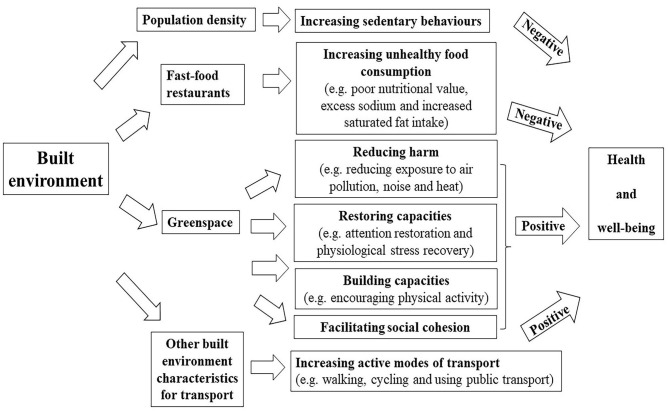
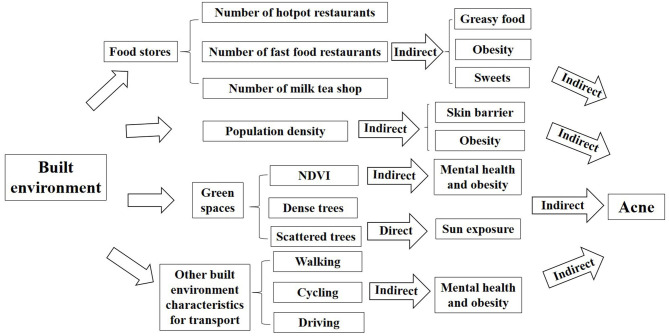
Background: Acne vulgaris is known as a commonly-seen skin disease with a considerable impact on the quality of life. At present, there have been a growing number of epidemiological, medical, demographic and sociological researches focusing on various influencing factors in the occurrence of acne. Nevertheless, the correlation between environmental factors and acne has yet to be fully investigated. Objective: To assess the impacts of individual, natural and social environmental factors on acne and to construct a framework for the potential impact of built environment on acne. Methods: A thorough review was conducted into the published social demographical, epidemiological, and environmental studies on acne through PubMed, Google Scholar and Web of Science, with reference made to the relevant literature. Results: The influencing factors in acne are classed into four major categories. The first one includes individual socio-economic and biological factors, for example, gender, age, economic level, heredity, obesity, skin type, menstrual cycle (for females), diet, smoking, cosmetics products, electronic products, sleep quality and psychological factors. The second one includes such natural environmental factors as temperature, humidity, sun exposure, air pollution and chloracne. The third one relates to social environment, including social network and social media. The last one includes built environmental factors, for example, population density, food stores, green spaces, as well as other built environment characteristics for transport. Acne can be affected negatively by family history, overweight, obesity, oily or mixed skin, irregular menstrual cycles, sugary food, greasy food, dairy products, smoking, the improper use of cosmetics, the long-term use of electronics, the poor quality of sleep, stress, high temperature, sun exposure, air pollution, mineral oils and halogenated hydrocarbons. Apart from that, there are also potential links between built environment and acne. Conclusions: It is necessary to determine the correlation between the built environment and acne based on the understanding of the impact of traditional factors (sociology of population and environment) on acne gained by multidisciplinary research teams. Moreover, more empirical studies are required to reveal the specific relationship between built environment and acne.
Overview
The claims and statistics of this paper haven’t been checked yet.
Run the check — free, no account needed. It reads the open-access text and checks the sources it cites.
Integrity signals
Registry
Cites
Statistics
Figures
Verification
Claims the paper makes
The claims and statistics of this paper haven’t been checked yet.
Run the check — free, no account needed. It reads the open-access text and checks the sources it cites.
Claims other papers make about this one
Each is checked against this paper’s own text: does it say what the citing paper says it does?
The source backs part of the claim, not all of it — or backs it for a different population, condition or comparison.
In the citing paper
“Of the 80 studies, 8 explored the relationship between acne and natural environmental factors, including air pollution.”
From Impact of environmental pollution on acne: a systematic review (2026) · cites this paper as [19]
Experimental — accuracy not yet measured
Self-check
Percentages, sums and reported differences re-computed from the paper’s own numbers.
The self-check needs the paper’s full text.
Citations
Cites
Vos, T., Flaxman, A. D., Naghavi, M., Lozano, R., Michaud, C., Ezzati, M., Shibuya, K., Salomon, J. A., Abdalla, S., Aboyans, V., et al. (2012) · The Lancet · doi:10.1016/s0140-6736(12)61729-2 · Cited by 8,291
The Spread of Obesity in a Large Social Network over 32 Years
Christakis, N. A., & Fowler, J. H. (2007) · New England Journal of Medicine · doi:10.1056/nejmsa066082 · Cited by 5,007
Social Relationships and Health.
Cohen, S. (2004) · American Psychologist · doi:10.1037/0003-066x.59.8.676 · Cited by 4,852
Exploring pathways linking greenspace to health: theoretical and methodological guidance
Markevych, I., Schoierer, J., Hartig, T., Chudnovsky, A., Hystad, P., Dzhambov, A. M., de Vries, S., Triguero-Mas, M., Brauer, M., Nieuwenhuijsen, M. J., et al. (2017) · Environmental Research · doi:10.1016/j.envres.2017.06.028 · Cited by 2,543
Prevalence of mental disorders in China: a cross-sectional epidemiological study
Huang, Y., Wang, Y., Wang, H., Liu, Z., Yu, X., Yan, J., Yu, Y., Kou, C., Xu, X., Lu, J., et al. (2019) · The Lancet Psychiatry · doi:10.1016/s2215-0366(18)30511-x · Cited by 2,335
Dzhambov, A., Hartig, T., Markevych, I., Tilov, B., & Dimitrova, D. (2018) · Environmental Research · doi:10.1016/j.envres.2017.09.015 · Cited by 303
The impact of airborne pollution on skin
Araviiskaia, E., Berardesca, E., Bieber, T., Gontijo, G., Sanchez Viera, M., Marrot, L., Chuberre, B., & Dreno, B. (2019) · Journal of the European Academy of Dermatology and Venereology · doi:10.1111/jdv.15583 · Cited by 214
Van Zalk, M. H. W., Kerr, M., Branje, S. J. T., Stattin, H., & Meeus, W. H. J. (2010) · Developmental Psychology · doi:10.1037/a0019661 · Cited by 157
Evaluation of the impact of urban pollution on the quality of skin: a multicentre study in Mexico
Lefebvre, M. ‐., Pham, D. ‐., Boussouira, B., Bernard, D., Camus, C., & Nguyen, Q. ‐. (2015) · International Journal of Cosmetic Science · doi:10.1111/ics.12203 · Cited by 113 · cited 3×
“Two clinical studies comparing subjects in the highly polluted areas to ones in the less polluted areas in Shanghai and Mexico discovered that skin quality declined with chronic exposure to ambient air pollution (87, 89).”
BackgroundA Time-Series Study of the Effect of Air Pollution on Outpatient Visits for Acne Vulgaris in Beijing
Liu, W., Pan, X., Vierkötter, A., Guo, Q., Wang, X., Wang, Q., Seité, S., Moyal, D., Schikowski, T., & Krutmann, J. (2018) · Skin Pharmacology and Physiology · doi:10.1159/000484482 · Cited by 69
Research works printed but not linked: 154
- Yang, 2018, The Tsinghua-Lancet Commission on Healthy Cities in China: unlocking the power of cities for a healthy China, Lancet., 391, 2140, 10.1016/S0140-6736(18)30486-0 · DOI
- Williams, 2012, Acne vulgaris, Lancet., 379, 361, 10.1016/S0140-6736(11)60321-8 · DOI · Paper page
- Dreno, 2017, What is new in the pathophysiology of acne, an overview, J Eur Acad Dermatol Venereol., 31, 8, 10.1111/jdv.14374 · DOI
- 2017, Global, regional, and national disability-adjusted life-years (DALYs) for 333 diseases and injuries and healthy life expectancy (HALE) for 195 countries and territories, 1990-2016: a systematic analysis for the Global Burden of Disease Study 2016, Lancet., 390, 1260, 10.1016/S0140-6736(17)32130-X · DOI · Paper page
- Tassavor, 2019, Estimated cost efficacy of U, Dermatol Ther., 32, e12765, 10.1111/dth.12765 · DOI
- Shen, 2012, Prevalence of acne vulgaris in Chinese adolescents and adults: a community-based study of 17,345 subjects in six cities, Acta Derm Venereol., 92, 40, 10.2340/00015555-1164 · DOI
- Ritvo, 2011, Psychosocial judgements and perceptions of adolescents with acne vulgaris: a blinded, controlled comparison of adult and peer evaluations, Biopsychosoc Med Biopsychosoc Med., 5, 11, 10.1186/1751-0759-5-11 · DOI
- Dreno, 2019, Acne relapses: impact on quality of life and productivity, J Eur Acad Dermatol Venereol., 33, 937, 10.1111/jdv.15419 · DOI
- Halvorsen, 2011, Suicidal ideation, mental health problems, and social impairment are increased in adolescents with acne: a population-based study, J Invest Dermatol., 131, 363, 10.1038/jid.2010.264 · DOI
- Lukaviciute, 2017, Quality of life, anxiety prevalence, depression symptomatology and suicidal ideation among acne patients in Lithuania, J Eur Acad Dermatol Venereol., 31, 1900, 10.1111/jdv.14477 · DOI
- Rao, 2007, The built environment and health, Lancet., 370, 1111, 10.1016/S0140-6736(07)61260-4 · DOI
- Mason, 2018, Associations between fast food and physical activity environments and adiposity in mid-life: cross-sectional, observational evidence from UK Biobank, Lancet Public Health., 3, e24, 10.1016/S2468-2667(17)30212-8 · DOI
- Helbich, 2018, Natural environments and suicide mortality in the Netherlands: a cross-sectional, ecological study, Lancet Planet Health., 2, e134, 10.1016/S2542-5196(18)30033-0 · DOI
- Poelman, 2018, Relations between the residential fast-food environment and the individual risk of cardiovascular diseases in The Netherlands: A nationwide follow-up study, Eur J Prev Cardiol., 25, 1397, 10.1177/2047487318769458 · DOI
- Wang, 2019, Spatial analysis of built environment risk for respiratory health and its implication for urban planning: a case study of Shanghai, Int J Environ Res Public Health., 16, 1455, 10.3390/ijerph16081455 · DOI
- Bataille, 2002, The influence of genetics and environmental factors in the pathogenesis of acne: a twin study of acne in women, J Invest Dermatol., 119, 1317, 10.1046/j.1523-1747.2002.19621.x · DOI
- Dréno, 2018, The influence of exposome on acne, J Eur Acad Dermatol Venereol., 32, 812, 10.1111/jdv.14820 · DOI
- Tan, 2015, A global perspective on the epidemiology of acne, Br J Dermatol., 172, 3, 10.1111/bjd.13462 · DOI
- Li, 2012, Urbanisation and human health in China: spatial features and a systemic perspective, Environ Sci Pollut Res Int., 19, 1375, 10.1007/s11356-011-0718-7 · DOI
- Wei, 2010, The epidemiology of adolescent acne in North East China, J Eur Acad Dermatol Venereol., 24, 953, 10.1111/j.1468-3083.2010.03590.x · DOI
- Wolkenstein, 2018, Acne prevalence and associations with lifestyle: a cross-sectional online survey of adolescents/young adults in 7 European countries, J Eur Acad Dermatol Venereol., 32, 298, 10.1111/jdv.14475 · DOI
- Han, 2016, Epidemiology of post-adolescence acne and adolescence acne in Singapore: a 10-year retrospective and comparative study, J Eur Acad Dermatol Venereol., 30, 1790, 10.1111/jdv.13743 · DOI
- Napolitano, 2018, Acne prevalence in 9 to 14-year-old old patients attending pediatric ambulatory clinics in Italy, Int J Dermatol., 57, 1320, 10.1111/ijd.14138 · DOI
- Wu, 2007, Prevalence and risk factors of facial acne vulgaris among Chinese adolescents, Int J Adolesc Med Health., 19, 407, 10.1515/IJAMH.2007.19.4.407 · DOI
- Anderson, 2015, A new approach to measuring and studying the characteristics of class membership: examining poverty, inequality and polarization in urban China, J Econom., 191, 348, 10.1016/j.jeconom.2015.12.006 · DOI
- Haider, 2006, Socioeconomic status influences care of patients with acne in Ontario, Canada, J Am Acad Dermatol., 54, 331, 10.1016/j.jaad.2005.03.029 · DOI
- Dreno, 2019, The role of exposome in acne: results from an international patient survey, J Eur Acad Dermatol Venereol., 34, 1057, 10.1111/jdv.16119 · DOI
- Di Landro, 2012, Family history, body mass index, selected dietary factors, menstrual history, and risk of moderate to severe acne in adolescents and young adults, J Am Acad Dermato., 67, 1129, 10.1016/j.jaad.2012.02.018 · DOI · Paper page
- Ghodsi, 2009, Prevalence, severity, and severity risk factors of acne in high school pupils: a community-based study, J Invest Dermatol., 129, 2136, 10.1038/jid.2009.47 · DOI
- Ballanger, 2006, Heredity: a prognostic factor for acne, Dermatology., 212, 145, 10.1159/000090655 · DOI
- He, 2014, Two new susceptibility loci 1q24, Nat Commun., 5, 2870, 10.1038/ncomms3870 · DOI
- Wang, 2019, Prevention and control of obesity in China, Lancet Glob Health, 7, e1166, 10.1016/S2214-109X(19)30276-1 · DOI
- Clatici, 2018, Diseases of civilization - cancer, diabetes, obesity and acne - the implication of milk, IGF-1 and mTORC1, Maedica., 13, 273, 10.26574/maedica.2018.13.4.273 · DOI
- Kumari, 2013, Role of insulin resistance and diet in acne, Indian J Dermatol Venereol Leprol., 79, 291, 10.4103/0378-6323.110753 · DOI
- Chen, 2011, Acne-associated syndromes: models for better understanding of acne pathogenesis, J Eur Acad Dermatol Venereol., 25, 637, 10.1111/j.1468-3083.2010.03937.x · DOI
- Halvorsen, 2012, A population-based study of acne and body mass index in adolescents, Arch Dermatol., 148, 131, 10.1001/archderm.148.1.131 · DOI
- Cesko, 2009, Smoking and obesity are associated factors in acne inversa: results of a retrospective investigation in 100 patients, Eur J Dermatol., 19, 490, 10.1684/ejd.2009.0710 · DOI
- Karciauskiene, 2014, The prevalence and risk factors of adolescent acne among schoolchildren in Lithuania: a cross-sectional study, J Eur Acad Dermatol Venereol., 28, 733, 10.1111/jdv.12160 · DOI
- Lu, 2015, Body mass index is negatively associated with acne lesion counts in Taiwanese women with post-adolescent acne, J Eur Acad Dermatol Venereol., 29, 2046, 10.1111/jdv.12754 · DOI
- Snast, 2019, Acne and obesity: a nationwide study of 600,404 adolescents, J Am Acad Dermatol., 81, 723, 10.1016/j.jaad.2019.04.009 · DOI
- Kim, 2006, Comparison of sebum secretion, skin type, pH in humans with and without acne, Arch Dermatol Res., 298, 113, 10.1007/s00403-006-0666-0 · DOI
- Pappas, 2009, Sebum analysis of individuals with and without acne, Dermatoendocrinol., 1, 157, 10.4161/derm.1.3.8473 · DOI
- Choi, 2013, Facial sebum affects the development of acne, especially the distribution of inflammatory acne, J Eur Acad Dermatol Venereol., 27, 301, 10.1111/j.1468-3083.2011.04384.x · DOI
- Shrestha, 2018, Correlation of hormonal profile and lipid levels with female adult acne in a tertiary care center of Nepal, J Nepal Health Res Counc., 16, 222, 10.3126/jnhrc.v16i2.20315 · DOI
- Stoll, 2001, The effect of the menstrual cycle on acne, J Am Acad Dermatol., 45, 957, 10.1067/mjd.2001.117382 · DOI
- Melnik, 2009, Role of insulin, insulin-like growth factor-1, hyperglycaemic food and milk consumption in the pathogenesis of acne vulgaris, Exp Dermatol., 18, 833, 10.1111/j.1600-0625.2009.00924.x · DOI · Paper page
- Burris, 2014, Relationships of self-reported dietary factors and perceived acne severity in a cohort of New York young adults, J Acad Nutr Diet., 114, 384, 10.1016/j.jand.2013.11.010 · DOI · Paper page
- Huang, 2019, Daily intake of soft drinks and moderate-to-severe acne vulgaris in chinese adolescents, J Pediatr., 204, 256, 10.1016/j.jpeds.2018.08.034 · DOI · Paper page
- Vongraviopap, 2016, Dark chocolate exacerbates acne, Int J Dermatol, 55, 587, 10.1111/ijd.13188 · DOI
- Delost, 2016, The impact of chocolate consumption on acne vulgaris in college students: a randomized crossover study, J Am Acad Dermatol., 75, 220, 10.1016/j.jaad.2016.02.1159 · DOI
- Aksu, 2012, Acne: prevalence and relationship with dietary habits in Eskisehir, Turkey, J Eur Acad Dermatol Venereol., 26, 1503, 10.1111/j.1468-3083.2011.04329.x · DOI · Paper page
- Smith, 2007, The effect of a high-protein, low glycemic-load diet versus a conventional, high glycemic-load diet on biochemical parameters associated with acne vulgaris: a randomized, investigator-masked, controlled trial, J Am Acad Dermatol., 57, 247, 10.1016/j.jaad.2007.01.046 · DOI · Paper page
- Çerman, 2016, Dietary glycemic factors, insulin resistance, and adiponectin levels in acne vulgaris, J Am Acad Dermatol., 75, 155, 10.1016/j.jaad.2016.02.1220 · DOI · Paper page
- Melnik, 2012, Diet in acne: further evidence for the role of nutrient signalling in acne pathogenesis, Acta Derm Venereol., 92, 228, 10.2340/00015555-1358 · DOI
- Smith, 2007, A low-glycemic-load diet improves symptoms in acne vulgaris patients: a randomized controlled trial, Am J Clin Nutr., 86, 107, 10.1093/ajcn/86.1.107 · DOI · Paper page
- Adebamowo, 2005, High school dietary dairy intake and teenage acne, J Am Acad Dermatol., 52, 207, 10.1016/j.jaad.2004.08.007 · DOI · Paper page
- Aalemi, 2019, Dairy consumption and acne: a case control study in Kabul, Afghanistan, Clin Cosmet Investig Dermatol., 12, 481, 10.2147/CCID.S195191 · DOI · Paper page
- Melnik, 2011, Evidence for acne-promoting effects of milk and other insulinotropic dairy products, Nestle Nutr Workshop Ser Pediatr Program, 67, 131, 10.1159/000325580 · DOI
- Melnik, 2009, Milk consumption: aggravating factor of acne and promoter of chronic diseases of Western societies, J Dtsch Dermatol Ges., 7, 364, 10.1111/j.1610-0387.2009.07019.x · DOI
- Rahaman, 2016, Association of insulin-like growth factor (IGF)-1 gene polymorphisms with plasma levels of IGF-1 and acne severity, J Am Acad Dermatol., 75, 768, 10.1016/j.jaad.2016.05.019 · DOI
- Nguyen, 2016, Diet and acne: an exploratory survey study of patient beliefs, Dermatol Pract Concept., 6, 21, 10.5826/dpc.0602a05 · DOI
- Abo, 2016, Epidemiology of acne vulgaris in adolescent male students in Arar, Kingdom of Saudi Arabia, J Egypt Public Health Assoc., 91, 144, 10.1097/01.EPX.0000492401.39250.62 · DOI
- Akaza, 2014, Fatty acid compositions of triglycerides and free fatty acids in sebum depend on amount of triglycerides, and do not differ in presence or absence of acne vulgaris, J Dermatol., 41, 1069, 10.1111/1346-8138.12699 · DOI
- El Darouti, 2016, Salty and spicy food; are they involved in the pathogenesis of acne vulgaris? A case controlled study, J Cosmet Dermatol., 15, 145, 10.1111/jocd.12200 · DOI
- Schäfer, 2001, Epidemiology of acne in the general population: the risk of smoking, Br J Dermatol., 145, 100, 10.1046/j.1365-2133.2001.04290.x · DOI
- Yang, 2014, Cigarette smoke-induced interleukin-1 alpha may be involved in the pathogenesis of adult acne, Ann Dermatol., 26, 11, 10.5021/ad.2014.26.1.11 · DOI
- Klaz, 2006, Severe acne vulgaris and tobacco smoking in young men, J Invest Dermatol., 126, 1749, 10.1038/sj.jid.5700326 · DOI
- Wolkenstein, 2015, Smoking and dietary factors associated with moderate-to-severe acne in French adolescents and young adults: results of a survey using a representative sample, Dermatology., 230, 34, 10.1159/000366195 · DOI · Paper page
- Perera, 2018, Relationship between acne vulgaris and cosmetic usage in Sri Lankan urban adolescent females, J Cosmet Dermatol., 17, 431, 10.1111/jocd.12431 · DOI
- Kaminsky, 2019, Large prospective study on adult acne in Latin America and the Iberian Peninsula: risk factors, demographics, and clinical characteristics, Int J Dermatol., 58, 1277, 10.1111/ijd.14441 · DOI
- Levin, 2016, The relationship of proper skin cleansing to pathophysiology, clinical benefits, and the concomitant use of prescription topical therapies in patients with acne vulgaris, Dermatol Clin., 34, 133, 10.1016/j.det.2015.11.001 · DOI
- Taheri, 2017, Exposure to visible light emitted from smartphones and tablets increases the proliferation of Staphylococcus aureus: can this be linked to acne?, J Biomed Phys Eng., 7, 163, 10.22086/jbpe.v7i2 · DOI
- Oyetakin-White, 2015, Does poor sleep quality affect skin ageing?, Clin Exp Dermatol., 40, 17, 10.1111/ced.12455 · DOI
- Fabbrocini, 2017, Fragility of epidermis: acne and post-procedure lesional skin, J Eur Acad Dermatol Venereol., 31, 3, 10.1111/jdv.14410 · DOI
- Suh, 2011, A multicenter epidemiological study of acne vulgaris in Korea, Int J Dermatol., 50, 673, 10.1111/j.1365-4632.2010.04726.x · DOI
- Kubota, 2010, Community-based epidemiological study of psychosocial effects of acne in Japanese adolescents, J Dermatol., 37, 617, 10.1111/j.1346-8138.2010.00855.x · DOI
- Ganceviciene, 2009, The role of neuropeptides in the multifactorial pathogenesis of acne vulgaris, Dermatoendocrinol., 1, 170, 10.4161/derm.1.3.8496 · DOI
- George, 2018, Factors aggravating or precipitating acne in indian adults: a hospital-based study of 110 cases, Indian J Dermatol., 63, 328, 10.4103/ijd.IJD_565_17 · DOI
- Narang, 2019, Seasonal aggravation of acne in summers and the effect of temperature and humidity in a study in a tropical setting, J Cosmet Dermatol., 18, 1098, 10.1111/jocd.12777 · DOI
- Williams, 1973, The effect of local temperature changes on sebum excretion rate and forehead surface lipid composition, Br J Dermatol., 88, 257, 10.1111/j.1365-2133.1973.tb07544.x · DOI
- Kim, 2019, Influence of exposure to summer environments on skin properties, J Eur Acad Dermatol Venereol., 33, 2192, 10.1111/jdv.15745 · DOI
- Li, 2017, The prevalence of acne in Mainland China: a systematic review and meta-analysis, BMJ Open., 7, e015354, 10.1136/bmjopen-2016-015354 · DOI
- Robeva, 2013, Acne vulgaris is associated with intensive pubertal development and altitude of residence–a cross-sectional population-based study on 6,200 boys, Eur J Pediatr., 172, 465, 10.1007/s00431-012-1907-1 · DOI
- Lee, 2013, Ultraviolet B irradiation increases the expression of inflammatory cytokines in cultured sebocytes, J Dermatol., 40, 993, 10.1111/1346-8138.12330 · DOI
- Krutmann, 2017, Pollution and acne: is there a link?, Clin Cosmet Investig Dermatol., 10, 199, 10.2147/CCID.S131323 · DOI · Paper page
- Lefebvre, 2016, Consequences of urban pollution upon skin status. A controlled study in Shanghai area, Int J Cosmet Sci., 38, 217, 10.1111/ics.12270 · DOI · Paper page
- Kokelj, 1992, Occupational acne, Clin Dermatol., 10, 213, 10.1016/0738-081X(92)90108-B · DOI
- Ju, 2009, Environmental pollution and acne: chloracne, Dermatoendocrinol., 1, 125, 10.4161/derm.1.3.7862 · DOI
- Borgatti, 2009, Network analysis in the social sciences, Science., 323, 892, 10.1126/science.1165821 · DOI
- Cohen-Cole, 2008, Detecting implausible social network effects in acne, height, and headaches: longitudinal analysis, BMJ., 337, a2533, 10.1136/bmj.a2533 · DOI
- Valente, 2009, Adolescent affiliations and adiposity: a social network analysis of friendships and obesity, J Adolesc Health., 45, 202, 10.1016/j.jadohealth.2009.01.007 · DOI
- Mercken, 2009, Dynamics of adolescent friendship networks and smoking behavior: social network analyses in six European countries, Soc Sci Med., 69, 1506, 10.1016/j.socscimed.2009.08.003 · DOI
- Van Zalk, 2011, Social anxiety as a basis for friendship selection and socialization in adolescents' social networks, J Pers., 79, 499, 10.1111/j.1467-6494.2011.00682.x · DOI
- Yousaf, 2020, The influence of social media on acne treatment: a cross-sectional survey, Pediatr Dermatol., 37, 301, 10.1111/pde.14091 · DOI
- Borba, 2019, Engaging but inaccurate: a cross-sectional analysis of acne videos on social media from non-health care sources, J Am Acad Dermatol., 83, 610, 10.1016/j.jaad.2019.08.035 · DOI
- Bird, 2018, Built and natural environment planning principles for promoting health: an umbrella review, BMC Public Health, 18, 930, 10.1186/s12889-018-5870-2 · DOI
- Ribeiro, 2019, Hotspots of childhood obesity in a large metropolitan area: does neighbourhood social and built environment play a part?, Int J Epidemiol., 49, 934, 10.1093/ije/dyz205 · DOI
- Dwicaksono, 2018, Evaluating the contribution of the built environment on obesity among New York State Students, Health Educ Behav., 45, 480, 10.1177/1090198117742440 · DOI
- Xu, 2015, Multilevel built environment features and individual odds of overweight and obesity in Utah, Appl Geogr., 60, 197, 10.1016/j.apgeog.2014.10.006 · DOI
- Yang, 2018, A cross-sectional study of the influence of neighborhood environment on childhood overweight and obesity: variation by age, gender, and environment characteristics, Prev Med., 108, 23, 10.1016/j.ypmed.2017.12.021 · DOI
- Wasserman, 2014, A multi-level analysis showing associations between school neighborhood and child body mass index, Int J Obes., 38, 912, 10.1038/ijo.2014.64 · DOI
- Malambo, 2016, Built environment, selected risk factors and major cardiovascular disease outcomes: a systematic review, PLoS ONE., 11, e0166846, 10.1371/journal.pone.0166846 · DOI
- Tomita, 2017, Green environment and incident depression in South Africa: a geospatial analysis and mental health implications in a resource-limited setting, Lancet Planet Health., 1, e152, 10.1016/S2542-5196(17)30063-3 · DOI
- Hartig, 2014, Nature and health, Annu Rev Public Health., 35, 207, 10.1146/annurev-publhealth-032013-182443 · DOI · Paper page
- Gao, 2016, Perceived built environment and health-related quality of life in four types of neighborhoods in Xi'an, China, Health Place., 39, 110, 10.1016/j.healthplace.2016.03.008 · DOI
- Saunders, 2013, What are the health benefits of active travel? A systematic review of trials and cohort studies, PLoS ONE., 8, e69912, 10.1371/journal.pone.0069912 · DOI
- Xu, 2010, Residential density and adolescent overweight in a rapidly urbanising region of Mainland China, J Epidemiol Community Health., 64, 1017, 10.1136/jech.2009.094169 · DOI
- Saluja, 2020, Impact of fast food outlet density on incidence of myocardial infarction in the hunter region, Intern Med J., 28, 10.1111/imj.14745 · DOI
- Burgoine, 2016, Does neighborhood fast-food outlet exposure amplify inequalities in diet and obesity? A cross-sectional study, Am J Clin Nutr., 103, 1540, 10.3945/ajcn.115.128132 · DOI
- Burgoine, 2018, Examining the interaction of fast-food outlet exposure and income on diet and obesity: evidence from 51,361 UK Biobank participants, Int J Behav Nutr Phys Act., 15, 71, 10.1186/s12966-018-0713-1 · DOI
- Cutumisu, 2017, Association between junk food consumption and fast-food outlet access near school among Quebec secondary-school children: findings from the Quebec Health Survey of High School Students (QHSHSS) 2010-11, Public Health Nutr, 20, 927, 10.1017/S136898001600286X · DOI
- Mueller, 2020, Urban greenspace and the indoor environment: pathways to health via indoor particulate matter, noise, and road noise annoyance, Environ Res, 180, 108850, 10.1016/j.envres.2019.108850 · DOI
- Klompmaker, 2019, Residential surrounding green, air pollution, traffic noise and self-perceived general health, Environ Res., 179, 108751, 10.1016/j.envres.2019.108751 · DOI
- Almanza, 2012, A study of community design, greenness, and physical activity in children using satellite, GPS and accelerometer data, Health Place., 18, 46, 10.1016/j.healthplace.2011.09.003 · DOI
- Jennings, 2019, The relationship between social cohesion and urban green space: an avenue for health promotion, Int J Environ Res Public Health., 16, 452, 10.3390/ijerph16030452 · DOI · Paper page
- Rissel, 2012, Physical activity associated with public transport use–a review and modelling of potential benefits, Int J Environ Res Public Health., 9, 2454, 10.3390/ijerph9072454 · DOI
- Sener, 2016, Potential health implications and health cost reductions of transit-induced physical activity, J Transp Health., 3, 133, 10.1016/j.jth.2016.02.002 · DOI
- Faulkner, 2009, Active school transport, physical activity levels and body weight of children and youth: a systematic review, Prev Med., 48, 3, 10.1016/j.ypmed.2008.10.017 · DOI · Paper page
- Madison, 2003, Barrier function of the skin: “la raison d'être” of the epidermis, J Invest Dermatol., 121, 231, 10.1046/j.1523-1747.2003.12359.x · DOI
- Aioi, 2001, Effect of high population density environment on skin barrier function in mice, J Dermatol Sci, 25, 189, 10.1016/S0923-1811(00)00133-X · DOI
- Yamane, 2010, High-fat diet reduces levels of type I tropocollagen and hyaluronan in rat skin, Mol Nutr Food Res., 54, S53, 10.1002/mnfr.201000022 · DOI
- Meeran, 2009, High-fat diet exacerbates inflammation and cell survival signals in the skin of ultraviolet B-irradiated C57BL/6 mice, Toxicol Appl Pharmacol., 241, 303, 10.1016/j.taap.2009.09.003 · DOI
- Schikowski, 2020, Air pollution and skin aging, Curr Environ Health Rep., 7, 58, 10.1007/s40572-020-00262-9 · DOI
- Nakhjirgan, 2019, Air pollution and exacerbation of skin itching and sleep disturbance in Iranian atopic dermatitis patients, J Environ Health Sci Eng., 17, 811, 10.1007/s40201-019-00397-4 · DOI
- Hunter, 2015, The impact of psychosocial stress on healthy skin, Clin Exp Dermatol., 40, 540, 10.1111/ced.12582 · DOI
- Choi, 2005, Mechanisms by which psychologic stress alters cutaneous permeability barrier homeostasis and stratum corneum integrity, J Invest Dermatol., 124, 587, 10.1111/j.0022-202X.2005.23589.x · DOI
- Lee, 2019, Differences in skin health outcomes according to physical activity level among Korean Female College Students, Iran J Public Health., 48, 1924, 10.18502/ijph.v48i10.3504 · DOI
- Ng, 2019, Population density and risk of inflammatory bowel disease: a prospective population-based study in 13 countries or regions in Asia-Pacific, Am J Gastroenterol., 114, 107, 10.1038/s41395-018-0233-2 · DOI · Paper page
- Xu, 2015, Built environment and obesity by urbanicity in the U, Health Place., 34, 19, 10.1016/j.healthplace.2015.03.010 · DOI
- Howard Wilsher, 2016, The relationship between unhealthy food sales, socio-economic deprivation and childhood weight status: results of a cross-sectional study in England, Int J Behav Nutr Phys Act., 13, 21, 10.1186/s12966-016-0345-2 · DOI
- Bodor, 2010, The association between obesity and Urban food environments, J Urban Health., 87, 771, 10.1007/s11524-010-9460-6 · DOI
- Lin, 2018, Leisure-time physical activity, objective urban neighborhood built environment, and overweight and obesity of Chinese school-age children, J Transport Health., 10, 322, 10.1016/j.jth.2018.05.001 · DOI
- Astell-Burt, 2014, Neighbourhood green space and the odds of having skin cancer: multilevel evidence of survey data from 267072 Australians, J Epidemiol Community Health., 68, 370, 10.1136/jech-2013-203043 · DOI
- Stewart, 2012, Local climate zones for urban temperature studies, Bull Am Meteorol Soc., 93, 1879, 10.1175/BAMS-D-11-00019.1 · DOI
- Liu, 2019, Neighbourhood greenness and mental wellbeing in Guangzhou, China: what are the pathways?, Landsc Urban Plann., 190, 103602, 10.1016/j.landurbplan.2019.103602 · DOI
- Liu, 2019, Exploring the linkage between greenness exposure and depression among Chinese people: mediating roles of physical activity, stress and social cohesion and moderating role of urbanicity, Health Place., 58, 102168, 10.1016/j.healthplace.2019.102168 · DOI
- Wang, 2019, Urban greenery and mental wellbeing in adults: cross-sectional mediation analyses on multiple pathways across different greenery measures, Environ Res., 176, 108535, 10.1016/j.envres.2019.108535 · DOI
- Helbich, 2019, Using deep learning to examine street view green and blue spaces and their associations with geriatric depression in Beijing, China, Environ Int., 126, 107, 10.1016/j.envint.2019.02.013 · DOI
- Huang, 2019, Residential exposure to natural outdoor environments and general health among older adults in Shanghai, China, Int J Equity Health., 18, 178, 10.1186/s12939-019-1081-4 · DOI
- Wang, 2020, Residential greenness, air pollution and psychological well-being among urban residents in Guangzhou, China, Sci Total Environ., 711, 134843, 10.1016/j.scitotenv.2019.134843 · DOI
- O'Callaghan-Gordo, 2020, Green spaces, excess weight and obesity in Spain, Int J Hyg Environ Health., 223, 45, 10.1016/j.ijheh.2019.10.007 · DOI
- Lovasi, 2013, Neighborhood safety and green space as predictors of obesity among preschool children from low-income families in New York City, Prev Med., 57, 189, 10.1016/j.ypmed.2013.05.012 · DOI
- Huang, 2020, Association between community greenness and obesity in urban-dwelling Chinese adults, Sci Total Environ., 702, 135040, 10.1016/j.scitotenv.2019.135040 · DOI
- McClure, 2015, Simulating the dynamic effect of land use and transport policies on the health of populations, Am J Public Health., 105, S223, 10.2105/AJPH.2014.302303 · DOI
- Stevenson, 2016, Land use, transport, and population health: estimating the health benefits of compact cities, Lancet., 388, 2925, 10.1016/S0140-6736(16)30067-8 · DOI
- Frank, 2004, Obesity relationships with community design, physical activity, and time spent in cars, Am J Prev Med., 27, 87, 10.1016/j.amepre.2004.04.011 · DOI
- Mobley, 2006, Environment, obesity, and cardiovascular disease risk in low-income women, Am J Prev Med., 30, 327, 10.1016/j.amepre.2005.12.001 · DOI
- Brown, 2019, Better transport accessibility, better health: a health economic impact assessment study for Melbourne, Australia, Int J Behav Nutr Phys Act., 16, 89, 10.1186/s12966-019-0853-y · DOI
- Dons, 2018, Transport mode choice and body mass index: cross-sectional and longitudinal evidence from a European-wide study, Environ Int., 119, 109, 10.1016/j.envint.2018.06.023 · DOI
- Turrell, 2018, Prospective trends in body mass index by main transport mode, 2007–2013, J Transp Health., 8, 183, 10.1016/j.jth.2017.12.004 · DOI
- Liao, 2016, Travel mode, transportation-related physical activity, and risk of overweight in Taiwanese adults, J Transp Healt., 3, 220, 10.1016/j.jth.2016.02.012 · DOI
- Avila-Palencia, 2018, The effects of transport mode use on self-perceived health, mental health, and social contact measures: a cross-sectional and longitudinal study, Environ Int., 120, 199, 10.1016/j.envint.2018.08.002 · DOI
- Mattisson, 2015, Relationships between commuting and social capital among men and women in Southern Sweden, Environ Behav., 47, 734, 10.1177/0013916514529969 · DOI
- Martin, 2014, Does active commuting improve psychological wellbeing? Longitudinal evidence from eighteen waves of the British Household Panel Survey, Prev Med., 69, 296, 10.1016/j.ypmed.2014.08.023 · DOI
Cited by
Sorted by citations
Air pollution and skin diseases: A comprehensive evaluation of the associated mechanism.
Gu, X., Li, Z., & Su, J. (2024) · Ecotoxicology and Environmental Safety · doi:10.1016/j.ecoenv.2024.116429 · Cited by 91
Chen, Y.-H., Wang, W.-M., Chung, C.-H., Tsao, C.-H., Chien, W.-C., & Hung, C.-T. (2022) · Journal of Affective Disorders · doi:10.1016/j.jad.2021.09.055 · Cited by 24
Li, X., Zhou, L.-X., Yang, L.-L., Huang, X.-L., Wang, N., Hu, Y.-G., Tang, E.-J., Xiao, H., Zhou, Y.-M., Li, Y.-F., et al. (2022) · Environmental Science and Pollution Research · doi:10.1007/s11356-022-20236-8 · Cited by 10
Impact of environmental pollution on acne: a systematic review
Okeah, I. R., Afzal, U. M., & Ali, F. R. (2026) · Skin Health and Disease · doi:10.1093/skinhd/vzaf090 · Cited by 3
“A recent systematic review 19 of 80 studies with sample sizes ranging from 50 to 2 472 004 participants, examined factors influencing acne development and severity.”
Metadata
- Authors
- Yang, J., Yang, H., Xu, A., & He, L.
- Affiliations
- First Affiliated Hospital of Kunming Medical University (CN)
- East China Normal University (CN)
- Third People's Hospital of Hangzhou (CN)
- Corresponding author
- Yang, Haoran
- Venue
- Frontiers in Public Health
- Publisher
- Frontiers Media SA
- Published
- 2020-09-17
- Volume
- 8
- Pages
- 450-450
- ISSN
- 2296-2565 (ISSN-L)
- PMC
- PMC7527424
- OpenAlex
- W3084849923
- Cited by
- 121
- References
- 10
- Citations by year
- 2026: 22 · 2025: 27 · 2024: 23 · 2023: 33 · 2022: 11 · 2021: 5
- FWCI
- 2.05
- Type
- journal article
- Language
- en
- Open access
- gold
- doi.org
- Licence
- Locations
- Frontiers in Public Health (publishedVersion, cc-by)
- PubMed Central (publishedVersion, cc-by)
- PubMed (publishedVersion)
- DOAJ (DOAJ: Directory of Open Access Journals) (submittedVersion, cc-by-sa)
- Funders
- Ministry of Education of China (IRT17-R49)
- Topics
- Health Sciences › Medicine › Dermatology › Acne and Rosacea Treatments and Effects
- Health Sciences › Medicine › Dermatology › Dermatology and Skin Diseases
- Health Sciences › Medicine › Dermatology › Skin Protection and Aging
- Keywords
- acne, risk factors, built environment, environmental factors, social environment, air pollution, sun exposure, obesity, sleep quality, social media, population density, green spaces, diet, smoking, heredity (biology)
- MeSH terms
- Built Environment, Acne Vulgaris, Air Pollution, Diet, Female, Humans, Quality of Life
About these checks
Registry, retraction, Cites and statistics results are computed, not judged, with one exception: a printed reference that no index lists is read once by a model before it counts as a citation error. Claims are extracted by a model and kept only when their quote appears verbatim in the text; each cited source is then checked, with a model’s help, for whether it says what the claim relies on. Those verdicts can be wrong — read the claim’s quote and the cited source before relying on one.
Statistics and arithmetic are recomputed, not judged.
Confidence bands are shown only for fields calibrated on our annotated test set. None is calibrated yet, so no band is shown.
What counts as a claim ›How we measure confidence ›How we check this ›
Are you an author, or do you see a problem with this page? Request a review
