

Oxidative Stress Responses in the Human Fungal Pathogen, Candida albicans
Open accessThe DOI matches its Crossref record; 127 of the 128 references it cites were found in a registry or an index.
Abstract
Candida albicans is a major fungal pathogen of humans, causing approximately 400,000 life-threatening systemic infections world-wide each year in severely immunocompromised patients. An important fungicidal mechanism employed by innate immune cells involves the generation of toxic reactive oxygen species (ROS), such as superoxide and hydrogen peroxide. Consequently, there is much interest in the strategies employed by C. albicans to evade the oxidative killing by macrophages and neutrophils. Our understanding of how C. albicans senses and responds to ROS has significantly increased in recent years. Key findings include the observations that hydrogen peroxide triggers the filamentation of this polymorphic fungus and that a superoxide dismutase enzyme with a novel mode of action is expressed at the cell surface of C. albicans. Furthermore, recent studies have indicated that combinations of the chemical stresses generated by phagocytes can actively prevent C. albicans oxidative stress responses through a mechanism termed the stress pathway interference. In this review, we present an up-date of our current understanding of the role and regulation of oxidative stress responses in this important human fungal pathogen.
Overview
The claims and statistics of this paper haven’t been checked yet.
Free: it reads the open-access text and checks the first 5 claims that cite a source we can check. Create a free account to check every claim.
Integrity signals
Registry
Cites
Statistics
Figures
Verification
Claims the paper makes
The claims and statistics of this paper haven’t been checked yet.
Free: it reads the open-access text and checks the first 5 claims that cite a source we can check. Create a free account to check every claim.
Claims other papers make about this one
Each is checked against this paper’s own text: does it say what the citing paper says it does?
The cited source says what the claim attributes to it.
In the citing paper
“Consistent with the notion of LNP-mediated oxidative damage, the SODs are antioxidant enzymes that detoxify ROS [48], and metal ion homeostasis is crucial in minimizing ROS formation [49].”
From Lansoprazole interferes with fungal respiration and acts synergistically with amphotericin B against multidrug-resistant Candida auris (2024) · cites this paper as [48]
The cited source says what the claim attributes to it.
In the citing paper
“Nevertheless, C. albicans employed strategies to evade the oxidative killing by innate immune cells [4].”
From Effect of Nitric Oxide on the Antifungal Activity of Oxidative Stress and Azoles Against Candida albicans (2016) · cites this paper as [4]
Self-check
Percentages, sums and reported differences re-computed from the paper’s own numbers.
The self-check needs the paper’s full text.
Citations
Cites
The NOX Family of ROS-Generating NADPH Oxidases: Physiology and Pathophysiology
Bedard, K., & Krause, K.-H. (2007) · Physiological Reviews · doi:10.1152/physrev.00044.2005 · Cited by 6,989 · cited 1×
“Activation of Nox2 is dependent on the interaction with the cytosolic components, in particular p67phox, which translocate to the membrane following phagocytosis [13].”
BackgroundHidden Killers: Human Fungal Infections
Brown, G. D., Denning, D. W., Gow, N. A. R., Levitz, S. M., Netea, M. G., & White, T. C. (2012) · Science Translational Medicine · doi:10.1126/scitranslmed.3004404 · Cited by 4,284 · cited 1×
“infections and the consequential delays in treatment [9].”
BackgroundMammalian thioredoxin is a direct inhibitor of apoptosis signal‐regulating kinase (ASK) 1
Saitoh, M., Nishitoh, H., Fujii, M., Takeda, K., Tobiume, K., Sawada, Y., Kawabata, M., Miyazono, K., & Ichijo, H. (1998) · The EMBO Journal · doi:10.1093/emboj/17.9.2596 · Cited by 2,377 · cited 1×
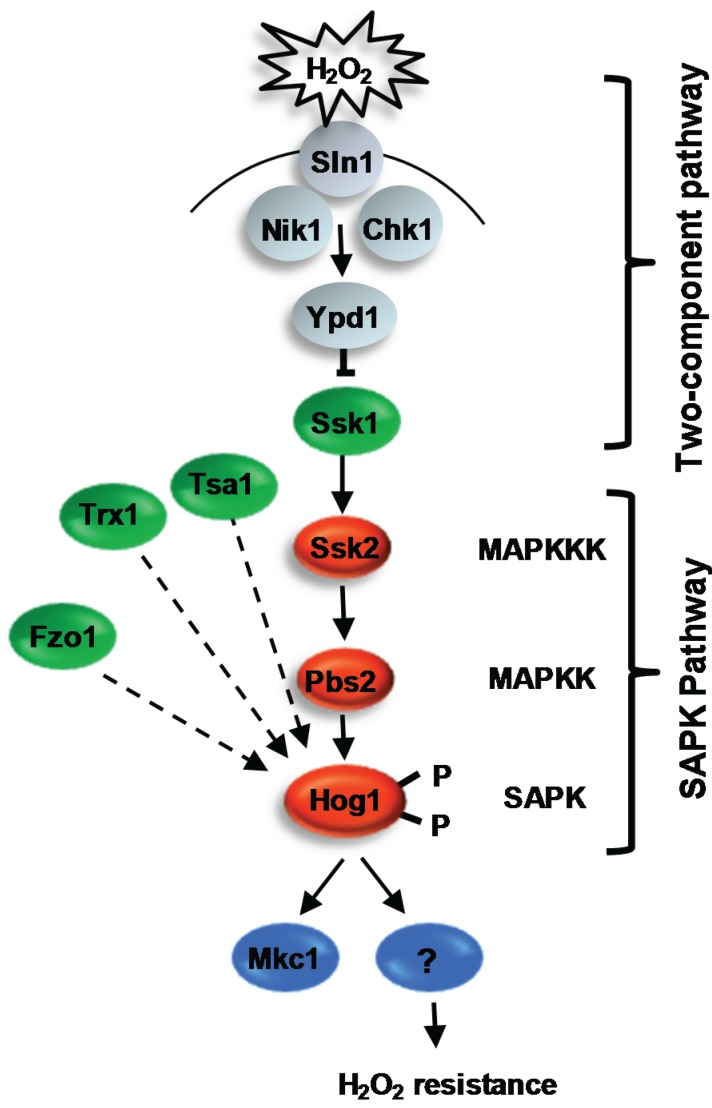
“In mammalian systems, thioredoxin functions as a repressor of the Hog1-related JNK and p38 SAPK signalling cascades [110].”
BackgroundAntimicrobial reactive oxygen and nitrogen species: concepts and controversies
Fang, F. C. (2004) · Nature Reviews Microbiology · doi:10.1038/nrmicro1004 · Cited by 1,676 · cited 1×
“albicans to cationic fluxes (K+) and acidification, as well as to superoxide anions [16,21,48].”
BackgroundHydrogen peroxide sensing and signaling
Veal, E. A., Day, A. M., & Morgan, B. A. (2007) · Molecular Cell · doi:10.1016/j.molcel.2007.03.016 · Cited by 1,604
Self-citationOxidative stress and cancer: Have we moved forward?
Halliwell, B. (2007) · Biochemical Journal · doi:10.1042/bj20061131 · Cited by 1,302 · cited 1×
“ROS interact with proteins, lipids and nucleic acids [29], causing irreversible damage to the pathogen.”
BackgroundSobel, J. D. (2007) · The Lancet · doi:10.1016/s0140-6736(07)60917-9 · Cited by 1,270
Killing activity of neutrophils is mediated through activation of proteases by K+ flux
Reeves, E. P., Lu, H., Jacobs, H. L., Messina, C. G. M., Bolsover, S., Gabella, G., Potma, E. O., Warley, A., Roes, J., & Segal, A. W. (2002) · Nature · doi:10.1038/416291a · Cited by 1,153
ATM Activation by Oxidative Stress
Guo, Z., Kozlov, S., Lavin, M. F., Person, M. D., & Paull, T. T. (2010) · Science · doi:10.1126/science.1192912 · Cited by 1,079 · cited 1×
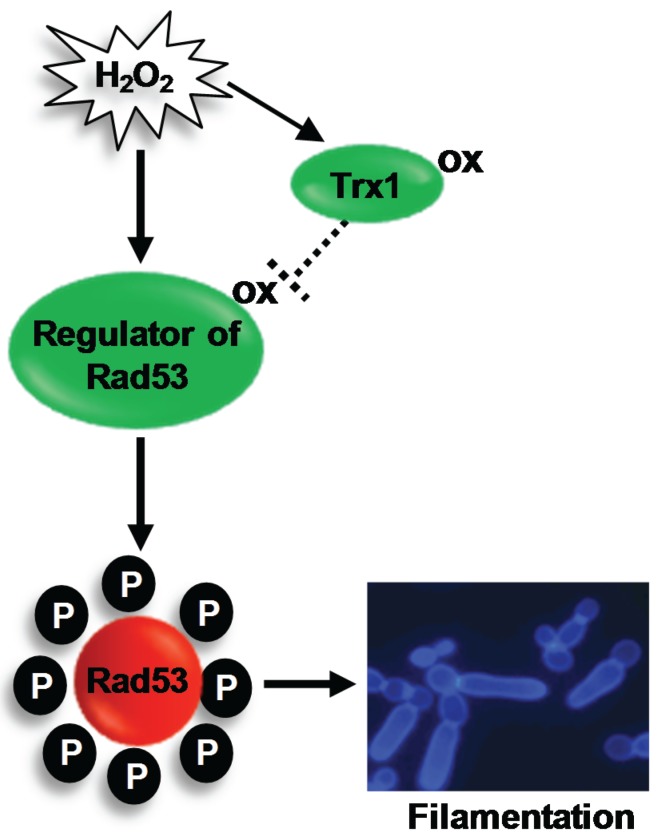
“In this regard, it is interesting that the human homologue (ATM) of the fungal Tel1 DNA-damage sensing kinase, which regulates Rad53, has recently been shown to be activated by oxidation [122].”
BackgroundA Thiol Peroxidase Is an H2O2 Receptor and Redox-Transducer in Gene Activation
Delaunay, A., Pflieger, D., Barrault, M.-B., Vinh, J., & Toledano, M. B. (2002) · Cell · doi:10.1016/s0092-8674(02)01048-6 · Cited by 901 · cited 20×
“Veal, E.A.; Ross, S.J.; Malakasi, P.; Peacock, E.; Morgan, B.A. Ybp1 is required for the hydrogen peroxide-induced oxidation of the Yap1 transcription factor.”
BackgroundInfluential
Cited by
Items 101–200 of 281
Conrad, K. A., Rodriguez, R., Salcedo, E. C., & Rauceo, J. M. (2018) · PLoS ONE · doi:10.1371/journal.pone.0192250 · Cited by 17
Udawatte, N. S., Kang, S. W., Wang, Y., Arumugam, T. V., & Seneviratne, C. J. (2020) · Frontiers in Pharmacology · doi:10.3389/fphar.2020.00511 · Cited by 17
“Of the Candida species, Candida albicans is the most prevalent pathogen, causing approximately 400,000 life-threatening systemic infections worldwide each year in severely immunocompromised patients (Dantas Ada et al., 2015).”
BackgroundUse of Haploid Model of Candida albicans to Uncover Mechanism of Action of a Novel Antifungal Agent
Truong, T., Suriyanarayanan, T., Zeng, G., Le, T. D., Liu, L., Li, J., Tong, C., Wang, Y., & Seneviratne, C. J. (2018) · Frontiers in Cellular and Infection Microbiology · doi:10.3389/fcimb.2018.00164 · Cited by 16
“In addition, lipid peroxidation which occurs as a result of the reaction of free radicals leads to damage in cell membranes (Dantas Ada et al., 2015).”
BackgroundSalama, E. A., Elgammal, Y., Wijeratne, A., Lanman, N. A., Utturkar, S. M., Farhangian, A., Li, J., Meunier, B., Hazbun, T. R., & Seleem, M. N. (2024) · Emerging Microbes & Infections · doi:10.1080/22221751.2024.2322649 · Cited by 16
“…of SODs suggests a cellular response that attempts to counteract oxidative damage initiated by LNP. Consistent with the notion of LNP-mediated oxidative damage, the SODs are antioxidant enzymes that detoxify ROS [48], and metal ion homeostasis is crucial in minimizing ROS formation [49].”
BackgroundDias, L. M., Klein, M. I., Jordão, C. C., Carmello, J. C., Bellini, A., & Pavarina, A. C. (2020) · Photodiagnosis and Photodynamic Therapy · doi:10.1016/j.pdpdt.2020.102018 · Cited by 17
Study on antibacterial mechanism of electron beam radiation on Aspergillus flavus
Fan, L., Li, L., Shang, F., Xie, Y., Duan, Z., Cheng, Q., & Zhang, Y. (2022) · Food Bioscience · doi:10.1016/j.fbio.2022.102197 · Cited by 16
Mursaleen, S., Sarfraz, A., Shehroz, M., Zaman, A., Rahman, F. U., Moura, A. A., Sheheryar, S., Aziz, S. R., Ullah, R., Iqbal, Z., et al. (2024) · Heliyon · doi:10.1016/j.heliyon.2024.e36153 · Cited by 16
“These responses enable resistance to ROS/RNS toxicity and host adaptation [88].”
BackgroundShahrestani, P., King, E. G., Ramezan, R., Phillips, M., Riddle, M., Thornburg, M., Greenspan, Z. S., Estrella, Y., Garcia, K., Chowdhury, P., et al. (2021) · G3 Genes Genomes Genetics · doi:10.1093/g3journal/jkab324 · Cited by 21
Romsdahl, J., Schultzhaus, Z. S., Cuomo, C. A., Dong, H., Abeyratne-Perera, H. K., Hervey, W. J., & Wang, Z. (2021) · Journal of Fungi · doi:10.3390/jof7121078 · Cited by 16
“In order for a fungus to successfully invade the human body, it must be capable of thriving in a range of extreme environments, including the high temperatures associated with vertebrate endothermy [94], low pH and water if penetration occurs through the skin [95], and reactive oxygen species produced by phagocytes [9…”
BackgroundSmith, A. C., Morran, L. T., & Hickman, M. A. (2021) · Infection and Immunity · doi:10.1128/iai.00328-21 · Cited by 18
Nanoformulations for dismantling fungal biofilms: The latest arsenals of antifungal therapy
Gupta, P., Meher, M. K., Tripathi, S., & Poluri, K. M. (2024) · Molecular Aspects of Medicine · doi:10.1016/j.mam.2024.101290 · Cited by 18
Senthilganesh, J., RAVICHANDRAN, S., Rubini, D., BalaSubramaniyan, S., Krishnasamy, L., Veerappan, A., & Nithyanand, P. (2021) · Journal of Cluster Science · doi:10.1007/s10876-021-02061-0 · Cited by 15
Truong, T., Zeng, G., Lim, T. K., Cao, T., Pang, L. M., Lee, Y. M., Lin, Q., Wang, Y., & Seneviratne, C. J. (2019) · PROTEOMICS · doi:10.1002/pmic.201900240 · Cited by 14
Xiong, J., Wang, L., Feng, Y., Zhen, C., Hang, S., Yu, J., Lu, H., & Jiang, Y. (2024) · Life Sciences · doi:10.1016/j.lfs.2024.122699 · Cited by 15
Xiong, J., Wang, L., Feng, Z., Hang, S., Yu, J., Feng, Y., Lu, H., & Jiang, Y. (2024) · Antioxidants · doi:10.3390/antiox13020223 · Cited by 14
“This includes the activation of specific genes, such as the CAP1 gene (C3_02220W_A), encoding an AP-1 bZIP transcription factor, the CAT1 gene (C1_06810W_A), encoding catalase, and the TTR1 gene (C1_00490C_A), encoding glutaredoxin [5].”
BackgroundInfluentialGuevara-Lora, I., Braś, G., Juszczak, M., Karkowska‐Kuleta, J., Górecki, A., Manrique-Moreno, M., Dymek, J., Pyza, E., Kozik, A., & Rąpała‐Kozik, M. (2023) · Frontiers in Microbiology · doi:10.3389/fmicb.2022.1045984 · Cited by 17
“albicans possesses adaptive responses that allow ROS detoxification, including activation of superoxide dismutase, catalase, and other enzymes involved in the production of ROS scavengers (Jamieson et al., 1996; Dantas et al., 2015).”
BackgroundSilva, A. M., Rocha, B., Moreira, M. M., Delerue-Matos, C. M., das Neves, J., & Rodrigues, F. (2024) · International Journal of Molecular Sciences · doi:10.3390/ijms25052478 · Cited by 18
“…the role of moderately increased ROS levels in activating antifungal activity of neutrophils and macrophages may be beneficial for host response to vulvovaginal infection [47,48], the excessive production of these reactive species can exacerbate the inflammatory state associated with VVC [49].”
BackgroundCharacterization of thiamine uptake and utilization in Candida spp. subjected to oxidative stress
Wolak, N., Tomasi, M., Kozik, A., & Rąpała‐Kozik, M. (2015) · Acta Biochimica Polonica · doi:10.18388/abp.2015_1044 · Cited by 15
“The antioxidative mechanisms that are exploited by Candida cells to deal with stress conditions, include both enzymatic action of catalase, superoxide dismutases and different peroxidases and non-enzymatic protective molecules, such as glutathione and trehalose (Alvarez-Peral et al., 2002; Miramón et al., 2012; Dantas…”
BackgroundInfluentialUrrialde, V., Alburquerque-González, B., Guirao-Abad, J. P., Plá, J., Argüelles, J. C., & Alonso‐Monge, R. (2017) · Microbiological Research · doi:10.1016/j.micres.2017.06.004 · Cited by 14
Kim, J., Park, S., Kwon, S., Lee, E.-J., & Lee, J.-S. (2021) · Virulence · doi:10.1080/21505594.2021.1980988 · Cited by 13
More, G. K., Chokwe, R. C., & Meddows‐Taylor, S. (2021) · Heliyon · doi:10.1016/j.heliyon.2021.e08425 · Cited by 14
Cui, Y., Wang, D., Nobile, C. J., Dong, D., Ni, Q., Su, T., Jiang, C., & Peng, Y. (2020) · Microbial Pathogenesis · doi:10.1016/j.micpath.2023.106507 · Cited by 14
Rocha, W. P. D. S., de Azevedo, M. F., Ferreira, M. R. A., da Silva, J. D. F., Svidzinski, T. I. E., Milan, E. P., Soares, L. A. L., Rocha, K. B. F., Uchôa, A. F., Mendes‐Giannini, M. J. S., et al. (2017) · Frontiers in Microbiology · doi:10.3389/fmicb.2017.01788 · Cited by 17
“…oxygen species produced by the immune host cells (Chaves et al., 2007; Herrero et al., 2008; Chaves and da Silva, 2012) and the ability to switch from budding to filamentous cells, which may cause a PMNmembrane rupture allowing C. albicans to escape from PMNs killing (Dantas Ada et al., 2015).”
BackgroundSelvaraj, M., Dhayalan, M., Ramasami, N., Jagan, E. G., Riyaz, S. U. M., Perumal, P., & Simal‐Gándara, J. (2022) · ChemistrySelect · doi:10.1002/slct.202203050 · Cited by 16
Antifungal Effect of Arabidopsis SGT1 Proteins via Mitochondrial Reactive Oxygen Species
Park, S., Cheong, M. S., Kim, E., Kim, J., Chi, Y. H., & Jang, M.-K. (2017) · Journal of Agricultural and Food Chemistry · doi:10.1021/acs.jafc.7b02808 · Cited by 13
Adaptation of Candida albicans to Reactive Sulfur Species
Chebaro, Y., Lorenz, M., Fa, A., Zheng, R., & Gustin, M. (2017) · Genetics · doi:10.1534/genetics.116.199679 · Cited by 11
“These ROS and RNS include chemicals such as hydrogen peroxide (H2O2) and nitric oxide (NO), respectively, which are used in humans as defense mechanisms against invading pathogens (Hromatka et al. 2005; Dantas et al. 2015).”
BackgroundKulig, K., Bednaruk, K., Rudolphi-Skórska, E., Barbasz, A., Wronowska, E., Woźnicka, O., Karnas, E., Pyza, E., Zuba‐Surma, E. K., Rąpała‐Kozik, M., et al. (2023) · International Journal of Molecular Sciences · doi:10.3390/ijms242417179 · Cited by 12
Arribas, V., Monteoliva, L., Hernáez, M. L., Gil, C., & Molero, G. (2024) · Antioxidants · doi:10.3390/antiox13050527 · Cited by 15
Foderaro, J. E., & Konopka, J. B. (2021) · Infection and Immunity · doi:10.1128/iai.00670-20 · Cited by 12
Ferreira, C. D. S., Pennacchi, P. C., Araújo, T. H., Taniwaki, N. N., Paula, F. B. D. A., Duarte, S. M. D. S., & Rodrigues, M. R. (2015) · European Journal of Pharmacology · doi:10.1016/j.ejphar.2015.12.044 · Cited by 14
Longer Ubiquinone Side Chains Contribute to Enhanced Farnesol Resistance in Yeasts
Pathirana, R. U., Boone, C. H. T., & Nickerson, K. W. (2020) · Microorganisms · doi:10.3390/microorganisms8111641 · Cited by 11
Li, D.-D., Fuchs, B. B., Wang, Y., Huang, X.-W., Hu, D.-D., Sun, Y., Chai, D., Jiang, Y.-Y., & Mylonakis, E. (2017) · Future Microbiology · doi:10.2217/fmb-2017-0084 · Cited by 11
Proteomic analysis of a Candida albicans pga1 Null Strain
Awad, A., Khoury, P. E., Wex, B., & Khalaf, R. A. (2018) · EuPA Open Proteomics · doi:10.1016/j.euprot.2018.02.001 · Cited by 13
Antifungal Effect of A Chimeric Peptide Hn-Mc against Pathogenic Fungal Strains
Kim, J., Park, S., Noh, G., Kim, H., Yoo, S., Kim, I. R., Lee, J. R., & Jang, M.-K. (2020) · Antibiotics · doi:10.3390/antibiotics9080454 · Cited by 12
“Although normal fungal cells produce intracellular ROS such as superoxide radicals, hydroxyl radicals, and hydrogen peroxide in abundant metabolic pathways, high levels of ROS potentially damage intracellular lipids, proteins, and DNA, and the organelles and cell membranes; thus, they may threaten the cellular integri…”
BackgroundZhou, X., Desanti, G. E., May, R. C., Dambuza, I. M., & Ballou, E. R. (2021) · bioRxiv (Cold Spring Harbor Laboratory) · doi:10.1101/2021.03.01.433276 · Cited by 13
Zheng, D., Yue, D., Shen, J., Li, D., Song, Z., Huang, Y., Yong, J., & Li, Y. (2023) · Journal of Applied Microbiology · doi:10.1093/jambio/lxad276 · Cited by 11
Design of Proteolytic-Resistant Antifungal Peptides by Utilizing Minimum d -Amino Acid Ratios
Lai, Z., Yuan, X., Chen, W., Chen, H., Li, B., Bi, Z., Lyu, Y., & Shan, A. (2024) · Journal of Medicinal Chemistry · doi:10.1021/acs.jmedchem.4c00394 · Cited by 13
Liu, Y., Xu, T., Tan, Q., & Xiong, L. (2024) · Diagnostic Microbiology and Infectious Disease · doi:10.1016/j.diagmicrobio.2024.116580 · Cited by 12
Szabó, K., Jakab, Á., Póliska, S., Petrényi, K., Kovács, K. É., Issa, L. H. B., Emri, T., Pócsi, I., & Dombrádi, V. (2019) · BMC Genomics · doi:10.1186/s12864-019-6252-6 · Cited by 12
“albicans that has already been observed after H2O2 treatment [18].”
Guo, M., Xu, H., Yan, Z.-Z., Wang, X., Su, X., Guo, C., Hou, Z., & Gong, P. (2022) · Journal of Molecular Structure · doi:10.1016/j.molstruc.2022.133859 · Cited by 10
Lanze, C. E., & Konopka, J. B. (2024) · Molecular Biology of the Cell · doi:10.1091/mbc.e23-08-0324 · Cited by 11
Augmentation of the Female Reproductive System Using Honey: A Mini Systematic Review
Ismail, N. H., Ibrahim, S. F., Jaffar, F. H. F., Mokhtar, M. H., Chin, K., & Osman, K. (2021) · Molecules · doi:10.3390/molecules26030649 · Cited by 14
Prasad, P., Joshi, A., & Ghosh, S. (2022) · Microbial Pathogenesis · doi:10.1016/j.micpath.2022.105515 · Cited by 10
Clemente, A. M., Rizzetto, L., Castronovo, G., Perissi, E., Tanturli, M., Cozzolino, F., Cavalieri, D., Fusi, F., Cialdai, F., Vignali, L., et al. (2015) · European Journal of Clinical Microbiology & Infectious Diseases · doi:10.1007/s10096-015-2443-5 · Cited by 10
Li, D.-D., Yang, C.-C., Liu, P., Wang, Y., & Sun, Y. (2016) · Indian Journal of Microbiology · doi:10.1007/s12088-016-0580-x · Cited by 8
Homeostatic control of an iron repressor in a GI tract resident
Wang, Y., Mao, Y., Chen, X., Huang, X., Jiang, Z., Yang, K., Tian, L., Jiang, T., Zou, Y., Ma, X., et al. (2023) · eLife · doi:10.7554/elife.86075 · Cited by 10
The Candida albicans ζ-crystallin homolog Zta1 promotes resistance to oxidative stress
Gandra, R. M., Johnson, C. J., Nett, J. E., & Konopka, J. B. (2023) · mSphere · doi:10.1128/msphere.00507-23 · Cited by 9
Kaur, J., Tiwari, N., Asif, M. H., Dharmesh, V., Naseem, M., Srivastava, P. K., & Srivastava, S. (2024) · Journal of Hazardous Materials · doi:10.1016/j.jhazmat.2024.133954 · Cited by 10
Jaiswal, N., & Kumar, A. (2025) · Journal de Mycologie Médicale · doi:10.1016/j.mycmed.2025.101550 · Cited by 12
Wu-Mo, C., Flores-González, A., Meléndez-Delgado, J., Ortiz-Gómez, V., Meléndez-González, H., & Maldonado‐Hernández, R. (2026) · Microorganisms · doi:10.3390/microorganisms14030591 · Cited by 12
Candida albicans resistance to hypochlorous acid
Douglas, L. M., Min, K., & Konopka, J. B. (2023) · mBio · doi:10.1128/mbio.02671-23 · Cited by 9
Alonso, G. C., Klein, M. I., Jordão, C. C., Carmello, J. C., & Pavarina, A. C. (2021) · Photodiagnosis and Photodynamic Therapy · doi:10.1016/j.pdpdt.2021.102292 · Cited by 10
Hettiarachchige, I. K., Jagt, C. J. V., Mann, R. C., Sawbridge, T., SPANGENBERG, G. C., & Guthridge, K. M. (2021) · Microorganisms · doi:10.3390/microorganisms9050991 · Cited by 11
“Oxidative damage of endophyte DNA, caused by plantproduced defensive ROS during the infection process, includes modified nucleotide bases or single-strand breaks, chemical base changes, structural alterations, single- and doublestrand breaks, and cross-linkage [102,103].”
BackgroundFingolimod Potentiates the Antifungal Activity of Amphotericin B
Wei, L., Tan, J.-C., Wang, Y., Mei, Y.-K., Xue, J.-Y., Tian, L., Song, K.-Y., Han, L., Cui, Y., Peng, Y., et al. (2021) · Frontiers in Cellular and Infection Microbiology · doi:10.3389/fcimb.2021.627917 · Cited by 8
Bharti, S., Singh, B., Kumar, S., Kumar, R., & Kumar, J. (2024) · World Journal of Microbiology and Biotechnology · doi:10.1007/s11274-024-03928-w · Cited by 8
“Additionally, AgNPs have been demonstrated to arrest the cell cycle of C. albicans at the G2/M phase, leading to an increase in reactive oxygen species (ROS) levels and a reduction in the effectiveness of metal-based antioxidant enzymes (Kim et al. 2009; da Silva et al. 2015; Dhand et al. 2016).”
Areitio, M., Rodriguez-Erenaga, O., Aparicio-Fernandez, L., Abio-Dorronsoro, L., Martin–Souto, L., Perez‐Cuesta, U., Buldain, I., Zaldibar, B., Gaitán, A. C. R., Pemán, J., et al. (2025) · Microbiological Research · doi:10.1016/j.micres.2025.128353 · Cited by 10
Rupert, C. B., & Rusché, L. N. (2022) · mSphere · doi:10.1128/msphere.00029-22 · Cited by 10
Jakab, Á., Emri, T., Csillag, K., Szabó, A., Nagy, F., Baranyai, E., Sajtos, Z., Geczi, D. A., Antal, K., Kovács, R., et al. (2021) · Journal of Fungi · doi:10.3390/jof7070540 · Cited by 8
“This was indicative of the progressive degradation of damaged, oxidative stress sensitive unsaturated fatty acids [51,56].”
BackgroundFelix, A., Kuang, Y., Biregeya, J., Abubakar, Y. S., Ye, Z., & Wang, Z. (2023) · Journal of Fungi · doi:10.3390/jof9040455 · Cited by 8
“Hydrogen peroxide (H2O2) is one of the essentially toxic reactive oxygen species generated by innate immune cells as a fungicidal defense mechanism [46].”
BackgroundNew Insights in Phenothiazinium-Mediated Photodynamic Inactivation of Candida Auris
da Silva, A. R., Cabral, F. V., Silva, C. R., da Silva, D. D. F. T., de Freitas, A. Z., Fontes, A., & Ribeiro, M. S. (2023) · Journal of Fungi · doi:10.3390/jof9070717 · Cited by 9
“Additionally, the antioxidant defense mechanism for fungi, including Candida albicans, comprises the induction of antioxidant-encoding genes of catalase, superoxide dismutase and glutathione peroxidase, as well as genes encoding constituents of the glutathione/glutaredoxin and thioredoxin systems [28,29].”
BackgroundLiu, S., Zhang, X., Han, N., Lv, S., & Xiong, J. (2015) · Environmental Toxicology and Pharmacology · doi:10.1016/j.etap.2015.04.014 · Cited by 9
Nciki, S., Oderinlo, O. O., Gulube, Z., Osamudiamen, P. M., Idahosa, K. C., & Patel, M. (2020) · Archives of Microbiology · doi:10.1007/s00203-020-01972-2 · Cited by 11
Momo, E. J., Nguimatsia, F., Ngouango, L. A., Lunga, P. K., Kamdem, B. P., & Dongmo, P. M. J. (2024) · Future Pharmacology · doi:10.3390/futurepharmacol4030025 · Cited by 7
“In fact, upon entering the host system, C. albicans cells induce an overproduction of reactive oxygen species that are generated by the host phagocytes neutrophils and macrophages [10,11].”
BackgroundWani, M. Y., Srivastava, V., Saleh, T. S., Al‐Bogami, A. S., Aqlan, F. M., & Ahmad, A. (2024) · RSC Advances · doi:10.1039/d4ra06392a · Cited by 7
Uncovering the role of mitochondrial genome in pathogenicity and drug resistance in pathogenic fungi
Ni, Y., & Gao, X. (2025) · Frontiers in Cellular and Infection Microbiology · doi:10.3389/fcimb.2025.1576485 · Cited by 11
“…genomes can have a substantial impact on its pathogenicity by altering the ef fi ciency of energy metabolism, morphological transitions, and responses to oxidative stress (Noble et al., 2010; Bonhomme et al., 2011; Brown et al., 2014; Dantas Ada et al., 2015; Grahl et al., 2015) (Figure 1).”
Song, J., Shi, L., Wang, S., Wang, Y., Zhu, Y., Jiang, J., & Li, R. (2022) · Microbiology Spectrum · doi:10.1128/spectrum.01999-21 · Cited by 7
Protective effect of vitamin E on sperm parameters in rats infected with Candida albicans
Babaei, A., Kheradmand, N., Baazm, M., Nejati, N., & Khalatbari, M. (2020) · Andrologia · doi:10.1111/and.13593 · Cited by 7
“…necessary for sperm capacitation and acrosomal reaction (Otasevic, Stancic, Korac, Jankovic, & Korac, 2020), but the generation of high amounts of ROS by defensive cells which occurs during C. albicans infection (Dantas et al., 2015) has adverse effects on male fertility (Pourmasumi et al., 2017).”
BackgroundThe Sur7 cytoplasmic C terminus regulates morphogenesis and stress responses in Candida albicans
Lanze, C. E., Zhou, S., & Konopka, J. B. (2021) · Molecular Microbiology · doi:10.1111/mmi.14806 · Cited by 8
“…strategies including elevated temperature, oxidative and nitrosative stress, antimicrobial peptides, and regulation of micronutrients such as iron depletion or copper toxicity (Brown et al., 2009; Dantas Ada et al., 2015; Douglas & Konopka, 2019; O’Meara et al., 2017; Tripathi et al., 2020).”
BackgroundZhai, P., Ma, Y., Xu, H., & Lü, L. (2022) · Applied and Environmental Microbiology · doi:10.1128/aem.00182-22 · Cited by 8
Conceição, P. M., Chaves, A. F. A., Navarro, M. V., Castilho, D. G., Calado, J. C. P., Haniu, A. E. C. J., Xander, P. B., & Batista, W. L. (2019) · Nitric Oxide · doi:10.1016/j.niox.2019.02.002 · Cited by 8
Commensal to Pathogen Transition of Candida albicans
Niemiec, M. J., Kapitan, M., Polke, M., & Jacobsen, I. D. (2017) · Elsevier eBooks · doi:10.1016/b978-0-12-809633-8.12077-1 · Cited by 9
Xu, W., Sun, R., Qin, Z., Deng, Z., Liu, Y., Zhang, H., Luo, H., Jiang, N., Cheng, H., & Ren, M. (2025) · Foods · doi:10.3390/foods14060926 · Cited by 6
“This may be due to SOD being the first line of defence against oxidative damage [40].”
Lozano‐Rosas, R., Ruíz-Osorio, J. J., Ramos-Garcia, R., Silva-González, R., Mazzocco, T. S., & Robles-Águila, M. J. (2025) · Journal of Nanoparticle Research · doi:10.1007/s11051-025-06432-w · Cited by 8
“Oxidative damage can occur both inside and outside the microbial cell membrane [70, 71].”
Liao, M., Xia, X., Meng, Q., Zhu, C., Liao, B., Wang, J., Gou, L., Zhou, X., Yuan, W., Cheng, L., et al. (2024) · British Journal of Pharmacology · doi:10.1111/bph.16333 · Cited by 7
“Peroxisome genes are activated to clear ROS under the oxidative stress and protect the cells from oxidative damage (Dantas Ada et al., 2015; Kaloriti et al., 2014).”
BackgroundHassan, F. F., Mushrif, M. H., & Suleiman, A. A. (2024) · Network Modeling Analysis in Health Informatics and Bioinformatics · doi:10.1007/s13721-024-00464-3 · Cited by 6
“Notably, Candida albicans exhibit a higher resistance to oxidative stress compared to the benign model yeasts, Schizosaccharomyces pombe, and Saccharomyces cerevisiae (Da Silva Dantas et al. 2015).”
Transcriptional profiling reveals the role of Candida albicans Rap1 in oxidative stress response
Wang, W., Chen, H., Chen, S.-Y., & Lan, C. (2024) · Bioscience Reports · doi:10.1042/bsr20240689 · Cited by 6
“Moreover, ROS can cause oxidative damage, and the response to ROS-mediated oxidative stress is critical for C . albicans pathogenicity and virulence [10].”
InfluentialShi, X., Gao, Z., Lin, Q., Zhao, L., Ma, Q., Kang, Y., & Yu, J. M. (2019) · Genomics Proteomics & Bioinformatics · doi:10.1016/j.gpb.2018.03.009 · Cited by 9
Yu, Y., Hube, B., Kämper, J., Meyer, V., & Krappmann, S. (2017) · Virulence · doi:10.1080/21505594.2017.1356502 · Cited by 7
Prabhu, S. A., Naicker, P., Duong, T. A., Govender, I. S., Engelbrecht, J., Backer, R., Stoychev, S., & van den Berg, N. (2025) · Frontiers in Microbiology · doi:10.3389/fmicb.2025.1632726 · Cited by 6
Swenson, K. A., Alberti, L., Teele, K., Yadav, A., Shah, S. J., & Konopka, J. B. (2025) · Microbiology and Molecular Biology Reviews · doi:10.1128/mmbr.00229-24 · Cited by 7
Vargas‐Casanova, Y., Bravo-Chaucanés, C. P., Fuentes, S. D. L. C., Martínez‐López, R., Monteoliva, L., Gil, C., Monroy, Z. J. R., Costa, G. M., García‐Castañeda, J. E., & Parra‐Giraldo, C. M. (2024) · International Journal of Molecular Sciences · doi:10.3390/ijms25168938 · Cited by 7
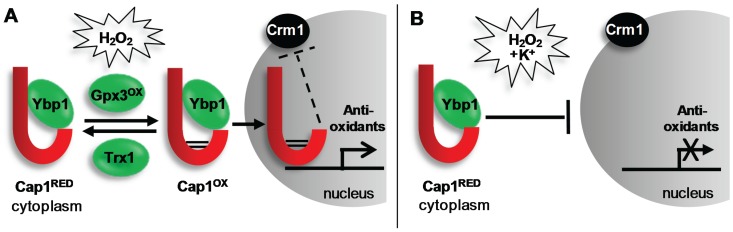
“The proteomic approach revealed that parallel to the Hog1 pathway, another oxidative stress pathway was being activated, the pathway dependent on Cap1p (Figure 13D), where it was observed that two proteins downstream of Cap1p, Ypb1p and Gpx2p [56], were up-regulated.”
BackgroundDeletion of the ATP2 Gene in Candida albicans Blocks Its Escape From Macrophage Clearance
Zhang, Y., Tang, C., Zhang, Z., Li, S., Zhao, Y., Weng, L., & Zhang, H. (2021) · Frontiers in Cellular and Infection Microbiology · doi:10.3389/fcimb.2021.643121 · Cited by 5
“ATP2 Mutant Cells Are More Susceptible to Oxidative Stress Oxidative stress within the phagosome creates a toxic environment that induces oxidative stress and programmed cell death in C. albicans (Dantas Ada et al., 2015).”
BackgroundProspecting Biomarkers for Diagnostic and Therapeutic Approaches in Pythiosis
Chechi, J. L., Rotchanapreeda, T., da Paz, G. S., do Prado, A. C., Oliveira, A. L., Vieira, J. C. S., Buzalaf, M. A. R., Rodrigues, A. M., dos Santos, L. D., Krajaejun, T., et al. (2021) · Journal of Fungi · doi:10.3390/jof7060423 · Cited by 5
“This is an important discovery since, to avoid the host’s innate immune system, pathogens need to survive oxidative conditions in neutrophils and macrophages [86].”
BackgroundTotal transcriptome analysis of Candida auris planktonic cells exposed to tyrosol
Balla, N., Jakab, Á., Kovács, F., Ragyák, Á., Tóth, Z., Balázsi, D., Forgács, L., Bozó, A., Refai, F. A., Borman, A. M., et al. (2023) · AMB Express · doi:10.1186/s13568-023-01586-z · Cited by 7
“Notably, SOD4 was significantly down-regulated; it is a key gene encoding detoxifying enzymes of C. albicans and up-regulated in bloodstream infections (Dantas et al. 2015; Jakab et al. 2019; Allert et al. 2022).”
BackgroundResultCx43-mediated hyphal folding counteracts phagosome integrity loss during fungal infection
Cristóvão, B., Rodrigues, L., Catarino, S., Abreu, M., Gonçalves, T., Domingues, N. S., & Girão, H. (2023) · Microbiology Spectrum · doi:10.1128/spectrum.01238-23 · Cited by 5
Nas, J. S. (2023) · Journal of Preventive Diagnostic and Treatment Strategies in Medicine · doi:10.4103/jpdtsm.jpdtsm_82_23 · Cited by 5
Kang, S.-O., & Kwak, M. (2020) · Journal of Microbiology and Biotechnology · doi:10.4014/jmb.2010.10057 · Cited by 5
Causes, Mechanisms and Prevention of Environmental Diseases
Zeliger, H. I. (2016) · Dual Diagnosis Open Access · doi:10.21767/2472-5048.100001 · Cited by 6
Commensal to Pathogen Transition of Candida albicans
Jacobsen, I. D., Niemiec, M. J., Kapitan, M., & Polke, M. (2020) · Elsevier eBooks · doi:10.1016/b978-0-12-809633-8.21281-8 · Cited by 6
Ricchi, F., Caramaschi, S., Sala, A., Franceschini, L., Fabbiani, L., Ardizzoni, A., Blasi, E., & Cermelli, C. (2025) · Microorganisms · doi:10.3390/microorganisms13040905 · Cited by 4
Warakomska, A., Kępa, M., Fiegler-Rudol, J., Latusek, K., Skaba, D. R., & Wiench, R. (2025) · Pharmaceutics · doi:10.3390/pharmaceutics17111437 · Cited by 5
“In Candida albicans , ROS also impair mitochondria, disrupt cell wall integrity, and induce apoptosis-like responses [24].”
Jordão, C. C., Klein, M. I., Barbugli, P. A., Ferrisse, T. M., de Moraes, J. C. G., & Pavarina, A. C. (2025) · Photochemical & Photobiological Sciences · doi:10.1007/s43630-025-00727-6 · Cited by 4
Długosz, A., Wróblewska, J., Kołaczyk, P., & Wróblewska, W. (2025) · Molecules · doi:10.3390/molecules30112416 · Cited by 7
“In response to ROS, the fungus may induce a filamentous form that facilitates escape from phagosomes and survival within the host [62].”
Uschner, F., & Klipp, E. (2019) · Current Opinion in Biotechnology · doi:10.1016/j.copbio.2019.03.011 · Cited by 4
Kumbhar, V., Gaiki, S., Shelar, A. V., Nikam, V. S., Patil, R., Kumbhar, A. S., Gugale, G. S., Pawar, R. A., & Khairnar, B. D. (2024) · Microbial Pathogenesis · doi:10.1016/j.micpath.2024.106926 · Cited by 4
Peng, L., Du, J., Zhang, R., Zhu, N., Zhao, H., Zhao, Q., Yu, Q., & Li, M. (2021) · Frontiers in Microbiology · doi:10.3389/fmicb.2021.752670 · Cited by 5
“Keywords: calcineurin, TRP channel, calcium transport, endoplasmic reticulum stress, Candida albicans INTRODUCTION Candida albicans, as the most well-known pathogenic fungi, may cause lethal systemic infection of humans (Dantas Ada et al., 2015).”
Backgroundde Lima, P. M. N., Abbasi, A., LaMastro, V., Junqueira, J. C., & Shukla, A. (2025) · ACS Infectious Diseases · doi:10.1021/acsinfecdis.5c00941 · Cited by 3
Proximity labeling identification of plasma membrane eisosome proteins in Candida albicans
Lanze, C. E., Haley, J. D., & Konopka, J. B. (2025) · Genetics · doi:10.1093/genetics/iyaf077 · Cited by 3
“2009; Dantas Ada et al .”
Candida albicans inactivation with DBD He/O2 plasma jet
Pawłat, J., Kwiatkowski, M. P., Terebun, P., Chudzik, B., & Gagoś, M. (2017) · International Conference on Electromagnetic Devices and Processes in Environment Protection with Seminar Applications of Superconductors (ELMECO & AoS) · doi:10.1109/elmeco.2017.8267745 · Cited by 3
“As indicated by numerous literature reports, increased oxidative stress can lead to yeast cell death by apoptosis [19]–[22].”
BackgroundChen, S., Xu, Z., Liu, S., Duan, W., Huang, Y., & Wei, X. (2022) · Journal of Medical Microbiology · doi:10.1099/jmm.0.001476 · Cited by 3
Metadata
- Authors
- Dantas, A., Day, A., Ikeh, M., Kos, I., Achan, B., & Quinn, J.
- Affiliations
- Universidade do Estado do Rio de Janeiro (BR)
- Newcastle University (GB)
- Corresponding author
- Quinn, Janet
- Venue
- Biomolecules
- Publisher
- MDPI AG
- Published
- 2015-02-25
- Volume
- 5
- Issue
- 1
- Pages
- 142-165
- ISSN
- 2218-273X (ISSN-L)
- PMC
- PMC4384116
- OpenAlex
- W2072268979
- Cited by
- 281
- References
- 128
- Citations by year
- 2026: 30 · 2025: 28 · 2024: 32 · 2023: 20 · 2022: 21 · 2021: 36 · 2020: 25 · 2019: 19 · 2018: 16 · 2017: 28 · 2016: 19 · 2015: 7
- FWCI
- 2.26
- Type
- journal article
- Language
- en
- Open access
- gold
- dx.doi.org
- Licence
- Locations
- Biomolecules (publishedVersion, cc-by)
- Europe PMC (PubMed Central) (publishedVersion, cc-by)
- PubMed Central (publishedVersion, cc-by)
- PubMed (publishedVersion)
- DOAJ (DOAJ: Directory of Open Access Journals) (submittedVersion, cc-by-sa)
- Funders
- BBSRC (BB/K016393/1)
- Wellcome Trust (097377/Z/11/Z)
- Topics
- Life Sciences › Biochemistry, Genetics and Molecular Biology › Molecular Biology › Fungal and yeast genetics research
- Health Sciences › Medicine › Infectious Diseases › Antifungal resistance and susceptibility
- Life Sciences › Biochemistry, Genetics and Molecular Biology › Molecular Biology › Redox biology and oxidative stress
- Keywords
- Candida albicans, oxidative stress response, reactive oxygen species, hydrogen peroxide, superoxide, superoxide dismutase, filamentation, innate immune evasion, macrophages, neutrophils, fungal pathogenesis, cell surface enzymes
- MeSH terms
- Candida albicans, Humans, Immunity, Innate, Signal Transduction, Reactive Oxygen Species, Oxidative Stress, Host-Pathogen Interactions
About these checks
Registry, retraction, Cites and statistics results are computed, not judged, with one exception: a printed reference that no index lists is read once by a model before it counts as a citation error. Claims are extracted by a model and kept only when their quote appears verbatim in the text; each cited source is then checked, with a model’s help, for whether it says what the claim relies on. Those verdicts can be wrong — read the claim’s quote and the cited source before relying on one.
Statistics and arithmetic are recomputed, not judged.
Confidence bands are shown only for fields calibrated on our annotated test set. None is calibrated yet, so no band is shown.
What counts as a claim ›How we measure confidence ›How we check this ›
Are you an author, or do you see a problem with this page? Request a review
Data sources
Bibliographic data: Semantic Scholar, OpenAlex, Crossref.
Contains information from the Semantic Scholar Academic Graph Datasets, made available under the ODC Attribution License (ODC-BY 1.0).
Semantic Scholar’s data is described in: Kinney, R., et al. (2023). The Semantic Scholar Open Data Platform. arXiv:2301.10140.
