

The DOI matches its Crossref record; 129 of the 129 references it cites were found in a registry or an index.
Formulations of Curcumin Nanoparticles for Brain Diseases
Open accessAbstract
Curcumin is a polyphenol that is obtained from Curcuma longa and used in various areas, such as food and textiles. Curcumin has important anti-inflammatory and antioxidant properties that allow it to be applied as treatment for several emerging pathologies. Remarkably, there are an elevated number of publications deriving from the terms “curcumin” and “curcumin brain diseases”, which highlights the increasing impact of this polyphenol and the high number of study groups investigating their therapeutic actions. However, its lack of solubility in aqueous media, as well as its poor bioavailability in biological systems, represent limiting factors for its successful application. In this review article, the analysis of its chemical composition and the pivotal mechanisms for brain applications are addressed in a global manner. Furthermore, we emphasize the use of nanoparticles with curcumin and the benefits that have been reached as an example of the extensive advances in this area of health.
Overview
The claims and statistics of this paper haven’t been checked yet.
Run the check — free, no account needed. It reads the open-access text and checks the sources it cites.
Integrity signals
Registry
Cites
Statistics
Figures

Verification
Claims the paper makes
The claims and statistics of this paper haven’t been checked yet.
Run the check — free, no account needed. It reads the open-access text and checks the sources it cites.
Claims other papers make about this one
Each is checked against this paper’s own text: does it say what the citing paper says it does?
In the citing paper
“Mainly due to a sophisticated surface modification of the nanoparticle that allows adequate transit to the brain [215,216].”
From Multi-Target Mechanisms of Phytochemicals in Alzheimer’s Disease: Effects on Oxidative Stress, Neuroinflammation and Protein Aggregation (2022) · cites this paper as [216]
Self-check
Percentages, sums and reported differences re-computed from the paper’s own numbers.
The self-check needs the paper’s full text.
Citations
Cites
Doxil® — The first FDA-approved nano-drug: Lessons learned
Barenholz, Y. (. (2012) · Journal of Controlled Release · doi:10.1016/j.jconrel.2012.03.020 · Cited by 4,792 · cited 1×
“, Doxil (Janssen, Titusville, FL, USA) for the treatment of certain types of cancer [83].”
Yang, F., Lim, G. P., Begum, A. N., Ubeda, O. J., Simmons, M. R., Ambegaokar, S. S., Chen, P. P., Kayed, R., Glabe, C. G., Frautschy, S. A., et al. (2005) · Journal of Biological Chemistry · doi:10.1074/jbc.m404751200 · Cited by 2,336 · cited 1×
“A more detailed report on the inhibition of Aβ aggregation revealed that, besides curcumin inhibiting fibril formation in vitro, it also inhibited the formation of Aβ oligomers and their toxicity in vivo [37].”
BackgroundTau-mediated neurodegeneration in Alzheimer’s disease and related disorders
Ballatore, C., Lee, V. M.-Y., & Trojanowski, J. Q. (2007) · Nature Reviews Neuroscience · doi:10.1038/nrn2194 · Cited by 2,174 · cited 1×
“Its main clinical features are memory loss, behavioral changes, and cognitive impairment [126,127].”
BackgroundAggarwal, B. B., & Harikumar, K. B. (2008) · The International Journal of Biochemistry & Cell Biology · doi:10.1016/j.biocel.2008.06.010 · Cited by 2,139 · cited 1×
“It has been shown that curcumin possess anti-inflammatory and antioxidant properties [1,2].”
BackgroundCURCUMIN: THE INDIAN SOLID GOLD
Aggarwal, B. B., Sundaram, C., Malani, N., & Ichikawa, H. (2007) · Springer eBooks · doi:10.1007/978-0-387-46401-5_1 · Cited by 1,740 · cited 1×
“It has been shown to decompose when it is exposed to UV/visible light, both in solution and in the solid state [26].”
BackgroundStability of curcumin in buffer solutions and characterization of its degradation products
Wang, Y., Pan, M., Cheng, A., Lin, L., Ho, Y., Hsieh, C., & Lin, J. (1997) · Journal of Pharmaceutical and Biomedical Analysis · doi:10.1016/s0731-7085(96)02024-9 · Cited by 1,709 · cited 2×
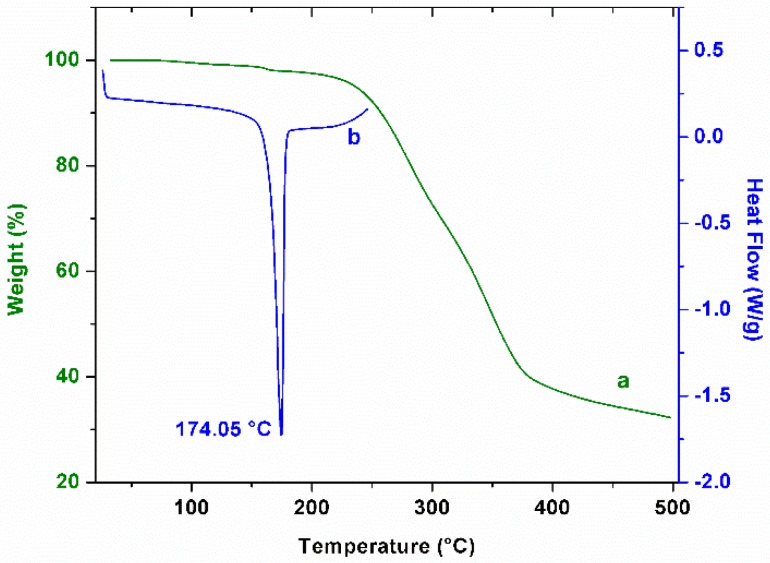
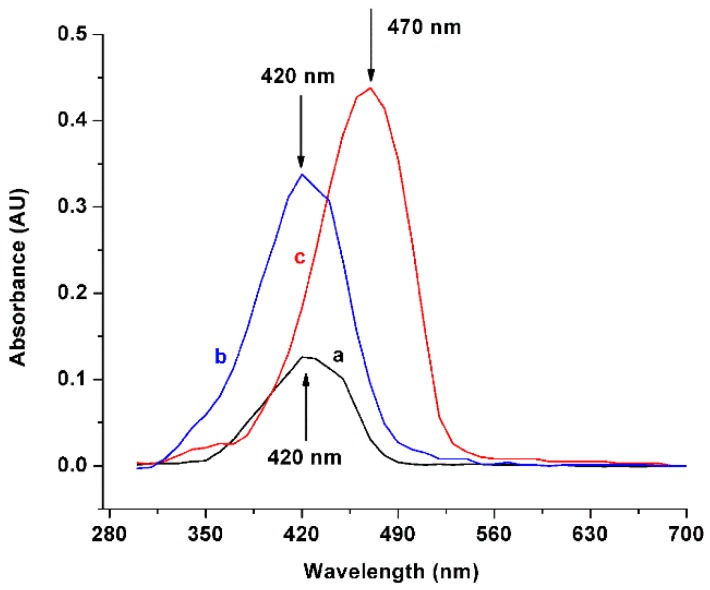
“2–6) than in alkaline pH (Figure 3); the degradation products found under hydrolytic conditions are: trans-6-(4′-hydroxy-3′-methoxyphenyl)-2,4-dioxo-5-hexenal, ferulic acid, ferulic aldehyde, feruloylmethane, and vanillin [22,23].”
BackgroundNeuroinflammation: The Devil Is in the Details
DiSabato, D. J., Quan, N., & Godbout, J. P. (2016) · Journal of Neurochemistry · doi:10.1111/jnc.13607 · Cited by 1,640 · cited 1×
“Interleukins such as IL-1β, IL-6, and IL-23, and cytokines such as TNF, interferon gamma (IFNγ), and granulocyte/macrophage colony-stimulating factor (GM-CSF), chemokines (such as CCL2, CCL5, and CXCL1), secondary messengers (nitric oxide and prostaglandins), and ROS are also mediators for the neuroinflammatory respon…”
BackgroundThe Chemistry of Curcumin: From Extraction to Therapeutic Agent
Priyadarsini, K. I. (2014) · Molecules · doi:10.3390/molecules191220091 · Cited by 1,520 · cited 9×
“From a structural point of view, there are three chemical entities in the molecule: two aromatic ring systems containing o-methoxy phenolic groups linked by a seven-carbon spacer consisting of an α,β-unsaturated β-diketone moiety [11].”
BackgroundMethodResultInfluentialActivation of Transcription Factor NF-κB Is Suppressed by Curcumin (Diferuloylmethane)
Singh, S., & Aggarwal, B. B. (1995) · Journal of Biological Chemistry · doi:10.1074/jbc.270.42.24995 · Cited by 1,399 · cited 1×
“These authors reported that curcumin reduced the transcription and secretion of TNF-α, and also IL-6, which is induced by palmitate, and induces the nuclear translocation of NF-κB in a concentration-dependent manner [48,49].”
Phase I Clinical Trial of Oral Curcumin
Sharma, R. A., Euden, S. A., Platton, S. L., Cooke, D. N., Shafayat, A., Hewitt, H. R., Marczylo, T. H., Morgan, B., Hemingway, D., Plummer, S. M., et al. (2004) · Clinical Cancer Research · doi:10.1158/1078-0432.ccr-04-0744 · Cited by 1,260 · cited 1×
“1 nmol/L after one hour of dosing on days one, two, eight, and 29 of the administration [65].”
Background
Research works printed but not linked: 3
- Alsamydai, 2018, Pharmacological aspects of curcumin: Review article, Int. J. Pharmacogn., 5, 313
- Andrew, W. (2017). Nanostructures for curcumin delivery: Posibilities and challenges. Nano and -Micro Drug Delivery Systems, Elsevier Science Ltd Desing and Fabrication.
- Sharma, 2012, Development and validation of UV spectrophotometric method for the estimation of curcumin in bulk drug and pharmaceutical dosage forms, Int. J. Drug Dev. Res., 4, 375
Cited by
Sorted by citations
Sairazi, N. S. M., & Sirajudeen, K. N. S. (2020) · Evidence-based Complementary and Alternative Medicine · doi:10.1155/2020/6565396 · Cited by 260
Nanoformulations of Herbal Extracts in Treatment of Neurodegenerative Disorders
Moradi, S. Z., Momtaz, S., Bayrami, Z., Farzaei, M. H., & Abdollahi, M. R. (2020) · Frontiers in Bioengineering and Biotechnology · doi:10.3389/fbioe.2020.00238 · Cited by 187
Rahman, M. H., Bajgai, J., Fadriquela, A., Sharma, S., Trinh, T. T., Akter, R., Jeong, Y. J., Goh, S. H., Kim, C.-S., & Lee, K.-J. (2021) · Molecules · doi:10.3390/molecules26175327 · Cited by 182
Chronic Inflammatory Diseases, Anti-Inflammatory Agents and Their Delivery Nanosystems
Plachá, D., & Jampílek, J. (2021) · Pharmaceutics · doi:10.3390/pharmaceutics13010064 · Cited by 181
Molecular mechanism of curcumin action in signaling pathways: Review of the latest research
Liczbiński, P., Michałowicz, J., & Bukowska, B. (2020) · Phytotherapy Research · doi:10.1002/ptr.6663 · Cited by 175
Curcumin, Hormesis and the Nervous System
Scuto, M. C., Mancuso, C., Tomasello, B., Ontario, M. L., Cavallaro, A. S., Frasca, F., Maiolino, L., Salinaro, A. T., Calabrese, E. J., & Calabrese, V. (2019) · Nutrients · doi:10.3390/nu11102417 · Cited by 157
Pagano, K., Tomaselli, S., Molinari, H., & Ragona, L. (2020) · Frontiers in Neuroscience · doi:10.3389/fnins.2020.619667 · Cited by 139
“…capable to penetrate the BBB (Barbara et al., 2017), many drug delivery systems and formulations were investigated including liposomes, solid lipid microparticles, cyclodextrins, and nanoparticles using both natural or synthetic polymers (Barbara et al., 2017; Del Prado-Audelo et al., 2019).”
BackgroundLaurindo, L. F., de Carvalho, G. M., Zanuso, B. D. O., Figueira, M. E., Direito, R., Goulart, R. D. Á., Buglio, D. S., & Barbalho, S. M. (2023) · Pharmaceutics · doi:10.3390/pharmaceutics15010229 · Cited by 133
Sharifi-Rad, J., Rapposelli, S., Sestito, S., Herrera-Bravo, J., Arancibia-Diaz, A., Salazar, L. A., Yeskaliyeva, B., Beyatli, A., Leyva-Gómez, G., González-Contreras, C., et al. (2022) · Journal of Personalized Medicine · doi:10.3390/jpm12091515 · Cited by 125
Self-citationThe Credible Role of Curcumin in Oxidative Stress-Mediated Mitochondrial Dysfunction in Mammals
Sathyabhama, M., Dharshini, L. C. P., Karthikeyan, A., Senthil, K., & Min, T. (2022) · Biomolecules · doi:10.3390/biom12101405 · Cited by 120
“S-transferases (GST), and glutathione peroxidase (GPx) adapted from [39,40,44,45].”
BackgroundPotential therapeutic effects of curcumin mediated by JAK/STAT signaling pathway: A review
Ashrafizadeh, M., Rafiei, H., Mohammadinejad, R., Afshar, E. G., Farkhondeh, T., & Samarghandian, S. (2020) · Phytotherapy Research · doi:10.1002/ptr.6642 · Cited by 121
A Reevaluation of Chitosan-Decorated Nanoparticles to Cross the Blood-Brain Barrier
Cortés, H., Alcalá-Alcalá, S., Caballero-Florán, I. H., Bernal-Chávez, S. A., Ávalos‐Fuentes, A., González‐Torres, M., Carmen, M. G., Figueroa‐González, G., Reyes‐Hernández, O. D., Florán, B., et al. (2020) · Membranes · doi:10.3390/membranes10090212 · Cited by 108
Self-citationTherapeutic Applications of Curcumin Nanomedicine Formulations in Cardiovascular Diseases
Salehi, B., Prado-Audelo, M. L. D., Cortés, H., Leyva‐Gómez, G., Stojanović-Radić, Z. Z., Singh, Y. D., Patra, J. K., Das, G., Martins, N. A., Martorell, M., et al. (2020) · Journal of Clinical Medicine · doi:10.3390/jcm9030746 · Cited by 99
“The use of organic solvents such as acetone and ethyl acetate for the internal phase of emulsions allows rapid solubility of the drug and subsequent solvent removal [91].”
BackgroundMethodInfluentialSelf-citationMutual Two-Way Interactions of Curcumin and Gut Microbiota
Pluta, R. M., Januszewski, S., & Ułamek-Kozioł, M. (2020) · International Journal of Molecular Sciences · doi:10.3390/ijms21031055 · Cited by 100
Dietary Polyphenols: A Multifactorial Strategy to Target Alzheimer’s Disease
Dhakal, S., Kushairi, N., Phan, C., Adhikari, B., Sabaratnam, V., & Macreadie, I. G. (2019) · International Journal of Molecular Sciences · doi:10.3390/ijms20205090 · Cited by 92
Transferrin-functionalized lipid nanoparticles for curcumin brain delivery
Neves, A. R., van der Putten, L., Queiroz, J. F., Pinheiro, M., & Reis, S. (2021) · Journal of Biotechnology · doi:10.1016/j.jbiotec.2021.03.010 · Cited by 92
Rubab, S., Naeem, K., Rana, I., Khan, N., Afridi, M., Ullah, I., Shah, F. A., Sarwar, S., Din, F. U., Choi, H.-I., et al. (2021) · International Journal of Pharmaceutics · doi:10.1016/j.ijpharm.2021.120670 · Cited by 85
Innovative Delivery Systems for Curcumin: Exploring Nanosized and Conventional Formulations
Yakubu, J., & Pandey, A. V. (2024) · Pharmaceutics · doi:10.3390/pharmaceutics16050637 · Cited by 82
Waghule, T., Gorantla, S., Rapalli, V. K., Shah, P., Dubey, S. K., Saha, R. N., & Singhvi, G. (2020) · AAPS PharmSciTech · doi:10.1208/s12249-020-01831-9 · Cited by 80
Nano‐Derived Therapeutic Formulations with Curcumin in Inflammation‐Related Diseases
Quispe, C., Martins, N. A., Manca, M. L., Manconi, M., Sytar, O., Hudz, N., Shanaida, M., Kumar, M., Taheri, Y., Martorell, M., et al. (2021) · Oxidative Medicine and Cellular Longevity · doi:10.1155/2021/3149223 · Cited by 80
Curcumin-based nanotechnology approaches and therapeutics in restoration of autoimmune diseases
Rahiman, N., Markina, Y. V., Kesharwani, P., Johnston, T. P., & Sahebkar, A. (2022) · Journal of Controlled Release · doi:10.1016/j.jconrel.2022.05.046 · Cited by 84
Optimization of Curcumin Nanocrystals as Promising Strategy for Nose-to-Brain Delivery Application
Bonaccorso, A., Gigliobianco, M. R., Pellitteri, R., Santonocito, D., Carbone, C., Martino, P. D., Puglisi, G., & Musumeci, T. (2020) · Pharmaceutics · doi:10.3390/pharmaceutics12050476 · Cited by 79
“, molecular weight, solubility, lipophilicity, degree of dissociation, stability, dose, and volume of dose administered) many encapsulation technologies have been developed [11,12].”
Sargazi, S., Arshad, R., Ghamari, R., Rahdar, A., Bakhshi, A., Fathi‐karkan, S., Ajalli, N., Bilal, M., & Diez-Pascual, A. M. (2022) · Cell Biology International · doi:10.1002/cbin.11841 · Cited by 77
Kumar, D. N., Chaudhuri, A., Dehari, D., Shekher, A., Gupta, S. C., Majumdar, S., Krishnamurthy, S., Singh, S. K., Kumar, D. K., & Agrawal, A. K. (2022) · Life · doi:10.3390/life12081143 · Cited by 76
Asif, H. M., Zafar, F., Ahmad, K., Iqbal, A., Shaheen, G., Ansari, K. A., Rana, S., Zahid, R., & Ghaffar, S. (2023) · Scientific Reports · doi:10.1038/s41598-023-37152-7 · Cited by 75
Nanocarrier mediated drug delivery as an impeccable therapeutic approach against Alzheimer’s disease
Taliyan, R., Kakoty, V., Sarathlal, K. C., Kharavtekar, S. S., Karennanavar, C. R., Choudhary, Y. K., Singhvi, G., Riadi, Y., Dubey, S. K., & Kesharwani, P. (2022) · Journal of Controlled Release · doi:10.1016/j.jconrel.2022.01.044 · Cited by 79
Effect of nano‐curcumin on various diseases: A comprehensive review of clinical trials
Hassanizadeh, S., Shojaei, M., Bagherniya, M., Orekhov, A. N., & Sahebkar, A. (2023) · BioFactors · doi:10.1002/biof.1932 · Cited by 73
Kanwal, Q., Ahmed, M., Hamza, M., Ahmad, M., Atiq‐ur‐Rehman, Yousaf, N., Javaid, A., Anwar, A., Khan, I. H., & Muddassar, M. (2023) · RSC Advances · doi:10.1039/d3ra01432k · Cited by 73
Antitumor Activity of Curcumin in Glioblastoma
Walker, B. C., & Mittal, S. (2020) · International Journal of Molecular Sciences · doi:10.3390/ijms21249435 · Cited by 71
Curcumin as a novel reducing and stabilizing agent for the green synthesis of metallic nanoparticles
Patra, D., & Kurdi, R. E. (2021) · Green Chemistry Letters and Reviews · doi:10.1080/17518253.2021.1941306 · Cited by 68
Kim, B., Park, J.-E., Im, E., Cho, Y., Lee, J., Lee, H., Sim, D. Y., Park, W.-Y., Shim, B., & Kim, S. (2021) · International Journal of Molecular Sciences · doi:10.3390/ijms22073571 · Cited by 66
Guadarrama-Acevedo, M. C., Mendoza-Flores, R. A., Prado-Audelo, M. L. D., Urbán‐Morlán, Z., Giraldo‐Gómez, D. M., Magaña, J. J., González‐Torres, M., Reyes‐Hernández, O. D., Figueroa‐González, G., Caballero-Florán, I. H., et al. (2019) · Pharmaceutics · doi:10.3390/pharmaceutics11080389 · Cited by 65
Self-citationAbdel-Hakeem, M. A., Mongy, S., Hassan, B., Tantawi, O. I., & Badawy, I. (2021) · Journal of Pharmaceutical Sciences · doi:10.1016/j.xphs.2021.06.004 · Cited by 61
Curcumin activates Nrf2 through PKCδ-mediated p62 phosphorylation at Ser351
Park, J.-Y., Sohn, H., Koh, Y. H., & Jo, C. (2021) · Scientific Reports · doi:10.1038/s41598-021-87225-8 · Cited by 67
Ramires, O., Alves, B. M. D. S., Barros, P., Rodrigues, J. L., Ferreira, S. P., Monteiro, L. K. S., Araújo, G. D. M. S., Fernandes, S. S., Vaz, G., Dora, C. L., et al. (2021) · Neurotoxicity research · doi:10.1007/s12640-021-00362-w · Cited by 44
Jurcău, A. (2021) · Nutrients · doi:10.3390/nu13020282 · Cited by 54
“New formulations, such as encapsulation in nanoparticles, liposomes, self-micro-emulsifying delivery systems, or apomorphous solid dispersions are trying to overcome the barriers imposed by the pharmacokinetics of curcumin [199].”
BackgroundDhage, P. A., Sharbidre, A. A., Dakua, S. P., & Balakrishnan, S. (2021) · Biomedicine & Pharmacotherapy · doi:10.1016/j.biopha.2021.111634 · Cited by 53
Curcumin: Could This Compound Be Useful in Pregnancy and Pregnancy-Related Complications?
Filardi, T., Varı́, R., Ferretti, E., Zicari, A., Morano, S., & Santangelo, C. (2020) · Nutrients · doi:10.3390/nu12103179 · Cited by 51
Rahim, R. A., Jayusman, P. A., Muhammad, N., Ahmad, F., Mokhtar, N. M., Mohamed, I. N., Mohamed, N., & Shuid, A. N. (2019) · International Journal of Environmental Research and Public Health · doi:10.3390/ijerph16244962 · Cited by 49
Stable nanoemulsions for poorly soluble curcumin: From production to digestion response in vitro
Ye, Q., Kwon, S., Gu, Z., & Selomulya, C. (2023) · Journal of Molecular Liquids · doi:10.1016/j.molliq.2023.123720 · Cited by 53
Shahbaz, S. K., Koushki, K., Sathyapalan, T., Majeed, M., & Sahebkar, A. (2021) · Current Neuropharmacology · doi:10.2174/1570159x19666210823103020 · Cited by 50
“Recent studies focused on curcumin-loaded nanoparticle delivery systems, specific CNS targeting, and intranuclear levels in neurons [150].”
BackgroundMethodNature's toolbox against tau aggregation: An updated review of current research
Khan, S., Hassan, M. I., Shahid, M., & Islam, A. (2023) · Ageing Research Reviews · doi:10.1016/j.arr.2023.101924 · Cited by 50
Schmitt, C. R., Lechanteur, A., Cossais, F., Bellefroid, C., Arnold, P., Lucius, R., Held‐Feindt, J., Piel, G., & Hattermann, K. (2020) · International Journal of Nanomedicine · doi:10.2147/ijn.s245300 · Cited by 47
A comprehensive review of the therapeutic potential of curcumin nanoformulations
Khezri, K., Saeedi, M., Mohammadamini, H., & Zakaryaei, A. S. (2021) · Phytotherapy Research · doi:10.1002/ptr.7190 · Cited by 50
Pillai, S. C., Borah, A., Le, M. N. T., Kawano, H., Hasegawa, K., & Kumar, D. S. (2021) · Pharmaceutics · doi:10.3390/pharmaceutics13091420 · Cited by 47
Şentürk, F., Çakmak, S., Koçum, İ. C., Gümüşderelíoğlu, M., & Öztürk, G. G. (2021) · Colloids and Surfaces A Physicochemical and Engineering Aspects · doi:10.1016/j.colsurfa.2021.126648 · Cited by 43
Eker, F., Bolat, E., Pekdemir, B., Duman, H., & Karav, S. (2023) · Frontiers in Aging Neuroscience · doi:10.3389/fnagi.2023.1204149 · Cited by 44
Application of curcumin nanoformulations in Alzheimer’s disease: prevention, diagnosis and treatment
Lv, H., Wang, Y., Yang, X., Ling, G., & Zhang, P. (2022) · Nutritional Neuroscience · doi:10.1080/1028415x.2022.2084550 · Cited by 44
“Polymer-based nanoformulations Polymers are the first materials to be used to deliver drugs to the brain [59].”
BackgroundInfluentialSharma, H., & Chandra, P. (2023) · International Journal of Pharmaceutical Investigation · doi:10.5530/ijpi.14.1.15 · Cited by 47
Nanodelivery of phytobioactive compounds for treating aging-associated disorders
Lushchak, O. V., Strilbytska, O. M., Koliada, A. K., Zayachkivska, A., Burdyliuk, N., Yurkevych, I. S., Storey, K. B., & Vaiserman, A. M. (2020) · GeroScience · doi:10.1007/s11357-019-00116-9 · Cited by 40
Antioxidant for Neurological Diseases and Neurotrauma and Bioengineering Approaches
Rizwana, N., Agarwal, V., & Nune, M. (2021) · Antioxidants · doi:10.3390/antiox11010072 · Cited by 44
“It consists of two aromatic rings containing phenolic groups linked by seven carbon spacers consisting of diketone moiety [81].”
BackgroundEvolving therapeutic interventions for the management and treatment of Alzheimer’s disease
Ahmad, F., Karan, A., Sharma, R., Sharma, N. S., Sundar, V., Jayaraj, R. L., Mukherjee, S., & DeCoster, M. A. (2024) · Ageing Research Reviews · doi:10.1016/j.arr.2024.102229 · Cited by 40
Prospective Role of Polyphenolic Compounds in the Treatment of Neurodegenerative Diseases
Akter, R., Rahman, H., Behl, T., Chowdhury, M. A. R., Manirujjaman, M., Bulbul, I. J., Elshenawy, S. E., Ţiţ, D. M., & BUNGAU, S. G. (2021) · CNS & Neurological Disorders - Drug Targets · doi:10.2174/1871527320666210218084444 · Cited by 40
Curcumin and Heme Oxygenase: Neuroprotection and Beyond
Mhillaj, E., Tarozzi, A., Pruccoli, L., Cuomo, V., Trabace, L., & Mancuso, C. (2019) · International Journal of Molecular Sciences · doi:10.3390/ijms20102419 · Cited by 37
Miao, C., Chen, H., Li, Y., Guo, Y., Xu, F., Chen, Q., Zhang, Y., Hu, M., & Chen, G. (2021) · Diabetology & Metabolic Syndrome · doi:10.1186/s13098-021-00638-3 · Cited by 37
Curcumin Release from Biomaterials for Enhanced Tissue Regeneration Following Injury or Disease
Hamilton, A. E., & Gilbert, R. J. (2023) · Bioengineering · doi:10.3390/bioengineering10020262 · Cited by 37
Li, L., Tan, L., Zhang, Q. Y., Cheng, Y., Liu, Y., Li, R., & Hou, S. (2023) · Frontiers in Bioengineering and Biotechnology · doi:10.3389/fbioe.2023.1168408 · Cited by 37
Aluminium Binding to Modified Amyloid-β Peptides: Implications for Alzheimer’s Disease
Mocanu, C. S., Jureschi, M., & Drochioiu, G. (2020) · Molecules · doi:10.3390/molecules25194536 · Cited by 34
Advances in Nano-Enabled Platforms for the Treatment of Depression
Mutingwende, F. P., Kondiah, P. P. D., Ubanako, P. N., Marimuthu, T., & Choonara, Y. E. (2021) · Polymers · doi:10.3390/polym13091431 · Cited by 33
Natural Alkaloid Compounds as Inhibitors for Alpha-Synuclein Seeded Fibril Formation and Toxicity
Ghanem, S. S., Fayed, H. S., Zhu, Q., Lu, J., Vaikath, N. N., Ponraj, J., Mansour, S. A., & El‐Agnaf, O. M. A. (2021) · Molecules · doi:10.3390/molecules26123736 · Cited by 33
Han, J., Li, H., Zhao, L., Kim, G., Chen, Y., Yan, X., & Yoon, J. (2022) · Chemical Science · doi:10.1039/d2sc02025d · Cited by 32
Curcumin and nano‐curcumin applications in psychiatric disorders
Mohammadzadeh, R., Fathi, M., Pourseif, M. M., Omidi, Y., Farhang, S., Barzegar-Jalali, M., Valizadeh, H., Nakhlband, A., & Adibkia, K. (2024) · Phytotherapy Research · doi:10.1002/ptr.8265 · Cited by 27
Khot, K. B., Gopan, G., Bandiwadekar, A., & Jose, J. (2022) · Ageing Research Reviews · doi:10.1016/j.arr.2022.101806 · Cited by 28
Novel targets for parkinsonism-depression comorbidity
Tizabi, Y., Getachew, B., Csoka, A. B., Manaye, K. F., & Copeland, R. (2019) · Progress in molecular biology and translational science · doi:10.1016/bs.pmbts.2019.06.004 · Cited by 25
Nrf2/Keap1/ARE regulation by plant secondary metabolites: a new horizon in brain tumor management
Dewanjee, S., Bhattacharya, H., Bhattacharyya, C., Chakraborty, P., Fleishman, J. S., Alexiou, A. T., Papadakis, M., & Jha, S. K. (2024) · Cell Communication and Signaling · doi:10.1186/s12964-024-01878-2 · Cited by 29
Garbiec, E., Rosiak, N., Sip, S., Zalewski, P., & Cielecka‐Piontek, J. (2025) · International Journal of Molecular Sciences · doi:10.3390/ijms26020855 · Cited by 24
Nanoparticles with curcumin and piperine modulate steroid biosynthesis in prostate cancer
Yakubu, J., Natsaridis, E., du Toit, T., Barata, I. S., Tagit, O., & Pandey, A. V. (2025) · Scientific Reports · doi:10.1038/s41598-025-98102-z · Cited by 24
Berry, A., Collacchi, B., Masella, R., Varí, R., & Cirulli, F. (2021) · Nutrients · doi:10.3390/nu13051519 · Cited by 24
Potential of Ferritin-Based Platforms for Tumor Immunotherapy
Xu, X., Tian, K., Lou, X.-F., & Du, Y. (2022) · Molecules · doi:10.3390/molecules27092716 · Cited by 23
“In the past decade, hundreds of nanodrug delivery systems have been developed based on passive and active targeting by ferritin, including physical or chemical loading of various therapeutic drugs [8,65] (curcumin [66,67], doxorubicin [68,69], paclitaxel [70,71], and quercetin [72], among others), imaging contrast age…”
BackgroundCurcuma Longa-Based Green and Sustainable Antioxidants for Biopolymers
Sattar, M. A. (2024) · ACS Sustainable Chemistry & Engineering · doi:10.1021/acssuschemeng.3c07597 · Cited by 22
Nanoparticle-Mediated Delivery of Flavonoids for Cancer Therapy: Prevention and Treatment
Sharma, G., Nim, S., Alle, M., Husen, A., & Kim, J. (2021) · Nanotechnology in the life sciences · doi:10.1007/978-3-030-84262-8_3 · Cited by 22
Bejaoui, B. (2023) · IntechOpen eBooks · doi:10.5772/intechopen.104130 · Cited by 22
The Effects of Curcumin on Neurodegenerative Diseases: a Systematic Review
Bássoli, R. M. F., Audi, D., Ramalho, B. J., Audi, M., Quesada, K. R., & Barbalho, S. M. (2023) · Journal of Herbal Medicine · doi:10.1016/j.hermed.2023.100771 · Cited by 21
Gangal, A., Sethiya, N. K., Duseja, M., Shukla, R. K., Bisht, D., Rana, V. S., Lalhlenmawia, H., Azizov, S., & Kumar, D. (2025) · Green Chemistry Letters and Reviews · doi:10.1080/17518253.2024.2449122 · Cited by 21
“In another study, PLGA nanoparticles encapsulating curcumin (197), formulation of curcumin-loaded SLN (198), formulations of curcumin nanoparticles for brain diseases (199), and curcumin-loaded electrospun nanofibers for the management of the biofilm-associated infections were discussed (200).”
Solid-State 1H, 13C, and 17O NMR Characterization of the Two Uncommon Polymorphs of Curcumin
Dai, Y., Terskikh, V. V., Brinkmann, A., & Wu, G. (2020) · Crystal Growth & Design · doi:10.1021/acs.cgd.0c01164 · Cited by 20
Elawad, M. A., Ayaz, M., Mosa, O. F., Usman, A., Hamdoon, A. A. E., Almawash, S., Salim, L. H. M., Ahmed, A., & Elkhalifa, M. E. M. (2024) · Molecular Nutrition & Food Research · doi:10.1002/mnfr.202400525 · Cited by 20
Prado-Audelo, M. L. D., Martinez, G. R., Martínez-López, V., Ortega-Sánchez, C., Velasquillo, C., Magaña, J. J., González‐Torres, M., David, Q.-G., Sánchez‐Sánchez, R., & Leyva‐Gómez, G. (2020) · Journal of Bioactive and Compatible Polymers · doi:10.1177/0883911520921499 · Cited by 19
Self-citationCurcumin Protects Human Umbilical Vein Endothelial Cells against H2O2-Induced Cell Injury
Ouyang, J., Li, R., Shi, H., & Jian-ping, Z. (2019) · Pain Research and Management · doi:10.1155/2019/3173149 · Cited by 18
“In addition, lots of researches showed that nanocarriers including liposomes, isomerization, polymeric nanoparticles, and polymeric micelles rendered a larger effect size for curcumin [32, 33].”
BackgroundBaghcheghi, Y., Razazpour, F., Mirzaee, F., Dalfardi, M., Pourfridoni, M., & Hedayati‐Moghadam, M. (2024) · Molecular Biology Reports · doi:10.1007/s11033-024-10115-5 · Cited by 17
Perra, M., Castangia, I., Aroffu, M., Fulgheri, F., Rached, R. A., Manca, M. L., Cortés, H., Prado-Audelo, M. L. D., Nomura-Contreras, C. A., Romero‐Montero, A., et al. (2025) · Discover Oncology · doi:10.1007/s12672-025-01820-z · Cited by 16
Self-citationRajpoot, S. R., Ahmad, K., Asif, H. M., Madni, A., Tasleem, M. W., Zafar, F., Majeed, H., Khalid, A., Hashmi, H. A. S., Aslam, M. R., et al. (2023) · Polymer Bulletin · doi:10.1007/s00289-023-04899-y · Cited by 16
Govindappa, M., Birawat, R., Akshatha, K., Raghavendra, V. B., Uzma, M., Ningaraju, S., Al-Rashed, S. A., Chowdappa, S., & Pugazhendhi, A. (2021) · International Journal of Biological Macromolecules · doi:10.1016/j.ijbiomac.2021.02.140 · Cited by 16
Anti-inflammatory effect of curcumin on neurological disorders: a narrative review
Zhou, B., & Hu, B. (2025) · Frontiers in Pharmacology · doi:10.3389/fphar.2025.1658115 · Cited by 19
Nanomedicine: Pioneering Advances in Neural Disease, Stroke and Spinal Cord Injury Treatment
Loushambam, B., Yanglem, S., Krishnaswami, V., Kumar, M., & Vijayaraghavalu, S. (2025) · Neuroglia · doi:10.3390/neuroglia6010009 · Cited by 14
“NLCs have been explored for their capacity to encapsulate curcumin to curtail the inflammation and oxidative damage resulting from PD [35].”
Mihoub, A. B., Acherar, S., Frochot, C., Malaplate, C., Yen, F. T., & Arab‐Tehrany, E. (2021) · International Journal of Molecular Sciences · doi:10.3390/ijms22063255 · Cited by 14
“CDs (α-, β-, and δ-CD) are a family of nat ral gluc pyranose-based cyclic oligosaccharides, with hydrophobic i ternal and hydrophilic external surfac s by the exposure of hydroxyl units [10].”
BackgroundPatil, V., Mhamane, S., More, S., Pawar, A., & Arulmozhi, S. (2022) · Future Journal of Pharmaceutical Sciences · doi:10.1186/s43094-022-00441-5 · Cited by 14
Atoki, A. V., Aja, P. M., Ondari, E. N., & Shinkafi, T. S. (2023) · International Journal of Food Properties · doi:10.1080/10942912.2023.2243050 · Cited by 20
Li, W., Shi, Y., Hu, Y., Xu, N., Li, D., Wang, C., & Li, D. (2019) · Journal of Food Science and Technology · doi:10.1007/s13197-019-04139-0 · Cited by 14
“…groups to total sulfhydryl groups increased significantly under extreme alkaline (pH[ 10) conditions (P\ 0.05), which made the tertiary structure of soybean protein highly unfolded and helped the dissociation of the active group of protein molecule (Wang and Jiang 2012; Mehdi et al. 2017).”
BackgroundInfluentialHaque, S. E., Iqubal, A., Iqubal, M. K., Fazal, S. A., & Pottoo, F. H. (2021) · Current Molecular Pharmacology · doi:10.2174/1874467214666210309115605 · Cited by 14
Pandya, I., Joshi, V., Kuddushi, M., Zhang, X., Kumar, S., Aswal, V. K., Raje, N. H., & Malek, N. I. (2025) · ACS Applied Engineering Materials · doi:10.1021/acsaenm.5c00246 · Cited by 13
Phytonutrients and Technological Development in Formulations
Jahangir, M. A. (2022) · doi:10.31531/jprst.1000159 · Cited by 13
Brahma, S., Goyal, A. K., Prakash, D., Kumari, M. R., Sadasivam, J., Usha, T., & Middha, S. K. (2023) · Current Diabetes Reviews · doi:10.2174/1573399819666230314093721 · Cited by 13
Polyphenol‐Based Assembly Nanosystems as Multifunctional Biopharmaceutical Platform
Jiang, X. Y., Zhang, J., Lo, P. K., & Mao, Z. (2023) · Advanced NanoBiomed Research · doi:10.1002/anbr.202200168 · Cited by 12
Caballero-Florán, I. H., Cortés, H., Borbolla‐Jiménez, F. V., Florán-Hernández, C. D., Prado-Audelo, M. L. D., Magaña, J. J., Florán, B., & Leyva‐Gómez, G. (2023) · Pharmaceutics · doi:10.3390/pharmaceutics15061594 · Cited by 12
Self-citationCurcumin encapsulated in PAMAM dendrimers for the therapeutic treatment of ischemic stroke in rats
Stadler, J., Garmo, L., Doyle, D., Cheng, C.-I., Richardson, G., Waheed, Z., Tofan, T., Srinageshwar, B., Sharma, A., Petersen, R., et al. (2025) · Frontiers in Cell and Developmental Biology · doi:10.3389/fcell.2024.1467417 · Cited by 13
Curcumin and Its Nanoformulations as Therapeutic for Alzheimer’s Disease
Kakkar, V., Kumari, P., Adlakha, S., & Kaur, I. P. (2019) · Springer eBooks · doi:10.1007/978-3-030-30930-5_14 · Cited by 12
New Approaches for the Discovery of Pharmacologically-Active Natural Compounds
Medina‐Franco, J. L. (2019) · Biomolecules · doi:10.3390/biom9030115 · Cited by 12
Phytochemical Nanoparticles for the Treatment of Neurological Disorders
Ehtezazi, T., & Sarker, S. D. (2025) · Phytochemical Analysis · doi:10.1002/pca.70020 · Cited by 13
“NPs can be used as a carrier to deliver small hydrophilic molecules such as curcumin to the brain [86, 87].”
Curcumin Nanoparticles-related Non-invasive Tumor Therapy, and Cardiotoxicity Relieve
Cheng, Y., Xu, Q., Yu, M., Dang, C., Deng, L., & Chen, H. (2024) · Current Medicinal Chemistry · doi:10.2174/0109298673305616240610153554 · Cited by 11
AKILA, R. M., & SHAJI, D. M. (2022) · International Journal of Pharmacy and Pharmaceutical Sciences · doi:10.22159/ijpps.2022v14i1.42894 · Cited by 11
“Some of the reported research on chitosan as a nano vehicle indicate that chitosan-based formulations are suitable systems for targeted drug delivery to the brain [7, 8].”
Background
Metadata
- Authors
- Del Prado-Audelo, M. L., Caballero-Florán, I. H., Meza-Toledo, J. A., Mendoza-Muñoz, N., González-Torres, M., Florán, B., Cortés, H., & Leyva-Gómez, G.
- Affiliations
- Laboratorio de Posgrado en Tecnología Farmacéutica, FES-Cuautitlán, Universidad Nacional Autónoma de México, Cuautitlán Izcalli 54740, Mexico
- Centro de Investigación y de Estudios Avanzados del Instituto Politécnico Nacional (MX)
- Universidad del Valle de México (MX)
- Facultad de Ciencias Químicas, Universidad de Colima, C.P. Colima 28400, México
- CONACyT-Laboratorio de Biotecnología, Instituto Nacional de Rehabilitación Luis Guillermo Ibarra Ibarra, Ciudad de México 14389, Mexico
- Departamento de Fisiología, Biofísica & Neurociencias, Centro de Investigación y de Estudios Avanzados del Instituto Politécnico Nacional, Ciudad de México 07360, Mexico
- Instituto Nacional de Rehabilitación (MX)
- Departamento de Farmacia, Facultad de Química, Universidad Nacional Autónoma de México, Ciudad Universitaria, Circuito Exterior S/N, Del. Coyoacán, C.P. Ciudad de México 04510, Mexico
- Corresponding author
- Cortés, Hernán
- ORCID
- Venue
- Biomolecules
- Publisher
- MDPI AG
- Published
- 2019-02-08
- Volume
- 9
- Issue
- 2
- Pages
- 56
- ISSN
- 2218-273X (ISSN-L)
- PMC
- PMC6406762
- OpenAlex
- W2913877945
- Cited by
- 191
- References
- 129
- Citations by year
- 2026: 18 · 2025: 28 · 2024: 22 · 2023: 30 · 2022: 26 · 2021: 35 · 2020: 21 · 2019: 11
- FWCI
- 1.54
- Type
- journal article
- Language
- en
- Open access
- gold
- dx.doi.org
- Licence
- Locations
- Biomolecules (publishedVersion, cc-by)
- Europe PMC (PubMed Central) (publishedVersion, cc-by)
- PubMed Central (publishedVersion, cc-by)
- PubMed (publishedVersion)
- DOAJ (DOAJ: Directory of Open Access Journals) (submittedVersion, cc-by-sa)
- Funders
- Dirección General de Asuntos del Personal Académico, Universidad Nacional Autónoma de México (PAPIIT TA 200318)
- Topics
- Life Sciences › Biochemistry, Genetics and Molecular Biology › Molecular Medicine › Curcumin's Biomedical Applications
- Life Sciences › Pharmacology, Toxicology and Pharmaceutics › Pharmaceutical Science › Drug Solubulity and Delivery Systems
- Life Sciences › Pharmacology, Toxicology and Pharmaceutics › Pharmaceutical Science › Advanced Drug Delivery Systems
- Keywords
- curcumin, curcumin nanoparticles, brain disorders, nanoparticle drug delivery, bioavailability, water solubility, anti-inflammatory activity, antioxidant activity, polyphenols, neurodegenerative diseases
- MeSH terms
- Animals, Anti-Inflammatory Agents, Non-Steroidal, Brain Diseases, Curcumin, Humans, Temperature, Molecular Structure, Curcuma, Nanoparticles
About these checks
Registry, retraction, Cites and statistics results are computed, not judged, with one exception: a printed reference that no index lists is read once by a model before it counts as a citation error. Claims are extracted by a model and kept only when their quote appears verbatim in the text; each cited source is then checked, with a model’s help, for whether it says what the claim relies on. Those verdicts can be wrong — read the claim’s quote and the cited source before relying on one.
Statistics and arithmetic are recomputed, not judged.
Confidence bands are shown only for fields calibrated on our annotated test set. None is calibrated yet, so no band is shown.
What counts as a claim ›How we measure confidence ›How we check this ›
Are you an author, or do you see a problem with this page? Request a review
