

The Impact of COVID-19 School Closure on Child and Adolescent Health: A Rapid Systematic Review
Open accessThe DOI matches its Crossref record; 51 of the 51 references it cites were found in a registry or an index.
Abstract
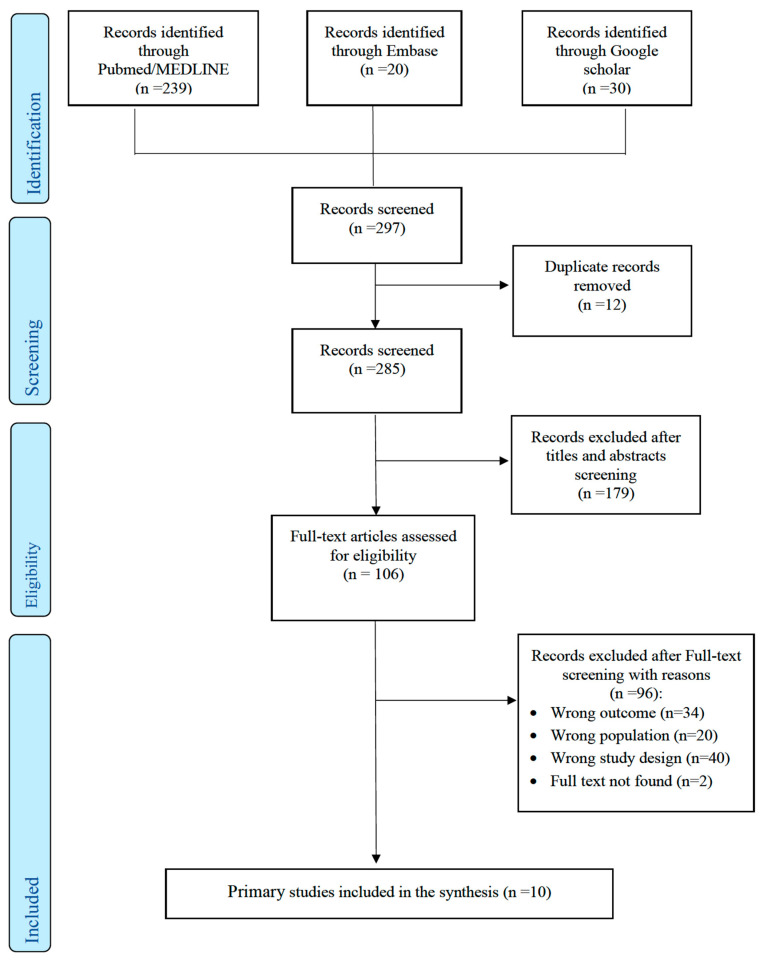
School closures during pandemics raise important concerns for children and adolescents. Our aim is synthesizing available data on the impact of school closure during the coronavirus disease 2019 (COVID-19) pandemic on child and adolescent health globally. We conducted a rapid systematic review by searching PubMed, Embase, and Google Scholar for any study published between January and September 2020. We included a total of ten primary studies. COVID-19-related school closure was associated with a significant decline in the number of hospital admissions and pediatric emergency department visits. However, a number of children and adolescents lost access to school-based healthcare services, special services for children with disabilities, and nutrition programs. A greater risk of widening educational disparities due to lack of support and resources for remote learning were also reported among poorer families and children with disabilities. School closure also contributed to increased anxiety and loneliness in young people and child stress, sadness, frustration, indiscipline, and hyperactivity. The longer the duration of school closure and reduction of daily physical activity, the higher was the predicted increase of Body Mass Index and childhood obesity prevalence. There is a need to identify children and adolescents at higher risk of learning and mental health impairments and support them during school closures.
Overview
The claims and statistics of this paper haven’t been checked yet.
Free: it reads the open-access text and checks the first 5 claims that cite a source we can check. Create a free account to check every claim.
Integrity signals
Registry
Cites
Statistics
Figures
Verification
Claims the paper makes
The claims and statistics of this paper haven’t been checked yet.
Free: it reads the open-access text and checks the first 5 claims that cite a source we can check. Create a free account to check every claim.
Claims other papers make about this one
Each is checked against this paper’s own text: does it say what the citing paper says it does?
The source backs part of the claim, not all of it — or backs it for a different population, condition or comparison.
In the citing paper
“Similarly, also an increase in Body Mass Index and overweight was reported.”
From Digital Media Use and Adolescents' Mental Health During the Covid-19 Pandemic: A Systematic Review and Meta-Analysis (2022) · cites this paper as [11]
Experimental — accuracy not yet measuredThe source backs part of the claim, not all of it — or backs it for a different population, condition or comparison.
In the citing paper
“Indeed, researchers have noted that underrepresented youth populations were disproportionately impacted by the pandemic [24].”
From Loneliness and Well-Being in Children and Adolescents during the COVID-19 Pandemic: A Systematic Review (2023) · cites this paper as [24]
Experimental — accuracy not yet measuredThe source backs part of the claim, not all of it — or backs it for a different population, condition or comparison.
In the citing paper
“Systematic reviews of studies from early in the pandemic also found similar results of pandemic impacts on child and adolescent depression and anxiety symptoms [22,23,24].”
From Loneliness and Well-Being in Children and Adolescents during the COVID-19 Pandemic: A Systematic Review (2023) · cites this paper as [24]
Experimental — accuracy not yet measuredIn the citing paper
“According to a review of ten studies (11), school closure contributed to anxiety, loneliness, stress, depressive symptoms, frustration in young people, together with higher indiscipline and hyperactive conduct.”
From Digital Media Use and Adolescents' Mental Health During the Covid-19 Pandemic: A Systematic Review and Meta-Analysis (2022) · cites this paper as [11]
Self-check
Percentages, sums and reported differences re-computed from the paper’s own numbers.
The self-check needs the paper’s full text.
Citations
Cites
1 retracted
Burden of influenza in healthy children and their households
Principi, N., Esposito, S., Gasparini, R., Marchisio, P., & Crovari, P. (2004) · Archives of Disease in Childhood · doi:10.1136/adc.2003.045401 · Cited by 111
RetractedHow will country-based mitigation measures influence the course of the COVID-19 epidemic?
Anderson, R. M., Heesterbeek, H., Klinkenberg, D., & Hollingsworth, T. D. (2020) · The Lancet · doi:10.1016/s0140-6736(20)30567-5 · Cited by 3,648 · cited 1×
“However, available data for COVID-19 indicates that children (less than 18 years of age) and adolescents (10–19 years) are less susceptible to it than older adults [5], do not appear to significantly drive transmission [6], are a small fraction of the total COVID-19 cases, and have reduced vulnerability to complicatio…”
MethodGalea, S., Merchant, R. M., & Lurie, N. (2020) · JAMA Internal Medicine · doi:10.1001/jamainternmed.2020.1562 · Cited by 2,089 · cited 1×
“Previously, large-scale disasters, whether traumatic, natural, or environmental, were linked to an increase in depression, substance use disorder, and a broad range of other mental and behavioral disorders in children and adolescents [44,45].”
BackgroundMental health effects of school closures during COVID-19
Lee, J. (2020) · The Lancet Child & Adolescent Health · doi:10.1016/s2352-4642(20)30109-7 · Cited by 1,882
Post-traumatic stress disorder following disasters: a systematic review
Neria, Y., Nandi, A., & Galea, S. (2008) · Psychological Medicine · doi:10.1017/s0033291707001353 · Cited by 1,429 · cited 1×
“Previously, large-scale disasters, whether traumatic, natural, or environmental, were linked to an increase in depression, substance use disorder, and a broad range of other mental and behavioral disorders in children and adolescents [44,45].”
BackgroundChanges in contact patterns shape the dynamics of the COVID-19 outbreak in China
Zhang, J., Litvinova, M., Liang, Y., Wang, Y., Wang, W., Zhao, S., Wu, Q., Merler, S., Viboud, C., Vespignani, A., et al. (2020) · Science · doi:10.1126/science.abb8001 · Cited by 1,107
Courtemanche, C., Garuccio, J., Le, A., Pinkston, J., & Yelowitz, A. (2020) · Health Affairs · doi:10.1377/hlthaff.2020.00608 · Cited by 773 · cited 1×
“The advantage of COVID-19 school closure has been questioned globally—some studies show no evidence that school closure may influence the transmission of COVID19 [48] and interrupt transmission by itself; however, there is some indication that peak incidence of the infection can be reduced [5].”
BackgroundHandbook of Child Well-Being: Theories, Methods and Policies in Global Perspective
(2014) · Springer eBooks · doi:10.1007/978-90-481-9063-8 · Cited by 472
Impact Of Sars-Cov-2 And Its Reverberation In Global Higher Education And Mental Health
Araújo, F. J. D. O., de Lima, L. S. A., Cidade, P. I. M., Nobre, C. B., & Neto, M. L. R. (2020) · Psychiatry Research · doi:10.1016/j.psychres.2020.112977 · Cited by 444
Advocating for Children During the COVID-19 School Closures
Masonbrink, A. R., & Hurley, E. (2020) · Pediatrics · doi:10.1542/peds.2020-1440 · Cited by 423 · cited 3×
“Retrieved qualitative data identified that remote learning presents a challenge for all families and those in poorer households are at a greater disadvantage (lack of support due to parents’ limited availability or resources, lack of access to reliable internet, digital disparities, and lack of access to computer tech…”
Background
Cited by
Marciano, L., Ostroumova, M., Schulz, P. J., & Camerini, A.-L. (2022) · Frontiers in Public Health · doi:10.3389/fpubh.2021.793868 · Cited by 420
Farrell, A. H., Vitoroulis, I., Eriksson, M., & Vaillancourt, T. (2023) · Children · doi:10.3390/children10020279 · Cited by 130
“Systematic reviews of studies from early in the pandemic also found similar results of pandemic impacts on child and adolescent depression and anxiety symptoms [22–24].”
BackgroundResultThe Impact of the COVID-19 Pandemic on Students’ Mental Health and Sleep in Saudi Arabia
Alyoubi, A., Halstead, E. J., Zambelli, Z., & Dimitriou, D. (2021) · International Journal of Environmental Research and Public Health · doi:10.3390/ijerph18179344 · Cited by 108
Meherali, S. M., Adewale, B., Ali, S., Kennedy, M., Salami, B. O., Richter, S. M., Okeke‐Ihejirika, P., Ali, P. A., Silva, K. L., Adjorlolo, S., et al. (2021) · International Journal of Environmental Research and Public Health · doi:10.3390/ijerph182413221 · Cited by 84
Harrison, L., Carducci, B., Klein, J. D., & Bhutta, Z. A. (2022) · BMJ Global Health · doi:10.1136/bmjgh-2022-010713 · Cited by 75
Current evidence and opportunities in child and adolescent public mental health: a research review
Fazel, M. S., & Soneson, E. (2023) · Journal of Child Psychology and Psychiatry · doi:10.1111/jcpp.13889 · Cited by 66
Shidhaye, R. R. (2023) · Current Opinion in Psychology · doi:10.1016/j.copsyc.2023.101661 · Cited by 67
Klosky, J. V., Gazmararian, J. A., Casimir, O. A., & Blake, S. (2022) · Journal of School Health · doi:10.1111/josh.13185 · Cited by 56
School closures during COVID-19: an overview of systematic reviews
Hume, S., Brown, S. R., & Mahtani, K. R. (2023) · BMJ Evidence-Based Medicine · doi:10.1136/bmjebm-2022-112085 · Cited by 64
Covid-19 distance and online learning: a systematic literature review in pharmacy education
Muhaimin, M., Habibi, A., Riady, Y., Alqahtani, T. M., Chaerunisaa, A. Y., Wijaya, T. T., Milanda, T., Yusop, F. D., & Albelbisi, N. A. (2023) · BMC Medical Education · doi:10.1186/s12909-023-04346-6 · Cited by 70
COVID-19: A Source of Stress and Depression Among University Students and Poor Academic Performance
Jiang, Z., Jia, X., Tao, R., & Dördüncü, H. (2022) · Frontiers in Public Health · doi:10.3389/fpubh.2022.898556 · Cited by 49
Leisure Time Use and Adolescent Mental Well-Being: Insights from the COVID-19 Czech Spring Lockdown
Cosma, A. P., Pavelka, J., & Baďura, P. (2021) · International Journal of Environmental Research and Public Health · doi:10.3390/ijerph182312812 · Cited by 43
Cruz, S., Sousa, M., Marchante, M., & Coelho, V. A. (2023) · Scientific Reports · doi:10.1038/s41598-023-43497-w · Cited by 58
Marciano, L., Viswanath, K., Morese, R., & Camerini, A.-L. (2022) · Frontiers in Psychiatry · doi:10.3389/fpsyt.2022.981881 · Cited by 36
Baschenis, I. M. C., Farinotti, L., Zavani, E., Grumi, S., Bernasconi, P., Rosso, E., Provenzi, L., Borgatti, R., Termine, C., & Chiappedi, M. A. (2021) · Children · doi:10.3390/children8070560 · Cited by 36
Bouza, E., Arango, C., Moreno, C., Gracia, D., Martín, M., Pérez, V., Lázaro, L., Ferre, F., Salazar, G., Tejerina, F., et al. (2023) · Revista Española de Quimioterapia · doi:10.37201/req/018.2023 · Cited by 43
Objective Behavioral Measures in Children before, during, and after the COVID-19 Lockdown in Israel
Shneor, E., Doron, R., Levine, J., Zimmerman, D. R., Benoit, J. S., Ostrin, L. A., & Gordon‐Shaag, A. (2021) · International Journal of Environmental Research and Public Health · doi:10.3390/ijerph18168732 · Cited by 35
Borchering, R. K., Mullany, L. C., Howerton, E., Chinazzi, M., Smith, C. P., Qin, M., Reich, N. G., Contamin, L., Levander, J. D., Kerr, J., et al. (2022) · The Lancet Regional Health - Americas · doi:10.1016/j.lana.2022.100398 · Cited by 32
“The indirect consequences of prolonged school closures are only beginning to be documented, 39,40 but appear to be substantial and detrimental, particularly with respect to learning loss.”
Dewa, L. H., Roberts, L. F., Choong, E., Crandell, C., Demkowicz, O., Ashworth, E., Branquinho, C., & Scott, S. (2024) · PLoS ONE · doi:10.1371/journal.pone.0299547 · Cited by 51
Moreira, M., Veiga, G., Lopes, F., Hales, D. P., Luz, C., & Cordovil, R. (2023) · Children · doi:10.3390/children10020214 · Cited by 30
Lua, V. Y. Q., Chua, T. B. K., & Chia, M. (2023) · Sports · doi:10.3390/sports11020038 · Cited by 35
Chaabane, S., Chaabna, K., Khawaja, S., Aboughanem, J., Mittal, D., Mamtani, R., & Cheema, S. (2024) · Scientific Reports · doi:10.1038/s41598-024-53818-2 · Cited by 40
Self-citationKosiyaporn, H., Phaiyarom, M., Uansri, S., Kunpeuk, W., Julchoo, S., Sinam, P., Pudpong, N., & Suphanchaimat, R. (2023) · PLoS ONE · doi:10.1371/journal.pone.0286674 · Cited by 27
Influencing factors of early childhood teachers’ disaster preparedness
Lee, Y.-R., Park, S.-N., Lee, M., & Nam, E. (2023) · Frontiers in Public Health · doi:10.3389/fpubh.2023.1249736 · Cited by 25
“While the emotional health and well-being of infants and young children during COVID-19 have been discussed (36), there has been a lack of research on the health and protection of ECTs, who are responsible for the care and education of these children (37).”
BackgroundChild health and development in the course of the COVID-19 pandemic: are there social inequalities?
Weyers, S., & Rigó, M. (2023) · European Journal of Pediatrics · doi:10.1007/s00431-022-04799-9 · Cited by 26
Brakspear, L., Boules, D., Nicholls, D., & Burmester, V. (2022) · Nutrients · doi:10.3390/nu14173657 · Cited by 27
Head, J. R., Andrejko, K. L., & Remais, J. V. (2021) · The Lancet Regional Health - Americas · doi:10.1016/j.lana.2021.100133 · Cited by 25
Saliba, K., & Cuschieri, S. (2021) · Health Sciences Review · doi:10.1016/j.hsr.2021.100006 · Cited by 22
Policies on children and schools during the SARS-CoV-2 pandemic in Western Europe
Soriano‐Arandes, A., Brett, A., Buonsenso, D., Emilsson, L., Garcia, I. D. L. F., Gkentzi, D., Helve, O., Kepp, K. P., Mossberg, M., Muka, T., et al. (2023) · Frontiers in Public Health · doi:10.3389/fpubh.2023.1175444 · Cited by 26
“…impairs non-educational benefits of schooling, such as social life and monitoring of child mental health (23, 215–217); (4) it may lead to worse nutrition status and increased inactivity and obesity, in itself are risk factors for disease, thus potentially also worsening physical health (23, 218).”
BackgroundChaabna, K., Chaabane, S., Jithesh, A., Doraiswamy, S., Mamtani, R., & Cheema, S. (2022) · Frontiers in Public Health · doi:10.3389/fpubh.2022.1009703 · Cited by 20
Self-citationPhysical activity and life satisfaction among adolescents before and during the COVID-19 pandemic
Chmelík, F., Frömel, K., Groffik, D., & Mitáš, J. (2023) · Acta Psychologica · doi:10.1016/j.actpsy.2023.104081 · Cited by 21
Neil‐Sztramko, S., Belita, E., Traynor, R. L., Hagerman, L., Akaraci, S., Burnett, P., Kostopoulos, A., & Dobbins, M. (2024) · The Lancet Child & Adolescent Health · doi:10.1016/s2352-4642(23)00312-7 · Cited by 19
Home environment and social skills of Japanese preschool children pre- and post-COVID-19
Li, X., Jiao, D., Matsumoto, M., Zhu, Y., Zhang, J., Zhu, Z., Liu, Y., Cui, M., Wang, Y., Qian, M., et al. (2022) · Early Child Development and Care · doi:10.1080/03004430.2021.2021896 · Cited by 19
“An increased level of stress, sadness, frustration, indiscipline, and hyperactivity among children was reported in a rapid systematic review (Chaabane et al., 2021).”
BackgroundCovid-induced school closures in the United States and Germany: long-term distributional effects
Fuchs‐Schündeln, N. (2022) · Economic Policy · doi:10.1093/epolic/eiac052 · Cited by 19
COVID-19 and diabetes in children
Prosperi, S., & Chiarelli, F. (2022) · Annals of Pediatric Endocrinology & Metabolism · doi:10.6065/apem.2244150.075 · Cited by 19
Loneliness and Health: An Umbrella Review
Rezaei, N., & Saghazadeh, A. (2022) · Heart and Mind · doi:10.4103/hm.hm_51_22 · Cited by 19
Al-Mulla, N. A., & Mahfoud, Z. R. (2022) · Frontiers in Public Health · doi:10.3389/fpubh.2022.877424 · Cited by 23
Verlenden, J., Kaczkowski, W., Li, J., Hertz, M. F., Anderson, K. N., Bacon, S., & Dittus, P. (2022) · Journal of Child & Adolescent Trauma · doi:10.1007/s40653-022-00502-0 · Cited by 18
“Research suggests that symptoms and rates of depression among adolescents have increased during the pandemic (Chaabane et al., 2021; Zolopa et al., 2022).”
BackgroundBeynon, C. (2023) · BMC Public Health · doi:10.1186/s12889-023-15293-8 · Cited by 22
“The COVID-19 pandemic has increased levels of obesity in children [15].”
BackgroundPfledderer, C. D., Beets, M. W., Burkart, S. A., Adams, E. L., Weaver, R. G., Zhu, X., & Armstrong, B. (2022) · International Journal of Environmental Research and Public Health · doi:10.3390/ijerph191811211 · Cited by 19
Rimpelä, A., Kesanto‐Jokipolvi, H., Myöhänen, A., Heikonen, L., Oinas, S., & Ahtiainen, R. (2023) · BMC Public Health · doi:10.1186/s12889-023-17342-8 · Cited by 17
“Most reviews cover studies from the early phase of the pandemic in 2020, some reach to the beginning of 2021 [3–9], and an umbrella review until the end of 2021 [10].”
Mucci, G. A., Collins, E., Pearce, E., Avina, M., Hao, S., Onungwa, C., Bunac, J., Hunte, Y., Coopersmith, L. E. O., & Yewell, N. (2024) · Journal of Pediatric Neuropsychology · doi:10.1007/s40817-024-00160-0 · Cited by 18
“Overall, school closures and the implementation of distance learning resulted in differential outcomes, mediated by urban settings, socioeconomic status, and pre-existing learning challenges (Chaabane et al., 2021).”
Guo, L. (2025) · Humanities and Social Sciences Communications · doi:10.1057/s41599-025-05298-6 · Cited by 19
“Despite evidence suggesting that school closures effectively mitigate viral transmission, the experience of unexpected school closures has been associated with heightened feelings of isolation and anxiety among young people (Alfano, 2022; Chaabane et al. 2021).”
Naito, T., Tomata, Y., Otsuka, T., Tsuno, K., & Tabuchi, T. (2022) · International Journal of Environmental Research and Public Health · doi:10.3390/ijerph19074239 · Cited by 18
Social inequalities in children’s mental health: isn’t it time for action?
Melchior, M. (2021) · European Child & Adolescent Psychiatry · doi:10.1007/s00787-021-01855-x · Cited by 18
Holm, M. E., Kiviruusu, O. H., Helenius, J., & Sainio, P. (2023) · Disability and health journal · doi:10.1016/j.dhjo.2023.101540 · Cited by 18
Adolescence, Interrupted: A narrative review of the impact of Covid-19 on adolescent wellbeing
Oakley, E. M., Vintges, J., Hamad, B. A. A., Mitu, K., Seager, J. E., Yadete, W., Jones, N., & Baird, S. (2024) · World Development · doi:10.1016/j.worlddev.2024.106786 · Cited by 18
Kishida, K., Hida, N., Matsubara, K., Oguni, M., & Ishikawa, S. (2022) · Journal of Prevention · doi:10.1007/s10935-022-00709-9 · Cited by 16
“Pandemic-related school closures exacerbated both internalizing and externalizing problems in children and adolescents worldwide (Chaabane et al., 2021; Panda et al., 2021).”
BackgroundFrentzen, E., Fegert, J. M., Martín, A., & Witt, A. (2025) · Child and Adolescent Psychiatry and Mental Health · doi:10.1186/s13034-025-00910-8 · Cited by 17
“The global spread of COVID-19 led to widespread lockdowns , exacerbating mental health issues and the disruption of daily routines; including the abrupt transition to remote learning [2].”
Nearchou, F., Flinn, C., French, A., Hennessy, E., Kerin, L., & Linehan, C. (2022) · Youth · doi:10.3390/youth2020013 · Cited by 16
Al‐Daghri, N. M., Wani, K., Khattak, M. N. K., Alnaami, A. M., Amer, O. E., Aljohani, N. J., Hameidi, A., Alfawaz, H., Alharbi, M., & Sabico, S. (2022) · Frontiers in Pediatrics · doi:10.3389/fped.2022.887138 · Cited by 15
Hai, N. T., Thi, H. L., Cong, H. T. T., Thi, V. T., Thi, L. O. H., Le, T. T. V., Thi, N. P., Thi, T. M. D., Thi, T. H. N., Quynh, V. C. T., et al. (2022) · SAGE Open Nursing · doi:10.1177/23779608221135437 · Cited by 15
“…to online education has disrupted the lives of students worldwide and resulted in students being severely impacted, increasing levels of anxiety and loneliness; suffering economic difficulties, connectivity difficulties, and mental breakdown (Chaabane et al., 2021; Kim et al., 2021; Salmi, 2021).”
BackgroundResilience in adolescence during the COVID-19 crisis in Canada
Chin, J., Maio, J. D., Weeraratne, T., Kennedy, K. M., Oliver, L. K., Bouchard, M., Malhotra, D., Habashy, J., Ding, J., Bhopa, S., et al. (2023) · BMC Public Health · doi:10.1186/s12889-023-15813-6 · Cited by 16
“The effects of COVID-related school closures and other restrictive measures may have been further exacerbated in adolescents who have disabilities or a limited access to resources [16].”
BackgroundResultFoley, S., Ronchi, L., Lecce, S., Feng, X., Chan, M. H.-M., & Hughes, C. H. (2022) · International Journal of Methods in Psychiatric Research · doi:10.1002/mpr.1933 · Cited by 15
“This view fits with a growing body of research demonstrating the widespread impact of school closure on children's psychological health (e.g., Chaabane et al., 2021).”
BackgroundFadlallah, R., El‐Jardali, F., Bou-Karroum, L., Kalach, N., Hoteit, R., Aoun, A., Al‐Hakim, L., Verdugo‐Paiva, F., Rada, G., Fretheim, A., et al. (2024) · Cochrane Evidence Synthesis and Methods · doi:10.1002/cesm.12055 · Cited by 18
“• School closures may be associated with a significant decline in the number of hospital admissions and visits to pediatric emergency departments (one critically low ‐ confidence review) [57].”
Moss, S. J., Lorenzetti, D., FitzGerald, E. A., Smith, S., Harley, M., Tutelman, P. R., Birnie, K. A., Mizen, S. J., Anglin, M. C., Stelfox, H. T., et al. (2022) · BMJ Open · doi:10.1136/bmjopen-2022-062413 · Cited by 12
Widyastari, D. A., Kesaro, S., Rasri, N., Saonuam, P., & Katewongsa, P. (2022) · Frontiers in Pediatrics · doi:10.3389/fped.2022.815148 · Cited by 18
“Besides developing cognitive skills, schools also serve as an ideal environment where children acquire lifelong social and emotional skills from interacting with their peers (6).”
BackgroundInfluentialReis, R. M., Carlo, H. L., dos Santos, R. L., Sabella, F. M., Parisotto, T. M., & de Carvalho, F. G. (2022) · Frontiers in Oral Health · doi:10.3389/froh.2022.887765 · Cited by 15
Afifi, T. O., Salmon, S., Taillieu, T., Pappas, K. V., McCarthy, J., & Stewart-Tufescu, A. (2022) · Education Sciences · doi:10.3390/educsci12070500 · Cited by 12
The other pandemic: Mental illness in young people from low and middle-income countries
Lux, M. E., Merino, M. M., Viviescas, A., & Escobar, J. M. (2023) · Current Opinion in Psychology · doi:10.1016/j.copsyc.2023.101642 · Cited by 12
Özarslan, S., Günay, U., & Çelik, Ş. (2025) · Children and Youth Services Review · doi:10.1016/j.childyouth.2025.108435 · Cited by 12
Downes, K. J., Statler, V. A., Orscheln, R. C., Cousino, M. K., Green, M., Michaels, M. G., Muller, W. J., Sharma, T. S., Danziger‐Isakov, L. A., & Ardura, M. I. (2021) · Journal of the Pediatric Infectious Diseases Society · doi:10.1093/jpids/piab098 · Cited by 11
“While some students thrived in the virtual/remote schooling environment, emerging research has identified increased anxiety, loneliness, stress, sadness, and frustration in children and teens as a result of school closures [31].”
BackgroundShayo, E. H., Mubyazi, G. M., Barongo, V., Bakari, M., Kiwale, Z., Fabbri, C., Turner, E., Rodrigues, K., & Devries, K. M. (2024) · PLOS Global Public Health · doi:10.1371/journal.pgph.0002917 · Cited by 12
The Effect of Online Education on Children s Social Skills During the COVID-19 Pandemic
Günindi, Y. (2022) · lnternational Electronic Journal of Elementary Education · doi:10.26822/iejee.2022.270 · Cited by 11
“The outbreak of COVID-19 led governments of different countries to adopt drastic measures to contain its spread, such as implementing curfews, travel–transportation restrictions, and the suspension of face-to-face education (Chaabane et al., 2021; Pečjak et al., 2021).”
BackgroundHeaton, K. G., Camacho, N. L., & Gaffrey, M. S. (2023) · Scientific Reports · doi:10.1038/s41598-023-42268-x · Cited by 12
Campeau, L., Thistlethwaite, F., Yao, J., Hobbs, A. J., Shahriari, A., Vijh, R., Ng, C., Fung, C., Russel, S., Zlosnik, J. E. A., et al. (2022) · Canadian Journal of Public Health · doi:10.17269/s41997-022-00659-z · Cited by 11
“Children who experienced school closures not only suffered from a loss of learning (Engzell et al., 2021), but also had their physical and mental health impacted (Chaabane et al., 2021).”
BackgroundCOVID-19 learning loss and recovery in Brazil: Assessing gaps across social groups
Miranda, E. D. M., & Baum, D. R. (2024) · Education Policy Analysis Archives · doi:10.14507/epaa.32.8082 · Cited by 11
Pecora, G., Laghi, F., Baumgartner, E., Norcia, A. D., & Sette, S. (2024) · Current Psychology · doi:10.1007/s12144-024-05805-z · Cited by 13
“We also included variables (i.e., gender, age, SES, schooling modality) that, based on prior research (e.g., Chaabane et al., 2021; Pieh et al., 2020), could potentially impact our outcomes.”
InfluentialGonzález-Fernández, F., Hun, N., Aiste, S., Aguilera, C., Cardenas, M., & Salazar, M. H. (2024) · Retos · doi:10.47197/retos.v54.102268 · Cited by 11
“…re-creativas al aire libre y actividades dirigidas por los profeso-res, por lo que la implementación de las medidas sanitarias, limito significativamente la capacidad y oportunidad para mantenerse activos físicamente (Bustos-Arriagada et al., 2021; Chaabane et al., 2021; Okely et al., 2021).”
BackgroundTrotta, E., Serio, G., Monacis, L., Carlucci, L., Marinelli, C. V., Petito, A., Celia, G., Bonvino, A., Calvio, A., Stallone, R., et al. (2024) · PLoS ONE · doi:10.1371/journal.pone.0303991 · Cited by 11
COVID-19 cluster size and transmission rates in schools from crowdsourced case reports
Tupper, P. F., Pai, S., & Colijn, C. (2022) · eLife · doi:10.7554/elife.76174 · Cited by 10
“Jurisdictions have had to make a choice between closing schools, with all the attendant social, economic, and psychological costs (11), and leaving schools open, allowing possible transmission of SARSCoV-2 in that setting (10).”
BackgroundKapoor, G., Vostanis, A., Mejía-Buenaño, S., & Langdon, P. E. (2023) · Journal of Behavioral Education · doi:10.1007/s10864-023-09520-w · Cited by 11
“Students lost access to various essential resources such as school-based health care, nutrition programs, and additional special education support (Chaabane et al., 2021).”
Powell, A. A., Ireland, G., Aiano, F., Flood, J. S., Amin‐Chowdhury, Z., Beckmann, J., Garstang, J. J., Okike, I. O., Ahmad, S. S. Y., Ramsay, M. E., et al. (2021) · BMC Pediatrics · doi:10.1186/s12887-022-03420-0 · Cited by 10
“Reported studies include the global approach to re-opening schools after school closures [20], general effects of school closures and social isolation of children [16], the effect of the pandemic and school closures on their mental health [21, 22], and focus groups involving a small number of children [19].”
BackgroundLevkovich, I., Shinan‐Altman, S., & Pressley, T. (2023) · The Teacher Educator · doi:10.1080/08878730.2023.2175400 · Cited by 10
Newton, A. S., Xie, J., Wright, B. J., Lategan, C., Winston, K., & Freedman, S. B. (2023) · Pediatric Emergency Care · doi:10.1097/pec.0000000000002979 · Cited by 10
McKay, G., Venner, G., Nguipdop‐Djomo, P., Mangtani, P., Sundaram, N., Lacey, A., Dawe, F., Jones, P., Lelii, F., Ladhani, S. N., et al. (2023) · Health Education Journal · doi:10.1177/00178969231206112 · Cited by 9
“…wellbeing impacts of the COVID-19 pandemic on schoolchildren and school staff have been documented previously in England and in other contexts (Chaabane et al., 2021; de Figueiredo et al., 2021; Fegert et al., 2020; Jakubowski and Sitko-Dominik, 2021; Kim and Asbury, 2020; Palma-Vasquez et…”
BackgroundDiamond, K. (2024) · Mindfulness · doi:10.1007/s12671-024-02408-4 · Cited by 13
“…has also seen a rise in cases of neglect and abuse in the home resulting in an increase in the number of children experiencing trauma and persistent negative emotions such as sadness, anxiety, and loneliness (Bryant et al., 2020; Chaabane et al., 2021; Hen et al., 2022; Loades et al., 2020).”
Hatzikiriakidis, K., West, S., Ayton, D., Morris, H., Martin, R. S., & Paraskeva, M. A. (2022) · Pediatric Transplantation · doi:10.1111/petr.14281 · Cited by 9
Efficacy versus abundancy: Comparing vaccination schemes
Deeb, O. E., & Jalloul, M. (2022) · PLoS ONE · doi:10.1371/journal.pone.0267840 · Cited by 9
The Impact of School Closures on Service Utilization in School-Based Health Centers
Castine, E., Allen, M. R., & Weiss, M. D. (2023) · International Journal of Environmental Research and Public Health · doi:10.3390/ijerph20054588 · Cited by 9
Siswati, T., Widiyanto, S. Y. D., Olfah, Y., Setyowati, S., & Paramashanti, B. A. (2023) · Public Health of Indonesia · doi:10.36685/phi.v9i1.654 · Cited by 14
Denche-Zamorano, Á. M., García-Gil, M. Á., Mendoza-Muñoz, M., & My works are correct, B. M. I. A. A. I. S. R. L. M. T. I. D. A.-M. (2023) · Children · doi:10.3390/children10060996 · Cited by 9
Schneider, V., Norris, T., Nugawela, M. D., Dalrymple, E., Hargreaves, D. S., Käll, A., McOwat, K., Shafran, R., Stephenson, T. J., Xu, L., et al. (2023) · Psychology Research and Behavior Management · doi:10.2147/prbm.s421165 · Cited by 10
Berner-Rodoreda, A., Baum, N., Zangerl, K. E., Wachinger, J., Hoegl, H., Li, L. Y., & Bärnighausen, T. (2023) · International Journal of Qualitative Studies on Health and Well-Being · doi:10.1080/17482631.2023.2271271 · Cited by 9
“…group, not in terms of severe outcomes of a SARS-CoV-2 infection, but in terms of suffering from precautionary measures socially, with repercussions on their mental health, education, and social behaviour (Chaabane et al., 2021; Ma et al., 2021; Viner et al., 2022; Werner & Wößmann, 2022).”
BackgroundSchiff, M., Jha, A., Walker, D., & González-Pier, E. (2023) · Frontiers in Public Health · doi:10.3389/fpubh.2023.1241594 · Cited by 10
Filipino Nursing Students’ Health Promoting Behaviors during Pandemic
Diana, M. P. L. J., Cercado, F. G., Chiu, P. Z., Justo, P. A. D., Silva, A. R. D., & Oducado, R. M. (2023) · Nurse Media Journal of Nursing · doi:10.14710/nmjn.v13i1.49896 · Cited by 9
“The same can be said about nursing students, especially if they are overburdened with assignments and classes (Chaabane et al., 2021).”
BackgroundInfluencia de la pandemia por COVID-19 en la incidencia de trastornos de la conducta alimentaria
Hurtado, M. M., Martín‐Rivada, Á., García, S. P., & Ramallo‐Fariña, Y. (2024) · Anales de Pediatría · doi:10.1016/j.anpedi.2024.04.013 · Cited by 10
Shum, K. Z., Barry, E., Kiefer, S. M., Fefer, S. A., Suldo, S. M., Mahony-Atallah, K. E., Ferron, J. M., Blass, J., DiLeo, L. L., Lothrop, H., et al. (2024) · Contemporary School Psychology · doi:10.1007/s40688-024-00505-8 · Cited by 8
“Group intervention may be particularly timely after the pandemic – school closures caused many adolescents to lose support from peers, which led to increased anxiety, loneliness, stress, and sadness (Chaabane et al., 2021).”
Woollard, S., & Randall, V. (2024) · Educational Psychology in Practice · doi:10.1080/02667363.2024.2377978 · Cited by 9
“The COVID-19 pandemic escalated this need globally, as children found themselves subjected to immediate and drastic changes to their education and daily lives (Chaabane et al., 2021; Morgül et al., 2020; Orgilés et al., 2020; Shah et al., 2020).”
The COVID-19 Pandemic and Sustainable Life of Korean Adolescents: Exploring Gender Differences
Yu, S., & Choe, C. (2021) · Sustainability · doi:10.3390/su13168821 · Cited by 10
Nahkur, O., & Kutsar, D. (2022) · Frontiers in Sociology · doi:10.3389/fsoc.2022.974543 · Cited by 11
“Measures limited in-person contact with friends and extended family while increasing it with immediate family (Chaabane et al., 2021; Kutsar and Kurvet-Käosaar, 2021; Shah et al., 2021).”
BackgroundSchool Operation for the 2021-2022 Academic Year in the Context of the COVID-19 Pandemic
Science, M. E., Thampi, N., Bitnun, A., Allen, U., Birken, C. S., Blackman, N., Cohen, E., Dubey, V., Dye, L., Gallagher‐Mackay, K., et al. (2021) · doi:10.47326/ocsat.2021.02.38.1.0 · Cited by 8
Lyzwinski, L., Zwicker, J. D., Mcdonald, S., & Tough, S. (2024) · JMIR Pediatrics and Parenting · doi:10.2196/59171 · Cited by 7
“Higher levels of isolation were reported in children and teenagers resulting from the closure of schools and reduced socialization with peers, coupled with challenges stemming from reduced access to mental health services [1,5].”
BackgroundLi, W., Xiang, M., Zhang, E. L., Liu, Y., Ge, X., Su, Z., Cheung, T. C. C., Jackson, T., & Xiang, Y. (2023) · Journal of Affective Disorders · doi:10.1016/j.jad.2023.10.029 · Cited by 7
Silber, A.-S., Platte, S., Kumar, A., Arora, S., Kadioglu, D., Schmidt, M., Storf, H., Chiocchetti, A. G., & Freitag, C. M. (2023) · Frontiers in Public Health · doi:10.3389/fpubh.2023.1281363 · Cited by 7
Liu, L. (2024) · Children and Youth Services Review · doi:10.1016/j.childyouth.2024.107871 · Cited by 10
Mental Health‐Related Emergency Department Visits Among Children During The Early COVID‐19 Pandemic
Edgcomb, J. B., Benson, N. M., Tseng, C., Thiruvalluru, R. K., Pathak, J., Bussing, R., Harle, C. A., & Zima, B. T. (2022) · Psychiatric Research and Clinical Practice · doi:10.1176/appi.prcp.20210036 · Cited by 7
“The cumulative risk of loss of school‐based resources (6), social distancing measures (7), threats to financial stability and food security (8,9), parental unemployment (10), substantial changes to daily routine and social infrastructure (11) and exposure to high HIGHLIGHTS”
BackgroundRoyuela-Colomer, E., Fernández‐González, L., Orue, I., & Calvete, E. (2022) · Child Psychiatry & Human Development · doi:10.1007/s10578-022-01349-0 · Cited by 7
Zhang, S., Xiao, T., & He, J. (2022) · Frontiers in Public Health · doi:10.3389/fpubh.2022.861743 · Cited by 9
Doukakis, S., Niari, M., Μάλλιου, Ε., Vlachou, S., & Filippakopoulou, E. (2022) · Information · doi:10.3390/info13060274 · Cited by 9
Metadata
- Authors
- Chaabane, S., Doraiswamy, S., Chaabna, K., Mamtani, R., & Cheema, S.
- Affiliations
- Weill Cornell Medical College in Qatar (QA)
- Corresponding author
- Cheema, Sohaila
- Venue
- Children
- Publisher
- MDPI AG
- Published
- 2021-05-19
- Volume
- 8
- Issue
- 5
- Pages
- 415
- ISSN
- 2227-9067 (ISSN-L)
- PMC
- PMC8159143
- OpenAlex
- W3162095764
- Cited by
- 288
- References
- 49
- Citations by year
- 2026: 19 · 2025: 30 · 2024: 85 · 2023: 73 · 2022: 62 · 2021: 19
- FWCI
- 7.94
- Type
- journal article
- Language
- en
- Open access
- gold
- doi.org
- Licence
- Locations
- Children (publishedVersion, cc-by)
- PubMed Central (publishedVersion, cc-by)
- PubMed (publishedVersion)
- DOAJ (DOAJ: Directory of Open Access Journals) (submittedVersion, cc-by-sa)
- Funders
- Weill Cornell Medical College
- Weill Cornell Medicine - Qatar
- Topics
- Social Sciences › Psychology › Clinical Psychology › COVID-19 and Mental Health
- Social Sciences › Education › Education during COVID-19 pandemic
- Health Sciences › Medicine › Oncology › COVID-19 and healthcare impacts
- Keywords
- COVID-19 pandemic, school closures, child health, adolescent health, pediatric hospital admissions, emergency department visits, children with disabilities, nutrition programs, educational inequality, distance education, mental health, anxiety, loneliness, childhood obesity, physical activity, body mass index
About these checks
Registry, retraction, Cites and statistics results are computed, not judged, with one exception: a printed reference that no index lists is read once by a model before it counts as a citation error. Claims are extracted by a model and kept only when their quote appears verbatim in the text; each cited source is then checked, with a model’s help, for whether it says what the claim relies on. Those verdicts can be wrong — read the claim’s quote and the cited source before relying on one.
Statistics and arithmetic are recomputed, not judged.
Confidence bands are shown only for fields calibrated on our annotated test set. None is calibrated yet, so no band is shown.
What counts as a claim ›How we measure confidence ›How we check this ›
Are you an author, or do you see a problem with this page? Request a review
Data sources
Bibliographic data: Semantic Scholar, OpenAlex, Crossref.
Contains information from the Semantic Scholar Academic Graph Datasets, made available under the ODC Attribution License (ODC-BY 1.0).
Semantic Scholar’s data is described in: Kinney, R., et al. (2023). The Semantic Scholar Open Data Platform. arXiv:2301.10140.
