

The Interplay of Dietary Fibers and Intestinal Microbiota Affects Type 2 Diabetes by Generating Short-Chain Fatty Acids
Open accessThe DOI matches its Crossref record; 188 of the 188 references it cites were found in a registry or an index.
Abstract
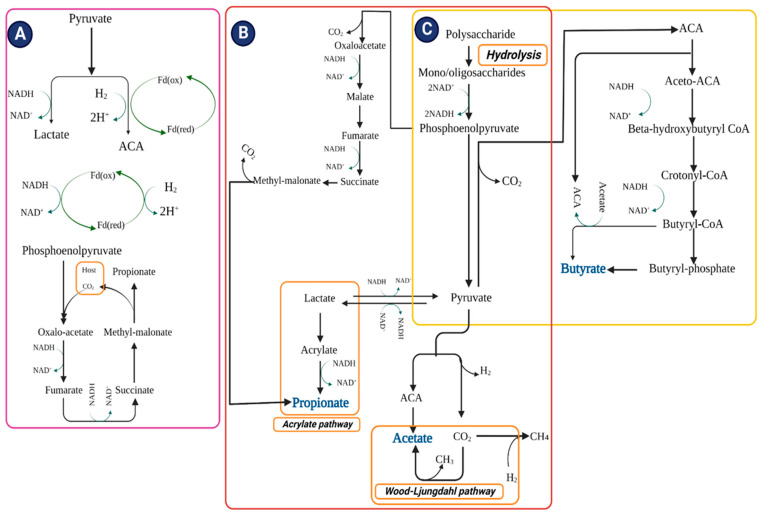
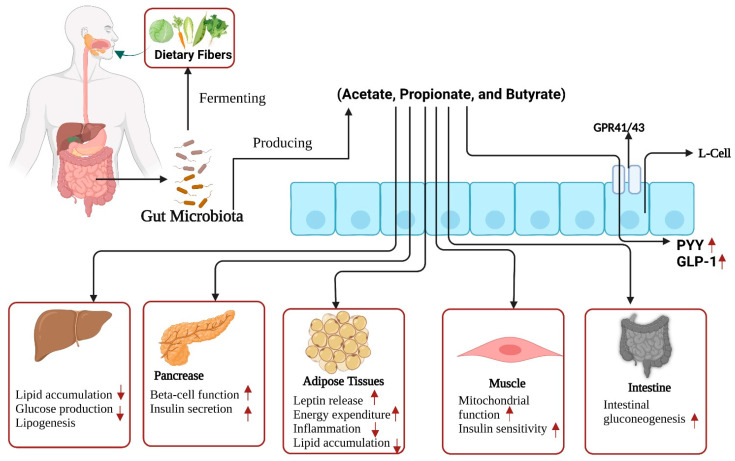
Foods contain dietary fibers which can be classified into soluble and insoluble forms. The nutritional composition of fast foods is considered unhealthy because it negatively affects the production of short-chain fatty acids (SCFAs). Dietary fiber is resistant to digestive enzymes in the gut, which modulates the anaerobic intestinal microbiota (AIM) and fabricates SCFAs. Acetate, butyrate, and propionate are dominant in the gut and are generated via Wood–Ljungdahl and acrylate pathways. In pancreatic dysfunction, the release of insulin/glucagon is impaired, leading to hyperglycemia. SCFAs enhance insulin sensitivity or secretion, beta-cell function, leptin release, mitochondrial function, and intestinal gluconeogenesis in human organs, which positively affects type 2 diabetes (T2D). Research models have shown that SCFAs either enhance the release of peptide YY (PYY) and glucagon-like peptide-1 (GLP-1) from L-cells (entero-endocrine), or promotes the release of leptin hormone in adipose tissues through G-protein receptors GPR-41 and GPR-43. Dietary fiber is a component that influences the production of SCFAs by AIM, which may have beneficial effects on T2D. This review focuses on the effectiveness of dietary fiber in producing SCFAs in the colon by the AIM as well as the health-promoting effects on T2D.
Overview
The claims and statistics of this paper haven’t been checked yet.
Free: it reads the open-access text and checks the first 5 claims that cite a source we can check. Create a free account to check every claim.
Integrity signals
Registry
Cites
Statistics
Figures
Verification
Claims the paper makes
The claims and statistics of this paper haven’t been checked yet.
Free: it reads the open-access text and checks the first 5 claims that cite a source we can check. Create a free account to check every claim.
Claims other papers make about this one
Each is checked against this paper’s own text: does it say what the citing paper says it does?
The check wasn’t confident either way, so it gives no verdict — never disputed.
In the citing paper
“Additionally, dietary fiber supplementation is a key strategy in managing GI symptoms and may help both diarrhea and constipation associated with GLP-1RAs [245,246]”
From Nutritional Approaches to Enhance GLP-1 Analogue Therapy in Obesity: A Narrative Review (2025) · cites this paper as [245]
Experimental — accuracy not yet measured
Self-check
Percentages, sums and reported differences re-computed from the paper’s own numbers.
The self-check needs the paper’s full text.
Citations
Cites
Human gut microbes associated with obesity
Ley, R. E., Turnbaugh, P. J., Klein, S., & Gordon, J. I. (2006) · Nature · doi:10.1038/4441022a · Cited by 8,785 · cited 1×
“For example, previous studies employing animal models showed that modulating GM had salutary effects on obesity, insulin sensitivity, and type 2 diabetes (T2D) [2,3].”
ResultFrom Dietary Fiber to Host Physiology: Short-Chain Fatty Acids as Key Bacterial Metabolites
Koh, A., De Vadder, F., Kovatcheva-Datchary, P., & Bäckhed, F. (2016) · Cell · doi:10.1016/j.cell.2016.05.041 · Cited by 7,070 · cited 5×
“05 Pyruvate Streptococcus, Bifidobacterium, prevotella, species, Blautia hydrogentrophica, and Akkermansia muciniphilia Inhibits Escherichia coli O157:H7 infections Participates in cholesterol synthesis [29]”
BackgroundInfluentialA metagenome-wide association study of gut microbiota in type 2 diabetes
Qin, J., Li, Y., Cai, Z., Li, S., Zhu, J., Zhang, F., Liang, S., Zhang, W., Guan, Y., Shen, D., et al. (2012) · Nature · doi:10.1038/nature11450 · Cited by 6,762 · cited 1×
“SS3/4, Roseburia inulinivorans, Roseburia intestinalis, Faecalibacterium prausnitzii, and Eubacterium rectale, produce butyrate, which has a protective role in T2D, even though these species are decreased in diabetes [106].”
Backgroundden Besten, G., van Eunen, K., Groen, A. K., Venema, K., Reijngoud, D.-J., & Bakker, B. M. (2013) · Journal of Lipid Research · doi:10.1194/jlr.r036012 · Cited by 5,048
(1992) · PubMed · Cited by 3,809
Formation of short chain fatty acids by the gut microbiota and their impact on human metabolism
Morrison, D. J., & Preston, T. (2016) · Gut Microbes · doi:10.1080/19490976.2015.1134082 · Cited by 3,781 · cited 2×
“Cross-feeding GM metabolizes lactate into acetate, propionate, and butyrate in the gut fermentation process, in which propionate and butyrate are produced in limited quantities owing to selected GM, while acetate is a regular product in the gut [94].”
BackgroundGut microbiota composition correlates with diet and health in the elderly
Claesson, M. J., Jeffery, I. B., Conde, S., Power, S. E., O’Connor, E. M., Cusack, S., Harris, H. M. B., Coakley, M., Lakshminarayanan, B., O’Sullivan, O., et al. (2012) · Nature · doi:10.1038/nature11319 · Cited by 3,314 · cited 3×
“Dietary fiber directly influences the production of SCFAs in the human gut (lumen) [11,31].”
BackgroundGut metagenome in European women with normal, impaired and diabetic glucose control
Karlsson, F. H., Tremaroli, V., Nookaew, I., Bergström, G., Behre, C. J., Fagerberg, B., Nielsen, J., & Bäckhed, F. (2013) · Nature · doi:10.1038/nature12198 · Cited by 3,115 · cited 2×
“According to previous studies, individuals with T2D have lower proportions of microbiota species producing butyrate [99,100].”
BackgroundMethodTopping, D. L., & Clifton, P. M. (2001) · Physiological Reviews · doi:10.1152/physrev.2001.81.3.1031 · Cited by 3,091 · cited 2×
“Acetate, propionate, and butyrate are dominant SCFAs in the gut [77].”
BackgroundEnvironment dominates over host genetics in shaping human gut microbiota
Rothschild, D., Weissbrod, O., Barkan, E., Kurilshikov, A., Korem, T., Zeevi, D., Costea, P. I., Godneva, A., Kalka, I. N., Bar, N., et al. (2018) · Nature · doi:10.1038/nature25973 · Cited by 2,859 · cited 1×
“Genetics plays a major role in elucidating the gut microbial composition, and several potential strategies have been employed to induce positive changes in gut microbial communities via fermentative activity [5].”
Background
Research works printed but not linked: 1
- Harvey R.A. Ferrier D.R. Biochemistry Lippincott Williams & Wilkins Philadelphia, PA, USA 2011
Cited by
Alahmari, L. A. (2024) · Frontiers in Nutrition · doi:10.3389/fnut.2024.1510564 · Cited by 195
Gut microbiota controlling radiation-induced enteritis and intestinal regeneration
Moraitis, I., Guiu, J., & Rubert, J. (2023) · Trends in Endocrinology and Metabolism · doi:10.1016/j.tem.2023.05.006 · Cited by 140
Short-chain fatty acids (SCFAs) in gut health: Implications for drug metabolism and therapeutics
Sankarganesh, P., Bhunia, A., Kumar, A. G., Babu, A. S., Gopukumar, S. T., & Elumalai, L. (2025) · Medicine in Microecology · doi:10.1016/j.medmic.2025.100139 · Cited by 144
Understanding how pre- and probiotics affect the gut microbiome and metabolic health
Bock, P. M., Martins, A. F., & Schaan, B. D. (2024) · American Journal of Physiology-Endocrinology and Metabolism · doi:10.1152/ajpendo.00054.2024 · Cited by 90
Li, F., Zeng, K., & Ming, J. (2023) · Critical Reviews in Food Science and Nutrition · doi:10.1080/10408398.2023.2278169 · Cited by 64
“…on glucose homeostasis and the mechanisms through which SCFAs regulated the function of metabolically active organs (brain, liver, adipose tissue, skeletal muscle, and pancreas) were comprehensively summarized (Mazhar, Zhu, and Qin 2023; Sharma, Jaiswal, and Ravindra 2022; von Martels et al. 2017).”
Lipid metabolism regulation by dietary polysaccharides with different structural properties
Yin, D., Zhong, Y., Liu, H., & Hu, J. (2024) · International Journal of Biological Macromolecules · doi:10.1016/j.ijbiomac.2024.132253 · Cited by 62
Advances in understanding the role of gut microbiota in fat deposition and lipid metabolism
Zhong, Y., Lei, Y., Jiang, S. H., Chen, D., Wang, X., Wang, K., Liao, T., Liao, R., Gan, M., Niu, L., et al. (2025) · Journal of Animal Science and Biotechnology/Journal of animal science and biotechnology · doi:10.1186/s40104-025-01284-9 · Cited by 51
“The microbiota–gut–brain axis (MGBA) is a complex network integrating neuronal, endocrine, and immune signals, which has emerged as a key regulator of energy homeostasis and fat deposition (human) [148, 149].”
Tabrizi, E., Tabrizi, F. P. F., Khaled, G. M., Sestito, M. P., Jamie, S., & Boone, B. A. (2024) · Frontiers in Immunology · doi:10.3389/fimmu.2024.1434771 · Cited by 46
Li, J., Zhao, J., Tian, C., Dong, L., Kang, Z., Wang, J., Zhao, S., Li, M., & Tong, X. (2024) · Nutrition & Metabolism · doi:10.1186/s12986-024-00829-5 · Cited by 44
“In adipose tissue, SCFAs can promote the release of adiponectin by increasing the expression of GPR41 and GPR43 [68, 69], and adiponectin can increase glucose metabolism during glycogen breakdown in the liver, skeletal muscle, and brown adipose tissue (BAT) [70].”
BackgroundMłynarska, E., Wasiak, J., Gajewska, A., Steć, G., Jasińska, J., Rysz, J., & Franczyk, B. (2024) · Nutrients · doi:10.3390/nu16121938 · Cited by 55
“…a diverse and bene fi cial microbial environment, increasing the production of SCFAs, which improve insulin sensitivity and reduce in fl ammation [122]. beneficial microbial Regular physical activity also impacts the gastrointestinal microbiota. also confirm Studies have demonstrated that…”
BackgroundRole of Akkermansia muciniphila in insulin resistance
Zeng, Z., Chen, M., Liu, Y., Zhou, Y., Liu, H., Wang, S., & Ji, Y. (2024) · Journal of Gastroenterology and Hepatology · doi:10.1111/jgh.16747 · Cited by 38
Xia, T., Nie, Y., Chen, Y., Zhang, N., Wang, Y., Liu, S., Bai, X., Cao, H., Xu, Y., & Wang, M. (2025) · Food Chemistry · doi:10.1016/j.foodchem.2025.142926 · Cited by 28
COVID-19 influenced gut dysbiosis, post-acute sequelae, immune regulation, and therapeutic regimens
Raj, S., Bruce, A. W., Anbalagan, M., Srinivasan, H., Chinnappan, S., Rajagopal, M. S., Khanna, K., Chandramoorthy, H. C. K., & Mani, R. R. (2024) · Frontiers in Cellular and Infection Microbiology · doi:10.3389/fcimb.2024.1384939 · Cited by 31
Free Fatty Acids and Free Fatty Acid Receptors: Role in Regulating Arterial Function
Yu, F., Zong, B., Ji, L., Sun, P., Jia, D., & Wang, R. (2024) · International Journal of Molecular Sciences · doi:10.3390/ijms25147853 · Cited by 28
“GPR41 is primarily activated by propionic, butyric, and valeric acids, which are produced by the fermentation of dietary fibre bacteria in the colon [152,163].”
BackgroundGut microbiota microbial metabolites in diabetic nephropathy patients: far to go
Yu, J., Chen, X., Zang, S.-G., Chen, X., Wu, Y.-Y., Wu, L., & Xuan, S. (2024) · Frontiers in Cellular and Infection Microbiology · doi:10.3389/fcimb.2024.1359432 · Cited by 28
Wei, J., Liu, Q., Yuen, H.-Y., Lam, A. C.-H., Jiang, Y., Yang, Y., Liu, Y., Zhao, X., & Xiao, L. (2025) · Journal of Orthopaedic Translation · doi:10.1016/j.jot.2024.11.003 · Cited by 40
“These compounds are generated as a result of the fermentation process of indigestible carbohydrates, particularly dietary fiber, by GM [67].”
Song, S., Zhang, Q., Zhang, L., Zhou, X., & Yu, J. (2024) · Frontiers in Endocrinology · doi:10.3389/fendo.2024.1313651 · Cited by 26
Ademosun, A. O., Ajeigbe, O. F., Ademosun, M. T., Ogunruku, O. O., & Oboh, G. (2024) · Human Nutrition & Metabolism · doi:10.1016/j.hnm.2024.200295 · Cited by 32
Wang, T., Xiao, Z., Li, T., Guo, G., Chen, S., & Huang, X. (2023) · Food Chemistry X · doi:10.1016/j.fochx.2023.100829 · Cited by 29
Gut-liver axis in diabetes: Mechanisms and therapeutic opportunities
Abdalla, M. M. I. (2025) · World Journal of Gastroenterology · doi:10.3748/wjg.v31.i29.109090 · Cited by 31
“Dietary interventions such as soluble fibers promote SCFA production, particularly butyrate, which strengthens tight junction, while polyphenol-rich diets and omega-3 fatty acids provide antioxidative and anti-inflammatory support to the epithelium[147,148].”
Beura, S., Kundu, P., Das, A. K., & Ghosh, A. (2024) · Scientific Reports · doi:10.1038/s41598-024-63718-0 · Cited by 19
“Furthermore, metabolomics studies have highlighted the significance of metabolites in the onset of T2D, particularly the SCFAs such as butyrate, propionate, and acetate 24,25 .”
BackgroundMukarromah, T. A., Rustanti, N., Mahati, E., Suparmi, S., & Ayustaningwarno, F. (2025) · Journal of Food Science · doi:10.1111/1750-3841.70301 · Cited by 21
Demirkol, M., & Tarakçı, Z. (2025) · Food Science & Nutrition · doi:10.1002/fsn3.70612 · Cited by 20
“These studies aim to identify dietary fibers that promote the proliferation of beneficial bacterial species such as Bifidobacteria and Lactobacilli while enhancing the production of short-chain fatty acids (SCFAs) (Mazhar et al. 2023).”
The Role of the Gut Microbiome in Urinary Tract Infections: A Narrative Review
Iqbal, Z. S., Halkjær, S. I., Ghathian, K. S. A., Heintz, J. E., & Petersen, A. M. (2024) · Nutrients · doi:10.3390/nu16213615 · Cited by 23
Han, Y., Quan, H., Ji, W., Tian, Q., Liu, X., & Liu, W. (2024) · Biochemical and Biophysical Research Communications · doi:10.1016/j.bbrc.2024.150831 · Cited by 15
Lei, P., Yu, H., Jiang, T., Ma, J., Du, J., Fang, Y., Wang, H., Chen, R., Yang, Q., Cheng, Y., et al. (2025) · International Journal of Biological Macromolecules · doi:10.1016/j.ijbiomac.2025.139487 · Cited by 16
Manaer, T., Sailike, J., Sun, X., Yeerjiang, B., & Nabi, X. (2025) · Frontiers in Pharmacology · doi:10.3389/fphar.2024.1520158 · Cited by 17
Ahmad, F., Ahmed, S. H., Choucair, F., Chouliaras, S., Awwad, J. T., & Terranegra, A. (2025) · Journal of Translational Medicine · doi:10.1186/s12967-025-06117-x · Cited by 21
Harnessing nutrition to combat MASLD: a comprehensive guide to food-based therapeutic strategies
Reytor-González, C., Simancas‐Racines, D., Campuzano-Donoso, M., Jimenez, J. C., Román-Galeano, N. M., Sarno, G., & Frías-Toral, E. (2025) · Food and Agricultural Immunology · doi:10.1080/09540105.2025.2496499 · Cited by 18
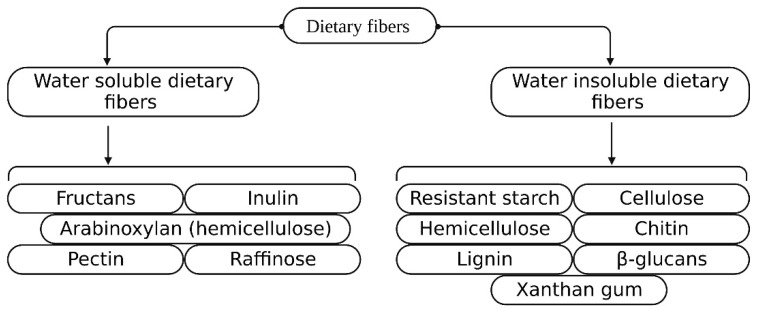
“Fiber is categorized into soluble and insoluble forms, both of which contribute to metabolic health (Mazhar et al., 2023).”
Zheng, S., Li, K.-Z., Feng, G., Wang, Y.-T., Jia-ning, W. A. N. G., Li, S., & Sun, Y.-D. (2025) · Molecular Cancer · doi:10.1186/s12943-025-02513-5 · Cited by 17
“These metabolites acidify the colonic milieu, thereby suppressing pathogens like Clostridium difficile and simultaneously promoting the expansion of beneficial bacterial groups [103].”
Zhang, Y., He, J., Zeng, H., Xu, D., Li, W., & Wang, Y. (2024) · Food Chemistry · doi:10.1016/j.foodchem.2024.142210 · Cited by 17
Wang, Y., Wu, H., Wu, J., Yu, Y., Wen, J., Zou, B., Li, L., Peng, J., Cheng, L., Bu, Z., et al. (2025) · Food & Function · doi:10.1039/d4fo02781g · Cited by 14
Exploring cutting-edge approaches in diabetes care: from nanotechnology to personalized therapeutics
Asaad, G. F., Doghish, A. S., Rashad, A. A., & El‐Dakroury, W. A. (2024) · Naunyn-Schmiedeberg s Archives of Pharmacology · doi:10.1007/s00210-024-03532-7 · Cited by 12
“…FFAR-1 acts on enteroendocrine cells in the gastrointestinal tract, in addition to directly stimulating insulin production from pancreatic β-cells, which its activation enhances the release of incretins, activates GLP-1 receptors, and boosts insulin secretion indirectly (Mazhar et al. 2023).”
Edison, L. K., Kudva, I. T., & Kariyawasam, S. (2024) · Microorganisms · doi:10.3390/microorganisms12102009 · Cited by 14
“In this context, dietary components that enhance the production of SCFAs or other antimicrobial metabolites by gut microbiota might be particularly valuable [85].”
BackgroundZhang, Y., Wang, X., Duping, D., Yuanyuan, G., Xuanyi, C., Li, J., & Xiaojuan, H. (2025) · Frontiers in Microbiology · doi:10.3389/fmicb.2024.1436911 · Cited by 11
Li, Y., Wang, N., Wu, J., Li, H., Wang, X., Li, L., Zhang, N., Ou, F., Li, A., Min, R., et al. (2025) · International Journal of Biological Macromolecules · doi:10.1016/j.ijbiomac.2025.146952 · Cited by 9
Nutritional Approaches to Enhance GLP-1 Analogue Therapy in Obesity: A Narrative Review
Dias, D. D., Vasconcelos, A. R., Souza, A. C. R., Menezes, C. D., Silva, I. S. T. E., & Name, J. J. (2025) · Obesities · doi:10.3390/obesities5040088 · Cited by 8
“SCFAs can stimulate GLP-1 and peptide YY (PYY) secretion by L-cells and leptin release by adipose tissue, while reduced SCFAs production is linked to T2DM’s pathophysiology [130,242].”
Microbial dipeptidyl peptidases of the S9B family as host-microbe isozymes
Aljumaah, M. R., Roach, J. M., Hu, Y., Gunstad, J., & Azcárate-Peril, M. A. (2025) · Science Advances · doi:10.1126/sciadv.ads5721 · Cited by 13
Gulnaz, A., Lew, L.-C., Park, Y.-H., Sabir, J. S. M., Albiheyri, R. S., Rather, I. A., & Hor, Y.-Y. (2024) · Pharmaceuticals · doi:10.3390/ph17060676 · Cited by 8
An insoluble cellulose nanofiber with robust expansion capacity protects against obesity
Yu, J. G., Gao, M., Wang, L., Guo, X., Liu, X., Sheng, M., Cheng, S., Guo, Y., Wang, J., Zhao, C., et al. (2024) · International Journal of Biological Macromolecules · doi:10.1016/j.ijbiomac.2024.134401 · Cited by 9
López-Santamarina, A., Cardelle‐Cobas, A., Mondragón, A. D. C., Cepeda, A., Rodríguez, J. A., & Miranda, J. M. (2025) · Nutrients · doi:10.3390/nu17122047 · Cited by 9
Zhang, X., Sun, Y., Zhang, Z., Zhu, X., He, S., Zhou, L., Huang, M., & Liu, H. (2025) · Journal of Functional Foods · doi:10.1016/j.jff.2025.107051 · Cited by 7
Craciun, C. I., Măgureanu, D. C., Bocșan, I. C., Craciun, A. E., Buzoianu, A. D., & Maria Adriana, N. E. A. G. (2026) · Diabetology · doi:10.3390/diabetology7030059 · Cited by 10
In Vitro and In Vivo Antihyperglycemic Effects of New Metabiotics from Boletus edulis
Zanfirescu, A., Avram, I., Gatea, F., Roșca, R., & Vamanu, E. (2023) · Life · doi:10.3390/life14010068 · Cited by 7
“Among the several treatment options for modulating the gut microbiota in T2D, oral supplementation with prebiotics seems to have the most beneficial effects, acting through multiple pathways [10,11].”
BackgroundGut Microbiota Targeted Approach by Natural Products in Diabetes Management: An Overview
Sati, P., Dhyani, P., Sharma, E., Attri, D. C., Jantwal, A., Devi, R., Călina, D. C., & Sharifi‐Rad, J. (2024) · Current Nutrition Reports · doi:10.1007/s13668-024-00523-1 · Cited by 9
“…fostering an environment conducive to insulin sensitivity; however, disruptions in this ecosystem can lead to a decrease in the production of SCFAs, thereby impairing insulin signaling pathways and contributing to the development of insulin resistance—a hallmark of type 2 diabetes (T2D) [12, 13].”
Research progress on intestinal microbiota regulating cognitive function through the gut-brain axis
Lin, K., Peng, F., He, K., Qian, Z., Mei, X., Su, Z., Wujimaiti, Y., Xia, X., & Zhang, T. (2024) · Neurological Sciences · doi:10.1007/s10072-024-07525-5 · Cited by 9
Zheng, L., Liu, L., An, S. Y., Chen, X., Hua, H., & Zhao, J. (2025) · Phytomedicine · doi:10.1016/j.phymed.2025.156979 · Cited by 8
Yang, Q., Liu, X., Zhang, T., Zhao, X., & 肖小河 (2026) · Diabetes Metabolic Syndrome and Obesity · doi:10.2147/dmso.s591764 · Cited by 10
“147,148 Plant active ingredients can also improve lipid metabolism disorders in DM by regulating bile acids and controlling the generation of short-chain fatty acids.”
Ren, S., Feng, J., Xiang, T., Liao, C.-L., Zhou, Y., & Xuan, R. (2024) · World Journal of Hepatology · doi:10.4254/wjh.v16.i4.601 · Cited by 7
“Moreover, acetic acid has an inhibitory effect on liver adipogenesis, reducing lipid aggregation in adipose tissue[16].”
Adam, S. Y., Eltahir, H. A., Ismaeel, F. A. M., Abdallah, R. H., Abaker, A. O., Musa, H. H., Husien, H. M., Mohammed, L. A., Cai, D., & Ahmed, A. A. (2025) · Bioactive Carbohydrates and Dietary Fibre · doi:10.1016/j.bcdf.2025.100490 · Cited by 6
Yu, M., Chi, C., Huang, S., & Li, X. (2025) · Food Chemistry · doi:10.1016/j.foodchem.2025.146439 · Cited by 8
Gandham, A., Prokopidis, K., Glavas, C., Scott, D., & Lorentzon, M. (2026) · Osteoporosis International · doi:10.1007/s00198-025-07801-w · Cited by 10
“Besides energy harvesting, SCFAs also regulate satiety through the modulation of gut hormones such as peptide YY (PYY) and glucagon-like peptide-1 (GLP-1) [101].”
Blümlhuber, A., Freuer, D., Wawro, N., Rohm, F., Meisinger, C., & Linseisen, J. (2025) · Metabolites · doi:10.3390/metabo15070441 · Cited by 5
“…and amino acid metabolism, metabolites such as 3-aminoisobutyrate, 3-hydroxyisobutyrate, 2-hydroxyisobutyrate, 3-hydroxyisovalerate, and formate showed no significant associations, as they are primarily associated with amino acid and one-carbon metabolism rather than fiber intake [79,83–86].”
Ma, F., Li, H., Huang, C., Shuai, C., An, C., & Zhang, W. (2025) · Diabetes Metabolic Syndrome and Obesity · doi:10.2147/dmso.s492185 · Cited by 6
Liao, J., Daniel, S., Miao, J., Liu, Z., Cao, X., Ni, J., Deng, W., Sui, Z., & Hang, S. (2025) · Animal Advances · doi:10.48130/animadv-0025-0012 · Cited by 5
The Global Burden of Disease: A Focus on Type II Diabetes
Forray, A. I., Gavrilaș, L., Craciun, A. E., & Borzan, C. M. (2025) · Springer eBooks · doi:10.1007/978-3-031-32047-7_68-1 · Cited by 11
Yi-Ting, L., Graells, T., Sayols-Baixeras, S., Dekkers, K. F., Schillemans, T., Baldanzi, G., Wuopio, J., Nielsen, N., Eklund, A. C., Holm, J. B., et al. (2026) · Kidney International · doi:10.1016/j.kint.2026.01.021 · Cited by 4
Agrawal, K., Kumar, N., Singh, A., Lu, C., & Leung, M.-F. (2026) · Food & Function · doi:10.1039/d6fo02990f · Cited by 4
Impact of Ivermectin on the Gut Microbial Ecosystem
Liu, L., Mahalak, K. K., Tolehmurodovich, B. J., Narrowe, A. B., Firrman, J., Lemons, J. M. S., Bittinger, K. L., Hu, W., Jones, S. M., & Moustafa, A. M. (2023) · International Journal of Molecular Sciences · doi:10.3390/ijms242216125 · Cited by 4
“…to butanoate ( q = 0.024) are responsible for SCFA production [39–41], and these increases agree with the observed SCFA production (Figure 5). fermentation to butanoate ( q = 0.024) are responsible for SCFA production [39–41], and these increases agree with the observed SCFA production (Figure 5).”
BackgroundInfluentialOsawa, R., Fukuda, I., & Shirai, Y. (2024) · Current Opinion in Biotechnology · doi:10.1016/j.copbio.2024.103103 · Cited by 4
Liu, X., Tang, H., Huang, X., & Xu, M. (2023) · Future Microbiology · doi:10.2217/fmb-2023-0148 · Cited by 3
Lin, X., Li, Y., Qiong, W., Lv, Y., Zhu, Y., Liu, J., He, L., & Wang, Z. (2024) · Nutrients · doi:10.3390/nu16142184 · Cited by 3
“Compared to rice, noodles, and other fine foods, coarse grains have a higher dietary fiber content and lower glycemic index, which are conducive to the control of obesity, type 2 diabetes, and cardiovascular diseases [41,42].”
BackgroundSelf-citationChildhood obesity, dietary patterns and gut microbiota: a narrative review
Vázquez-Bolea, N., Navas‐Carretero, S., & Cuervo, M. (2026) · Journal of Physiology and Biochemistry · doi:10.1007/s13105-026-01142-w · Cited by 4
“Consumption of plant-based products containing dietary fibers serves as the primary energy source for gut-residing microorganisms, involved in the production of acetate, propionate, and butyrate [108].”
Chestnut and Grapevine By-Products: Bioactivity, Biotransformation, and Nutraceutical Applications
Pinto, T. C., Gonçalves, B. C., Aires, A., Cosme, F., & Vilela, A. (2026) · Applied Sciences · doi:10.3390/app16042052 · Cited by 6
A Critical Review of Antidiabetic Properties of Tempeh From Various Substrates
Ayustaningwarno, F., Jusman, T. N. G., Afifah, D. N., Asikin, Y., Astawan, M., & Elda, F. (2026) · Journal of Food Science · doi:10.1111/1750-3841.71014 · Cited by 4
Sun, X., Shao, K., Kuang, X., Chen, J., Yang, Q., Feng, C., Liu, Q., Wang, K., (20183), H. L., & Dai, J. (2026) · Food Research International · doi:10.1016/j.foodres.2026.119667 · Cited by 2
Xiang, J., Taggart, C. C., & Rodgers, A. M. (2026) · Mucosal Immunology · doi:10.1016/j.mucimm.2026.100364 · Cited by 4
Ayala-García, J. C., García-Vera, A. M., Lagunas-Martínez, A., Orbe-Orihuela, Y. C., Castañeda-Márquez, A. C., Díaz-Benítez, C. E., Bermúdez-Morales, V. H., Cruz, M., Bahena-Román, M., & Burguete-García, A. I. (2023) · Children · doi:10.3390/children10111799 · Cited by 2
Gut-brain axis: The role of gut microbiota in energy balance and body weight regulation
Tatık, G. P., Baran, Ö., & Dağ, A. (2025) · Clinical Science of Nutrition · doi:10.62210/clinscinutr.2024.98 · Cited by 5
“28 Gut bacterial SCFA-activated free fatty acid receptors 2 and 3 (FFAR2/3) modulate adipose tissue physiology of the host by activating AMP-activated protein kinase (AMPK) in white adipose tissue (BAD), inhibiting cyclic adenosine monophosphate (cAMP) activation, adipogenesis, activation of UCP-1,…”
Wang, P., Liu, Z., Ma, B., An, L., Zhang, L., Li, X., Guo, L., & Gao, W. (2025) · Food Science and Biotechnology · doi:10.1007/s10068-025-01919-7 · Cited by 4
“It can be used as a substrate in the gut by anaerobic intestinal microbes (AIM) for fermentation to produce short-chain fatty acids (Mazhar et al. 2023).”
Metabolic crosstalk: Exploring the dynamic interactions between gut microbiota and metabolism
Akash, M. S. H., & Rehman, K. (2025) · Elsevier eBooks · doi:10.1016/b978-0-443-36312-2.00017-6 · Cited by 1
Sun, Y., Bao, X., Cen, Y., Wu, H., Sun, F., & Fu, L. (2025) · Frontiers in Neuroscience · doi:10.3389/fnins.2025.1654559 · Cited by 2
Özpınar, F. B., Dere, S., Altunay, S., Sağdıç, O., & Dertli, E. (2026) · Comprehensive Reviews in Food Science and Food Safety · doi:10.1111/1541-4337.70470 · Cited by 3
“During fermentation processes, some bioactive compounds, including short-chain fatty acids (SCFAs), vitamins, and peptides, can be released which may contribute to enhanced immune modulation and gastrointestinal tract (Mazhar et al. 2023 ).”
Awuchi, C. G. (2026) · Food Safety and Health · doi:10.1002/fsh3.70110 · Cited by 2
Fathzadeh, K., Nasli‐Esfahani, E., Kazeminejad, S., Yekaninejad, M. S., Lahouti, M., & Azadbakht, L. (2026) · Journal of Diabetes & Metabolic Disorders · doi:10.1007/s40200-026-02024-0 · Cited by 1
“Additionally, fermentation of soluble fiber by gut microbiota produces short-chain fatty acids that enhance insulin sensitivity, thereby contributing to reduced cardiovascular disease risk [61].”
The use of β-glucans and other polysaccharides from edible fungi for improving obesity: A review
Liu, X., Song, Y., Feng, Y., Li, J., & Liu, G. (2025) · International Journal of Biological Macromolecules · doi:10.1016/j.ijbiomac.2025.144898 · Cited by 1
Butorac, K., Žučko, J., Banić, M., Čuljak, N., Pavunc, A. L., Novak, J., Jerić, I., Balog, T., Kralj, M., Penava, L., et al. (2025) · Journal of Future Foods · doi:10.1016/j.jfutfo.2025.03.012 · Cited by 2
Sze, W. T., Waki, K., Nakada, R., Yamauchi, T., Nangaku, M., & Ohe, K. (2025) · JMIR Formative Research · doi:10.2196/69340 · Cited by 2
Sukmarindra, A., Santoso, P., & Ilmiawati, C. (2000) · IALLT Journal of Language Learning Technologies · doi:10.17161/iallt.v32i1.8305
Satiety and glycemic control after giving glucomannan-modified growol cookies
Puspaningtyas, D. E., Sucipto, A., Styaningrum, S. D., Sari, P. M., Nidyarini, A., Rahmawati, D. M., Lestari, G. P., Sintia, R. D., & Ananda, D. P. (2024) · Jurnal Gizi dan Dietetik Indonesia (Indonesian Journal of Nutrition and Dietetics) · doi:10.21927/ijnd.2024.12(4).284-295 · Cited by 2
“Dietary fiber is thought to be able to increase the potential of prebiotics, which play a role in selectively stimulating gastrointestinal microbes and producing short-chain fatty acid (SCFA), which will play a role in overcoming metabolic disorders in obesity, one of which is glycemic control (34).”
BackgroundWu, D., Ye, Y., PeiZhen, X., Ren, S., Shi, Y., Zhang, B., & Cai, C. (2024) · Aquaculture Reports · doi:10.1016/j.aqrep.2024.102532
Gut Microbe Regulation of Sea Buckthorn for the Metabolic Syndrome
Wu, R., Cang, W., Yang, S., Yan, D., Ma, X.-H., Li, J., Li, J., & Xing, W. (2025) · Springer eBooks · doi:10.1007/978-981-97-9865-0_9
Ma, W., Han, Z., Liu, X., Cui, W., Zheng, D., Zhou, X., Song, Y., & Jiang, S. (2025) · Microorganisms · doi:10.3390/microorganisms13040731
Akash, M. S. H., & Rehman, K. (2025) · Elsevier eBooks · doi:10.1016/b978-0-443-36312-2.00018-8
Manipulating Beneficial Gut Bacteria in Obesity-Related Emotional and Cognitive Dysfunction
Jefry Winner, G. (2025) · Oxford University Press eBooks · doi:10.1093/oxfordhb/9780190931544.013.16
Lei, Y., Diao, J., Tang, Y., Yao, S., Huang, N., Xu, M., Hu, X., & Jiang, Q. (2025) · Pharmacological Research - Reports · doi:10.1016/j.prerep.2025.100059
Khanna, D., Gopalan, H. S., Abirami, K., Sudha, V., Navilebasappa, A., Kallapura, G., Gayatri, R., Jeevan, R. G., Jayaraman, S., Anjana, R. M., et al. (2025) · Food and Nutrition Sciences · doi:10.4236/fns.2025.168056
Association between short-chain fatty acids and fatigue
Xiao, C., Quan, J., Miller, A. H., & Kim, G. (2025) · Elsevier eBooks · doi:10.1016/b978-0-443-24080-5.00016-3
Tansarawut, P., Boonsoongnern, P., Kamlangdee, A., Woonwong, Y., & Boonsoongnern, A. (2025) · Veterinary Medicine International · doi:10.1155/vmi/4499017
An overview of the biological and nutritional significance of short-chain fatty acids
Shetty, S. S. (2025) · Elsevier eBooks · doi:10.1016/b978-0-443-33296-8.00006-x · Cited by 1
Exploring the unknown territory of gut–brain axis in type 2 diabetes mellitus patients
Rahim, S., & Karim, M. M. (2025) · Elsevier eBooks · doi:10.1016/b978-0-443-33355-2.00007-4
Daoust, J., Schmalz, J., Rotsaert, C., Vannieuwenhuyse, C., Medts, J. D., Meulebroek, L. V., & Duysburgh, C. (2025) · Journal of Functional Foods · doi:10.1016/j.jff.2025.107030 · Cited by 1
Beneficial Effect of Nutraceuticals on Diabetes Mellitus
Das, S., Bhattacharya, H., Debnath, B., & Das, S. (2026) · BENTHAM SCIENCE PUBLISHERS eBooks · doi:10.2174/9798898813369126010006
Petakh, P., Halabitska, I., Petrecka, H., Huber, W., & Kamyshnyi, O. (2026) · The Journal of Nutritional Biochemistry · doi:10.1016/j.jnutbio.2026.110267
Cheah, A. S., Tan, J. W., Jaafar, F., & Yeo, W. W. Y. (2026) · Current Nutrition Reports · doi:10.1007/s13668-026-00739-3 · Cited by 1
The Microbial Face of Type 2 Diabetes: The Role of Gut Microbiota and Therapeutic Potential
Çolak, A., Kahraman, H., & Çolak, Y. Z. (2026) · Turkish Journal of Science and Technology · doi:10.55525/tjst.1779857
Jia, W., Zheng, X., Kuang, J., Zhao, M., & Zhang, H. (2026) · Elsevier eBooks · doi:10.1016/b978-0-443-31402-5.00009-8
Xinlin, L., Gu, H., Li, R., Mao, X., & Chen, C. (2026) · JMIR Medical Informatics · doi:10.2196/73119
“The gut microbiota influences the host’s glucose, lipid metabolism, and inflammatory responses through metabolic products such as short-chain fatty acids (SCFAs) [10,11].”
Zhu, Q., Tie, H., Dai, Z., Zhang, Z., Zeng, X., & Liu, B. (2026) · Food Chemistry · doi:10.1016/j.foodchem.2026.150157
Liu, B., Zhang, S., Guo, J., Chen, X., Yang, B., Fu, H., Lyu, B., Jing, W., & Yu, H. (2026) · Trends in Food Science & Technology · doi:10.1016/j.tifs.2026.105901
Metadata
- Authors
- Mazhar, M., Zhu, Y., & Qin, L.
- Affiliations
- Guizhou University (CN)
- Corresponding author
- Qin, Likang
- Venue
- Foods
- Publisher
- MDPI AG
- Published
- 2023-02-28
- Volume
- 12
- Issue
- 5
- Pages
- 1023
- ISSN
- 2304-8158 (ISSN-L)
- PMC
- PMC10001013
- OpenAlex
- W4322628892
- Cited by
- 119
- References
- 188
- Citations by year
- 2026: 40 · 2025: 43 · 2024: 28 · 2023: 7
- FWCI
- 3.12
- Type
- journal article
- Language
- en
- Open access
- gold
- doi.org
- Licence
- Locations
- Foods (publishedVersion, cc-by)
- PubMed Central (publishedVersion, cc-by)
- PubMed (publishedVersion)
- DOAJ (DOAJ: Directory of Open Access Journals) (submittedVersion, cc-by-sa)
- Funders
- Guizhou Science and Technology Program ([2018] 5254, [2018] 5781, [2022] 4033, [2022] Zhongdian 007, [2021] yiban175, [2019]1071, [2020] 1Y171, Qian Cai Nong [2018]81, [2017] 106)
- Establishment of Guizhou Modern Agriculture Industry Technical System (Characteristic Coarse Cereals) ([2018] 5254, [2018] 5781, [2022] 4033, [2022] Zhongdian 007, [2021] yiban175, [2019]1071, [2020] 1Y171, Qian Cai Nong [2018]81, [2017] 106)
- Key Agricultural Technology Extension Project of Guizhou Province ([2018] 5254, [2018] 5781, [2022] 4033, [2022] Zhongdian 007, [2021] yiban175, [2019]1071, [2020] 1Y171, Qian Cai Nong [2018]81, [2017] 106)
- Topics
- Life Sciences › Biochemistry, Genetics and Molecular Biology › Molecular Biology › Gut microbiota and health
- Health Sciences › Nursing › Nutrition and Dietetics › Food composition and properties
- Health Sciences › Nursing › Nutrition and Dietetics › Microbial Metabolites in Food Biotechnology
- Keywords
- dietary fiber, gut microbiota, short-chain fatty acids, type 2 diabetes, butyrate, acetate, propionate, Wood-Ljungdahl pathway, insulin sensitivity, beta-cell function, leptin, GPR41, GPR43, glucagon-like peptide-1, peptide YY, gastrointestinal endocrine cells, intestinal gluconeogenesis, hyperglycemia, fast food
About these checks
Registry, retraction, Cites and statistics results are computed, not judged, with one exception: a printed reference that no index lists is read once by a model before it counts as a citation error. Claims are extracted by a model and kept only when their quote appears verbatim in the text; each cited source is then checked, with a model’s help, for whether it says what the claim relies on. Those verdicts can be wrong — read the claim’s quote and the cited source before relying on one.
Statistics and arithmetic are recomputed, not judged.
Confidence bands are shown only for fields calibrated on our annotated test set. None is calibrated yet, so no band is shown.
What counts as a claim ›How we measure confidence ›How we check this ›
Are you an author, or do you see a problem with this page? Request a review
Data sources
Bibliographic data: Semantic Scholar, OpenAlex, Crossref.
Contains information from the Semantic Scholar Academic Graph Datasets, made available under the ODC Attribution License (ODC-BY 1.0).
Semantic Scholar’s data is described in: Kinney, R., et al. (2023). The Semantic Scholar Open Data Platform. arXiv:2301.10140.
