

The Interplay of Dietary Fibers and Intestinal Microbiota Affects Type 2 Diabetes by Generating Short-Chain Fatty Acids
Open accessThe DOI matches its Crossref record; 188 of the 188 references it cites were found in a registry or an index.
Abstract
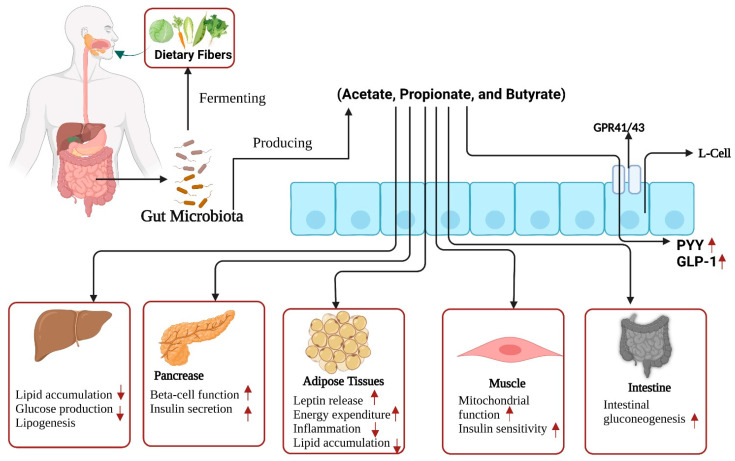
Foods contain dietary fibers which can be classified into soluble and insoluble forms. The nutritional composition of fast foods is considered unhealthy because it negatively affects the production of short-chain fatty acids (SCFAs). Dietary fiber is resistant to digestive enzymes in the gut, which modulates the anaerobic intestinal microbiota (AIM) and fabricates SCFAs. Acetate, butyrate, and propionate are dominant in the gut and are generated via Wood–Ljungdahl and acrylate pathways. In pancreatic dysfunction, the release of insulin/glucagon is impaired, leading to hyperglycemia. SCFAs enhance insulin sensitivity or secretion, beta-cell function, leptin release, mitochondrial function, and intestinal gluconeogenesis in human organs, which positively affects type 2 diabetes (T2D). Research models have shown that SCFAs either enhance the release of peptide YY (PYY) and glucagon-like peptide-1 (GLP-1) from L-cells (entero-endocrine), or promotes the release of leptin hormone in adipose tissues through G-protein receptors GPR-41 and GPR-43. Dietary fiber is a component that influences the production of SCFAs by AIM, which may have beneficial effects on T2D. This review focuses on the effectiveness of dietary fiber in producing SCFAs in the colon by the AIM as well as the health-promoting effects on T2D.
Overview
The claims and statistics of this paper haven’t been checked yet.
Free: it reads the open-access text and checks the first 5 claims that cite a source we can check. Create a free account to check every claim.
Integrity signals
Registry
Cites
Statistics
Figures
Verification
Claims the paper makes
The claims and statistics of this paper haven’t been checked yet.
Free: it reads the open-access text and checks the first 5 claims that cite a source we can check. Create a free account to check every claim.
Claims other papers make about this one
Each is checked against this paper’s own text: does it say what the citing paper says it does?
The check wasn’t confident either way, so it gives no verdict — never disputed.
In the citing paper
“Additionally, dietary fiber supplementation is a key strategy in managing GI symptoms and may help both diarrhea and constipation associated with GLP-1RAs [245,246]”
From Nutritional Approaches to Enhance GLP-1 Analogue Therapy in Obesity: A Narrative Review (2025) · cites this paper as [245]
Experimental — accuracy not yet measured
Self-check
Percentages, sums and reported differences re-computed from the paper’s own numbers.
The self-check needs the paper’s full text.
Citations
Cites
Human gut microbes associated with obesity
Ley, R. E., Turnbaugh, P. J., Klein, S., & Gordon, J. I. (2006) · Nature · doi:10.1038/4441022a · Cited by 8,785 · cited 1×
“For example, previous studies employing animal models showed that modulating GM had salutary effects on obesity, insulin sensitivity, and type 2 diabetes (T2D) [2,3].”
ResultFrom Dietary Fiber to Host Physiology: Short-Chain Fatty Acids as Key Bacterial Metabolites
Koh, A., De Vadder, F., Kovatcheva-Datchary, P., & Bäckhed, F. (2016) · Cell · doi:10.1016/j.cell.2016.05.041 · Cited by 7,070 · cited 5×
“05 Pyruvate Streptococcus, Bifidobacterium, prevotella, species, Blautia hydrogentrophica, and Akkermansia muciniphilia Inhibits Escherichia coli O157:H7 infections Participates in cholesterol synthesis [29]”
BackgroundInfluentialA metagenome-wide association study of gut microbiota in type 2 diabetes
Qin, J., Li, Y., Cai, Z., Li, S., Zhu, J., Zhang, F., Liang, S., Zhang, W., Guan, Y., Shen, D., et al. (2012) · Nature · doi:10.1038/nature11450 · Cited by 6,762 · cited 1×
“SS3/4, Roseburia inulinivorans, Roseburia intestinalis, Faecalibacterium prausnitzii, and Eubacterium rectale, produce butyrate, which has a protective role in T2D, even though these species are decreased in diabetes [106].”
Backgroundden Besten, G., van Eunen, K., Groen, A. K., Venema, K., Reijngoud, D.-J., & Bakker, B. M. (2013) · Journal of Lipid Research · doi:10.1194/jlr.r036012 · Cited by 5,048
(1992) · PubMed · Cited by 3,809
Formation of short chain fatty acids by the gut microbiota and their impact on human metabolism
Morrison, D. J., & Preston, T. (2016) · Gut Microbes · doi:10.1080/19490976.2015.1134082 · Cited by 3,781 · cited 2×
“Cross-feeding GM metabolizes lactate into acetate, propionate, and butyrate in the gut fermentation process, in which propionate and butyrate are produced in limited quantities owing to selected GM, while acetate is a regular product in the gut [94].”
BackgroundGut microbiota composition correlates with diet and health in the elderly
Claesson, M. J., Jeffery, I. B., Conde, S., Power, S. E., O’Connor, E. M., Cusack, S., Harris, H. M. B., Coakley, M., Lakshminarayanan, B., O’Sullivan, O., et al. (2012) · Nature · doi:10.1038/nature11319 · Cited by 3,314 · cited 3×
“Dietary fiber directly influences the production of SCFAs in the human gut (lumen) [11,31].”
BackgroundGut metagenome in European women with normal, impaired and diabetic glucose control
Karlsson, F. H., Tremaroli, V., Nookaew, I., Bergström, G., Behre, C. J., Fagerberg, B., Nielsen, J., & Bäckhed, F. (2013) · Nature · doi:10.1038/nature12198 · Cited by 3,115 · cited 2×
“According to previous studies, individuals with T2D have lower proportions of microbiota species producing butyrate [99,100].”
BackgroundMethodTopping, D. L., & Clifton, P. M. (2001) · Physiological Reviews · doi:10.1152/physrev.2001.81.3.1031 · Cited by 3,091 · cited 2×
“Acetate, propionate, and butyrate are dominant SCFAs in the gut [77].”
BackgroundEnvironment dominates over host genetics in shaping human gut microbiota
Rothschild, D., Weissbrod, O., Barkan, E., Kurilshikov, A., Korem, T., Zeevi, D., Costea, P. I., Godneva, A., Kalka, I. N., Bar, N., et al. (2018) · Nature · doi:10.1038/nature25973 · Cited by 2,859 · cited 1×
“Genetics plays a major role in elucidating the gut microbial composition, and several potential strategies have been employed to induce positive changes in gut microbial communities via fermentative activity [5].”
BackgroundThe impact of dietary fiber on gut microbiota in host health and disease
Makki, K., Deehan, E. C., Walter, J., & Bäckhed, F. (2018) · Cell Host & Microbe · doi:10.1016/j.chom.2018.05.012 · Cited by 2,517 · cited 4×
“The microbes can influence numerous physiological mechanisms, including those involved in glucose regulation, lipid metabolism, pathogen resistance, and micronutrient production [1].”
BackgroundInfluentialBrown, A. J., Goldsworthy, S. M., Barnes, A. A., Eilert, M. M., Tcheang, L., Daniels, D., Muir, A. I., Wigglesworth, M. J., Kinghorn, I., Fraser, N. J., et al. (2003) · Journal of Biological Chemistry · doi:10.1074/jbc.m211609200 · Cited by 2,409 · cited 1×
“For example, acetate and propionate are more responsive to FFAR-2, whereas butyrate and propionate are more responsive to FFAR-3 [111].”
BackgroundTolhurst, G., Heffron, H., Lam, Y. S., Parker, H. E., Habib, A. M., Diakogiannaki, E., Cameron, J., Grosse, J., Reimann, F., & Gribble, F. M. (2012) · Diabetes · doi:10.2337/db11-1019 · Cited by 2,404
Gut bacteria selectively promoted by dietary fibers alleviate type 2 diabetes
Zhao, L., Zhang, F., Ding, X., Wu, G., Lam, Y. Y., Wang, X., Fu, H., Xue, X., Lu, C., Ma, J., et al. (2018) · Science · doi:10.1126/science.aao5774 · Cited by 2,304 · cited 1×
“Dietary fiber directly influences the production of SCFAs in the human gut (lumen) [11,31].”
BackgroundShort-chain fatty acids in control of body weight and insulin sensitivity
Canfora, E. E., Jocken, J. W., & Blaak, E. E. (2015) · Nature Reviews Endocrinology · doi:10.1038/nrendo.2015.128 · Cited by 2,298 · cited 1×
“Improved insulin secretion/sensitivity, reduced fat accumulation, intestinal gluconeogenesis (IGN) triggering, and inflammation are the mechanisms by which SCFAs can positively affect T2D (Figure 3) [70,146].”
BackgroundButyrate improves insulin sensitivity and increases energy expenditure in mice
Gao, Z., Yin, J., Zhang, J., Ward, R. E., Martin, R. J., Lefevre, M., Cefalu, W. T., & Ye, J. (2009) · Diabetes · doi:10.2337/db08-1637 · Cited by 2,204 · cited 2×
“These mechanisms support energy consumption and boost mitochondrial functions [116].”
BackgroundMicrobiota-Generated Metabolites Promote Metabolic Benefits via Gut-Brain Neural Circuits
De Vadder, F., Kovatcheva-Datchary, P., Goncalves, D., Vinera, J., Zitoun, C., Duchampt, A., Bäckhed, F., & Mithieux, G. (2014) · Cell · doi:10.1016/j.cell.2013.12.016 · Cited by 2,200
Louis, P., & Flint, H. J. (2009) · FEMS Microbiology Letters · doi:10.1111/j.1574-6968.2009.01514.x · Cited by 2,179 · cited 2×
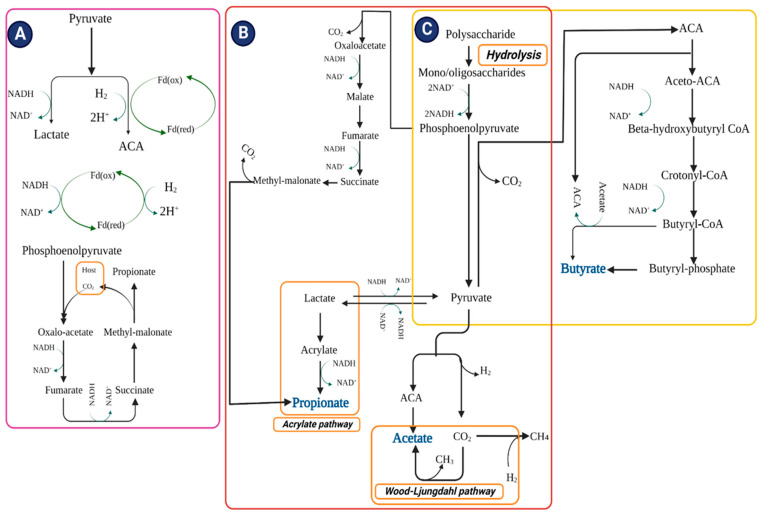
“Two pathways are involved in the formation of butyrate: the traditional pathway uses phosphotransbutyrylase and butyrate kinase to convert butyryl CoA into butyrate, accompanying ATP formation, and in the alternative pathway, butyryl CoA is converted to butyrate via butyryl-CoA: acetate CoA transferase [126,127].”
BackgroundIntestinal Short Chain Fatty Acids and their Link with Diet and Human Health
Ríos-Covián, D., Ruas-Madiedo, P., Margolles, A., Gueimonde, M., de los Reyes-Gavilán, C. G., & Salazar, N. (2016) · Frontiers in Microbiology · doi:10.3389/fmicb.2016.00185 · Cited by 2,179
Akkermansia muciniphila gen. nov., sp. nov., a human intestinal mucin-degrading bacterium
Derrien, M., Vaughan, E. E., Plugge, C. M., & de Vos, W. M. (2004) · International Journal of Systematic and Evolutionary Microbiology · doi:10.1099/ijs.0.02873-0 · Cited by 2,094 · cited 2×
“In the studies by Derrien, gene sequence analysis revealed that multiple genes are associated with mucin encoding, and a single chromosome containing 2176 genes with 55.8% GC content was found in the MucT type strain of A. muciniphila (ATCC BAA-835 1/4 CIP107961T) [134,135].”
InfluentialFood consumption trends and drivers
Kearney, J. (2010) · Philosophical Transactions of the Royal Society B: Biological Sciences · doi:10.1098/rstb.2010.0149 · Cited by 1,987 · cited 1×
“Humans get most of their energy from fatty acids, which are the main components of triacylglycerols found in oils and fats [89,90].”
BackgroundInflammation as a link between obesity, metabolic syndrome and type 2 diabetes
Esser, N., Legrand-Poels, S., Piette, J., Scheen, A. J., & Paquot, N. (2014) · Diabetes Research and Clinical Practice · doi:10.1016/j.diabres.2014.04.006 · Cited by 1,981 · cited 1×
“T2D is among the major diseases associated with a low level of inflammatory processes, characterized by amendments in the secretion of cytokines [72].”
BackgroundRegulation of short-chain fatty acid production
Macfarlane, S., & Macfarlane, G. T. (2003) · Proceedings of the Nutrition Society · doi:10.1079/pns2002207 · Cited by 1,939 · cited 1×
“Despite depleting/consuming H2 molecules, the AIM is a primary participant in the fermentation process when H2 pressure in the large intestine (lumen) is low [120].”
BackgroundFree fatty acids regulate gut incretin glucagon-like peptide-1 secretion through GPR120
Hirasawa, A., Tsumaya, K., Awaji, T., Katsuma, S., Adachi, T., Yamada, M., Sugimoto, Y., Miyazaki, S., & Tsujimoto, G. (2005) · Nature Medicine · doi:10.1038/nm1168 · Cited by 1,545 · cited 1×
“FFAR-4 boosts these fatty acids (unsaturated) to stimulate glucagon-like peptide-1 (GLP-1), secreting insulin from β-cells [114].”
BackgroundCausal relationships among the gut microbiome, short-chain fatty acids and metabolic diseases
Sanna, S., van Zuydam, N. R., Mahajan, A., Kurilshikov, A., Vich Vila, A., Võsa, U., Mujagic, Z., Masclee, A. A. M., Jonkers, D. M. A. E., Oosting, M., et al. (2019) · Nature Genetics · doi:10.1038/s41588-019-0350-x · Cited by 1,539 · cited 1×
“Moreover, it was shown in mouse models that butyrate improved insulin sensitivity [116,149].”
BackgroundFree fatty acids regulate insulin secretion from pancreatic β cells through GPR40
Itoh, Y., Kawamata, Y., Harada, M., Kobayashi, M., Fujii, R., Fukusumi, S., Ogi, K., Hosoya, M., Tanaka, Y., Uejima, H., et al. (2003) · Nature · doi:10.1038/nature01478 · Cited by 1,538 · cited 1×
“Medium (FFAR-1) and long-chain (FFAR-4) fatty acids were found to positively respond to inflammation and insulin secretion [112].”
BackgroundLin, H. V., Frassetto, A., Kowalik Jr, E. J., Nawrocki, A. R., Lu, M. M., Kosinski, J. R., Hubert, J. A., Szeto, D., Yao, X., Forrest, G., et al. (2012) · PLoS ONE · doi:10.1371/journal.pone.0035240 · Cited by 1,378
Gut microbiota-derived metabolites as central regulators in metabolic disorders
Agus, A., Clément, K., & Sokol, H. (2021) · Gut · doi:10.1136/gutjnl-2020-323071 · Cited by 1,347 · cited 1×
“ITFs modulate GM and increase the production of SCFAs (acetic and propionic acids) [38], which improves the level of hemoglobin Alc by accelerating glucagonlike peptide-1 (GLP-1) production, resulting in the reduction of harmful compounds such as H2S and indole [39].”
BackgroundAcetogenesis and the Wood–Ljungdahl pathway of CO2 fixation
Ragsdale, S. W., & Pierce, E. (2008) · Biochimica et Biophysica Acta (BBA) - Proteins and Proteomics · doi:10.1016/j.bbapap.2008.08.012 · Cited by 1,330 · cited 6×
“Second, pyruvate is reduced to acetyl-CoA (ACA) and NADH to NAD+ [119].”
BackgroundInfluentialThe microbiology of butyrate formation in the human colon
Pryde, S. E., Duncan, S. H., Hold, G. L., Stewart, C. S., & Flint, H. J. (2002) · FEMS Microbiology Letters · doi:10.1111/j.1574-6968.2002.tb11467.x · Cited by 1,320 · cited 6×
“Second, pyruvate is reduced to acetyl-CoA (ACA) and NADH to NAD+ [119].”
BackgroundInfluentialReichardt, N., Duncan, S. H., Young, P., Belenguer, A., McWilliam Leitch, C., Scott, K. P., Flint, H. J., & Louis, P. (2014) · The ISME Journal · doi:10.1038/ismej.2014.14 · Cited by 1,289 · cited 1×
“08 Phosphoenol pyruvate Akkermansia muciniphilia, Eubacterium halli, Phascolarctobacterium succcinatutens and Clostridium, Ruminococcus species Reduces cholesterol in the liver Enhances lipid metabolism [29,101]”
BackgroundThe Effect of Probiotics on the Production of Short-Chain Fatty Acids by Human Intestinal Microbiome
Markowiak-Kopeć, P., & Śliżewska, K. (2020) · Nutrients · doi:10.3390/nu12041107 · Cited by 1,219 · cited 1×
“SCFAs are a sub-class of fatty acids composed of carbon atoms (six or fewer), acetate (C2), propionate (C3), butyrate (C4), pentanoic acid (C5), and hexanoic acid (C6) [20].”
BackgroundRevealing the Bacterial Butyrate Synthesis Pathways by Analyzing (Meta)genomic Data
Vital, M., Howe, A. C., & Tiedje, J. M. (2014) · mBio · doi:10.1128/mbio.00889-14 · Cited by 1,173
Duncan, S. H., Louis, P., & Flint, H. J. (2004) · Applied and Environmental Microbiology · doi:10.1128/aem.70.10.5810-5817.2004 · Cited by 1,129
den Besten, G., Bleeker, A., Gerding, A., van Eunen, K., Havinga, R., van Dijk, T. H., Oosterveer, M. H., Jonker, J. W., Groen, A. K., Reijngoud, D.-J., et al. (2015) · Diabetes · doi:10.2337/db14-1213 · Cited by 1,125
Creely, S. J., McTernan, P. G., Kusminski, C. M., Fisher, F. M., Da Silva, N. F., Khanolkar, M., Evans, M., Harte, A. L., & Kumar, S. (2007) · American Journal of Physiology-Endocrinology and Metabolism · doi:10.1152/ajpendo.00302.2006 · Cited by 1,043 · cited 1×
“The amount of inflammatory markers (IL-6, TNF-α, and LPS) in T2D is increased, which is associated with dysfunction in insulin resistance and β-cell activity, and the amount of LPS in diabetic patients is twice as high as that in healthy individuals [73].”
BackgroundLinks between diet, gut microbiota composition and gut metabolism
Flint, H. J., Duncan, S. H., Scott, K. P., & Louis, P. (2015) · Proceedings of the Nutrition Society · doi:10.1017/s0029665114001463 · Cited by 1,020
Guthrie, J. F., Lin, B.-H., & Frazao, E. (2002) · Journal of Nutrition Education and Behavior · doi:10.1016/s1499-4046(06)60083-3 · Cited by 973 · cited 1×
“Fast foods also tend to have higher energy density and lower nutritional quality compared to home-cooked meals and recommended diets [164,165].”
BackgroundGut Microbiota and Short Chain Fatty Acids: Implications in Glucose Homeostasis
Portincasa, P., Bonfrate, L., Vacca, M., De Angelis, M., Farella, I., Lanza, E., Khalil, M., Wang, D. Q.-H., Sperandio, M., & Di Ciaula, A. (2022) · International Journal of Molecular Sciences · doi:10.3390/ijms23031105 · Cited by 969 · cited 1×
“High-fat diets containing medium-chain fatty acids, monounsaturated fatty acids, and polyunsaturated fatty acids, low-fat diets containing long-chain fatty acids, and diets with high Bacteroidetes or Firmicutes ratios were associated with increased SCFA production [92].”
BackgroundScientific Opinion on Dietary Reference Values for carbohydrates and dietary fibre
EFSA Panel on Dietetic Products, N. (2010) · EFSA Journal · doi:10.2903/j.efsa.2010.1462 · Cited by 898
Inulin-Type Fructans: Functional Food Ingredients
Roberfroid, M. B. (2007) · The Journal of Nutrition · doi:10.1093/jn/137.11.2493s · Cited by 878 · cited 1×
“Inulin belongs to a class of dietary fiber called fructans, which are produced in plants [35,36].”
BackgroundEnglyst, H., Wiggins, H. S., & Cummings, J. H. (1982) · The Analyst · doi:10.1039/an9820700307 · Cited by 852 · cited 1×
“The term “resistant starch” was first used by Englyst in the 1980s [51], and the efficiency of resistant starch with regard to prebiotics and lipid/glucose metabolism was studied concerning the gut environment [52–58].”
BackgroundIntroducing inulin-type fructans
Roberfroid, M. B. (2005) · British Journal of Nutrition · doi:10.1079/bjn20041350 · Cited by 793 · cited 1×
“Inulin belongs to a class of dietary fiber called fructans, which are produced in plants [35,36].”
BackgroundNishida, C., Uauy, R., Kumanyika, S., & Shetty, P. (2004) · Public Health Nutrition · doi:10.1079/phn2003592 · Cited by 744 · cited 1×
“The recommended amount of dietary fiber by the World Health Organization, Food and Agriculture Organization (WHO/FAO), and European Food Safety Authority (EFSA) is 25 g/day, depending on the laxation of healthy individuals [17,18].”
BackgroundDuncan, S. H., Barcenilla, A., Stewart, C. S., Pryde, S. E., & Flint, H. J. (2002) · Applied and Environmental Microbiology · doi:10.1128/aem.68.10.5186-5190.2002 · Cited by 743 · cited 1×
“Two pathways are involved in the formation of butyrate: the traditional pathway uses phosphotransbutyrylase and butyrate kinase to convert butyryl CoA into butyrate, accompanying ATP formation, and in the alternative pathway, butyryl CoA is converted to butyrate via butyryl-CoA: acetate CoA transferase [126,127].”
BackgroundTeff, K. L., Elliott, S. S., Tschöp, M., Kieffer, T. J., Rader, D., Heiman, M., Townsend, R. R., Keim, N. L., D’Alessio, D., & Havel, P. J. (2004) · The Journal of Clinical Endocrinology & Metabolism · doi:10.1210/jc.2003-031855 · Cited by 742 · cited 1×
“This conversion takes time, so a small portion of fructose is converted into glucose, resulting in a lower increase in blood glucose levels [81]; therefore, the glycemic index of fructose is only 23 [82].”
BackgroundXiong, Y., Miyamoto, N., Shibata, K., Valasek, M. A., Motoike, T., Kedzierski, R. M., & Yanagisawa, M. (2004) · Proceedings of the National Academy of Sciences · doi:10.1073/pnas.2637002100 · Cited by 731
The role of short chain fatty acids in appetite regulation and energy homeostasis
Byrne, C. S., Chambers, E. S., Morrison, D. J., & Frost, G. (2015) · International Journal of Obesity · doi:10.1038/ijo.2015.84 · Cited by 707
Collado, M. C., Derrien, M., Isolauri, E., de Vos, W. M., & Salminen, S. (2007) · Applied and Environmental Microbiology · doi:10.1128/aem.01477-07 · Cited by 706
So, D., Whelan, K., Rossi, M., Morrison, M., Holtmann, G., Kelly, J. T., Shanahan, E. R., Staudacher, H. M., & Campbell, K. L. (2018) · The American Journal of Clinical Nutrition · doi:10.1093/ajcn/nqy041 · Cited by 683 · cited 1×
“Meta-analysis showed that the consumption of galacto-oligosaccharides and fructans may enhance the biodiversity of Lactobacillus and Bifidobacterium species in the gut [30].”
BackgroundThe Short-Chain Fatty Acid Acetate in Body Weight Control and Insulin Sensitivity
González Hernández, M. A., Canfora, E. E., Jocken, J. W. E., & Blaak, E. E. (2019) · Nutrients · doi:10.3390/nu11081943 · Cited by 624
Havel, P. J. (2005) · Nutrition Reviews · doi:10.1111/j.1753-4887.2005.tb00132.x · Cited by 607 · cited 1×
“Some evidence showed that fructose causes insulin resistance in the liver, which can negatively impact blood glucose homeostasis [88].”
BackgroundEffect of Diet and Dietary Components on the Composition of the Gut Microbiota
Beam, A., Clinger, E., & Hao, L. (2021) · Nutrients · doi:10.3390/nu13082795 · Cited by 576 · cited 1×
“because it is metabolized by the AIM, producing SCFAs [28].”
BackgroundDietary Fiber, Atherosclerosis, and Cardiovascular Disease
Soliman, G. A. (2019) · Nutrients · doi:10.3390/nu11051155 · Cited by 574 · cited 1×
“Dietary fiber is an essential component of food composed of a complex polymer of phenylpropanoid units [7,8].”
BackgroundFructose metabolism and metabolic disease
Hannou, S. A., Haslam, D. E., McKeown, N. M., & Herman, M. A. (2018) · Journal of Clinical Investigation · doi:10.1172/jci96702 · Cited by 561
Deehan, E. C., Yang, C., Perez-Muñoz, M. E., Nguyen, N. K., Cheng, C. C., Triador, L., Zhang, Z., Bakal, J. A., & Walter, J. (2020) · Cell Host & Microbe · doi:10.1016/j.chom.2020.01.006 · Cited by 539
Eating For Two: How Metabolism Establishes Interspecies Interactions in the Gut
Fischbach, M. A., & Sonnenburg, J. L. (2011) · Cell Host & Microbe · doi:10.1016/j.chom.2011.10.002 · Cited by 507 · cited 1×
“Second, pyruvate is reduced to acetyl-CoA (ACA) and NADH to NAD+ [119].”
BackgroundHansen, C. H. F., Krych, L., Nielsen, D. S., Vogensen, F. K., Hansen, L. H., Sørensen, S. J., Buschard, K., & Hansen, A. K. (2012) · Diabetologia · doi:10.1007/s00125-012-2564-7 · Cited by 500
Structural resilience of the gut microbiota in adult mice under high-fat dietary perturbations
Zhang, C., Zhang, M., Pang, X., Zhao, Y., Wang, L., & Zhao, L. (2012) · The ISME Journal · doi:10.1038/ismej.2012.27 · Cited by 499 · cited 1×
“In mice that were fed high-fat, low-fiber diets, Bacteroides were less likely to develop and Firmicutes and Proteobacteria were more likely to develop [171].”
BackgroundPathways of acetate, propionate, and butyrate formation by the human fecal microbial flora
Miller, T. L., & Wolin, M. J. (1996) · Applied and Environmental Microbiology · doi:10.1128/aem.62.5.1589-1592.1996 · Cited by 481 · cited 3×
“The dietary carbon flow is based on SCFAs [94], and their production is fairly well understood and characterized [95,96].”
BackgroundMethodEffects of dietary fibers on disturbances clustered in the metabolic syndrome
Galisteo, M., Duarte, J., & Zarzuelo, A. (2008) · The Journal of Nutritional Biochemistry · doi:10.1016/j.jnutbio.2007.02.009 · Cited by 477 · cited 1×
“These fatty acids are generated from dietary fiber through fermentation via the AIM in the mammalian colon and have shown beneficial effects on metabolic activity [22].”
BackgroundPhysical and chemical modification of starches: A review
Zia-ud-Din, Xiong, H., & Fei, P. (2017) · Critical Reviews in Food Science and Nutrition · doi:10.1080/10408398.2015.1087379 · Cited by 471
SCFAs strongly stimulate PYY production in human enteroendocrine cells
Larraufie, P., Martin-Gallausiaux, C., Lapaque, N., Dore, J., Gribble, F. M., Reimann, F., & Blottiere, H. M. (2018) · Scientific Reports · doi:10.1038/s41598-017-18259-0 · Cited by 450
Contribution of acetate to butyrate formation by human faecal bacteria
Duncan, S. H., Holtrop, G., Lobley, G. E., Calder, A. G., Stewart, C. S., & Flint, H. J. (2004) · British Journal of Nutrition · doi:10.1079/bjn20041150 · Cited by 449 · cited 1×
“acetate and butyrate-producing bacteria [128,129]; the human GM prefers the alternative over the traditional pathway [126].”
BackgroundShort-chain fatty acids: ready for prime time?
Roy, C. C., Kien, C. L., Bouthillier, L., & Levy, E. (2006) · Nutrition in Clinical Practice · doi:10.1177/0115426506021004351 · Cited by 443
A next generation probiotic, Akkermansia muciniphila
Zhai, Q., Feng, S., Arjan, N., & Chen, W. (2019) · Critical Reviews in Food Science and Nutrition · doi:10.1080/10408398.2018.1517725 · Cited by 434 · cited 2×
“In the studies by Derrien, gene sequence analysis revealed that multiple genes are associated with mucin encoding, and a single chromosome containing 2176 genes with 55.8% GC content was found in the MucT type strain of A. muciniphila (ATCC BAA-835 1/4 CIP107961T) [134,135].”
InfluentialWang, L., Christophersen, C. T., Sorich, M. J., Gerber, J. P., Angley, M. T., & Conlon, M. A. (2011) · Applied and Environmental Microbiology · doi:10.1128/aem.05212-11 · Cited by 432 · cited 1×
“8 log cells/g in a year, which is comparable to the adult stage, although it decreases with age [138,139].”
BackgroundA systematic review of fast food access studies
Fleischhacker, S. E., Evenson, K. R., Rodriguez, D. A., & Ammerman, A. S. (2011) · Obesity Reviews · doi:10.1111/j.1467-789x.2010.00715.x · Cited by 421
Xu, Y., Wang, N., Tan, H.-Y., Li, S., Zhang, C., & Feng, Y. (2020) · Frontiers in Microbiology · doi:10.3389/fmicb.2020.00219 · Cited by 420 · cited 1×
“Akkermansia muciniphila is the only representative Gram-negative Verrucomicrobia inhabiting human intestinal mucosa [133].”
BackgroundPeraldi, P., Hotamisligil, G. S., Buurman, W. A., White, M. F., & Spiegelman, B. M. (1996) · Journal of Biological Chemistry · doi:10.1074/jbc.271.22.13018 · Cited by 412 · cited 1×
“A high-fat diet is associated with metabolic endotoxemia caused by serum LPS, resulting in obesity and insulin resistance [74], and high serum LPS enhances TNF-α and inhibits insulin signals [75].”
BackgroundRoles of short-chain fatty acids receptors, GPR41 and GPR43 on colonic functions.
Tazoe, H., Otomo, Y., Kaji, I., Tanaka, R., Si, K., & Kuwahara, A. (2008) · PubMed · Cited by 406
Resistant starch: impact on the gut microbiome and health
DeMartino, P., & Cockburn, D. W. (2020) · Current Opinion in Biotechnology · doi:10.1016/j.copbio.2019.10.008 · Cited by 360
Brunkwall, L., & Orho-Melander, M. (2017) · Diabetologia · doi:10.1007/s00125-017-4278-3 · Cited by 355 · cited 1×
“Present-day research has shown a significant role for AIM, and the metabolites produced during dietary fiber fermentation positively contribute to T2D [105].”
BackgroundCanfora, E. E., van der Beek, C. M., Jocken, J. W. E., Goossens, G. H., Holst, J. J., Olde Damink, S. W. M., Lenaerts, K., Dejong, C. H. C., & Blaak, E. E. (2017) · Scientific Reports · doi:10.1038/s41598-017-02546-x · Cited by 331 · cited 1×
“SCFAs promote lipid oxidation and energy consumption and were found to increase fasting fat oxidation and PYY concentration during colonic infusion in obese subjects [159].”
BackgroundKim, K. N., Yao, Y., & Ju, S. Y. (2019) · Nutrients · doi:10.3390/nu11102512 · Cited by 327
Kondo, T., Kishi, M., Fushimi, T., & Kaga, T. (2009) · Journal of Agricultural and Food Chemistry · doi:10.1021/jf900470c · Cited by 301
Hasjim, J., Lee, S., Hendrich, S., Setiawan, S., Ai, Y., & Jane, J. (2010) · Cereal Chemistry · doi:10.1094/cchem-87-4-0257 · Cited by 298 · cited 1×
“The configuration of amylose-lipid complexes in RS-5 prevents it from fitting into the binding pockets of digestive enzymes [62].”
BackgroundYAMASHITA, H., FUJISAWA, K., ITO, E., IDEI, S., KAWAGUCHI, N., KIMOTO, M., HIEMORI, M., & TSUJI, H. (2007) · Bioscience, Biotechnology, and Biochemistry · doi:10.1271/bbb.60668 · Cited by 297
Dietary Fructose and the Metabolic Syndrome
Taskinen, M.-R., Packard, C. J., & Borén, J. (2019) · Nutrients · doi:10.3390/nu11091987 · Cited by 295 · cited 1×
“Sugar is an important source of energy in our daily diet, and there is increasing evidence that high sugar intake causes a number of major diet-related health problems, such as T2D and obesity [79,80].”
BackgroundMcLoughlin, R. F., Berthon, B. S., Jensen, M. E., Baines, K. J., & Wood, L. G. (2017) · The American Journal of Clinical Nutrition · doi:10.3945/ajcn.117.156265 · Cited by 292
Pingitore, A., Chambers, E. S., Hill, T., Maldonado, I. R., Liu, B., Bewick, G., Morrison, D. J., Preston, T., Wallis, G. A., Tedford, C., et al. (2017) · Diabetes, Obesity and Metabolism · doi:10.1111/dom.12811 · Cited by 278 · cited 2×
“In vitro and in vivo studies showed that propionate can enhance the release of glucose-stimulated insulin, sustain β-cell mass by decreasing trans-differentiation in α-cells, obstruct apoptosis, and assist in proliferation [70,148].”
BackgroundA high-fat challenge increases airway inflammation and impairs bronchodilator recovery in asthma
Wood, L. G., Garg, M. L., & Gibson, P. G. (2011) · Journal of Allergy and Clinical Immunology · doi:10.1016/j.jaci.2011.01.036 · Cited by 275
The Protective Role of Butyrate against Obesity and Obesity-Related Diseases
Coppola, S., Avagliano, C., Calignano, A., & Berni Canani, R. (2021) · Molecules · doi:10.3390/molecules26030682 · Cited by 261
Pathway of Succinate and Propionate Formation in Bacteroides fragilis
Macy, J. M., Ljungdahl, L. G., & Gottschalk, G. (1978) · Journal of Bacteriology · doi:10.1128/jb.134.1.84-91.1978 · Cited by 260 · cited 4×
“The electrons are accepted by fumarate from NADH; NADH dehydrogenase and fumarate reductase constituted an ordinary electron transfer chain (OETC) [121,122].”
BackgroundInfluentialMachate, D. J., Figueiredo, P. S., Marcelino, G., Guimarães, R. D. C. A., Hiane, P. A., Bogo, D., Pinheiro, V. A. Z., Oliveira, L. C. S. D., & Pott, A. (2020) · International Journal of Molecular Sciences · doi:10.3390/ijms21114093 · Cited by 243 · cited 1×
“Long-term consumption of a high-fat diet affects gut microbiota composition in animal models as well as in humans, which directly impacts SCFA production and host health [91].”
BackgroundCândido, F. G., Valente, F. X., Grześkowiak, Ł. M., Moreira, A. P. B., Rocha, D. M. U. P., & Alfenas, R. D. C. G. (2018) · International Journal of Food Sciences and Nutrition · doi:10.1080/09637486.2017.1343286 · Cited by 239
Propionic acid affects immune status and metabolism in adipose tissue from overweight subjects
Al‐Lahham, S., Roelofsen, H., Rezaee, F., Weening, D., Hoek, A., Vonk, R., & Venema, K. (2012) · European Journal of Clinical Investigation · doi:10.1111/j.1365-2362.2011.02590.x · Cited by 234
Ohira, H., Fujioka, Y., Katagiri, C., Mamoto, R., Aoyama-Ishikawa, M., Amako, K., Izumi, Y., Nishiumi, S., Yoshida, M., Usami, M., et al. (2013) · Journal of Atherosclerosis and Thrombosis · doi:10.5551/jat.15065 · Cited by 233 · cited 1×
“Butyrate may weaken inflammation generated by the interaction of macrophages and adipocytes by decreasing lipolysis and obstructing inflammatory signals [160].”
BackgroundBirkeland, E., Gharagozlian, S., Birkeland, K. I., Valeur, J., Måge, I., Rud, I., & Aas, A.-M. (2020) · European Journal of Nutrition · doi:10.1007/s00394-020-02282-5 · Cited by 225 · cited 6×
“Among them, the focus is primarily on acetate, propionate, and butyrate due to their excess production in GIT [21].”
BackgroundInfluentialRegulation of adipokine production in human adipose tissue by propionic acid
Al‐Lahham, S. H., Roelofsen, H., Priebe, M., Weening, D., Dijkstra, M., Hoek, A., Rezaee, F., Venema, K., & Vonk, R. J. (2010) · European Journal of Clinical Investigation · doi:10.1111/j.1365-2362.2010.02278.x · Cited by 222
Healthy expectations of high hydrostatic pressure treatment in food processing industry
Huang, H.-W., Hsu, C.-P., & Wang, C.-Y. (2020) · Journal of Food and Drug Analysis · doi:10.1016/j.jfda.2019.10.002 · Cited by 217
Effect of Fructose on Glycemic Control in Diabetes
Cozma, A. I., Sievenpiper, J. L., de Souza, R. J., Chiavaroli, L., Ha, V., Wang, D. D., Mirrahimi, A., Yu, M. E., Carleton, A. J., Di Buono, M., et al. (2012) · Diabetes Care · doi:10.2337/dc12-0073 · Cited by 209 · cited 1×
“In addition to contributing to blood glucose homeostasis, fructose has also been shown to improve glycemic control at moderate levels [83,84].”
BackgroundIntroduction to host microbiome symbiosis in health and disease
Malard, F., Dore, J., Gaugler, B., & Mohty, M. (2021) · Mucosal Immunology · doi:10.1038/s41385-020-00365-4 · Cited by 209 · cited 1×
“The symbiotic ass ciati n between GM and the human body is significant in SCFA production [130].”
BackgroundDehghan, P., Pourghassem Gargari, B., & Asghari Jafar-abadi, M. (2014) · Nutrition · doi:10.1016/j.nut.2013.09.005 · Cited by 207 · cited 1×
“Moreover, ITFs may also regulate inflammation associated with LPS, IL-6, TNF-α, and interferon-γ [40,41].”
BackgroundIrs1 Serine 307 Promotes Insulin Sensitivity in Mice
Copps, K. D., Hancer, N. J., Opare-Ado, L., Qiu, W., Walsh, C., & White, M. F. (2010) · Cell Metabolism · doi:10.1016/j.cmet.2009.11.003 · Cited by 196 · cited 1×
“An excess amount of ANK-α indirectly inhibits insulin signaling by serine-307 phosphorylation in the substrate of the insulin receptor [76].”
BackgroundImplication of the gut microbiome composition of type 2 diabetic patients from northern China
Li, Q., Chang, Y., Zhang, K., Chen, H., Tao, S., & Zhang, Z. (2020) · Scientific Reports · doi:10.1038/s41598-020-62224-3 · Cited by 192 · cited 1×
“According to previous studies, individuals with T2D have lower proportions of microbiota species producing butyrate [99,100].”
MethodThe Hidden Dangers of Fast and Processed Food
Fuhrman, J. (2018) · American Journal of Lifestyle Medicine · doi:10.1177/1559827618766483 · Cited by 190 · cited 1×
“A previous study showed that consuming excess calories shortens the lifespan, while moderate calorie restriction slows the aging process and protects the body and brain from age-related damage [184].”
BackgroundStarch Digestion by Gut Bacteria: Crowdsourcing for Carbs
Cerqueira, F. M., Photenhauer, A. L., Pollet, R. M., Brown, H. A., & Koropatkin, N. M. (2020) · Trends in Microbiology · doi:10.1016/j.tim.2019.09.004 · Cited by 187
Intestinal health functions of colonic microbial metabolites: a review
Havenaar, R. (2011) · Beneficial Microbes · doi:10.3920/bm2011.0003 · Cited by 183
Fast Food Pattern and Cardiometabolic Disorders: A Review of Current Studies
Bahadoran, Z., Mirmiran, P., & Azizi, F. (2015) · Health Promotion Perspectives · doi:10.15171/hpp.2015.028 · Cited by 182
Jia, L., Li, D., Feng, N., Shamoon, M., Sun, Z., Ding, L., Zhang, H., Chen, W., Sun, J., & Chen, Y. Q. (2017) · Scientific Reports · doi:10.1038/s41598-017-07335-0 · Cited by 179
Host genotype and gut microbiome modulate insulin secretion and diet-induced metabolic phenotypes
Kreznar, J. H., Keller, M. P., Traeger, L. L., Rabaglia, M. E., Schueler, K. L., Stapleton, D. S., Zhao, W., Vivas, E. I., Yandell, B. S., Broman, A. T., et al. (2017) · Cell Reports · doi:10.1016/j.celrep.2017.01.062 · Cited by 177 · cited 1×
“For example, previous studies employing animal models showed that modulating GM had salutary effects on obesity, insulin sensitivity, and type 2 diabetes (T2D) [2,3].”
ResultDehghan, P., Gargari, B. P., Jafar-Abadi, M. A., & Aliasgharzadeh, A. (2014) · International Journal of Food Sciences and Nutrition · doi:10.3109/09637486.2013.836738 · Cited by 176 · cited 1×
“Moreover, ITFs may also regulate inflammation associated with LPS, IL-6, TNF-α, and interferon-γ [40,41].”
BackgroundPhysico‐chemical and functional properties of legume protein, starch, and dietary fiber—A review
Keskin, S. O., Ali, T. M., Ahmed, J., Shaikh, M., Siddiq, M., & Uebersax, M. A. (2022) · Legume Science · doi:10.1002/leg3.117 · Cited by 172 · cited 1×
“Starches are complex polysaccharides in the form of grains stored in roots, seeds, and fruits [42,43].”
BackgroundCorb Aron, R. A., Abid, A., Vesa, C. M., Nechifor, A. C., Behl, T., Ghitea, T. C., Munteanu, M. A., Fratila, O., Andronie-Cioara, F. L., Toma, M. M., et al. (2021) · Microorganisms · doi:10.3390/microorganisms9030618 · Cited by 169
Nutrient Utilization by Cells Isolated from Rat Jejunum, Cecum and Colon
Fleming, S. E., Fitch, M. D., DeVries, S., Liu, M. L., & Kight, C. (1991) · The Journal of Nutrition · doi:10.1093/jn/121.6.869 · Cited by 168 · cited 1×
“Butyrate is directly utilized in the liver, heart, brain, and colon; propionate is used for gluconeogenesis in the liver, and acetate is used as fuel in peripheral tissues [110].”
BackgroundStarch-guest inclusion complexes: Formation, structure, and enzymatic digestion
Tan, L., & Kong, L. (2020) · Critical Reviews in Food Science and Nutrition · doi:10.1080/10408398.2018.1550739 · Cited by 164 · cited 1×
“These polysaccharides are present in the human diet in maize, cassava, potatoes, rice, and wheat [44,45].”
BackgroundEnglyst, K. N., Goux, A., Meynier, A., Quigley, M. E., Englyst, H. N., Brack, O., & Vinoy, S. (2017) · Food Chemistry · doi:10.1016/j.foodchem.2017.11.037 · Cited by 163 · cited 1×
“Regarding digestibility, starches are classified into three classes: resistant starch (RS), slowly digestible starch (SDS), and rapidly digestible starch (RDS) [46,47].”
BackgroundThe preparation, formation, fermentability, and applications of resistant starch
Jiang, F., Du, C., Jiang, W., Wang, L., & Du, S. (2019) · International Journal of Biological Macromolecules · doi:10.1016/j.ijbiomac.2019.10.124 · Cited by 163
Resistant starch, microbiome, and precision modulation
Dobranowski, P. A., & Stintzi, A. (2021) · Gut Microbes · doi:10.1080/19490976.2021.1926842 · Cited by 159
The Biology of Gastrointestinal Bacteroides
Macy, J. M., & Probst, I. (1979) · Annual Review of Microbiology · doi:10.1146/annurev.mi.33.100179.003021 · Cited by 158 · cited 3×
“The electrons are accepted by fumarate from NADH; NADH dehydrogenase and fumarate reductase constituted an ordinary electron transfer chain (OETC) [121,122].”
BackgroundInfluentialPatel, H., Royall, P. G., Gaisford, S., Williams, G. R., Edwards, C. H., Warren, F. J., Flanagan, B. M., Ellis, P. R., & Butterworth, P. J. (2017) · Carbohydrate Polymers · doi:10.1016/j.carbpol.2017.01.040 · Cited by 154 · cited 1×
“RS-3 contains retrograded starch, which is normally found in cooked food (plant-based), and the retrograde/double helix structure of RS-3 starch molecules prevents attachment to digestive enzymes [60].”
BackgroundCooking shapes the structure and function of the gut microbiome
Carmody, R. N., Bisanz, J. E., Bowen, B. P., Maurice, C. F., Lyalina, S., Louie, K. B., Treen, D., Chadaideh, K. S., Maini Rekdal, V., Bess, E. N., et al. (2019) · Nature Microbiology · doi:10.1038/s41564-019-0569-4 · Cited by 150 · cited 1×
“Cooking or heat treatment can significantly change the composition and structure of food; in fact, the physicochemical properties of food can be altered by heat, which can degrade antimicrobial compounds [178].”
BackgroundFeeding the world healthily: the challenge of measuring the effects of agriculture on health
Hawkesworth, S., Dangour, A. D., Johnston, D., Lock, K., Poole, N., Rushton, J., Uauy, R., & Waage, J. (2010) · Philosophical Transactions of the Royal Society B: Biological Sciences · doi:10.1098/rstb.2010.0122 · Cited by 148 · cited 1×
“Humans get most of their energy from fatty acids, which are the main components of triacylglycerols found in oils and fats [89,90].”
BackgroundYAMASHITA, H., MARUTA, H., JOZUKA, M., KIMURA, R., IWABUCHI, H., YAMATO, M., SAITO, T., FUJISAWA, K., TAKAHASHI, Y., KIMOTO, M., et al. (2009) · Bioscience, Biotechnology, and Biochemistry · doi:10.1271/bbb.80634 · Cited by 146
A Review of the Growth of the Fast Food Industry in China and Its Potential Impact on Obesity
Wang, Y., Wang, L., Xue, H., & Qu, W. (2016) · International Journal of Environmental Research and Public Health · doi:10.3390/ijerph13111112 · Cited by 139
Efficacy of increased resistant starch consumption in human type 2 diabetes
Bodinham, C. L., Smith, L., Thomas, E. L., Bell, J. D., Swann, J. R., Costabile, A., Russell-Jones, D., Umpleby, A. M., & Robertson, M. D. (2014) · Endocrine Connections · doi:10.1530/ec-14-0036 · Cited by 137 · cited 7×
“Moreover, ITFs may also regulate inflammation associated with LPS, IL-6, TNF-α, and interferon-γ [40,41].”
BackgroundInfluentialLiu, H., Zhang, M., Ma, Q., Tian, B., Nie, C., Chen, Z., & Li, J. (2020) · Food & Function · doi:10.1039/d0fo00855a · Cited by 136
Xiao, A., Yang, S., & Iqbal, Q. (2018) · Administrative Sciences · doi:10.3390/admsci9010004 · Cited by 134 · cited 1×
“Fast foods are a commercial term used to describe foods sold in restaurants and stores that contain frozen, pre-cooked, or pre-heated ingredients and are sold as takeout [162].”
BackgroundPartula, V., Deschasaux, M., Druesne-Pecollo, N., Latino-Martel, P., Desmetz, E., Chazelas, E., Kesse-Guyot, E., Julia, C., Fezeu, L. K., Galan, P., et al. (2020) · The American Journal of Clinical Nutrition · doi:10.1093/ajcn/nqaa063 · Cited by 133
Modulation of Short-Chain Fatty Acids as Potential Therapy Method for Type 2 Diabetes Mellitus
Tang, R., & Li, L. (2021) · Canadian Journal of Infectious Diseases and Medical Microbiology · doi:10.1155/2021/6632266 · Cited by 131 · cited 1×
“The non-digestible carbohydrates are hydrolyzed by the AIM into monosaccharides and oligosaccharides during anaerobic fermentation in the colon [118].”
BackgroundInfluencing factor of resistant starch formation and application in cereal products: A review
Tian, S., & Sun, Y. (2020) · International Journal of Biological Macromolecules · doi:10.1016/j.ijbiomac.2020.01.264 · Cited by 127 · cited 1×
“These polysaccharides are present in the human diet in maize, cassava, potatoes, rice, and wheat [44,45].”
BackgroundThe Influence of Dietary Factors on the Gut Microbiota
Nova, E., Gómez-Martinez, S., & González-Soltero, R. (2022) · Microorganisms · doi:10.3390/microorganisms10071368 · Cited by 126 · cited 1×
“For instance, a relative decrease in bacterial groups such as Lactobacillus, Bifidobacterium, Akkermansia, Parasutterella, Barnesiella Dorea, Oscillibacter, and Alistipes was observed in animals fed with melanoidin-enriched malt [174,179].”
BackgroundOttman, N., Huuskonen, L., Reunanen, J., Boeren, S., Klievink, J., Smidt, H., Belzer, C., & de Vos, W. M. (2016) · Frontiers in Microbiology · doi:10.3389/fmicb.2016.01157 · Cited by 125 · cited 1×
“muciniphila splits these compounds into acetic and propionic compounds [136,137].”
BackgroundResistant starch: Implications of dietary inclusion on gut health and growth in pigs: a review
Tan, F., Beltranena, E., & Zijlstra, R. T. (2021) · Journal of Animal Science and Biotechnology/Journal of animal science and biotechnology · doi:10.1186/s40104-021-00644-5 · Cited by 124
Li, L., Pan, M., Pan, S., Li, W., Zhong, Y., Hu, J., & Nie, S. (2019) · Food and Chemical Toxicology · doi:10.1016/j.fct.2019.110937 · Cited by 123 · cited 1×
“Compared to normal animals, diabetic rodents that consumed a high-fat diet with streptozotocin showed lower levels of acetate, propionate, and butyrate [143,144].”
BackgroundYamaguchi, Y., Adachi, K., Sugiyama, T., Shimozato, A., Ebi, M., Ogasawara, N., Funaki, Y., Goto, C., Sasaki, M., & Kasugai, K. (2016) · Digestion · doi:10.1159/000447690 · Cited by 118 · cited 1×
“A study using homeostatic model assessment of insulin resistance (HOMA-IR) observed an adverse correlation between blood insulin levels and total SCFAs, including acetate and propionate [147].”
MethodSheflin, A. M., Borresen, E. C., Kirkwood, J. S., Boot, C. M., Whitney, A. K., Lu, S., Brown, R. J., Broeckling, C. D., Ryan, E. P., & Weir, T. L. (2017) · Molecular Nutrition & Food Research · doi:10.1002/mnfr.201500905 · Cited by 113
Arabinoxylan ameliorates type 2 diabetes by regulating the gut microbiota and metabolites
Nie, Q., Hu, J., Chen, H., Geng, F., & Nie, S. (2021) · Food Chemistry · doi:10.1016/j.foodchem.2021.131106 · Cited by 112 · cited 1×
“Intervention with dietary fiber in the AIM has numerous benefits for human health, such as energy consumption, AIM integrity, and regulation of immune functions; arabinoxylan has shown beneficial effects in T2D, linked to AIM amendment and metabolites produced during fermentation [19].”
BackgroundShort Chain Fatty Acids, pancreatic dysfunction and type 2 diabetes
Mandaliya, D. K., & Seshadri, S. (2019) · Pancreatology · doi:10.1016/j.pan.2019.01.021 · Cited by 110
Conserved and variable responses of the gut microbiome to resistant starch type 2
Bendiks, Z. A., Knudsen, K. E. B., Keenan, M. J., & Marco, M. L. (2020) · Nutrition Research · doi:10.1016/j.nutres.2020.02.009 · Cited by 110 · cited 1×
“RS-2 comprises starch granules with crystalline polymers (B- or C-); this type of starch lacks water channels, and due to the condensed surface, it provides fewer sites for digestive enzymes [52].”
BackgroundCOPD and the gut-lung axis: the therapeutic potential of fibre
Vaughan, A., Frazer, Z. A., Hansbro, P. M., & Yang, I. A. (2019) · Journal of Thoracic Disease · doi:10.21037/jtd.2019.10.40 · Cited by 108
Serpa, J., Caiado, F., Carvalho, T., Torre, C., Gonçalves, L. G., Casalou, C., Lamosa, P., Rodrigues, M., Zhu, Z., Lam, E. W. ‐., et al. (2010) · Journal of Biological Chemistry · doi:10.1074/jbc.m110.156026 · Cited by 106
Normal Roles for Dietary Fructose in Carbohydrate Metabolism
Laughlin, M. (2014) · Nutrients · doi:10.3390/nu6083117 · Cited by 105 · cited 1×
“Sugar is an important source of energy in our daily diet, and there is increasing evidence that high sugar intake causes a number of major diet-related health problems, such as T2D and obesity [79,80].”
BackgroundFructose Metabolism and Relation to Atherosclerosis, Type 2 Diabetes, and Obesity
Hervik, A. K., & Svihus, B. (2015) · Journal of Nutrition and Metabolism · doi:10.1155/2015/823081 · Cited by 100
Elucidating the role of the gut microbiota in the physiological effects of dietary fiber
Deehan, E. C., Zhang, Z., Riva, A., Armet, A. M., Perez-Muñoz, M. E., Nguyen, N. K., Krysa, J. A., Seethaler, B., Zhao, Y.-Y., Cole, J., et al. (2022) · Microbiome · doi:10.1186/s40168-022-01248-5 · Cited by 100 · cited 1×
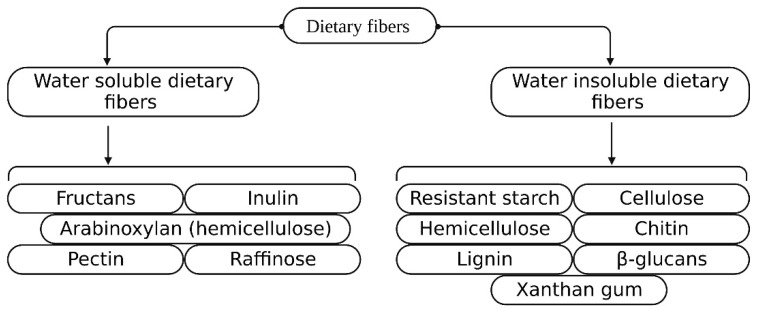
“The types of fiber differ in their anaerobic fermentability, viscosity, chemical structure, and solubility in water [27].”
BackgroundKopf, J. C., Suhr, M. J., Clarke, J., Eyun, S.-I., Riethoven, J.-J. M., Ramer-Tait, A. E., & Rose, D. J. (2018) · Nutrition Journal · doi:10.1186/s12937-018-0381-7 · Cited by 99 · cited 5×
“Moreover, ITFs may also regulate inflammation associated with LPS, IL-6, TNF-α, and interferon-γ [40,41].”
BackgroundInfluentialRole of gut microbiota in the control of energy and carbohydrate metabolism
Venema, K. (2010) · Current Opinion in Clinical Nutrition and Metabolic Care · doi:10.1097/mco.0b013e32833a8b60 · Cited by 97 · cited 1×
“acetate and butyrate-producing bacteria [128,129]; the human GM prefers the alternative over the traditional pathway [126].”
BackgroundHoughton, D., Hardy, T., Stewart, C., Errington, L., Day, C. P., Trenell, M. I., & Avery, L. (2018) · Diabetologia · doi:10.1007/s00125-018-4632-0 · Cited by 94 · cited 1×
“Several systematic reviews have previously focused on fibers, lifestyle interventions, probiotics, and fecal microbial transplantation, and its effects on T2D [25,26].”
BackgroundFrom role of gut microbiota to microbial-based therapies in type 2-diabetes
Ebrahimzadeh Leylabadlo, H., Sanaie, S., Sadeghpour Heravi, F., Ahmadian, Z., & Ghotaslou, R. (2020) · Infection, Genetics and Evolution · doi:10.1016/j.meegid.2020.104268 · Cited by 92 · cited 1×
“Several systematic reviews have previously focused on fibers, lifestyle interventions, probiotics, and fecal microbial transplantation, and its effects on T2D [25,26].”
BackgroundIs the fructose index more relevant with regards to cardiovascular disease than the glycemic index?
Segal, M. S., Gollub, E. A., & Johnson, R. J. (2007) · European Journal of Nutrition · doi:10.1007/s00394-007-0680-9 · Cited by 91 · cited 1×
“This conversion takes time, so a small portion of fructose is converted into glucose, resulting in a lower increase in blood glucose levels [81]; therefore, the glycemic index of fructose is only 23 [82].”
BackgroundFriend or foe? The roles of inulin-type fructans
Man, S., Liu, T., Yao, Y., Lu, Y., Ma, L., & Lu, F. (2020) · Carbohydrate Polymers · doi:10.1016/j.carbpol.2020.117155 · Cited by 91 · cited 2×
“ITFs modulate GM and increase the production of SCFAs (acetic and propionic acids) [38], which improves the level of hemoglobin Alc by accelerating glucagonlike peptide-1 (GLP-1) production, resulting in the reduction of harmful compounds such as H2S and indole [39].”
BackgroundMicrobial starch debranching enzymes: Developments and applications
Xia, W., Zhang, K., Su, L., & Wu, J. (2021) · Biotechnology Advances · doi:10.1016/j.biotechadv.2021.107786 · Cited by 91
Huang, K., Wang, M. M., Kulinich, A. O., Yao, H. L., Ma, H. Y., Reyes-Martínez, J. E., Duan, X. C., Chen, H., Cai, Z. P., Flitsch, S. L., et al. (2015) · Carbohydrate Research · doi:10.1016/j.carres.2015.08.001 · Cited by 87 · cited 1×
“muciniphila splits these compounds into acetic and propionic compounds [136,137].”
BackgroundAn hypothesis for the action of dietary fiber along the gastrointestinal tract
Eastwood, M. A., & Kay, R. (1979) · American Journal of Clinical Nutrition · doi:10.1093/ajcn/32.2.364 · Cited by 85 · cited 1×
“Dietary fiber is an essential component of food composed of a complex polymer of phenylpropanoid units [7,8].”
BackgroundMetzler-Zebeli, B. U., Canibe, N., Montagné, L., Freire, J., Bosi, P., Prates, J. A. M., Tanghe, S., & Trevisi, P. (2018) · animal · doi:10.1017/s1751731118001003 · Cited by 77
Physical Inaccessibility of a Resistant Starch Shifts Mouse Gut Microbiota to Butyrogenic Firmicutes
Kaur, A., Chen, T., Green, S. J., Mutlu, E., Martin, B. R., Rumpagaporn, P., Patterson, J. A., Keshavarzian, A., & Hamaker, B. R. (2019) · Molecular Nutrition & Food Research · doi:10.1002/mnfr.201801012 · Cited by 75 · cited 1×
“, it has intact cell walls (encapsulated) that prevent access by digestive enzymes [59].”
BackgroundAdachi, K., Sugiyama, T., Yamaguchi, Y., Tamura, Y., Izawa, S., Hijikata, Y., Ebi, M., Funaki, Y., Ogasawara, N., Goto, C., et al. (2019) · Journal of Clinical Biochemistry and Nutrition · doi:10.3164/jcbn.18-101 · Cited by 70 · cited 1×
“It was found that T2D patients had lower fecal butyrate and propionate concentrations, as well as acetate concentrations, than healthy subjects [145].”
BackgroundSroka-Oleksiak, A., Młodzińska, A., Bulanda, M., Salamon, D., Major, P., Stanek, M., & Gosiewski, T. (2020) · Journal of Clinical Medicine · doi:10.3390/jcm9020369 · Cited by 70
Wen, L. M., Simpson, J. M., Rissel, C. E., & Baur, L. A. (2013) · Birth · doi:10.1111/birt.12028 · Cited by 64 · cited 1×
“A previous study found that primiparous women who ate more fast food before pregnancy had an increased risk of developing diabetes during pregnancy and giving birth to a child with low birth weight [186].”
Kimura, Y., Yoshida, D., Hirakawa, Y., Hata, J., Honda, T., Shibata, M., Sakata, S., Uchida, K., Kitazono, T., & Ninomiya, T. (2020) · Journal of Diabetes Investigation · doi:10.1111/jdi.13377 · Cited by 63
Jena, P. K., Singh, S., Prajapati, B., Nareshkumar, G., Mehta, T. A., & Seshadri, S. (2014) · Applied Biochemistry and Biotechnology · doi:10.1007/s12010-014-0772-y · Cited by 62 · cited 1×
“In diet-induced diabetes, chitosan and antibiotics targeting Gram-negative intestinal microbes may be considered antidiabetic agents [108,109].”
BackgroundCao, Y., Yao, G., Sheng, Y., Li, Y., Wang, Z., Yang, Z. Y., Zhuang, P., & Zhang, Y. (2019) · Journal of Diabetes Research · doi:10.1155/2019/1872134 · Cited by 62 · cited 1×
“Compared to normal animals, diabetic rodents that consumed a high-fat diet with streptozotocin showed lower levels of acetate, propionate, and butyrate [143,144].”
BackgroundBodicoat, D. H., Carter, P., Comber, A., Edwardson, C., Gray, L. J., Hill, S., Webb, D., Yates, T., Davies, M. J., & Khunti, K. (2015) · Public Health Nutrition · doi:10.1017/s1368980014002316 · Cited by 61
Harris, K. F. (2019) · Nutrition Reviews · doi:10.1093/nutrit/nuz040 · Cited by 58
Relationship between Dietary Patterns and Incidence of Type 2 Diabetes
Beigrezaei, S., Ghiasvand, R., Feizi, A., & Iraj, B. (2019) · International Journal of Preventive Medicine · doi:10.4103/ijpvm.ijpvm_206_17 · Cited by 58 · cited 1×
“Animal studies have shown that nitrosamines in fast food are toxic to beta cells and increase the risk of T2D [185].”
BackgroundGut microbiome and microbial metabolites: a new system affecting metabolic disorders
Federici, M. (2019) · Journal of Endocrinological Investigation · doi:10.1007/s40618-019-01022-9 · Cited by 56 · cited 1×
“However, no evidence was found that specific microbial communities were directly linked to these diseases, while some evidence suggested that gut microbial activity is beneficially associated with T2D [4].”
BackgroundJoseph, N., Vasodavan, K., Saipudin, N. A., Yusof, B. N. M., Kumar, S., & Nordin, S. A. (2019) · Journal of Functional Foods · doi:10.1016/j.jff.2019.03.042 · Cited by 55 · cited 1×
“The GM is an essential storehouse for human health; 60 bacterial phyla have been identified in the human gastrointestinal tract (GIT) (including Firmicutes, Bacteroides, Actinobacteria, Fusobacteria, Proteobacteria, Verrucomicrobia, Cyanobacteria, and Spirochaetes) [6].”
BackgroundGuo, Y., Zheng, X., Wang, Y., Yao, W., Liao, S., Yu, B., Zhang, J., Zhang, Y.-X., Zheng, B., Ren, B., et al. (2018) · Frontiers in Endocrinology · doi:10.3389/fendo.2018.00630 · Cited by 54
Short-chain fatty acids as novel therapeutics for gestational diabetes
Roy, R., Nguyen‐Ngo, C., & Lappas, M. (2020) · Journal of Molecular Endocrinology · doi:10.1530/jme-20-0094 · Cited by 54
Role and importance of high fiber in diabetes management in India
Saboo, B., Misra, A., Kalra, S., Mohan, V., Aravind, S. R., Joshi, S., Chowdhury, S., Sahay, R. K., Kesavadev, J., John, M., et al. (2022) · Diabetes & Metabolic Syndrome Clinical Research & Reviews · doi:10.1016/j.dsx.2022.102480 · Cited by 54 · cited 4×
“The consumption of excess amounts of starchy foods and avoidance of physical exercise leads to the disruption of energy balance and generates intricate symptoms, collectively called metabolic syndrome; hypertension, obesity, glycemic imbalance, and T2D are typical manifestations of metabolic syndrome [23].”
BackgroundInfluentialKristinsson, H., Bergsten, P., & Sargsyan, E. (2015) · Biochimica et Biophysica Acta (BBA) - Molecular Cell Research · doi:10.1016/j.bbamcr.2015.09.022 · Cited by 53 · cited 1×
“FFAR-1 enhances specific pancreatic β-cell activity, while in T2D, this activity is downregulated, resulting in FFAR-1 inhibition and insulin resistance [113].”
BackgroundDietary quality differs by consumption of meals prepared at home vs. outside in Korean adults
Lee, K. W., Song, W. O., & Cho, M. S. (2016) · Nutrition Research and Practice · doi:10.4162/nrp.2016.10.3.294 · Cited by 51 · cited 1×
“Eating fast food and eating out are major risk factors in terms of poor diet quality, higher calories, fat intake, and lower dietary micronutrient density [180].”
BackgroundHigh fructose intake and the route towards cardiometabolic diseases
Lelis, D. D. F., Andrade, J. M. O., Almenara, C. C. P., Broseghini-Filho, G. B., Mill, J. G., & Baldo, M. P. (2020) · Life Sciences · doi:10.1016/j.lfs.2020.118235 · Cited by 51
Fructose vs. glucose and metabolism: do the metabolic differences matter?
Sievenpiper, J. L., de Souza, R. J., Cozma, A. I., Chiavaroli, L., Ha, V., & Mirrahimi, A. (2014) · Current Opinion in Lipidology · doi:10.1097/mol.0000000000000042 · Cited by 50 · cited 1×
“In addition to contributing to blood glucose homeostasis, fructose has also been shown to improve glycemic control at moderate levels [83,84].”
BackgroundGrowing fast food consumption and obesity in Asia: Challenges and implications
Wu, Y., Wang, L., Zhu, J., Gao, L., & Wang, Y. (2021) · Social Science & Medicine · doi:10.1016/j.socscimed.2020.113601 · Cited by 48 · cited 1×
“As a result of the rapid growth of the fast-food industry and fast-food consumption in China, public health concerns have arisen about adverse health effects, such as obesity [166,167].”
BackgroundGut Microbiota Modulation by Dietary Barley Malt Melanoidins
Aljahdali, N. H., Gadonna‐Widehem, P., Anton, P. M., & Carbonero, F. G. (2020) · Nutrients · doi:10.3390/nu12010241 · Cited by 47 · cited 1×
“For instance, a relative decrease in bacterial groups such as Lactobacillus, Bifidobacterium, Akkermansia, Parasutterella, Barnesiella Dorea, Oscillibacter, and Alistipes was observed in animals fed with melanoidin-enriched malt [174,179].”
BackgroundHaynes-Maslow, L., & Leone, L. A. (2017) · BMC Public Health · doi:10.1186/s12889-017-4658-0 · Cited by 45 · cited 1×
“A positive correlation between fast-food restaurants and the prevalence of diabetes was found in all counties except those with high poverty or middle minority populations [183].”
BackgroundCai, X., Yu, H., Liu, L., Lu, T., Li, J., Ji, Y., Le, Z., Bao, L., Ma, W., Xiao, R., et al. (2018) · Molecular Nutrition & Food Research · doi:10.1002/mnfr.201800865 · Cited by 45
Short Chain Fatty Acids, pancreatic dysfunction and type 2 diabetes
Mandaliya, D. K., & Seshadri, S. (2019) · Pancreatology · doi:10.1016/j.pan.2019.04.013 · Cited by 43
El-Khoury, A. E., Mendiola, M. S., Fukagawa, N. K., Gleason, R. E., & Young, V. R. (1994) · Journal of Nutrition · doi:10.1093/jn/124.9.1615 · Cited by 42
Jang, S.-E., Kim, K.-A., Han, M. J., & Kim, D.-H. (2014) · Journal of Medicinal Food · doi:10.1089/jmf.2013.3073 · Cited by 40 · cited 5×
“Moreover, ITFs may also regulate inflammation associated with LPS, IL-6, TNF-α, and interferon-γ [40,41].”
BackgroundInfluentialCOVID-19 and Fast Foods Consumption: a Review
Bohlouli, J., Moravejolahkami, A. R., Dashti, M. G., Zehi, Z. B., Kermani, M. A. H., Borzoo-Isfahani, M., & Bahreini, N. (2021) · International Journal of Food Properties · doi:10.1080/10942912.2021.1873364 · Cited by 40
Food Away from Home and Childhood Obesity
Mancino, L., Todd, J. E., Guthrie, J. F., & Lin, B. (2014) · Current Obesity Reports · doi:10.1007/s13679-014-0121-z · Cited by 37 · cited 1×
“Fast foods also tend to have higher energy density and lower nutritional quality compared to home-cooked meals and recommended diets [164,165].”
BackgroundSuceveanu, A., Stoian, A. P., Parepa, I. R., Voinea, C., Hainăroșie, R., Mănuc, D., Niţipir, C., Mazilu, L., & Suceveanu, A. P. (2018) · Revista de Chimie · doi:10.37358/rc.18.8.6512 · Cited by 34
Functional components profile and glycemic index of kidney beans
Xu, S., Qin, L., Mazhar, M. S., & Zhu, Y. (2022) · Frontiers in Nutrition · doi:10.3389/fnut.2022.1044427 · Cited by 34
Self-citationAbreu y Abreu, A. T., Milke-García, M. P., Argüello-Arévalo, G. A., Calderón-de la Barca, A. M., Carmona-Sánchez, R. I., Consuelo-Sánchez, A., Coss-Adame, E., García-Cedillo, M. F., Hernández-Rosiles, V., Icaza-Chávez, M. E., et al. (2021) · Revista de Gastroenterología de México (English Edition) · doi:10.1016/j.rgmxen.2021.02.002 · Cited by 32
Lower carbohydrate diets for adults with type 2 diabetes
Singh, M. K., Hung, E. S., Cullum, A., Allen, R. E., Aggett, P. J., Dyson, P. A., Forouhi, N. G., Greenwood, D. C., Pryke, R., Taylor, R., et al. (2021) · British Journal Of Nutrition · doi:10.1017/s0007114521002373 · Cited by 29 · cited 2×
“The higher intake of dietary fibers affects T2D, non-digestible oligosaccharides are fermented by gut microbial communities, producing SCFAs, which may positively contribute to different organs of the body [24].”
BackgroundColloidal properties and stability of olive oil-in water emulsions stabilized by starch particles
Farooq, U., Mattia, C. D., Faieta, M., Flamminii, F., & Pittia, P. (2021) · Italian Journal of Food Science · doi:10.15586/ijfs.v33i4.2090 · Cited by 21 · cited 1×
“Starches are complex polysaccharides in the form of grains stored in roots, seeds, and fruits [42,43].”
BackgroundPhenolic profile, alpha-amylase inhibitory activity, and in vitro glycemic index of adzuki beans
Mazhar, M. S., Zhu, Y., Wen, A., Liu, N., & Qin, L. (2022) · Frontiers in Nutrition · doi:10.3389/fnut.2022.1063602 · Cited by 18 · cited 1×
“Legumes are considered to have an excess amount of fibers including resistant starch (RS) [15,16].”
BackgroundSelf-citationDetermination of Heavy Metal Contents in Frequently Consumed Fast Foods of Bangladesh
Haque, M. N., Islam, M. M., Hassan, M. T., & Shekhar, H. U. (2018) · Proceedings of the National Academy of Sciences India Section B Biological Sciences · doi:10.1007/s40011-018-0968-y · Cited by 17
Prebiotics and type 2 diabetes: targeting the gut microbiota for improved glycaemic control?
Robertson, M. D. (2020) · Practical Diabetes · doi:10.1002/pdi.2285 · Cited by 16 · cited 1×
“As a result of antibiotic treatment depleting the microbiota, mice were found to produce lower amounts of SCFAs, compared to mice that did not receive antibiotics [98].”
BackgroundFast Food Addiction: A Major Public Health Issue
Mohiuddin, A. K. (2020) · Archives in Biomedical Engineering & Biotechnology · doi:10.33552/abeb.2019.03.000569 · Cited by 16
Plasma levels of lipopolysaccharide correlate with insulin resistance in HIV patients
Pedro, M. N., Magro, D. O., da Silva, E. U. P. P., Guadagnini, D., Santos, A., Pedro, R. D. J., & Saad, M. J. A. (2018) · Diabetology & Metabolic Syndrome · doi:10.1186/s13098-018-0308-7 · Cited by 15 · cited 1×
“A high-fat diet is associated with metabolic endotoxemia caused by serum LPS, resulting in obesity and insulin resistance [74], and high serum LPS enhances TNF-α and inhibits insulin signals [75].”
BackgroundFast Food Addiction: A Major Public Health Issue
Nasirullah, M. N. (2020) · Nutrition and Food Processing · doi:10.31579/2637-8914/017 · Cited by 15 · cited 1×
“Eating fast food twice a week has been shown to increase the risk of insulin resistance and T2D [181].”
BackgroundPatel, S. J., Mandaliya, D. K., Prajapati, B., Kumar, S., & Seshadri, S. (2019) · Endocrine Metabolic & Immune Disorders - Drug Targets · doi:10.2174/1871530319666181224122115 · Cited by 9 · cited 1×
“In diet-induced diabetes, chitosan and antibiotics targeting Gram-negative intestinal microbes may be considered antidiabetic agents [108,109].”
BackgroundBahreini, N., Jafari, M., & Moravejolahkami, A. R. (2020) · Nutrition & Food Science · doi:10.1108/nfs-07-2019-0203 · Cited by 8
Dietary fibers and their effects on health
Yousafzai, M. U. R. (2021) · RESEARCH REVIEW International Journal of Multidisciplinary · doi:10.31305/rrijm.2021.v06.i07.007 · Cited by 4 · cited 6×
“resistant to gastrointestinal digestive enzymes and is utilized by the anaerobic intestinal microbiota (AIM) to produce short-chain fatty acids (SCFAs), whereas insoluble fiber is not degraded or utilized by the human GIT [9,10].”
BackgroundInfluential
Research works printed but not linked: 1
- Harvey R.A. Ferrier D.R. Biochemistry Lippincott Williams & Wilkins Philadelphia, PA, USA 2011
Cited by
Alahmari, L. A. (2024) · Frontiers in Nutrition · doi:10.3389/fnut.2024.1510564 · Cited by 195
Gut microbiota controlling radiation-induced enteritis and intestinal regeneration
Moraitis, I., Guiu, J., & Rubert, J. (2023) · Trends in Endocrinology and Metabolism · doi:10.1016/j.tem.2023.05.006 · Cited by 140
Short-chain fatty acids (SCFAs) in gut health: Implications for drug metabolism and therapeutics
Sankarganesh, P., Bhunia, A., Kumar, A. G., Babu, A. S., Gopukumar, S. T., & Elumalai, L. (2025) · Medicine in Microecology · doi:10.1016/j.medmic.2025.100139 · Cited by 144
Understanding how pre- and probiotics affect the gut microbiome and metabolic health
Bock, P. M., Martins, A. F., & Schaan, B. D. (2024) · American Journal of Physiology-Endocrinology and Metabolism · doi:10.1152/ajpendo.00054.2024 · Cited by 90
Li, F., Zeng, K., & Ming, J. (2023) · Critical Reviews in Food Science and Nutrition · doi:10.1080/10408398.2023.2278169 · Cited by 64
“…on glucose homeostasis and the mechanisms through which SCFAs regulated the function of metabolically active organs (brain, liver, adipose tissue, skeletal muscle, and pancreas) were comprehensively summarized (Mazhar, Zhu, and Qin 2023; Sharma, Jaiswal, and Ravindra 2022; von Martels et al. 2017).”
Metadata
- Authors
- Mazhar, M., Zhu, Y., & Qin, L.
- Affiliations
- Guizhou University (CN)
- Corresponding author
- Qin, Likang
- Venue
- Foods
- Publisher
- MDPI AG
- Published
- 2023-02-28
- Volume
- 12
- Issue
- 5
- Pages
- 1023
- ISSN
- 2304-8158 (ISSN-L)
- PMC
- PMC10001013
- OpenAlex
- W4322628892
- Cited by
- 119
- References
- 188
- Citations by year
- 2026: 40 · 2025: 43 · 2024: 28 · 2023: 7
- FWCI
- 3.12
- Type
- journal article
- Language
- en
- Open access
- gold
- doi.org
- Licence
- Locations
- Foods (publishedVersion, cc-by)
- PubMed Central (publishedVersion, cc-by)
- PubMed (publishedVersion)
- DOAJ (DOAJ: Directory of Open Access Journals) (submittedVersion, cc-by-sa)
- Funders
- Guizhou Science and Technology Program ([2018] 5254, [2018] 5781, [2022] 4033, [2022] Zhongdian 007, [2021] yiban175, [2019]1071, [2020] 1Y171, Qian Cai Nong [2018]81, [2017] 106)
- Establishment of Guizhou Modern Agriculture Industry Technical System (Characteristic Coarse Cereals) ([2018] 5254, [2018] 5781, [2022] 4033, [2022] Zhongdian 007, [2021] yiban175, [2019]1071, [2020] 1Y171, Qian Cai Nong [2018]81, [2017] 106)
- Key Agricultural Technology Extension Project of Guizhou Province ([2018] 5254, [2018] 5781, [2022] 4033, [2022] Zhongdian 007, [2021] yiban175, [2019]1071, [2020] 1Y171, Qian Cai Nong [2018]81, [2017] 106)
- Topics
- Life Sciences › Biochemistry, Genetics and Molecular Biology › Molecular Biology › Gut microbiota and health
- Health Sciences › Nursing › Nutrition and Dietetics › Food composition and properties
- Health Sciences › Nursing › Nutrition and Dietetics › Microbial Metabolites in Food Biotechnology
- Keywords
- dietary fiber, gut microbiota, short-chain fatty acids, type 2 diabetes, butyrate, acetate, propionate, Wood-Ljungdahl pathway, insulin sensitivity, beta-cell function, leptin, GPR41, GPR43, glucagon-like peptide-1, peptide YY, gastrointestinal endocrine cells, intestinal gluconeogenesis, hyperglycemia, fast food
About these checks
Registry, retraction, Cites and statistics results are computed, not judged, with one exception: a printed reference that no index lists is read once by a model before it counts as a citation error. Claims are extracted by a model and kept only when their quote appears verbatim in the text; each cited source is then checked, with a model’s help, for whether it says what the claim relies on. Those verdicts can be wrong — read the claim’s quote and the cited source before relying on one.
Statistics and arithmetic are recomputed, not judged.
Confidence bands are shown only for fields calibrated on our annotated test set. None is calibrated yet, so no band is shown.
What counts as a claim ›How we measure confidence ›How we check this ›
Are you an author, or do you see a problem with this page? Request a review
Data sources
Bibliographic data: Semantic Scholar, OpenAlex, Crossref.
Contains information from the Semantic Scholar Academic Graph Datasets, made available under the ODC Attribution License (ODC-BY 1.0).
Semantic Scholar’s data is described in: Kinney, R., et al. (2023). The Semantic Scholar Open Data Platform. arXiv:2301.10140.
