

Algal Proteins: Extraction, Application, and Challenges Concerning Production
Open accessThe DOI matches its Crossref record; 253 of the 253 references it cites were found in a registry or an index.
Abstract
Population growth combined with increasingly limited resources of arable land and fresh water has resulted in a need for alternative protein sources. Macroalgae (seaweed) and microalgae are examples of under-exploited “crops”. Algae do not compete with traditional food crops for space and resources. This review details the characteristics of commonly consumed algae, as well as their potential for use as a protein source based on their protein quality, amino acid composition, and digestibility. Protein extraction methods applied to algae to date, including enzymatic hydrolysis, physical processes, and chemical extraction and novel methods such as ultrasound-assisted extraction, pulsed electric field, and microwave-assisted extraction are discussed. Moreover, existing protein enrichment methods used in the dairy industry and the potential of these methods to generate high value ingredients from algae, such as bioactive peptides and functional ingredients are discussed. Applications of algae in human nutrition, animal feed, and aquaculture are examined.
Overview
The claims and statistics of this paper haven’t been checked yet.
Free: it reads the open-access text and checks the first 5 claims that cite a source we can check. Create a free account to check every claim.
Integrity signals
Registry
Cites
Statistics
Figures
Verification
Claims the paper makes
The claims and statistics of this paper haven’t been checked yet.
Free: it reads the open-access text and checks the first 5 claims that cite a source we can check. Create a free account to check every claim.
Claims other papers make about this one
Each is checked against this paper’s own text: does it say what the citing paper says it does?
The source backs part of the claim, not all of it — or backs it for a different population, condition or comparison.
In the citing paper
“Their protein content accounts for more than 60% of the dry mass [20].”
From Application of Arthrospira platensis for Medicinal Purposes and the Food Industry: A Review of the Literature (2023) · cites this paper as [20]
Experimental — accuracy not yet measuredThe source backs part of the claim, not all of it — or backs it for a different population, condition or comparison.
In the citing paper
“In addition to being used as a coloring agent in the food industry, spirulina has a wide range of uses in the areas of human nutrition, animal feed, and fish feed [11,12,13].”
From Trends and Technological Advancements in the Possible Food Applications of Spirulina and Their Health Benefits: A Review. (2022) · cites this paper as [12]
Experimental — accuracy not yet measuredThe source backs part of the claim, not all of it — or backs it for a different population, condition or comparison.
In the citing paper
“Although it is estimated that between 200,000 and 800,000 microalgal species exist globally, only around 30,000 have been identified and studied to some extent, with just a small fraction evaluated for their health-related potential [3,111].”
From Navigating the potential of algal peptides: health effects, market applications, and scientific challenges (2026) · cites this paper as [3]
Experimental — accuracy not yet measuredThe source backs part of the claim, not all of it — or backs it for a different population, condition or comparison.
In the citing paper
“Releasing these proteins requires physical or chemical disruption techniques, and even then, only a limited portion of the total protein content is typically recovered [3].”
From Navigating the potential of algal peptides: health effects, market applications, and scientific challenges (2026) · cites this paper as [3]
Experimental — accuracy not yet measuredIn the citing paper
“Microalgae produce 2.5–7.5 tons/Ha/year of proteins [186]”
From The promising future of microalgae: Current status, challenges, and optimization of a sustainable and renewable industry for biofuels, feed, and other products (2018) · cites this paper as [186]
Self-check
Percentages, sums and reported differences re-computed from the paper’s own numbers.
The self-check needs the paper’s full text.
Citations
Cites
Items 201–254 of 254
Kang, K., Qian, Z., Ryu, B., Karadeniz, F., Kim, D., & Kim, S. (2012) · Phytotherapy Research · doi:10.1002/ptr.4603 · Cited by 79
Suetsuna, K. (1998) · PubMed · Cited by 78
Jordan, P., & Vilter, H. (1991) · Biochimica et Biophysica Acta (BBA) - General Subjects · doi:10.1016/0304-4165(91)90188-m · Cited by 78 · cited 1×
“Chemical extraction methods, such as two-phase acid and alkali treatments, have been especially efficient for extracting proteins from A. nodosum , Ulva spp. and L. digitata (Table 1) [69–71].”
Potential applications of blue green algae
Chakdar, H., Jadhav, S. D., Dhar, D. W., & Pabbi, S. (2012) · Cited by 78
Vo, T., & Kim, S. (2013) · European Journal of Pharmaceutical Sciences · doi:10.1016/j.ejps.2013.07.001 · Cited by 77 · cited 1×
“…peptides have been isolated from microalgae, such as Chlorella 11-peptide derived from C. pyrenoidosa [225], as well as peptides derived from A. maxima (Leu-Asp-Ala-Val-Asn-Arg and Met-Met-Leu-Asn-Phe), which were additionally reported to display anti-atherosclerosis bioactivity [226,227].”
Lee, J.-E., Bae, I. Y., Lee, H. G., & Yang, C.-B. (2005) · Food Chemistry · doi:10.1016/j.foodchem.2005.06.050 · Cited by 77
Vardakou, M., Mercuri, A., Naylor, T. A., Rizzo, D., Butler, J., Connolly, P. C., Wickham, M. S. J., & Faulks, R. M. (2011) · International Journal of Pharmaceutics · doi:10.1016/j.ijpharm.2011.07.046 · Cited by 76
Evaluation of protein in vitro digestibility of Palmaria palmata and Gracilaria verrucosa
Marrion, O., Fleurence, J., Schwertz, A., Guéant, J., Mamelouk, L., Ksouri, J., & Villaume, C. (2005) · Journal of Applied Phycology · doi:10.1007/s10811-005-5154-y · Cited by 75 · cited 1×
“P. palmata and G. verrucosa , both red seaweeds, were shown to have significantly different levels of in vitro corrected nitrogen digestibility (1.9% and 16.3% after 6 h, respectively) [251].”
InfluentialSeparation and nanoencapsulation of antitumor polypeptide from Spirulina platensis
Zhang, B., & Zhang, X. (2013) · Biotechnology Progress · doi:10.1002/btpr.1769 · Cited by 74 · cited 1×
“Microalgae have also been reported to display anticancer peptides, such as Chlorella pyrenoidosa antitumor polypeptide (CPAP) derived from Chlorella pyrenoidosa and polypeptide Y2 derived from A. platensis [222,223].”
Disruption of Synechocystis PCC 6803 for lipid extraction
Sheng, J., Vannela, R., & Rittmann, B. E. (2012) · Water Science and Technology · doi:10.2166/wst.2012.879 · Cited by 73 · cited 1×
“PEF and ultrasound have been suggested as being suitable for large scale algal protein extraction [250].”
Volkmann, H., Imianovsky, U., Oliveira, J. L. B., et al. (2008) · PubMed · doi:10.1590/s1517-838220080001000022 · Cited by 73
Marrion, O., Schwertz, A., Fleurence, J., Guéant, J. L., & Villaume, C. (2003) · Food / Nahrung · doi:10.1002/food.200390078 · Cited by 69 · cited 3×
“This can be seen with the fermentation of P. palmata using the fungal mould Trichoderma pseudokoningii which was found to decrease the xylan content from 53% to 19% dw [75].”
Influential(2013) · Cited by 68
Safi, C., Liu, Z., Yap, B., Martin, G. J. O., Vaca‐García, C., & Pontalier, P.-Y. (2014) · Journal of Applied Phycology · doi:10.1007/s10811-014-0271-0 · Cited by 66 · cited 1×
“Alternatively, a two-stage ultrafiltration could be applied for algal protein enrichment, as demonstrated by the separation of polysaccharide components in Tetraselmis suecica using different sized pore membranes following high-pressure homogenisation [110].”
Fitzgerald, C., Gallagher, E., O’Connor, P. M., Prieto, J. M., Mora, L., Grealy, M., & Hayes, M. (2013) · Peptides · doi:10.1016/j.peptides.2013.10.006 · Cited by 64 · cited 1×
“palmata and were shown to be non-toxic in Zebrafish at a concentration of 1 mg/mL [228].”
Self-citationA note on the nutritive value ofUlva lactucafor ruminants
Arieli, A., Sklan, D. J., & Kissil, G. W. (1993) · Animal Science · doi:10.1017/s0003356100006978 · Cited by 62 · cited 1×
“The green seaweed U. lactuca has been reported as a suitable low-energy, high-protein foodstuff for sheep and goats [172,173].”
Shih, M., Chen, L., & Cherng, J. (2013) · Marine Drugs · doi:10.3390/md11103861 · Cited by 61 · cited 1×
“Anti-inflammatory peptides have been isolated from microalgae, such as Chlorella 11-peptide derived from C. pyrenoidosa [225], as well as peptides derived from A. maxima (Leu-Asp-Ala-Val-Asn-Arg and Met-Met-Leu-Asn-Phe), which were additionally reported to display anti-atherosclerosis bioactivity…”
El-Deek, A. A., & Brikaa, M. A. (2009) · International Journal of Poultry Science · doi:10.3923/ijps.2009.875.881 · Cited by 60 · cited 1×
“The red seaweed Polysiphonia spp. was also demonstrated to improve pellet binding in duck feed at concentrations of 3%, as well as improve its overall nutrient profile [156].”
(2006) · Journal of the Korean Society of Food Science and Nutrition · doi:10.3746/jkfn.2006.35.3.307 · Cited by 60
Effect of Dietary Spirulina platensis on Milk Fatty Acid Profile of Dairy Cows
Christaki, E., Karatzia, M. A., Bonos, E., Florou-Paneri, P. C., & Karatzias, H. (2012) · Asian Journal of Animal and Veterinary Advances · doi:10.3923/ajava.2012.597.604 · Cited by 58 · cited 1×
“As well as increasing milk quantity, Spirulina supplementation has also been demonstrated to increase milk quality by decreasing saturated fatty acids, while simultaneously increasing monounsaturated fatty acids and polyunsaturated fatty acids [167].”
Zhou, A., Robertson, J., Hamid, N., Ma, Q., & Lu, J. (2014) · Food Chemistry · doi:10.1016/j.foodchem.2014.06.016 · Cited by 56 · cited 1×
“pinnatifida in New Zealand also significantly affected the protein content and amino acid composition [249].”
The marine red alga Eucheuma serra J. Agardh, a high yielding source of two isolectins
Kawakubo, A., Makino, H., Ohnishi, J.-I., Hirohara, H., & Hori, K. (1997) · Journal of Applied Phycology · doi:10.1023/a:1007915006334 · Cited by 55 · cited 1×
“Lectins are found at similar levels and a yield of 1% lectins was obtained previously from Eucheuma serra (Rhodophyta) [128].”
Application of Membrane Separation Technology for Developing Novel Dairy Food Ingredients
Muthukumarappan, C. M. K. (2013) · Journal of Food Processing & Technology · doi:10.4172/2157-7110.1000269 · Cited by 54 · cited 1×
“Membrane technologies, such as ultrafiltration and nanofiltration, have already been implemented in this context within the dairy industry, although these technologies could also be used for other food applications, including algal proteins [267].”
Viera, M. P., de Viçose, G. C., Gómez‐Pinchetti, J. L., Bilbao, A. P., Fernández-Palacios, H., & Izquierdo, M. S. (2011) · Aquaculture · doi:10.1016/j.aquaculture.2011.07.024 · Cited by 53 · cited 1×
“Haliotis tuberculata coccinea fed with a mixed diet including Ulva rigida , Hypnea spinella , and Gracilaria cornea displayed significantly greater growth rates, length, and weight gain than diets consisting of single algal species [184].”
Montgomery, J. L., Allen, V. G., Pond, K. R., Miller, M. F., Wester, D. B., Brown, C. P., Evans, R., Bagley, C. P., Ivy, R. L., & Fontenot, J. P. (2001) · Journal of Animal Science · doi:10.2527/2001.794884x · Cited by 51
Robinson, C. B., Samocha, T. M., Fox, J. M., Gandy, R. L., & McKee, D. A. (2005) · Aquaculture · doi:10.1016/j.aquaculture.2004.11.051 · Cited by 50 · cited 2×
“35% in shrimp fed with 100% replacement E-Z larvae [179].”
Quality control and assurance: Crucial for the sustainability of the applied phycology industry
Grobbelaar, J. U. (2003) · Journal of Applied Phycology · doi:10.1023/a:1023820711706 · Cited by 49 · cited 1×
“The lack of regulation for algae as a dietary supplement is of additional concern, leading to large variations between different batches from the same producer [262].”
Nguyen, M. H. T., Qian, Z., Nguyen, V.-T., Choi, I., Heo, S., Oh, C. H., Kang, D.-H., Kim, G., & Jung, W. (2013) · Process Biochemistry · doi:10.1016/j.procbio.2013.06.031 · Cited by 49
The Xanthophylls of Spirulina and Their Effect on Egg Yolk Pigmentation ,
ANDERSON, D. W., TANG, C.-S., & ROSS, E. (1991) · Poultry Science · doi:10.3382/ps.0700115 · Cited by 48
Barmpalia-Davis, I. M., Geornaras, I., Kendall, P. A., & Sofos, J. N. (2008) · Applied and Environmental Microbiology · doi:10.1128/aem.00319-08 · Cited by 48 · cited 1×
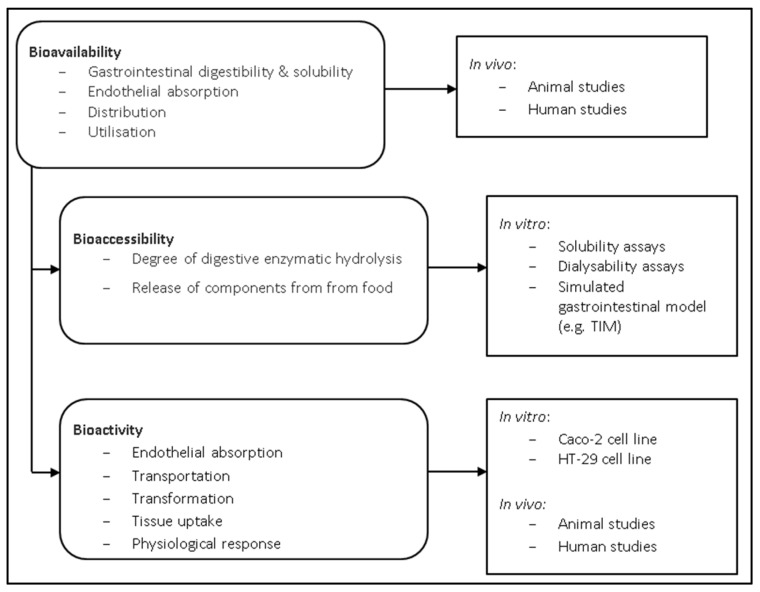
“Additional in vitro gastrointestinal models have also been described to study digestion and microbiota colonisation [55–58].”
Glycoprotein Targeting and Other Applications of Lectins in Biotechnology
Naeem, A., Saleemuddin, M., & Khan, R. H. (2007) · Current Protein and Peptide Science · doi:10.2174/138920307780831811 · Cited by 43 · cited 1×
“Due to their carbohydrate binding capacity with high specificity, lectins are used in blood grouping, anti-viral (including human immunodeficiency virus type 1(HIV-1)), cancer biomarkers, and targets for drug delivery [131].”
Wu, Q., Cai, Q., Yoshida, A., Sun, L., Liu, Y., Liu, G., Su, W., & Cao, M. (2016) · European Food Research and Technology · doi:10.1007/s00217-016-2792-z · Cited by 42
Lozano‐Muñoz, I., Wacyk, J. M., Carrasco, J., & Martín, M. A. C.-S. (2015) · Journal of Applied Phycology · doi:10.1007/s10811-015-0648-8 · Cited by 42 · cited 1×
“Incorporating 10% Gracilaria chilensis in the diet of Atlantic salmon ( Salmo solar ) was reported to significantly increase specific growth rate by 1.51% ± 0.12% compared to the control diet [181].”
InfluentialEffect of designer diets on egg yolk composition of ‘White Leghorn’ hens
Sujatha, T., & Narahari, D. (2010) · Journal of Food Science and Technology · doi:10.1007/s13197-010-0132-z · Cited by 42 · cited 1×
“The inclusion of Spirulina can also further valorise egg products by decreasing their cholesterol and saturated fatty acid content, and replacing it with increased levels of beneficial omega-3 polyunsaturated fatty acids [146,154].”
Panjaitan, T. S. S., Quigley, S. P., McLennan, S. R., & Poppi, D. P. (2010) · Animal Production Science · doi:10.1071/an09194 · Cited by 42 · cited 2×
“Furthermore, this study also reported that 20% of the consumed Spirulina bypasses degradation within the rumen, allowing for increased digestion and absorption of protein and nutrients within the abomasum [165].”
InfluentialSuetsuna, K. (1998) · NIPPON SUISAN GAKKAISHI · doi:10.2331/suisan.64.862 · Cited by 39
Anticancer and antioxidant effects of selected Sri Lankan marine algae
Lakmal, H. H. C., Samarakoon, K. W., Lee, W., Lee, J., Abeytunga, D. T. U., Lee, H., & Jeon, Y. (2014) · Journal of the National Science Foundation of Sri Lanka · doi:10.4038/jnsfsr.v42i4.7730 · Cited by 37 · cited 1×
“Peptides displaying antioxidant and anticancer bioactivity have also been reported in Sri Lankan red and green seaweed, of which Caulerpa racemosa demonstrated the most promising free radical scavenging and anticancer bioactivity [221].”
Kang, K., Qian, Z., Ryu, B., Karadeniz, F., Kim, D., & Kim, S. (2013) · Preventive Nutrition and Food Science · doi:10.3746/pnf.2013.18.2.124 · Cited by 37
(2007) · CRC Press eBooks · doi:10.1201/9781439823842 · Cited by 33
Kolb, N., Vallorani, L., & Stocchi, V. (1999) · Acta Alimentaria · doi:10.1556/aalim.28.1999.3.1 · Cited by 33
Extraction and Enrichment of Protein from Red and Green Macroalgae
Harnedy, P. A., & Fitzgerald, R. J. (2015) · Methods in molecular biology · doi:10.1007/978-1-4939-2684-8_4 · Cited by 31 · cited 1×
“For example, food grade reagents and processes may be required for proteins intended for human consumption, whereas this may not be such an issue with proteins intended for commercial applications or animal feed [264].”
Dupont, D., Bordoni, A., Brodkorb, A., Capozzi, F., Veličković, T. Ć., Corredig, M., Cotter, P. D., Noni, I. D., Gaudichon, C., Golding, M., et al. (2011) · Food Digestion · doi:10.1007/s13228-011-0011-8 · Cited by 30
Digestibility of Dietary Fiber in Brown Alga, Kombu, by Rats.
Suzuki, T., Nakai, K., Yoshie, Y., Shirai, T., & Hirano, T. (1993) · NIPPON SUISAN GAKKAISHI · doi:10.2331/suisan.59.879 · Cited by 29 · cited 4×
“Several studies have demonstrated that consumption of raw, unprocessed seaweed can result in reduced growth [43,44].”
InfluentialEnnamany, R., Saboureau, D., Mékidèche, N., & Creppy, E. E. (1998) · Human & Experimental Toxicology · doi:10.1177/096032719801700103 · Cited by 27 · cited 1×
“was demonstrated to have mitogenic activity in skin fibroblasts [200].”
Distribution of free L-cysteine and glutathione in seaweeds
Kakinuma, M., Park, C. S., & Amano, H. (2001) · Fisheries Science · doi:10.1046/j.1444-2906.2001.00223.x · Cited by 26 · cited 2×
“Aspartic acid and glutamic acid constitute a relatively large proportion of the total amino acids in many seaweed species, largely contributing to the distinctive ‘umami’ taste associated with seaweed [40]. levels in many seaweed species, and is often not detectable [39].”
Samara, E. M., Okab, A. B., Abdoun, K. A., El-Waziry, A. M., & Al-Haidary, A. A. (2013) · Journal of Animal Science · doi:10.2527/jas.2013-6719 · Cited by 25
Wang, G., Sun, H., Fan, X., & Tseng, C. (2002) · Journal of Integrative Plant Biology · Cited by 24
Novoa-Garrido, M., Aanensen, L., Lind, V., Larsen, H. J. S., Jensen, S. K., Govasmark, E., & Steinshamn, H. (2014) · Livestock Science · doi:10.1016/j.livsci.2014.05.021 · Cited by 21 · cited 1×
“However, seaweed may be not be suitable for supplementation in pregnant ewes, having been reported to interfere with passive immunity in lambs and increasing mortality rate [174].”
Biological Activities of Proteins and Marine‐derived Peptides from Byproducts and Seaweeds
Hayes, M. (2013) · Wiley eBooks · doi:10.1002/9781118375082.ch7 · Cited by 20 · cited 3×
“Lectins are most commonly extracted from macroalgal sources, while phycobiliproteins are typically isolated from microalgae [126].”
InfluentialSelf-citationShih, M., & Cherng, J. (2008) · PubMed · doi:10.1684/ejd.2008.0393 · Cited by 20
Qian, Z., Heo, S., Oh, C. H., Kang, D.-H., Jeong, S. H., Park, W. S., Choi, I., Jeon, Y., & Jung, W. (2013) · Journal of Biobased Materials and Bioenergy · doi:10.1166/jbmb.2013.1264 · Cited by 19
Ennamany, R., Saboureau, D., Mékidèche, N., et al. (1998) · Human & Experimental Toxicology · doi:10.1191/096032798678907801 · Cited by 9
Ennamany, R., Saboureau, D., Mekidech, N., & Creppy, E. E. (1996) · Toxicology Letters · doi:10.1016/s0378-4274(96)80075-0 · Cited by 4
Research on Functionality Sports Nutrition and Health Food Security Issues Based on Circulation
Du, J. (2015) · The Open Cybernetics & Systemics Journal · doi:10.2174/1874110x01509011945 · Cited by 4
Research works printed but not linked: 9
- Janczyk P. Wolf C. Souffrant W.B. Evaluation of nutritional value and safety of the green microalgae Chlorella vulgaris treated with novel processing methods Arch Zootech 2005 8 132 147
- Qu W. Ma H. Wang T. Zheng H. Alternating two-frequency countercurrent ultrasonic-assisted extraction of protein and polysaccharide from Porphyra yezoensis Trans. Chin. Soc. Agric. Eng. 2013 29 285 292
- Mariey Y. Samak H. Abou-Khashba H. Sayed M. Abou-Zeid A. Effect of using Spirulina platensis algae as a feed additives for poultry diets: 2 productive performance of broiler Egypt. Poult. Sci. 2014 34 245 258
- Mariey Y. Samak H. Ibrahem M. Effect of using Spirulina platensis algae as a feed additive for poultry diets. 1. Productive and reproductive performances of local laying hens Egypt. Poult. Sci. 2012 32 201 215
- Kulpys J. Paulauskas E. Pilipavicius V. Stankevicius R. Influence of cyanobacteria arthrospira (Spirulina) platensis biomass additive towards the body condition of lactation cows and biochemical milk indexes Agron. Res 2009 7 823 835
- Šimkus A. Oberauskas V. Laugalis J. Želvytė R. Monkevičienė I. Sederevičius A. Šimkienė A. Pauliukas K. The effect of weed Spirulina platensis on the milk production in cows Vet. Zootech. 2007 38 74 77
- Bezerra L. Silva A. Azevedo S. Mendes R. Mangueira J. Gomes A. Performance of santa inês lambs submitted to the use of artificial milk enriched with Spirulina Platensis Ciênc. Anim. Bras. 2010 11 258 263
- Werner A. Kraan S. Review of the Potential Mechanisation of Kelp Harvesting in Ireland Marine Institute Dublin, Ireland 2004 52
- Werner A. Clarke D. Kraan S. Strategic Review and the Feasibility of Seaweed Aquaculture in Ireland Irish Seaweed Centre, Martin Ryan Institute, National University of Ireland Galway, Ireland 2004 120
Cited by
Khan, M. I., Shin, J. H., & Kim, J. D. (2018) · Microbial Cell Factories · doi:10.1186/s12934-018-0879-x · Cited by 2,082
Protein content and amino acid composition of commercially available plant-based protein isolates
Gorissen, S. H. M., Crombag, J. J. R., Senden, J. M. G., Waterval, W. A. H., Bierau, J., Verdijk, L. B., & van Loon, L. J. C. (2018) · Amino Acids · doi:10.1007/s00726-018-2640-5 · Cited by 1,169
The Future of Aquatic Protein: Implications for Protein Sources in Aquaculture Diets
Hua, K., Cobcroft, J. M., Cole, A., Condon, K., Jerry, D. R., Mangott, A., Praeger, C., Vucko, M. J., Zeng, C., Zenger, K., et al. (2019) · One Earth · doi:10.1016/j.oneear.2019.10.018 · Cited by 851
Microalgae: A potential alternative to health supplementation for humans
Koyande, A. K., Chew, K. W., Rambabu, K., Tao, Y., Chu, D.-T., & Show, P.-L. (2019) · Food Science and Human Wellness · doi:10.1016/j.fshw.2019.03.001 · Cited by 908
Shukla, P. S., Mantin, E. G., Adil, M., Bajpai, S., Critchley, A. T., & Prithiviraj, B. (2019) · Frontiers in Plant Science · doi:10.3389/fpls.2019.00655 · Cited by 552
Metadata
- Authors
- Bleakley, S., & Hayes, M.
- Affiliations
- Teagasc - The Irish Agriculture and Food Development Authority (IE)
- Food Biosciences Department, Teagasc Ashtown Food Research Centre, Ashtown, Dublin D15 KN3K, Ireland
- ORCID
- Bleakley, Stephen
- Venue
- Foods
- Publisher
- MDPI AG
- Published
- 2017-04-26
- Volume
- 6
- Issue
- 5
- Pages
- 33
- ISSN
- 2304-8158 (ISSN-L)
- PMC
- PMC5447909
- OpenAlex
- W2610120235
- Cited by
- 1,092
- References
- 253
- Citations by year
- 2026: 108 · 2025: 159 · 2024: 164 · 2023: 148 · 2022: 144 · 2021: 126 · 2020: 104 · 2019: 88 · 2018: 46 · 2017: 5
- FWCI
- 7.49
- Type
- journal article
- Language
- en
- Open access
- gold
- doi.org
- Licence
- Locations
- Foods (publishedVersion, cc-by)
- Europe PMC (PubMed Central) (publishedVersion, other-oa)
- PubMed Central (publishedVersion, cc-by)
- PubMed (publishedVersion)
- Arrow@dit (Dublin Institute of Technology) (acceptedVersion)
- DOAJ (DOAJ: Directory of Open Access Journals) (submittedVersion, cc-by-sa)
- T-Stór (Teagasc) (submittedVersion, cc-by-nc-sa)
- Funders
- TEAGASC (BioAlgae Project 2016073)
- Topics
- Life Sciences › Agricultural and Biological Sciences › Aquatic Science › Seaweed-derived Bioactive Compounds
- Life Sciences › Agricultural and Biological Sciences › Food Science › Protein Hydrolysis and Bioactive Peptides
- Physical Sciences › Energy › Renewable Energy, Sustainability and the Environment › Algal biology and biofuel production
- Keywords
- algal proteins, seaweed, microalgae, alternative protein sources, protein extraction, enzymatic hydrolysis, ultrasound-assisted extraction, pulsed electric field, microwave-assisted extraction, protein enrichment, bioactive peptides, functional food ingredients, protein quality, amino acid composition, digestibility, human nutrition, animal feed, aquaculture feed
About these checks
Registry, retraction, Cites and statistics results are computed, not judged, with one exception: a printed reference that no index lists is read once by a model before it counts as a citation error. Claims are extracted by a model and kept only when their quote appears verbatim in the text; each cited source is then checked, with a model’s help, for whether it says what the claim relies on. Those verdicts can be wrong — read the claim’s quote and the cited source before relying on one.
Statistics and arithmetic are recomputed, not judged.
Confidence bands are shown only for fields calibrated on our annotated test set. None is calibrated yet, so no band is shown.
What counts as a claim ›How we measure confidence ›How we check this ›
Are you an author, or do you see a problem with this page? Request a review
Data sources
Bibliographic data: Semantic Scholar, OpenAlex, Crossref.
Contains information from the Semantic Scholar Academic Graph Datasets, made available under the ODC Attribution License (ODC-BY 1.0).
Semantic Scholar’s data is described in: Kinney, R., et al. (2023). The Semantic Scholar Open Data Platform. arXiv:2301.10140.
