

Algal Proteins: Extraction, Application, and Challenges Concerning Production
Open accessThe DOI matches its Crossref record; 253 of the 254 references it cites were found in a registry or an index.
Abstract
Population growth combined with increasingly limited resources of arable land and fresh water has resulted in a need for alternative protein sources. Macroalgae (seaweed) and microalgae are examples of under-exploited “crops”. Algae do not compete with traditional food crops for space and resources. This review details the characteristics of commonly consumed algae, as well as their potential for use as a protein source based on their protein quality, amino acid composition, and digestibility. Protein extraction methods applied to algae to date, including enzymatic hydrolysis, physical processes, and chemical extraction and novel methods such as ultrasound-assisted extraction, pulsed electric field, and microwave-assisted extraction are discussed. Moreover, existing protein enrichment methods used in the dairy industry and the potential of these methods to generate high value ingredients from algae, such as bioactive peptides and functional ingredients are discussed. Applications of algae in human nutrition, animal feed, and aquaculture are examined.
Overview
The claims and statistics of this paper haven’t been checked yet.
Free: it reads the open-access text and checks the first 5 claims that cite a source we can check. Create a free account to check every claim.
Integrity signals
Registry
Cites
Statistics
Figures
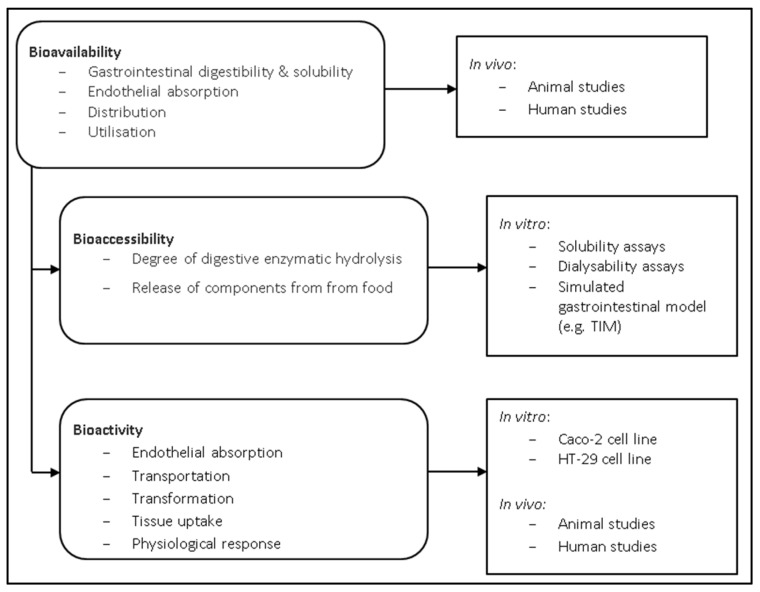
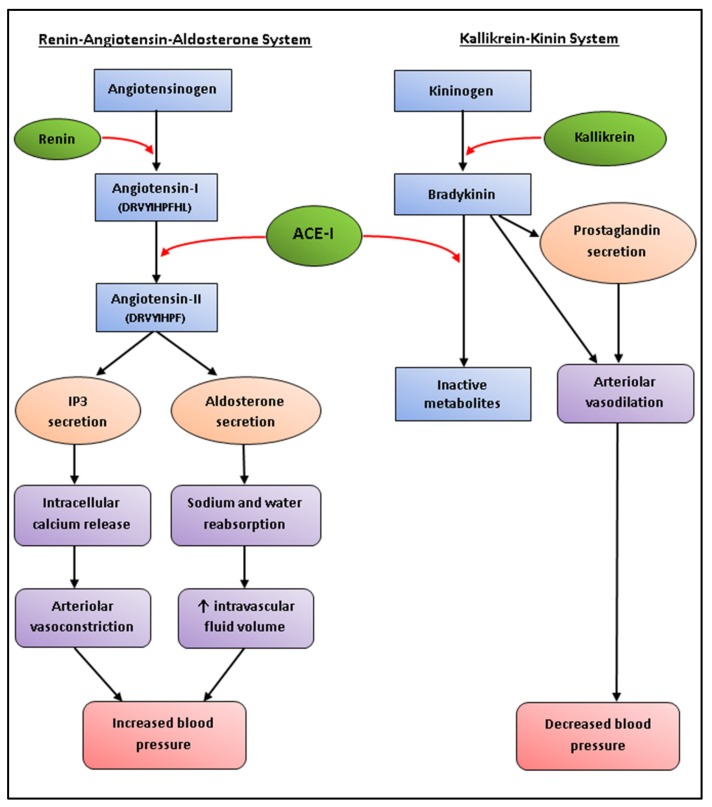
Verification
Claims the paper makes
The claims and statistics of this paper haven’t been checked yet.
Free: it reads the open-access text and checks the first 5 claims that cite a source we can check. Create a free account to check every claim.
Claims other papers make about this one
Each is checked against this paper’s own text: does it say what the citing paper says it does?
The source backs part of the claim, not all of it — or backs it for a different population, condition or comparison.
In the citing paper
“Their protein content accounts for more than 60% of the dry mass [20].”
From Application of Arthrospira platensis for Medicinal Purposes and the Food Industry: A Review of the Literature (2023) · cites this paper as [20]
Experimental — accuracy not yet measuredThe source backs part of the claim, not all of it — or backs it for a different population, condition or comparison.
In the citing paper
“In addition to being used as a coloring agent in the food industry, spirulina has a wide range of uses in the areas of human nutrition, animal feed, and fish feed [11,12,13].”
From Trends and Technological Advancements in the Possible Food Applications of Spirulina and Their Health Benefits: A Review. (2022) · cites this paper as [12]
Experimental — accuracy not yet measuredThe source backs part of the claim, not all of it — or backs it for a different population, condition or comparison.
In the citing paper
“Although it is estimated that between 200,000 and 800,000 microalgal species exist globally, only around 30,000 have been identified and studied to some extent, with just a small fraction evaluated for their health-related potential [3,111].”
From Navigating the potential of algal peptides: health effects, market applications, and scientific challenges (2026) · cites this paper as [3]
Experimental — accuracy not yet measuredThe source backs part of the claim, not all of it — or backs it for a different population, condition or comparison.
In the citing paper
“Releasing these proteins requires physical or chemical disruption techniques, and even then, only a limited portion of the total protein content is typically recovered [3].”
From Navigating the potential of algal peptides: health effects, market applications, and scientific challenges (2026) · cites this paper as [3]
Experimental — accuracy not yet measuredIn the citing paper
“Microalgae produce 2.5–7.5 tons/Ha/year of proteins [186]”
From The promising future of microalgae: Current status, challenges, and optimization of a sustainable and renewable industry for biofuels, feed, and other products (2018) · cites this paper as [186]
Self-check
Percentages, sums and reported differences re-computed from the paper’s own numbers.
The self-check needs the paper’s full text.
Citations
Cites
Food Security: The Challenge of Feeding 9 Billion People
Godfray, H. C. J., Beddington, J. R., Crute, I. R., Haddad, L., Lawrence, D., Muir, J. F., Pretty, J., Robinson, S., Thomas, S. M., & Toulmin, C. (2010) · Science · doi:10.1126/science.1185383 · Cited by 11,943
Global food demand and the sustainable intensification of agriculture
Tilman, D., Balzer, C., Hill, J., & Befort, B. L. (2011) · Proceedings of the National Academy of Sciences · doi:10.1073/pnas.1116437108 · Cited by 7,692 · cited 1×
“Previously utilised methods of intensifying agriculture will soon no longer be an option due to the high impact trade-offs they have on the environment, including fragmenting natural habitats and threatening biodiversity, production of greenhouse gases from land clearing, fertilisers and animal livestock production, a…”
A standardised static in vitro digestion method suitable for food – an international consensus
Minekus, M., Alminger, M., Alvito, P., Ballance, S., Bohn, T., Bourlieu, C., Carrière, F., Boutrou, R., Corredig, M., Dupont, D., et al. (2014) · Food Funct. · doi:10.1039/c3fo60702j · Cited by 5,824 · cited 1×
“INFOGEST is a static in vitro digestion model which aims to harmonise the methods used to assess digestibility, allowing for better comparisons between studies [60,61].”
Brennan, L., & Owende, P. (2010) · Renewable and Sustainable Energy Reviews · doi:10.1016/j.rser.2009.10.009 · Cited by 4,894 · cited 1×
“Several of these species are currently exploited for a variety of biotechnological purposes, including cosmeceuticals, animal feed, fatty acids, alginates, wastewater treatment, and biofuel [9,25,26].”
Commercial Applications of Microalgae
Spolaore, P., Joannis-Cassan, C., Duran, E., & Isambert, A. (2006) · Journal of Bioscience and Bioengineering · doi:10.1263/jbb.101.87 · Cited by 4,285 · cited 6×
“Alternatively, the Earthrise Company has the largest Spirulina production plant, which is located in California, USA, and covers 440,000 m 2 [121].”
InfluentialApplications of ultrasound in food technology: Processing, preservation and extraction
Chemat, F., Zill-e-Huma, & Khan, M. K. (2011) · Ultrasonics Sonochemistry · doi:10.1016/j.ultsonch.2010.11.023 · Cited by 2,533 · cited 5×
“MAE has attracted attention for extraction of compounds due low energy efficiency, although its use in algae may be limited by impaired function with dried samples [81].”
InfluentialMicro-algae as a source of protein
Becker, E. W. (2007) · Biotechnology Advances · doi:10.1016/j.biotechadv.2006.11.002 · Cited by 2,311 · cited 6×
“Treatments to disrupt the cellulosic cell wall could help to overcome this issue to make algal proteins and other cell components more accessible [28].”
InfluentialBioactive compounds in seaweed: functional food applications and legislation
Holdt, S. L., & Kraan, S. (2011) · Journal of Applied Phycology · doi:10.1007/s10811-010-9632-5 · Cited by 2,135 · cited 4×
“For example, P. tenera (nori) is commonly used as a sushi wrap in several Asian cultures [22].”
InfluentialValuable Products from Biotechnology of Microalgae
Pulz, O., & Gross, W. (2004) · Applied Microbiology and Biotechnology · doi:10.1007/s00253-004-1647-x · Cited by 2,132 · cited 5×
“This has led to the evolution of natural protective systems, such as the production of pigments (e.g., carotenes, chlorophylls, and phycobiliproteins) and polyphenols (e.g., catechins, flavonols, and phlorotannins), which can impart health benefits to the consumer when eaten [9,10].”
InfluentialAn outlook on microalgal biofuels
Wijffels, R. H., & Barbosa, M. J. (2010) · Science · doi:10.1126/science.1189003 · Cited by 1,886 · cited 1×
“Current processes of algal protein isolation are time-consuming and economically unviable [11].”
Research works printed but not linked: 9
- Janczyk P. Wolf C. Souffrant W.B. Evaluation of nutritional value and safety of the green microalgae Chlorella vulgaris treated with novel processing methods Arch Zootech 2005 8 132 147
- Qu W. Ma H. Wang T. Zheng H. Alternating two-frequency countercurrent ultrasonic-assisted extraction of protein and polysaccharide from Porphyra yezoensis Trans. Chin. Soc. Agric. Eng. 2013 29 285 292
- Mariey Y. Samak H. Abou-Khashba H. Sayed M. Abou-Zeid A. Effect of using Spirulina platensis algae as a feed additives for poultry diets: 2 productive performance of broiler Egypt. Poult. Sci. 2014 34 245 258
- Mariey Y. Samak H. Ibrahem M. Effect of using Spirulina platensis algae as a feed additive for poultry diets. 1. Productive and reproductive performances of local laying hens Egypt. Poult. Sci. 2012 32 201 215
- Kulpys J. Paulauskas E. Pilipavicius V. Stankevicius R. Influence of cyanobacteria arthrospira (Spirulina) platensis biomass additive towards the body condition of lactation cows and biochemical milk indexes Agron. Res 2009 7 823 835
- Šimkus A. Oberauskas V. Laugalis J. Želvytė R. Monkevičienė I. Sederevičius A. Šimkienė A. Pauliukas K. The effect of weed Spirulina platensis on the milk production in cows Vet. Zootech. 2007 38 74 77
- Bezerra L. Silva A. Azevedo S. Mendes R. Mangueira J. Gomes A. Performance of santa inês lambs submitted to the use of artificial milk enriched with Spirulina Platensis Ciênc. Anim. Bras. 2010 11 258 263
- Werner A. Kraan S. Review of the Potential Mechanisation of Kelp Harvesting in Ireland Marine Institute Dublin, Ireland 2004 52
- Werner A. Clarke D. Kraan S. Strategic Review and the Feasibility of Seaweed Aquaculture in Ireland Irish Seaweed Centre, Martin Ryan Institute, National University of Ireland Galway, Ireland 2004 120
Cited by
Khan, M. I., Shin, J. H., & Kim, J. D. (2018) · Microbial Cell Factories · doi:10.1186/s12934-018-0879-x · Cited by 2,082
Protein content and amino acid composition of commercially available plant-based protein isolates
Gorissen, S. H. M., Crombag, J. J. R., Senden, J. M. G., Waterval, W. A. H., Bierau, J., Verdijk, L. B., & van Loon, L. J. C. (2018) · Amino Acids · doi:10.1007/s00726-018-2640-5 · Cited by 1,169
The Future of Aquatic Protein: Implications for Protein Sources in Aquaculture Diets
Hua, K., Cobcroft, J. M., Cole, A., Condon, K., Jerry, D. R., Mangott, A., Praeger, C., Vucko, M. J., Zeng, C., Zenger, K., et al. (2019) · One Earth · doi:10.1016/j.oneear.2019.10.018 · Cited by 851
Microalgae: A potential alternative to health supplementation for humans
Koyande, A. K., Chew, K. W., Rambabu, K., Tao, Y., Chu, D.-T., & Show, P.-L. (2019) · Food Science and Human Wellness · doi:10.1016/j.fshw.2019.03.001 · Cited by 908
Shukla, P. S., Mantin, E. G., Adil, M., Bajpai, S., Critchley, A. T., & Prithiviraj, B. (2019) · Frontiers in Plant Science · doi:10.3389/fpls.2019.00655 · Cited by 552
Seaweeds as a Functional Ingredient for a Healthy Diet
Peñalver, R., Lorenzo, J. M., Ros, G., Amarowicz, R., Pateiro, M., & Nieto, G. (2020) · Marine Drugs · doi:10.3390/md18060301 · Cited by 488
“On the other hand, some studies have shown that phycobiliproteins extracted from red algae (phycoerythrin) could be beneficial in the prevention or treatment of neurodegenerative diseases caused by oxidative stress (Alzheimer and Parkinson’s) due to their antioxidant effects [63].”
BackgroundOpportunities and Challenges for Catalysis in Carbon Dioxide Utilization
Burkart, M. D., Hazari, N., Tway, C. L., & Zeitler, E. L. (2019) · ACS Catalysis · doi:10.1021/acscatal.9b02113 · Cited by 471
Marine macroalgae as sources of protein and bioactive compounds in feed for monogastric animals
Øverland, M., Mydland, L. T., & Skrede, A. (2019) · Journal of the Science of Food and Agriculture · doi:10.1002/jsfa.9143 · Cited by 415
The lipid biochemistry of eukaryotic algae
Li-Beisson, Y., Thelen, J. J., Fedosejevs, E., & Harwood, J. L. (2019) · Progress in Lipid Research · doi:10.1016/j.plipres.2019.01.003 · Cited by 453
Risks and benefits of consuming edible seaweeds
Cherry, P., O’Hara, C., Magee, P. J., McSorley, E. M., & Allsopp, P. J. (2019) · Nutrition Reviews · doi:10.1093/nutrit/nuy066 · Cited by 440
Microalgae, old sustainable food and fashion nutraceuticals
García, J. L., de Vicente, M., & Galán, B. (2017) · Microbial Biotechnology · doi:10.1111/1751-7915.12800 · Cited by 422
“, 2017), but specially as food and feed (Yaakob et al., 2014; Liu and Chen, 2016; Bleakley and Hayes, 2017), and nutraceuticals (Nicoletti, 2016; Yan et al.”
BackgroundLegumes as a sustainable source of protein in human diets
Semba, R. D., Ramsing, R., Rahman, N., Kraemer, K., & Bloem, M. W. (2021) · Global Food Security · doi:10.1016/j.gfs.2021.100520 · Cited by 357
Potential of microalgae as a sustainable feed ingredient for aquaculture
Nagappan, S., Das, P., AbdulQuadir, M., Thaher, M., Khan, S., Mahata, C., Al-Jabri, H., Vatland, A. K., & Kumar, G. (2021) · Journal of Biotechnology · doi:10.1016/j.jbiotec.2021.09.003 · Cited by 364
Microalgae as Sources of High-Quality Protein for Human Food and Protein Supplements
Wang, Y., Tibbetts, S., & McGinn, P. (2021) · Foods · doi:10.3390/foods10123002 · Cited by 332
Kusmayadi, A., Leong, Y. K., Yen, H.-W., Huang, C.-Y., & Chang, J.-S. (2021) · Chemosphere · doi:10.1016/j.chemosphere.2021.129800 · Cited by 332
Loveday, S. M. (2019) · Annual Review of Food Science and Technology · doi:10.1146/annurev-food-032818-121128 · Cited by 296
Re-thinking functional food development through a holistic approach
Alongi, M., & Anese, M. (2021) · Journal of Functional Foods · doi:10.1016/j.jff.2021.104466 · Cited by 278
Algal proteins: Production strategies and nutritional and functional properties
Geada, P., Moreira, C., Silva, M., Nunes, R., Madureira, L., Rocha, C. M. R., Pereira, R. N., Vicente, A. A., & Teixeira, J. A. (2021) · Bioresource Technology · doi:10.1016/j.biortech.2021.125125 · Cited by 280
“protein content is typically high and can go up to 70%; seaweeds’ content is usually lower (9–22%) – though this is compensated by their high availability – reaching up to 47% in specific red seaweed species (Bleakley and Hayes, 2017).”
BackgroundMethodInfluentialMultifunctional lignin-based nanocomposites and nanohybrids
Lizundia, E., Sipponen, M. H., Greca, L. G., Balakshin, M., Tardy, B. L., Rojas, O. J., & Puglia, D. (2021) · Green Chemistry · doi:10.1039/d1gc01684a · Cited by 293
Admassu, H., Gasmalla, M. A. A., Yang, R., & Zhao, W. (2018) · Journal of Food Science · doi:10.1111/1750-3841.14011 · Cited by 293
“The use polysaccharidase enzymes such as Viscozyme R ©, Cellulase(Celluclast R ©), xylanase (Shearzyme R ©), κ-carrageenase, β-agarase, Ultraflo R © (β-glucanase) for cell disruption prior to protein extraction appears to increase protein yield (Fleurence 1999; Bleakley and Hayes 2017).”
BackgroundQuitério, E., Grosso, C., Ferraz, R., Delerue-Matos, C., & Soares, C. (2022) · Marine Drugs · doi:10.3390/md20110677 · Cited by 254
Extraction and fractionation of microalgae-based protein products
Soto-Sierra, L., Stoykova, P., & Nikolov, Z. L. (2018) · Algal Research · doi:10.1016/j.algal.2018.10.023 · Cited by 286
Is exploitation of microalgae economically and energetically sustainable?
Barsanti, L., & Gualtieri, P. (2018) · Algal Research · doi:10.1016/j.algal.2018.02.001 · Cited by 270
Plant-based meat analogue (PBMA) as a sustainable food: a concise review
Singh, M., Trivedi, N., Enamala, M. K., Kuppam, C., Parikh, P., Nikolova, M. P., & Chavali, M. (2021) · European Food Research and Technology · doi:10.1007/s00217-021-03810-1 · Cited by 253
“Several microalgae are used in combination with cereals, rice, edible oils, and thickening agents to produce a food product with a good digestibility score for human consumption [12].”
BackgroundBioactive peptides derived from marine sources: Biological and functional properties
Cunha, S. A., & Pintado, M. E. (2022) · Trends in Food Science & Technology · doi:10.1016/j.tifs.2021.08.017 · Cited by 254
Kazir, M., Abuhassira, Y., Robin, A., Nahor, O., Luo, J., Israel, A., Golberg, A., & Livney, Y. D. (2019) · Food Hydrocolloids · doi:10.1016/j.foodhyd.2018.07.047 · Cited by 269
Ahmad, A., W. Hassan, S., & Banat, F. (2022) · Bioengineered · doi:10.1080/21655979.2022.2061148 · Cited by 246
“The protein concentration of algae has been reported to range from 40 to 60 wt/wt % [103].”
BackgroundThe global mass and average rate of rubisco
Bar-On, Y. M., & Milo, R. (2019) · Proceedings of the National Academy of Sciences · doi:10.1073/pnas.1816654116 · Cited by 246
“Microalgae usually have a protein content of ≈50% of dry mass (22).”
BackgroundLafarga, T., Acién-Fernández, F. G., & Garcia-Vaquero, M. (2020) · Algal Research · doi:10.1016/j.algal.2020.101909 · Cited by 246
Cheese Whey Processing: Integrated Biorefinery Concepts and Emerging Food Applications
Lappa, I., Papadaki, A., Kachrimanidou, V., Terpou, A., Koulougliotis, D., Eriotou, E., & Kopsahelis, N. (2019) · Foods · doi:10.3390/foods8080347 · Cited by 224
Caporgno, M. P., Böcker, L., Müssner, C., Stirnemann, E., Haberkorn, I., Adelmann, H., Handschin, S., Windhab, E. J., & Mathys, A. (2020) · Innovative Food Science & Emerging Technologies · doi:10.1016/j.ifset.2019.102275 · Cited by 226
Algae as Food in Europe: An Overview of Species Diversity and Their Application
Mendes, M., Navalho, S., Ferreira, A., Paulino, C., Figueiredo, D., Silva, D., Gao, F., Gama, F., Bombo, G., Jacinto, R., et al. (2022) · Foods · doi:10.3390/foods11131871 · Cited by 234
Seaweed’s Bioactive Candidate Compounds to Food Industry and Global Food Security
Leandro, A., Pacheco, D., Cotas, J., Marques, J. C., Pereira, L., & Gonçalves, A. M. M. (2020) · Life · doi:10.3390/life10080140 · Cited by 216
“However, it is necessary to take into consideration their digestibility, as it can affect the number and type of amino acids effectively obtained by the human body [1,82].”
BackgroundCotas, J., Leandro, A., Pacheco, D., Gonçalves, A. M. M., & Pereira, L. (2020) · Life · doi:10.3390/life10030019 · Cited by 210
“Protein extraction methods comprise conventional as well as novel extraction technologies, such as enzyme-assisted and microwave-assisted extraction [81].”
MethodPurple phototrophic bacteria for resource recovery: Challenges and opportunities
Capson-Tojo, G., Batstone, D. J., Grassino, M., Vlaeminck, S. E., Puyol, D., Verstraete, W., Kleerebezem, R., Oehmen, A., Ghimire, A., Pikaar, I., et al. (2020) · Biotechnology Advances · doi:10.1016/j.biotechadv.2020.107567 · Cited by 228
Fatty Acids of Microalgae: Diversity and Applications
Maltsev, Y., & Maltseva, K. (2021) · Reviews in Environmental Science and Bio/Technology · doi:10.1007/s11157-021-09571-3 · Cited by 226
“…can be represented by domestic and industrial wastewater (Pittman et al. 2011; Kamyab et al. 2016; Sharma et al. 2020), the most complete extraction of all valuable bioproducts (Bai et al. 2011; Santoro et al. 2019), including cascade bioprocessing of microalgal biomass (Bleakley and Hayes 2017).”
BackgroundAlFadhly, N. K. Z., Alhelfi, N., Altemimi, A. B., Verma, D. K., Cacciola, F., & Narayanankutty, A. (2022) · Molecules · doi:10.3390/molecules27175584 · Cited by 225
Empowering blue economy: From underrated ecosystem to sustainable industry
Choudhary, P., G, V. S., Khade, M., Savant, S., Musale, A., G, R. K. K., Chelliah, M. S., & Dasgupta, S. (2021) · Journal of Environmental Management · doi:10.1016/j.jenvman.2021.112697 · Cited by 168
Future feed resources in sustainable salmonid production: A review
Albrektsen, S., Kortet, R., Skov, P. V., Ytteborg, E., Gitlesen, S., Kleinegris, D., Mydland, L., Hansen, J. Ø., Lock, E., Mørkøre, T., et al. (2022) · Reviews in Aquaculture · doi:10.1111/raq.12673 · Cited by 195
“observed a strong inverse correlation between in vitro protein digestibility and the total phenolic content, indicating a necessity for refinement by removing both polysaccharides and phenols prior to aquafeed applications.(86) Fermentation has shown to increase in vitro”
BackgroundTraditional and innovative approaches for the extraction of bioactive compounds
Usman, I., Hussain, M., Imran, A., Afzaal, M., Saeed, F., Javed, M., Afzal, A., Ashfaq, I., Al Jbawi, E., & A. Saewan, S. (2022) · International Journal of Food Properties · doi:10.1080/10942912.2022.2074030 · Cited by 209
“Bleakley et al.[29] reported that mainly products that require water extraction include hydrophobic compounds, metals, water-soluble amino acids, peptides, sugars, ions, nucleotides, etc.”
BackgroundInfluentialPark, J. H., Lee, S. I., & Kim, I. H. (2018) · Poultry Science · doi:10.3382/ps/pey093 · Cited by 175
Developing algae as a sustainable food source
Diaz, C. J., Douglas, K. J., Kang, K., Kolarik, A. L., Malinovski, R., Torres-Tiji, Y., Molino, J. V., Badary, A., & Mayfield, S. P. (2023) · Frontiers in Nutrition · doi:10.3389/fnut.2022.1029841 · Cited by 194
“Algae also have an advantage in that they can produce a broader range of amino acids; especially essential amino acids that are required in the human diet (18, 52).”
BackgroundMarine algal carbohydrates as carbon sources for the production of biochemicals and biomaterials
Cesário, M. T., da Fonseca, M. M. R., Marques, M. M., & de Almeida, M. C. M. D. (2018) · Biotechnology Advances · doi:10.1016/j.biotechadv.2018.02.006 · Cited by 181
Choudhary, B., Chauhan, O. P., & Mishra, A. (2021) · Frontiers in Marine Science · doi:10.3389/fmars.2021.740054 · Cited by 172
Digestibility, bioaccessibility and bioactivity of compounds from algae
Demarco, M., Oliveira de Moraes, J., Matos, Â. P., Derner, R. B., de Farias Neves, F., & Tribuzi, G. (2022) · Trends in Food Science & Technology · doi:10.1016/j.tifs.2022.02.004 · Cited by 175
Koyande, A. K., Show, P.-L., Guo, R., Tang, B., Ogino, C., & Chang, J.-S. (2019) · Bioengineered · doi:10.1080/21655979.2019.1679697 · Cited by 182
“Despite the multiple advantages of microalgal polysaccharides, it has not been successful in the commercial market due to the cheaper alternatives like xanthan gum, agar, guar gum and carrageenan [88].”
RetractedVernès, L., Abert-Vian, M., El Maâtaoui, M., Tao, Y., Bornard, I., & Chemat, F. (2019) · Ultrasonics Sonochemistry · doi:10.1016/j.ultsonch.2019.02.016 · Cited by 173
Seaweeds as a Source of Functional Proteins
Thiviya, P., Gamage, A., Gama-Arachchige, N. S., Merah, O., & Madhujith, T. (2022) · Phycology · doi:10.3390/phycology2020012 · Cited by 167
“However, these two methods are relatively timeconsuming, and the efficiency of extraction (29–59% of protein content) is limited [1,93].”
BackgroundMethodInfluentialSundui, B., Ramirez Calderon, O. A., Abdeldayem, O. M., Lázaro-Gil, J., Rene, E. R., & Sambuu, U. (2021) · Clean Technologies and Environmental Policy · doi:10.1007/s10098-020-01993-x · Cited by 160
Novel Extraction technologies for developing plant protein ingredients with improved functionality
Hewage, A., Olatunde, O. O., Nimalaratne, C., Malalgoda, M., Aluko, R. E., & Bandara, N. (2022) · Trends in Food Science & Technology · doi:10.1016/j.tifs.2022.10.016 · Cited by 165
Yahya, N. A., Attan, N., & Wahab, R. A. (2018) · Food and Bioproducts Processing · doi:10.1016/j.fbp.2018.09.002 · Cited by 157
Grossmann, L., Hinrichs, J., & Weiss, J. (2020) · Critical Reviews in Food Science and Nutrition · doi:10.1080/10408398.2019.1672137 · Cited by 160
Carillo, P., Ciarmiello, L. F., Woodrow, P., Corrado, G., Chiaiese, P., & Rouphael, Y. (2020) · Biology · doi:10.3390/biology9090253 · Cited by 182
“MAE is a relatively new technique based on irradiation with microwave energy to help the transfer of the compounds of interest into a chosen solvent.”
MethodInfluentialApplying Seaweed Compounds in Cosmetics, Cosmeceuticals and Nutricosmetics
López-Hortas, L., Flórez-Fernández, N., Torres, M. D., Ferreira-Anta, T., Casas, M. P., Balboa, E. M., Falqué, E., & Domínguez, H. (2021) · Marine Drugs · doi:10.3390/md19100552 · Cited by 168
Alternative Protein Sources and Novel Foods: Benefits, Food Applications and Safety Issues
Quintieri, L., Nitride, C., Angelis, E. D., Lamonaca, A., Pilolli, R., Russo, F., & Monaci, L. (2023) · Nutrients · doi:10.3390/nu15061509 · Cited by 208
“Despite the direct use of biomass would be economically preferable, cell walls and oil also have a negative impact on the texturing properties of the meat analogues prepared using microalgae [146,148].”
BackgroundSeaweed Protein Hydrolysates and Bioactive Peptides: Extraction, Purification, and Applications
Echave, J., Fraga‐Corral, M., García-Pérez, P., Popović‐Djordjević, J. B., Avdović, E., Radulović, M. Đ., Xiao, J., Prieto, M. A., & Simal‐Gándara, J. (2021) · Marine Drugs · doi:10.3390/md19090500 · Cited by 170
“Besides, digestibility can be altered by distinct factors, such as the presence of anti-nutritional molecules like some polysaccharides or tannin derivates, among others [3,8].”
BackgroundCo-digestion strategies to enhance microalgae anaerobic digestion: A review
Solé-Bundó, M., Passos, F. L. D. R., Romero-Güiza, M. S., Ferrer, I., & Astals, S. (2019) · Renewable and Sustainable Energy Reviews · doi:10.1016/j.rser.2019.05.036 · Cited by 163
“This is likely due to (i) the past few years’ interest on the production of microalgal-derived biodiesel [11, 17], and (ii) the lower production costs and higher nutritional value obtained when the whole microalgal biomass is used as feed source [8, 133].”
BackgroundMartínez‐Sanz, M., Gómez‐Mascaraque, L. G., Ballester, A., Martínez‐Abad, A., Brodkorb, A., & López‐Rubio, A. (2019) · Algal Research · doi:10.1016/j.algal.2019.101420 · Cited by 160
Impact of feedstock composition on pyrolysis of low-cost, protein- and lignin-rich biomass: A review
Cheng, F., Bayat, H., Jena, U., & Brewer, C. E. (2020) · Journal of Analytical and Applied Pyrolysis · doi:10.1016/j.jaap.2020.104780 · Cited by 149
Małecki, J., Muszyński, S., & Sołowiej, B. G. (2021) · Polymers · doi:10.3390/polym13152506 · Cited by 165
“Chickens fed with supplemented Spirulina were reported to have increased viability, improved overall health, and reduced cholesterol, triglyceride, and fatty acid plasma concentrations [157].”
BackgroundMicroalgae as Contributors to Produce Biopolymers
Madadi, R., Maljaee, H., Serafim, L. S., & Ventura, S. P. M. (2021) · Marine Drugs · doi:10.3390/md19080466 · Cited by 143
“However, this method is not commercially feasible because it demands high concentrations of enzymes [108].”
MethodBuchmann, L., Brändle, I., Haberkorn, I., Hiestand, M., & Mathys, A. (2019) · Bioresource Technology · doi:10.1016/j.biortech.2019.121870 · Cited by 141
de Souza, R. S., Virginio, F., Riback, T. I. S., Suesdek, L., Bonomi‐Barufi, J., & Genta, F. A. (2019) · Frontiers in Physiology · doi:10.3389/fphys.2019.00152 · Cited by 166
“These results were already expected once both species are rich in proteins and can be employed even for human consumption (Mühling, 2000; Guccione et al., 2014; Bleakley and Hayes, 2017).”
Vieira, E. F., Soares, C. M. D., Machado, S., Correia, M., Ramalhosa, M. J., Oliva-Teles, M. T., CARVALHO, A. P. F. D., Domingues, V. F., Antunes, F., Oliveira, T. A. C., et al. (2018) · Food Chemistry · doi:10.1016/j.foodchem.2018.06.145 · Cited by 158
Ford, L., Theodoridou, K., Sheldrake, G. N., & Walsh, P. J. (2019) · Phytochemical Analysis · doi:10.1002/pca.2851 · Cited by 136
Awogbemi, O., Kallon, D. V. V., Onuh, E. I., & Aigbodion, V. S. (2021) · Energies · doi:10.3390/en14185687 · Cited by 145
Cermeño, M., Kleekayai, T., Amigo‐Benavent, M., Harnedy‐Rothwell, P., & FitzGerald, R. J. (2020) · ELECTROPHORESIS · doi:10.1002/elps.202000153 · Cited by 139
Alternative proteins; A path to sustainable diets and environment
Jafarzadeh, S., Qazanfarzadeh, Z., Majzoobi, M., Sheiband, S., Oladzadabbasabad, N., Esmaeili, Y., Barrow, C. J., & Timms, W. A. (2024) · Current Research in Food Science · doi:10.1016/j.crfs.2024.100882 · Cited by 150
Building a Resilient, Sustainable, and Healthier Food Supply Through Innovation and Technology
McClements, D. J., Barrangou, R., Hill, C., Kokini, J. L., Lila, M. A., Meyer, A. S., & Yu, L. L. (2020) · Annual Review of Food Science and Technology · doi:10.1146/annurev-food-092220-030824 · Cited by 166
Boukid, F., Rosell, C. M., Rosene, S., Bover‐Cid, S., & Castellari, M. (2021) · Critical Reviews in Food Science and Nutrition · doi:10.1080/10408398.2021.1901649 · Cited by 150
“…cell wall disruption, and thereby increased the availability of algal proteins entrapped within resistant cell walls (Lupatini, Bispo, et al. 2017; Bleakley and Hayes 2017; Y€ucetepe, Saro glu, and €Ozçelik 2019; Vern es et al. 2019; Teuling et al. 2017; Agboola et al. 2019; Yucetepe et al.…”
BackgroundEl-Bahr, S. M., Shousha, S. A., Shehab, A., Khattab, W., Ahmed-Farid, O. A.-H., Sabeq, I. I., El-Garhy, O. H., Albokhadaim, I. F., & Albosadah, K. (2020) · Animals · doi:10.3390/ani10050761 · Cited by 151
“The detected reduced level of APC 1st day and APC 5th days in breast muscle f broiler chicke s fed microalgae compared to the control indicated their a timicrobial ac iviti s that attributed to high contents of bioactive antimicrobial and antioxidant peptides [58,63,64].”
BackgroundInfluentialMicroalgae proteins as sustainable ingredients in novel foods: recent developments and challenges
Mosibo, O. K., Ferrentino, G., & Udenigwe, C. C. (2024) · Foods · doi:10.3390/foods13050733 · Cited by 140
“Hence, effective cell disruption improves the protein digestibility of microalgae biomass [10,58].”
BackgroundEnzyme-assisted extraction and characterization of protein from red seaweed Palmaria palmata
Naseri, A., Marinho, G. S., Holdt, S. L., Bartela, J. M., & Jacobsen, C. (2020) · Algal Research · doi:10.1016/j.algal.2020.101849 · Cited by 129
Seaweeds, an aquatic plant-based protein for sustainable nutrition - A review
Raja, K., Kadirvel, V., & Thiruvengadam, S. (2022) · Future Foods · doi:10.1016/j.fufo.2022.100142 · Cited by 146
Matos, G. S., Pereira, S. G., Genisheva, Z. A., Gomes, A., Teixeira, J. A., & Rocha, C. M. R. (2021) · Foods · doi:10.3390/foods10030516 · Cited by 146
Barros de Medeiros, V. P., da Costa, W. K. A., da Silva, R. T., Pimentel, T. C., & Magnani, M. (2022) · Critical Reviews in Food Science and Nutrition · doi:10.1080/10408398.2021.1879729 · Cited by 134
Perez-Vazquez, A., Carpena, M., Barciela, P., Cassani, L., Simal‐Gándara, J., & Prieto, M. A. (2023) · Antioxidants · doi:10.3390/antiox12030612 · Cited by 141
Essential Biomolecules in Food Webs
Rueß, L., & Müller‐Navarra, D. C. (2019) · Frontiers in Ecology and Evolution · doi:10.3389/fevo.2019.00269 · Cited by 137
Su, M., Bastiaens, L., Verspreet, J., & Hayes, M. (2023) · Foods · doi:10.3390/foods12203878 · Cited by 129
“It was reported that emulsifying capacity and stability of microalgae concentrates are comparable to or even higher than ingredients like sodium caseinate [81,86].”
BackgroundSelf-citationMarine Bioactives and Their Application in the Food Industry: A Review
Senadheera, T. R. L., Hossain, A., & Shahidi, F. (2023) · Applied Sciences · doi:10.3390/app132112088 · Cited by 137
“Conversely, red and green algae generally o ff er be tt er protein availability due to their low phenolic content [77].”
BackgroundWu, J. Y., Tso, R., Teo, H. S., & Haldar, S. (2023) · Frontiers in Nutrition · doi:10.3389/fnut.2023.1277343 · Cited by 126
“Due to the high operating costs associated with extracting and purifying algal proteins that maintain the nutritional and functional qualities of these proteins, the food industry focuses primarily on the utilization of algal whole biomass (19, 167, 168).”
BackgroundSeaweed resources in India – current status of diversity and cultivation: prospects and challenges
Ganesan, M., Trivedi, N., Gupta, V., Madhav, S. V., Reddy, C. R. K., & Levine, I. A. (2019) · Botanica Marina · doi:10.1515/bot-2018-0056 · Cited by 135
“Ulva lactuca has been found to possess a high protein content comparable to traditional high protein plant sources, justifying its direct use in human or animal nutrition (Fleurence 1999, Bleakley and Hayes 2017).”
BackgroundVásquez, V., Martínez, R., & Bernal, C. (2019) · Journal of Applied Phycology · doi:10.1007/s10811-018-1712-y · Cited by 125
“Novel protein extraction methods include ultrasound-assisted extraction, pulsed electric field, and microwave-assisted extraction (Bleakley and Hayes 2017).”
BackgroundMethodInfluentialProcess for selective extraction of pigments and functional proteins from Chlorella vulgaris
Kulkarni, S., & Nikolov, Z. (2018) · Algal Research · doi:10.1016/j.algal.2018.08.024 · Cited by 117
Canelli, G., Tarnutzer, C., Carpine, R., Neutsch, L., Bolten, C. J., Dionisi, F., & Mathys, A. (2020) · Frontiers in Nutrition · doi:10.3389/fnut.2020.565996 · Cited by 110
“These are calculated based on the concentration of saturated fatty acids (SFAs, C12:0, C14:0, C16:0, and C18:0), monounsaturated fatty acids (MUFAs, C15:1-Ñ5, C16:1-Ñ7, C17:1-Ñ7, C18:1-Ñ9), and polyunsaturated fatty acids (PUFAs, C18:2-Ñ6, C18:3-Ñ3) according to: (1) Atherogenicity index (AI) = [(C12:0 + (4 × C14:0) +…”
BackgroundInfluentialAlgae: Study of Edible and Biologically Active Fractions, Their Properties and Applications
Babich, O., Sukhikh, S., Larina, V., Kalashnikova, O., Kashirskikh, E., Prosekov, A., Noskova, S., Ivanova, S., Fendri, I., Smaoui, S., et al. (2022) · Plants · doi:10.3390/plants11060780 · Cited by 109
An overview on the nutritional and bioactive components of green seaweeds
Xu, J., Liao, W., Liu, Y., Guo, Y., Jiang, S., & Zhao, C. (2023) · Food Production Processing and Nutrition · doi:10.1186/s43014-023-00132-5 · Cited by 134
“Therefore, it is necessary to develop seaweed-derived food with high added value (Bleakley & Hayes 2017) by detecting and limiting the concentration of toxic substances and enhancing the consumption of beneficial ingredients to meet health requirements.”
BackgroundSharawy, Z. Z., Ashour, M., Abbas, E., Ashry, O., Helal, M., Nazmi, H., Kelany, M., Kamel, A., Hassaan, M., Rossi, W., et al. (2020) · Aquaculture Research · doi:10.1111/are.14566 · Cited by 111
Production, Purification, and Study of the Amino Acid Composition of Microalgae Proteins
Andreeva, A., Budenkova, E., Babich, O., Sukhikh, S., Ulrikh, E., Ivanova, S., Prosekov, A., & Dolganyuk, V. (2021) · Molecules · doi:10.3390/molecules26092767 · Cited by 116
Mat Aron, N. S., Khoo, K. S., Chew, K. W., Veeramuthu, A., Chang, J.-S., & Show, P. L. (2021) · Journal of Water Process Engineering · doi:10.1016/j.jwpe.2020.101701 · Cited by 115
Health Benefits and Pharmacological Effects of Porphyra Species
Venkatraman, K. L., & Mehta, A. (2018) · Plant Foods for Human Nutrition · doi:10.1007/s11130-018-0707-9 · Cited by 126
Role of novel protein sources in sustainably meeting future global requirements
Salter, A. M., & Viso, C. L. (2021) · Proceedings of The Nutrition Society · doi:10.1017/s0029665121000513 · Cited by 132
Shao, W., Ebaid, R., El-Sheekh, M. M., Abomohra, A., & Eladel, H. (2019) · Grasas y Aceites · doi:10.3989/gya.0690181 · Cited by 123
Analysis of Scientific Research Driving Microalgae Market Opportunities in Europe
Rumin, J., Nicolau, E., Gonçalves de Oliveira Junior, R., Fuentes-Grünewald, C., & Picot, L. (2020) · Marine Drugs · doi:10.3390/md18050264 · Cited by 107
Wang, J., Huang, Z., Jiang, Q., Roubík, H., Xu, Q., Gharsallaoui, A., Cai, M., Yang, K., & Sun, P. (2023) · Trends in Food Science & Technology · doi:10.1016/j.tifs.2023.06.020 · Cited by 117
Leong, Y. K., & Chang, J.-S. (2024) · Trends in Food Science & Technology · doi:10.1016/j.tifs.2024.104352 · Cited by 109
Protein hunger of the feed sector: the alternatives offered by the plant world
Parisi, G., Tulli, F., Fortina, R., Marino, R., Bani, P., Zotte, A. D., Angelis, A. D., Piccolo, G., Pinotti, L., Schiavone, A., et al. (2020) · Italian Journal of Animal Science · doi:10.1080/1828051x.2020.1827993 · Cited by 123
“Therefore, the microalgal biomass has to be harvested before nitrogen depletion state when its protein content would be at the maximum (Bleakley and Hayes 2017; Khan et al. 2018).”
BackgroundMachado, L., Carvalho, G., & Pereira, R. N. (2022) · Biomass · doi:10.3390/biomass2020006 · Cited by 99
“Some reports have shown that microalgae can present similar amounts of proteins, which includes the presence in its composition of essential amino acids (EAA), when compared to other more used food crops, such as milk, soybean, or meat [4,17,18].”
BackgroundResultAdvancing the Role of Food Processing for Improved Integration in Sustainable Food Chains
Knorr, D., Augustin, M. A., & Tiwari, B. (2020) · Frontiers in Nutrition · doi:10.3389/fnut.2020.00034 · Cited by 99
“Aquatic photosynthetic organisms (microalgae, cyanobacteria, duckweed) do not directly compete with food crops for land and water and have the advantages of year-round harvesting capability, high biomass yields, ability to be cultivated on non-arable land utilizing nonirrigation water (brackish water or seawater), hig…”
BackgroundGentscheva, G., Nikolova, K., Panayotova, V., Peycheva, K., Makedonski, L., Slavov, P., Radusheva, P., Petrova, P., & Yotkovska, I. (2023) · Life · doi:10.3390/life13030845 · Cited by 106
Metadata
- Authors
- Bleakley, S., & Hayes, M.
- Affiliations
- Teagasc - The Irish Agriculture and Food Development Authority (IE)
- Food Biosciences Department, Teagasc Ashtown Food Research Centre, Ashtown, Dublin D15 KN3K, Ireland
- ORCID
- Bleakley, Stephen
- Venue
- Foods
- Publisher
- MDPI AG
- Published
- 2017-04-26
- Volume
- 6
- Issue
- 5
- Pages
- 33
- ISSN
- 2304-8158 (ISSN-L)
- PMC
- PMC5447909
- OpenAlex
- W2610120235
- Semantic Scholar
- 23bf8fd65fc4c9b10fa47cd4ddb45cd13b1aa01c
- Cited by
- 1,092
- References
- 253
- Citations by year
- 2026: 108 · 2025: 159 · 2024: 164 · 2023: 148 · 2022: 144 · 2021: 126 · 2020: 104 · 2019: 88 · 2018: 46 · 2017: 5
- FWCI
- 7.49
- Type
- journal article
- Language
- en
- Open access
- gold
- doi.org
- Licence
- Locations
- Foods (publishedVersion, cc-by)
- Europe PMC (PubMed Central) (publishedVersion, other-oa)
- PubMed Central (publishedVersion, cc-by)
- PubMed (publishedVersion)
- Arrow@dit (Dublin Institute of Technology) (acceptedVersion)
- DOAJ (DOAJ: Directory of Open Access Journals) (submittedVersion, cc-by-sa)
- T-Stór (Teagasc) (submittedVersion, cc-by-nc-sa)
- Funders
- TEAGASC (BioAlgae Project 2016073)
- Topics
- Life Sciences › Agricultural and Biological Sciences › Aquatic Science › Seaweed-derived Bioactive Compounds
- Life Sciences › Agricultural and Biological Sciences › Food Science › Protein Hydrolysis and Bioactive Peptides
- Physical Sciences › Energy › Renewable Energy, Sustainability and the Environment › Algal biology and biofuel production
- Keywords
- algal proteins, seaweed, microalgae, alternative protein sources, protein extraction, enzymatic hydrolysis, ultrasound-assisted extraction, pulsed electric field, microwave-assisted extraction, protein enrichment, bioactive peptides, functional food ingredients, protein quality, amino acid composition, digestibility, human nutrition, animal feed, aquaculture feed
About these checks
Registry, retraction, Cites and statistics results are computed, not judged, with one exception: a printed reference that no index lists is read once by a model before it counts as a citation error. Claims are extracted by a model and kept only when their quote appears verbatim in the text; each cited source is then checked, with a model’s help, for whether it says what the claim relies on. Those verdicts can be wrong — read the claim’s quote and the cited source before relying on one.
Statistics and arithmetic are recomputed, not judged.
Confidence bands are shown only for fields calibrated on our annotated test set. None is calibrated yet, so no band is shown.
What counts as a claim ›How we measure confidence ›How we check this ›
Are you an author, or do you see a problem with this page? Request a review
Data sources
Bibliographic data: Semantic Scholar, OpenAlex, Crossref.
Contains information from the Semantic Scholar Academic Graph Datasets, made available under the ODC Attribution License (ODC-BY 1.0).
Semantic Scholar’s data is described in: Kinney, R., et al. (2023). The Semantic Scholar Open Data Platform. arXiv:2301.10140.
