

Algal Proteins: Extraction, Application, and Challenges Concerning Production
Open accessThe DOI matches its Crossref record; 253 of the 253 references it cites were found in a registry or an index.
Abstract
Population growth combined with increasingly limited resources of arable land and fresh water has resulted in a need for alternative protein sources. Macroalgae (seaweed) and microalgae are examples of under-exploited “crops”. Algae do not compete with traditional food crops for space and resources. This review details the characteristics of commonly consumed algae, as well as their potential for use as a protein source based on their protein quality, amino acid composition, and digestibility. Protein extraction methods applied to algae to date, including enzymatic hydrolysis, physical processes, and chemical extraction and novel methods such as ultrasound-assisted extraction, pulsed electric field, and microwave-assisted extraction are discussed. Moreover, existing protein enrichment methods used in the dairy industry and the potential of these methods to generate high value ingredients from algae, such as bioactive peptides and functional ingredients are discussed. Applications of algae in human nutrition, animal feed, and aquaculture are examined.
Overview
The claims and statistics of this paper haven’t been checked yet.
Free: it reads the open-access text and checks the first 5 claims that cite a source we can check. Create a free account to check every claim.
Integrity signals
Registry
Cites
Statistics
Figures
Verification
Claims the paper makes
The claims and statistics of this paper haven’t been checked yet.
Free: it reads the open-access text and checks the first 5 claims that cite a source we can check. Create a free account to check every claim.
Claims other papers make about this one
Each is checked against this paper’s own text: does it say what the citing paper says it does?
The source backs part of the claim, not all of it — or backs it for a different population, condition or comparison.
In the citing paper
“Their protein content accounts for more than 60% of the dry mass [20].”
From Application of Arthrospira platensis for Medicinal Purposes and the Food Industry: A Review of the Literature (2023) · cites this paper as [20]
Experimental — accuracy not yet measuredThe source backs part of the claim, not all of it — or backs it for a different population, condition or comparison.
In the citing paper
“In addition to being used as a coloring agent in the food industry, spirulina has a wide range of uses in the areas of human nutrition, animal feed, and fish feed [11,12,13].”
From Trends and Technological Advancements in the Possible Food Applications of Spirulina and Their Health Benefits: A Review. (2022) · cites this paper as [12]
Experimental — accuracy not yet measuredThe source backs part of the claim, not all of it — or backs it for a different population, condition or comparison.
In the citing paper
“Although it is estimated that between 200,000 and 800,000 microalgal species exist globally, only around 30,000 have been identified and studied to some extent, with just a small fraction evaluated for their health-related potential [3,111].”
From Navigating the potential of algal peptides: health effects, market applications, and scientific challenges (2026) · cites this paper as [3]
Experimental — accuracy not yet measuredThe source backs part of the claim, not all of it — or backs it for a different population, condition or comparison.
In the citing paper
“Releasing these proteins requires physical or chemical disruption techniques, and even then, only a limited portion of the total protein content is typically recovered [3].”
From Navigating the potential of algal peptides: health effects, market applications, and scientific challenges (2026) · cites this paper as [3]
Experimental — accuracy not yet measuredIn the citing paper
“Microalgae produce 2.5–7.5 tons/Ha/year of proteins [186]”
From The promising future of microalgae: Current status, challenges, and optimization of a sustainable and renewable industry for biofuels, feed, and other products (2018) · cites this paper as [186]
Self-check
Percentages, sums and reported differences re-computed from the paper’s own numbers.
The self-check needs the paper’s full text.
Citations
Cites
Food Security: The Challenge of Feeding 9 Billion People
Godfray, H. C. J., Beddington, J. R., Crute, I. R., Haddad, L., Lawrence, D., Muir, J. F., Pretty, J., Robinson, S., Thomas, S. M., & Toulmin, C. (2010) · Science · doi:10.1126/science.1185383 · Cited by 11,943
Global food demand and the sustainable intensification of agriculture
Tilman, D., Balzer, C., Hill, J., & Befort, B. L. (2011) · Proceedings of the National Academy of Sciences · doi:10.1073/pnas.1116437108 · Cited by 7,692 · cited 1×
“Previously utilised methods of intensifying agriculture will soon no longer be an option due to the high impact trade-offs they have on the environment, including fragmenting natural habitats and threatening biodiversity, production of greenhouse gases from land clearing, fertilisers and animal livestock production, a…”
A standardised static in vitro digestion method suitable for food – an international consensus
Minekus, M., Alminger, M., Alvito, P., Ballance, S., Bohn, T., Bourlieu, C., Carrière, F., Boutrou, R., Corredig, M., Dupont, D., et al. (2014) · Food Funct. · doi:10.1039/c3fo60702j · Cited by 5,824 · cited 1×
“INFOGEST is a static in vitro digestion model which aims to harmonise the methods used to assess digestibility, allowing for better comparisons between studies [60,61].”
Brennan, L., & Owende, P. (2010) · Renewable and Sustainable Energy Reviews · doi:10.1016/j.rser.2009.10.009 · Cited by 4,894 · cited 1×
“Several of these species are currently exploited for a variety of biotechnological purposes, including cosmeceuticals, animal feed, fatty acids, alginates, wastewater treatment, and biofuel [9,25,26].”
Commercial Applications of Microalgae
Spolaore, P., Joannis-Cassan, C., Duran, E., & Isambert, A. (2006) · Journal of Bioscience and Bioengineering · doi:10.1263/jbb.101.87 · Cited by 4,285 · cited 6×
“Alternatively, the Earthrise Company has the largest Spirulina production plant, which is located in California, USA, and covers 440,000 m 2 [121].”
InfluentialApplications of ultrasound in food technology: Processing, preservation and extraction
Chemat, F., Zill-e-Huma, & Khan, M. K. (2011) · Ultrasonics Sonochemistry · doi:10.1016/j.ultsonch.2010.11.023 · Cited by 2,533 · cited 5×
“MAE has attracted attention for extraction of compounds due low energy efficiency, although its use in algae may be limited by impaired function with dried samples [81].”
InfluentialMicro-algae as a source of protein
Becker, E. W. (2007) · Biotechnology Advances · doi:10.1016/j.biotechadv.2006.11.002 · Cited by 2,311 · cited 6×
“Treatments to disrupt the cellulosic cell wall could help to overcome this issue to make algal proteins and other cell components more accessible [28].”
InfluentialBioactive compounds in seaweed: functional food applications and legislation
Holdt, S. L., & Kraan, S. (2011) · Journal of Applied Phycology · doi:10.1007/s10811-010-9632-5 · Cited by 2,135 · cited 4×
“For example, P. tenera (nori) is commonly used as a sushi wrap in several Asian cultures [22].”
InfluentialValuable Products from Biotechnology of Microalgae
Pulz, O., & Gross, W. (2004) · Applied Microbiology and Biotechnology · doi:10.1007/s00253-004-1647-x · Cited by 2,132 · cited 5×
“This has led to the evolution of natural protective systems, such as the production of pigments (e.g., carotenes, chlorophylls, and phycobiliproteins) and polyphenols (e.g., catechins, flavonols, and phlorotannins), which can impart health benefits to the consumer when eaten [9,10].”
InfluentialAn outlook on microalgal biofuels
Wijffels, R. H., & Barbosa, M. J. (2010) · Science · doi:10.1126/science.1189003 · Cited by 1,886 · cited 1×
“Current processes of algal protein isolation are time-consuming and economically unviable [11].”
Bioactive peptides: Production and functionality
Korhonen, H., & Pihlanto, A. (2006) · International Dairy Journal · doi:10.1016/j.idairyj.2005.10.012 · Cited by 1,737 · cited 2×
“Milk proteins remain the most common source for bioactive peptides [186,187].”
Algae: An Introduction to Phycology
Mann, D. G., & Jahns, H. M. (1996) · University of Groningen research database (University of Groningen / Centre for Information Technology) · Cited by 1,579
Applications and opportunities for ultrasound assisted extraction in the food industry — A review
Vilkhu, K., Mawson, R., Simons, L., & Bates, D. (2008) · Innovative Food Science & Emerging Technologies · doi:10.1016/j.ifset.2007.04.014 · Cited by 1,394 · cited 1×
“Ultrasound-assisted extraction (UAE) can be applied to food sources for a number of applications, including modification of plant micronutrients to improve bioavailability, simultaneous extraction and encapsulation, quenching radical sonochemistry to avoid degradation of bioactives, and increasing bioactivity of pheno…”
Targeting proteases: successes, failures and future prospects
Turk, B. (2006) · Nature Reviews Drug Discovery · doi:10.1038/nrd2092 · Cited by 1,363 · cited 1×
“ACE-I inhibitors have therefore become one of the most commonly studied targets, and with global annual sales exceeding US $6 billion, ACE-I inhibitory drugs can be considered as one of the major protease inhibitor success stories [238].”
HERRERO, M., CIFUENTES, A., & IBANEZ, E. (2006) · Food Chemistry · doi:10.1016/j.foodchem.2005.05.058 · Cited by 1,212 · cited 3×
“However, SWE and SFE both require high investment costs for equipment and have typically only been used in algae to date for the extraction of lipids [102].”
InfluentialCommercial potential for Haematococcus microalgae as a natural source of astaxanthin
Lorenz, R. T., & Cysewski, G. R. (2000) · Trends in Biotechnology · doi:10.1016/s0167-7799(00)01433-5 · Cited by 1,189 · cited 2×
“This has been demonstrated using a variety of species, including Chlorella sp., Arthrospira sp., Porphyridium sp., and Haematococcus sp. [86,139,146,147].”
STRUCTURAL BASIS OF LECTIN-CARBOHYDRATE RECOGNITION
Weis, W. I., & Drickamer, K. (1996) · Annual Review of Biochemistry · doi:10.1146/annurev.bi.65.070196.002301 · Cited by 1,129 · cited 1×
“Lectins are glycoproteins known for their aggregation and high specificity binding with carbohydrates without initiating modification through associated enzymatic activity [129].”
Sustainability of meat-based and plant-based diets and the environment
Pimentel, D., & Pimentel, M. (2003) · The American Journal of Clinical Nutrition · doi:10.1093/ajcn/78.3.660s · Cited by 1,021 · cited 1×
“Terrestrial agriculture already requires approximately 75% of the total global freshwater with animal protein in particular requiring 100 times more water than if the equivalent amount of protein was produced from plant sources [6,7].”
The uses of ultrasound in food technology
Mason, T. J., Paniwnyk, L., & Lorimer, J. P. (1996) · Ultrasonics Sonochemistry · doi:10.1016/s1350-4177(96)00034-x · Cited by 1,005 · cited 1×
“The violent implosion of these bubbles creates microscopic regions of extreme pressure and temperature, resulting in the chemical excitation of the sonicated liquid and its contents, facilitating the particle breakdown and degradation of the target compound [80].”
Nutritional Value of Edible Seaweeds
MacArtain, P., Gill, C. I. R., Brooks, M., Campbell, R., & Rowland, I. R. (2008) · Nutrition Reviews · doi:10.1111/j.1753-4887.2007.tb00278.x · Cited by 976 · cited 4×
“Although the consumption of seaweed in humans is currently underdeveloped, especially in Western countries, the high protein content and favourable essential amino acid profile makes seaweed a promising source of protein that is ripe for future expansion [40].”
InfluentialHoffman, J. R., & Falvo, M. J. (2004) · Europe PMC (PubMed Central) · Cited by 957
In vitro human digestion models for food applications
Hur, S. J., Lim, B. O., Decker, E. A., & McClements, D. J. (2011) · Food Chemistry · doi:10.1016/j.foodchem.2010.08.036 · Cited by 947 · cited 2×
“Dialysability is a direct measure of a food components ability to cross a membrane, although dialysability assays have typically been carried out on micronutrients, including iron, zinc, magnesium and calcium [52].”
The Ectocarpus genome and the independent evolution of multicellularity in brown algae
Cock, J. M., Sterck, L., Rouzé, P., Scornet, D., Allen, A. E., Amoutzias, G., Anthouard, V., Artiguenave, F., Aury, J.-M., Badger, J. H., et al. (2010) · Nature · doi:10.1038/nature09016 · Cited by 936 · cited 1×
“Brown algae are also unique among algae as they are only found in multicellular form [16].”
Fleurence, J. (1999) · Trends in Food Science & Technology · doi:10.1016/s0924-2244(99)00015-1 · Cited by 933 · cited 7×
“Algae are generally regarded as a viable protein source, with EAA composition meeting FAO requirements and they are often on par with other protein sources, such as soybean and egg [3,33].”
InfluentialAmino acids, fatty acids and dietary fibre in edible seaweed products
Dawczynski, C., Schubert, R., & Jahreis, G. (2007) · Food Chemistry · doi:10.1016/j.foodchem.2006.09.041 · Cited by 923 · cited 2×
“Furthermore, leucine and isoleucine are commonly found in low concentrations in red species of algae, while methionine, cysteine, and lysine are often limiting in brown algae species [35,38].”
Handbook of Microalgal Culture: Biotechnology and Applied Phycology
(2003) · doi:10.1002/9780470995280 · Cited by 886
Corrales, M., Toepfl, S., Butz, P., Knorr, D., & Tauscher, B. (2008) · Innovative Food Science & Emerging Technologies · doi:10.1016/j.ifset.2007.06.002 · Cited by 770 · cited 1×
“PEF is a fast and green technology for inactivating microorganisms by irreversible electroporation and aiding the release of intracellular contents of plant cells [90,91].”
Plant proteins in relation to human protein and amino acid nutrition
Young, V., & Pellett, P. (1994) · The American Journal of Clinical Nutrition · doi:10.1093/ajcn/59.5.1203s · Cited by 717 · cited 1×
“Alternatively, plant proteins are often considered an incomplete protein source as they commonly lack one or more of the essential amino acids, including histidine, isoleucine, leucine, lysine, methionine, phenylalanine, threonine, tryptophan, and valine [31].”
Increasing agricultural water use efficiency to meet future food production
Wallace, J. S. (2000) · Agriculture, Ecosystems & Environment · doi:10.1016/s0167-8809(00)00220-6 · Cited by 701 · cited 1×
“Terrestrial agriculture already requires approximately 75% of the total global freshwater with animal protein in particular requiring 100 times more water than if the equivalent amount of protein was produced from plant sources [6,7].”
Total phenolic compounds, radical scavenging and metal chelation of extracts from Icelandic seaweeds
Wang, T., Jónsdóttir, R., & Ólafsdóttir, G. (2009) · Food Chemistry · doi:10.1016/j.foodchem.2009.02.041 · Cited by 696 · cited 2×
“This is likely to be a greater issue in brown algae, as these are typically higher in phenolics, including catechins, flavanols, and phlorotannins [10,67].”
A Multicompartmental Dynamic Computer-controlled Model Simulating the Stomach and Small Intestine
Minekus, M., Marteau, P., Havenaar, R., & Veld, J. H. J. H. I. (1995) · Alternatives to Laboratory Animals · doi:10.1177/026119299502300205 · Cited by 684
Carbonell‐Capella, J. M., Buniowska, M., Barba, F. J., Esteve, M. J., & Frígola, A. (2014) · Comprehensive Reviews in Food Science and Food Safety · doi:10.1111/1541-4337.12049 · Cited by 656
Antioxidant activities of enzymatic extracts from brown seaweeds
HEO, S., PARK, E., LEE, K., & JEON, Y. (2005) · Bioresource Technology · doi:10.1016/j.biortech.2004.07.013 · Cited by 650
Microalgae in Human and Animal Nutrition
Becker, W. (2003) · Handbook of Microalgal Culture · doi:10.1002/9780470995280.ch18 · Cited by 613 · cited 4×
“An estimated 30% of global algal production is estimated to be used for animal feed, with 50% of Spirulina biomass in particular used as feed supplement due to its excellent nutritional profile [124,138].”
InfluentialStengel, D. B., Connan, S., & Popper, Z. A. (2011) · Biotechnology Advances · doi:10.1016/j.biotechadv.2011.05.016 · Cited by 606 · cited 1×
“The relative composition of particular proteins within the plant can also differ, changing the concentrations of amino acids and therefore altering the yield of desired peptides as a consequence [246].”
Phycobiliproteins as a commodity: Trends in applied research, patents and commercialization
Sekar, S., & Chandramohan, M. (2008) · Journal of Applied Phycology · doi:10.1007/s10811-007-9188-1 · Cited by 589 · cited 2×
“Several patents concerning health beneficial bioactivities of phycobiliproteins have also already been filed for nutraceutical applications such as anti-oxidative, anti-inflammatory, anti-viral, anti-tumour, neuroprotective, and hepatoprotective activities [135].”
In vitro bioaccessibility assessment as a prediction tool of nutritional efficiency
Fernández-García, E., Carvajal-Lérida, I., & Pérez-Gálvez, A. (2009) · Nutrition Research · doi:10.1016/j.nutres.2009.09.016 · Cited by 575 · cited 1×
“Nevertheless, in vitro studies serve as a useful preliminary screening tool to identify promising food matrices, growing conditions, and processing methods [48,50,51].”
Relevance and challenges in modeling human gastric and small intestinal digestion
Guerra, A., Etienne-Mesmin, L., Livrelli, V., Denis, S., Blanquet-Diot, S., & Alric, M. (2012) · Trends in Biotechnology · doi:10.1016/j.tibtech.2012.08.001 · Cited by 564 · cited 1×
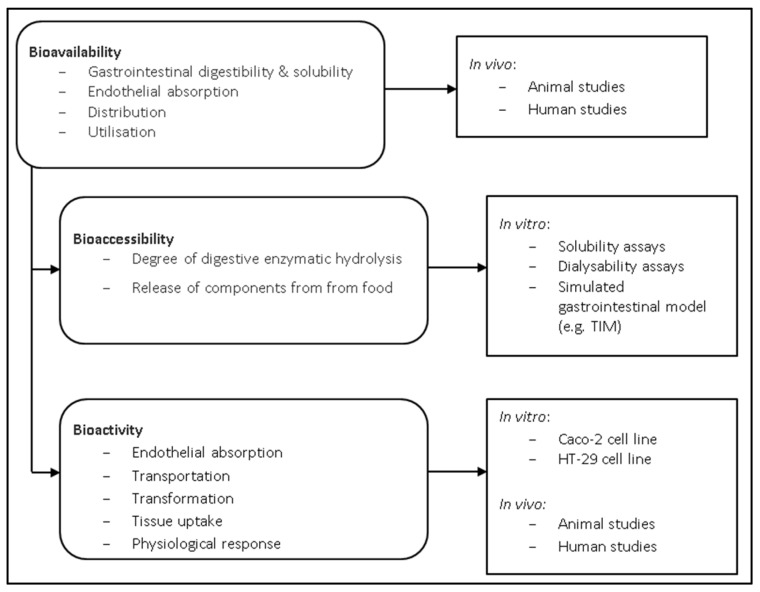
“Bioavailability can be described as the fraction of ingested food components that is available at the target site of action for utilisation in various physiological functions [41].”
The Closest Living Relatives of Land Plants
Karol, K. G., McCourt, R. M., Cimino, M. T., & Delwiche, C. F. (2001) · Science · doi:10.1126/science.1065156 · Cited by 561 · cited 1×
“Green algae are a diverse group of approximately 8000 species, consisting of the divisions Chlorophyta and Charophyta [20].”
Bioavailability of angiotensin I converting enzyme inhibitory peptides
Vermeirssen, V., Camp, J. V., & Verstraete, W. (2004) · British Journal of Nutrition · doi:10.1079/bjn20041189 · Cited by 548 · cited 1×
“This is an essential trait for bioactive peptides in order to achieve their physiological effect at their site of action [236].”
Application of Novel Extraction Technologies for Bioactives from Marine Algae
Kadam, S. U., Tiwari, B. K., & O’Donnell, C. P. (2013) · Journal of Agricultural and Food Chemistry · doi:10.1021/jf400819p · Cited by 547 · cited 8×
“Great emphasis has therefore been placed on researching methods for breaking down of the anionic cell wall in order to allow the release of the valuable intracellular contents [13].”
Influentialvan der Spiegel, M., Noordam, M. Y., & van der Fels‐Klerx, H. J. (2013) · Comprehensive Reviews in Food Science and Food Safety · doi:10.1111/1541-4337.12032 · Cited by 537 · cited 1×
“Microalgae do not appear to exceed legal levels of heavy metals [261].”
Seasonal variation in the chemical composition of two tropical seaweeds.
Marinho-Soriano, E., Fonseca, P. C., Carneiro, M. A. A., & Moreira, W. S. C. (2006) · Bioresource Technology · doi:10.1016/j.biortech.2005.10.014 · Cited by 537 · cited 1×
“Similarly, Gracilaria cervicornis and S. vulgare varied by season, with protein levels negatively correlating with temperature and salinity [248].”
Killing of microorganisms by pulsed electric fields
Grahl, T., & Märkl, H. (1996) · Applied Microbiology and Biotechnology · doi:10.1007/s002530050663 · Cited by 532 · cited 1×
“PEF is a fast and green technology for inactivating microorganisms by irreversible electroporation and aiding the release of intracellular contents of plant cells [90,91].”
Nutritional and therapeutic potential of spirulina
Khan, Z., Bhadouria, P., & Bisen, P. (2005) · Current Pharmaceutical Biotechnology · doi:10.2174/138920105774370607 · Cited by 524 · cited 1×
“It has therefore been given the label of a ‘super food’ by the World Health Organisation (WHO) and has even been sent to space by the National Aeronautics and Space Administration (NASA) due to its nutrient-dense properties [123].”
Biorefinery of microalgae for food and fuel
Vanthoor-Koopmans, M., Wijffels, R. H., Barbosa, M. J., & Eppink, M. H. M. (2013) · Bioresource Technology · doi:10.1016/j.biortech.2012.10.135 · Cited by 499 · cited 3×
“Conventional methods of algal protein extraction are often quite wasteful as they typically dispose of the algae by-products following processing [88].”
InfluentialCuellar‐Bermudez, S. P., Aguilar‐Hernandez, I., Cardenas‐Chavez, D. L., Ornelas‐Soto, N., Romero‐Ogawa, M. A., & Parra‐Saldivar, R. (2015) · Microbial Biotechnology · doi:10.1111/1751-7915.12167 · Cited by 486 · cited 2×
“Following protein extraction, greater emphasis must additionally be placed on protein purification, with salt removal and buffer exchange being important steps [266].”
Rousset, M. (1986) · Biochimie · doi:10.1016/s0300-9084(86)80177-8 · Cited by 476 · cited 1×
“HT-29 is another human colon carcinoma cell line that has been used to study epithelial transport, although it is rarely used [63].”
An overview: biomolecules from microalgae for animal feed and aquaculture
Yaakob, Z., Ali, E., Zainal, A., Mohamad, M., & Takriff, M. S. (2014) · Journal of Biological Research-Thessaloniki · doi:10.1186/2241-5793-21-6 · Cited by 459 · cited 1×
“The main substance found in Chlorella that is beneficial for human health is β -1,3-glucan, which is an active immunostimulant, free-radical scavenger and reducer of blood lipids [125].”
Minekus, M., Smeets-Peeters, M., Bernalier, A., Marol-Bonnin, S., Havenaar, R., Marteau, P., Alric, M., Fonty, G., & Huis in't Veld, J. H. J. (1999) · Applied Microbiology and Biotechnology · doi:10.1007/s002530051622 · Cited by 458 · cited 1×
“TIM-2 focuses on the large intestine, serving as a tool to study the effect of microbial fermentation and nutrient absorption in the colon [54].”
Glahn, R. P., Lee, O. A., Yeung, A., Goldman, M. I., & Miller, D. D. (1998) · The Journal of Nutrition · doi:10.1093/jn/128.9.1555 · Cited by 455 · cited 1×
“Caco-2 cells, a cell line derived from human colonic adenocarcinoma, are by far the most commonly used [52,62].”
Microalgae for aquaculture: Opportunities and constraints
Borowitzka, M. A. (1997) · Journal of Applied Phycology · doi:10.1023/a:1007921728300 · Cited by 447 · cited 1×
“This has led to their widespread incorporation as an important food source and feed additive in the commercial rearing of many aquatic animals, including molluscs, shrimp, and rotifers [177].”
Phycobiliproteins — a family of valuable, widely used fluorophores
Glazer, A. N. (1994) · Journal of Applied Phycology · doi:10.1007/bf02186064 · Cited by 446 · cited 1×
“Phycobiliproteins are water-soluble proteins with an important role in photosynthesis within cyanobacteria, Rhodophyta, and cryptomonads [133].”
Tokuşoglu, Ö., & üUnal, M. K. (2003) · Journal of Food Science · doi:10.1111/j.1365-2621.2003.tb09615.x · Cited by 446
Microalgae for “Healthy” Foods-Possibilities and Challenges
Chacón‐Lee, T. L., & González‐Mariño, G. E. (2010) · Comprehensive Reviews in Food Science and Food Safety · doi:10.1111/j.1541-4337.2010.00132.x · Cited by 428 · cited 3×
“Several of these species are currently exploited for a variety of biotechnological purposes, including cosmeceuticals, animal feed, fatty acids, alginates, wastewater treatment, and biofuel [9,25,26].”
Barbarino, E., & Lourenço, S. O. (2005) · Journal of Applied Phycology · doi:10.1007/s10811-005-1641-4 · Cited by 414 · cited 6×
“Physical Processes Barbarino and Lourenço (2005) reported that physical grinding with the use of a Potter homogeniser significantly increased protein extraction yield from Porphyra acanthophora var. acanthophora , Sargassum vulgare , and Ulva fasciata following immersion in ultra-pure water (Table 1) [68].”
InfluentialAshokkumar, M., Sunartio, D., Kentish, S., Mawson, R., Simons, L., Vilkhu, K., & Versteeg, C. (. (2008) · Innovative Food Science & Emerging Technologies · doi:10.1016/j.ifset.2007.05.005 · Cited by 402 · cited 1×
“The degradative effect of radical sonochemistry, which is the most relevant aspect in terms of improving bioavailability of algal proteins, is not produced by the ultrasound waves, but rather by the formation, growth, and implosion of bubbles formed by what is known as acoustic cavitation [79].”
Sheih, I.-C., Wu, T.-K., & Fang, T. J. (2009) · Bioresource Technology · doi:10.1016/j.biortech.2009.02.014 · Cited by 395 · cited 1×
“As several studies have shown, the by-products of algae can still have many applications that could be of economic value [209,215,224].”
BIOACTIVE PROTEINS, PEPTIDES, AND AMINO ACIDS FROM MACROALGAE1: MACROALGAE: BIOACTIVE AGENT SOURCE
Harnedy, P. A., & FitzGerald, R. J. (2011) · Journal of Phycology · doi:10.1111/j.1529-8817.2011.00969.x · Cited by 393
Chemical composition and functional properties of Ulva lactuca seaweed collected in Tunisia
Yaich, H., Garna, H., Besbes, S., Paquot, M., Blecker, C., & Attia, H. (2011) · Food Chemistry · doi:10.1016/j.foodchem.2011.03.114 · Cited by 393 · cited 1×
“Membrane technologies are well suited for use with seaweed as part of a cascading biorefinery process to maximise valorisation of all components within algae, while avoiding the presence of heavy metals in the final product [104].”
Etcheverry, P., Grusak, M. A., & Fleige, L. E. (2012) · Frontiers in Physiology · doi:10.3389/fphys.2012.00317 · Cited by 391
Nutritional value of proteins from edible seaweed Palmaria palmata (dulse)
Galland-Irmouli, A.-V., Fleurence, J., Lamghari, R., Luçon, M., Rouxel, C., Barbaroux, O., Bronowicki, J.-P., Villaume, C., & Guéant, J.-L. (1999) · The Journal of Nutritional Biochemistry · doi:10.1016/s0955-2863(99)00014-5 · Cited by 374 · cited 1×
“For example, annual monitoring of P. palmata harvested on the French Atlantic coast showed that protein levels were highest in the winter and spring months, varying from 9 to 25%, and peaking in May [247].”
The role of microalgae in aquaculture: situation and trends
Muller-Feuga, A. (2000) · Journal of Applied Phycology · doi:10.1023/a:1008106304417 · Cited by 372 · cited 1×
“Carotenoid pigments, such as astaxanthin derived from Haematococcus pluvalis , are incorporated into the diets of salmonoids, shrimp, lobsters, and crayfish, to give them their characteristic pink flesh [180].”
Ye, H., Wang, K., Zhou, C., Liu, J., & Zeng, X. (2008) · Food Chemistry · doi:10.1016/j.foodchem.2008.04.012 · Cited by 372 · cited 2×
“MF has already been demonstrated for harvesting whole microalgal cells, while UF was reported for the extraction of algal polysaccharides [106,107].”
MethodVan den Abbeele, P., Grootaert, C., Marzorati, M., Possemiers, S., Verstraete, W., Gérard, P., Rabot, S., Bruneau, A., El Aidy, S., Derrien, M., et al. (2010) · Applied and Environmental Microbiology · doi:10.1128/aem.00759-10 · Cited by 345
Bioactive peptides from marine sources: pharmacological properties and isolation procedures
ANEIROS, A., & GARATEIX, A. (2004) · Journal of Chromatography B · doi:10.1016/j.jchromb.2003.11.005 · Cited by 335 · cited 1×
“Phycobiliproteins are used in fluorescent labelling, flow cytometry, fluorescent microscopy, and fluorescent immunohistochemistry [136,137].”
Statement on tolerable weekly intake for cadmium
(CONTAM), E. P. O. C. I. T. F. C. (2011) · EFSA Journal · doi:10.2903/j.efsa.2011.1975 · Cited by 327 · cited 1×
“The tolerable weekly intake (TWI) of methylmercury, arsenic, lead, and cadmium are 1.6, 15, 25, and 25 µ g/kg body weight, respectively [255–258].”
InfluentialPulsed electric field assisted extraction of intracellular valuables from microalgae
Goettel, M., Eing, C., Gusbeth, C., Straessner, R., & Frey, W. (2013) · Algal Research · doi:10.1016/j.algal.2013.07.004 · Cited by 313 · cited 2×
“PEF for the extraction of intracellular algal components is still in its infancy, having predominantly been used for lipid extraction [93].”
Prabhasankar, P., Ganesan, P., Bhaskar, N., Hirose, A., Stephen, N., Gowda, L. R., Hosokawa, M., & Miyashita, K. (2009) · Food Chemistry · doi:10.1016/j.foodchem.2008.12.047 · Cited by 306 · cited 1×
“pinnatifida (wakame) integrated into pasta has antioxidant activity and acceptable sensory attributes at levels up to 10% [118].”
ACE Inhibitory Peptides Derived from Enzymatic Hydrolysates of Animal Muscle Protein: A Review
Vercruysse, L., Van Camp, J., & Smagghe, G. (2005) · Journal of Agricultural and Food Chemistry · doi:10.1021/jf0508908 · Cited by 305 · cited 1×
“However, bioactive peptides have also been identified in a number of food sources, including meat, egg, fish, and blood, as well as plant sources, including rice, soybean, wheat, pea, broccoli, garlic, and algae [132,188–197].”
Barba, F. J., Grimi, N., & Vorobiev, E. (2015) · Food Engineering Reviews · doi:10.1007/s12393-014-9095-6 · Cited by 304 · cited 3×
“Ultrasound-aided extraction was also evaluated in microalgae for a number of value-added components, although there have been relatively few studies that have focused on ultrasound for improved protein extraction [82,83].”
Jung, W.-K., Mendis, E., Je, J.-Y., Park, P.-J., Son, B. W., Kim, H. C., Choi, Y. K., & Kim, S.-K. (2006) · Food Chemistry · doi:10.1016/j.foodchem.2004.09.048 · Cited by 300
The harmonized INFOGEST in vitro digestion method: From knowledge to action
Egger, L., Ménard, O., Delgado-Andrade, C., Alvito, P., Assunção, R., Balance, S., Barberá, R., Brodkorb, A., Cattenoz, T., Clemente, A., et al. (2016) · Food Research International · doi:10.1016/j.foodres.2015.12.006 · Cited by 291 · cited 1×
“INFOGEST is a static in vitro digestion model which aims to harmonise the methods used to assess digestibility, allowing for better comparisons between studies [60,61].”
Sato, M., Hosokawa, T., Yamaguchi, T., Nakano, T., Muramoto, K., Kahara, T., Funayama, K., Kobayashi, A., & Nakano, T. (2002) · Journal of Agricultural and Food Chemistry · doi:10.1021/jf020482t · Cited by 290 · cited 3×
“pinnatifida which displayed in vitro and in vivo bioactivity [203].”
Mahler, G. J., Shuler, M. L., & Glahn, R. P. (2009) · The Journal of Nutritional Biochemistry · doi:10.1016/j.jnutbio.2008.05.006 · Cited by 287 · cited 1×
“The co-culture of Caco-2 cells with a human mucous-producing cell line, such as HT29-MTX, has been suggested to more closely resemble in vivo conditions [64].”
Sheih, I.-C., Fang, T. J., & Wu, T.-K. (2009) · Food Chemistry · doi:10.1016/j.foodchem.2008.12.019 · Cited by 280
Biorefinery of the green seaweed Ulva lactuca to produce animal feed, chemicals and biofuels
Bikker, P., van Krimpen, M. M., van Wikselaar, P., Houweling-Tan, B., Scaccia, N., van Hal, J. W., Huijgen, W. J. J., Cone, J. W., & López-Contreras, A. M. (2016) · Journal of Applied Phycology · doi:10.1007/s10811-016-0842-3 · Cited by 271
Norton, T. A., Melkonian, M., & Andersen, R. A. (1996) · Phycologia · doi:10.2216/i0031-8884-35-4-308.1 · Cited by 269
Yamaguchi, K. (1996) · Journal of Applied Phycology · doi:10.1007/bf02186327 · Cited by 263 · cited 2×
“Chlorella is another widely consumed microalga, with global sales exceeding US $38 billion [124].”
Spirulina as a livestock supplement and animal feed
Holman, B. W. B., & Malau‐Aduli, A. E. O. (2013) · Journal of Animal Physiology and Animal Nutrition · doi:10.1111/j.1439-0396.2012.01328.x · Cited by 260 · cited 3×
“Of all the animals evaluated for algae supplementation, ruminants are the most promising in terms of digesting the high fibre content for the greatest extraction efficiency of algal proteins [139].”
Perspective of Membrane Technology in Dairy Industry: A Review
Kumar, P., Sharma, N., Ranjan, R., Kumar, S., Bhat, Z. F., & Jeong, D. K. (2013) · Asian-Australasian Journal of Animal Sciences · doi:10.5713/ajas.2013.13082 · Cited by 257 · cited 3×
“Nanofiltration (NF) could then be used to remove monovalent salts to minimise osmotic pressure, followed by reverse osmosis (RO) to reduce fluid volume [103].”
InfluentialHeavy metals in edible seaweeds commercialised for human consumption
Besada, V., Andrade, J. M., Schultze, F., & González, J. J. (2009) · Journal of Marine Systems · doi:10.1016/j.jmarsys.2008.10.010 · Cited by 255 · cited 2×
“In contrast, arsenic and cadmium have been identified in algae at levels above the legal limits, with H. fusiformis in particular containing a high content of these toxic heavy metals [259,260].”
Anticoagulant activity of marine green and brown algae collected from Jeju Island in Korea
ATHUKORALA, Y., LEE, K., KIM, S., & JEON, Y. (2007) · Bioresource Technology · doi:10.1016/j.biortech.2006.07.034 · Cited by 253 · cited 1×
“Algal peptides have been reported to display several other bioactivities, including hepatoprotective, immunomodulatory, ultraviolet (UV) radiation-protective, anti-osteoporosis, and anti-coagulant [229–234].”
Joint position statement: nutrition and athletic performance
(2001) · Scandinavian Journal of Medicine & Science in Sports · doi:10.1046/j.1524-4725.2001.110310_2.x · Cited by 253
Charophyte algae and land plant origins
McCourt, R. M., Delwiche, C. F., & Karol, K. G. (2004) · Trends in Ecology & Evolution · doi:10.1016/j.tree.2004.09.013 · Cited by 251 · cited 1×
“Chlorophyta are a large group of unicellular and multicellular algae, while charophyta are a smaller group of exclusively freshwater, multicellular green algae from which it is believed that Embryophyta (terrestrial plants) evolved from [21].”
Suetsuna, K., Maekawa, K., & Chen, J.-R. (2004) · The Journal of Nutritional Biochemistry · doi:10.1016/j.jnutbio.2003.11.004 · Cited by 249 · cited 6×
“Similarly, one week of continuous oral administration of 10 mg/kg body weight/day Tyr-His, Lys-Tyr, Phe-Tyr, and Ile-Tyr reduced SBP by 34, 26, 34 and 25 mm Hg, respectively [202].”
InfluentialElectroporation of cells in microfluidic devices: a review
Fox, M. B., Esveld, D. C., Valero, A., Luttge, R., Mastwijk, H. C., Bartels, P. V., van den Berg, A., & Boom, R. M. (2006) · Analytical and Bioanalytical Chemistry · doi:10.1007/s00216-006-0327-3 · Cited by 247 · cited 1×
“Electroporation enables the introduction of various foreign components to cells, including DNA, proteins, and drugs [89].”
Identification of an antihypertensive peptide from peptic digest of wakame (Undaria pinnatifida)
Suetsuna, K., & Nakano, T. (2000) · The Journal of Nutritional Biochemistry · doi:10.1016/s0955-2863(00)00110-8 · Cited by 243 · cited 2×
“pinnatifida which displayed in vitro ACE‐I inhibitory and in vivo anti‐hypertensive bioactivity in spontaneously hypertensive rats (SHRs) (Table 2) [201].”
Anticancer and Antioxidant Activities of the Peptide Fraction from Algae Protein Waste
Sheih, I.-C., Fang, T. J., Wu, T.-K., & Lin, P.-H. (2010) · Journal of Agricultural and Food Chemistry · doi:10.1021/jf903089m · Cited by 240 · cited 1×
“Antioxidant peptides have therefore been isolated from several species of microalgae, including C. vulgaris , Navicula incerta , and Chlorella ellipsoidea [214–217].”
Fleurence, J., Morançais, M., Dumay, J., Decottignies, P., Turpin, V., Munier, M., Garcia-Bueno, N., & Jaouen, P. (2012) · Trends in Food Science & Technology · doi:10.1016/j.tifs.2012.03.004 · Cited by 236 · cited 1×
“Seaweed and microalgae are rich sources of protein and contain all of the essential amino acids at various concentrations [112].”
Zbinden, M. D. A., Sturm, B. S. M., Nord, R. D., Carey, W. J., Moore, D., Shinogle, H., & Stagg‐Williams, S. M. (2013) · Biotechnology and Bioengineering · doi:10.1002/bit.24829 · Cited by 234
Critical Evaluation of in Vitro Methods for Estimating Digestibility in Simple-Stomach Animals
Boisen, S., & Eggum, B. O. (1991) · Nutrition Research Reviews · doi:10.1079/nrr19910012 · Cited by 233 · cited 1×
“The quality of proteins can vary dramatically, depending on digestibility and the availability of essential amino acids [30].”
On the human consumption of the red seaweed dulse (Palmaria palmata (L.) Weber & Mohr)
Mouritsen, O. G., Dawczynski, C., Duelund, L., Jahreis, G., Vetter, W., & Schröder, M. (2013) · Journal of Applied Phycology · doi:10.1007/s10811-013-0014-7 · Cited by 228
Extraction of protein from the macroalga Palmaria palmata
Harnedy, P. A., & FitzGerald, R. J. (2013) · LWT - Food Science and Technology · doi:10.1016/j.lwt.2012.09.023 · Cited by 221 · cited 6×
“Osmotic stress - 6.77 ± 0.22 g/100 g dw (39% yield) [73] High shear force - 6.92 ± 0.”
InfluentialSuetsuna, K., & Chen, J.-R. (2001) · Marine Biotechnology · doi:10.1007/s10126-001-0012-7 · Cited by 219 · cited 2×
“Suetsuna and Chen (2001) identified several peptides from C. vulgaris and A. platensis which displayed promising ACE-I inhibitory and anti-hypertensive activity in SHRs (Table 2) [208].”
O’Sullivan, A. M., O’Callaghan, Y. C., O’Grady, M. N., Queguineur, B., Hanniffy, D., Troy, D. J., Kerry, J. P., & O’Brien, N. M. (2011) · Food Chemistry · doi:10.1016/j.foodchem.2010.11.127 · Cited by 219
Passos, F., Carretero, J., & Ferrer, I. (2015) · Chemical Engineering Journal · doi:10.1016/j.cej.2015.05.065 · Cited by 218 · cited 1×
“Increased levels of soluble proteins were extracted from a microalgae biomass containing green microalgae ( Stigeoclonium sp. and Monoraphidium sp.) and diatoms ( Nitzschia sp. and Navicula sp.) using microwave pre-treatment compared to ultrasound [101].”
Anti-hypertensive Nutraceuticals and Functional Foods
Chen, Z.-Y., Peng, C., Jiao, R., Wong, Y. M., Yang, N., & Huang, Y. (2009) · Journal of Agricultural and Food Chemistry · doi:10.1021/jf900803r · Cited by 218 · cited 2×
“…to synthetic drugs, especially for individuals who are borderline hypertensive and do not warrant the prescription of pharmaceutical drugs [239]. especially for individuals who are borderline hypertensive and do not warrant the prescription of pharmaceutical drugs [239]. vasodilation by…”
Seaweeds for animal production use
Evans, F. D., & Critchley, A. T. (2014) · Journal of Applied Phycology · doi:10.1007/s10811-013-0162-9 · Cited by 218 · cited 1×
“Tasco ® is an example of a proprietary seaweed meal derived from A. nodosum , produced by Acadian Seaplants in Nova Scotia, Canada (http://www.acadianseaplants.com), which has demonstrated beneficial properties when included in animal feed [140].”
Vo, T.-S., Ryu, B., & Kim, S.-K. (2013) · Journal of Functional Foods · doi:10.1016/j.jff.2013.05.001 · Cited by 209 · cited 1×
“maxima (Leu-Asp-Ala-Val-Asn-Arg and Met-Met-Leu-Asn-Phe), which were additionally reported to display anti-atherosclerosis bioactivity [226,227].”
Machmudah, S., Shotipruk, A., Goto, M., Sasaki, M., & Hirose, T. (2006) · Industrial & Engineering Chemistry Research · doi:10.1021/ie051357k · Cited by 202 · cited 1×
“Furthermore, any reagents used for the production or extraction of algal proteins must also be environmentally friendly with minimum impact on local ecosystems [265].”
Fleurence, J., Le Coeur, C., Mabeau, S., Maurice, M., & Landrein, A. (1995) · Journal of Applied Phycology · doi:10.1007/bf00003945 · Cited by 201 · cited 1×
“Ulva rigida Two-phase system NaOH and 2-mercaptoethanol [70] Ulva rotunda Laminaria digitata Two-phase system Polyethylene glycol (PEG) and potassium carbonate [71]”
Postma, P. R., Pataro, G., Capitoli, M., Barbosa, M. J., Wijffels, R. H., Eppink, M. H. M., Olivieri, G., & Ferrari, G. (2016) · Bioresource Technology · doi:10.1016/j.biortech.2015.12.012 · Cited by 200
Boeckaert, C., Vlaeminck, B., Dijkstra, J., Issa-Zacharia, A., Van Nespen, T., Van Straalen, W., & Fievez, V. (2008) · Journal of Dairy Science · doi:10.3168/jds.2008-1178 · Cited by 193 · cited 1×
“Similar results were observed in other studies, as well as with supplementation of Schizochytrium sp. [168,169].”
Ko, S.-C., Kang, N., Kim, E.-A., Kang, M. C., Lee, S.-H., Kang, S.-M., Lee, J.-B., Jeon, B.-T., Kim, S.-K., Park, S.-J., et al. (2012) · Process Biochemistry · doi:10.1016/j.procbio.2012.07.015 · Cited by 192 · cited 1×
“…the proteases Protamax, Kojizyme, Neutrase, Flavourzyme, Alcalase, trypsin, α -chemotrypsin, pepsin, and papain generated several ACE-I inhibitory peptides, of which Val-Glu-Gly-Tyr was shown to be the most potent in vitro ACE-I inhibitor and in vivo anti-hypertensive with SHRs (Table 2) [211].”
Extraction and characterization of protein from Irish brown seaweed Ascophyllum nodosum
Kadam, S. U., Álvarez, C., Tiwari, B. K., & O'Donnell, C. P. (2017) · Food Research International · doi:10.1016/j.foodres.2016.07.018 · Cited by 192 · cited 4×
“Furthermore, these methods are also laborious and time consuming [69].”
InfluentialKo, S.-C., Kim, D., & Jeon, Y.-J. (2012) · Food and Chemical Toxicology · doi:10.1016/j.fct.2012.04.022 · Cited by 192
Heavy Metal, Total Arsenic, and Inorganic Arsenic Contents of Algae Food Products
Almela, C., Algora, S., Benito, V., Clemente, M. J., Devesa, V., Súñer, M. A., Vélez, D., & Montoro, R. (2002) · Journal of Agricultural and Food Chemistry · doi:10.1021/jf0110250 · Cited by 191 · cited 2×
“In contrast, arsenic and cadmium have been identified in algae at levels above the legal limits, with H. fusiformis in particular containing a high content of these toxic heavy metals [259,260].”
Cian, R. E., Martínez-Augustin, O., & Drago, S. R. (2012) · Food Research International · doi:10.1016/j.foodres.2012.07.003 · Cited by 191 · cited 2×
“As several studies have shown, the by-products of algae can still have many applications that could be of economic value [209,215,224].”
Ginzberg, A., Cohen, M., Sod-Moriah, U. A., Shany, S., Rosenshtrauch, A., & Arad, S. (2000) · Journal of Applied Phycology · doi:10.1023/a:1008102622276 · Cited by 182 · cited 1×
“The inclusion of Spirulina can also further valorise egg products by decreasing their cholesterol and saturated fatty acid content, and replacing it with increased levels of beneficial omega-3 polyunsaturated fatty acids [146,154].”
Sampath-Wiley, P., Neefus, C. D., & Jahnke, L. S. (2008) · Journal of Experimental Marine Biology and Ecology · doi:10.1016/j.jembe.2008.05.001 · Cited by 177 · cited 1×
“Furthermore, due to their harsh environment and phototropic life, algae are often exposed to high oxidative and free-radical stresses [8].”
Fitzgerald, C., Mora-Soler, L., Gallagher, E., O’Connor, P., Prieto, J., Soler-Vila, A., & Hayes, M. (2012) · Journal of Agricultural and Food Chemistry · doi:10.1021/jf301361c · Cited by 177 · cited 1×
“An anti-hypertensive peptide (Ile-Arg-Leu-Ile-Ile-Val-Leu-Met-Pro-Ile-Leu-Met-Ala) has also been isolated from P. palmata , which was reported to inhibit renin at concentrations similar to that that of the positive control [241].”
Self-citationPhycobiliproteins and phycobilisomes: the early observations
de Marsac, N. T. (2003) · Photosynthesis Research · doi:10.1023/a:1024954911473 · Cited by 176
Ekmekçioğlu, C. (2002) · Food Chemistry · doi:10.1016/s0308-8146(01)00291-6 · Cited by 175 · cited 2×
“…consumption, including digestibility and solubility of the food element in the gastrointestinal tract, absorption/assimilation of the food element across the intestinal epithelial cells and into the circulatory system, and finally, incorporation into the target site of utilisation (Figure 1) [42].”
Rho, S. J., Lee, J.-S., Chung, Y. I., Kim, Y.-W., & Lee, H. G. (2009) · Process Biochemistry · doi:10.1016/j.procbio.2008.12.017 · Cited by 171
Wong, K. H., & Cheung, P. C. K. (2001) · Food Chemistry · doi:10.1016/s0308-8146(00)00176-x · Cited by 170 · cited 2×
“Similarly, phenolic compounds can react with amino acids to form insoluble compounds [65].”
Marine Algae-Derived Bioactive Peptides for Human Nutrition and Health
Fan, X., Bai, L., Zhu, L., Yang, L., & Zhang, X. (2014) · Journal of Agricultural and Food Chemistry · doi:10.1021/jf502420h · Cited by 170 · cited 2×
“Within these protein sequences, bioactive peptides have been identified with beneficial properties for human health, including antioxidant, anticancer, anti-hypertensive, immunosuppressive, anti-atherosclerosis, and hepatoprotective effects [198].”
Antihypertensive Peptides Derived from Egg Proteins
Miguel, M., & Aleixandre, A. (2006) · The Journal of Nutrition · doi:10.1093/jn/136.6.1457 · Cited by 168
Li, G., Qu, M.-R., Wan, J.-Z., & You, J. (2007) · PubMed · Cited by 166
Antihypertensive Peptides Derived from Bovine Casein and Whey Proteins
Saito, T. (2007) · Springer eBooks · doi:10.1007/978-0-387-74087-4_12 · Cited by 165 · cited 1×
“Milk proteins remain the most common source for bioactive peptides [186,187].”
Parniakov, O., Barba, F. J., Grimi, N., Marchal, L., Jubeau, S., Lebovka, N., & Vorobiev, E. (2014) · Innovative Food Science & Emerging Technologies · doi:10.1016/j.ifset.2014.11.002 · Cited by 165
Opportunities and challenges for seaweed in the biobased economy
van Hal, J. W., Huijgen, W. J. J., & López-Contreras, A. M. (2014) · Trends in Biotechnology · doi:10.1016/j.tibtech.2014.02.007 · Cited by 165 · cited 1×
“Seaweed is ideally suited for cascading biorefinery because it contains many high-value components as well as bulky low-value components that are considered raw materials for the bio-based economy, such as xylose and glucose [268].”
Suetsuna, K. (1998) · The Journal of Nutritional Biochemistry · doi:10.1016/s0955-2863(98)00036-9 · Cited by 162
Tibbetts, S. M., Milley, J. E., & Lall, S. P. (2016) · Journal of Applied Phycology · doi:10.1007/s10811-016-0863-y · Cited by 161 · cited 3×
“These results demonstrate that seaweed proteins have comparable in vitro digestibility compared to that of other commonly consumed plants, including grains (69%–84%), legumes (72%–92%), fruits (72%–92%), and vegetables (68%–80%) [67].”
Curto, A. L., Pitino, I., Mandalari, G., Dainty, J. R., Faulks, R. M., & Wickham, M. S. J. (2011) · Food Microbiology · doi:10.1016/j.fm.2011.06.007 · Cited by 161 · cited 1×
“Additional in vitro gastrointestinal models have also been described to study digestion and microbiota colonisation [55–58].”
Heart Health Peptides from Macroalgae and Their Potential Use in Functional Foods
Fitzgerald, C., Gallagher, E., Tasdemir, D., & Hayes, M. (2011) · Journal of Agricultural and Food Chemistry · doi:10.1021/jf201114d · Cited by 160 · cited 2×
“Synthetic ACE-I inhibitor drugs, such as captopril, enalapril, and alacepril, often come with several side effects, including hypotension, dry cough, and impaired renal function [19].”
Self-citationParniakov, O., Apicella, E., Koubaa, M., Barba, F. J., Grimi, N., Lebovka, N., Pataro, G., Ferrari, G., & Vorobiev, E. (2015) · Bioresource Technology · doi:10.1016/j.biortech.2015.09.020 · Cited by 159 · cited 1×
“Ultrasound-aided extraction was also evaluated in microalgae for a number of value-added components, although there have been relatively few studies that have focused on ultrasound for improved protein extraction [82,83].”
Amino acid composition of algal products and its contribution to RDI
Mišurcová, L., Buňka, F., Vávra Ambrožová, J., Machů, L., Samek, D., & Kráčmar, S. (2014) · Food Chemistry · doi:10.1016/j.foodchem.2013.11.040 · Cited by 158 · cited 2×
“Furthermore, leucine and isoleucine are commonly found in low concentrations in red species of algae, while methionine, cysteine, and lysine are often limiting in brown algae species [35,38].”
Immunoassay techniques with fluorescent phycobiliprotein conjugates.
Kronick, M. N., & Grossman, P. D. (1983) · Clinical Chemistry · doi:10.1093/clinchem/29.9.1582 · Cited by 150 · cited 1×
“Phycobiliproteins are used in fluorescent labelling, flow cytometry, fluorescent microscopy, and fluorescent immunohistochemistry [136,137].”
Kulshreshtha, G., Rathgeber, B., Stratton, G., Thomas, N., Evans, F., Critchley, A., Hafting, J., & Prithiviraj, B. (2014) · Poultry Science · doi:10.3382/ps.2014-04200 · Cited by 150 · cited 1×
“The incorporation of red seaweeds C. crispus and Sarcodiotheca gaudichaudii was also reported to effectively act as a prebiotic to improve chicken gut health, productivity, and egg quality [157].”
An investigation of ultrasound effect on microalgal cell integrity and lipid extraction efficiency
Keris-Sen, U. D., Sen, U., Soydemir, G., & Gurol, M. D. (2013) · Bioresource Technology · doi:10.1016/j.biortech.2013.11.018 · Cited by 149
Tangential flow filtration: A method to concentrate freshwater algae
Petrusevski, B., Bolier, G., Breemen, A. N. V., & Alaerts, G. J. (1995) · Water Research · doi:10.1016/0043-1354(94)00269-d · Cited by 148 · cited 2×
“MF has already been demonstrated for harvesting whole microalgal cells, while UF was reported for the extraction of algal polysaccharides [106,107].”
Potential health benefits of spirulina microalgae*: A review of the existing literature
Capelli, B., & Cysewski, G. R. (2010) · Nutrafoods · doi:10.1007/bf03223332 · Cited by 147 · cited 2×
“As a demonstration of this, Spirulina has 180% more calcium than milk, 670% more protein than tofu, 3100% more β-carotene than carrots, and 5100% more iron than spinach [27].”
Reilly, P., O’Doherty, J. V., Pierce, K. M., Callan, J. J., O’Sullivan, J. T., & Sweeney, T. (2008) · Animal · doi:10.1017/s1751731108002711 · Cited by 143 · cited 1×
“…in contrast to the findings of Reilly and colleagues (2008), who reported that the brown seaweeds Laminaria hyperborea and L. digitata actually decreased the biodiversity of beneficial microbial populations within the pig’s gut, although this did not significantly affect the pig’s performance [163].”
Bösze, Z. (2007) · Advances in experimental medicine and biology · doi:10.1007/978-0-387-74087-4 · Cited by 143
The Impact of Processing on the Nutritional Quality of Food Proteins
Meade, S. J., Reid, E. A., & Gerrard, J. A. (2005) · Journal of AOAC INTERNATIONAL · doi:10.1093/jaoac/88.3.904 · Cited by 142 · cited 1×
“…that can improve food taste, texture, safety in terms of allergenicity and microbial load, and preservation, while also increasing bioavailability and utilisation of proteins by partial denaturation and breakdown of proteins into peptides, allowing for easier access by proteolytic enzymes [252].”
Tasco: Influence of a brown seaweed on antioxidants in forages and livestock—A review
Allen, V. G., Pond, K. R., Saker, K. E., Fontenot, J. P., Bagley, C. P., Ivy, R. L., Evans, R. R., Schmidt, R. E., Fike, J. H., Zhang, X., et al. (2001) · Journal of Animal Science · doi:10.2527/jas2001.79e-supple21x · Cited by 141
The Nutritional Value of Dehydrated, Blue-Green Algae (Spirulina plantensis) for Poultry
ROSS, E., & DOMINY, W. (1990) · Poultry Science · doi:10.3382/ps.0690794 · Cited by 137 · cited 2×
“Furthermore, this study also reported that the inclusion of Spirulina also increased fertility rates, as well as increasing the intensity of the egg-yolk colour [150].”
Rodríguez‐García, I., & Guil‐Guerrero, J. L. (2007) · Food Chemistry · doi:10.1016/j.foodchem.2007.11.059 · Cited by 136 · cited 1×
“Chlorella also contains many other beneficial nutrients, including β -1,3-glucan, vitamins (B-complex and ascorbic acid), minerals (potassium, sodium, magnesium, iron, and calcium), β -carotene, chlorophyll, and Chlorella growth factor (CGF) [29].”
Antioxidant Activity of Enzymatic Extracts from Brown Seaweeds
Heo, S. J., Lee, G. W., Song, C. B., & Jeon, Y. J. (2003) · ALGAE · doi:10.4490/algae.2003.18.1.071 · Cited by 135
Phycobiliproteins and phycobilisomes: the early observations
de Marsac, N. T. (2005) · Advances in photosynthesis and respiration · doi:10.1007/1-4020-3324-9_43 · Cited by 133
Unravelling the algae: the past, present, and future of algal systematics
(2007) · CRC Press eBooks · doi:10.1201/9780849379901 · Cited by 133
Separation, antitumor activities, and encapsulation of polypeptide from Chlorella pyrenoidosa
Wang, X., & Zhang, X. (2013) · Biotechnology Progress · doi:10.1002/btpr.1725 · Cited by 132 · cited 1×
“Microalgae have also been reported to display anticancer peptides, such as Chlorella pyrenoidosa antitumor polypeptide (CPAP) derived from Chlorella pyrenoidosa and polypeptide Y2 derived from A. platensis [222,223].”
Fleurence, J. (1999) · Journal of Applied Phycology · doi:10.1023/a:1008183704389 · Cited by 131 · cited 1×
“However, the successful extraction of algal proteins can be greatly influenced by the availability of the protein molecules, which can be substantially hindered by high viscosity and anionic cell-wall polysaccharides, such as alginates in brown seaweed and carrageenans in red seaweed [72].”
Yu, Y., Hu, J., Miyaguchi, Y., Bai, X., Du, Y., & Lin, B. (2006) · Peptides · doi:10.1016/j.peptides.2006.05.025 · Cited by 131
Nutritional Value of Green Seaweed (Ulva Lactuca) for Broiler Chickens
Abudabos, A. M., Okab, A. B., Aljumaah, R. S., Samara, E. M., Abdoun, K. A., & Al-Haidary, A. A. (2013) · Italian Journal of Animal Science · doi:10.4081/ijas.2013.e28 · Cited by 130 · cited 2×
“lactuca in broiler chickens increased breast muscle yield compared to birds solely fed corn diet, as well as decreased serum lipids, cholesterol, and uric acid concentrations [155].”
Furuta, T., Miyabe, Y., Yasui, H., Kinoshita, Y., & Kishimura, H. (2016) · Marine Drugs · doi:10.3390/md14020032 · Cited by 129 · cited 1×
“Finally, it is important to note that several studies have reported that short algae-derived peptides are capable of resisting gastrointestinal digestion from enzymes such as trypsin, pepsin, and chymotrypsin [203,207,235].”
Beaulieu, L., Bondu, S., Doiron, K., Rioux, L.-E., & Turgeon, S. L. (2015) · Journal of Functional Foods · doi:10.1016/j.jff.2015.06.026 · Cited by 127 · cited 1×
“Antimicrobial peptides have been identified from Saccharina longicruris protein hydrolysates, significantly decreasing the growth rate of Staphylococcus aureus [199].”
Xia, S., Yang, H., Li, Y., Liu, S., Zhou, Y., & Zhang, L. (2012) · Aquaculture · doi:10.1016/j.aquaculture.2012.01.010 · Cited by 127 · cited 1×
“L. japonica and U. lactuca have been reported as an economical additive to the diets of sea cucumber Apostichopus japonicas with low ammonia–nitrogen production and suitable digestibility [185].”
Cian, R. E., Garzón, A. G., Betancur‐Ancona, D., Chel‐Guerrero, L., & Drago, S. R. (2015) · LWT · doi:10.1016/j.lwt.2015.06.043 · Cited by 126 · cited 1×
“Finally, it is important to note that several studies have reported that short algae-derived peptides are capable of resisting gastrointestinal digestion from enzymes such as trypsin, pepsin, and chymotrypsin [203,207,235].”
A review of antihypertensive and antioxidant activities in macroalgae
Tierney, M. S., Croft, A. K., & Hayes, M. (2010) · Botanica Marina · doi:10.1515/bot.2010.044 · Cited by 121 · cited 1×
“Owing to the high levels of oxidative stresses and free radicals in their environment, microalgae and seaweed have developed many defensive systems that can stimulate antioxidant activity when consumed [213].”
Self-citationJoubert, Y., & Fleurence, J. (2007) · Journal of Applied Phycology · doi:10.1007/s10811-007-9180-9 · Cited by 119 · cited 5×
“Similarly, hydrolysis of P. palmata with xylanase and cellulase was demonstrated to yield a ten-fold increase in the phycoerythrin pigment protein compared to mechanical extraction [46].”
InfluentialFitzgerald, C., Gallagher, E., Doran, L., Auty, M., Prieto, J., & Hayes, M. (2014) · LWT - Food Science and Technology · doi:10.1016/j.lwt.2013.11.031 · Cited by 117 · cited 1×
“palmata hydrolysates also had acceptable sensory attributes, with the bioactive properties reported as having survived the baking process [120].”
Self-citationQuality analysis of commercial Chlorella products used as dietary supplement in human nutrition
Görs, M., Schumann, R., Hepperle, D., & Karsten, U. (2009) · Journal of Applied Phycology · doi:10.1007/s10811-009-9455-4 · Cited by 117 · cited 1×
“This has led to concerns being raised about quality and contamination at the production and processing stages [263].”
Samarakoon, K. W., O-Nam, K., Ko, J.-Y., Lee, J.-H., Kang, M.-C., Kim, D., Lee, J. B., Lee, J.-S., & Jeon, Y.-J. (2013) · Journal of Applied Phycology · doi:10.1007/s10811-013-9994-6 · Cited by 116 · cited 2×
“oculata was also digested with a variety of proteases, including pepsin, trypsin, α-chymotrypsin, papain, Alcalase, and Neutrase for the generation of ACE-I inhibitory hydrolysates [210].”
Flow Process for Electroextraction of Total Proteins from Microalgae
Coustets, M., Al‐Karablieh, N., Thomsen, C., & Teissié, J. (2013) · The Journal of Membrane Biology · doi:10.1007/s00232-013-9542-y · Cited by 116 · cited 2×
“Nevertheless, its lack of solvent consumption or heat gives it potential for the future extraction of algal proteins [100].”
Nitrogen content, dietary fiber, and digestibility in algal food products
Mišurcová, L., Kráčmar, S., Klejdus, B., & Vacek, J. (2010) · Czech Journal of Food Sciences · doi:10.17221/111/2009-cjfs · Cited by 115 · cited 3×
“algae species, as well as with other protein sources [34].”
InfluentialFleurence, J., Massiani, L., Guyader, O., & Mabeau, S. (1995) · Journal of Applied Phycology · doi:10.1007/bf00003796 · Cited by 114 · cited 1×
“Several polysaccharidases ( κ -carrageenase, β -agarase, xylanase, cellulase) were used in protein extractions from the red seaweed species C. crispus , Gracilaria verrucosa , and P. palmata as a method of combating the tough cell wall [74].”
Nutritional requirements and use of macroalgae as ingredients in abalone feed
Bansemer, M. S., Qin, J. G., Harris, J. O., Howarth, G. S., & Stone, D. A. J. (2014) · Reviews in Aquaculture · doi:10.1111/raq.12085 · Cited by 114 · cited 1×
“Wild abalone are opportunistic feeders that consume a variety of macroalgae species and typically have increased growth rate in captivity when fed a diet with several species compared to single species diets [183].”
High yield electroextraction of proteins from yeast by a flow process
Ganeva, V., Galutzov, B., & Teissié, J. (2003) · Analytical Biochemistry · doi:10.1016/s0003-2697(02)00699-1 · Cited by 114 · cited 1×
“Conventional mechanical and enzymatic methods for protein extraction may also affect the integrity of extracted algal proteins due to the release of proteases from cytosolic vacuoles [77].”
Seaweed as a protein source for mono-gastric livestock
Angell, A. R., Angell, S. F., de Nys, R., & Paul, N. A. (2016) · Trends in Food Science & Technology · doi:10.1016/j.tifs.2016.05.014 · Cited by 114 · cited 1×
“This is in contrast to mono-gastric animals, for which it has been suggested that some form of prior processing may be required in order for animals (and humans) to utilise algal proteins more efficiently [164].”
Current microalgal health food R & D activities in China
Liang, S., Liu, X., Chen, F., & Chen, Z. (2004) · Springer eBooks · doi:10.1007/978-94-007-0944-7_7 · Cited by 112
Dierick, N., Ovyn, A., & De Smet, S. (2009) · Journal of the Science of Food and Agriculture · doi:10.1002/jsfa.3480 · Cited by 111 · cited 2×
“In contrast, other studies have reported opposite findings, with seaweed proteins suggested as being a beneficial dietary supplement for improved animal growth, meat quality, and valorisation [155,161,162].”
Motoi, H., & Kodama, T. (2003) · Food / Nahrung · doi:10.1002/food.200390081 · Cited by 110
Volkmann, H., Imianovsky, U., Oliveira, J. L. B., & Sant'Anna, E. S. (2008) · Brazilian Journal of Microbiology · doi:10.1590/s1517-83822008000100022 · Cited by 109
Chen, C.-L., Liou, S., Chen, S.-J., & Shih, M. (2011) · Regulatory Toxicology and Pharmacology · doi:10.1016/j.yrtph.2011.03.001 · Cited by 108
In vitrodetermination of dietary protein and amino acid digestibility for humans
Butts, C. A., Monro, J. A., & Moughan, P. J. (2012) · British Journal Of Nutrition · doi:10.1017/s0007114512002310 · Cited by 107 · cited 1×
“Nevertheless, in vitro studies serve as a useful preliminary screening tool to identify promising food matrices, growing conditions, and processing methods [48,50,51].”
Lai, Y. S., Parameswaran, P., Li, A., Baez, M., & Rittmann, B. E. (2014) · Bioresource Technology · doi:10.1016/j.biortech.2014.09.124 · Cited by 105
Fractionation of lipids and purification of γ-linolenic acid (GLA) from Spirulina platensis
Sajilata, M. G., Singhal, R. S., & Kamat, M. Y. (2008) · Food Chemistry · doi:10.1016/j.foodchem.2008.01.005 · Cited by 105 · cited 1×
“As well as being a rich source of proteins, Spirulina contains high levels of hypocholesterolemic γ-linoleic acid (GLA), B-vitamins, and free-radical scavenging phycobiliproteins [122].”
Hall, A. C., Fairclough, A., Mahadevan, K., & Paxman, J. R. (2011) · Appetite · doi:10.1016/j.appet.2011.11.002 · Cited by 105 · cited 1×
“Bread containing 4% A. nodosum can significantly reduce energy intake in overweight individuals in the meal following enriched bread consumption [119].”
Urbano, M. G., & Goñi, I. (2002) · Food Chemistry · doi:10.1016/s0308-8146(01)00273-4 · Cited by 103 · cited 4×
“pinnatifida in Wistar rats, which reported that the fibre in seaweed had a negative impact on protein intake digestibility and food efficiency [43].”
Influential(2013) · Wiley eBooks · doi:10.1002/9781118375082 · Cited by 103
Gatrell, S., Lum, K., Kim, J., & Lei, X. G. (2014) · Journal of Animal Science · doi:10.2527/jas.2013-7250 · Cited by 102 · cited 1×
“The replacement of up to 33% of soy proteins with proteins from Arthrospira maxima , A. platensis , and C. vulgaris in pig feed has been reported as being suitable without any adverse effects [158].”
Maehre, H. K., Edvinsen, G. K., Eilertsen, K.-E., & Elvevoll, E. O. (2016) · Journal of Applied Phycology · doi:10.1007/s10811-015-0587-4 · Cited by 102
Denis, C., Massé, A., Fleurence, J., & Jaouen, P. (2009) · Separation and Purification Technology · doi:10.1016/j.seppur.2009.06.017 · Cited by 102 · cited 1×
“Furthermore, UF was used to isolate phycoerythrin protein from Grateloupia turuturu following cell homogenisation, which was reported to retain 100% of the protein without denaturation [109].”
Water quality control using Spirulina platensis in shrimp culture tanks
Chuntapa, B., Powtongsook, S., & Menasveta, P. (2003) · Aquaculture · doi:10.1016/s0044-8486(02)00428-3 · Cited by 100 · cited 1×
“This leads to improved survival and growth compared to that of clear water fed with artificial diets [176].”
Structural studies of algal lectins with anti-HIV activity.
Ziółkowska, N. E., & Wlodawer, A. (2006) · Acta Biochimica Polonica · doi:10.18388/abp.2006_3290 · Cited by 100 · cited 1×
“Lectins are involved in several biological processes, including host-pathogen interactions, cell–cell communication, induction of apoptosis, cancer metastasis and antiviral activities [130].”
Luengo, E., Martínez, J. M., Coustets, M., Álvarez, I., Teissié, J., Rols, M., & Raso, J. (2015) · The Journal of Membrane Biology · doi:10.1007/s00232-015-9796-7 · Cited by 98
Immunomodulatory Effects of an Enzymatic Extract from Ecklonia cava on Murine Splenocytes
Ahn, G., Hwang, I., Park, E. J., Kim, J., Jeon, Y., Lee, J., Park, J. W., & Jee, Y. (2008) · Marine Biotechnology · doi:10.1007/s10126-007-9062-9 · Cited by 98
Saker, K. E., Allen, V. G., Fontenot, J. P., Bagley, C. P., Ivy, R. L., Evans, R. R., & Wester, D. B. (2001) · Journal of Animal Science · doi:10.2527/2001.7941022x · Cited by 98
Microalgae for Aquaculture: The Current Global Situation and Future Trends
Muller‐Feuga, A. (2013) · Handbook of Microalgal Culture · doi:10.1002/9781118567166.ch33 · Cited by 97 · cited 1×
“Filtering molluscs are by far the greatest consumer of microalgae in aquaculture, with 10.1 × 10 6 tonnes produced in 1999, compared to shrimp (1.2 × 10 6 tonnes), and small larvae fish, such as sea breams and flatfish (177,400 tonnes) [178].”
InfluentialShao, P., Chen, M., Pei, Y., & Sun, P. (2013) · International Journal of Biological Macromolecules · doi:10.1016/j.ijbiomac.2013.04.048 · Cited by 97 · cited 1×
“fasciata utilising hot water extraction followed by several stages of ultrafiltration with increasingly smaller pore sizes [108].”
Mæhre, H., Jensen, I.-J., & Eilertsen, K.-E. (2016) · Marine Drugs · doi:10.3390/md14110196 · Cited by 97
Peiretti, P. G., & Meineri, G. (2008) · Livestock Science · doi:10.1016/j.livsci.2008.04.017 · Cited by 96 · cited 1×
“Similarly, Spirulina diet supplementation increased the feed intake of rabbits, as well as improve the quality of rabbit meat with higher levels of GLA [171].”
Allen, V. G., Pond, K. R., Saker, K. E., Fontenot, J. P., Bagley, C. P., Ivy, R. L., Evans, R. R., Brown, C. P., Miller, M. F., Montgomery, J. L., et al. (2001) · Journal of Animal Science · doi:10.2527/2001.7941032x · Cited by 96
Verdecchia, P., Angeli, F., Reboldi, P., & Gentile, G. (2008) · Vascular Health and Risk Management · doi:10.2147/vhrm.s3215 · Cited by 94 · cited 1×
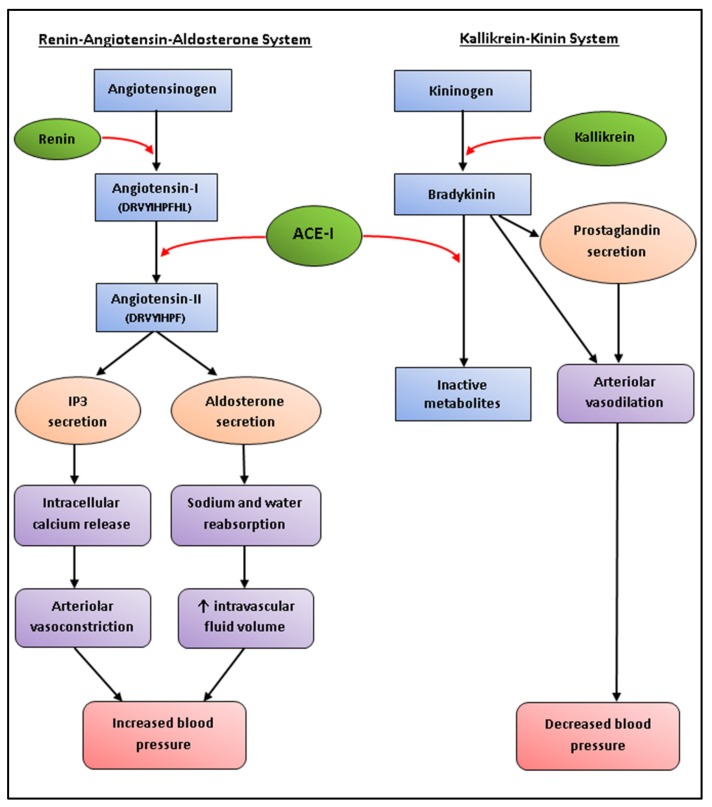
“Renin catalyzes the initial rate-limiting step within the RAAS, and is therefore an important target for the treatment of high blood pressure (Figure 2) [242].”
Braden, K. W., Blanton, J. R., Allen, V. G., Pond, K. R., & Miller, M. F. (2004) · Journal of Food Protection · doi:10.4315/0362-028x-67.9.1824 · Cited by 93
Janczyk, P., Halle, B., & Souffrant, W. B. (2009) · Poultry Science · doi:10.3382/ps.2009-00250 · Cited by 93 · cited 2×
“Additionally, there were no adverse effects to the histology of major organs upon prolonged consumption of ultrasound-treated microalgae, and thus it has been suggested as a viable pre-treatment method for the food industry [86].”
Influence of drying treatment on three Sargassum species
Wong, K., & Cheung, P. C. K. (2001) · Journal of Applied Phycology · doi:10.1023/a:1008149215156 · Cited by 92 · cited 6×
“Alternatively, osmotic stress has also been reported to improve extraction of algal proteins efficiency [45,75].”
InfluentialEffects of Spirulina platensis on growth performance of weanling pigs
Grinstead, G. S., Tokach, M. D., Dritz, S. S., Goodband, R. D., & Nelssen, J. L. (2000) · Animal Feed Science and Technology · doi:10.1016/s0377-8401(99)00130-3 · Cited by 90 · cited 1×
“The addition of Spirulina to pellets was reported to decrease average daily gain, whereas incorporation of Spirulina to meal diets actually increased average daily gain [159].”
Aluko, R. E. (2008) · Journal of AOAC INTERNATIONAL · doi:10.1093/jaoac/91.4.947 · Cited by 90
Lio‐Po, G. D., Leaño, E. M., Peñaranda, M. M. D., Villa‐Franco, A. U., Sombito, C. D., & Guanzon, N. G. (2005) · Aquaculture · doi:10.1016/j.aquaculture.2005.01.029 · Cited by 89 · cited 1×
“Microalgae also play an important role in aquaculture, other than as a food source for zooplanktons by stabilising pH, reducing bacterial growth, and improving the quality of rearing medium [175].”
Wan, A. H. L., Soler‐Vila, A., O’Keeffe, D., Casburn, P., FitzGerald, R. D., & Johnson, M. P. (2016) · Journal of Applied Phycology · doi:10.1007/s10811-016-0821-8 · Cited by 89
Al-Batshan, H. A., Al-Mufarrej, S. I., Al-Homaidan, A. A., & Qureshi, M. A. (2001) · Immunopharmacology and Immunotoxicology · doi:10.1081/iph-100103866 · Cited by 88 · cited 1×
“These birds also appeared to have an improved immune system as demonstrated by a significant increase in white blood cell count and enhanced macrophage phagocytic activity [148,149].”
Joannes, C., Sipaut, C. S., Dayou, J., Yasir, S. M., & Mansa, R. F. (2015) · International Journal of Renewable Energy Research · doi:10.20508/ijrer.v5i2.2240.g6616 · Cited by 88
Microfiltration of milk with ceramic membranes
Pafylias, I., Cheryan, M., Mehaia, M. A., & Saglam, N. (1996) · Food Research International · doi:10.1016/0963-9969(96)00007-5 · Cited by 86 · cited 1×
“In the dairy industry, microfiltration (MF) is used to extend the shelf-life of milk without any thermal treatment by removing microorganisms, while preserving overall taste and sensory attributes [105].”
The nutritive value of seaweed (Ulva lactuca) for goats
Ventura, M. R., & Castanon, J. I. R. (1998) · Small Ruminant Research · doi:10.1016/s0921-4488(97)00134-x · Cited by 81 · cited 1×
“The green seaweed U. lactuca has been reported as a suitable low-energy, high-protein foodstuff for sheep and goats [172,173].”
Static Digestion Models: General Introduction
Alegría, A., García‐Llatas, G., & Cilla, A. (2015) · Springer eBooks · doi:10.1007/978-3-319-16104-4_1 · Cited by 80 · cited 2×
“Static systems are the more basic of the two, measuring the release of free amino acids from dietary proteins following hydrolysis from gastrointestinal enzymes under discrete pH and temperature [49].”
HE, M. L., HOLLWICH, W., & RAMBECK, W. A. (2002) · Journal of Animal Physiology and Animal Nutrition · doi:10.1046/j.1439-0396.2002.00363.x · Cited by 79 · cited 2×
“In contrast, other studies have reported opposite findings, with seaweed proteins suggested as being a beneficial dietary supplement for improved animal growth, meat quality, and valorisation [155,161,162].”
Kang, K., Qian, Z., Ryu, B., Karadeniz, F., Kim, D., & Kim, S. (2012) · Phytotherapy Research · doi:10.1002/ptr.4603 · Cited by 79
Research works printed but not linked: 9
- Janczyk P. Wolf C. Souffrant W.B. Evaluation of nutritional value and safety of the green microalgae Chlorella vulgaris treated with novel processing methods Arch Zootech 2005 8 132 147
- Qu W. Ma H. Wang T. Zheng H. Alternating two-frequency countercurrent ultrasonic-assisted extraction of protein and polysaccharide from Porphyra yezoensis Trans. Chin. Soc. Agric. Eng. 2013 29 285 292
- Mariey Y. Samak H. Abou-Khashba H. Sayed M. Abou-Zeid A. Effect of using Spirulina platensis algae as a feed additives for poultry diets: 2 productive performance of broiler Egypt. Poult. Sci. 2014 34 245 258
- Mariey Y. Samak H. Ibrahem M. Effect of using Spirulina platensis algae as a feed additive for poultry diets. 1. Productive and reproductive performances of local laying hens Egypt. Poult. Sci. 2012 32 201 215
- Kulpys J. Paulauskas E. Pilipavicius V. Stankevicius R. Influence of cyanobacteria arthrospira (Spirulina) platensis biomass additive towards the body condition of lactation cows and biochemical milk indexes Agron. Res 2009 7 823 835
- Šimkus A. Oberauskas V. Laugalis J. Želvytė R. Monkevičienė I. Sederevičius A. Šimkienė A. Pauliukas K. The effect of weed Spirulina platensis on the milk production in cows Vet. Zootech. 2007 38 74 77
- Bezerra L. Silva A. Azevedo S. Mendes R. Mangueira J. Gomes A. Performance of santa inês lambs submitted to the use of artificial milk enriched with Spirulina Platensis Ciênc. Anim. Bras. 2010 11 258 263
- Werner A. Kraan S. Review of the Potential Mechanisation of Kelp Harvesting in Ireland Marine Institute Dublin, Ireland 2004 52
- Werner A. Clarke D. Kraan S. Strategic Review and the Feasibility of Seaweed Aquaculture in Ireland Irish Seaweed Centre, Martin Ryan Institute, National University of Ireland Galway, Ireland 2004 120
Cited by
Khan, M. I., Shin, J. H., & Kim, J. D. (2018) · Microbial Cell Factories · doi:10.1186/s12934-018-0879-x · Cited by 2,082
Protein content and amino acid composition of commercially available plant-based protein isolates
Gorissen, S. H. M., Crombag, J. J. R., Senden, J. M. G., Waterval, W. A. H., Bierau, J., Verdijk, L. B., & van Loon, L. J. C. (2018) · Amino Acids · doi:10.1007/s00726-018-2640-5 · Cited by 1,169
The Future of Aquatic Protein: Implications for Protein Sources in Aquaculture Diets
Hua, K., Cobcroft, J. M., Cole, A., Condon, K., Jerry, D. R., Mangott, A., Praeger, C., Vucko, M. J., Zeng, C., Zenger, K., et al. (2019) · One Earth · doi:10.1016/j.oneear.2019.10.018 · Cited by 851
Microalgae: A potential alternative to health supplementation for humans
Koyande, A. K., Chew, K. W., Rambabu, K., Tao, Y., Chu, D.-T., & Show, P.-L. (2019) · Food Science and Human Wellness · doi:10.1016/j.fshw.2019.03.001 · Cited by 908
Shukla, P. S., Mantin, E. G., Adil, M., Bajpai, S., Critchley, A. T., & Prithiviraj, B. (2019) · Frontiers in Plant Science · doi:10.3389/fpls.2019.00655 · Cited by 552
Metadata
- Authors
- Bleakley, S., & Hayes, M.
- Affiliations
- Teagasc - The Irish Agriculture and Food Development Authority (IE)
- Food Biosciences Department, Teagasc Ashtown Food Research Centre, Ashtown, Dublin D15 KN3K, Ireland
- ORCID
- Bleakley, Stephen
- Venue
- Foods
- Publisher
- MDPI AG
- Published
- 2017-04-26
- Volume
- 6
- Issue
- 5
- Pages
- 33
- ISSN
- 2304-8158 (ISSN-L)
- PMC
- PMC5447909
- OpenAlex
- W2610120235
- Cited by
- 1,092
- References
- 253
- Citations by year
- 2026: 108 · 2025: 159 · 2024: 164 · 2023: 148 · 2022: 144 · 2021: 126 · 2020: 104 · 2019: 88 · 2018: 46 · 2017: 5
- FWCI
- 7.49
- Type
- journal article
- Language
- en
- Open access
- gold
- doi.org
- Licence
- Locations
- Foods (publishedVersion, cc-by)
- Europe PMC (PubMed Central) (publishedVersion, other-oa)
- PubMed Central (publishedVersion, cc-by)
- PubMed (publishedVersion)
- Arrow@dit (Dublin Institute of Technology) (acceptedVersion)
- DOAJ (DOAJ: Directory of Open Access Journals) (submittedVersion, cc-by-sa)
- T-Stór (Teagasc) (submittedVersion, cc-by-nc-sa)
- Funders
- TEAGASC (BioAlgae Project 2016073)
- Topics
- Life Sciences › Agricultural and Biological Sciences › Aquatic Science › Seaweed-derived Bioactive Compounds
- Life Sciences › Agricultural and Biological Sciences › Food Science › Protein Hydrolysis and Bioactive Peptides
- Physical Sciences › Energy › Renewable Energy, Sustainability and the Environment › Algal biology and biofuel production
- Keywords
- algal proteins, seaweed, microalgae, alternative protein sources, protein extraction, enzymatic hydrolysis, ultrasound-assisted extraction, pulsed electric field, microwave-assisted extraction, protein enrichment, bioactive peptides, functional food ingredients, protein quality, amino acid composition, digestibility, human nutrition, animal feed, aquaculture feed
About these checks
Registry, retraction, Cites and statistics results are computed, not judged, with one exception: a printed reference that no index lists is read once by a model before it counts as a citation error. Claims are extracted by a model and kept only when their quote appears verbatim in the text; each cited source is then checked, with a model’s help, for whether it says what the claim relies on. Those verdicts can be wrong — read the claim’s quote and the cited source before relying on one.
Statistics and arithmetic are recomputed, not judged.
Confidence bands are shown only for fields calibrated on our annotated test set. None is calibrated yet, so no band is shown.
What counts as a claim ›How we measure confidence ›How we check this ›
Are you an author, or do you see a problem with this page? Request a review
Data sources
Bibliographic data: Semantic Scholar, OpenAlex, Crossref.
Contains information from the Semantic Scholar Academic Graph Datasets, made available under the ODC Attribution License (ODC-BY 1.0).
Semantic Scholar’s data is described in: Kinney, R., et al. (2023). The Semantic Scholar Open Data Platform. arXiv:2301.10140.
