

Bioactive Candy: Effects of Licorice on the Cardiovascular System
The DOI matches its Crossref record; 8 of the 8 references it cites were found in a registry or an index.
Abstract
Licorice, today chiefly utilized as a flavoring additive in tea, tobacco and candy, is one of the oldest used herbs for medicinal purposes and consists of up to 300 active compounds. The main active constituent of licorice is the prodrug glycyrrhizin, which is successively converted to 3β-monoglucuronyl-18β-glycyrrhetinic acid (3MGA) and 18β-glycyrrhetinic acid (GA) in the intestines. Despite many reported health benefits, 3MGA and GA inhibit the 11-β-hydrogenase type II enzyme (11β-HSD2) oxidizing cortisol to cortisone. Through activation of mineralocorticoid receptors, high cortisol levels induce a mild form of apparent mineralocorticoid excess in the kidney and increase systemic vascular resistance. Continuous inhibition of 11β-HSD2 related to excess licorice consumption will create a state of hypernatremia, hypokalemia and increased fluid volume, which can cause serious life-threatening complications especially in patients already suffering from cardiovascular diseases. Two recent meta-analyses of 18 and 26 studies investigating the correlation between licorice intake and blood pressure revealed statistically significant increases both in systolic (5.45 mmHg) and in diastolic blood pressure (3.19/1.74 mmHg). This review summarizes and evaluates current literature about the acute and chronic effects of licorice ingestion on the cardiovascular system with special focus on blood pressure. Starting from the molecular actions of licorice (metabolites) inside the cells, it describes how licorice intake is affecting the human body and shows the boundaries between the health benefits of licorice and possible harmful effects.
Overview
The claims and statistics of this paper haven’t been checked yet.
Free: it reads the open-access text and checks the first 5 claims that cite a source we can check. Create a free account to check every claim.
Integrity signals
Registry
Cites
Statistics
Figures
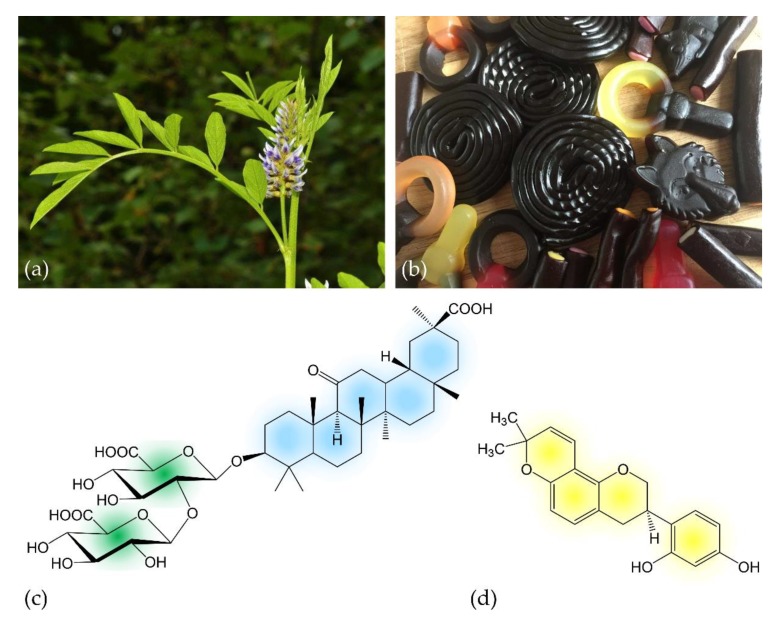
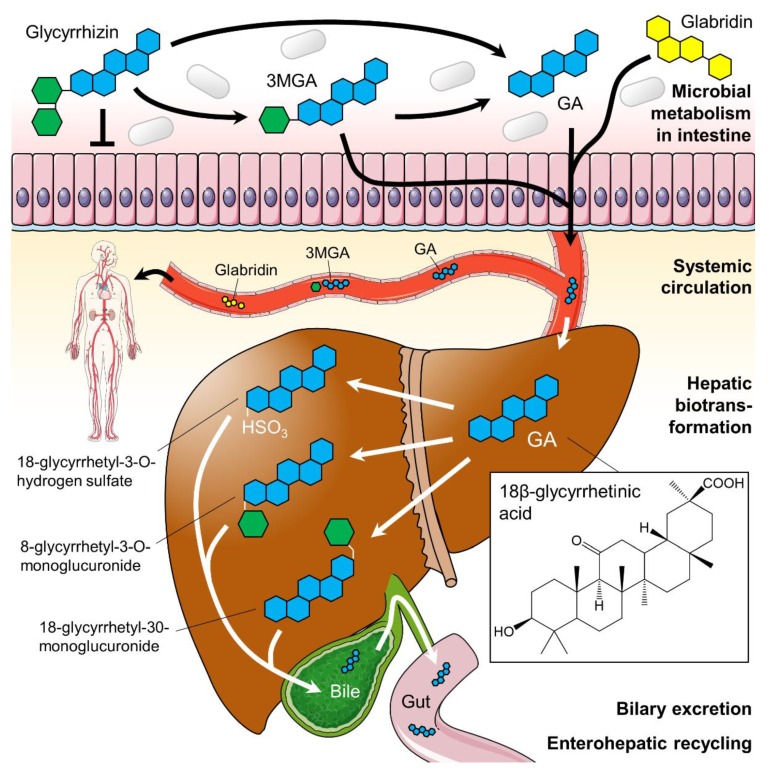
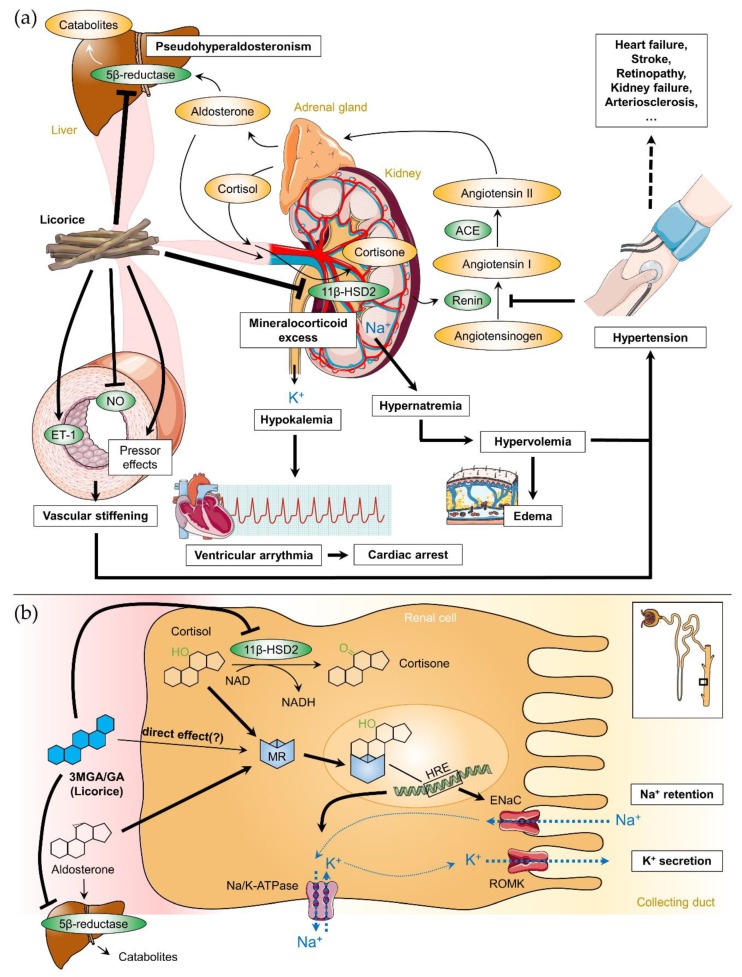
Verification
Claims the paper makes
The claims and statistics of this paper haven’t been checked yet.
Free: it reads the open-access text and checks the first 5 claims that cite a source we can check. Create a free account to check every claim.
Claims other papers make about this one
Each is checked against this paper’s own text: does it say what the citing paper says it does?
In the citing paper
“Despite suggested health benefits, ingestion can also raise blood pressure (BP), mainly through the effects of glycyrrhizic acid (GA) and its metabolite glycyrrhetinic acid [1].”
From A low dose of daily licorice intake affects renin, aldosterone, and home blood pressure in a randomized crossover trial (2024) · cites this paper as [1]
In the citing paper
“In the kidney, glycyrrhetinic acid inhibits 11β-hydroxysteroid dehydrogenase type 2, which, otherwise, inactivates cortisol by conversion to cortisone [1,3].”
From A low dose of daily licorice intake affects renin, aldosterone, and home blood pressure in a randomized crossover trial (2024) · cites this paper as [1]
In the citing paper
“The bioavailability of GA is higher when ingested in an isolated form, suggesting interactions with other compounds of licorice [1].”
From A low dose of daily licorice intake affects renin, aldosterone, and home blood pressure in a randomized crossover trial (2024) · cites this paper as [1]
In the citing paper
“Drawing ballots were used for stratified block randomization to 2 groups with a 1:1 allocation ratio, with 1 block of 14 participants for males and 1 block of 14 participants for females because sex differences have been seen in previous studies [1].”
From A low dose of daily licorice intake affects renin, aldosterone, and home blood pressure in a randomized crossover trial (2024) · cites this paper as [1]
In the citing paper
“Thus, increased concentrations of cortisol, which has a much higher affinity to mineralocorticoid receptors than cortisone, causes pseudohyperaldosteronism with hypokalemia, hypernatremia, and water retention, resulting in elevated BP [1,3].”
From A low dose of daily licorice intake affects renin, aldosterone, and home blood pressure in a randomized crossover trial (2024) · cites this paper as [1]
Self-check
Percentages, sums and reported differences re-computed from the paper’s own numbers.
The self-check needs the paper’s full text.
Citations
Cites
2018 ESC/ESH Guidelines for the management of arterial hypertension
Williams, B., Mancia, G., Spiering, W., Agabiti Rosei, E., Azizi, M., Burnier, M., Clement, D. L., Coca, A., de Simone, G., Dominiczak, A., et al. (2018) · European Heart Journal · doi:10.1093/eurheartj/ehy339 · Cited by 10,286
Global Burden of Hypertension and Systolic Blood Pressure of at Least 110 to 115 mm Hg, 1990-2015
Forouzanfar, M. H., Liu, P., Roth, G. A., Ng, M., Biryukov, S., Marczak, L., Alexander, L., Estep, K., Hassen Abate, K., Akinyemiju, T. F., et al. (2017) · JAMA · doi:10.1001/jama.2016.19043 · Cited by 2,381 · cited 1×
“Hypertension is one of the major concerns for our healthcare system and was the leading contributor to premature death in 2015 [31].”
Phytochemistry and biological properties of glabridin
Simmler, C., Pauli, G. F., & Chen, S.-N. (2013) · Fitoterapia · doi:10.1016/j.fitote.2013.07.003 · Cited by 281
Toxicological Effects of Glycyrrhiza glabra (Licorice): A Review
Nazari, S., Rameshrad, M., & Hosseinzadeh, H. (2017) · Phytotherapy Research · doi:10.1002/ptr.5893 · Cited by 266
Licorice abuse: time to send a warning message
Omar, H. R., Komarova, I., El-Ghonemi, M., Fathy, A., Rashad, R., Abdelmalak, H. D., Yerramadha, M. R., Ali, Y., Helal, E., & Camporesi, E. M. (2012) · Therapeutic Advances in Endocrinology and Metabolism · doi:10.1177/2042018812454322 · Cited by 246
Liquorice-induced rise in blood pressure: a linear dose-response relationship
Sigurjónsdóttir, H. Á., Franzson, L., Manhem, K., Ragnarsson, J., Sigurdsson, G., & Wallerstedt, S. (2001) · Journal of Human Hypertension · doi:10.1038/sj.jhh.1001215 · Cited by 143 · cited 2×
“(2001) [27], Iceland/Sweden Pre-post intervention 24 Licorice 50–200 g 2–4 weeks Increase in SBP.”
Calò, L. A., Zaghetto, F., Pagnin, E., Davis, P. A., de Mozzi, P., Sartorato, P., Martire, G., Fiore, C., & Armanini, D. (2004) · The Journal of Clinical Endocrinology & Metabolism · doi:10.1210/jc.2003-031545 · Cited by 122 · cited 1×
“Although there is some evidence of this direct effect in vitro [50], the relative affinity for MR compared to aldosterone as well as low serum levels of GA after licorice consumption, which did not reach the concentrations necessary to affect aldosterone or cortisol binding to MRs in humans, question that theory [51].”
Penninkilampi, R., Eslick, E. M., & Eslick, G. D. (2017) · Journal of Human Hypertension · doi:10.1038/jhh.2017.45 · Cited by 86 · cited 10×
“[74], most of the trials included in their meta-analysis were performed with volunteers.”
Influential
Research works printed but not linked: 133
- Foster, 2017, Licorice-induced hypertension: A case of pseudohyperaldosteronism due to jelly bean ingestion, Postgrad. Med., 129, 3293, 10.1080/00325481.2017.1291062 · DOI
- Fenwick, 1990, Liquorice, Glycyrrhiza glabra L.—Composition, uses and analysis, Food Chem., 38, 1191, 10.1016/0308-8146(90)90159-2 · DOI · Paper page
- Kao, 2014, Bioactivity and potential health benefits of licorice, J. Agric. Food Chem., 62, 542, 10.1021/jf404939f · DOI · Paper page
- Fiore, 2005, A history of the therapeutic use of liquorice in europe, J. Ethnopharmacol., 99, 317, 10.1016/j.jep.2005.04.015 · DOI · Paper page
- Allcock, E., and Cowdery, J. (2015). Hypertension induced by liquorice tea. BMJ Case Rep. · DOI
- Isbrucker, 2006, Risk and safety assessment on the consumption of licorice root (Glycyrrhiza sp.), its extract and powder as a food ingredient, with emphasis on the pharmacology and toxicology of glycyrrhizin, Regul. Toxicol. Pharmacol., 46, 167, 10.1016/j.yrtph.2006.06.002 · DOI · Paper page
- Sabbadin, C., Bordin, L., Donà, G., Manso, J., Avruscio, G., and Armanini, D. (2019). Licorice: From pseudohyperaldosteronism to therapeutic uses. Front. Endocrinol. · DOI
- Volqvartz, T., Vestergaard, A.L., Aagaard, S.K., Andreasen, M.F., Lesnikova, I., Uldbjerg, N., Larsen, A., and Bor, P. (2019). Use of alternative medicine, ginger and licorice among Danish pregnant women—A prospective cohort study. BMC Complement. Altern. Med., 19. · DOI
- Yang, 2015, The pharmacological activities of licorice, Planta Med., 81, 1654, 10.1055/s-0035-1557893 · DOI · Paper page
- Aly, 2005, Licorice: A possible anti-inflammatory and anti-ulcer drug, AAPS PharmSciTech, 6, E74, 10.1208/pt060113 · DOI · Paper page
- Najarnezhad, 2015, Antiulcer properties of Glycyrrhiza glabra L. Extract on experimental models of gastric ulcer in mice, Iranian J. Pharm. Res., 14, 1163
- Yang, 2017, The anti-inflammatory activity of licorice, a widely used chinese herb, Pharm. Biol., 55, 5, 10.1080/13880209.2016.1225775 · DOI · Paper page
- Wang, 2015, The antiviral and antimicrobial activities of licorice, a widely-used Chinese herb, Acta Pharm. Sin. B, 5, 310, 10.1016/j.apsb.2015.05.005 · DOI · Paper page
- Fukuchi, 2016, Antiviral and antitumor activity of licorice root extracts, In Vivo, 30, 777, 10.21873/invivo.10994 · DOI
- Huo, 2011, Hepatoprotective and antioxidant effects of licorice extract against CCl4-induced oxidative damage in rats, Int. J. Mol. Sci., 12, 6529, 10.3390/ijms12106529 · DOI · Paper page
- Jung, J.-C., Lee, Y.-H., Kim, S.H., Kim, K.-J., Kim, K.-M., Oh, S., and Jung, Y.-S. (2016). Hepatoprotective effect of licorice, the root of Glycyrrhiza uralensis Fischer, in alcohol-induced fatty liver disease. BMC Complement. Altern. Med., 16. · doi:10.1186/s12906-016-0997-0
- Wang, 2001, Licorice and cancer, Nutr. Cancer, 39, 1, 10.1207/S15327914nc391_1 · DOI · Paper page
- Rahnama, 2013, The healing effect of licorice (Glycyrrhiza glabra) on Helicobacter pylori infected peptic ulcers, J. Res. Med. Sci., 18, 532
- Momeni, 2014, Effect of licorice versus bismuth on eradication of Helicobacter pylori in patients with peptic ulcer disease, Pharmacogn. Res., 6, 341, 10.4103/0974-8490.138289 · doi:10.4103/0974-8490.138289
- Wu, 2013, Hypoglycemic effects of glabridin, a polyphenolic flavonoid from licorice, in an animal model of diabetes mellitus, Mol. Med. Rep., 7, 1278, 10.3892/mmr.2013.1330 · DOI · Paper page
- Sontia, 2008, Pseudohyperaldosteronism, liquorice, and hypertension, J. Clin. Hypertens., 10, 153, 10.1111/j.1751-7176.2008.07470.x · DOI · Paper page
- Varma, 2017, Liquorice: A root cause of secondary hypertension, JRSM Open, 8, 2054270416685208, 10.1177/2054270416685208 · DOI
- Morris, 1993, Liquorice: New insights into mineralocorticoid and glucocorticoid hypertension, R. I. Med., 76, 251
- Leskinen, M.H., Hautaniemi, E.J., Tahvanainen, A.M., Koskela, J.K., Päällysaho, M., Tikkakoski, A.J., Kähönen, M., Kööbi, T., Niemelä, O., and Mustonen, J. (2014). Daily liquorice consumption for two weeks increases augmentation index and central systolic and diastolic blood pressure. PLoS ONE, 9. · DOI
- Falet, 2019, Hypertensive emergency induced by licorice tea, CMAJ, 191, E581, 10.1503/cmaj.180550 · DOI
- Omar, 2013, The cardiovascular complications of licorice, Cardiovasc. Endocrinol., 2, 46, 10.1097/XCE.0b013e328362e3dd · DOI
- Charles, 2017, Secondary hypertension: Discovering the underlying cause, Am. Fam. Phys., 96, 453
- Wang, 2015, Metabolites identification of bioactive licorice compounds in rats, J. Pharm. Biomed. Anal., 115, 515, 10.1016/j.jpba.2015.08.013 · DOI
- Nieman, 1957, Licorice, Adv. Food Res., 7, 339, 10.1016/S0065-2628(08)60251-7 · DOI
- Kim, 1999, Biotransformation of glycyrrhizin to 18β-glycyrrhetinic acid-3-o-β-d-glucuronide by streptococcus lj-22, a human intestinal bacterium, Biol. Pharm. Bull., 22, 320, 10.1248/bpb.22.320 · DOI
- Hattori, 1985, Metabolism of glycyrrhizin by human intestinal flora. Ii. Isolation and characterization of human intestinal bacteria capable of metabolizing glycyrrhizin and related compounds, Chem. Pharm Bull., 33, 210, 10.1248/cpb.33.210 · DOI
- Armanini, 2005, Glycyrrhetinic acid, the active principle of licorice, can reduce the thickness of subcutaneous thigh fat through topical application, Steroids, 70, 538, 10.1016/j.steroids.2005.01.007 · DOI
- Feng, 2015, Potential drug interactions associated with glycyrrhizin and glycyrrhetinic acid, Drug Metab. Rev., 47, 229, 10.3109/03602532.2015.1029634 · DOI
- Ploeger, 2000, A human physiologically-based model for glycyrrhzic acid, a compound subject to presystemic metabolism and enterohepatic cycling, Pharm. Res., 17, 1516, 10.1023/A:1007661209921 · DOI
- Cao, 2007, Role of p-glycoprotein in the intestinal absorption of glabridin, an active flavonoid from the root of glycyrrhiza glabra, Drug Metab. Dispos., 35, 539, 10.1124/dmd.106.010801 · DOI
- Ito, 2007, Absorption of dietary licorice isoflavan glabridin to blood circulation in rats, J. Nutr. Sci. Vitaminol., 53, 358, 10.3177/jnsv.53.358 · DOI · Paper page
- Aoki, 2005, Determination of glabridin in human plasma by solid-phase extraction and lc-ms/ms, J. Chromatogr. B Analyt. Technol. Biomed. Life Sci., 828, 70, 10.1016/j.jchromb.2005.09.012 · DOI
- Raggi, 1994, Bioavailability of glycyrrhizin and licorice extract in rat and human plasma as detected by a hplc method, Pharmazie, 49, 269
- Maffei, 1994, Interaction of licorice on glycyrrhizin pharmacokinetics, Environ. Health Perspect., 102, 65, 10.1289/ehp.94102s965 · DOI · Paper page
- Ishiuchi, 2019, 18beta-glycyrrhetyl-3-o-sulfate would be a causative agent of licorice-induced pseudoaldosteronism, Sci. Rep., 9, 1587, 10.1038/s41598-018-38182-2 · doi:10.1038/s41598-018-38182-2
- Morinaga, 2018, Isolation of a novel glycyrrhizin metabolite as a causal candidate compound for pseudoaldosteronism, Sci. Rep., 8, 15568, 10.1038/s41598-018-33834-9 · doi:10.1038/s41598-018-33834-9
- Armanini, 1983, Affinity of liquorice derivatives for mineralocorticoid and glucocorticoid receptors, Clin. Endocrinol., 19, 609, 10.1111/j.1365-2265.1983.tb00038.x · DOI · Paper page
- Reistad, 1993, Glycyrrhizic acid in liquorice—Evaluation of health hazard, Food Chem. Toxicol., 31, 303, 10.1016/0278-6915(93)90080-I · DOI · Paper page
- Stewart, 1987, Mineralocorticoid activity of liquorice: 11-beta-hydroxysteroid dehydrogenase deficiency comes of age, Lancet, 2, 821, 10.1016/S0140-6736(87)91014-2 · DOI · Paper page
- Ferrari, 2010, The role of 11beta-hydroxysteroid dehydrogenase type 2 in human hypertension, Biochim. Biophys. Acta, 1802, 1178, 10.1016/j.bbadis.2009.10.017 · DOI · Paper page
- Atanasov, 2007, Impaired protein stability of 11beta-hydroxysteroid dehydrogenase type 2: A novel mechanism of apparent mineralocorticoid excess, J. Am. Soc. Nephrol., 18, 1262, 10.1681/ASN.2006111235 · DOI
- Christy, 2003, 11beta-hydroxysteroid dehydrogenase type 2 in mouse aorta: Localization and influence on response to glucocorticoids, Hypertension, 42, 580, 10.1161/01.HYP.0000088855.06598.5B · DOI · Paper page
- Lombes, 1995, Prerequisite for cardiac aldosterone action. Mineralocorticoid receptor and 11 beta-hydroxysteroid dehydrogenase in the human heart, Circulation, 92, 175, 10.1161/01.CIR.92.2.175 · DOI · Paper page
- Hadoke, 2001, Endothelial cell dysfunction in mice after transgenic knockout of type 2, but not type 1, 11beta-hydroxysteroid dehydrogenase, Circulation, 104, 2832, 10.1161/hc4801.100077 · DOI · Paper page
- 2005, Liquorice and hypertension, Neth. J. Med., 63, 119
- Monder, 1989, Licorice inhibits corticosteroid 11 beta-dehydrogenase of rat kidney and liver: In vivo and in vitro studies, Endocrinology, 125, 1046, 10.1210/endo-125-2-1046 · DOI · Paper page
- Tanahashi, 2002, Glycyrrhizic acid suppresses type 2 11 beta-hydroxysteroid dehydrogenase expression in vivo, J. Steroid Biochem. Mol. Biol., 80, 441, 10.1016/S0960-0760(02)00033-X · DOI
- Kato, 1995, 3-monoglucuronyl-glycyrrhetinic acid is a major metabolite that causes licorice-induced pseudoaldosteronism, J. Clin. Endocrinol. Metab., 80, 1929
- Hammer, 2006, Cortisol metabolism in hypertension, Best Pract. Res. Clin. Endocrinol. Metab., 20, 337, 10.1016/j.beem.2006.07.001 · DOI
- Souness, 2002, 11 beta-hydroxysteroid dehydrogenase antisense affects vascular contractile response and glucocorticoid metabolism, Steroids, 67, 195, 10.1016/S0039-128X(01)00148-9 · DOI
- Latif, 1990, The effects of the licorice derivative, glycyrrhetinic acid, on hepatic 3α- and 3β-hydroxysteroid dehydrogenases and 5α- and 5β-reductase pathways of metabolism of aldosterone in male rats, Steroids, 55, 52, 10.1016/0039-128X(90)90024-6 · DOI
- Chanda, 2016, Glabridin-induced vasorelaxation: Evidence for a role of bkca channels and cyclic gmp, Life Sci., 165, 26, 10.1016/j.lfs.2016.09.018 · DOI
- Farese, 1991, Licorice-induced hypermineralocorticoidism, N. Engl. J. Med., 325, 1223, 10.1056/NEJM199110243251706 · DOI · Paper page
- Tarjus, 2015, Vascular mineralocorticoid receptor and blood pressure regulation, Curr. Opin. Pharmacol., 21, 138, 10.1016/j.coph.2015.02.004 · doi:10.1016/j.coph.2015.02.004
- Ohtake, 2014, Glucocorticoids activate cardiac mineralocorticoid receptors in adrenalectomized dahl salt-sensitive rats, Nagoya J. Med. Sci., 76, 59
- Quaschning, 2001, Aldosterone receptor antagonism normalizes vascular function in liquorice-induced hypertension, Hypertension, 37, 801, 10.1161/01.HYP.37.2.801 · DOI
- Schiffrin, 1997, Enhanced expression of endothelin-1 gene in resistance arteries in severe human essential hypertension, J. Hypertens., 15, 57, 10.1097/00004872-199715010-00005 · DOI · Paper page
- Ergul, 1996, Racial differences in plasma endothelin-1 concentrations in individuals with essential hypertension, Hypertension, 28, 652, 10.1161/01.HYP.28.4.652 · DOI · Paper page
- 1992, Central hypertensinogenic effects of glycyrrhizic acid and carbenoxolone, Am. J. Physiol., 263, E1125
- Hautaniemi, 2017, Voluntary liquorice ingestion increases blood pressure via increased volume load, elevated peripheral arterial resistance, and decreased aortic compliance, Sci. Rep., 7, 10947, 10.1038/s41598-017-11468-7 · DOI
- Bijlsma, 2000, Glycyrrhizic acid: The assessment of a no effect level, Hum. Exp. Toxicol., 19, 434, 10.1191/096032700682694251 · DOI
- Basso, 1994, Licorice ameliorates postural hypotension caused by diabetic autonomic neuropathy, Diabetes Care, 17, 1356, 10.2337/diacare.17.11.1356 · DOI
- 1993, Hypertension encephalopathy after liquorice ingestion, Clin. Neurol. Neurosurg., 95, 35, 10.1016/0303-8467(93)90089-Y · DOI
- Russo, 2000, Low doses of liquorice can induce hypertension encephalopathy, Am. J. Nephrol., 20, 145, 10.1159/000013572 · DOI · Paper page
- Bramont, 1985, cerebral vascular accident caused by alcohol-free licorice, Presse Med., 14, 746
- Chamberlain, 1997, Pulmonary edema following a licorice binge, West J. Med., 167, 184
- Chamberlain, 1970, Licorice poisoning, pseudoaldosteronism, and heart failure, JAMA, 213, 1343, 10.1001/jama.1970.03170340065018 · DOI
- Hasegawa, 1998, Echocardiographic findings of the heart resembling dilated cardiomyopathy during hypokalemic myopathy due to licorice-induced pseudoaldosteronism, Cardiovasc. Drugs Ther., 12, 599, 10.1023/A:1007708025567 · DOI
- Sailler, 1993, generalized edema caused by licorice: A new syndrome. Apropos of 3 cases, Rev. Med. Interne, 14, 984, 10.1016/S0248-8663(05)80102-X · DOI
- Johns, 2009, Glycyrrhizic acid toxicity caused by consumption of licorice candy cigars, CJEM, 11, 94, 10.1017/S1481803500010988 · DOI
- Puato, 2008, Liquorice-induced hypokalaemia and water retention in the absence of hypertension, Phytother. Res., 22, 563, 10.1002/ptr.2402 · DOI
- Negro, 2000, Liquorice-induced sodium retention. Merely an acquired condition of apparent mineralocorticoid excess? A case report, Ann. Ital. Med. Int., 15, 296
- Luis, 2018, Metabolic changes after licorice consumption: A systematic review with meta-analysis and trial sequential analysis of clinical trials, Phytomedicine, 39, 17, 10.1016/j.phymed.2017.12.010 · DOI
- Forslund, 1989, Effects of licorice on plasma atrial natriuretic peptide in healthy volunteers, J. Intern. Med., 225, 95, 10.1111/j.1365-2796.1989.tb00046.x · DOI · Paper page
- Mattarello, 2006, Effect of licorice on PTH levels in healthy women, Steroids, 71, 403, 10.1016/j.steroids.2006.01.005 · DOI
- Sigurjonsdottir, 2006, The liquorice effect on the RAAS differs between the genders, Blood Press, 15, 169, 10.1080/08037050600593060 · DOI · Paper page
- Ruszymah, 1995, Effects of glycyrrhizic acid on right atrial pressure and pulmonary vasculature in rats, Clin. Exp. Hypertens., 17, 575, 10.3109/10641969509037425 · DOI
- Yang, 2014, Glycyrrhizin, inhibitor of high mobility group box-1, attenuates monocrotaline-induced pulmonary hypertension and vascular remodeling in rats, Respir. Res., 15, 148, 10.1186/s12931-014-0148-4 · DOI
- Ottenbacher, 2015, An unusual case of licorice-induced hypertensive crisis, S. D. Med., 68, 346
- Sauer, 2011, hypertension and hypokalemia—A reninoma as the cause of suspected liquorice-induced arterial hypertension, Dtsch. Med. Wochenschr., 136, 882
- Epstein, 1977, Liquorice toxicity and the renin-angiotensin-aldosterone axis in man, BMJ, 1, 209, 10.1136/bmj.1.6055.209 · DOI
- Sigurjonsdottir, 2003, Subjects with essential hypertension are more sensitive to the inhibition of 11 beta-hsd by liquorice, J. Hum. Hypertens., 17, 125, 10.1038/sj.jhh.1001504 · DOI · Paper page
- Epstein, 1977, Effect of eating liquorice on the renin-angiotensin aldosterone axis in normal subjects, Br. Med. J., 1, 488, 10.1136/bmj.1.6059.488 · DOI · Paper page
- MacKenzie, 1990, The influence of glycyrrhetinic acid on plasma cortisol and cortisone in healthy young volunteers, J. Clin. Endocrinol. Metab., 70, 1637, 10.1210/jcem-70-6-1637 · DOI · Paper page
- Kageyama, 1992, Glycyrrhizin induces mineralocorticoid activity through alterations in cortisol metabolism in the human kidney, J. Endocrinol., 135, 147, 10.1677/joe.0.1350147 · DOI · Paper page
- Bernardi, 1994, Effects of prolonged ingestion of graded doses of licorice by healthy volunteers, Life Sci., 55, 863, 10.1016/0024-3205(94)90042-6 · DOI · Paper page
- Armanini, 1996, Further studies on the mechanism of the mineralocorticoid action of licorice in humans, J. Endocrinol. Invest., 19, 624, 10.1007/BF03349029 · DOI · Paper page
- Sobieszczyk, 2010, Glycyrrhetinic acid attenuates vascular smooth muscle vasodilatory function in healthy humans, Clin. Sci., 119, 437, 10.1042/CS20100087 · DOI
- Tu, 2010, Effect of glycyrrhizin on the activity of cyp3a enzyme in humans, Eur. J. Clin. Pharmacol., 66, 805, 10.1007/s00228-010-0814-5 · DOI
- Yan, 2013, Lack of effect of continuous glycyrrhizin administration on the pharmacokinetics of the p-glycoprotein substrate talinolol in healthy volunteers, Eur. J. Clin. Pharmacol., 69, 515, 10.1007/s00228-012-1391-6 · DOI
- Bocker, 1991, induction of arrhythmia by licorice abuse, Z. Kardiol., 80, 389
- Eriksson, 1999, Life-threatening ventricular tachycardia due to liquorice-induced hypokalaemia, J. Intern. Med., 245, 307, 10.1046/j.1365-2796.1999.00476.x · DOI · Paper page
- Bannister, 1977, Cardiac arrest due to liquorice induced hypokalaemia, BMJ, 2, 738, 10.1136/bmj.2.6089.738-a · DOI
- Crean, 2009, A sweet tooth as the root cause of cardiac arrest, Can. J. Cardiol., 25, e357, 10.1016/S0828-282X(09)70723-8 · DOI
- Campana, 2003, an unusual cause of cardiac arrest, Ital. Heart J. Suppl., 4, 510
- Konik, 2012, Coronary artery spasm, hypertension, hypokalemia and licorice, J. Clin. Case Rep., 2, 143, 10.4172/2165-7920.1000143 · DOI
- Tąpolska, M., Spałek, M., Szybowicz, U., Domin, R., Owsik, K., Sochacka, K., Skrypnik, D., Bogdański, P., and Owecki, M. (2019). Arterial Stiffness Parameters Correlate with Estimated Cardiovascular Risk in Humans: A Clinical Study. Int. J. Environ. Res. Public Health, 16. · DOI
- Gupta, R.C. (2016). Chapter 9—Nutraceuticals in gastrointestinal disorders. Nutraceuticals, Academic Press. · DOI
- Ojha, 2015, Licorice treatment prevents oxidative stress, restores cardiac function, and salvages myocardium in rat model of myocardial injury, Toxicol. Ind. Health, 31, 140, 10.1177/0748233713491800 · DOI
- Ojha, 2013, Glycyrrhiza glabra protects from myocardial ischemia–reperfusion injury by improving hemodynamic, biochemical, histopathological and ventricular function, Exp. Toxicol. Pathol., 65, 219, 10.1016/j.etp.2011.08.011 · DOI
- Haleagrahara, 2011, Cardioprotective effects of glycyrrhizic acid against isoproterenol-induced myocardial ischemia in rats, Int. J. Mol. Sci., 12, 7100, 10.3390/ijms12107100 · doi:10.3390/ijms12107100
- Fuhrman, 1997, Licorice extract and its major polyphenol glabridin protect low-density lipoprotein against lipid peroxidation: In vitro and ex vivo studies in humans and in atherosclerotic apolipoprotein e-deficient mice, Am. J. Clin. Nutr., 66, 267, 10.1093/ajcn/66.2.267 · DOI · Paper page
- Rosenblat, 1999, Macrophage enrichment with the isoflavan glabridin inhibits nadph oxidase-induced cell-mediated oxidation of low density lipoprotein. A possible role for protein kinase C, J. Biol. Chem., 274, 13790, 10.1074/jbc.274.20.13790 · DOI · Paper page
- Somjen, 2004, Estrogen-like activity of licorice root constituents: Glabridin and glabrene, in vascular tissues in vitro and in vivo, J. Steroid Biochem. Mol. Biol., 91, 147, 10.1016/j.jsbmb.2004.04.003 · DOI
- Somjen, 1998, Effects of gonadal steroids and their antagonists on DNA synthesis in human vascular cells, Hypertension, 32, 39, 10.1161/01.HYP.32.1.39 · DOI
- Huang, K., Liu, Y., Tang, H., Qiu, M., Li, C., Duan, C., Wang, C., Yang, J., and Zhou, X. (2019). Glabridin prevents doxorubicin-induced cardiotoxicity through gut microbiota modulation and colonic macrophage polarization in mice. Front. Pharmacol. · DOI
- Meyer, 2000, Pseudohyperaldosteronismus: Lakritzverzehr mit Folgen, Dtsch. Arztebl. Int., 97, A-596
- Wang, 2013, Liquorice, a unique “guide drug” of traditional chinese medicine: A review of its role in drug interactions, J. Ethnopharmacol., 150, 781, 10.1016/j.jep.2013.09.055 · DOI · Paper page
- Tsukamoto, 2005, Cyp3a4 inhibitors isolated from licorice, Biol. Pharm Bull., 28, 2000, 10.1248/bpb.28.2000 · DOI · Paper page
- Kent, 2002, The licorice root derived isoflavan glabridin inhibits the activities of human cytochrome p450s 3a4, 2b6, and 2c9, Drug Metab. Dispos., 30, 709, 10.1124/dmd.30.6.709 · DOI
- Lv, Q.L., Wang, G.H., Chen, S.H., Hu, L., Zhang, X., Ying, G., Qin, C.Z., and Zhou, H.H. (2015). In vitro and in vivo inhibitory effects of glycyrrhetinic acid in mice and human cytochrome p450 3a4. Int. J. Environ. Res. Public Health, 13. · DOI
- Paolini, 1999, Effect of liquorice and glycyrrhizin on rat liver carcinogen metabolizing enzymes, Cancer Lett., 145, 35, 10.1016/S0304-3835(99)00225-6 · DOI
- Paolini, 1998, Effect of licorice and glycyrrhizin on murine liver cyp-dependent monooxygenases, Life Sci., 62, 571, 10.1016/S0024-3205(97)01154-5 · DOI
- Hou, 2012, Liquorice reduced cyclosporine bioavailability by activating p-glycoprotein and cyp 3a, Food Chem., 135, 2307, 10.1016/j.foodchem.2012.07.061 · DOI
- Heck, 2000, Potential interactions between alternative therapies and warfarin, Am. J. Health Syst. Pharm., 57, 1221, 10.1093/ajhp/57.13.1221 · DOI · Paper page
- Matsumoto, 2018, Use of a caco-2 permeability assay to evaluate the effects of several kampo medicines on the drug transporter p-glycoprotein, J. Nat. Med., 72, 897, 10.1007/s11418-018-1222-x · DOI
- Kerstens, 1999, 11 beta-hydroxysteroid-dehydrogenase: Characteristics and the clinical significance of a key enzyme in cortisol metabolism, Ned. Tijdschr. Geneeskd., 143, 509
- Buhl, L.F., Pedersen, F.N., Andersen, M.S., and Glintborg, D. (2018). Licorice-induced apparent mineralocorticoid excess compounded by excessive use of terbutaline and high water intake. BMJ Case Rep. · DOI
- Harada, 2002, Congestive heart failure caused by digitalis toxicity in an elderly man taking a licorice-containing chinese herbal laxative, Cardiology, 98, 218, 10.1159/000067316 · DOI
- Shimada, 2017, Liquorice-induced hypokalaemia in patients treated with yokukansan preparations: Identification of the risk factors in a retrospective cohort study, BMJ Open, 7, e014218, 10.1136/bmjopen-2016-014218 · DOI
- Steinberg, 1989, The anticariogenic activity of glycyrrhizin: Preliminary clinical trials, Isr. J. Dent. Sci., 2, 153
- Segal, 1985, Anticariogenic activity of licorice and glycyrrhizine i: Inhibition of in vitro plaque formation by streptococcus mutans, J. Pharm. Sci., 74, 79, 10.1002/jps.2600740121 · doi:10.1002/jps.2600740121
- Jia, 2013, Relaxative effect of core licorice aqueous extract on mouse isolated uterine horns, Pharm. Biol., 51, 744, 10.3109/13880209.2013.764536 · DOI
- Yang, L., Chai, C.Z., Yan, Y., Duan, Y.D., Henz, A., Zhang, B.L., Backlund, A., and Yu, B.Y. (2017). Spasmolytic mechanism of aqueous licorice extract on oxytocin-induced uterine contraction through inhibiting the phosphorylation of heat shock protein 27. Molecules, 22. · DOI
- Peskar, 1980, Effect of carbenoxolone on prostaglandin synthesizing and metabolizing enzymes and correlation with gastric mucosal carbenoxolone concentrations, Scand. J. Gastroenterol. Suppl., 65, 109
- Wang, 2012, Synthesis, biological evaluation and structure-activity relationships of glycyrrhetinic acid derivatives as novel anti-hepatitis b virus agents, Bioorg. Med. Chem. Lett., 22, 3473, 10.1016/j.bmcl.2012.03.081 · doi:10.1016/j.bmcl.2012.03.081
- Hibasami, 2005, Glycyrrhizin induces apoptosis in human stomach cancer kato iii and human promyelotic leukemia hl-60 cells, Int. J. Mol. Med., 16, 233
- Asl, 2008, Review of pharmacological effects of Glycyrrhiza sp. And its bioactive compounds, Phytother. Res., 22, 709, 10.1002/ptr.2362 · DOI · Paper page
Cited by
Wahab, S., Annadurai, S., Abullais, S. S., Das, G., Ahmad, W., Ahmad, M. F., Kandasamy, G., Vasudevan, R., Ali, M. S., & Amir, M. (2021) · Plants · doi:10.3390/plants10122751 · Cited by 402
Wang, H., Chen, Y., Wang, L., Liu, Q., Yang, S., & Wang, C. (2023) · Frontiers in Pharmacology · doi:10.3389/fphar.2023.1265178 · Cited by 377
Husain, I., Bala, K., Khan, I. A., & Khan, S. I. (2021) · Food Frontiers · doi:10.1002/fft2.110 · Cited by 104
af Geijerstam, P., Joelsson, A., Rådholm, K., & Nyström, F. H. (2024) · The American Journal of Clinical Nutrition · doi:10.1016/j.ajcnut.2024.01.011 · Cited by 12
“Despite suggested health bene fi ts, ingestion can also raise blood pressure (BP), mainly through the effects of glycyrrhizic acid (GA) and its metabolite glycyrrhetinic acid [1].”
Influential
Metadata
- Authors
- Deutch, M. R., Grimm, D., Wehland, M., Infanger, M., & Krüger, M.
- Affiliations
- Department of Biomedicine, Aarhus University, 8000 Aarhus C, Denmark
- Clinic for Plastic, Aesthetic and Hand Surgery, Otto von Guericke University, 39120 Magdeburg, Germany
- ORCID
- Krüger, Marcus
- Venue
- Foods
- Publisher
- MDPI AG
- Published
- 2019-10-14
- Volume
- 8
- Issue
- 10
- Pages
- 495
- ISSN
- 2304-8158
- PMC
- PMC6836258
- Cited by
- 98
- References
- 8
- Language
- en
About these checks
Registry, retraction, Cites and statistics results are computed, not judged, with one exception: a printed reference that no index lists is read once by a model before it counts as a citation error. Claims are extracted by a model and kept only when their quote appears verbatim in the text; each cited source is then checked, with a model’s help, for whether it says what the claim relies on. Those verdicts can be wrong — read the claim’s quote and the cited source before relying on one.
Statistics and arithmetic are recomputed, not judged.
Confidence bands are shown only for fields calibrated on our annotated test set. None is calibrated yet, so no band is shown.
What counts as a claim ›How we measure confidence ›How we check this ›
Are you an author, or do you see a problem with this page? Request a review
Data sources
Bibliographic data: Semantic Scholar, OpenAlex, Crossref.
Contains information from the Semantic Scholar Academic Graph Datasets, made available under the ODC Attribution License (ODC-BY 1.0).
Semantic Scholar’s data is described in: Kinney, R., et al. (2023). The Semantic Scholar Open Data Platform. arXiv:2301.10140.
