

Heterogeneous Mental Health Responses to the COVID-19 Pandemic in Germany: An Examination of Long-Term Trajectories, Risk Factors, and Vulnerable Groups
Open accessThe DOI matches its Crossref record; 88 of the 88 references it cites were found in a registry or an index.
Abstract
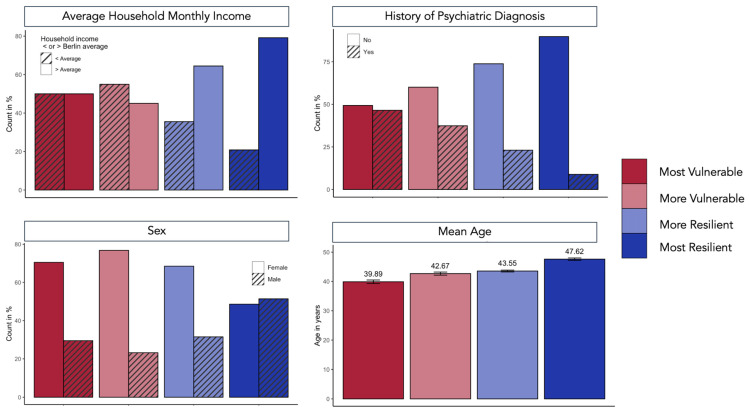
Abundant studies have examined mental health in the early periods of the COVID-19 pandemic. However, empirical work examining the mental health impact of the pandemic’s subsequent phases remains limited. In the present study, we investigated how mental vulnerability and resilience evolved over the various phases of the pandemic in 2020 and 2021 in Germany. Data were collected (n = 3522) across seven measurement occasions using validated and self-generated measures of vulnerability and resilience. We found evidence for an immediate increase in vulnerability during the first lockdown in Germany, a trend towards recovery when lockdown measures were eased, and an increase in vulnerability with each passing month of the second lockdown. Four different latent trajectories of resilience–vulnerability emerged, with the majority of participants displaying a rather resilient trajectory, but nearly 30% of the sample fell into the more vulnerable groups. Females, younger individuals, those with a history of psychiatric disorders, lower income groups, and those with high trait vulnerability and low trait social belonging were more likely to exhibit trajectories associated with poorer mental well-being. Our findings indicate that resilience–vulnerability responses in Germany during the COVID-19 pandemic may have been more complex than previously thought, identifying risk groups that could benefit from greater support.
Overview
The claims and statistics of this paper haven’t been checked yet.
Free: it reads the open-access text and checks the first 5 claims that cite a source we can check. Create a free account to check every claim.
Integrity signals
Registry
Cites
Statistics
Figures
Verification
Claims the paper makes
The claims and statistics of this paper haven’t been checked yet.
Free: it reads the open-access text and checks the first 5 claims that cite a source we can check. Create a free account to check every claim.
Claims other papers make about this one
Each is checked against this paper’s own text: does it say what the citing paper says it does?
The cited source says what the claim attributes to it.
In the citing paper
“Longitudinal studies found that specifically females, younger people, lower income groups, and people with lower social belonging showed more vulnerable trajectories during prolonged collective stressors which were also associated with higher mental health problems (6, 7).”
From Reducing neuroendocrine psychosocial stress response through socio-emotional dyadic but not mindfulness online training (2024) · cites this paper as [7]
Self-check
Percentages, sums and reported differences re-computed from the paper’s own numbers.
The self-check needs the paper’s full text.
Citations
Cites
A Global Measure of Perceived Stress
Cohen, S., Kamarck, T., & Mermelstein, R. (1983) · Journal of Health and Social Behavior · doi:10.2307/2136404 · Cited by 32,807 · cited 1×
“Stress perception was measured by the short version of the Perceived Stress Scale (PSS-4; [47]), using a sum score of the four items.”
Methodlavaan : An R Package for Structural Equation Modeling
Rosseel, Y. (2012) · Journal of Statistical Software · doi:10.18637/jss.v048.i02 · Cited by 27,955 · cited 1×
“6-11; [54]) was used for the first two steps, and Mplus (v8; [55]) for the last two steps.”
Methodmice: Multivariate Imputation by Chained Equations in R
Buuren, S. V., & Groothuis-Oudshoorn, K. (2011) · Journal of Statistical Software · doi:10.18637/jss.v045.i03 · Cited by 13,870
Bonanno, G. A. (2004) · American Psychologist · doi:10.1037/0003-066x.59.1.20 · Cited by 6,851 · cited 3×
“This view is also in line with prevalent models of post-traumatic mental health trajectories [36,37].”
BackgroundResult(2010) · University of Twente Research Information · Cited by 6,037
COVID-19 pandemic and mental health consequences: Systematic review of the current evidence
Vindegaard, N., & Benros, M. E. (2020) · Brain, Behavior, and Immunity · doi:10.1016/j.bbi.2020.05.048 · Cited by 3,221 · cited 1×
“Initial cross-sectional studies documented high levels of psychological distress, depression, anxiety, and worry as an immediate response to the declaration of pandemic and confinement measures while also indicating low levels of resilience (see reviews [2–5]).”
BackgroundPierce, M., Hope, H., Ford, T., Hatch, S., Hotopf, M., John, A., Kontopantelis, E., Webb, R., Wessely, S., McManus, S., et al. (2020) · The Lancet Psychiatry · doi:10.1016/s2215-0366(20)30308-4 · Cited by 2,621 · cited 6×
“A drawback of many of the studies examining mental health trajectories during the pandemic so far is the use of single measures that often only account for limited aspects of psychological vulnerability or resilience, such as the use of the General Health Questionnaire [7,13].”
BackgroundResultInfluentialLöwe, B., Wahl, I., Rose, M., Spitzer, C., Glaesmer, H., Wingenfeld, K., Schneider, A., & Brähler, E. (2010) · Journal of Affective Disorders · doi:10.1016/j.jad.2009.06.019 · Cited by 2,473
Latent Class Modeling with Covariates: Two Improved Three-Step Approaches
Vermunt, J. K. (2010) · Political Analysis · doi:10.1093/pan/mpq025 · Cited by 2,343 · cited 1×
“To identify trait and demographic factors that predict class membership, we followed the Three-Step Approach of Vermunt [58] to include (auxiliary) predictor variables in a mixture model [59].”
MethodLatent class analysis: a guide to best practice
Weller, B. E., Bowen, N. K., & Faubert, S. J. (2020) · Journal of Black Psychology · doi:10.1177/0095798420930932 · Cited by 2,223 · cited 2×
“However, the average latent class posterior probabilities, representing another index of model classification accuracy, were above or close to the common threshold of 0.80 (see Table 3; [62]).”
BackgroundInfluentialTen frequently asked questions about latent class analysis
Nylund-Gibson, K., & Choi, A. Y. (2018) · Translational Issues in Psychological Science · doi:10.1037/tps0000176 · Cited by 2,206
Tolin, D. F., & Foa, E. B. (2006) · Psychological Bulletin · doi:10.1037/0033-2909.132.6.959 · Cited by 2,197
Detecting and monitoring depression with a two-item questionnaire (PHQ-2)
Löwe, B., Kroenke, K., & Gräfe, K. (2005) · Journal of Psychosomatic Research · doi:10.1016/j.jpsychores.2004.09.006 · Cited by 1,473
Emotion Regulation and Psychopathology
Sheppes, G., Suri, G., & Gross, J. J. (2015) · Annual Review of Clinical Psychology · doi:10.1146/annurev-clinpsy-032814-112739 · Cited by 1,214 · cited 1×
“…as mentioned previously, some other studies have linked these disparities to increased childcare burden, decreased social interaction with peers, and decreased job or financial security [78,79], a further detailed examination is necessary to provide a more nuanced view of the mechanistic processes.”
BackgroundFancourt, D., Steptoe, A., & Bu, F. (2021) · The Lancet Psychiatry · doi:10.1016/s2215-0366(20)30482-x · Cited by 1,161 · cited 3×
“…as mentioned previously, some other studies have linked these disparities to increased childcare burden, decreased social interaction with peers, and decreased job or financial security [78,79], a further detailed examination is necessary to provide a more nuanced view of the mechanistic processes.”
BackgroundRobinson, E., Sutin, A. R., Daly, M., & Jones, A. (2022) · Journal of Affective Disorders · doi:10.1016/j.jad.2021.09.098 · Cited by 1,147 · cited 1×
“A key limitation of the current study is related to the retrospective assessment of the first three timepoints, which may have led to a recall bias.”
BackgroundWu, T., Jia, X., Shi, H., Niu, J., Yin, X., Xie, J., & Wang, X. (2021) · Journal of Affective Disorders · doi:10.1016/j.jad.2020.11.117 · Cited by 1,138
Pieh, C., Budimir, S., & Probst, T. (2020) · Journal of Psychosomatic Research · doi:10.1016/j.jpsychores.2020.110186 · Cited by 1,122 · cited 2×
“…as mentioned previously, some other studies have linked these disparities to increased childcare burden, decreased social interaction with peers, and decreased job or financial security [78,79], a further detailed examination is necessary to provide a more nuanced view of the mechanistic processes.”
BackgroundEpidemiology of mental health problems in COVID-19: a review
Hossain, M. M., Tasnim, S., Sultana, A., Faizah, F., Mazumder, H., Zou, L., McKyer, E. L. J., Ahmed, H. U., & Ma, P. (2020) · F1000Research · doi:10.12688/f1000research.24457.1 · Cited by 1,081
Journeys from childhood to midlife: risk, resilience, and recovery
(2002) · Choice Reviews Online · doi:10.5860/choice.39-3669 · Cited by 965 · cited 1×
“This is in line with the theoretical conceptualization of resilience and vulnerability as complementary counterparts [45,46].”
ResultGalatzer-Levy, I. R., Huang, S. H., & Bonanno, G. A. (2018) · Clinical Psychology Review · doi:10.1016/j.cpr.2018.05.008 · Cited by 878
Multiple imputation with multivariate imputation by chained equation (MICE) package.
Zhang, Z. (2016) · PubMed · doi:10.3978/j.issn.2305-5839.2015.12.63 · Cited by 740 · cited 1×
“We imputed missing data using predictive mean matching for all numeric variables through the multivariate imputation by chained equations (mice) method [56].”
MethodGroarke, J. M., Berry, E., Graham-Wisener, L., McKenna-Plumley, P. E., McGlinchey, E., & Armour, C. (2020) · PLOS ONE · doi:10.1371/journal.pone.0239698 · Cited by 727 · cited 1×
“…as mentioned previously, some other studies have linked these disparities to increased childcare burden, decreased social interaction with peers, and decreased job or financial security [78,79], a further detailed examination is necessary to provide a more nuanced view of the mechanistic processes.”
BackgroundGruber, J., Prinstein, M. J., Clark, L. A., Rottenberg, J., Abramowitz, J. S., Albano, A. M., Aldao, A., Borelli, J. L., Chung, T., Davila, J., et al. (2021) · American Psychologist · doi:10.1037/amp0000707 · Cited by 697 · cited 1×
“Crucially, the pandemic and the related lockdowns imposed across the world to curb the spread of the disease have come to be seen as a severe and sustained stressor that has left us grappling with psychological consequences [1].”
BackgroundJacobi, F., Höfler, M., Siegert, J., Mack, S., Gerschler, A., Scholl, L., Busch, M. A., Hapke, U., Maske, U., Seiffert, I., et al. (2014) · International Journal of Methods in Psychiatric Research · doi:10.1002/mpr.1439 · Cited by 586 · cited 1×
“The present study has helped us understand that when considering the longer-term view (>12 months) on mental health during the pandemic in Germany, covering various phases of lockdowns and easing of restrictions, the average response seems to have been characterized by increased mental health…”
BackgroundExposure to Hurricane-Related Stressors and Mental Illness After Hurricane Katrina
Galea, S., Brewin, C. R., Gruber, M., Jones, R. T., King, D. W., King, L. A., McNally, R. J., Ursano, R. J., Petukhova, M., & Kessler, R. C. (2007) · Archives of General Psychiatry · doi:10.1001/archpsyc.64.12.1427 · Cited by 584 · cited 2×
“In particular, few of these longitudinal studies showed that levels of mental health problems tended to increase with each measurement occasion [26,27], which is in line with cumulative risk models [28–30].”
BackgroundResultLoneliness before and during the COVID-19 pandemic: A systematic review with meta-analysis.
Ernst, M., Niederer, D., Werner, A. M., Czaja, S. J., Mikton, C., Ong, A. D., Rosen, T., Brähler, E., & Beutel, M. E. (2022) · American Psychologist · doi:10.1037/amp0001005 · Cited by 584 · cited 1×
“…as mentioned previously, some other studies have linked these disparities to increased childcare burden, decreased social interaction with peers, and decreased job or financial security [78,79], a further detailed examination is necessary to provide a more nuanced view of the mechanistic processes.”
BackgroundLoneliness Before and During the COVID-19 Pandemic: A Systematic Review with Meta-Analysis
Ernst, M., Niederer, D., Werner, A. M., Czaja, S. J., Mikton, C., Ong, A., Rosen, T., Braehler, E., & Beutel, M. E. (2022) · doi:10.31234/osf.io/wjx5v · Cited by 584
Wilson, J. M., Lee, J., Fitzgerald, H. N., Oosterhoff, B., Sevi, B., & Shook, N. J. (2020) · Journal of Occupational & Environmental Medicine · doi:10.1097/jom.0000000000001962 · Cited by 563 · cited 2×
“…as mentioned previously, some other studies have linked these disparities to increased childcare burden, decreased social interaction with peers, and decreased job or financial security [78,79], a further detailed examination is necessary to provide a more nuanced view of the mechanistic processes.”
BackgroundImpact of COVID-19 pandemic on mental health: An international study
Gloster, A. T., Lamnisos, D., Lubenko, J., Presti, G., Squatrito, V., Constantinou, M., Nicolaou, C., Papacostas, S., Aydın, G., Chong, Y. Y., et al. (2020) · PLOS ONE · doi:10.1371/journal.pone.0244809 · Cited by 558 · cited 3×
“In line with this proposition, several studies investigating resilience–vulnerability trajectories during the early phases of the pandemic have delineated a variety of predictors [7,13,15,26,38,39].”
ResultResilience and Big Five personality traits: A meta-analysis
Oshio, A., Taku, K., Hirano, M., & Saeed, G. (2018) · Personality and Individual Differences · doi:10.1016/j.paid.2018.01.048 · Cited by 547 · cited 2×
“…characteristics such as neuroticism and pessimism have consistently emerged as key predictors of mental health both before and during the pandemic [40– graphic factors the different To investigate which is a 19 pandemic in 2020 and 2021 on various biopsychosocial aspects in a large cohort of…”
BackgroundPalgi, Y., Shrira, A., Ring, L., Bodner, E., Avidor, S., Bergman, Y., Cohen-Fridel, S., Keisari, S., & Hoffman, Y. (2020) · Journal of Affective Disorders · doi:10.1016/j.jad.2020.06.036 · Cited by 547
Development of Psychopathology: A Vulnerability-Stress Perspective
Hankin, B., & Abela, J. (2005) · Sage eBooks · doi:10.4135/9781452231655 · Cited by 511
Psychological distress and adaptation to the COVID-19 crisis in the United States
Daly, M., & Robinson, E. (2021) · Journal of Psychiatric Research · doi:10.1016/j.jpsychires.2020.10.035 · Cited by 470
Sex Differences in Vulnerability and Resilience to Stress Across the Life Span
Hodes, G. E., & Epperson, C. N. (2019) · Biological Psychiatry · doi:10.1016/j.biopsych.2019.04.028 · Cited by 417 · cited 1×
“…as mentioned previously, some other studies have linked these disparities to increased childcare burden, decreased social interaction with peers, and decreased job or financial security [78,79], a further detailed examination is necessary to provide a more nuanced view of the mechanistic processes.”
BackgroundTolin, D. F., & Foa, E. B. (2008) · Psychological Trauma: Theory, Research, Practice, and Policy · doi:10.1037/1942-9681.s.1.37 · Cited by 376
Holman, E. A., Thompson, R. R., Garfin, D. R., & Silver, R. C. (2020) · Science Advances · doi:10.1126/sciadv.abd5390 · Cited by 285 · cited 1×
“Significant increases in mental health challenges were corroborated by existing cohort studies and longitudinal studies in the early months of the pandemic [6–17].”
Buecker, S., Mund, M., Chwastek, S., Sostmann, M., & Luhmann, M. (2021) · Psychological Bulletin · doi:10.1037/bul0000332 · Cited by 277 · cited 1×
“…as mentioned previously, some other studies have linked these disparities to increased childcare burden, decreased social interaction with peers, and decreased job or financial security [78,79], a further detailed examination is necessary to provide a more nuanced view of the mechanistic processes.”
BackgroundRacine, N., Hetherington, E., McArthur, B. A., McDonald, S., Edwards, S., Tough, S., & Madigan, S. (2021) · The Lancet Psychiatry · doi:10.1016/s2215-0366(21)00074-2 · Cited by 263
Zaninotto, P., Iob, E., Demakakos, P., & Steptoe, A. (2022) · JAMA Psychiatry · doi:10.1001/jamapsychiatry.2021.3749 · Cited by 229
Psycho-social factors associated with mental resilience in the Corona lockdown
Veer, I. M., Riepenhausen, A., Zerban, M., Wackerhagen, C., Puhlmann, L. M. C., Engen, H., Köber, G., Bögemann, S. A., Weermeijer, J., Uściłko, A., et al. (2021) · Translational Psychiatry · doi:10.1038/s41398-020-01150-4 · Cited by 223 · cited 1×
“…trajectories revealed considerable disparities, such that females, younger people, those with a history of psychiatric illnesses, and individuals in lower income groups emerged as key risk groups, along with those who had high levels of trait psychological vulnerability and low levels of social…”
BackgroundCOVID‑19 and its consequences on mental health (Review)
Tsamakis, K., Tsiptsios, D., Ouranidis, A., Mueller, C., Schizas, D., Terniotis, C., Nikolakakis, N., Tyros, G., Kympouropoulos, S., Lazaris, A., et al. (2021) · Experimental and Therapeutic Medicine · doi:10.3892/etm.2021.9675 · Cited by 194
Fiorenzato, E., Zabberoni, S., Costa, A., & Cona, G. (2021) · PLOS ONE · doi:10.1371/journal.pone.0246204 · Cited by 193 · cited 1×
“Moreover, even in an economically developed country, females, young cohorts, those with a history of psychiatric illnesses, and socially disadvantaged groups, such as lower socioeconomic status individuals, remained the most vulnerable among us.”
BackgroundThe German statistical category “migration background”: Historical roots, revisions and shortcomings
Will, A.-K. (2019) · Ethnicities · doi:10.1177/1468796819833437 · Cited by 193 · cited 1×
“Both governmental support as well as interventional efforts, specifically ones aimed at these vulnerable groups, will be necessary to avoid long-term pandemic-related deterioration [89] of mental well-being.”
BackgroundPietrzak, R. H., Tracy, M., Galea, S., Kilpatrick, D. G., Ruggiero, K. J., Hamblen, J. L., Southwick, S. M., & Norris, F. H. (2012) · PLoS ONE · doi:10.1371/journal.pone.0038964 · Cited by 180 · cited 1×
“A differentiated view, therefore, would be necessary to develop an even sharper understanding of mental health disparities.”
BackgroundDo we experience pandemic fatigue? current state, predictors, and prevention
Haktanır, A., Can, N., Seki, T., Kurnaz, M. F., & Dilmaç, B. (2021) · Current Psychology · doi:10.1007/s12144-021-02397-w · Cited by 173 · cited 1×
“Additionally, participants also completed an additional question that assessed perspective-taking, indicating that it was not very difficult to recall specific periods retrospectively (mean = 2.92 ± 1.72, range = 0–8, higher scores represent more difficulties, missing n = 1049).”
BackgroundInfluentialPsychological distress in North America during COVID-19: The role of pandemic-related stressors
Zheng, J., Morstead, T., Sin, N., Klaiber, P., Umberson, D., Kamble, S., & DeLongis, A. (2021) · Social Science & Medicine · doi:10.1016/j.socscimed.2021.113687 · Cited by 166 · cited 2×
“…as mentioned previously, some other studies have linked these disparities to increased childcare burden, decreased social interaction with peers, and decreased job or financial security [78,79], a further detailed examination is necessary to provide a more nuanced view of the mechanistic processes.”
BackgroundNewnham, E. A., Mergelsberg, E. L. P., Chen, Y., Kim, Y., Gibbs, L., Dzidic, P. L., Ishida DaSilva, M., Chan, E. Y. Y., Shimomura, K., Narita, Z., et al. (2022) · Clinical Psychology Review · doi:10.1016/j.cpr.2022.102203 · Cited by 165 · cited 1×
“The following supporting information can be downloaded at: https: //www.mdpi.com/article/10.3390/healthcare11091305/s1, File S1: Recruitment, Dropouts, and Outlier Detection;”
BackgroundInfluentialMental Health in Immigrants Versus Native Population: A Systematic Review of the Literature
Bas-Sarmiento, P., Saucedo-Moreno, M. J., Fernández-Gutiérrez, M., & Poza-Méndez, M. (2017) · Archives of Psychiatric Nursing · doi:10.1016/j.apnu.2016.07.014 · Cited by 164
Promoting youth mental health during the COVID-19 pandemic: A longitudinal study
Rosen, M. L., Rodman, A. M., Kasparek, S. W., Mayes, M., Freeman, M. M., Lengua, L. J., Meltzoff, A. N., & McLaughlin, K. A. (2021) · PLOS ONE · doi:10.1371/journal.pone.0255294 · Cited by 159
Gibson, B., Schneider, J., Talamonti, D., & Forshaw, M. (2021) · Canadian Psychology / Psychologie canadienne · doi:10.1037/cap0000272 · Cited by 158 · cited 1×
“…as mentioned previously, some other studies have linked these disparities to increased childcare burden, decreased social interaction with peers, and decreased job or financial security [78,79], a further detailed examination is necessary to provide a more nuanced view of the mechanistic processes.”
BackgroundAhrens, K. F., Neumann, R. J., Kollmann, B., Brokelmann, J., von Werthern, N. M., Malyshau, A., Weichert, D., Lutz, B., Fiebach, C. J., Wessa, M., et al. (2021) · Translational Psychiatry · doi:10.1038/s41398-021-01508-2 · Cited by 139 · cited 9×
“…studies investigating resilience–vulnerability trajectories during the early phases of the pandemic have delineated a variety of predictors [7,13,15,26,38,39]. status, For example, demographic factors such as sex, age, employment status, education and income levels, and trait characteristics…”
BackgroundResultInfluentialEarly-life mental disorders and adult household income in the World Mental Health Surveys
Kawakami, N., Abdulghani, E. A., Alonso, J., Bromet, E. J., Bruffaerts, R., Caldas-de-Almeida, J. M., Chiu, W. T., de Girolamo, G., de Graaf, R., Fayyad, J., et al. (2012) · Biological Psychiatry · doi:10.1016/j.biopsych.2012.03.009 · Cited by 134 · cited 2×
“…[7,13,15,26,38,39]. status, For example, demographic factors such as sex, age, employment status, education and income levels, and trait characteristics such as neuroticism and pessimism have consistently emerged as key predictors of mental health both before and during the pandemic [40–43].”
BackgroundTrajectories of resilience and mental distress to global major disruptions
Schäfer, S. K., Kunzler, A. M., Kalisch, R., Tüscher, O., & Lieb, K. (2022) · Trends in Cognitive Sciences · doi:10.1016/j.tics.2022.09.017 · Cited by 133
Friborg, O., Hjemdal, O., Martinussen, M., & Rosenvinge, J. H. (2009) · Journal of Individual Differences · doi:10.1027/1614-0001.30.3.138 · Cited by 113 · cited 1×
“This is in line with the theoretical conceptualization of resilience and vulnerability as complementary counterparts [45,46].”
ResultTrajectories of Mental Distress Among U.S. Adults During the COVID-19 Pandemic
Riehm, K. E., Holingue, C., Smail, E. J., Kapteyn, A., Bennett, D., Thrul, J., Kreuter, F., McGinty, E. E., Kalb, L. G., Veldhuis, C. B., et al. (2021) · Annals of Behavioral Medicine · doi:10.1093/abm/kaaa126 · Cited by 106 · cited 2×
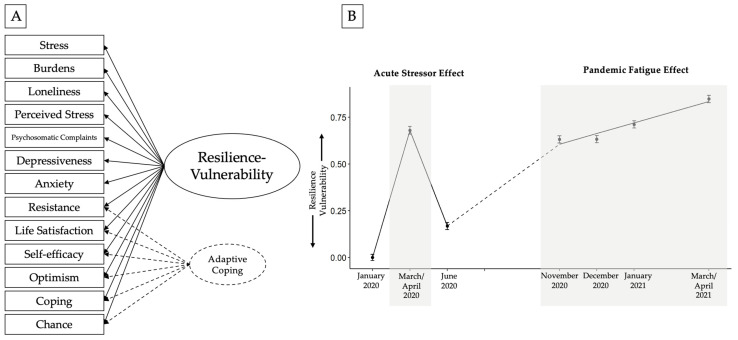
“Several studies have documented the initial acute stressor effect and the recovery of mental health difficulties in the early phases of the pandemic [13–17 , 33 ].”
BackgroundGroarke, J. M., Berry, E., Graham‐Wisener, L., et al. (2020) · doi:10.31234/osf.io/j2pce · Cited by 102
Income and Mental Health: Unraveling Community and Individual Level Relationships.
Gresenz, C. R., Sturm, R., & Tang, L. (2001) · PubMed · Cited by 101
McPherson, K. E., McAloney‐Kocaman, K., McGlinchey, E., Faeth, P. C., & Armour, C. (2021) · Psychiatry Research · doi:10.1016/j.psychres.2021.114138 · Cited by 98 · cited 1×
“Several studies have documented the initial acute stressor effect and the recovery of mental health difficulties in the early phases of the pandemic [13–17 , 33 ].”
BackgroundHeterogeneous mental health development during the COVID-19 pandemic in the United Kingdom
Ellwardt, L., & Präg, P. (2021) · Scientific Reports · doi:10.1038/s41598-021-95490-w · Cited by 94
Flentje, A., Obedin-Maliver, J., Lubensky, M. E., Dastur, Z., Neilands, T., & Lunn, M. R. (2020) · Journal of General Internal Medicine · doi:10.1007/s11606-020-05970-4 · Cited by 91 · cited 1×
“…as mentioned previously, some other studies have linked these disparities to increased childcare burden, decreased social interaction with peers, and decreased job or financial security [78,79], a further detailed examination is necessary to provide a more nuanced view of the mechanistic processes.”
BackgroundWeber, M., Schulze, L., Bolzenkötter, T., Niemeyer, H., & Renneberg, B. (2022) · Frontiers in Psychiatry · doi:10.3389/fpsyt.2022.848645 · Cited by 89 · cited 3×
“…as mentioned previously, some other studies have linked these disparities to increased childcare burden, decreased social interaction with peers, and decreased job or financial security [78,79], a further detailed examination is necessary to provide a more nuanced view of the mechanistic processes.”
BackgroundLowe, S. R., McGrath, J. A., Young, M. N., Kwok, R. K., Engel, L. S., Galea, S., & Sandler, D. P. (2019) · Journal of Traumatic Stress · doi:10.1002/jts.22392 · Cited by 86
Hawke, L. D., Szatmári, P., Cleverley, K., Courtney, D., Cheung, A., Voineskos, A. N., & Henderson, J. L. (2021) · BMJ Open · doi:10.1136/bmjopen-2021-049209 · Cited by 83
Higher-Order Growth Curves and Mixture Modeling with Mplus
Wickrama, K. A. S., Lee, T. K., O’Neal, C. W., & Lorenz, F. O. (2021) · Routledge eBooks · doi:10.4324/9781003158769 · Cited by 81 · cited 1×
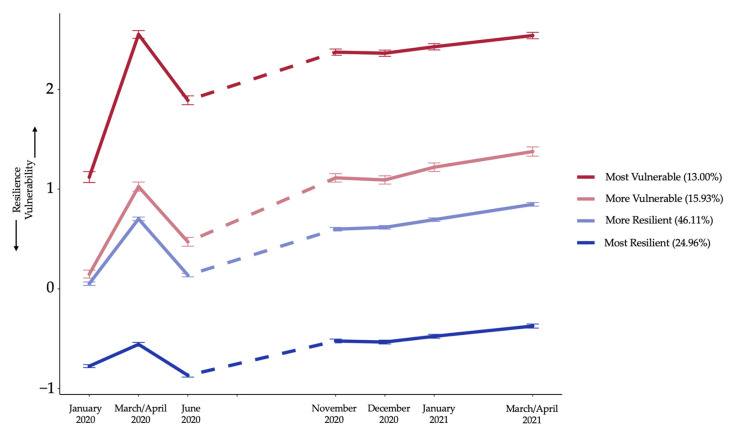
“Moreover, the smallest class in the 5-class solution had only 5.5% of the sample, which is on the verge of the recommended sample size [61], and class distribution of the 5-class solution was not theoretically more plausible and more informative because the growth patterns of classes 2 and 3 were…”
BackgroundInfluentialMental health inequalities increase as a function of COVID-19 pandemic severity levels
Maffly‐Kipp, J., Eisenbeck, N., Carreno, D. F., & Hicks, J. A. (2021) · Social Science & Medicine · doi:10.1016/j.socscimed.2021.114275 · Cited by 76
Optimism of health care workers during a disaster: a review of the literature
Boldor, N., Bar‐Dayan, Y., Rosenbloom, T., Shemer, J., & Bar‐Dayan, Y. (2012) · Emerging Health Threats Journal · doi:10.3402/ehtj.v5i0.7270 · Cited by 66
Addressing psychological resilience during the coronavirus disease 2019 pandemic: a rapid review
Blanc, J., Briggs, A. Q., Seixas, A. A., Reid, M., Jean-Louis, G., & Pandi-Perumal, S. R. (2021) · Current Opinion in Psychiatry · doi:10.1097/yco.0000000000000665 · Cited by 62 · cited 1×
“Initial cross-sectional studies documented high levels of psychological distress, depression, anxiety, and worry as an immediate response to the declaration of pandemic and confinement measures while also indicating low levels of resilience (see reviews [2–5]).”
BackgroundSilveira, S., Hecht, M., Matthaeus, H., Adli, M., Voelkle, M. C., & Singer, T. (2022) · International Journal of Environmental Research and Public Health · doi:10.3390/ijerph19063290 · Cited by 60 · cited 10×
“Healthcare 2023 , 11 , x FOR PEER REVIEW 14 of 25 For an overview of the demographic characterization of the four classes, see Figure 5.”
BackgroundMethodInfluentialSelf-citationDaly, M., & Robinson, E. (2022) · Journal of Affective Disorders · doi:10.1016/j.jad.2022.05.025 · Cited by 59 · cited 1×
“Initial evidence from empirical studies indicates significant deterioration of mental health in the second lockdowns [18,19].”
BackgroundGessa, G. D., Maddock, J., Green, M. J., Thompson, E. J., McElroy, E., Davies, H. L., Mundy, J., Stevenson, A. J., Kwong, A. S. F., Griffith, G. J., et al. (2021) · The British Journal of Psychiatry · doi:10.1192/bjp.2021.132 · Cited by 55
Gambin, M., Oleksy, T., Sękowski, M., Wnuk, A., Woźniak-Prus, M., Kmita, G., Holas, P., Pisula, E., Łojek, E., Hansen, K., et al. (2023) · Psychological Medicine · doi:10.1017/s0033291721005420 · Cited by 53
Stress-related psychopathology during the COVID-19 pandemic
McLaughlin, K. A., Rosen, M. L., Kasparek, S. W., & Rodman, A. M. (2022) · Behaviour Research and Therapy · doi:10.1016/j.brat.2022.104121 · Cited by 53 · cited 2×
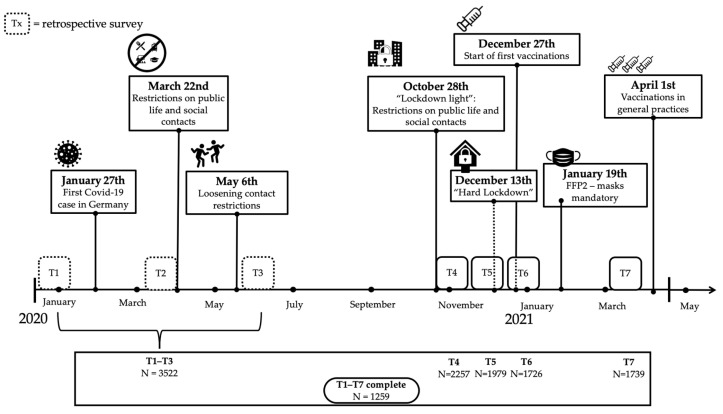
“In the perspective-taking exercise, participants were presented with a brief text that reminded them of the main national and international current events of political and societal importance taking place and being reported in local and national news at that time (see Supplement File S1).”
BackgroundResultLaham, S., Bertuzzi, L. D., Deguen, S., Hecker, I., Melchior, M., Patanè, M., Pinucci, I., Sijbrandij, M., & van der Waerden, J. E. B. (2021) · International Journal of Environmental Research and Public Health · doi:10.3390/ijerph182312677 · Cited by 52
Fernández, R. S., Crivelli, L., Guimet, N. M., Allegri, R., Picco, S., & Pedreira, M. E. (2022) · Scientific Reports · doi:10.1038/s41598-022-09663-2 · Cited by 52
Matos, M., McEwan, K., Kanovský, M., Halamová, J., Steindl, S. R., Ferreira, N., Linharelhos, M., Rijo, D., Asano, K., Gregório, S., et al. (2021) · Clinical Psychology & Psychotherapy · doi:10.1002/cpp.2601 · Cited by 50 · cited 1×
“…as mentioned previously, some other studies have linked these disparities to increased childcare burden, decreased social interaction with peers, and decreased job or financial security [78,79], a further detailed examination is necessary to provide a more nuanced view of the mechanistic processes.”
BackgroundWetherall, K., Cleare, S., McClelland, H., Melson, A. J., Niedzwiedz, C. L., O’Carroll, R. E., O'Connor, D. B., Platt, S., Scowcroft, E., Watson, B. L., et al. (2022) · BJPsych Open · doi:10.1192/bjo.2022.58 · Cited by 46 · cited 1×
“Initial evidence from empirical studies indicates significant deterioration of mental health in the second lockdowns [18,19].”
BackgroundSilveira, S., Hecht, M., Adli, M., Voelkle, M. C., & Singer, T. (2022) · Frontiers in Psychiatry · doi:10.3389/fpsyt.2022.804763 · Cited by 40 · cited 5×
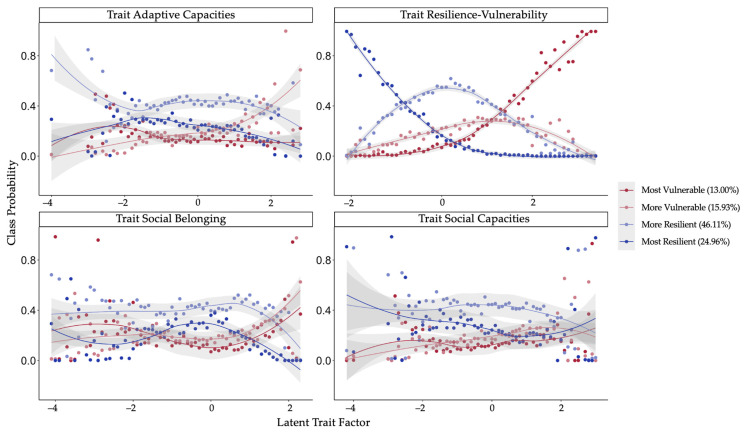
“For further details on trait questionnaires that were used to previously formulate the latent trait factors, please see Silveira et al. [51]).”
BackgroundMethodInfluentialSelf-citationWho develops pandemic fatigue? Insights from Latent Class Analysis
Taylor, S. J., Rachor, G. S., & Asmundson, G. J. G. (2022) · PLoS ONE · doi:10.1371/journal.pone.0276791 · Cited by 36 · cited 1×
“Additionally, participants also completed an additional question that assessed perspective-taking, indicating that it was not very difficult to recall specific periods retrospectively (mean = 2.92 ± 1.72, range = 0–8, higher scores represent more difficulties, missing n = 1049).”
BackgroundInfluentialShevlin, M., Butter, S., McBride, O., Murphy, J., Gibson-Miller, J., Hartman, T. K., Levita, L., Mason, L., Martinez, A. P., McKay, R., et al. (2023) · Psychological Medicine · doi:10.1017/s0033291721004025 · Cited by 35 · cited 1×
“Moreover, a small number of studies that examined the longitudinal trajectories of mental health during 2020 and 2021 found poor mental health outcomes in several different sub-groups of people [20–25].”
BackgroundGodara, M., Silveira, S., Matthaeus, H., & Singer, T. (2022) · Adversity and Resilience Science · doi:10.1007/s42844-022-00069-7 · Cited by 32 · cited 6×
“…to mandated safety measures observed in the general population [32], has also been theorized in the context of mental health by a recent conceptual model of psychological resilience and vulnerability during the COVID-19 pandemic, the Wither or Thrive Model of Resilience (With:Resilience) [31].”
BackgroundInfluentialSelf-citationCarr, E., Oetzmann, C., Davis, K. A. S., Bergin-Cartwright, G., Dorrington, S., Lavelle, G., Leightley, D., Polling, C., Stevelink, S. A. M., Wickersham, A., et al. (2022) · Occupational and Environmental Medicine · doi:10.1136/oemed-2021-108097 · Cited by 24
Rosa, L., Godwin, H. J., Cortese, S., & Brandt, V. C. (2022) · Evidence-Based Mental Health · doi:10.1136/ebmental-2022-300461 · Cited by 21 · cited 2×
“Importantly, average values of pandemic-specific indicators, such as pandemic-related burdens and fears, showed very low values at the first assessment timepoint, as reported in a previous study from the CovSocial project [11].”
ResultReis, D., Krautter, K., Hart, A., & Friese, M. (2022) · Stress and Health · doi:10.1002/smi.3181 · Cited by 20 · cited 1×
“Moreover, a small number of studies that examined the longitudinal trajectories of mental health during 2020 and 2021 found poor mental health outcomes in several different sub-groups of people [20–25].”
BackgroundSánchez-López, Á. (2021) · The Spanish Journal of Psychology · doi:10.1017/sjp.2021.28 · Cited by 17
Wynn, J. K., McCleery, A., Novacek, D. M., Reavis, E. A., Şentürk, D., Sugar, C. A., Tsai, J., & Green, M. F. (2022) · PLoS ONE · doi:10.1371/journal.pone.0273579 · Cited by 13 · cited 1×
“Moreover, even in an economically developed country, females, young cohorts, those with a history of psychiatric illnesses, and socially disadvantaged groups, such as lower socioeconomic status individuals, remained the most vulnerable among us.”
BackgroundPromoting youth mental health during COVID-19: A Longitudinal Study spanning pre- and post-pandemicPreprint
Rosen, M. L., Rodman, A. M., Kasparek, S. W., Mayes, M., Freeman, M. M., Lengua, L. J., Meltzoff, A. N., & McLaughlin, K. A. (2021) · doi:10.31234/osf.io/n5h8t · Cited by 8
Shevlin, M. E., Butter, S., McBride, O., Murphy, J., Miller, J. G., Hartman, T. K., Levita, L., Mason, L., Martínez, A. P., McKay, R., et al. (2021) · doi:10.31234/osf.io/42dfu · Cited by 5
Research works printed but not linked: 2
- Beierlein C. Kemper C.J. Kovaleva A. Rammstedt B. Short Scale for Measuring General Self-efficacy Beliefs (ASKU). Kurzskala zur Erfassung allgemeiner Selbstwirksamkeitserwartungen (ASKU) Methoden Daten Anal. 2013 7 251 278
- Muthén B. Latent Variable Analysis: Growth Mixture Modeling and Related Techniques for Longitudinal Data The SAGE Handbook of Quantitative Methodology for the Social Sciences SAGE Publications, Inc. Thousand Oaks, CA, USA 2004 346 369
Cited by
Zhang, Y., Stewart, C., Ranjan, Y., Conde, P., Sankesara, H., Rashid, Z., Sun, S., Dobson, R., & Folarin, A. (2025) · Journal of Affective Disorders · doi:10.1016/j.jad.2025.01.124 · Cited by 44
Godara, M., Everaert, J., Sánchez-López, Á., Joormann, J., & Raedt, R. D. (2023) · Scientific Reports · doi:10.1038/s41598-023-36211-3 · Cited by 39
Self-citationGodara, M., Hecht, M., & Singer, T. (2024) · Journal of Affective Disorders · doi:10.1016/j.jad.2024.03.037 · Cited by 12
A neuroscience perspective on the plasticity of the social and relational brain
Singer, T. (2025) · Annals of the New York Academy of Sciences · doi:10.1111/nyas.15319 · Cited by 18
“23,240 248 Similarly, the CovSocial project 243,244,249 confirmed in a large German sample that both lockdowns, but especially during the longer second lockdown with so-called pandemic-fatigueeffects, 250 camewithincreasingmentalhealthburdens,including stress, depression, anxiety, and loneliness.”
Self-citationMatthaeus, H., Heim, C., Voelkle, M. C., & Singer, T. (2024) · Frontiers in Endocrinology · doi:10.3389/fendo.2024.1277929 · Cited by 6
“Longitudinal studies found that speci fi cally females, younger people, lower income groups, and people with lower social belonging showed more vulnerable trajectories during prolonged collective stressors which were also associated with higher mental health problems (6, 7).”
BackgroundSelf-citation
Metadata
- Authors
- Godara, M., Rademacher, J., Hecht, M., Silveira, S., Voelkle, M. C., & Singer, T.
- Affiliations
- Max Planck Society (DE)
- Helmut Schmidt University (DE)
- Humboldt-Universität zu Berlin (DE)
- Corresponding author
- Godara, Malvika
- Venue
- Healthcare
- Publisher
- MDPI AG
- Published
- 2023-05-03
- Volume
- 11
- Issue
- 9
- Pages
- 1305
- ISSN
- 2227-9032 (ISSN-L)
- PMC
- PMC10177770
- OpenAlex
- W4376630678
- Cited by
- 11
- References
- 87
- Citations by year
- 2026: 1 · 2025: 4 · 2024: 5 · 2023: 1
- FWCI
- 3.20
- Type
- journal article
- Language
- en
- Open access
- gold
- doi.org
- Licence
- Locations
- Healthcare (publishedVersion, cc-by)
- PubMed Central (publishedVersion, cc-by)
- PubMed (publishedVersion)
- edoc Publication server (Humboldt University of Berlin) (submittedVersion, cc-by)
- FreiDok plus (Universitätsbibliothek Freiburg) (submittedVersion, other-oa)
- edoc Publication server (Humboldt University of Berlin) (cc-by)
- Funders
- Social Neuroscience Lab of the Max Planck Society (114_GC_Pandemie_23)
- Berlin University Alliance (BUA) (114_GC_Pandemie_23)
- Max Planck Society (114_GC_Pandemie_23)
- Topics
- Social Sciences › Psychology › Clinical Psychology › COVID-19 and Mental Health
- Health Sciences › Medicine › Public Health, Environmental and Occupational Health › Maternal Mental Health During Pregnancy and Postpartum
- Social Sciences › Psychology › Clinical Psychology › Resilience and Mental Health
- Keywords
- COVID-19 pandemic, mental health, psychological resilience, psychological vulnerability, lockdown, risk factors, vulnerable populations, gender differences, age differences, psychiatric history, income, social belonging, psychological well-being, Germany
About these checks
Registry, retraction, Cites and statistics results are computed, not judged, with one exception: a printed reference that no index lists is read once by a model before it counts as a citation error. Claims are extracted by a model and kept only when their quote appears verbatim in the text; each cited source is then checked, with a model’s help, for whether it says what the claim relies on. Those verdicts can be wrong — read the claim’s quote and the cited source before relying on one.
Statistics and arithmetic are recomputed, not judged.
Confidence bands are shown only for fields calibrated on our annotated test set. None is calibrated yet, so no band is shown.
What counts as a claim ›How we measure confidence ›How we check this ›
Are you an author, or do you see a problem with this page? Request a review
Data sources
Bibliographic data: Semantic Scholar, OpenAlex, Crossref.
Contains information from the Semantic Scholar Academic Graph Datasets, made available under the ODC Attribution License (ODC-BY 1.0).
Semantic Scholar’s data is described in: Kinney, R., et al. (2023). The Semantic Scholar Open Data Platform. arXiv:2301.10140.
