

Smart Speakers for Health and Well-Being of Older Adults: A Mixed-Methods Review
Open accessThe DOI matches its Crossref record; 83 of the 84 references it cites were found in a registry or an index, and 1 are not checked yet; 71 of the 110 sources its claims cite were checked for support.
Abstract
Background: Rapid population aging poses significant challenges to health and wellness systems, necessitating innovative technological interventions. Smart home technologies, particularly voice-activated intelligent assistants (smart speakers), represent a promising avenue for supporting aging populations. Objectives: This study critically examines the empirical literature on smart speakers’ influence on older adults’ health and well-being, mapping the characteristics of existing studies, assessing the current state of this domain, and providing a comprehensive overview. Methods: A mixed-methods systematic review was conducted in accordance with published guidelines. Bibliometric data, article purposes and outcomes, keyword network analysis, and mixed-methods findings from articles retrieved from five major databases were managed through the Covidence and VosViewer applications. Results: The majority of studies were conducted in the American region. Bibliometric analysis revealed five predominant thematic clusters: health management, psychological support, social connectedness, technology adoption, and usability. Findings demonstrated multifaceted benefits across several domains. Older adults reported improvements in daily living activities, enhanced emotional well-being, strengthened social connections, and overall health benefits. Qualitative evidence particularly emphasized the advantages of medication adherence, routine maintenance, and facilitated social support. However, mixed-method synthesis revealed significant barriers to adoption and sustained use, including privacy concerns, technical difficulties, cost constraints, and limited digital literacy among older users. Conclusions: The integration of smart speakers into the homes of older adults offers considerable potential to enhance technological wellness and promote successful aging in place, underscoring the need for structured integration of smart speaker technology and human-centered designs within geriatric care systems.
Verified 2026-11-25 · 1 reference not checked yet
Overview
CoChat Summary
## TL;DR
This mixed-methods review synthesized 20 empirical studies on smart speakers for older adults and found that they are mainly used to support daily living, emotional well-being, and social connectedness. Benefits were promising but mixed in the quantitative evidence, while qualitative evidence highlighted medication reminders, routine support, companionship, and barriers such as privacy, cost, technical difficulty, and limited digital literacy.
## Key findings
- The review included 20 articles; 14 (70%) had multiple authors, 19 (95%) were published in health journals, 6 (30%) were published in 2021, and 12 (60%) came from the American region.
- In the MMAT appraisal, 8 studies (40%) scored 100%, 8 (40%) scored 80%, and 4 (20%) scored 60%.
- The studies’ purposes clustered into 5 categories: Health Management and Well-being, Psychological and Emotional Support, Social Connectedness, Technology Adoption and Feasibility, and Usability and Design Development; outcomes clustered into 5 categories: Improved Daily Living, Positive Emotional and Social Effects, Health Benefits, Adoption Challenges, and Opportunities for Refinement.
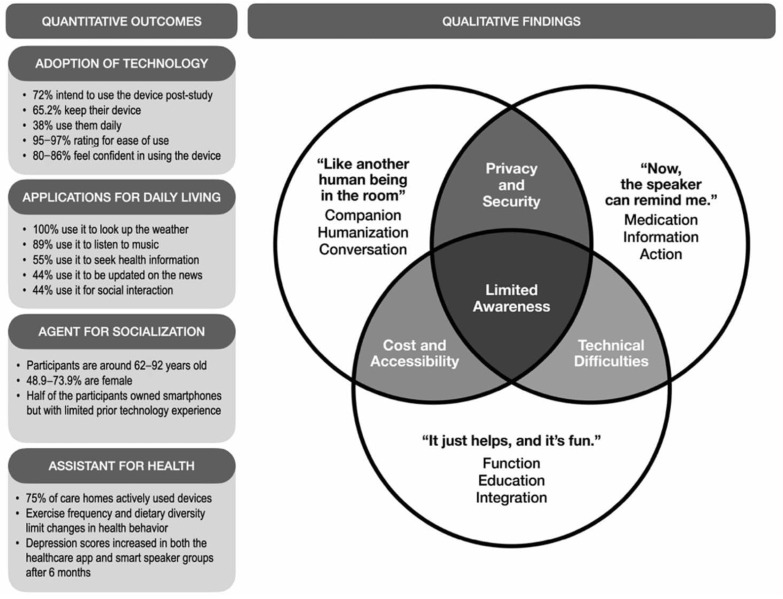
- Quantitative findings reported high adoption/use indicators, including 72% intent to use, 65.2% choosing to keep the device after the study, 100% use for weather inquiries, 89% for music listening, and 55% for seeking health information; qualitative findings emphasized medication adherence, routine maintenance, and social support.
- Mixed-methods synthesis identified major barriers to adoption and sustained use: privacy/security, cost/accessibility, technical difficulties, and limited awareness/digital literacy.
## Methods
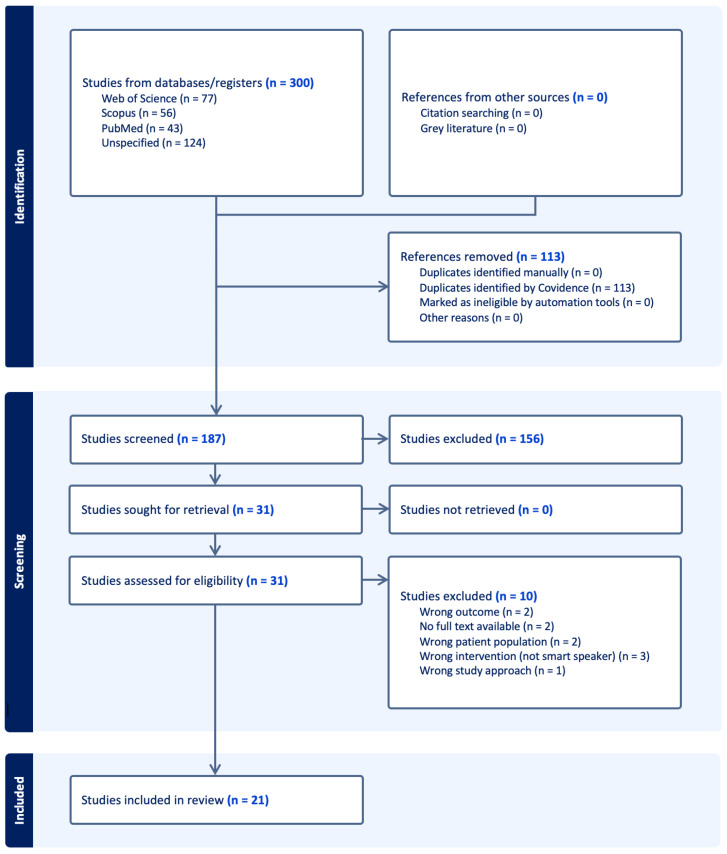
- The authors conducted a mixed-methods systematic review using the Segregated Synthesis Mixed-Methods review process and reported adherence to PRISMA.
- Searches were run in Scopus, Web of Science, PubMed, ProQuest, and IEEE, limited to peer-reviewed empirical studies on older adults (65+) and smart speaker interventions; after screening, 20 studies were included.
- Quality appraisal used the Mixed-Methods Assessment Tool (MMAT), and synthesis combined separate qualitative and quantitative syntheses with a final mixed-methods synthesis; bibliometrics and keyword co-occurrence were also analyzed with Covidence and VOSviewer.
## Limitations
- The paper states that included studies often had small or non-representative samples, unclear sampling strategies, minimal detail on data integration, and some qualitative studies lacked transparency in coding/trustworthiness procedures; some studies used cross-sectional or exploratory designs without control groups or standardized outcome measures.
- The review itself limited inclusion to peer-reviewed journal articles and excluded gray literature; the authors state in the conclusions that future reviews may benefit from including gray literature to capture practical and policy-level applications.
- Evident from the text: the evidence base is skewed toward healthy older adults, community/home settings, and the American region, which the authors note limits generalizability to more diverse health statuses and contexts.
Model-written summary. Check it against the paper before relying on it.
Integrity signals
Registry
Cites
Statistics
Figures
Verification
Claims the paper makes
50 Valid · 8 Not valid · 25 Not checked · 124 Own results and interpretations
At least one cited source doesn’t support this claim or points to a different paper, and none confirmed it — see the verdicts below.
In the paper
“Several barriers were identified when using smart speakers, including a lack of technological competency and difficulties issuing commands [30].”
§ Smart Speakers for Health and Well-Being of Older Adults: A Mixed-Methods Review > 4. Discussion > 4.3. Mixed-Methods Outcomes
What the sources say
- Disputedcites [30] Kim J. Shin E. Han K. Park S. Youn J.H. Jin G. Lee J.-Y. Efficacy of Smart Speaker–Based Metamemory Training in Older Adults: Case-Control Cohort Study J. Med. Internet Res. 2021 23 e20177 10.2196/20177 33591276 PMC7925152 sourceExperimental — accuracy not yet measured
The Introduction (page unavailable) describes unfamiliarity with technology as a difficulty with computers and robots, but presents smart speakers as easier for older adults to use. In Results > Focus Group Interviews (page unavailable), users likewise report that smart speakers were easier and less burdensome than computers or phones. The paper does not identify difficulty issuing commands as a smart-speaker barrier. (LLM, conf=0.78)
Checked by a reasoning model — may be wrong.
plain- Asserted: passes — The authors put it forward as true.
- Checkable: passes — It can be checked against evidence.
- Load-bearing: passes — The paper’s conclusions depend on it.
- Based: passes — The paper gives a reason why it holds.
- Disputed
Every source the paper cites for this claim was checked and supports it.
In the paper
“At the same time, studies highlighted design opportunities to enhance accessibility, trustworthiness, and age-friendliness [22,33].”
§ Smart Speakers for Health and Well-Being of Older Adults: A Mixed-Methods Review > 3. Results > 3.2. Article Purpose and Outcomes
What the sources say
- Supportedcites [22] Chen C. Johnson J.G. Charles K. Lee A. Lifset E.T. Hogarth M. Moore A.A. Farcas E. Weibel N. Understanding Barriers and Design Opportunities to Improve Healthcare and QOL for Older Adults through Voice Assistants Proceedings of the 23rd International ACM SIGACCESS Conference on Computers and Accessibility Online 17 October 2021 ACM New York, NY, USA 1 16 PMC11254122 39022668 source
Section 5.4 recommends ability-based design to improve older adults’ access to voice assistants and explicitly adds Privacy and Trust as a design category. Section 5.2 calls for personalization to accommodate differences in older adults’ abilities and memory. Together, these passages support the cited design opportunities for accessibility, trustworthiness, and age-friendliness; page numbers were not available in our copy. (LLM, conf=0.91)
- Supportedcites [33] Pradhan A. Lazar A. Findlater L. Use of Intelligent Voice Assistants by Older Adults with Low Technology Use ACM Trans. Comput.-Hum. Interact. 2020 27 1 27 10.1145/3373759 source
The Introduction (page unavailable) explicitly identifies design recommendations to make voice-based interfaces more accessible and useful for older adults, including the challenge of conveying credible online information. The Conclusions (page unavailable) also identify opportunities to increase trust and comfort with the technology. (LLM, conf=0.90)
plain- Asserted: passes — The authors put it forward as true.
- Checkable: passes — It can be checked against evidence.
- Load-bearing: passes — The paper’s conclusions depend on it.
- Based: passes — The paper gives a reason why it holds.
- Supported
The cited sources support only part of this claim — read each source’s verdict below.
In the paper
“However, the positive effects were moderated by frustrations with limited conversational depth, personalization, and concerns about privacy and security, which often tempered initial enthusiasm [13,23].”
§ Smart Speakers for Health and Well-Being of Older Adults: A Mixed-Methods Review > 3. Results > 3.2. Article Purpose and Outcomes
What the sources say
- Partly supportedcites [13] Kim S. Exploring How Older Adults Use a Smart Speaker–Based Voice Assistant in Their First Interactions: Qualitative Study JMIR Mhealth Uhealth 2021 9 e20427 10.2196/20427 33439130 PMC7840274 sourceExperimental — accuracy not yet measured
The Results (Overview and Challenges in Using Voice Assistants; pages not provided) describe positive initial reactions followed by conversational difficulties and privacy and security concerns. The study does not establish positive mental health effects or identify limited personalization as a frustration that tempered those effects; its Discussion proposes personalized information as a possible design improvement. (LLM, conf=0.86)
- Not checked — no full text of the sourcecites [23] Choi Y.K. Thompson H.J. Demiris G. Internet-of-Things Smart Home Technology to Support Aging-in-Place: Older Adults’ Perceptions and Attitudes J. Gerontol. Nurs. 2021 47 15 21 10.3928/00989134-20210310-03 34038251 source
plainstates an association- Asserted: passes — The authors put it forward as true.
- Checkable: passes — It can be checked against evidence.
- Load-bearing: passes — The paper’s conclusions depend on it.
- Based: passes — The paper gives a reason why it holds.
- Partly supported
The cited sources that could be checked couldn’t confirm or dispute this claim.
In the paper
“In terms of mental health outcomes, smart speakers were consistently associated with reduced loneliness and depression among older adults, particularly those living alone [14,25].”
§ Smart Speakers for Health and Well-Being of Older Adults: A Mixed-Methods Review > 3. Results > 3.2. Article Purpose and Outcomes
What the sources say
- Not checked — no full text of the sourcecites [14] Park S. Kim B. The Impact of Everyday AI-Based Smart Speaker Use on the Well-Being of Older Adults Living Alone Technol. Soc. 2022 71 102133 10.1016/j.techsoc.2022.102133 source
- Could not verifycites [25] Chung J. Bleich M. Wheeler D.C. Winship J.M. McDowell B. Baker D. Parsons P. Attitudes and Perceptions Toward Voice-Operated Smart Speakers Among Low-Income Senior Housing Residents: Comparison of Pre- and Post-Installation Surveys Gerontol. Geriatr. Med. 2021 7 23337214211005869 10.1177/23337214211005869 35047655 PMC8762486 sourceExperimental — accuracy not yet measured
The Results report attitudes toward smart speakers, not changes in loneliness or depression. The Discussion calls for future research on their effects on mood and loneliness; our copy provides no finding of reduced symptoms or greater benefit for people living alone. (LLM, conf=0.76)
boostedstates an association- Asserted: passes — The authors put it forward as true.
- Checkable: passes — It can be checked against evidence.
- Load-bearing: passes — The paper’s conclusions depend on it.
- Based: passes — The paper gives a reason why it holds.
The cited sources support only part of this claim — read each source’s verdict below.
In the paper
“Despite these promising results, technical barriers such as Wi-Fi connectivity issues, difficulty phrasing commands, and system errors limited effectiveness and scalability [12].”
§ Smart Speakers for Health and Well-Being of Older Adults: A Mixed-Methods Review > 3. Results > 3.2. Article Purpose and Outcomes
What the sources say
- Partly supportedcites [12] Quinn K. Leiser Ransom S. O’Connell C. Muramatsu N. Marquez D.X. Chin J. Assessing the Feasibility and Acceptability of Smart Speakers in Behavioral Intervention Research with Older Adults: Mixed Methods Study J. Med. Internet Res. 2024 26 e54800 10.2196/54800 39213034 PMC11399739 sourceExperimental — accuracy not yet measured
The Results (Appropriateness and Fidelity) describe command-rephrasing difficulties, application errors, and Wi-Fi interruptions that caused some participants to stop using the intervention. The Discussion (Principal Findings and Conclusions) says technical problems hindered engagement and intervention fidelity and required support resources. The paper does not establish that these barriers limited intervention effectiveness or scalability specifically. (LLM, conf=0.85)
plainstates a cause- Asserted: passes — The authors put it forward as true.
- Checkable: passes — It can be checked against evidence.
- Load-bearing: passes — The paper’s conclusions depend on it.
- Based: passes — The paper gives a reason why it holds.
- Partly supported
76 more claims · 14 with their cited sources checked
Create a free account to see all 207 claims and to verify the 14 references still open.
- It may state two separate claims as one. 96
- Probably not a substantial claim. 46
Self-check
Percentages, sums and reported differences re-computed from the paper’s own numbers.
Each contradiction between two passages listed here was confirmed by an independent check.
Rated major: it would touch a result — a value a result rests on, reported and recomputed p-values on opposite sides of the significance level, two passages that conflict with no sign which is right, or a cited work retracted before this paper was published.
In the paper
§ Smart Speakers for Health and Well-Being of Older Adults: A Mixed-Methods Review > Abstract
“Bibliometric analysis revealed five predominant thematic clusters: health management, psychological support, social connectedness, technology adoption, and usability.”
§ Smart Speakers for Health and Well-Being of Older Adults: A Mixed-Methods Review > 4. Discussion > 4.4. Keyword Co-Occurrence Network Analysis
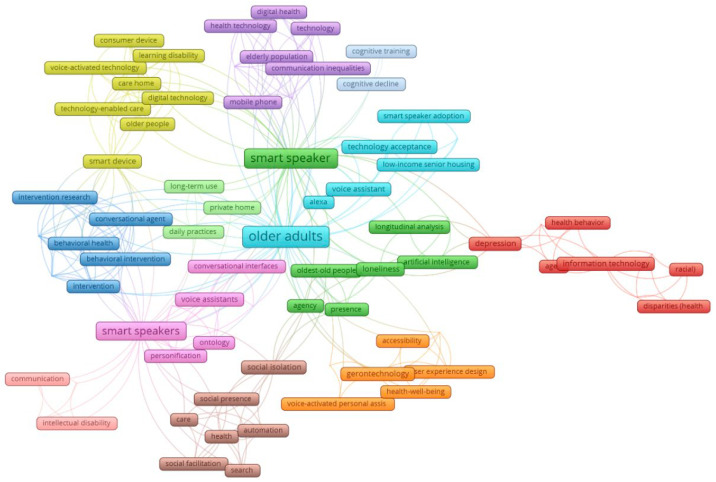
“The results of the keyword network analysis revealed eight major thematic clusters: (1) Health Equity and Inclusion, (2) Artificial Intelligence and Social Health, (3) Digital Home Healthcare, (4) Digital Health and Well-being, (5) Digital Health Agents and Quality of Life, (6) Health Technology and Usability, (7) Humanized Technology and Representation, (8) Health Behavior and Cognition.”
Rated minor: it would not touch a result — a value no result rests on, a p-value that stays on the same side of the significance level, or a conflict that is clerical, resolved elsewhere in the paper, or outside its own findings.
In the paper
§ Smart Speakers for Health and Well-Being of Older Adults: A Mixed-Methods Review > Abstract
“Bibliometric analysis revealed five predominant thematic clusters: health management, psychological support, social connectedness, technology adoption, and usability.”
§ Smart Speakers for Health and Well-Being of Older Adults: A Mixed-Methods Review > 3. Results > 3.4. Keyword Co-Occurrence Network Analysis
“Figure 3 presents the co-occurrence network of article keywords, revealing eight thematic clusters from the review (Table 5) that demonstrate the characteristics of research on smart speakers for older adult health.”
Citations
Cites
Preferred reporting items for systematic reviews and meta-analyses: The PRISMA statement
Moher, D., Liberati, A., Tetzlaff, J., & Altman, D. G. (2010) · International Journal of Surgery · doi:10.1016/j.ijsu.2010.02.007 · Cited by 12,156 · cited 1×
“The authors have ensured adherence to the Preferred Reporting Items for Systematic Reviews and Meta-Analysis (PRISMA) guidelines [17] throughout the process.”
(1993) · Oxford University Press eBooks · doi:10.1093/0198287976.001.0001 · Cited by 4,239
Sepúlveda-Loyola, W., Rodríguez-Sánchez, I., Pérez-Rodríguez, P., Ganz, F., Torralba, R., Oliveira, D. V., & Rodríguez-Mañas, L. (2020) · The Journal of nutrition, health and aging · doi:10.1007/s12603-020-1500-7 · Cited by 1,081 · cited 1×
“Social isolation among older adults was a standard issue during the pandemic [24,38].”
Online Learning: Adoption, Continuance, and Learning Outcome—A Review of Literature
Panigrahi, R., Srivastava, P. R., & Sharma, D. (2018) · International Journal of Information Management · doi:10.1016/j.ijinfomgt.2018.05.005 · Cited by 607
Lau, J., Zimmerman, B., & Schaub, F. (2018) · Proceedings of the ACM on Human-Computer Interaction · doi:10.1145/3274371 · Cited by 568
(2006) · PubMed · Cited by 485
Fitzpatrick, P. J. (2023) · Frontiers in Digital Health · doi:10.3389/fdgth.2023.1264780 · Cited by 416 · cited 1×
“[28,74,75].”
Digital Engagement of Older Adults: Scoping Review
Kebede, A. S., Ozolins, L.-L., Holst, H., & Galvin, K. (2022) · Journal of Medical Internet Research · doi:10.2196/40192 · Cited by 298 · cited 1×
“For older adults, ownership alone is insufficient to enhance digital skills; rather, competency depends heavily on the availability of support, guidance, and personalized learning opportunities, which can improve both technological use and meaningful digital engagement [67].”
Use of Intelligent Voice Assistants by Older Adults with Low Technology Use
Pradhan, A., Lazar, A., & Findlater, L. (2020) · ACM Transactions on Computer-Human Interaction · doi:10.1145/3373759 · Cited by 285
Joint Displays of Integrated Data Collection in Mixed Methods Research
Fetters, M. D., & Tajima, C. (2022) · International Journal of Qualitative Methods · doi:10.1177/16094069221104564 · Cited by 244
Lee, A. T., Ramasamy, R. K., & Subbarao, A. (2025) · doi:10.20944/preprints202501.0074.v1 · Cited by 241
Lee, A. T., Ramasamy, R. K., & Subbarao, A. (2025) · Healthcare · doi:10.3390/healthcare13030250 · Cited by 241 · cited 1×
“Consistent with TAM and UTAUT models, adoption is shown to be linked to improved autonomy and life satisfaction, underscoring the importance of ensuring age-friendly design to promote positive user experiences [82].”
Pradhan, A., Findlater, L., & Lazar, A. (2019) · Proceedings of the ACM on Human-Computer Interaction · doi:10.1145/3359316 · Cited by 223
Older People’s Use of Digital Technology During the COVID-19 Pandemic
Sixsmith, A., Horst, B. R., Simeonov, D., & Mihailidis, A. (2022) · Bulletin of Science, Technology & Society · doi:10.1177/02704676221094731 · Cited by 205 · cited 1×
“In contrast, more recent studies, particularly those conducted during or after the COVID-19 pandemic, were shaped by accelerated digital adoption, heightened reliance on remote communication, and growing familiarity with AI-driven devices [40].”
Underrepresentation of the Elderly in Clinical Trials, Time for Action
van Marum, R. J. (2020) · British Journal of Clinical Pharmacology · doi:10.1111/bcp.14539 · Cited by 159
Kim, S. (2021) · JMIR mHealth and uHealth · doi:10.2196/20427 · Cited by 153
Voice‐Controlled Intelligent Personal Assistants to Support Aging in Place
O'Brien, K., Liggett, A., Ramirez‐Zohfeld, V., Sunkara, P., & Lindquist, L. A. (2020) · Journal of the American Geriatrics Society · doi:10.1111/jgs.16217 · Cited by 142 · cited 1×
“For instance, smart speakers can be set up anywhere, based on a user’s daily habits [10], and can be integrated into smart devices [65].”
Yang, R., Gao, S., & Jiang, Y. (2024) · BMC Geriatrics · doi:10.1186/s12877-024-05612-y · Cited by 130 · cited 1×
“…and psychosocial dimensions of this emerging field, the first cluster highlights how access, affordability, and digital literacy influence smart speaker use among older adults, emphasizing the importance of inclusive design and equitable access to prevent the widening of the digital divide [80].”
Tian, Y. J., Felber, N. A., Pageau, F., Schwab, D. R., & Wangmo, T. (2024) · BMC Geriatrics · doi:10.1186/s12877-024-04702-1 · Cited by 123 · cited 2×
“Technology has been utilized to support the well-being and independence of older adults, expanding to various technologies integrated into geriatric care [61].”
Privacy and smart speakers: A multi-dimensional approach
Lutz, C., & Newlands, G. (2021) · The Information Society · doi:10.1080/01972243.2021.1897914 · Cited by 123 · cited 1×
“…on the role of smart speakers in remote monitoring, care coordination, and aging in place, highlighting that smart speakers can support caregivers and enhance independent living, but that challenges persist around privacy, data security, and autonomy in technology-assisted care environments [81].”
Wong, A. K. C., Lee, J. H. T., Zhao, Y., Lu, Q., Yang, S., & Hui, V. C. C. (2025) · JMIR Aging · doi:10.2196/66778 · Cited by 114 · cited 1×
“…findings to broader trends in digital health, health education, and AI-driven tools. mHealth interventions have been shown to improve health literacy among older adults [77], while AI technologies, including virtual assistants and robotics, are being explored in long-term care settings [78,79].”
Bookey‐Bassett, S., Markle‐Reid, M., Mckey, C. A., & Akhtar‐Danesh, N. (2017) · Journal of Advanced Nursing · doi:10.1111/jan.13162 · Cited by 108
Software Tools for Literature Screening in Systematic Reviews in Biomedical Research
van der Mierden, S. (2019) · ALTEX · doi:10.14573/altex.1902131 · Cited by 99
The concept of vulnerability in aged care: a systematic review of argument-based ethics literature
Sanchini, V., Sala, R., & Gastmans, C. (2022) · BMC Medical Ethics · doi:10.1186/s12910-022-00819-3 · Cited by 88
From success to capability for healthy ageing: shifting the lens to include all older people
Stephens, C. V. (2016) · Critical Public Health · doi:10.1080/09581596.2016.1192583 · Cited by 88
Chen, C., Johnson, J. G., Charles, K., Lee, A., Lifset, E. T., Hogarth, M., Moore, A. A., Farcas, E., & Weibel, N. (2021) · Proceedings of the 23rd International ACM SIGACCESS Conference on Computers and Accessibility · doi:10.1145/3441852.3471218 · Cited by 67
Factors influencing technology use among low-income older adults: A systematic review
Chan, D. Y. L., Lee, S. W. H., & Teh, P.-L. (2023) · Heliyon · doi:10.1016/j.heliyon.2023.e20111 · Cited by 60 · cited 1×
“This observation may be possibly attributed to a gap that reflects the broader mismatch between the barriers of smart technology and the everyday realities of older adults, including financial, technical, and social circumstances [56,57].”
Verloo, H., Kampel, T., Vidal, N., & Pereira, F. (2020) · Journal of Medical Internet Research · doi:10.2196/17930 · Cited by 57 · cited 1×
“For instance, many studies on technologies for older adults [49,50], aside from smart speakers, have been conducted in participants’ homes to empower aging in place, a principle highlighted in this finding.”
Wong, K. L. Y., Hung, L., Wong, J., Park, J., Alfares, H., Zhao, Y., Mousavinejad, A., Soni, A., & Zhao, H. (2024) · JMIR Aging · doi:10.2196/55257 · Cited by 57 · cited 1×
“…findings to broader trends in digital health, health education, and AI-driven tools. mHealth interventions have been shown to improve health literacy among older adults [77], while AI technologies, including virtual assistants and robotics, are being explored in long-term care settings [78,79].”
Remote Health Monitoring Systems for Elderly People: A Survey
Ahmed, S., Irfan, S., Kiran, N., Masood, N., Anjum, N., & Ramzan, N. (2023) · Sensors · doi:10.3390/s23167095 · Cited by 52 · cited 1×
“The multifaceted purposes identified across articles can evolve into versatile tools for geriatric care, as remote health assessment is a potential area of future research [53].”
A Systematic Review of the Use of mHealth in Oral Health Education among Older Adults
Chau, R. C. W., Thu, K. M., Chaurasia, A., Hsung, R. T. C., & Lam, W. Y.-H. (2023) · Dentistry Journal · doi:10.3390/dj11080189 · Cited by 51
The Technology Acceptance Model: A Meta-Analysis of Empirical Findings
Ma, Q., & Liu, L. (2005) · Advances in End User Computing · doi:10.4018/978-1-59140-474-3.ch006 · Cited by 50
Horvat, M., Dobrinic, M., Novosel, M., & Jercic, P. (2018) · 2018 41st International Convention on Information and Communication Technology, Electronics and Microelectronics (MIPRO) · doi:10.23919/mipro.2018.8400184 · Cited by 49 · cited 1×
“Medication non-adherence is a major global health issue, linked to increased morbidity, mortality, and healthcare costs, with older adults particularly at risk due to polypharmacy, multimorbidity, and reduced autonomy [73].”
Wearable Healthcare and Continuous Vital Sign Monitoring with IoT Integration
Taherdoost, H. (2024) · Computers, Materials & Continua · doi:10.32604/cmc.2024.054378 · Cited by 47 · cited 1×
“When integrated with wearable health trackers, smart home sensors, or telehealth platforms, smart speakers can serve as intuitive voice-based hubs that gather, communicate, and respond to real-time health data [76].”
Global Population Aging, 1950–2050
Navaneetham, K., & Arunachalam, D. (2023) · Handbook of Aging, Health and Public Policy · doi:10.1007/978-981-16-1914-4_154-1 · Cited by 46
The Impact of Everyday AI-Based Smart Speaker Use on the Well-Being of Older Adults Living Alone
Park, S., & Kim, B. (2022) · Technology in Society · doi:10.1016/j.techsoc.2022.102133 · Cited by 46
Smart Speaker Devices Can Improve Speech Intelligibility in Adults with Intellectual Disability
Smith, E., Sumner, P., Hedge, C., & Powell, G. (2021) · International Journal of Language & Communication Disorders · doi:10.1111/1460-6984.12615 · Cited by 44 · cited 1×
“One key example is the smart speaker, which has become a valuable tool in the care of older adults [8,9].”
Choi, Y. K., Thompson, H. J., & Demiris, G. (2021) · Journal of Gerontological Nursing · doi:10.3928/00989134-20210310-03 · Cited by 42 · cited 3×
“However, the positive effects were moderated by frustra-tions with limited conversational depth, personalization, and concerns about privacy and security, which often tempered initial enthusiasm [13,23].”
Fragility Fracture Nursing: Holistic Care and Management of the Orthogeriatric Patient
(2018) · Perspectives in Nursing Management and Care for Older Adults · doi:10.1007/978-3-319-76681-2 · Cited by 40
Social Technology: An Interdisciplinary Approach to Improving Care for Older Adults
Kleinman, A., Chen, H., Levkoff, S. E., Forsyth, A., Bloom, D. E., Yip, W., Khanna, T., Walsh, C. J., Perry, D., Seely, E. W., et al. (2021) · Frontiers in Public Health · doi:10.3389/fpubh.2021.729149 · Cited by 39
McCloud, R., Perez, C., Bekalu, M. A., & Viswanath, K. (2022) · JMIR Aging · doi:10.2196/33498 · Cited by 37
Shang, X., Liu, Z., Gong, C., Hu, Z., Wu, Y., & Wang, C. (2024) · Humanities and Social Sciences Communications · doi:10.1057/s41599-024-03658-2 · Cited by 37 · cited 1×
“In addition, the country leads in the number of publications on technology acceptance among older adults [42], further indicating its pace compared to other regions.”
Zhong, R., & Ma, M. (2022) · BMC Geriatrics · doi:10.1186/s12877-022-03428-2 · Cited by 36 · cited 1×
“In contrast, in developing regions, usage is shaped by factors such as language localization, affordability, and access to digital infrastructure, with devices often serving educational or informational purposes [11].”
Chung, J., Bleich, M., Wheeler, D. C., Winship, J. M., McDowell, B., Baker, D., & Parsons, P. (2021) · Gerontology and Geriatric Medicine · doi:10.1177/23337214211005869 · Cited by 35
Zou, C., Harvard, A., Qian, J., & Fox, B. I. (2023) · DIGITAL HEALTH · doi:10.1177/20552076231191050 · Cited by 34 · cited 1×
“These technologies are currently employed in daily living and have multiple health applications [62,63].”
Dennis, M., Barker, A., Anderson, J., Ashton, J. C., Cavan, G., Cook, P. A., French, D., Gilchrist, A., James, P., Phillipson, C., et al. (2022) · AMBIO · doi:10.1007/s13280-022-01765-5 · Cited by 33
The Use of Smart Speakers in Care Home Residents: Implementation Study
Edwards, K. J., Jones, R. B., Shenton, D., Page, T., Maramba, I., Warren, A., Fraser, F., Križaj, T., Coombe, T., Cowls, H., et al. (2021) · Journal of Medical Internet Research · doi:10.2196/26767 · Cited by 32
Chan, C. K. Y., Burton, K., & Flower, R. L. (2024) · Health Psychology and Behavioral Medicine · doi:10.1080/21642850.2024.2398167 · Cited by 32 · cited 2×
“Concerns about privacy, technology anxiety, and low digital literacy exacerbate these issues, as older adults fear the accidental disclosure of personal information [59], as portrayed in media reports on data breaches, hacking, and similar instances (An et al., 2025) [60].”
Healthy Aging in Place with the Aid of Smart Technologies: A Systematic Review
Hu, M., Han, S., Ghorbany, S., & Zhang, K. (2024) · Encyclopedia · doi:10.3390/encyclopedia4040125 · Cited by 30 · cited 1×
“For instance, many studies on technologies for older adults [49,50], aside from smart speakers, have been conducted in participants’ homes to empower aging in place, a principle highlighted in this finding.”
Efficacy of Smart Speaker–Based Metamemory Training in Older Adults: Case-Control Cohort Study
Kim, J., Shin, E., Han, K., Park, S., Youn, J. H., Jin, G., & Lee, J.-Y. (2021) · Journal of Medical Internet Research · doi:10.2196/20177 · Cited by 28 · cited 3×
“Several barriers were identified when using smart speakers, including a lack of technological competency and difficulties issuing commands [30].”
InfluentialZhang, Y., Lee, E. W. J., & Teo, W.-P. (2023) · JMIR Aging · doi:10.2196/43709 · Cited by 26 · cited 1×
“The mechanical voice of virtual agents makes their respectful language seem unnatural, which leads to a low reported social presence, showing a preference for agents with higher social presence over inanimate tools [69,70].”
Comprehensive geriatric assessment
Schippinger, W. (2022) · Wiener Medizinische Wochenschrift · doi:10.1007/s10354-021-00905-y · Cited by 25 · cited 1×
“This is embodied in the concept of Comprehensive Geriatric Assessment (CGA), a diagnostic process that encompasses medical, psychosocial, and functional domains to understand the needs of older adults [51,52].”
Older adults' experiences using Alexa
Orlofsky, S., & Wozniak, K. (2022) · Geriatric Nursing · doi:10.1016/j.gerinurse.2022.09.017 · Cited by 24 · cited 3×
“For instance, older adults were reported to experience difficulty in understanding the full spectrum of functionality and features of the Alexa device, as they received relatively little initial and ongoing training and support in using it [31].”
Grinin, L., Grinin, A., & Korotayev, A. (2023) · World Futures · doi:10.1080/02604027.2023.2204791 · Cited by 24
Chung, J., Gendron, T., Winship, J., Wood, R. E., Mansion, N., Parsons, P., & Demiris, G. (2024) · The Gerontologist · doi:10.1093/geront/gnad145 · Cited by 23 · cited 2×
“Moreover, by 2024, the emergence of more qualitative and usability investigations was an indicator that research in the area had progressed into deeper contexts [8,10,24].”
Soubutts, E., Ayobi, A., Eardley, R., McNaney, R., Cater, K., & O'Kane, A. A. (2022) · Proceedings of the ACM on Human-Computer Interaction · doi:10.1145/3555193 · Cited by 23
Hawke, L. J., Nelson, E., O'Brien, P., Crossley, K. M., Choong, P. F., Bunzli, S., & Dowsey, M. M. (2024) · Contemporary Clinical Trials Communications · doi:10.1016/j.conctc.2024.101283 · Cited by 22 · cited 1×
“This could be attributed to males demonstrating greater suspicion, distrust, and tendencies toward conspiratorial thinking regarding the research process compared to females [68].”
Kim, D. (2023) · Frontiers in Digital Health · doi:10.3389/fdgth.2023.1117280 · Cited by 21
Object attachment as we grow older
Dozier, M. E., & Ayers, C. R. (2021) · Current Opinion in Psychology · doi:10.1016/j.copsyc.2020.08.012 · Cited by 20
Chang, F., Sheng, L., & Gu, Z. (2024) · JMIR mHealth and uHealth · doi:10.2196/47472 · Cited by 14 · cited 9×
“For instance, Eastern Asian users often integrate smart speakers into social, educational, and family-centered activities [10].”
InfluentialYan, Z., Dube, V., Heselton, J., Johnson, K., Yan, C., Jones, V., Blaskewicz Boron, J., & Shade, M. (2024) · Frontiers in Digital Health · doi:10.3389/fdgth.2024.1329910 · Cited by 14 · cited 1×
“Smart speakers that are intuitive and adaptable can foster empowerment and aging well, as demonstrated in Cluster 7, which ultimately elaborates on creating natural, empathetic, and engaging interactions through voice technology and human-like qualities that increase comfort and trust [83].”
Comprehensive Geriatric Assessment from a Nursing Perspective
Spirgienė, L., & Brent, L. (2018) · Perspectives in nursing management and care for older adults · doi:10.1007/978-3-319-76681-2_4 · Cited by 14
Quinn, K., Leiser Ransom, S., O'Connell, C., Muramatsu, N., Marquez, D. X., & Chin, J. (2024) · Journal of Medical Internet Research · doi:10.2196/54800 · Cited by 13
Evidence-Based Medicine and the Problem of Healthy Volunteers
Marchesini, G., Marchignoli, F., & Petta, S. (2017) · Annals of Hepatology · doi:10.5604/01.3001.0010.5272 · Cited by 13 · cited 1×
“Additionally, this also demonstrates a bias towards the healthy population [46].”
Liu, L., Wang, X.-L., Cheng, N., Yu, F.-M., Li, H.-J., Mu, Y., Yuan, Y., Dong, J.-X., Wu, Y.-D., Gong, D.-X., et al. (2024) · Journal of Medical Internet Research · doi:10.2196/63367 · Cited by 13
Ageing Well in Place: A Capability Approach
Grove, H. (2025) · Tijdschrift voor Economische en Sociale Geografie · doi:10.1111/tesg.70013 · Cited by 13
An, J., Wan, K., Xiang, Z., Zhu, X., An, J., & Yang, Y. (2025) · Frontiers in Public Health · doi:10.3389/fpubh.2025.1543409 · Cited by 12 · cited 1×
“Concerns about privacy, technology anxiety, and low digital literacy exacerbate these issues, as older adults fear the accidental disclosure of personal information [59], as portrayed in media reports on data breaches, hacking, and similar instances (An et al., 2025) [60].”
Astell, A., & Clayton, D. (2024) · Frontiers in Psychology · doi:10.3389/fpsyg.2024.1320555 · Cited by 12 · cited 6×
“Research indicates that older adults often form emotional at-tachments to smart speakers, thereby further integrating these devices into their daily routines and enhancing their overall well-being [8,13].”
InfluentialMeekes, W. M. A., Ford, C., & Stanmore, E. K. (2021) · Health & Social Care in the Community · doi:10.1111/hsc.13170 · Cited by 11
Balcı, E., & Aslan, G. K. (2025) · Geriatric Nursing · doi:10.1016/j.gerinurse.2025.103490 · Cited by 11 · cited 1×
“These technologies are currently employed in daily living and have multiple health applications [62,63].”
Liang, C., Zhou, P., & Xie, Y. (2025) · International Journal of Human–Computer Interaction · doi:10.1080/10447318.2025.2496429 · Cited by 10 · cited 1×
“Research also shows that older adults report higher satisfaction with companion robots that display greater levels of anthropomorphism, with anthropomorphism exerting a significant positive effect on user satisfaction [71].”
Ahmed, M. E., Yu, H., Vassallo, M., & Koufaki, P. (2025) · Smart Health · doi:10.1016/j.smhl.2025.100555 · Cited by 10 · cited 1×
“While smart speakers are primarily designed to support the activities of daily living (ADLs) of the general population, there remains substantial room for improvement in the technology, especially in older adult healthcare [54].”
(2021) · doi:10.14710/nmjn.v11i3.41409 · Cited by 9
Self-citationCorbett, C. F., Bowers, D. C., Combs, E. M., Parmer, M., Jones, K., Patel, K., & Owens, O. L. (2023) · Journal of Gerontological Nursing · doi:10.3928/00989134-20230512-05 · Cited by 8 · cited 1×
“Previous studies reported a high acceptance rate of smart speakers among contacted care homes [26].”
Evangelista, K., Macabasag, R. L. A., Capili, B., Castro, T., Danque, M., Evangelista, H., Rivero, J. A., Gonong, M. K., Diño, M. J., & Cajayon, S. (2017) · International Journal of Nursing Education Scholarship · doi:10.1515/ijnes-2016-0076 · Cited by 8 · cited 1×
“The mechanical voice of virtual agents makes their respectful language seem unnatural, which leads to a low reported social presence, showing a preference for agents with higher social presence over inanimate tools [69,70].”
Self-citationSystematic Literature Review with Support of Digital Tools
Fornari, L. F., Pinho, I., de Almeida, C. A., & Costa, A. P. (2019) · 2019 IEEE 9th Symposium on Computer Applications & Industrial Electronics (ISCAIE) · doi:10.1109/iscaie.2019.8743787 · Cited by 8 · cited 1×
“Inter-rater reliability was evaluated using the Covidence application, which was recognized as an excellent tool for literature reviews [19,20].”
Zhou, W., Qiao, X., Liu, T., Wen, L., Gao, H., Wang, C., Jin, Y., Si, H., Bian, Y., Liu, Q., et al. (2024) · Journal of Psychiatric Research · doi:10.1016/j.jpsychires.2024.08.029 · Cited by 8
Kim, I. (2024) · Physical Therapy Rehabilitation Science · doi:10.14474/ptrs.2024.13.1.18 · Cited by 7
Diño, M., Dion, K. W., Abadir, P., Budhathoki, C., Huang, C.-M., Padula, W., Himmelfarb, C. D., & Davidson, P. M. (2024) · Frontiers in Public Health · doi:10.3389/fpubh.2024.1383407 · Cited by 6
Self-citationda Costa, F. L., Matzenbacher, L. S., Maia, I. S., Gheno, V., Brum, M. A. B., de Barros, L. G. B., Blank, L. M., & Telo, G. H. (2024) · Acta Diabetologica · doi:10.1007/s00592-024-02377-z · Cited by 4 · cited 1×
“Devices were also described as companions, contributing to emotional support and well-being [8,27].”
Angelini, L., Caon, M., Michielan, E., Khaled, O. A., & Mugellini, E. (2021) · Lecture Notes in Networks and Systems · doi:10.1007/978-3-030-74605-6_17 · Cited by 4
Chung, J., Viceconte, M., Syros, R., Wood, R., Mansion, N., & Jang, H. (2025) · Journal of Gerontological Nursing · doi:10.3928/00989134-20250603-03 · Cited by 2 · cited 1×
“For example, a qualitative study [64] revealed that low-income older adults face challenges, including usability issues and difficulties with learning technology, when using voice user interfaces or smart speakers.”
Development of a Smart Speaker Application to Promote Continuous Exercise in the Elderly
Kurokawa, S., Urata, M., Endo, M., Yasuda, T., & Inoue, A. (2023) · 2023 IEEE 12th Global Conference on Consumer Electronics (GCCE) · doi:10.1109/gcce59613.2023.10315332 · Cited by 2 · cited 1×
“Feasibility studies have also demonstrated their potential for delivering physical activity interventions [12,34].”
Black, N. L., Neumann, W. P., & Noy, I. (2021) · Lecture Notes in Networks and Systems · doi:10.1007/978-3-030-74614-8_105
Research works printed but not linked: 2
- Sandelowski M. Barroso J. Handbook for Synthesizing Qualitative Research Springer Publishing Company Berlin/Heidelberg, Germany 2006 978-0-8261-5695-2
- Beauchamp T.L. Childress J.F. Principles of Biomedical Ethics 7th ed. Oxford University Press Oxford, UK 2013 978-0-19-992458-5
Cited by
Diño, M. J. S., Villafuerte, C. M., Sayat, J., Pimentel, J., Beniopa, J., Bahaynon, P. S., Cuevas, A. J., Alonzo, M. L., Diño, G., Lopez, J., et al. (2026) · Frontiers in Network Physiology · doi:10.3389/fnetp.2026.1841735 · Cited by 1
Self-citationResearch on Intelligent Sound Media and Ambient Care for Disabled Elderly People
吴, 娉. (2026) · Aging Research · doi:10.12677/ar.2026.138604
Smart device ownership and depressive symptoms among older adults: evidence from China
Tong, Y., Zeng, W., & 赵翩翩 (2026) · Frontiers in Public Health · doi:10.3389/fpubh.2026.1881246 · Cited by 1
Cognitive workload in extended reality (XR) interventions for older adults: an integrative review
Diño, M. J. S., Karimi, M., Villafuerte, C. M., Cuevas, A. J., Bahaynon, P. S., Sayat, J., Beniopa, J., Pimentel, J., Villaluz, M. F., Diño, G., et al. (2026) · Frontiers in Virtual Reality · doi:10.3389/frvir.2026.1874509
Self-citation
Metadata
- Authors
- Dino, M. J., Leinbach, C., Dino, G., Thiamwong, L., Villafuerte, C. M., Shattell, M., Pimentel, J., Zamora, M. A., Bautista, A., Vitug, J. P., Chepkorir, J., & Marave, N.
- Affiliations
- College of Nursing, University of Central Florida, 6825 Lake Nona Blvd, Orlando, FL 32827, USA
- University of Central Florida (US)
- The Libraries, De La Salle University, 2401 Taft Avenue, Malate, Manila 0922, Philippines
- Our Lady of Fatima University (PH)
- Johns Hopkins University (US)
- ORCID
- Venue
- Healthcare
- Publisher
- MDPI AG
- Published
- 2025-10-31
- Volume
- 13
- Issue
- 21
- Pages
- 2772
- ISSN
- 2227-9032 (ISSN-L)
- PMC
- PMC12607337
- OpenAlex
- W4415812711
- Cited by
- 5
- References
- 76
- Citations by year
- 2026: 5
- FWCI
- 1.13
- Type
- journal article
- Language
- en
- Open access
- gold
- doi.org
- Licence
- Locations
- Healthcare (publishedVersion, cc-by)
- Europe PMC (PubMed Central) (publishedVersion, cc-by)
- PubMed (publishedVersion)
- Topics
- Health Sciences › Medicine › Geriatrics and Gerontology › Technology Use by Older Adults
- Health Sciences › Health Professions › Occupational Therapy › Assistive Technology in Communication and Mobility
- Social Sciences › Life-span and Life-course Studies › Aging, Elder Care, and Social Issues
- Keywords
- smart speakers, voice assistants, older adults, aging in place, health management, medication adherence, psychological well-being, social connectedness, technology adoption, digital literacy, privacy concerns, usability, human-centered design, smart home technology
About these checks
Registry, retraction, Cites and statistics results are computed, not judged, with one exception: a printed reference that no index lists is read once by a model before it counts as a citation error. Claims are extracted by a model and kept only when their quote appears verbatim in the text; each cited source is then checked, with a model’s help, for whether it says what the claim relies on. Those verdicts can be wrong — read the claim’s quote and the cited source before relying on one.
The claim verdicts this report counts are experimental: their accuracy is not yet measured.
A language model drew the claims from the paper on 2026-10-10, under version 3 of the claim definition (model deepseek-v4.1-flash, prompt extract-v3).
A second model labelled each claim on 2026-10-10 (model jev-1.13-20260917, definition revision gold-guideline-v0.2).
Cited sources are checked with a language model’s help (gpt-6-sol).
Statistics and arithmetic are recomputed, not judged.
Confidence bands are shown only for fields calibrated on our annotated test set. None is calibrated yet, so no band is shown.
What counts as a claim ›How we measure confidence ›How we check this ›
Are you an author, or do you see a problem with this page? Request a review
Data sources
Bibliographic data: Semantic Scholar, OpenAlex, Crossref.
Contains information from the Semantic Scholar Academic Graph Datasets, made available under the ODC Attribution License (ODC-BY 1.0).
Semantic Scholar’s data is described in: Kinney, R., et al. (2023). The Semantic Scholar Open Data Platform. arXiv:2301.10140.
