

The Impact of COVID-19 on Physician Burnout Globally: A Review
Open accessThe DOI matches its Crossref record; 25 of the 25 references it cites were found in a registry or an index.
Abstract
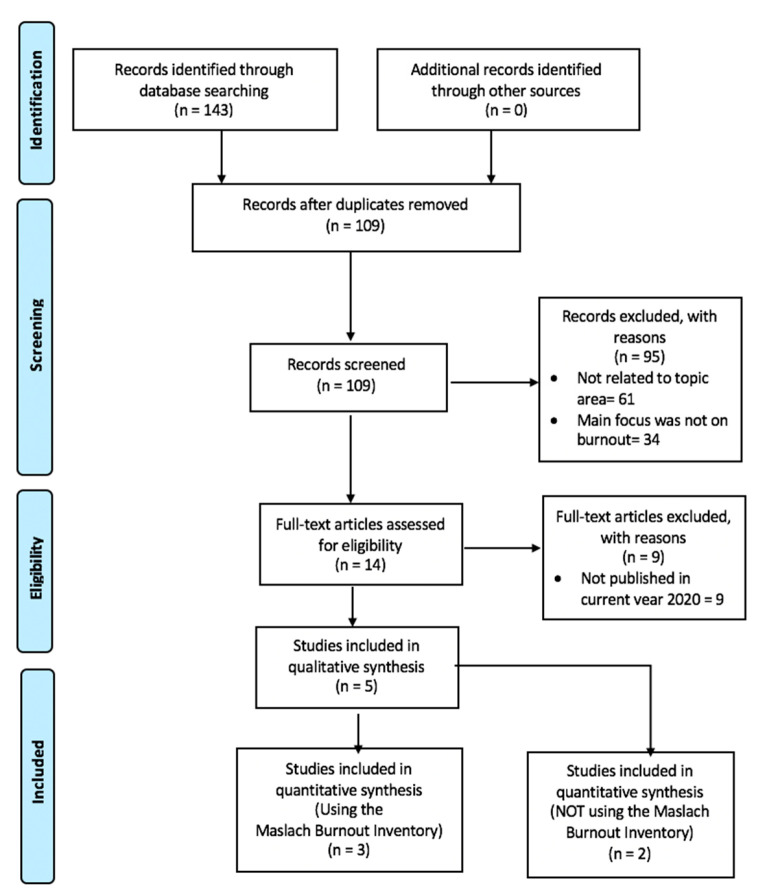
Background: The current pandemic, COVID-19, has added to the already high levels of stress that medical professionals face globally. While most health professionals have had to shoulder the burden, physicians are not often recognized as being vulnerable and hence little attention is paid to morbidity and mortality within this group. Objective: To analyse and summarise the current knowledge on factors/potential factors contributing to burnout amongst healthcare professionals amidst the pandemic. This review also makes a few recommendations on how best to prepare intervention programmes for physicians. Methods: In August 2020, a systematic review was performed using the database Medline and Embase (OVID) to search for relevant papers on the impact of COVID-19 on physician burnout–the database was searched for terms such as “COVID-19 OR pandemic” AND “burnout” AND “healthcare professional OR physician”. A manual search was done for other relevant studies included in this review. Results: Five primary studies met the inclusion criteria. A further nine studies were included which evaluated the impact of occupational factors (n = 2), gender differences (n = 4) and increased workload/sleep deprivation (n = 3) on burnout prior to the pandemic. Additionally, five reviews were analysed to support our recommendations. Results from the studies generally showed that the introduction of COVID-19 has heightened existing challenges that physicians face such as increasing workload, which is directly correlated with increased burnout. However, exposure to COVID-19 does not necessarily correlate with increased burnout and is an area for more research. Conclusions: There is some evidence showing that techniques such as mindfulness may help relieve burnout. However, given the small number of studies focusing on physician burnout amidst a pandemic, conclusions should be taken with caution. More studies are needed to support these findings.
Overview
The claims and statistics of this paper haven’t been checked yet.
Free: it reads the open-access text and checks the first 5 claims that cite a source we can check. Create a free account to check every claim.
Integrity signals
Registry
Cites
Statistics
Figures
Verification
Claims the paper makes
The claims and statistics of this paper haven’t been checked yet.
Free: it reads the open-access text and checks the first 5 claims that cite a source we can check. Create a free account to check every claim.
Claims other papers make about this one
Each is checked against this paper’s own text: does it say what the citing paper says it does?
The source backs part of the claim, not all of it — or backs it for a different population, condition or comparison.
In the citing paper
“MBI-HSS has been suggested by previous studies as the “instrument of choice” for assessing burnout.12 , 13”
From Burnout syndrome among residents of different surgical specialties in a tertiary referral teaching hospital in Indonesia during COVID-19 pandemic (2022) · cites this paper as [13]
Experimental — accuracy not yet measuredThe source backs part of the claim, not all of it — or backs it for a different population, condition or comparison.
In the citing paper
“Escalating this issue are high rates of absence and turnover, driven by an unprecedented level of physician and nurse burnout due to psychosocial stressors and occupational hazards such as exposure to infectious diseases, shiftwork, or ergonomic challenges, that place health care workers at risk for long-term mental and physical health consequences [6-9].”
From AI Interventions to Alleviate Healthcare Shortages and Enhance Work Conditions in Critical Care: Qualitative Analysis (2025) · cites this paper as [6]
Experimental — accuracy not yet measured
Self-check
Percentages, sums and reported differences re-computed from the paper’s own numbers.
The self-check needs the paper’s full text.
Citations
Cites
Shanafelt, T. D., Boone, S., Tan, L., Dyrbye, L. N., Sotile, W., Satele, D., West, C. P., Sloan, J., & Oreskovich, M. R. (2012) · Archives of Internal Medicine · doi:10.1001/archinternmed.2012.3199 · Cited by 3,439 · cited 4×
“agree that having a partner or being married was associated with a decreased risk of burnout [6].”
BackgroundInfluentialAssessing Risk of Bias in Included Studies
Higgins, J. P., & Altman, D. G. (2008) · Cochrane Handbook for Systematic Reviews of Interventions · doi:10.1002/9780470712184.ch8 · Cited by 3,396 · cited 2×
“In order to assess the risk of bias, we used the Cochrane Manual for Systematic Intervention Review [22] as a guide; any discrepancies were discussed and agreed between the authors.”
MethodShanafelt, T., Ripp, J., & Trockel, M. (2020) · JAMA · doi:10.1001/jama.2020.5893 · Cited by 1,956 · cited 3×
“Being busy was often cited as a reason for not being able to be part of the study [21].”
BackgroundInfluentialKrasner, M. S. (2009) · JAMA · doi:10.1001/jama.2009.1384 · Cited by 1,650 · cited 2×
“The authors saw the role of a mindfulness-based programme as being positive [20].”
BackgroundMorgantini, L. A., Naha, U., Wang, H., Francavilla, S., Acar, Ö., Flores, J. M., Crivellaro, S., Moreira, D., Abern, M., Eklund, M., et al. (2020) · PLOS ONE · doi:10.1371/journal.pone.0238217 · Cited by 682
Relationship Between Work-Home Conflicts and Burnout Among American Surgeons: A Comparison by Sex
Dyrbye, L. N. (2011) · Archives of Surgery · doi:10.1001/archsurg.2010.310 · Cited by 591 · cited 2×
“, 2011 [2] Cross-sectional survey of Members of the American College of Surgeons.”
BackgroundResultWu, Y., Wang, J., Luo, C., Hu, S., Lin, X., Anderson, A. E., Bruera, E., Yang, X., Wei, S., & Qian, Y. (2020) · Journal of Pain and Symptom Management · doi:10.1016/j.jpainsymman.2020.04.008 · Cited by 567 · cited 1×
“Wu et al., 2020 [7] A survey compose of the MBI was administered to physicians and nurses on the frontline (FL) wards compared with those working in usual wards (UWs).”
MethodThe psychological impact of the COVID-19 outbreak on health professionals: A cross-sectional study
Giusti, E. M., Pedroli, E., D'Aniello, G. E., Stramba Badiale, C., Pietrabissa, G., Manna, C., Stramba Badiale, M., Riva, G., Castelnuovo, G., & Molinari, E. (2020) · Frontiers in Psychology · doi:10.3389/fpsyg.2020.01684 · Cited by 533 · cited 8×
“, 2020 [12] A cross-sectional study of health professionals working in an institution in Northern Italy were sent online surveys investigating burnout using MBI.”
BackgroundMethodResultInfluentialRuiz‐Fernández, M. D., Ramos‐Pichardo, J. D., Ibáñez‐Masero, O., Cabrera‐Troya, J., Carmona‐Rega, M. I., & Ortega‐Galán, Á. M. (2020) · Journal of Clinical Nursing · doi:10.1111/jocn.15469 · Cited by 514 · cited 1×
“used the “Professional Quality of Life Questionnaire” (ProQoL) to assess burnout and found that burnout levels amongst Spanish healthcare professionals have remained similar to those studies prior to the pandemic despite the health crisis situation [8].”
MethodKoh, D., Lim, M. K., Chia, S. E., Ko, S. M., Qian, F., Ng, V., Tan, B. H., Wong, K. S., Chew, W. M., Tang, H. K., et al. (2005) · Medical Care · doi:10.1097/01.mlr.0000167181.36730.cc · Cited by 454
Research works printed but not linked: 1
- Maslach C. Jackson S.E. Leiter M.P. Maslach Burnout Inventory Manual 3rd ed. Consulting Psychologists Press Palo Alto, CA, USA 1996
Cited by
Items 101–200 of 274
Boitet, L. M., Meese, K. A., Colón‐López, A., Schwiebert, L. M., & Rogers, D. A. (2023) · Journal of Multidisciplinary Healthcare · doi:10.2147/jmdh.s399517 · Cited by 11
Melnyk, H. L., Tosto, G. D., Powell, J. R., Panchal, A. R., & McAlearney, A. S. (2023) · International Journal of Environmental Research and Public Health · doi:10.3390/ijerph20105861 · Cited by 15
Burnout among caregivers in the era of the COVID-19 pandemic: Insights and challenges
Franc-Guimond, J., & Hogues, V. (2021) · Canadian Urological Association Journal · doi:10.5489/cuaj.7224 · Cited by 14
Singh, V., Young, J. Q., Malhotra, P., Pineo, M. M., Rasul, R., Corley, S. S., Yacht, A. C., Friedman, K. A., Barone, S. R., & Schwartz, R. M. (2022) · Archives of Environmental & Occupational Health · doi:10.1080/19338244.2021.2023084 · Cited by 13
Overwork among resident physicians: national questionnaire survey results
Ishikawa, M. (2022) · BMC Medical Education · doi:10.1186/s12909-022-03789-7 · Cited by 15
“As shown in previous studies, the COVID-19 pandemic has greatly affected how physicians work [27], and it would be useful to conduct the same survey after the COVID-19 pandemic and compare the results of the studies.”
ResultExploring Radiologists’ Burnout in the COVID-19 Era: A Narrative Review
Gabelloni, M., Faggioni, L., Fusco, R., Muzio, F. D., Danti, G., Grassi, F., Grassi, R., Palumbo, P., Bruno, F., Borgheresi, A., et al. (2023) · International Journal of Environmental Research and Public Health · doi:10.3390/ijerph20043350 · Cited by 14
Pediatrician Burnout Before and After the COVID-19 Pandemic
Lucy, C. A., Wojtaszek, J. A., LaLonde, L., Bruni, T. P., Ham, H. L., Sunde, E., Lancaster, B. M., & Maragakis, A. (2023) · Journal of Primary Care & Community Health · doi:10.1177/21501319231194148 · Cited by 13
Küppers, L., Göbel, J., Aretz, B., Rieger, M. A., & Weltermann, B. (2024) · Healthcare · doi:10.3390/healthcare12040479 · Cited by 12
“Physicians from the Middle East and North Africa showed the highest burnout levels closely followed by their European colleagues [66].”
BackgroundTerry, D. L., Hui, P. A., & Buntoro, S. P. (2021) · Journal of Healthcare Management · doi:10.1097/jhm-d-20-00258 · Cited by 11
McCammon, L. C., Gillen, P. A., & Kernohan, G. W. (2022) · Journal of Psychiatric Research · doi:10.1016/j.jpsychires.2022.12.013 · Cited by 17
Prevalence and determinants of burnout among South African doctors during the COVID-19 pandemic
Khan, S., Ntatamala, I., Baatjies, R., & Adams, S. (2024) · South African Journal of Psychiatry · doi:10.4102/sajpsychiatry.v30i0.2225 · Cited by 16
“53 In accordance with prior studies, we show that job satisfaction and support at work, by increasing job resources, assist in mitigating burnout in doctors.”
BackgroundMethodDitton, E., Knott, B., Hodyl, N., Horton, G., Walker, F. R., & Nilsson, M. (2023) · JMIR Formative Research · doi:10.2196/43263 · Cited by 9
Gillet, N., Fernet, C., Blechman, Y., & Morin, A. J. S. (2022) · Journal of Career Assessment · doi:10.1177/10690727221148720 · Cited by 15
“…the COVID-19 pandemic, this pandemic is likely to have added to the already high levels of ill-being that healthcare workers typically experience (Amanullah & Ramesh Shankar, 2020) due to the unpredictability of this pandemic, to the work overload resulting from the increased intake in patients,…”
BackgroundŁaskawiec-Żuławińska, D., Grajek, M. K., Krupa-Kotara, K. H., Szlacheta, P., Karacan, H., Roszak, M. Ł., Labuz-Roszak, B. M., & Korzonek-Szlacheta, I. (2024) · Behavioural Neurology · doi:10.1155/2024/9945392 · Cited by 17
“…burnout among healthcare workers is also the fact that the problem is not limited to the a ff ected individual but also has an immeasurably negative impact on the functioning and e ff ectiveness of the entire healthcare system, with dramatic consequences for the health security of society [16].”
Mfuru, G. H., Ubuguyu, O., & Yahya-Malima, K. I. (2024) · BMJ Open · doi:10.1136/bmjopen-2024-094520 · Cited by 21
The impact of the COVID-19 pandemic on wellness among vascular surgeons
Drudi, L. M., Nishath, T., Ma, X., Mouawad, N. J., O’Banion, L. A., & Shalhub, S. (2021) · Seminars in Vascular Surgery · doi:10.1053/j.semvascsurg.2021.04.003 · Cited by 12
Orthopaedic Surgeon Burnout and Suicide: Social Isolation as a Driver of Self-Harm
Hogan, W. B., & Daniels, A. H. (2021) · Journal of Bone and Joint Surgery · doi:10.2106/jbjs.21.00657 · Cited by 11
Yang, F., & Tan, S.-L. (2023) · International Journal of Environmental Research and Public Health · doi:10.3390/ijerph20054208 · Cited by 17
Mulheres Médicas: Burnout durante a Pandemia de COVID-19 no Brasil
de Oliveira, G. M. M., Lemke, V. D. M. G., Paiva, M. S. M. D. O., Mariano, G. Z., Alexandre, E. R. G., da Silva, S. C. T. F., dos Santos, M. A., Barbosa, I. C. D. Q., Lantieri, C. J. B., Duarte, E. D. R., et al. (2022) · Arquivos Brasileiros de Cardiologia · doi:10.36660/abc.20210938 · Cited by 15
Profit or Purpose: What Increases Medical Doctors’ Job Satisfaction?
Chang, Y. K., Oh, W., & Han, S. (2022) · Healthcare · doi:10.3390/healthcare10040641 · Cited by 12
The Gender Gap in EHR Workload: A Comparative Analysis of Primary Care Physician In Basket Usage
Branford, G. L., Bucala, M. D., Hepper, A., Hadeed, N. N., Northway, R. M., & Brenner, M. J. (2025) · Journal of General Internal Medicine · doi:10.1007/s11606-025-09629-w · Cited by 10
“47,55,56 Our usage data showed that women physicians spend greater time spent on these activities, emphasizing the complex relationship between workload, gender, and burnout in healthcare settings.”
Ishaky, L., Sivanthan, M., Tadrous, M., Nowrouzi‐Kia, B., McCarthy, L. M., Papadopoulos, A., & Gohar, B. (2023) · Pharmacy · doi:10.3390/pharmacy11020064 · Cited by 9
Jezzini‐Martinez, S., Martínez‐Garza, J. H., Quiroga‐Garza, A., Quiroz-Perales, X. G., Gil-Flores, L., de la Fuente‐Villarreal, D., Salinas-Alvarez, Y. E., Avilan, K. G., Elizondo‐Omaña, R. E., & Guzmán‐López, S. (2023) · Journal of Affective Disorders Reports · doi:10.1016/j.jadr.2023.100616 · Cited by 17
Jezzini‐Martinez, S., Martínez‐Garza, J. H., Quiroga‐Garza, A., Zárate‐Garza, P. P., Jacobo‐Baca, G., Jorge Gutiérrez-de la, O., de la Fuente‐Villarreal, D., Salinas-Alvarez, Y. E., Elizondo‐Omaña, R. E., & Guzmán‐López, S. (2022) · International Journal of Medical Students · doi:10.5195/ijms.2022.1129 · Cited by 8
Villalón, F., Mundt, A. P., Hirmas, A., Rivera, R. M., & Guiloff, R. (2025) · BMJ Open · doi:10.1136/bmjopen-2025-099773 · Cited by 14
Changes in Pediatric Faculty Burnout During the COVID-19 Pandemic
Uong, A. M., Cabana, M. D., Serwint, J. R., Bernstein, C. A., & Schulte, E. E. (2021) · Hospital Pediatrics · doi:10.1542/hpeds.2021-006045 · Cited by 7
Zhou, A. Y., Hann, M., Panagioti, M., Patel, M., Agius, R. M., van Tongeren, M., Esmail, A., & Bower, P. (2022) · Academic Psychiatry · doi:10.1007/s40596-022-01660-x · Cited by 11
“Previous pandemicrelated studies have focused on the prevalence of mental health in healthcare workers or specific specialties, and only a few studies have involved trainee doctors and which stressors affect them [6, 7].”
BackgroundReflections From Family Medicine Residents on Training During the COVID-19 Pandemic
Staloff, J. A., & Jabbarpour, Y. (2022) · Family Medicine · doi:10.22454/fammed.2022.492688 · Cited by 7
Marić, A. M., Palameta, M., Zalihić, A., Bender, M., Mabić, M., Berberović, M., & Kostić, S. (2022) · Croatian Medical Journal · doi:10.3325/cmj.2022.63.482 · Cited by 9
Patient hesitancy in perioperative clinical trial enrollment during the COVID-19 pandemic
Chirinos, J. D., Turco, I., Fenza, R. D., Gianni, S., Larson, G. M., Swingle, J. F., Akeju, O., & Berra, L. M. (2023) · PLoS ONE · doi:10.1371/journal.pone.0279643 · Cited by 9
Surawattanasakul, V., Siviroj, P., Kiratipaisarl, W., Sirikul, W., Phetsayanavin, V., Pholvivat, C., Auernaruemonsuk, N., & Lamlert, C. (2025) · BMC Public Health · doi:10.1186/s12889-025-23172-7 · Cited by 16
“Individual factors include personal attributes and challenges, such as gender differences [19–21], financial stress [22, 23], professional satisfaction [24, 25], and insufficient sleep [18, 26].”
COVID-19-Related Absenteeism and Presenteeism among Healthcare Workers
Yaghoubi, M., Salimi, M., Meskarpour-Amiri, M., & Shokouh, S. M. H. (2022) · Iranian Red Crescent Medical Journal · doi:10.32592/ircmj.2022.24.10.1785 · Cited by 6
Sibisanu, R., Cseminschi, S., Ionica, A. C., Leba, M., Drăghici, A., & Nassar, Y. (2024) · Sustainability · doi:10.3390/su16167016 · Cited by 15
“Burnout syndrome was first identified in the context of health-related workers and continues to primarily affect them [5,17–19], but it also affects professionals from other fields, such as education [20–22], the legal and justice system [23], software development [24–26], and many others [27,28].”
BackgroundOfei‐Dodoo, S., Irwin, G. M., Wright, B., Krohn, K., Williams, K., Dooley, P. T., & Duggins, M. L. (2022) · Kansas Journal of Medicine · doi:10.17161/kjm.vol15.18420 · Cited by 14
Work-Related Well-Being Among Dutch Cardiologists – A National Survey
Bogerd, R., Silkens, M., Keuken, D. G., Hassink, R. J., Henriques, J. P. S., & Lombarts, K. M. J. M. H. (2022) · Current Problems in Cardiology · doi:10.1016/j.cpcardiol.2022.101538 · Cited by 6
Mani, K., Canarick, J., Ruan, E., Liu, J., Kitsis, E. A., & Jariwala, S. P. (2023) · Applied Clinical Informatics · doi:10.1055/a-2031-9437 · Cited by 6
Sagun, S., DeCicco, D., Badami, V., Mittal, A., Thompson, J. M., Pham, C., Stansbury, R. C., Wen, S., & Sharma, S. (2023) · Sleep And Breathing · doi:10.1007/s11325-023-02839-8 · Cited by 9
“Resident physicians cared for high volumes of critically ill patients with little regard for their own levels of sleepiness or feelings of burnout [1, 2].”
BackgroundThe value of work for doctors in Pakistan: towards a framework for ensuring decent work
Hussain, A., Franken, E. H., Bentley, T. A., & Jogulu, U. D. (2024) · Labour & Industry a journal of the social and economic relations of work · doi:10.1080/10301763.2024.2356366 · Cited by 7
“For example, Amanullah and Shankar (2020) and Buowari (2022) noted that many doctors and health-care workers experienced poor job satisfaction, depression, panic, isolation, burnout, emotional exhaustion, insomnia, and anxiety throughout the pandemic.”
Etezad, E., Fiset, J. E., & Hajj, R. A. (2025) · JMIR Research Protocols · doi:10.2196/80417 · Cited by 8
“Its prevalence signals a deeper systemic issue, with costs extending beyond absentee-ism to increased health care expenses, diminished employee engagement, and higher turnover rates [5-11].”
Imtiyaz, B. S., Margoob, M. A., Roub, F., & Imtiaz, M. (2024) · American Journal of Disaster Medicine · doi:10.5055/ajdm.0452 · Cited by 5
Zahoor, Z., Papadopoulos, A., Nowrouzi‐Kia, B., Ibrahim, P., Tadrous, M., & Gohar, B. (2023) · Health Services Insights · doi:10.1177/11786329231169937 · Cited by 5
Heimbeck, D., Gore, L. R., & Young, J. B. (2023) · JCO Oncology Practice · doi:10.1200/op.22.00846 · Cited by 6
Effectiveness of wellness program interventions to improve physician wellness: a systematic review
Kolobaric, N., Milone, B., Salman, M., Buh, A. W., Biyani, N., Wafy, G., Fung, S. G., Scott, M., Kiska, R., Kang, R., et al. (2025) · BMC Health Services Research · doi:10.1186/s12913-025-12934-z · Cited by 8
Nugroho, S. W., Pradhana, I., & Gunawan, K. (2021) · Heliyon · doi:10.1016/j.heliyon.2021.e07757 · Cited by 6
“It is expected that setting working hours <80 h a week can be one of many factors that could reduce the risk of burnout; Therefore, Manageable shift could be the solution to prevent burnout in physician [10].”
BackgroundJob Morale of Physicians and Dentists in Kazakhstan: A Qualitative Study
Sabitova, A., Hickling, L. M., Toleubayev, M., Jovanović, N., & Priebe, S. (2022) · BMC Health Services Research · doi:10.1186/s12913-022-08919-x · Cited by 8
“Similar to the findings of the current study, an increased workload and being unmarried were linked to burn-out [40].”
BackgroundResultInfluentialvan Duijnhoven, A., de Vries, J. D., Hulst, H. E., & van der Doef, M. (2024) · International Journal of Environmental Research and Public Health · doi:10.3390/ijerph21121561 · Cited by 5
“…of guidance (see Figure 2): phase one with intensive guidance (8 months), phase two with guidance and support according to needs (6 months), and phase three with guidance as needed and necessary (10 months). o ff ered by the process facilitators gradually diminishes as the intervention progresses.”
Lee-Cheong, S., Alaverdashvili, M., Jardine, M., Kolla, N., & Maharaj, V. S. (2025) · Healthcare · doi:10.3390/healthcare13091025 · Cited by 5
“It has been suggested that this may be related to the fact that younger people are less experienced in handling extreme events; however, there seem to be other factors at play as well [29,30].”
Sarode, A. L., Hu, X., & Dill, M. J. (2025) · Health Services Research · doi:10.1111/1475-6773.70003 · Cited by 4
Kim, S., & Hunter, S. (2023) · Mindfulness · doi:10.1007/s12671-023-02175-8 · Cited by 7
Wannarit, K., Ratta‐apha, W., Pariwatcharakul, P., & Pukrittayakamee, P. (2023) · Health Psychology and Behavioral Medicine · doi:10.1080/21642850.2023.2268694 · Cited by 8
“…healthcare workers during the COVID-19 pandemic has been attributed to increased workloads, long working hours, younger age (Kunno et al., 2022), few years of experience (Amanullah & Shankar, 2020; Galanis et al., 2021; Jakovljevic et al., 2021), and perception of stress (Joshi & Sharma, 2020).”
BackgroundBurgess, T. L., Rennie, S., & Moodley, K. (2024) · Research Ethics · doi:10.1177/17470161241250274 · Cited by 5
“While moral distress among healthcare workers during COVID-19 has been well-documented (Al Maqbali et al., 2021; Amanullah and Ramesh Shankar, 2020; Lai et al., 2020; Morgantini et al., 2020; Pappa et al., 2020), we could not identify any literature that focussed on moral distress in REC chairs or…”
Burnout en profesionales sanitarios de América Latina durante la pandemia de COVID-19
Caldichoury, N., Ripoll-Córdoba, D., Morales-Asencio, B., Ibañez-Reyes, S., Flórez, Y., Reyes-Cervantes, C., Coronado, J.-C., Gargiulo, P. Á., Quispe-Ayala, C., Herrera‐Pino, J., et al. (2024) · Revista Colombiana de Psiquiatría · doi:10.1016/j.rcp.2024.04.008 · Cited by 30
Gardiner, P. M., Pérez‐Aranda, A., Bell, N., Clark, D. R., Schuman‐Olivier, Z., & Lin, E. H. B. (2024) · Journal of Continuing Education in the Health Professions · doi:10.1097/ceh.0000000000000574 · Cited by 5
“9,10 Despite the pandemic being declared of fi cially over in May 2023, its effects on health professionals ’ mental health are profound and lasting in many cases.”
Çelebi, M. Y., Kıymet, E., Böncüoğlu, E., Şahinkaya, Ş., Cem, E., Duzgol, M. U., Kara, A. A., Arıkan, K. Ö., Besin, D., Bayram, N., et al. (2023) · Telemedicine Journal and e-Health · doi:10.1089/tmj.2021.0613 · Cited by 4
Lockett, M., Fergerson, B. D., Pyszczynski, T., & Greenberg, J. (2022) · Psychology Health & Medicine · doi:10.1080/13548506.2022.2129082 · Cited by 5
Public views on healthcare workers' burnout before and during COVID‐19: A comparative study
Kagan, I., Tsamir, J., & Nissan, E. E. (2023) · Journal of Nursing Scholarship · doi:10.1111/jnu.12878 · Cited by 6
Leger, P., Caldas, V., Festa, M. C., Hutchinson, T. A., & Jordan, S. (2023) · BMJ Open Quality · doi:10.1136/bmjoq-2022-002164 · Cited by 6
Tokumasu, K., Nishimura, Y., Sakamoto, Y., Obika, M., Kataoka, H. U., & Otsuka, F. (2023) · International Journal of Environmental Research and Public Health · doi:10.3390/ijerph20021579 · Cited by 9
Azi, L. M. T. D. A., Ferreira, T. S., Silva, T. C., Diego, L. A. D. S., de Albuquerque, M. A. C., & Azi, M. L. (2025) · PLoS ONE · doi:10.1371/journal.pone.0313538 · Cited by 3
Arenas, A., Terán-Tinedo, V., Cuadrado, E., Castillo‐Mayén, R., Luque, B., & Tabernero, C. (2025) · Healthcare · doi:10.3390/healthcare13182336 · Cited by 6
“The unpredictability of COVID-19 and its unknown extent may have increased psychological stress [69], which is not related to work demands and could have acted as an extraneous variable.”
Zhang, X., & Zhang, R. (2023) · Psychology and Health · doi:10.1080/08870446.2023.2295902 · Cited by 4
“Second, alongside the elevated workload, physicians also suffer additional stress, such as the risk of contagion and fear of transmission to their families and colleagues (Amanullah & Ramesh Shankar, 2020).”
Azam, L. S., Murrar, S., Maravia, U., Dávila, O., & Padela, A. I. (2024) · BMJ Leader · doi:10.1136/leader-2024-001004 · Cited by 5
Zibetti, M. R., Serralta, F. B., & Brust-Renck, P. G. (2021) · Revista Brasileira de Psicoterapia · doi:10.5935/2318-0404.20210007 · Cited by 4
Kodera, S., Kimura, Y., Tokairin, Y., Iseki, H., Kubo, M., & Shimohata, T. (2022) · JMA Journal · doi:10.31662/jmaj.2021-0097 · Cited by 3
“Meanwhile, the stress on the employed staff is immeasurable (1), (2), (3), (4), ((17)).”
BackgroundFactors associated with overwork among pediatricians at Japanese hospitals
Ishikawa, M. (2022) · Pediatrics International · doi:10.1111/ped.15173 · Cited by 3
Investigating Wellness and Burnout Initiatives for Anesthesiology Resident Physicians
Repine, K. M., Bawmann, O., Mendlen, M., & Lowenstein, S. R. (2022) · Anesthesiology Clinics · doi:10.1016/j.anclin.2022.01.004 · Cited by 3
Viana, D. S., Teixeira, P. S. D. C. E. A., & Ferreira, E. (2022) · Portuguese Journal of Public Health · doi:10.1159/000525602 · Cited by 4
“[63] reports that Giusti et al. [64], who surveyed 330 health professionals working in a health institution in Northern Italy using the MBI-HSS, found that more than two-thirds of participants had reported moderate to severe levels of EE and reduced PA, and more than a quarter of the sample…”
MethodOhio Physicians’ Retrospective Pre-Post COVID-19 Pandemic Reports of Burnout and Well-Being
McCloskey, R. J., Hammond, G. C., Gallant, K., Santucci, R., Koralewski, J., & Kocinski, M. (2022) · Journal of Medical Regulation · doi:10.30770/2572-1852-108.3.8 · Cited by 3
Harvey, A., Brown, M. E. L., Vance, G., Fu, Y., Price, C., & Burford, B. (2024) · BMJ Open · doi:10.1136/bmjopen-2024-086314 · Cited by 3
Work Patterns of Women Physicians During Vacation: A Cross-Sectional Study
Marshall, A. L., Elafros, M. A., & Duma, N. (2021) · Journal of Women s Health · doi:10.1089/jwh.2021.0100 · Cited by 3
“11,21 The availability of email and the electronic medical record to physicians contributes to an ‘‘anytime-anywhere’’ mentality, which may lead to ‘‘erosion of work–life boundaries.’’”
Eleftheriou, A., Rokou, A., Doukaki, P., Kapetanios, I., Diamantopoulou, P., Papaioannou, T. G., Lytras, T., Παπάνας, Ν., Constantinidis, T. C., & Nena, E. (2021) · The International Journal of Lower Extremity Wounds · doi:10.1177/15347346211045285 · Cited by 3
“Of note, previous works have also reported increase in workload, among academic staff members 13,14 .”
ResultSarikhani, Y., Khatami, K., Salehi‐Marzijarani, M., Estedlal, A., Sivandzadeh, G. R., Kouhi, P., Shahabi, S., Zarei, L., Heydari, S. T., & Lankarani, K. B. (2021) · Shiraz E-Medical Journal · doi:10.5812/semj.116275 · Cited by 3
“The higher values of overall burnout score in December and January correlate reasonably well with the study conducted by Amanullah and Ramesh Shankar (18) and support the concept of increasing burnout resulting from the workload due to COVID-19.”
ResultAre Surgeons Really More Resilient Than Athletes?
Leya, G. A., Feldman, Z. M., & Chang, D. C. (2022) · JAMA Internal Medicine · doi:10.1001/jamainternmed.2022.1557 · Cited by 3
Leadership experiences of elite football team physicians during the COVID-19 pandemic: a pilot study
Carmody, S., Brar, G., Massey, A., Rosenbloom, C., Gouttebarge, V., & Davison, M. (2022) · BMJ Leader · doi:10.1136/leader-2022-000603 · Cited by 3
Watnick, D. L., Talib, H. J., Silver, E. J., Uong, A. M., Cabana, M. D., & Schulte, E. E. (2022) · Journal of Hospital Management and Health Policy · doi:10.21037/jhmhp-22-43 · Cited by 3
Ahmad, A. S. (2021) · Gastrointestinal Endoscopy Clinics of North America · doi:10.1016/j.giec.2021.05.002 · Cited by 6
Dabbah, N. A. E., & Elhadi, Y. (2021) · Research Square · doi:10.21203/rs.3.rs-951355/v1 · Cited by 2
Prevalence of Burnout Syndrome in health professionals from 2018 to 2021: a literature review
Dias, F. F., Soares, I. A. G., Teixeira, J. P., Paes, M. R. S., & Vanzeler, M. L. A. (2023) · Seven Editora eBooks · doi:10.56238/tfisdwv1-077 · Cited by 2
Burt-Miller, J. F., Rismani, M., Hopkins, A., Cunningham, T., Farquharson, D., Balcázar, A. G., Chosed, R. J., McPhail, B. T., Green, L., Gordon, M., et al. (2024) · Medical Teacher · doi:10.1080/0142159x.2024.2326123 · Cited by 4
“Healthcare providers such as nurses, residents, physicians, and medical students are among those that experience higher rates of burnout in the workplace, a reality highlighted by the COVID-19 pandemic (Amanullah and Ramesh Shankar 2020; Urdaneta et al. 2020).”
Ali‐Hassan, H., Clayton, S., & Zangiabadi, S. (2024) · PLOS Global Public Health · doi:10.1371/journal.pgph.0003377 · Cited by 2
Multisensory nature-based Recharge Rooms’ effect on healthcare workers in a multicenter study
Cooke, L., Fiorentino, A., Sawyer, A., Dangayach, N. S., Sharples, S., Szabo, R. J., Hamilton, B. W., Cortes, M., & Putrino, D. F. (2026) · Frontiers in Psychology · doi:10.3389/fpsyg.2025.1706772 · Cited by 2
Síndrome de burnout en cirujanos generales en tiempos de la pandemia COVID-19
Sosa, F. K. F., Sosa, K. F., de la Cruz, D. Y. M., Santana, V. M. P., & Machado, J. D. G. (2022) · Revista de Cirugía · doi:10.35687/s2452-454920220051513 · Cited by 2
McCormack, L., Falcioni, D., & Lee, Y. Y. (2023) · Journal of Medical Radiation Sciences · doi:10.1002/jmrs.698 · Cited by 2
“Burnout symptoms of overwhelm, sense of incompetency, emotional exhaustion, depersonalisation and a reduced sense of personal accomplishment 21,29 were present in these participants noted in the literature as common risks for radiation oncologists engaged in the complexity of caring.”
BackgroundSugiyatmi, T. A., Hadi, U., Chalidyanto, D., Pathak, Y. V., & Miftahussurur, M. (2023) · Narra J · doi:10.52225/narra.v3i2.134 · Cited by 3
Xiong, N., Fan, T., Liu, Q., Fritzsche, K., Leonhart, R., Stein, B., Waller, C., & Müller, M. (2023) · Frontiers in Public Health · doi:10.3389/fpubh.2023.1272074 · Cited by 3
“A high prevalence of professional burnout has also been reported from other international studies (12–15).”
BackgroundResultPsychosocial Impact of the COVID-19 Pandemic on Healthcare Professionals in Spain
Magro, A., Gutiérrez-García, A., González-Álvarez, M., & Líbano, M. D. (2022) · Sustainability · doi:10.3390/su142215171 · Cited by 4
COVID-19 Patient Care Leading to Occupational Burnout in Resident Doctors: A Follow-up Study
Yüksel, A. E., Tahıllıoğlu, A., Samancı, S. G., Arı, Ş. C., Özgül, K. K., & Ercan, E. S. (2021) · Psychiatry and Clinical Psychopharmacology · doi:10.5152/pcp.2021.21146 · Cited by 2
Understanding the impact of the COVID-19 pandemic on psychiatric trainees and what can help
Anastasis, M., Freudenthal, R., & O’Reilly, J. (2022) · BJPsych Bulletin · doi:10.1192/bjb.2022.33 · Cited by 2
Czeisler, M. É., Wolkow, A. P., Czeisler, C. A., Howard, M. E., Rajaratnam, S. M. W., & Lane, R. I. (2023) · BMJ Open · doi:10.1136/bmjopen-2022-066226 · Cited by 3
ŞENOCAK, E., Karaca, S., Tanhan, A., DEMİR, Ş., & Yıldız, A. (2023) · Journal of Exercise Therapy and Rehabilitation · doi:10.15437/jetr.1088287 · Cited by 2
BURNOUT IN ACADEMIC PHYSICIAN DURING COVID-19 PANDEMIC
Sari, D. P., Susani, Y. P., & Amalia, E. (2021) · Jurnal Pendidikan Kedokteran Indonesia The Indonesian Journal of Medical Education · doi:10.22146/jpki.64636 · Cited by 3
Resilience. Hope. Unity. STS Presidential Address 2021
Dearani, J. A. (2022) · The Annals of Thoracic Surgery · doi:10.1016/j.athoracsur.2022.01.068 · Cited by 2
Síndrome de burnout en profesionales de la salud: una revisión sistemática durante la COVID-19
Tapullima-Mori, C., Garcia, G. R., & Meléndez, J. S. (2021) · Sapienza International Journal of Interdisciplinary Studies · doi:10.51798/sijis.v2i4.173 · Cited by 8
Research on risk factors for doctor burnout during COVID-19 epidemic
Bhatnagar, G., Nidode, P., Bhatnagar, P., Satapathy, S., Maurya, T., & Kumar, G. (2024) · Multidisciplinary Reviews · doi:10.31893/multirev.2023ss001 · Cited by 1
Brown, J. S., Mumford, S. L., Alexis, D., Ross, A. G., & Higginbotham, E. J. (2025) · American Journal of Ophthalmology · doi:10.1016/j.ajo.2025.03.020 · Cited by 1
Amparan, C. I., Gonzalez, K. D., Pennathur, A., Mancera, B. M., & Pennathur, P. R. (2025) · Journal of Public Health Research · doi:10.1177/22799036251395259 · Cited by 4
“83 McMurray et al. found that spousal support in household tasks positively influences burnout prevention.”
Neurofeedback as an intervention in the management of burnout: a systematic review
Beukes, J., Patron, D., Theron, N., & Besharati, S. N. (2026) · Journal of Mental Health · doi:10.1080/09638237.2026.2646290 · Cited by 1
“Burnout poses a significant occupational and psychological risk, contributing to the global burden of mental health disorders (Amanullah & Shankar, 2020; Atroszko et al., 2020; Maslach et al., 2016).”
Amer, B. A. (2021) · International Journal of Innovative Research in Medical Science · doi:10.23958/ijirms/vol06-i10/1240 · Cited by 1
Prioritizing Mental Health in Residency
Lim, Y. H. (2022) · Cutis · doi:10.12788/cutis.0551 · Cited by 1
A framework for achieving the National Plan for Health Workforce Well-Being recommendations
Grant, E. J., & Pabico, C. G. (2022) · Nursing Management · doi:10.1097/01.numa.0000874432.64403.fb · Cited by 1
Metadata
- Authors
- Amanullah, S., & Ramesh Shankar, R.
- Affiliations
- University of Toronto (CA)
- Norwich Medical School, University of East Anglia, Norwich NR4 7TJ, UK
- Corresponding author
- Amanullah, Shabbir
- Venue
- Healthcare
- Publisher
- MDPI AG
- Published
- 2020-10-22
- Volume
- 8
- Issue
- 4
- Pages
- 421
- ISSN
- 2227-9032 (ISSN-L)
- PMC
- PMC7712764
- OpenAlex
- W3093585517
- Semantic Scholar
- c83bb9c3ba0b28d229b5bdee7b2bd34b652f22f9
- Cited by
- 276
- References
- 24
- Citations by year
- 2026: 6 · 2025: 18 · 2024: 41 · 2023: 61 · 2022: 94 · 2021: 53 · 2020: 3
- FWCI
- 55.08
- Type
- journal article
- Language
- en
- Open access
- gold
- doi.org
- Licence
- Locations
- Healthcare (publishedVersion, cc-by)
- PubMed Central (publishedVersion, cc-by)
- PubMed (publishedVersion)
- DOAJ (DOAJ: Directory of Open Access Journals) (submittedVersion, cc-by-sa)
- Topics
- Health Sciences › Health Professions › General Health Professions › Healthcare professionals’ stress and burnout
- Social Sciences › Psychology › Clinical Psychology › COVID-19 and Mental Health
- Health Sciences › Medicine › Public Health, Environmental and Occupational Health › Occupational Health and Burnout
- Keywords
- physician burnout, COVID-19 pandemic, occupational stress, physician workload, sleep deprivation, gender differences in burnout, mindfulness-based interventions, burnout prevention, healthcare workers
About these checks
Registry, retraction, Cites and statistics results are computed, not judged, with one exception: a printed reference that no index lists is read once by a model before it counts as a citation error. Claims are extracted by a model and kept only when their quote appears verbatim in the text; each cited source is then checked, with a model’s help, for whether it says what the claim relies on. Those verdicts can be wrong — read the claim’s quote and the cited source before relying on one.
Statistics and arithmetic are recomputed, not judged.
Confidence bands are shown only for fields calibrated on our annotated test set. None is calibrated yet, so no band is shown.
What counts as a claim ›How we measure confidence ›How we check this ›
Are you an author, or do you see a problem with this page? Request a review
Data sources
Bibliographic data: Semantic Scholar, OpenAlex, Crossref.
Contains information from the Semantic Scholar Academic Graph Datasets, made available under the ODC Attribution License (ODC-BY 1.0).
Semantic Scholar’s data is described in: Kinney, R., et al. (2023). The Semantic Scholar Open Data Platform. arXiv:2301.10140.
