

The Effects of Cadmium Toxicity
Open accessThe DOI matches its Crossref record; 153 of the 156 references it cites were found in a registry or an index.
Abstract
Cadmium (Cd) is a toxic non-essential transition metal that poses a health risk for both humans and animals. It is naturally occurring in the environment as a pollutant that is derived from agricultural and industrial sources. Exposure to cadmium primarily occurs through the ingestion of contaminated food and water and, to a significant extent, through inhalation and cigarette smoking. Cadmium accumulates in plants and animals with a long half-life of about 25–30 years. Epidemiological data suggest that occupational and environmental cadmium exposure may be related to various types of cancer, including breast, lung, prostate, nasopharynx, pancreas, and kidney cancers. It has been also demonstrated that environmental cadmium may be a risk factor for osteoporosis. The liver and kidneys are extremely sensitive to cadmium’s toxic effects. This may be due to the ability of these tissues to synthesize metallothioneins (MT), which are Cd-inducible proteins that protect the cell by tightly binding the toxic cadmium ions. The oxidative stress induced by this xenobiotic may be one of the mechanisms responsible for several liver and kidney diseases. Mitochondria damage is highly plausible given that these organelles play a crucial role in the formation of ROS (reactive oxygen species) and are known to be among the key intracellular targets for cadmium. When mitochondria become dysfunctional after exposure to Cd, they produce less energy (ATP) and more ROS. Recent studies show that cadmium induces various epigenetic changes in mammalian cells, both in vivo and in vitro, causing pathogenic risks and the development of various types of cancers. The epigenetics present themselves as chemical modifications of DNA and histones that alter the chromatin without changing the sequence of the DNA nucleotide. DNA methyltransferase, histone acetyltransferase, histone deacetylase and histone methyltransferase, and micro RNA are involved in the epigenetic changes. Recently, investigations of the capability of sunflower (Helianthus annuus L.), Indian mustard (Brassica juncea), and river red gum (Eucalyptus camaldulensis) to remove cadmium from polluted soil and water have been carried out. Moreover, nanoparticles of TiO2 and Al2O3 have been used to efficiently remove cadmium from wastewater and soil. Finally, microbial fermentation has been studied as a promising method for removing cadmium from food. This review provides an update on the effects of Cd exposure on human health, focusing on the cellular and molecular alterations involved.
Overview
The claims and statistics of this paper haven’t been checked yet.
Free: it reads the open-access text and checks the first 5 claims that cite a source we can check. Create a free account to check every claim.
Integrity signals
Registry
Cites
Statistics
Figures
Verification
Claims the paper makes
The claims and statistics of this paper haven’t been checked yet.
Free: it reads the open-access text and checks the first 5 claims that cite a source we can check. Create a free account to check every claim.
Claims other papers make about this one
Each is checked against this paper’s own text: does it say what the citing paper says it does?
The cited source says what the claim attributes to it.
In the citing paper
“The human body is exposed to various toxic metals through inhalation, ingestion, and skin such as arsenic (As) (28), cadmium (Cd) (29), chromium (Cr) (30), lead (Pb) (31), and mercury (Hg) (23).”
From The dark side of beauty: an in-depth analysis of the health hazards and toxicological impact of synthetic cosmetics and personal care products (2024) · cites this paper as [28]
Self-check
Percentages, sums and reported differences re-computed from the paper’s own numbers.
The self-check needs the paper’s full text.
Citations
Cites
1 retracted
Zhou, Z., Wang, C., Liu, H., Huang, Q., Wang, M., & Lei, Y. (2013) · International Journal of Medical Sciences · doi:10.7150/ijms.6308 · Cited by 60 · cited 2×
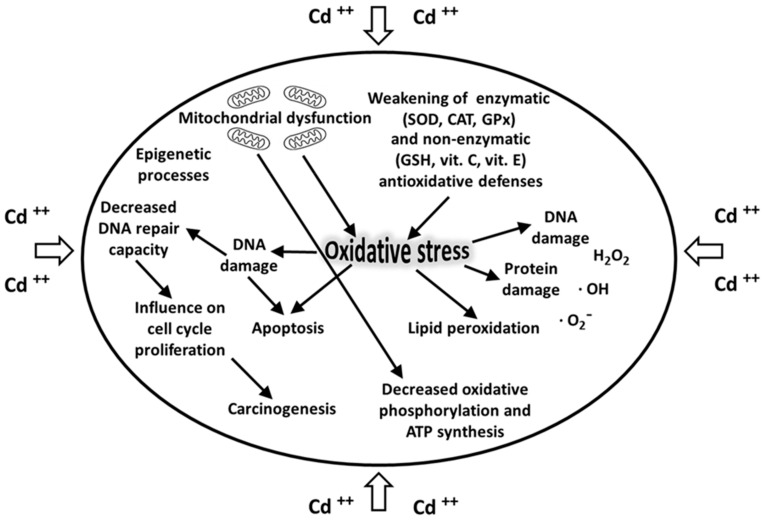
“The major Cd-induced carcinogenic mechanisms include the induction of inflammatory processes, oxidative stress, ROS, epigenetics, attenuation of apoptosis, damage to DNA, decreased DNA repair capacity, alteration in gene expression, cell proliferation, and aberrant DNA methylation [111,112,118,127].”
BackgroundRetractedThe C. elegans heterochronic gene lin-4 encodes small RNAs with antisense complementarity to lin-14
Lee, R. C., Feinbaum, R. L., & Ambros, V. (1993) · Cell · doi:10.1016/0092-8674(93)90529-y · Cited by 12,948 · cited 1×
“In the nematode Caenorhabditis elegans, lin-4 was the first miRNA to be discovered [122].”
BackgroundCurrent status of cadmium as an environmental health problem
Järup, L., & Åkesson, A. (2009) · Toxicology and Applied Pharmacology · doi:10.1016/j.taap.2009.04.020 · Cited by 2,355 · cited 1×
“Thus, heavy metal contamination of both drinking water and rivers with Cd may occur especially in areas near factories or mines [37].”
BackgroundMitochondria, oxidative stress and cell death
Ott, M., Gogvadze, V., Orrenius, S., & Zhivotovsky, B. (2007) · Apoptosis · doi:10.1007/s10495-007-0756-2 · Cited by 1,977 · cited 2×
“Excessive ROS production leads to a free radical attack of mitochondrial membrane phospholipids and mitochondrial membrane depolarization, which is a key step in the intrinsic pathway of apoptosis [85,86].”
BackgroundNickel: Human Health and Environmental Toxicology
Genchi, G., Carocci, A., Lauria, G., Sinicropi, M. S., & Catalano, A. (2020) · International Journal of Environmental Research and Public Health · doi:10.3390/ijerph17030679 · Cited by 1,602
Self-citationCadmium in soils and groundwater: A review
Kubier, A., Wilkin, R. T., & Pichler, T. (2019) · Applied Geochemistry · doi:10.1016/j.apgeochem.2019.104388 · Cited by 1,468 · cited 1×
“5) it remains in solution, in contrast to the typical fixation of other heavy metals [36].”
BackgroundA CADMIUM PROTEIN FROM EQUINE KIDNEY CORTEX
Margoshes, M., & Vallee, B. L. (1957) · Journal of the American Chemical Society · doi:10.1021/ja01574a064 · Cited by 1,300 · cited 1×
“Metallothionein was first identified in the kidney cortex of equines as a Cd-binding protein that is responsible for the accumulation of Cd in the tissues [89].”
BackgroundCadmium, Environmental Exposure, and Health Outcomes
Satarug, S., Garrett, S. H., Sens, M. A., & Sens, D. A. (2010) · Environmental Health Perspectives · doi:10.1289/ehp.0901234 · Cited by 1,164 · cited 1×
“In contrast, the half-life of Cd++ is very long (25–30 years) in the human body, where cadmium can unleash its toxic action [95,96].”
BackgroundMaking the life of heavy metal-stressed plants a little easier
Gratão, P. L., Polle, A., Lea, P. J., & Azevedo, R. A. (2005) · Functional Plant Biology · doi:10.1071/fp05016 · Cited by 1,156 · cited 1×
“Phytoremediation and nanoparticles are used as ecofriendly techniques and can be applied to both inorganic and organic pollutants, which are present in the water, soil, and air [145].”
BackgroundRepression of protein synthesis by miRNAs: how many mechanisms?
Pillai, R. S., Bhattacharyya, S. N., & Filipowicz, W. (2007) · Trends in Cell Biology · doi:10.1016/j.tcb.2006.12.007 · Cited by 1,108 · cited 1×
“MiRNA’s main function is to down-regulate gene expression by interfering with messenger RNA (mRNA) functions [117,118].”
Background
Research works printed but not linked: 5
- IARC IARC Monographs on the Evaluation of Carcinogenic Risks to Humans-Beryllium, Cadmium, Mercury, and Exposures in the Glass Manufacturing Industry Summary of Data Reported and Evaluation International Agency for Cancer Research-World Health Organization Geneva, Switzerland 1997 Volume 58 PMC7681476 8022054
- Prabu S.M. Shagirtha K. Cadmium and Apoptosis: A Molecular Approach Res. Rev. J. Toxicol. 2019 6 8 17
- Hagino N. Yoshioka Y. A study of the etiology of Itai-Itai disease J. Jpn. Orthop. Assoc. 1960 35 812 815
- Lakshmi B.V.S. Sudhakar M. Aparna M. Protective effect of black grapes on cadmium induced hepatotoxicity in rats World Pharm. Sci. 2014 2 276 282
- Final Review of Scientific Information on Cadmium Available online: https://www.unenvironment.org/resources/report/final-review-scientific-information-cadmium (accessed on 25 May 2020)
Cited by
Heavy metals: toxicity and human health effects
Jomova, K., Alomar, S. Y., Nepovimova, E., Kuca, K., & Valko, M. (2025) · Archives of Toxicology · doi:10.1007/s00204-024-03903-2 · Cited by 983
Wastewater Treatment and Reuse: a Review of its Applications and Health Implications
Kesari, K. K., Soni, R., Jamal, Q. M. S., Tripathi, P., Lal, J. A., Jha, N. K., Siddiqui, M. H., Kumar, P., Tripathi, V., & Ruokolainen, J. (2021) · Water, Air, & Soil Pollution · doi:10.1007/s11270-021-05154-8 · Cited by 638
“…and, to a significant extent, through inhalation and cigarette smoking Kinuthia et al. (2020); Briffa et al. (2020); Zhang and Reynolds (2019); Genchi et al. (2020); Jyothi (2020) Chromium 0.1 0.05 Gastrointestinal ulceration, nausea and vomiting, fever, diarrhea, toxic nephritis, liver…”
BackgroundInfluentialReview on the impact of heavy metals from industrial wastewater effluent and removal technologies
Oladimeji, T. E., Oyedemi, M., Emetere, M. E., Agboola, O., Adeoye, J. B., & Odunlami, O. A. (2024) · Heliyon · doi:10.1016/j.heliyon.2024.e40370 · Cited by 454
Cadmium Toxicity and Health Effects—A Brief Summary
Charkiewicz, A. E., Omeljaniuk, W. J., Nowak, K., Garley, M., & Nikliński, J. (2023) · Molecules · doi:10.3390/molecules28186620 · Cited by 435
“Cd can induce apoptotic or necrotic events (group I of the International Agency for Research on Cancer (IARC) classification) [7,9,17,28,56,57].”
BackgroundInfluentialImpact of cadmium pollution on food safety and human health
Suhani, I., Sahab, S., Srivastava, V., & Singh, R. P. (2021) · Current Opinion in Toxicology · doi:10.1016/j.cotox.2021.04.004 · Cited by 439
Karić, N., Maia, A. S., Teodorović, A., Atanasova, N., Langergraber, G., Crini, G., Ribeiro, A. R. L., & Đolić, M. (2022) · Chemical Engineering Journal Advances · doi:10.1016/j.ceja.2021.100239 · Cited by 466
Environmental persistence, bioaccumulation, and ecotoxicology of heavy metals
Edo, G. I., Samuel, P. O., Oloni, G. O., Ezekiel, G. O., Ikpekoro, V. O., Obasohan, P., Ongulu, J., Otunuya, C. F., Opiti, A. R., Ajakaye, R. S., et al. (2024) · Chemistry and Ecology · doi:10.1080/02757540.2024.2306839 · Cited by 354
Phytoremediation of Cadmium: Physiological, Biochemical, and Molecular Mechanisms
Raza, A., Habib, M., Kakavand, S. N., Zahid, Z., Zahra, N., Sharif, R., & Hasanuzzaman, M. (2020) · Biology · doi:10.3390/biology9070177 · Cited by 322
“Based on experimental and human studies, it also impairs female reproduction and the reproductive hormonal balance and affects menstrual cycles [16,17].”
BackgroundZulfiqar, U., Jiang, W., Xiukang, W., Hussain, S., Ahmad, M., Maqsood, M. F., Ali, N., Ishfaq, M., Kaleem, M., Haider, F. U., et al. (2022) · Frontiers in Plant Science · doi:10.3389/fpls.2022.773815 · Cited by 294
Cadmium-Induced Kidney Injury: Oxidative Damage as a Unifying Mechanism
Yan, L.-J., & Allen, D. C. (2021) · Biomolecules · doi:10.3390/biom11111575 · Cited by 277
Potential environmental pollution from copper metallurgy and methods of management
Izydorczyk, G., Mikula, K., Skrzypczak, D., Moustakas, K., Witek-Krowiak, A., & Chojnacka, K. (2021) · Environmental Research · doi:10.1016/j.envres.2021.111050 · Cited by 275
Advancements in Photovoltaic Cell Materials: Silicon, Organic, and Perovskite Solar Cells
Machín, A., & Márquez, F. (2024) · Materials · doi:10.3390/ma17051165 · Cited by 248
“Cadmium is recognized for its potential to harm human health and the environment if not properly managed [40].”
BackgroundCadmium Exposure: Mechanisms and Pathways of Toxicity and Implications for Human Health
Qu, F., & Zheng, W. (2024) · Toxics · doi:10.3390/toxics12060388 · Cited by 235
“For example, Cd has been found to increase methylation levels at specific histone sites, resulting in tighter chromatin structure and suppressed gene expression [84].”
BackgroundA State-of-the-Science Review on Metal Biomarkers
Martinez-Morata, I., Sobel, M., Tellez-Plaza, M., Navas-Acien, A., Howe, C. G., & Sanchez, T. R. (2023) · Current Environmental Health Reports · doi:10.1007/s40572-023-00402-x · Cited by 246
Singh, V., Singh, N., Rai, S. N., Kumar, A., Singh, A. K., Singh, M. P., Sahoo, A., Shekhar, S., Vamanu, E., & Mishra, V. (2023) · Toxics · doi:10.3390/toxics11020147 · Cited by 230
“The main cause of Cd (II) exposure in humans is inhalation, through the ingestion of food and drinking of Cd (II)-contaminated water [42].”
BackgroundEffects of Cadmium, Lead, and Mercury on the Structure and Function of Reproductive Organs
Massányi, P., Massányi, M., Madeddu, R., Stawarz, R., & Lukáč, N. (2020) · Toxics · doi:10.3390/toxics8040094 · Cited by 235
Chugh, M., Kumar, L., Shah, M. P., & Bharadvaja, N. (2022) · Energy Nexus · doi:10.1016/j.nexus.2022.100129 · Cited by 220
Othmani, A., Magdouli, S., Senthil Kumar, P., Kapoor, A., Chellam, P. V., & Gökkuş, Ö. (2022) · Environmental Research · doi:10.1016/j.envres.2021.111916 · Cited by 230
Zhao, C., Yu, D., He, Z., Bao, L., Feng, L., Chen, L., Liu, Z., Hu, X., Zhang, N., Wang, T., et al. (2021) · Free Radical Biology and Medicine · doi:10.1016/j.freeradbiomed.2021.09.008 · Cited by 227
Disease-associated metabolic pathways affected by heavy metals and metalloid
Haidar, Z., Fatema, K., Shoily, S. S., & Sajib, A. A. (2023) · Toxicology Reports · doi:10.1016/j.toxrep.2023.04.010 · Cited by 199
“Cadmium causes lung, breast, prostate, pancreatic, urinary bladder, kidney, and nasopharynx cancers [97,100].”
BackgroundInfluentialAccumulation of chromium in plants and its repercussion in animals and humans
Kapoor, R. T., Bani Mfarrej, M. F., Alam, P., Rinklebe, J., & Ahmad, P. (2022) · Environmental Pollution · doi:10.1016/j.envpol.2022.119044 · Cited by 202
Arsenic: A Review on a Great Health Issue Worldwide
Genchi, G., Lauria, G., Catalano, A., Carocci, A., & Sinicropi, M. S. (2022) · Applied Sciences · doi:10.3390/app12126184 · Cited by 193
Self-citationAryal, P., Hefner, C., Martinez, B., & Henry, C. S. (2024) · Lab on a Chip · doi:10.1039/d3lc00871a · Cited by 176
Abidli, A., Huang, Y., Ben Rejeb, Z., Zaoui, A., & Park, C. B. (2022) · Chemosphere · doi:10.1016/j.chemosphere.2021.133102 · Cited by 194
Feng, J., Burke, I. T., Chen, X., & Stewart, D. I. (2023) · Reviews in Environmental Science and Bio/Technology · doi:10.1007/s11157-023-09675-y · Cited by 172
“Despite a small amount of exchangeable Cd in SS, this may still be a concern due to its hazards to environment and human health even at lower concentrations (Burke et al. 2016; Genchi et al. 2020; Hocaoglu-Ozyigit and Genc 2020).”
BackgroundToxic Effects of Cadmium on Fish
Liu, Y., Chen, Q., Li, Y., Bi, L., Jin, L., & Peng, R. (2022) · Toxics · doi:10.3390/toxics10100622 · Cited by 166
Tordi, P., Ridi, F., Samorì, P., & Bonini, M. (2025) · Advanced Functional Materials · doi:10.1002/adfm.202416390 · Cited by 175
Mechanisms of cadmium phytoremediation and detoxification in plants
Luo, J.-S., & Zhang, Z. (2021) · The Crop Journal · doi:10.1016/j.cj.2021.02.001 · Cited by 165
Ahmed, T., Masood, H. A., Noman, M., AL-Huqail, A. A., Alghanem, S. M., Khan, M. M., Muhammad, S., Manzoor, N., Rizwan, M., Qi, X., et al. (2023) · Journal of Hazardous Materials · doi:10.1016/j.jhazmat.2023.132070 · Cited by 171
Effects of Endocrine-Disrupting Heavy Metals on Human Health
Liu, D., Shi, Q., Liu, C., Sun, Q., & Zeng, X. (2023) · Toxics · doi:10.3390/toxics11040322 · Cited by 192
“Furthermore, Cd prefers to deposit in the thyroid gland and has both endocrine-disrupting effects and thyroid toxicity because of its high binding affinity to cysteine-rich proteins and metallothionein in the thyroid gland [42,43].”
BackgroundImpact of heavy metal toxicity on the human health and environment
Kotnala, S., Tiwari, S., Nayak, A., Bhushan, B., Chandra, S., Medeiros, C. R., & Coutinho, H. D. M. (2025) · The Science of The Total Environment · doi:10.1016/j.scitotenv.2025.179785 · Cited by 179
Assessing Heavy Metal Contamination in Food: Implications for Human Health and Environmental Safety
Mititelu, M., Neacșu, S. M., Busnatu, Ș., Scafa‐Udriște, A., Andronic, O., Lacraru, A., Ioniță-Mîndrican, C.-B., Lupuliasa, D., Negrei, C., & Olteanu, G. (2025) · Toxics · doi:10.3390/toxics13050333 · Cited by 188
“Existing reports in the scientific literature have identified significant associations be-tween Cd 2+ exposure and various neoplastic diseases, including breast, lung, prostate, nasopharyngeal, pancreatic, and kidney cancers, as well as osteoporosis [107].”
InfluentialHosry, L. E., Sok, N., Richa, R., Mashtoub, L. A., Cayot, P., & Bou‐Maroun, E. (2023) · Foods · doi:10.3390/foods12040895 · Cited by 186
“Its cytotoxicity might lead to necrotic or apoptotic occurrences; hence, Cd is classified as a human carcinogen [126].”
BackgroundInfluentialThe Double Face of Metals: The Intriguing Case of Chromium
Genchi, G., Lauria, G., Catalano, A. A., Carocci, A., & Sinicropi, M. S. (2021) · Applied Sciences · doi:10.3390/app11020638 · Cited by 162
“Cr(III) is a natural constituent of the diet and may be found in a multiplicity of foods and supplements, whereas Cr(VI) mostly derives from industrial processes and may be found in drinking water as a result of anthropogenic contamination [52,53].”
BackgroundSelf-citationPiwowarska, D., Kiedrzyńska, E., & Jaszczyszyn, K. (2024) · Critical Reviews in Environmental Science and Technology · doi:10.1080/10643389.2024.2317112 · Cited by 167
“Their accumulation results in the formation of oxidative stress (Genchi et al., 2020).”
A review on adsorption of heavy metals from wastewater using conducting polymer-based materials
Jadoun, S., Fuentes, J. P., Urbano, B. F., & Yáñez, J. (2022) · Journal of environmental chemical engineering · doi:10.1016/j.jece.2022.109226 · Cited by 158
Probiotics and gut microbiome − Prospects and challenges in remediating heavy metal toxicity
Arun, K. B., Madhavan, A., Sindhu, R., Emmanual, S., Binod, P., Pugazhendhi, A., Sirohi, R., Rajasekharan, R., Awasthi, M. K., Gnansounou, E., et al. (2021) · Journal of Hazardous Materials · doi:10.1016/j.jhazmat.2021.126676 · Cited by 154
Microbial bioremediation as a tool for the removal of heavy metals
Abo-Alkasem, M. I., Hassan, N. H., & Elsoud, M. M. A. (2023) · Bulletin of the National Research Centre/Bulletin of the National Research Center · doi:10.1186/s42269-023-01006-z · Cited by 159
Review of cadmium toxicity effects on fish: Oxidative stress and immune responses
Lee, J.-W., Jo, A.-H., Lee, D.-C., Choi, C. Y., Kang, J., & Kim, J. (2023) · Environmental Research · doi:10.1016/j.envres.2023.116600 · Cited by 155
The State of the Art and Emerging Trends in the Wastewater Treatment in Developing Nations
Bijekar, S., Padariya, H. D., Yadav, V. K., Gacem, A., Hasan, M. A., Awwad, N. S., Yadav, K. K., Islam, S., Park, S., & Jeon, B. (2022) · Water · doi:10.3390/w14162537 · Cited by 156
Afzal, A., & Mahreen, N. (2024) · Frontiers in Pharmacology · doi:10.3389/fphar.2024.1375137 · Cited by 160
“This binding inhibits their activity and disrupting cellular functions (Genchi et al., 2020; Suhani et al., 2021).”
BackgroundPeivasteh-Roudsari, L., Barzegar-Bafrouei, R., Sharifi, K. A., Salim, S. A., Karami, M., Abedinzadeh, S., Asadinezhad, S., Tajdar‐oranj, B., Mahdavi, V., Alizadeh, A. M., et al. (2023) · Heliyon · doi:10.1016/j.heliyon.2023.e18140 · Cited by 153
Yi, L., Shang, X., Lv, L., Wang, Y., Zhang, J., Quan, C., Shi, Y., Liu, Y., & Zhang, L. (2022) · Cell Death and Disease · doi:10.1038/s41419-022-05364-w · Cited by 146
“Due to its long half-life and low excretion rate, accumulation of cadmium in various tissues and organs may link to hepatorenal toxicity, carcinogenicity, endocrine and reproductive toxicity [9].”
BackgroundHuman health risk assessment of nitrate and heavy metals in urban groundwater in Southeast Nigeria
Ayejoto, D. A., & Egbueri, J. C. (2023) · Ecological Frontiers · doi:10.1016/j.chnaes.2023.06.008 · Cited by 146
The Uptake, Transfer, and Detoxification of Cadmium in Plants and Its Exogenous Effects
Zhang, X., Yang, M., Yang, H., Pian, R., Wang, J., & Wu, A.-M. (2024) · Cells · doi:10.3390/cells13110907 · Cited by 125
“…consist of the following physiological processes: uptake of Cd from the outside (soil or air), lateral and radial transport of Cd, and phloem-mediated aboveground redistribution (Figure 2). contains CdS and CdSO 4 [16], and in phosphorus fertilizers in the form of Cd(H 2 PO 4 ) 2 and CdHPO 4 [17].”
BackgroundHeavy Metal Sources and Their Effects on Human Health
Jyothi, N. R. (2021) · IntechOpen eBooks · doi:10.5772/intechopen.95370 · Cited by 133
Taharia, M., Dey, D., Das, K., Sukul, U., Chen, J., Banerjee, P., Dey, G., Sharma, R. K., Lin, P.-Y., & Chen, C. (2024) · Ecotoxicology and Environmental Safety · doi:10.1016/j.ecoenv.2024.115990 · Cited by 143
Prediction heavy metals accumulation risk in rice using machine learning and mapping pollution risk
Zhao, B., Zhu, W., Hao, S., Hua, M., Liao, Q., Yang, J. H., Liu, L., & Gu, X. (2023) · Journal of Hazardous Materials · doi:10.1016/j.jhazmat.2023.130879 · Cited by 135
Khanzada, A. K., Al-Hazmi, H. E., Kurniawan, T. A., Majtacz, J. B., Piechota, G., Kumar, G., Ezzati, P., Saeb, M. R., Rabiee, N., Karimi‐Maleh, H., et al. (2024) · The Science of The Total Environment · doi:10.1016/j.scitotenv.2024.173972 · Cited by 134
Tripathi, M., Singh, P., Singh, R., Bala, S., Pathak, N., Singh, S., Chauhan, R. S., & Singh, P. K. (2023) · Frontiers in Microbiology · doi:10.3389/fmicb.2023.1168954 · Cited by 139
Nanoparticle Effects on Stress Response Pathways and Nanoparticle–Protein Interactions
Cameron, S. J., Sheng, J., Hosseinian, F. S., & Willmore, W. G. (2022) · International Journal of Molecular Sciences · doi:10.3390/ijms23147962 · Cited by 137
Hydroxyapatite-based adsorbents: Applications in sequestering heavy metals and dyes
Amenaghawon, A. N., Anyalewechi, C. L., Darmokoesoemo, H., & Kusuma, H. S. (2021) · Journal of Environmental Management · doi:10.1016/j.jenvman.2021.113989 · Cited by 129
Kulsum, P. G. P. S., Khanam, R., Das, S., Nayak, A. K., Tack, F. M. G., Meers, E., Vithanage, M. S., Shahid, M., Kumar, A., Chakraborty, S., et al. (2022) · Environmental Research · doi:10.1016/j.envres.2022.115098 · Cited by 133
An Overview of Heavy Metal Pollution and Control
Dagdag, O., Quadri, T. W., Haldhar, R., Kim, S., Daoudi, W., Berdimurodov, E. T., Akpan, E. D., & Ebenso, E. E. (2023) · ACS symposium series · doi:10.1021/bk-2023-1456.ch001 · Cited by 156
Abdel-Magied, A. F., Abdelhamid, H. N., Ashour, R. M., Fu, L., Dowaidar, M., Xia, W., & Forsberg, K. M. (2022) · Journal of environmental chemical engineering · doi:10.1016/j.jece.2022.107467 · Cited by 121
Quantum Dots and Their Interaction with Biological Systems
Le, N., Zhang, M., & Kim, K. (2022) · International Journal of Molecular Sciences · doi:10.3390/ijms231810763 · Cited by 121
Teschke, R. (2024) · International Journal of Molecular Sciences · doi:10.3390/ijms25126662 · Cited by 125
Das, T. K., & Poater, A. (2021) · International Journal of Molecular Sciences · doi:10.3390/ijms222413383 · Cited by 123
“Shortterm exposure to Cd can cause diarrhea, and long-term exposure can cause damage to the lungs, kidneys, and bones [84].”
BackgroundSachdeva, S., Kumar, R., Sahoo, P. K., & Nadda, A. K. (2023) · Environmental Pollution · doi:10.1016/j.envpol.2022.120937 · Cited by 118
Verzelloni, P., Urbano, T., Wise, L. A., Vinceti, M., & Filippini, T. (2024) · Environmental Pollution · doi:10.1016/j.envpol.2024.123462 · Cited by 119
Liu, A., Wang, W., Zheng, X., Chen, X., Fu, W., Wang, G., Ji, J., Jin, C., & Guan, C. (2022) · Chemosphere · doi:10.1016/j.chemosphere.2022.134900 · Cited by 117
Vaping, Environmental Toxicants Exposure, and Lung Cancer Risk
Shehata, S. A., Toraih, E. A., Ismail, E. A., Hagras, A. M., Elmorsy, E. M., & Fawzy, M. S. (2023) · Cancers · doi:10.3390/cancers15184525 · Cited by 119
“Cadmium targets the liver, testes, lungs, and kidneys following acute and chronic intoxication and also stimulates tumorigenesis in prolonged exposures [228].”
BackgroundDoccioli, C., Sera, F., Francavilla, A., Cupisti, A., & Biggeri, A. (2023) · The Science of The Total Environment · doi:10.1016/j.scitotenv.2023.167165 · Cited by 105
The Mechanisms of Cadmium Toxicity in Living Organisms
Davidova, S., Milushev, V. M., & Satchanska, G. (2024) · Toxics · doi:10.3390/toxics12120875 · Cited by 109
“Following World War II, a bone ailment known as itai-itai disease—a type of Cd-induced renal osteomalacia—was reported in Japan, causing fractures and excruciating agony [3,4].”
InfluentialEffects of Cadmium Pollution on Human Health: A Narrative Review
Yang, Y., Hassan, M. F., Ali, W., Zou, H., Liu, Z., & Ma, Y. (2025) · Atmosphere · doi:10.3390/atmos16020225 · Cited by 121
Preparation of biochar by mango peel and its adsorption characteristics of Cd(ii) in solution
Zhang, L., Ren, Y., Xue, Y., Cui, Z., Wei, Q., Han, C., & He, J. (2020) · RSC Advances · doi:10.1039/d0ra06586b · Cited by 96
Alsubih, M., Morabet, R. E., Khan, R. A., Khan, N. A., Khan, M. U. H., Ahmed, S., Qadir, A., & Changani, F. (2021) · Environmental Science and Pollution Research · doi:10.1007/s11356-021-15062-3 · Cited by 103
Thallium Use, Toxicity, and Detoxification Therapy: An Overview
Genchi, G., Carocci, A., Lauria, G., Sinicropi, M. S., & Catalano, A. A. (2021) · Applied Sciences · doi:10.3390/app11188322 · Cited by 109
Self-citationZhu, Y. X., Zhuang, Y., Sun, X. H., & Du, S. T. (2023) · Critical Reviews in Environmental Science and Technology · doi:10.1080/10643389.2023.2210985 · Cited by 103
“Cadmium is recognized as a harmful pollutant owing to its high toxicity, long biological half-life of 10–30 years (Genchi et al., 2020), and ability to accumulate in the kidneys, liver, blood, central nervous system, and peripheral neuronal systems, endangering human health (Wang et al., 2013).”
Ferroptosis as a mechanism of non-ferrous metal toxicity
Aschner, M., Skalny, A. V., Martins, A. C., Синицкий, А. И., Farina, M., Lu, R., Barbosa, F., Gluhcheva, Y. G., Santamaría, A., & Tinkov, A. A. (2022) · Archives of Toxicology · doi:10.1007/s00204-022-03317-y · Cited by 102
“In addition to multiple mechanisms of Cd toxicity (Genchi et al. 2020), data with experimental models have demonstrated its role in modulating ferroptosis in various cell types.”
BackgroundMahajan, M., Gupta, P. K., Singh, A., Vaish, B., Singh, P., Kothari, R., & Singh, R. P. (2021) · The Science of The Total Environment · doi:10.1016/j.scitotenv.2021.151784 · Cited by 113
Sable, H., Singh, V., Kumar, V., Roy, A., Pandit, S., Kaur, K., Rustagi, S., & Malik, S. (2024) · Annales de Toxicologie Analytique · doi:10.1016/j.toxac.2024.03.096 · Cited by 115
Ustaoğlu, F., Yüksel, B., Yazman, M. M., Jaskuła, J., & Tokatlı, C. (2025) · Journal of Contaminant Hydrology · doi:10.1016/j.jconhyd.2025.104627 · Cited by 98
Zeng, L., Zhou, J., Wang, X., Zhang, Y., Wang, M., & Su, P. (2021) · Free Radical Biology and Medicine · doi:10.1016/j.freeradbiomed.2021.09.028 · Cited by 97
Famurewa, A. C., Renu, K., Eladl, M. A., Chakraborty, R., Myakala, H., El‐Sherbiny, M., Elsherbini, D. M. A., Vellingiri, B., Madhyastha, H., Wanjari, U. R., et al. (2022) · Biomedicine & Pharmacotherapy · doi:10.1016/j.biopha.2022.112914 · Cited by 101
da Costa, C. S., de Oliveira, T. F., Freitas‐Lima, L. C., Padilha, A. S., Krause, M., Carneiro, M. T. W. D., Salgado, B. S., & Graceli, J. B. (2020) · Environmental Pollution · doi:10.1016/j.envpol.2020.116154 · Cited by 101
Balali‐Mood, M., Eizadi‐Mood, N., Hassanian‐Moghaddam, H., Etemad, L., Moshiri, M., Vahabzadeh, M., & Sadeghi, M. (2025) · Heliyon · doi:10.1016/j.heliyon.2025.e42696 · Cited by 111
“Furthermore, Cd has also been linked to malignancies of liver, pancreas, stomach, thyroid and hematopoietic system [143,144,150,151].”
InfluentialYosri, N., Khalifa, S. A. M., Guo, Z., Xu, B., Zou, X., & El-Seedi, H. R. (2021) · International Journal of Biological Macromolecules · doi:10.1016/j.ijbiomac.2021.10.229 · Cited by 94
“Heavy metals such as mercury (Hg), arsenic (As), lead (Pb), nickel (Ni), and cadmium (Cd) are among the most dangerous hazardous materials which cause severe health issues such as cancer, kidney and liver diseases [161].”
BackgroundMobility, bioaccumulation in plants, and risk assessment of metals in soils
Wieczorek, J., Baran, A., & Bubak, A. (2023) · The Science of The Total Environment · doi:10.1016/j.scitotenv.2023.163574 · Cited by 96
Kim, J. M., Song, H., Lee, J., Kim, Y. J., Chung, H. S., Yu, J. M., Jang, G., Park, R., Chung, W., Oh, C., et al. (2023) · Scientific Reports · doi:10.1038/s41598-023-30988-z · Cited by 93
Molecular Mechanisms of Oxidative Stress in Acute Kidney Injury: Targeting the Loci by Resveratrol
Rashid, H., Jali, A. M., Akhter, M. S., & Abdi, S. A. H. (2023) · International Journal of Molecular Sciences · doi:10.3390/ijms25010003 · Cited by 101
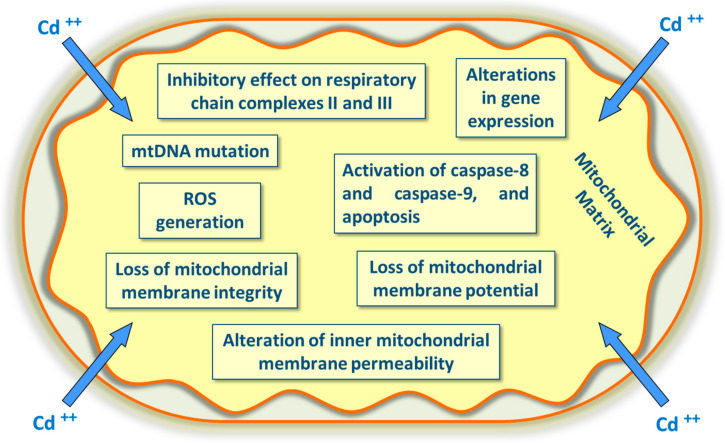
“Cadmium accumulates in mitochondria, blocking the respiratory chain at complex III, leading to increased production of free radicals that enhance caspase activity, causing renal damage [122,123].”
BackgroundRahi, A. A., Younis, U., Ahmed, N., Ali, M. A., Fahad, S., Sultan, H., Zarei, T., Danish, S., Taban, S., Enshasy, H. A. E., et al. (2021) · Saudi Journal of Biological Sciences · doi:10.1016/j.sjbs.2021.09.035 · Cited by 97
GO/TiO2-Related Nanocomposites as Photocatalysts for Pollutant Removal in Wastewater Treatment
Kong, E., Chau, J. H. F., Lai, C. W., Khe, C. S., Sharma, G., Kumar, A., Siengchin, S., & Rangappa, S. M. (2022) · Nanomaterials · doi:10.3390/nano12193536 · Cited by 93
Plasma membrane‐associated calcium signaling modulates cadmium transport
Zhang, Y., Wang, Z., Liu, Y., Zhang, T., Liu, J., You, Z., Huang, P., Zhang, Z., & Wang, C. (2022) · New Phytologist · doi:10.1111/nph.18698 · Cited by 91
Heavy Metal and Metalloid Contamination in Food and Emerging Technologies for Its Detection
Mukherjee, A. G., Renu, K., Gopalakrishnan, A. V., Veeraraghavan, V. P., Vinayagam, S., Paz, S., Dey, A., Vellingiri, B., George, A., Madhyastha, H., et al. (2023) · Sustainability · doi:10.3390/su15021195 · Cited by 100
“Kidney disease, osteoporosis, diabetes, cardiovascular disease, and cancer are only some of the chronic illnesses linked to long-term Cd exposure [14].”
BackgroundImmunotoxicology of cadmium: Cells of the immune system as targets and effectors of cadmium toxicity
Mirkov, I. I., Aleksandrov, A. P., Ninkov, M., Tucović, D., Kulaš, J. B., Zeljković, M., Popović, D., & Kataranovski, M. V. (2021) · Food and Chemical Toxicology · doi:10.1016/j.fct.2021.112026 · Cited by 94
The Role of Toxic Metals and Metalloids in Nrf2 Signaling
Djordjević, A. B., Baralić, K., Đukić-Ćosić, D., Bulat, Z., Tinkov, A. A., Panieri, E., & Saso, L. (2021) · Antioxidants · doi:10.3390/antiox10050630 · Cited by 89
A Review on the Mitigation of Heavy Metals from Aqueous Solution using Sugarcane Bagasse
Iwuozor, K. O., Oyekunle, I. P., Oladunjoye, I. O., Ibitogbe, E. M., & Olorunfemi, T. S. (2021) · Sugar Tech · doi:10.1007/s12355-021-01051-w · Cited by 93
Ding, M., Shi, S., Qie, S., Li, J., & Xi, X. (2023) · Frontiers in Pediatrics · doi:10.3389/fped.2023.1169733 · Cited by 89
Aswal, R. S., Prasad, M., Patel, N. K., Srivastav, A. L., Egbueri, J. C., Kumar, G. A., & Ramola, R. C. (2023) · Scientific Reports · doi:10.1038/s41598-023-40266-7 · Cited by 92
Iron, Zinc, Copper, Cadmium, Mercury, and Bone Tissue
Ciosek, Ż., Kot, K., & Rotter, I. (2023) · International Journal of Environmental Research and Public Health · doi:10.3390/ijerph20032197 · Cited by 86
A critical review on cadmium recovery from wastewater towards environmental sustainability
Mashhadikhan, S., Amooghin, A. E., Sanaeepur, H., & Shirazi, M. M. A. (2022) · Desalination · doi:10.1016/j.desal.2022.115815 · Cited by 89
Alnuqaydan, A. M. (2024) · Frontiers in Public Health · doi:10.3389/fpubh.2024.1439027 · Cited by 84
“The human body is exposed to various toxic metals through inhalation, ingestion, and skin such as arsenic (As) (28), cadmium (Cd) (29), chromium (Cr) (30), lead (Pb) (31), and mercury (Hg) (23).”
BackgroundHayat, K., Khan, J., Khan, A., Ullah, S., Ali, S., Salahuddin, S., & Fu, Y. (2021) · Plants · doi:10.3390/plants10040796 · Cited by 94
“Despite its exclusion from the essential nutrient category, plants eagerly absorb and accumulate cadmium (Cd) in their respective tissues [6,10].”
BackgroundYu, X., Zhao, J., Liu, X., Sun, L., Tian, J., & Wu, N. (2021) · Frontiers in Microbiology · doi:10.3389/fmicb.2021.698834 · Cited by 82
Role of Autophagy in Cadmium-Induced Hepatotoxicity and Liver Diseases
Niture, S. K., Lin, M., Qi, Q., Moore, J. T., Levine, K. E., Fernando, R. A., & Kumar, D. (2021) · Journal of Toxicology · doi:10.1155/2021/9564297 · Cited by 88
Anetor, G. O., Nwobi, N. L., Igharo, O. G., Sonuga, O. O., & Anetor, J. I. (2022) · Frontiers in Physiology · doi:10.3389/fphys.2022.931386 · Cited by 90
Kumar, P., Gacem, A., Ahmad, M. T., Yadav, V. K., Singh, S., Yadav, K. K., Alam, M. M., Dawane, V., Piplode, S., Maurya, P., et al. (2022) · Frontiers in Environmental Science · doi:10.3389/fenvs.2022.949581 · Cited by 90
Wang, Y., Wu, J., Zhang, M., OuYang, H., Li, M., Jia, D., Wang, R., Zhou, W., Liu, H., Hu, Y., et al. (2023) · Environmental Pollution · doi:10.1016/j.envpol.2023.121434 · Cited by 83
Pristine and Magnetic Kenaf Fiber Biochar for Cd2+ Adsorption from Aqueous Solution
Saeed, A. A. H., Harun, N. Y., Sufian, S. B., Bilad, M. R., Zakaria, Z. Y., Jagaba, A. H., Ghaleb, A. A. S., & Mohammed, H. G. (2021) · International Journal of Environmental Research and Public Health · doi:10.3390/ijerph18157949 · Cited by 84
Metadata
- Authors
- Genchi, G., Sinicropi, M. S., Lauria, G., Carocci, A., & Catalano, A.
- Affiliations
- University of Calabria (IT)
- University of Bari Aldo Moro (IT)
- Corresponding author
- Sinicropi, Maria Stefania
- Carocci, Alessia
- Venue
- International Journal of Environmental Research and Public Health
- Publisher
- MDPI AG
- Published
- 2020-05-26
- Volume
- 17
- Issue
- 11
- Pages
- 3782
- ISSN
- 1660-4601 (ISSN-L)
- PMC
- PMC7312803
- OpenAlex
- W3032103849
- Cited by
- 2,722
- References
- 156
- Citations by year
- 2026: 401 · 2025: 590 · 2024: 615 · 2023: 486 · 2022: 373 · 2021: 228 · 2020: 26
- FWCI
- 24.11
- Type
- journal article
- Language
- en
- Open access
- gold
- dx.doi.org
- Licence
- Locations
- International Journal of Environmental Research and Public Health (publishedVersion, cc-by)
- PubMed Central (publishedVersion, cc-by)
- PubMed (publishedVersion)
- RePEc: Research Papers in Economics (submittedVersion)
- DOAJ (DOAJ: Directory of Open Access Journals) (submittedVersion)
- Archive of Doctoral Theses and Digital Collections (University of Calabria) (submittedVersion)
- CINECA IRIS Institutional Research Information System (University of Bari Aldo Moro) (submittedVersion, cc-by)
- Topics
- Physical Sciences › Environmental Science › Health, Toxicology and Mutagenesis › Heavy Metal Exposure and Toxicity
- Health Sciences › Nursing › Nutrition and Dietetics › Trace Elements in Health
- Physical Sciences › Environmental Science › Health, Toxicology and Mutagenesis › Environmental Toxicology and Ecotoxicology
- Keywords
- cadmium toxicity, cadmium exposure, osteoporosis, metallothionein, oxidative stress, mitochondrial dysfunction, reactive oxygen species, epigenetic modifications, DNA methylation, histone modifications, microRNA, titanium dioxide nanoparticles, Al2O3 nanoparticles, microbial fermentation, heavy metal contamination
- MeSH terms
- Animals, Cadmium, Cadmium Poisoning, Environmental Pollutants, Humans, Soil, Water Purification
About these checks
Registry, retraction, Cites and statistics results are computed, not judged, with one exception: a printed reference that no index lists is read once by a model before it counts as a citation error. Claims are extracted by a model and kept only when their quote appears verbatim in the text; each cited source is then checked, with a model’s help, for whether it says what the claim relies on. Those verdicts can be wrong — read the claim’s quote and the cited source before relying on one.
Statistics and arithmetic are recomputed, not judged.
Confidence bands are shown only for fields calibrated on our annotated test set. None is calibrated yet, so no band is shown.
What counts as a claim ›How we measure confidence ›How we check this ›
Are you an author, or do you see a problem with this page? Request a review
Data sources
Bibliographic data: Semantic Scholar, OpenAlex, Crossref.
Contains information from the Semantic Scholar Academic Graph Datasets, made available under the ODC Attribution License (ODC-BY 1.0).
Semantic Scholar’s data is described in: Kinney, R., et al. (2023). The Semantic Scholar Open Data Platform. arXiv:2301.10140.
