

The Effects of Cadmium Toxicity
Open accessThe DOI matches its Crossref record; 153 of the 156 references it cites were found in a registry or an index.
Abstract
Cadmium (Cd) is a toxic non-essential transition metal that poses a health risk for both humans and animals. It is naturally occurring in the environment as a pollutant that is derived from agricultural and industrial sources. Exposure to cadmium primarily occurs through the ingestion of contaminated food and water and, to a significant extent, through inhalation and cigarette smoking. Cadmium accumulates in plants and animals with a long half-life of about 25–30 years. Epidemiological data suggest that occupational and environmental cadmium exposure may be related to various types of cancer, including breast, lung, prostate, nasopharynx, pancreas, and kidney cancers. It has been also demonstrated that environmental cadmium may be a risk factor for osteoporosis. The liver and kidneys are extremely sensitive to cadmium’s toxic effects. This may be due to the ability of these tissues to synthesize metallothioneins (MT), which are Cd-inducible proteins that protect the cell by tightly binding the toxic cadmium ions. The oxidative stress induced by this xenobiotic may be one of the mechanisms responsible for several liver and kidney diseases. Mitochondria damage is highly plausible given that these organelles play a crucial role in the formation of ROS (reactive oxygen species) and are known to be among the key intracellular targets for cadmium. When mitochondria become dysfunctional after exposure to Cd, they produce less energy (ATP) and more ROS. Recent studies show that cadmium induces various epigenetic changes in mammalian cells, both in vivo and in vitro, causing pathogenic risks and the development of various types of cancers. The epigenetics present themselves as chemical modifications of DNA and histones that alter the chromatin without changing the sequence of the DNA nucleotide. DNA methyltransferase, histone acetyltransferase, histone deacetylase and histone methyltransferase, and micro RNA are involved in the epigenetic changes. Recently, investigations of the capability of sunflower (Helianthus annuus L.), Indian mustard (Brassica juncea), and river red gum (Eucalyptus camaldulensis) to remove cadmium from polluted soil and water have been carried out. Moreover, nanoparticles of TiO2 and Al2O3 have been used to efficiently remove cadmium from wastewater and soil. Finally, microbial fermentation has been studied as a promising method for removing cadmium from food. This review provides an update on the effects of Cd exposure on human health, focusing on the cellular and molecular alterations involved.
Overview
The claims and statistics of this paper haven’t been checked yet.
Free: it reads the open-access text and checks the first 5 claims that cite a source we can check. Create a free account to check every claim.
Integrity signals
Registry
Cites
Statistics
Figures
Verification
Claims the paper makes
The claims and statistics of this paper haven’t been checked yet.
Free: it reads the open-access text and checks the first 5 claims that cite a source we can check. Create a free account to check every claim.
Claims other papers make about this one
Each is checked against this paper’s own text: does it say what the citing paper says it does?
The cited source says what the claim attributes to it.
In the citing paper
“The human body is exposed to various toxic metals through inhalation, ingestion, and skin such as arsenic (As) (28), cadmium (Cd) (29), chromium (Cr) (30), lead (Pb) (31), and mercury (Hg) (23).”
From The dark side of beauty: an in-depth analysis of the health hazards and toxicological impact of synthetic cosmetics and personal care products (2024) · cites this paper as [28]
Self-check
Percentages, sums and reported differences re-computed from the paper’s own numbers.
The self-check needs the paper’s full text.
Citations
Cites
1 retracted
Zhou, Z., Wang, C., Liu, H., Huang, Q., Wang, M., & Lei, Y. (2013) · International Journal of Medical Sciences · doi:10.7150/ijms.6308 · Cited by 60 · cited 2×
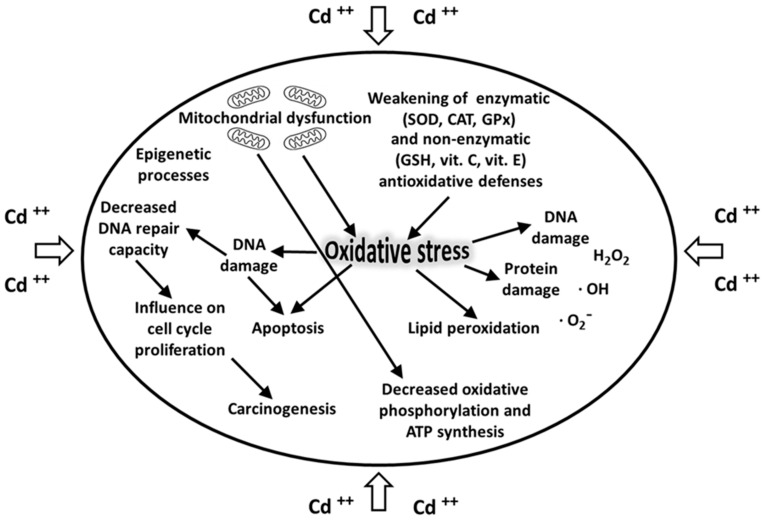
“The major Cd-induced carcinogenic mechanisms include the induction of inflammatory processes, oxidative stress, ROS, epigenetics, attenuation of apoptosis, damage to DNA, decreased DNA repair capacity, alteration in gene expression, cell proliferation, and aberrant DNA methylation [111,112,118,127].”
BackgroundRetractedThe C. elegans heterochronic gene lin-4 encodes small RNAs with antisense complementarity to lin-14
Lee, R. C., Feinbaum, R. L., & Ambros, V. (1993) · Cell · doi:10.1016/0092-8674(93)90529-y · Cited by 12,948 · cited 1×
“In the nematode Caenorhabditis elegans, lin-4 was the first miRNA to be discovered [122].”
BackgroundCurrent status of cadmium as an environmental health problem
Järup, L., & Åkesson, A. (2009) · Toxicology and Applied Pharmacology · doi:10.1016/j.taap.2009.04.020 · Cited by 2,355 · cited 1×
“Thus, heavy metal contamination of both drinking water and rivers with Cd may occur especially in areas near factories or mines [37].”
BackgroundMitochondria, oxidative stress and cell death
Ott, M., Gogvadze, V., Orrenius, S., & Zhivotovsky, B. (2007) · Apoptosis · doi:10.1007/s10495-007-0756-2 · Cited by 1,977 · cited 2×
“Excessive ROS production leads to a free radical attack of mitochondrial membrane phospholipids and mitochondrial membrane depolarization, which is a key step in the intrinsic pathway of apoptosis [85,86].”
BackgroundNickel: Human Health and Environmental Toxicology
Genchi, G., Carocci, A., Lauria, G., Sinicropi, M. S., & Catalano, A. (2020) · International Journal of Environmental Research and Public Health · doi:10.3390/ijerph17030679 · Cited by 1,602
Self-citationCadmium in soils and groundwater: A review
Kubier, A., Wilkin, R. T., & Pichler, T. (2019) · Applied Geochemistry · doi:10.1016/j.apgeochem.2019.104388 · Cited by 1,468 · cited 1×
“5) it remains in solution, in contrast to the typical fixation of other heavy metals [36].”
BackgroundA CADMIUM PROTEIN FROM EQUINE KIDNEY CORTEX
Margoshes, M., & Vallee, B. L. (1957) · Journal of the American Chemical Society · doi:10.1021/ja01574a064 · Cited by 1,300 · cited 1×
“Metallothionein was first identified in the kidney cortex of equines as a Cd-binding protein that is responsible for the accumulation of Cd in the tissues [89].”
BackgroundCadmium, Environmental Exposure, and Health Outcomes
Satarug, S., Garrett, S. H., Sens, M. A., & Sens, D. A. (2010) · Environmental Health Perspectives · doi:10.1289/ehp.0901234 · Cited by 1,164 · cited 1×
“In contrast, the half-life of Cd++ is very long (25–30 years) in the human body, where cadmium can unleash its toxic action [95,96].”
BackgroundMaking the life of heavy metal-stressed plants a little easier
Gratão, P. L., Polle, A., Lea, P. J., & Azevedo, R. A. (2005) · Functional Plant Biology · doi:10.1071/fp05016 · Cited by 1,156 · cited 1×
“Phytoremediation and nanoparticles are used as ecofriendly techniques and can be applied to both inorganic and organic pollutants, which are present in the water, soil, and air [145].”
BackgroundRepression of protein synthesis by miRNAs: how many mechanisms?
Pillai, R. S., Bhattacharyya, S. N., & Filipowicz, W. (2007) · Trends in Cell Biology · doi:10.1016/j.tcb.2006.12.007 · Cited by 1,108 · cited 1×
“MiRNA’s main function is to down-regulate gene expression by interfering with messenger RNA (mRNA) functions [117,118].”
Background
Research works printed but not linked: 5
- IARC IARC Monographs on the Evaluation of Carcinogenic Risks to Humans-Beryllium, Cadmium, Mercury, and Exposures in the Glass Manufacturing Industry Summary of Data Reported and Evaluation International Agency for Cancer Research-World Health Organization Geneva, Switzerland 1997 Volume 58 PMC7681476 8022054
- Prabu S.M. Shagirtha K. Cadmium and Apoptosis: A Molecular Approach Res. Rev. J. Toxicol. 2019 6 8 17
- Hagino N. Yoshioka Y. A study of the etiology of Itai-Itai disease J. Jpn. Orthop. Assoc. 1960 35 812 815
- Lakshmi B.V.S. Sudhakar M. Aparna M. Protective effect of black grapes on cadmium induced hepatotoxicity in rats World Pharm. Sci. 2014 2 276 282
- Final Review of Scientific Information on Cadmium Available online: https://www.unenvironment.org/resources/report/final-review-scientific-information-cadmium (accessed on 25 May 2020)
Cited by
Items 601–700 of 1,001
Zheng, X. S., Wang, L., You, L., Liu, Y., Cohen, M., Tian, S., Li, W., & Li, X. (2022) · iMeta · doi:10.1002/imt2.7 · Cited by 20
Liu, D., Gao, Z., Li, J., Yao, Q., Tan, W., Wang, X., & Lu, Z. (2022) · International Journal of Phytoremediation · doi:10.1080/15226514.2022.2090496 · Cited by 22
“Cd can enter the soil environment in different ways, be absorbed and enriched by crops, and contaminate the food chain, which causes great harm to human health, inducing diseases, such as kidney failure, arthritis, and cancer (Genchi et al. 2020).”
BackgroundWang, X., He, K., Hu, Y., & Tang, M. X. (2022) · Chemico-Biological Interactions · doi:10.1016/j.cbi.2022.110247 · Cited by 21
Petrean, I. A., Micle, V., Sur, I. M., & Șenilă, M. (2023) · Sustainability · doi:10.3390/su15021158 · Cited by 21
Shukla, P., Kidwai, M., Narayan, S., Shirke, P. A., Pandey, K. D., Misra, P., & Chakrabarty, D. (2023) · Environmental Science and Pollution Research · doi:10.1007/s11356-023-25174-7 · Cited by 23
“Their bioavailability is greatly influenced by physiological and biochemical adaptations (Genchi et al. 2020; Verkleji 1993).”
BackgroundCadmium toxicity on endoplasmic reticulum functioning
Mishra, S., Paul, R., Rani, V., Ghosh, D. K., & Jain, B. P. (2024) · International Journal of Biochemistry and Molecular Biology · doi:10.62347/ouds3732 · Cited by 19
Elatafi, E., Elhendawy, B., Elshahat, A., Iqbal, S., Yauha, R., Xuxian, X., Li, W., Feiyue, L., Shaoxiao, F., Hakeem, A., et al. (2025) · Journal of soil science and plant nutrition · doi:10.1007/s42729-025-02210-8 · Cited by 21
“Multiple studies demonstrate that this metal can disrupt photosynthesis, respiration, nitrogen metabolism, and overall growth and development, ultimately resulting in plant mortality (Genchi et al. 2020; Moradi et al. 2019).”
Sheikh, L., Naz, N., Oranab, S., Younis, U., Alarfaj, A. A., Alharbi, S. A., & Ansari, M. J. (2025) · Scientific Reports · doi:10.1038/s41598-025-90746-1 · Cited by 19
Sahito, J. H., Ma, C., Zhang, J., Li, J., Zhao, J., Mu, L., Zhang, Y., Gishkori, Z. G. N., Ding, D. Y., Zhang, X., et al. (2025) · Ecotoxicology and Environmental Safety · doi:10.1016/j.ecoenv.2025.118422 · Cited by 20
Hussan, M. U., Mahmood, U., Zarbakhsh, S., Hussain, S., Hafeez, M. B., Zahra, N., Ahmed, M., Wang, Q., & Yan, M. (2025) · BMC Plant Biology · doi:10.1186/s12870-025-07157-7 · Cited by 19
“Moreover, Cd bioaccumulation in crops poses serious health risks to humans, including lung, skin, and kidney cancers, as well as cardiovascular and neurological disorders [12].”
Cetinić, K. A., Previšić, A., & Rožman, M. (2021) · Environmental Pollution · doi:10.1016/j.envpol.2021.116798 · Cited by 22
Azarmehr, Z., Ranji, N., Koohpar, Z. K., & Habibollahi, H. (2021) · Molecular Biology Reports · doi:10.1007/s11033-021-06300-5 · Cited by 19
Cadmium-Associated Molecular Signatures in Cancer Cell Models
Luparello, C. (2021) · Cancers · doi:10.3390/cancers13112823 · Cited by 20
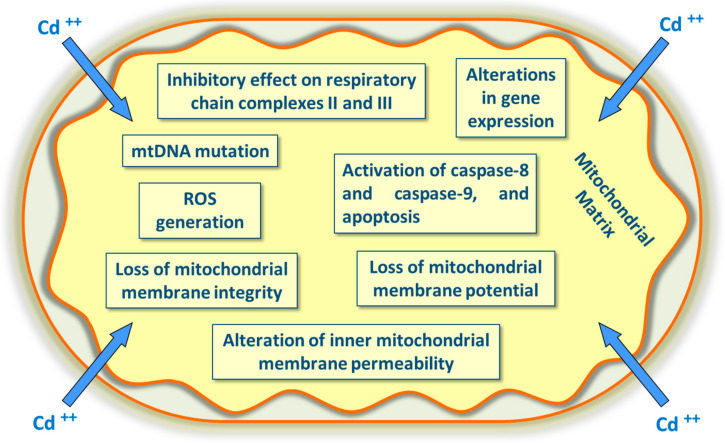
“This leads to a dissipation of mitochondrial transmembrane potential with a consequent alteration of not only the cell’s redox status but also mitochondrial and nuclear gene expression and the genome integrity [6,7].”
BackgroundElfeghe, S., Anwar, S., & Zhang, Y. (2022) · The Canadian Journal of Chemical Engineering · doi:10.1002/cjce.24400 · Cited by 21
Salihu, M., Batiha, G. E., Kasozi, K. I., Zouganelis, G. D., Sharkawi, S. M. Z., Ahmed, E. I., Usman, I. M., Nalugo, H., Ochieng, J. J., Ssengendo, I., et al. (2022) · Toxicology Reports · doi:10.1016/j.toxrep.2022.03.026 · Cited by 23
“liver and kidney diseases, and in addition to their cytotoxic effects, xenobiotics have proven human carcinogenic potential [31].”
BackgroundInfluentialUpamalika, S. W. A. M., Wannige, C. T., Vidanagamachchi, S., Gunasekara, T. D. K. S. C., Kolli, R. T., Silva, P. M. C. S. D., Kulasiri, D., & Jayasundara, N. (2022) · Environmental Toxicology and Pharmacology · doi:10.1016/j.etap.2022.103850 · Cited by 20
Nathan, R. J., Jain, A. K., & Rosengren, R. J. (2022) · Environmental Technology Reviews · doi:10.1080/21622515.2022.2078232 · Cited by 19
“Cadmium:When the human body is exposed to Cd, the erythrocytes and albumin transport it through the main bloodstream to kidneys, liver and the GI tract where it accumulates [47,48].”
BackgroundA technoeconomic analysis of sewage sludge valorization for carbon emission reduction
Woo, D. C. Y., Goh, Q. H., Poh, P. E., & Chew, I. M. L. (2022) · Biomass Conversion and Biorefinery · doi:10.1007/s13399-022-02922-2 · Cited by 19
“By contrast, the heavy metal content of mixed SS (e.g., Cd and Zn) exceeds the guideline limits, which can impact human health and would cause various types of cancer [26].”
BackgroundKwikima, M. M., Chebude, Y., & Meshesha, B. T. (2022) · Biomass Conversion and Biorefinery · doi:10.1007/s13399-022-03472-3 · Cited by 24
“Cadmium (Cd) is among the highly harmful heavy metals that significantly threaten human health and the environment due to its high toxicity and bioaccumulation potential [4, 5].”
BackgroundSocaciu, M., Semeniuc, C. A., Mureşan, E. A., Pușcaș, A., Tanislav, A. E., Ranga, F., Dulf, F. V., Páll, E., Truță, A. M., Paşca, C., et al. (2022) · Food Chemistry · doi:10.1016/j.foodchem.2022.135053 · Cited by 20
Effect of Cadmium on Oxidative Stress Indices and Vitamin D Concentrations in Children
Chwalba, A., Orłowska, J., Słota, M., Jeziorska, M., Filipecka, K., Bellanti, F., Dobrakowski, M., Kasperczyk, A., Zalejska–Fiolka, J., & Kasperczyk, S. (2023) · Journal of Clinical Medicine · doi:10.3390/jcm12041572 · Cited by 19
“Cd ions induce oxidative stress and affect the expression of specific transcription factors [8,9].”
BackgroundInteraction of Lead and Cadmium Reduced Cadmium Toxicity in Ficus parvifolia Seedlings
Li, Y., Cheng, X., Feng, C., & Huang, X. (2023) · Toxics · doi:10.3390/toxics11030271 · Cited by 21
“Pb and Cd are highly toxicity and non-degradable [4,5], impacting plant growth and threatening human health [6,7].”
BackgroundCao, H.-M., Yang, Y., Huang, B., Zhang, Y., Wu, Y., Wan, Z., & Ma, L. (2023) · Environmental Science and Pollution Research · doi:10.1007/s11356-023-26828-2 · Cited by 20
“1 3 synthesis reduction, and the inner mitochondrial permeability are altered (Genchi et al. 2020).”
BackgroundLi, N., Yi, B., Saleem, M. A. U., Li, X., & Li, J. (2023) · Ecotoxicology and Environmental Safety · doi:10.1016/j.ecoenv.2023.115056 · Cited by 19
Végh, R., Csóka, M., Mednyánszky, Z., & Sípos, L. (2023) · Chemosphere · doi:10.1016/j.chemosphere.2023.139571 · Cited by 19
He, Y., Fang, H., Pan, X., Zhu, B., Chen, J., Wang, J., Zhang, R., Chen, L., Qi, X., & Zhang, H. (2023) · Foods · doi:10.3390/foods12163094 · Cited by 19
Aboulqassim, N. S. S., Hazem, S. H., Sharawy, M. H., & Suddek, G. M. (2023) · International Immunopharmacology · doi:10.1016/j.intimp.2023.111027 · Cited by 19
Behairy, A., Hashem, M. M. M., Abo‐EL‐Sooud, K., Soliman, A. M., Mouneir, S. M., El‐Metwally, A. E., Ismail, S. H., Hassan, B. A., & Abd‐Elhakim, Y. M. (2024) · Heliyon · doi:10.1016/j.heliyon.2024.e24049 · Cited by 21
“Cd poisoning induces nephrotoxicity, osteoporosis, cardiovascular problems, testicular necrosis, renal failure, ocular toxicity, and neurological problems [12,13].”
BackgroundMallamaci, R., Barbarossa, A., Carocci, A., & Meleleo, D. (2024) · Foods · doi:10.3390/foods13030419 · Cited by 20
“…for the toxic effects of Cd involves the alteration in thiol proteins [5], inhibition of energy metabolism [6], alteration in DNA structure [7], and an impact on some enzyme activities (succinate dehydrogenase, cyclic nucleotide phosphodiesterase, and antioxidant enzymes which include…”
BackgroundSelf-citationZhang, Q., Xie, Y., Zhang, Y., Huang, E., Meng, L., Liu, Y., & Tong, T. (2024) · Animals · doi:10.3390/ani14040541 · Cited by 19
“Cadmium can pass through the food chain and accumulate within organisms at higher trophic levels, thereby inducing changes in biological physiology and affecting biological behavior [1].”
Yan, J., Zhang, H., Zhang, M., Tian, M., Nie, G., Xie, D., Zhu, X., & Li, X. (2024) · Journal of Pharmaceutical and Biomedical Analysis · doi:10.1016/j.jpba.2024.116011 · Cited by 20
Xie, D., Yan, J., Zhang, H., Zhang, H., Nie, G., Zhu, X., & Li, X. (2024) · The Science of The Total Environment · doi:10.1016/j.scitotenv.2024.171405 · Cited by 19
Hussein, M. A., Kamalakkannan, A., Valinezhad, K., Kannan, J., Paleati, N., Saad, R., Kajdacsy‐Balla, A., & Munirathinam, G. (2024) · Current Research in Toxicology · doi:10.1016/j.crtox.2024.100166 · Cited by 24
“The effect of Cd toxicity on different organs is covered in detail elsewhere (Charkiewicz et al., 2023; Genchi et al., 2020).”
BackgroundOceanobacillus picturae alleviates cadmium stress and promotes growth in soybean seedlings
Yang, S., Han, X., Li, J., Luan, F., Zhang, S., Han, D., Yang, M., Chen, Q., & Qi, Z. (2024) · Journal of Hazardous Materials · doi:10.1016/j.jhazmat.2024.134568 · Cited by 19
Jolaosho, T. L., Elegbede, I. O., Akintola, S. L., Jimoh, A. A.-A., Ndimele, P. E., Mustapha, A. A., & Adukonu, J. D. (2024) · Marine Pollution Bulletin · doi:10.1016/j.marpolbul.2024.116807 · Cited by 21
Liang, J., Ma, C., & Kim, K. (2024) · Frontiers in Marine Science · doi:10.3389/fmars.2024.1450396 · Cited by 21
Boahen, E., Fosu-Mensah, B. Y., Koranteng, S. S., Darko, D. A., Obuobi, G., & Mensah, M. (2024) · Journal of Chemistry · doi:10.1155/2024/6438563 · Cited by 20
Cadmium neurotoxicity: From its analytical aspects to neuronal impairment
Gonçalves, J. F., Dressler, V. L., Assmann, C. E., Morsch, V. M., & Schetinger, M. R. C. (2021) · Advances in neurotoxicology · doi:10.1016/bs.ant.2021.03.001 · Cited by 22
Wang, T., Wang, L., Zhang, Y., Sun, J. G., Xie, Y., Yuan, Y., Gu, J., Bian, J., Liu, Z., & Zou, H. (2021) · Frontiers in Pharmacology · doi:10.3389/fphar.2021.632825 · Cited by 22
Vicaş, S. I., Laslo, V., Timar, A., Baltă, C., Herman, H., Ciceu, A., Gharbia, S., Roșu, M., Mladin, B., Fritea, L., et al. (2021) · Applied Sciences · doi:10.3390/app11094220 · Cited by 20
Analysis of lead, cadmium, and arsenic in colored cosmetics marketed in Pakistan
Abrar, S., Javed, S., Kiran, S., & Awan, H. (2022) · Journal of Public Health Policy · doi:10.1057/s41271-021-00324-8 · Cited by 19
“At the cellular level, Cd causes mitochondrial dysfunction, resulting in less energy production and increased release of reactive oxygen species (ROS) [31].”
BackgroundTaurine Alleviates Cadmium-Induced Hepatotoxicity by Regulating Autophagy Flux
Duan, Y., Zhao, Y., Wang, T., Sun, J. G., Ali, W., Ma, Y., Yuan, Y., Gu, J., Bian, J., Liu, Z., et al. (2023) · International Journal of Molecular Sciences · doi:10.3390/ijms24021205 · Cited by 19
“Our previous studies have found that the destruction of autophagy is also an important toxic mechanism of Cd [4,5].”
BackgroundMa, L., Liu, Y., Sahito, Z. A., Liu, C., Li, Z., Yu, C., Feng, Y., & Guo, W. (2024) · Ecotoxicology and Environmental Safety · doi:10.1016/j.ecoenv.2024.116715 · Cited by 18
Chen, W., Zhang, P., Liu, D., Wang, X., Lu, S., Liu, Z., Yang, M., Deng, T., Chen, L., Qi, H., et al. (2024) · Journal of Hazardous Materials · doi:10.1016/j.jhazmat.2024.135702 · Cited by 18
Shehzad, K., Tu, S., Majeed, M. Z., Bo, L., & Zhang, J. (2024) · Journal of Environmental Management · doi:10.1016/j.jenvman.2024.122820 · Cited by 19
Jeyabalan, J., Veluchamy, A., & Narayanasamy, S. (2025) · International Journal of Biological Macromolecules · doi:10.1016/j.ijbiomac.2025.142557 · Cited by 18
Current Understanding of Sex Differences in Metal-Induced Diseases
Lü, H., Delnicki, M. E., Griffin, G., & Wise, J. L. (2025) · Current Environmental Health Reports · doi:10.1007/s40572-025-00482-x · Cited by 18
“Metallothioneins bind cadmium and promote its transport and accumulation in organs, especially in the liver and kidneys [12].”
Okafor, V. N., Omokpariola, D. O., Okabekwa, C. V., & Umezinwa, E. C. (2022) · Chemistry Africa · doi:10.1007/s42250-022-00477-3 · Cited by 19
Wahyudi, L. D., Yu, S. H., & Cho, M. K. (2022) · Life Sciences · doi:10.1016/j.lfs.2022.121076 · Cited by 19
Amadi, C. N., Frazzoli, C., & Orisakwe, O. E. (2022) · Frontiers in Reproductive Health · doi:10.3389/frph.2022.1037379 · Cited by 19
“Exposure to heavy metals and metalloids can trigger epigenetic changes (64) resulting in alteration in gene expression profiles (65).”
BackgroundChalcogenated Schiff base ligands utilized for metal ion detection
Kaswan, P. (2023) · Inorganica Chimica Acta · doi:10.1016/j.ica.2023.121610 · Cited by 18
Rezaee, A., & Ahmady‐Asbchin, S. (2023) · Journal of Environmental Management · doi:10.1016/j.jenvman.2023.118361 · Cited by 18
Regeneratable Graphene-Based Water Filters for Heavy Metal Removal at Home
Schmidt, S. J., Dou, W., & Sydlik, S. A. (2023) · ACS ES&T Water · doi:10.1021/acsestwater.3c00010 · Cited by 18
Biomonitoring of honey metal(loid) pollution in Northwest England by citizen scientists
Shaw, J., Cunningham, C., Harper, S., Ragazzon-Smith, A., Lythgoe, P. R., & Walker, T. R. (2023) · Environmental Advances · doi:10.1016/j.envadv.2023.100406 · Cited by 20
Hu, B., Liu, S., Luo, Y., Pu, J., Deng, X., Zhou, W., Dong, Y., Ma, Y., Wang, G., Yang, F., et al. (2023) · Ecotoxicology and Environmental Safety · doi:10.1016/j.ecoenv.2023.115290 · Cited by 20
Hayat, A., Anas, M., Shaheen, Z., Falak, A., & Quraishi, U. M. (2023) · Journal of Crop Science and Biotechnology · doi:10.1007/s12892-023-00220-5 · Cited by 18
“Cd is a heavy metal that has no physiological function and is often regarded as toxic (Genchi et al. 2020).”
Tasleem, M., El‐Sayed, A. A. A., Hussein, W. M., & Alrehaily, A. (2023) · Toxics · doi:10.3390/toxics11100864 · Cited by 18
Qu, Z., Liu, L., Wu, X., Guo, P., Yu, Z., Wang, P., Song, Y., Zheng, S., & Liu, N. (2023) · Ecotoxicology and Environmental Safety · doi:10.1016/j.ecoenv.2023.115687 · Cited by 20
Ojo, G. J., Onile, O. S., Momoh, A. O., Oyeyemi, B. F., Omoboyede, V., Fadahunsi, A., & Onile, T. A. (2023) · Journal of Genetic Engineering and Biotechnology · doi:10.1186/s43141-023-00607-5 · Cited by 19
“The consumption of these plants by humans, in turn, causes negative effects such as immunosuppressive functions, blindness, and neurological damage, as well as playing roles in the etiology of pathologies such as cancer and hypertension [11, 12].”
BackgroundZou, C., Yang, X., Li, J., Jin, H., Gu, K., Chen, Y., Liu, M., Luo, Y., & Jiang, Y. (2024) · Chemosphere · doi:10.1016/j.chemosphere.2024.141414 · Cited by 23
Telloli, C., Cicconi, F., Manzi, E., Borgognoni, F., Salvi, S., Iapalucci, M. C., & Rizzo, A. (2024) · Food Chemistry · doi:10.1016/j.foodchem.2024.139370 · Cited by 18
Application of multi-metallic nanoparticles in agriculture: The more, the better?
Dey, S., Ghosh, N., Nath, S., Gopal, G., Paul, S., Mukherjee, A., Paul, S., & Kundu, R. (2024) · Biocatalysis and Agricultural Biotechnology · doi:10.1016/j.bcab.2024.103238 · Cited by 20
Nkosi, N., Shooto, N. D., Nyamukamba, P., & Thabede, P. M. (2024) · Energy Nexus · doi:10.1016/j.nexus.2024.100313 · Cited by 20
Zhang, H., Yan, J., Xie, D., Zhu, X., Nie, G., Zhang, H., & Li, X. (2024) · Journal of Hazardous Materials · doi:10.1016/j.jhazmat.2024.134855 · Cited by 22
Mushtaq, A., Khalid, S., Noor, M. J., & Khanoranga (2024) · Biological Trace Element Research · doi:10.1007/s12011-024-04313-2 · Cited by 22
“The accumulative effects of metals can be threatening when only one metal such as, Cd causes cancer, badly affects liver and kidneys and also causes osteoporosis [10].”
Heavy Metal Contamination in Food: Sources, Impact, and Remedy
Acharya, S. (2024) · Springer eBooks · doi:10.1007/978-981-97-2428-4_8 · Cited by 30
Zou, H., Ali, W., Deng, K., Chen, Y., Sun, J. G., Wang, T., Ma, Y., & Liu, Z. (2024) · Poultry Science · doi:10.1016/j.psj.2024.104242 · Cited by 21
“The situation has severely threatened the health of humans and animals (Genchi et al., 2020; Huang et al., 2019; Li et al., 2022; Ran et al., 2023).”
BackgroundRemediating contaminated environmental systems: the role of plants in cadmium removal
Tennakoon, A., Galahitigama, H., Samarakoon, S. M. A. B. K., Perera, I. J. J. U. N., Thakshila, G. P. G. I., Thiruketheeswaranathan, S., Roshana, M. R., Sandamal, S., Sewwandi, G. P. G. S. M., & Bellanthudawa, B. K. A. (2025) · International Journal of Phytoremediation · doi:10.1080/15226514.2025.2456095 · Cited by 20
“The kidneys are the organs most severely impacted by Cd poisoning; up to 30% of total Cd is accumulated in the renal tubule area, resulting in tubular damage proportionate to the amount of Cd not bound to MTs (Genchi et al. 2020; Charkiewicz et al. 2023).”
Zhang, C., Wang, C., Hao, T., Lin, H. L., Wang, Q., Wu, Y., Hu, Y., Wang, S., Huang, Y., & Guo, Z. (2021) · Sensors and Actuators B Chemical · doi:10.1016/j.snb.2021.130037 · Cited by 19
Detoxification and recovery after cadmium exposure in the freshwater crab Sinopotamon henanense
Xu, Z., Liu, J., Wang, E., Zhao, C., Hu, X., Chu, K. H., & Wang, L. (2021) · Environmental Science and Pollution Research · doi:10.1007/s11356-021-14528-8 · Cited by 18
Interactive toxicity of copper and cadmium in regenerating and adult planarians
Majid, S., Belleghem, F. V., Ploem, J.-P., Wouters, A., Blust, R., & Smeets, K. (2022) · Chemosphere · doi:10.1016/j.chemosphere.2022.133819 · Cited by 18
Wen, X., Li, T., & Xu, X. (2021) · Environmental Science and Pollution Research · doi:10.1007/s11356-021-17484-5 · Cited by 18
“Introduction Cadmium (Cd) is a toxic heavy metal as well as a widespread environmental contaminant whose long-term exposure produces a wide range of adverse effects on human health (Genchi et al. 2020).”
BackgroundOviosun, A., Oviosun, E. C., Nto, N. J., Memudu, A. E., & Anyanwu, G. E. (2025) · Journal of Experimental Pharmacology · doi:10.2147/jep.s519571 · Cited by 17
Garg, A., Chauhan, P., Kaur, C., Arora, P. K., Garg, S. K., Singh, V. P., Singh, K. P., & Srivastava, A. (2025) · Biodegradation · doi:10.1007/s10532-025-10165-x · Cited by 18
“Chronic exposure is linked to carcinogenicity, classified as a B1 carcinogen by the U.S. EPA (Genchi et al. 2020).”
Gao, X., Yuan, Y., Lan, Y., Lai, T., Zhu, L., Xu, L., Gong, J., Ma, N., Wang, B., & Li, M. (2025) · Journal of Hazardous Materials · doi:10.1016/j.jhazmat.2025.139573 · Cited by 20
Rzetala, M. A., Machowski, R., Solarski, M., Bakota, D., Płomiński, A., & Rzetala, M. (2023) · International Journal of Environmental Research and Public Health · doi:10.3390/ijerph20054334 · Cited by 17
“However, cadmium appears much more frequently in the environment as a result of agricultural and industrial pollution [91].”
BackgroundImpact of E-Waste Toxicity on Health and Nature: Trends, Biases, and Future Directions
Silva, J. A. D. P., Lima, G. G., Camilo-Cotrim, C. F., Bailão, E. F. L. C., Caramori, S. S., Nabout, J. C., & Almeida, L. M. (2023) · Water Air & Soil Pollution · doi:10.1007/s11270-023-06328-2 · Cited by 18
“Cd is the other heavy metal frequently studied, which negatively affects most organ systems (Genchi et al., 2020).”
BackgroundNew Insight into the Function of Dopamine (DA) during Cd Stress in Duckweed (Lemna turionifera 5511)
Wang, W., Yang, Y., Ma, X., He, Y., Ren, Q., Wang, J., Huang, Y., Xue, Y. W., Yang, R. Y., Guo, Y., et al. (2023) · Plants · doi:10.3390/plants12101996 · Cited by 17
“Furthermore, it could be retained in the human body for a lifetime [1,3].”
BackgroundApiamu, A., Avwioroko, O. J., Evuen, U. F., Kadiri, H. E., Kpomah, E. D., Anigboro, A. A., Ugbebor, G. C., & Asagba, S. O. (2023) · Biological Trace Element Research · doi:10.1007/s12011-023-03777-y · Cited by 17
“…tissue damage/dysfunctions, programmed cell death and carcinogenic effects, retardation of reproductive functions, osteomalacia, cardiovascular disorders, age-related diseases, impairment of immune system and metabolic effects among others with the indications of stress characteristics [13, 16].”
Yang, X., Tan, A.-J., Zheng, M., Feng, D., Mao, K., & Yang, G. (2023) · The Science of The Total Environment · doi:10.1016/j.scitotenv.2023.166056 · Cited by 17
Zhang, B., Xu, J., Sun, M., Pan, Y., Ma, Y., Xie, L., & Chen, L. (2023) · Frontiers in Microbiology · doi:10.3389/fmicb.2023.1294177 · Cited by 18
“Cd induced various epigenetic changes in mammalian cells, leading to the development of breast, lung, pancreas, and kidney cancers (Genchi et al., 2020).”
BackgroundTypes of Environmental Pollution and Its Effects on the Environment and Society
Mir, R. A., Mantoo, A. G., Sofi, Z. A., Bhat, D. A., Bashir, A., & Bashir, S. (2023) · Springer eBooks · doi:10.1007/978-3-031-45300-7_1 · Cited by 26
Essig, Y. J., Leszczyszyn, O. I., Almutairi, N., Harrison-Smith, A., Blease, A., Zeitoun‐Ghandour, S., Webb, S. M., Blindauer, C. A., & Stürzenbaum, S. R. (2023) · Chemosphere · doi:10.1016/j.chemosphere.2023.141021 · Cited by 17
Optimization of polyamine and mycorrhiza in sorghum plant for removal of hazardous cadmium
Kumar, P., Dwivedi, P., & Upadhyay, S. K. (2024) · Plant Physiology and Biochemistry · doi:10.1016/j.plaphy.2024.108846 · Cited by 18
Prolonged Cadmium Exposure and Osteoclastogenesis: A Mechanistic Mouse and in Vitro Study
Liu, Z., Wu, J., Dong, Z., Wang, Y., Wang, G., Chen, C., Wang, H. H., Yang, Y., Sun, Y., Yang, M., et al. (2024) · Environmental Health Perspectives · doi:10.1289/ehp13849 · Cited by 17
“20 Despite numerous studies focusing on the e ff ects of Cd on osteoclast di ff erentiation, we have indeed little direct knowledge about the exact mechanisms by which Cd aggravates osteoclastogenesis and thus induces osteoporosis.”
Di(2-picolyl)amine appended luminescent probes: Advances in bioimaging and therapeutics
Das, B., & Gupta, P. (2024) · Coordination Chemistry Reviews · doi:10.1016/j.ccr.2024.216209 · Cited by 17
Unraveling the role of heavy metals xenobiotics in cancer: a critical review
Pal, S., & Firdous, S. M. (2024) · Discover Oncology · doi:10.1007/s12672-024-01417-y · Cited by 17
“These chemicals have been shown to reduce cadmium and arsenic levels in living creatures [131].”
BackgroundNezhad, M. F., Foroozandeh, A., Amoli, H. S., & Hasanzadeh, M. (2024) · TrAC Trends in Analytical Chemistry · doi:10.1016/j.trac.2024.118104 · Cited by 17
Zamani, M. M., Mortazavi, S. H., Monajemzade, M., Piranfar, V., Aalidaeijavadi, Z., & Bakhtiarian, A. (2021) · Iranian journal of pathology · doi:10.30699/ijp.2020.135777.2489 · Cited by 17
“Recent studies indicate that Cd can induce various genetic and epigenetic changes in plants and mammalian cells, both in vitro and in vivo (6).”
BackgroundRojas, P., Ruiz-Sánchez, E., Ríos, C., Ruíz-Chow, Á. A., & Reséndiz‐Albor, A. A. (2021) · International Journal of Environmental Research and Public Health · doi:10.3390/ijerph18168285 · Cited by 17
“Cd is frequently detected as a pollutant in industrial areas of the pharmaceutical industry, and in the use of fertilizers, among others [45,46].”
BackgroundAlshammari, G. M., Al-Qahtani, W. H., Alshuniaber, M. A., Yagoub, A. E. A., Al-Khalifah, A. S., Al‐Harbi, L. N., Alhussain, M. H., AlSedairy, S. A., & Yahya, M. A. (2021) · Journal of Functional Foods · doi:10.1016/j.jff.2021.104675 · Cited by 17
Kadiene, E. U., Ouddane, B., Gong, H., Hwang, J., & Souissi, S. (2022) · Ecotoxicology and Environmental Safety · doi:10.1016/j.ecoenv.2022.113171 · Cited by 17
Nanda, K. P., & Firdaus, H. (2022) · Comparative Biochemistry and Physiology Part C Toxicology & Pharmacology · doi:10.1016/j.cbpc.2022.109289 · Cited by 17
Relationship between blood cadmium and abdominal aortic calcification: NHANES 2013–2014
Liu, N., Feng, Y., Zhan, Y., & Ma, F. (2022) · Journal of Trace Elements in Medicine and Biology · doi:10.1016/j.jtemb.2022.126975 · Cited by 17
PscCYP716A1-Mediated Brassinolide Biosynthesis Increases Cadmium Tolerance and Enrichment in Poplar
Tian, F., Han, C., Chen, X., Wu, X., Mi, J., Wan, X., Liu, Q., He, F., Chen, L., Yang, H., et al. (2022) · Frontiers in Plant Science · doi:10.3389/fpls.2022.919682 · Cited by 18
“Once Cd gets into the food chain, it may bring out a battery of diseases such as growth retardation, renal dysfunction, cancer, and so on (Genchi et al., 2020).”
BackgroundSarmiento-Ortega, V. E., Moroni-González, D., Díaz, A., Brambila, E., & Treviño, S. (2022) · Biological Trace Element Research · doi:10.1007/s12011-022-03471-5 · Cited by 17
Singh, S., Naik, T. S. S. K., Uppara, B., Narasimhappa, P., Varshney, R., Chauhan, V., Shehata, N., Thamaraiselvan, C., Subramanian, S., Singh, J., et al. (2023) · Chemosphere · doi:10.1016/j.chemosphere.2023.138533 · Cited by 17
Mensah, J. P., Oduro–Kwarteng, S., Miezah, K., Boakye, P., & Koomson, B. (2025) · Scientific Reports · doi:10.1038/s41598-025-17149-0 · Cited by 18
Hoa, V. T. (2025) · RSC Advances · doi:10.1039/d5ra08324a · Cited by 17
Rashed, S. S., Ghaffari, M., Moghadam, N. B., Ebrahimi, M. T., & Keshtmand, Z. (2022) · Metabolic Brain Disease · doi:10.1007/s11011-022-01092-4 · Cited by 16
Metadata
- Authors
- Genchi, G., Sinicropi, M. S., Lauria, G., Carocci, A., & Catalano, A.
- Affiliations
- University of Calabria (IT)
- University of Bari Aldo Moro (IT)
- Corresponding author
- Sinicropi, Maria Stefania
- Carocci, Alessia
- Venue
- International Journal of Environmental Research and Public Health
- Publisher
- MDPI AG
- Published
- 2020-05-26
- Volume
- 17
- Issue
- 11
- Pages
- 3782
- ISSN
- 1660-4601 (ISSN-L)
- PMC
- PMC7312803
- OpenAlex
- W3032103849
- Cited by
- 2,722
- References
- 156
- Citations by year
- 2026: 401 · 2025: 590 · 2024: 615 · 2023: 486 · 2022: 373 · 2021: 228 · 2020: 26
- FWCI
- 24.11
- Type
- journal article
- Language
- en
- Open access
- gold
- dx.doi.org
- Licence
- Locations
- International Journal of Environmental Research and Public Health (publishedVersion, cc-by)
- PubMed Central (publishedVersion, cc-by)
- PubMed (publishedVersion)
- RePEc: Research Papers in Economics (submittedVersion)
- DOAJ (DOAJ: Directory of Open Access Journals) (submittedVersion)
- Archive of Doctoral Theses and Digital Collections (University of Calabria) (submittedVersion)
- CINECA IRIS Institutional Research Information System (University of Bari Aldo Moro) (submittedVersion, cc-by)
- Topics
- Physical Sciences › Environmental Science › Health, Toxicology and Mutagenesis › Heavy Metal Exposure and Toxicity
- Health Sciences › Nursing › Nutrition and Dietetics › Trace Elements in Health
- Physical Sciences › Environmental Science › Health, Toxicology and Mutagenesis › Environmental Toxicology and Ecotoxicology
- Keywords
- cadmium toxicity, cadmium exposure, osteoporosis, metallothionein, oxidative stress, mitochondrial dysfunction, reactive oxygen species, epigenetic modifications, DNA methylation, histone modifications, microRNA, titanium dioxide nanoparticles, Al2O3 nanoparticles, microbial fermentation, heavy metal contamination
- MeSH terms
- Animals, Cadmium, Cadmium Poisoning, Environmental Pollutants, Humans, Soil, Water Purification
About these checks
Registry, retraction, Cites and statistics results are computed, not judged, with one exception: a printed reference that no index lists is read once by a model before it counts as a citation error. Claims are extracted by a model and kept only when their quote appears verbatim in the text; each cited source is then checked, with a model’s help, for whether it says what the claim relies on. Those verdicts can be wrong — read the claim’s quote and the cited source before relying on one.
Statistics and arithmetic are recomputed, not judged.
Confidence bands are shown only for fields calibrated on our annotated test set. None is calibrated yet, so no band is shown.
What counts as a claim ›How we measure confidence ›How we check this ›
Are you an author, or do you see a problem with this page? Request a review
Data sources
Bibliographic data: Semantic Scholar, OpenAlex, Crossref.
Contains information from the Semantic Scholar Academic Graph Datasets, made available under the ODC Attribution License (ODC-BY 1.0).
Semantic Scholar’s data is described in: Kinney, R., et al. (2023). The Semantic Scholar Open Data Platform. arXiv:2301.10140.
