

The Effects of Cadmium Toxicity
Open accessThe DOI matches its Crossref record; 153 of the 156 references it cites were found in a registry or an index.
Abstract
Cadmium (Cd) is a toxic non-essential transition metal that poses a health risk for both humans and animals. It is naturally occurring in the environment as a pollutant that is derived from agricultural and industrial sources. Exposure to cadmium primarily occurs through the ingestion of contaminated food and water and, to a significant extent, through inhalation and cigarette smoking. Cadmium accumulates in plants and animals with a long half-life of about 25–30 years. Epidemiological data suggest that occupational and environmental cadmium exposure may be related to various types of cancer, including breast, lung, prostate, nasopharynx, pancreas, and kidney cancers. It has been also demonstrated that environmental cadmium may be a risk factor for osteoporosis. The liver and kidneys are extremely sensitive to cadmium’s toxic effects. This may be due to the ability of these tissues to synthesize metallothioneins (MT), which are Cd-inducible proteins that protect the cell by tightly binding the toxic cadmium ions. The oxidative stress induced by this xenobiotic may be one of the mechanisms responsible for several liver and kidney diseases. Mitochondria damage is highly plausible given that these organelles play a crucial role in the formation of ROS (reactive oxygen species) and are known to be among the key intracellular targets for cadmium. When mitochondria become dysfunctional after exposure to Cd, they produce less energy (ATP) and more ROS. Recent studies show that cadmium induces various epigenetic changes in mammalian cells, both in vivo and in vitro, causing pathogenic risks and the development of various types of cancers. The epigenetics present themselves as chemical modifications of DNA and histones that alter the chromatin without changing the sequence of the DNA nucleotide. DNA methyltransferase, histone acetyltransferase, histone deacetylase and histone methyltransferase, and micro RNA are involved in the epigenetic changes. Recently, investigations of the capability of sunflower (Helianthus annuus L.), Indian mustard (Brassica juncea), and river red gum (Eucalyptus camaldulensis) to remove cadmium from polluted soil and water have been carried out. Moreover, nanoparticles of TiO2 and Al2O3 have been used to efficiently remove cadmium from wastewater and soil. Finally, microbial fermentation has been studied as a promising method for removing cadmium from food. This review provides an update on the effects of Cd exposure on human health, focusing on the cellular and molecular alterations involved.
Overview
The claims and statistics of this paper haven’t been checked yet.
Free: it reads the open-access text and checks the first 5 claims that cite a source we can check. Create a free account to check every claim.
Integrity signals
Registry
Cites
Statistics
Figures
Verification
Claims the paper makes
The claims and statistics of this paper haven’t been checked yet.
Free: it reads the open-access text and checks the first 5 claims that cite a source we can check. Create a free account to check every claim.
Claims other papers make about this one
Each is checked against this paper’s own text: does it say what the citing paper says it does?
The cited source says what the claim attributes to it.
In the citing paper
“The human body is exposed to various toxic metals through inhalation, ingestion, and skin such as arsenic (As) (28), cadmium (Cd) (29), chromium (Cr) (30), lead (Pb) (31), and mercury (Hg) (23).”
From The dark side of beauty: an in-depth analysis of the health hazards and toxicological impact of synthetic cosmetics and personal care products (2024) · cites this paper as [28]
Self-check
Percentages, sums and reported differences re-computed from the paper’s own numbers.
The self-check needs the paper’s full text.
Citations
Cites
1 retracted
Zhou, Z., Wang, C., Liu, H., Huang, Q., Wang, M., & Lei, Y. (2013) · International Journal of Medical Sciences · doi:10.7150/ijms.6308 · Cited by 60 · cited 2×
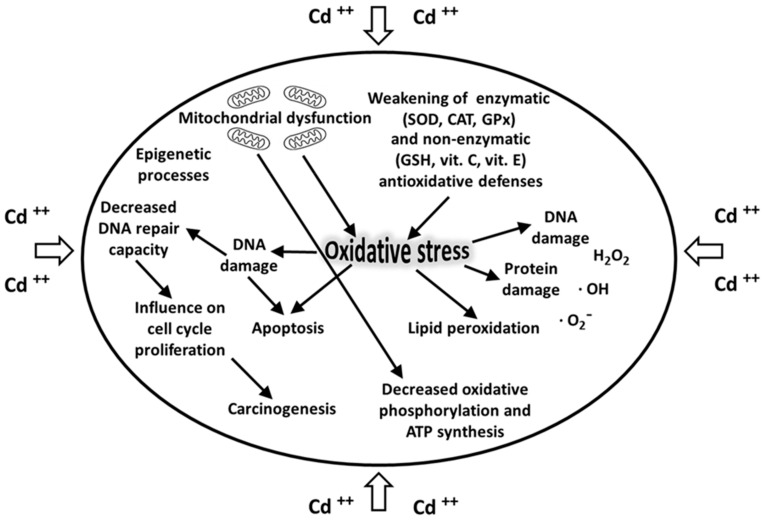
“The major Cd-induced carcinogenic mechanisms include the induction of inflammatory processes, oxidative stress, ROS, epigenetics, attenuation of apoptosis, damage to DNA, decreased DNA repair capacity, alteration in gene expression, cell proliferation, and aberrant DNA methylation [111,112,118,127].”
BackgroundRetractedThe C. elegans heterochronic gene lin-4 encodes small RNAs with antisense complementarity to lin-14
Lee, R. C., Feinbaum, R. L., & Ambros, V. (1993) · Cell · doi:10.1016/0092-8674(93)90529-y · Cited by 12,948 · cited 1×
“In the nematode Caenorhabditis elegans, lin-4 was the first miRNA to be discovered [122].”
BackgroundCurrent status of cadmium as an environmental health problem
Järup, L., & Åkesson, A. (2009) · Toxicology and Applied Pharmacology · doi:10.1016/j.taap.2009.04.020 · Cited by 2,355 · cited 1×
“Thus, heavy metal contamination of both drinking water and rivers with Cd may occur especially in areas near factories or mines [37].”
BackgroundMitochondria, oxidative stress and cell death
Ott, M., Gogvadze, V., Orrenius, S., & Zhivotovsky, B. (2007) · Apoptosis · doi:10.1007/s10495-007-0756-2 · Cited by 1,977 · cited 2×
“Excessive ROS production leads to a free radical attack of mitochondrial membrane phospholipids and mitochondrial membrane depolarization, which is a key step in the intrinsic pathway of apoptosis [85,86].”
BackgroundNickel: Human Health and Environmental Toxicology
Genchi, G., Carocci, A., Lauria, G., Sinicropi, M. S., & Catalano, A. (2020) · International Journal of Environmental Research and Public Health · doi:10.3390/ijerph17030679 · Cited by 1,602
Self-citationCadmium in soils and groundwater: A review
Kubier, A., Wilkin, R. T., & Pichler, T. (2019) · Applied Geochemistry · doi:10.1016/j.apgeochem.2019.104388 · Cited by 1,468 · cited 1×
“5) it remains in solution, in contrast to the typical fixation of other heavy metals [36].”
BackgroundA CADMIUM PROTEIN FROM EQUINE KIDNEY CORTEX
Margoshes, M., & Vallee, B. L. (1957) · Journal of the American Chemical Society · doi:10.1021/ja01574a064 · Cited by 1,300 · cited 1×
“Metallothionein was first identified in the kidney cortex of equines as a Cd-binding protein that is responsible for the accumulation of Cd in the tissues [89].”
BackgroundCadmium, Environmental Exposure, and Health Outcomes
Satarug, S., Garrett, S. H., Sens, M. A., & Sens, D. A. (2010) · Environmental Health Perspectives · doi:10.1289/ehp.0901234 · Cited by 1,164 · cited 1×
“In contrast, the half-life of Cd++ is very long (25–30 years) in the human body, where cadmium can unleash its toxic action [95,96].”
BackgroundMaking the life of heavy metal-stressed plants a little easier
Gratão, P. L., Polle, A., Lea, P. J., & Azevedo, R. A. (2005) · Functional Plant Biology · doi:10.1071/fp05016 · Cited by 1,156 · cited 1×
“Phytoremediation and nanoparticles are used as ecofriendly techniques and can be applied to both inorganic and organic pollutants, which are present in the water, soil, and air [145].”
BackgroundRepression of protein synthesis by miRNAs: how many mechanisms?
Pillai, R. S., Bhattacharyya, S. N., & Filipowicz, W. (2007) · Trends in Cell Biology · doi:10.1016/j.tcb.2006.12.007 · Cited by 1,108 · cited 1×
“MiRNA’s main function is to down-regulate gene expression by interfering with messenger RNA (mRNA) functions [117,118].”
Background
Research works printed but not linked: 5
- IARC IARC Monographs on the Evaluation of Carcinogenic Risks to Humans-Beryllium, Cadmium, Mercury, and Exposures in the Glass Manufacturing Industry Summary of Data Reported and Evaluation International Agency for Cancer Research-World Health Organization Geneva, Switzerland 1997 Volume 58 PMC7681476 8022054
- Prabu S.M. Shagirtha K. Cadmium and Apoptosis: A Molecular Approach Res. Rev. J. Toxicol. 2019 6 8 17
- Hagino N. Yoshioka Y. A study of the etiology of Itai-Itai disease J. Jpn. Orthop. Assoc. 1960 35 812 815
- Lakshmi B.V.S. Sudhakar M. Aparna M. Protective effect of black grapes on cadmium induced hepatotoxicity in rats World Pharm. Sci. 2014 2 276 282
- Final Review of Scientific Information on Cadmium Available online: https://www.unenvironment.org/resources/report/final-review-scientific-information-cadmium (accessed on 25 May 2020)
Cited by
Items 201–300 of 1,001
Yuan, J. S., Liu, R., Sheng, S., Fu, H., & Wang, X. (2022) · Frontiers in Plant Science · doi:10.3389/fpls.2022.889370 · Cited by 47
Kang, Y., Yao, Y., Liu, Y., Shi, M., Zhang, W., Zhang, R., Li, H., Qin, S., & Yang, X. (2023) · Chemical and Biological Technologies in Agriculture · doi:10.1186/s40538-023-00400-z · Cited by 50
Qiu, C., Richmond, M., Ma, Y., Zhang, S., Liu, W., Feng, X., Ahmed, I. M., & Wu, F. (2023) · Journal of Hazardous Materials · doi:10.1016/j.jhazmat.2023.133251 · Cited by 51
Nandan, A., Suresh, A., Saole, P., Jeevanasai, S. A., Ramprasad, C., Meili, L., Azelee, N. I. W., & Selvasembian, R. (2023) · Sustainability · doi:10.3390/su152416946 · Cited by 52
Ullah, I., Mateen, A., Ahmad, M. A., Munir, I., Iqbal, A., Al-Ghamdi, K. M. S., Al-Solami, H. M. A., & Siddiqui, M. F. (2021) · Environmental Pollution · doi:10.1016/j.envpol.2021.118508 · Cited by 49
Chen, Y., Zhou, C., Bian, Y., Fu, F., Zhu, B., Zhao, X., Zhang, M., Zhou, C., Yao, S., Zhang, Z., et al. (2022) · Ecotoxicology and Environmental Safety · doi:10.1016/j.ecoenv.2022.114376 · Cited by 48
Potential Application of Living Microorganisms in the Detoxification of Heavy Metals
Chen, R., Tu, H., & Chen, T. (2022) · Foods · doi:10.3390/foods11131905 · Cited by 53
“Subsequently, these biochemical changes result in abnormal apoptotic events that stimulate cell proliferation within the tissues [53].”
BackgroundTchekwagep, P. M. S., Crapnell, R. D., Banks, C. E., Betlem, K., Rinner, U., Canfarotta, F., Lowdon, J. W., Eersels, K., van Grinsven, B., Peeters, M., et al. (2022) · Chemosensors · doi:10.3390/chemosensors10080296 · Cited by 46
“Cadmium is toxic and has a propensity to bioaccumulate; prolonged cadmium exposure is linked to severe health implications, particularly damage to the bones, lungs, and kidneys [86].”
BackgroundDeng, P., Li, J., Lu, Y., Hao, R., He, M., Li, M., Tan, M., Gao, P., Wang, L., Hong, H., et al. (2023) · The Science of The Total Environment · doi:10.1016/j.scitotenv.2023.167039 · Cited by 50
Yang, Y., Wang, P., Guo, J., Ma, T., Hu, Y., Huang, L., Xing, B., He, Y., & Xi, J. (2023) · Cardiovascular Toxicology · doi:10.1007/s12012-023-09811-8 · Cited by 52
“Recent Studies indicate that metal toxicity can enhance the generation of reactive oxygen species (ROS) [32, 33].”
BackgroundParmar, K. S., & Patel, K. M. (2025) · World Journal of Microbiology and Biotechnology · doi:10.1007/s11274-025-04424-5 · Cited by 49
“For example, species such as Chlorella , Spirulina , Sargassum , and Ulva have demonstrated high biosorption capacities for metals like cadmium, lead, and chromium (Genchi et al. 2020).”
Choudhury, C., Mazumder, R., Biswas, R., & Sengupta, M. (2021) · Fish & Shellfish Immunology · doi:10.1016/j.fsi.2021.01.002 · Cited by 46
The Role of Electrospun Nanomaterials in the Future of Energy and Environment
Baghali, M., Jayathilaka, W. A. D. M., & Ramakrishna, S. (2021) · Materials · doi:10.3390/ma14030558 · Cited by 48
Albaqami, N. M., & Hamza, R. Z. (2021) · Coatings · doi:10.3390/coatings11050594 · Cited by 46
“Cd is a highly common environmental pollutant and it is emitted into the atmosphere and aquatic environment, this heavy metal toxicity has increased dramatically during the 20th century [2].”
BackgroundLiu, Y., Kang, W., Liu, S., Li, J., Liu, J., Chen, X., Gan, F., & Huang, K. (2022) · The Science of The Total Environment · doi:10.1016/j.scitotenv.2022.157861 · Cited by 48
Li, S., Wang, H. Y., Zhang, Y., Huang, J., Chen, Z., Shen, R. F., & Zhu, X. F. (2023) · The Science of The Total Environment · doi:10.1016/j.scitotenv.2023.166644 · Cited by 47
Yu, S. D., Zehra, A., Sahito, Z. A., Wang, W., Chen, S., Feng, Y., He, Z. L., & Yang, X. (2023) · The Science of The Total Environment · doi:10.1016/j.scitotenv.2023.168993 · Cited by 45
Transcription factors involved in plant responses to cadmium-induced oxidative stress
Zhang, H., & Lu, L. (2024) · Frontiers in Plant Science · doi:10.3389/fpls.2024.1397289 · Cited by 66
Brdarić, E., Bajić, S. S., Đokić, J., Đurđić, S., Ruas‐Madiedo, P., Stevanović, M. M., Tolinački, M., Dinić, M., Mutić, J. J., Golić, N., et al. (2021) · Frontiers in Microbiology · doi:10.3389/fmicb.2021.759378 · Cited by 48
“Cd intoxication has been linked with various diseases, including cancer, diabetes mellitus, cardiovascular diseases, neurodegeneration, and osteomalacia (Genchi et al., 2020).”
BackgroundNutraceuticals: A New Challenge against Cadmium-Induced Testicular Injury
Marini, H. R., Micali, A. G., Squadrito, G., Puzzolo, D., Freni, J., Antonuccio, P., & Minutoli, L. (2022) · Nutrients · doi:10.3390/nu14030663 · Cited by 49
“Even if the causes of Cd-induced reproductive toxicity have been not yet fully elucidated [50], several mechanisms have been demonstrated, such as oxidative stress [34,51], DNA changes [52], apoptosis [53], inflammation [54], disruption of the BTB [45,46,55] and hormonal imbalance [44,56].”
BackgroundYıldız, C., Bayraktepe, D. E., Yazan, Z., & Önal, M. (2022) · Journal of Electroanalytical Chemistry · doi:10.1016/j.jelechem.2022.116205 · Cited by 45
Chen, D., Yao, Y., Xu, S., Li, X., Cui, W., & Xu, S. (2022) · Ecotoxicology and Environmental Safety · doi:10.1016/j.ecoenv.2022.113880 · Cited by 45
Hossain, E., Nesha, M., Chowdhury, M. A. Z., & Rahman, S. H. (2023) · PLoS ONE · doi:10.1371/journal.pone.0279043 · Cited by 50
A review of the health implications of heavy metals and pesticide residues on khat users
Oyugi, A. M., Kibet, J. K., & Adongo, J. O. (2021) · Bulletin of the National Research Centre/Bulletin of the National Research Center · doi:10.1186/s42269-021-00613-y · Cited by 50
Dashtbanei, S., & Keshtmand, Z. (2022) · Probiotics and Antimicrobial Proteins · doi:10.1007/s12602-022-09946-0 · Cited by 49
“This metal can be absorbed by humans in a variety of routes and via a wide spectrum of activities, including industrial proceedings, tobacco smoking, and contaminated food consumption [1].”
BackgroundZhan, J., Sun, T., Wang, X., Wu, H., & Yu, J. (2022) · The Science of The Total Environment · doi:10.1016/j.scitotenv.2022.160164 · Cited by 45
Machate, D. J. (2023) · Journal of Trace Elements and Minerals · doi:10.1016/j.jtemin.2023.100057 · Cited by 51
Górska, A., Markiewicz-Gospodarek, A., Markiewicz, R., Chilimoniuk, Z., Borowski, B., Trubalski, M., & Czarnek, K. (2023) · Brain Sciences · doi:10.3390/brainsci13060911 · Cited by 49
“The main pathological conditions in the tissues because of the action of cadmium are primarily cell apoptosis, caused by the production of reactive oxygen species, Ca2+ accumulation, upregulation of caspase-3 and downregulation of bcl-2, as well as p-53 deficiency [108,113].”
BackgroundHuman Health Effects of Chronic Cadmium Exposure
Zuhra, N., Akhtar, T., Yasin, R., Ghafoor, I., Asad, M., Qadeer, A., & Javed, S. (2024) · Springer eBooks · doi:10.1007/978-3-031-47390-6_3 · Cited by 44
Wang, X., Han, X., Guo, S., Ma, Y., & Zhang, Y. (2024) · BMC Public Health · doi:10.1186/s12889-024-17754-0 · Cited by 46
“Cd is associated with various diseases, including hypertension, diabetes, cancers, and coronary artery disease [7, 8].”
BackgroundCRISPR/Cas12a-Amplified Aptamer Switch Microplate Assay for Small Molecules
Zhu, F., Yu, H., & Zhao, Q. (2024) · Analytical Chemistry · doi:10.1021/acs.analchem.4c01452 · Cited by 47
Dai, S., Chen, Q., Jiang, M., Wang, B., Xie, Z., Yu, N., Zhou, Y., Li, S., Wang, L., Hua, Y., et al. (2021) · Environmental Pollution · doi:10.1016/j.envpol.2021.117127 · Cited by 45
The preferential accumulation of cadmium ions among various tissues in mice
Tai, Y.-T., Chou, S., Cheng, C.-Y., Ho, C.-T., Lin, H.-C., Jung, S., Chu, P., & Ko, F. (2022) · Toxicology Reports · doi:10.1016/j.toxrep.2022.01.002 · Cited by 46
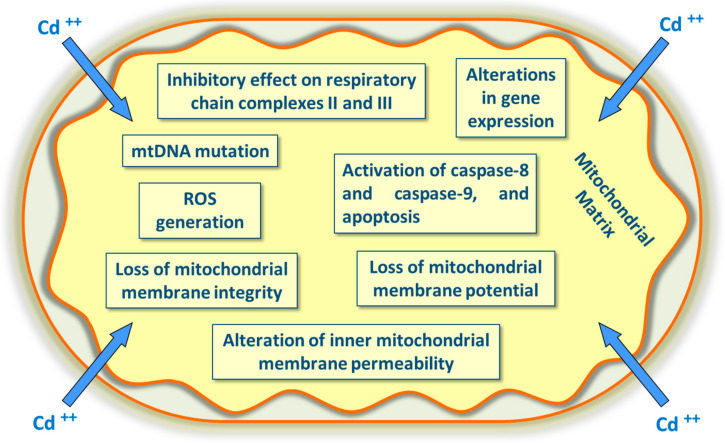
“Cd may induce cell apoptosis through affecting transcription factors [41,42], damage to mitochondrial due to accumulation of ROS [46] or increased permeability of mitochondrial inner membrane [43], or increased ER stress [47].”
BackgroundSolution-processed next generation thin film solar cells for indoor light applications
Mishra, S., Ghosh, S., Boro, B., Kumar, D., Porwal, S., Paul, M., Dixit, H., & Singh, T. (2022) · Energy Advances · doi:10.1039/d2ya00075j · Cited by 50
The Role of Trace Elements in Cardiovascular Diseases
Wechselberger, C., Meßner, B., & Bernhard, D. (2023) · Toxics · doi:10.3390/toxics11120956 · Cited by 46
“Cd is a toxic non-essential transition metal that poses severe health risks for both humans and animals and exerts no physiological functions [66].”
BackgroundNon-essential heavy metal effects in cardiovascular diseases: an overview of systematic reviews
Nucera, S., Serra, M. D. R., Caminiti, R., Ruga, S., Passacatini, L. C., Macrì, R., Scarano, F., Maiuolo, J., Bulotta, R., Mollace, R., et al. (2024) · Frontiers in Cardiovascular Medicine · doi:10.3389/fcvm.2024.1332339 · Cited by 50
Assessment of heavy metal contamination in seawater in Agadir coastline, Morocco
Azdem, D., Mabrouki, J., Moufti, A., Hajjaji, S. E., & Fatni, A. (2024) · Desalination and Water Treatment · doi:10.1016/j.dwt.2024.100129 · Cited by 43
Liu, H., Wang, H., Nie, Z., Tao, Z., Peng, H., Shi, H., Zhao, P., & Liu, H. (2024) · BMC Plant Biology · doi:10.1186/s12870-024-05032-5 · Cited by 43
“Cd is absorbed from soil to plants with a high degree of mobility and eventually harm human body health through the food chain [2].”
BackgroundWu, Y., Chen, L., Ma, Y., Hu, R., Wang, J., Li, W., Dong, J., Yang, T., Zhou, L., Chen, J., et al. (2022) · The Crop Journal · doi:10.1016/j.cj.2022.09.013 · Cited by 42
Revisiting the Role of NAG across the Continuum of Kidney Disease
Novak, R., Salai, G., Hrkač, S., Vojtušek, I. K., & Grgurević, L. (2023) · Bioengineering · doi:10.3390/bioengineering10040444 · Cited by 46
“In high chronic exposure situations, these proteins are depleted and the nephrotoxic effect of cadmium is triggered by oxidative stress and the release of reactive oxygen species [92] (Figure 2).”
BackgroundCadmium ion-imprinted polymers for adsorption and detection of cadmium ions
Qi, D., Zhang, H., Zhou, Z., & Ren, Z. (2023) · Journal of environmental chemical engineering · doi:10.1016/j.jece.2023.110804 · Cited by 42
Glial Perturbation in Metal Neurotoxicity: Implications for Brain Disorders
Ijomone, O. K., Inelo, U. I., Aneke, V. O., Olajide, T. S., Inyang, H. O., Omotosho, O. I., Oyerinde, T. O., Anadu, V. E., Gbayisomore, T. J., Okeowo, O. M., et al. (2025) · Neuroglia · doi:10.3390/neuroglia6010004 · Cited by 44
Laoye, B. J., Olagbemide, P. T., Ogunnusi, T. A., & Akpor, O. B. (2025) · F1000Research · doi:10.12688/f1000research.160148.4 · Cited by 58
Cadmium Accumulation in Cereal Crops and Tobacco: A Review
Mei, S., Lin, K., Williams, D. V., Liu, Y., Dai, H., & Cao, F. (2022) · Agronomy · doi:10.3390/agronomy12081952 · Cited by 41
Heavy metals and metalloids accumulation in common beans (Phaseolus vulgaris L.): A review
Silva–Gigante, M., Hinojosa‐Reyes, L., Rosas-Castor, J. M., Quero–Jiménez, P. C., Pino-Sandoval, D. A., & Guzmán‐Mar, J. L. (2023) · Chemosphere · doi:10.1016/j.chemosphere.2023.139010 · Cited by 46
Hu, R., Luo, H., Ji, Y., Wang, Z., Zheng, P., Ouyang, H., Wang, X., Wang, Y., Bao, B., Liao, G., et al. (2023) · The Science of The Total Environment · doi:10.1016/j.scitotenv.2023.164787 · Cited by 42
Cadmium toxicity and autophagy: a review
Shao, Y., Zheng, L., & Jiang, Y. (2024) · BioMetals · doi:10.1007/s10534-023-00581-y · Cited by 43
“Although the mechanisms of cadmium-induced cytotoxicity remain unclear, many studies have indicated that in addition to oxidative damage and apoptosis, autophagy dysfunction is one of the main mechanisms leading to Cd cytotoxicit (Genchi et al. 2020).”
Review of Cadmium Bioaccumulation in Fish Exposed to Cadmium
Lee, J.-W., Jo, A.-H., Kang, Y. J., Lee, D., Choi, C. Y., Kang, J., & Kim, J. (2024) · Toxics · doi:10.3390/toxics13010007 · Cited by 41
Boro, D., Chirania, M., Verma, A. K., Chettri, D., & Verma, A. K. (2025) · Environmental Monitoring and Assessment · doi:10.1007/s10661-025-13809-w · Cited by 45
“Among the various toxic metals, Cd is known to be carcinogenic in humans due to its cumulative nature, extremely long half-life, poor metabolic degradation and poor excretion (Genchi et al., 2020).”
Recent Application of Zebrafish Models in Atherosclerosis Research
Tang, D., Geng, F., Yu, C., & Zhang, R. (2021) · Frontiers in Cell and Developmental Biology · doi:10.3389/fcell.2021.643697 · Cited by 44
Krivokapić, M. (2021) · Water · doi:10.3390/w13060876 · Cited by 44
“Cadmium in aquatic systems accumulates in sediments where it presents a risk to benthic biota and under certain conditions may reenter the water column; accumulate in aquatic biota with a long half-life [67].”
BackgroundKarmous, I., Gammoudi, N., & Chaoui, A. (2022) · Journal of Plant Growth Regulation · doi:10.1007/s00344-022-10579-4 · Cited by 41
Cui, Q., Liu, D., Chen, H., Qiu, T., Zhao, S., Duan, C., Cui, Y., Zhu, X., Chao, H., Wang, Y., et al. (2022) · Journal of Hazardous Materials · doi:10.1016/j.jhazmat.2022.130425 · Cited by 41
Kaur, M., Shen, C., Wang, L., & Xu, M. (2022) · Nanomaterials · doi:10.3390/nano12223967 · Cited by 40
“Additionally, Cd can result in leaf necrosis, inhibition of antioxidant defense enzymes activity and nitrogen metabolism [24].”
Crystal structures and identification of novel Cd2+-specific DNA aptamer
Liu, H., Gao, Y., Mathivanan, J., Armour-Garb, Z., Shao, Z., Zhang, Y., Zhao, X., Shao, Q., Zhang, W., Yang, J., et al. (2023) · Nucleic Acids Research · doi:10.1093/nar/gkad239 · Cited by 40
Kolawole, T. O., Iyiola, O., Ibrahim, H., & Isibor, R. A. (2023) · Journal of Trace Elements and Minerals · doi:10.1016/j.jtemin.2023.100083 · Cited by 57
Metals on the Menu—Analyzing the Presence, Importance, and Consequences
Milanković, V., Tasić, T., Leskovac, A. R., Petrović, S. Ž., Mitić, M., Pašti, T. D. L., Novković, M., & Potkonjak, N. (2024) · Foods · doi:10.3390/foods13121890 · Cited by 41
“In general, the main cadmium carcinogenic mechanisms involve inflammation, generation of ROS, epigenetic changes, DNA damage, impaired DNA repair, oxidative stress, alterations in gene expression, and abnormal DNA methylation [235].”
BackgroundHassan, M., Guo-qin, H., Haider, F. U., Khan, T. A., Noor, M. A., Luo, F., Zhou, Q., Yang, B., Haq, M. I. U., & Iqbal, M. M. (2024) · Plants · doi:10.3390/plants13121706 · Cited by 49
“Globally, around 41,000 tons of Cd is emitted into the soil every year [32], and it has a half-life of 10–33 years, leading to longer soil persistence [4].”
BackgroundVijiyakumar, N., & Prince, S. E. (2024) · Toxicology and Environmental Health Sciences · doi:10.1007/s13530-024-00243-7 · Cited by 40
“This adaptive mechanism not only highlights the biochemical versatility of Cd, but also raises questions about its broader evolutionary and ecological effects—an under-explored area that is ripe for further study [4].”
InfluentialDas, R. K., Marma, M., Mizan, A., Chen, G., & Alam, M. S. (2025) · Toxics · doi:10.3390/toxics13090803 · Cited by 42
“It bioaccumulates in plants and transfers into the human body through food chains and has a 25–30 y half-life [68].”
Molecular Biology of Cadmium Toxicity in Saccharomyces cerevisiae
Öztürk, M., Metin, M., Altay, V., Filippis, L. D., Ünal, B. T., Khursheed, A., Gul, A., Hasanuzzaman, M., Nahar, K., Kawano, T., et al. (2021) · Biological Trace Element Research · doi:10.1007/s12011-021-02584-7 · Cited by 44
Role of endolysosome function in iron metabolism and brain carcinogenesis
Halcrow, P. W., Lynch, M. L., Geiger, J. D., & Ohm, J. E. (2021) · Seminars in Cancer Biology · doi:10.1016/j.semcancer.2021.06.013 · Cited by 42
Poli, V., Madduru, R., Aparna, Y., Kandukuri, V., & Motireddy, S. R. (2022) · Medical Sciences · doi:10.3390/medsci10010007 · Cited by 40
“An important indicator of oxidative cellular damage is also the presence of H2O2 which is a natural product of cellular metabolism Because it possesses relatively strong properties, H2O2 is highly reactive and found to be a potent toxic substance.”
BackgroundInfluentialIron Deficiency and Nephrotoxic Heavy Metals: A Dangerous Interplay?
Rawee, P., Kremer, D., Nolte, I. M., Leuvenink, H. G. D., Touw, D. J., de Borst, M. H., Bakker, S. J. L., Hanudel, M. R., & Eisenga, M. F. (2023) · International Journal of Molecular Sciences · doi:10.3390/ijms24065315 · Cited by 45
“Furthermore, cadmium exposure is linked to several cancer types, including lung, breast, prostate, nasopharynx pancreas, and kidney cancer, as well as impaired bone health [6,17].”
BackgroundCani, M., Turco, F., Butticè, S., Vogl, U. M., Buttigliero, C., Novello, S., & Capelletto, E. (2023) · Cancers · doi:10.3390/cancers15102836 · Cited by 45
“, by food or water intake or by cigarette smoking, where cadmium is also present [21].”
BackgroundRemoval of Inorganic Pollutants from Wastewater: Innovative Technologies and Toxicity Assessment
Kumar, V., Sharma, M., Sondhi, S., Kaur, K., Sharma, D., Sharma, S., & Utreja, D. (2023) · Sustainability · doi:10.3390/su152316376 · Cited by 45
Long-term exposure to cadmium disrupts neurodevelopment in mature cerebral organoids
Huang, Y., Guo, X., Lu, S., Chen, Q., Wang, Z., Lai, L., Liu, Q., Zhu, X., Luo, L., Li, J., et al. (2023) · The Science of The Total Environment · doi:10.1016/j.scitotenv.2023.168923 · Cited by 44
Somsunun, K., Prapamontol, T., Kuanpan, T., Santijitpakdee, T., Kohsuwan, K., Jeytawan, N., & Thongjan, N. (2023) · Toxics · doi:10.3390/toxics11121018 · Cited by 39
“Exposure to cadmium (Cd) has been identified as a potential immunotoxicant [28], with established associations with many cancers and pronounced toxic effects on the liver and kidneys [29].”
BackgroundFanfani, A., Papini, S., Bortolotti, E., Vagnoni, G., Saieva, C., Bonaccorsi, G., & Caini, S. (2024) · Cancer Epidemiology · doi:10.1016/j.canep.2024.102550 · Cited by 39
Xiao, M., Long, Z.-E., Fu, X., & Zou, L. (2024) · International Biodeterioration & Biodegradation · doi:10.1016/j.ibiod.2024.105884 · Cited by 40
Copper and cadmium co-contamination increases the risk of nitrogen loss in red paddy soils
Guo, Y., Cheng, S., Fang, H., Geng, J., Li, Y., Shi, F., Wang, H., Chen, L., & Zhou, Y. C. (2024) · Journal of Hazardous Materials · doi:10.1016/j.jhazmat.2024.135626 · Cited by 41
Ali, A. A., Alkanad, M., Alkanad, K., Venkatappa, A. H., Shankar, N. S., Warad, I., & Khanum, S. A. (2025) · Bioorganic Chemistry · doi:10.1016/j.bioorg.2025.108422 · Cited by 39
Heavy Metals in the Environment and Health Impact
Ati‐Hellal, M. E., & Hellal, F. (2021) · IntechOpen eBooks · doi:10.5772/intechopen.97204 · Cited by 42
“Adverse effects of cadmium toxicity include high blood pressure, reproductive disorders, fetal growth reduction, pregnancy loss, iron deficiency, gastrointestinal disorders, bone fracture, nephrotoxicity, renal dysfunction, neurological troubles, lung damage and lung cancer [1, 18, 24, 26].”
BackgroundCastro-Bedriñana, J. I., Chirinos-Peinado, D. M., Ríos-Ríos, E., Machuca-Campuzano, M., & Gómez-Ventura, E. (2021) · Ecotoxicology and Environmental Safety · doi:10.1016/j.ecoenv.2021.112382 · Cited by 41
Sardar, R., Ahmed, S., Akbar, M., Yasin, N. A., & Li, G. (2022) · Chemosphere · doi:10.1016/j.chemosphere.2022.133924 · Cited by 40
The role of ferroptosis in prostate cancer: a novel therapeutic strategy
Wang, Y., Ma, Y., & Jiang, K. (2022) · Prostate Cancer and Prostatic Diseases · doi:10.1038/s41391-022-00583-w · Cited by 40
“International cancer and other epidemiological research institutions suggest that Cd can lead to prostate cancer [24].”
BackgroundWaris, Z., Zahra, N., Shah, A. A., Usman, S., Shah, A. N., Rizwan, M., Casini, R., & Elansary, H. O. (2023) · Journal of Plant Growth Regulation · doi:10.1007/s00344-023-11007-x · Cited by 39
Zhang, K., Long, M., Dong, W., Li, J., Wang, X., Liu, W., Huang, Q., Ping, Y., Zou, H., Song, R., et al. (2024) · International Journal of Molecular Sciences · doi:10.3390/ijms25020763 · Cited by 38
“Importantly, absorbed Cd is difficult to remove from the body and has a long biological half-life of 10–30 years [4,5].”
BackgroundCadmium exposure and DNA damage (genotoxicity): a systematic review and meta-analysis
Nagaraju, R., Kalahasthi, R., Balachandar, R., & Bagepally, B. S. (2022) · Critical Reviews in Toxicology · doi:10.1080/10408444.2023.2173557 · Cited by 40
“Cadmium, a hazardous heavy metal on long-term exposure, is associated with various organ toxicity, including renal damage, bone dysfunctions, hepatic dysfunction, pulmonary edema, testicular damage, impaired hemopoietic system, atherogenic impairments, stroke, and peripheral artery and coronary heart diseases (J€arup…”
BackgroundInfluentialSchaefer, H. R., Flannery, B. M., Crosby, L. M., Pouillot, R., Farakos, S. M. S., Doren, J. M. V., Dennis, S. B., Fitzpatrick, S., & Middleton, K. B. (2023) · Regulatory Toxicology and Pharmacology · doi:10.1016/j.yrtph.2023.105487 · Cited by 38
Priya, P. S., Nandhini, P. P., & Arockiaraj, J. (2023) · Environmental Research · doi:10.1016/j.envres.2023.117103 · Cited by 45
Lv, Z., Hu, J., Huang, M., Pan, G., Xu, G., & Yang, M. (2024) · Ecotoxicology and Environmental Safety · doi:10.1016/j.ecoenv.2024.116026 · Cited by 39
Dong, M., Lü, J., Xue, H., Lou, Y., Li, S., Liu, T., Ding, Z., & Chen, X. (2024) · Pharmaceuticals · doi:10.3390/ph17030322 · Cited by 39
“Cadmium (Cd) is a toxic heavy metal that is found worldwide and seriously threatens the environment [1].”
BackgroundPollutants to pathogens: The role of heavy metals in modulating TGF-β signaling and lung cancer risk
Bhat, A. A., Moglad, E. H. O., Bansal, P., Kaur, H., Deorari, M., Thapa, R., Almalki, W. H., Kazmi, I. A., Alzarea, S. I., Kukreti, N., et al. (2024) · Pathology - Research and Practice · doi:10.1016/j.prp.2024.155260 · Cited by 41
Behaviour, ecological impacts of microplastics and cadmium on soil systems: A systematic review
Li, F., Yang, X., Zhang, Z., Jiang, Y., & Gong, Y. (2024) · Environmental Technology & Innovation · doi:10.1016/j.eti.2024.103637 · Cited by 41
Huang, N., Wang, B., Liu, S., Wang, K., Wang, R., Liu, F., & Chen, C. (2024) · Critical Reviews in Food Science and Nutrition · doi:10.1080/10408398.2024.2403036 · Cited by 42
“The accumulation of Cd in the environment primarily stems from anthropogenic activities, such as fossil fuel combustion, waste incineration, non-ferrous metal mining, and smelting (Genchi et al. 2020).”
Yu, Y.-B., Lee, J.-W., Jo, A.-H., Choi, Y. J., Choi, C. Y., Kang, J., & Kim, J. (2024) · Toxics · doi:10.3390/toxics12100699 · Cited by 38
“The inorganic components such as calcium and magnesium are important indicators for evaluating the toxic effect on ion homeostasis in fish exposed to metals [54].”
BackgroundWu, Y., Zhao, H., Xiao, M., Liu, H., He, H., Lü, P., Tao, Q., Tang, X., Zhang, Y., Huang, R., et al. (2024) · Journal of Hazardous Materials · doi:10.1016/j.jhazmat.2024.136795 · Cited by 40
Lu, K., Liu, T., Wu, X., Zhong, J., Ou, Z., & Wu, W.-J. (2023) · British Journal Of Nutrition · doi:10.1017/s0007114523000740 · Cited by 41
“An excess of reactive oxygen species may result in inflammation, eventually causing neuron injury and death (50,51) .”
BackgroundAnzum, R., Alawamleh, H. S. K., Bokov, D. O., Jalil, A. T., Hoi, H. T., Abdelbasset, W. K., Nguyen Thi, T. H. O. I., WIDJAJA, G., & Kurochkin, A. V. (2022) · Food Science and Technology · doi:10.1590/fst.80721 · Cited by 38
Hu, C., Liu, Y., Fang, X., Zhou, Z., Yu, Y., Sun, Y., & Shui, B. (2024) · Marine Pollution Bulletin · doi:10.1016/j.marpolbul.2024.116069 · Cited by 38
Taneja, S., Karaca, Ö., & Haritash, A. K. (2024) · Journal of Geochemical Exploration · doi:10.1016/j.gexplo.2024.107437 · Cited by 43
Impact of oxidative stress induced by heavy metals on ovarian function
Xiao, C., & Lai, D. (2024) · Journal of Applied Toxicology · doi:10.1002/jat.4664 · Cited by 46
Laoye, B. J., Olagbemide, P. T., Ogunnusi, T. A., & Akpor, O. B. (2025) · F1000Research · doi:10.12688/f1000research.160148.3 · Cited by 46
Heavy Metal Ion Removal: A Global Review of Wastewater Treatment Technologies
Nemeş, N. S., Negrea, A., Ciopec, M., Negrea, P., Duţeanu, N., & Duda-Seiman, D. M. (2026) · International Journal of Molecular Sciences · doi:10.3390/ijms27041741 · Cited by 42
Environmental toxicants, oxidative stress and health adversities: interventions of phytochemicals
Dwivedi, S., Kushalan, S., Paithankar, J. G., D’Souza, L. C., Hegde, S., & Sharma, A. (2022) · Journal of Pharmacy and Pharmacology · doi:10.1093/jpp/rgab044 · Cited by 44
Frat, L., Chertemps, T., Pesce, E., Bozzolan, F., Dacher, M., Planelló, R., Herrero, Ó., Llorente, L., Moers, D., & Siaussat, D. (2021) · Ecotoxicology and Environmental Safety · doi:10.1016/j.ecoenv.2021.112377 · Cited by 38
Zheng, M., Feng, D., Liu, H.-J., & Yang, G. (2022) · The Science of The Total Environment · doi:10.1016/j.scitotenv.2022.160389 · Cited by 42
Effects of Arbuscular Mycorrhizal Fungi on Alleviating Cadmium Stress in Medicago truncatula Gaertn
Li, W., Chen, K., Li, Q., Tang, Y., Jiang, Y., & Su, Y. (2023) · Plants · doi:10.3390/plants12030547 · Cited by 46
“Pollution with Cd is a primary environmental concern worldwide because of its diffusion, persistence, and harmful effects [1].”
BackgroundBojago, E., Tyagi, I., Ahamad, F., & Chandniha, S. K. (2023) · Physics and Chemistry of the Earth Parts A/B/C · doi:10.1016/j.pce.2023.103399 · Cited by 37
Metadata
- Authors
- Genchi, G., Sinicropi, M. S., Lauria, G., Carocci, A., & Catalano, A.
- Affiliations
- University of Calabria (IT)
- University of Bari Aldo Moro (IT)
- Corresponding author
- Sinicropi, Maria Stefania
- Carocci, Alessia
- Venue
- International Journal of Environmental Research and Public Health
- Publisher
- MDPI AG
- Published
- 2020-05-26
- Volume
- 17
- Issue
- 11
- Pages
- 3782
- ISSN
- 1660-4601 (ISSN-L)
- PMC
- PMC7312803
- OpenAlex
- W3032103849
- Cited by
- 2,722
- References
- 156
- Citations by year
- 2026: 401 · 2025: 590 · 2024: 615 · 2023: 486 · 2022: 373 · 2021: 228 · 2020: 26
- FWCI
- 24.11
- Type
- journal article
- Language
- en
- Open access
- gold
- dx.doi.org
- Licence
- Locations
- International Journal of Environmental Research and Public Health (publishedVersion, cc-by)
- PubMed Central (publishedVersion, cc-by)
- PubMed (publishedVersion)
- RePEc: Research Papers in Economics (submittedVersion)
- DOAJ (DOAJ: Directory of Open Access Journals) (submittedVersion)
- Archive of Doctoral Theses and Digital Collections (University of Calabria) (submittedVersion)
- CINECA IRIS Institutional Research Information System (University of Bari Aldo Moro) (submittedVersion, cc-by)
- Topics
- Physical Sciences › Environmental Science › Health, Toxicology and Mutagenesis › Heavy Metal Exposure and Toxicity
- Health Sciences › Nursing › Nutrition and Dietetics › Trace Elements in Health
- Physical Sciences › Environmental Science › Health, Toxicology and Mutagenesis › Environmental Toxicology and Ecotoxicology
- Keywords
- cadmium toxicity, cadmium exposure, osteoporosis, metallothionein, oxidative stress, mitochondrial dysfunction, reactive oxygen species, epigenetic modifications, DNA methylation, histone modifications, microRNA, titanium dioxide nanoparticles, Al2O3 nanoparticles, microbial fermentation, heavy metal contamination
- MeSH terms
- Animals, Cadmium, Cadmium Poisoning, Environmental Pollutants, Humans, Soil, Water Purification
About these checks
Registry, retraction, Cites and statistics results are computed, not judged, with one exception: a printed reference that no index lists is read once by a model before it counts as a citation error. Claims are extracted by a model and kept only when their quote appears verbatim in the text; each cited source is then checked, with a model’s help, for whether it says what the claim relies on. Those verdicts can be wrong — read the claim’s quote and the cited source before relying on one.
Statistics and arithmetic are recomputed, not judged.
Confidence bands are shown only for fields calibrated on our annotated test set. None is calibrated yet, so no band is shown.
What counts as a claim ›How we measure confidence ›How we check this ›
Are you an author, or do you see a problem with this page? Request a review
Data sources
Bibliographic data: Semantic Scholar, OpenAlex, Crossref.
Contains information from the Semantic Scholar Academic Graph Datasets, made available under the ODC Attribution License (ODC-BY 1.0).
Semantic Scholar’s data is described in: Kinney, R., et al. (2023). The Semantic Scholar Open Data Platform. arXiv:2301.10140.
