

The Effects of Cadmium Toxicity
Open accessThe DOI matches its Crossref record; 153 of the 156 references it cites were found in a registry or an index.
Abstract
Cadmium (Cd) is a toxic non-essential transition metal that poses a health risk for both humans and animals. It is naturally occurring in the environment as a pollutant that is derived from agricultural and industrial sources. Exposure to cadmium primarily occurs through the ingestion of contaminated food and water and, to a significant extent, through inhalation and cigarette smoking. Cadmium accumulates in plants and animals with a long half-life of about 25–30 years. Epidemiological data suggest that occupational and environmental cadmium exposure may be related to various types of cancer, including breast, lung, prostate, nasopharynx, pancreas, and kidney cancers. It has been also demonstrated that environmental cadmium may be a risk factor for osteoporosis. The liver and kidneys are extremely sensitive to cadmium’s toxic effects. This may be due to the ability of these tissues to synthesize metallothioneins (MT), which are Cd-inducible proteins that protect the cell by tightly binding the toxic cadmium ions. The oxidative stress induced by this xenobiotic may be one of the mechanisms responsible for several liver and kidney diseases. Mitochondria damage is highly plausible given that these organelles play a crucial role in the formation of ROS (reactive oxygen species) and are known to be among the key intracellular targets for cadmium. When mitochondria become dysfunctional after exposure to Cd, they produce less energy (ATP) and more ROS. Recent studies show that cadmium induces various epigenetic changes in mammalian cells, both in vivo and in vitro, causing pathogenic risks and the development of various types of cancers. The epigenetics present themselves as chemical modifications of DNA and histones that alter the chromatin without changing the sequence of the DNA nucleotide. DNA methyltransferase, histone acetyltransferase, histone deacetylase and histone methyltransferase, and micro RNA are involved in the epigenetic changes. Recently, investigations of the capability of sunflower (Helianthus annuus L.), Indian mustard (Brassica juncea), and river red gum (Eucalyptus camaldulensis) to remove cadmium from polluted soil and water have been carried out. Moreover, nanoparticles of TiO2 and Al2O3 have been used to efficiently remove cadmium from wastewater and soil. Finally, microbial fermentation has been studied as a promising method for removing cadmium from food. This review provides an update on the effects of Cd exposure on human health, focusing on the cellular and molecular alterations involved.
Overview
The claims and statistics of this paper haven’t been checked yet.
Free: it reads the open-access text and checks the first 5 claims that cite a source we can check. Create a free account to check every claim.
Integrity signals
Registry
Cites
Statistics
Figures
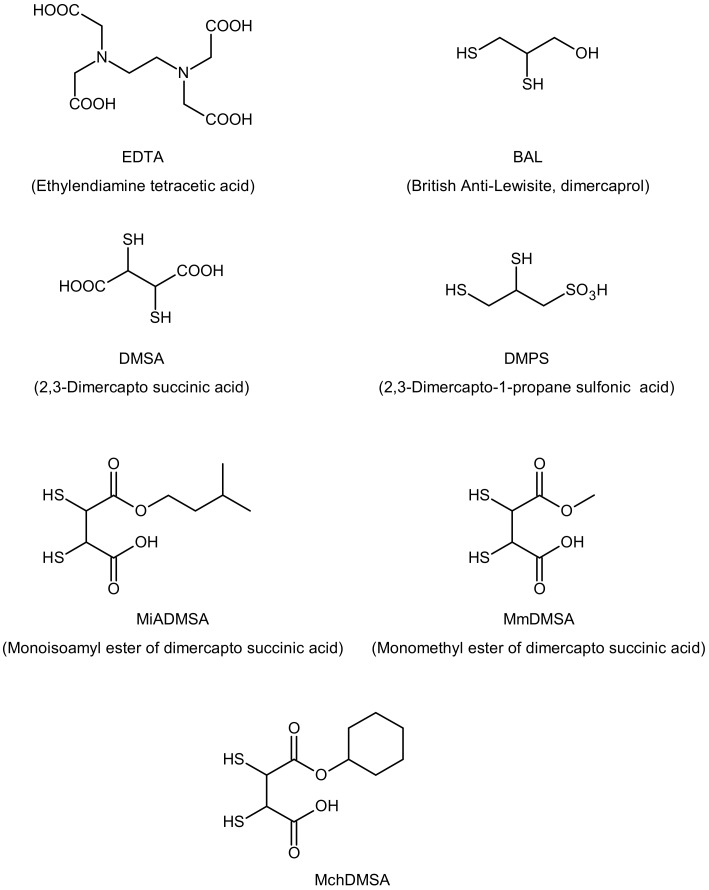
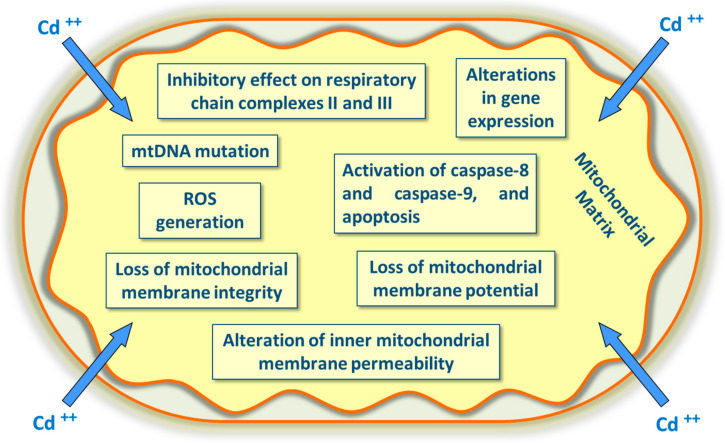
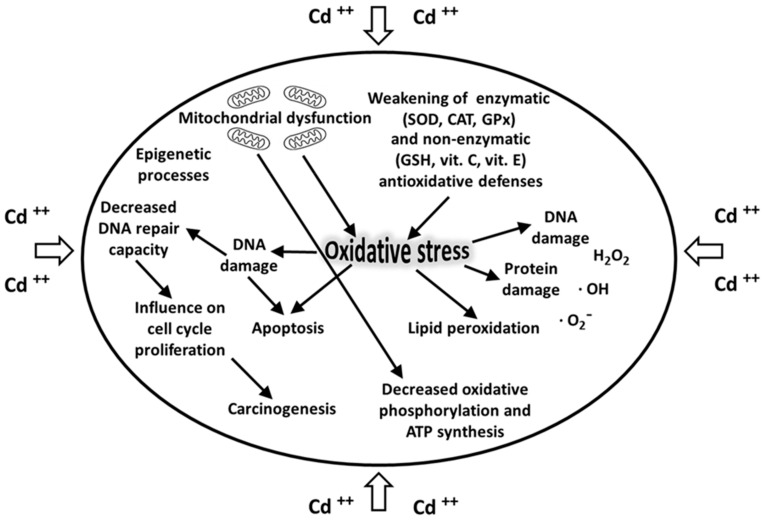
Verification
Claims the paper makes
The claims and statistics of this paper haven’t been checked yet.
Free: it reads the open-access text and checks the first 5 claims that cite a source we can check. Create a free account to check every claim.
Claims other papers make about this one
Each is checked against this paper’s own text: does it say what the citing paper says it does?
The cited source says what the claim attributes to it.
In the citing paper
“The human body is exposed to various toxic metals through inhalation, ingestion, and skin such as arsenic (As) (28), cadmium (Cd) (29), chromium (Cr) (30), lead (Pb) (31), and mercury (Hg) (23).”
From The dark side of beauty: an in-depth analysis of the health hazards and toxicological impact of synthetic cosmetics and personal care products (2024) · cites this paper as [28]
Self-check
Percentages, sums and reported differences re-computed from the paper’s own numbers.
The self-check needs the paper’s full text.
Citations
Cites
1 retracted
Zhou, Z., Wang, C., Liu, H., Huang, Q., Wang, M., & Lei, Y. (2013) · International Journal of Medical Sciences · doi:10.7150/ijms.6308 · Cited by 60 · cited 2×
“The major Cd-induced carcinogenic mechanisms include the induction of inflammatory processes, oxidative stress, ROS, epigenetics, attenuation of apoptosis, damage to DNA, decreased DNA repair capacity, alteration in gene expression, cell proliferation, and aberrant DNA methylation [111,112,118,127].”
BackgroundRetractedThe C. elegans heterochronic gene lin-4 encodes small RNAs with antisense complementarity to lin-14
Lee, R. C., Feinbaum, R. L., & Ambros, V. (1993) · Cell · doi:10.1016/0092-8674(93)90529-y · Cited by 12,948 · cited 1×
“In the nematode Caenorhabditis elegans, lin-4 was the first miRNA to be discovered [122].”
BackgroundCurrent status of cadmium as an environmental health problem
Järup, L., & Åkesson, A. (2009) · Toxicology and Applied Pharmacology · doi:10.1016/j.taap.2009.04.020 · Cited by 2,355 · cited 1×
“Thus, heavy metal contamination of both drinking water and rivers with Cd may occur especially in areas near factories or mines [37].”
BackgroundMitochondria, oxidative stress and cell death
Ott, M., Gogvadze, V., Orrenius, S., & Zhivotovsky, B. (2007) · Apoptosis · doi:10.1007/s10495-007-0756-2 · Cited by 1,977 · cited 2×
“Excessive ROS production leads to a free radical attack of mitochondrial membrane phospholipids and mitochondrial membrane depolarization, which is a key step in the intrinsic pathway of apoptosis [85,86].”
BackgroundNickel: Human Health and Environmental Toxicology
Genchi, G., Carocci, A., Lauria, G., Sinicropi, M. S., & Catalano, A. (2020) · International Journal of Environmental Research and Public Health · doi:10.3390/ijerph17030679 · Cited by 1,602
Self-citationCadmium in soils and groundwater: A review
Kubier, A., Wilkin, R. T., & Pichler, T. (2019) · Applied Geochemistry · doi:10.1016/j.apgeochem.2019.104388 · Cited by 1,468 · cited 1×
“5) it remains in solution, in contrast to the typical fixation of other heavy metals [36].”
BackgroundA CADMIUM PROTEIN FROM EQUINE KIDNEY CORTEX
Margoshes, M., & Vallee, B. L. (1957) · Journal of the American Chemical Society · doi:10.1021/ja01574a064 · Cited by 1,300 · cited 1×
“Metallothionein was first identified in the kidney cortex of equines as a Cd-binding protein that is responsible for the accumulation of Cd in the tissues [89].”
BackgroundCadmium, Environmental Exposure, and Health Outcomes
Satarug, S., Garrett, S. H., Sens, M. A., & Sens, D. A. (2010) · Environmental Health Perspectives · doi:10.1289/ehp.0901234 · Cited by 1,164 · cited 1×
“In contrast, the half-life of Cd++ is very long (25–30 years) in the human body, where cadmium can unleash its toxic action [95,96].”
BackgroundMaking the life of heavy metal-stressed plants a little easier
Gratão, P. L., Polle, A., Lea, P. J., & Azevedo, R. A. (2005) · Functional Plant Biology · doi:10.1071/fp05016 · Cited by 1,156 · cited 1×
“Phytoremediation and nanoparticles are used as ecofriendly techniques and can be applied to both inorganic and organic pollutants, which are present in the water, soil, and air [145].”
BackgroundRepression of protein synthesis by miRNAs: how many mechanisms?
Pillai, R. S., Bhattacharyya, S. N., & Filipowicz, W. (2007) · Trends in Cell Biology · doi:10.1016/j.tcb.2006.12.007 · Cited by 1,108 · cited 1×
“MiRNA’s main function is to down-regulate gene expression by interfering with messenger RNA (mRNA) functions [117,118].”
Background
Research works printed but not linked: 5
- IARC IARC Monographs on the Evaluation of Carcinogenic Risks to Humans-Beryllium, Cadmium, Mercury, and Exposures in the Glass Manufacturing Industry Summary of Data Reported and Evaluation International Agency for Cancer Research-World Health Organization Geneva, Switzerland 1997 Volume 58 PMC7681476 8022054
- Prabu S.M. Shagirtha K. Cadmium and Apoptosis: A Molecular Approach Res. Rev. J. Toxicol. 2019 6 8 17
- Hagino N. Yoshioka Y. A study of the etiology of Itai-Itai disease J. Jpn. Orthop. Assoc. 1960 35 812 815
- Lakshmi B.V.S. Sudhakar M. Aparna M. Protective effect of black grapes on cadmium induced hepatotoxicity in rats World Pharm. Sci. 2014 2 276 282
- Final Review of Scientific Information on Cadmium Available online: https://www.unenvironment.org/resources/report/final-review-scientific-information-cadmium (accessed on 25 May 2020)
Cited by
Items 901–1,000 of 1,001
Janković, S., Stošić, M., Miljaković, E. A., Ćurčić, M., Ćosić, D. Đ., Djordjević, A. B., Bulat, Z., & Antonijević, B. (2022) · Food Additives & Contaminants Part A · doi:10.1080/19440049.2022.2141467 · Cited by 12
“Some studies have revealed a probable relationship between chronic environmental Cd exposure and osteoporosis, which is likely to be related to kidney tubular damage (Jin et al. 2004; J€arup and Akesson 2009; Buha et al. 2019; Genchi et al. 2020).”
BackgroundInfluentialFang, X., Yuan, W., Li, Z., Zhang, X., Yu, J., Chen, J., Wang, X., & Qiu, X. (2022) · Environmental Research · doi:10.1016/j.envres.2022.114838 · Cited by 13
Chen, Y., Liu, X., Li, Q., Cai, X., Wu, W., Wu, Q., Yuan, W., Deng, X., Liu, Z., Zhao, S., et al. (2022) · International Journal of Biological Macromolecules · doi:10.1016/j.ijbiomac.2022.12.298 · Cited by 12
Li, X., Zhao, Z., Xiao, Q., He, N., Kong, J., Zhang, D., Li, R., & Shao, Q. (2023) · Environmental Technology & Innovation · doi:10.1016/j.eti.2023.103122 · Cited by 14
Mechanisms of Bacterial Resistance to Heavy Metals: A Mini Review
Fardami, A. Y., Umar, B. I., Sabitu, M., Abduljalil, L., Mahdi, A. A., Aliyu, A., Lawal, I., Abdullahi, I. D., Muhammad, S. Z., & Ahmadu, A. F. (2023) · UMYU Scientifica · doi:10.56919/usci.2123.010 · Cited by 15
Shen, J., Zhang, X., Yang, C., Lei, Z., Li, S., Ma, L., Geng, D., Ma, S., Liu, W., & Zhi-dong, Z. (2023) · Acta Metallurgica Sinica (English Letters) · doi:10.1007/s40195-023-01580-1 · Cited by 12
Proteome insights of citric acid-mediated cadmium toxicity tolerance in Brassica napus L.
Mittra, P. K., Roy, S. K., Rahman, M. A., Naimuzzaman, M., Kwon, S.-J., Yun, S. H., Cho, K., Katsube‐Tanaka, T., Shiraiwa, T., & Woo, S.-H. (2023) · Environmental Science and Pollution Research · doi:10.1007/s11356-023-30442-7 · Cited by 12
“Cd is transmitted to the human system through the food chain, and several health complications, including mild proteinuria, bone pain, coughing, anemia, and kidney failure, lead to serious health risks and even death (Genchi et al. 2020; Zhang et al. 2014).”
BackgroundMetal ions as effectual tools for cancer with traditional Chinese medicine
Wang, L., Xie, Y., Myrzagali, S., Pu, W., & Liu, E. (2023) · Acupuncture and Herbal Medicine · doi:10.1097/hm9.0000000000000083 · Cited by 14
“The International Agency for Research on Cancer considers Cd to be carcinogenic agent when inhaled [90] .”
BackgroundSanleandro, P. M., Delgado-Iniesta, M. J., Sáenz-Segovia, A. F., & Navarro, A. S. (2023) · Sustainability · doi:10.3390/su16010307 · Cited by 13
Ciupa, A. (2024) · RSC Advances · doi:10.1039/d4ra00036f · Cited by 12
Draghi, S., Spinelli, M., Fontanarosa, C., Curone, G., Amoresano, A., Pignoli, E., Cagnardi, P., Vigo, D., Arioli, F., Materazzi, S., et al. (2024) · Animals · doi:10.3390/ani14060827 · Cited by 14
“Non-essential elements like cadmium (Cd) and lead (Pb) have no physiological functions in the body of mammals and even at low concentrations can cause adverse health effects [15,16].”
BackgroundSverdrup, H. U., van Allen, O., & Haraldsson, H. V. (2024) · Water Air & Soil Pollution · doi:10.1007/s11270-024-07027-2 · Cited by 12
“(Bakker et al., 1998; Sverdrup & Ashmore, 2001; Sverdrup & Olafsdottir, 2020b; Genchi et al., 2020)”
Cadmium stress in barley seedlings: Accumulation, growth, anatomy and physiology
Özyiğit, İ. İ., ABAKİROVA, A., Hocaoğlu-Özyiğit, A., Kurmanbekova, G., Бекбалаевич, Ч. К., Yalçın, B., & Yalçın, İ. E. (2021) · International Journal of Life Sciences and Biotechnology · doi:10.38001/ijlsb.833611 · Cited by 15
“It is a soft, workable and silver color metal which cannot be found alone in nature [1-3].”
BackgroundZhang, X., Ma, L., Tang, Y., Han, J., Qi, Y., & Huang, D. (2021) · Environmental Toxicology · doi:10.1002/tox.23345 · Cited by 12
Shati, A. A., & El-kott, A. F. (2021) · Human & Experimental Toxicology · doi:10.1177/09603271211038739 · Cited by 12
“Overproduction of reactive oxygen species (ROS) and oxidative stress remains the major-known mechanism by which Cd ions induce neuroinflammation and neural damage in the hippocampus and other areas of the brain, which subsequently leads to memory loss and cognitive impairment.1-3 Indeed, although Cd ions are inactive,…”
BackgroundGermande, O., Ducret, T., Quignard, J., Deweirdt, J., Freund‐Michel, V., Errera, M., Cardouat, G., Vacher, P., Müller, B., Berger, P., et al. (2022) · Antioxidants · doi:10.3390/antiox11050847 · Cited by 13
“Metal exposure, such as cadmium exposure, induces a decrease in ATP production and an increase in ROS production, resulting in epigenetic modifications and leading to mitochondrial dysfunction associated with the development or aggravation of PH [61].”
BackgroundSun, J., Jiao, Z., Zhu, W., Li, X., Wang, P., Wang, J., Tai, T., Wang, Y., Wang, H., & Shi, G. (2022) · Biological Trace Element Research · doi:10.1007/s12011-022-03327-y · Cited by 12
Thooppeng, P., Junpradit, C., Rongsayamanont, W., Duangmal, K., & Prapagdee, B. (2022) · International Journal of Phytoremediation · doi:10.1080/15226514.2022.2152424 · Cited by 12
“Cadmium (Cd) naturally occurs in deposits on the earth’s crust, but it is an extremely toxic metal to humans and other organisms (Genchi et al. 2020).”
BackgroundGong, J.-Y., Ghosh, M., & Hoet, P. (2023) · Regulatory Toxicology and Pharmacology · doi:10.1016/j.yrtph.2023.105488 · Cited by 11
Liu, B., Chen, W., Geng, H., You, L., Qu, X., & Zhou, Y. (2024) · Scientia Horticulturae · doi:10.1016/j.scienta.2024.112845 · Cited by 12
Shi, Y., Gao, Z., Xu, B., Mao, J., Wang, Y., Liu, Z., & Wang, J. (2024) · Frontiers in Pharmacology · doi:10.3389/fphar.2024.1440877 · Cited by 11
“Its elimination from the body is relatively slow (Genchi et al., 2020).”
BackgroundMohammad, A., Asgedom, A. G., Mekonnen, K. N., Tesfay, A. H., Gebretsadik, T. T., & der Bruggen, B. V. (2024) · Heliyon · doi:10.1016/j.heliyon.2024.e36173 · Cited by 11
“It can cause chronic toxicity to human being and the environment [38].”
BackgroundYu, D., Liu, S., Yu, Y., Wang, Y., Li, L., Peijnenburg, W. J. G. M., Yuan, Y., & Peng, X. (2024) · Aquatic Toxicology · doi:10.1016/j.aquatox.2024.107062 · Cited by 11
Li, S., Ma, S., Wang, L., Zhan, D., Jiang, S., Zhang, Z., Xiong, M., Jiang, Y., Huang, Q., Zhang, J., et al. (2024) · Ecotoxicology and Environmental Safety · doi:10.1016/j.ecoenv.2024.117114 · Cited by 11
Ćwieląg‐Drabek, M., Nieć-Leśniak, J., Białek-Dratwa, A., Piekut, A., Kiciak, A., Dziubanek, G., & Szczepańska, E. (2024) · Biological Trace Element Research · doi:10.1007/s12011-024-04438-4 · Cited by 12
“The main sources of cadmium in food are seafood (shellfish, clams, oysters, crabs), meat (especially liver and kidneys), eggs, milk and dairy products, oilseeds, cocoa, beans, forest mushrooms, rice, wheat, green leafy vegetables, potatoes, carrots, and celery [14, 15].”
Wang, Y., Ye, Y., Ji, J., Wang, J.-S., Tang, L., Zhang, L., Li, Y., Sun, J., Sheng, L., & Sun, X. (2024) · Journal of Hazardous Materials · doi:10.1016/j.jhazmat.2024.136504 · Cited by 14
Zinicovscaia, I. I., Yushin, N. S., Peshkova, A., Noskov, M., Koshelev, V. A., Nosov, D., Maksimova, B. V., Dyakova, A., Apanasevich, P., & Dmitrieva, E. (2025) · Environmental Monitoring and Assessment · doi:10.1007/s10661-024-13439-8 · Cited by 11
“Anthropogenic sources of Cd include smelting and refining, fossil fuel combustion, the use of phosphate fertilizers, and the recycling of electronic waste (Genchi et al., 2020).”
Laoye, B. J., Olagbemide, P. T., Ogunnusi, T. A., & Akpor, O. B. (2025) · F1000Research · doi:10.12688/f1000research.160148.1 · Cited by 32
Han, X., Wang, J., Xiong, Z., Li, S., Jing, J., Wang, L., & Liang, T. (2025) · Journal of Hazardous Materials · doi:10.1016/j.jhazmat.2025.137595 · Cited by 11
Zhang, R.-J., Ji, X., Xie, Y., Xue, T., Liu, S., Tian, F.-X., & Pan, S.-F. (2025) · Ecotoxicology and Environmental Safety · doi:10.1016/j.ecoenv.2025.117926 · Cited by 11
Wang, R., Yan, J., Zhang, H., Zhu, X., Xie, D., Wang, T., & Li, X. (2025) · Toxicology · doi:10.1016/j.tox.2025.154169 · Cited by 13
Cadmium-induced mitochondrial dysfunction and oxidative damage in leaves of Solanum nigrum L
Teng, Y., Xiao, Y., Sun, H., Hu, J., Guo, J., & Yu, H. (2025) · Plant Physiology and Biochemistry · doi:10.1016/j.plaphy.2025.110016 · Cited by 11
Bouchiba, E., Ellafi, A., Ferrer, A. V., Younes, S. B., Haffouz, A., HadjKacem, B., Elgharbi, F., López‐Maldonado, E. A., Raldúa, D., Gómez‐Canela, C., et al. (2025) · Environmental Science and Pollution Research · doi:10.1007/s11356-025-36518-w · Cited by 12
“…among the top five carcinogens, has been demonstrated to stimulate carcinogenesis and disrupt cell signaling pathways and gene expression (Chen et al. 2019; Genchi et al. 2020), while the second has been shown to display a cancer risk that exceeds the safety level for adults and children.”
Wang, H., Lim, J. J., Gu, H., Xia, Z., & Cui, J. Y. (2025) · Toxicology · doi:10.1016/j.tox.2025.154265 · Cited by 14
Impact of Heavy Metals as Trace Elements on the Ecosystem and Health
Teschke, R., Chien, N. X., & Xuan, T. D. (2025) · Recent Progress in Nutrition · doi:10.21926/rpn.2504023 · Cited by 14
A concise review on cadmium in fertilizers: Soil-plant interactions, health risks, and solutions
Lee, T. M., Wong, C. F., Man, Y. B., & Wong, M. H. (2025) · Sustainable Horizons · doi:10.1016/j.horiz.2025.100166 · Cited by 17
Ullah, I., Akhtar, S., Jehan, T., Adnan, M., Sardar, T., Khan, N., & Nawab, J. (2025) · Soil and Sediment Contamination An International Journal · doi:10.1080/15320383.2025.2595645 · Cited by 11
“The concentrations (mg.kg plant growth and are known to be carcinogenic with prolonged exposure, potentially leading to renal, skin, and liver cancers (Genchi et al. 2020; Nawab et al. 2021).”
Cancer and Environmental Xenobiotics: Mechanisms, Controversies, and Innovations
Mafe, A. N., & Büsselberg, D. (2025) · Journal of Xenobiotics · doi:10.3390/jox16010002 · Cited by 13
“Cadmium has been associated with lung and prostate cancer, arsenic exposure through drinking water is strongly tied to skin, bladder, and liver cancers, and chromium (VI) is a well-established occupational carcinogen for lung cancer [214].”
Seaweed bioactives: A comprehensive review of their nutritional, medicinal, and functional roles
Elango, A. C., Sankaranarayanan, M., & Ganapathy, N. R. V. (2026) · iScience · doi:10.1016/j.isci.2026.115647 · Cited by 14
“197 Among heavy metals, Cd poses the highest risk of 1.73 for stroke.”
InfluentialPhytoplankton Susceptibility Towards Toxic Heavy Metal Cadmium: Mechanism and Its Recent Updates
Permana, R., & Akbarsyah, N. (2021) · World News of Natural Sciences · doi:10.5281/zenodo.18460688 · Cited by 11
Selenium alleviates cadmium-induced aging via mitochondrial quality control in the livers of sheep
Xiong, Z., Yang, F., Xu, T., Yang, Y., Wang, F., Zhou, G., Wang, Q., Guo, X., Xing, C., Bai, H., et al. (2022) · Journal of Inorganic Biochemistry · doi:10.1016/j.jinorgbio.2022.111818 · Cited by 11
Sugiharto, Winarni, D., Wibowo, A. T., Islamatasya, U., Bhakti, I. N., Nisa, N., Tan, B. C., & Manuhara, Y. S. W. (2022) · HAYATI Journal of Biosciences · doi:10.4308/hjb.29.4.479-486 · Cited by 11
Ekayoda, O., Kadiri, H. E., & Ohwokevwo, O. A. (2022) · Galician Medical Journal · doi:10.21802/gmj.2022.4.4 · Cited by 11
“According to Kadiri (2018) and Genchi et al. (2020), the lung is a target organ of CN and Cd toxicity, mainly through inhalation, resulting in alveolar congestion, pulmonary edema, and respiratory stress [28, 29].”
BackgroundResultResearch progress on biological functions of lncRNAs in major vegetable crops
Li, N., Wang, Y., Zheng, R., & Song, X. (2022) · Vegetable Research · doi:10.48130/vr-2022-0014 · Cited by 12
Giarratano, E., Lompré, J. S., & Malanga, G. (2023) · Marine Environmental Research · doi:10.1016/j.marenvres.2023.106011 · Cited by 11
Dege, N. (2023) · Journal of Structural Chemistry · doi:10.1134/s0022476623040042 · Cited by 11
“Also, it is a risk factor for various organs, including the liver and kidney [2], bone, pulmonary [1], and systems, including skeletal, urinary, cardiovascular, nervous, and respiratory systems.”
BackgroundZhang, H., Yan, D., Zhu, Y., Li, Y., Zhang, G., Jiao, Y., Chen, Q., & Li, S. D. (2023) · Journal of Environmental Management · doi:10.1016/j.jenvman.2023.118108 · Cited by 11
Recent advancements in molecularly imprinted polymers for the removal of heavy metal ions and dyes
Khan, M. S., Syeda, S. E. Z., & Skwierawska, A. M. (2023) · Desalination and Water Treatment · doi:10.5004/dwt.2023.29458 · Cited by 12
Cai, W., Wang, W., Deng, H., Chen, B., Zhang, G., Wang, P., Yuan, T., & Zhu, Y. (2023) · Agronomy · doi:10.3390/agronomy13081978 · Cited by 13
Nyero, A., Achaye, I., Anywar, G., & Malinga, G. M. (2022) · Heliyon · doi:10.1016/j.heliyon.2023.e18999 · Cited by 11
“Long-term exposure to Cd may cause numerous types of cancer [30].”
BackgroundZhang, K., Ding, S., Yan, Y., Huang, X., Li, S., Zhao, W., Chen, X., & Dai, J. (2023) · Applied Soil Ecology · doi:10.1016/j.apsoil.2023.105109 · Cited by 13
Sarpong, L., Boadi, N. O., & Akoto, O. (2023) · Environmental Monitoring and Assessment · doi:10.1007/s10661-023-12016-9 · Cited by 11
“Lung cancer is an occupational hazard that miners are often at risk of because of inhalation exposure because cadmium is produced during the heating and melting of gold-bearing ores (smelting) (Genchi et al., 2020).”
BackgroundEvaluation of Cd-induced cytotoxicity in primary human keratinocytes
Romashin, D. D., Arzumanian, V. A., Poverennaya, E. V., Varshaver, A., Luzgina, N. G., & Rusanov, A. L. (2024) · Human & Experimental Toxicology · doi:10.1177/09603271231224458 · Cited by 11
“1,2 5 Cd contamination leads to dramatic consequences for human health, including neurodegenerative diseases, 6 several types of cancer, 1,7 and reproductive dysfunction.”
Reclamation of degraded soils: Analysis of selected parameters after organic/inorganic modifications
Szewczuk‐Karpisz, K., Tomczyk, A., Kercheva, M., Paparkova, T., Grygorczuk-Płaneta, K., Siryk, O., Kukowska, S., & Panek, R. (2024) · Journal of Soils and Sediments · doi:10.1007/s11368-024-03760-7 · Cited by 11
“The exposure to Cd can lead to the cancer development in different organs (Genchi et al. 2020).”
Antioxidant Defence: A Key Frontier in Conferring Cadmium Tolerance in Plants
Biswas, A., & Pal, S. (2024) · Springer water · doi:10.1007/978-3-031-54005-9_12 · Cited by 12
Weng, C.-Y., Jia, S., Wang, D., & Ma, W.-L. (2024) · Environmental Chemistry and Ecotoxicology · doi:10.1016/j.enceco.2024.07.007 · Cited by 11
Circulatory trace element variations in Alzheimer’s disease: a systematic review and meta-analysis
Qing, Y., Zheng, J., Qin, M., Liu, X., Dai, Z., Xu, X., Luo, Y., Li, S., Wang, L., Yang, S., et al. (2024) · Environmental Sciences Europe · doi:10.1186/s12302-024-00980-z · Cited by 12
“Cd is a toxic, non-essential transitional heavy metal that is widespread in the environment and enters the body mainly through diet and smoking, with a half-life of about 25–30 years in the human body [42].”
BackgroundMedico, F. L., Rizzo, P., Rotigliano, E., & Celico, F. (2025) · International Journal of Environmental Research and Public Health · doi:10.3390/ijerph22020182 · Cited by 12
Maheen, S. R., Zabihi, M., & Faghihi, M. (2025) · Diamond and Related Materials · doi:10.1016/j.diamond.2025.112294 · Cited by 12
Mottola, F., Santonastaso, M., Iovine, C., Frenzilli, G., Picchietti, S., Genualdo, V., & Rocco, L. (2021) · Environmental Science and Pollution Research · doi:10.1007/s11356-021-17645-6 · Cited by 11
“apoptosis, alteration of gene expression, and mitochondrial permeability, with the consequent development of pathologies in humans (Genchi et al. 2020).”
BackgroundOu, Y., Li, J., Wu, C.-C., Yu, T., Chen, W., Liao, S., Kuan, Y., Chen, Y., & Chen, C. (2022) · Food and Chemical Toxicology · doi:10.1016/j.fct.2022.112846 · Cited by 11
Song, B., Zhang, Y., Xiong, G., Luo, H., Zhang, B., Li, Y., Wang, Z., Zhou, Z., & Chang, X. (2022) · Cell Biology and Toxicology · doi:10.1007/s10565-022-09775-5 · Cited by 11
Winiarska‐Mieczan, A., Kwiecień, M., Bąkowski, M., Krusiński, R., Jachimowicz-Rogowska, K., Demkowska‐Kutrzepa, M., Kiczorowska, B., & Krupa, W. (2022) · Animals · doi:10.3390/ani12202838 · Cited by 11
“The half-life of Cd in soft tissues is between 25–30 years [2], while that of Pb is about 30 days [3].”
BackgroundA mini-review of toxicokinetics and toxicity of heavy metals in marine and freshwater fish
Mehouel, F., & Fowler, S. W. (2022) · Journal of the Hellenic Veterinary Medical Society · doi:10.12681/jhvms.25407 · Cited by 10
“Fish absorb inorganic arsenic via water and food whereas organic arsenic (arsenobetaine) is only accumulated from food (Hong et al., 2014).”
BackgroundDing, L., Zhu, H., Wang, K., Huang, R., Yu, W., Yan, B., Zhou, B.-H., Wang, H., Yang, Z., Liu, Z., et al. (2023) · Environmental Science and Pollution Research · doi:10.1007/s11356-023-31189-x · Cited by 10
“After it enters the body, Cd combines with erythrocyte albumin, enters the blood (Genchi et al. 2020), and accumulates in the liver, kidney, and other tissues, resulting in diseases of the liver, kidney, testis, bone, and other organs and tissues.”
Zhang, Y. Q., Huang, H., Luo, C., Zhang, X., Chen, Y., Yue, F., Xie, B., Chen, T., & Zou, C. (2024) · Nutrients · doi:10.3390/nu16101468 · Cited by 13
“…of lipid peroxidation, MDA’s content could represent how much peroxidation has occurred within liver cell membranes [39], whereas SOD and CAT are two key antioxidant enzymes in the antioxidant defense system, controlling the levels of various reactive oxygen species (ROS) in the organism [40].”
BackgroundLi, J., Wang, L., Huang, H.-C., Wu, Y., Dai, G., Fang, Z.-Q., Zhao, J.-L., Xia, K., Zeng, X., He, M., et al. (2024) · Journal of Hazardous Materials · doi:10.1016/j.jhazmat.2024.135007 · Cited by 10
Li, H., Bao, L., Pan, Y., Zhu, X., Cheng, J. R., Zhang, J., & Chu, W. (2024) · Ecotoxicology and Environmental Safety · doi:10.1016/j.ecoenv.2024.116863 · Cited by 10
Hamoud, Y. A., Zia‐ur‐Rehman, M., Mian, I. A., Usman, M., Rizwan, M., Shaghaleh, H., Mohiuddin, G., Alzahrani, Y. M., Alharby, H. F., Alsamadany, H., et al. (2024) · Environmental Technology & Innovation · doi:10.1016/j.eti.2024.103855 · Cited by 10
Zhang, Y., Man, J., Wen, L., Tan, S., Liu, S., Li, Y., Qi, P., Jiang, Q., & Wei, Y. (2024) · Molecular Plant Pathology · doi:10.1111/mpp.70013 · Cited by 10
“Cadmium (Cd) is a toxic, nonessential heavy metal that poses a severe threat to plants and animals, leading to a major issue in agri - cultural production (Genchi et al., 2020; Haider et al., 2021 ).”
BackgroundMoradi, M., Jahromi, M. G., Mirzaei, S., Ghanbari, E., Moradi, S., Afkar, F., Rezakhani, L., & Faramarzi, A. (2024) · Andrologia · doi:10.1155/and/5565361 · Cited by 13
Hadjadji, C., Devalloir, Q., Gaillard, C., van den Brink, N. W., & Scheifler, R. (2025) · Chemosphere · doi:10.1016/j.chemosphere.2024.144056 · Cited by 10
Chen, Z., Qu, H., Sun, J. G., Wang, T., Yuan, Y., Gu, J., Bian, J., Liu, Z., & Zou, H. (2025) · Frontiers in Pharmacology · doi:10.3389/fphar.2024.1533188 · Cited by 12
Pattnayak, S., Choudhury, S., Sahoo, U., Aparajita, P., Sahu, S., Mishra, M., Adhikari, R., & Hota, G. (2025) · Industrial & Engineering Chemistry Research · doi:10.1021/acs.iecr.4c03757 · Cited by 10
El‐Sayed, N. S., Dacrory, S., El‐Sakhawy, M., Hassan, E. B., & Kamel, S. M. (2025) · Adsorption · doi:10.1007/s10450-025-00610-x · Cited by 10
“Cadmium (Cd) is a highly poisonous heavy metal for humans, animals, and plants [1].”
Hou, R., Yang, J., Li, X., Wang, X., Du, W., Kang, W., Liu, J., Yang, T., Li, J., Wang, X., et al. (2025) · Archives of Toxicology · doi:10.1007/s00204-025-04011-5 · Cited by 10
“In addition, the effect of cadmium may also trigger the release of cytochrome c from mitochondria, which is a key step in initiating cell apoptosis (Checa and Aran 2020b; Genchi et al. 2020).”
Pharmacokinetics of metal excretion following different doses of sodium EDTA infusion
Schilling, K., Ujueta, F., Gao, S., Anderson, W. A., Escolar, E., Mon, A. C., Navas‐Acién, A., & Lamas, G. A. (2025) · Metallomics · doi:10.1093/mtomcs/mfaf010 · Cited by 10
“Urinary metal concentrations were normalized for hydration status using urine specific gravity. exposures, and genetic predispositions [ 1 , 34 , 36 ].”
Anwar, T., Qureshi, H., Kabir, T., Ahmad, Z., Siddiqi, E. H., Ullah, N., Naseem, M. T., Farraj, D. A. A., & Al‐Ghamdi, A. A. (2025) · Silicon · doi:10.1007/s12633-025-03317-4 · Cited by 13
“Additionally, Cd induces oxidative stress by generating reactive oxygen species (ROS), leading to cellular damage [6].”
Mai, X., Hu, K., Li, M., Lai, W., Zhou, Q., Wu, Y., & He, Q. (2025) · Food Chemistry · doi:10.1016/j.foodchem.2025.145310 · Cited by 10
Cadmium-mediated autophagy increases ferroptosis of ovarian granulosa cells
Lu, Y., Xu, Y., Gao, Y., Wan, X., & Chen, N. (2025) · Toxicology · doi:10.1016/j.tox.2025.154224 · Cited by 10
Singh, S., Santhiya, D., & Sharma, J. G. (2025) · Minerals Engineering · doi:10.1016/j.mineng.2025.109598 · Cited by 11
A review on biosensor approaches for the detection of hazardous elements in water
Chauhan, N., Sah, N., Saxena, K., & Jain, U. (2025) · Talanta Open · doi:10.1016/j.talo.2025.100536 · Cited by 11
Ren, Y., Su, Y., Li, J., Zhang, H., Yang, Y., Li, Y., Chen, J., Pang, X., Zhang, Z., & Han, J. (2025) · Frontiers in Plant Science · doi:10.3389/fpls.2025.1642230 · Cited by 10
“These growth impairments are closely related to Cd-induced oxidative stress, disruption of essential nutrient uptake, impaired photosynthetic ef fi ciency, and altered metabolic activities (Genchi et al., 2020; Hassan et al., 2024).”
Shehzad, M. K., Ali, A., Qasim, S., Mumtaz, A., Hussain, M. A., Fawy, K. F., Nishan, U., Azhar, I., Abbas, M. A., & Abbas, A. (2025) · Journal of Industrial and Engineering Chemistry · doi:10.1016/j.jiec.2025.10.034 · Cited by 10
Galindo‐Prieto, B., & Mudway, I. (2025) · Analytica Chimica Acta · doi:10.1016/j.aca.2025.344826 · Cited by 14
Jolaosho, T. L., Elegbede, I. O., Ndimele, P. E., Marouani, M., Yusuf, A. O., Omoregha, J. K., Mustapha, A. A., Hungbo, J. J., & Rasaq, M. F. (2025) · Scientific Reports · doi:10.1038/s41598-025-22727-3 · Cited by 10
Ivan, J., Niesner, K. B., Bláha, M., Weissmannová, H. D., & Adamec, V. (2026) · Management of Environmental Quality An International Journal · doi:10.1108/meq-06-2025-0420 · Cited by 11
Ullah, I., Akhtar, S., Adnan, M., & Nawab, J. (2026) · Soil and Sediment Contamination An International Journal · doi:10.1080/15320383.2026.2629614 · Cited by 10
“…women; carcinogenic agents causing cancers of different organs, including the lungs, prostate, and kidneys; atherosclerosis and cardiovascular diseases; effects on spermatogenesis and oogenesis; impaired liver functioning, etc. (IARC 1993; Genchi et al. 2020; Hazou et al. 2021; Degbe et al. 2023).”
Abdallah, S. B., Sefi, M., Soudani, N., Hamdi, A., Bejaoui, S., Issaoui, H., Cafsi, M. E., & Karray‐Bouraoui, N. (2021) · Environmental Science and Pollution Research · doi:10.1007/s11356-021-15497-8 · Cited by 10
Сергеевич, Д. П., Ощепкова, Е. А., Ivanisenko, T., & Иванисенко, В. А. (2021) · Vavilov Journal of Genetics and Breeding · doi:10.18699/vj21.065 · Cited by 10
Sun, Q., Cui, X., Wang, Y., Zhang, P., & Lü, W. (2022) · Molecules · doi:10.3390/molecules27030590 · Cited by 11
“Cadmium is highly harmful to plants, animals, and human health [1].”
BackgroundChronic Microplastic Exposure and Cadmium Accumulation in Blue Crabs
Hernández‐López, M. J., & Romero, D. (2022) · International Journal of Environmental Research and Public Health · doi:10.3390/ijerph19095631 · Cited by 10
“In vertebrates, it accumulates in organs such as the kidney and liver but is also found in invertebrates, such as plants and algae [9,10].”
BackgroundRoussi, Z., Kchikich, A., Nhhala, N., Krid, A., Ennoury, A., Asri, S. E., Zouaoui, Z., Nhiri, N., & Nhiri, M. (2022) · Biomass Conversion and Biorefinery · doi:10.1007/s13399-022-03542-6 · Cited by 10
“Cd exposure could disturb the balance between ROS production and scavenging, resulting in oxidative disorder [72].”
Pinedo-Torres, L. A., Bonilla‐Petriciolet, A., García-Arreola, M. E., Villagrana-Pacheco, Y., Castañeda-Miranda, A. G., & Berber-Mendoza, M. S. (2023) · Adsorption Science & Technology · doi:10.1155/2023/2018121 · Cited by 12
Syed, M. H., Rubab, S. A., Abbas, S. R., Qutaba, S., Zahari, M. A. K. M., & Abdullah, N. (2023) · Journal of Biochemical and Molecular Toxicology · doi:10.1002/jbt.23382 · Cited by 10
Li, B., Du, Z., Jiang, N., He, S., Shi, Y., Xiao, K., Xu, L., Wang, K.-S., Wang, X., Wu, L., et al. (2023) · Plant Molecular Biology Reporter · doi:10.1007/s11105-023-01387-5 · Cited by 12
“Cd is a highly toxic element to all forms of life and extremely inhibits the growth and development of plants (Genchi et al. 2020).”
Liao, J., Bi, S., Fang, Z., Deng, Q., Chen, Y., Sun, L., Jiang, Y., Huang, L., & Gooneratne, R. (2023) · Molecules · doi:10.3390/molecules28104217 · Cited by 10
“Most of the accumulated Cd is first absorbed in the intestine and then transported to other organs [3,4], mainly accumulating in the liver [5], kidneys [6], and intestine [7], resulting in varying degrees of damage to the organs [8].”
BackgroundUrbano, T., Verzelloni, P., Malavolti, M., Sucato, S., Polledri, E., Agnoli, C., Sieri, S., Natalini, N., Marchesi, C., Fustinoni, S., et al. (2023) · Journal of Trace Elements in Medicine and Biology · doi:10.1016/j.jtemb.2023.127298 · Cited by 11
An Overview of the Mechanisms of Cadmium-induced Toxicity in the Male Reproductive System
Antar, S. A., Halouani, A., Gad, C., & Al-Karmalawy, A. A. (2023) · Pharmaceutical Sciences · doi:10.34172/ps.2023.10 · Cited by 13
Metadata
- Authors
- Genchi, G., Sinicropi, M. S., Lauria, G., Carocci, A., & Catalano, A.
- Affiliations
- University of Calabria (IT)
- University of Bari Aldo Moro (IT)
- Corresponding author
- Sinicropi, Maria Stefania
- Carocci, Alessia
- Venue
- International Journal of Environmental Research and Public Health
- Publisher
- MDPI AG
- Published
- 2020-05-26
- Volume
- 17
- Issue
- 11
- Pages
- 3782
- ISSN
- 1660-4601 (ISSN-L)
- PMC
- PMC7312803
- OpenAlex
- W3032103849
- Cited by
- 2,722
- References
- 156
- Citations by year
- 2026: 401 · 2025: 590 · 2024: 615 · 2023: 486 · 2022: 373 · 2021: 228 · 2020: 26
- FWCI
- 24.11
- Type
- journal article
- Language
- en
- Open access
- gold
- dx.doi.org
- Licence
- Locations
- International Journal of Environmental Research and Public Health (publishedVersion, cc-by)
- PubMed Central (publishedVersion, cc-by)
- PubMed (publishedVersion)
- RePEc: Research Papers in Economics (submittedVersion)
- DOAJ (DOAJ: Directory of Open Access Journals) (submittedVersion)
- Archive of Doctoral Theses and Digital Collections (University of Calabria) (submittedVersion)
- CINECA IRIS Institutional Research Information System (University of Bari Aldo Moro) (submittedVersion, cc-by)
- Topics
- Physical Sciences › Environmental Science › Health, Toxicology and Mutagenesis › Heavy Metal Exposure and Toxicity
- Health Sciences › Nursing › Nutrition and Dietetics › Trace Elements in Health
- Physical Sciences › Environmental Science › Health, Toxicology and Mutagenesis › Environmental Toxicology and Ecotoxicology
- Keywords
- cadmium toxicity, cadmium exposure, osteoporosis, metallothionein, oxidative stress, mitochondrial dysfunction, reactive oxygen species, epigenetic modifications, DNA methylation, histone modifications, microRNA, titanium dioxide nanoparticles, Al2O3 nanoparticles, microbial fermentation, heavy metal contamination
- MeSH terms
- Animals, Cadmium, Cadmium Poisoning, Environmental Pollutants, Humans, Soil, Water Purification
About these checks
Registry, retraction, Cites and statistics results are computed, not judged, with one exception: a printed reference that no index lists is read once by a model before it counts as a citation error. Claims are extracted by a model and kept only when their quote appears verbatim in the text; each cited source is then checked, with a model’s help, for whether it says what the claim relies on. Those verdicts can be wrong — read the claim’s quote and the cited source before relying on one.
Statistics and arithmetic are recomputed, not judged.
Confidence bands are shown only for fields calibrated on our annotated test set. None is calibrated yet, so no band is shown.
What counts as a claim ›How we measure confidence ›How we check this ›
Are you an author, or do you see a problem with this page? Request a review
Data sources
Bibliographic data: Semantic Scholar, OpenAlex, Crossref.
Contains information from the Semantic Scholar Academic Graph Datasets, made available under the ODC Attribution License (ODC-BY 1.0).
Semantic Scholar’s data is described in: Kinney, R., et al. (2023). The Semantic Scholar Open Data Platform. arXiv:2301.10140.
