

COVID-19-Related Social Isolation Predispose to Problematic Internet and Online Video Gaming Use in Italy
Open accessThe DOI matches its Crossref record; 101 of the 101 references it cites were found in a registry or an index.
Abstract
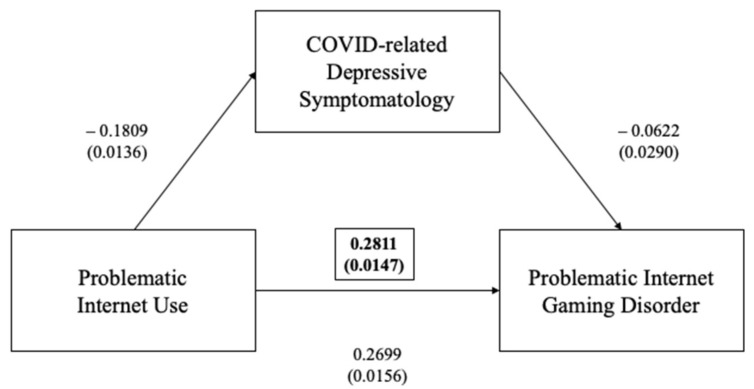
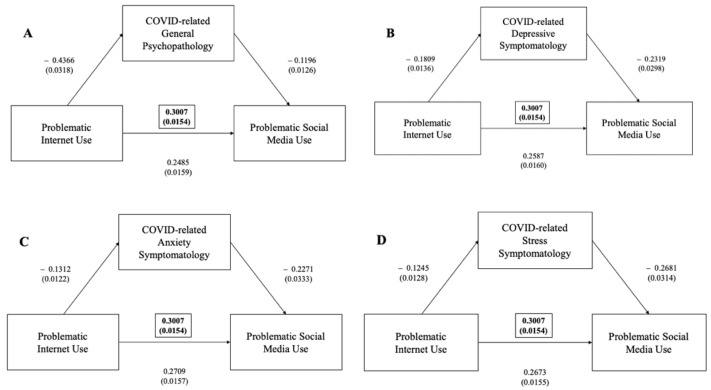
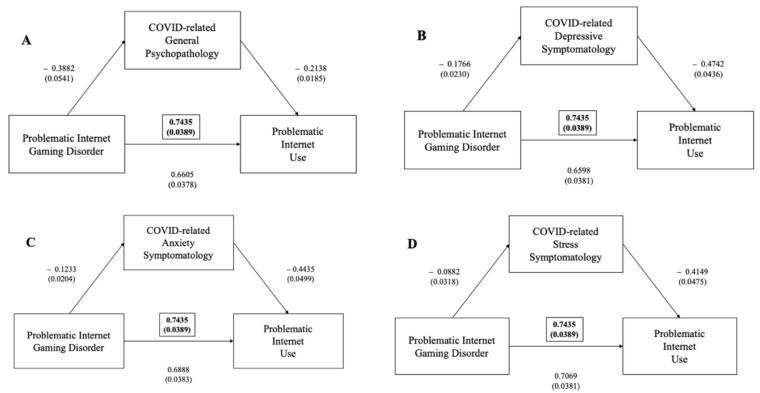
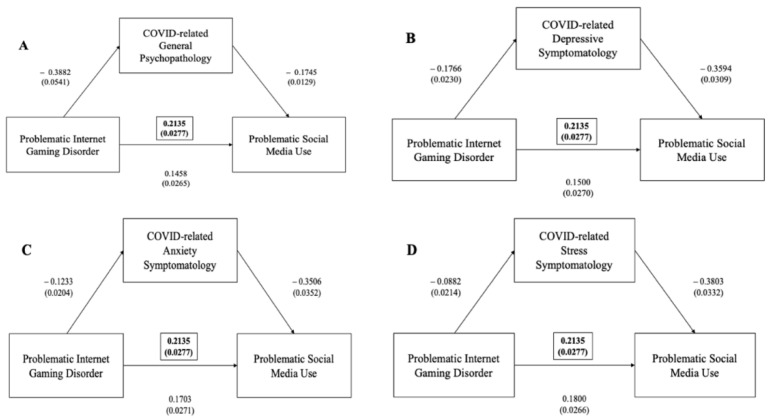
COVID-19 pandemic and its related containment measures have been associated with increased levels of stress, anxiety and depression in the general population. While the use of digital media has been greatly promoted by national governments and international authorities to maintain social contacts and healthy lifestyle behaviors, its increased access may also bear the risk of inappropriate or excessive use of internet-related resources. The present study, part of the COVID Mental hEalth Trial (COMET) study, aims at investigating the possible relationship between social isolation, the use of digital resources and the development of their problematic use. A cross sectional survey was carried out to explore the prevalence of internet addiction, excessive use of social media, problematic video gaming and binge watching, during Italian phase II (May–June 2020) and III (June–September 2020) of the pandemic in 1385 individuals (62.5% female, mean age 32.5 ± 12.9) mainly living in Central Italy (52.4%). Data were stratified according to phase II/III and three groups of Italian regions (northern, central and southern). Compared to the larger COMET study, most participants exhibited significant higher levels of severe-to-extremely-severe depressive symptoms (46.3% vs. 12.4%; p < 0.01) and extremely severe anxiety symptoms (77.8% vs. 7.5%; p < 0.01). We also observed a rise in problematic internet use and excessive gaming over time. Mediation analyses revealed that COVID-19-related general psychopathology, stress, anxiety, depression and social isolation play a significant role in the emergence of problematic internet use, social media addiction and problematic video gaming. Professional gamers and younger subjects emerged as sub-populations particularly at risk of developing digital addictions. If confirmed in larger and more homogenous samples, our findings may help in shedding light on possible preventive and treatment strategies for digital addictions.
Overview
The claims and statistics of this paper haven’t been checked yet.
Free: it reads the open-access text and checks the first 5 claims that cite a source we can check. Create a free account to check every claim.
Integrity signals
Registry
Cites
Statistics
Figures
Verification
Claims the paper makes
The claims and statistics of this paper haven’t been checked yet.
Free: it reads the open-access text and checks the first 5 claims that cite a source we can check. Create a free account to check every claim.
Claims other papers make about this one
Each is checked against this paper’s own text: does it say what the citing paper says it does?
The source backs part of the claim, not all of it — or backs it for a different population, condition or comparison.
In the citing paper
“Our results are in line with previous reports from Italy, confirming a substantial proportion of mental health issues and high levels of loneliness among young adults during the COVID-19 pandemic [69, 70].”
From Psychological correlates of perceived loneliness in college students before and during the COVID-19 stay-at-home period: a longitudinal study (2023) · cites this paper as [70]
Experimental — accuracy not yet measured
Self-check
Percentages, sums and reported differences re-computed from the paper’s own numbers.
The self-check needs the paper’s full text.
Citations
Cites
Diagnostic and Statistical Manual of Mental Disorders
American Psychiatric Association (2013) · doi:10.1176/appi.books.9780890425596 · Cited by 116,369
The psychological impact of quarantine and how to reduce it: Rapid review of the evidence
Brooks, S. K., Webster, R. K., Smith, L. E., Woodland, L., Wessely, S., Greenberg, N., & Rubin, G. J. (2020) · The Lancet · doi:10.1016/s0140-6736(20)30460-8 · Cited by 16,378 · cited 1×
“However, the unmediated online communication channels have also generated an uncontrollable amount of low-quality, biased and false contents, disinformation epidemiology (the so-called “COVID-19 infodemic”) and information overload, which might have in turn predisposed some to the onset of psychological distress sympt…”
BackgroundLovibond, P. F., & Lovibond, S. H. (1995) · Behaviour Research and Therapy · doi:10.1016/0005-7967(94)00075-u · Cited by 14,523 · cited 1×
“Furthermore, considering that DASS total score was established as the primary outcome in the ‘COVID-IT-mental health’ study [28], further analyses were conducted by grouping DASS total score and subscales categories according to the Lovibond and Lovibond [55] severity ratings and comparing our findings with those foun…”
ResultStatistical mediation analysis with a multicategorical independent variable
Hayes, A. F., & Preacher, K. J. (2014) · British Journal of Mathematical and Statistical Psychology · doi:10.1111/bmsp.12028 · Cited by 3,403 · cited 2×
“AQ physical aggression, TAS total score and all its subscales, as documented in previous studies [21,54].”
MethodResultInternet addiction: a systematic review of epidemiological research for the last decade
Kuss, D., Griffiths, M., Karila, L., & Billieux, J. (2014) · Current Pharmaceutical Design · doi:10.2174/13816128113199990617 · Cited by 1,374
Torous, J., Bucci, S., Bell, I. H., Kessing, L. V., Faurholt‐Jepsen, M., Whelan, P., Carvalho, A. F., Keshavan, M., Linardon, J., & Firth, J. (2021) · World Psychiatry · doi:10.1002/wps.20883 · Cited by 1,199 · cited 1×
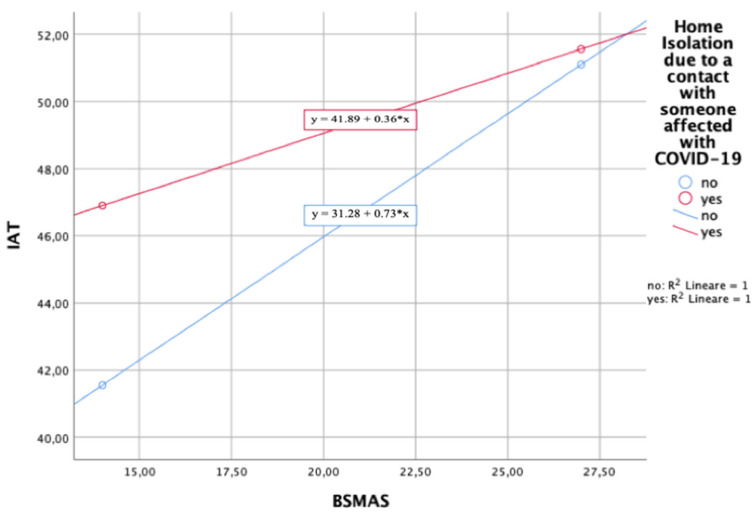
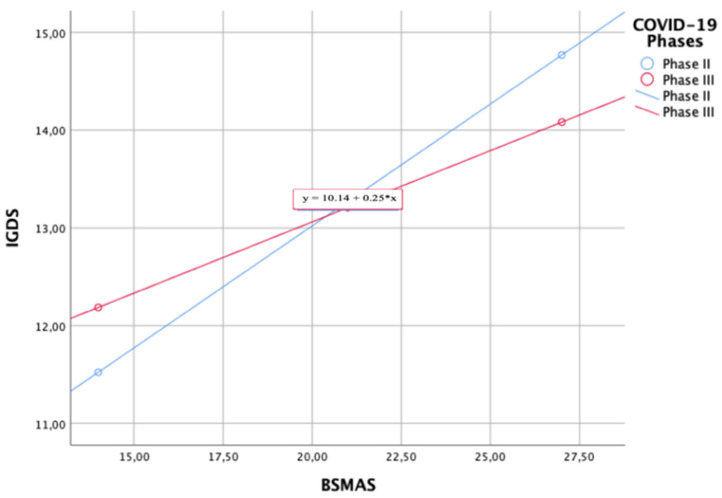
“In addition, a positive correlation was found between the IAT, IGDS and BSMS, by underlining the potential mediatory role of the internet in incenting online addictive behaviors such as PVGD and social media addiction [70].”
BackgroundThe consequences of the COVID-19 pandemic on mental health and implications for clinical practice
Fiorillo, A., & Gorwood, P. (2020) · European Psychiatry · doi:10.1192/j.eurpsy.2020.35 · Cited by 1,190
Self-citationModification in the Proposed Diagnostic Criteria for Internet Addiction
Beard, K. W., & Wolf, E. M. (2001) · CyberPsychology & Behavior · doi:10.1089/109493101300210286 · Cited by 1,008
Bottesi, G., Ghisi, M., Altoè, G., Conforti, E., Melli, G., & Sica, C. (2015) · Comprehensive Psychiatry · doi:10.1016/j.comppsych.2015.04.005 · Cited by 701 · cited 1×
“The Depression, Anxiety and Stress Scale (DASS-21, Italian short version) [46] is a self-reported questionnaire consisting of 21 items subdivided into three subscales: depression, anxiety and stress.”
BackgroundProblematic online gaming and the COVID-19 pandemic
King, D. L., Delfabbro, P. H., Billieux, J., & Potenza, M. N. (2020) · Journal of Behavioral Addictions · doi:10.1556/2006.2020.00016 · Cited by 680
Moccia, L., Janiri, D., Pepe, M., Dattoli, L., Molinaro, M., De Martin, V., Chieffo, D., Janiri, L., Fiorillo, A., Sani, G., et al. (2020) · Brain, Behavior, and Immunity · doi:10.1016/j.bbi.2020.04.048 · Cited by 605
Self-citationNORMATIVE DATA AND A SHORT FORM OF THE BARRATT IMPULSIVENESS SCALE
SPINELLA, M. (2007) · International Journal of Neuroscience · doi:10.1080/00207450600588881 · Cited by 602 · cited 1×
“The Barratt Impulsiveness Scale (BIS-15, Italian version) [47] is a short version of the self-reported Barratt Impulsiveness Scale (BIS-11) [48], consisting of 15 items and three subscales.”
MethodSun, Y., Li, Y., Bao, Y., Meng, S., Sun, Y., Schumann, G., Kosten, T., Strang, J., Lu, L., & Shi, J. (2020) · The American Journal on Addictions · doi:10.1111/ajad.13066 · Cited by 486 · cited 2×
“This situation may reinforce behaviors such as PIU, problematic video gaming disorder (PVGD), problematic TV series watching, PSMU, watching online pornography or surfing the internet [15,16,18,20,21,41].”
BackgroundResultThe relationship between impulsivity and Internet addiction in a sample of Chinese adolescents
Cao, F., Su, L., Liu, T., & Gao, X. (2007) · European Psychiatry · doi:10.1016/j.eurpsy.2007.05.004 · Cited by 452
Monacis, L., de Palo, V., Griffiths, M. D., & Sinatra, M. (2017) · Journal of Behavioral Addictions · doi:10.1556/2006.6.2017.023 · Cited by 446 · cited 2×
“The Bergen Social Media Addiction Scale (BSMAS, Italian version) [53] is a 6-item self-reported scale on the experiences in the use of social media over a 12-month period.”
BackgroundMethodAddressing mental health needs: an integral part of COVID‐19 response
Adhanom Ghebreyesus, T. (2020) · World Psychiatry · doi:10.1002/wps.20768 · Cited by 444
Maj, M., Stein, D. J., Parker, G., Zimmerman, M., Fava, G. A., De Hert, M., Demyttenaere, K., McIntyre, R. S., Widiger, T., & Wittchen, H. (2020) · World Psychiatry · doi:10.1002/wps.20771 · Cited by 435
Dong, H., Yang, F., Lu, X., & Hao, W. (2020) · Frontiers in Psychiatry · doi:10.3389/fpsyt.2020.00751 · Cited by 431
Király, O., Griffiths, M. D., Urbán, R., Farkas, J., Kökönyei, G., Elekes, Z., Tamás, D., & Demetrovics, Z. (2014) · Cyberpsychology, Behavior, and Social Networking · doi:10.1089/cyber.2014.0475 · Cited by 377
Fiorillo, A., Sampogna, G., Giallonardo, V., Del Vecchio, V., Luciano, M., Albert, U., Carmassi, C., Carrà, G., Cirulli, F., Dell’Osso, B., et al. (2020) · European Psychiatry · doi:10.1192/j.eurpsy.2020.89 · Cited by 375 · cited 1×
“In fact, the fear resulting from the COVID-19 situation and the lockdown-related consequences, together with high levels of stress and anxiety, have been mounting [28,29].”
BackgroundSelf-citationAnxiety and depression among general population in China at the peak of the COVID‐19 epidemic
Li, J., Yang, Z., Qiu, H., Wang, Y., Jian, L., Ji, J., & Li, K. (2020) · World Psychiatry · doi:10.1002/wps.20758 · Cited by 367
Towards a consensus around standards for smartphone apps and digital mental health
Torous, J., Andersson, G., Bertagnoli, A., Christensen, H., Cuijpers, P., Firth, J., Haim, A., Hsin, H., Hollis, C., Lewis, S., et al. (2019) · World Psychiatry · doi:10.1002/wps.20592 · Cited by 325
Bozoglan, B., Demirer, V., & Sahin, I. (2013) · Scandinavian Journal of Psychology · doi:10.1111/sjop.12049 · Cited by 311 · cited 1×
“This situation may reinforce behaviors such as PIU, problematic video gaming disorder (PVGD), problematic TV series watching, PSMU, watching online pornography or surfing the internet [15,16,18,20,21,41].”
BackgroundWhat is resilience: an affiliative neuroscience approach
Feldman, R. (2020) · World Psychiatry · doi:10.1002/wps.20729 · Cited by 290 · cited 1×
“This situation may reinforce behaviors such as PIU, problematic video gaming disorder (PVGD), problematic TV series watching, PSMU, watching online pornography or surfing the internet [15,16,18,20,21,41].”
BackgroundThe COVID-19 pandemic calls for spatial distancing and social closeness: not for social distancing!
Abel, T., & McQueen, D. (2020) · International Journal of Public Health · doi:10.1007/s00038-020-01366-7 · Cited by 274
Use caution when applying behavioural science to policy
IJzerman, H., Lewis, N. A., Przybylski, A. K., Weinstein, N., DeBruine, L., Ritchie, S. J., Vazire, S., Forscher, P. S., Morey, R. D., Ivory, J. D., et al. (2020) · Nature Human Behaviour · doi:10.1038/s41562-020-00990-w · Cited by 262
Adaptation of evidence‐based suicide prevention strategies during and after the COVID‐19 pandemic
Wasserman, D., Iosue, M., Wuestefeld, A., & Carli, V. (2020) · World Psychiatry · doi:10.1002/wps.20801 · Cited by 257
Psychiatric Comorbidity of Internet Addiction in College Students: An Interview Study
Ko, C.-H., Yen, J.-Y., Chen, C.-S., Chen, C.-C., & Yen, C.-F. (2008) · CNS Spectrums · doi:10.1017/s1092852900016308 · Cited by 253
Giallonardo, V., Sampogna, G., Del Vecchio, V., Luciano, M., Albert, U., Carmassi, C., Carrà, G., Cirulli, F., Dell’Osso, B., Nanni, M. G., et al. (2020) · Frontiers in Psychiatry · doi:10.3389/fpsyt.2020.00533 · Cited by 250
Self-citationMental Health Services in Lombardy during COVID-19 outbreak
Percudani, M., Corradin, M., Moreno, M., Indelicato, A., & Vita, A. (2020) · Psychiatry Research · doi:10.1016/j.psychres.2020.112980 · Cited by 238 · cited 1×
“Italy was the first European country to be seriously involved in the first wave of the COVID-19 epidemic starting on 21 February 2020 in the Lombardia region [1,2].”
BackgroundFirst, M. B., Gaebel, W., Maj, M., Stein, D. J., Kogan, C. S., Saunders, J. B., Poznyak, V. B., Gureje, O., Lewis‐Fernández, R., Maercker, A., et al. (2021) · World Psychiatry · doi:10.1002/wps.20825 · Cited by 236
Yan, W., Li, Y., & Sui, N. (2014) · Stress and Health · doi:10.1002/smi.2490 · Cited by 230 · cited 2×
“This situation may reinforce behaviors such as PIU, problematic video gaming disorder (PVGD), problematic TV series watching, PSMU, watching online pornography or surfing the internet [15,16,18,20,21,41].”
BackgroundResultKim, Y., Jeong, J.-E., Cho, H., Jung, D.-J., Kwak, M., Rho, M. J., Yu, H., Kim, D.-J., & Choi, I. Y. (2016) · PLOS ONE · doi:10.1371/journal.pone.0159788 · Cited by 227 · cited 2×
“Moreover, a further study could evaluate the impact of different affective temperaments, attachment styles and emotional dysregulation attitudes on the trend of PIU, PVGD and IA, as already preliminarily reported in previous studies focusing on the general psychological impact of the COVID-19 outbreak [28,81].”
BackgroundResultLin, M.-P. (2020) · International Journal of Environmental Research and Public Health · doi:10.3390/ijerph17228547 · Cited by 223 · cited 1×
“Problematic social media use (PSMU) has been defined as an excessive involvement in social media activities, leading to a disruption of day-to-day activities and interpersonal relationships and the loss of control over social network use, which in turn may lead the subject to develop a strong psychological need to be…”
BackgroundJo, Y. S., Bhang, S. Y., Choi, J. S., Lee, H. K., Lee, S. Y., & Kweon, Y.-S. (2019) · Journal of Clinical Medicine · doi:10.3390/jcm8070945 · Cited by 207 · cited 1×
“Regarding the PVGD, our sample seems likely representative and therefore useful in exploring the impact of the COVID-19 outbreak on PVGD, according to the ICD-11 definition [58,74].”
MethodDefining pathological social withdrawal: proposed diagnostic criteria for hikikomori
Kato, T. A., Kanba, S., & Teo, A. R. (2020) · World Psychiatry · doi:10.1002/wps.20705 · Cited by 198
Monacis, L., Palo, V. D., Griffiths, M. D., & Sinatra, M. (2016) · Journal of Behavioral Addictions · doi:10.1556/2006.5.2016.083 · Cited by 192 · cited 2×
“The Internet Gaming Disorder Scale (IGDS-short form, Italian version) [44] is a 9item self-reported tool to assess IGD according to the DSM-5 diagnostic criteria [45].”
BackgroundMethodInternet addiction disorder: Prevalence in an Italian student population
Poli, R., & Agrimi, E. (2012) · Nordic Journal of Psychiatry · doi:10.3109/08039488.2011.605169 · Cited by 182
Pornography use in the setting of the COVID-19 pandemic
Mestre-Bach, G., Blycker, G. R., & Potenza, M. N. (2020) · Journal of Behavioral Addictions · doi:10.1556/2006.2020.00015 · Cited by 180 · cited 1×
“This situation may reinforce behaviors such as PIU, problematic video gaming disorder (PVGD), problematic TV series watching, PSMU, watching online pornography or surfing the internet [15,16,18,20,21,41].”
BackgroundRojnic Kuzman, M., Vahip, S., Fiorillo, A., Beezhold, J., Pinto da Costa, M., Skugarevsky, O., Dom, G., Pajevic, I., Peles, A. M., Mohr, P., et al. (2021) · European Psychiatry · doi:10.1192/j.eurpsy.2021.2215 · Cited by 179
Self-citationSiste, K., Hanafi, E., Sen, L. T., Christian, H., Adrian, Siswidiani, L. P., Limawan, A. P., Murtani, B. J., & Suwartono, C. (2020) · Frontiers in Psychiatry · doi:10.3389/fpsyt.2020.580977 · Cited by 170
Colder Carras, M., Van Rooij, A. J., Van de Mheen, D., Musci, R., Xue, Q.-L., & Mendelson, T. (2017) · Computers in Human Behavior · doi:10.1016/j.chb.2016.11.060 · Cited by 166
Preventing suicide in the context of the COVID‐19 pandemic
McIntyre, R. S., & Lee, Y. (2020) · World Psychiatry · doi:10.1002/wps.20767 · Cited by 162
Fossati, A., Maffei, C., Acquarini, E., & Ceglie, A. D. (2003) · European Journal of Psychological Assessment · doi:10.1027//1015-5759.19.1.54 · Cited by 160
Lockdown and Isolation: Psychological Aspects of Covid-19 Pandemic in the General Population.
(2020) · PubMed Central · doi:10.36131/cn20200205 · Cited by 156
Social Media Use During Social Distancing
Wiederhold, B. K. (2020) · Cyberpsychology Behavior and Social Networking · doi:10.1089/cyber.2020.29181.bkw · Cited by 138
Loneliness and Problematic Internet Use during COVID-19 Lock-Down
Alheneidi, H., AlSumait, L., AlSumait, D., & Smith, A. P. (2021) · Behavioral Sciences · doi:10.3390/bs11010005 · Cited by 138
A pandemic of social isolation?
Holt‐Lunstad, J. (2021) · World Psychiatry · doi:10.1002/wps.20839 · Cited by 130
Psychiatry in the age of COVID‐19
Unützer, J., Kimmel, R. J., & Snowden, M. (2020) · World Psychiatry · doi:10.1002/wps.20766 · Cited by 129
Canale, N., Marino, C., Griffiths, M. D., Scacchi, L., Monaci, M. G., & Vieno, A. (2019) · Journal of Behavioral Addictions · doi:10.1556/2006.8.2019.01 · Cited by 128 · cited 1×
“Compared to that of the COMET study [27], our sample reported significant higher levels of severe-to-extremely-severe depressive symptoms (46.”
ResultWang, L., Wang, Q., Davis, P. B., Volkow, N. D., & Xu, R. (2022) · World Psychiatry · doi:10.1002/wps.20921 · Cited by 126
A Tripartite Neurocognitive Model of Internet Gaming Disorder
Wei, L., Zhang, S., Turel, O., Bechara, A., & He, Q. (2017) · Frontiers in Psychiatry · doi:10.3389/fpsyt.2017.00285 · Cited by 117
Differential impact of COVID‐related lockdown on mental health in Germany
Ahrens, K. F., Neumann, R. J., Kollmann, B., Plichta, M. M., Lieb, K., Tüscher, O., & Reif, A. (2021) · World Psychiatry · doi:10.1002/wps.20830 · Cited by 117
Prioritizing COVID‐19 vaccination for people with severe mental illness
De Hert, M., Mazereel, V., Detraux, J., & Van Assche, K. (2021) · World Psychiatry · doi:10.1002/wps.20826 · Cited by 114
COVID‐19 and psychiatrists' responsibilities: a WPA position paper
Stewart, D. E., & Appelbaum, P. S. (2020) · World Psychiatry · doi:10.1002/wps.20803 · Cited by 113
Typology of Internet gaming disorder and its clinical implications
Lee, S., Lee, H. K., & Choo, H. (2017) · Psychiatry and Clinical Neurosciences · doi:10.1111/pcn.12457 · Cited by 107
The relevance of COVID‐19 pandemic to psychiatry
Marazziti, D., & Stahl, S. M. (2020) · World Psychiatry · doi:10.1002/wps.20764 · Cited by 104
Mahmood, Q. K., Jafree, S. R., Mukhtar, S., & Fischer, F. (2021) · Frontiers in Psychology · doi:10.3389/fpsyg.2021.562042 · Cited by 103 · cited 1×
“These findings may potentially explain the higher levels of anxiety and depressive symptomatology of our sample, as social media use influences subjective perceived threat of COVID-19, which may indirectly increase anxiety and depressive levels [83,84] and may act as indicator of loneliness in the youngest during the…”
BackgroundTyrer, P. (2020) · World Psychiatry · doi:10.1002/wps.20798 · Cited by 96
Dalbudak, E., Evren, C., Topcu, M., Aldemir, S., Coskun, K. S., Bozkurt, M., Evren, B., & Canbal, M. (2013) · Psychiatry Research · doi:10.1016/j.psychres.2013.08.014 · Cited by 91
Rationale for and usefulness of the inclusion of gaming disorder in the ICD‐11
Billieux, J., Stein, D. J., Castro‐Calvo, J., Higushi, S., & King, D. L. (2021) · World Psychiatry · doi:10.1002/wps.20848 · Cited by 83
Naseri, L., Mohamadi, J., Sayehmiri, K., & Azizpoor, Y. (2015) · Iranian Journal of Psychiatry and Behavioral Sciences · doi:10.17795/ijpbs-421 · Cited by 80
Menéndez-García, Á., Jiménez-Arroyo, A., Rodrigo-Yanguas, M., Vila, M. M., Sánchez‐Sánchez, F., Roman-Riechmann, E., & Blasco-Fontecilla, H. (2020) · Adicciones · doi:10.20882/adicciones.1469 · Cited by 80
Hikikomori: a hidden mental health need following the COVID‐19 pandemic
Rooksby, M., Furuhashi, T., & McLeod, H. J. (2020) · World Psychiatry · doi:10.1002/wps.20804 · Cited by 79
Validity and Reliability of the Abbreviated Barratt Impulsiveness Scale in Spanish (BIS-15S)*
Orozco-Cabal, L. F., Rodríguez, M., Herin, D. V., Rueda, J. G., & Uribe-Restrepo, J. M. (2010) · Revista Colombiana de Psiquiatría · doi:10.1016/s0034-7450(14)60239-0 · Cited by 77 · cited 4×
“All analyses were performed using the software Statistical Package for Social Science (SPSS) version 26.0 (IBM SPSS Statistics, Chicago, IL, United States).”
BackgroundMethodInfluentialPark, J. H., Han, D. H., Kim, B.-N., Cheong, J. H., & Lee, Y.-S. (2016) · Psychiatry Investigation · doi:10.4306/pi.2016.13.3.297 · Cited by 76 · cited 1×
“In this regard, previous studies reported that individuals with high levels of impulsivity use online games to escape from reality and avoid negative emotions deriving from misrepresented beliefs regarding themselves, others and the surrounding world [80,81].”
BackgroundEvren, C., Evren, B., Dalbudak, E., Topcu, M., & Kutlu, N. (2019) · ADHD Attention Deficit and Hyperactivity Disorders · doi:10.1007/s12402-019-00305-8 · Cited by 67 · cited 3×
“The IGDS may work as a mediating factor on loneliness and four components of aggression on the AQ [59,82].”
BackgroundResultDe Pasquale, C., Sciacca, F., Martinelli, V., Chiappedi, M., Dinaro, C., & Hichy, Z. (2020) · International Journal of Environmental Research and Public Health · doi:10.3390/ijerph17218201 · Cited by 67
Sampogna, G., Del Vecchio, V., Giallonardo, V., Luciano, M., Albert, U., Carmassi, C., Carrà, G., Cirulli, F., Dell’Osso, B., Menculini, G., et al. (2021) · Brain Sciences · doi:10.3390/brainsci11091231 · Cited by 67
Self-citationEvaluation of the Psychometric Properties of the Italian Internet Addiction Test
Fioravanti, G., & Casale, S. (2015) · Cyberpsychology, Behavior, and Social Networking · doi:10.1089/cyber.2014.0493 · Cited by 66
The emergence of cognitive COVID
Ritchie, K. A., & Chan, D. (2021) · World Psychiatry · doi:10.1002/wps.20837 · Cited by 60
Psychiatric symptoms and cognitive impairment in “Long COVID ”: the relevance of immunopsychiatry
Penninx, B. W. J. H. (2021) · World Psychiatry · doi:10.1002/wps.20913 · Cited by 59
Janiri, D., Moccia, L., Dattoli, L., Pepe, M., Molinaro, M., Martin, V. D., Chieffo, D. R. P., Nicola, M. D., Fiorillo, A., Janiri, L., et al. (2021) · Australian & New Zealand Journal of Psychiatry · doi:10.1177/0004867421998802 · Cited by 58
Self-citationMental health problems among COVID ‐19 survivors in Wuhan, China
Mei, Q., Wang, F., Bryant, A. E., Li, W., Yuan, X., & Li, J. (2021) · World Psychiatry · doi:10.1002/wps.20829 · Cited by 56
Flow of online misinformation during the peak of the COVID-19 pandemic in Italy
Caldarelli, G., De Nicola, R., Petrocchi, M., Pratelli, M., & Saracco, F. (2021) · EPJ Data Science · doi:10.1140/epjds/s13688-021-00289-4 · Cited by 54 · cited 1×
“However, the unmediated online communication channels have also generated an uncontrollable amount of low-quality, biased and false contents, disinformation epidemiology (the so-called “COVID-19 infodemic”) and information overload, which might have in turn predisposed some to the onset of psychological distress sympt…”
BackgroundWetzel, B., Pryss, R. C., Baumeister, H., Edler, J.-S., Gonçalves, A. S. O., & Cohrdes, C. (2021) · International Journal of Environmental Research and Public Health · doi:10.3390/ijerph18126212 · Cited by 54
Pompili, M., Innamorati, M., Sampogna, G., Albert, U., Carmassi, C., Carrà, G., Cirulli, F., Erbuto, D., Luciano, M., Nanni, M. G., et al. (2021) · Journal of Affective Disorders · doi:10.1016/j.jad.2021.09.035 · Cited by 53
Self-citationCraparo, G., Faraci, P., & Gori, A. (2015) · Psychiatry Investigation · doi:10.4306/pi.2015.12.4.500 · Cited by 50 · cited 2×
“The Toronto Alexithymia Scale (TAS, Italian version) [52] is a 20-item self-reported tool assessing alexithymia (i.”
BackgroundMethodOnline Videogames Use and Anxiety in Children during the COVID-19 Pandemic
De Pasquale, C., Chiappedi, M., Sciacca, F., Martinelli, V., & Hichy, Z. (2021) · Children · doi:10.3390/children8030205 · Cited by 50
Xie, X., Zhu, K., Xue, Q., Zhou, Y., Liu, Q., Wu, H., Wan, Z., Zhang, J., Meng, H., Zhu, B. Y., et al. (2021) · Frontiers in Public Health · doi:10.3389/fpubh.2021.675380 · Cited by 45
Carlo, F. D., Pettorruso, M., Alessi, M. C., Picutti, E., Collevecchio, R., Migliara, G., Baroni, G., Gambi, F., Cinosi, E., Martinotti, G., et al. (2021) · Comprehensive Psychiatry · doi:10.1016/j.comppsych.2021.152225 · Cited by 43
Reynolds, C. F. (2020) · World Psychiatry · doi:10.1002/wps.20770 · Cited by 39
Post‐traumatic stress disorder in the aftermath of COVID ‐19 pandemic
Greenberg, N. L., & Rafferty, L. A. (2021) · World Psychiatry · doi:10.1002/wps.20838 · Cited by 39
Wasil, A. R., Gillespie, S., Schell, T., Lorenzo‐Luaces, L., & DeRubeis, R. J. (2021) · World Psychiatry · doi:10.1002/wps.20827 · Cited by 38
Torous, J., Choudhury, T., Barnett, I., Keshavan, M., & Kane, J. (2020) · World Psychiatry · doi:10.1002/wps.20805 · Cited by 35
Brailovskaia, J., Truskauskaitė‐Kunevičienė, I., Margraf, J., & Kazlauskas, E. (2021) · Journal of Affective Disorders Reports · doi:10.1016/j.jadr.2021.100182 · Cited by 32 · cited 1×
“These findings may potentially explain the higher levels of anxiety and depressive symptomatology of our sample, as social media use influences subjective perceived threat of COVID-19, which may indirectly increase anxiety and depressive levels [83,84] and may act as indicator of loneliness in the youngest during the…”
BackgroundOne year after the COVID-19: What have we learnt, what shall we do next?
Gorwood, P., & Fiorillo, A. (2021) · European Psychiatry · doi:10.1192/j.eurpsy.2021.9 · Cited by 31
Self-citationPerinatal mental health and the COVID ‐19 pandemic
Brown, S. (2020) · World Psychiatry · doi:10.1002/wps.20779 · Cited by 30
Perris, F., Fabrazzo, M., Santis, V. D., Luciano, M., Sampogna, G., Fiorillo, A., & Catapano, F. (2019) · Frontiers in Psychiatry · doi:10.3389/fpsyt.2019.00386 · Cited by 28
Self-citationT’ng, S. T., Ho, K. H., Sim, D. E., Yu, C. H., & Wong, P. Y. (2019) · PsyCh Journal · doi:10.1002/pchj.320 · Cited by 28 · cited 1×
“The IGDS may work as a mediating factor on loneliness and four components of aggression on the AQ [59,82].”
BackgroundHickie, I. B. (2020) · World Psychiatry · doi:10.1002/wps.20697 · Cited by 26
Quinones, C., & Kakabadse, N. K. (2015) · Journal of Behavioral Addictions · doi:10.1556/2006.4.2015.038 · Cited by 25
Three questions to consider before developing a mental health app
Wasil, A. R., Weisz, J. R., & DeRubeis, R. J. (2020) · World Psychiatry · doi:10.1002/wps.20757 · Cited by 24
Guo, N., Zhao, S. Z., Weng, X., Wu, Y. S., Luk, T. T., Wong, J. Y. H., Lam, T. H., & Wang, M. P. (2021) · Translational Behavioral Medicine · doi:10.1093/tbm/ibab086 · Cited by 23
Bianchini, V., Cecilia, M. R., Roncone, R., & Cofini, V. (2017) · Rivista di psichiatria · doi:10.1708/2679.27445 · Cited by 22
Internet Addiction and Related Clinical Problems: A Study on Italian Young Adults
Zamboni, L., Portoghese, I., Congiu, A., Carli, S., Munari, R., Federico, A., Centoni, F., Rizzini, A. L., & Lugoboni, F. (2020) · Frontiers in Psychology · doi:10.3389/fpsyg.2020.571638 · Cited by 22
Aboujaoude, E., Gega, L., & Saltarelli, A. J. (2021) · World Psychiatry · doi:10.1002/wps.20828 · Cited by 15
Enabling a youth‐ and mental health‐sensitive greener post‐pandemic recovery
Berry, H. L. (2021) · World Psychiatry · doi:10.1002/wps.20843 · Cited by 13
de pasquale, C., Sciacca, F., Dinaro, C., & Hichy, Z. (2020) · doi:10.21203/rs.3.rs-15488/v1 · Cited by 5
Factor structure of the Barratt impulsiveness scale
Patton, J. H., Stanford, M. S., & Barratt, E. S. (1995) · Journal of Clinical Psychology · doi:10.1002/1097-4679(199511)51:6<768::aid-jclp2270510607>3.0.co;2-1 · cited 1×
“The Barratt Impulsiveness Scale (BIS-15, Italian version) [47] is a short version of the self-reported Barratt Impulsiveness Scale (BIS-11) [48], consisting of 15 items and three subscales.”
Method
Cited by
Alimoradi, Z., Lotfi, A., Lin, C.-Y., Griffiths, M. D., & Pakpour, A. H. (2022) · Current Addiction Reports · doi:10.1007/s40429-022-00435-6 · Cited by 187
Riboldi, I., Cavaleri, D., Calabrese, A., Capogrosso, C. A., Piacenti, S., Bartoli, F., Crocamo, C., & Carrà, G. (2023) · Revista de Psiquiatría y Salud Mental · doi:10.1016/j.rpsm.2022.04.005 · Cited by 86
Self-citationHikikomori and modern-type depression in Italy: A new phenotypical trans-cultural characterization?
Orsolini, L., Bellagamba, S., Volpe, U., & Kato, T. A. (2022) · International Journal of Social Psychiatry · doi:10.1177/00207640221099408 · Cited by 63
“…has been demonstrated that Hikikomori individuals are more likely to be associated with addictive behaviours, such as Internet Gaming Disorder (IGD), Internet Addiction (IA) and Smartphone addiction (Lee et al., 2013; Long et al., 2021; Tateno et al., 2019; Volpe et al., 2022; Yong et al., 2019).”
BackgroundSelf-citationInternet use and internet-based addictive behaviours during coronavirus pandemic
Petrović, Z. K., Peraica, T., Kozarić‐Kovačić, D., & Palavra, I. R. (2022) · Current Opinion in Psychiatry · doi:10.1097/yco.0000000000000804 · Cited by 64
Orsolini, L., Longo, G., & Volpe, U. (2023) · International Journal of Environmental Research and Public Health · doi:10.3390/ijerph20054446 · Cited by 48
Self-citation
Metadata
- Authors
- Volpe, U., Orsolini, L., Salvi, V., Albert, U., Carmassi, C., Carrà, G., Cirulli, F., Dell’Osso, B., Luciano, M., Menculini, G., Nanni, M., Pompili, M., Sani, G., Sampogna, G., Group, W., & Fiorillo, A.
- Affiliations
- Marche Polytechnic University (IT)
- University of Trieste (IT)
- University of Pisa (IT)
- University of Milano-Bicocca (IT)
- Istituto Superiore di Sanità (IT)
- University of Milan (IT)
- University of Campania "Luigi Vanvitelli" (IT)
- University of Perugia (IT)
- University of Ferrara (IT)
- Sapienza University of Rome (IT)
- Università Cattolica del Sacro Cuore (IT)
- Corresponding author
- Volpe, Umberto
- ORCID
- Venue
- International Journal of Environmental Research and Public Health
- Publisher
- MDPI AG
- Published
- 2022-01-29
- Volume
- 19
- Issue
- 3
- Pages
- 1539
- ISSN
- 1660-4601 (ISSN-L)
- PMC
- PMC8835465
- OpenAlex
- W4210421649
- Cited by
- 57
- References
- 101
- Citations by year
- 2026: 5 · 2025: 10 · 2024: 11 · 2023: 15 · 2022: 15
- FWCI
- 18.34
- Type
- journal article
- Language
- en
- Open access
- gold
- doi.org
- Licence
- Locations
- International Journal of Environmental Research and Public Health (publishedVersion, cc-by)
- PubMed Central (publishedVersion, cc-by)
- PubMed (publishedVersion)
- Archivio Istituzionale della Ricerca (Universita Degli Studi Di Milano) (submittedVersion, other-oa)
- Università Politecnica delle Marche (Università Politecnica delle Marche) (submittedVersion, cc-by)
- ArTS Archivio della ricerca di Trieste (University of Trieste https://www.units.it/) (submittedVersion, cc-by)
- RePEc: Research Papers in Economics (submittedVersion)
- CINECA IRIS Institutial research information system (University of Pisa) (submittedVersion, cc-by)
- BOA (University of Milano-Bicocca) (submittedVersion, cc-by)
- DOAJ (DOAJ: Directory of Open Access Journals) (submittedVersion)
- UCL Discovery (University College London) (submittedVersion)
- Archivio Istituzionale della Ricerca - Università degli Studi della Campania "Luigi Vanvitelli" (submittedVersion)
- IRIS Research product catalog (Sapienza University of Rome) (submittedVersion)
- PubliCatt (Università Cattolica del Sacro Cuore) (submittedVersion, cc-by)
- Funders
- European Commission
- Università Politecnica delle Marche
- Università di Pisa
- National Institutes of Health
- Topics
- Social Sciences › Sociology and Political Science › Impact of Technology on Adolescents
- Social Sciences › Psychology › Clinical Psychology › COVID-19 and Mental Health
- Social Sciences › Psychology › Clinical Psychology › Sexuality, Behavior, and Technology
- Keywords
- COVID-19 pandemic, social isolation, problematic internet use, internet addiction, problematic video gaming, binge-watching, social media addiction, depression, anxiety, stress, digital addiction, professional gamers, Italian regions
- MeSH terms
- COVID-19, SARS-CoV-2, Adult, Cross-Sectional Studies, Female, Humans, Male, Middle Aged, Social Isolation, Behavior, Addictive, Video Games, Internet, Young Adult, Pandemics
About these checks
Registry, retraction, Cites and statistics results are computed, not judged, with one exception: a printed reference that no index lists is read once by a model before it counts as a citation error. Claims are extracted by a model and kept only when their quote appears verbatim in the text; each cited source is then checked, with a model’s help, for whether it says what the claim relies on. Those verdicts can be wrong — read the claim’s quote and the cited source before relying on one.
Statistics and arithmetic are recomputed, not judged.
Confidence bands are shown only for fields calibrated on our annotated test set. None is calibrated yet, so no band is shown.
What counts as a claim ›How we measure confidence ›How we check this ›
Are you an author, or do you see a problem with this page? Request a review
Data sources
Bibliographic data: Semantic Scholar, OpenAlex, Crossref.
Contains information from the Semantic Scholar Academic Graph Datasets, made available under the ODC Attribution License (ODC-BY 1.0).
Semantic Scholar’s data is described in: Kinney, R., et al. (2023). The Semantic Scholar Open Data Platform. arXiv:2301.10140.
