

Impacts of Gut Bacteria on Human Health and Diseases
Open accessThe DOI matches its Crossref record; 130 of the 137 references it cites were found in a registry or an index.
Abstract
Gut bacteria are an important component of the microbiota ecosystem in the human gut, which is colonized by 1014 microbes, ten times more than the human cells. Gut bacteria play an important role in human health, such as supplying essential nutrients, synthesizing vitamin K, aiding in the digestion of cellulose, and promoting angiogenesis and enteric nerve function. However, they can also be potentially harmful due to the change of their composition when the gut ecosystem undergoes abnormal changes in the light of the use of antibiotics, illness, stress, aging, bad dietary habits, and lifestyle. Dysbiosis of the gut bacteria communities can cause many chronic diseases, such as inflammatory bowel disease, obesity, cancer, and autism. This review summarizes and discusses the roles and potential mechanisms of gut bacteria in human health and diseases.
Overview
The claims and statistics of this paper haven’t been checked yet.
Free: it reads the open-access text and checks the first 5 claims that cite a source we can check. Create a free account to check every claim.
Integrity signals
Registry
Cites
Statistics
Figures
Verification
Claims the paper makes
The claims and statistics of this paper haven’t been checked yet.
Free: it reads the open-access text and checks the first 5 claims that cite a source we can check. Create a free account to check every claim.
Claims other papers make about this one
Each is checked against this paper’s own text: does it say what the citing paper says it does?
The source backs part of the claim, not all of it — or backs it for a different population, condition or comparison.
In the citing paper
“In the recent years, numerous evidences pointed towards the central role of commensal bacteria colonizing body surfaces as key determinants of health or pathologic conditions, including cancer [6].”
From Gut Microbiota and Cancer: From Pathogenesis to Therapy (2019) · cites this paper as [6]
Experimental — accuracy not yet measured
Self-check
Percentages, sums and reported differences re-computed from the paper’s own numbers.
The self-check needs the paper’s full text.
Citations
Cites
Diet rapidly and reproducibly alters the human gut microbiome
David, L. A., Maurice, C. F., Carmody, R. N., Gootenberg, D. B., Button, J. E., Wolfe, B. E., Ling, A. V., Devlin, A. S., Varma, Y., Fischbach, M. A., et al. (2014) · Nature · doi:10.1038/nature12820 · Cited by 10,100 · cited 1×
“The animal-based diet resulted in significantly lower levels of the products of carbohydrate fermentation and a higher concentration of the products of amino acid fermentation compared with the plant-based diet and baseline samples [35].”
Dietary Modulation of the Human Colonic Microbiota: Introducing the Concept of Prebiotics
Gibson, G. R., & Roberfroid, M. B. (1995) · The Journal of Nutrition · doi:10.1093/jn/125.6.1401 · Cited by 7,667 · cited 1×
“Prebiotics are defined as a non-digestible food ingredient that beneficially affects the host by selectively stimulating the growth and/or activity of one or a limited number of bacteria in the colon, and thus improving the hosts’ health [42].”
BackgroundLinking long-term dietary patterns with gut microbial enterotypes
Wu, G. D., Chen, J., Hoffmann, C., Bittinger, K., Chen, Y.-Y., Keilbaugh, S. A., Bewtra, M., Knights, D., Walters, W. A., Knight, R., et al. (2011) · Science · doi:10.1126/science.1208344 · Cited by 6,513 · cited 1×
“Microbiome composition changed detectably within 24 h of initiating a high-fat/low-fiber or low-fat/high-fiber diet, but that enterotype identity remained stable during the 10-days in a controlled-feeding study of 10 subjects [34].”
BackgroundSelf-citationMetabolites produced by commensal bacteria promote peripheral regulatory T-cell generation
Arpaia, N., Campbell, C., Fan, X., Dikiy, S., van der Veeken, J., deRoos, P., Liu, H., Cross, J. R., Pfeffer, K., Coffer, P. J., et al. (2013) · Nature · doi:10.1038/nature12726 · Cited by 4,838 · cited 1×
“Butyrate, produced by commensal microorganisms during starch fermentation, may facilitate extrathymic generation of Treg cells [23].”
BackgroundHost–microbe interactions have shaped the genetic architecture of inflammatory bowel disease
The International IBD Genetics Consortium (IIBDGC), Jostins, L., Ripke, S., Weersma, R. K., Duerr, R. H., McGovern, D. P., Hui, K. Y., Lee, J. C., Philip Schumm, L., Sharma, Y., et al. (2012) · Nature · doi:10.1038/nature11582 · Cited by 4,722 · cited 1×
“[53] have identified 163 risk loci associated with IBD, and found that many loci were involved in the sensing and elimination of bacteria.”
BackgroundMind-altering microorganisms: the impact of the gut microbiota on brain and behaviour
Cryan, J. F., & Dinan, T. G. (2012) · Nature Reviews Neuroscience · doi:10.1038/nrn3346 · Cited by 4,572 · cited 1×
“system through neural, endocrine and immune pathways to influence brain function and behavior [117].”
BackgroundGut Microbiota from Twins Discordant for Obesity Modulate Metabolism in Mice
Ridaura, V. K., Faith, J. J., Rey, F. E., Cheng, J., Duncan, A. E., Kau, A. L., Griffin, N. W., Lombard, V., Henrissat, B., Bain, J. R., et al. (2013) · Science · doi:10.1126/science.1241214 · Cited by 3,788 · cited 1×
“However, the microbial protection from increased adiposity was only possible against the backdrop of a suitable host diet [79].”
Gut flora in health and disease
Guarner, F., & Malagelada, J.-R. (2003) · The Lancet · doi:10.1016/s0140-6736(03)12489-0 · Cited by 3,365 · cited 2×
“may cause allergy, inflammatory bowel disease (IBD), obesity, diabetes, and even cancer [8,9].”
BackgroundThe Treatment-Naive Microbiome in New-Onset Crohn’s Disease
Gevers, D., Kugathasan, S., Denson, L. A., Vázquez-Baeza, Y., Van Treuren, W., Ren, B., Schwager, E., Knights, D., Song, S. J., Yassour, M., et al. (2014) · Cell Host & Microbe · doi:10.1016/j.chom.2014.02.005 · Cited by 3,220 · cited 1×
“It suggested as well that assessing the rectal mucosal-associated microbiome offered unique potential for convenient and early diagnosis of CD at this early stage of disease [63].”
BackgroundGut Microbiota in Human Adults with Type 2 Diabetes Differs from Non-Diabetic Adults
Larsen, N., Vogensen, F. K., van den Berg, F. W. J., Nielsen, D. S., Andreasen, A. S., Pedersen, B. K., Al-Soud, W. A., Sørensen, S. J., Hansen, L. H., & Jakobsen, M. (2010) · PLoS ONE · doi:10.1371/journal.pone.0009085 · Cited by 2,952 · cited 1×
“Class Betaproteobacteria was highly increased in diabetics compared to the non-diabetic and positively correlated with plasma glucose [88].”
Background
Research works printed but not linked: 2
- Heimesaat M.M. Fischer A. Siegmund B. Batra A. Loddenkemper C. Liesenfeld O. Blaut M. Gobel U.B. Schumann R.R. Bereswill S. Shifts towards pro-inflammatory intestinal bacteria aggravate acute murine colitis and ileitis via toll-like-receptor signaling Int. J. Med. Microbiol. 2007 29743 81 82
- Bhattacharjee A. Oral micro-particulate colon targeted drug delivery system for the treatment of Crohn’s disease: A review Int. J. Life Sci. Pharm. Res. 2012 1 31 39
Cited by
Items 401–500 of 999
Orally Administered Chitooligosaccharides Modulate Colon Microbiota in Normal and Colitis Mice
Long, T., Zhi-jun, Y., Wang, J., Liu, J., & He, B. (2018) · International Journal of Pharmacology · doi:10.3923/ijp.2018.291.300 · Cited by 21
Antibiotic-Induced Changes in Microbiome-Related Metabolites and Bile Acids in Rat Plasma
de Bruijn, V. M. P., Behr, C., Sperber, S., Walk, T. B., Ternes, P., Slopianka, M., Haake, V., Beekmann, K., & van Ravenzwaay, B. (2020) · Metabolites · doi:10.3390/metabo10060242 · Cited by 23
“The gut microbiome consists of around 1000 species of bacteria, fungi, archaea and viruses [1] and is increasingly recognized to play a central role in host health.”
BackgroundWon, S. M., Lee, N. Y., Oh, K., Gupta, H., Sharma, S. P., Kim, K. H., Kim, B. K., Joung, H., Jeong, J., Ganesan, R., et al. (2023) · The Journal of Microbiology · doi:10.1007/s12275-023-00014-y · Cited by 22
“Irregular lifestyle habits and stress in modern society cause an imbalance of intestinal microbes (Zhang et al., 2015).”
BackgroundZhang, L., Wang, Y., Sun, Y., & Zhang, X. (2023) · Nutrients · doi:10.3390/nu15102277 · Cited by 21
“From the results of physiological and omics-based research, complemented by experiments in cells and animals, it appears that a considerable part of the cause of metabolic disorders is mediated by the gut microbiota [2,3].”
BackgroundRahmah, M. I., Ahmed, A. M., Rashid, T. M., & Qasim, A. J. (2023) · Plasmonics · doi:10.1007/s11468-023-02150-y · Cited by 22
“…powerful microorganisms that cause many diseases to humans, such as cholera, gonorrhea, leprosy, pneumonia, syphilis, tuberculosis, typhoid fever, whooping cough, pharyngitis, meningitis, osteoarthritis, blood poisoning, food poisoning, typhus, anthrax, rabbit fever, and rheumatic fever [12–18].”
Good girl goes bad: Understanding how gut commensals cause disease
Dey, P. (2024) · Microbial Pathogenesis · doi:10.1016/j.micpath.2024.106617 · Cited by 22
Host–diet–microbiota interplay in intestinal nutrition and health
Ignatiou, A., & Pitsouli, C. (2024) · FEBS Letters · doi:10.1002/1873-3468.14966 · Cited by 23
“Moreover, metabolomic and metagenomic studies have demonstrated the ambiguous role of intestinal microbiota in cancer risk decrease or tumor growth, as well as in the effectiveness of anticancer therapies [328].”
Zeng, Y., Luo, L., Hou, W., Lu, B., Gong, J., Chen, J., Zhang, X., Han, B. R., Xie, Z., & Liao, Q. (2017) · Journal of Separation Science · doi:10.1002/jssc.201700368 · Cited by 21
Changes of gut microbiota between different weight reduction programs
Lin, B. Y., Lin, W., Huang, C., Hsin, M.-C., Lin, W., & Pryor, A. D. (2019) · Surgery for Obesity and Related Diseases · doi:10.1016/j.soard.2019.01.026 · Cited by 21
Gruneck, L., Kullawong, N., Kespechara, K., & Popluechai, S. (2020) · PeerJ · doi:10.7717/peerj.9622 · Cited by 22
Gut bacteria, bacteriophages, and probiotics: Tripartite mutualism to quench the SARS-CoV2 storm
Zeinali, T., Faraji, N., Joukar, F., Mirzaei, M. K., Jalali, H. K., Shenagari, M., & Mansour‐Ghanaei, F. (2022) · Microbial Pathogenesis · doi:10.1016/j.micpath.2022.105704 · Cited by 21
“Gut bacteria can be affected by some factors, such as the use of antibiotics, underlying disease, aging, stress, bad dietary habits, and lifestyle [51].”
BackgroundSampling Strategies for Three-Dimensional Spatial Community Structures in IBD Microbiota Research
Zhang, S., Cao, X., & Huang, H. (2017) · Frontiers in Cellular and Infection Microbiology · doi:10.3389/fcimb.2017.00051 · Cited by 21
“, 2013) should exert subtle differences on fecal microbiota composition; of these, antibiotic use has a strong impact on one’s initial microbiota composition (Macfarlane, 2014; Zhang et al., 2015b).”
BackgroundPsychobiotic Properties of Lactiplantibacillus plantarum in Neurodegenerative Diseases
Chiano, M. D., Sallustio, F., Fiocco, D., Rocchetti, M. T., Spano, G., Pontrelli, P., Moschetta, A., Gesualdo, L., Gadaleta, R. M., & Gallone, A. (2024) · International Journal of Molecular Sciences · doi:10.3390/ijms25179489 · Cited by 22
“Moreover, bacteria can produce some vitamins, tryptophane, and polyphenols metabolites [20,21].”
BackgroundAlginate Oligosaccharide and Gut Microbiota: Exploring the Key to Health
Song, M., Chen, L., Chen, D., Tang, M., Wei, Y., Lv, D., Li, Q., & Chen, Z. (2025) · Nutrients · doi:10.3390/nu17121977 · Cited by 21
Unraveling the Gut–Skin Axis: The Role of Microbiota in Skin Health and Disease
Munteanu, C., Turti, S., & Mârza, S. M. (2025) · Cosmetics · doi:10.3390/cosmetics12040167 · Cited by 25
The Pharmaceutical Potential of α- and β-Amyrins
Viet, T. D., Anh, L. H., Xuan, T. D., & Dong, N. D. (2025) · Nutraceuticals · doi:10.3390/nutraceuticals5030021 · Cited by 29
Formulation approaches for colon-specific drug delivery: conventional to nanocarrier systems
Mishra, A. S., Ghosh, B., Malliappan, S. P., Dutta, G., & Vasanthan, M. V. M. (2026) · RSC Advances · doi:10.1039/d5ra05194k · Cited by 25
A metagenomic assessment of gut microbiota in Indian colon cancer patients
Bamola, V. D., Kapardar, R., Lal, B., Sharma, A., & Chaudhry, R. (2022) · Journal of Cancer Research and Therapeutics · doi:10.4103/0973-1482.341139 · Cited by 21
Dynamic distribution of gut microbiota in cattle at different breeds and health states
Wang, L., Wu, D., Zhang, Y., Li, K., Wang, M., & Ma, J. (2023) · Frontiers in Microbiology · doi:10.3389/fmicb.2023.1113730 · Cited by 18
“Candidatus Soleaferrea secretes homeostatic protective properties and has anti-inflammatory effects (Zhang et al., 2015), there was no significant difference in the proportion of Candidatus Soleaferrea in the A B C”
BackgroundThe Role of the Microbiome in First Episode of Psychosis
Nuncio-Mora, L., Lanzagorta, N., Nicolini, H., Sarmiento, E., Ortiz, G., Sosa, F., & Mendoza, A. D. G. (2023) · Biomedicines · doi:10.3390/biomedicines11061770 · Cited by 18
“Together, this intestinal eubiotic state is characterized by a preponderance of potentially beneficial species, belonging mainly to the two bacterial phyla Firmicutes and Bacteroides, while potentially pathogenic species, such as those belonging to the phylum Proteobacteria (Enterobacteriaceae), are present, but in a…”
BackgroundChen, J., Zhong, J., Lei, H., & Ai, Y. (2023) · Lab on a Chip · doi:10.1039/d3lc00799e · Cited by 18
Localization-Triggered Bacterial Pathogenesis
Lood, R., Waldetoft, K. W., & Nordenfelt, P. (2015) · Future Microbiology · doi:10.2217/fmb.15.89 · Cited by 19
Microbioma y traslocación bacteriana en la cirrosis
Gómez‐Hurtado, I., Such, J. M., & Francés, R. (2016) · Gastroenterología y Hepatología · doi:10.1016/j.gastrohep.2015.10.013 · Cited by 24
Pancreatic Diseases and Microbiota: A Literature Review and Future Perspectives
Gesualdo, M., Rizzi, F., Bonetto, S., Rizza, S., Cravero, F., Saracco, G. M., & Angelis, C. G. D. (2020) · Journal of Clinical Medicine · doi:10.3390/jcm9113535 · Cited by 18
“) [3], there is a condition called dysbiosis, characterized by a lowering in diversity of bacterial species, with abundance of pathogenic ones, and a loss of microbiome physiological functions [13,14].”
BackgroundLifestyle alters GUT-bacteria function: Linking immune response and host
Jazayeri, O., Daghighi, S. M., & Rezaee, F. (2017) · Best Practice & Research Clinical Gastroenterology · doi:10.1016/j.bpg.2017.09.009 · Cited by 21
Ma, H., Zhang, Y., Shen, R., & Jia, Y. (2025) · Biosensors · doi:10.3390/bios15080535 · Cited by 22
Dosoky, N. S., Chen, Z., Guo, Y. P., McMillan, C., Flynn, C. R., & Davies, S. S. (2019) · Applied Microbiology and Biotechnology · doi:10.1007/s00253-019-09958-x · Cited by 20
Al‐Ali, D., Ahmed, A., Shafiq, A., McVeigh, C., Châari, A., Zakaria, D., & Bendriss, G. (2021) · Qatar medical journal · doi:10.5339/qmj.2021.5 · Cited by 22
Li, W., Li, H., Zhang, Y., Zhang, C., Zhang, J., & Liu, X. (2021) · Journal of Food Science · doi:10.1111/1750-3841.15948 · Cited by 21
Williams, C. J., Torquati, L., Li, Z., Lea, R. A., Croci, I., Keating, E., Little, J. P., Eynon, N., & Coombes, J. S. (2021) · Journal of Nutrition · doi:10.1093/jn/nxab426 · Cited by 21
Liu, S., Fang, Z., & Ng, K. (2022) · Critical Reviews in Food Science and Nutrition · doi:10.1080/10408398.2022.2043236 · Cited by 18
The role of bacteriophages in shaping bacterial composition and diversity in the human gut
Alkhalil, S. S. (2023) · Frontiers in Microbiology · doi:10.3389/fmicb.2023.1232413 · Cited by 24
“It is no longer news that pathogenic viruses in the guts of humans inflict deleterious effects (Zhang et al., 2015; Lecuit and Eloit, 2017).”
BackgroundMunir, T., Mahmood, A., Ali, I., Abbas, N., Sohail, A., Arshia, & Khan, Y. (2024) · Scientific Reports · doi:10.1038/s41598-024-68631-0 · Cited by 18
Joukar, F., Mavaddati, S., Mansour‐Ghanaei, F., & Samadani, A. A. (2019) · Journal of Gastrointestinal Cancer · doi:10.1007/s12029-019-00237-6 · Cited by 19
Postbiotics: An Alternative for Improving Health and Performance of Poultry Production
Roque, F. D. A., Lopes, M. H. S., Raffi, P., Oliveira, R., Caparroz, M., Longhini, G. M., Granghelli, C. A., de Faria, D. E., Araújo, L. F., & Araújo, C. S. D. S. (2025) · Microorganisms · doi:10.3390/microorganisms13071472 · Cited by 20
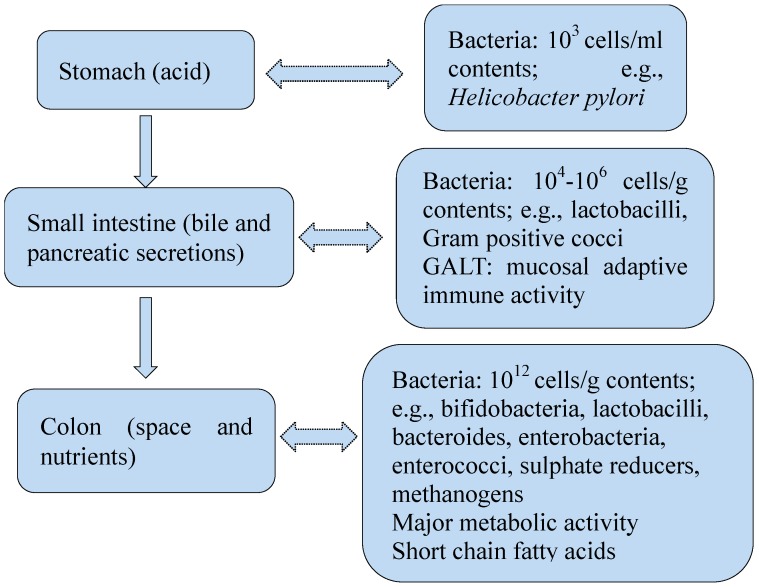
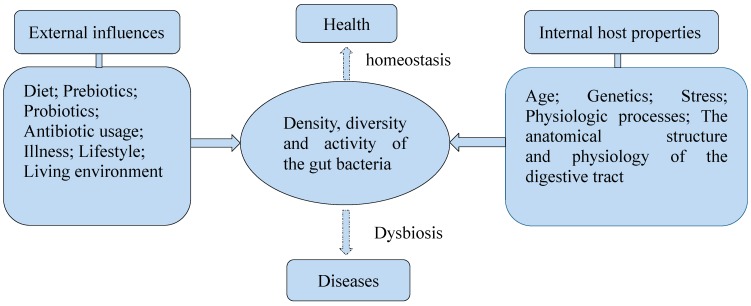
“Dysbiosis occurs when the gut bacteria suffer abnormal changes in commensal or pathogenic bacteria quantity or species, as exemplified by Figure 3 [47,48].”
Harmonizing gut microbiota dysbiosis: Unveiling the influence of diet and lifestyle interventions
Pandit, S. S., Meganathan, P., & Vedagiri, H. (2025) · Metabolism Open · doi:10.1016/j.metop.2025.100384 · Cited by 20
“These alterations can disrupt the delicate balance between beneficial and harmful bacteria, potentially worsening symptoms [12].”
Zhu, T., Zhang, B., Yan, F., Li, Z., Tang, X., Ban, X., Kong, H., & Li, C. (2022) · Foods · doi:10.3390/foods11081118 · Cited by 16
“which are the primary bacteria in metabolism of undigested food residues and help in the digestion of dietary fibers and polyphenols by a complex metabolic energy-harvesting mechanism [50].”
BackgroundCheng, J., Kolba, N., García‐Rodríguez, A., Marques, C. N. H., Mahler, G. J., & Tako, E. (2023) · Antioxidants · doi:10.3390/antiox12020431 · Cited by 16
Wang, Y., Sun, H. L., Wang, H., Li, D., Zhao, W., Jiang, X., & Shen, X. (2023) · IEEE Journal of Biomedical and Health Informatics · doi:10.1109/jbhi.2023.3261319 · Cited by 18
“According to the influence on human body’s functions, bacteria can be generally divided into two categories including beneficial bacteria and harmful bacteria [2].”
BackgroundCabezas‐Cruz, A., & Bermúdez‐Humarán, L. G. (2023) · Computational and Structural Biotechnology Journal · doi:10.1016/j.csbj.2023.11.027 · Cited by 22
“Recent research has emphasized the significance of modifications in the gut microbiota in the development of IBD [29] and proposed that gut microbiota changes in IBD patients may be a consequence of environmental factors [30].”
BackgroundSun, J., Wei, N., Yu, C., Li, C., Li, W., Sun, X., Zhang, Y., Li, Y., & Xie, J. (2024) · International Immunopharmacology · doi:10.1016/j.intimp.2024.113426 · Cited by 19
Beneficial microbiome and diet interplay in early-onset colorectal cancer
Zhou, Z., Kleis, L., Depetris-Chauvin, A., Jaskulski, S., Damerell, V., Michels, K. B., Gigic, B., Nöthlings, U., & Panagiotou, G. (2024) · EMBO Molecular Medicine · doi:10.1038/s44321-024-00177-0 · Cited by 24
Alamer, S., Chinnappan, R., & Zourob, M. M. (2017) · Procedia Technology · doi:10.1016/j.protcy.2017.04.012 · Cited by 16
Cheng, X., Li, P., Wang, G., Yu, Y., Li, K., Brand‐Saberi, B., & Yang, X. (2018) · Journal of Cellular Physiology · doi:10.1002/jcp.27025 · Cited by 16
“Accumulating evidence reveals the direct or indirect correlation between gut bacteria and various aspects of human health (Hay & Zhu, 2016; Y. J. Zhang et al., 2015).”
BackgroundKolba, N., Zarei, A., Cheng, J., Agarwal, N., Dadmohammadi, Y., Khazdooz, L., Abbaspourrad, A., & Tako, E. (2022) · Nutrients · doi:10.3390/nu14153130 · Cited by 18
“to maintain an effective gut barrier [5,6].”
Microbiome and bacterial translocation in cirrhosis
Gómez‐Hurtado, I., Such, J. M., & Francés, R. (2016) · Gastroenterología y Hepatología (English Edition) · doi:10.1016/j.gastre.2015.10.002 · Cited by 18
“The gut microbiota plays several important roles in the health of the host, complementing nutritional needs through the breakdown and absorption of complex carbohydrates from the diet that human enzymes cannot digest, and synthesising some essential substances, such as vitamin K.(9,10) They also help to maintain the i…”
BackgroundZhou, J., Wang, M., Grimi, N., Dar, B. N., Calvo-Lerma, J., & Barba, F. J. (2024) · Critical Reviews in Food Science and Nutrition · doi:10.1080/10408398.2023.2237586 · Cited by 15
“The gut microbiota is closely linked to human health, as it has been related to relevant functions, such as protecting the intestinal epithelial barrier, regulating the immune system, or producing metabolites (Zhang et al. 2015).”
The Potential Role of Boron in the Modulation of Gut Microbiota Composition: An In Vivo Pilot Study
Sentürk, N. B., Kasapoğlu, B., Şahin, E., Özcan, O., Ozansoy, M., Ozansoy, M. B., Siyah, P., Sezerman, O. U., & Şahin, F. (2024) · Pharmaceuticals · doi:10.3390/ph17101334 · Cited by 18
“Numerous diseases in both humans and animals, such as obesity, allergies, Type I-II diabetes, autism, and colorectal cancer, have also been associated with dysbiosis [11,12].”
BackgroundEnqi, W., Huanhu, Z., Ritu, W., Dan, X., Han, L., Baili, W., Gangyi, S., & Li, S. (2019) · BMC Microbiology · doi:10.1186/s12866-019-1466-y · Cited by 16
“Dysbiosis of gut bacterial communities is associated with many chronic diseases, such as type I diabetes (TID), obesity, inflammatory bowel disease (IBD), rheumatoid arthritis, cancer, autism, and allergies [9].”
Duan, D., Chen, M., Cui, W., Liu, W., & Chen, X. (2022) · BMJ Open · doi:10.1136/bmjopen-2022-064417 · Cited by 15
Can the Gut Microbiota Serve as a Guide to the Diagnosis and Treatment of Childhood Epilepsy?
Türay, S., Cangür, Ş., KAHRAMAN, G., KAYABAŞI, E., Çetiner, Ö. F., Aydın, B., & Öztürk, C. E. (2023) · Pediatric Neurology · doi:10.1016/j.pediatrneurol.2023.04.006 · Cited by 16
Utilization of dietary mixed-linkage β-glucans by the Firmicute Blautia producta
Singh, R. P., Niharika, J., Thakur, R., Wagstaff, B. A., Kumar, G., Kurata, R., Patel, D., Levy, C., Miyazaki, T., & Field, R. A. (2023) · Journal of Biological Chemistry · doi:10.1016/j.jbc.2023.104806 · Cited by 19
“6B), which are normally associated with a healthy gut (71).”
BackgroundZheng, J., Wang, Z., Pu, D., Li, P., Wei, X., Li, M., Li, D., Gao, L., & Zhai, X. (2023) · Fishes · doi:10.3390/fishes8110555 · Cited by 15
Pei, Q., He, M., Tang, P., Zhang, X., Huang, X., Zhang, X., Yang, J., Li, Z., Li, L., & Chen, D. (2024) · Fish & Shellfish Immunology · doi:10.1016/j.fsi.2024.109405 · Cited by 15
Obisesan, A. O., Abiodun, O. O., & Ayeni, F. A. (2024) · BMC Microbiology · doi:10.1186/s12866-024-03502-2 · Cited by 18
“They positively affect gut microflora by contributing to intestinal microbial balance [18], general antimicrobial properties and decreasing the harmful microbial toxic activity [19, 20].”
BackgroundCompromised nutritional status in patients with end-stage liver disease: Role of gut microbiota
Vasco, M., Paolillo, R., Schiano, C., Sommese, L., Cuomo, O., & Napoli, C. (2018) · Hepatobiliary & pancreatic diseases international · doi:10.1016/j.hbpd.2018.06.004 · Cited by 17
A Soluble Immune Effector Binds Both Fungi and Bacteria via Separate Functional Domains
Liberti, A., Cannon, J. P., Litman, G. W., & Dishaw, L. J. (2019) · Frontiers in Immunology · doi:10.3389/fimmu.2019.00369 · Cited by 18
“Investigations utilizing diverse model systems have defined an active role of the microbiota in both normal host physiology (1) and disease (2, 3).”
BackgroundRole of Microbial Flora and Probiotics in Host Immune Homeostasis
Mishra, P., & Mishra, S. K. (2018) · Journal of Applied Pharmaceutical Science · doi:10.7324/japs.2018.81018 · Cited by 18
Nutritional approach as therapeutic manipulation in inflammatory bowel disease
Yoon, J. Y. (2019) · Intestinal Research · doi:10.5217/ir.2019.00078 · Cited by 19
“Even though reduction in the intake of fiber could result in dysbiosis by altering the gut microbiota, IBD patients who have intestinal stricture or stenosis are often advised to restrict fiber from their diet for low-residue diet as the management of active flare status.(92,93) This clinical practice might be origina…”
BackgroundSannasimuthu, A., Sharma, D., Paray, B. A., Al‐Sadoon, M. K., & Arockiaraj, J. (2020) · Archives of Microbiology · doi:10.1007/s00203-020-01825-y · Cited by 15
Graphene-Based Sensor for Detection of Bacterial Pathogens
Pandit, S., Li, M., Chen, Y., Rahimi, S., Mokkapati, V., Merlo, A., Yurgens, A., & Mijakovic̀, I. (2021) · Sensors · doi:10.3390/s21238085 · Cited by 15
“generate a major burden to healthcare systems and affect millions of patents globally each year [2,3].”
BackgroundWang, X., Tang, L., Ping, W.-X., Su, Q., Ouyang, S., & Su, J. (2022) · Nutrients · doi:10.3390/nu14153169 · Cited by 17
“Recent studies have found that imbalances in the composition of intestinal microbiota are critical for metabolic diseases [87] and that the intestinal microbiota plays a critical role in metabolic diseases, notably those combined with low-grade chronic inflammation [88].”
BackgroundThe impact of chemerin or chemokine-like receptor 1 loss on the mouse gut microbiome
Dranse, H. J., Zheng, A., Comeau, A., Langille, M. G. I., Zabel, B. A., & Sinal, C. J. (2018) · PeerJ · doi:10.7717/peerj.5494 · Cited by 15
“470 In particular, it has been suggested that changes in mucin degradation resulting from altered 471 Akkermansia abundance influence epithelial cell layer integrity and the pathogenesis of IBD.”
BackgroundInfluentialHamdi, M., Mudgil, P., Hashmi, S. A., Hamed, F., Jafari, S. M., & Maqsood, S. (2025) · Food Research International · doi:10.1016/j.foodres.2025.116941 · Cited by 16
Linking Puberty and the Gut Microbiome to the Pathogenesis of Neurodegenerative Disorders
Esposito, P., & Ismail, N. (2022) · Microorganisms · doi:10.3390/microorganisms10112163 · Cited by 14
Yang, Y., Qu, C., Liang, S., Wang, G., Han, H., Chen, N., Wang, X., Luo, Z., Zhong, C., Chen, Y., et al. (2017) · Molecular Medicine Reports · doi:10.3892/mmr.2017.8109 · Cited by 25
“Changes in the diversity and number of gut microflora have been linked to immunological dysregulation, which is associated with many human noninfectious diseases such as autoimmunity, allergies and cancer (26).”
BackgroundLi, R.-Y., Zheng, X., Yang, J., Shen, X., Jiao, L., Yan, Z., Chen, B., & Han, B. (2019) · Journal of Food Science · doi:10.1111/1750-3841.14912 · Cited by 14
Bioinformatics and machine learning in gastrointestinal microbiome research and clinical application
Hopson, L. M., Singleton, S. S., David, J. A., Basuchoudhary, A., Prast‐Nielsen, S., Klein, P., Sen, S., & Mazumder, R. (2020) · Progress in molecular biology and translational science · doi:10.1016/bs.pmbts.2020.08.011 · Cited by 18
Bendriss, G., Al‐Ali, D., Shafiq, A., Laswi, I., Mhaimeed, N., Salameh, M. A., Burney, Z. A., Pillai, K. V., Châari, A., Zakaria, D., et al. (2020) · Qatar medical journal · doi:10.5339/qmj.2020.47 · Cited by 21
“Some studies mentioned that relocation to a new country was a factor that was associated with diseases such as ASD,(58) pointing at the possible role of lifestyle habits.(59) We have asked participants from the public whether their (or their child’s) symptoms increased after their relocation to Qatar, and 75.”
BackgroundThe impact of herbal medicine in regulating intestinal flora on female reproductive disorders
Liu, M., Yan, J. C., Wu, Y., Zhu, H., Huang, Y., & Ke-ming, W. (2022) · Frontiers in Pharmacology · doi:10.3389/fphar.2022.1026141 · Cited by 17
“external factors, such as diet, hormones and inflammation, may contribute to the alterations in the number, type, ratio, location and biological properties of intestinal flora, resulting in imbalance of intestinal flora and disruption of the intestinal barrier, leading to a range of diseases (Schirbel et al., 2013; Zh…”
BackgroundA preliminary insight of correlation between human fecal microbial diversity and blood lipid profile
Rana, M. I., Ikram, A., & Imran, M. (2016) · International Journal of Food Sciences and Nutrition · doi:10.1080/09637486.2016.1201791 · Cited by 15
“These differences might be due to the changes in the geographical and dietary patterns of individuals participating in these studies (Zhang et al. 2015).”
BackgroundInfluentialAn optimized 4‐day diet meal plan for ‘Lunar Palace 1’
Fu, Y., Guo, R., & Liu, H. S. (2018) · Journal of the Science of Food and Agriculture · doi:10.1002/jsfa.9234 · Cited by 15
The Fecal Bacterial Microbiota in Horses with Equine Recurrent Uveitis
de Bustamante, M. G. M., Gómez, D. E., MacNicol, J. L., Hamor, R. E., & Plummer, C. E. (2021) · Animals · doi:10.3390/ani11030745 · Cited by 17
“Bacteroides, Lachnospira, and Ruminococcus are also part of a healthy GI tract and serve a potential protective function; decreases in the abundance of bacteria belonging to the genus Bacteroides have been associated with autoimmune diseases including Crohn’s disease and rheumatoid arthritis [36].”
BackgroundGut Microorganisms and Neurological Disease Perspectives
Faruqui, N. A., Prium, D. H., Mowna, S. A., Ullah, M. A., Araf, Y., Sarkar, B., Zohora, U. S., & Rahman, M. S. (2021) · Future Neurology · doi:10.2217/fnl-2020-0026 · Cited by 16
Deepika, Alsharari, Z. D., Ahmad, M. F., Singh, J., Yadav, M., Kumari, A., Kumar, A., Matthews, K. R., Aluko, R. E., Raposo, A., et al. (2025) · Frontiers in Nutrition · doi:10.3389/fnut.2025.1624803 · Cited by 15
Implications of the Liver-Gut Axis in Liver Disease: From Mechanisms to Therapeutic Targets
Ramírez-Mejía, M. M., Ponciano‐Rodríguez, G., & Méndez‐Sánchez, N. (2025) · Archives of Medical Research · doi:10.1016/j.arcmed.2025.103335 · Cited by 19
Krog, M. C., Madsen, M. E., Bliddal, S., Bashir, Z., Vexø, L. E., Hartwell, D., Hugerth, L. W., Fransson, E., Hamsten, M., Boulund, F., et al. (2022) · Human Reproduction Open · doi:10.1093/hropen/hoac015 · Cited by 16
The Role of Metabolomics and Microbiology in Urinary Tract Infection
Zheng, H., Wang, C., Yu, X., Zheng, W., An, Y., Zhang, J., Zhang, Y., Wang, G., Qi, M., Lin, H., et al. (2024) · International Journal of Molecular Sciences · doi:10.3390/ijms25063134 · Cited by 13
“Because resident bacteria have been proven to impact the critical activities of several human organs, the human microbiome is thought to play a significant role in the start and progression of a wide range of disorders [33].”
Bavaro, A. R., Biase, M. D., Linsalata, V., D’Antuono, I., Stefano, V. A. D., Lonigro, S. L., Garbetta, A., Valerio, F., Melilli, M. G., & Cardinali, A. (2024) · Foods · doi:10.3390/foods13121815 · Cited by 14
“An imbalance in the microbiota has been linked to several health problems, including autoimmune disorders, cardiovascular disease, certain types of cancer, obesity and other metabolic disorders [2–4].”
BackgroundEffects of Lactobacillus plantarum on Broiler Health: Integrated Microbial and Metabolomics Analysis
Wang, L., Nabi, F., Zhang, X., Zhou, G., Shah, Q. A., Li, S., Lu, Y., Mu, S., Zhu, X., Lin, Z., et al. (2024) · Probiotics and Antimicrobial Proteins · doi:10.1007/s12602-024-10336-x · Cited by 16
“…a variety of physiological activities, such as synthesizing vitamin B, facilitating nutrient absorption, and regulating metabolism and immunity [27]. et al. emphasized the multiple interactive links between the host and the gut microbiota, which directly or indirectly contribute to the overall…”
The microbial guardians: Unveiling the role of gut microbiota in shaping neurodegenerative disease
Izzeddine, N. A., Ahmad, K., Bacha, C., Jabbour, M., Najjar, M., Salhab, S., Ghadieh, H. E., Kanaan, A., Azar, S. T., Khattar, Z. A., et al. (2025) · IBRO Neuroscience Reports · doi:10.1016/j.ibneur.2025.05.014 · Cited by 23
“Metabolic diseases are found to be interconnected to the health of the gut microbiota (Stewart et al., 2016, Zhang et al., 2015).”
Niazi, M. K., Hassan, F., Tufail, T., Ismail, M. A., & Riaz, K. (2023) · Advanced Gut & Microbiome Research · doi:10.1155/2023/1566684 · Cited by 14
Gamage, S., Nakayama, J., Fuyuno, Y., & Ohga, S. (2018) · Advances in Microbiology · doi:10.4236/aim.2018.87034 · Cited by 13
“They produce a wide spectrum of enzymes that, being reductive and hydrolytic in nature, are actively involved in many processes in the colon, such as carbohydrate and protein fermentation, bile acid and steroid transformation, metabolism of xenobiotic substances, as well as the activation and destruction of potential…”
BackgroundSoto, F., Kupor, D., Lopez‐Ramirez, M. A., Wei, F., Karshalev, E., Tang, S., Tehrani, F., & Wang, J. (2019) · Angewandte Chemie · doi:10.1002/ange.201913872 · Cited by 13
Gut microbiota‐derived endotoxin enhanced the incidence of cardia bifida during cardiogenesis
Zhang, J., Wang, G., Liu, J., Gao, L., Liu, M., Wang, C., Chuai, M., Bao, Y., Li, G., Li, R.-M., et al. (2017) · Journal of Cellular Physiology · doi:10.1002/jcp.26175 · Cited by 13
“between gut bacteria and practically every aspect of human health (Hay & Zhu, 2016; Zhang et al., 2015).”
BackgroundBoodaghidizaji, M., Cantu-Jungles, T. M., Chen, T., Zhang, B., Yao, T., LANDAY, A. L., Keshavarzian, A., Hamaker, B. R., & Ardekani, A. M. (2025) · BMC Microbiology · doi:10.1186/s12866-025-04072-7 · Cited by 18
Sharma, S., Bashir, B., Kolekar, K. A., Acharya, A., Gupta, M., Jena, R., Vishwas, S., Kaur, J., Gupta, G., Kumbhar, P., et al. (2025) · Ageing Research Reviews · doi:10.1016/j.arr.2025.102888 · Cited by 16
The pathobiont role of Akkermansia muciniphila in colorectal cancer: a systematic review
Soheilipour, M., Noursina, A., Nekookhoo, M., Malekpour, E., Mirzaei, S. A., Shafieyoun, M. H., Rouzbahani, H., Chitsazi, M. R., & Safari, F. (2025) · BMC Gastroenterology · doi:10.1186/s12876-025-04293-0 · Cited by 18
Chronic variable stress leads to sex specific gut microbiome alterations in mice
Kropp, D. R., Rainville, J. R., Glover, M. E., Tsyglakova, M., Samanta, R., Hage, T. R., Carlson, A. E., Clinton, S. M., & Hodes, G. E. (2024) · Brain Behavior & Immunity - Health · doi:10.1016/j.bbih.2024.100755 · Cited by 15
“Alterations that occur in the gut microbiome can be compensatory in an effort to relieve the conditions that caused it, or deleterious, where alterations cause harm to the host organism (Zhang et al., 2015).”
BackgroundImpact of cigarette smoking on gut microbial dysbiosis: a structured literature review
Imade, E. E., & Obayagbona, N. O. (2024) · Gut Microbiome · doi:10.1017/gmb.2024.3 · Cited by 16
Ahmed, M. M. S., & Jawad, S. R. (2024) · AIP conference proceedings · doi:10.1063/5.0209388 · Cited by 14
Martín‐Vélez, V., Montalvo, T., Giralt, D., Ramírez, F., Giménez, J., Morral-Puigmal, C., Planell, R., Sabaté, S., Bota, G., & Navarro, J. (2024) · Journal of Applied Ecology · doi:10.1111/1365-2664.14787 · Cited by 11
Brain–Periphery Axes: The Potential Role of Extracellular Vesicles-Delivered miRNAs
D’Amico, G., Carista, A., Manna, O. M., Paladino, L., Picone, D., Sarullo, S., Sausa, M., Cappello, F., Vitale, A. M., & Bavisotto, C. C. (2024) · Biology · doi:10.3390/biology13121056 · Cited by 19
The emerging role of honeysuckle flower in inflammatory bowel disease
Muro, P., Jing, C., Zhao, Z., Jin, T., & Mao, F. (2025) · Frontiers in Nutrition · doi:10.3389/fnut.2025.1525675 · Cited by 14
Kim, Y., & Pritts, T. A. (2017) · Springer eBooks · doi:10.1007/978-3-319-48687-1_5 · Cited by 17
Functional Carbohydrate Polymers: Prebiotics
Yang, J. F., & Xu, Y. (2018) · Springer eBooks · doi:10.1007/978-3-319-94625-2_24 · Cited by 18
Vibrio splendidus infection induces dysbiosis in the blue mussel and favors pathobiontic bacteria
Cheikh, Y. B., & Travers, M. (2022) · Microbiological Research · doi:10.1016/j.micres.2022.127078 · Cited by 12
The Influence of Ketosis on the Rectal Microbiome of Chinese Holstein Cows
Huang, Y. (2019) · Pakistan Veterinary Journal · doi:10.29261/pakvetj/2019.041 · Cited by 12
“Gut microbes also underpin the metabolic capability of the host and provide many advantageous effects (Zhang et al., 2015).”
BackgroundCardiovascular Diseases and Pharmacomicrobiomics: A Perspective on Possible Treatment Relevance
Curini, L., & Amedei, A. (2021) · Biomedicines · doi:10.3390/biomedicines9101338 · Cited by 17
“Over recent years, it has been amply demonstrated that an incorrect diet, with a lack of fruit and vegetables but rich in red meats, and so in cholesterol, is one of the causes of intestinal disorders and infection which cause microorganism alterations and metabolic disorders, promoting the development of CVDs [7,8].”
BackgroundInfluentialInter-Organ Crosstalk in Neurodegenerative Disease
Carata, E., Destino, M., Tenuzzo, B. A., & Panzarini, E. (2025) · Life · doi:10.3390/life15101499 · Cited by 18
“These microorganisms are actively involved in crucial functions, including the metabolism of undigested nutrients, the production of beneficial metabolites, the defense against enteric pathogens, and the development of the immune system [19].”
Metadata
- Authors
- Zhang, Y.-J., Li, S., Gan, R.-Y., Zhou, T., Xu, D.-P., & Li, H.-B.
- Affiliations
- Sun Yat-sen University (CN)
- University of Hong Kong (HK)
- Corresponding author
- Li, Hua-Bin
- Venue
- International Journal of Molecular Sciences
- Publisher
- MDPI AG
- Published
- 2015-04-02
- Volume
- 16
- Issue
- 4
- Pages
- 7493-7519
- ISSN
- 1422-0067 (ISSN-L)
- PMC
- PMC4425030
- OpenAlex
- W2058362335
- Cited by
- 1,055
- References
- 137
- Citations by year
- 2026: 45 · 2025: 116 · 2024: 158 · 2023: 134 · 2022: 129 · 2021: 127 · 2020: 83 · 2019: 85 · 2018: 72 · 2017: 53 · 2016: 35 · 2015: 18
- Type
- dissertation
- Language
- en
- Open access
- gold
- dx.doi.org
- Licence
- Locations
- International Journal of Molecular Sciences (publishedVersion, cc-by)
- PubMed Central (publishedVersion, cc-by)
- PubMed (publishedVersion)
- DOAJ (DOAJ: Directory of Open Access Journals) (submittedVersion, cc-by-sa)
- Funders
- National Natural Science Foundation of China (81372976)
- Sun Yat-sen University
- Topics
- Life Sciences › Biochemistry, Genetics and Molecular Biology › Molecular Biology › Gut microbiota and health
- Life Sciences › Agricultural and Biological Sciences › Food Science › Probiotics and Fermented Foods
- Health Sciences › Dentistry › Periodontics › Oral microbiology and periodontitis research
- Keywords
- gut microbiota, dysbiosis, human health, chronic disease, inflammatory bowel disease, obesity, cancer, autism spectrum disorder, cellulose digestion, angiogenesis, enteric nervous system, antibiotic use, diet and lifestyle
- MeSH terms
- Animals, Bacteria, Disease, Humans, Ecosystem, Probiotics, Gastrointestinal Tract, Microbiota
About these checks
Registry, retraction, Cites and statistics results are computed, not judged, with one exception: a printed reference that no index lists is read once by a model before it counts as a citation error. Claims are extracted by a model and kept only when their quote appears verbatim in the text; each cited source is then checked, with a model’s help, for whether it says what the claim relies on. Those verdicts can be wrong — read the claim’s quote and the cited source before relying on one.
Statistics and arithmetic are recomputed, not judged.
Confidence bands are shown only for fields calibrated on our annotated test set. None is calibrated yet, so no band is shown.
What counts as a claim ›How we measure confidence ›How we check this ›
Are you an author, or do you see a problem with this page? Request a review
Data sources
Bibliographic data: Semantic Scholar, OpenAlex, Crossref.
Contains information from the Semantic Scholar Academic Graph Datasets, made available under the ODC Attribution License (ODC-BY 1.0).
Semantic Scholar’s data is described in: Kinney, R., et al. (2023). The Semantic Scholar Open Data Platform. arXiv:2301.10140.
