

Impacts of Gut Bacteria on Human Health and Diseases
Open accessThe DOI matches its Crossref record; 130 of the 137 references it cites were found in a registry or an index.
Abstract
Gut bacteria are an important component of the microbiota ecosystem in the human gut, which is colonized by 1014 microbes, ten times more than the human cells. Gut bacteria play an important role in human health, such as supplying essential nutrients, synthesizing vitamin K, aiding in the digestion of cellulose, and promoting angiogenesis and enteric nerve function. However, they can also be potentially harmful due to the change of their composition when the gut ecosystem undergoes abnormal changes in the light of the use of antibiotics, illness, stress, aging, bad dietary habits, and lifestyle. Dysbiosis of the gut bacteria communities can cause many chronic diseases, such as inflammatory bowel disease, obesity, cancer, and autism. This review summarizes and discusses the roles and potential mechanisms of gut bacteria in human health and diseases.
Overview
The claims and statistics of this paper haven’t been checked yet.
Free: it reads the open-access text and checks the first 5 claims that cite a source we can check. Create a free account to check every claim.
Integrity signals
Registry
Cites
Statistics
Figures
Verification
Claims the paper makes
The claims and statistics of this paper haven’t been checked yet.
Free: it reads the open-access text and checks the first 5 claims that cite a source we can check. Create a free account to check every claim.
Claims other papers make about this one
Each is checked against this paper’s own text: does it say what the citing paper says it does?
The source backs part of the claim, not all of it — or backs it for a different population, condition or comparison.
In the citing paper
“In the recent years, numerous evidences pointed towards the central role of commensal bacteria colonizing body surfaces as key determinants of health or pathologic conditions, including cancer [6].”
From Gut Microbiota and Cancer: From Pathogenesis to Therapy (2019) · cites this paper as [6]
Experimental — accuracy not yet measured
Self-check
Percentages, sums and reported differences re-computed from the paper’s own numbers.
The self-check needs the paper’s full text.
Citations
Cites
Diet rapidly and reproducibly alters the human gut microbiome
David, L. A., Maurice, C. F., Carmody, R. N., Gootenberg, D. B., Button, J. E., Wolfe, B. E., Ling, A. V., Devlin, A. S., Varma, Y., Fischbach, M. A., et al. (2014) · Nature · doi:10.1038/nature12820 · Cited by 10,100 · cited 1×
“The animal-based diet resulted in significantly lower levels of the products of carbohydrate fermentation and a higher concentration of the products of amino acid fermentation compared with the plant-based diet and baseline samples [35].”
Dietary Modulation of the Human Colonic Microbiota: Introducing the Concept of Prebiotics
Gibson, G. R., & Roberfroid, M. B. (1995) · The Journal of Nutrition · doi:10.1093/jn/125.6.1401 · Cited by 7,667 · cited 1×
“Prebiotics are defined as a non-digestible food ingredient that beneficially affects the host by selectively stimulating the growth and/or activity of one or a limited number of bacteria in the colon, and thus improving the hosts’ health [42].”
BackgroundLinking long-term dietary patterns with gut microbial enterotypes
Wu, G. D., Chen, J., Hoffmann, C., Bittinger, K., Chen, Y.-Y., Keilbaugh, S. A., Bewtra, M., Knights, D., Walters, W. A., Knight, R., et al. (2011) · Science · doi:10.1126/science.1208344 · Cited by 6,513 · cited 1×
“Microbiome composition changed detectably within 24 h of initiating a high-fat/low-fiber or low-fat/high-fiber diet, but that enterotype identity remained stable during the 10-days in a controlled-feeding study of 10 subjects [34].”
BackgroundSelf-citationMetabolites produced by commensal bacteria promote peripheral regulatory T-cell generation
Arpaia, N., Campbell, C., Fan, X., Dikiy, S., van der Veeken, J., deRoos, P., Liu, H., Cross, J. R., Pfeffer, K., Coffer, P. J., et al. (2013) · Nature · doi:10.1038/nature12726 · Cited by 4,838 · cited 1×
“Butyrate, produced by commensal microorganisms during starch fermentation, may facilitate extrathymic generation of Treg cells [23].”
BackgroundHost–microbe interactions have shaped the genetic architecture of inflammatory bowel disease
The International IBD Genetics Consortium (IIBDGC), Jostins, L., Ripke, S., Weersma, R. K., Duerr, R. H., McGovern, D. P., Hui, K. Y., Lee, J. C., Philip Schumm, L., Sharma, Y., et al. (2012) · Nature · doi:10.1038/nature11582 · Cited by 4,722 · cited 1×
“[53] have identified 163 risk loci associated with IBD, and found that many loci were involved in the sensing and elimination of bacteria.”
BackgroundMind-altering microorganisms: the impact of the gut microbiota on brain and behaviour
Cryan, J. F., & Dinan, T. G. (2012) · Nature Reviews Neuroscience · doi:10.1038/nrn3346 · Cited by 4,572 · cited 1×
“system through neural, endocrine and immune pathways to influence brain function and behavior [117].”
BackgroundGut Microbiota from Twins Discordant for Obesity Modulate Metabolism in Mice
Ridaura, V. K., Faith, J. J., Rey, F. E., Cheng, J., Duncan, A. E., Kau, A. L., Griffin, N. W., Lombard, V., Henrissat, B., Bain, J. R., et al. (2013) · Science · doi:10.1126/science.1241214 · Cited by 3,788 · cited 1×
“However, the microbial protection from increased adiposity was only possible against the backdrop of a suitable host diet [79].”
Gut flora in health and disease
Guarner, F., & Malagelada, J.-R. (2003) · The Lancet · doi:10.1016/s0140-6736(03)12489-0 · Cited by 3,365 · cited 2×
“may cause allergy, inflammatory bowel disease (IBD), obesity, diabetes, and even cancer [8,9].”
BackgroundThe Treatment-Naive Microbiome in New-Onset Crohn’s Disease
Gevers, D., Kugathasan, S., Denson, L. A., Vázquez-Baeza, Y., Van Treuren, W., Ren, B., Schwager, E., Knights, D., Song, S. J., Yassour, M., et al. (2014) · Cell Host & Microbe · doi:10.1016/j.chom.2014.02.005 · Cited by 3,220 · cited 1×
“It suggested as well that assessing the rectal mucosal-associated microbiome offered unique potential for convenient and early diagnosis of CD at this early stage of disease [63].”
BackgroundGut Microbiota in Human Adults with Type 2 Diabetes Differs from Non-Diabetic Adults
Larsen, N., Vogensen, F. K., van den Berg, F. W. J., Nielsen, D. S., Andreasen, A. S., Pedersen, B. K., Al-Soud, W. A., Sørensen, S. J., Hansen, L. H., & Jakobsen, M. (2010) · PLoS ONE · doi:10.1371/journal.pone.0009085 · Cited by 2,952 · cited 1×
“Class Betaproteobacteria was highly increased in diabetics compared to the non-diabetic and positively correlated with plasma glucose [88].”
Background
Research works printed but not linked: 2
- Heimesaat M.M. Fischer A. Siegmund B. Batra A. Loddenkemper C. Liesenfeld O. Blaut M. Gobel U.B. Schumann R.R. Bereswill S. Shifts towards pro-inflammatory intestinal bacteria aggravate acute murine colitis and ileitis via toll-like-receptor signaling Int. J. Med. Microbiol. 2007 29743 81 82
- Bhattacharjee A. Oral micro-particulate colon targeted drug delivery system for the treatment of Crohn’s disease: A review Int. J. Life Sci. Pharm. Res. 2012 1 31 39
Cited by
Colorectal Carcinoma: A General Overview and Future Perspectives in Colorectal Cancer
Mármol, I., Sánchez-de-Diego, C., Pradilla Dieste, A., Cerrada, E., & Rodriguez Yoldi, M. (2017) · International Journal of Molecular Sciences · doi:10.3390/ijms18010197 · Cited by 1,525
“For instance, the condition known as dysbiosis, in which the natural relationship between the host and the intestinal microbiota is disrupted [137–140], is considered to be one of the most probable causes of inflammatory bowel disease (IBD) [141–144] or colorectal cancer (CRC) [142,144–147].”
BackgroundProbiotic species in the modulation of gut microbiota: An overview
Azad, M. A. K., Sarker, M., Li, T., & Yin, J. (2018) · BioMed Research International · doi:10.1155/2018/9478630 · Cited by 803
“The gut bacteria play significant roles in human health, including vitamin B synthesis, improvement in digestion, and promotion of angiogenesis and nerve function [45].”
Stemming the Superbug Tide: Just A Few Dollars More
OECD (2018) · OECD Health Policy Studies · doi:10.1787/9789264307599-en · Cited by 748
Shen, Z.-H., Zhu, C.-X., Quan, Y.-S., Yang, Z.-Y., Wu, S., Luo, W.-W., Tan, B., & Wang, X.-Y. (2018) · World Journal of Gastroenterology · doi:10.3748/wjg.v24.i1.5 · Cited by 646
The Gut Virome Database Reveals Age-Dependent Patterns of Virome Diversity in the Human Gut
Gregory, A. C., Zablocki, O., Zayed, A. A., Howell, A., Bolduc, B., & Sullivan, M. B. (2020) · Cell Host & Microbe · doi:10.1016/j.chom.2020.08.003 · Cited by 658
Gut Microbiota and Cancer: From Pathogenesis to Therapy
Vivarelli, S., Salemi, R., Candido, S., Falzone, L., Santagati, M., Stefani, S., Torino, F., Banna, G. L., Tonini, G., & Libra, M. (2019) · Cancers · doi:10.3390/cancers11010038 · Cited by 586
“In the recent years, numerous evidences pointed towards the central role of commensal bacteria colonizing body surfaces as key determinants of health or pathologic conditions, including cancer [6].”
BackgroundLi, H.-Y., Zhou, D.-D., Gan, R.-Y., Huang, S.-Y., Zhao, C.-N., Shang, A., Xu, X.-Y., & Li, H.-B. (2021) · Nutrients · doi:10.3390/nu13093211 · Cited by 490
Fermented Foods, Health and the Gut Microbiome
Leeuwendaal, N. K., Stanton, C., O’Toole, P. W., & Beresford, T. P. (2022) · Nutrients · doi:10.3390/nu14071527 · Cited by 496
Inflammatory networks underlying colorectal cancer
Lasry, A., Zinger, A., & Ben-Neriah, Y. (2016) · Nature Immunology · doi:10.1038/ni.3384 · Cited by 489
Health Benefits and Side Effects of Short-Chain Fatty Acids
Xiong, R.-G., Zhou, D.-D., Wu, S.-X., Huang, S.-Y., Saimaiti, A., Yang, Z.-J., Shang, A., Zhao, C.-N., Gan, R.-Y., & Li, H.-B. (2022) · Foods · doi:10.3390/foods11182863 · Cited by 466
“In recent years, many studies have proven that intestinal microbiota and their metabolites play a vital role in human health [16,17].”
BackgroundMahmud, M. R., Akter, S., Tamanna, S. K., Mazumder, L., Esti, I. Z., Banerjee, S., Akter, S., Hasan, M. R., Acharjee, M., Hossain, M. S., et al. (2022) · Gut Microbes · doi:10.1080/19490976.2022.2096995 · Cited by 466
Altered gut microbiota and short chain fatty acids in Chinese children with autism spectrum disorder
Liu, S., Li, E., Sun, Z., Fu, D., Duan, G., Jiang, M., Yu, Y., Mei, L., Yang, P., Tang, Y., et al. (2019) · Scientific Reports · doi:10.1038/s41598-018-36430-z · Cited by 457
Roles and mechanisms of exosomal non-coding RNAs in human health and diseases
Li, C., Ni, Y.-Q., Xu, H., Xiang, Q.-Y., Zhao, Y., Zhan, J.-K., He, J.-Y., Li, S., & Liu, Y.-S. (2021) · Signal Transduction and Targeted Therapy · doi:10.1038/s41392-021-00779-x · Cited by 406
“Gut microbe Gut microbes exert important roles in physiological processes, such as providing essential nutrients, assisting in cellulose digestion, regulating integrity of gut barriers and immune response.(107) However, dysbiosis, the imbalance in microbiota composition and diversity, in response to internal changes o…”
BackgroundThe Possible Role of the Microbiota-Gut-Brain-Axis in Autism Spectrum Disorder
Srikantha, P., & Mohajeri, M. H. (2019) · International Journal of Molecular Sciences · doi:10.3390/ijms20092115 · Cited by 400
Bacillus strains as human probiotics: characterization, safety, microbiome, and probiotic carrier
Lee, N.-K., Kim, W.-S., & Paik, H.-D. (2019) · Food Science and Biotechnology · doi:10.1007/s10068-019-00691-9 · Cited by 382
“Dysbiosis of the intestinal microbiota can cause many chronic diseases such as inflammatory bowel disease, obesity, cancer, and autism (Zhang et al., 2015).”
BackgroundWu, H., Xie, S., Miao, J., Li, Y., Wang, Z., Wang, M., & Yu, Q. (2020) · Gut Microbes · doi:10.1080/19490976.2020.1734423 · Cited by 371
“However, numerous factors, such as antibiotics, stress, food, and pathogen invasion, induce and exacerbate intestinal inflammation.(37) The intestinal microbiota plays a critical role in maintaining the intestinal mucosal barrier and resistance to pathogenic bacterial invasion.”
BackgroundEffects and Mechanisms of Resveratrol on Aging and Age‐Related Diseases
Zhou, D.-D., Luo, M., Huang, S.-Y., Saimaiti, A., Shang, A., Gan, R.-Y., & Li, H.-B. (2021) · Oxidative Medicine and Cellular Longevity · doi:10.1155/2021/9932218 · Cited by 363
“In recent years, the effects of gut microbiota on health have attracted increasing attention [101].”
BackgroundThe mutual interplay of gut microbiota, diet and human disease
Illiano, P., Brambilla, R., & Parolini, C. (2020) · The FEBS Journal · doi:10.1111/febs.15217 · Cited by 322
The Role of Gut Microbiota in Intestinal Inflammation with Respect to Diet and Extrinsic Stressors
Lobionda, S., Sittipo, P., Kwon, H. Y., & Lee, Y. K. (2019) · Microorganisms · doi:10.3390/microorganisms7080271 · Cited by 317
“If an imbalance in the gut microbiota occurs, the host immune system is altered, leading to the activation of an immune response which causes induction of a disease state [16,17].”
BackgroundHeart Failure is Associated with Depletion of Core Intestinal Microbiota
Luedde, M., Winkler, T., Heinsen, F.-A., Rühlemann, M. C., Spehlmann, M. E., Bajrovic, A., Lieb, W., Franke, A., Ott, S. J., & Frey, N. (2017) · ESC Heart Failure · doi:10.1002/ehf2.12155 · Cited by 312
“type 2 diabetes.(4) Recent publications suggest that intestinal dysbiosis may also play an important role in the pathogenesis of heart failure, putting forward a “gut hypothesis” of heart failure.”
BackgroundJiao, X., Wang, Y., Lin, Y., Lang, Y., Li, E., Zhang, X., Zhang, Q., Feng, Y., Meng, X., & Li, B. (2019) · The Journal of Nutritional Biochemistry · doi:10.1016/j.jnutbio.2018.07.008 · Cited by 312
Comparison of gut microbiota in adult patients with type 2 diabetes and healthy individuals
Sedighi, M., Razavi, S., Navab-Moghadam, F., Khamseh, M. E., Alaei-Shahmiri, F., Mehrtash, A., & Amirmozafari, N. (2017) · Microbial Pathogenesis · doi:10.1016/j.micpath.2017.08.038 · Cited by 304
A review of metabolic potential of human gut microbiome in human nutrition
Yadav, M., Verma, M. K., & Chauhan, N. S. (2018) · Archives of Microbiology · doi:10.1007/s00203-017-1459-x · Cited by 290
Nutrition and the gut microbiome in the elderly
Salazar, N., Valdés-Varela, L., González, S., Gueimonde, M., & de los Reyes-Gavilán, C. G. (2017) · Gut Microbes · doi:10.1080/19490976.2016.1256525 · Cited by 282
“The adult-like intestinal microbiota is regarded as relatively stable throughout adulthood although it is susceptible to variations owing to stress, antibiotics and as a consequence of diet and lifestyles.(18) At senescence, an inverse process occurs that resembles a mirror image of the neonatal gut colonization and t…”
BackgroundRoles of Short-Chain Fatty Acids in Inflammatory Bowel Disease
Shin, Y., Han, S., Kwon, J., Ju, S., Choi, T., Kang, I., & Kim, S. (2023) · Nutrients · doi:10.3390/nu15204466 · Cited by 272
“Notably, Prevotella within the Bacteroidetes phylum and Lachnospira within the Firmicutes phylum emerged as prime candidates for fermenting carbohydrates, ultimately leading to increased SCFA production [17,81–83].”
BackgroundRevisit gut microbiota and its impact on human health and disease
Ding, R.-X., Goh, W.-R., Wu, R.-N., Yue, X.-Q., Luo, X., Khine, W. W. T., Wu, J.-R., & Lee, Y.-K. (2019) · Journal of Food and Drug Analysis · doi:10.1016/j.jfda.2018.12.012 · Cited by 268
“[72] Zhang Y, Li S, Gan RY, Zhou T, Xu DP, Li HB.”
BackgroundBacteriocin-Producing Probiotic Lactic Acid Bacteria in Controlling Dysbiosis of the Gut Microbiota
Anjana, & Tiwari, S. K. (2022) · Frontiers in Cellular and Infection Microbiology · doi:10.3389/fcimb.2022.851140 · Cited by 264
The Relationship Between Gut Microbiota and Inflammatory Diseases: The Role of Macrophages
Wang, J., Chen, W.-D., & Wang, Y.-D. (2020) · Frontiers in Microbiology · doi:10.3389/fmicb.2020.01065 · Cited by 253
Xiong, R.-G., Li, J., Cheng, J., Zhou, D.-D., Wu, S.-X., Huang, S.-Y., Saimaiti, A., Yang, Z.-J., Gan, R.-Y., & Li, H.-B. (2023) · Nutrients · doi:10.3390/nu15143258 · Cited by 249
The Role of Epigenetic Change in Autism Spectrum Disorders
Loke, Y. J., Hannan, A. J., & Craig, J. M. (2015) · Frontiers in Neurology · doi:10.3389/fneur.2015.00107 · Cited by 246
Machate, D. J., Figueiredo, P. S., Marcelino, G., Guimarães, R. D. C. A., Hiane, P. A., Bogo, D., Pinheiro, V. A. Z., Oliveira, L. C. S. D., & Pott, A. (2020) · International Journal of Molecular Sciences · doi:10.3390/ijms21114093 · Cited by 243
“Bifidobacterium and Lactobacillus are predominantly abundant in the human gut during early life, producing lactate and acetate acids protecting the hosts against enter-pathogenic agents [50,51,56,57].”
BackgroundThe gut microbiota and gastrointestinal surgery
Guyton, K., & Alverdy, J. C. (2017) · Nature Reviews Gastroenterology & Hepatology · doi:10.1038/nrgastro.2016.139 · Cited by 221
The human gut microbiome in health: Establishment and resilience of microbiota over a lifetime
Greenhalgh, K., Meyer, K. M., Aagaard, K. M., & Wilmes, P. (2016) · Environmental Microbiology · doi:10.1111/1462-2920.13318 · Cited by 218
“Roseburia spp., Faecalibacterium spp. and Ruminococcus spp. are butyrateproducing bacteria which are associated with a healthy GIT microbiome (Khan et al., 2012; Neyrink et al., 2012; Zhang et al., 2015).”
BackgroundThe potential application of probiotics and prebiotics for the prevention and treatment of COVID-19
Olaimat, A. N., Aolymat, I., Al-Holy, M., Ayyash, M., Abu Ghoush, M., Al-Nabulsi, A. A., Osaili, T., Apostolopoulos, V., Liu, S.-Q., & Shah, N. P. (2020) · npj Science of Food · doi:10.1038/s41538-020-00078-9 · Cited by 214
Interactive relationships between intestinal flora and bile acids
Guo, X., Okpara, E. S., Hu, W., Yan, C., Wang, Y., Liang, Q., Chiang, J. Y. L., & Han, S. (2022) · International Journal of Molecular Sciences · doi:10.3390/ijms23158343 · Cited by 206
“Approximately 1014 bacteria are known to constitute the intestinal flora in the adult gut, and this number is 10 times the number of human somatic cells [2].”
BackgroundYu, Z., Jiang, L., Liu, R., Zhao, W., Yang, Z., Zhang, J., & Jin, S. (2021) · Chemical Engineering Journal · doi:10.1016/j.cej.2021.131914 · Cited by 203
Changes in the Gut Microbiota of Children with Autism Spectrum Disorder
Zou, R., Xu, F., Wang, Y., Duan, M., Guo, M., Zhang, Q., Zhao, H., & Zheng, H. (2020) · Autism Research · doi:10.1002/aur.2358 · Cited by 198
“The gut microbiota may control the central nervous system via the “microbiome-gut-brain axis” bi-directionally [Y. J. Zhang et al., 2015] and possibly influence brain function and behavior through immune, metabolic, endocrine, and neural pathways [Brookes, Spencer, Costa, & Zagorodnyuk, 2013].”
BackgroundDietary plants, gut microbiota, and obesity: Effects and mechanisms
Cao, S.-Y., Zhao, C.-N., Xu, X.-Y., Tang, G.-Y., Corke, H., Gan, R.-Y., & Li, H.-B. (2019) · Trends in Food Science & Technology · doi:10.1016/j.tifs.2019.08.004 · Cited by 198
Associations between Gut Microbiota and Common Luminal Intestinal Parasites
Stensvold, C. R., & van der Giezen, M. (2018) · Trends in Parasitology · doi:10.1016/j.pt.2018.02.004 · Cited by 187
Pang, Y., Wan, N., Shi, L., Wang, C., Sun, Z., Xiao, R., & Wang, S. (2019) · Analytica Chimica Acta · doi:10.1016/j.aca.2019.05.059 · Cited by 185
von Martels, J. Z. H., Sadaghian Sadabad, M., Bourgonje, A. R., Blokzijl, T., Dijkstra, G., Faber, K. N., & Harmsen, H. J. M. (2017) · Anaerobe · doi:10.1016/j.anaerobe.2017.01.001 · Cited by 184
Kabir, M. T., Rahman, M. H., Shah, M., Jamiruddin, M. R., Basak, D., Al-Harrasi, A., Bhatia, S., Ashraf, G. M., Najda, A., El-kott, A. F., et al. (2022) · Biomedicine & Pharmacotherapy · doi:10.1016/j.biopha.2021.112610 · Cited by 181
In Vitro Antibacterial Activity of Unconjugated and Conjugated Bile Salts on Staphylococcus aureus
Sannasiddappa, T. H., Lund, P. A., & Clarke, S. R. (2017) · Frontiers in Microbiology · doi:10.3389/fmicb.2017.01581 · Cited by 183
“Despite these properties, the intestine is host to a complex microflora (Quigley, 2013; Zhang et al., 2015).”
BackgroundConjugative Delivery of CRISPR-Cas9 for the Selective Depletion of Antibiotic-Resistant Enterococci
Rodrigues, M., McBride, S. W., Hullahalli, K., Palmer, K. L., & Duerkop, B. A. (2019) · Antimicrobial Agents and Chemotherapy · doi:10.1128/aac.01454-19 · Cited by 173
“Disruption of the intestinal microbiota can predispose individuals to infection by opportunistic pathogens (1, 2).”
BackgroundSnigdha, S., Ha, K., Tsai, P., Dinan, T. G., Bartos, J. D., & Shahid, M. (2022) · Pharmacology & Therapeutics · doi:10.1016/j.pharmthera.2021.107978 · Cited by 171
Miller, G. E., Engen, P. A., Gillevet, P. M., Shaikh, M., Sikaroodi, M., Forsyth, C. B., Mutlu, E., & Keshavarzian, A. (2016) · PLOS ONE · doi:10.1371/journal.pone.0148952 · Cited by 171
Carrero, J. C., Reyes-López, M., Serrano-Luna, J., Shibayama, M., Unzueta, J., León-Sicairos, N., & de la Garza, M. (2020) · International Journal of Medical Microbiology · doi:10.1016/j.ijmm.2019.151358 · Cited by 172
The Gut Microbiome and Type 2 Diabetes Mellitus: Discussing A Complex Relationship
Sikalidis, A. K., & Maykish, A. (2020) · Biomedicines · doi:10.3390/biomedicines8010008 · Cited by 170
“However, bacteria present in the gut can ferment these compounds for their own benefit, releasing short chain fatty acids (SCFAs) within the host (gut environment) in the process [11].”
BackgroundDecorated bacteria and the application in drug delivery
Wu, F., & Liu, J. (2022) · Advanced Drug Delivery Reviews · doi:10.1016/j.addr.2022.114443 · Cited by 166
Birth practices: Maternal‐neonate separation as a source of toxic stress
Bergman, N. J. (2019) · Birth Defects Research · doi:10.1002/bdr2.1530 · Cited by 164
New View on Dietary Fiber Selection for Predictable Shifts in Gut Microbiota
Cantu-Jungles, T. M., & Hamaker, B. R. (2020) · mBio · doi:10.1128/mbio.02179-19 · Cited by 161
“Using a fungal insoluble -(1-3)-linked glucan, a genus of butyrate-producing bacteria (Anaerostipes) was specifically stimulated in an in vitro human fecal fermentation, increasing abundance in 24 h from 0.”
BackgroundKandpal, M., Indari, O., Baral, B., Jakhmola, S., Tiwari, D., Bhandari, V., Pandey, R. K., Bala, K., Sonawane, A., & Jha, H. C. (2022) · Metabolites · doi:10.3390/metabo12111064 · Cited by 159
Elucidating the gut microbiome of ulcerative colitis: bifidobacteria as novel microbial biomarkers
Duranti, S., Gaiani, F., Mancabelli, L., Milani, C., Grandi, A., Bolchi, A., Santoni, A., Lugli, G. A., Ferrario, C., Mangifesta, M., et al. (2016) · FEMS Microbiology Ecology · doi:10.1093/femsec/fiw191 · Cited by 159
Fiebiger, U., Bereswill, S., & Heimesaat, M. M. (2016) · European Journal of Microbiology and Immunology · doi:10.1556/1886.2016.00036 · Cited by 159
“In addition cyclophosphamide treatment altered the composition of the gut microbiota in the small intestine of mice and induced the translocation of distinct Gram-positive bacterial species into secondary lymphoid organs, where these bacteria stimulated the generation of a specifi c subset of “pathogenic” T helper 17…”
BackgroundGut Bacteria and Hydrogen Sulfide: The New Old Players in Circulatory System Homeostasis
Tomasova, L., Konopelski, P., & Ufnal, M. (2016) · Molecules · doi:10.3390/molecules21111558 · Cited by 156
“The integrity and proper functioning of the GBB are preserved by physical and immunological components.”
BackgroundInfluentialKim, J., Zhang, S., Zhu, Y., Wang, R., & Wang, J. (2023) · Journal of Ginseng Research · doi:10.1016/j.jgr.2023.01.004 · Cited by 165
“Increase of probiotics could provide the health effect to the host within the gut [56].”
BackgroundStructural diversity, functional aspects and future therapeutic applications of human gut microbiome
Ghosh, S., & Pramanik, S. (2021) · Archives of Microbiology · doi:10.1007/s00203-021-02516-y · Cited by 174
Shao, T., Verma, H. K., Pande, B., Costanzo, V., Ye, W., Cai, Y., & Bhaskar, L. V. (2021) · Frontiers in Physiology · doi:10.3389/fphys.2021.751374 · Cited by 223
Genes to predict VO2max trainability: a systematic review
Williams, C. J., Williams, M. G., Eynon, N., Ashton, K. J., Little, J. P., Wisloff, U., & Coombes, J. S. (2017) · BMC Genomics · doi:10.1186/s12864-017-4192-6 · Cited by 147
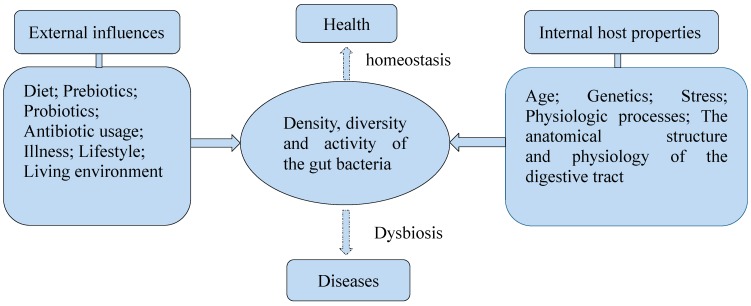
“Poor diet, stress, illness, the use of antibiotics, environmental toxins and poor lifestyle choices can increase inflammation within the gut, causing dysbiosis; this appears to contribute to chronic diseases and other illnesses, irrespective of genotype, age and gender [68, 69].”
BackgroundBioactive molecules of probiotic bacteria and their mechanism of action: A review
Indira, M., Venkateswarulu, T. C., Abraham Peele, K., Nazneen Bobby, M., & Krupanidhi, S. (2019) · 3 Biotech · doi:10.1007/s13205-019-1841-2 · Cited by 147
The association of type II diabetes with gut microbiota composition
Navab-Moghadam, F., Sedighi, M., Khamseh, M. E., Alaei-Shahmiri, F., Talebi, M., Razavi, S., & Amirmozafari, N. (2017) · Microbial Pathogenesis · doi:10.1016/j.micpath.2017.07.034 · Cited by 144
Bioactive compounds, health benefits and functional food products of sea buckthorn: a review
Wang, K., Xu, Z., & Liao, X. (2021) · Critical Reviews in Food Science and Nutrition · doi:10.1080/10408398.2021.1905605 · Cited by 173
Cancer and Aging - the Inflammatory Connection
Zinger, A., Cho, W. C., & Ben-Yehuda, A. (2017) · Aging and disease · doi:10.14336/ad.2016.1230 · Cited by 136
“The bacterial population of the gut microbiome outnumbers human cell by approximately 10 fold [150], and is sometimes referred to as the 'forgotten organ' due to its increasingly recognized role in multiple physiological and pathological processes[151].”
BackgroundPterostilbene‐induced changes in gut microbiota composition in relation to obesity
Etxeberría, U., Hijona, E., Aguirre, L., Milagro, F. I., Bujanda, L., Rimando, A. M., Martínez, J. A., & Portillo, M. P. (2016) · Molecular Nutrition & Food Research · doi:10.1002/mnfr.201500906 · Cited by 137
Bacterial DNA Extraction Using Individual Enzymes and Phenol/Chloroform Separation
Wright, M. H., Adelskov, J., & Greene, A. C. (2017) · Journal of Microbiology and Biology Education · doi:10.1128/jmbe.v18i2.1348 · Cited by 131
“Furthermore, bacterial communities play an essential role in human digestion through the breakdown of sugars and complex carbohydrates, with microbes outnumbering human cells by a factor of ten to one (3).”
BackgroundKim, J., An, J.-U., Kim, W., Lee, S., & Cho, S. (2017) · Gut Pathogens · doi:10.1186/s13099-017-0218-5 · Cited by 129
“These studies have revealed that the gut microbiota is closely linked with the host’s health and disease status, including maintenance of the GI health, stimulation of the immune system, development of obesity, and various GI disorders, including inflammatory bowel disease [4, 5].”
BackgroundEffects and mechanisms of tea for the prevention and management of cancers: An updated review
Xu, X., Zhao, C., Cao, S., Tang, G., Gan, R., & Li, H. (2019) · Critical Reviews in Food Science and Nutrition · doi:10.1080/10408398.2019.1588223 · Cited by 137
“Due to the collective metabolic activity, the gut microbiota has been considered equal to a virtual organ within an organ, relevant to human health and several disease processes (Meng et al. 2018; O’Hara and Shanahan 2006; Tao et al. 2019; Zhang et al. 2015).”
BackgroundEffects and Mechanisms of Curcumin for the Prevention and Management of Cancers: An Updated Review
Yang, Z., Huang, S., Zhou, D.-D., Xiong, R.-G., Zhao, C., Fang, A., Zhang, Y., Li, H., & Zhu, H. (2022) · Antioxidants · doi:10.3390/antiox11081481 · Cited by 322
“Gut microbiota could play a vital role in health and diseases [122].”
BackgroundMukherjee, S., Joardar, N., Sengupta, S., & Sinha Babu, S. P. (2018) · The Journal of Nutritional Biochemistry · doi:10.1016/j.jnutbio.2018.07.010 · Cited by 124
“Dysregulation of the immunological homeostasis is the cause ofmore than 100 life-threatening human diseases to date [67,88].”
BackgroundAltomare, A., Rosa, C. D., Imperia, E., Emerenziani, S., Cicala, M., & Guarino, M. P. L. (2021) · Nutrients · doi:10.3390/nu13051506 · Cited by 158
“An intestinal microbiota in an eubiotic state is characterized by the preponderance of potentially beneficial species, belonging mainly to the two bacterial phylum Firmicutes and Bacteroidetes, while potentially pathogenic species, such as the phyla Proteobacteria (Enterobacteriaceae), are present but in a very low pe…”
BackgroundJohnson, M. E., Stringer, A., & Bobrovskaya, L. (2018) · NeuroToxicology · doi:10.1016/j.neuro.2018.02.013 · Cited by 122
Li, H., Huang, S., Zhou, D.-D., Xiong, R.-G., Luo, M., Saimaiti, A., Han, M.-K., Gan, R., Zhu, H., & Li, H. (2023) · Journal of Advanced Research · doi:10.1016/j.jare.2023.01.008 · Cited by 132
“For example, the abundance of Bifidobacterium was decreased in patient with NAFLD and obesity, and the reduced ratio of Bacteroidetes to Firmicutes could be a risk factor of the progression of NAFLD [8,9].”
BackgroundEpigenetics of Autism Spectrum Disorder
Siu, M. T., & Weksberg, R. (2017) · Advances in Experimental Medicine and Biology · doi:10.1007/978-3-319-53889-1_4 · Cited by 121
Prebiotic nut compounds and human microbiota
Lamuel-Raventos, R. M., & Onge, M.-P. S. (2017) · Critical Reviews in Food Science and Nutrition · doi:10.1080/10408398.2015.1096763 · Cited by 120
“Overall, the intestinal microbiota has a great impact on human health (Slavin, 2013; Zhang et al., 2015).”
BackgroundJuanola, O., Ferrusquía-Acosta, J., García-Villalba, R., Zapater, P., Magaz, M., Marín, A., Olivas, P., Baiges, A., Bellot, P., Turon, F., et al. (2019) · The FASEB Journal · doi:10.1096/fj.201901327r · Cited by 120
“These products are present in the bloodstreamandhelpus copewithseveralnutritionalneeds that we are unable to perform (2, 3).”
BackgroundTao, J., Li, S., Gan, R.-Y., Zhao, C.-N., Meng, X., & Li, H.-B. (2020) · Critical Reviews in Food Science and Nutrition · doi:10.1080/10408398.2018.1555789 · Cited by 119
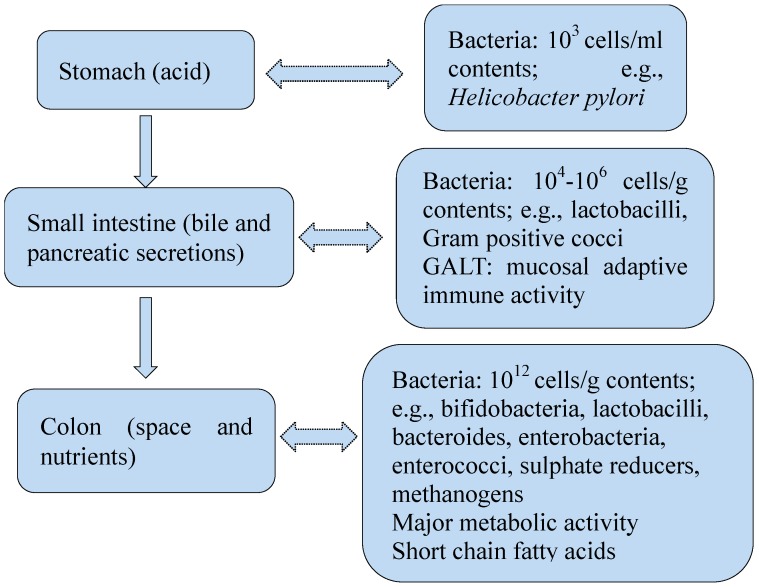
“There are more than 1014 commensal microbiota of approximately 1,000 species harboring in human gut, with an increasing density and diversity from stomach to colorectum (de Martel et al. 2012; Zhang et al. 2015a).”
BackgroundIntestinal Microbiota: A Novel Target to Improve Anti-Tumor Treatment?
Villéger, R., Lopès, A., Carrier, G., Veziant, J., Billard, E., Barnich, N., Gagnière, J., Vazeille, E., & Bonnet, M. (2019) · International Journal of Molecular Sciences · doi:10.3390/ijms20184584 · Cited by 119
“In the recent years, evidence from numerous studies has pointed to the role of commensal microbes as key determinants of health or pathologic conditions, including cancer [2].”
BackgroundMia, A. K., Meyyappan, M., & Giri, P. K. (2023) · Biosensors · doi:10.3390/bios13020169 · Cited by 122
Fermented Foods: Their Health-Promoting Components and Potential Effects on Gut Microbiota
Shah, A. M., Tarfeen, N., Mohamed, H., & Song, Y. (2023) · Fermentation · doi:10.3390/fermentation9020118 · Cited by 182
“The bulk of dietary polyphenols in the human diet are flavonoids and phenolic acids, which are valued for their antioxidant effects and have been shown to have a direct effect on gut flora [144].”
BackgroundTang, H., Zhang, X., Luo, N., Huang, J., & Zhu, Y. (2023) · The Journals of Gerontology Series A · doi:10.1093/gerona/glad175 · Cited by 127
Hughes, R. L., Kable, M. E., Marco, M., & Keim, N. L. (2019) · Advances in Nutrition · doi:10.1093/advances/nmz049 · Cited by 117
The Mycobiome: A Neglected Component in the Microbiota-Gut-Brain Axis
Enaud, R., Vandenborght, L., Coron, N., Bazin, T., Prével, R., Schaeverbeke, T., Berger, P., Fayon, M. J., Lamireau, T., & Delhaès, L. (2018) · Microorganisms · doi:10.3390/microorganisms6010022 · Cited by 133
“including metabolic and immune functions, is now well demonstrated, as is its involvement in the pathophysiology of digestive and extra-digestive disorders [7,8].”
BackgroundMeng, X., Li, S., Li, Y., Gan, R.-Y., & Li, H.-B. (2018) · Nutrients · doi:10.3390/nu10101457 · Cited by 115
The ecology of human microbiota: dynamics and diversity in health and disease
Karkman, A., Lehtimäki, J., & Ruokolainen, L. (2017) · Annals of the New York Academy of Sciences · doi:10.1111/nyas.13326 · Cited by 115
Li, B., Xu, X., Gan, R., Sun, Q., Meng, J.-M., Shang, A., Mao, Q., & Li, H. (2019) · Foods · doi:10.3390/foods8100440 · Cited by 123
Gut microbiota affects development and olfactory behavior in Drosophila melanogaster
Qiao, H., Keesey, I. W., Hansson, B. S., & Knaden, M. (2019) · Journal of Experimental Biology · doi:10.1242/jeb.192500 · Cited by 127
Biodiversity of Gut Microbiota: Impact of Various Host and Environmental Factors
Anwar, H., Iftikhar, A., Muzaffar, H., Almatroudi, A., Allemailem, K. S., Navaid, S., Saleem, S., & Khurshid, M. (2021) · BioMed Research International · doi:10.1155/2021/5575245 · Cited by 130
“Initially, it was thought that there are 10 times more microbial cells than the human cells residing in our body [18], but now, a recent insight has given us an idea that human cells and microbial cells are present in our body in 1 : 1 which depicts the fact that there are approximately equal microbial and human cells…”
BackgroundSun, J., Chen, F., & Wu, G. (2023) · The ISME Journal · doi:10.1038/s41396-023-01483-0 · Cited by 127
“Diseases including inflammatory bowel disease, atherosclerosis, multiple sclerosis, diabetes, and Alzheimer’s disease, among others are associated with dysbacteriosis [1, 2].”
BackgroundDisentangling host–microbiota complexity through hologenomics
Alberdi, A., Andersen, S. B., Limborg, M. T., Dunn, R. R., & Gilbert, M. T. P. (2021) · Nature Reviews Genetics · doi:10.1038/s41576-021-00421-0 · Cited by 120
Gut commensals and their metabolites in health and disease
Krishnamurthy, H. K., Pereira, M., Bosco, J., George, J., Jayaraman, V., Krishna, K., Wang, T., Bei, K., & Rajasekaran, J. J. (2023) · Frontiers in Microbiology · doi:10.3389/fmicb.2023.1244293 · Cited by 123
“SCFAs such as acetate, butyrate, and propionate are formed from the digestion of complex carbohydrates by colonic bacteria (Figure 1; Zhang et al., 2015).”
BackgroundInfluentialMacPherson, C. W., Mathieu, O., Tremblay, J., Champagne, J., Nantel, A., Girard, S.-A., & Tompkins, T. A. (2018) · Scientific Reports · doi:10.1038/s41598-018-29229-5 · Cited by 104
Winglee, K., Howard, A. G., Sha, W., Gharaibeh, R. Z., Liu, J., Jin, D., Fodor, A. A., & Gordon-Larsen, P. (2017) · Microbiome · doi:10.1186/s40168-017-0338-7 · Cited by 103
Adhikari, B., Kim, S. W., & Kwon, Y. M. (2019) · International Journal of Molecular Sciences · doi:10.3390/ijms20071630 · Cited by 111
Karimi, G., Sabran, M. R., Jamaluddin, R., Parvaneh, K., Mohtarrudin, N., Ahmad, Z., Khazaai, H., & Khodavandi, A. (2015) · Food & Nutrition Research · doi:10.3402/fnr.v59.29273 · Cited by 103
The Pharmabiotic Approach to Treat Hyperammonemia
Liu, J., Lkhagva, E., Chung, H., Kim, H., & Hong, S. (2018) · Nutrients · doi:10.3390/nu10020140 · Cited by 112
“The intestinal bacteria play an important role in human health, such as by supplying essential nutrients, synthesizing vitamin K, aiding in the digestion of cellulose, and promoting angiogenesis and enteric nerve function [92].”
BackgroundAghamajidi, A., & Vareki, S. M. (2022) · Cancers · doi:10.3390/cancers14153563 · Cited by 110
“Commensal bacteria contribute to human health and disease, such as cancer and other chronic conditions [55].”
BackgroundGluten-free and casein-free diets in the therapy of autism
Lange, K. W., Hauser, J., & Reißmann, A. (2015) · Current Opinion in Clinical Nutrition & Metabolic Care · doi:10.1097/mco.0000000000000228 · Cited by 142
“Bacteria are an important component of the microbiota ecosystem in the human gut and the dysbiosis of gut bacteria has been noted to be associated with various chronic diseases including autism [16].”
BackgroundEffects of Nigella sativa seed polysaccharides on type 2 diabetic mice and gut microbiota
Dong, J., Liang, Q., Niu, Y., Jiang, S., Zhou, L., Wang, J., Ma, C., & Kang, W. (2020) · International Journal of Biological Macromolecules · doi:10.1016/j.ijbiomac.2020.05.042 · Cited by 104
Intestinal Delivery of Probiotics: Materials, Strategies, and Applications
Li, C., Wang, Z., Xiao, H., & Wu, F. (2024) · Advanced Materials · doi:10.1002/adma.202310174 · Cited by 118
In Silico Analysis of Putrefaction Pathways in Bacteria and Its Implication in Colorectal Cancer
Kaur, H., Das, C., & Mande, S. S. (2017) · Frontiers in Microbiology · doi:10.3389/fmicb.2017.02166 · Cited by 98
“Interestingly, bacteria belonging to five (Firmicutes, Actinobacteria, Bacteroidetes, Fusobacteria, and Proteobacteria) out of six above mentioned phyla have been reported to be common inhabitants of the human gut (RajilićStojanović et al., 2007; Zhang et al., 2015).”
Background
Metadata
- Authors
- Zhang, Y.-J., Li, S., Gan, R.-Y., Zhou, T., Xu, D.-P., & Li, H.-B.
- Affiliations
- Sun Yat-sen University (CN)
- University of Hong Kong (HK)
- Corresponding author
- Li, Hua-Bin
- Venue
- International Journal of Molecular Sciences
- Publisher
- MDPI AG
- Published
- 2015-04-02
- Volume
- 16
- Issue
- 4
- Pages
- 7493-7519
- ISSN
- 1422-0067 (ISSN-L)
- PMC
- PMC4425030
- OpenAlex
- W2058362335
- Cited by
- 1,055
- References
- 137
- Citations by year
- 2026: 45 · 2025: 116 · 2024: 158 · 2023: 134 · 2022: 129 · 2021: 127 · 2020: 83 · 2019: 85 · 2018: 72 · 2017: 53 · 2016: 35 · 2015: 18
- Type
- dissertation
- Language
- en
- Open access
- gold
- dx.doi.org
- Licence
- Locations
- International Journal of Molecular Sciences (publishedVersion, cc-by)
- PubMed Central (publishedVersion, cc-by)
- PubMed (publishedVersion)
- DOAJ (DOAJ: Directory of Open Access Journals) (submittedVersion, cc-by-sa)
- Funders
- National Natural Science Foundation of China (81372976)
- Sun Yat-sen University
- Topics
- Life Sciences › Biochemistry, Genetics and Molecular Biology › Molecular Biology › Gut microbiota and health
- Life Sciences › Agricultural and Biological Sciences › Food Science › Probiotics and Fermented Foods
- Health Sciences › Dentistry › Periodontics › Oral microbiology and periodontitis research
- Keywords
- gut microbiota, dysbiosis, human health, chronic disease, inflammatory bowel disease, obesity, cancer, autism spectrum disorder, cellulose digestion, angiogenesis, enteric nervous system, antibiotic use, diet and lifestyle
- MeSH terms
- Animals, Bacteria, Disease, Humans, Ecosystem, Probiotics, Gastrointestinal Tract, Microbiota
About these checks
Registry, retraction, Cites and statistics results are computed, not judged, with one exception: a printed reference that no index lists is read once by a model before it counts as a citation error. Claims are extracted by a model and kept only when their quote appears verbatim in the text; each cited source is then checked, with a model’s help, for whether it says what the claim relies on. Those verdicts can be wrong — read the claim’s quote and the cited source before relying on one.
Statistics and arithmetic are recomputed, not judged.
Confidence bands are shown only for fields calibrated on our annotated test set. None is calibrated yet, so no band is shown.
What counts as a claim ›How we measure confidence ›How we check this ›
Are you an author, or do you see a problem with this page? Request a review
Data sources
Bibliographic data: Semantic Scholar, OpenAlex, Crossref.
Contains information from the Semantic Scholar Academic Graph Datasets, made available under the ODC Attribution License (ODC-BY 1.0).
Semantic Scholar’s data is described in: Kinney, R., et al. (2023). The Semantic Scholar Open Data Platform. arXiv:2301.10140.
