

Role of Hydrophobins in Aspergillus fumigatus
Open accessThe DOI matches its Crossref record; 55 of the 55 references it cites were found in a registry or an index.
Abstract
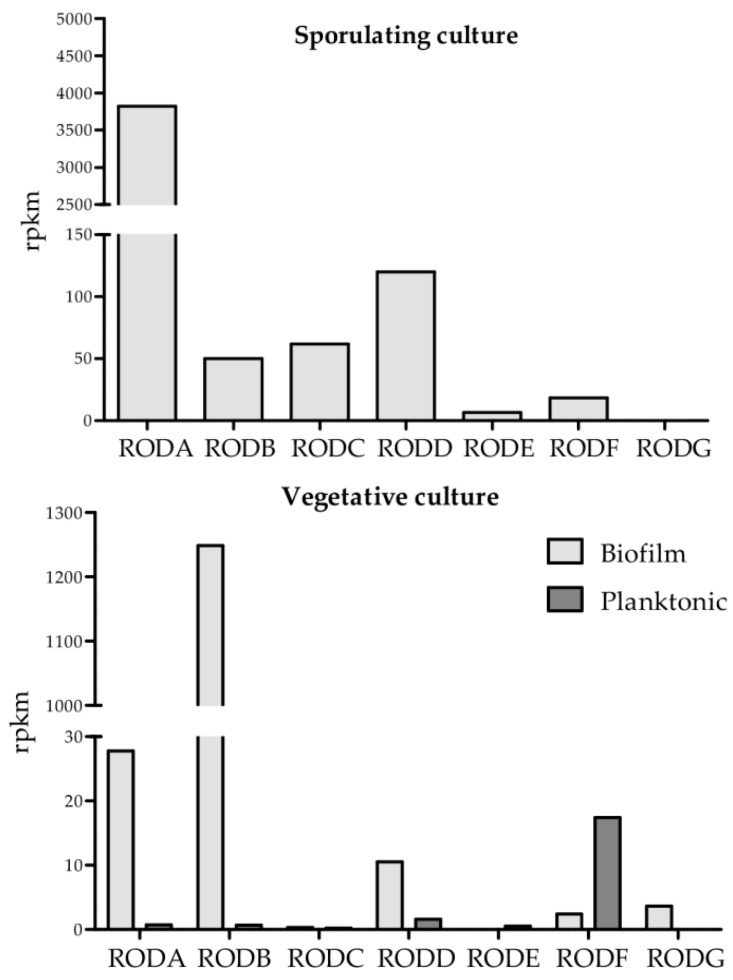
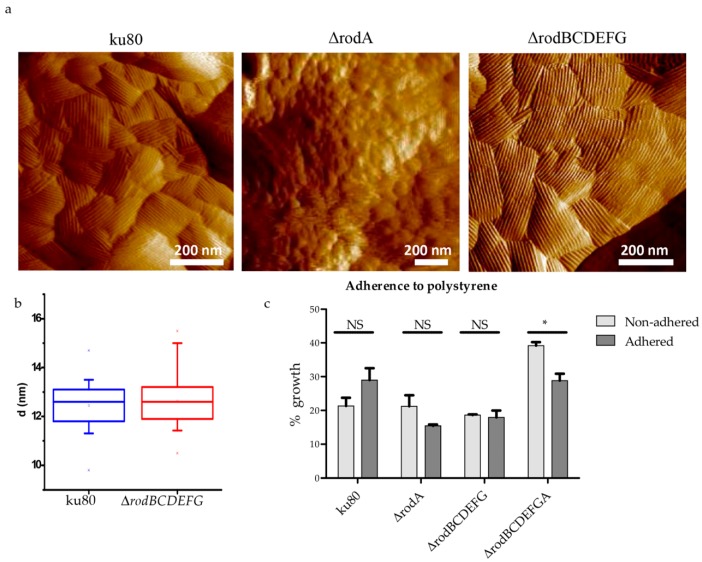
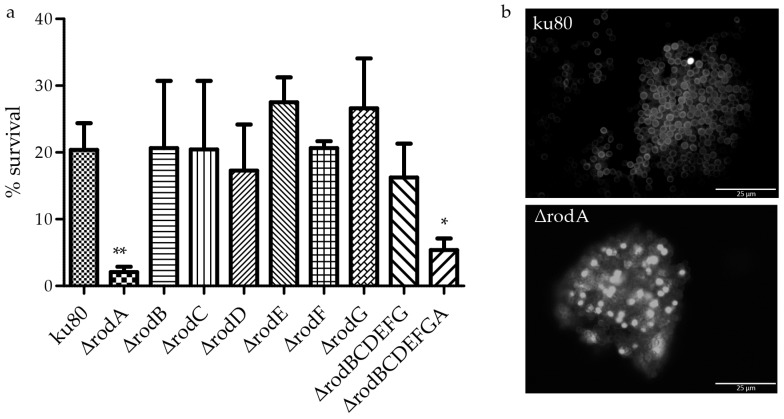
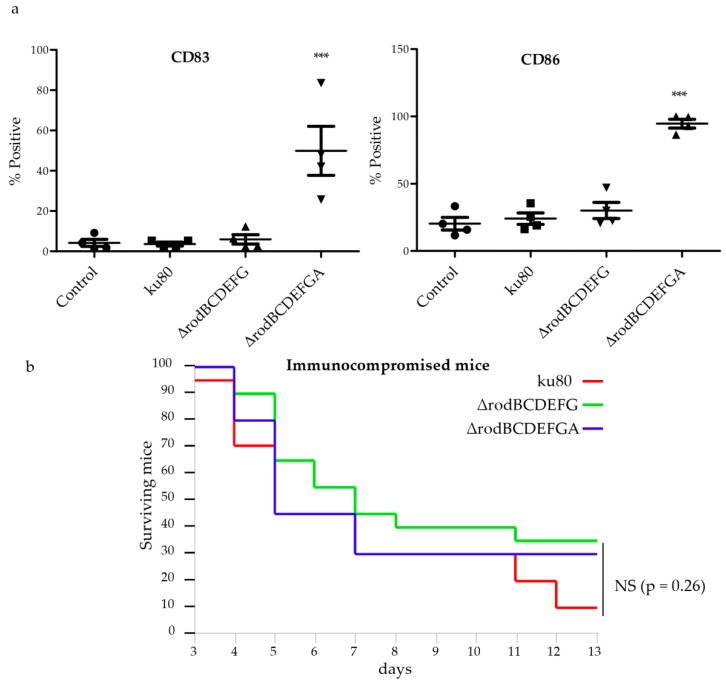
Resistance of Aspergillus fumigatus conidia to desiccation and their capacity to reach the alveoli are partly due to the presence of a hydrophobic layer composed of a protein from the hydrophobin family, called RodA, which covers the conidial surface. In A. fumigatus there are seven hydrophobins (RodA–RodG) belonging to class I and III. Most of them have never been studied. We constructed single and multiple hydrophobin-deletion mutants until the generation of a hydrophobin-free mutant. The phenotype, immunogenicity, and virulence of the mutants were studied. RODA is the most expressed hydrophobin in sporulating cultures, whereas RODB is upregulated in biofilm conditions and in vivo Only RodA, however, is responsible for rodlet formation, sporulation, conidial hydrophobicity, resistance to physical insult or anionic dyes, and immunological inertia of the conidia. None of the hydrophobin plays a role in biofilm formation or its hydrophobicity. RodA is the only needed hydrophobin in A. fumigatus, conditioning the structure, permeability, hydrophobicity, and immune-inertia of the cell wall surface in conidia. Moreover, the defect of rodlets on the conidial cell wall surface impacts on the drug sensitivity of the fungus.
Overview
The claims and statistics of this paper haven’t been checked yet.
Free: it reads the open-access text and checks the first 5 claims that cite a source we can check. Create a free account to check every claim.
Integrity signals
Registry
Cites
Statistics
Figures
Verification
Claims the paper makes
The claims and statistics of this paper haven’t been checked yet.
Free: it reads the open-access text and checks the first 5 claims that cite a source we can check. Create a free account to check every claim.
Claims other papers make about this one
Each is checked against this paper’s own text: does it say what the citing paper says it does?
The source backs part of the claim, not all of it — or backs it for a different population, condition or comparison.
In the citing paper
“The presence of different carbohydrate and protein molecules on the conidial surface, appearing as compensatory reactions to rodlet mutation, was responsible for dendritic cell activation.”
From Aspergillus fumigatus and Aspergillosis in 2019 (2019) · cites this paper as [472]
Experimental — accuracy not yet measuredThe source backs part of the claim, not all of it — or backs it for a different population, condition or comparison.
In the citing paper
“In contrast to the parental conidia, mutant conidia lacking disulfide bridges within RodA or expressing RodA carrying the double (I115S/I146G) mutation activated dendritic cells with the subsequent secretion of proinflammatory cytokines.”
From Aspergillus fumigatus and Aspergillosis in 2019 (2019) · cites this paper as [472]
Experimental — accuracy not yet measuredThe source backs part of the claim, not all of it — or backs it for a different population, condition or comparison.
In the citing paper
“The reason is that the conidial outer layer of these mutants is covered by a layer of glycoproteins responsible for conidial hydrophilicity.”
From Aspergillus fumigatus and Aspergillosis in 2019 (2019) · cites this paper as [472]
Experimental — accuracy not yet measuredThe check wasn’t confident either way, so it gives no verdict — never disputed.
In the citing paper
“Other point mutations in the hydrophobic residues of one or preferably the two amyloid regions (I115S/I146G point mutation) of the RodA protein have modified the size of the rodlet fibers and delayed the production of the rodlet, leading to partial coverage of the conidial surface by rodlets.”
From Aspergillus fumigatus and Aspergillosis in 2019 (2019) · cites this paper as [472]
Experimental — accuracy not yet measuredIn the citing paper
“Even though the rodlets are present in these mutants, the conidia of these mutants remain hydrophilic, like the conidia of the rodA mutant or the cysteine point-mutated mutant.”
From Aspergillus fumigatus and Aspergillosis in 2019 (2019) · cites this paper as [472]
9 more claims about this paper
Create a free account to see every claim other papers make about this one.
Self-check
Percentages, sums and reported differences re-computed from the paper’s own numbers.
The self-check needs the paper’s full text.
Citations
Cites
Kim, D., Pertea, G., Trapnell, C., Pimentel, H., Kelley, R., & Salzberg, S. L. (2013) · Genome Biology · doi:10.1186/gb-2013-14-4-r36 · Cited by 12,668 · cited 1×
“fumigatus Af293 genome using TopHat2 with the default setting [25].”
MethodJalview Version 2—a multiple sequence alignment editor and analysis workbench
Waterhouse, A. M., Procter, J. B., Martin, D. M. A., Clamp, M., & Barton, G. J. (2009) · Bioinformatics · doi:10.1093/bioinformatics/btp033 · Cited by 11,399
ExPASy: the proteomics server for in-depth protein knowledge and analysis
Gasteiger, E. (2003) · Nucleic Acids Research · doi:10.1093/nar/gkg563 · Cited by 5,595 · cited 1×
“Hydrophobicity profiles were obtained at the ExPASy server using the Eisenberg scale with default parameters [21].”
MethodMultiple Sequence Alignment Using ClustalW and ClustalX
Thompson, J. D., Gibson, T. J., & Higgins, D. G. (2003) · Current Protocols in Bioinformatics · doi:10.1002/0471250953.bi0203s00 · Cited by 2,971 · cited 1×
“The sequence alignment obtained with ClustalW [18] was manually edited and visualized with Jalview [19].”
MethodAspergillus fumigatus and Aspergillosis
Latgé, J.-P. (1999) · Clinical Microbiology Reviews · doi:10.1128/cmr.12.2.310 · Cited by 2,307 · cited 1×
“The airborne spores (called conidia) are inhaled by the human population and can cause a wide range of diseases, from common allergies to fatal infections [5].”
BackgroundHentzer, M., Riedel, K., Rasmussen, T. B., Heydorn, A., Andersen, J. B., Parsek, M. R., Rice, S. A., Eberl, L., Molin, S., Høiby, N., et al. (2002) · Microbiology · doi:10.1099/00221287-148-1-87 · Cited by 1,050 · cited 1×
“The Pseudomonas aeruginosa strain used in this study was Pa14, a bacterial strain labeled with the green-fluorescent protein GFP (a kind gift of Niels Høiby, Copenhagen University Hospital, Denmark) [16].”
MethodA Short Polypeptide Marker Sequence Useful for Recombinant Protein Identification and Purification
Hopp, T. P., Prickett, K. S., Price, V. L., Libby, R. T., March, C. J., Pat Cerretti, D., Urdal, D. L., & Conlon, P. J. (1988) · Bio/Technology · doi:10.1038/nbt1088-1204 · Cited by 957 · cited 1×
“The Flag-tag DNA sequence added was AGC GGA GAC TAT AAG GAC GAT GAC GAT AAG AGC GGA, codifying for the Flag-tag protein sequence SGDYKDDDDKSG [31].”
MethodSurface hydrophobin prevents immune recognition of airborne fungal spores
Aimanianda, V., Bayry, J., Bozza, S., Kniemeyer, O., Perruccio, K., Elluru, S. R., Clavaud, C., Paris, S., Brakhage, A. A., Kaveri, S. V., et al. (2009) · Nature · doi:10.1038/nature08264 · Cited by 792 · cited 6×
“fumigatus conidia by host innate cells, such as DCs [7].”
BackgroundInfluentialSelf-citationHydrophobins: the protein-amphiphiles of filamentous fungi
Linder, M. B., Szilvay, G. R., Nakari-Setälä, T., & Penttilä, M. E. (2005) · FEMS Microbiology Reviews · doi:10.1016/j.femsre.2005.01.004 · Cited by 657 · cited 1×
“Rodlets formed by class I hydrophobins show the hallmarks of amyloid fibers [1,43].”
BackgroundHydrophobins: Proteins that Change the Nature of the Fungal Surface
Wessels, J. G. H. (1996) · Advances in Microbial Physiology · doi:10.1016/s0065-2911(08)60154-x · Cited by 438 · cited 1×
“The surfactant and amphipathic nature of the hydrophobin layers help in the formation of essential aerial structures of filamentous fungi, such as hyphae, fruiting bodies, and spores [3].”
BackgroundGFOLD: a generalized fold change for ranking differentially expressed genes from RNA-seq data
Feng, J., Meyer, C. A., Wang, Q., Liu, J. S., Shirley Liu, X., & Zhang, Y. (2012) · Bioinformatics · doi:10.1093/bioinformatics/bts515 · Cited by 437 · cited 1×
“Read counts and RPKM (Reads Per Kilo bases per Million reads) expression values for each gene were calculated using GFOLD [26].”
Methodda Silva Ferreira, M. E., Kress, M. R. V. Z., Savoldi, M., Goldman, M. H. S., Härtl, A., Heinekamp, T., Brakhage, A. A., & Goldman, G. H. (2006) · Eukaryotic Cell · doi:10.1128/ec.5.1.207-211.2006 · Cited by 403 · cited 1×
“fumigatus reference strain used in this study is CEA17∆akuBKU80 (ku80), deficient in non-homologous end joining [12].”
Identification and characterization of Aspergillus nidulans mutants defective in cytokinesis.
Harris, S. D., Morrell, J. L., & Hamer, J. E. (1994) · Genetics · doi:10.1093/genetics/136.2.517 · Cited by 346
A Consensus Method for the Prediction of ‘Aggregation-Prone’ Peptides in Globular Proteins
Tsolis, A. C., Papandreou, N. C., Iconomidou, V. A., & Hamodrakas, S. J. (2013) · PLoS ONE · doi:10.1371/journal.pone.0054175 · Cited by 324 · cited 3×
“, the regions with tendency to self-assemble into a cross β–structure that forms the core of amyloid fibers, were predicted with the amylpred2 method [20].”
BackgroundMethodInfluentialCatanzariti, A., Soboleva, T. A., Jans, D. A., Board, P. G., & Baker, R. T. (2004) · Protein Science · doi:10.1110/ps.04618904 · Cited by 298 · cited 1×
“The rRodB plasmid, which is based on the pHUE vector [32] was a kind gift of M.”
BackgroundAn eight cysteine-containing CFEM domain unique to a group of fungal membrane proteins
Kulkarni, R. D., Kelkar, H. S., & Dean, R. A. (2003) · Trends in Biochemical Sciences · doi:10.1016/s0968-0004(03)00025-2 · Cited by 294 · cited 1×
“In fungi, another class of proteins containing a CFEM domain of eight cysteines pattern have a signal peptide [45,46].”
BackgroundZhang, S., Xia, Y. X., Kim, B., & Keyhani, N. O. (2011) · Molecular Microbiology · doi:10.1111/j.1365-2958.2011.07613.x · Cited by 267 · cited 2×
“bassiana, Hyd1 and Hyd2 interact to constitute the conidial rodlet layer [38,44].”
BackgroundAn extracellular matrix glues together the aerial-grown hyphae of Aspergillus fumigatus
Beauvais, A., Schmidt, C., Guadagnini, S., Roux, P., Perret, E., Henry, C., Paris, S., Mallet, A., Prévost, M.-C., & Latgé, J. P. (2007) · Cellular Microbiology · doi:10.1111/j.1462-5822.2007.00895.x · Cited by 262 · cited 2×
“Minimal medium (MM) [13] was used for the construction of the mutants and antifungal susceptibility; glucose 3%-yeast extract (1%) (GYE) medium for adherence, germination and biofilm tests [14]; and GI-10% fetal calf serum was used for human dendritic cell (DC) culture [15].”
MethodSelf-citationCerqueira, G. C., Arnaud, M. B., Inglis, D. O., Skrzypek, M. S., Binkley, G., Simison, M., Miyasato, S. R., Binkley, J., Orvis, J., Shah, P., et al. (2014) · Nucleic Acids Research · doi:10.1093/nar/gkt1029 · Cited by 253 · cited 3×
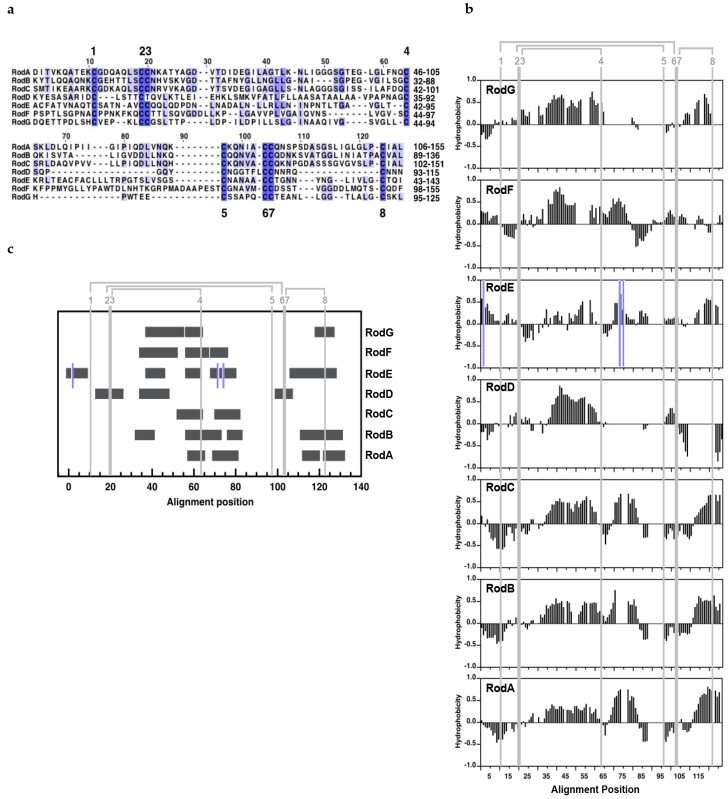
“In addition to RODA, (AFUA_5G09580; AFUB_057130) (Aspergillus Genome Database) identified five more hydrophobin genes in A. fumigatus, RODB (AFUA_1G175250, AFUB_016640), RODC (AFUA_8G07060, AFUB_080740), RODD (AFUA_5G01490, AFUB_050030), RODE (AFUA_8G05890, AFUB_081650), and RODF (AFUA_5G03280, AFUB_051810) [8].”
BackgroundStructural basis for rodlet assembly in fungal hydrophobins
Kwan, A. H. Y., Winefield, R. D., Sunde, M., Matthews, J. M., Haverkamp, R. G., Templeton, M. D., & Mackay, J. P. (2006) · Proceedings of the National Academy of Sciences · doi:10.1073/pnas.0505704103 · Cited by 249 · cited 1×
“The solution NMR analysis of the secondary structure of RodA, of its disulfide topology [30] and the high level of sequence similarity indicates that RodB and RodC monomers, like RodA monomers, contain a barrel organized around the S-S bridges and the typical hydrophobin S-S topology (C1–C6, C2–C5, C3–C4, C7–C8, [39]).”
BackgroundConidial Hydrophobins of Aspergillus fumigatus
Paris, S., Debeaupuis, J.-P., Crameri, R., Carey, M., Charlès, F., Prévost, M. C., Schmitt, C., Philippe, B., & Latgé, J. P. (2003) · Applied and Environmental Microbiology · doi:10.1128/aem.69.3.1581-1588.2003 · Cited by 235 · cited 9×
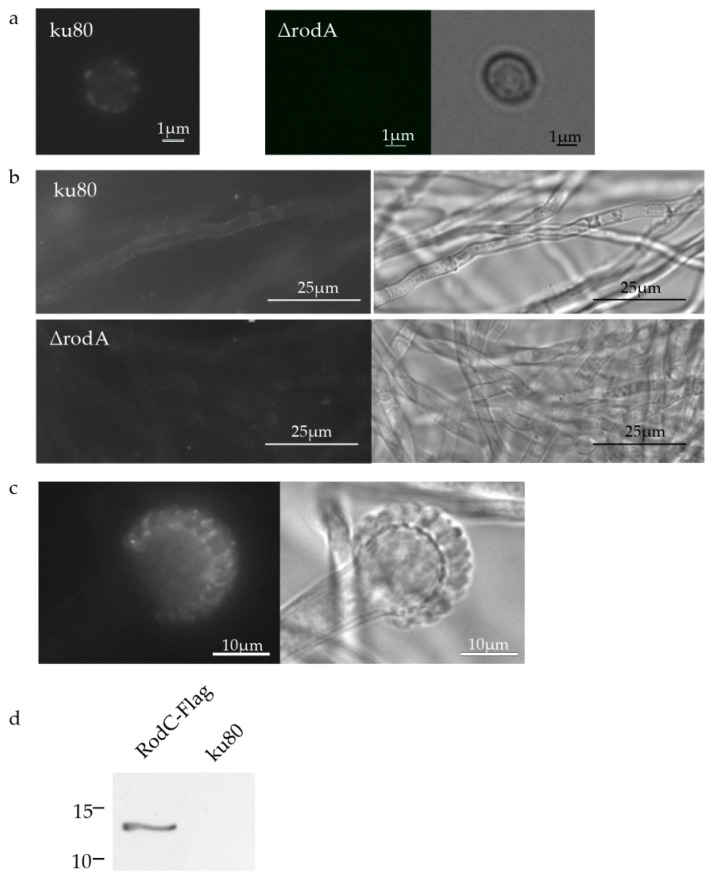
“[6]) and by immunofluorescence that RodA was present both on the surface of the conidium (Figure S2, Figure 3a), in the biofilm (Figure 3b) and in the phialides of the A.”
BackgroundMethodResultInfluentialSelf-citationAtomic Resolution Structure of the HFBII Hydrophobin, a Self-assembling Amphiphile
Hakanpää, J., Paananen, A., Askolin, S., Nakari-Setälä, T., Parkkinen, T., Penttilä, M., Linder, M. B., & Rouvinen, J. (2004) · Journal of Biological Chemistry · doi:10.1074/jbc.m309650200 · Cited by 234
rodletless mutants of Aspergillus fumigatus
Thau, N., Monod, M., Crestani, B., Rolland, C., Tronchin, G., Latgé, J. P., & Paris, S. (1994) · Infection and Immunity · doi:10.1128/iai.62.10.4380-4388.1994 · Cited by 234 · cited 3×
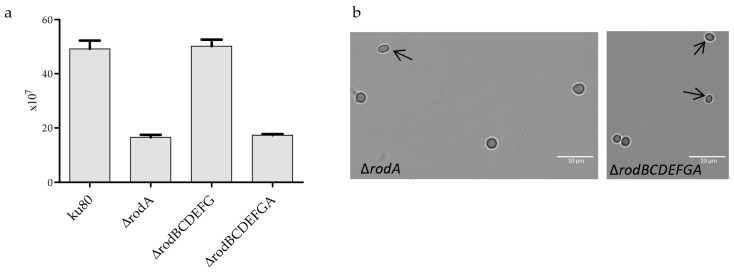
“However, previous results on ∆rodA [6,10], and our data on ∆rodBCDEFGA and ∆rodBCDEFG, showed that the virulence of hydrophobin mutants in our mice invasive aspergillosis model was similar to the parental strain.”
BackgroundResultSelf-citationStructural analysis of hydrophobins
Sunde, M., Kwan, A. H. Y., Templeton, M. D., Beever, R. E., & Mackay, J. P. (2008) · Micron · doi:10.1016/j.micron.2007.08.003 · Cited by 233 · cited 3×
“Rodlets formed by class I hydrophobins show the hallmarks of amyloid fibers [1,43].”
BackgroundAspergillus Cell Wall Melanin Blocks LC3-Associated Phagocytosis to Promote Pathogenicity
Akoumianaki, T., Kyrmizi, I., Valsecchi, I., Gresnigt, M. S., Samonis, G., Drakos, E., Boumpas, D., Muszkieta, L., Prevost, M.-C., Kontoyiannis, D. P., et al. (2016) · Cell Host & Microbe · doi:10.1016/j.chom.2015.12.002 · Cited by 218 · cited 1×
“The ORF sequences of each ROD were replaced by the hygromycin or chlorimuron β-recombinase resistance cassette (HPHR or ChloriR β-rec) [27,28] through double crossing-over of the upstream and downstream borders, producing the ∆rod strains (Table S1; Figure S1A–G).”
MethodSelf-citationHochstenbach, F., Klis, F. M., van den Ende, H., van Donselaar, E., Peters, P. J., & Klausner, R. D. (1998) · Proceedings of the National Academy of Sciences · doi:10.1073/pnas.95.16.9161 · Cited by 191
Functional analysis of the superoxide dismutase family in Aspergillus fumigatus
Lambou, K., Lamarre, C., Beau, R., Dufour, N., & Latge, J. (2010) · Molecular Microbiology · doi:10.1111/j.1365-2958.2009.07024.x · Cited by 188 · cited 1×
“Transformation of parental strain with the DNA construct by electroporation was performed as previously described [29].”
MethodSelf-citationHigh-Resolution Cell Surface Dynamics of Germinating Aspergillus fumigatus Conidia
Dague, E., Alsteens, D., Latgé, J.-P., & Dufrêne, Y. F. (2008) · Biophysical Journal · doi:10.1529/biophysj.107.116491 · Cited by 169 · cited 1×
“With regard to virulence, ∆rodA was shown ex vivo to be less virulent than the wild-type, although this mutant was still able to kill mice given that the rodlet layer normally disappears during germination [6,10,11].”
BackgroundSelf-citationBriard, B., Bomme, P., Lechner, B. E., Mislin, G. L. A., Lair, V., Prévost, M.-C., Latgé, J.-P., Haas, H., & Beauvais, A. (2015) · Scientific Reports · doi:10.1038/srep08220 · Cited by 161 · cited 1×
“Minimal medium (MM) [13] was used for the construction of the mutants and antifungal susceptibility; glucose 3%-yeast extract (1%) (GYE) medium for adherence, germination and biofilm tests [14]; and GI-10% fetal calf serum was used for human dendritic cell (DC) culture [15].”
MethodSelf-citationBayry, J., Beaussart, A., Dufrêne, Y. F., Sharma, M., Bansal, K., Kniemeyer, O., Aimanianda, V., Brakhage, A. A., Kaveri, S. V., Kwon-Chung, K. J., et al. (2014) · Infection and Immunity · doi:10.1128/iai.01726-14 · Cited by 137 · cited 2×
“Human DCs were generated from circulating monocytes as previously described [15].”
MethodSelf-citationTwo α(1-3) Glucan Synthases with Different Functions in Aspergillus fumigatus
Beauvais, A., Maubon, D., Park, S., Morelle, W., Tanguy, M., Huerre, M., Perlin, D. S., & Latgé, J. P. (2005) · Applied and Environmental Microbiology · doi:10.1128/aem.71.3.1531-1538.2005 · Cited by 136
Self-citationBeauvais, A., Bozza, S., Kniemeyer, O., Formosa, C., Balloy, V., Henry, C., Roberson, R. W., Dague, E., Chignard, M., Brakhage, A. A., et al. (2013) · PLoS Pathogens · doi:10.1371/journal.ppat.1003716 · Cited by 127
Self-citationHartmann, T., Dümig, M., Jaber, B. M., Szewczyk, E., Olbermann, P., Morschhäuser, J., & Krappmann, S. (2010) · Applied and Environmental Microbiology · doi:10.1128/aem.00882-10 · Cited by 120 · cited 1×
“The ORF sequences of each ROD were replaced by the hygromycin or chlorimuron β-recombinase resistance cassette (HPHR or ChloriR β-rec) [27,28] through double crossing-over of the upstream and downstream borders, producing the ∆rod strains (Table S1; Figure S1A–G).”
MethodGibbons, J. G., Beauvais, A., Beau, R., McGary, K. L., Latgé, J.-P., & Rokas, A. (2012) · Eukaryotic Cell · doi:10.1128/ec.05102-11 · Cited by 118 · cited 1×
“fumigatus growing under biofilm and liquid planktonic conditions [22], sporulating cultures [23], and in vivo data obtained here with mice were used to quantify the expression of the different hydrophobins as described previously [23].”
MethodSelf-citationThe 18-kilodalton antigen secreted by Aspergillus fumigatus
Latgé, J. P., Moutaouakil, M., Debeaupuis, J. P., Bouchara, J. P., Haynes, K., & Prévost, M. C. (1991) · Infection and Immunity · doi:10.1128/iai.59.8.2586-2594.1991 · Cited by 111 · cited 1×
“Mice were sacrificed after the ELISA test gave positive results at 1:2500 serum dilutions using 1 μg recombinant proteins as antigens, as previously described (Table S2) [33].”
MethodSelf-citationMuszkieta, L., Aimanianda, V., Mellado, E., Gribaldo, S., Alcàzar-Fuoli, L., Szewczyk, E., Prevost, M.-C., & Latgé, J.-P. (2014) · Cellular Microbiology · doi:10.1111/cmi.12326 · Cited by 110 · cited 1×
“Similarly, in the chitin synthase CHS family, phenotypic defects mainly result from the CSMA deletion [51].”
BackgroundSelf-citationβ(1-3)Glucanosyltransferase Gel4p Is Essential for Aspergillus fumigatus
Gastebois, A., Fontaine, T., Latgé, J.-P., & Mouyna, I. (2010) · Eukaryotic Cell · doi:10.1128/ec.00107-10 · Cited by 100 · cited 1×
“For example, in the glucanosyl transferase GEL family, GEL4 deletion is lethal and cannot be compensated for by other GELS [49,50].”
BackgroundSelf-citationPham, C. L. L., Rey, A., Lo, V., Soulès, M., Ren, Q., Meisl, G., Knowles, T. P. J., Kwan, A. H., & Sunde, M. (2016) · Scientific Reports · doi:10.1038/srep25288 · Cited by 92 · cited 1×
“Mutants in this gene also displayed reduced conidiation and viability [42].”
BackgroundHydrophobins from Aspergillus species cannot be clearly divided into two classes
Jensen, B. G., Andersen, M. R., Pedersen, M. H., Frisvad, J. C., & Søndergaard, I. (2010) · BMC Research Notes · doi:10.1186/1756-0500-3-344 · Cited by 91
Hydrophobin Gene Expression Affects Hyphal Wall Composition in Schizophyllum commune
Wetter, M. V., Wösten, H. A. B., Sietsma, J. H., & Wessels, J. G. H. (2000) · Fungal Genetics and Biology · doi:10.1006/fgbi.2000.1231 · Cited by 89
FungalRV: adhesin prediction and immunoinformatics portal for human fungal pathogens
Chaudhuri, R., Ansari, F. A., Raghunandanan, M. V., & Ramachandran, S. (2011) · BMC Genomics · doi:10.1186/1471-2164-12-192 · Cited by 81 · cited 1×
“However, these new proteins were not taken into account herein, because these proteins are predicted as adhesins by the FungalRV adhesin predictor and, hence, they do not show the hallmarks of hydrophobins [8,9].”
BackgroundGrünbacher, A., Throm, T., Seidel, C., Gutt, B., Röhrig, J., Strunk, T., Vincze, P., Walheim, S., Schimmel, T., Wenzel, W., et al. (2014) · PLoS ONE · doi:10.1371/journal.pone.0094546 · Cited by 79 · cited 7×
“nidulans, six hydrophobins were found in the genome [38], three of which (AnRodA, DewA, and DewB) belong to class I, as in A.”
BackgroundInfluentialBriard, B., Rasoldier, V., Bomme, P., ElAouad, N., Guerreiro, C., Chassagne, P., Muszkieta, L., Latgé, J.-P., Mulard, L., & Beauvais, A. (2017) · The ISME Journal · doi:10.1038/ismej.2017.32 · Cited by 66 · cited 2×
“surface ionic characteristics did not change [17].”
BackgroundSelf-citationBiosynthesis of cell wall mannan in the conidium and the mycelium of Aspergillusfumigatus
Henry, C., Fontaine, T., Heddergott, C., Robinet, P., Aimanianda, V., Beau, R., Beauvais, A., Mouyna, I., Prevost, M.-C., Fekkar, A., et al. (2016) · Cellular Microbiology · doi:10.1111/cmi.12665 · Cited by 59 · cited 2×
“To test the susceptibility to Congo red (CR) and calcofluor white (CFW), 500 conidia were spotted on six-well microplates (tissue culture plates, Sigma Aldrich) containing serial dilutions of CR or CWF in MM agar medium and incubated at 37 ◦C [36].”
MethodSelf-citationBioinformatics predicts diverse Aspergillus hydrophobins with novel properties
Littlejohn, K. A., Hooley, P., & Cox, H. (2011) · Food Hydrocolloids · doi:10.1016/j.foodhyd.2011.08.018 · Cited by 57 · cited 3×
“A search for new hydrophobins in filamentous fungi using successive blasts on the Aspergillus comparative database led to the identification of three more proteins after the sixth blast (AFUA_5G09960, AFUA_7G00970 and AFUA_8G01770) [4].”
BackgroundInfluentialBeauvais, A., Bozza, S., Kniemeyer, O., Formosa‐Dague, C., Balloy, V., Henry, C., Roberson, R. W., Dague, É., Chignard, M., Brakhage, A. A., et al. (2013) · PLoS Pathogens · doi:10.1371/annotation/05c0ca66-4ed9-4c04-96c6-3addac835e04 · Cited by 48
Self-citationShibuya, K., Takaoka, M., Uchida, K., Wakayama, M., Yamaguchi, H., Takahashi, K., Paris, S., Latgé, J., & Naoe, S. (1999) · Microbial Pathogenesis · doi:10.1006/mpat.1999.0288 · Cited by 47 · cited 1×
“Similarly, infected rats with low doses of immunosuppressive drugs presented the same mortality when they were infected by WT or ∆rodA conidia [55].”
BackgroundSelf-citationZhao, W., Li, C., Liang, J., & Sun, S. (2014) · Glycobiology · doi:10.1093/glycob/cwu003 · Cited by 46 · cited 1×
“For example, in the glucanosyl transferase GEL family, GEL4 deletion is lethal and cannot be compensated for by other GELS [49,50].”
BackgroundPérez, A., Ramage, G., Blanes, R., Murgui, A., Casanova, M., & Martínez, J. P. (2011) · FEMS Yeast Research · doi:10.1111/j.1567-1364.2010.00714.x · Cited by 43 · cited 1×
“In fungi, another class of proteins containing a CFEM domain of eight cysteines pattern have a signal peptide [45,46].”
BackgroundClavaud, C., Beauvais, A., Barbin, L., Munier-Lehmann, H., & Latgé, J.-P. (2012) · Antimicrobial Agents and Chemotherapy · doi:10.1128/aac.05661-11 · Cited by 43 · cited 3×
“Growth was estimated by measuring OD (Optic Density) at 600 nm [37].”
MethodInfluentialSelf-citationZhang, S., Sato, H., Ichinose, S., Tanaka, M., Miyazawa, K., Yoshimi, A., Abe, K., Shintani, T., & Gomi, K. (2017) · Journal of Bioscience and Bioengineering · doi:10.1016/j.jbiosc.2017.02.013 · Cited by 41
Ren, Q., Kwan, A. H., & Sunde, M. (2013) · Proteins Structure Function and Bioinformatics · doi:10.1002/prot.24473 · Cited by 39
Wang, P., He, J., Sun, Y., Reynolds, M. J., Zhang, L., Han, S., Liang, S., Sui, H., & Lin, Y. C. (2016) · Applied Microbiology and Biotechnology · doi:10.1007/s00253-016-7431-x · Cited by 35 · cited 1×
“fumigatus, heterologous expression of the class I hydrophobin SC3 secreted by aerial hyphae of Schizophyllum commune, on the surface of Picchia pastoris, also reduced the yeast susceptibility to Congo red [47].”
BackgroundValsecchi, I., Sarikaya‐Bayram, Ö., Wong Sak Hoi, J., Muszkieta, L., Gibbons, J., Prevost, M., Mallet, A., Krijnse‐Locker, J., Ibrahim‐Granet, O., Mouyna, I., et al. (2017) · Molecular Microbiology · doi:10.1111/mmi.13744 · Cited by 35 · cited 2×
“Fragment c was digested by FspI from plasmid pSK485 followed by DNA band gel purified [23].”
MethodSelf-citationPille, A., Kwan, A. H., Cheung, I., Hampsey, M., Aimanianda, V., Delepierre, M., Latgé, J., Sunde, M., & Guijarro, J. I. (2014) · Biomolecular NMR Assignments · doi:10.1007/s12104-014-9555-1 · Cited by 17 · cited 6×
“The solution NMR analysis of the secondary structure of RodA, of its disulfide topology [30] and the high level of sequence similarity indicates that RodB and RodC monomers, like RodA monomers, contain a barrel organized around the S-S bridges and the typical hydrophobin S-S topology (C1–C6, C2–C5, C3–C4, C7–C8, [39]).”
BackgroundMethodInfluentialSelf-citation
Cited by
Aspergillus fumigatus and Aspergillosis in 2019
Latgé, J.-P., & Chamilos, G. (2019) · Clinical Microbiology Reviews · doi:10.1128/cmr.00140-18 · Cited by 1,400
Self-citationMolecular Mechanisms of Conidial Germination in Aspergillus spp
Baltussen, T. J. H., Zoll, J., Verweij, P. E., & Melchers, W. J. G. (2019) · Microbiology and Molecular Biology Reviews · doi:10.1128/mmbr.00049-19 · Cited by 155
“stresses like desiccation, physical damage, and drugs (96).”
BackgroundPathophysiological aspects of Aspergillus colonization in disease
Gago, S., Denning, D. W., & Bowyer, P. (2018) · Medical Mycology · doi:10.1093/mmy/myy076 · Cited by 135
“76 RodA assembles into a multilayer system on the outer conidia surface.”
BackgroundPathogenicity and virulence of Aspergillus fumigatus
Earle, K., Valero, C., Conn, D. P., Vere, G., Cook, P. C., Bromley, M., Bowyer, P., & Gago, S. (2023) · Virulence · doi:10.1080/21505594.2023.2172264 · Cited by 132
“Namely, RodA is responsible for the assembly of the rodlet layer that confers hydrophobicity to the conidia and mediates adherence with host collagen and albumin [153,154].”
BackgroundSpecial Issue: Fungal Cell Wall
Beauvais, A., & Latgé, J. (2018) · Journal of Fungi · doi:10.3390/jof4030091 · Cited by 104
“These two layers are responsible for the hydrophobicity of the conidium and its resistance to physical disruption, UV, and desiccation [10].”
Self-citation
Metadata
- Authors
- Valsecchi, I., Dupres, V., Stephen-Victor, E., Guijarro, J., Gibbons, J., Beau, R., Bayry, J., Coppee, J.-Y., Lafont, F., Latgé, J.-P., & Beauvais, A.
- Affiliations
- Institut Pasteur (FR)
- Centre for Infection and Immunity, Institut Pasteur de Lille-CNRS UMR8204-INSERM U1019-CHRU Lille-Université Lille, 59655 Lille, France
- Institut National de la Santé et de la Recherche Médicale, Unité 1138, 75006 Paris, France
- Clark University (US)
- Inserm (FR)
- Transcriptome et Epigénome, Institut Pasteur, 75015 Paris, France
- Centre National de la Recherche Scientifique (FR)
- Corresponding author
- Beauvais, Anne
- Venue
- Journal of Fungi
- Publisher
- MDPI AG
- Published
- 2017-12-24
- Volume
- 4
- Issue
- 1
- Pages
- 2
- ISSN
- 2309-608X (ISSN-L)
- PMC
- PMC5872305
- OpenAlex
- W2779031679
- Cited by
- 123
- References
- 55
- Citations by year
- 2026: 14 · 2025: 12 · 2024: 12 · 2023: 16 · 2022: 19 · 2021: 18 · 2020: 13 · 2019: 10 · 2018: 8
- FWCI
- 6.53
- Type
- journal article
- Language
- en
- Open access
- gold
- doi.org
- Licence
- Locations
- Journal of Fungi (publishedVersion, cc-by)
- Europe PMC (PubMed Central) (publishedVersion, cc-by)
- PubMed Central (publishedVersion, cc-by)
- PubMed (publishedVersion)
- HAL (submittedVersion)
- HAL (submittedVersion, cc-by)
- DOAJ (DOAJ: Directory of Open Access Journals) (submittedVersion, cc-by-sa)
- LillOA (Université de Lille (University Of Lille)) (submittedVersion, other-oa)
- Funders
- the International Network Transversal Program of Institut Pasteur (PTR 529)
- Topics
- Health Sciences › Medicine › Infectious Diseases › Antifungal resistance and susceptibility
- Life Sciences › Biochemistry, Genetics and Molecular Biology › Molecular Biology › Fungal and yeast genetics research
- Health Sciences › Medicine › Infectious Diseases › Fungal Infections and Studies
- Keywords
- hydrophobins, Aspergillus fumigatus, Roda, rodlets, virulence, biofilm formation, sporulation, antifungal susceptibility, deletion mutants, fungal cell wall
About these checks
Registry, retraction, Cites and statistics results are computed, not judged, with one exception: a printed reference that no index lists is read once by a model before it counts as a citation error. Claims are extracted by a model and kept only when their quote appears verbatim in the text; each cited source is then checked, with a model’s help, for whether it says what the claim relies on. Those verdicts can be wrong — read the claim’s quote and the cited source before relying on one.
Statistics and arithmetic are recomputed, not judged.
Confidence bands are shown only for fields calibrated on our annotated test set. None is calibrated yet, so no band is shown.
What counts as a claim ›How we measure confidence ›How we check this ›
Are you an author, or do you see a problem with this page? Request a review
Data sources
Bibliographic data: Semantic Scholar, OpenAlex, Crossref.
Contains information from the Semantic Scholar Academic Graph Datasets, made available under the ODC Attribution License (ODC-BY 1.0).
Semantic Scholar’s data is described in: Kinney, R., et al. (2023). The Semantic Scholar Open Data Platform. arXiv:2301.10140.
