

Systematic review of mind‐body interventions to treat myalgic encephalomyelitis/chronic fatigue syndrome
Open accessThe DOI matches its Crossref record; 110 of the 119 references it cites were found in a registry or an index; 13 of the 36 sources its claims cite were checked for support.
Abstract
Background and Objectives: Myalgic Encephalomyelitis/Chronic Fatigue Syndrome (ME/CFS) is a chronic condition distinguished by disabling fatigue associated with post‐exertional malaise, as well as changes to sleep, autonomic functioning, and cognition. Mind‐body interventions (MBIs) utilize the ongoing interaction between the mind and body to improve health and well-being. Purpose: To systematically review studies using MBIs for the treatment of ME/CFS symp-toms. Materials and Methods: MEDLINE, EMBASE, CINAHL, PsycINFO, and Cochrane CENTRAL were searched (inception to September 2020). Interventional studies on adults diagnosed with ME/CFS, using one of the MBIs in comparison with any placebo, standard of care treatment or wait-list control, and measuring outcomes relevant to the signs and symptoms of ME/CFS and quality of life were assessed for inclusion. Characteristics and findings of the included studies were summa-rized using a descriptive approach. Results: 12 out of 382 retrieved references were included. Seven studies were randomized controlled trials (RCTs) with one including three reports (1 RCT, 2 single-arms); others were single‐arm trials. Interventions included mindfulness‐based stress reduction, mindfulness‐based cognitive therapy, relaxation, Qigong, cognitive‐behavioral stress management, acceptance and commitment therapy and isometric yoga. The outcomes measured most often were fatigue severity, anxiety/depression, and quality of life. Fatigue severity and symptoms of anxi-ety/depression were improved in nine and eight studies respectively, and three studies found that MBIs improved quality of life. Conclusions: Fatigue severity, anxiety/depression and physical and mental functioning were shown to be improved in patients receiving MBIs. However, small sample sizes, heterogeneous diagnostic criteria, and a high risk of bias may challenge this result. Further research using standardized outcomes would help advance the field. © 2021 by the authors. Licensee MDPI, Basel, Switzerland.
Overview
CoChat Summary
## TL;DR
This systematic review found 12 studies (17 reports) on mind-body interventions for adults with ME/CFS and summarized their effects descriptively because the studies were too heterogeneous for meta-analysis. The review suggests improvements in fatigue, anxiety/depression, and some functioning outcomes, but the authors caution that small samples, inconsistent diagnostic criteria, poor reporting, and high risk of bias limit confidence.
## Key findings
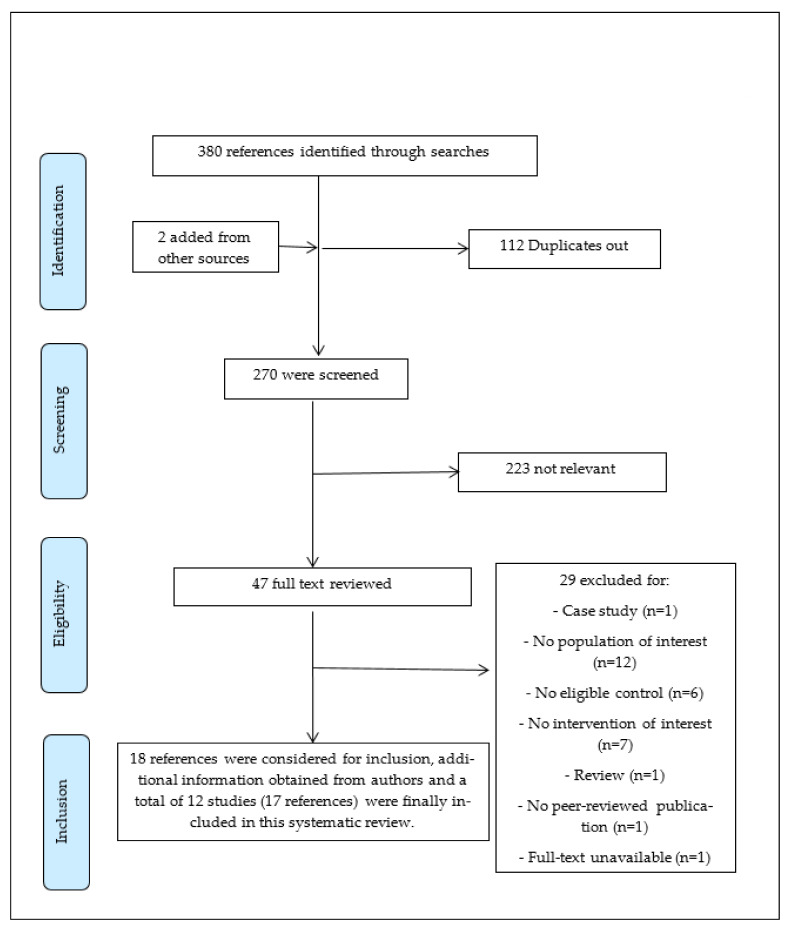
- The search yielded 382 references; after screening and full-text review, 12 studies (17 reports) were included.
- Included participants were all adults with ME/CFS, with n = 564 total and study sample sizes ranging from n = 9–150.
- Compared with controls, fatigue scores improved in 4 studies using MBCT, isometric yoga, Qigong exercise, and Baduanjin Qigong; 2 studies also reported within-group fatigue improvement after 8-week mindfulness therapy and a 10-week relaxation program.
- Anxiety/depression improved in Baduanjin Qigong, and depression improved after 4 months of Qigong exercise and 8 weeks of MBCT; quality of life improved in 3 studies.
## Methods
- Design: Systematic review conducted according to PRISMA; protocol registered at PROSPERO (CRD42018085981).
- Data/sample: Searched MEDLINE, EMBASE, CINAHL, PsycINFO, and CENTRAL from inception to September 2020; eligible studies were interventional studies in adults (≥18 years) diagnosed or symptom-matched with ME/CFS.
- Main analysis: Descriptive synthesis of outcomes and adverse events; no meta-analysis due to heterogeneous interventions and outcomes. Risk of bias was assessed using Cochrane RoB for RCTs and ROBINS-I for non-randomized studies.
## Limitations
- The paper states that meta-analysis was not performed because of heterogeneous interventions and outcomes.
- The authors state they may have missed relevant information because they included only English-language studies.
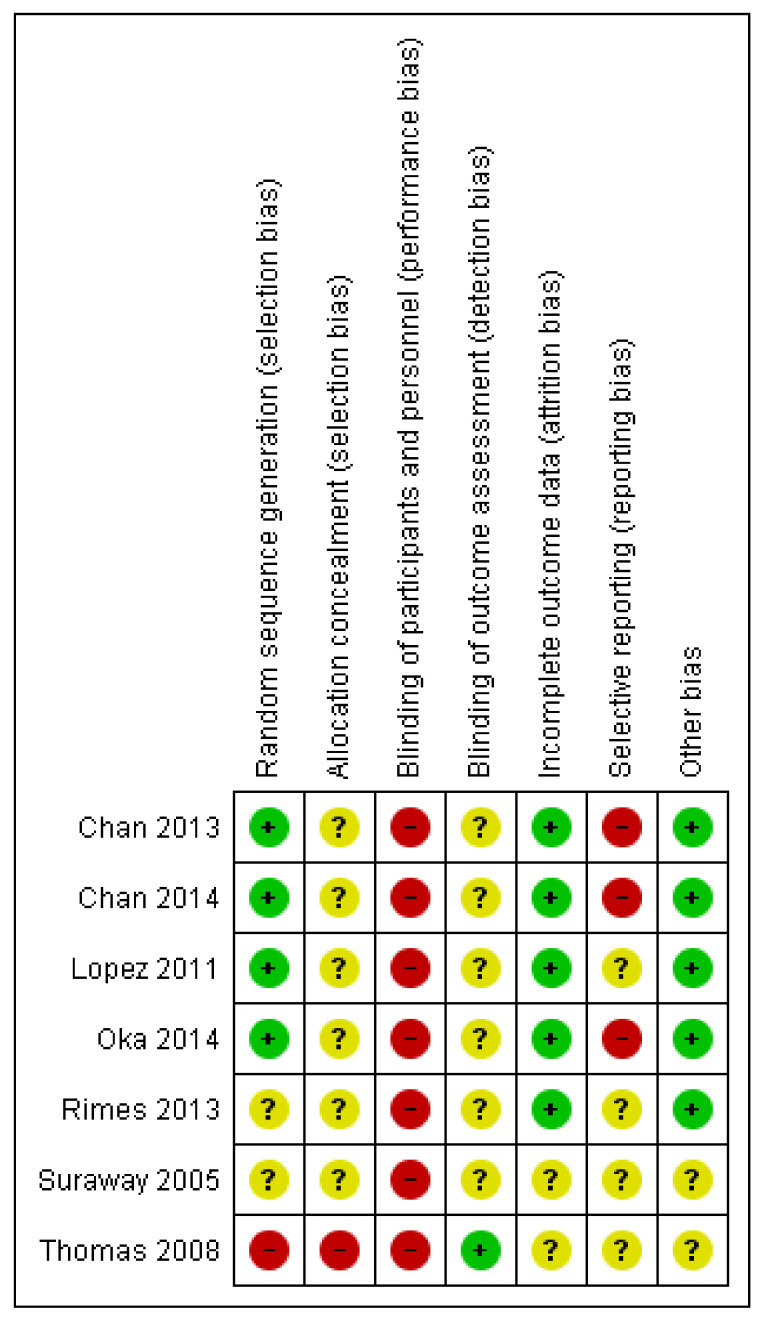
- The included studies had poor reporting, small sample sizes, different diagnostic criteria, and high risk of bias, which the authors say may challenge the findings.
- Evident from the text: none of the included studies measured post-exertional malaise, a core symptom of ME/CFS, and many outcomes were self-reported rather than objective.
Model-written summary. Check it against the paper before relying on it.
Integrity signals
Registry
Cites
Statistics
Figures
Verification
Claims the paper makes
7 Valid · 3 Not valid · 15 Not checked · 32 Own results and interpretations
The cited sources support only part of this claim — read each source’s verdict below.
In the paper
“In comparison to the control group, quality of life improved in participants receiving Qigong exercise [41,70,71] and cognitive-behavioral stress management [45].”
§ Systematic Review of Mind-Body Interventions to Treat Myalgic Encephalomyelitis/Chronic Fatigue Syndrome > 3. Results > 3.7. Effects of Interventions
What the sources say
- Could not verifycites [41] Chan J.S. Ho R.T. Wang C.-W. Yuen L.P. Sham J.S. Chan C.L. Effects of qigong exercise on fatigue, anxiety, and depressive symptoms of patients with chronic fatigue syndrome-like illness: A randomized controlled trial Evid. Based Complementary Altern. Med. 2013 2013 1 8 10.1155/2013/485341 PMC3747479 23983785 sourceExperimental — accuracy not yet measured
The cited-paper copy returned by the index contains sections headed “A Randomized Controlled Neurophysiological Study of a Chinese Chan-Based Mind-Body Intervention in Patients with Major Depressive Disorder,” rather than the named qigong trial. Its Results section reports depressive symptoms, not quality of life. Searches for “quality of life” and qigong versus control found no passage establishing the quality-of-life comparison attributed to this source; the separate cognitive-behavioral stress-management claim is attached to citation [45], not this source. (LLM, conf=0.75)
- Partly supportedcites [70] Ho R.T. Chan J.S. Wang C.-W. Lau B.W. So K.F. Yuen L.P. Sham J.S. Chan C.L. A randomized controlled trial of qigong exercise on fatigue symptoms, functioning, and telomerase activity in persons with chronic fatigue or chronic fatigue syndrome Ann. Behav. Med. 2012 44 160 170 10.1007/s12160-012-9381-6 22736201 PMC3442161 sourceExperimental — accuracy not yet measured
The Results and Discussion report that qigong improved SF-12 mental functioning compared with controls, but physical functioning did not significantly improve. This supports an improvement in one aspect of quality of life, not an unqualified improvement in quality of life overall. The cognitive-behavioral stress-management finding is attributed to a different citation, not this paper. (LLM, conf=0.86)
- Could not verifycites [71] Li J. Chan J.S. Chow A.Y. Yuen L.P. Chan C.L. From body to mind and spirit: Qigong exercise for bereaved persons with chronic fatigue syndrome-like illness Evid. Based Complementary Altern. Med. 2015 2015 1 7 10.1155/2015/631410 PMC4609409 26504478 sourceExperimental — accuracy not yet measured
The indexed copy is labelled as a different paper, “Oleanolic Acid Attenuates Insulin Resistance via NF-κB to Regulate the IRS1-GLUT4 Pathway in HepG2 Cells.” Its Methods and Discussion passages concern oleanolic acid and insulin resistance, not Qigong or quality of life. Searches for Qigong, bereaved persons, and quality of life returned no relevant passage, so this copy cannot verify the claim attributed to Li (2015). The cognitive-behavioral stress management clause is cited to [45], not to this source. (LLM, conf=0.78)
- Supportedcites [45] Lopez C. Antoni M. Penedo F. Weiss D. Cruess S. Segotas M.-C. Helder L. Siegel S. Klimas N. Fletcher M.A. A pilot study of cognitive behavioral stress management effects on stress, quality of life, and symptoms in persons with chronic fatigue syndrome J. Psychosom. Res. 2011 70 328 334 10.1016/j.jpsychores.2010.11.010 21414452 PMC3073706 source
The Results (Intervention Effects) report significantly greater improvements in quality-of-life scores for the cognitive-behavioral stress management group than for the psychoeducation control group. This source is cited for the stress-management part of the sentence, not the Qigong part. (LLM, conf=0.94)
plainstates a cause- Asserted: passes — The authors put it forward as true.
- Checkable: passes — It can be checked against evidence.
- Load-bearing: unclear — It is unclear whether the paper’s conclusions depend on it.
- Based: passes — The paper gives a reason why it holds.
- Could not verify
The cited sources support only part of this claim — read each source’s verdict below.
In the paper
“There are some promising results to improve anxiety, fatigue, depression, quality of life, and physical functioning [28,29,30,31,32] in ME/CFS.”
§ Systematic Review of Mind-Body Interventions to Treat Myalgic Encephalomyelitis/Chronic Fatigue Syndrome > 1. Introduction
What the sources say
- Partly supportedcites [28] Oka T. Tanahashi T. Chijiwa T. Lkhagvasuren B. Sudo N. Oka K. Isometric yoga improves the fatigue and pain of patients with chronic fatigue syndrome who are resistant to conventional therapy: A randomized, controlled trial BioPsychoSocial Med. 2014 8 1 9 10.1186/s13030-014-0027-8 PMC4269854 25525457 sourceExperimental — accuracy not yet measured
The Discussion reports reduced fatigue and improvement in some SF-8 quality-of-life measures after isometric yoga in patients with therapy-resistant CFS. However, Table 3 (shown under Limitations in our copy) reports no significant improvement in the physical-functioning subscale or mental-health measures, and the study does not report improvements in anxiety or depression. No page numbers are available in our copy. (LLM, conf=0.90)
- Not checked — no full text of the sourcecites [29] Surawy C. Roberts J. Silver A. The Effect of Mindfulness Training on Mood and Measures of Fatigue, Activity, and Quality of Life in Patients with Chronic Fatigue Syndrome on a Hospital Waiting List: A Series of Exploratory Studies Behav. Cogn. Psychother. 2005 33 103 109 10.1017/S135246580400181X source
- Not checked — no full text of the sourcecites [30] Rimes K.A. Wingrove J. Mindfulness-Based Cognitive Therapy for People with Chronic Fatigue Syndrome Still Experiencing Excessive Fatigue after Cognitive Behaviour Therapy: A Pilot Randomized Study Clin. Psychol. Psychother. 2013 20 107 117 10.1002/cpp.793 21983916 source
- Not checked — no full text of the sourcecites [31] Collinge W. Yarnold P.R. Raskin E. Use of mind/body selfhealing practice predicts positive health transition in chronic fatigue syndrome: A controlled study Subtle Energ. Energy Med. J. Arch. 1998 9 107 117
- Not matchedcites [32] Dybwad M. Frøslie K. Stanghelle J. Work Capacity, Fatigue and Health Related Quality of Life in Patients with Myalgic Encephalopathy or Chronic Fatigue Syndrome, before and after Qigong Therapy, a Randomized Controlled Study Sunnaas Rehabilitation Hospital Nesoddtangen, Norway 2007
We searched by its title and found no matching paper.
hedgedstates a possible cause- Asserted: passes — The authors put it forward as true.
- Checkable: passes — It can be checked against evidence.
- Load-bearing: passes — The paper’s conclusions depend on it.
- Based: passes — The paper gives a reason why it holds.
- Partly supported
Every source the paper cites for this claim was checked and supports it.
In the paper
“Anxiety and depression were improved in participants receiving Baduanjin Qigong compared to the controls after 16 sessions (9 weeks) of therapy [40].”
§ Systematic Review of Mind-Body Interventions to Treat Myalgic Encephalomyelitis/Chronic Fatigue Syndrome > 3. Results > 3.7. Effects of Interventions
What the sources say
- Supportedcites [40] Chan J.S. Ho R.T. Chung K.-F. Wang C.-W. Yao T.-J. Ng S.-M. Chan C.L. Qigong exercise alleviates fatigue, anxiety, and depressive symptoms, improves sleep quality, and shortens sleep latency in persons with chronic fatigue syndrome-like illness Evid. Based Complementary Altern. Med. 2014 2014 106048 10.1155/2014/106048 PMC4290154 25610473 source
Methods §2.4 states that the intervention comprised 16 Baduanjin Qigong sessions over nine weeks. Results §3.2.3 reports significantly greater reductions in anxiety and depressive symptoms in the Qigong group than in the waitlist group. Page numbers are not provided in our copy. (LLM, conf=0.94)
plainstates a cause- Asserted: passes — The authors put it forward as true.
- Checkable: passes — It can be checked against evidence.
- Load-bearing: unclear — It is unclear whether the paper’s conclusions depend on it.
- Based: passes — The paper gives a reason why it holds.
- Supported
Every source the paper cites for this claim was checked and supports it.
In the paper
“One study measured sleep using a self-reporting scale which improved after 9 weeks of Qigong exercise [40].”
§ Systematic Review of Mind-Body Interventions to Treat Myalgic Encephalomyelitis/Chronic Fatigue Syndrome > 4. Discussion
What the sources say
- Supportedcites [40] Chan J.S. Ho R.T. Chung K.-F. Wang C.-W. Yao T.-J. Ng S.-M. Chan C.L. Qigong exercise alleviates fatigue, anxiety, and depressive symptoms, improves sleep quality, and shortens sleep latency in persons with chronic fatigue syndrome-like illness Evid. Based Complementary Altern. Med. 2014 2014 106048 10.1155/2014/106048 PMC4290154 25610473 source
Methods §§2.4–2.5 describe nine weeks of Qigong training and identify the Pittsburgh Sleep Quality Index as a self-administered sleep measure. Results §3.2 reports that its total score improved significantly in the Qigong group immediately after the intervention, with greater improvement than in the waitlist group at that point. (LLM, conf=0.93)
plainstates a cause- Asserted: passes — The authors put it forward as true.
- Checkable: passes — It can be checked against evidence.
- Load-bearing: unclear — It is unclear whether the paper’s conclusions depend on it.
- Based: passes — The paper gives a reason why it holds.
- Supported
A result the paper reports from its own data — it cites no other source for it, so there is none to check. The quote shows it is in the paper.
In the paper
“Seven studies measured objective outcomes including ventilatory parameters [38], performance testing by computer programs [51], telomerase activity [70], autonomic nervous system functions, blood biomarkers [42,91], adiponectin levels [83], and microRNA changes [10].”
§ Systematic Review of Mind-Body Interventions to Treat Myalgic Encephalomyelitis/Chronic Fatigue Syndrome > 3. Results > 3.6. Outcomes
plain- Asserted: passes — The authors put it forward as true.
- Checkable: passes — It can be checked against evidence.
- Load-bearing: unclear — It is unclear whether the paper’s conclusions depend on it.
- Based: passes — The paper gives a reason why it holds.
19 more claims
Create a free account to see all 57 claims and to verify the 3 references still open.
- Probably not a substantial claim. 21
- It may state two separate claims as one. 16
Citations
Cites
The CES-D Scale: A Self-Report Depression Scale for Research in the General Population
Radloff, L. S. (1977) · Applied Psychological Measurement · doi:10.1177/014662167700100306 · Cited by 53,267
The Hospital Anxiety and Depression Scale
Zigmond, A. S., & Snaith, R. P. (1983) · Acta Psychiatrica Scandinavica · doi:10.1111/j.1600-0447.1983.tb09716.x · Cited by 47,139
An inventory for measuring depression
BECK, A. T. (1961) · Archives of General Psychiatry · doi:10.1001/archpsyc.1961.01710120031004 · Cited by 38,032 · cited 2×
“First Author, Year, Country Setting Design, Sample Size (En- rolled/Completed/Analyzed), Treatment Duration Study Population (Diagnosis, Age, Gender) Mind-Body Intervention, Frequency, Duration, Self-Practice Control Group Outcome, Measurement Tool and Validity Surawy, Ch., 2005, UK [29] Not reported A series of explo…”
BackgroundInfluentialThe Pittsburgh Sleep Quality Index: a new instrument for psychiatric practice and research
Buysse, D. J., Reynolds, C. F., Monk, T. H., Berman, S. R., & Kupfer, D. J. (1989) · Psychiatry Research · doi:10.1016/0165-1781(89)90047-4 · Cited by 35,234
The Cochrane Collaboration's tool for assessing risk of bias in randomised trials
Higgins, J. P. T., Altman, D. G., Gotzsche, P. C., Juni, P., Moher, D., Oxman, A. D., Savovic, J., Schulz, K. F., Weeks, L., Sterne, J. A. C., et al. (2011) · BMJ · doi:10.1136/bmj.d5928 · Cited by 33,817
(1992) · PubMed · Cited by 33,716
A Global Measure of Perceived Stress
Cohen, S., Kamarck, T., & Mermelstein, R. (1983) · Journal of Health and Social Behavior · doi:10.2307/2136404 · Cited by 32,807 · cited 2×
“USA [45] Physician referrals,community Design: RCT Sample size: 69/58/58 Treatment duration: 12 weeks Patients diagnosed with CFS by CDC diagnostic criteria for CFS [52], Age (mean ±SD): 45.9 ± 9.3 88.4% female Cognitive-behavioral stress management Frequency: Weekly Duration: Two hours Self-practice: Workbook and rel…”
BackgroundInfluentialDevelopment and validation of brief measures of positive and negative affect: The PANAS scales.
Watson, D., Clark, L. A., & Tellegen, A. (1988) · Journal of Personality and Social Psychology · doi:10.1037/0022-3514.54.6.1063 · Cited by 32,433 · cited 3×
“First Author, Year, Country Setting Design, Sample Size (En- rolled/Completed/Analyzed), Treatment Duration Study Population (Diagnosis, Age, Gender) Mind-Body Intervention, Frequency, Duration, Self-Practice Control Group Outcome, Measurement Tool and Validity Bogaerts, K., 2007, Belgium [38] University hospital clin…”
MethodThe satisfaction with life scale
Diener, E., Emmons, R. A., Larsen, R. J., & Griffin, S. (1985) · Journal of Personality Assessment · doi:10.1207/s15327752jpa4901_13 · Cited by 31,768
The MOS 36-ltem Short-Form Health Survey (SF-36): I. Conceptual Framework and Item Selection
Ware, J. E., & Sherbourne, C. D. (1992) · Medical Care · doi:10.1097/00005650-199206000-00002 · Cited by 30,033
Dermyshi, E., Wang, Y., Yan, C., Hong, W., Qiu, G., Gong, X., & Zhang, T. (2017) · Neonatology · doi:10.1159/000454668 · Cited by 24,451
ROBINS-I: a tool for assessing risk of bias in non-randomised studies of interventions
Sterne, J. A., Hernán, M. A., Reeves, B. C., Savović, J., Berkman, N. D., Viswanathan, M., Henry, D., Altman, D. G., Ansari, M. T., Boutron, I., et al. (2016) · BMJ · doi:10.1136/bmj.i4919 · Cited by 20,329 · cited 1×
“Other study designs including single‐arm experimental studies were also appraised by two independent reviewers (SKA, SP) for risk of bias using Cochrane Risk of Bias Assessment Tool for Non‐Randomized Studies of Intervention (ACROBAT_NRSI) which was recently renamed ROBINS‐I [35].”
MethodWARE, J. E., KOSINSKI, M., & KELLER, S. D. (1996) · Medical Care · doi:10.1097/00005650-199603000-00003 · Cited by 17,392 · cited 2×
“, 2012 report: In addi‐ tion to fatigue severity, they measured Physical function‐ ing and mental functioning: the Chinese version of the Medical Outcomes Study 12‐ Item Short‐Form Health Sur‐ vey [74,75] as their primary outcome and Telomerase Ac‐ tivity as their secondary out‐ come.”
BackgroundMethodDepression and quality of life in older persons: A review
Sivertsen, H., Bjørkløf, G. H., Engedal, K., Selbæk, G., & Helvik, A.-S. (2015) · Dementia and Geriatric Cognitive Disorders · doi:10.1159/000437299 · Cited by 14,152
Measuring emotion: The self-assessment manikin and the semantic differential
Bradley, M. M., & Lang, P. J. (1994) · Journal of Behavior Therapy and Experimental Psychiatry · doi:10.1016/0005-7916(94)90063-9 · Cited by 9,538 · cited 1×
“, 2007, Bel‐ gium [38] University hos‐ pital clinic Design: Single‐arm trial, Sample size: 30/30/30 Treatment duration: Single time imagery trial Patients diagnosed with CFS by CDC diagnostic criteria for CFS [52] Relaxation imagery Frequency: once Duration: less than 5 min Self‐practice: NA No control group Ventilato…”
MethodMoher, D., Hopewell, S., Schulz, K. F., Montori, V., Gotzsche, P. C., Devereaux, P. J., Elbourne, D., Egger, M., & Altman, D. G. (2010) · BMJ · doi:10.1136/bmj.c869 · Cited by 8,883
Using Self-Report Assessment Methods to Explore Facets of Mindfulness
Baer, R. A., Smith, G. T., Hopkins, J., Krietemeyer, J., & Toney, L. (2006) · Assessment · doi:10.1177/1073191105283504 · Cited by 7,511 · cited 3×
“Waitlist Primary outcome: Fatigue: Chalder Fatigue Scale [48] Secondary outcomes: Impairment: The Work and Social Adjustment Scale [77] Physical Functioning: Physical Functioning (PF-10) scale) [78,79] Beliefs about Emotions: Beliefs about Emotions Scale [80] Self-Compassion: Self-Compassion Scale [81] Mindfulness: Fi…”
MethodInfluentialScoville, W. B. (1949) · Journal of neurosurgery · doi:10.3171/jns.1949.6.1.0065 · Cited by 7,381
The Development and Validation of a Scale to Measure Self-Compassion
NEFF, K. D. (2003) · Self and Identity · doi:10.1080/15298860309027 · Cited by 6,436 · cited 24×
“USA [45] Physician referrals,community Design: RCT Sample size: 69/58/58 Treatment duration: 12 weeks Patients diagnosed with CFS by CDC diagnostic criteria for CFS [52], Age (mean ±SD): 45.9 ± 9.3 88.4% female Cognitive-behavioral stress management Frequency: Weekly Duration: Two hours Self-practice: Workbook and rel…”
BackgroundInfluentialEQ-SD: a measure of health status from the EuroQol Group
Rabin, R., & Charro, F. D. (2001) · Annals of Medicine · doi:10.3109/07853890109002087 · Cited by 5,613 · cited 1×
“Anxiety and depression: The Hospital Anxiety and Depres‐ sion Scale (HADS) [47] Dimensions of mental and physical health: SF‐36 Health Survey [79] Health‐related quality of life: EQ‐5D‐3L [97]”
BackgroundDevelopment and validation of the Penn State Worry Questionnaire
Meyer, T. J., Miller, M. L., Metzger, R. L., & Borkovec, T. D. (1990) · Behaviour Research and Therapy · doi:10.1016/0005-7967(90)90135-6 · Cited by 5,099 · cited 2×
“First Author, Year, Country Setting Design, Sample Size (En- rolled/Completed/Analyzed), Treatment Duration Study Population (Diagnosis, Age, Gender) Mind-Body Intervention, Frequency, Duration, Self-Practice Control Group Outcome, Measurement Tool and Validity Bogaerts, K., 2007, Belgium [38] University hospital clin…”
MethodThe Chronic Fatigue Syndrome: A Comprehensive Approach to Its Definition and Study
Fukuda, K., Straus, S. E., Hickie, I., Sharpe, M. C., Dobbins, J. G., Komaroff, A., & and International Chronic Fatigue Syndrome Study Group. (1994) · Annals of Internal Medicine · doi:10.7326/0003-4819-121-12-199412150-00009 · Cited by 4,969 · cited 11×
“, 2006 and 2008, UK [39,51] Outpatient clin‐ ics Design: RCT, Sample size: Intervention (relaxation group): 14/14/14, Control: 9/9/9 Treatment duration: 10 weeks Follow‐up: 6 months Patients diagnosed with CFS by CDC diagnostic criteria for CFS [52] Age (mean ± SD): Intervention (relax‐ ation): 45.”
MethodInfluentialMcHorney, C. A., Ware, J. E., Rachel Lu, J. F., & Sherbourne, C. D. (1994) · Medical Care · doi:10.1097/00005650-199401000-00004 · Cited by 4,458
Smets, E. M. A., Garssen, B., Bonke, B., & De Haes, J. C. J. M. (1995) · Journal of Psychosomatic Research · doi:10.1016/0022-3999(94)00125-o · Cited by 3,613 · cited 7×
“Intervention Type First Author, Year Outcome (Assessed by) Comparison Groups Comparison Time Point p-Value Decreased levels of cortisol Acute effects of sittingisometric yoga (pre-post) Before to after the final 20-min session 0.016 Decreased level of TNF-α Acute effects of sittingisometric yoga (pre-post) Before to a…”
InfluentialThe MOS Short-form General Health Survey: Reliability and Validity in a Patient Population
Stewart, A. L., Hays, R. D., & Ware, J. E. (1988) · Medical Care · doi:10.1097/00005650-198807000-00007 · Cited by 3,339 · cited 1×
“Waitlist Primary outcome: Fatigue: Chalder Fatigue Scale [48] Secondary outcomes: Impairment: The Work and Social Adjustment Scale [77] Physical Functioning: Physi‐ cal Functioning (PF‐10) scale) [78,79] Beliefs about Emotions: Be‐ liefs about Emotions Scale [80] Self‐Compassion: Self‐Com‐ passion Scale [81] Mindfulne…”
BackgroundNolen-Hoeksema, S., & Morrow, J. (1991) · Journal of Personality and Social Psychology · doi:10.1037/0022-3514.61.1.115 · Cited by 3,276 · cited 3×
“Norway [43] Community Design: Single-arm trial Sample size: 10 Treatment duration: Eight weeks with three months follow-up Patients diagnosed with CFS by Canada criteria [88] Age (mean ± SD):43.5 ± 9.9, 80% female MBCT, Frequency: Weekly Duration: Two hours Self-practice: Homework with the aid of workbook and CD No co…”
MethodInfluentialDevelopment of a fatigue scale
Chalder, T., Berelowitz, G., Pawlikowska, T., Watts, L., Wessely, S., Wright, D., & Wallace, E. P. (1993) · Journal of Psychosomatic Research · doi:10.1016/0022-3999(93)90081-p · Cited by 3,032 · cited 8×
“1 80% female nitine, free carnitine, and acyl‐ carnitine, and plasma TGF‐β1, BDNF, MHPG, and HVA Report 2: Fatigue severity: Chalder fa‐ tigue scale (FS) score [48] Levels of the blood bi‐ omarkers: Cortisol, DHEA‐S, TNF‐α, IL‐6, prolactin, car‐ nitine, TGF‐β1, BDNF, MHPG, HVA, and α‐MSH The autonomic nervous func‐ ti…”
BackgroundMethodInfluentialThe Cognitive Failures Questionnaire (CFQ) and its correlates
Broadbent, D. E., Cooper, P. F., FitzGerald, P., & Parkes, K. R. (1982) · British Journal of Clinical Psychology · doi:10.1111/j.2044-8260.1982.tb01421.x · Cited by 2,912 · cited 2×
“First Author, Year, Country Setting Design, Sample Size (En- rolled/Completed/Analyzed), Treatment Duration Study Population (Diagnosis, Age, Gender) Mind-Body Intervention, Frequency, Duration, Self-Practice Control Group Outcome, Measurement Tool and Validity Surawy, Ch., 2005, UK [29] Not reported A series of explo…”
MethodInfluentialPositive Events and Social Supports as Buffers of Life Change Stress 1
Cohen, S., & Hoberman, H. M. (1983) · Journal of Applied Social Psychology · doi:10.1111/j.1559-1816.1983.tb02325.x · Cited by 2,675 · cited 3×
“First Author, Year, Country Setting Design, Sample Size (En- rolled/Completed/Analyzed), Treatment Duration Study Population (Diagnosis, Age, Gender) Mind-Body Intervention, Frequency, Duration, Self-Practice Control Group Outcome, Measurement Tool and Validity Surawy, Ch., 2005, UK [29] Not reported A series of explo…”
InfluentialThe Work and Social Adjustment Scale: a simple measure of impairment in functioning
Mundt, J. C., Marks, I. M., Shear, M. K., & Greist, J. M. (2002) · British Journal of Psychiatry · doi:10.1192/bjp.180.5.461 · Cited by 2,515 · cited 3×
“Waitlist Primary outcome: Fatigue: Chalder Fatigue Scale [48] Secondary outcomes: Impairment: The Work and Social Adjustment Scale [77] Physical Functioning: Physi‐ cal Functioning (PF‐10) scale) [78,79] Beliefs about Emotions: Be‐ liefs about Emotions Scale [80] Self‐Compassion: Self‐Com‐ passion Scale [81] Mindfulne…”
BackgroundInfluentialKarnofsky, D. A., Abelmann, W. H., Craver, L. F., & Burchenal, J. H. (1948) · Cancer · doi:10.1002/1097-0142(194811)1:4<634::aid-cncr2820010410>3.0.co;2-l · Cited by 2,248
Moher, D., Hopewell, S., Schulz, K. F., Montori, V., Gøtzsche, P. C., Devereaux, P. J., Elbourne, D., Egger, M., & Altman, D. G. (2010) · Journal of Clinical Epidemiology · doi:10.1016/j.jclinepi.2010.03.004 · Cited by 1,858
Patient engagement in research: a systematic review
Domecq, J. P., Prutsky, G., Elraiyah, T., Wang, Z., Nabhan, M., Shippee, N., Brito, J. P., Boehmer, K., Hasan, R., Firwana, B., et al. (2014) · BMC Health Services Research · doi:10.1186/1472-6963-14-89 · Cited by 1,773 · cited 1×
“Patient engagement in health research can improve the quality, relevance and impact of the research [36,37].”
BackgroundChronic Fatigue Syndrome: A Working Case Definition
HOLMES, G. P., KAPLAN, J. E., GANTZ, N. M., KOMAROFF, A. L., SCHONBERGER, L. B., STRAUS, S. E., JONES, J. F., DUBOIS, R. E., CUNNINGHAM-RUNDLES, C., PAHWA, S., et al. (1988) · Annals of Internal Medicine · doi:10.7326/0003-4819-108-3-387 · Cited by 1,718 · cited 3×
“Advisor Group, Year Identifier Case Definition and Required Symptom(s) For Adults Holmes et al., 1988 (CDC) [17] CFS Major criteria New onset of persistent or relapsing, debilitating fatigue or easy fatigability in a person who has no previous history of similar symptoms, that does not resolve with…”
BackgroundInfluentialMeasuring the Functional Impact of Fatigue: Initial Validation of the Fatigue Impact Scale
Fisk, J. D., Ritvo, P. G., Ross, L., Haase, D. A., Marrie, T. J., & Schlech, W. F. (1994) · Clinical Infectious Diseases · doi:10.1093/clinids/18.supplement_1.s79 · Cited by 1,541 · cited 1×
“, 2005, UK [29] Not reported A series of exploratory studies: Study 1 Design: RCT, Sample size: Intervention: 9/9/9, Control: 9/8/8 Treatment duration: 8 weeks Study 2 Design: single-arm trial, Sample size: 12/9/9,Treatment duration: 8 weeks Study 3 Design: single-arm trial, Sample size: 11/9/9, Treatment duration: 8…”
BackgroundMyalgic encephalomyelitis: International Consensus Criteria
Carruthers, B. M., van de Sande, M. I., De Meirleir, K. L., Klimas, N. G., Broderick, G., Mitchell, T., Staines, D., Powles, A. C. P., Speight, N., Vallings, R., et al. (2011) · Journal of Internal Medicine · doi:10.1111/j.1365-2796.2011.02428.x · Cited by 1,235
Carruthers, B. M., Jain, A. K., De Meirleir, K. L., Peterson, D. L., Klimas, N. G., Lerner, A. M., Bested, A. C., Flor-Henry, P., Joshi, P., Powles, A. C. P., et al. (2003) · Journal of Chronic Fatigue Syndrome · doi:10.1300/j092v11n01_02 · Cited by 1,180
The 20-Item Toronto Alexithymia Scale
Parker, J. D. A., Taylor, G. J., & Bagby, R. M. (2003) · Journal of Psychosomatic Research · doi:10.1016/s0022-3999(02)00578-0 · Cited by 1,036
A report—Chronic fatigue syndrome: Guidelines for research
Sharpe, M. C. (1991) · Journal of the Royal Society of Medicine · doi:10.1177/014107689108400224 · Cited by 1,026 · cited 4×
“[52] cri‐ teria or Oxford cri‐ teria [46] Age (mean ± SD): Intervention: 41.”
BackgroundMethodInfluentialA community-based study of chronic fatigue syndrome.
Jason, L. A., Richman, J. A., Rademaker, A. W., Jordan, K. M., Plioplys, A. V., Taylor, R. R., McCready, W., Huang, C.-F., & Plioplys, S. (1999) · Archives of Internal Medicine · doi:10.1001/archinte.159.18.2129 · Cited by 811 · cited 1×
“Patients report post‐exertional malaise (69–100%), mus‐ cle pain (63–95%), impaired memory or concentration (88%), non‐restorative sleep (87%), joint pain (55–85%), and sore throat (62%) [1,4].”
BackgroundThe structure of mood change: An idiographic/nomothetic analysis.
Zevon, M. A., & Tellegen, A. (1982) · Journal of Personality and Social Psychology · doi:10.1037//0022-3514.43.1.111 · Cited by 740 · cited 3×
“First Author, Year, Country Setting Design, Sample Size (En- rolled/Completed/Analyzed), Treatment Duration Study Population (Diagnosis, Age, Gender) Mind-Body Intervention, Frequency, Duration, Self-Practice Control Group Outcome, Measurement Tool and Validity Surawy, Ch., 2005, UK [29] Not reported A series of explo…”
Influential(1987) · PubMed · Cited by 587
Is the standard SF-12 Health Survey valid and equivalent for a Chinese population?
Lam, C. L. K., Tse, E. Y. Y., & Gandek, B. (2005) · Quality of Life Research · doi:10.1007/s11136-004-0704-3 · Cited by 547
Exercise therapy for chronic fatigue syndrome
Larun, L., Brurberg, K. G., Odgaard-Jensen, J., & Price, J. R. (2017) · Cochrane Database of Systematic Reviews · doi:10.1002/14651858.cd003200.pub7 · Cited by 471
Leung, C. M., Wing, Y. K., Kwong, P. K., & Shum, A. L. K. (1999) · Acta Psychiatrica Scandinavica · doi:10.1111/j.1600-0447.1999.tb10897.x · Cited by 407 · cited 3×
“Global Assessment, Satisfaction Report 2 Anxiety and Depression: Hospital Anxiety and Depression Scale (HADS) [47,73] Plasma Adiponectin Levels”
BackgroundInfluentialCognitive behaviour therapy for chronic fatigue syndrome in adults
Price, J. R., Mitchell, E., Tidy, E., & Hunot, V. (2008) · Cochrane Database of Systematic Reviews · doi:10.1002/14651858.cd001027.pub2 · Cited by 401
Mind–body interventions: Applications in neurology
Wahbeh, H., Elsas, S.-M., & Oken, B. S. (2008) · Neurology · doi:10.1212/01.wnl.0000314667.16386.5e · Cited by 316
Hypothalamic-pituitary-adrenal axis dysfunction in chronic fatigue syndrome
Papadopoulos, A. S., & Cleare, A. J. (2012) · Nature Reviews Endocrinology · doi:10.1038/nrendo.2011.153 · Cited by 280 · cited 1×
“Other studies highlight changes in the hypothalamic‐pituitary‐adrenal (HPA) axis in these patients [104].”
BackgroundDistinct plasma immune signatures in ME/CFS are present early in the course of illness
Hornig, M., Montoya, J. G., Klimas, N. G., Levine, S., Felsenstein, D., Bateman, L., Peterson, D. L., Gottschalk, C. G., Schultz, A. F., Che, X., et al. (2015) · Science Advances · doi:10.1126/sciadv.1400121 · Cited by 263
The Chalder Fatigue Scale (CFQ 11)
Jackson, C. (2015) · Occupational Medicine · doi:10.1093/occmed/kqu168 · Cited by 260 · cited 10×
“First Author, Year, Country Setting Design, Sample Size (En- rolled/Completed/Analyzed), Treatment Duration Study Population (Diagnosis, Age, Gender) Mind-Body Intervention, Frequency, Duration, Self-Practice Control Group Outcome, Measurement Tool and Validity Rimes, K., 2013, U.K. [30] A specialist National Health S…”
MethodInfluentialThe economic impact of chronic fatigue syndrome
Reynolds, K. J., Vernon, S. D., Bouchery, E., & Reeves, W. C. (2004) · Cost Effectiveness and Resource Allocation · doi:10.1186/1478-7547-2-4 · Cited by 259
Falk Hvidberg, M., Brinth, L. S., Olesen, A. V., Petersen, K. D., & Ehlers, L. (2015) · PLOS ONE · doi:10.1371/journal.pone.0132421 · Cited by 214 · cited 1×
“Health‐related quality of life in ME/CFS patients is consistently reported as significantly lower than otherwise healthy populations with regards to physical and mental health, self‐care, and ability to perform usual activi‐ ties [5,6].”
BackgroundAcheson, E. D. (1959) · The American Journal of Medicine · doi:10.1016/0002-9343(59)90280-3 · Cited by 214 · cited 1×
“In the literature, the term myalgic encephalomyelitis (ME) [16] was used earlier than the term chronic fatigue syndrome (CFS) [17].”
BackgroundChronic Fatigue, Chronic Fatigue Syndrome, and Fibromyalgia: Disability and Health-Care Use
BOMBARDIER, C. H., & BUCHWALD, D. (1996) · Medical Care · doi:10.1097/00005650-199609000-00005 · Cited by 211 · cited 1×
“Not surprisingly, ME/CFS reduces patients’ abilities to carry out normal working activities leading to higher unemployment rates [7].”
BackgroundWicksell, R. K., Renöfält, J., Olsson, G. L., Bond, F. W., & Melin, L. (2008) · European Journal of Pain · doi:10.1016/j.ejpain.2007.08.003 · Cited by 193 · cited 2×
“First Author, Year, Country Setting Design, Sample Size (En- rolled/Completed/Analyzed), Treatment Duration Study Population (Diagnosis, Age, Gender) Mind-Body Intervention, Frequency, Duration, Self-Practice Control Group Outcome, Measurement Tool and Validity Jonsjo, M., 2019, Sweden [44] Tertiary specialistclinic D…”
BackgroundInfluentialThe Beliefs about Emotions Scale: Validity, reliability and sensitivity to change
Rimes, K. A., & Chalder, T. (2010) · Journal of Psychosomatic Research · doi:10.1016/j.jpsychores.2009.09.014 · Cited by 188 · cited 3×
“Waitlist Primary outcome: Fatigue: Chalder Fatigue Scale [48] Secondary outcomes: Impairment: The Work and Social Adjustment Scale [77] Physical Functioning: Physi‐ cal Functioning (PF‐10) scale) [78,79] Beliefs about Emotions: Be‐ liefs about Emotions Scale [80] Self‐Compassion: Self‐Com‐ passion Scale [81] Mindfulne…”
BackgroundInfluentialJason (2010) · American Journal of Biochemistry and Biotechnology · doi:10.3844/ajbbsp.2010.120.135 · Cited by 180 · cited 3×
“Advisor Group, Year Identifier Case Definition and Required Symptom(s) London criteria-V2, (Dowsett et al., 1994) [106] These three criteria must all be present for a diagnosis of M.E./PVFS Exercise-induced fatigue precipitated by trivially small exertion -physical or mental -relative to the patient’s previous exercis…”
BackgroundInfluentialStakeholder involvement in systematic reviews: a scoping review
Pollock, A., Campbell, P., Struthers, C., Synnot, A., Nunn, J., Hill, S., Goodare, H., Morris, J., Watts, C., & Morley, R. (2018) · Systematic Reviews · doi:10.1186/s13643-018-0852-0 · Cited by 180 · cited 1×
“Patient engagement in health research can improve the quality, relevance and impact of the research [36,37].”
BackgroundPsychometric properties of the CDC Symptom Inventory for assessment of Chronic Fatigue Syndrome
Wagner, D., Nisenbaum, R., Heim, C., Jones, J. F., Unger, E. R., & Reeves, W. C. (2005) · Population Health Metrics · doi:10.1186/1478-7954-3-8 · Cited by 176 · cited 24×
“USA [45] Physician referrals,community Design: RCT Sample size: 69/58/58 Treatment duration: 12 weeks Patients diagnosed with CFS by CDC diagnostic criteria for CFS [52], Age (mean ±SD): 45.9 ± 9.3 88.4% female Cognitive-behavioral stress management Frequency: Weekly Duration: Two hours Self-practice: Workbook and rel…”
BackgroundInfluentialThe prevalence of chronic fatigue syndrome/ myalgic encephalomyelitis: a meta-analysis
Johnston, S., Brenu, Staines, D., & Marshall-Gradisnik (2013) · Clinical Epidemiology · doi:10.2147/clep.s39876 · Cited by 171 · cited 1×
“76% according to self-reporting and clinical assessment, respectively [2].”
BackgroundSmith, M. E. B., Haney, E., McDonagh, M., Pappas, M., Daeges, M., Wasson, N., Fu, R., & Nelson, H. D. (2015) · Annals of Internal Medicine · doi:10.7326/m15-0114 · Cited by 142 · cited 4×
“It has long been suspected that the Oxford criteria may therefore fail to exclude individuals with other fatiguing conditions [14,19].”
BackgroundInfluentialChan, J. S. M., Ho, R. T. H., Chung, K.-F., Wang, C.-W., Yao, T.-J., Ng, S.-M., & Chan, C. L. W. (2014) · Evidence-Based Complementary and Alternative Medicine · doi:10.1155/2014/106048 · Cited by 138
Ho, R. T. H., & Fong, T. C. T. (2014) · Sleep Medicine · doi:10.1016/j.sleep.2013.10.019 · Cited by 129
Mind and body therapy for fibromyalgia
Theadom, A., Cropley, M., Smith, H. E., Feigin, V. L., & McPherson, K. (2015) · Cochrane Database of Systematic Reviews · doi:10.1002/14651858.cd001980.pub3 · Cited by 128 · cited 1×
“Furthermore, by enhancing self‐knowledge and patients’ abilities to work through their problems and reduce stress, MBIs may improve their quality of life and wellbeing [27].”
BackgroundWays of coping with Chronic Fatigue Syndrome: Development of an illness management questionnaire
Ray, C., Weir, W., Stewart, D., Miller, P. M., & Hyde, G. (1993) · Social Science & Medicine · doi:10.1016/0277-9536(93)90268-9 · Cited by 124 · cited 2×
“First Author, Year, Country Setting Design, Sample Size (En- rolled/Completed/Analyzed), Treatment Duration Study Population (Diagnosis, Age, Gender) Mind-Body Intervention, Frequency, Duration, Self-Practice Control Group Outcome, Measurement Tool and Validity Surawy, Ch., 2005, UK [29] Not reported A series of explo…”
InfluentialBehavioural Psychotherapy: Maudsley Pocket Book of Clinical Management
Marks, I. M. (1986) · Medical Entomology and Zoology · Cited by 121
Pathological Mechanisms Underlying Myalgic Encephalomyelitis/Chronic Fatigue Syndrome
Missailidis, D., Annesley, S. J., & Fisher, P. R. (2019) · Diagnostics · doi:10.3390/diagnostics9030080 · Cited by 120
Nacul, L. C., Lacerda, E. M., Campion, P., Pheby, D., Drachler, M. D. L., Leite, J. C., Poland, F., Howe, A., Fayyaz, S., & Molokhia, M. (2011) · BMC Public Health · doi:10.1186/1471-2458-11-402 · Cited by 117 · cited 1×
“Health‐related quality of life in ME/CFS patients is consistently reported as significantly lower than otherwise healthy populations with regards to physical and mental health, self‐care, and ability to perform usual activi‐ ties [5,6].”
BackgroundChronic fatigue syndrome: understanding a complex illness
Holgate, S. T., Komaroff, A. L., Mangan, D. F., & Wessely, S. C. (2011) · Nature reviews. Neuroscience · doi:10.1038/nrn3087 · Cited by 116 · cited 1×
“Due to the lack of a biomarker, most of the case definitions require other competing diagnoses to be ruled out [14,15].”
BackgroundSurawy, C., Roberts, J., & Silver, A. (2005) · Behavioural and Cognitive Psychotherapy · doi:10.1017/s135246580400181x · Cited by 112 · cited 30×
“One study did not report the setting from which their patients were recruited [29].”
BackgroundMethodInfluentialThe economic cost of chronic fatigue and chronic fatigue syndrome in UK primary care
McCRONE, P., DARBISHIRE, L., RIDSDALE, L., & SEED, P. (2003) · Psychological Medicine · doi:10.1017/s0033291702006980 · Cited by 109 · cited 1×
“As in other chronic conditions, long‐ term pharmacological interventions may have significant impacts on patients and their families in terms of adverse effects and financial burden [20,21].”
BackgroundHo, R. T. H., Chan, J. S. M., Wang, C.-W., Lau, B. W. M., So, K. F., Yuen, L. P., Sham, J. S. T., & Chan, C. L. W. (2012) · Annals of Behavioral Medicine · doi:10.1007/s12160-012-9381-6 · Cited by 103 · cited 4×
“, 2012 [70]as the preliminary study and Li et al.”
BackgroundInfluentialRimes, K. A., & Wingrove, J. (2013) · Clinical Psychology & Psychotherapy · doi:10.1002/cpp.793 · Cited by 99 · cited 29×
“Seven studies assessed adverse events: Four did not identify any adverse events [30,39,41,43]; and three studies recorded adverse events such as deterioration of their symptoms, muscle ache, palpitation, dizziness, knee pain, backache, fatigue, and nerv‐ ousness [28,40,44].”
BackgroundMethodResultInfluentialMind‐Body Medicine: Stress and Its Impact on Overall Health and Longevity
VITETTA, L., ANTON, B., CORTIZO, F., & SALI, A. (2005) · Annals of the New York Academy of Sciences · doi:10.1111/j.1749-6632.2005.tb06153.x · Cited by 99 · cited 1×
“brain and body communicate in multiple directions using neurotransmitters/neuropep‐ tides, hormones, and cytokines and MBIs may be influencing physical health by affecting these interactions [24,26].”
BackgroundWientjes, C. J., & Grossman, P. (1994) · Psychosomatic Medicine · doi:10.1097/00006842-199411000-00009 · Cited by 99 · cited 1×
“, 2007, Bel‐ gium [38] University hos‐ pital clinic Design: Single‐arm trial, Sample size: 30/30/30 Treatment duration: Single time imagery trial Patients diagnosed with CFS by CDC diagnostic criteria for CFS [52] Relaxation imagery Frequency: once Duration: less than 5 min Self‐practice: NA No control group Ventilato…”
MethodNg, S. M., Yau, J. K. Y., Chan, C. L. W., Chan, C. H. Y., & Ho, D. Y. F. (2005) · Social Work in Health Care · doi:10.1300/j010v41n01_03 · Cited by 96 · cited 5×
“Intervention Type First Author, Year Outcome (Assessed by) Comparison Groups Comparison Time Point p-Value Decreased levels of cortisol Acute effects of sittingisometric yoga (pre-post) Before to after the final 20-min session 0.016 Decreased level of TNF-α Acute effects of sittingisometric yoga (pre-post) Before to a…”
MethodInfluentialVirokines in the Pathogenesis of Cancer: Focus on Human Herpesvirus 8
KLOUCHE, M., CARRUBA, G., CASTAGNETTA, L., & ROSE‐JOHN, S. (2004) · Annals of the New York Academy of Sciences · doi:10.1196/annals.1322.038 · Cited by 91
Li (2015) · doi:10.1155/2015/643102 · Cited by 81
Rusu, C., Gee, M., Lagacé, C., & Parlor, M. (2015) · Health Promotion and Chronic Disease Prevention in Canada · doi:10.24095/hpcdp.35.1.02 · Cited by 79 · cited 1×
“4% of people older than 12 years old [3] suffer from ME/CFS.”
BackgroundHaney, E., Smith, M. E. B., McDonagh, M., Pappas, M., Daeges, M., Wasson, N., & Nelson, H. D. (2015) · Annals of Internal Medicine · doi:10.7326/m15-0443 · Cited by 77 · cited 1×
“, identified nine case definitions [13].”
Construct validity of the Chinese version of the Chalder Fatigue Scale in a Chinese community sample
Wong, W. S., & Fielding, R. (2010) · Journal of Psychosomatic Research · doi:10.1016/j.jpsychores.2009.05.008 · Cited by 75 · cited 8×
“Age (median, range): Intervention: 46 (23–52), Control: 45 (32–51), Intervention: 86.4% female, Control: 87.5% female Qigong exercise training (Wu Xing Ping Heng Gong), Frequency: twice a week, Duration: 2 h, Self-practice: 30 min, every day at home Waitlist Chan, J., 2013 (main report): Primary outcome: Fatigue sever…”
BackgroundInfluentialMaksoud, R., Preez, S. D., Eaton-Fitch, N., Thapaliya, K., Barnden, L. R., Cabanas, H., Staines, D., & Marshall‐Gradisnik, S. (2020) · PLoS ONE · doi:10.1371/journal.pone.0232475 · Cited by 74
Lopez, C., Antoni, M., Penedo, F., Weiss, D., Cruess, S., Segotas, M.-C., Helder, L., Siegel, S., Klimas, N., & Fletcher, M. A. (2011) · Journal of Psychosomatic Research · doi:10.1016/j.jpsychores.2010.11.010 · Cited by 71 · cited 21×
“, 2011 [45] (Cognitive restructur‐ ing) Distress (Perceived stress scale) CBSM compared to control Time X group ** 0.”
BackgroundMethodInfluentialChan, J. S. M., Li, A., Ng, S.-M., Ho, R. T. H., Xu, A., Yao, T.-J., Wang, X.-M., So, K.-F., & Chan, C. L. W. (2017) · Cell Transplantation · doi:10.3727/096368916x694238 · Cited by 71 · cited 7×
“USA [45] Physician referrals,community Design: RCT Sample size: 69/58/58 Treatment duration: 12 weeks Patients diagnosed with CFS by CDC diagnostic criteria for CFS [52], Age (mean ±SD): 45.9 ± 9.3 88.4% female Cognitive-behavioral stress management Frequency: Weekly Duration: Two hours Self-practice: Workbook and rel…”
BackgroundMethodInfluentialExercise therapy for chronic fatigue syndrome
Larun, L., Brurberg, K. G., Odgaard-Jensen, J., & Price, J. R. (2015) · Cochrane Database of Systematic Reviews · doi:10.1002/14651858.cd003200.pub3 · Cited by 69
Reliability and Validity of the Japanese Version of the Chalder Fatigue Scale among Youth in Japan
Tanaka, M., Fukuda, S., Mizuno, K., Imai-Matsumura, K., Jodoi, T., Kawatani, J., Takano, M., Miike, T., Tomoda, A., & Watanabe, Y. (2008) · Psychological Reports · doi:10.2466/pr0.103.3.682-690 · Cited by 64 · cited 10×
“First Author, Year, Country Setting Design, Sample Size (En- rolled/Completed/Analyzed), Treatment Duration Study Population (Diagnosis, Age, Gender) Mind-Body Intervention, Frequency, Duration, Self-Practice Control Group Outcome, Measurement Tool and Validity Rimes, K., 2013, U.K. [30] A specialist National Health S…”
MethodInfluentialContrasting chronic fatigue syndrome versus myalgic encephalomyelitis/chronic fatigue syndrome
Jason, L. A., Brown, A. A., Evans, M. A., Sunnquist, M., & Newton, J. L. (2013) · Fatigue Biomedicine Health & Behavior · doi:10.1080/21641846.2013.774556 · Cited by 62 · cited 1×
“The Canadian case definition published in 2003 required post-exertional malaise as an essential symptom in these patients and recommended the umbrella term ME/CFS [18], used in this systematic review.”
MethodOka, T., Tanahashi, T., Chijiwa, T., Lkhagvasuren, B., Sudo, N., & Oka, K. (2014) · BioPsychoSocial Medicine · doi:10.1186/s13030-014-0027-8 · Cited by 59 · cited 15×
“Seven studies assessed adverse events: Four did not identify any adverse events [30,39,41,43]; and three studies recorded adverse events such as deterioration of their symptoms, muscle ache, palpitation, dizziness, knee pain, backache, fatigue, and nerv‐ ousness [28,40,44].”
BackgroundMethodInfluentialChan, J. S. M., Ho, R. T. H., Wang, C.-W., Yuen, L. P., Sham, J. S. T., & Chan, C. L. W. (2013) · Evidence-Based Complementary and Alternative Medicine · doi:10.1155/2013/485341 · Cited by 57
Landi, A., Broadhurst, D., Vernon, S. D., Tyrrell, D. L., & Houghton, M. (2015) · Cytokine · doi:10.1016/j.cyto.2015.11.018 · Cited by 53
Maes, M., Mihaylova, I., Kubera, M., Leunis, J.-C., Twisk, F. N. M., & Geffard, M. (2012) · Metabolic Brain Disease · doi:10.1007/s11011-012-9316-8 · Cited by 52
Factor structure of a Cantonese-version Pittsburgh Sleep Quality Index
Chong, A. M. L., & Cheung, C. (2012) · Sleep and Biological Rhythms · doi:10.1111/j.1479-8425.2011.00532.x · Cited by 51
Oka, T., Tanahashi, T., Sudo, N., Lkhagvasuren, B., & Yamada, Y. (2018) · BioPsychoSocial Medicine · doi:10.1186/s13030-018-0123-2 · Cited by 47 · cited 25×
“USA [45] Physician referrals,community Design: RCT Sample size: 69/58/58 Treatment duration: 12 weeks Patients diagnosed with CFS by CDC diagnostic criteria for CFS [52], Age (mean ±SD): 45.9 ± 9.3 88.4% female Cognitive-behavioral stress management Frequency: Weekly Duration: Two hours Self-practice: Workbook and rel…”
BackgroundMethodInfluentialKamioka, H., Okuizumi, H., Okada, S., Takahashi, R., Handa, S., Kitayuguchi, J., & Mutoh, Y. (2010) · Environmental Health and Preventive Medicine · doi:10.1007/s12199-010-0170-1 · Cited by 46
Komaki, G., Maeda, M., 有村, 達., Nakata, A., Shinoda, H., Ogata, I., Shimura, M., Kawamura, N., & Kubo, C. (2003) · Journal of Psychosomatic Research · doi:10.1016/s0022-3999(03)00360-x · Cited by 43 · cited 1×
“1 80% female nitine, free carnitine, and acyl‐ carnitine, and plasma TGF‐β1, BDNF, MHPG, and HVA Report 2: Fatigue severity: Chalder fa‐ tigue scale (FS) score [48] Levels of the blood bi‐ omarkers: Cortisol, DHEA‐S, TNF‐α, IL‐6, prolactin, car‐ nitine, TGF‐β1, BDNF, MHPG, HVA, and α‐MSH The autonomic nervous func‐ ti…”
MethodDiagnosis and Treatment of Myalgic Encephalomyelitis/Chronic Fatigue Syndrome
Smith, M. E. B., Nelson, H. D., Haney, E. M., Pappas, M., Daeges, M., Wasson, N., & McDonagh, M. S. (2014) · doi:10.23970/ahrqepcerta219 · Cited by 39
Thomas, M., Sadlier, M., & Smith, A. (2006) · Counselling and Psychotherapy Research · doi:10.1080/14733140600711955 · Cited by 37 · cited 26×
“, 2006 and 2008, UK [39,51] Outpatient clin‐ ics Design: RCT, Sample size: Intervention (relaxation group): 14/14/14, Control: 9/9/9 Treatment duration: 10 weeks Follow‐up: 6 months Patients diagnosed with CFS by CDC diagnostic criteria for CFS [52] Age (mean ± SD): Intervention (relax‐ ation): 45.”
BackgroundMethodInfluentialChan (2013) · doi:10.1155/2013/812096 · Cited by 35
Unconscious amygdalar fear conditioning in a subset of chronic fatigue syndrome patients
Gupta, A. K. (2002) · Medical Hypotheses · doi:10.1016/s0306-9877(02)00321-3 · Cited by 34 · cited 2×
“These stimuli can be emotional, psycho‐ logical, chemical, and/or physiological and they can keep the threat response center on a continuous high alert [105].”
BackgroundAcceptance & Commitment Therapy for ME/CFS (Chronic Fatigue Syndrome) – A feasibility study
Jonsjö, M. A., Wicksell, R. K., Holmström, L., Andreasson, A., & Olsson, G. L. (2019) · Journal of Contextual Behavioral Science · doi:10.1016/j.jcbs.2019.02.008 · Cited by 27 · cited 29×
“First Author, Year, Country Setting Design, Sample Size (En- rolled/Completed/Analyzed), Treatment Duration Study Population (Diagnosis, Age, Gender) Mind-Body Intervention, Frequency, Duration, Self-Practice Control Group Outcome, Measurement Tool and Validity Rimes, K., 2013, U.K. [30] A specialist National Health S…”
BackgroundMethodInfluentialOka, T., Tanahashi, T., Lkhagvasuren, B., & Yamada, Y. (2019) · BioPsychoSocial Medicine · doi:10.1186/s13030-019-0168-x · Cited by 25 · cited 29×
“Eight studies measured anxiety and depression using the Hospital Anxiety and De‐ pression Scale (HADS) [29,30,40,41,43,44,51,91].”
BackgroundMethodInfluentialPathological Mechanisms Underlying Myalgic Encephalomyelitis/Chronic Fatigue SyndromePreprint
Missailidis, D., Annesley, S. J., & Fisher, P. R. (2019) · Preprints.org · doi:10.20944/preprints201907.0196.v1 · Cited by 24
Thomas, M. A., Sadlier, M. J., & Smith, A. P. (2008) · Physiotherapy · doi:10.1016/j.physio.2007.04.013 · Cited by 23 · cited 10×
“Two studies showed within-group fatigue improvement in participants receiving an 8-week mindfulness therapy [29] and in participants receiving a 10-week relaxation program [39] (Tables 3 and 4) Anxiety and depression were improved in participants receiving Baduanjin Qigong compared to the controls after 16 sessions (9…”
BackgroundMethodInfluentialLi, J., Chan, J. S. M., Chow, A. Y. M., Yuen, L. P., & Chan, C. (2015) · Evidence-based Complementary and Alternative Medicine · doi:10.1155/2015/631410 · Cited by 23 · cited 3×
“In comparison to the control group, quality of life improved in participants receiving Qigong exercise [41,70,71] and cognitive‐behavioral stress management [45].”
BackgroundHyperventilation in patients with chronic fatigue syndrome: The role of coping strategies
Bogaerts, K., Hubin, M., Van Diest, I., De Peuter, S., Van Houdenhove, B., Van Wambeke, P., Crombez, G., & Van den Bergh, O. (2007) · Behaviour Research and Therapy · doi:10.1016/j.brat.2007.07.003 · Cited by 22 · cited 9×
“, 2007, Bel‐ gium [38] University hos‐ pital clinic Design: Single‐arm trial, Sample size: 30/30/30 Treatment duration: Single time imagery trial Patients diagnosed with CFS by CDC diagnostic criteria for CFS [52] Relaxation imagery Frequency: once Duration: less than 5 min Self‐practice: NA No control group Ventilato…”
BackgroundMethodInfluentialSmith, A. P., Pollock, J., Thomas, M., Llewelyn, M. B., & Borysiewicz, L. (1996) · Human Psychopharmacology Clinical and Experimental · doi:10.1002/(sici)1099-1077(199605)11:3<161::aid-hup784>3.0.co;2-5 · Cited by 18
Takakura, S., Oka, T., & Sudo, N. (2019) · BioPsychoSocial Medicine · doi:10.1186/s13030-019-0171-2 · Cited by 16 · cited 16×
“Disruptions in the autonomic nervous system, hypothalamic‐ pituitary‐adrenocortical (HPA) axis, and immune system were shown in several studies [10,11].”
BackgroundMethodInfluentialLow NK Cell Activity in Chronic Fatigue Syndrome (CFS) and Relationship to Symptom Severity
Scott, D. S. V. (2015) · Journal of Clinical & Cellular Immunology · doi:10.4172/2155-9899.1000348 · Cited by 12
Mindfulness training for chronic fatigue syndrome: A pilot study
Sollie, K., Næss, E. T., Solhaug, I., & Thimm, J. C. (2017) · Health Psychology Report · doi:10.5114/hpr.2017.65469 · Cited by 8 · cited 34×
“Intervention A variety of different interventions were implemented in the included studies comprising mindfulness-based stress reduction/mindfulness-based cognitive therapy (MBSR/MBCT) [29], MBCT [30,43], relaxation therapy [39], relaxation imagery [38], Qigong exercise training [41], Baduanjin Qigong [40], and isomet…”
BackgroundMethodInfluential(1998) · Subtle energies & energy medicine · Cited by 7
Chalder, T., Berelowitz, G. J., Pawlikowska, T. R. B., Watts, L., Wessely, S. C., Wright, D., & Wallace, E. P. (1993) · PsycTESTS Dataset · doi:10.1037/t10588-000 · Cited by 5
Research works printed but not linked: 3
- Institute of Medicine Beyond Myalgic Encephalomyelitis/Chronic Fatigue Syndrome: Redefining an Illness, Committe on the Diagnosis for ME/CFS. The National Academies Pres Washington, DC, USA 2015 25695122
- Gupta A. Can amygdala retraining techniques improve the wellbeing of patients with chronic fatigue syndrome J. Holist. Healthc. 2010 7 12 15
- Fukuhara S. Suzukamo Y. Manual of the SF-8 Japanese version. Kyoto: Institute for Health Outcomes & Process Evaluation Research Environ. Health Prev. Med. 2011 16 97 105
Cited by
Zhang, S., Guo, G., Li, X., Yao, F., Wu, Z., Zhu, Q., & Fang, M. (2022) · Frontiers in Medicine · doi:10.3389/fmed.2021.792436 · Cited by 38
Tan, L., Fang, P., Cui, J., Yu, H., & Yu, L. (2022) · Complementary Therapies in Clinical Practice · doi:10.1016/j.ctcp.2022.101676 · Cited by 46
Porter, N. S., & Jason, L. A. (2022) · Neuropsychiatric Disease and Treatment · doi:10.2147/ndt.s379653 · Cited by 24
Bakken, A. K., Mengshoel, A. M., Synnes, O., & Strand, E. B. (2023) · International Journal of Qualitative Studies on Health and Well-Being · doi:10.1080/17482631.2023.2223420 · Cited by 30
“…mind-body interventions and rehabilitative care has been shown beneficial for some, current guidelines warn against some of these approaches and emphasize that none of them should be considered curative (Gotaas et al., 2021; Khanpour Ardestani et al., 2021; NICE, 2021a; Sharpe et al., 2021).”
BackgroundKong, L., Ren, J. P., Fang, S., Li, Y., Wu, Z., Zhou, X., Hao, Q., Fang, M., & Zhang, Y. (2023) · Journal of Global Health · doi:10.7189/jogh.13.04157 · Cited by 17
Metadata
- Authors
- Khanpour Ardestani, S., Karkhaneh, M., Stein, E., Punja, S., Junqueira, D. R., Kuzmyn, T., Pearson, M., Smith, L., Olson, K., & Vohra, S.
- Affiliations
- Department of Pediatrics, Faculty of Medicine & Dentistry, University of Alberta, Edmonton, AB T6G 1C9, Canada
- Institute of Health Economics (CA)
- University of Calgary (CA)
- University of Alberta (CA)
- Patient Research Partner, MAPC, CEO Wunjo IS, Calgary, AB T3K 4N8, Canada
- Patient Research Partner, Calgary, AB 95060, Canada
- Corresponding author
- Vohra, Sunita
- Venue
- Medicina
- Publisher
- MDPI AG
- Published
- 2021-06-24
- Volume
- 57
- Issue
- 7
- Pages
- 652
- ISSN
- 1010-660X (ISSN-L)
- 1648-9144
- PMC
- PMC8305555
- OpenAlex
- W3174728887
- Cited by
- 30
- References
- 119
- Citations by year
- 2026: 5 · 2025: 11 · 2024: 3 · 2023: 6 · 2022: 4 · 2021: 1
- FWCI
- 0.63
- Type
- journal article
- Language
- en
- Open access
- gold
- doi.org
- Licence
- Locations
- Medicina (publishedVersion, cc-by)
- PubMed Central (publishedVersion, cc-by)
- PubMed (publishedVersion)
- DOAJ (DOAJ: Directory of Open Access Journals) (submittedVersion, cc-by-sa)
- Funders
- University of Calgary (Not applicable)
- Topics
- Health Sciences › Medicine › Psychiatry and Mental health › Fibromyalgia and Chronic Fatigue Syndrome Research
- Social Sciences › Psychology › Clinical Psychology › Mindfulness and Compassion Interventions
- Health Sciences › Medicine › Clinical Neurology › Long-Term Effects of COVID-19
- Keywords
- chronic fatigue syndrome, mind-body interventions, mindfulness-based stress reduction, mindfulness-based cognitive therapy, relaxation, qigong, cognitive-behavioral stress management, acceptance and commitment therapy, fatigue severity, anxiety, depression, quality of life
- MeSH terms
- Adult, Depression, Exercise Therapy, Humans, Quality of Life, Fatigue Syndrome, Chronic, Cognitive Behavioral Therapy
About these checks
Registry, retraction, Cites and statistics results are computed, not judged, with one exception: a printed reference that no index lists is read once by a model before it counts as a citation error. Claims are extracted by a model and kept only when their quote appears verbatim in the text; each cited source is then checked, with a model’s help, for whether it says what the claim relies on. Those verdicts can be wrong — read the claim’s quote and the cited source before relying on one.
The claim verdicts this report counts are experimental: their accuracy is not yet measured.
A language model drew the claims from the paper on 2026-10-11, under version 3 of the claim definition (model deepseek-v4.1-flash, prompt extract-v3).
A second model labelled each claim on 2026-10-11 (model jev-1.13-20260917, definition revision gold-guideline-v0.2).
Cited sources are checked with a language model’s help (gpt-6-sol).
Statistics and arithmetic are recomputed, not judged.
Confidence bands are shown only for fields calibrated on our annotated test set. None is calibrated yet, so no band is shown.
What counts as a claim ›How we measure confidence ›How we check this ›
Are you an author, or do you see a problem with this page? Request a review
Data sources
Bibliographic data: Semantic Scholar, OpenAlex, Crossref.
Contains information from the Semantic Scholar Academic Graph Datasets, made available under the ODC Attribution License (ODC-BY 1.0).
Semantic Scholar’s data is described in: Kinney, R., et al. (2023). The Semantic Scholar Open Data Platform. arXiv:2301.10140.
