

The DOI matches its Crossref record; 72 of the 75 references it cites were found in a registry or an index.
In Vitro Probiotic Potential and Safety Evaluation (Hemolytic, Cytotoxic Activity) of Bifidobacterium Strains Isolated from Raw Camel Milk
Open accessAbstract
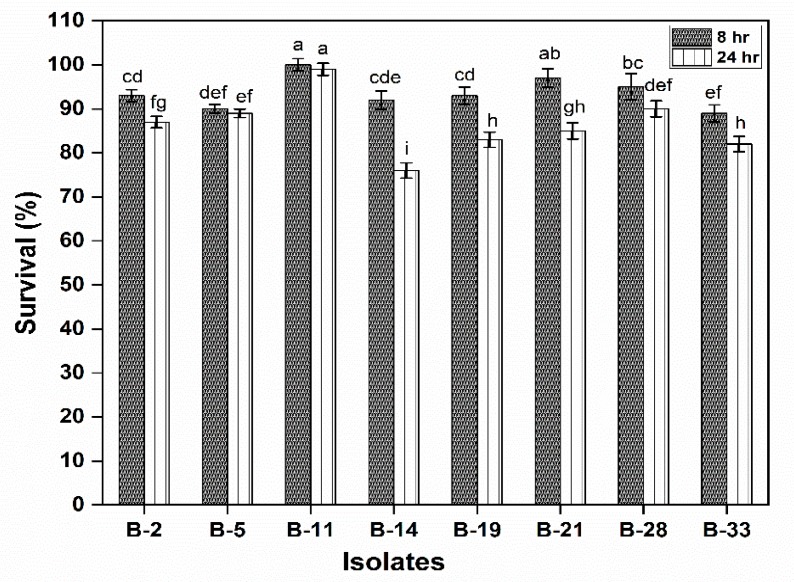
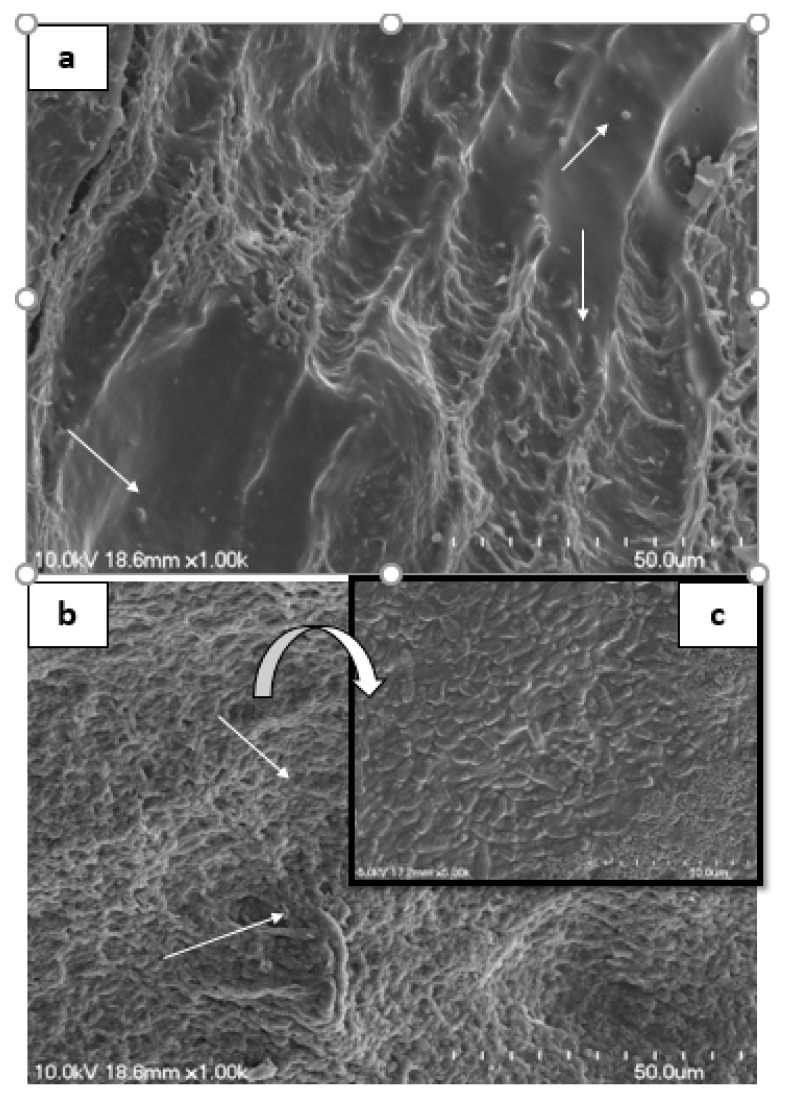
The present study was designed to isolate Bifidobacterium strains from raw camel milk and to investigate their probiotic characteristics. Among 35 isolates, 8 were identified as Gram-positive, catalase negative, non-spore forming, non-motile and V or Y shaped rods. B-2, B-5, B-11, B-19 and B-28 exhibited good survival at low pH and high bile salt concentration. Most of the isolates were resistant to nalidixic acid, fusidic acid, polymyxin B, neomycin, streptomycin, gentamicin, rifampicin and kanamycin. Furthermore, the production of exopolysaccharides (EPS), adhesion characteristics, antioxidant properties, antagonistic activities, nitrite reduction and cholesterol assimilation were also studied. Isolate B-11 was chosen because it exhibited most of the probiotic properties among all the tested isolates. It is identified as the member of Bifidobacterium longum group through 16S rRNA gene sequencing and named as B. longum B-11. B. longum B-11 was further selected for in vivo attachment to rat intestine and scanning electron micrographs revealed that attachment of a large number of rods shaped bacterial cell. Our findings suggest that B. longum B-11 processes excellent attributes to be used as potential probiotic in the development of functional probiotic food.
Overview
The claims and statistics of this paper haven’t been checked yet.
Run the check — free, no account needed. It reads the open-access text and checks the sources it cites.
Integrity signals
Registry
Cites
Statistics
Figures
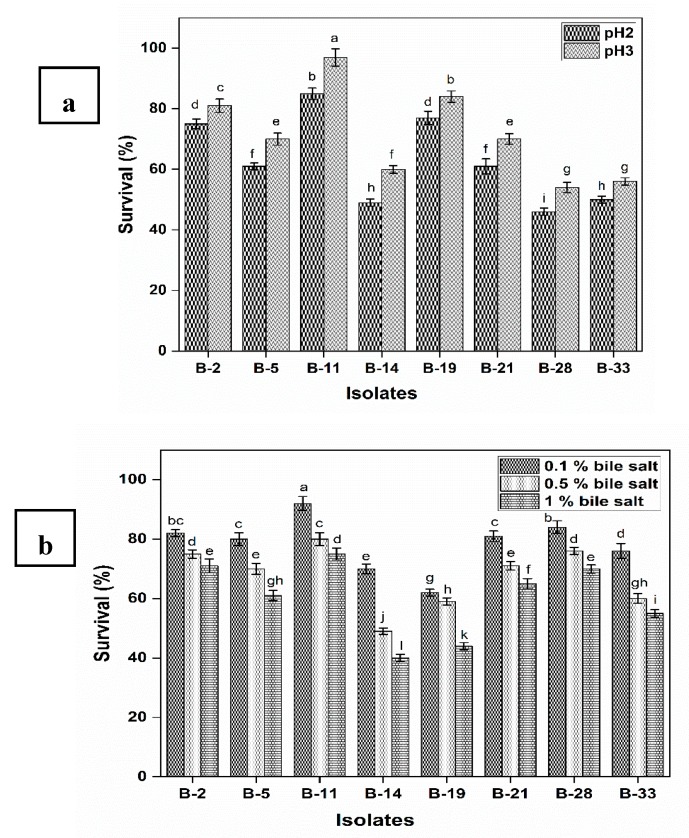
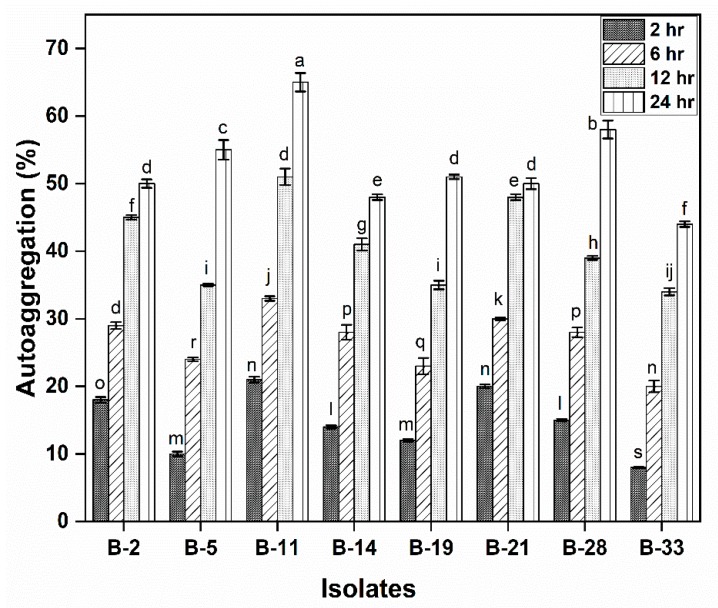
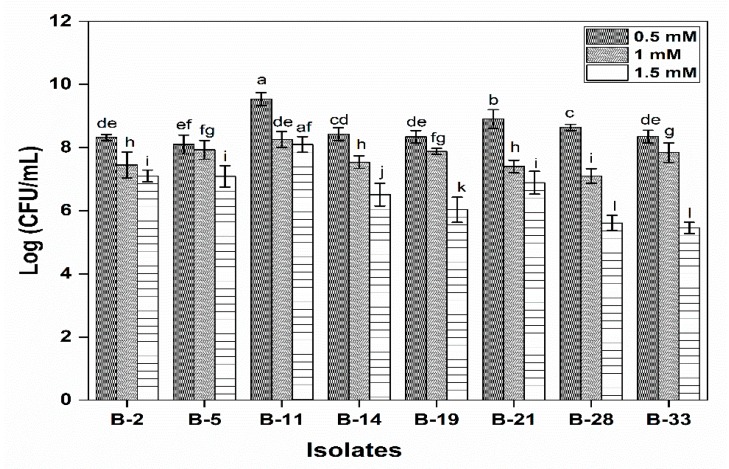
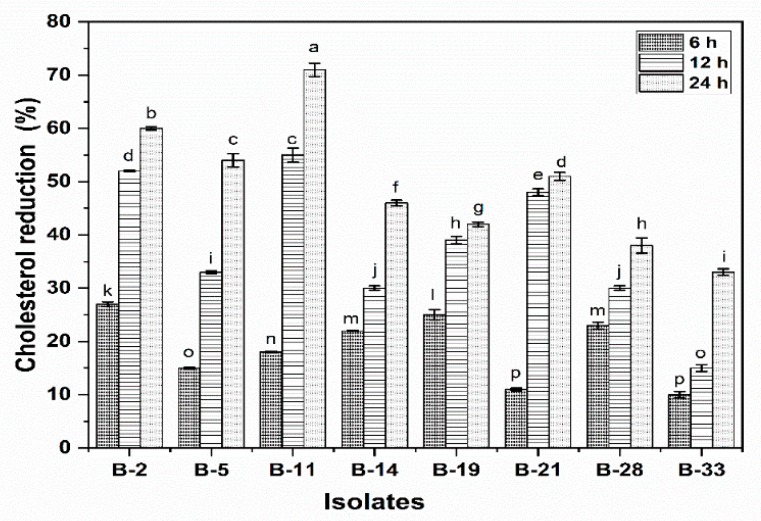
Verification
Claims the paper makes
The claims and statistics of this paper haven’t been checked yet.
Run the check — free, no account needed. It reads the open-access text and checks the sources it cites.
Claims other papers make about this one
Each is checked against this paper’s own text: does it say what the citing paper says it does?
The source backs part of the claim, not all of it — or backs it for a different population, condition or comparison.
In the citing paper
“Two phases are involved in establishing the close interaction between bacteria and epithelium that is required for the probiotic characteristics listed above: unspecific binding by physicochemical contact; irreversible bacterial attachment, caused by receptor-ligand interactions [16].”
From EVALUATION OF ADHESIVE AND AGGREGATION PROPERTIES OF LACTIC ACID BACTERIA ISOLATED FROM DIFFERENT BIOTOPES (2025) · cites this paper as [16]
Experimental — accuracy not yet measured
Self-check
Percentages, sums and reported differences re-computed from the paper’s own numbers.
The self-check needs the paper’s full text.
Citations
Cites
Determination of cholesterol using o-phthalaldehyde
Rudel, L. L., & Morris, M. D. (1973) · Journal of Lipid Research · doi:10.1016/s0022-2275(20)36896-6 · Cited by 1,044
Martínez, I., Stegen, J. C., Maldonado-Gómez, M. X., Eren, A. M., Siba, P. M., Greenhill, A. R., & Walter, J. (2015) · Cell Reports · doi:10.1016/j.celrep.2015.03.049 · Cited by 576
Identification and antibiotic susceptibility of bacterial isolates from probiotic products
Temmerman, R., Pot, B., Huys, G. R. B., & Swings, J. (2003) · International Journal of Food Microbiology · doi:10.1016/s0168-1605(02)00162-9 · Cited by 500
Characterization of potential probiotic lactic acid bacteria isolated from camel milk
Abushelaibi, A. A., Al-Mahadin, S., El-Tarabily, K. A., Shah, N. P., & Ayyash, M. M. (2017) · LWT · doi:10.1016/j.lwt.2017.01.041 · Cited by 336
Xiao, J. Z., Kondo, S., Takahashi, N., Miyaji, K., Oshida, K., Hiramatsu, A., Iwatsuki, K., Kokubo, S., & Hosono, A. (2003) · Journal of Dairy Science · doi:10.3168/jds.s0022-0302(03)73839-9 · Cited by 322
Antibiotic susceptibility profiles of new probiotic Lactobacillus and Bifidobacterium strains
Zhou, J. S., Pillidge, C. J., Gopal, P. K., & Gill, H. S. (2005) · International Journal of Food Microbiology · doi:10.1016/j.ijfoodmicro.2004.05.011 · Cited by 301
Antioxidative activities of soymilk fermented with lactic acid bacteria and bifidobacteria
Wang, Y.-C., Yu, R., & Chou, C. (2005) · Food Microbiology · doi:10.1016/j.fm.2005.01.020 · Cited by 278
Metabolic activities and probiotic potential of bifidobacteria
Russell, D. A., Ross, R. P., Fitzgerald, G. F., & Stanton, C. (2011) · International Journal of Food Microbiology · doi:10.1016/j.ijfoodmicro.2011.06.003 · Cited by 274
Assessment of cell surface properties and adhesion potential of selected probiotic strains
Xu, H., Jeong, H. S., Lee, H. Y., & Ahn, J. (2009) · Letters in Applied Microbiology · doi:10.1111/j.1472-765x.2009.02684.x · Cited by 267
Genomic Encyclopedia of Type Strains of the Genus Bifidobacterium
Milani, C., Lugli, G. A., Duranti, S., Turroni, F., Bottacini, F., Mangifesta, M., Sánchez, B., Viappiani, A., Mancabelli, L., Taminiau, B., et al. (2014) · Applied and Environmental Microbiology · doi:10.1128/aem.02308-14 · Cited by 251
Assessment of probiotic properties in lactic acid bacteria isolated from wine
García‐Ruiz, A., de Llano, D. G., Esteban‐Fernández, A., Requena, T., Bartolomé, B., & Moreno-Arribas, M. V. (2014) · Food Microbiology · doi:10.1016/j.fm.2014.06.015 · Cited by 241
Probiotic Properties of Lactobacillus plantarum RYPR1 from an Indigenous Fermented Beverage Raabadi
Yadav, R., Puniya, A. K., & Shukla, P. (2016) · Frontiers in Microbiology · doi:10.3389/fmicb.2016.01683 · Cited by 233
Immunomodulatory and antioxidant potential of Lactobacillus exopolysaccharides
Liu, C., Tseng, K., Chiang, S., Lee, B., Hsu, W., & Pan, T. (2011) · Journal of the Science of Food and Agriculture · doi:10.1002/jsfa.4456 · Cited by 230
Liong, M., & Shah, N. P. (2004) · International Dairy Journal · doi:10.1016/j.idairyj.2004.08.007 · Cited by 230
Leu, R. K. L., Hu, Y. C., Brown, I. L., Woodman, R. J., & Young, G. P. (2009) · Carcinogenesis · doi:10.1093/carcin/bgp197 · Cited by 205
Low-pH Adaptation and the Acid Tolerance Response of Bifidobacterium longum Biotype longum
Sánchez, B., Champomier‐Vergès, M., Collado, M. C., Anglade, P., Baraige, F., Sanz, Y., Reyes‐Gavilán, C. G. D. L., Margollés, A., & Zagorec, M. (2007) · Applied and Environmental Microbiology · doi:10.1128/aem.00886-07 · Cited by 203
Yan, P.-M., Xue, W., Tan, S.-S., Zhang, H., & Chang, X.-H. (2007) · Food Control · doi:10.1016/j.foodcont.2007.02.008 · Cited by 183
Kotzamanidis, C., Kourelis, A., LITOPOULOU‐TZANETAKI, E., Tzanetakis, N., & Yiangou, M. (2010) · International Journal of Food Microbiology · doi:10.1016/j.ijfoodmicro.2010.04.004 · Cited by 174
Oh, Y. J., & Jung, D. S. (2015) · LWT · doi:10.1016/j.lwt.2015.03.005 · Cited by 172
Ren, D., Li, C., Qin, Y., Yin, R., Du, S., Ye, F., Liu, C., Liu, H., Wang, M., Li, Y., et al. (2014) · Anaerobe · doi:10.1016/j.anaerobe.2014.07.004 · Cited by 163
In Vitro and In Vivo Antioxidant Activity of Bifidobacterium animalis 01 Isolated from Centenarians
Shen, Q., Shang, N., & Li, P. (2010) · Current Microbiology · doi:10.1007/s00284-010-9827-7 · Cited by 157
Curto, A. L., Pitino, I., Mandalari, G., Dainty, J. R., Faulks, R. M., & Wickham, M. S. J. (2011) · Food Microbiology · doi:10.1016/j.fm.2011.06.007 · Cited by 150
El-Gawad, I. A. A., El-Sayed, E. M., HAFEZ, S. A., El-Zeini, H., & Saleh, F. A. (2004) · International Dairy Journal · doi:10.1016/j.idairyj.2004.06.001 · Cited by 142
Nikolic, M., López, P., Strahinic, I., Suárez, A., Kojic, M., Fernández-García, M., Topisirovic, L., Golic, N., & Ruas-Madiedo, P. (2012) · International Journal of Food Microbiology · doi:10.1016/j.ijfoodmicro.2012.07.015 · Cited by 138
Bengoa, A. A., Llamas, M. G., Iraporda, C., Dueñas, M. T., Abraham, A. G., & Garrote, G. L. (2017) · Food Microbiology · doi:10.1016/j.fm.2017.08.012 · Cited by 132
Yu, Z., Zhang, X., Li, S., Li, C., Li, D., & Yang, Z. (2013) · World Journal of Microbiology and Biotechnology · doi:10.1007/s11274-012-1202-3 · Cited by 129
Collado, M. C., González, A., González, R., Hernández, M., Ferrús, M. A., & Sanz, Y. (2005) · International Journal of Antimicrobial Agents · doi:10.1016/j.ijantimicag.2005.01.017 · Cited by 118
Avcı, G. A., & Aslım, B. (2009) · Anaerobe · doi:10.1016/j.anaerobe.2009.06.006 · Cited by 118
Soleymanzadeh, N., Mirdamadi, S., & Kianirad, M. (2016) · Dairy Science and Technology · doi:10.1007/s13594-016-0278-1 · Cited by 114
Evaluation of the antioxidant activity of Ruellia tuberosa
Chen, F.-A., Wu, A.-B., Shieh, P., Kuo, D., & Hsieh, C. Y. (2005) · Food Chemistry · doi:10.1016/j.foodchem.2004.09.046 · Cited by 105
Soubra, L., Sarkis, D. K., Hilan, C., & Verger, P. (2006) · Regulatory Toxicology and Pharmacology · doi:10.1016/j.yrtph.2006.07.005 · Cited by 103
Autoaggregation and surface hydrophobicity of bifidobacteria
Rahman, M. M., Kim, W., Kumura, H., & Shimazaki, K. (2008) · World Journal of Microbiology and Biotechnology · doi:10.1007/s11274-007-9650-x · Cited by 101
Tarrah, A., Duarte, V. D. S., de Castilhos, J., Pakroo, S., Lemos, W. J. F., Luchese, R. H., Guerra, A. F., Rossi, R. C., Ziegler, D. R., Corich, V., et al. (2019) · Journal of Functional Foods · doi:10.1016/j.jff.2019.02.004 · Cited by 96
Yasmin, I., Saeed, M., Pasha, I., & Zia, M. A. (2018) · Probiotics and Antimicrobial Proteins · doi:10.1007/s12602-018-9407-x · Cited by 96
Self-citationLarsen, N., Cahú, T. B., Saad, S. M. I., Blennow, A., & Jespersen, L. (2018) · Food Microbiology · doi:10.1016/j.fm.2018.02.015 · Cited by 85
Riaz, T., Iqbal, M. W., Saeed, M., Yasmin, I., Hassanin, H. A. M., Mahmood, S., & Rehman, A. (2019) · Journal of Microencapsulation · doi:10.1080/02652048.2019.1618403 · Cited by 85
Self-citationIsolation of Lactic Acid Bacteria with Probiotic Potential from Camel Milk
Yateem, A., Balba, M. T., Al-Surraya, T., Almutairi, B., & AL-Daher, R. I. (2008) · International Journal of Dairy Science · doi:10.3923/ijds.2008.194.199 · Cited by 81
Fguiri, I., Ziadi, M., Atigui, M., Ayeb, N., Arroum, S., Assadi, M., & Khorchani, T. (2015) · International Journal of Dairy Technology · doi:10.1111/1471-0307.12226 · Cited by 79
Izquierdo, E., Medina, M., Ennahar, S., Marchioni, E., & Sanz, Y. (2008) · Current Microbiology · doi:10.1007/s00284-008-9135-7 · Cited by 77
Casarotti, S. N., & Penna, A. L. B. (2014) · International Dairy Journal · doi:10.1016/j.idairyj.2014.08.021 · Cited by 76
Mohanty, D., Panda, S., Kumar, S., & Ray, P. (2018) · Microbial Pathogenesis · doi:10.1016/j.micpath.2018.11.014 · Cited by 69
Haghshenas, B., Abdullah, N., Nami, Y., Biak, D. R. A., Rosli, R., & Khosroushahi, A. Y. (2014) · Anaerobe · doi:10.1016/j.anaerobe.2014.08.009 · Cited by 66
Mangia, N. P., Saliba, L., & Deiana, P. (2018) · Annals of Microbiology · doi:10.1007/s13213-018-1416-1 · Cited by 65
Probiotic potential and safety of enterococci strains
Nascimento, L. C. S., Casarotti, S. N., Todorov, S. D., & Penna, A. L. B. (2019) · Annals of Microbiology · doi:10.1007/s13213-018-1412-5 · Cited by 64
Cytotoxic effects of various lactic acid bacteria on Caco-2 cells
Er, S., Koparal, A. T., & Kıvanç, M. (2015) · TURKISH JOURNAL OF BIOLOGY · doi:10.3906/biy-1402-62 · Cited by 63
Nami, Y., Haghshenas, B., Bakhshayesh, R. V., Jalaly, H. M., Lotfi, H., Eslami, S., & Hejazi, M. A. (2018) · LWT · doi:10.1016/j.lwt.2018.08.035 · Cited by 62
Vijayakumar, M., Soundharrajan, I., Kim, D., Arasu, M. V., Priya, K., & Choi, K. C. (2015) · Anaerobe · doi:10.1016/j.anaerobe.2015.01.003 · Cited by 61
Haros, C. M., Carlsson, N., Almgren, A., Larsson-Alminger, M., Sandberg, A., & Andlid, T. A. (2009) · International Journal of Food Microbiology · doi:10.1016/j.ijfoodmicro.2009.07.015 · Cited by 60
Wang, J., Wang, J., Yang, K., Liu, M., Zhang, J., Wei, X., & Fan, M. (2018) · Annals of Microbiology · doi:10.1007/s13213-018-1386-3 · Cited by 57
Locally sourced probiotics, the next opportunity for developing countries?
Sybesma, W., Kort, R., & Lee, Y. K. (2015) · Trends in biotechnology · doi:10.1016/j.tibtech.2015.01.002 · Cited by 55
Probiotic potential of Lactobacillus paracasei FM-LP-4 isolated from Xinjiang camel milk yoghurt
Wang, Y., Zhou, J., Xia, X., Zhao, Y., & Shao, W. (2016) · International Dairy Journal · doi:10.1016/j.idairyj.2016.07.001 · Cited by 55
Bhat, M. I., Singh, V. K., Sharma, D., Kapila, S., & Kapila, R. (2019) · Microbial Pathogenesis · doi:10.1016/j.micpath.2019.03.009 · Cited by 52
Lactobacillus plantarum MYL26 induces endotoxin tolerance phenotype in Caco-2 cells
Chiu, Y., Lu, Y.-C., Ou, C., Lin, S.-L., Tsai, C.-C., Huang, C.-T., & Lin, M. (2013) · BMC Microbiology · doi:10.1186/1471-2180-13-190 · Cited by 50
Prasanna, P. H. P., Grandison, A. S., & Charalampopoulos, D. (2011) · International Dairy Journal · doi:10.1016/j.idairyj.2011.09.008 · Cited by 47
Mahmoudi, I., Moussa, O. B., Khaldi, T. E. M., Kebouchi, M., Soligot, C., Roux, Y. L., & Hassouna, M. (2016) · Small Ruminant Research · doi:10.1016/j.smallrumres.2016.03.016 · Cited by 46
Isolation and Selection of Potential Probiotic Bacteria from the Pig Gastrointestinal Tract
Verso, L. L., Lessard, M., Talbot, G., Fernandez, B., & Fliss, I. (2017) · Probiotics and Antimicrobial Proteins · doi:10.1007/s12602-017-9309-3 · Cited by 43
Moreno, I., Marasca, E. T. G., Zacarchenco, P. B., Moitinho, J. D. S., Marquezini, M. G., Alves, M. R. C., & Bromberg, R. (2018) · Probiotics and Antimicrobial Proteins · doi:10.1007/s12602-018-9388-9 · Cited by 43
Awaisheh, S. S., Obeidat, M., Al-Tamimi, H., Assaf, A. M., EL-Qudah, J. M., Al-Khaza’leh, J. M., & Rahahleh, R. J. (2016) · Cited by 39
Kuo, J., Yang, Y., Lu, M., Wong, T.-Y., Sung, P.-J., & Huang, Y.-S. (2019) · Annals of Microbiology · doi:10.1007/s13213-018-1414-3 · Cited by 39
Intrinsic and inducible resistance to hydrogen peroxide in Bifidobacterium species
Oberg, T. S., Steele, J. L., Ingham, S. C., Smeianov, V. V., Briczinski, E. P., Abdalla, A. K., & Broadbent, J. R. (2011) · Journal of Industrial Microbiology & Biotechnology · doi:10.1007/s10295-011-0983-y · Cited by 37
Microencapsulation of vitamin D in protein matrices: in vitro release and storage stability
Khan, W. A., Butt, M. S., Pasha, I., & Jamil, A. (2020) · Journal of Food Measurement & Characterization · doi:10.1007/s11694-019-00366-3 · Cited by 37
Self-citationChoudhary, J., Dubey, R. C., Sengar, G. S., & Dheeman, S. (2018) · Probiotics and Antimicrobial Proteins · doi:10.1007/s12602-018-9431-x · Cited by 36
Gao, Y., & Li, D. (2018) · Annals of Microbiology · doi:10.1007/s13213-018-1360-0 · Cited by 35
Bioactive compounds of probiotic Saccharomyces cerevisiae strains isolated from cucumber jangajji
Lee, N., Hong, J.-Y., Yi, S.-H., Hong, S.-P., Lee, J., & Paik, H. (2019) · Journal of Functional Foods · doi:10.1016/j.jff.2019.04.059 · Cited by 27
Joghataei, M., Shahidi, F., Pouladfar, G., Mortazavi, S. A., & Ghaderi, A. A. (2019) · Journal of the Science of Food and Agriculture · doi:10.1002/jsfa.9945 · Cited by 27
Bujňáková, D., & Strakova, E. (2017) · Annals of Microbiology · doi:10.1007/s13213-017-1310-2 · Cited by 21
Isolation and Identification of Nitrite-Degrading Lactic Acid Bacteria from Salted Fish
Wu, Y. Y., Liu, F. J., Li, L. H., Yang, X. Q., Deng, J. C., & Chen, S. J. (2011) · Advanced materials research · doi:10.4028/www.scientific.net/amr.393-395.828 · Cited by 17
POTENTIAL TECHNOLOGICAL INTEREST OF INDIGENOUS LACTIC ACID BACTERIA FROM ALGERIAN CAMEL MILK
Carballo, J. (2016) · Italian Journal of Food Science · doi:10.14674/1120-1770/ijfs.v391 · Cited by 15
Ayhan, D. K., Temiz, A., Sana, F. A., & Gümüşderelı́oğlu, M. (2019) · Annals of Microbiology · doi:10.1007/s13213-019-01482-7 · Cited by 15
Screening and selection of novel animal probiotics isolated from bovine chyme
Özkan, A. D., Han, D., Umu, Ö. C. O., Angün, P., Şentürk, B., Yaşa, Ö., & Tekinay, T. (2012) · Annals of Microbiology · doi:10.1007/s13213-012-0588-3 · Cited by 11
Jia, L., Shigwedha, N., & Mwandemele, O. D. (2009) · Journal of Food Science · doi:10.1111/j.1750-3841.2009.01398.x · Cited by 10
Amina, Z., Noureddine, S., Arul, V., Perumal, V., Bessaiah, H., Asma, Z., Yamina, M., Miloud, H., & Mebrouk, K. (2014) · Biotechnology(Faisalabad) · doi:10.3923/biotech.2014.282.288 · Cited by 9
Research works printed but not linked: 2
- Ashmaig, 2009, Identification of lactic acid bacteria isolated from traditional Sudanese fermented camels milk (Gariss), Afri. J. Microbiol. Res., 3, 451
- Biratu, 2016, Chemical composition and microbiological quality of Dhanaan: Traditional fermented camel milk produced in eastern Ethiopia, Inter. Food Res. J., 23, 2223
Cited by
Sorted by citations
Hakim, B. N. A., Xuan, N. J., & Oslan, S. N. H. (2023) · Foods · doi:10.3390/foods12152850 · Cited by 267
Recent developments in probiotics: An emphasis on Bifidobacterium
Sharma, M., Wasan, A., & Sharma, R. K. (2021) · Food Bioscience · doi:10.1016/j.fbio.2021.100993 · Cited by 178
Ayyash, M. M., Abdalla, A. K., Alkalbani, N. S., Baig, M. A., Turner, M. S., Liu, S., & Shah, N. P. (2021) · Journal of Dairy Science · doi:10.3168/jds.2021-20398 · Cited by 183
Grujović, M. Ž., Mladenović, K., Semedo‐Lemsaddek, T., Laranjo, M., Stefanović, O. D., & Kocić‐Tanackov, S. (2022) · Comprehensive Reviews in Food Science and Food Safety · doi:10.1111/1541-4337.12897 · Cited by 163
Pourjafar, H., Ansari, F., Sadeghi, A., Samakkhah, S. A., & Jafari, S. M. (2022) · Critical Reviews in Food Science and Nutrition · doi:10.1080/10408398.2022.2047883 · Cited by 103
Metadata
- Authors
- Yasmin, I., Saeed, M., Khan, W. A., Khaliq, A., Chughtai, M. F. J., Iqbal, R., Tehseen, S., Naz, S., Liaqat, A., Mehmood, T., Ahsan, S., & Tanweer, S.
- Affiliations
- Government College Women University Faisalabad (PK)
- University of Agriculture Faisalabad (PK)
- Khwaja Fareed University of Engineering and Information Technology (PK)
- Nur International University (PK)
- Islamia University of Bahawalpur (PK)
- Corresponding author
- Yasmin, Iqra
- ORCID
- Venue
- Microorganisms
- Publisher
- MDPI AG
- Published
- 2020-03-02
- Volume
- 8
- Issue
- 3
- Pages
- 354
- ISSN
- 2076-2607 (ISSN-L)
- PMC
- PMC7143641
- OpenAlex
- W3009449643
- Cited by
- 233
- References
- 75
- Citations by year
- 2026: 37 · 2025: 57 · 2024: 52 · 2023: 40 · 2022: 28 · 2021: 16 · 2020: 3
- FWCI
- 14.11
- Type
- journal article
- Language
- en
- Open access
- gold
- dx.doi.org
- Licence
- Locations
- Microorganisms (publishedVersion, cc-by)
- PubMed Central (publishedVersion, cc-by)
- PubMed (publishedVersion)
- DOAJ (DOAJ: Directory of Open Access Journals) (submittedVersion, cc-by-sa)
- Greater South Information System
- Funders
- Higher Education Commission, Pakistan (IRSIP 32)
- Topics
- Life Sciences › Agricultural and Biological Sciences › Food Science › Probiotics and Fermented Foods
- Life Sciences › Agricultural and Biological Sciences › Food Science › Animal Diversity and Health Studies
- Health Sciences › Nursing › Nutrition and Dietetics › Infant Nutrition and Health
- Keywords
- Bifidobacterium, probiotics, camel milk, Bifidobacterium longum, antimicrobial resistance, bile salt tolerance, acid resistance, exopolysaccharide production, adhesion, antioxidant activity, nitrite reduction, cholesterol assimilation, intestinal colonization, functional foods
About these checks
Registry, retraction, Cites and statistics results are computed, not judged, with one exception: a printed reference that no index lists is read once by a model before it counts as a citation error. Claims are extracted by a model and kept only when their quote appears verbatim in the text; each cited source is then checked, with a model’s help, for whether it says what the claim relies on. Those verdicts can be wrong — read the claim’s quote and the cited source before relying on one.
Statistics and arithmetic are recomputed, not judged.
Confidence bands are shown only for fields calibrated on our annotated test set. None is calibrated yet, so no band is shown.
What counts as a claim ›How we measure confidence ›How we check this ›
Are you an author, or do you see a problem with this page? Request a review
