

Deep Eutectic Solvent-Based Microwave-Assisted Method for Extraction of Hydrophilic and Hydrophobic Components from Radix Salviae miltiorrhizae
Open accessThe DOI matches its Crossref record; 35 of the 35 references it cites were found in a registry or an index.
Abstract
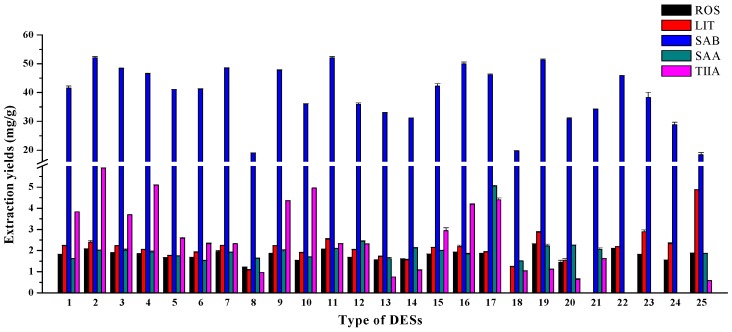
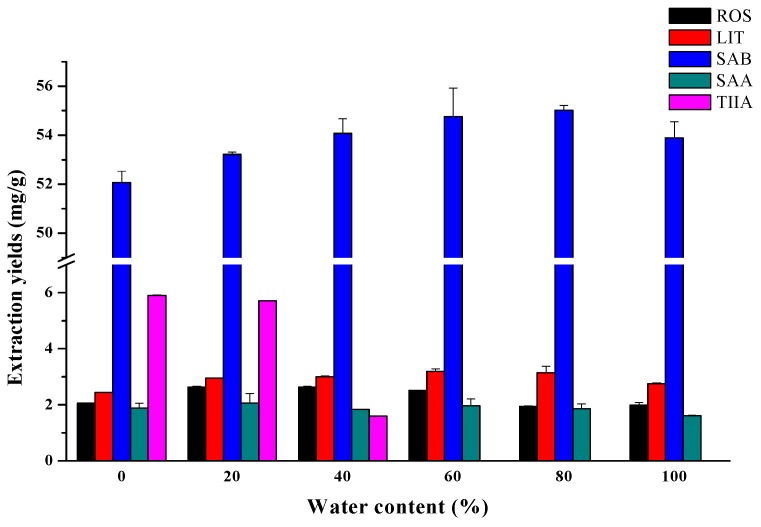
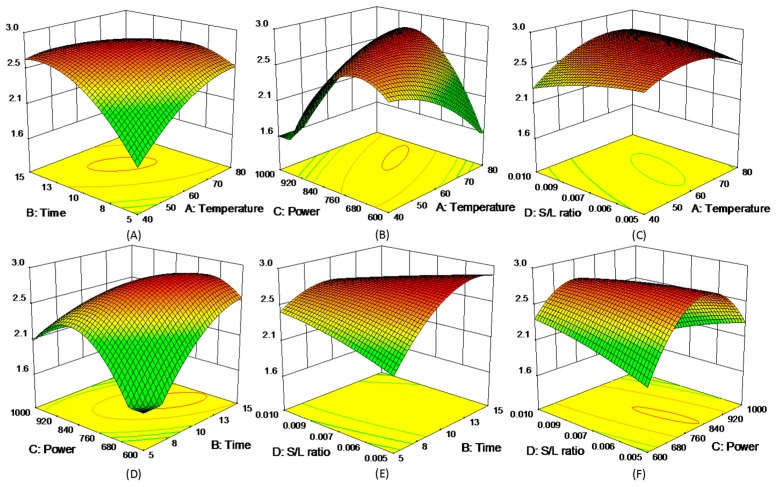
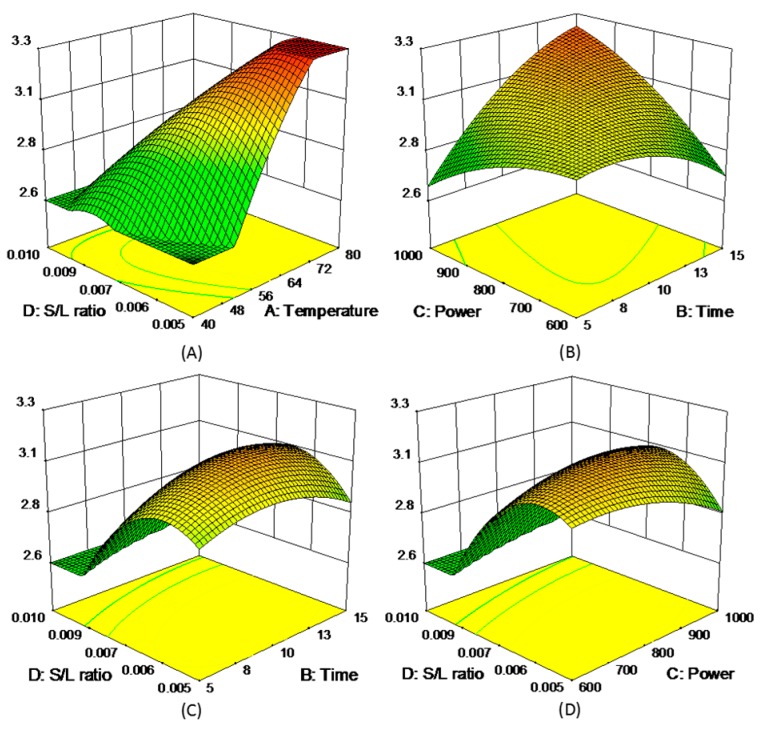
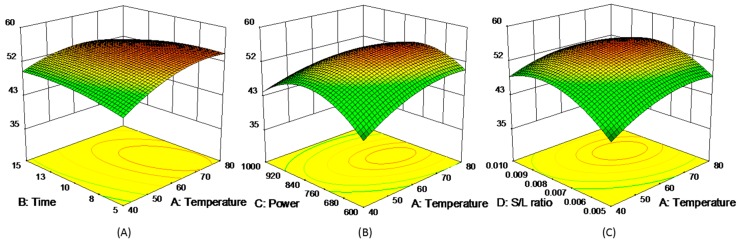
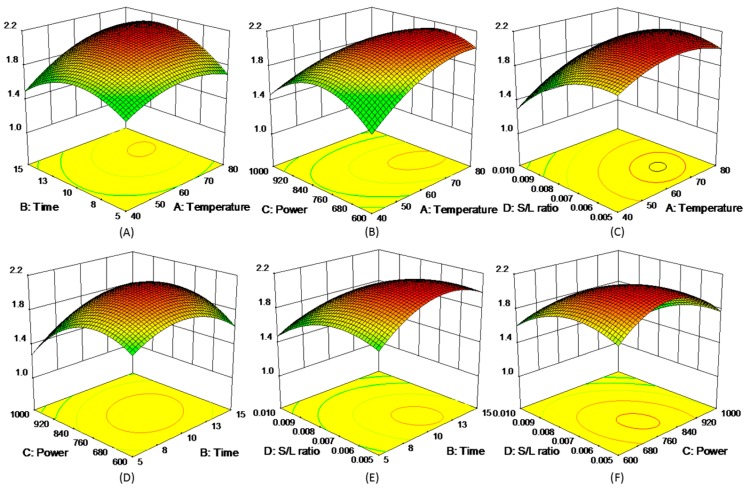
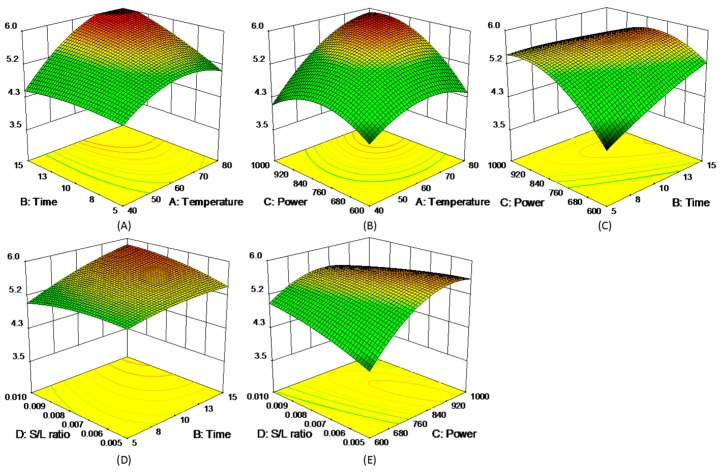
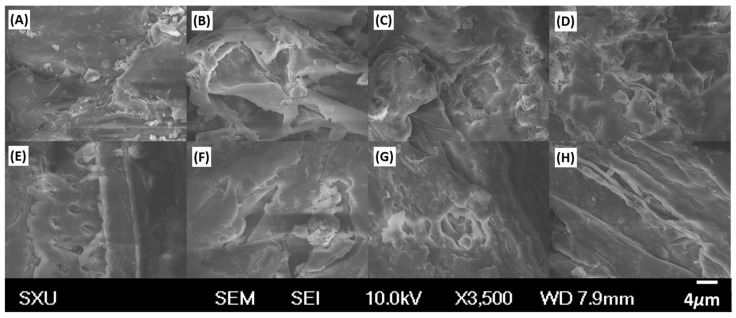
Deep eutectic solvents (DESs) have attracted significant attention as a promising green media. In this work, twenty-five kinds of benign choline chloride-based DESs with microwave-assisted methods were applied to quickly extract active components from Radix Salviae miltiorrhizae. The extraction factors, including temperature, time, power of microwave, and solid/liquid ratio, were investigated systematically by response surface methodology. The hydrophilic and hydrophobic ingredients were extracted simultaneously under the optimized conditions: 20 vol% of water in choline chloride/1,2-propanediol (1:1, molar ratio) as solvent, microwave power of 800 W, temperature at 70 °C, time at 11.11 min, and solid/liquid ratio of 0.007 g·mL−1. The extraction yield was comparable to, or even better than, conventional methods with organic solvents. The microstructure alteration of samples before and after extraction was also investigated. The method validation was tested as the linearity of analytes (r2 > 0.9997 over two orders of magnitude), precision (intra-day relative standard deviation (RSD) < 2.49 and inter-day RSD < 2.96), and accuracy (recoveries ranging from 95.04% to 99.93%). The proposed DESs combined with the microwave-assisted method provided a prominent advantage for fast and efficient extraction of active components, and DESs could be extended as solvents to extract and analyze complex environmental and pharmaceutical samples.
Overview
The claims and statistics of this paper haven’t been checked yet.
Free: it reads the open-access text and checks the first 5 claims that cite a source we can check. Create a free account to check every claim.
Integrity signals
Registry
Cites
Statistics
Figures
Verification
Claims the paper makes
The claims and statistics of this paper haven’t been checked yet.
Free: it reads the open-access text and checks the first 5 claims that cite a source we can check. Create a free account to check every claim.
Claims other papers make about this one
Each is checked against this paper’s own text: does it say what the citing paper says it does?
The source backs part of the claim, not all of it — or backs it for a different population, condition or comparison.
In the citing paper
“Various interactions (such as anion exchange, weak non-covalent interactions, π-π and/or hydrogen bonding) take place, amongst an HBD and an HBA in various combinations and molar ratios that contribute to some of the physicochemical properties discussed below [35].”
From Microextraction Techniques with Deep Eutectic Solvents (2020) · cites this paper as [35]
Experimental — accuracy not yet measuredThe source backs part of the claim, not all of it — or backs it for a different population, condition or comparison.
In the citing paper
“Physicochemical properties of deep eutectic solvents derive from the various interactions between an HBA and HBD, which depend on the molar ratios, the organic compounds themselves, and the nature of the interactions (π-π and/or hydrogen bonding, anion exchange, weak non-covalent interactions) [36].”
From Applications of Deep Eutectic Solvents in Sample Preparation and Extraction of Organic Molecules (2022) · cites this paper as [36]
Experimental — accuracy not yet measured
Self-check
Percentages, sums and reported differences re-computed from the paper’s own numbers.
The self-check needs the paper’s full text.
Citations
Cites
Abbott, A. P., Capper, G., Davies, D. L., Rasheed, R. K., & Tambyrajah, V. (2003) · Chemical Communications · doi:10.1039/b210714g · Cited by 5,738 · cited 1×
“in 2003 [1], which were generally formed by mixing a hydrogen bonding acceptor (HBA) with a hydrogen bonding donor (HBD) after continuous heating and stirring.”
BackgroundAbbott, A. P., Boothby, D., Capper, G., Davies, D. L., & Rasheed, R. K. (2004) · Journal of the American Chemical Society · doi:10.1021/ja048266j · Cited by 4,340 · cited 1×
“DESs are always named as ‘ionic liquid analogues’ for their similar properties to ionic liquids, such as eco-friendliness, negligible volatility, and adjustable viscosity [2,3].”
BackgroundLow-transition-temperature mixtures (LTTMs): A new generation of designer solvents
Francisco, M., van den Bruinhorst, A., & Kroon, M. C. (2013) · Angewandte Chemie International Edition · doi:10.1002/anie.201207548 · Cited by 1,378
Evaluation of toxicity and biodegradability of choline chloride based deep eutectic solvents
Radošević, K., Cvjetko Bubalo, M., Gaurina Srček, V., Grgas, D., Landeka Dragičević, T., & Radojčić Redovniković, I. (2015) · Ecotoxicology and Environmental Safety · doi:10.1016/j.ecoenv.2014.09.034 · Cited by 770 · cited 1×
“Compared with ionic liquids, which are the most popular green solvents [4–6], DESs have the advantage of low cost, easy synthesis, biodegradability [7], high solubilization strength [8,9], and lowor even non-toxicity [10,11].”
BackgroundDeep Eutectic Solvents: The Organic Reaction Medium of the Century
Alonso, D. A., Baeza, A., Chinchilla, R., Guillena, G., Pastor, I. M., & Ramón, D. J. (2016) · European Journal of Organic Chemistry · doi:10.1002/ejoc.201501197 · Cited by 709
Dai, Y., Witkamp, G.-J., Verpoorte, R., & Choi, Y. H. (2013) · Analytical Chemistry · doi:10.1021/ac400432p · Cited by 678 · cited 1×
“Compared with ionic liquids, which are the most popular green solvents [4–6], DESs have the advantage of low cost, easy synthesis, biodegradability [7], high solubilization strength [8,9], and lowor even non-toxicity [10,11].”
BackgroundAre deep eutectic solvents benign or toxic?
Hayyan, M., Hashim, M. A., Hayyan, A., Al-Saadi, M. A., AlNashef, I. M., Mirghani, M. E. S., & Saheed, O. K. (2013) · Chemosphere · doi:10.1016/j.chemosphere.2012.11.004 · Cited by 675 · cited 1×
“Compared with ionic liquids, which are the most popular green solvents [4–6], DESs have the advantage of low cost, easy synthesis, biodegradability [7], high solubilization strength [8,9], and lowor even non-toxicity [10,11].”
BackgroundTang, B., Zhang, H., & Row, K. H. (2015) · Journal of Separation Science · doi:10.1002/jssc.201401347 · Cited by 522
Ionic liquids and deep eutectic mixtures: Sustainable solvents for extraction processes
Pena‐Pereira, F., & Namieśnik, J. (2014) · ChemSusChem · doi:10.1002/cssc.201301192 · Cited by 432
Phosphonium-Based Ionic Liquids Analogues and Their Physical Properties
Kareem, M. A., Mjalli, F. S., Hashim, M. A., & AlNashef, I. M. (2010) · Journal of Chemical & Engineering Data · doi:10.1021/je100104v · Cited by 426 · cited 1×
“DESs are always named as ‘ionic liquid analogues’ for their similar properties to ionic liquids, such as eco-friendliness, negligible volatility, and adjustable viscosity [2,3].”
BackgroundDai, Y., Verpoorte, R., & Choi, Y. H. (2014) · Food Chemistry · doi:10.1016/j.foodchem.2014.02.155 · Cited by 416 · cited 1×
“In addition, it is reported that DESs offer advantages in terms of enhancing the stability of active components in herbal medicine [18,22].”
BackgroundDai, Y., Rozema, E., Verpoorte, R., & Choi, Y. H. (2016) · Journal of Chromatography A · doi:10.1016/j.chroma.2016.01.037 · Cited by 416 · cited 1×
“In addition, it is reported that DESs offer advantages in terms of enhancing the stability of active components in herbal medicine [18,22].”
BackgroundZhao, G.-R., Zhang, H.-M., Ye, T.-X., Xiang, Z.-J., Yuan, Y.-J., Guo, Z.-X., & Zhao, L.-B. (2008) · Food and Chemical Toxicology · doi:10.1016/j.fct.2007.06.034 · Cited by 331 · cited 1×
“In general, the hydrophilic phenolic acids should be responsible for pharmacological properties, such as anti-platelet activity [25] and free radical scavenging activity [26], and hydrophobic diterpenoid tanshinone has been reported to display diverse pharmacological properties, such as liver-protective [27], anti-can…”
BackgroundLi, N., Wang, Y., Xu, K., Huang, Y., Wen, Q., & Ding, X. (2016) · Talanta · doi:10.1016/j.talanta.2016.01.042 · Cited by 306 · cited 1×
“There are considerable references for the application in analytical chemistry of DESs for biological samples [16], metallic elements [17], herbal medicines [18–20], nanometer materials [21], and so on.”
BackgroundAssessment of cytotoxicity and toxicity for phosphonium-based deep eutectic solvents
Hayyan, M., Hashim, M. A., Al-Saadi, M. A., Hayyan, A., AlNashef, I. M., & Mirghani, M. E. S. (2013) · Chemosphere · doi:10.1016/j.chemosphere.2013.05.013 · Cited by 288 · cited 1×
“Compared with ionic liquids, which are the most popular green solvents [4–6], DESs have the advantage of low cost, easy synthesis, biodegradability [7], high solubilization strength [8,9], and lowor even non-toxicity [10,11].”
BackgroundKhezeli, T., Daneshfar, A., & Sahraei, R. (2016) · Talanta · doi:10.1016/j.talanta.2015.12.077 · Cited by 284
Salvia miltiorrhiza: An ancient Chinese herbal medicine as a source for anti-osteoporotic drugs
Guo, Y., Li, Y., Xue, L., Severino, R. P., Gao, S., Niu, J., Qin, L.-P., Zhang, D., & Brömme, D. (2014) · Journal of Ethnopharmacology · doi:10.1016/j.jep.2014.07.058 · Cited by 207 · cited 1×
“Radix Salviae miltiorrhizae (named Danshen in Chinese), the roots of Salvia miltiorrhiza Bunge from Labiatae, have been mainly used as a traditional medicine for cardiovascular diseases [23,24].”
BackgroundCui, Q., Peng, X., Yao, X.-H., Wei, Z.-F., Luo, M., Wang, W., Zhao, C.-J., Fu, Y.-J., & Zu, Y.-G. (2015) · Separation and Purification Technology · doi:10.1016/j.seppur.2015.06.026 · Cited by 206
Solubilities and thermodynamic properties of CO2 in choline-chloride based deep eutectic solvents
Li, G., Deng, D., Chen, Y., Shan, H., & Ai, N. (2014) · The Journal of Chemical Thermodynamics · doi:10.1016/j.jct.2014.04.012 · Cited by 177 · cited 1×
“Compared with ionic liquids, which are the most popular green solvents [4–6], DESs have the advantage of low cost, easy synthesis, biodegradability [7], high solubilization strength [8,9], and lowor even non-toxicity [10,11].”
BackgroundMa, C., Liu, T., Yang, L., Zu, Y., Chen, X., Zhang, L., Zhang, Y., & Zhao, C. (2011) · Journal of Chromatography A · doi:10.1016/j.chroma.2011.09.075 · Cited by 149
Self-citationTan, T., Zhang, M., Wan, Y., & Qiu, H. (2016) · Talanta · doi:10.1016/j.talanta.2015.11.041 · Cited by 144
Wu, W., & Wang, Y. (2012) · Acta Pharmacologica Sinica · doi:10.1038/aps.2012.126 · Cited by 125 · cited 1×
“Radix Salviae miltiorrhizae (named Danshen in Chinese), the roots of Salvia miltiorrhiza Bunge from Labiatae, have been mainly used as a traditional medicine for cardiovascular diseases [23,24].”
BackgroundXu, K., Wang, Y., Ding, X., Huang, Y., Li, N., & Wen, Q. (2016) · Talanta · doi:10.1016/j.talanta.2015.10.079 · Cited by 111 · cited 1×
“There are considerable references for the application in analytical chemistry of DESs for biological samples [16], metallic elements [17], herbal medicines [18–20], nanometer materials [21], and so on.”
BackgroundMa, S., Zhang, D., Lou, H., Sun, L., & Ji, J. (2016) · Journal of Ethnopharmacology · doi:10.1016/j.jep.2016.05.018 · Cited by 110 · cited 1×
“In general, the hydrophilic phenolic acids should be responsible for pharmacological properties, such as anti-platelet activity [25] and free radical scavenging activity [26], and hydrophobic diterpenoid tanshinone has been reported to display diverse pharmacological properties, such as liver-protective [27], anti-can…”
BackgroundVidal, C., Merz, L., & García‐Álvarez, J. (2015) · Green Chemistry · doi:10.1039/c5gc00656b · Cited by 83 · cited 1×
“There are considerable references for the application in analytical chemistry of DESs for biological samples [16], metallic elements [17], herbal medicines [18–20], nanometer materials [21], and so on.”
BackgroundZhang, H., Zhang, F., Li, H., Liu, Y., Du, G.-Y., & Huang, Y. (2016) · Archives of Biochemistry and Biophysics · doi:10.1016/j.abb.2016.03.031 · Cited by 70 · cited 1×
“In general, the hydrophilic phenolic acids should be responsible for pharmacological properties, such as anti-platelet activity [25] and free radical scavenging activity [26], and hydrophobic diterpenoid tanshinone has been reported to display diverse pharmacological properties, such as liver-protective [27], anti-can…”
BackgroundAn Expeditious and Greener Synthesis of 2-Aminoimidazoles in Deep Eutectic Solvents
Capua, M., Perrone, S., Perna, F. M., Vitale, P., Troisi, L., Salomone, A., & Capriati, V. (2016) · Molecules · doi:10.3390/molecules21070924 · Cited by 59 · cited 1×
“Hydrogen bond interactions could activate both carbonyl and guanidine groups, which were mainly influenced by DESs components [35].”
BackgroundLiu, L., Li, J., Zhang, Y., Zhang, S., Ye, J., Wen, Z., Ding, J., Kunapuli, S. P., Luo, X., & Ding, Z. (2014) · Thrombosis Research · doi:10.1016/j.thromres.2014.07.019 · Cited by 56 · cited 1×
“In general, the hydrophilic phenolic acids should be responsible for pharmacological properties, such as anti-platelet activity [25] and free radical scavenging activity [26], and hydrophobic diterpenoid tanshinone has been reported to display diverse pharmacological properties, such as liver-protective [27], anti-can…”
BackgroundAqueous two phase system based on ionic liquid for isolation of quinine from human plasma sample
Flieger, J., & Czajkowska‐Żelazko, A. (2014) · Food Chemistry · doi:10.1016/j.foodchem.2014.06.037 · Cited by 51
Zhang, X., Ma, Z.-C., Liang, Q., Tang, X., Hu, D., Liu, C., Tan, H.-L., Xiao, C., Zhang, B., Wang, Y., et al. (2015) · Journal of Ethnopharmacology · doi:10.1016/j.jep.2015.01.047 · Cited by 49 · cited 1×
“In general, the hydrophilic phenolic acids should be responsible for pharmacological properties, such as anti-platelet activity [25] and free radical scavenging activity [26], and hydrophobic diterpenoid tanshinone has been reported to display diverse pharmacological properties, such as liver-protective [27], anti-can…”
BackgroundGe, D., & Lee, H. K. (2012) · Journal of Chromatography A · doi:10.1016/j.chroma.2012.06.048 · Cited by 45
Kinetics and mechanism of degradation of lithospermic acid B in aqueous solution
Guo, Y., Xiu, Z., Zhang, D.-J., Wang, H., Wang, L., & Xiao, H. (2006) · Journal of Pharmaceutical and Biomedical Analysis · doi:10.1016/j.jpba.2006.10.025 · Cited by 45 · cited 1×
“However, it is reported that many compounds in Radix Salviae miltiorrhizae are unstable in water or ethanol due to the solvent effect and long-time heating [32], which hamper their extraction, analysis, and storage [33,34], and even become a bottleneck in the field of clinical application.”
BackgroundLee, J., Kim, H.-G., Han, J., Kim, D. W., Yi, M., Son, S., Kim, Y., Lee, J.-S., Choi, M.-K., & Son, C. (2014) · Journal of Ethnopharmacology · doi:10.1016/j.jep.2014.03.048 · Cited by 43 · cited 1×
“The common approaches for the preparation of active ingredients are ultrasonic or heating reflux extraction, using a mixture of water with methanol or ethanol as the solvent [30,31].”
Xia, H., Sun, L., Lou, H., & Rahman, M. M. (2014) · Phytomedicine · doi:10.1016/j.phymed.2014.01.005 · Cited by 26 · cited 1×
“However, it is reported that many compounds in Radix Salviae miltiorrhizae are unstable in water or ethanol due to the solvent effect and long-time heating [32], which hamper their extraction, analysis, and storage [33,34], and even become a bottleneck in the field of clinical application.”
BackgroundImproved stability of salvianolic acid B from Radix Salviae miltiorrhizae in deep eutectic solvents
Chen, J., Li, S.-F., Yao, Z.-F., Yang, D., & Zhang, L. (2016) · Analytical Methods · doi:10.1039/c5ay03351a · Cited by 25 · cited 2×
“This might be because longer extraction duration of heating reflux extraction might induce changes in the structure of the target compounds [37].”
BackgroundMethodSelf-citation
Research works printed but not linked: 1
- Jin, 2014, Study on the thermal stability of salvianolic acid B, Drug Develop., 35, 78
Cited by
Green and sustainable solvents in chemical processes
Clarke, C. J., Tu, W.-C., Levers, O., Bröhl, A., & Hallett, J. P. (2018) · Chemical Reviews · doi:10.1021/acs.chemrev.7b00571 · Cited by 2,071
Extraction techniques with deep eutectic solvents
Cunha, S. C., & Fernandes, J. O. (2018) · TrAC Trends in Analytical Chemistry · doi:10.1016/j.trac.2018.05.001 · Cited by 760
Hydrophobic deep eutectic solvents in microextraction techniques–A review
Makoś, P., Słupek, E., & Gębicki, J. (2020) · Microchemical Journal · doi:10.1016/j.microc.2019.104384 · Cited by 469
“The physicochemical properties of HDES are usually attributed to various combinations of HBA and HBD that result in unique interactions (such as hydrogen bonding, π-π bonding or anion exchange) during the extraction process [48].”
BackgroundDeep Eutectic Solvents for Pretreatment, Extraction, and Catalysis of Biomass and Food Waste
Kalhor, P., & Ghandi, K. (2019) · Molecules · doi:10.3390/molecules24224012 · Cited by 305
Deep eutectic solvents are not only effective extractants
Shishov, A., Pochivalov, A., Nugbienyo, L., Andruch, V., & Bulatov, A. (2020) · TrAC Trends in Analytical Chemistry · doi:10.1016/j.trac.2020.115956 · Cited by 278
Metadata
- Authors
- Chen, J., Liu, M., Wang, Q., Du, H., & Zhang, L.
- Affiliations
- Shanxi University (CN)
- Institute of Molecule Science, Key Laboratory of Chemical Biology and Molecular Engineering of Ministry of Education, Shanxi University, Taiyuan 030006, China
- Corresponding author
- Zhang, Liwei
- Venue
- Molecules
- Publisher
- MDPI AG
- Published
- 2016-10-17
- Volume
- 21
- Issue
- 10
- Pages
- 1383
- ISSN
- 1420-3049 (ISSN-L)
- PMC
- PMC6274102
- OpenAlex
- W2533555904
- Cited by
- 85
- References
- 35
- Citations by year
- 2026: 8 · 2025: 2 · 2024: 9 · 2023: 9 · 2022: 9 · 2021: 11 · 2020: 13 · 2019: 13 · 2018: 8 · 2017: 2
- FWCI
- 2.55
- Type
- journal article
- Language
- en
- Open access
- gold
- doi.org
- Licence
- Locations
- Molecules (publishedVersion, cc-by)
- Europe PMC (PubMed Central) (publishedVersion, cc-by)
- PubMed Central (publishedVersion, cc-by)
- PubMed (publishedVersion)
- DOAJ (DOAJ: Directory of Open Access Journals) (submittedVersion, cc-by-sa)
- Funders
- Education innovation project of graduate in Shanxi province (No. 2016BY030)
- Topics
- Physical Sciences › Chemistry › Physical and Theoretical Chemistry › Ionic liquids properties and applications
- Health Sciences › Medicine › Complementary and alternative medicine › Traditional Chinese Medicine Analysis
- Life Sciences › Agricultural and Biological Sciences › Food Science › Agricultural and Biological Research
- Keywords
- deep eutectic solvents, microwave-assisted extraction, Radix Salviae Miltiorrhizae, choline chloride, propylene glycol, extraction optimization, green solvents, response surface methodology
- MeSH terms
- Choline, Chromatography, High Pressure Liquid, Microwaves, Plant Extracts, Solvents, Temperature, Water, Propylene Glycol, Salvia miltiorrhiza, Hydrophobic and Hydrophilic Interactions
About these checks
Registry, retraction, Cites and statistics results are computed, not judged, with one exception: a printed reference that no index lists is read once by a model before it counts as a citation error. Claims are extracted by a model and kept only when their quote appears verbatim in the text; each cited source is then checked, with a model’s help, for whether it says what the claim relies on. Those verdicts can be wrong — read the claim’s quote and the cited source before relying on one.
Statistics and arithmetic are recomputed, not judged.
Confidence bands are shown only for fields calibrated on our annotated test set. None is calibrated yet, so no band is shown.
What counts as a claim ›How we measure confidence ›How we check this ›
Are you an author, or do you see a problem with this page? Request a review
Data sources
Bibliographic data: Semantic Scholar, OpenAlex, Crossref.
Contains information from the Semantic Scholar Academic Graph Datasets, made available under the ODC Attribution License (ODC-BY 1.0).
Semantic Scholar’s data is described in: Kinney, R., et al. (2023). The Semantic Scholar Open Data Platform. arXiv:2301.10140.
