

The DOI matches its Crossref record; 5 of the 5 references it cites were found in a registry or an index.
Chitosan Nanoparticle-Based System: A New Insight into the Promising Controlled Release System for Lung Cancer Treatment
Abstract
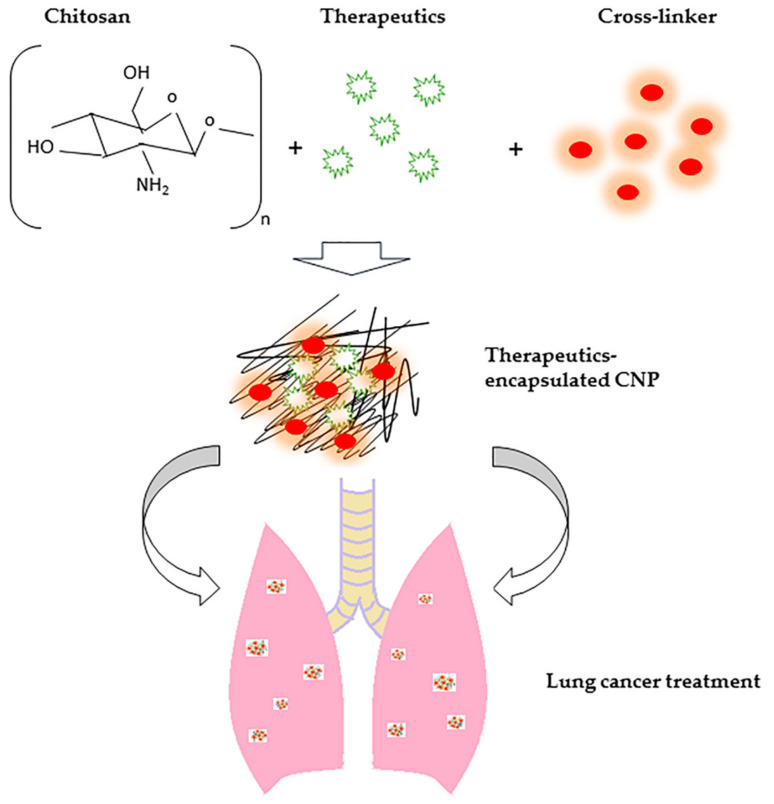
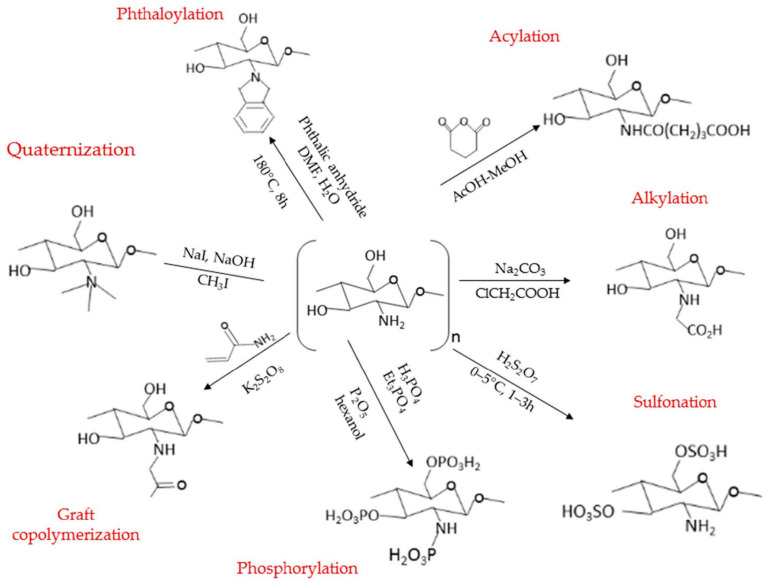
Lung cancer has been recognized as one of the most often diagnosed and perhaps most lethal cancer diseases worldwide. Conventional chemotherapy for lung cancer-related diseases has bumped into various limitations and challenges, including non-targeted drug delivery, short drug retention period, low therapeutic efficacy, and multidrug resistance (MDR). Chitosan (CS), a natural polymer derived from deacetylation of chitin, and comprised of arbitrarily distributed β-(1-4)-linked d-glucosamine (deacetylated unit) and N-acetyl-d-glucosamine (acetylated unit) that exhibits magnificent characteristics, including being mucoadhesive, biodegradable, and biocompatible, has emerged as an essential element for the development of a nano-particulate delivery vehicle. Additionally, the flexibility of CS structure due to the free protonable amino groups in the CS backbone has made it easy for the modification and functionalization of CS to be developed into a nanoparticle system with high adaptability in lung cancer treatment. In this review, the current state of chitosan nanoparticle (CNP) systems, including the advantages, challenges, and opportunities, will be discussed, followed by drug release mechanisms and mathematical kinetic models. Subsequently, various modification routes of CNP for improved and enhanced therapeutic efficacy, as well as other restrictions of conventional drug administration for lung cancer treatment, are covered.
Overview
The claims and statistics of this paper haven’t been checked yet.
Run the check — free, no account needed. It reads the open-access text and checks the sources it cites.
Integrity signals
Registry
Cites
Statistics
Figures
Verification
Claims the paper makes
The claims and statistics of this paper haven’t been checked yet.
Run the check — free, no account needed. It reads the open-access text and checks the sources it cites.
Claims other papers make about this one
Each is checked against this paper’s own text: does it say what the citing paper says it does?
The cited source says what the claim attributes to it.
In the citing paper
“Various oral nano-based approaches and targeted drug delivery systems have been developed recently, as a result of the ability of nanoparticles to control the release of the encapsulant, drug targeting and reduce the number of dosages administered.”
From Current Advances in Chitosan Nanoparticles Based Oral Drug Delivery for Colorectal Cancer Treatment (2022) · cites this paper as [14]
The cited source says what the claim attributes to it.
In the citing paper
“Furthermore, since nanoparticles allow for continuous or controlled release, the physical encapsulation of anticancer drugs improves their pharmacokinetic properties while reducing the number of dosages administered.”
From Current Advances in Chitosan Nanoparticles Based Oral Drug Delivery for Colorectal Cancer Treatment (2022) · cites this paper as [14]
In the citing paper
“This controlled release can circumvent multiple drug resistance since the cells actively ingest bigger amounts of the drug intracellularly.12–14”
From Current Advances in Chitosan Nanoparticles Based Oral Drug Delivery for Colorectal Cancer Treatment (2022) · cites this paper as [14]
In the citing paper
“However, in most of the conditions, the release occurs as a result of the combination of than one mechanism.14,158”
From Current Advances in Chitosan Nanoparticles Based Oral Drug Delivery for Colorectal Cancer Treatment (2022) · cites this paper as [14]
Self-check
Percentages, sums and reported differences re-computed from the paper’s own numbers.
The self-check needs the paper’s full text.
Citations
Cites
Kamaly, N., Yameen, B., Wu, J., & Farokhzad, O. C. (2016) · Chemical Reviews · doi:10.1021/acs.chemrev.5b00346 · Cited by 3,070
Chitosan: an update on potential biomedical and pharmaceutical applications.
Cheung, R., Ng, T., Wong, J., & Chan, W. (2015) · Marine Drugs · doi:10.3390/md13085156 · Cited by 1,297
Alexander Fleming (1881–1955): Discoverer of penicillin
Tan, S., & Tatsumura, Y. (2015) · Singapore Medical Journal · doi:10.11622/smedj.2015105 · Cited by 342
Past, Present, and Future Technologies for Oral Delivery of Therapeutic Proteins
Singh, R., Singh, S., & Lillard, J. W. (2008) · Journal of Pharmaceutical Sciences · doi:10.1002/jps.21183 · Cited by 186 · cited 1×
“However, the therapeutic efficacy of these medications is often less desired as the drugs that are consumed, especially orally, need to go through many different paths such as the digestive tract, gastrointestinal tract, and liver to reach the target site, which may lead to the cleavage or degradation by the enzymes o…”
BackgroundPolyurethane-Grafted Chitosan as New Biomaterials for Controlled Drug Delivery
Mahanta, A. K., Mittal, V., Singh, N., Dash, D., Malik, S., Kumar, M., & Maiti, P. (2015) · Macromolecules · doi:10.1021/acs.macromol.5b00030 · Cited by 110
Research works printed but not linked: 254
- Kooti, 2017, Effective Medicinal Plant in Cancer Treatment, Part 2: Review Study, J. Evid. Based Integr. Med., 22, 982
- Murugan, 2019, Two-dimensional cancer theranostic nanomaterials: Synthesis, surface functionalization and applications in photothermal therapy, J. Control Release, 299, 1, 10.1016/j.jconrel.2019.02.015 · DOI
- Hirsch, 2017, Lung cancer: Current therapies and new targeted treatments, Lancet, 389, 299, 10.1016/S0140-6736(16)30958-8 · DOI
- Wadowska, K., Bil-Lula, I., Trembecki, Ł., and Śliwińska-Mossoń, M. (2020). Genetic Markers in Lung Cancer Diagnosis: A Review. Int. J. Mol. Sci., 21. · DOI
- Bray, 2018, Global cancer statistics 2018: GLOBOCAN estimates of incidence and mortality worldwide for 36 cancers in 185 countries, CA Cancer J. Clin., 68, 394, 10.3322/caac.21492 · DOI · Paper page
- Ferlay, 2014, Cancer incidence and mortality worldwide: Sources, methods and major patterns in GLOBOCAN 2012, Int. J. Cancer, 136, E359
- Demedts, 2009, Treatment of extensive-stage small cell lung carcinoma: Current status and future prospects, Eur. Respir. J., 35, 202, 10.1183/09031936.00105009 · DOI
- Inamura, 2017, Lung cancer: Understanding its molecular pathology and the 2015 WHO classification, Front. Oncol., 7, 193, 10.3389/fonc.2017.00193 · DOI
- Zappa, 2016, Non-small cell lung cancer: Current treatment and future advances, Transl. Lung Cancer Res., 5, 288, 10.21037/tlcr.2016.06.07 · DOI · Paper page
- Peng, 2005, The cardiotoxicology of anthracycline chemotherapeutics: Translating molecular mechanism into preventative medicine, Mol. Interv., 5, 163, 10.1124/mi.5.3.6 · DOI
- McGowan, 2017, Anthracycline Chemotherapy and Cardiotoxicity, Cardiovasc. Drugs Ther., 31, 63, 10.1007/s10557-016-6711-0 · DOI
- Nurgali, 2018, Editorial: Adverse Effects of Cancer Chemotherapy: Anything New to Improve Tolerance and Reduce Sequelae?, Front. Pharmacol., 9, 245, 10.3389/fphar.2018.00245 · DOI
- Schirrmacher, 2019, From chemotherapy to biological therapy: A review of novel concepts to reduce the side effects of systemic cancer treatment (Review), Int. J. Oncol., 54, 407, 10.3892/ijo.2018.4661 · DOI
- Akash, 2015, Natural and Synthetic Polymers as Drug Carriers for Delivery of Therapeutic Proteins, Polym. Rev., 55, 371, 10.1080/15583724.2014.995806 · DOI
- 2012, Polymeric and Ceramic Nanoparticles in Biomedical Applications, J. Nanotechnol., 2012, 1, 10.1155/2012/936041 · DOI
- Bhatia, S. (2016). Natural Polymers vs Synthetic Polymer. Natural Polymer Drug Delivery Systems, Springer. · DOI
- Bhattarai, D.P., Aguilar, L.E., Park, C.H., and Kim, C.S. (2018). A Review on Properties of Natural and Synthetic Based Electrospun Fibrous Materials for Bone Tissue Engineering. Membranes, 8. · DOI
- Tiwari, 2018, Nano-Nets Covered Composite Nanofibers with Enhanced Biocompatibility and Mechanical Properties for Bone Tissue Engineering, J. Nanosci. Nanotechnol., 18, 529, 10.1166/jnn.2018.13930 · DOI
- Nair, 2007, Biodegradable polymers as biomaterials, Prog. Polym. Sci., 32, 762, 10.1016/j.progpolymsci.2007.05.017 · DOI · Paper page
- Garg, 2019, Current Advances in Chitosan Nanoparticles Based Drug Delivery and Targeting, Adv. Pharm. Bull., 9, 195, 10.15171/apb.2019.023 · DOI · Paper page
- Mohammed, M.A., Syeda, J.T.M., Wasan, K.M., and Wasan, E.K. (2017). An Overview of Chitosan Nanoparticles and Its Application in Non-Parenteral Drug Delivery. Pharmaceutics, 9. · DOI
- Torres, F.G., Troncoso, O.P., Pisani, A., Gatto, F., and Bardi, G. (2019). Natural Polysaccharide Nanomaterials: An Overview of Their Immunological Properties. Int. J. Mol. Sci., 20. · DOI
- Yadav, 2019, Seafood waste: A source for preparation of commercially employable chitin/chitosan materials, Bioresour. Bioprocess., 6, 8, 10.1186/s40643-019-0243-y · DOI · Paper page
- Kaczmarek, 2019, Enzymatic Modifications of Chitin, Chitosan, and Chitooligosaccharides, Front. Bioeng. Biotechnol., 7, 243, 10.3389/fbioe.2019.00243 · DOI
- Piotrowska-Kirschling, A., and Brzeska, J. (2020). The Effect of Chitosan on the Chemical Structure, Morphology, and Selected Properties of Polyurethane/Chitosan Composites. Polymers, 12. · DOI
- Jiang, T., James, R., Kumbar, S.G., and Laurencin, C.T. (2014). Chitosan as a Biomaterial: Structure, Properties, and Applications in Tissue Engineering and Drug Delivery. Natural and Sythetic Biomedical Polymers, Elsevier BV. [1st ed.]. · DOI
- Karagozlu, 2014, Anticancer Effects of Chitin and Chitosan Derivatives, Adv. Food Nutr. Res., 72, 215, 10.1016/B978-0-12-800269-8.00012-9 · DOI
- Zargar, 2015, A Review on Chitin and Chitosan Polymers: Structure, Chemistry, Solubility, Derivatives, and Applications, ChemBioEng Rev., 2, 204, 10.1002/cben.201400025 · DOI
- Hare, 2017, Challenges and strategies in anti-cancer nanomedicine development: An industry perspective, Adv. Drug Deliv. Rev., 108, 25, 10.1016/j.addr.2016.04.025 · DOI
- Navya, 2019, Current trends and challenges in cancer management and therapy using designer nanomaterials, Nano Converg., 6, 1, 10.1186/s40580-019-0193-2 · DOI
- Aderibigbe, B.A., and Naki, T. (2019). Chitosan-Based Nanocarriers for Nose to Brain Delivery. Appl. Sci., 9. · DOI
- Hill, M., Twigg, M., Sheridan, E.A., Hardy, J.G., Elborn, J.S., Taggart, C.C., Scott, C.J., and Migaud, M.E. (2019). Alginate/Chitosan Particle-Based Drug Delivery Systems for Pulmonary Applications. Pharmaceutics, 11. · DOI
- Landriscina, 2015, Biodegradable chitosan nanoparticles in drug delivery for infectious disease, Nanomedicine, 10, 1609, 10.2217/nnm.15.7 · DOI
- Diebold, 2006, Chitosan Nanoparticles as a Potential Drug Delivery System for the Ocular Surface: Toxicity, Uptake Mechanism and In Vivo Tolerance, Investig. Opthalmology Vis. Sci., 47, 1416, 10.1167/iovs.05-0495 · DOI
- Liu, Y., Sun, M., Wang, T., Chen, X., and Wang, H. (2021). Chitosan-based self-assembled nanomaterials: Their application in drug delivery. View, 2. · DOI
- Jhaveri, J., Raichura, Z., Khan, T., Momin, M., and Omri, A. (2021). Chitosan Nanoparticles-Insight into Properties, Functionalization and Applications in Drug Delivery and Theranostics. Molecules, 26. · DOI
- Shim, S., and Yoo, H.S. (2020). The Application of Mucoadhesive Chitosan Nanoparticles in Nasal Drug Delivery. Mar. Drugs, 18. · DOI
- Guo, 2020, Preparation and Characterization of Chitosan Nanoparticles for Chemotherapy of Melanoma Through Enhancing Tumor Penetration, Front. Pharmacol., 11, 1, 10.3389/fphar.2020.00317 · DOI
- Hou, 2017, Triphenyl Phosphine-Functionalized Chitosan Nanoparticles Enhanced Antitumor Efficiency Through Targeted Delivery of Doxorubicin to Mitochondria, Nanoscale Res. Lett., 12, 158, 10.1186/s11671-017-1931-1 · DOI
- Zeng, 2011, Recent advances of chitosan nanoparticles as drug carriers, Int. J. Nanomed., 6, 765, 10.2147/IJN.S17296 · DOI
- Jain, 2008, Drug Delivery Systems—An Overview, Methods Mol. Biol., 437, 1, 10.1007/978-1-59745-210-6_1 · DOI
- Amidi, 2010, Chitosan-based delivery systems for protein therapeutics and antigens, Adv. Drug Deliv. Rev., 62, 59, 10.1016/j.addr.2009.11.009 · DOI
- Thakkar, 2010, A Review on Techniques for Oral Bioavailability Enhancement of Drugs, Int. J. Pharm. Sci. Rev. Res., 4, 203
- Nagpal, 2010, Chitosan Nanoparticles: A Promising System in Novel Drug Delivery, Chem. Pharm. Bull., 58, 1423, 10.1248/cpb.58.1423 · DOI
- Soane, 1999, Evaluation of the clearance characteristics of bioadhesive systems in humans, Int. J. Pharm., 178, 55, 10.1016/S0378-5173(98)00367-6 · DOI
- Salatin, 2015, Effect of the surface modification, size, and shape on cellular uptake of nanoparticles, Cell Biol. Int., 39, 881, 10.1002/cbin.10459 · DOI
- Salatin, 2017, Overviews on the cellular uptake mechanism of polysaccharide colloidal nanoparticles, J. Cell. Mol. Med., 21, 1668, 10.1111/jcmm.13110 · DOI
- Hassan, 2017, Synthesis of a Nanoparticle System for the Enhanced Accumulation of Fluorescently-Labelled Amino Acids Encapsulated in Monodispersed Chitosan Nanoparticle System, Malays. Appl. Biol., 46, 171
- Janes, 2001, Chitosan nanoparticles as delivery systems for doxorubicin, J. Control Release, 73, 255, 10.1016/S0168-3659(01)00294-2 · DOI
- Zare, 2018, Enhanced Intestinal Permeation of Doxorubicin Using Chitosan Nanoparticles, Adv. Pharm. Bull., 8, 411, 10.15171/apb.2018.048 · DOI
- Xu, 2012, Design and characterization of antitumor drug paclitaxel-loaded chitosan nanoparticles by W/O emulsions, Int. J. Biol. Macromol., 50, 438, 10.1016/j.ijbiomac.2011.12.034 · DOI
- Khan, 2017, Characterization and carboplatin loaded chitosan nanoparticles for the chemotherapy against breast cancer in vitro studies, Int. J. Biol. Macromol., 97, 115, 10.1016/j.ijbiomac.2016.12.090 · DOI
- Nair, 2019, An Evaluation of Curcumin-Encapsulated Chitosan Nanoparticles for Transdermal Delivery, AAPS PharmSciTech, 20, 69, 10.1208/s12249-018-1279-6 · DOI
- Soliman, 2014, Hydrocaffeic acid–chitosan nanoparticles with enhanced stability, mucoadhesion and permeation properties, Eur. J. Pharm. Biopharm., 88, 1026, 10.1016/j.ejpb.2014.09.003 · DOI
- Khan, 2016, Characterization and anti-proliferative activity of curcumin loaded chitosan nanoparticles in cervical cancer, Int. J. Biol. Macromol., 93, 242, 10.1016/j.ijbiomac.2016.08.050 · DOI
- Nashaat, 2019, Development andin vivoevaluation of chitosan nanoparticles for the oral delivery of albumin, Pharm. Dev. Technol., 24, 329, 10.1080/10837450.2018.1479867 · DOI
- Naskar, 2019, Chitosan-based nanoparticles as drug delivery systems: A review on two decades of research, J. Drug Target., 27, 379, 10.1080/1061186X.2018.1512112 · DOI
- Ahmed, 2016, Preparation, characterization, and potential application of chitosan, chitosan derivatives, and chitosan metal nanoparticles in pharmaceutical drug delivery, Drug Des. Dev. Ther., 10, 483, 10.2147/DDDT.S99651 · DOI
- Arasi, M.B., Pedini, F., Valentini, S., Felli, N., and Felicetti, F. (2020). Advances in Natural or Synthetic Nanoparticles for Metastatic Melanoma Therapy and Diagnosis. Cancers, 12. · DOI
- 2012, Chitosan-based drug delivery systems, Eur. J. Pharm. Biopharm., 81, 463, 10.1016/j.ejpb.2012.04.007 · DOI
- Victor, R.D.S., Santos, A.M.D.C., de Sousa, B.V., de Araújo Neves, G.D., de Lima Santana, L.N.D., and Menezes, R.R. (2020). A Review on Chitosan’s Uses as Biomaterial: Tissue Engineering, Drug Delivery Systems and Cancer Treatment. Materials, 13. · DOI
- Wang, 2016, Characterization and toxicology evaluation of chitosan nanoparticles on the embryonic development of zebrafish, Danio rerio, Carbohydr. Polym., 141, 204, 10.1016/j.carbpol.2016.01.012 · DOI
- Abou-Saleh, H., Younes, N., Rasool, K., Younis, M.H., Prieto, R.M., Yassine, H.M., Mahmoud, K.A., Pintus, G., and Nasrallah, G.K. (2019). Impaired Liver Size and Compromised Neurobehavioral Activity are Elicited by Chitosan Nanoparticles in the Zebrafish Embryo Model. Nanomaterials, 9. · DOI
- Lee, 2014, Tumor-targeting glycol chitosan nanoparticles as a platform delivery carrier in cancer diagnosis and therapy, Nanomedicine, 9, 1697, 10.2217/nnm.14.99 · DOI
- Yhee, 2017, Effects of tumor microenvironments on targeted delivery of glycol chitosan nanoparticles, J. Control Release, 267, 223, 10.1016/j.jconrel.2017.09.015 · DOI
- Dang, 2020, Nanoparticle-based drug delivery systems for cancer therapy, Smart Mater. Med., 1, 10, 10.1016/j.smaim.2020.04.001 · DOI
- Ai, 2017, Enhanced anticancer effect of copper-loaded chitosan nanoparticles against osteosarcoma, RSC Adv., 7, 15971, 10.1039/C6RA21648J · DOI
- On, K.C., Rho, J., Yoon, H.Y., Chang, H., Yhee, J.Y., Yoon, J.S., Jeong, S.Y., Kim, H.K., and Kim, K. (2020). Tumor-Targeting Glycol Chitosan Nanoparticles for Image-Guided Surgery of Rabbit Orthotopic VX2 Lung Cancer. Pharmaceutics, 12. · DOI
- Zhao, D., Yu, S., Sun, B., Gao, S., Guo, S., and Zhao, K. (2018). Biomedical Applications of Chitosan and Its Derivative Nanoparticles. Polymers, 10. · DOI
- Avelelas, F., Horta, A., Pinto, L.F., Marques, S.C., Nunes, P.M., Pedrosa, R., and Leandro, S.M. (2019). Antifungal and Antioxidant Properties of Chitosan Polymers Obtained from Nontraditional Polybius henslowii Sources. Mar. Drugs, 17. · DOI
- Ngo, 2014, Antioxidant Effects of Chitin, Chitosan, and Their Derivatives, Adv. Food Nutr. Res., 73, 15, 10.1016/B978-0-12-800268-1.00002-0 · DOI
- Raafat, 2009, Chitosan and its antimicrobial potential—A critical literature survey, Microb. Biotechnol., 2, 186, 10.1111/j.1751-7915.2008.00080.x · DOI
- Goy, 2016, Evaluation of the antimicrobial activity of chitosan and its quaternized derivative on E. coli and S. aureus growth, Rev. Bras. Farm., 26, 122, 10.1016/j.bjp.2015.09.010 · DOI
- Atay, H.Y. (2019). Antibacterial Activity of Chitosan-Based Systems. Functional Chitosan, Springer. · DOI
- Guan, 2019, Biological Effects and Applications of Chitosan and Chito-Oligosaccharides, Front. Physiol., 10, 516, 10.3389/fphys.2019.00516 · DOI
- Chang, 2019, Effect of chitosan molecular weight on anti-inflammatory activity in the RAW 264.7 macrophage model, Int. J. Biol. Macromol., 131, 167, 10.1016/j.ijbiomac.2019.02.066 · DOI
- Kim, 2018, Competitive Biological Activities of Chitosan and Its Derivatives: Antimicrobial, Antioxidant, Anticancer, and Anti-Inflammatory Activities, Int. J. Polym. Sci., 2018, 1
- Wang, 2008, Reclamation of chitinous materials by bromelain for the preparation of antitumor and antifungal materials, Bioresour. Technol., 99, 4386, 10.1016/j.biortech.2007.08.035 · DOI
- Adhikari, 2018, Anticancer Activity of Chitosan, Chitosan Derivatives, and Their Mechanism of Action, Int. J. Biomater., 2018, 1, 10.1155/2018/2952085 · DOI · Paper page
- Kuen, C.Y., Galen, T., Fakurazi, S., Othman, S.S., and Masarudin, M.J. (2020). Increased Cytotoxic Efficacy of Protocatechuic Acid in A549 Human Lung Cancer Delivered via Hydrophobically Modified-Chitosan Nanoparticles As an Anticancer Modality. Polymers, 12. · DOI
- Park, 2003, Free Radical Scavenging Activity of Chitooligosaccharides by Electron Spin Resonance Spectrometry, J. Agric. Food Chem., 51, 4624, 10.1021/jf034039+ · DOI
- Samar, 2013, Physicochemical, functional, antioxidant and antibacterial properties of chitosan extracted from shrimp wastes by microwave technique, Ann. Agric. Sci., 58, 33, 10.1016/j.aoas.2013.01.006 · DOI
- Kim, 2007, Antioxidative activity of chitosans with varying molecular weights, Food Chem., 101, 308, 10.1016/j.foodchem.2006.01.038 · DOI
- Younes, 2015, Chitin and Chitosan Preparation from Marine Sources. Structure, Properties and Applications, Mar. Drugs, 13, 1133, 10.3390/md13031133 · DOI
- Yen, 2008, Antioxidant properties of chitosan from crab shells, Carbohydr. Polym., 74, 840, 10.1016/j.carbpol.2008.05.003 · DOI
- Je, 2006, Reactive oxygen species scavenging activity of aminoderivatized chitosan with different degree of deacetylation, Bioorganic Med. Chem., 14, 5989, 10.1016/j.bmc.2006.05.016 · DOI
- Sahariah, 2017, Antimicrobial Chitosan and Chitosan Derivatives: A Review of the Structure–Activity Relationship, Biomacromolecules, 18, 3846, 10.1021/acs.biomac.7b01058 · DOI
- Xiao, 2011, Combined effects of sodium chlorite dip treatment and chitosan coatings on the quality of fresh-cut d’Anjou pears, Postharvest Biol. Technol., 62, 319, 10.1016/j.postharvbio.2011.07.007 · DOI
- Duan, 2019, Chitosan as A Preservative for Fruits and Vegetables: A Review on Chemistry and Antimicrobial Properties, J. Bioresour. Bioprod., 4, 11, 10.21967/jbb.v4i1.189 · DOI
- Sun, 2020, The antibacterial performance of positively charged and chitosan dipped air filter media, Build. Environ., 180, 107020, 10.1016/j.buildenv.2020.107020 · DOI
- Ghannam, 2019, Utilization of chitosan/Ag bionanocomposites as eco-friendly photocatalytic reactor for Bactericidal effect and heavy metals removal, Heliyon, 5, e01980, 10.1016/j.heliyon.2019.e01980 · DOI · Paper page
- Kean, 2010, Biodegradation, biodistribution and toxicity of chitosan, Adv. Drug Deliv. Rev., 62, 3, 10.1016/j.addr.2009.09.004 · DOI · Paper page
- Sukari, A., and Keong, C. (2010). Biomedical-Grade Chitosan in Wound Management and Its Biocompatibility In Vitro. Biopolymers, InTech. · DOI
- Gao, 2011, Toxicity evaluation of biodegradable chitosan nanoparticles using a zebrafish embryo model, Int. J. Nanomed., 6, 3351, 10.2147/IJN.S25853 · DOI
- Huang, 2004, Uptake and Cytotoxicity of Chitosan Molecules and Nanoparticles: Effects of Molecular Weight and Degree of Deacetylation, Pharm. Res., 21, 344, 10.1023/B:PHAM.0000016249.52831.a5 · DOI
- Sonin, D., Pochkaeva, E., Zhuravskii, S., Postnov, V., Korolev, D., Vasina, L., Kostina, D., Mukhametdinova, D., Zelinskaya, I., and Skorik, Y. (2020). Biological Safety and Biodistribution of Chitosan Nanoparticles. Nanomaterials, 10. · DOI
- Rizeq, B.R., Younes, N.N., Rasool, K., and Nasrallah, G.K. (2019). Synthesis, Bioapplications, and Toxicity Evaluation of Chitosan-Based Nanoparticles. Int. J. Mol. Sci., 20. · DOI
- Zaki, 2015, Particle Size Affects Concentration-Dependent Cytotoxicity of Chitosan Nanoparticles towards Mouse Hematopoietic Stem Cells, J. Nanotechnol., 2015, 1, 10.1155/2015/919658 · DOI
- Baharifar, 2017, Size, Loading Efficiency, and Cytotoxicity of Albumin-Loaded Chitosan Nanoparticles: An Artificial Neural Networks Study, J. Pharm. Sci., 106, 411, 10.1016/j.xphs.2016.10.013 · DOI
- Zimmer, 2008, New approaches to pollution prevention in the healthcare industry, J. Clean. Prod., 16, 734, 10.1016/j.jclepro.2007.02.014 · DOI
- Song, 2017, Non-toxic and clean crosslinking system for protein materials: Effect of extenders on crosslinking performance, J. Clean. Prod., 150, 214, 10.1016/j.jclepro.2017.03.025 · DOI
- Parhi, 2017, Cross-Linked Hydrogel for Pharmaceutical Applications: A Review, Adv. Pharm. Bull., 7, 515, 10.15171/apb.2017.064 · DOI
- Liu, F., Li, W., Liu, H., Yuan, T., Yang, Y., Zhou, W., Hu, Y., and Yang, Z. (2021). Preparation of 3D Printed Chitosan/Polyvinyl Alcohol Double Network Hydrogel Scaffolds. Macromol. Biosci., 2000398. · DOI
- Gopinath, 2020, Synthesis of biocompatible chitosan decorated silver nanoparticles biocomposites for enhanced antimicrobial and anticancer property, Process. Biochem., 99, 348, 10.1016/j.procbio.2020.09.011 · DOI
- Xiao, 2021, Heavy metal removal from aqueous solutions by chitosan-based magnetic composite flocculants, J. Environ. Sci., 108, 22, 10.1016/j.jes.2021.02.014 · DOI
- Ding, 2021, Chitosan hydrogel derived carbon foam with typical transition-metal catalysts for efficient water splitting, Carbon, 177, 160, 10.1016/j.carbon.2021.01.160 · DOI
- Koohestani, F., and Sadjadi, S. (2021). Polyionic liquid decorated chitosan beads as versatile metal-free catalysts for catalyzing chemical reactions in aqueous media. J. Mol. Liq., 115754. · DOI
- Rosseto, M., Rigueto, C.V.T., Krein, D.D.C., Balbé, N.P., Massuda, L.A., and Dettmer, A. (2020). Biodegradable Polymers: Opportunities and Challenges. Organic Polymers, InTechOpen. · DOI
- Elgadir, 2015, Impact of chitosan composites and chitosan nanoparticle composites on various drug delivery systems: A review, J. Food Drug Anal., 23, 619, 10.1016/j.jfda.2014.10.008 · DOI
- Liu, 2018, Intranasal administration of carbamazepine-loaded carboxymethyl chitosan nanoparticles for drug delivery to the brain, Asian J. Pharm. Sci., 13, 72, 10.1016/j.ajps.2017.09.001 · DOI
- Pawar, 2016, Mucoadhesive glycol chitosan nanoparticles for intranasal delivery of hepatitis B vaccine: Enhancement of mucosal and systemic immune response, Drug Deliv., 23, 185, 10.3109/10717544.2014.908427 · DOI
- Li, J., Cai, C., Li, J., Li, J., Li, J., Sun, T., Wang, L., Wu, H., and Yu, G. (2018). Chitosan-Based Nanomaterials for Drug Delivery. Molecules, 23. · DOI
- Vyas, R., Gupta, N., and Nimesh, S. (2016). Chitosan nanoparticles for efficient and targeted delivery of anticancer drugs. Nanobiomaterials in Cancer Therapy, Elsevier. · DOI
- Naruphontjirakul, 2019, Development of anti-HER2-targeted doxorubicin–core-shell chitosan nanoparticles for the treatment of human breast cancer, Int. J. Nanomed., 14, 4105, 10.2147/IJN.S198552 · DOI
- Gupta, 2017, Enhanced apoptotic and anticancer potential of paclitaxel loaded biodegradable nanoparticles based on chitosan, Int. J. Biol. Macromol., 98, 810, 10.1016/j.ijbiomac.2017.02.030 · DOI
- Pulat, 2012, 5-Fluorouracil Encapsulated Chitosan Nanoparticles for pH-Stimulated Drug Delivery: Evaluation of Controlled Release Kinetics, J. Nanomater., 2012, 1
- Smith, 2018, Evaluation of In-Vitro Cytotoxic Effect of 5-FU Loaded-Chitosan Nano-particles against Spheroid Models, J. Nat. Sci., 4, 139
- Chatzitaki, 2020, Chitosan-coated PLGA nanoparticles for the nasal delivery of ropinirole hydrochloride: In vitro and ex vivo evaluation of efficacy and safety, Int. J. Pharm., 589, 119776, 10.1016/j.ijpharm.2020.119776 · DOI
- Migone, C., Mattii, L., Giannasi, M., Moscato, S., Cesari, A., Zambito, Y., and Piras, A.M. (2020). Nanoparticles Based on Quaternary Ammonium Chitosan-methyl-β-cyclodextrin Conjugate for the Neuropeptide Dalargin Delivery to the Central Nervous System: An In Vitro Study. Pharmaceutics, 13. · DOI
- Park, 2014, Controlled drug delivery systems: Past forward and future back, J. Control Release, 190, 3, 10.1016/j.jconrel.2014.03.054 · DOI
- Ginebra, M.P., and Montufar, E.B. (2014). Injectable biomedical foams for bone regeneration. Biomedical Foams for Tissue Engineering Applications, Elsevier. · DOI
- Bhusal, 2016, Controlled release drug delivery systems to improve post-operative pharmacotherapy, Drug Deliv. Transl. Res., 6, 441, 10.1007/s13346-016-0305-z · DOI
- Lazaridou, M., Christodoulou, E., Nerantzaki, M., Kostoglou, M., Lambropoulou, D.A., Katsarou, A., Pantopoulos, K., and Bikiaris, D.N. (2020). Formulation and In-Vitro Characterization of Chitosan-Nanoparticles Loaded with the Iron Chelator Deferoxamine Mesylate (DFO). Pharmaceutics, 12. · DOI
- Thai, 2020, Characterization of chitosan/alginate/lovastatin nanoparticles and investigation of their toxic effects in vitro and in vivo, Sci. Rep., 10, 909, 10.1038/s41598-020-57666-8 · DOI
- Yuan, 2013, Chitosan-graft-β-cyclodextrin nanoparticles as a carrier for controlled drug release, Int. J. Pharm., 446, 191, 10.1016/j.ijpharm.2013.02.024 · DOI
- Wang, W., Meng, Q., Li, Q., Liu, J., Zhou, M., Jin, Z., and Zhao, K. (2020). Chitosan Derivatives and Their Application in Biomedicine. Int. J. Mol. Sci., 21. · DOI
- Pontillo, 2019, Nanoparticles for ocular drug delivery: Modified and non-modified chitosan as a promising biocompatible carrier, Nanomedicine, 14, 1889, 10.2217/nnm-2019-0040 · DOI
- Pramanik, 2019, Design of diffusion-controlled drug delivery devices for controlled release of Paclitaxel, Chem. Biol. Drug Des., 94, 1478, 10.1111/cbdd.13524 · DOI
- Fu, 2010, Drug release kinetics and transport mechanisms of non-degradable and degradable polymeric delivery systems, Expert Opin. Drug Deliv., 7, 429, 10.1517/17425241003602259 · DOI
- Macha, 2019, Drug Delivery From Polymer-Based Nanopharmaceuticals—An Experimental Study Complemented by Simulations of Selected Diffusion Processes, Front. Bioeng. Biotechnol., 7, 37, 10.3389/fbioe.2019.00037 · DOI
- Siepmann, 2012, Modeling of diffusion controlled drug delivery, J. Control Release, 161, 351, 10.1016/j.jconrel.2011.10.006 · DOI
- Bertrand, 2016, Dynamics of Swelling and Drying in a Spherical Gel, Phys. Rev. Appl., 6, 064010, 10.1103/PhysRevApplied.6.064010 · DOI
- Witono, 2014, Water absorption, retention and the swelling characteristics of cassava starch grafted with polyacrylic acid, Carbohydr. Polym., 103, 325, 10.1016/j.carbpol.2013.12.056 · DOI
- Kim, 2004, Swelling characterization of the semiinterpenetrating polymer network hydrogels composed of chitosan and poly(diallyldimethylammonium chloride), J. Appl. Polym. Sci., 91, 2876, 10.1002/app.13516 · DOI
- Mahobia, 2016, An In-vitro Investigation of Swelling Controlled Delivery of Insulin from Egg Albumin Nanocarriers, Iran. J. Pharm. Res. IJPR, 15, 695
- Chorilli, 2017, An overview of carboxymethyl derivatives of chitosan: Their use as biomaterials and drug delivery systems, Mater. Sci. Eng. C, 77, 1349, 10.1016/j.msec.2017.03.198 · DOI
- Schedl, 2002, Why degradable polymers undergo surface erosion or bulk erosion, Biomater., 23, 4221, 10.1016/S0142-9612(02)00170-9 · DOI · Paper page
- 1996, Mechanisms of polymer degradation and erosion, Biomater. Silver Jubil. Compend., 17, 117
- Woodard, 2018, Hydrolytic Degradation and Erosion of Polyester Biomaterials, ACS Macro Lett., 7, 976, 10.1021/acsmacrolett.8b00424 · DOI
- Laycock, 2017, Lifetime prediction of biodegradable polymers, Prog. Polym. Sci., 71, 144, 10.1016/j.progpolymsci.2017.02.004 · DOI
- Jerbic, 2018, Biodegradable synthetic polymers and their application in advanced drug delivery systems (DDS), J. Biosens. Bioelectron., 9, 1
- Ang, H., Ng, J., Bulluck, H., Wong, P., Venkatraman, S., Huang, Y., and Foin, N. (2018). Fundamentals of bioresorbable stents. Funct. Cardiovasc. Stents, 75–97. · DOI
- Siegel, R.A., and Rathbone, M.J. (2012). Overview of Controlled Release Mechanisms. Fundamentals and Applications of Controlled Release Drug Delivery, Springer. · DOI
- Geraili, A., and Mequanint, K. (2020). Systematic Studies on Surface Erosion of Photocrosslinked Polyanhydride Tablets and Data Correlation with Release Kinetic Models. Polymers, 12. · DOI
- Wojcik-Pastuszka, D., Krzak, J., Macikowski, B., Berkowski, R., Osiński, B., and Musiał, W. (2019). Evaluation of the Release Kinetics of a Pharmacologically Active Substance from Model Intra-Articular Implants Replacing the Cruciate Ligaments of the Knee. Materials, 12. · DOI
- Zhao, 2017, A Drug Carrier for Sustained Zero-Order Release of Peptide Therapeutics, Sci. Rep., 7, 1
- Duka, T., Wolff, K., and Fleischhacker, W.W. (2010). Zero-Order Elimination Kinetics. Encyclopedia of Psychopharmacology, Springer. · DOI
- Raval, 2010, Mechanism of controlled release kinetics from medical devices, Braz. J. Chem. Eng., 27, 211, 10.1590/S0104-66322010000200001 · DOI
- Zeng, 2011, Modeling Drug-Carrier Interaction in the Drug Release from Nanocarriers, J. Drug Deliv., 2011, 1, 10.1155/2011/370308 · DOI
- Smits, 2018, The availability of drug by liposomal drug delivery, Investig. New Drugs, 37, 890, 10.1007/s10637-018-0708-4 · DOI
- Higuchi, 1961, Rate of Release of Medicaments from Ointment Bases Containing Drugs in Suspension, J. Pharm. Sci., 50, 874, 10.1002/jps.2600501018 · DOI
- Siepmann, 2012, Modeling of drug release from delivery systems based on hydroxypropyl methylcellulose (HPMC), Adv. Drug Deliv. Rev., 64, 163, 10.1016/j.addr.2012.09.028 · DOI
- Malana, 2013, The release behavior and kinetic evaluation of tramadol HCl from chemically cross linked Ter polymeric hydrogels, DARU J. Pharm. Sci., 21, 10, 10.1186/2008-2231-21-10 · DOI
- Korsmeyer, 1983, Mechanisms of solute release from porous hydrophilic polymers, Int. J. Pharm., 15, 25, 10.1016/0378-5173(83)90064-9 · DOI · Paper page
- Peppas, 2014, Mathematical models in drug delivery: How modeling has shaped the way we design new drug delivery systems, J. Control Release, 190, 75, 10.1016/j.jconrel.2014.06.041 · DOI
- Lee, 2015, Controlled drug release from pharmaceutical nanocarriers, Chem. Eng. Sci., 125, 75, 10.1016/j.ces.2014.08.046 · DOI
- Yun, 2014, Controlled drug delivery systems: The next 30 years, Front. Chem. Sci. Eng., 8, 276, 10.1007/s11705-014-1426-x · DOI
- Kuen, C.Y., Fakurazi, S., Othman, S.S., and Masarudin, M.J. (2017). Increased Loading, Efficacy and Sustained Release of Silibinin, a Poorly Soluble Drug Using Hydrophobically-Modified Chitosan Nanoparticles for Enhanced Delivery of Anticancer Drug Delivery Systems. Nanomaterials, 7. · DOI
- Saikia, 2015, Chitosan: A Promising Biopolymer in Drug Delivery Applications, J. Mol. Genet. Med., s4, 4, 10.4172/1747-0862.S4-006 · DOI
- Trapani, 2009, The potential of glycol chitosan nanoparticles as carrier for low water soluble drugs, Int. J. Pharm., 375, 97, 10.1016/j.ijpharm.2009.03.041 · DOI
- Anitha, 2012, Approaches for Functional Modification or Cross-Linking of Chitosan, Chitosan-Based Systems for Biopharmaceuticals, Volume 95, 107, 10.1002/9781119962977.ch7 · DOI
- Shukla, 2013, Chitosan-based nanomaterials: A state-of-the-art review, Int. J. Biol. Macromol., 59, 46, 10.1016/j.ijbiomac.2013.04.043 · DOI
- Mima, 1983, Highly deacetylated chitosan and its properties, J. Appl. Polym. Sci., 28, 1909, 10.1002/app.1983.070280607 · DOI
- Park, 2001, Physical properties of PVOH/chitosan-blended films cast from different solvents, Food Hydrocoll., 15, 499, 10.1016/S0268-005X(01)00055-8 · DOI
- Risbud, 2000, pH-sensitive freeze-dried chitosan–polyvinyl pyrrolidone hydrogels as controlled release system for antibiotic delivery, J. Control Release, 68, 23, 10.1016/S0168-3659(00)00208-X · DOI
- Vimala, 2011, Fabrication of Curcumin Encapsulated Chitosan-PVA Silver Nanocomposite Films for Improved Antimicrobial Activity, J. Biomater. Nanobiotechnol., 2, 55, 10.4236/jbnb.2011.21008 · DOI
- Smith, R.A., Walker, R.C., Levit, S.L., and Tang, C. (2019). Single-Step Self-Assembly and Physical Crosslinking of PEGylated Chitosan Nanoparticles by Tannic Acid. Polymers, 11. · DOI
- Liu, 2016, Amphiphilic nanoparticles based on poly(vinyl pyrrolidone) and stearoyl modified chitosan as drug vehicles for paclitaxel delivery, Mater. Lett., 185, 226, 10.1016/j.matlet.2016.08.145 · DOI
- Sajid, 2018, Synthetic modifications of chitin and chitosan as multipurpose biopolymers: A review, Synth. Commun., 48, 1893, 10.1080/00397911.2018.1465096 · DOI
- Brasselet, C., Pierre, G., Dubessay, P., Dols-Lafargue, M., Coulon, J., Maupeu, J., Vallet-Courbin, A., De Baynast, H., Doco, T., and Michaud, P. (2019). Modification of Chitosan for the Generation of Functional Derivatives. Appl. Sci., 9. · DOI
- Chen, 2003, Chemical characteristics of O-carboxymethyl chitosans related to the preparation conditions, Carbohydr. Polym., 53, 355, 10.1016/S0144-8617(03)00051-1 · DOI
- Bukzem, 2016, Optimization of carboxymethyl chitosan synthesis using response surface methodology and desirability function, Int. J. Biol. Macromol., 85, 615, 10.1016/j.ijbiomac.2016.01.017 · DOI
- Argüelles-Monal, W.M., Lizardi-Mendoza, J., Fernández-Quiroz, D., Recillas-Mota, M.T., and Montiel-Herrera, M. (2018). Chitosan Derivatives: Introducing New Functionalities with a Controlled Molecular Architecture for Innovative Materials. Polymers, 10. · DOI
- Gandhi, 2013, Preparation of amino terminated polyamidoamine functionalized chitosan beads and its Cr(VI) uptake studies, Carbohydr. Polym., 91, 631, 10.1016/j.carbpol.2012.08.028 · DOI
- 2018, An overview of the chemical modifications of chitosan and their advantages, Green Mater., 6, 131, 10.1680/jgrma.18.00053 · DOI
- Thanou, 2000, Effect of degree of quaternization of N-trimethyl chitosan chloride for enhanced transport of hydrophilic compounds across intestinal Caco-2 cell monolayers, J. Control Release, 64, 15, 10.1016/S0168-3659(99)00131-5 · DOI
- Zhu, 2012, Synthesis of thiolated chitosan and preparation nanoparticles with sodium alginate for ocular drug delivery, Mol. Vis., 18, 1973
- Jintapattanakit, 2009, The role of mucoadhesion of trimethyl chitosan and PEGylated trimethyl chitosan nanocomplexes in insulin uptake, J. Pharm. Sci., 98, 4818, 10.1002/jps.21783 · DOI
- Moghaddam, 2009, Preparation and in vitro evaluation of mucoadhesion and permeation enhancement of thiolated chitosan-pHEMA core-shell nanoparticles, Nanomed. Nanotechnol. Biol. Med., 5, 208, 10.1016/j.nano.2008.09.006 · DOI
- Suksamran, 2013, Oral Methylated N-Aryl Chitosan Derivatives for Inducing Immune Responses to Ovalbumin, Trop. J. Pharm. Res., 11, 899
- Li, 2016, Efficient adsorption of both methyl orange and chromium from their aqueous mixtures using a quaternary ammonium salt modified chitosan magnetic composite adsorbent, Chemosphere, 154, 310, 10.1016/j.chemosphere.2016.03.100 · DOI
- Santos, 2015, Functionalized chitosan derivatives as nonviral vectors: Physicochemical properties of acylated N,N,N-trimethyl chitosan/oligonucleotide nanopolyplexes, Soft Matter, 11, 8113, 10.1039/C5SM01403D · DOI
- Badawy, 2012, Characterization and antimicrobial activity of water-soluble N-(4-carboxybutyroyl) chitosans against some plant pathogenic bacteria and fungi, Carbohydr. Polym., 87, 250, 10.1016/j.carbpol.2011.07.054 · DOI
- Liu, 2011, Syntheses of novel chitosan derivative with excellent solubility, anticoagulation, and antibacterial property by chemical modification, J. Appl. Polym. Sci., 124, 2641, 10.1002/app.34889 · DOI
- Tsao, 2014, Thermoreversible Poly(ethylene glycol)-g-Chitosan Hydrogel as a Therapeutic T Lymphocyte Depot for Localized Glioblastoma Immunotherapy, Biomacromolecules, 15, 2656, 10.1021/bm500502n · DOI
- Gao, 2018, The inhibitory effects and mechanisms of 3,6-O-sulfated chitosan against human papillomavirus infection, Carbohydr. Polym., 198, 329, 10.1016/j.carbpol.2018.06.096 · DOI
- Siafaka, 2016, Porous dressings of modified chitosan with poly(2-hydroxyethyl acrylate) for topical wound delivery of levofloxacin, Carbohydr. Polym., 143, 90, 10.1016/j.carbpol.2016.02.009 · DOI
- Chi, 2006, Microbiocidal activity of chitosan-N-2-hydroxypropyl trimethyl ammonium chloride, J. Appl. Polym. Sci., 103, 3851, 10.1002/app.25476 · DOI
- Borsagli, 2018, Amino acid-grafted and N-acylated chitosan thiomers: Construction of 3D bio-scaffolds for potential cartilage repair applications, Int. J. Biol. Macromol., 114, 270, 10.1016/j.ijbiomac.2018.03.133 · DOI
- Zhang, 2019, Synthesis and properties of crosslinked carboxymethyl chitosan and its hemostatic and wound healing effects on liver injury of rats, J. Biomater. Appl., 34, 442, 10.1177/0885328219852888 · DOI
- Katas, 2013, Development of Chitosan Nanoparticles as a Stable Drug Delivery System for Protein/siRNA, Int. J. Biomater., 2013, 1, 10.1155/2013/146320 · DOI
- Dobhal, A., Bangde, P., Dey, A., Dandekar, P., and Jain, R. (2017). Chitosan-Based Nanoparticulate Systems: Implication Towards Therapeutics Application. Particulate Technology for Delivery of Therapeutics, Springer. · DOI
- Quiñones, J.P., Peniche, H., and Peniche, C. (2018). Chitosan Based Self-Assembled Nanoparticles in Drug Delivery. Polymers, 10. · DOI
- Rasul, 2020, A review on chitosan and its development as pulmonary particulate anti-infective and anti-cancer drug carriers, Carbohydr. Polym., 250, 116800, 10.1016/j.carbpol.2020.116800 · DOI
- Medhi, 2020, Nanoparticle-Based Strategies to Combat COVID-19, ACS Appl. Nano Mater., 3, 8557, 10.1021/acsanm.0c01978 · DOI
- Wolfram, 2015, Safety of Nanoparticles in Medicine, Curr. Drug Targets, 16, 1671, 10.2174/1389450115666140804124808 · DOI
- Winnicka, 2015, Stability of Chitosan—A Challenge for Pharmaceutical and Biomedical Applications, Mar. Drugs, 13, 1819, 10.3390/md13041819 · DOI
- Chuah, 2009, Formation of Biocompatible Nanoparticles via the Self-Assembly of Chitosan and Modified Lecithin, J. Food Sci., 74, N1, 10.1111/j.1750-3841.2008.00985.x · DOI
- Lee, 2013, Long-acting inhalable chitosan-coated poly(lactic-co-glycolic acid) nanoparticles containing hydrophobically modified exendin-4 for treating type 2 diabetes, Int. J. Nanomed., 8, 2975
- Goyal, 2015, Development and Characterization of Nanoembedded Microparticles for Pulmonary Delivery of Antitubercular Drugs against Experimental Tuberculosis, Mol. Pharm., 12, 3839, 10.1021/acs.molpharmaceut.5b00016 · DOI
200 of 254 shown
Cited by
Sorted by citations
Current Advances in Chitosan Nanoparticles Based Oral Drug Delivery for Colorectal Cancer Treatment
Choukaife, H., Seyam, S., Alallam, B., Doolaanea, A. A., & Alfatama, M. (2022) · International Journal of Nanomedicine · doi:10.2147/ijn.s375229 · Cited by 127
Metadata
- Authors
- Yee Kuen, C., & Masarudin, M. J.
- Venue
- Molecules
- Publisher
- MDPI AG
- Published
- 2022-01-12
- Volume
- 27
- Issue
- 2
- Pages
- 473
- ISSN
- 1420-3049
- PMC
- PMC8778092
- Cited by
- 78
- References
- 5
- Language
- en
About these checks
Registry, retraction, Cites and statistics results are computed, not judged, with one exception: a printed reference that no index lists is read once by a model before it counts as a citation error. Claims are extracted by a model and kept only when their quote appears verbatim in the text; each cited source is then checked, with a model’s help, for whether it says what the claim relies on. Those verdicts can be wrong — read the claim’s quote and the cited source before relying on one.
Statistics and arithmetic are recomputed, not judged.
Confidence bands are shown only for fields calibrated on our annotated test set. None is calibrated yet, so no band is shown.
What counts as a claim ›How we measure confidence ›How we check this ›
Are you an author, or do you see a problem with this page? Request a review
