

The DOI matches its Crossref record; 4 of the 4 references it cites were found in a registry or an index.
Polymeric Nanoparticles for Drug Delivery: Recent Developments and Future Prospects
Abstract
The complexity of some diseases—as well as the inherent toxicity of certain drugs—has led to an increasing interest in the development and optimization of drug-delivery systems. Polymeric nanoparticles stand out as a key tool to improve drug bioavailability or specific delivery at the site of action. The versatility of polymers makes them potentially ideal for fulfilling the requirements of each particular drug-delivery system. In this review, a summary of the state-of-the-art panorama of polymeric nanoparticles as drug-delivery systems has been conducted, focusing mainly on those applications in which the corresponding disease involves an important morbidity, a considerable reduction in the life quality of patients—or even a high mortality. A revision of the use of polymeric nanoparticles for ocular drug delivery, for cancer diagnosis and treatment, as well as nutraceutical delivery, was carried out, and a short discussion about future prospects of these systems is included.
Overview
The claims and statistics of this paper haven’t been checked yet.
Run the check — free, no account needed. It reads the open-access text and checks the sources it cites.
Integrity signals
Registry
Cites
Statistics
Figures
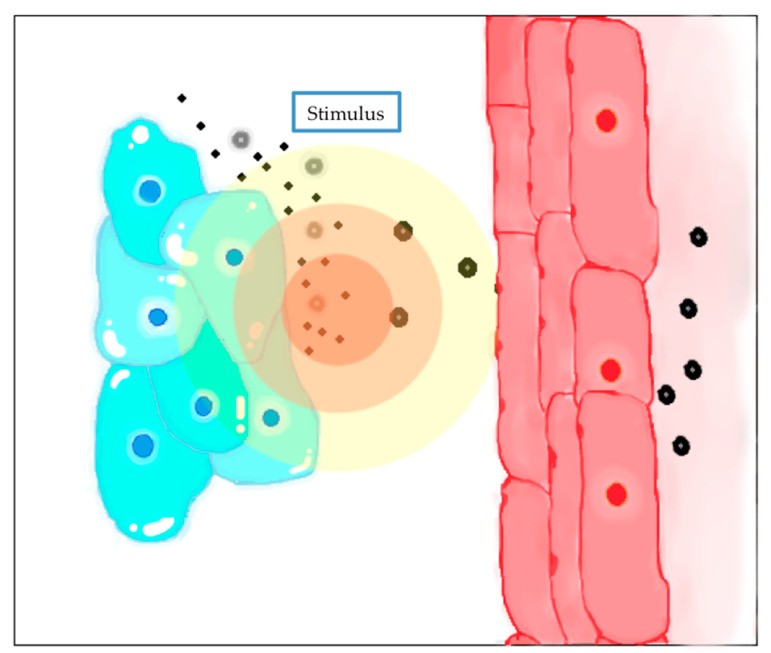
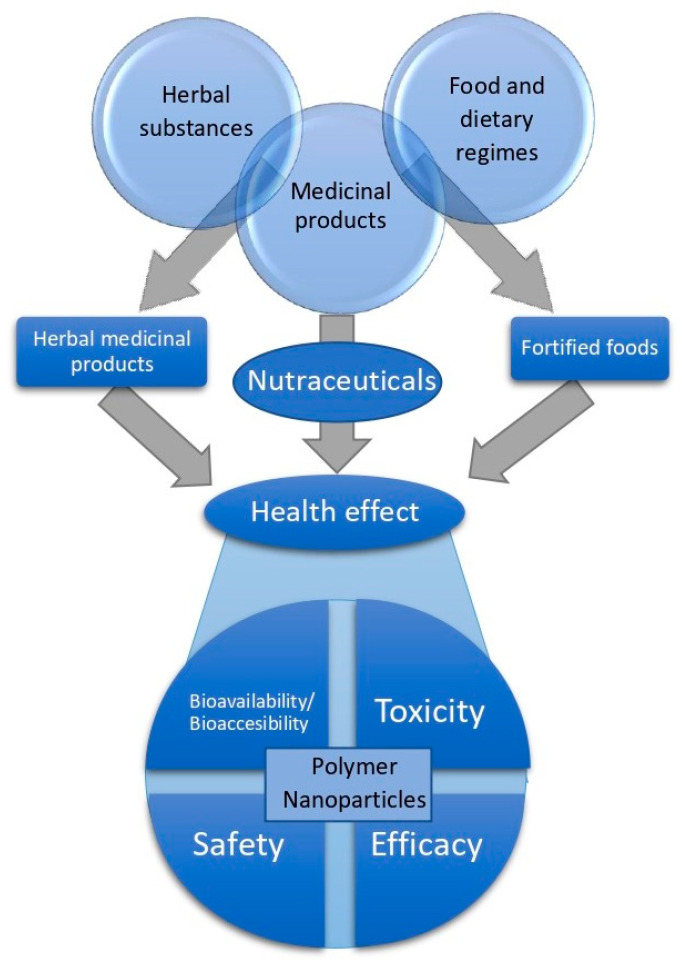
Verification
Claims the paper makes
The claims and statistics of this paper haven’t been checked yet.
Run the check — free, no account needed. It reads the open-access text and checks the sources it cites.
Claims other papers make about this one
Each is checked against this paper’s own text: does it say what the citing paper says it does?
In the citing paper
“Chitosan based nanoparticles stand out among polymeric nanoparticles by being efficient, readily available, environment friendly, non-immunogenic, biocompatible and biodegradable nanoparticles.147”
From Current Advances in Chitosan Nanoparticles Based Oral Drug Delivery for Colorectal Cancer Treatment (2022) · cites this paper as [147]
Self-check
Percentages, sums and reported differences re-computed from the paper’s own numbers.
The self-check needs the paper’s full text.
Citations
Cites
Laurent, S., Forge, D., Port, M., Roch, A., Robic, C., Vander Elst, L., & Muller, R. N. (2008) · Chemical Reviews · doi:10.1021/cr068445e · Cited by 6,852
Photoacoustic tomography: In vivo imaging from organelles to organs
Wang, L. V., & Hu, S. (2012) · Science · doi:10.1126/science.1216210 · Cited by 4,331
Albumin as a drug carrier: Design of prodrugs, drug conjugates and nanoparticles
Kratz, F. (2008) · Journal of Controlled Release · doi:10.1016/j.jconrel.2008.05.010 · Cited by 2,151
Kawabata, K., Yoshioka, Y., & Terao, J. (2019) · Molecules · doi:10.3390/molecules24020370 · Cited by 563
Research works printed but not linked: 214
- Jain, 2020, An Overview of Drug Delivery Systems, Methods Mol. Biol., 2059, 1, 10.1007/978-1-4939-9798-5_1 · DOI
- Macedo, 2020, Novel and revisited approaches in nanoparticle systems for buccal drug delivery, J. Control. Release, 320, 125, 10.1016/j.jconrel.2020.01.006 · DOI
- Jain, 2020, Role of Nanobiotechnology in Drug Delivery, Methods Mol. Biol., 2059, 55, 10.1007/978-1-4939-9798-5_2 · DOI
- Chen, 2014, Advance of molecular imaging technology and targeted imaging agent in imaging and therapy, Biomed Res. Int., 2014, 1
- Essa, 2020, The Design of Poly (lactide-co-glycolide) Nanocarriers for Medical Applications, Front. Bioeng. Biotechnol., 8, 48, 10.3389/fbioe.2020.00048 · DOI
- Liu, 2018, One-Step Assembly of a Biomimetic Biopolymer Coating for Particle Surface Engineering, Adv. Mater., 30, e1802851, 10.1002/adma.201802851 · DOI
- Pla, 2016, Metal and Metal Oxide Nanoparticles: A Lever for C–H Functionalization, ACS Catal., 6, 3537, 10.1021/acscatal.6b00684 · DOI
- Begines, 2016, Synthesis of reduction sensitive comb-like polyurethanes using click chemistry, J. Polym. Sci. Part A Polym. Chem., 54, 3888, 10.1002/pola.28367 · DOI
- He, 2017, A Tripropylene Glycol Diacrylate-based Polymeric Support Ink for Material Jetting, Addit. Manuf., 16, 153
- Begines, 2013, Synthesis and Characterization of New Carbohydrate-based Polyureas, J. Renew. Mater., 1, 212, 10.7569/JRM.2013.634119 · DOI
- Begines, 2019, Design of highly stabilized nanocomposite inks based on biodegradable polymer-matrix and gold nanoparticles for Inkjet Printing, Sci. Rep., 9, 16097, 10.1038/s41598-019-52314-2 · DOI
- Nakama, Y. (2017). Surfactants. Cosmetic Science and Technology. Theoretical Principles and Applications, Elsevier. · DOI
- Zhao, 2019, Single-micelle-directed synthesis of mesoporous materials, Nat. Rev. Mater., 4, 775, 10.1038/s41578-019-0144-x · DOI
- Belletti, 2016, Exploiting The Versatility of Cholesterol in Nanoparticles Formulation, Int. J. Pharm., 511, 331, 10.1016/j.ijpharm.2016.07.022 · DOI
- Bonaccorso, 2018, Revisiting the role of sucrose in PLGA-PEG nanocarrier for potential intranasal delivery, Pharm. Dev. Technol., 23, 265, 10.1080/10837450.2017.1287731 · DOI
- Joseph, 2017, Investigations on pharmacokinetics and biodistribution of polymeric and solid lipid nanoparticulate systems of atypical antipsychotic drug: Effect of material used and surface modification, Drug Dev. Ind. Pharm., 43, 678, 10.1080/03639045.2016.1278014 · DOI
- Gao, 2016, Impact of surfactant treatment of paclitaxel nanocrystals on biodistribution and tumor accumulation in tumor-bearing mice, J. Control. Release, 237, 168, 10.1016/j.jconrel.2016.07.015 · DOI
- Chen, 2016, Mammalian drug efflux transporters of the ATP binding cassette (ABC) family in multidrug resistance: A review of the past decade, Cancer Lett., 370, 153, 10.1016/j.canlet.2015.10.010 · DOI
- Yin, 2018, Current Understanding of Interactions between Nanoparticles and ABC Transporters in Cancer Cells, Curr. Med. Chem., 25, 5930, 10.2174/0929867325666180314122200 · DOI
- Souto, E.B., Dias-Ferreira, J., López-Machado, A., Ettcheto, M., and Sánchez-López, E. (2019). Advanced Formulation Approaches for Ocular Drug Delivery: State-Of-The-Art and Recent Patents. Pharmaceutics, 11. · DOI
- Neumann, 2019, The gap between the need for novel retinal drug delivery methods, technologies in R&D phase, and approved ocular drug delivery technologies, Drug Discov. Today, 24, 1433, 10.1016/j.drudis.2019.03.018 · DOI
- Meng, 2019, Therapeutic implications of nanomedicine for ocular drug delivery, Drug Discov. Today, 24, 1524, 10.1016/j.drudis.2019.05.006 · DOI
- Gote, 2019, Ocular Drug Delivery: Present Innovations and Future Challenges, J. Pharmacol. Exp. Ther., 370, 602, 10.1124/jpet.119.256933 · DOI · Paper page
- Juliana, F.R., Kesse, S., Boakye-Yiadom, K.O., Veroniaina, H., Wang, H., and Sun, M. (2019). Promising Approach in the Treatment of Glaucoma Using Nanotechnology and Nanomedicine-Based Systems. Molecules, 24. · DOI
- Blazaki, 2020, Novel Liposome Aggregate Platform (LAP) system for sustained retention of drugs in the posterior ocular segment following intravitreal injection, Int. J. Pharm., 576, 118987, 10.1016/j.ijpharm.2019.118987 · DOI
- Dukovski, 2020, Functional ibuprofen-loaded cationic nanoemulsion: Development and optimization for dry eye disease treatment, Int. J. Pharm., 576, 118979, 10.1016/j.ijpharm.2019.118979 · DOI
- Kim, 2014, Diamond Nanogel-Embedded Contact Lenses Mediate Lysozyme-Dependent Therapeutic Release, ACS Nano, 8, 2998, 10.1021/nn5002968 · DOI
- Romero, 2016, Development of cationic nanocrystals for ocular delivery, Eur. J. Pharm. Biopharm., 107, 215, 10.1016/j.ejpb.2016.07.005 · DOI
- Chi, 2017, Multifunctional organic–inorganic hybrid nanoparticles and nanosheets based on chitosan derivative and layered double hydroxide: Cellular uptake mechanism and application for topical ocular drug delivery, Int. J. Nanomed., 12, 1607, 10.2147/IJN.S129311 · DOI
- Park, 2019, Injectable, long-acting PLGA formulations: Analyzing PLGA and understanding microparticle formation, J. Control. Release, 304, 125, 10.1016/j.jconrel.2019.05.003 · DOI
- Varshochian, 2015, Albuminated PLGA nanoparticles containing bevacizumab intended for ocular neovascularization treatment, J. Biomed. Mater. Res. A, 103A, 3148, 10.1002/jbm.a.35446 · DOI
- Ryu, W.M., Kim, S.-N., Min, C.H., and Choy, Y.B. (2019). Dry Tablet Formulation of PLGA Nanoparticles with a Preocular Applicator for Topical Drug Delivery to the Eye. Pharmaceutics, 11. · DOI
- Qiu, 2019, Fenofibrate-Loaded Biodegradable Nanoparticles for the Treatment of Experimental Diabetic Retinopathy and Neovascular Age-RelatedMacular Degeneration, Molecualr Pharm., 16, 1958, 10.1021/acs.molpharmaceut.8b01319 · DOI
- Liu, 2019, Anti-Angiogenic Activity Of Bevacizumab-Bearing Dexamethasone-Loaded PLGA Nanoparticles ForPotential Intravitreal Applications, Int. J. Nanomed., 14, 8819, 10.2147/IJN.S217038 · DOI
- Salama, 2017, PLGA Nanoparticles as Subconjunctival Injection for Management of Glaucoma, AAPS PharmSciTech, 18, 2517, 10.1208/s12249-017-0710-8 · DOI
- Pan, 2015, Corticosteroid-loaded biodegradable nanoparticles for prevention of corneal allograft rejection in rats, J. Control. Release, 201, 32, 10.1016/j.jconrel.2015.01.009 · DOI
- Li, 2012, Controlled Release of Bevacizumab through Nanospheres for Extended Treatment of Age-Related Macular Degeneration, Open Ophthalmol. J., 6, 54, 10.2174/1874364101206010054 · DOI
- Imam, 2018, Formulation and optimization of levofloxacin loaded chitosannanoparticle for ocular delivery: In-vitro characterization, oculartolerance and antibacterial activity, Int. J. Biol. Macromol., 108, 650, 10.1016/j.ijbiomac.2017.11.170 · DOI
- Badiee, 2018, Ocular implant containing bevacizumab-loaded chitosan nanoparticles intended for choroidal neovascularization treatment, J. Biomed. Mater. Res. A, 106, 2261, 10.1002/jbm.a.36424 · DOI
- Silva, M.M., Calado, R., Marto, J., Bettencourt, A., Almeida, A.J., and Gonçalves, L.M.D. (2017). Chitosan Nanoparticles as a Mucoadhesive Drug Delivery System for Ocular Administration. Mar. Drugs, 15. · DOI
- Hanafy, 2019, Ocular anti-inflammatory activity of prednisolone acetate loaded chitosan-deoxycholate self-assembled nanoparticles, Int. J. Nanomed., 14, 3679, 10.2147/IJN.S195892 · DOI
- Xu, X., Sun, L., Zhou, L., Cheng, Y., and Cao, F. (2020). Functional chitosan oligosaccharide nanomicelles for topical ocular drugdelivery of dexamethasone. Carbohydr. Polym., 227. · DOI · Paper page
- Shi, 2015, Chitosan grafted methoxy poly(ethylene glycol)-poly(e-caprolactone) nanosuspension for ocular delivery of hydrophobic diclofenac, Sci. Rep., 5, 11337, 10.1038/srep11337 · DOI
- Yu, 2019, Improving the topical ocular pharmacokinetics of lyophilized cyclosporine A-loaded micelles: Formulation, in vitro and in vivo studies, Drug Deliv., 25, 888, 10.1080/10717544.2018.1458923 · DOI · Paper page
- Tang, 2019, Preparation and study of two kinds of ophthalmic nano-preparations of everolimus, Drug Deliv., 26, 1235, 10.1080/10717544.2019.1692966 · DOI
- Huang, 2018, Directing the nanoparticle formation by the combination with small molecular assembly and polymeric assembly for topical suppression of ocular inflammation, Int. J. Pharm., 551, 223, 10.1016/j.ijpharm.2018.09.015 · DOI
- Wen, 2018, A potential nanoparticle-loaded in situ gel for enhanced and sustained ophthalmic delivery of dexamethasone, Nanotechnology, 29, 425101, 10.1088/1361-6528/aad7da · DOI
- Hirani, 2016, Triamcinolone acetonide nanoparticles incorporated in thermoreversible gels for agerelated macular degeneration, Pharm. Dev. Technol., 21, 61, 10.3109/10837450.2014.965326 · DOI
- Yandrapu, 2012, Nanoparticles in Porous Microparticles Prepared by Supercritical Infusion and Pressure Quench Technology for Sustained Delivery of Bevacizumab, Mol. Pharm., 10, 4676, 10.1021/mp400487f · DOI
- Yang, 2019, A novel dendrimer-based complex co-modified with cyclic RGD hexapeptide and penetratin for noninvasive targeting and penetration of the ocular posterior segment, Drug Deliv., 26, 989, 10.1080/10717544.2019.1667455 · DOI
- Lancina, 2018, DenTimol as A Dendrimeric Timolol Analogue for Glaucoma Therapy: Synthesis and Preliminary Efficacy and Safety Assessment, Mol. Pharm., 15, 2883, 10.1021/acs.molpharmaceut.8b00401 · DOI
- Tai, 2017, A novel penetratin-modified complex for noninvasive intraocular delivery of antisense oligonucleotides, Int. J. Pharm., 529, 347, 10.1016/j.ijpharm.2017.06.090 · DOI
- Kambhampati, 2013, Dendrimer Nanoparticles for Ocular Drug Delivery, J. Ocul. Pharmacol. Ther., 29, 151, 10.1089/jop.2012.0232 · DOI
- Wu, 2014, Synthesis and evaluation of a nanoglobular dendrimer 5- aminosalicylic acid conjugate with a hydrolyzable chiff base spacer for treating retinal degeneration, ACS Nano, 8, 153, 10.1021/nn4054107 · DOI
- Spataro, 2010, Designing dendrimers for ocular drug delivery, Eur. J. Med. Chem., 45, 326, 10.1016/j.ejmech.2009.10.017 · DOI
- Tian, 2020, Cyclodextrin-based delivery systems for chemotherapeutic anticancer drugs: A review, Carbohydr. Polym., 232, 115805, 10.1016/j.carbpol.2019.115805 · DOI
- Guinchard, 2015, New prostaglandin analog formulation for glaucoma treatment containing cyclodextrins for improved stability, solubility and ocular tolerance, Eur. J. Pharm. Biopharm., 95, 203, 10.1016/j.ejpb.2015.04.032 · DOI
- Jansook, 2018, Cyclodextrin solubilization of celecoxib: Solid and solution state characterization, J. Incl. Phenom. Macrocycl. Chem., 90, 75, 10.1007/s10847-017-0769-6 · DOI
- Jansook, 2019, Development of celecoxib eye drop solution and microsuspension: A comparative investigation of binary and ternary cyclodextrin complexes, Carbohydr. Polym., 225, 115209, 10.1016/j.carbpol.2019.115209 · DOI
- Lorenzo-Veiga, B., Sigurdsson, H.H., Loftsson, T., and Alvarez-Lorenzo, C. (2019). Cyclodextrin-Amphiphilic Copolymer Supramolecular Assemblies for the Ocular Delivery of Natamycin. Nanomaterials, 9. · DOI
- Farace, 2016, Immune cell impact of three differently coated lipid nanocapsules: Pluronic, chitosan and polyethylene glycol, Sci. Rep., 6, 18423, 10.1038/srep18423 · DOI
- Zorzi, 2019, Box Behnken design of siRNA-loaded liposomes for the treatment of amurine model of ocular keratitis caused byAcanthamoeba, Colloids Surf. B Biointerfaces, 173, 725, 10.1016/j.colsurfb.2018.10.044 · DOI
- Patil, 2018, Formulation Development, Optimization, and In vitro—In vivo Characterization of Natamycin Loaded PEGylated Nano-lipid Carriers for Ocular Applications, J. Pharm. Sci., 107, 2160, 10.1016/j.xphs.2018.04.014 · DOI
- Mohammadhosseini, 2017, Magnetic nanoparticles in cancer diagnosis and treatment: A review, Artif. Cells Nanomed. Biotechnol., 45, 1, 10.3109/21691401.2016.1153483 · DOI
- Zhou, 2018, Magnetic particle imaging for radiation-free, sensitive and high-contrast vascular imaging and cell tracking, Curr. Opin. Chem. Biol., 45, 131, 10.1016/j.cbpa.2018.04.014 · DOI
- Wang, 2019, Optical, electrochemical and catalytic methods for in-vitro diagnosis using carbonaceous nanoparticles: A review, Microchim. Acta, 186, 50, 10.1007/s00604-018-3110-1 · DOI
- Thakor, 2013, Nanooncology: The future of cancer diagnosis and therapy, CA Cancer J. Clin., 63, 395, 10.3322/caac.21199 · DOI
- Maham, 2018, Gold Nanoparticles as X-Ray, CT, and Multimodal Imaging Contrast Agents: Formulation, Targeting, and Methodology, J. Nanomater., 2018, 5837276
- Kim, 2007, Antibiofouling Polymer-Coated Gold Nanoparticles as a Contrast Agent for in Vivo X-ray Computed Tomography Imaging, J. Am. Chem. Soc., 129, 7661, 10.1021/ja071471p · DOI
- Rabin, 2006, An X-ray computed tomography imaging agent based on long-circulating bismuth sulphide nanoparticles, Nat. Mater., 5, 118, 10.1038/nmat1571 · DOI
- Joh, 2014, Gold-Loaded Polymeric Micelles for Computed Tomography-Guided Radiation Therapy Treatment and Radiosensitization, ACS Nano, 8, 104, 10.1021/nn405701q · DOI
- Lin, 2017, Doxorubicin-Loaded Unimolecular Micelle-Stabilized Gold Nanoparticles as a Theranostic Nanoplatform for Tumor-Targeted Chemotherapy and Computed Tomography Imaging, Biomacromolecules, 18, 3869, 10.1021/acs.biomac.7b00810 · DOI
- Park, 2018, Characterization and application of porous gold nanoparticles as 2-photon luminescence imaging agents: 20-fold brighter than gold nanorods, J. Biophotonics, 11, e201700174, 10.1002/jbio.201700174 · DOI
- Pearson, 2015, Intracellular accumulation and immunological properties of fluorescent gold nanoclusters in human dendritic cells, Biomaterials, 43, 1, 10.1016/j.biomaterials.2014.11.045 · DOI
- Wen, 2017, Spectral shape of one-photon luminescence from single gold nanorods, AIP Adv., 7, 125106, 10.1063/1.5008544 · DOI
- Wang, 2016, Biodegradable polymeric nanoparticles containing gold nanoparticles and Paclitaxel for cancer imaging and drug delivery using photoacoustic methods, Biomed. Opt. Express, 7, 4125, 10.1364/BOE.7.004125 · DOI
- Weissleder, 2006, Molecular Imaging in Cancer, Science, 312, 1168, 10.1126/science.1125949 · DOI
- Caravan, 2006, Strategies for increasing the sensitivity of gadolinium based MRI contrast agents, Chem. Soc. Rev., 35, 512, 10.1039/b510982p · DOI
- Chauhan, 2013, Strategies for advancing cancer nanomedicine, Nat. Mater., 12, 958, 10.1038/nmat3792 · DOI
- Choi, 2010, Design considerations for tumour-targeted nanoparticles, Nat. Nanotechnol., 5, 42, 10.1038/nnano.2009.314 · DOI · Paper page
- Ratzinger, 2010, Surface modification of PLGA nanospheres with Gd-DTPA and Gd-DOTA for high-relaxivity MRI contrast agents, Biomaterials, 31, 8716, 10.1016/j.biomaterials.2010.07.095 · DOI
- Caravan, P., and Zhang, Z. (2013). Targeted MRI Contrast Agents. Chem. Contrast Agents Med Magn. Reson. Imaging. · DOI
- Liu, 2011, Gadolinium-loaded polymeric nanoparticles modified with Anti-VEGF as multifunctional MRI contrast agents for the diagnosis of liver cancer, Biomaterials, 32, 5167, 10.1016/j.biomaterials.2011.03.077 · DOI
- Esser, 2016, Gadolinium-functionalized nanoparticles for application as magnetic resonance imaging contrast agents via polymerization-induced self-assembly, Polym. Chem., 7, 7325, 10.1039/C6PY01797E · DOI
- Kim, 2010, Sentinel lymph nodes and lymphatic vessels: Noninvasive dual-modality in vivo mapping by using indocyanine green in rats—Volumetric spectroscopic photoacoustic imaging and planar fluorescence imaging, Radiology, 255, 442, 10.1148/radiol.10090281 · DOI
- Song, 2008, Noninvasive photoacoustic identification of sentinel lymph nodes containing methylene blue in vivo in a rat model, J. Biomed. Opt., 13, 054033, 10.1117/1.2976427 · DOI
- Li, 2012, Macromolecular Ligands for Gadolinium MRI Contrast Agents, Macromolecules, 45, 4196, 10.1021/ma300521c · DOI
- Zhang, 2008, Micelles based on biodegradable poly (L-glutamic acid)-b-polylactide with paramagnetic Gd ions chelated to the shell layer as a potential nanoscale MRI-visible delivery system, Biomacromolecules, 9, 36, 10.1021/bm700713p · DOI
- Hu, 2013, Synergistically Enhance Magnetic Resonance/Fluorescence Imaging Performance of Responsive Polymeric Nanoparticles under Mildly Acidic Biological Milieu, Macromol. Rapid Commun., 34, 749, 10.1002/marc.201200613 · DOI
- Li, 2012, Synthesis and In Vivo Pharmacokinetic Evaluation of Degradable Shell Cross-Linked Polymer Nanoparticles with Poly(carboxybetaine) versus Poly(ethylene glycol) Surface-Grafted Coatings, ACS Nano, 6, 8970, 10.1021/nn303030t · DOI
- Williams, 2001, In vivo studies of Gd-DTPA-monoclonal antibody and gd-porphyrins: Potential magnetic resonance imaging contrast agents for melanoma, J. Magn. Reson. Imaging, 14, 169, 10.1002/jmri.1168 · DOI
- Hu, 2017, Perylene Diimide-Grafted Polymeric Nanoparticles Chelated with Gd3+ for Photoacoustic/T1-Weighted Magnetic Resonance Imaging-Guided Photothermal Therapy, ACS Appl. Mater. Interfaces, 9, 30458, 10.1021/acsami.7b09633 · DOI
- Wu, 2018, Gadolinium-chelate functionalized bismuth nanotheranostic agent for in vivo MRI/CT/PAI imaging-guided photothermal cancer therapy, Biomaterials, 159, 37, 10.1016/j.biomaterials.2017.12.022 · DOI
- Barnett, 2011, Fluorine (19F) MRS and MRI in biomedicine, NMR Biomed., 24, 114, 10.1002/nbm.1570 · DOI
- Cyrus, 2005, Magnetic resonance nanoparticles for cardiovascular molecular imaging and therapy, Expert Rev. Cardiovasc. Ther., 3, 705, 10.1586/14779072.3.4.705 · DOI
- Knight, 2011, Fluorinated contrast agents for magnetic resonance imaging; a review of recent developments, RSC Adv., 1, 1415, 10.1039/c1ra00627d · DOI
- Wek, K.S. (2017). Development of Polymeric Therapeutic Nanoparticles: Toward Targeted Delivery and Efficient 19F MRI of Solid Tumors. [Ph.D. Thesis, Case Western Reserve University].
- Wallat, 2017, Optical and Magnetic Resonance Imaging Using Fluorous Colloidal Nanoparticles, Biomacromolecules, 18, 103, 10.1021/acs.biomac.6b01389 · DOI
- Pisani, 2006, Polymeric Nano/Microcapsules of Liquid Perfluorocarbons for Ultrasonic Imaging: Physical Characterization, Langmuir, 22, 4397, 10.1021/la0601455 · DOI
- Giraudeau, 2010, A new paradigm for high-sensitivity 19F magnetic resonance imaging of perfluorooctylbromide, Magn. Reson. Med., 63, 1119, 10.1002/mrm.22269 · DOI
- Diou, 2014, RGD decoration of PEGylated polyester nanocapsules of perfluorooctyl bromide for tumor imaging: Influence of pre or post-functionalization on capsule morphology, Eur. J. Pharm. Biopharm., 87, 170, 10.1016/j.ejpb.2013.12.003 · DOI
- Liopo, 2015, Melanin nanoparticles as a novel contrast agent for optoacoustic tomography, Photoacoustics, 3, 35, 10.1016/j.pacs.2015.02.001 · DOI
- Belletti, D., Riva, G., Luppi, M., Tosi, G., Forni, F., Vandelli, M., and Pederzoli, F. (2017). Anticancer drug-loaded quantum dots engineered polymeric nanoparticles: Diagnosis/therapy combined approach. Eur. J. Pharm. Sci., 107. · DOI
- Zhou, 2018, Targeted tumor dual mode CT/MR imaging using multifunctional polyethylenimine-entrapped gold nanoparticles loaded with gadolinium, Drug Deliv., 25, 178, 10.1080/10717544.2017.1422299 · DOI
- McQuade, 2015, A Multifunctional Nanoplatform for Imaging, Radiotherapy, and the Prediction of Therapeutic Response, Small, 11, 834, 10.1002/smll.201401927 · DOI
- Topete, 2014, Polymeric-Gold Nanohybrids for Combined Imaging and Cancer Therapy, Adv. Healthc. Mater., 3, 1309, 10.1002/adhm.201400023 · DOI
- Sun, 2007, Synthesis and characterization of biocompatible Fe3O4 nanoparticles, J. Biomed. Mater. Res. Part A, 80A, 333, 10.1002/jbm.a.30909 · DOI
- Qiao, 2009, Superparamagnetic iron oxide nanoparticles: From preparations to in vivo MRI applications, J. Mater. Chem., 19, 6274, 10.1039/b902394a · DOI · Paper page
- Fang, 2009, Multifunctional magnetic nanoparticles for medical imaging applications, J. Mater. Chem., 19, 6258, 10.1039/b902182e · DOI
- Zhao, 2019, Image-guided cancer therapy using aptamer-functionalized cross-linked magnetic-responsive Fe3O4@carbon nanoparticles, Anal. Chim. Acta, 1056, 108, 10.1016/j.aca.2018.12.045 · DOI
- Luo, 2015, RGD-functionalized ultrasmall iron oxide nanoparticles for targeted T1-weighted MR imaging of gliomas, Nanoscale, 7, 14538, 10.1039/C5NR04003E · DOI
- Franco, 2015, Long-circulating PEGylated manganese ferrite nanoparticles for MRI-based molecular imaging, Nanoscale, 7, 2050, 10.1039/C4NR05781C · DOI
- Calzoni, E., Cesaretti, A., Polchi, A., Di Michele, A., Tancini, B., and Emiliani, C. (2019). Biocompatible Polymer Nanoparticles for Drug Delivery Applications in Cancer and Neurodegenerative Disorder Therapies. J. Funct. Biomater., 10. · DOI
- Tran, S., DeGiovanni, P., Piel, B., and Rai, P. (2017). Cancer nanomedicine: A review of recent success in drug delivery. Clin. Trans. Med., 6. · DOI · Paper page
- Bregoli, 2016, Nanomedicine applied to translational oncology: A future perspective on cancer treatment, Nanomedicine, 12, 81, 10.1016/j.nano.2015.08.006 · DOI
- Priyamvada, P., Chandana, M., and Sahoo, S. (2012). Nanotechnology-based combinational drug delivery:an emerging approach for cancer therapy. Drug Discos. Today, 17. · DOI
- Cho, K., Wang, X.U., Nie, S., and Shin, D.M. (2008). Therapeutic Nanoparticles for Drug Delivery in Cancer. Clin. Cancer Res., 14. · DOI
- Senapati, 2018, Controlled drug delivery vehicles for cancer treatment and their performance, Signal Transduct. Target. Ther., 3, 7, 10.1038/s41392-017-0004-3 · DOI · Paper page
- Jiang, 2017, Influencing Selectivity to Cancer Cells with Mixed Nanoparticles Prepared from Albumin–Polymer Conjugates and Block Copolymers, Bioconjugate Chem., 28, 979, 10.1021/acs.bioconjchem.6b00698 · DOI
- Haley, 2008, Nanoparticles for drug delivery in cancer treatment, Urol. Oncol., 26, 57, 10.1016/j.urolonc.2007.03.015 · DOI
- Lamichhane, 2020, Albumin nanoscience: Homing nanotechnology enabling targeted drug delivery and therapy, Arch. Pharm. Res., 43, 118, 10.1007/s12272-020-01204-7 · DOI
- John, 2001, Evidence for the role of alveolar epithelial gp60 in active transalveolar albumin transport in the rat lung, J. Physiol., 533, 547, 10.1111/j.1469-7793.2001.0547a.x · DOI
- Maeda, 2009, Polymeric drugs for efficient tumor-targeted drug delivery based on EPR-effect, Eur. J. Pharm. Biopharm., 71, 409, 10.1016/j.ejpb.2008.11.010 · DOI
- Fang, 2011, The EPR effect: Unique features of tumor blood vessels for drug delivery, factors involved, and limitations and augmentation of the effect, Adv. Drug Deliv. Rev., 63, 136, 10.1016/j.addr.2010.04.009 · DOI
- Fang, J., Islam, R., Islam, W., Yin, H., Subr, V., Etrych, T., Ulbrich, K., and Maeda, H. (2019). Augmentation of EPR Effect and Efficacy of Anticancer Nanomedicine by Carbon Monoxide Generating Agents. Pharmaceutics, 11. · DOI
- Maeda, H. (2015). Toward a full understanding towards EPR effect in primary and metastatic tumors as well as issues related to its heterogeneity. Adv. Drug Deliv. Rev. · DOI · Paper page
- Pearce, 2019, Insights into Active Targeting of Nanoparticles in Drug Delivery: Advances in Clinical Studies and Design Considerations for Cancer Nanomedicine, Bioconjug. Chem., 30, 2300, 10.1021/acs.bioconjchem.9b00456 · DOI
- Ahmad, 2019, Precision Cancer Nanotherapy: Evolving Role of Multifunctional Nanoparticles for Cancer Active Targeting, J. Med. Chem., 62, 10475, 10.1021/acs.jmedchem.9b00511 · DOI
- Ahmad, N., Ahmad, R., Alam, M.A., and Ahmad, F.J. (2018). Enhancement of oral bioavailability of doxorubicin through surface modified biodegradable polymeric nanoparticles. Chem. Cent. J., 12. · DOI
- Soma, 2002, Reversion of multidrug resistance by co-encapsulation of doxorubicin and cyclosporin A in polyalkylcyanoacrylate nanoparticles, Biomaterials, 21, 1, 10.1016/S0142-9612(99)00125-8 · DOI
- Zhao, 2019, An organic solvent-free technology for the fabrication of albumin-based paclitaxel nanoparticles for effective cancer therapy, Colloids Surf. B Biointerfaces, 183, 110394, 10.1016/j.colsurfb.2019.110394 · DOI
- Allard, 2011, Antitumoral activity of camptothecin-loaded nanoparticles in 9L rat glioma model, Int. J. Pharm., 403, 201, 10.1016/j.ijpharm.2010.10.015 · DOI
- Guo, 2011, Aptamer-functionalized PEG–PLGA nanoparticles for enhanced anti-glioma drug delivery, Biomaterials, 32, 8010, 10.1016/j.biomaterials.2011.07.004 · DOI
- Malinovskaya, 2017, Delivery of doxorubicin-loaded PLGA nanoparticles into U87 human glioblastoma cells, Int. J. Pharm., 524, 77, 10.1016/j.ijpharm.2017.03.049 · DOI
- Hekmatara, 2009, Efficient systemic therapy of rat glioblastoma by nanoparticle-bound doxorubicin is due to antiangiogenic effects, Clin. Neuropathol., 28, 153, 10.5414/NPP28153 · DOI
- Khanna, 2019, Perlecan-targeted nanoparticles for drug delivery to triple-negative breast cancer, Future Drug Discov., 1, FDD8, 10.4155/fdd-2019-0005 · DOI
- Yuan, J., ZhuGe, D., Tong, M., Lin, M., Xu, X., Tang, X., Zhao, Y., and Xu, H. (2018). pH-Sensitive polymeric nanoparticles of mPEG-PLGA-PGlu with hybrid core for simultaneous encapsulation of curcumin and doxorubicin to kill the heterogeneous tumour cells in breast cancer. Artif. Cells Nanomed. Biotechnol., 1–12. · DOI
- Hu, 2018, Oxygen-generating hybrid polymeric nanoparticles with encapsulated doxorubicin and chlorin e6 for trimodal imaging-guided combined chemo-photodynamic therapy, Theranostics, 8, 1558, 10.7150/thno.22989 · DOI
- Samadi, 2018, Reversion of Multidrug Resistance by Co-Encapsulation of Doxorubicin and Metformin in Poly (lactide-co-glycolide)-d-α-tocopheryl Polyethylene Glycol 1000 Succinate Nanoparticles, Pharm. Res., 35, 119, 10.1007/s11095-018-2404-7 · DOI
- Gao, 2019, Co-Delivery of Docetaxel and Salinomycin to Target Both Breast Cancer Cells and Stem Cells by PLGA/TPGS Nanoparticles, Int. J. Nanomed., 14, 9199, 10.2147/IJN.S230376 · DOI
- Li, 2018, Rational Design of Multifunctional Polymeric Nanoparticles Based on Poly(l-histidine) and d-α-Vitamin E Succinate for Reversing Tumor Multidrug Resistance, Biomacromolecules, 19, 2595, 10.1021/acs.biomac.8b00213 · DOI
- Zhu, 2016, Docetaxel (DTX)-loaded polydopamine-modified TPGS-PLA nanoparticles as a targeted drug delivery system for the treatment of liver cancer, Acta Biomater., 30, 144, 10.1016/j.actbio.2015.11.031 · DOI
- Hu, 2017, Paclitaxel-loaded polymeric nanoparticles combined with chronomodulated chemotherapy on lung cancer: In vitro and in vivo evaluation, Int. J. Pharm., 516, 313, 10.1016/j.ijpharm.2016.11.047 · DOI
- Jin, 2018, Smart polymeric nanoparticles with pH-responsive and PEG-detachable properties for co-delivering paclitaxel and survivin siRNA to enhance antitumor outcomes, Int. J. Nanomed., 13, 2405, 10.2147/IJN.S161426 · DOI
- Tseng, 2018, Development of gelatin nanoparticles with biotinylated EGF conjugation for lung cancer targeting, Biomaterials, 28, 3996, 10.1016/j.biomaterials.2007.05.006 · DOI
- Tseng, 2008, Targeting efficiency and biodistribution of biotinylated-EGF-conjugated gelatin nanoparticles administered via aerosol delivery in nude mice with lung cancer, Biomaterials, 29, 3014, 10.1016/j.biomaterials.2008.03.033 · DOI
- Tseng, 2009, The use of biotinylated-EGFmodified gelatin nanoparticle carrier to enhance cisplatin accumulation in cancerous lungs via inhalation, Biomaterials, 30, 3476, 10.1016/j.biomaterials.2009.03.010 · DOI
- Choi, 2015, Inhalable self-assembled albumin nanoparticles for treating drug resistant lung cancer, J. Control. Release, 197, 199, 10.1016/j.jconrel.2014.11.008 · DOI
- Dong, 2012, Pulmonary delivery and tissue distribution of aerosolized antisense 2′-O-Methyl RNA containing nanoplexes in the isolated perfused and ventilated rat lung, Eur. J. Pharm. Biopharm., 81, 478, 10.1016/j.ejpb.2012.04.022 · DOI
- Nafee, 2012, Treatment of lung cancer via telomerase inhibition: Self-assembled nanoplexes versus polymeric nanoparticles as vectors for 2′-O-Methyl-RNA, Eur. J. Pharm. Biopharm., 80, 478, 10.1016/j.ejpb.2011.11.019 · DOI
- Azarmi, 2010, Secondary cytotoxicity mediated by alveolar macrophages: A contribution to the total efficacy of nanoparticles in lung cancer therapy?, Eur. J. Pharm. Biopharm., 76, 112, 10.1016/j.ejpb.2010.05.002 · DOI
- Zhong, 2016, Poly (amidoamine) Dendrimer-Doxorubicin Conjugates: In Vitro Characteristics and Pseudosolution Formulation in Pressurized Metered-Dose Inhalers, Mol. Pharm., 13, 1058, 10.1021/acs.molpharmaceut.5b00876 · DOI
- Xie, 2010, Pulmonary delivery of cisplatin-hyaluronan conjugates via endotracheal instillation for the treatment of lung cancer, Int. J. Pharm., 392, 156, 10.1016/j.ijpharm.2010.03.058 · DOI
- Gautam, 2002, Aerosol delivery of PEI-p53 complexes inhibits B16-F10 lung metastases through regulation of angiogenesis, Cancer Gene Ther., 9, 28, 10.1038/sj.cgt.7700405 · DOI
- Hong, 2015, Dual expression of shAkt1 and Pdcd4 suppresses lung tumorigenesis in K-rasLA1 mice, Anticancer Res., 35, 2015
- Kim, 2004, Aerosol delivery of glucosylated polyethylenimine/phosphatase and tensin homologue deleted on chromosome 10 complex suppresses Akt downstream pathways in the lung of K-ras null mice, Cancer Res., 64, 7971, 10.1158/0008-5472.CAN-04-1231 · DOI
- Jin, 2006, Aerosol delivery of urocanic acid-modified chitosan/programmed cell death 4 complex regulated apoptosis, cell cycle, and angiogenesis in lungs of K-ras null mice, Mol. Cancer Ther., 5, 1041, 10.1158/1535-7163.MCT-05-0433 · DOI
- Jin, 2008, Urocanic acid-modified chitosan-mediated PTEN delivery via aerosol suppressed lung tumorigenesis in K-ras(LA1) mice, Cancer Gene Ther., 15, 275, 10.1038/sj.cgt.7701116 · DOI
- Jiang, 2011, Aerosol delivery of spermine-based poly(amino ester)/Akt1 shRNA complexes for lung cancer gene therapy, Int. J. Pharm., 420, 256, 10.1016/j.ijpharm.2011.08.045 · DOI
- Kim, 2014, Spermine-alt-poly(ethylene glycol) polyspermine as a safe and efficient aerosol gene carrier for lung cancer therapy, J. Biomed. Mater Res. A, 102, 2230, 10.1002/jbm.a.34905 · DOI
- Jiang, 2007, Chitosan-graft-polyethylenimine as a gene carrier, J. Control. Release, 117, 273, 10.1016/j.jconrel.2006.10.025 · DOI
- Jiang, 2009, The suppression of lung tumorigenesis by aerosol-delivered folate-chitosan-graft-polyethylenimine/Akt1 shRNA complexes through the Akt signaling pathway, Biomaterials, 30, 5844, 10.1016/j.biomaterials.2009.07.017 · DOI
- Zou, 2007, p53 Aerosol formulation with low toxicity and high efficiency for early lung cancer treatment, Clin. Cancer Res., 13, 4900, 10.1158/1078-0432.CCR-07-0395 · DOI
- Xu, 2008, Poly(ester amine)-mediated, aerosol-delivered Akt1 small interfering RNA suppresses lung tumorigenesis, Am. J. Respir. Crit. Care Med., 178, 60, 10.1164/rccm.200707-1022OC · DOI
- Xu, 2015, Pulmonary Codelivery of Doxorubicin and siRNA by pH-Sensitive Nanoparticles for Therapy of Metastatic Lung Cancer, Small, 11, 4321, 10.1002/smll.201501034 · DOI
- Xu, 2015, A pH sensitive co-delivery system of siRNA and doxorubicin for pulmonary administration to B16F10 metastatic lung cancer, RSC Adv., 5, 103380, 10.1039/C5RA21934E · DOI
- Lin, 2015, Smart polymeric nanoparticles for cancer gene delivery, Mol. Pharm., 12, 314, 10.1021/mp500656v · DOI
- Santini, 2018, Nutraceuticals: Opening the debate for a regulatory framework, Br. J. Clin. Pharmacol., 84, 659, 10.1111/bcp.13496 · DOI
- Aronson, 2017, Defining ‘nutraceuticals’: Neither nutritious nor pharmaceutical, Br. J. Clin. Pharmacol., 83, 8, 10.1111/bcp.12935 · DOI
- Rajapakse, 2016, Nutraceuticals in Migraine: A Summary of Existing Guidelines for Use, Headache, 56, 808, 10.1111/head.12789 · DOI
- Santini, 2017, Nutraceuticals in hypercholesterolaemia: An overview, Br. J. Clin. Pharmacol., 174, 1450, 10.1111/bph.13636 · DOI
- Rivellese, 2019, The Possible Role of Nutraceuticals in the Prevention of Cardiovascular Disease, High Blood Press. Cardiovasc. Prev. Off. J. Ital. Soc. Hypertens., 26, 101, 10.1007/s40292-019-00309-5 · DOI
- Poli, 2019, Pharmacology of Nutraceuticals with Lipid Lowering Properties, High Blood Press. Cardiovasc. Prev. Off. J. Ital. Soc. Hypertens., 26, 113, 10.1007/s40292-019-00311-x · DOI
- Borghi, 2017, Nutraceuticals with a clinically detectable blood pressure-lowering effect: A review of available randomized clinical trials and their meta-analyses, Br. J. Clin. Pharmacol., 83, 163, 10.1111/bcp.12902 · DOI
- Brown, 2019, Omega-3, omega-6, and total dietary polyunsaturated fat for prevention and treatment of type 2 diabetes mellitus: Systematic review and meta-analysis of randomised controlled trials, BMJ, 366, l4697, 10.1136/bmj.l4697 · DOI · Paper page
- Jovanovski, 2019, Should Viscous Fiber Supplements Be Considered in Diabetes Control? Results from a Systematic Review and Meta-analysis of Randomized Controlled Trials, Diabetes Care, 42, 755, 10.2337/dc18-1126 · DOI
- Varela-López, A., Navarro-Hortal, M.D., Giampieri, F., Bullón, P., Battino, M., and Quiles, J.L. (2018). Nutraceuticals in Periodontal Health: A Systematic Review on the Role of Vitamins in Periodontal Health Maintenance. Molecules, 23. · DOI
- Orr, 2018, The Evidence for the Role of Nutraceuticals in the Management of Pediatric Migraine: A Review, Curr. Pain Headache Rep., 22, 37, 10.1007/s11916-018-0692-6 · DOI
- Wang, 2018, Nutraceuticals and osteoarthritis pain, Pharmacol. Ther., 187, 167, 10.1016/j.pharmthera.2018.02.015 · DOI
- Jones, 2019, Bioavailability of nanotechnology-based bioactives and nutraceuticals, Adv. Food Nutr. Res., 88, 235, 10.1016/bs.afnr.2019.02.014 · DOI
- Liu, 2016, Research progress on berberine with a special focus on its oral bioavailability, Fitoterapia, 109, 274, 10.1016/j.fitote.2016.02.001 · DOI · Paper page
- Sharma, 2004, Phase I clinical trial of oral curcumin: Biomarkers of systemic activity and compliance, Clin. Cancer Res. Off. J. Am. Assoc. Cancer Res., 10, 6847, 10.1158/1078-0432.CCR-04-0744 · DOI
- Pollack, 2017, Resveratrol Improves Vascular Function and Mitochondrial Number but Not Glucose Metabolism in Older Adults, J. Gerontol. Ser. A Biol. Sci. Med Sci., 72, 1703, 10.1093/gerona/glx041 · DOI
- Fan, 2013, Enhancement by sodium caprate and sodium deoxycholate of the gastrointestinal absorption of berberine chloride in rats, Drug Dev. Ind. Pharm., 39, 1447, 10.3109/03639045.2012.723219 · DOI
- Piskula, M.K., Murota, K., and Terao, J. (2012). Bioavailability of flavonols and flavones. Flavonoids and Related Compounds: Bioavailability and Function, CRC Press. · DOI
- Rich, G.T., Buchweitz, M., Winterbone, M.S., Kroon, P.A., and Wilde, P.J. (2017). Towards an Understanding of the Low Bioavailability of Quercetin: A Study of Its Interaction with Intestinal Lipids. Nutrients, 9. · DOI
- Hisanaga, 2016, Anti-inflammatory effects and molecular mechanisms of 8-prenyl quercetin, Mol. Nutr. Food Res., 60, 1020, 10.1002/mnfr.201500871 · DOI
- Barahona, 2019, Design and implementation of novel nutraceuticals and derivatives for treating intestinal disorders, Future Med. Chem., 11, 847, 10.4155/fmc-2018-0313 · DOI
- Schiborr, 2018, The Oral Bioavailability of Trans-Resveratrol from a Grapevine-Shoot Extract in Healthy Humans is Significantly Increased by Micellar Solubilization, Mol. Nutr. Food Res., 62, e1701057, 10.1002/mnfr.201701057 · DOI
- Xiong, 2018, Enhancing the photostability and bioaccessibility of resveratrol using ovalbumin-carboxymethylcellulose nanocomplexes and nanoparticles, Food Funct., 9, 3788, 10.1039/C8FO00300A · DOI
- Jaisamut, 2017, A Novel Self-Microemulsifying System for the Simultaneous Delivery and Enhanced Oral Absorption of Curcumin and Resveratrol, Planta Med., 83, 461
- Yadav, 2018, Enhancement of anticancer activity and drug delivery of chitosan-curcumin nanoparticle via molecular docking and simulation analysis, Carbohydr. Polym., 182, 188, 10.1016/j.carbpol.2017.10.102 · DOI
- Jaiswal, 2018, Co-delivery of curcumin and serratiopeptidase in HeLa and MCF-7 cells through nanoparticles show improved anti-cancer activity, Mater. Sci. Eng. C Mater. Biol. Appl., 92, 673, 10.1016/j.msec.2018.07.025 · DOI
- Liu, 2018, Co-Delivery of Triptolide and Curcumin for Ovarian Cancer Targeting Therapy via mPEG-DPPE/CaP Nanoparticle, J. Biomed. Nanotechnol., 14, 1761, 10.1166/jbn.2018.2633 · DOI
- Xiao, 2016, Combination Therapy for Ulcerative Colitis: Orally Targeted Nanoparticles Prevent Mucosal Damage and Relieve Inflammation, Theranostics, 6, 2250, 10.7150/thno.15710 · DOI
- Gugulothu, 2014, pH-sensitive nanoparticles of curcumin-celecoxib combination: Evaluating drug synergy in ulcerative colitis model, J. Pharm. Sci., 103, 687, 10.1002/jps.23828 · DOI
- Niazvand, 2017, Curcumin-loaded poly lactic-co-glycolic acid nanoparticles effects on mono-iodoacetate -induced osteoarthritis in rats, Vet. Res. Forum Int. Q. J., 8, 155
- Ohno, M., Nishida, A., Sugitani, Y., Nishino, K., Inatomi, O., Sugimoto, M., Kawahara, M., and Andoh, A. (2017). Nanoparticle curcumin ameliorates experimental colitis via modulation of gut microbiota and induction of regulatory T cells. PLoS ONE, 12. · DOI
- Natesan, 2017, Co-encapsulated resveratrol and quercetin in chitosan and peg modified chitosan nanoparticles: For efficient intra ocular pressure reduction, Int. J. Biol. Macromol., 104, 1837, 10.1016/j.ijbiomac.2017.04.117 · DOI
- Song, 2018, Endothelial growth factor receptor-targeted and reactive oxygen species-responsive lung cancer therapy by docetaxel and resveratrol encapsulated lipid-polymer hybrid nanoparticles, Biomed. Pharmacother., 105, 18, 10.1016/j.biopha.2018.05.095 · DOI
200 of 214 shown
Cited by
Sorted by citations
Hydrogels and Nanogels: Pioneering the Future of Advanced Drug Delivery Systems
Delgado-Pujol, E. J., Martínez, G., Casado-Jurado, D., Vázquez, J., León-Barberena, J., Rodríguez-Lucena, D., Torres, Y., Alcudia, A., & Begines, B. (2025) · Pharmaceutics · doi:10.3390/pharmaceutics17020215 · Cited by 216
Self-citationOcular Drug Delivery to the Retina: Current Innovations and Future Perspectives
Kim, H. M., & Woo, S. J. (2021) · Pharmaceutics · doi:10.3390/pharmaceutics13010108 · Cited by 198
Mofijur, M., Ahmed, S. F., Rahman, S. M. A., Arafat Siddiki, S. Y., Islam, A. B. M. S., Shahabuddin, M., Ong, H. C., Mahlia, T. M. I., Djavanroodi, F., & Show, P. L. (2021) · Environmental Research · doi:10.1016/j.envres.2021.110857 · Cited by 172
Current Advances in Chitosan Nanoparticles Based Oral Drug Delivery for Colorectal Cancer Treatment
Choukaife, H., Seyam, S., Alallam, B., Doolaanea, A. A., & Alfatama, M. (2022) · International Journal of Nanomedicine · doi:10.2147/ijn.s375229 · Cited by 127
Bami, M. S., Raeisi Estabragh, M. A., Khazaeli, P., Ohadi, M., & Dehghannoudeh, G. (2022) · Journal of Drug Delivery Science and Technology · doi:10.1016/j.jddst.2021.102987 · Cited by 101
Metadata
- Authors
- Begines, B., Ortiz, T., Pérez-Aranda, M., Martínez, G., Merinero, M., Argüelles-Arias, F., & Alcudia, A.
- Venue
- Nanomaterials
- Publisher
- MDPI AG
- Published
- 2020-07-19
- Volume
- 10
- Issue
- 7
- Pages
- 1403
- ISSN
- 2079-4991
- PMC
- PMC7408012
- Cited by
- 1,061
- References
- 4
- Language
- en
About these checks
Registry, retraction, Cites and statistics results are computed, not judged, with one exception: a printed reference that no index lists is read once by a model before it counts as a citation error. Claims are extracted by a model and kept only when their quote appears verbatim in the text; each cited source is then checked, with a model’s help, for whether it says what the claim relies on. Those verdicts can be wrong — read the claim’s quote and the cited source before relying on one.
Statistics and arithmetic are recomputed, not judged.
Confidence bands are shown only for fields calibrated on our annotated test set. None is calibrated yet, so no band is shown.
What counts as a claim ›How we measure confidence ›How we check this ›
Are you an author, or do you see a problem with this page? Request a review
