

Coffee Silverskin Extract: Nutritional Value, Safety and Effect on Key Biological Functions
Open accessThe DOI matches its Crossref record; 63 of the 64 references it cites were found in a registry or an index, and 1 are not checked yet.
Abstract
This study aimed to complete the scientific basis for the validation of a coffee silverskin extract (CSE) as a novel food ingredient according to European legislation. Nutritional value, safety, effects on biochemical biomarkers and excretion of short chain fatty acids (SCFAs) in vivo of CSE were assessed. Proteins, amino acids, fat, fatty acids, fiber, simple sugars and micronutrients were analyzed. For the first time, toxicological and physiological effects were evaluated in vivo by a repeated-dose study in healthy Wistar rats. Hormone secretion, antioxidant (enzymatic and no-enzymatic) and anti-inflammatory biomarkers, and dietary fiber fermentability of CSE (analysis of SCFAs in feces) were studied in biological samples. This unique research confirms the feasibility of CSE as a human dietary supplement with several nutrition claims: “source of proteins (16%), potassium, magnesium, calcium and vitamin C, low in fat (0.44%) and high in fiber (22%)”. This is the first report demonstrating that its oral administration (1 g/kg) for 28 days is innocuous. Hormone secretion, antioxidant or anti-inflammatory biomarkers were not affected in heathy animals. Total SCFAs derived from CSE fiber fermentation were significantly higher (p < 0.05) in male treated rats compared to male control rats. All the new information pinpoints CSE as a natural, sustainable and safe food ingredient containing fermentable fiber able to produce SCFAs with beneficial effects on gut microbiota.
Overview
The claims and statistics of this paper haven’t been checked yet.
Free: it reads the open-access text and checks the first 5 claims that cite a source we can check. Create a free account to check every claim.
Integrity signals
Registry
Cites
Statistics
Figures
Verification
Claims the paper makes
The claims and statistics of this paper haven’t been checked yet.
Free: it reads the open-access text and checks the first 5 claims that cite a source we can check. Create a free account to check every claim.
Claims other papers make about this one
Each is checked against this paper’s own text: does it say what the citing paper says it does?
The source backs part of the claim, not all of it — or backs it for a different population, condition or comparison.
In the citing paper
“total SCFAs derived from coffee silverskin extract fermentation were higher in feces of rats treated with the extract for 28 days [177]”
From Effects of Coffee and Its Components on the Gastrointestinal Tract and the Brain–Gut Axis (2020) · cites this paper as [177]
Experimental — accuracy not yet measured
Self-check
Percentages, sums and reported differences re-computed from the paper’s own numbers.
The self-check needs the paper’s full text.
Citations
Cites
Antioxidant activity applying an improved ABTS radical cation decolorization assay
Re, R., Pellegrini, N., Proteggente, A., Pannala, A., Yang, M., & Rice-Evans, C. (1999) · Free Radical Biology and Medicine · doi:10.1016/s0891-5849(98)00315-3 · Cited by 26,165 · cited 1×
“Oxidative Stress Biomarkers Non-enzymatic antioxidant capacity The trapping capacity of cationic free radicals in serum samples was evaluated using the method of radical ABTS+ bleaching described by Re et al. (1999) [25] and modified by Oki et al. (2006) [26] for its use in microplate.”
MethodFrom Dietary Fiber to Host Physiology: Short-Chain Fatty Acids as Key Bacterial Metabolites
Koh, A., De Vadder, F., Kovatcheva-Datchary, P., & Bäckhed, F. (2016) · Cell · doi:10.1016/j.cell.2016.05.041 · Cited by 7,070
den Besten, G., van Eunen, K., Groen, A. K., Venema, K., Reijngoud, D.-J., & Bakker, B. M. (2013) · Journal of Lipid Research · doi:10.1194/jlr.r036012 · Cited by 5,048 · cited 1×
“The major part of butyrate is used as fuel for colonocytes and it plays an important role in maintaining colonic health in humans [69,70].”
BackgroundDietary Intake and Bioavailability of Polyphenols
Scalbert, A., & Williamson, G. (2000) · The Journal of Nutrition · doi:10.1093/jn/130.8.2073s · Cited by 3,658 · cited 1×
“Further studies should be carried out to investigate the antioxidant properties of CSE in certain organs, since polyphenols are metabolized in tissues and these metabolites can also have antioxidant properties [62].”
BackgroundConcordance of the toxicity of pharmaceuticals in humans and in animals
Olson, H., Betton, G., Robinson, D., Thomas, K., Monro, A., Kolaja, G., Lilly, P., Sanders, J., Sipes, G., Bracken, W., et al. (2000) · Regulatory Toxicology and Pharmacology · doi:10.1006/rtph.2000.1399 · Cited by 2,050 · cited 1×
“The analysis of blood parameters in animal models has a high predictive value for alterations of the hematological system in human toxicity [51].”
BackgroundRapid method for determination of total fatty acid content and composition of feedstuffs and feces
Sukhija, P. S., & Palmquist, D. L. (1988) · Journal of Agricultural and Food Chemistry · doi:10.1021/jf00084a019 · Cited by 1,719 · cited 1×
“Fatty acid profile was obtained by gas chromatography (Agilent 7820A GC System equipped with Flame Ionization Detector) analyses [22], calculated according to the ISO 12966-2:2017.”
MethodThe impact of diet and lifestyle on gut microbiota and human health
Conlon, M., & Bird, A. (2014) · Nutrients · doi:10.3390/nu7010017 · Cited by 1,567 · cited 1×
“In the large intestine, dietary fiber is fermented by the microbiota, leading to the generation of short-chain fatty acids (SCFAs) that also contribute to human well-being [9].”
BackgroundPrinciples and Methods of Toxicology
(1984) · Food and Chemical Toxicology · doi:10.1016/0278-6915(84)90066-8 · Cited by 1,423 · cited 1×
“Weight loss is considered of toxicological importance when the reduction is at least 10% less than the initial body weight [44].”
BackgroundProduction, Composition, and Application of Coffee and Its Industrial Residues
Mussatto, S. I., Machado, E. M. S., Martins, S., & Teixeira, J. A. (2011) · Food and Bioprocess Technology · doi:10.1007/s11947-011-0565-z · Cited by 1,010
Scientific Opinion on Dietary Reference Values for carbohydrates and dietary fibre
EFSA Panel on Dietetic Products, N. (2010) · EFSA Journal · doi:10.2903/j.efsa.2010.1462 · Cited by 898
Chemical, Functional, and Structural Properties of Spent Coffee Grounds and Coffee Silverskin
Ballesteros, L. F., Teixeira, J. A., & Mussatto, S. I. (2014) · Food and Bioprocess Technology · doi:10.1007/s11947-014-1349-z · Cited by 870 · cited 1×
“Ballesteros et al. (2014) reported that insoluble dietary fiber in CS is composed of cellulose, hemicellulose and lignin [5].”
BackgroundFunctional Properties of Coffee and Coffee By-Products
Esquivel, P., & Jiménez, V. M. (2012) · Food Research International · doi:10.1016/j.foodres.2011.05.028 · Cited by 847 · cited 1×
“In this sense, coffee silverskin (CS), a thin tegument of the outer layer of the coffee beans released during coffee roasting [2], may fall under the category of “food consisting of, isolated from or produced from plants or their parts”.”
BackgroundEffects of short chain fatty acids on gut morphology and function
Scheppach, W. (1994) · Gut · doi:10.1136/gut.35.1_suppl.s35 · Cited by 756 · cited 1×
“Health-promoting properties associated to acetate are increased colonic blood flow and enhanced ileal motility [67].”
BackgroundAbsorption and metabolism of polyphenols in the gut and impact on health
Scalbert, A., Morand, C., Manach, C., & Rémésy, C. (2002) · Biomedicine & Pharmacotherapy · doi:10.1016/s0753-3322(02)00205-6 · Cited by 717 · cited 1×
“In contrast, previous studies have shown the antioxidant properties of CSE in vivo in pancreatic tissue samples of diabetic rats [61].”
ResultS., P. (2011) · Journal of Pharmacology and Pharmacotherapeutics · doi:10.4103/0976-500x.81895 · Cited by 541
Dietary fiber and health outcomes: an umbrella review of systematic reviews and meta-analyses
Veronese, N., Solmi, M., Caruso, M. G., Giannelli, G., Osella, A. R., Evangelou, E., Maggi, S., Fontana, L., Stubbs, B., & Tzoulaki, I. (2018) · The American Journal of Clinical Nutrition · doi:10.1093/ajcn/nqx082 · Cited by 536 · cited 1×
“Dietary fiber is one of the main nutritional factors contributing to human well-being [6].”
BackgroundTest No. 407: Repeated Dose 28-day Oral Toxicity Study in Rodents
OECD (2025) · OECD Guidelines for the Testing of Chemicals, Section 4 · doi:10.1787/9789264070684-en · Cited by 348
Reference range data base for serum chemistry and hematology values in laboratory animals
Wolford, S. T., Schroer, R. A., Gohs, F. X., Gallo, P. P., Brodeck, M., Falk, H. B., & Ruhren, R. (1986) · Journal of Toxicology and Environmental Health · doi:10.1080/15287398609530859 · Cited by 344 · cited 3×
“Glucose, cholesterol, proteins, potassium, sodium, albumin and bile acid levels in treated and control rats were in the same range of that previously described for Wistar rats [32,52,53].”
BackgroundResultGarcía‐Villalba, R., Giménez‐Bastida, J. A., García‐Conesa, M. T., Tomás‐Barberán, F. A., Carlos Espín, J., & Larrosa, M. (2012) · Journal of Separation Science · doi:10.1002/jssc.201101121 · Cited by 290
Biomarkers of Nutrition and Health: New Tools for New Approaches
Picó, C., Serra, F., Rodríguez, A. M., Keijer, J., & Palou, A. (2019) · Nutrients · doi:10.3390/nu11051092 · Cited by 287 · cited 2×
“Nutritional biomarkers are used to objectively measure the nutritional status with respect to the intake or metabolism of dietary constituents in different biological samples [14].”
BackgroundEffects of caffeine on the human circadian clock in vivo and in vitro
Burke, T. M., Markwald, R. R., McHill, A. W., Chinoy, E. D., Snider, J. A., Bessman, S. C., Jung, C. M., O’Neill, J. S., & Wright, K. P. (2015) · Science Translational Medicine · doi:10.1126/scitranslmed.aac5125 · Cited by 283 · cited 1×
“In humans, acute caffeine intake has been shown to delay the onset of melatonin secretion and decrease nighttime melatonin levels [60].”
BackgroundHayes' Principles and Methods of Toxicology
(2014) · CRC Press eBooks · doi:10.1201/b17359 · Cited by 280
Characterization of a New Potential Functional Ingredient: Coffee Silverskin
Borrelli, R. C., Esposito, F., Napolitano, A., Ritieni, A., & Fogliano, V. (2004) · Journal of Agricultural and Food Chemistry · doi:10.1021/jf034974x · Cited by 259 · cited 4×
“Although CSE is known to have a high antioxidant capacity [10], non-enzymatic and enzymatic oxidative stress biomarkers (GPx, GR, SOD and CAT) analyzed in serum samples were not altered after the administration of CSE 1 g/kg for 28 days (Table 5).”
BackgroundInfluentialUse of spent coffee grounds as food ingredient in bakery products
Martinez-Saez, N., García, A. T., Pérez, I. D., Rebollo-Hernanz, M., Mesías, M., Morales, F. J., Martín-Cabrejas, M. A., & del Castillo, M. D. (2017) · Food Chemistry · doi:10.1016/j.foodchem.2016.07.173 · Cited by 240 · cited 1×
“These analyses were performed according to that previously described [21].”
MethodImpact of Coffee Consumption on the Gut Microbiota: A Human Volunteer Study
Jaquet, M., Rochat, I., Moulin, J., Cavin, C., & Bibiloni, R. (2009) · International Journal of Food Microbiology · doi:10.1016/j.ijfoodmicro.2009.01.011 · Cited by 232 · cited 1×
“The major part of butyrate is used as fuel for colonocytes and it plays an important role in maintaining colonic health in humans [69,70].”
BackgroundRevalorization of coffee by-products. Prebiotic, antimicrobial and antioxidant properties
Jiménez-Zamora, A., Pastoriza, S., & Rufián-Henares, J. A. (2015) · LWT - Food Science and Technology · doi:10.1016/j.lwt.2014.11.031 · Cited by 230 · cited 1×
“The major component in CS is dietary fiber (up to 55%), which includes insoluble (≈45%) and soluble (≈10%) fiber [4,5].”
BackgroundValidation of Coffee By-Products as Novel Food Ingredients
Iriondo-DeHond, A., Aparicio García, N., Fernandez-Gomez, B., Guisantes-Batan, E., Velázquez Escobar, F., Blanch, G. P., San Andres, M. I., Sanchez-Fortun, S., & del Castillo, M. D. (2019) · Innovative Food Science & Emerging Technologies · doi:10.1016/j.ifset.2018.06.010 · Cited by 214 · cited 4×
“) per day based on data from previous studies [19].”
BackgroundMethodFeeding resistant starch affects fecal and cecal microflora and short-chain fatty acids in rats.
Kleessen, B., Stoof, G., Proll, J., Schmiedl, D., Noack, J., & Blaut, M. (1997) · Journal of Animal Science · doi:10.2527/1997.7592453x · Cited by 188 · cited 1×
“SCFAs values and molar ratios of acetate:propionate:butyrate (which are also an indicator of dietary changes) of male rats obtained in this study are similar to those previously described [65].”
ResultClinical chemistry reference database for Wistar rats and C57/BL6 mice
Boehm, O., Zur, B., Koch, A., Tran, N., Freyenhagen, R., Hartmann, M., & Zacharowski, K. (2007) · bchm · doi:10.1515/bc.2007.061 · Cited by 178 · cited 2×
“Glucose, cholesterol, proteins, potassium, sodium, albumin and bile acid levels in treated and control rats were in the same range of that previously described for Wistar rats [32,52,53].”
ResultThe effects of coffee consumption on sleep and melatonin secretion
Shilo, L., Sabbah, H., Hadari, R., Kovatz, S., Weinberg, U., Dolev, S., Dagan, Y., & Shenkman, L. (2002) · Sleep Medicine · doi:10.1016/s1389-9457(02)00015-1 · Cited by 173 · cited 1×
“As CSE contains caffeine and caffeine consumption leads to a decreased secretion of melatonin [18,19], serotonin and melatonin levels were analyzed in blood samples of the rats.”
BackgroundCosta, A. S. G., Alves, R. C., Vinha, A. F., Costa, E., Costa, C. S. G., Nunes, M. A., Almeida, A. A., Santos-Silva, A., & Oliveira, M. B. P. P. (2018) · Food Chemistry · doi:10.1016/j.foodchem.2017.03.106 · Cited by 161 · cited 5×
“Different authors have reported values of approximately 60%, 50% and 8% of total, insoluble and soluble dietary fiber of CS, respectively [3,5,10,28].”
BackgroundResultInfluentialA novel antioxidant beverage for body weight control based on coffee silverskin
Martínez-Sáez, N., Ullate, M., Martin-Cabrejas, M. A., Martorell, P., Genovés, S., Ramón, D., & del Castillo, M. D. (2013) · Food Chemistry · doi:10.1016/j.foodchem.2013.10.100 · Cited by 146 · cited 2×
“Beverages made from Arabica and Robusta CSE (100 μg/mL) reduced body fat by 21% and 24%, respectively, in Caenorhabditis elegans as an animal model [28].”
BackgroundLópez-Barrera, D. M., Vázquez-Sánchez, K., Loarca-Piña, M. G. F., & Campos-Vega, R. (2016) · Food Chemistry · doi:10.1016/j.foodchem.2016.05.175 · Cited by 142 · cited 1×
“SCFAs produced by colonic fermentation of SCGs exhibited great anti-inflammatory properties by suppressing NO production, and they inhibited inflammatory cytokines [71].”
BackgroundPourfarzad, A., Mahdavian-Mehr, H., & Sedaghat, N. (2013) · LWT - Food Science and Technology · doi:10.1016/j.lwt.2012.08.001 · Cited by 136 · cited 1×
“CS has been employed as dietary fiber to reduce caloric density and increase the dietary fiber content of breads [30].”
MethodCoffee Silverskin: Characterization, Possible Uses, and Safety Aspects
Toschi, T. G., Cardenia, V., Bonaga, G., Mandrioli, M., & Rodriguez-Estrada, M. T. (2014) · Journal of Agricultural and Food Chemistry · doi:10.1021/jf503200z · Cited by 135 · cited 3×
“(2014), although the main simple carbohydrates detected in both studies were fructose and sucrose [35].”
BackgroundResultInfluentialEFSA Panel on Dietetic Products, N. A. A. (. P., Nutrition, (NDA), A., Turck, D., Bresson, J., Burlingame, B., Dean, T., Fairweather‐Tait, S., Heinonen, M., Hirsch‐Ernst, K. I., et al. (2021) · EFSA Journal · doi:10.2903/j.efsa.2021.6555 · Cited by 130
Napolitano, A., Fogliano, V., Tafuri, A., & Ritieni, A. (2007) · Journal of Agricultural and Food Chemistry · doi:10.1021/jf071959+ · Cited by 106
Rebollo-Hernanz, M., Zhang, Q., Aguilera, Y., Martín-Cabrejas, M. A., & Gonzalez de Mejia, E. (2019) · Food and Chemical Toxicology · doi:10.1016/j.fct.2019.110672 · Cited by 102
Shastri, P., McCarville, J., Kalmokoff, M., Brooks, S. P. J., & Green-Johnson, J. M. (2015) · Biology of Sex Differences · doi:10.1186/s13293-015-0031-0 · Cited by 98 · cited 1×
“Shastri et al. (2015) have previously reported the influence of sex in gut fermentation.”
BackgroundUse of Coffee Silverskin and Stevia to Improve the Formulation of Biscuits
Garcia-Serna, E., Martinez-Saez, N., Mesias, M., Morales, F., & Castillo, M. (2014) · Polish Journal of Food and Nutrition Sciences · doi:10.2478/pjfns-2013-0024 · Cited by 97 · cited 1×
“The nutritional value and appearance of the biscuits also improved by the addition of CS [40].”
BackgroundAcute and sub-acute oral toxicity of Dracaena cinnabari resin methanol extract in rats
Al-Afifi, N. A., Alabsi, A. M., Bakri, M. M., & Ramanathan, A. (2018) · BMC Complementary and Alternative Medicine · doi:10.1186/s12906-018-2110-3 · Cited by 96 · cited 2×
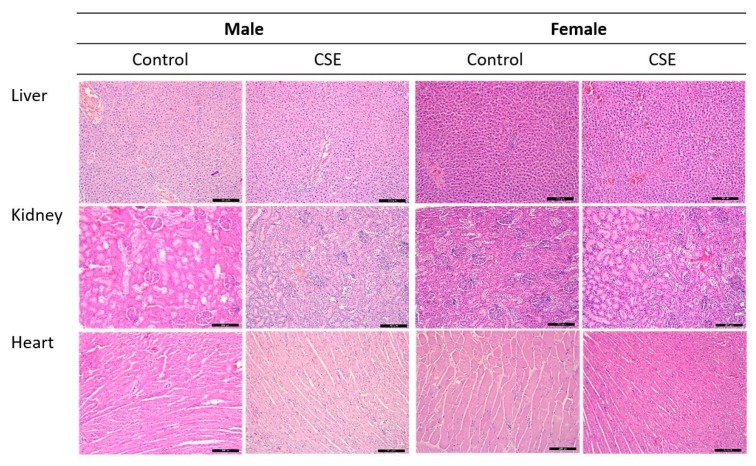
“The assessment of histopathological alterations in organs is considered a basic test in the safety assessment of tested materials [48].”
BackgroundMelatonin and serotonin effects on gastrointestinal motility.
Pj, T., Królczyk, G., Gil, K., Zurowski, D., & Nowak, Ł. (2007) · PubMed · Cited by 94
Paredes, S. D., Barriga, C., Reiter, R. J., & Rodríguez, A. B. (2009) · International Journal of Tryptophan Research · doi:10.4137/ijtr.s1129 · Cited by 93 · cited 1×
“The essential amino acid tryptophan, which is present in CSE (Table 1), is the precursor of several important products, including serotonin or melatonin [56].”
BackgroundKabbaoui, M. E., Chda, A., El-Akhal, J., Azdad, O., Mejrhit, N., Aarab, L., Bencheikh, R., & Tazi, A. (2017) · Journal of Ethnopharmacology · doi:10.1016/j.jep.2017.07.029 · Cited by 89 · cited 2×
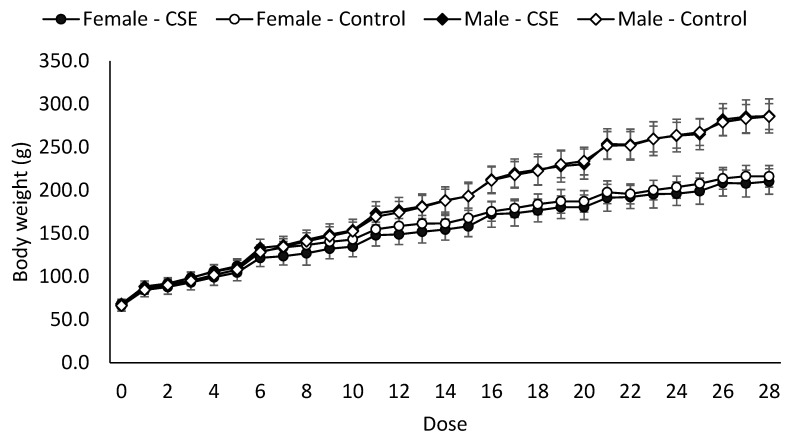
“El Kabbaoui et al. (2017) also studied the effect of a vegetal aqueous extract on Wistar rats, and no significant changes in body weight were reported when rats were fed with 1 g/kg of Cistus ladaniferus L. extract [46].”
BackgroundMethodAntiglycative and carbonyl trapping properties of the water soluble fraction of coffee silverskin
Mesías, M., Navarro, M., Martínez-Sáez, N., Ullate, M., del Castillo, M. D., & Morales, F. J. (2014) · Food Research International · doi:10.1016/j.foodres.2014.05.058 · Cited by 87 · cited 2×
“9 mg/100 g) of which 5-O-, 3-O- and 4-O-caffeoylquinic acids are the most relevant [11].”
BackgroundResultRepeated Dose 28-Days Oral Toxicity Study of Carica papaya L. Leaf Extract in Sprague Dawley Rats
Afzan, A., Abdullah, N. R., Halim, S. Z., Rashid, B. A., Semail, R. H. R., Abdullah, N., Jantan, I., Muhammad, H., & Ismail, Z. (2012) · Molecules · doi:10.3390/molecules17044326 · Cited by 83 · cited 1×
“Other authors have also reported the absence of morphological or histopathological alterations when Wistar rats were treated with different plant extracts following the same procedure as that described in this study [46,49,50].”
MethodBertolino, M., Barbosa‐Pereira, L., Ghirardello, D., Botta, C., Rollè, L., Guglielmetti, A., Vecchia, S. B. D., & Zeppa, G. (2019) · Journal of the Science of Food and Agriculture · doi:10.1002/jsfa.9659 · Cited by 76 · cited 1×
“Finally, recent studies have used CS in yogurt production and showed that the bioactive compounds are still bioaccessible after the digestion process [42].”
BackgroundAteş, G., & Elmacı, Y. (2018) · LWT · doi:10.1016/j.lwt.2018.01.003 · Cited by 67 · cited 1×
“CS has also been used in cakes, formulated with up to 30% of water-treated CS as a flour substitute [12,41].”
MethodAteş, G., & Elmacı, Y. (2018) · Journal of Food Measurement & Characterization · doi:10.1007/s11694-018-9988-9 · Cited by 62 · cited 2×
“This by-product also contains caffeine (1%) and melanoidins (5%)—the latter formed during the roasting process [10,12].”
BackgroundMethodInsights on the Health Benefits of the Bioactive Compounds of Coffee Silverskin Extract
Fernandez-Gomez, B., Lezama, A., Amigo-Benavent, M., Ullate, M., Herrero, M., Martín, M. Á., Mesa, M. D., & del Castillo, M. D. (2016) · Journal of Functional Foods · doi:10.1016/j.jff.2016.06.001 · Cited by 58 · cited 4×
“Doses of CSE of 1–10 μg/mL stimulated insulin secretion and reinforced antioxidant defense in pancreatic beta cells stressed with streptozotocin [15].”
BackgroundResultInfluentialAn Assessment of the Bioactivity of Coffee Silverskin Melanoidins
Tores de la Cruz, S., Iriondo-DeHond, A., Herrera, T., Lopez-Tofiño, Y., Galvez-Robleño, C., Prodanov, M., Velazquez-Escobar, F., Abalo, R., & del Castillo, M. D. (2019) · Foods · doi:10.3390/foods8020068 · Cited by 57 · cited 1×
“Previous studies have shown that the high molecular weight of CSE, rich in melanoidins, accelerated intestinal transit in treated animals after 28 days of exposure [64].”
BackgroundSelf-citationGuglielmetti, A., Fernandez-Gomez, B., Zeppa, G., & Del Castillo, M. D. (2019) · Polish Journal of Food and Nutrition Sciences · doi:10.31883/pjfns-2019-0012 · Cited by 54 · cited 1×
“CS has been added to bread formulations as a natural sustainable source of antioxidants, α-glucosidase inhibitors and colorants [39].”
BackgroundEvaluation of the toxicity of concentrated barley β-glucan in a 28-day feeding study in Wistar rats
Delaney, B., Carlson, T. L., Frazer, S. R., Zheng, T., Hess, R., Ostergren, K., Kierzek, K., Haworth, J., Knutson, N., Junker, K., et al. (2003) · Food and Chemical Toxicology · doi:10.1016/s0278-6915(02)00298-3 · Cited by 48
Fernandez-Gomez, B., Ramos, S., Goya, L., Mesa, M. D., del Castillo, M. D., & Martín, M. Á. (2016) · Food Research International · doi:10.1016/j.foodres.2016.03.006 · Cited by 47
Iriondo‐DeHond, A., Haza, A. I., Ávalos, A., del Castillo, M. D., & Morales, P. (2017) · Food Research International · doi:10.1016/j.foodres.2017.08.012 · Cited by 44 · cited 2×
“DNA strand breaks and oxidative DNA damage effects of chemicals agents such as benzo(a)pyrene [43].”
BackgroundSelf-citationCaffeine-dependent changes of sleep-wake regulation: Evidence for adaptation after repeated intake
Weibel, J., Lin, Y.-S., Landolt, H., Garbazza, C., Kolodyazhniy, V., Kistler, J., Rehm, S., Rentsch, K., Borgwardt, S., Cajochen, C., et al. (2019) · Progress in Neuro-Psychopharmacology and Biological Psychiatry · doi:10.1016/j.pnpbp.2019.109851 · Cited by 41
Khan, M. I., Joseph, K. M. D., ., M., Ramesh, H. P., Giridhar, P., & Ravishankar, G. A. (2011) · Food and Chemical Toxicology · doi:10.1016/j.fct.2011.08.022 · Cited by 39 · cited 1×
“Other authors have also reported the absence of morphological or histopathological alterations when Wistar rats were treated with different plant extracts following the same procedure as that described in this study [46,49,50].”
MethodOKI, T., NAGAI, S., YOSHINAGA, M., NISHIBA, Y., & SUDA, I. (2006) · Food Science and Technology Research · doi:10.3136/fstr.12.156 · Cited by 39 · cited 1×
“Oxidative Stress Biomarkers Non-enzymatic antioxidant capacity The trapping capacity of cationic free radicals in serum samples was evaluated using the method of radical ABTS+ bleaching described by Re et al. (1999) [25] and modified by Oki et al. (2006) [26] for its use in microplate.”
MethodHyaluronidase and CD44 hyaluronan receptor expression in squamous cell laryngeal carcinoma
Christopoulos, T., Papageorgakopoulou, N., Theocharis, D., Mastronikolis, N. S., Papadas, T. A., & Vynios, D. H. (2006) · Biochimica et Biophysica Acta (BBA) - General Subjects · doi:10.1016/j.bbagen.2006.03.019 · Cited by 34
Bioaccesibility, Metabolism, and Excretion of Lipids Composing Spent Coffee Grounds
Iriondo-DeHond, A., Cornejo, F. S., Fernandez-Gomez, B., Vera, G., Guisantes-Batan, E., Alonso, S. G., Andres, M. I. S., Sanchez-Fortun, S., Lopez-Gomez, L., Uranga, J. A., et al. (2019) · Nutrients · doi:10.3390/nu11061411 · Cited by 26 · cited 1×
“These analyses were performed according to that previously described [23].”
MethodSelf-citationda Silva, A. P., Oliveira, G. L. D. S., Medeiros, S. C., Sousa, A. M. L., Lopes, L. D. S., David, J. M., da Costa, J. S., & de Freitas, R. M. (2016) · Phytomedicine · doi:10.1016/j.phymed.2016.02.013 · Cited by 23 · cited 1×
“Significant changes in absolute and relative organ weight of rats can be considered important evidence of toxicity [47].”
BackgroundEFSA Panel on Nutrition, N. F. A. F. A. (. N. P., Turck, D., Castenmiller, J., De Henauw, S., Hirsch‐Ernst, K. I., Kearney, J., Knutsen, H. K., Maciuk, A., Mangelsdorf, I., McArdle, H. J., et al. (2018) · EFSA Journal · doi:10.2903/j.efsa.2018.5434 · Cited by 19
Coffee silverskin extract for aging and chronic diseases
del Castillo, M. D., Fernández‐Gómez, B., Martínez-Sáez, N., Iriondo‐DeHond, A., Martirosyan, D. M., & Mesa, M. D. (2016) · Cited by 15
Self-citationFunctional Foods, Health Benefits and Health Claims
Malla, S., Hobbs, J. E., & Sogah, E. K. (2014) · ATHENS JOURNAL OF HEALTH & MEDICAL SCIENCES · doi:10.30958/ajh.1-1-3 · Cited by 10 · cited 1×
“The strong correlation between diet and health, together with sedentary lifestyles, an aging population and increasing healthcare costs have driven the interest of research in developing healthier food products [38].”
Background
Research works printed but not linked: 1
- World Health Organization Guideline: Potassium Intake for Adults and Children World Health Organization Geneva, Switzerland 2012 23617019
Cited by
Klingel, T., Kremer, J. I., Gottstein, V., Rajcic de Rezende, T., Schwarz, S., & Lachenmeier, D. W. (2020) · Foods · doi:10.3390/foods9050665 · Cited by 264
“In a subacute toxicity study, in which rats received 1 g/kg bw of aqueous coffee silver skin extract orally, no negative effects on hormone secretion and antioxidant or anti-inflammatory biomarkers were observed [129].”
BackgroundApplications of Compounds from Coffee Processing By-Products
Iriondo-DeHond, A., Iriondo-DeHond, M., & del Castillo, M. D. (2020) · Biomolecules · doi:10.3390/biom10091219 · Cited by 167
Self-citationGemechu, F. G. (2020) · Trends in Food Science & Technology · doi:10.1016/j.tifs.2020.08.005 · Cited by 164
Effects of Coffee and Its Components on the Gastrointestinal Tract and the Brain–Gut Axis
Iriondo-DeHond, A., Uranga, J. A., del Castillo, M. D., & Abalo, R. (2020) · Nutrients · doi:10.3390/nu13010088 · Cited by 126
“Interestingly, an aqueous extract of coffee silverskin, another coffee by-product, may also display dietary fiber effect since total SCFAs derived from coffee silverskin extract fermentation were higher in feces of rats treated with the extract for 28 days [177].”
BackgroundSelf-citationIriondo‐DeHond, A., Elizondo, A. S., Iriondo-DeHond, M., Ríos, M. B., Mufari, R., Mendiola, J. A., Ibáñez, E., & del Castillo, M. D. (2020) · Foods · doi:10.3390/foods9050620 · Cited by 100
Self-citation
Metadata
- Authors
- Iriondo-DeHond, A., Rios, M. B., Herrera, T., Rodriguez-Bertos, A., Nuñez, F., San Andres, M. I., Sanchez-Fortun, S., & del Castillo, M. D.
- Affiliations
- Instituto de Investigación en Ciencias de la Alimentación (CIAL) (CSIC-UAM), Calle Nicolas Cabrera 9, 28049 Madrid, Spain
- Instituto de Investigación en Ciencias de la Alimentación (ES)
- Department of Internal Medicine and Animal Surgery, School of Veterinary Sciences, Health Surveillance Center (VISAVET), Complutense University, Puerta de Hierro Ave, 28040 Madrid, Spain
- Consejo Superior de Investigaciones Científicas (ES)
- Facultad de Veterinaria, Universidad Complutense de Madrid, Av. Puerta de Hierro, s/n, 28040 Madrid, Spain
- Venue
- Nutrients
- Publisher
- MDPI AG
- Published
- 2019-11-07
- Volume
- 11
- Issue
- 11
- Pages
- 2693
- ISSN
- 2072-6643 (ISSN-L)
- PMC
- PMC6893552
- OpenAlex
- W2986920744
- Cited by
- 56
- References
- 64
- Citations by year
- 2026: 6 · 2025: 11 · 2024: 8 · 2023: 5 · 2022: 11 · 2021: 9 · 2020: 5 · 2019: 1
- FWCI
- 4.03
- Type
- journal article
- Language
- en
- Open access
- gold
- dx.doi.org
- Licence
- Locations
- Nutrients (publishedVersion, cc-by)
- Europe PMC (PubMed Central) (publishedVersion, cc-by)
- PubMed Central (publishedVersion, cc-by)
- PubMed (publishedVersion)
- Library Open Repository (Universidad Complutense Madrid) (submittedVersion, cc-by)
- DIGITAL.CSIC (Spanish National Research Council (CSIC)) (submittedVersion, cc-by)
- DIGITAL.CSIC (Spanish National Research Council (CSIC)) (submittedVersion, other-oa)
- DOAJ (DOAJ: Directory of Open Access Journals) (submittedVersion)
- Funders
- Ministerio de Economía y Competitividad (AGL2014-57239-R, BES-2015-072191)
- Topics
- Health Sciences › Medicine › Pharmacology (medical) › Coffee research and impacts
- Life Sciences › Agricultural and Biological Sciences › Food Science › Food Nutrient Composition and Product Development
- Life Sciences › Biochemistry, Genetics and Molecular Biology › Molecular Biology › Gut microbiota and health
- Keywords
- novel food ingredients, nutritional composition, dietary fiber, short-chain fatty acids, gut microbiota, antioxidant activity, anti-inflammatory markers, hormone secretion, repeated-dose toxicity, dietary supplements, food safety
- MeSH terms
- Animals, Antioxidants, Body Weight, Coffee, Dietary Fiber, Fatty Acids, Volatile, Female, Male, Nutritive Value, Plant Extracts, Rats, Wistar, Oxidative Stress, Rats
About these checks
Registry, retraction, Cites and statistics results are computed, not judged, with one exception: a printed reference that no index lists is read once by a model before it counts as a citation error. Claims are extracted by a model and kept only when their quote appears verbatim in the text; each cited source is then checked, with a model’s help, for whether it says what the claim relies on. Those verdicts can be wrong — read the claim’s quote and the cited source before relying on one.
Statistics and arithmetic are recomputed, not judged.
Confidence bands are shown only for fields calibrated on our annotated test set. None is calibrated yet, so no band is shown.
What counts as a claim ›How we measure confidence ›How we check this ›
Are you an author, or do you see a problem with this page? Request a review
Data sources
Bibliographic data: Semantic Scholar, OpenAlex, Crossref.
Contains information from the Semantic Scholar Academic Graph Datasets, made available under the ODC Attribution License (ODC-BY 1.0).
Semantic Scholar’s data is described in: Kinney, R., et al. (2023). The Semantic Scholar Open Data Platform. arXiv:2301.10140.
