

Current Concerns about Microplastics and Nanoplastics: A Brief Overview
Open accessThe DOI matches its Crossref record; 78 of the 78 references it cites were found in a registry or an index.
Abstract
The widespread and increasing use of plastic-based goods in the present-day world has been raising many concerns about the formation of microplastics, their release, their impacts on the environment and, ultimately, on living organisms. These concerns are even greater regarding nanoplastics, i.e., nanosized microplastics, which may have even greater impacts. In this brief review, although without any claim or intention to exhaustively cover all the aspects of such a complex and many-sided issue, the very topical problem of the formation of microplastics, and the even more worrisome nanoplastics, from polymer-based products was considered. The approach is focused on a terse, straightforward, and easily accessible analysis oriented to the main technological engineering aspects regarding the sources of microplastics and nanoplastics released into the environment, their nature, some of the consequences arising from the release, the different polymers involved, their technological form (i.e., products or processes, with particular attention towards unintentional release), the formation mechanisms, and some possible mitigation pathways.
Overview
The claims and statistics of this paper haven’t been checked yet.
Free: it reads the open-access text and checks the first 5 claims that cite a source we can check. Create a free account to check every claim.
Integrity signals
Registry
Cites
Statistics
Figures
Verification
Claims the paper makes
The claims and statistics of this paper haven’t been checked yet.
Free: it reads the open-access text and checks the first 5 claims that cite a source we can check. Create a free account to check every claim.
Claims other papers make about this one
Each is checked against this paper’s own text: does it say what the citing paper says it does?
The check wasn’t confident either way, so it gives no verdict — never disputed.
In the citing paper
“Investigations utilizing polystyrene (PS) particles on alveolar epithelial cells in laboratory settings have demonstrated that nanoplastic particles are internalized by cells, with the rate of uptake being contingent on particle size (Figure 1) [18].”
From Microplastics (MPs) in Cosmetics: A Review on Their Presence in Personal-Care, Cosmetic, and Cleaning Products (PCCPs) and Sustainable Alternatives from Biobased and Biodegradable Polymers (2024) · cites this paper as [18]
Experimental — accuracy not yet measured
Self-check
Percentages, sums and reported differences re-computed from the paper’s own numbers.
The self-check needs the paper’s full text.
Citations
Cites
Plastic waste inputs from land into the ocean
Jambeck, J. R., Geyer, R., Wilcox, C., Siegler, T. R., Perryman, M., Andrady, A., Narayan, R., & Law, K. L. (2015) · Science · doi:10.1126/science.1260352 · Cited by 13,163 · cited 7×
“…or tire abrasion MINIMICROPLASTICS 1 µ m–1 mm [11] As for microplastics in general (and secondary plastics in particular) NANOPLASTICS 1 nm–100 nm [7,10,12], <1 µ m [11] According to some: the same of microplastics in general and primary plastics in particular, so much that “paints, adhesives,…”
BackgroundInfluentialAccumulation of microplastic on shorelines woldwide: Sources and sinks
Browne, M. A., Crump, P., Niven, S. J., Teuten, E., Tonkin, A., Galloway, T., & Thompson, R. (2011) · Environmental Science & Technology · doi:10.1021/es201811s · Cited by 4,548 · cited 1×
“In the following, therefore, a brief discussion is provided about the main degradation In the following, therefore, a brief discussion is provided about the main degradation pathways of polymers. pathways of polymers.”
BackgroundAlimi, O. S., Farner Budarz, J., Hernandez, L. M., & Tufenkji, N. (2018) · Environmental Science & Technology · doi:10.1021/acs.est.7b05559 · Cited by 2,668 · cited 1×
“…from them by fragmentation (although there is still a lack of a rigorous and widely accepted methodology to detect NPs in the environment) and, in any case, they can act as vectors for the transport of contaminants [39], but their role seems to be, in some cases (at least in the EU), mitigated.”
BackgroundMicroplastics in Freshwaters and Drinking Water: Critical Review and Assessment of Data Quality
Koelmans, A. A., Mohamed Nor, N. H., Hermsen, E., Kooi, M., Mintenig, S. M., & De France, J. (2019) · Water Research · doi:10.1016/j.watres.2019.02.054 · Cited by 2,535 · cited 1×
“…in general and primary plastics in particular, so much that “paints, adhesives, drugs, electronics, and new 3D printing technologies” are cited [13,14]; according to others: mainly like secondary microplastics, especially washing and drying of fabrics, deterioration of tires and other products…”
BackgroundWear and Tear of Tyres: A Stealthy Source of Microplastics in the Environment
Kole, P. J., Löhr, A. J., Van Belleghem, F., & Ragas, A. (2017) · International Journal of Environmental Research and Public Health · doi:10.3390/ijerph14101265 · Cited by 1,587
A Global Perspective on Microplastics
Hale, R. C., Seeley, M. E., La Guardia, M. J., Mai, L., & Zeng, E. Y. (2020) · Journal of Geophysical Research: Oceans · doi:10.1029/2018jc014719 · Cited by 1,338 · cited 1×
“In the following, therefore, a brief discussion is provided about the main degradation In the following, therefore, a brief discussion is provided about the main degradation pathways of polymers. pathways of polymers.”
BackgroundMicroplastics in sediments: A review of techniques, occurrence and effects
Van Cauwenberghe, L., Devriese, L., Galgani, F., Robbens, J., & Janssen, C. R. (2015) · Marine Environmental Research · doi:10.1016/j.marenvres.2015.06.007 · Cited by 1,245 · cited 1×
“…since it is reported that most of the typical pellets found in seawater (e.g., polypropylene, polyethylene, and polystyrene) can actually absorb harmful chemicals, such as polychlorinated biphenyl(PCBs), dichlorodiphenyltrichloroethane (DDT), and polycyclic aromatic hydrocarbons (PAHs) [41].”
BackgroundWagner, S., Hüffer, T., Klöckner, P., Wehrhahn, M., Hofmann, T., & Reemtsma, T. (2018) · Water Research · doi:10.1016/j.watres.2018.03.051 · Cited by 1,120
Microplastic pollution, a threat to marine ecosystem and human health: a short review
Sharma, S., & Chatterjee, S. (2017) · Environmental Science and Pollution Research · doi:10.1007/s11356-017-9910-8 · Cited by 1,110
Characterisation of nanoplastics during the degradation of polystyrene
Lambert, S., & Wagner, M. (2016) · Chemosphere · doi:10.1016/j.chemosphere.2015.11.078 · Cited by 1,075 · cited 1×
“…drugs, electronics, and new 3D printing technologies” are cited [13,14]; according to others: mainly like secondary microplastics, especially washing and drying of fabrics, deterioration of tires and other products such as polystyrene [15,16] or even almost exclusively fabrics and tires [12,17]”
BackgroundImpact of Microplastics and Nanoplastics on Human Health
Yee, M. S.-L., Hii, L.-W., Looi, C. K., Lim, W.-M., Wong, S.-F., Kok, Y.-Y., Tan, B.-K., Wong, C.-Y., & Leong, C.-O. (2021) · Nanomaterials · doi:10.3390/nano11020496 · Cited by 1,031 · cited 1×
“Significant concerns have been raised about the various effects of micro and nanoplas-tics on human health [12,26–28], although there is no universal agreement on them, also because the reliability of in vitro models is somewhat questioned [29].”
BackgroundPrimary microplastics in the oceans: A global evaluation of sources
Boucher, J., & Friot, D. (2017) · doi:10.2305/iucn.ch.2017.01.en · Cited by 1,023 · cited 1×
“In the following, therefore, a brief discussion is provided about the main degradation In the following, therefore, a brief discussion is provided about the main degradation pathways of polymers. pathways of polymers.”
BackgroundWebb, H., Arnott, J., Crawford, R., & Ivanova, E. (2012) · Polymers · doi:10.3390/polym5010001 · Cited by 958 · cited 2×
“…MINIMICROPLASTICS 1 µ m–1 mm [11] As for microplastics in general (and secondary plastics in particular) NANOPLASTICS 1 nm–100 nm [7,10,12], <1 µ m [11] According to some: the same of microplastics in general and primary plastics in particular, so much that “paints, adhesives, drugs, electronics,…”
BackgroundBaensch-Baltruschat, B., Kocher, B., Stock, F., & Reifferscheid, G. (2020) · Science of The Total Environment · doi:10.1016/j.scitotenv.2020.137823 · Cited by 869
Effect of microplastics in water and aquatic systems
Issac, M. N., & Kandasubramanian, B. (2021) · Environmental Science and Pollution Research · doi:10.1007/s11356-021-13184-2 · Cited by 835 · cited 2×
“…drugs, electronics, and new 3D printing technologies” are cited [13,14]; according to others: mainly like secondary microplastics, especially washing and drying of fabrics, deterioration of tires and other products such as polystyrene [15,16] or even almost exclusively fabrics and tires [12,17]”
BackgroundFreshwater Microplastics: Emerging Environmental Contaminants?
(2018) · The Handbook of Environmental Chemistry · doi:10.1007/978-3-319-61615-5 · Cited by 701
Microplastics pollution in different aquatic environments and biota: A review of recent studies
Rezania, S., Park, J., Md Din, M. F., Mat Taib, S., Talaiekhozani, A., Kumar Yadav, K., & Kamyab, H. (2018) · Marine Pollution Bulletin · doi:10.1016/j.marpolbul.2018.05.022 · Cited by 680 · cited 4×
“…tire abrasion MINIMICROPLASTICS 1 µ m–1 mm [11] As for microplastics in general (and secondary plastics in particular) NANOPLASTICS 1 nm–100 nm [7,10,12], <1 µ m [11] According to some: the same of microplastics in general and primary plastics in particular, so much that “paints, adhesives,…”
BackgroundInfluentialKreider, M. L., Panko, J. M., McAtee, B. L., Sweet, L. I., & Finley, B. L. (2010) · Science of The Total Environment · doi:10.1016/j.scitotenv.2009.10.016 · Cited by 623
Harrison, R. M., Jones, A. M., Gietl, J., Yin, J., & Green, D. C. (2012) · Environmental Science & Technology · doi:10.1021/es300894r · Cited by 600
Nano-plastics in the aquatic environment
Mattsson, K., Hansson, L.-A., & Cedervall, T. (2015) · Environmental Science: Processes & Impacts · doi:10.1039/c5em00227c · Cited by 543 · cited 1×
“Overall, paints, textiles and tires seem to be the most threatening source, not only because of their overall emissions [37] but also because it seems reasonable [12,17,42–44] that the microplastics coming from their lifecycle may eventually lead to the formation of “secondary” nanoplastics.”
BackgroundUltrafine particle emissions from desktop 3D printers
Stephens, B., Azimi, P., El Orch, Z., & Ramos, T. (2013) · Atmospheric Environment · doi:10.1016/j.atmosenv.2013.06.050 · Cited by 488 · cited 1×
“…in general and primary plastics in particular, so much that “paints, adhesives, drugs, electronics, and new 3D printing technologies” are cited [13,14]; according to others: mainly like secondary microplastics, especially washing and drying of fabrics, deterioration of tires and other products…”
BackgroundRapid single-particle chemical imaging of nanoplastics by SRS microscopy
Qian, N., Gao, X., Lang, X., Deng, H., Bratu, T. M., Chen, Q., Stapleton, P., Yan, B., & Min, W. (2024) · Proceedings of the National Academy of Sciences · doi:10.1073/pnas.2300582121 · Cited by 467 · cited 1×
“…such as, for instance, hyperspectral stimulated Raman scattering (SRS) imaging platform with automated plastic identification algorithms [34], a combination of micro-FTIR with Machine Learning [35] and even techniques for removal, such as multifunctional MXene-derived oxide microrobots…”
MethodAnalysis of environmental nanoplastics: Progress and challenges
Cai, H., Xu, E. G., Du, F., Li, R., Liu, J., & Shi, H. (2021) · Chemical Engineering Journal · doi:10.1016/j.cej.2020.128208 · Cited by 444 · cited 3×
“Several methods of detection, identification and quantification of MP and NP are available and are accurately reported, along with their limitations, in a review by Cai et al. [33], to which it should be referred for further details.”
BackgroundMethodInfluentialZambrano, M. C., Pawlak, J. J., Daystar, J., Ankeny, M., Cheng, J. J., & Venditti, R. A. (2019) · Marine Pollution Bulletin · doi:10.1016/j.marpolbul.2019.02.062 · Cited by 414 · cited 1×
“…intrinsic physico-chemical properties of the polymer involved (molecular weight, crystallinity, hydrophobicity, additives, structure) and environmental factors (temperature, oxygen and water presence, sunlight) [84]. such as intrinsic physico-chemical properties of the polymer involved (molecular…”
BackgroundThe potential impacts of micro-and-nano plastics on various organ systems in humans
Ali, N., Katsouli, J., Marczylo, E. L., Gant, T. W., Wright, S., & Bernardino de la Serna, J. (2024) · eBioMedicine · doi:10.1016/j.ebiom.2023.104901 · Cited by 407 · cited 1×
“…animal studies, but most of them focus only on specific types of micro-and nanoplastics, while some common types remain substantially uninvestigated; furthermore, there is still a lack of standardized methods for correct definition and detection of microplastics (MP) and nanoplastics (NP) [27,32].”
BackgroundTyre wear particles: an abundant yet widely unreported microplastic?
Knight, L. J., Parker-Jurd, F. N. F., Al-Sid-Cheikh, M., & Thompson, R. C. (2020) · Environmental Science and Pollution Research · doi:10.1007/s11356-020-08187-4 · Cited by 369
Micro- and Nanoplastics Breach the Blood–Brain Barrier (BBB): Biomolecular Corona’s Role Revealed
Kopatz, V., Wen, K., Kovács, T., Keimowitz, A. S., Pichler, V., Widder, J., Vethaak, A. D., Hollóczki, O., & Kenner, L. (2023) · Nanomaterials · doi:10.3390/nano13081404 · Cited by 354 · cited 1×
“Significant concerns have been raised about the various effects of micro and nanoplas-tics on human health [12,26–28], although there is no universal agreement on them, also because the reliability of in vitro models is somewhat questioned [29].”
BackgroundFan, P., Yu, H., Xi, B., & Tan, W. (2022) · Environment International · doi:10.1016/j.envint.2022.107244 · Cited by 341 · cited 2×
“In fact, as far as biodegradable polymers are concerned, and different from the fossil-derived polymers discussed so far, it would be expected for them to attain complete conversion to carbon dioxide and water in a reasonable time.”
BackgroundDimassi, S. N., Hahladakis, J. N., Yahia, M. N. D., Ahmad, M. I., Sayadi, S., & Al-Ghouti, M. A. (2022) · Arabian Journal of Chemistry · doi:10.1016/j.arabjc.2022.104262 · Cited by 286 · cited 3×
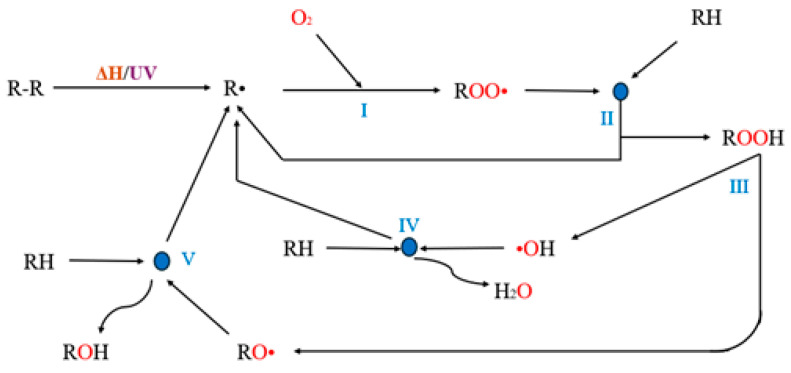
“…phenomena can be considered: (I) Thermal degradation and thermo-oxidation, due to heat and oxygen; (II) thermo-mechanical degradation, due to mechanical stress during processing; (III) photo-oxidation, caused by sunlight and oxygen; (IV) biodegradation, due to the metabolism of living organisms.”
BackgroundInfluentialBarrows, A. P. W., Christiansen, K. S., Bode, E. T., & Hoellein, T. J. (2018) · Water Research · doi:10.1016/j.watres.2018.10.013 · Cited by 285 · cited 1×
“…of the polymer involved (molecular weight, crystallinity, hydrophobicity, additives, structure) and environmental factors (temperature, oxygen and water presence, sunlight) [84]. such as intrinsic physico-chemical properties of the polymer involved (molecular weight, crystallinity,…”
BackgroundKiran, B. R., Kopperi, H., & Venkata Mohan, S. (2022) · Reviews in Environmental Science and Bio/Technology · doi:10.1007/s11157-021-09609-6 · Cited by 268 · cited 1×
“…the persistence of plastic-based items leads to the formation of macroplastics, mesoplastics and microplastics, depending on the size and the source [7–19], with multiple and concerning environmental impacts, affecting both fresh and marine waters [20–22], soils [23,24], and air [20,21,24].”
BackgroundTrapping and detecting nanoplastics by MXene-derived oxide microrobots
Urso, M., Ussia, M., Novotný, F., & Pumera, M. (2022) · Nature Communications · doi:10.1038/s41467-022-31161-2 · Cited by 251 · cited 1×
“…a combination of micro-FTIR with Machine Learning [35] and even techniques for removal, such as multifunctional MXene-derived oxide microrobots [36] According to a recent publication by the European Commission [33], the EU target is to reduce the release of microplastics into the environment…”
MethodLiao, J., & Chen, Q. (2021) · Journal of Hazardous Materials · doi:10.1016/j.jhazmat.2021.126329 · Cited by 249 · cited 2×
“For instance, in a recent study [93], photo oxidation of PP in three different environments (air, distilled water, sea water) and two different temperatures was investigated.”
BackgroundContribution of Road Vehicle Tyre Wear to Microplastics and Ambient Air Pollution
Giechaskiel, B., Grigoratos, T., Mathissen, M., Quik, J. T. K., Tromp, P., Gustafsson, M. E. R., Franco, V., & Dilara, P. (2024) · Sustainability · doi:10.3390/su16020522 · Cited by 187 · cited 1×
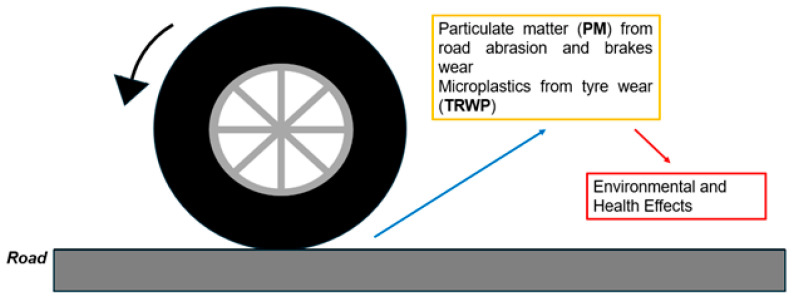
“With particular concern to tire road wear particles (TRWP), there is a significant number of reports in the literature addressing this issue and to be cited [42,43, TRWPs are considered to be currently underrepresented in the assessment 46– 74] of”
BackgroundHufnagl, B., Stibi, M., Martirosjan, H., Wilczek, U., Möller, J. N., Löder, M. G. J., Laforsch, C., & Lohninger, H. (2021) · Environmental Science & Technology Letters · doi:10.1021/acs.estlett.1c00851 · Cited by 179 · cited 1×
“…Raman scattering (SRS) imaging platform with automated plastic identification algorithms [34], a combination of micro-FTIR with Machine Learning [35] and even techniques for removal, such as multifunctional MXene-derived oxide microrobots [36] According to a recent publication by the European…”
MethodAmato, F., Alastuey, A., de la Rosa, J., Gonzalez Castanedo, Y., Sánchez de la Campa, A. M., Pandolfi, M., Lozano, A., Contreras González, J., & Querol, X. (2014) · Atmospheric Chemistry and Physics · doi:10.5194/acp-14-3533-2014 · Cited by 178
Sources, transport, measurement and impact of nano and microplastics in urban watersheds
Birch, Q. T., Potter, P. M., Pinto, P. X., Dionysiou, D. D., & Al-Abed, S. R. (2020) · Reviews in Environmental Science and Bio/Technology · doi:10.1007/s11157-020-09529-x · Cited by 176
Microplastic in the Environment: Pattern and Process
Bank, M. S. (2021) · Environmental contamination remediation and management · doi:10.1007/978-3-030-78627-4 · Cited by 167 · cited 1×
“…the persistence of plastic-based items leads to the formation of macroplastics, mesoplastics and microplastics, depending on the size and the source [7–19], with multiple and concerning environmental impacts, affecting both fresh and marine waters [20–22], soils [23,24], and air [20,21,24].”
BackgroundEvaluation of Tire Wear Contribution to PM2.5 in Urban Environments
Panko, J. M., Hitchcock, K. M., Fuller, G. W., & Green, D. (2019) · Atmosphere · doi:10.3390/atmos10020099 · Cited by 166 · cited 1×
“With particular concern to tire road wear particles (TRWP), there is a significant number of reports in the literature addressing this issue and to be cited [42,43, TRWPs are considered to be currently underrepresented in the assessment 46– 74] of”
BackgroundA critical review of the overlooked challenge of determining micro-bioplastics in soil
Fojt, J., David, J., Přikryl, R., Řezáčová, V., & Kučerík, J. (2020) · Science of The Total Environment · doi:10.1016/j.scitotenv.2020.140975 · Cited by 165 · cited 1×
“…concerns about their actual reliability since there is often no confirmation of the chemical nature of detected polymers; therefore, it is concluded that more efforts should be carried out to improve the reliability and accuracy of nanoplastics detection and analysis from environmental samples.”
BackgroundUnice, K. M., Kreider, M. L., & Panko, J. M. (2012) · International Journal of Environmental Research and Public Health · doi:10.3390/ijerph9114033 · Cited by 160 · cited 1×
“With particular concern to tire road wear particles (TRWP), there is a significant number of reports in the literature addressing this issue and to be cited [42,43, TRWPs are considered to be currently underrepresented in the assessment 46– 74] of”
BackgroundAuta, H. S., Abioye, O. P., Aransiola, S. A., Bala, J. D., Chukwuemeka, V. I., Hassan, A., Aziz, A., & Fauziah, S. H. (2021) · Journal of Environmental Management · doi:10.1016/j.jenvman.2021.114273 · Cited by 159 · cited 1×
“…the persistence of plastic-based items leads to the formation of macroplastics, mesoplastics and microplastics, depending on the size and the source [7–19], with multiple and concerning environmental impacts, affecting both fresh and marine waters [20–22], soils [23,24], and air [20,21,24].”
BackgroundTadiello, L., D’Arienzo, M., Credico, B. D., Hanel, T., Matějka, L., Mauri, M., Morazzoni, F., Simonutti, R., Spirkova, M., & Scotti, R. (2015) · Soft Matter · doi:10.1039/c5sm00536a · Cited by 143
Zhang, M., Yin, H., Tan, J., Wang, X., Yang, Z., Hao, L., Du, T., Zhihui, N., & Ge, Y. (2023) · Atmospheric Environment · doi:10.1016/j.atmosenv.2023.119597 · Cited by 121
Vallabani, N. V. S., Gruzieva, O., Elihn, K., Juárez-Facio, A. T., Steimer, S. S., Kuhn, J., Silvergren, S., Portugal, J., Piña, B., Olofsson, U., et al. (2023) · Environmental Research · doi:10.1016/j.envres.2023.116186 · Cited by 120
Park, I., Kim, H., & Lee, S. (2018) · Journal of Aerosol Science · doi:10.1016/j.jaerosci.2018.07.005 · Cited by 116
Rauert, C., Rødland, E. S., Okoffo, E. D., Reid, M. J., Meland, S., & Thomas, K. V. (2021) · Environmental Science & Technology Letters · doi:10.1021/acs.estlett.0c00949 · Cited by 116 · cited 2×
“Overall, paints, textiles and tires seem to be the most threatening source, not only because of their overall emissions [37] but also because it seems reasonable [12,17,42–44] that the microplastics coming from their lifecycle may eventually lead to the formation of “secondary” nanoplastics.”
BackgroundHüffer, T., Wagner, S., Reemtsma, T., & Hofmann, T. (2019) · TrAC Trends in Analytical Chemistry · doi:10.1016/j.trac.2018.11.029 · Cited by 114
Pignattelli, S., Broccoli, A., Piccardo, M., Terlizzi, A., & Renzi, M. (2021) · Environmental Pollution · doi:10.1016/j.envpol.2021.116997 · Cited by 110 · cited 1×
“…the persistence of plastic-based items leads to the formation of macroplastics, mesoplastics and microplastics, depending on the size and the source [7–19], with multiple and concerning environmental impacts, affecting both fresh and marine waters [20–22], soils [23,24], and air [20,21,24].”
BackgroundMicroplastic Contamination in Soils: A Review from Geotechnical Engineering View
Monkul, M. M., & ÖZHAN, H. O. (2021) · Polymers · doi:10.3390/polym13234129 · Cited by 105 · cited 1×
“…(and, in some cases, insufficient) recycling procedures and rates, and the well-known lack of biodegradability of traditional plastics [1,2,5,6], the persistence of plastic-based items leads to the formation of macroplastics, mesoplastics and microplastics, depending on the size and the…”
BackgroundTao, S., Li, T., Li, M., Yang, S., Shen, M., & Liu, H. (2024) · The Science of The Total Environment · doi:10.1016/j.scitotenv.2024.170299 · Cited by 96 · cited 1×
“They found that, although most of the studies succeeded in detecting standard reference nanoplastics presence in environmental samples, they failed in separating and quantifying the nanoplastics from real field samples (i.e., from seawater, snow, air, sand, and agricultural soil) while only five…”
BackgroundTire wear particle emissions: Measurement data where are you?
Mennekes, D., & Nowack, B. (2022) · Science of The Total Environment · doi:10.1016/j.scitotenv.2022.154655 · Cited by 91
Micro- and Nanoplastics in Environment: Degradation, Detection, and Ecological Impact
Musa, I. O., Auta, H. S., Ilyasu, U. S., Aransiola, S. A., Makun, H. A., Adabara, N. U., Abioye, O. P., Aziz, A., Barasarathi, J., Maddela, N. R., et al. (2023) · International Journal of Environmental Research · doi:10.1007/s41742-023-00551-9 · Cited by 82 · cited 6×
“…drugs, electronics, and new 3D printing technologies” are cited [13,14]; according to others: mainly like secondary microplastics, especially washing and drying of fabrics, deterioration of tires and other products such as polystyrene [15,16] or even almost exclusively fabrics and tires [12,17]”
BackgroundInfluentialReview: Mitigation measures to reduce tire and road wear particles
Gehrke, I., Schläfle, S., Bertling, R., Öz, M., & Gregory, K. B. (2023) · The Science of The Total Environment · doi:10.1016/j.scitotenv.2023.166537 · Cited by 78
Малафеев, К. В., Apicella, A., Incarnato, L., & Scarfato, P. (2023) · Polymers · doi:10.3390/polym15183680 · Cited by 71 · cited 4×
“They confirmed (beyond the previously highlighted lack of widely standardized methods) the occurrence of limitations regarding the current spectroscopic techniques, since they are time-consuming, cannot provide a full covering of the entire nanosize range, are often destructive and still raise…”
BackgroundInfluentialHuman health risk assessment of Tire and Road Wear Particles (TRWP) in air
Kreider, M. L., Unice, K. M., & Panko, J. M. (2020) · Human and Ecological Risk Assessment: An International Journal · doi:10.1080/10807039.2019.1674633 · Cited by 70
Micro and Nano-Plastics in the Environment: Research Priorities for the Near Future
Vighi, M., Bayo, J., Fernández‐Piñas, F., Gago, J., Gómez, M., Hernández‐Borges, J., Herrera, A., Landaburu‐Aguirre, J., Muniategui‐Lorenzo, S., Muñoz, A., et al. (2021) · Reviews of Environmental Contamination and Toxicology · doi:10.1007/398_2021_69 · Cited by 67
Nguyen, L. H., Nguyen, B.-S., Le, D.-T., Alomar, T. S., AlMasoud, N., Ghotekar, S. K., Oza, R., Raizada, P., Singh, P., & Nguyen, V. (2022) · Environmental Research · doi:10.1016/j.envres.2022.114342 · Cited by 66
A review of the occurrence and degradation of biodegradable microplastics in soil environments
Feng, S., Wang, H., Wang, Y., & Cheng, Q. (2023) · The Science of The Total Environment · doi:10.1016/j.scitotenv.2023.166855 · Cited by 56 · cited 2×
“In fact, as far as biodegradable polymers are concerned, and different from the fossil-derived polymers discussed so far, it would be expected for them to attain complete conversion to carbon dioxide and water in a reasonable time.”
BackgroundPashaei, R., Dzingelevičienė, R., Abbasi, S., Szultka‐Młyńska, M., & Buszewski, B. (2022) · Environmental Monitoring and Assessment · doi:10.1007/s10661-022-09751-w · Cited by 54 · cited 1×
“Nanoplastics, in particular, have been shown to have the ability to bioaccumulate and invade the food chain [12,30,31].”
BackgroundSpatial Connections between Microplastics and Heavy Metal Pollution within Floodplain Soils
Weber, C. J., Hahn, J. U., & Opp, C. (2022) · Applied Sciences · doi:10.3390/app12020595 · Cited by 52 · cited 2×
“…(and, in some cases, insufficient) recycling procedures and rates, and the well-known lack of biodegradability of traditional plastics [1,2,5,6], the persistence of plastic-based items leads to the formation of macroplastics, mesoplastics and microplastics, depending on the size and…”
BackgroundForest, V., & Pourchez, J. (2023) · Environment International · doi:10.1016/j.envint.2023.108115 · Cited by 51 · cited 1×
“Significant concerns have been raised about the various effects of micro and nanoplas-tics on human health [12,26–28], although there is no universal agreement on them, also because the reliability of in vitro models is somewhat questioned [29].”
Background(2022) · Emerging contaminants and associated treatment technologies · doi:10.1007/978-3-030-89220-3 · Cited by 43
Analysis of the microplastic emission potential of a starch-based biodegradable plastic material
Innocenti, F. D., Barbale, M., Chinaglia, S., Esposito, E., Pecchiari, M., Razza, F., & Tosin, M. (2022) · Polymer Degradation and Stability · doi:10.1016/j.polymdegradstab.2022.109934 · Cited by 42 · cited 1×
“…concerns about their actual reliability since there is often no confirmation of the chemical nature of detected polymers; therefore, it is concluded that more efforts should be carried out to improve the reliability and accuracy of nanoplastics detection and analysis from environmental samples.”
BackgroundHesse, D., Feißel, T., Kunze, M., Bachmann, E., Bachmann, T., & Gramstat, S. (2022) · Atmosphere · doi:10.3390/atmos13081262 · Cited by 40
Gouin, T., Cunliffe, D., France, J. D., Fawell, J. K., Jarvis, P. R., Koelmans, A. A., Marsden, P., Testai, E., Asami, M., Bevan, R. J., et al. (2020) · Environment International · doi:10.1016/j.envint.2020.106141 · Cited by 37 · cited 1×
“…animal studies, but most of them focus only on specific types of micro-and nanoplastics, while some common types remain substantially uninvestigated; furthermore, there is still a lack of standardized methods for correct definition and detection of microplastics (MP) and nanoplastics (NP) [27,32].”
BackgroundDirect measurement of brake and tire wear particles based on real-world driving conditions
Zhang, Q., Fang, T., Men, Z., Wei, N., Peng, J., Du, T., Zhang, X., Ma, Y., Wu, L., & Mao, H. (2023) · The Science of The Total Environment · doi:10.1016/j.scitotenv.2023.167764 · Cited by 37
Evaluation of Tire Wear Performance
Maître, O. P. L., Süssner, M., & Zarak, C. E. (1998) · SAE technical papers on CD-ROM/SAE technical paper series · doi:10.4271/980256 · Cited by 35
Tire-Abrasion Particles in the Environment
Gieré, R., & Dietze, V. (2022) · Advances in polymer science · doi:10.1007/12_2022_118 · Cited by 32
Innocenti, F. D. (2023) · Journal of Hazardous Materials · doi:10.1016/j.jhazmat.2023.132923 · Cited by 27 · cited 1×
“…concerns about their actual reliability since there is often no confirmation of the chemical nature of detected polymers; therefore, it is concluded that more efforts should be carried out to improve the reliability and accuracy of nanoplastics detection and analysis from environmental samples.”
BackgroundMantia, F. P. L., Baiamonte, M., Santangelo, S., Scaffaro, R., & Mistretta, M. C. (2022) · Polymers · doi:10.3390/polym15010074 · Cited by 23 · cited 1×
“It is clear and undeniable that the abuse of plastics, especially in mass, low-cost and short-life applications, is one of the main factors responsible for the environmental pollution from microplastics.”
BackgroundFederico, L., Masseroni, A., Rizzi, C., & Villa, S. (2023) · Toxics · doi:10.3390/toxics11050445 · Cited by 22
New Frontiers of Nanomaterials in Environmental Science
(2021) · doi:10.1007/978-981-15-9239-3 · Cited by 19
Macro-, meso- and microplastic debris in three sandy beaches of north-eastern Tunisian coasts
Abdelkader, N., Ismail, S. B., & Zakhama‐Sraieb, R. (2023) · Regional Studies in Marine Science · doi:10.1016/j.rsma.2023.103229 · Cited by 19 · cited 4×
“…of packaging and various objects in polymeric material, mainly due to braking processes or direct, intentional release MESOPLASTICS 5 mm–2.5 cm [7–9] As above PRIMARY MICROPLASTICS ≤ 5 mm [8,9], 1–5 mm [7,10] Scrubbers in cosmetics, liquid soaps, paints, abrasive products; pharmaceuticals;…”
BackgroundInfluentialCai, M., Qi, Z., Guy, C., An, C., Chen, X., Wang, Z., & Qi, F. (2023) · Journal of Hazardous Materials · doi:10.1016/j.jhazmat.2023.131477 · Cited by 17 · cited 1×
“…(especially, in sea water) and significantly decreased on decreasing the temperature, due to the significant differences in oxygen availability (indeed, quite small in the two aqueous media, especially at higher temperatures because of the decrease in oxygen solubility, similar in both of them).”
BackgroundPavia, F. C., Brucato, V., Mistretta, M. C., Botta, L., & Mantia, F. P. L. (2023) · Polymers · doi:10.3390/polym15040927 · Cited by 15
Permeable Asphalt Hydraulic Conductivity and Particulate Matter Separation With XRT
Marchioni, M., Fedele, R., Raimondi, A., Sansalone, J. J., & Becciu, G. (2022) · Water Resources Management · doi:10.1007/s11269-022-03113-4 · Cited by 14
Microplastics Pollution in Aquatic Media
(2022) · Environmental footprints and eco-design of products and processes · doi:10.1007/978-981-16-8440-1 · Cited by 10
Research works printed but not linked: 5
- Singh S. Kumar V. Kapoor D. Bhardwaj S. Dhanjal D.S. Pawar A. Ramamurthy P. Singh J. Fate and occurrence of micro and nano-plastic pollution in industrial wastewater Biodegradation and Detoxification of Micropollutants in Industrial Wastewater Haq I. Kalamdhad A.S. Shah M.P. Elsevier Amsterdam, The Netherlands 2022 27 38
- Bhattacharya P.A. Review on the impacts of microplastic beads used in cosmetics Acta Biomed. Sci. 2016 3 47 52
- Nikiema J. Mateo-Sagasta J. Asiedu Z. Saad D. Lamizana B. Water Pollution by Plastics and Microplastics: A Review of Technical Solutions from Source to Sea United Nations Environment Programme Nairobi, Kenya 2020
- European Commission Directorate-General for Environment. EU Action Against Microplastics, Publications Office of the European Union 2023 Available online: https://data.europa.eu/doi/10.2779/917472 (accessed on 9 April 2024) · doi:10.2779/917472
- Nasrullah A. Basharat H. Hashmi M.Z. Ashfaq M. Chemical Technologies to Degrade Microplastic Pollution Microplastic Pollution: Environmental Occurrence and Treatment Technologies Hashmi M.Z. Springer Nature Cham, Switzerland 2022 · DOI
Cited by
Mechanical Recycling of New and Challenging Polymer Systems: A Brief Overview
Titone, V., Botta, L., & Mantia, F. P. L. (2024) · Macromolecular Materials and Engineering · doi:10.1002/mame.202400275 · Cited by 90
Bikiaris, N., Nikolaidis, N. F., & Barmpalexis, P. (2024) · Cosmetics · doi:10.3390/cosmetics11050145 · Cited by 69
Artificial Intelligence-Based Microfluidic Platform for Detecting Contaminants in Water: A Review
Zhang, Y., Li, J., Yu, Z., Zhang, X., & Liu, X. (2024) · Sensors · doi:10.3390/s24134350 · Cited by 52
Srivastava, R. K., Sarangi, P. K., Singh, A. K., Parveen, A., Sahoo, U. K., Padil, V. V. T., Abass, K. S., Jumaniyozov, K., Onn, C. W., & Kurniawan, T. A. (2025) · RSC Sustainability · doi:10.1039/d5su00421g · Cited by 50
Zainab, F., Aftab, A., Mir, S., Awwad, N. S., & Ibrahium, H. A. (2025) · RSC Advances · doi:10.1039/d5ra04896f · Cited by 28
Metadata
- Authors
- Morreale, M., & La Mantia, F. P.
- Affiliations
- Università degli Studi di Enna Kore (IT)
- National Interuniversity Consortium of Materials Science and Technology (INSTM), Via Giusti 9, 50121 Firenze, Italy
- Venue
- Polymers
- Publisher
- MDPI AG
- Published
- 2024-05-29
- Volume
- 16
- Issue
- 11
- Pages
- 1525
- ISSN
- 2073-4360 (ISSN-L)
- PMC
- PMC11174615
- OpenAlex
- W4399138482
- Cited by
- 24
- References
- 78
- Citations by year
- 2026: 9 · 2025: 10 · 2024: 5
- FWCI
- 0.62
- Type
- journal article
- Language
- en
- Open access
- gold
- doi.org
- Licence
- Locations
- Polymers (publishedVersion, cc-by)
- PubMed Central (publishedVersion, cc-by)
- PubMed (publishedVersion)
- DOAJ (DOAJ: Directory of Open Access Journals) (submittedVersion)
- Funders
- Sicilian Micronanotech Research And Innovation Center (PNRR-M4C2, ECS_00000022)
- National Interuniversity Consortium of Materials Science and Technology (PNRR-M4C2, ECS_00000022)
- Topics
- Physical Sciences › Environmental Science › Pollution › Microplastics and Plastic Pollution
- Physical Sciences › Environmental Science › Pollution › Pharmaceutical and Antibiotic Environmental Impacts
- Physical Sciences › Environmental Science › Waste Management and Disposal › Waste Management and Recycling
- Keywords
- microplastics, nanoplastics, plastic pollution, mitigation pathways
About these checks
Registry, retraction, Cites and statistics results are computed, not judged, with one exception: a printed reference that no index lists is read once by a model before it counts as a citation error. Claims are extracted by a model and kept only when their quote appears verbatim in the text; each cited source is then checked, with a model’s help, for whether it says what the claim relies on. Those verdicts can be wrong — read the claim’s quote and the cited source before relying on one.
Statistics and arithmetic are recomputed, not judged.
Confidence bands are shown only for fields calibrated on our annotated test set. None is calibrated yet, so no band is shown.
What counts as a claim ›How we measure confidence ›How we check this ›
Are you an author, or do you see a problem with this page? Request a review
Data sources
Bibliographic data: Semantic Scholar, OpenAlex, Crossref.
Contains information from the Semantic Scholar Academic Graph Datasets, made available under the ODC Attribution License (ODC-BY 1.0).
Semantic Scholar’s data is described in: Kinney, R., et al. (2023). The Semantic Scholar Open Data Platform. arXiv:2301.10140.
