

Feature Representation and Data Augmentation for Human Activity Classification Based on Wearable IMU Sensor Data Using a Deep LSTM Neural Network
Open accessThe DOI matches its Crossref record; 50 of the 50 references it cites were found in a registry or an index.
Abstract
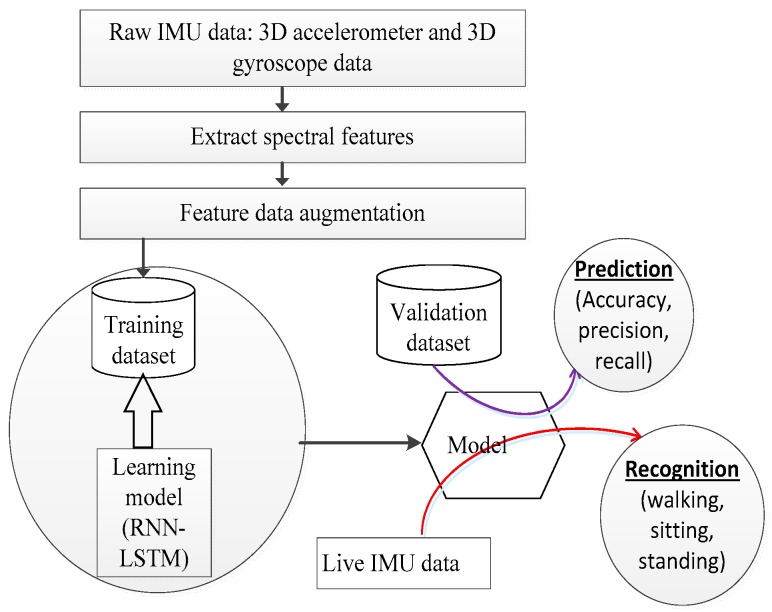
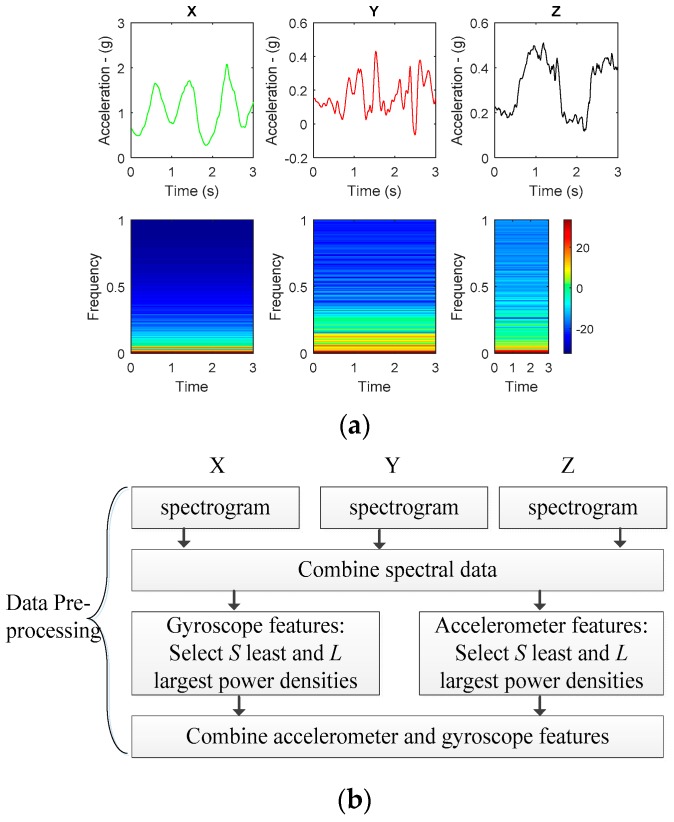
Wearable inertial measurement unit (IMU) sensors are powerful enablers for acquisition of motion data. Specifically, in human activity recognition (HAR), IMU sensor data collected from human motion are categorically combined to formulate datasets that can be used for learning human activities. However, successful learning of human activities from motion data involves the design and use of proper feature representations of IMU sensor data and suitable classifiers. Furthermore, the scarcity of labelled data is an impeding factor in the process of understanding the performance capabilities of data-driven learning models. To tackle these challenges, two primary contributions are in this article: first; by using raw IMU sensor data, a spectrogram-based feature extraction approach is proposed. Second, an ensemble of data augmentations in feature space is proposed to take care of the data scarcity problem. Performance tests were conducted on a deep long term short term memory (LSTM) neural network architecture to explore the influence of feature representations and the augmentations on activity recognition accuracy. The proposed feature extraction approach combined with the data augmentation ensemble produces state-of-the-art accuracy results in HAR. A performance evaluation of each augmentation approach is performed to show the influence on classification accuracy. Finally, in addition to using our own dataset, the proposed data augmentation technique is evaluated against the University of California, Irvine (UCI) public online HAR dataset and yields state-of-the-art accuracy results at various learning rates.
Overview
The claims and statistics of this paper haven’t been checked yet.
Free: it reads the open-access text and checks the first 5 claims that cite a source we can check. Create a free account to check every claim.
Integrity signals
Registry
Cites
Statistics
Figures
Verification
Claims the paper makes
The claims and statistics of this paper haven’t been checked yet.
Free: it reads the open-access text and checks the first 5 claims that cite a source we can check. Create a free account to check every claim.
Claims other papers make about this one
Each is checked against this paper’s own text: does it say what the citing paper says it does?
The cited source says what the claim attributes to it.
In the citing paper
“In sensor-based HAR leveraging the temporal nature of IMU signals allows for the application of augmentation methods grounded in signal processing [32,34,99,132,141,178,193].”
From Past, Present, and Future of Sensor-based Human Activity Recognition Using Wearables: A Surveying Tutorial on a Still Challenging Task (2025) · cites this paper as [178]
Experimental — accuracy not yet measuredIn the citing paper
“In general, using the dataset augmented with synthetic training samples yields higher classification accuracy when compared to using the original dataset [36,56,261,262].”
From Deep Learning in Human Activity Recognition with Wearable Sensors: A Review on Advances (2022) · cites this paper as [261]
Self-check
Percentages, sums and reported differences re-computed from the paper’s own numbers.
The self-check needs the paper’s full text.
Citations
Cites
SMOTE synthetic minority over-sampling technique
Chawla, N. V., Bowyer, K. W., Hall, L. O., & Kegelmeyer, W. P. (2002) · Journal of Artificial Intelligence Research · doi:10.1613/jair.953 · Cited by 32,865 · cited 1×
“The synthetic minority over-sampling technique (SMOTE) by [49] is the most popular of these.”
MethodHe, H., & Garcia, E. A. (2009) · IEEE Transactions on Knowledge and Data Engineering · doi:10.1109/tkde.2008.239 · Cited by 10,359
Saito, T., & Rehmsmeier, M. (2015) · PLOS ONE · doi:10.1371/journal.pone.0118432 · Cited by 5,309 · cited 1×
“This phenomenon is common in binary classification [19,20] where only two classes are involved.”
BackgroundTwo-dimensional pca: a new approach to appearance-based face representation and recognition
Yang, J., Zhang, D., Frangi, A. F., & Yang, J.-Y. (2004) · IEEE Transactions on Pattern Analysis and Machine Intelligence · doi:10.1109/tpami.2004.1261097 · Cited by 3,563
Activity recognition using cell phone accelerometers
Kwapisz, J. R., Weiss, G. M., & Moore, S. A. (2011) · ACM SIGKDD Explorations Newsletter · doi:10.1145/1964897.1964918 · Cited by 2,912 · cited 2×
“…standard deviation [36,37], root mean square [38,39], zero or mean crossing rate [40], derivative, peak counts [41,42] Human activity recognition [37,38], speech recognition [39], eye movement analysis [42] Frequency-domain Discrete fast Fourier transforms coefficient, spectral energy [7,43]…”
BackgroundThe recognition of human movement using temporal templates
Bobick, A. F., & Davis, J. W. (2001) · IEEE Transactions on Pattern Analysis and Machine Intelligence · doi:10.1109/34.910878 · Cited by 2,811 · cited 1×
“Various feature extraction approaches in image processing include using the spatio-temporal interest point (STIP) [27] detector, motion–energy images (MEI) and motion history images (MHI) [28].”
BackgroundOpensmile: the munich versatile and fast open-source audio feature extractor
Eyben, F., Wöllmer, M., & Schuller, B. (2010) · Proceedings of the 18th ACM international conference on Multimedia · doi:10.1145/1873951.1874246 · Cited by 2,642 · cited 1×
“Time-domain Mean [35], variance, standard deviation [36,37], root mean square [38,39], zero or mean crossing rate [40], derivative, peak counts [41,42] Human activity recognition [37,38], speech recognition [39], eye movement analysis [42]”
BackgroundLaptev, I. (2005) · International Journal of Computer Vision · doi:10.1007/s11263-005-1838-7 · Cited by 2,629
(2013) · RECERCAT (Consorci de Serveis Universitaris de Catalunya) · Cited by 1,959
Activity recognition from accelerometer data
Ravi, N., Dandekar, N., Mysore, P., & Littman, M. L. (2005) · Innovative Applications of Artificial Intelligence · Cited by 1,775
Research works printed but not linked: 5
- Eyobu, O.S., Kim, Y., and Han, D.S. (2017, January 21–23). Activity Recognition for Infant Health Care Based on Wireless Inertial Measurement Unit Motion Data. Proceedings of the Korean Institute of Communication Sciences Conference, Jeju, Korea.
- Ohashi, H., Al-Nasser, M., Ahmed, S., Akiyama, T., Sato, T., Nguyen, P., Nakamura, K., and Dengel, A. (2017, January 6–11). Augmenting Wearable Sensor Data with Physical Constraint for DNN-Based Human-Action Recognition. Presented at ICML 2017 Times Series Workshop, Sydney, Australia.
- Bächlin, M., Förster, K., and Tröster, G. (October, January 30). SwimMaster: A wearable assistant for swimmer. Proceedings of the 11th International Conference on Ubiquitous Computing, Orlando, FL, USA.
- Cui, Z., Chen, W., and Chen, Y. (arXiv, 2016). Multi-scale convolutional neural networks for time series classification, arXiv.
- DeVries, T., and Taylor, G.W. (arXiv, 2017). Dataset Augmentation in Feature Space, arXiv.
Cited by
Time Series Data Augmentation for Deep Learning: A Survey
Wen, Q., Sun, L., Yang, F., Song, X., Gao, J., Wang, X., & Xu, H. (2021) · Proceedings of the Thirtieth International Joint Conference on Artificial Intelligence · doi:10.24963/ijcai.2021/631 · Cited by 727
An empirical survey of data augmentation for time series classification with neural networks
Iwana, B. K., & Uchida, S. (2021) · PLOS ONE · doi:10.1371/journal.pone.0254841 · Cited by 725
“For most datasets, this is not a problem, but ones with long time series, such as HandOutlines with 2,709 time steps, can take extraordinary amounts of time compared to the transformation-based methods.”
MethodInfluentialQiu, S., Zhao, H., Jiang, N., Wang, Z., Liu, L., An, Y., Zhao, H., Miao, X., Liu, R., & Fortino, G. (2022) · Information Fusion · doi:10.1016/j.inffus.2021.11.006 · Cited by 671
Deep Learning in Human Activity Recognition with Wearable Sensors: A Review on Advances
Zhang, S., Li, Y., Zhang, S., Shahabi, F., Xia, S., Deng, Y., & Alshurafa, N. (2022) · Sensors · doi:10.3390/s22041476 · Cited by 625
A CNN-LSTM Approach to Human Activity Recognition
Mutegeki, R., & Han, D. S. (2020) · 2020 International Conference on Artificial Intelligence in Information and Communication (ICAIIC) · doi:10.1109/icaiic48513.2020.9065078 · Cited by 452
“Eyobu and Han [8] employed an LSTM network to classify a dataset with frequency domain features extracted, as opposed to the raw signal which differs from our approach.”
BackgroundMethodInfluentialSelf-citationDemrozi, F., Pravadelli, G., Bihorac, A., & Rashidi, P. (2020) · IEEE Access · doi:10.1109/access.2020.3037715 · Cited by 368
“The secondmost usedmodel was the Long Short-TermMemory (LSTM)model, whichwas used in 17 papers [35, 40, 67, 70, 82, 99, 119, 125, 126, 137, 142, 158, 167, 174, 177, 211, 217].”
MethodKim, K. B., & Baek, H. J. (2023) · Electronics · doi:10.3390/electronics12132923 · Cited by 212
“Together, these sensors provide valuable information about the wearer’s physical activity and movement patterns, which can be used for healthcare applications, such as steps taken, distance traveled, calories burned, and fall detection [8–10].”
iSPLInception: An Inception-ResNet Deep Learning Architecture for Human Activity Recognition
Ronald, M., Poulose, A., & Han, D. S. (2021) · IEEE Access · doi:10.1109/access.2021.3078184 · Cited by 217
Self-citationNamuduri, S., Narayanan, B. N., Davuluru, V. S. P., Burton, L., & Bhansali, S. (2020) · Journal of The Electrochemical Society · doi:10.1149/1945-7111/ab67a8 · Cited by 195
Deep ConvLSTM With Self-Attention for Human Activity Decoding Using Wearable Sensors
Singh, S. P., Sharma, M. K., Lay-Ekuakille, A., Gangwar, D., & Gupta, S. (2021) · IEEE Sensors Journal · doi:10.1109/jsen.2020.3045135 · Cited by 199
“Therefore, given enough training samples, DNNs have better generalization capability compared to methods that use handcrafted features.”
BackgroundInfluentialA Comprehensive Survey on Data Augmentation
Wang, Z., Wang, P., Liu, K., Wang, P., Fu, Y., Lu, C.-T., Aggarwal, C. C., Pei, J., & Zhou, Y. (2025) · IEEE Transactions on Knowledge and Data Engineering · doi:10.1109/tkde.2025.3622600 · Cited by 278
“and [68] focus on improving robustness with the help of STL components.”
Gait analysis in neurological populations: Progression in the use of wearables
Celik, Y., Stuart, S., Woo, W. L., & Godfrey, A. (2021) · Medical Engineering & Physics · doi:10.1016/j.medengphy.2020.11.005 · Cited by 167
The Use of Deep Learning to Predict Stroke Patient Mortality
Cheon, S.-H., Kim, J., & Lim, J. (2019) · International Journal of Environmental Research and Public Health · doi:10.3390/ijerph16111876 · Cited by 164
Kwon, H., Tong, C., Haresamudram, H., Gao, Y., Abowd, G. D., Lane, N. D., & Plötz, T. (2020) · Proceedings of the ACM on Interactive, Mobile, Wearable and Ubiquitous Technologies · doi:10.1145/3411841 · Cited by 152
“ng, rotation and warping are detailed and their effects relative to no augmentation is studied. Further, the authors observed that combining multiple transformations results in higher performance. In [85], augmentation is performed on IMU spectrogram features to improve the activity recognition performance. Another ap…”
BackgroundA Cybertwin Based Multimodal Network for ECG Patterns Monitoring Using Deep Learning
Qi, W., & Su, H. (2022) · IEEE Transactions on Industrial Informatics · doi:10.1109/tii.2022.3159583 · Cited by 140
Time-Series Data Augmentation based on Interpolation
Oh, C., Han, S., & Jeong, J. (2020) · Procedia Computer Science · doi:10.1016/j.procs.2020.07.012 · Cited by 149
Tunca, C., Salur, G., & Ersoy, C. (2019) · IEEE Journal of Biomedical and Health Informatics · doi:10.1109/jbhi.2019.2958879 · Cited by 140
“This approach resembles the well-adopted slicing approach for inertial sensor data [36], but instead of shifting at the sample level, we shift at the stride level.”
MethodSigcha, L., Costa, N., Pavón, I., Costa, S., Arezes, P., López, J. M., & De Arcas, G. (2020) · Sensors · doi:10.3390/s20071895 · Cited by 126
Human Action Recognition Using Deep Learning Methods on Limited Sensory Data
Tüfek, N., Yalcin, M., Altıntaş, M., Kalaoğlu, F., Li, Y., & Bahadır, S. K. (2019) · IEEE Sensors Journal · doi:10.1109/jsen.2019.2956901 · Cited by 117
SMOTE and Gaussian Noise Based Sensor Data Augmentation
Arslan, M. S., Güzel, M., Demirci, M., & Özdemir, S. (2019) · International Conference on Computer Science and Engineering (UBMK) · doi:10.1109/ubmk.2019.8907003 · Cited by 121
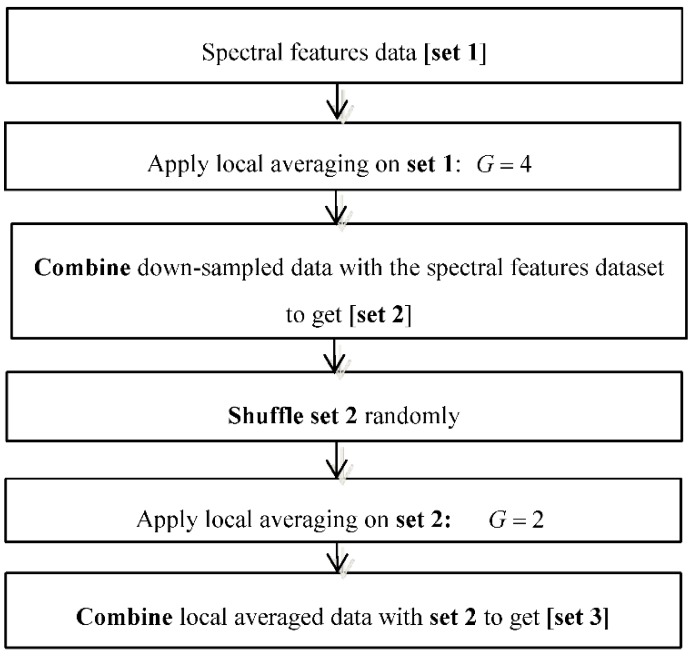
“Combine local averaged data with set 2 to get [set3] The feature extraction and augmentation algorithm proposed in this study provided improved learning accuracy and performed close to the non-augmented data set [8].”
MethodThakur, D., Biswas, S., Ho, E. S. L., & Chattopadhyay, S. (2022) · IEEE Access · doi:10.1109/access.2022.3140373 · Cited by 112
“A substantial number of reviews have been conducted regarding the recognition of human physical activities using various approaches, as elucidated in [11], [29], [30], which include both ML and DL approaches.”
A Deep Neural Network-Based Method for Early Detection of Osteoarthritis Using Statistical Data
Lim, J., Kim, J., & Cheon, S.-H. (2019) · International Journal of Environmental Research and Public Health · doi:10.3390/ijerph16071281 · Cited by 100
Human activity recognition from multiple sensors data using deep CNNs
Kaya, Y., & Topuz, E. K. (2023) · Multimedia Tools and Applications · doi:10.1007/s11042-023-15830-y · Cited by 94
Comparison of Different Sets of Features for Human Activity Recognition by Wearable Sensors
Rosati, S., Balestra, G., & Knaflitz, M. (2018) · Sensors · doi:10.3390/s18124189 · Cited by 88
“Ensemble learning, that combines different classifiers to improve the final performances, was proposed by Tian et al. [37] and Garcia-Ceja et al. [40].”
BackgroundConversion of Upper-Limb Inertial Measurement Unit Data to Joint Angles: A Systematic Review
Fang, Z., Woodford, S. C., Senanayake, D., & Ackland, D. C. (2023) · Sensors · doi:10.3390/s23146535 · Cited by 84
Deep Human Activity Recognition With Localisation of Wearable Sensors
Lawal, I. A., & Bano, S. (2020) · IEEE Access · doi:10.1109/access.2020.3017681 · Cited by 80
Smart insoles review (2008-2021): Applications, potentials, and future
Almuteb, I., Hua, R., & Wang, Y. (2022) · Smart Health · doi:10.1016/j.smhl.2022.100301 · Cited by 84
Outlier Detection in Wearable Sensor Data for Human Activity Recognition (HAR) Based on DRNNs
Munoz-Organero, M. (2019) · IEEE Access · doi:10.1109/access.2019.2921096 · Cited by 69
“In order to mitigate this issue, Steven Eyobu and Han [19] proposed a data augmentation mechanism improving the recognition accuracy provided by a LSTM architecture.”
BackgroundWu, Y., Ma, X., Guo, G., Jia, T., Huang, Y., Liu, S., Fan, J., & Wu, X. (2024) · Water Research · doi:10.1016/j.watres.2024.121999 · Cited by 67
A perspective on human activity recognition from inertial motion data
Gomaa, W., & Khamis, M. A. (2023) · Neural Computing and Applications · doi:10.1007/s00521-023-08863-9 · Cited by 54
Augmented CWT Features for Deep Learning-Based Indoor Localization Using WiFi RSSI Data
Ssekidde, P., Eyobu, O. S., Han, D. S., & Oyana, T. J. (2021) · Applied Sciences · doi:10.3390/app11041806 · Cited by 61
“Some of these include local averaging [14] and jittering [27] for time series data.”
BackgroundMethodSelf-citationInterinstance and Intratemporal Self-Supervised Learning With Few Labeled Data for Fault Diagnosis
Hu, C., Wu, J., Sun, C., Yan, R., & Chen, X. (2022) · IEEE Transactions on Industrial Informatics · doi:10.1109/tii.2022.3183601 · Cited by 60
“Steven Eyobu and Han [45] adopted local averaging and feature shuffling on time-frequency features to enhance data capacity.”
BackgroundDeep Residual Network for Smartwatch-Based User Identification through Complex Hand Movements
Mekruksavanich, S., & Jitpattanakul, A. (2022) · Sensors · doi:10.3390/s22083094 · Cited by 62
“Where there is a lack of label data, [58] recommends extracting features using spectrograms.”
BackgroundHIT HAR: Human Image Threshing Machine for Human Activity Recognition Using Deep Learning Models
Poulose, A., Kim, J. H., & Han, D. S. (2022) · Computational Intelligence and Neuroscience · doi:10.1155/2022/1808990 · Cited by 63
Self-citationThakur, D., & Biswas, S. (2022) · Journal of Network and Computer Applications · doi:10.1016/j.jnca.2022.103417 · Cited by 59
A review of wearable sensors based fall-related recognition systems
Liu, J., Li, X., Huang, S., Chao, R., Chao, R., Wang, S., Wang, S., & Liu, L. (2023) · Engineering Applications of Artificial Intelligence · doi:10.1016/j.engappai.2023.105993 · Cited by 62
Practically Adopting Human Activity Recognition
Xu, H., Zhou, P., Tan, R., & Li, M. (2023) · Proceedings of the 29th Annual International Conference on Mobile Computing and Networking · doi:10.1145/3570361.3613299 · Cited by 55
Hoai Thu, N. T., & Han, D. S. (2021) · IEEE Access · doi:10.1109/access.2021.3122298 · Cited by 54
“[25] propose a spectrogram-based feature extraction and data augmentation method to deal with the scarcity of label data, then carry out the classification task by using a deep LSTM.”
MethodSelf-citationGao, X., Yan, L., Wang, G., & Gerada, C. (2021) · IEEE Transactions on Cybernetics · doi:10.1109/tcyb.2021.3106543 · Cited by 54
“Eyobu and Han [21] proposed a deep RNN with basic LSTM to tackle the intention recognition problem by using wearable IMU sensors.”
BackgroundLiu, D., Wang, T., Liu, S., Wang, R., Yao, S., & Abdelzaher, T. (2021) · 2021 International Conference on Computer Communications and Networks (ICCCN) · doi:10.1109/icccn52240.2021.9522151 · Cited by 44
Bloch, V., Frondelius, L., Arcidiacono, C., Mancino, M., & Pastell, M. (2023) · Sensors · doi:10.3390/s23052611 · Cited by 57
“Different types of data augmentation have been used to enlarge the training dataset [12,20]: rotation, permutation, jittering and scaling performed for the original signal, or local averaging as a down-sampling technique and shuffling in the feature space [21].”
MethodOverview of Lifelogging: Current Challenges and Advances
Ksibi, A., Alluhaidan, A. S., Salhi, A., & Rahman, S. A. E. (2021) · IEEE Access · doi:10.1109/access.2021.3073469 · Cited by 51
“The retrieval phase entails matching the extracted query concepts using LSTM with the file containing the image concepts.”
BackgroundInfluentialRethinking Fall Detection With Wi-Fi
Yang, Z., Zhang, Y., & Zhang, Q. (2022) · IEEE Transactions on Mobile Computing · doi:10.1109/tmc.2022.3188779 · Cited by 63
“Among the IMU-based fall detection works, [51], [52] present some deep learning-based methods to augment the fall dataset, which could be valuable for Wi-Fibased fall data augmentation.”
MethodModeling spatiotemporal patterns of gait anomaly with a CNN-LSTM deep neural network
Sadeghzadehyazdi, N., Batabyal, T., & Acton, S. T. (2021) · Expert Systems with Applications · doi:10.1016/j.eswa.2021.115582 · Cited by 54
Guerra, B. M. V., Torti, E., Marenzi, E., Schmid, M., Ramat, S., Leporati, F., & Danese, G. (2023) · Frontiers in Neuroscience · doi:10.3389/fnins.2023.1256682 · Cited by 61
Liang, W., Wang, F., Fan, A., Zhao, W., Yao, W., & Yang, P. (2023) · Sensors · doi:10.3390/s23094229 · Cited by 59
“Four deep learning hybrid models composed of CNN and RNN were developed to recognize complex activities.”
BackgroundInfluentialMatsuzaka, Y., & Uesawa, Y. (2019) · Frontiers in Bioengineering and Biotechnology · doi:10.3389/fbioe.2019.00065 · Cited by 49
“Moreover, it poses a capacity to improve the prediction accuracy for very complicated image recognition by increasing the information transmission and processing ability using a large number of hidden layers and some techniques such as dropout, data augmentation, Rectified Linear Units (ReLUs), and multiple graphics p…”
BackgroundWorsey, M., Espinosa, H. G., Shepherd, J. B., & Thiel, D. V. (2020) · IoT · doi:10.3390/iot1020021 · Cited by 54
Hu, B., Li, S., Chen, Y., Kavi, R. R., & Coppola, S. M. (2021) · Applied Ergonomics · doi:10.1016/j.apergo.2021.103414 · Cited by 42
Data-driven denoising of stationary accelerometer signals
Engelsman, D., & Klein, I. (2023) · Measurement · doi:10.1016/j.measurement.2023.113218 · Cited by 41
Synthetic Sensor Data for Human Activity Recognition
Alharbi, F., Ouarbya, L., & Ward, J. A. (2020) · 2020 International Joint Conference on Neural Networks (IJCNN) · doi:10.1109/ijcnn48605.2020.9206624 · Cited by 40
“Due to the prevalent use of mobile devices with built-in inertial measurement unit (IMU) sensors, like in smartphones, wearables and other on-body devices [1], human activity recognition (HAR) has gained extensive attention and plays a significant role in several domains, including human–computer interaction (HCI) [2]…”
BackgroundKonovalenko, І. V., Maruschak, P. O., Brevus, V., & Prentkovskis, O. (2021) · Metals · doi:10.3390/met11040549 · Cited by 42
Upper Body Posture Recognition Using Inertial Sensors and Recurrent Neural Networks
Tang, H.-Y., Tan, S.-H., Su, T.-Y., Chiang, C.-J., & Chen, H.-H. (2021) · Applied Sciences · doi:10.3390/app112412101 · Cited by 46
“Two LSTM-based layers were present in the model structure [25,32].”
MethodPerformance of a Convolutional Neural Network Derived From PPG Signal in Classifying Sleep Stages
Habib, A., Motin, M. A., Penzel, T., Palaniswami, M. S., Yearwood, J. L., & Karmakar, C. K. (2022) · IEEE Transactions on Biomedical Engineering · doi:10.1109/tbme.2022.3219863 · Cited by 46
“Literature suggests that time-series data can be augmented using basic methods, including transformation in time [38], [39], frequency [40], or time-frequency domain [41]; or learning-based methods, including deep generative models [42], [43].”
BackgroundJung, S., Michaud, M., Oudre, L., Dorveaux, É., Gorintin, L., Vayatis, N., & Ricard, D. (2020) · Sensors · doi:10.3390/s20195625 · Cited by 41
Data Augmentation for Human Activity Recognition With Generative Adversarial Networks
Lupión, M., Cruciani, F., Cleland, I., Nugent, C., & Ortigosa, P. M. (2024) · IEEE Journal of Biomedical and Health Informatics · doi:10.1109/jbhi.2024.3364910 · Cited by 44
Muñoz-Organero, M., Powell, L., Heller, B., Harpin, V., & Parker, J. (2019) · Sensors · doi:10.3390/s19132935 · Cited by 36
Perceived Mental Workload Classification Using Intermediate Fusion Multimodal Deep Learning
Dolmans, T. C., Poel, M., Klooster, J. W. J. R. V. '., & Veldkamp, B. P. (2021) · Frontiers in Human Neuroscience · doi:10.3389/fnhum.2020.609096 · Cited by 39
Zhan, X., Kou, L., Xue, M., Zhang, J., & Zhou, L. (2022) · IEEE Transactions on Reliability · doi:10.1109/tr.2022.3174093 · Cited by 40
“For example, Eyobu and Han [32] used short Fourier transform (STFT) to generate the time-frequency features of sensor time series, and then perform data enhancement on the obtained time-frequency features to classify human activities with deep LSTM neural networks.”
MethodMohmed, G., Lotfi, A., & Pourabdollah, A. (2020) · International Conference on PErvasive Technologies Related to Assistive Environments (PETRA) · doi:10.1145/3389189.3397991 · Cited by 37
“Several techniques could be used for gathering information representing human activities from a real home environment [18]; employing camera-based systems [14, 15], wearable devices [21, 29] or binary ambient sensors [8, 9] to monitor human activities.”
Classifying Diverse Physical Activities Using “Smart Garments”
Esfahani, M. I. M., & Nussbaum, M. A. (2019) · Sensors · doi:10.3390/s19143133 · Cited by 37
Yun, J., Kim, D., Kim, D. M., Song, T., & Woo, J. (2022) · Engineering Applications of Artificial Intelligence · doi:10.1016/j.engappai.2022.105508 · Cited by 36
Application of artificial intelligence technology in the field of orthopedics: a narrative review
Liu, P., Zhang, J., Liu, S., Huo, T., He, J., Xue, M., Fang, Y., Wang, H., Xie, Y., Xie, M., et al. (2024) · Artificial Intelligence Review · doi:10.1007/s10462-023-10638-6 · Cited by 37
Daily Human Activity Recognition Using Non-Intrusive Sensors
Ramos, R. G., Domingo, J. D., Zalama, E., & Gómez‐García‐Bermejo, J. (2021) · Sensors · doi:10.3390/s21165270 · Cited by 41
“[35] due to their elaboration of an activity detection system by analysing a wearable sensor that collects the data provided by an inertial measurement unit (IMU).”
BackgroundMMTSA: Multi-Modal Temporal Segment Attention Network for Efficient Human Activity Recognition
Gao, Z., Wang, Y., Chen, J., Xing, J., Patel, S., Liu, X., & Shi, Y. (2023) · Proceedings of the ACM on Interactive Mobile Wearable and Ubiquitous Technologies · doi:10.1145/3610872 · Cited by 44
Haresamudram, H., Tang, C. I., Suh, S., Lukowicz, P., & Plötz, T. (2025) · Proceedings of the ACM on Interactive Mobile Wearable and Ubiquitous Technologies · doi:10.1145/3729467 · Cited by 33
“Virtual IMU data generation has emerged as a viable solution to overcome data scarcity, with cross-modality transfer approaches [53, 103, 104, 153, 154] being instrumental in extracting virtual IMU data from 2D RGB videos of human activities.”
Self-Attention Networks for Human Activity Recognition Using Wearable Devices
Betancourt, C., Chen, W., & Kuan, C.-W. (2020) · Conference proceedings/Conference proceedings - IEEE International Conference on Systems, Man, and Cybernetics · doi:10.1109/smc42975.2020.9283381 · Cited by 34
“Odongo et al. did not directly use the time-series signals [21]; instead, they used the fourier transform, generating frequency domain features which are passed to their network.”
MethodWhat Lies Beneath One’s Feet? Terrain Classification Using Inertial Data of Human Walk
Hashmi, M. Z. U. H., Riaz, Q., Hussain, M., & Shahzad, M. (2019) · Applied Sciences · doi:10.3390/app9153099 · Cited by 34
“Recent studies have shown that body locations such as chest [35], arm [36], waist and lower back [36–38], and ankle [24,38] are appropriate for human activity recognition and soft bio-metrics estimation.”
BackgroundA review of AI Technologies for Wearable Devices
Jin, C. Y. (2019) · IOP Conference Series: Materials Science and Engineering · doi:10.1088/1757-899x/688/4/044072 · Cited by 32
Early Prediction of Human Intention for Human–Robot Collaboration Using Transformer Network
Zhang, X., Tian, S., Liang, X. P., Zheng, M., & Behdad, S. (2023) · Journal of Computing and Information Science in Engineering · doi:10.1115/1.4064258 · Cited by 32
One Size Doesn't Fit All: Supervised Machine Learning Classification in Athlete-Monitoring
Worsey, M., Espinosa, H. G., Shepherd, J. B., & Thiel, D. V. (2021) · IEEE Sensors Letters · doi:10.1109/lsens.2021.3060376 · Cited by 32
Multi-Resolution Expansion of Analysis in Time-Frequency Domain for Time Series Forecasting
Yan, K., Long, C., Wu, H., & Wen, Z. (2024) · IEEE Transactions on Knowledge and Data Engineering · doi:10.1109/tkde.2024.3396785 · Cited by 38
A Deep Neural Network-Based Method for Prediction of Dementia Using Big Data
Kim, J., & Lim, J. (2021) · International Journal of Environmental Research and Public Health · doi:10.3390/ijerph18105386 · Cited by 30
Li, Y., Liu, L., Deng, S., Qin, H., El‐Yacoubi, M. A., & Zhou, G. (2023) · IEEE Transactions on Mobile Computing · doi:10.1109/tmc.2023.3290834 · Cited by 30
ViT-LLMR: Vision Transformer-based lower limb motion recognition from fusion signals of MMG and IMU
Zhang, H., Yang, K., Cao, G., & Xia, C. (2023) · Biomedical Signal Processing and Control · doi:10.1016/j.bspc.2022.104508 · Cited by 28
Human Activity Recognition by Using Different Deep Learning Approaches for Wearable Sensors
Erdaş, Ç. B., & Güney, S. (2021) · Neural Processing Letters · doi:10.1007/s11063-021-10448-3 · Cited by 27
“Eyobu et al.[12] suggested a feature representation and data increase method for the classification of human behavior based on wearable IMU data through the use of a deep neural network LSTM.”
MethodDeep Learning for Classifying Physical Activities from Accelerometer Data
Nunavath, V., Johansen, S., Johannessen, T. S., Jiao, L., Hansen, B. H., Berntsen, S., & Goodwin, M. (2021) · Sensors · doi:10.3390/s21165564 · Cited by 32
“[24], used a deep long term short term memory (LSTM) neural network architecture to check how feature representations and the augmentations on activity recognition accuracy can influence.”
MethodBi-directional Long Short-Term Memory model to analyze psychological effects on gamers
Ghosh, L., Saha, S., & Konar, A. (2020) · Applied Soft Computing · doi:10.1016/j.asoc.2020.106573 · Cited by 21
Ekwaro-Osire, H., Ponugupati, S. L., Noman, A. A., Bode, D., & Thoben, K. (2025) · Industrial Artificial Intelligence · doi:10.1007/s44244-024-00021-x · Cited by 26
“For examples, see [15–17].”
Role of Data Augmentation Strategies in Knowledge Distillation for Wearable Sensor Data
Jeon, E. S., Som, A., Shukla, A., Hasanaj, K., Buman, M. P., & Turaga, P. K. (2021) · IEEE Internet of Things Journal · doi:10.1109/jiot.2021.3139038 · Cited by 25
“In [38], a short Fourier transform is proposed to generate”
Ashfaq, N., Khan, M. H., & Nisar, M. A. (2024) · Information · doi:10.3390/info15060343 · Cited by 26
“Similar work was carried out by steven et al. [65], where they employed an ensemble of augmentation techniques (permuting, time warping etc.) and showed improvement in the results.”
MethodResultMulti-sensor-based Action Monitoring and Recognition via Hybrid Descriptors and Logistic Regression
Hafeez, S., Alotaibi, S. S., Alazeb, A., Mudawi, N. A., & Kim, W. (2023) · IEEE Access · doi:10.1109/access.2023.3275733 · Cited by 24
“human health and fitness conditions, has increased [1], [2], [3], [4], especially for ambient assisted-living.”
BackgroundGorshenin, A. K., & Kuzmin, V. Y. (2022) · Mathematics · doi:10.3390/math10040589 · Cited by 24
“Neural networks of similar architecture were applied to the analysis of indoor navigation [61], climate data [62], human activity classification [63], and health assessment [64].”
MethodLópez-Nava, I. H., Valentín-Coronado, L. M., García-Constantino, M., & Favela, J. (2020) · Sensors · doi:10.3390/s20174756 · Cited by 28
Human Activity Recognition Using 1D Convolutional Neural Network
Banjarey, K., Sahu, S. P., & Dewangan, D. K. (2021) · Advances in intelligent systems and computing · doi:10.1007/978-981-16-5157-1_54 · Cited by 28
Feature-Representation Transfer Learning for Human Activity Recognition
Mutegeki, R., & Han, D. S. (2019) · International Conference on Information and Communication Technology Convergence (ICTC) · doi:10.1109/ictc46691.2019.8939979 · Cited by 23
“The feature map is used as input to an LSTM layer with 128 cells and a ReLu activation function.”
BackgroundSelf-citationKim, T. H., Choi, A., Heo, H. M., Kim, H., & Mun, J. H. (2020) · Sensors · doi:10.3390/s20216126 · Cited by 25
Ship Diesel Engine Fault Diagnosis Using Data Science and Machine Learning
Pająk, M., Kluczyk, M., Muślewski, Ł., Lisjak, D., & Kolar, D. (2023) · Electronics · doi:10.3390/electronics12183860 · Cited by 27
Time Series Data Augmentation for Energy Consumption Data Based on Improved TimeGAN
Tang, P., Li, Z., Wang, X. L., Liu, X., & Mou, P. (2025) · Sensors · doi:10.3390/s25020493 · Cited by 21
Vision Based Detection and Analysis of Human Activities
Ravipati, A., Kondamuri, R. K., Posonia, A. M., & Mayan, J. A. (2023) · International Conference on Trends in Electronics and Informatics (ICOEI) · doi:10.1109/icoei56765.2023.10125829 · Cited by 20
A Deep LSTM Approach for Activity Recognition
Güney, S., & Erdaş, Ç. B. (2019) · International Conference on Telecommunications and Signal Processing (TSP) · doi:10.1109/tsp.2019.8768815 · Cited by 20
“Eyobu et al [8] proposed feature representation and data augmentation approach for human activity classification based on wearable IMU data by using a deep LSTM neural network.”
MethodOgunseiju, O. R., Olayiwola, J., Akanmu, A. A., & Nnaji, C. A. (2021) · Smart and Sustainable Built Environment · doi:10.1108/sasbe-11-2020-0170 · Cited by 20
A Multimodal Fusion Approach for Human Activity Recognition
Koutrintzes, D., Evaggelos Spyrou, A., Mathe, E., & Phivos Mylonas, B. (2022) · International Journal of Neural Systems · doi:10.1142/s0129065723500028 · Cited by 20
Joint-Label Learning by Dual Augmentation for Time Series Classification
Ma, Q., Zheng, Z., Zheng, J., Li, S., Zhuang, W., & Cottrell, G. W. (2021) · Proceedings of the AAAI Conference on Artificial Intelligence · doi:10.1609/aaai.v35i10.17071 · Cited by 19
“For example, Eyobu et al. (Steven Eyobu and Han 2018) conducted two data augmentations (local averaging and shuf-fling of feature vectors) on the time-frequency features that are generated by the short Fourier transform (STFT).”
BackgroundDiscovering Daily Activity Patterns from Sensor Data Sequences and Activity Sequences
Maučec, M. S., & Donaj, G. (2021) · Sensors · doi:10.3390/s21206920 · Cited by 19
Improving Inertial Sensor-Based Activity Recognition in Neurological Populations
Çelik, Y., Aslan, M. F., Sabancı, K., Stuart, S., Woo, W. L., & Godfrey, A. (2022) · Sensors · doi:10.3390/s22249891 · Cited by 21
Kim, D.-K., Shyn, S. K., Kim, D.-H., Jang, S., & Kim, K. (2021) · IEEE Symposium Series on Computational Intelligence (SSCI) · doi:10.1109/ssci50451.2021.9659950 · Cited by 20
DisPad: Flexible On-Body Displacement of Fabric Sensors for Robust Joint-Motion Tracking
Chen, X., Jiang, X. F., Fang, J., Guo, S., Lin, J., Liao, M., Luo, G., & Fu, H. (2023) · Proceedings of the ACM on Interactive Mobile Wearable and Ubiquitous Technologies · doi:10.1145/3580832 · Cited by 22
Li, Y., Ouyang, C., & Huang, H. (2024) · IEEE Internet of Things Journal · doi:10.1109/jiot.2024.3399549 · Cited by 17
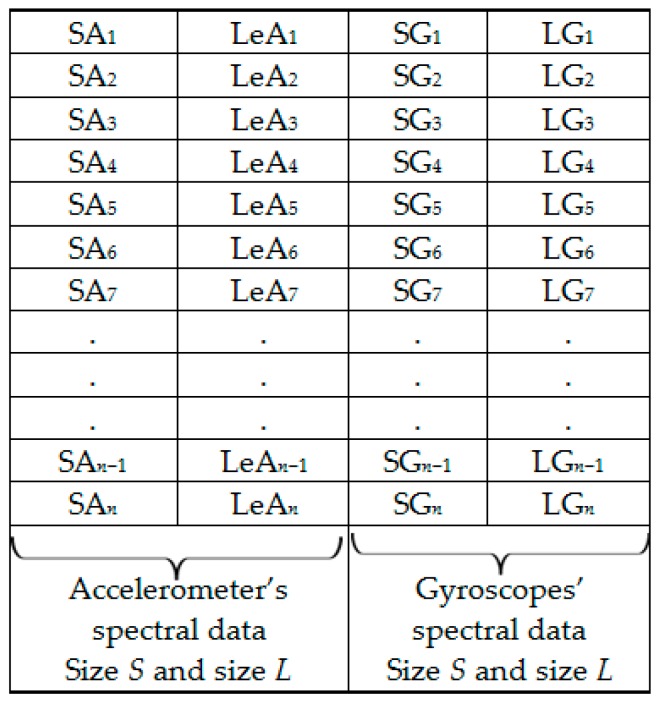
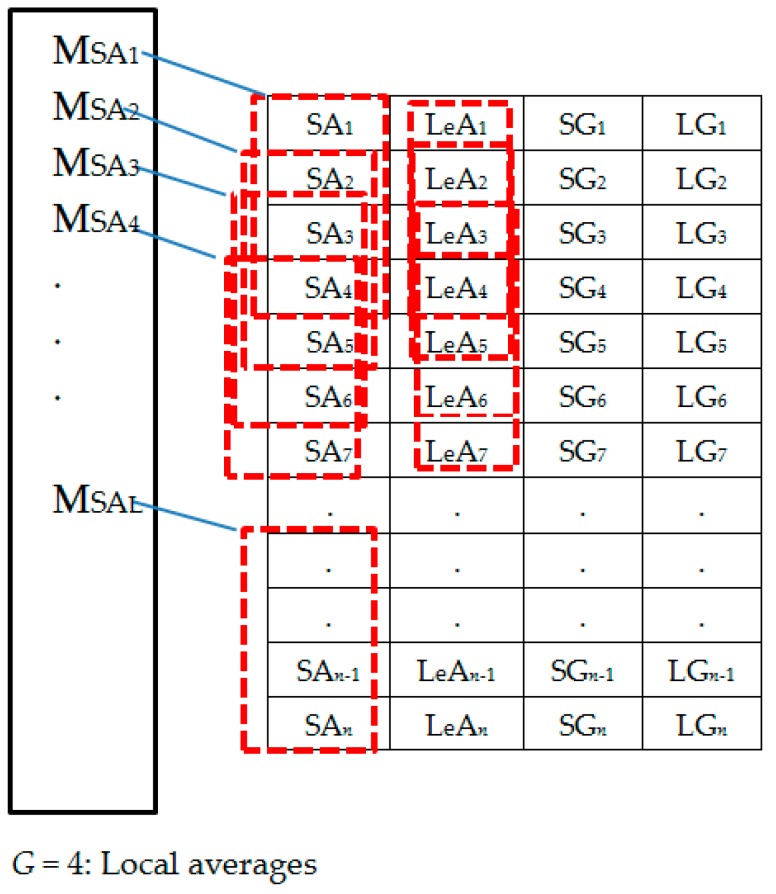
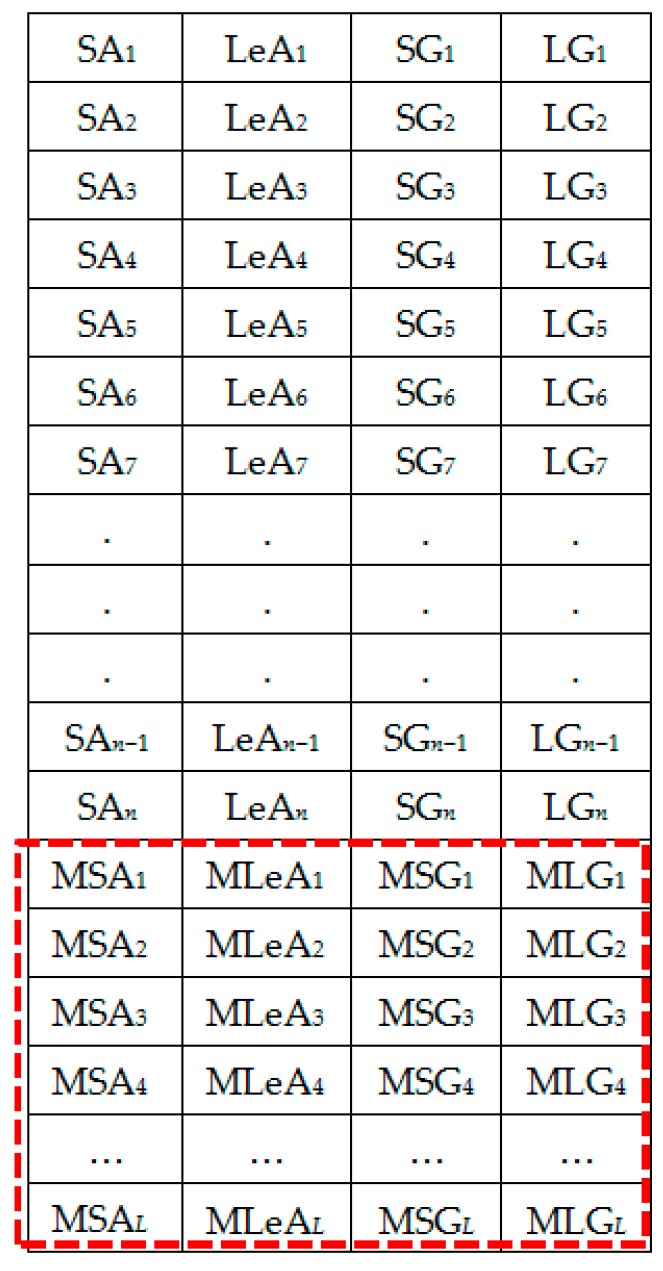
“FRDA-HAR uses local averaging as a downsampling technique to generate accelerometer and gyroscope sensor data for human activity categorization [29].”
MethodExploiting the features of deep residual network with SVM classifier for human posture recognition
Kareem, I., Ali, S. F., Bilal, M., & Hanif, M. S. (2024) · PLoS ONE · doi:10.1371/journal.pone.0314959 · Cited by 19
Metadata
- Authors
- Steven Eyobu, O., & Han, D. S.
- Affiliations
- School of Electronics Engineering, Kyungpook National University, 80 Daehak-ro, Buk-gu, Daegu 41566, Korea
- Kyungpook National University (KR)
- Corresponding author
- Han, Dong Seog
- Venue
- Sensors
- Publisher
- MDPI AG
- Published
- 2018-08-31
- Volume
- 18
- Issue
- 9
- Pages
- 2892
- ISSN
- 1424-8220 (ISSN-L)
- PMC
- PMC6165524
- OpenAlex
- W2889505988
- Cited by
- 259
- References
- 50
- Citations by year
- 2026: 15 · 2025: 27 · 2024: 36 · 2023: 45 · 2022: 32 · 2021: 55 · 2020: 31 · 2019: 17 · 2018: 1
- FWCI
- 13.01
- Type
- journal article
- Language
- en
- Open access
- gold
- dx.doi.org
- Licence
- Locations
- Sensors (publishedVersion, cc-by)
- Europe PMC (PubMed Central) (publishedVersion, other-oa)
- PubMed Central (publishedVersion, cc-by)
- PubMed (publishedVersion)
- DOAJ (DOAJ: Directory of Open Access Journals) (submittedVersion, cc-by-sa)
- Funders
- Institute for Information and communications Technology Promotion (R7124-16- 0004)
- Topics
- Physical Sciences › Computer Science › Computer Vision and Pattern Recognition › Context-Aware Activity Recognition Systems
- Physical Sciences › Engineering › Biomedical Engineering › Gait Recognition and Analysis
- Physical Sciences › Computer Science › Signal Processing › Time Series Analysis and Forecasting
- Keywords
- human activity recognition, inertial measurement unit, spectrogram feature extraction, data augmentation, feature representation, LSTM neural network, labeled data scarcity, UCI HAR dataset
- MeSH terms
- Wearable Electronic Devices, Deep Learning, Humans, Human Activities, Movement, Neural Networks, Computer
About these checks
Registry, retraction, Cites and statistics results are computed, not judged, with one exception: a printed reference that no index lists is read once by a model before it counts as a citation error. Claims are extracted by a model and kept only when their quote appears verbatim in the text; each cited source is then checked, with a model’s help, for whether it says what the claim relies on. Those verdicts can be wrong — read the claim’s quote and the cited source before relying on one.
Statistics and arithmetic are recomputed, not judged.
Confidence bands are shown only for fields calibrated on our annotated test set. None is calibrated yet, so no band is shown.
What counts as a claim ›How we measure confidence ›How we check this ›
Are you an author, or do you see a problem with this page? Request a review
Data sources
Bibliographic data: Semantic Scholar, OpenAlex, Crossref.
Contains information from the Semantic Scholar Academic Graph Datasets, made available under the ODC Attribution License (ODC-BY 1.0).
Semantic Scholar’s data is described in: Kinney, R., et al. (2023). The Semantic Scholar Open Data Platform. arXiv:2301.10140.
