

Loading recommendations for muscle strength, hypertrophy, and local endurance: a re-examination of the repetition continuum.
Open accessThe DOI matches its Crossref record; 99 of the 101 references it cites were found in a registry or an index; 37 of the 135 sources its claims cite were checked for support.
Abstract
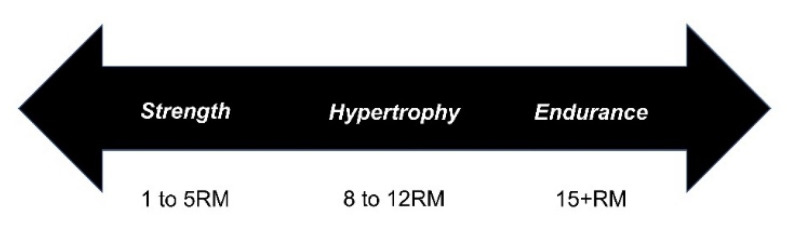
Loading recommendations for resistance training are typically prescribed along what has come to be known as the “repetition continuum”, which proposes that the number of repetitions performed at a given magnitude of load will result in specific adaptations. Specifically, the theory postulates that heavy load training optimizes increases maximal strength, moderate load training optimizes increases muscle hypertrophy, and low-load training optimizes increases local muscular endurance. However, despite the widespread acceptance of this theory, current research fails to support some of its underlying presumptions. Based on the emerging evidence, we propose a new paradigm whereby muscular adaptations can be obtained, and in some cases optimized, across a wide spectrum of loading zones. The nuances and implications of this paradigm are discussed herein.
Overview
CoChat Summary
TL;DR
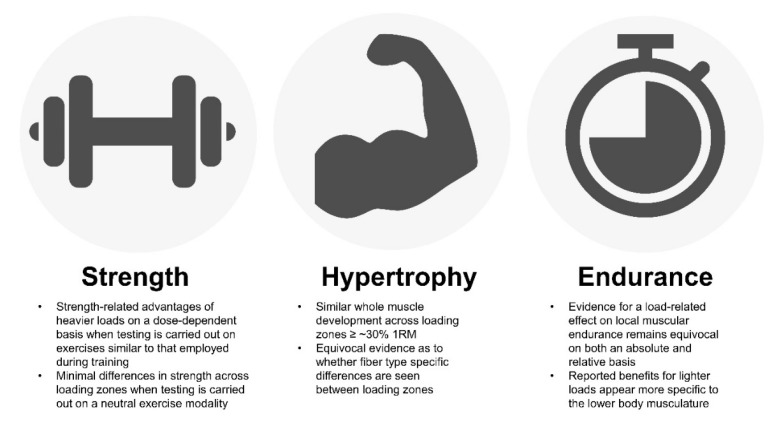
This review re-examines the “repetition continuum” and concludes that current research does not fully support its loading-zone presumptions. It proposes a new paradigm in which strength still benefits from heavy loads, hypertrophy can be achieved across a wide loading spectrum ≥ ~30% 1RM, and local endurance effects remain equivocal.
Key findings
- For strength, meta-analytic data show a moderate-to-large effect favoring high (>60% 1RM) vs. low (≤60% 1RM) loads (ES = 0.58), with a similar advantage in older individuals (ES = 0.43); however, when strength is tested on an isometric device, the benefit is small and non-significant (ES = 0.16).
- For hypertrophy, meta-analysis found no difference between high and low loads (trivial ES = 0.03; 95% CI −0.16 to 0.22), and similar whole-muscle growth can occur across loading ranges ≥ ~30% 1RM; a fiber-type meta-analysis found no significant difference for type I CSA and a non-significant effect favoring high load for type II CSA (ES = 0.30; 95% CI −0.05, 0.66; p = 0.089).
- For local muscular endurance, early work by Anderson and Kearney reported absolute endurance gains of 41% (low load), 39% (medium), and 28% (high), while relative endurance changed by 22% and 28% for low and medium loads but decreased 7% with high loads; later findings are conflicting and depend on whether pre- or post-intervention 1RM is used.
- Practically, moderate loads may be the most efficient for hypertrophy because light loads require many more repetitions and cause more discomfort, while heavy loads require more sets and increase joint stress/overtraining potential.
Methods
- Design: narrative critical review of the literature on the repetition continuum, intended to scrutinize research, identify gaps, and draw practical conclusions for exercise prescription.
- Data: published studies and meta-analyses on resistance training load and adaptations in muscle strength, hypertrophy, and local muscular endurance, including comparisons of high, moderate, and low loads.
- Analysis: narrative synthesis of acute mechanistic, longitudinal training, and meta-analytic evidence, with summary tables for strength, hypertrophy, and endurance studies.
Limitations
- The paper states a paucity of studies in women and suggests possible sex-specific differences in fatigue resistance and adaptations across the repetition continuum; it also notes limited research in highly trained/elite individuals and calls for further study on volume load, fiber-type responses, and minimum loading thresholds.
- The paper states that evidence for a load-specific effect on local muscular endurance remains equivocal and that findings are conflicting, particularly for relative endurance.
- Evident from the text: this is a narrative review without a stated systematic search or meta-analytic protocol, and many conclusions depend on studies with methodological differences such as training to failure vs. not, rest-interval differences, and pre- vs. post-intervention 1RM testing.
Model-written summary. Check it against the paper before relying on it.
Integrity signals
Registry
Cites
Statistics
Figures
Verification
Claims the paper makes
35 Valid · 1 Not valid · 54 Not checked · 59 Own results and interpretations
At least one cited source doesn’t support this claim or points to a different paper, and none confirmed it — see the verdicts below.
In the paper
“studies in which local muscular endurance testing is based on pre-study 1RM tend to refute the benefit of low-load training for this outcome.”
§ Loading Recommendations for Muscle Strength, Hypertrophy, and Local Endurance: A Re-Examination of the Repetition Continuum > 4. Muscular Endurance
What the sources say
- Disputedcites [31] Jessee M.B. Buckner S.L. Mouser J.G. Mattocks K.T. Dankel S.J. Abe T. Bell Z.W. Bentley J.P. Loenneke J.P. Muscle Adaptations to High-Load Training and Very Low-Load Training with and without Blood Flow Restriction Front. Physiol. 2018 9 1448 10.3389/fphys.2018.01448 30386254 PMC6198179 sourceExperimental — accuracy not yet measured
The Methods (Endurance; page not provided) confirm that endurance was tested at 42.5% of pre-training 1RM. But the Results (Endurance; page not provided) report significant increases in endurance in every low-load condition, with the high-BFR low-load condition improving more than high-load training. This study therefore does not refute a benefit of low-load training for endurance. (LLM, conf=0.86)
Checked by a reasoning model — may be wrong.
- Not checked — no full text of the sourcecites [79] Buckner S.L. Jessee M.B. Dankel S.J. Mattocks K.T. Mouser J.G. Bell Z.W. Abe T. Bentley J.P. Loenneke J.P. Blood flow restriction does not augment low force contractions taken to or near task failure Eur. J. Sport Sci. 2020 20 650 659 10.1080/17461391.2019.1664640 31486720 source
plain- Asserted: passes — The authors put it forward as true.
- Checkable: passes — It can be checked against evidence.
- Load-bearing: passes — The paper’s conclusions depend on it.
- Based: passes — The paper gives a reason why it holds.
- Disputed
The cited sources support only part of this claim — read each source’s verdict below.
In the paper
“In support of this theory, Jenkins et al. [8] demonstrated greater increases in percent voluntary muscle activation and electromyographic amplitude when performing leg extension RT to failure with 80% 1RM compared to 30% 1RM over a 6-week study period.”
§ Loading Recommendations for Muscle Strength, Hypertrophy, and Local Endurance: A Re-Examination of the Repetition Continuum > 2. Strength
What the sources say
- Partly supportedcites [8] Jenkins N.D.M. Miramonti A.A. Hill E.C. Smith C.M. Cochrane-Snyman K.C. Housh T.J. Cramer J.T. Greater Neural Adaptations following High- vs. Low-Load Resistance Training Front. Physiol. 2017 8 331 10.3389/fphys.2017.00331 28611677 PMC5447067 sourceExperimental — accuracy not yet measured
The Abstract and Results report six weeks of leg-extension training to failure and greater voluntary activation in the 80% 1RM group at Week 6. The Discussion’s Neural adaptations section says EMG amplitude increased significantly only within the 80% group, but it explicitly reports no between-group difference in EMG amplitude at Week 3 or Week 6. Thus the claim overstates the evidence for a greater EMG increase compared with 30% 1RM. (LLM, conf=0.88)
boostedstates a cause- Asserted: passes — The authors put it forward as true.
- Checkable: passes — It can be checked against evidence.
- Load-bearing: passes — The paper’s conclusions depend on it.
- Based: passes — The paper gives a reason why it holds.
- Partly supported
Every source the paper cites for this claim was checked and supports it.
In the paper
“Indeed, evidence shows a lack of correlation between acute post-exercise MPS measures and chronic increases in muscle mass [43].”
§ Loading Recommendations for Muscle Strength, Hypertrophy, and Local Endurance: A Re-Examination of the Repetition Continuum > 3. Hypertrophy
What the sources say
- Supportedcites [43] Mitchell C.J. Churchward-Venne T.A. Parise G. Bellamy L. Baker S.K. Smith K. Atherton P.J. Phillips S.M. Acute post-exercise myofibrillar protein synthesis is not correlated with resistance training-induced muscle hypertrophy in young men PLoS ONE 2014 9 e89431 10.1371/journal.pone.0089431 24586775 PMC3933567 source
The Results (Myofibrillar Protein Synthesis) report no correlation between MPS measured in any post-exercise period and the change in MRI-measured muscle volume. The Discussion specifies that this finding concerns MPS measured over six hours after exercise and nutrition and hypertrophy after 16 weeks of resistance training in the same subjects. (LLM, conf=0.94)
plain- Asserted: passes — The authors put it forward as true.
- Checkable: passes — It can be checked against evidence.
- Load-bearing: passes — The paper’s conclusions depend on it.
- Based: passes — The paper gives a reason why it holds.
- Supported
Every source the paper cites for this claim was checked and supports it.
In the paper
“Lopes et al. [48] found no differences in fat-free mass between volume load-equated low (3 sets of 20RM) and high (6 sets of 10RM) load training protocols in resistance-trained men who performed a total-body RT program for 6 weeks.”
§ Loading Recommendations for Muscle Strength, Hypertrophy, and Local Endurance: A Re-Examination of the Repetition Continuum > 3. Hypertrophy
What the sources say
- Supportedcites [48] Lopes C.R. Aoki M.S. Crisp A.H. de Mattos R.S. Lins M.A. da Mota G.R. Schoenfeld B.J. Marchetti P.H. The effect of different resistance training load schemes on strength and body composition in trained men J. Hum. Kinet. 2017 1 177 186 10.1515/hukin-2017-0081 PMC5548165 28828088 source
Split into 2 atoms — 2 confirmed, 0 partially supported, 0 disputed, 0 misattributed, 0 unverifiable. Expand the claim to see per-atom verdicts.
plain- Asserted: passes — The authors put it forward as true.
- Checkable: passes — It can be checked against evidence.
- Load-bearing: passes — The paper’s conclusions depend on it.
- Based: passes — The paper gives a reason why it holds.
- Supported
The sources with a verdict support this claim; the rest weren’t checked yet, have no full text we could read, or their verdicts aren’t rated yet.
In the paper
“That said, preliminary evidence for potential differences in intracellular anabolic signaling between loading zones cannot be discounted [40,41], and may have practical implications for RT program design.”
§ Loading Recommendations for Muscle Strength, Hypertrophy, and Local Endurance: A Re-Examination of the Repetition Continuum > 3. Hypertrophy
What the sources say
- Not checked — no full text of the sourcecites [40] Popov D.V. Lysenko E.A. Bachinin A.V. Miller T.F. Kurochkina N.S. Kravchenko I.V. Furalyov V.A. Vinogradova O.L. Influence of resistance exercise intensity and metabolic stress on anabolic signaling and expression of myogenic genes in skeletal muscle Muscle Nerve 2015 51 434 442 10.1002/mus.24314 24916884 source
- Supportedcites [41] Lysenko E.A. Popov D.V. Vepkhvadze T.F. Sharova A.P. Vinogradova O.L. Signaling responses to high and moderate load strength exercise in trained muscle Physiol. Rep. 2019 7 e14100 10.14814/phy2.14100 31090216 PMC6517334 source
The Discussion reports that high- and moderate-load exercise to failure activated different signaling cascades in trained skeletal muscle. The Conclusions specify mTORC1-dependent signaling after moderate-load exercise and MEK–ERK1/2 signaling and eEF2 after high-load exercise, supporting the cited claim of potential differences between loading zones. (LLM, conf=0.94)
hedged- Asserted: passes — The authors put it forward as true.
- Checkable: passes — It can be checked against evidence.
- Load-bearing: unclear — It is unclear whether the paper’s conclusions depend on it.
- Based: passes — The paper gives a reason why it holds.
97 more claims · 18 with their cited sources checked
Create a free account to see all 149 claims and to verify the 2 references still open.
- It may state two separate claims as one. 35
- Probably not a substantial claim. 15
Claims other papers make about this one
Each is checked against this paper’s own text: does it say what the citing paper says it does?
The source backs part of the claim, not all of it — or backs it for a different population, condition or comparison.
In the citing paper
“The method of testing muscular endurance (e.g., absolute vs relative, pre- vs postintervention strength) was not accounted for in the data synthesis and should be considered when designing future studies (196).”
From American College of Sports Medicine Position Stand. Resistance Training Prescription for Muscle Function, Hypertrophy, and Physical Performance in Healthy Adults: An Overview of Reviews (2026) · cites this paper as [196]
Experimental — accuracy not yet measured
Self-check
Percentages, sums and reported differences re-computed from the paper’s own numbers.
Each contradiction between two passages listed here was confirmed by an independent check.
Rated minor: it would not touch a result — a value no result rests on, a p-value that stays on the same side of the significance level, or a conflict that is clerical, resolved elsewhere in the paper, or outside its own findings.
In the paper
§ Loading Recommendations for Muscle Strength, Hypertrophy, and Local Endurance: A Re-Examination of the Repetition Continuum > 4. Muscular Endurance
“our group [20] showed greater improvements in relative upper body muscular endurance (50% 1RM in the bench press) when training with low- (25 to 35RM) compared to moderate- (8 to 12RM) loads.”
§ Loading Recommendations for Muscle Strength, Hypertrophy, and Local Endurance: A Re-Examination of the Repetition Continuum > 3. Hypertrophy
“Our group [20] randomized resistance-trained men to perform volume load-equated RT using either a bodybuilding-type protocol (3 sets of ~10RM) or a powerlifting-type protocol (7 sets of ~3RM).”
Citations
Cites
Progression Models in Resistance Training for Healthy Adults
(2009) · Medicine & Science in Sports & Exercise · doi:10.1249/mss.0b013e3181915670 · Cited by 4,332
Progression Models in Resistance Training for Healthy Adults
(2002) · Medicine and Science in Sports and Exercise · doi:10.1097/00005768-200202000-00027 · Cited by 2,979
Fundamentals of Resistance Training: Progression and Exercise Prescription
KRAEMER, W. J., & RATAMESS, N. A. (2004) · Medicine & Science in Sports & Exercise · doi:10.1249/01.mss.0000121945.36635.61 · Cited by 2,722 · cited 4×
“Evidence indicates that optimizing these adaptations requires manipulation of RT variables [1,2].”
BackgroundInfluentialThe mechanisms of muscle hypertrophy and their application to resistance training
Schoenfeld, B. J. (2010) · Journal of Strength and Conditioning Research · doi:10.1519/jsc.0b013e3181e840f3 · Cited by 1,214 · cited 1×
“Other research papers provide similar loading recommendations when training to maximize muscle development [1,34].”
BackgroundSelf-citationCampos, G., Luecke, T., Wendeln, H., Toma, K., Hagerman, F., Murray, T., Ragg, K., Ratamess, N., Kraemer, W., & Staron, R. (2002) · European Journal of Applied Physiology · doi:10.1007/s00421-002-0681-6 · Cited by 1,066 · cited 6×
“Campos et al. 2002 [19] Young untrained men(n = 27) 4 × 3–5RM 3 × 9–11RM 2 × 20–28RM 8 weeks; 2–3 times per week 1RM squat 1RM leg press 1RM knee extension 1RM squat: significantly greater gains in strength in the high load (3–5 RM) group.”
BackgroundInfluentialSchoenfeld, B. J., Grgic, J., Ogborn, D., & Krieger, J. W. (2017) · Journal of Strength and Conditioning Research · doi:10.1519/jsc.0000000000002200 · Cited by 851 · cited 5×
“For example, a recent meta-analysis [10] reported a moderate to large effect size (ES) difference (ES = 0.”
BackgroundMethodSelf-citationKumar, V., Selby, A., Rankin, D., Patel, R., Atherton, P., Hildebrandt, W., Williams, J., Smith, K., Seynnes, O., Hiscock, N., et al. (2009) · The Journal of Physiology · doi:10.1113/jphysiol.2008.164483 · Cited by 740 · cited 2×
“Some studies show an impaired acute MPS response when training with lower loads [37,38] while others report similar increases in mixed and myofibrillar protein synthesis rates [39].”
BackgroundSchoenfeld, B. J., Ogborn, D., & Krieger, J. W. (2017) · Journal of Sports Sciences · doi:10.1080/02640414.2016.1210197 · Cited by 671 · cited 1×
“Volume, expressed as the number of sets performed, is an important driver of muscle hypertrophy, with an established linear dose-response relationship [46].”
BackgroundSelf-citationResistance exercise load does not determine training-mediated hypertrophic gains in young men
Mitchell, C. J., Churchward-Venne, T. A., West, D. W. D., Burd, N. A., Breen, L., Baker, S. K., & Phillips, S. M. (2012) · Journal of Applied Physiology · doi:10.1152/japplphysiol.00307.2012 · Cited by 627 · cited 6×
“Given the evidence that training with 30% 1RM produces comparable hypertrophy to that with heavy loads [73], it can be inferred that the minimum threshold is somewhere in the range of 30% 1RM.”
BackgroundInfluentialSex differences in human fatigability: mechanisms and insight to physiological responses
Hunter, S. K. (2014) · Acta Physiologica · doi:10.1111/apha.12234 · Cited by 595 · cited 1×
“Given evidence that women possess a greater capacity to resist fatigue [87], it is conceivable there may be sex-specific differences in adaptations across the repetition continuum.”
Background
Research works printed but not linked: 1
- Stone M. Position/policy statement and literature review for the National Strength and Conditioning Association on “Explosive Exercise” NSCA J. 1993 15 7 15
Cited by
Items 101–200 of 334
Mohamady, H. M., Taha, M. M., Aneis, Y. M., Aldhahi, M. I., & Attalla, A. F. (2023) · Medicina · doi:10.3390/medicina59061157 · Cited by 7
Nyberg, A., Milad, N., Martin, M., Patoine, D., Morissette, M. C., Saey, D., & Maltais, F. (2022) · Frontiers in Physiology · doi:10.3389/fphys.2022.873465 · Cited by 12
Effects of Progressive Resistance Training After Hip Fracture: A Systematic Review
Soro-García, P., & González-Gálvez, N. (2025) · Journal of Functional Morphology and Kinesiology · doi:10.3390/jfmk10010054 · Cited by 10
“The notion that this frequency is necessary to achieve improvements in strength and neural capacity is supported by the literature [41–43].”
Pamart, N., Drigny, J., Azambourg, H., Remilly, M., Lahjaily, K., Rocamora, A., Tournoux, F., Saloux, É., Reboursière, E., Gauthier, A., et al. (2025) · BMC Sports Science Medicine and Rehabilitation · doi:10.1186/s13102-025-01165-8 · Cited by 10
“…program that demonstrated its feasibility and effectiveness in significantly increasing maximal muscle strength in the upper and lower body according to existing results in resistance training [20– 22], as measured by the dynamometry method, among previously untrained healthy male volunteers [23].”
From Past to Future: Emergent Concepts of Anterior Cruciate Ligament Surgery and Rehabilitation
Schoepp, C., Tennler, J., Praetorius, A., Dudda, M., & Raeder, C. (2025) · Journal of Clinical Medicine · doi:10.3390/jcm14196964 · Cited by 10
“To optimize muscle hypertrophy, moderate training loads of 60 to 80% of the individual maximum strength (one-repetition maximum, 1 RM) are recommended in training practice, with gains in maximum strength even benefiting from higher loads (>80% 1 RM) [84].”
Sandau, I., & Granacher, U. (2022) · The Journal of Strength and Conditioning Research · doi:10.1519/jsc.0000000000004228 · Cited by 6
Biofeedback and Exercise Load Affect Accuracy of Tongue Strength Exercise Performance
Kamarunas, E., Murray, K. L., Drulia, T. C., Szynkiewicz, S. H., Griffin, L., & Mulheren, R. W. (2024) · Dysphagia · doi:10.1007/s00455-024-10751-w · Cited by 8
Benavente, C., & Feriche, B. (2024) · Journal of Sports Sciences · doi:10.1080/02640414.2024.2425536 · Cited by 7
“…sets, repetition sets, training load, inter-set rest intervals, velocity of movement, exercise selection, set end point, exercise order or training frequency, among others) has developed into a topic of great interest when optimising muscle mass and strength development (Schoenfeld et al., 2021).”
Dow, E., Hernandez, M. I., & Johnston, C. S. (2025) · Physiological Reports · doi:10.14814/phy2.70219 · Cited by 8
Effect of high-volume cluster sets versus lower-volume traditional sets on muscular performance
DAVIES, T. B., ANDERSEN, J. T., Halaki, M., Orr, R., & Hackett, D. A. (2022) · The Journal of Sports Medicine and Physical Fitness · doi:10.23736/s0022-4707.22.12994-4 · Cited by 7
Pontiff, M. E., & Moreau, N. G. (2022) · Pediatric Physical Therapy · doi:10.1097/pep.0000000000000941 · Cited by 9
Urbański, R., Biel, P., Kot, S., Perenc, D., Aschenbrenner, P., Šťastný, P., & Krzysztofik, M. (2023) · Scientific Reports · doi:10.1038/s41598-023-47042-7 · Cited by 9
Ceccarelli, C., Andreani, A., Soave, A., Salomon, M., & Maselli, F. (2023) · Physiotherapy Research International · doi:10.1002/pri.2059 · Cited by 8
Effect weight training on muscular hypertrophy: a systematic review
Ihsan, F., Nasrulloh, A., Nugroho, S., & Yuniana, R. (2023) · Pedagogy of Physical Culture and Sports · doi:10.15561/26649837.2023.0601 · Cited by 11
“Study conducted by Schoenfeld et al. [17], concluded that the group that performed a higher volume of exercise had a significant increase in muscle size compared to the group that performed a lower book of practice.”
BackgroundResultGundersen, A. H., Falch, H. N., Fredriksen, A. B., & van den Tillaar, R. (2024) · Journal of Functional Morphology and Kinesiology · doi:10.3390/jfmk9020075 · Cited by 8
“The current consensus is that strength adaptions are maximised when training with heavier loads and lower per-set repetitions, while hypertrophic adaptions transpire on a larger spectrum of per-set repetitions but require proximity to muscular failure [13].”
BackgroundIbrahim, S. M., Ahmed, S. A., Ahmed, S. M., & Ahmed, S. K. (2021) · International Journal Of Pharmaceutical Research And Allied Sciences · doi:10.51847/dqnvoiphg0 · Cited by 6
Bärg, M., Polotto, V. I.-B., Geiger, S., Held, S., & Brinkmann, C. K. (2025) · Diabetology & Metabolic Syndrome · doi:10.1186/s13098-025-01793-7 · Cited by 15
Early detection of physical fatigue in industry using wearable sensors and contextual modeling
Morillo, C. A., Shi, H., Suárez-Pérez, J. F., & Demichela, M. (2025) · Safety Science · doi:10.1016/j.ssci.2025.107041 · Cited by 9
Wiens, L., Losciale, J. M., Fliss, M. D., Abercrombie, M. J., Darabi, D., Li, J., Barclay, R., & Mitchell, C. J. (2025) · Sports · doi:10.3390/sports13090293 · Cited by 6
Krogh, L. M., Nissen, A. A., Weischendorff, S., Hartmann, B., Andersen, J. L., Holst, J. J., Sørensen, K., Fridh, M. K., Mackey, A. L., & Müller, K. (2024) · Pediatric Blood & Cancer · doi:10.1002/pbc.31159 · Cited by 7
“Thetrainingprogramwasprogressive with increasing loads within the hypertrophy range 22 throughout the intervention periods.”
Dech, S., Bittmann, F. N., & Schaefer, L. V. (2021) · Diagnostics · doi:10.3390/diagnostics11111973 · Cited by 6
Rizzuti, A., Alvarenga, C., Stocker, G., Fraga, L., & Santos, H. O. (2023) · Clinical Therapeutics · doi:10.1016/j.clinthera.2023.09.003 · Cited by 10
Analyzing Targeted Muscle Strength: Impact on Speed, Endurance, and Performance in Female Volleyball
Martin, Ș. A., Gavra, G. M., & Martin-Hadmaș, R. M. (2024) · Applied Sciences · doi:10.3390/app142310951 · Cited by 19
González-de-la-Flor, Á. (2025) · Journal of Functional Morphology and Kinesiology · doi:10.3390/jfmk10030294 · Cited by 4
“Progress resistance or repetitions as endurance improves [40].”
Perception-Based Methods and Beyond: A Current Opinion on How to Assess Static Stretching Intensity
Warneke, K., Blazevich, A. J., Jochum, D., Behm, D. G., Thomas, E., Nakamura, M., & Afonso, J. R. (2025) · Sports Medicine · doi:10.1007/s40279-025-02307-1 · Cited by 8
Blood flow restriction training in the pre- and postoperative phases of joint surgery
Franz, A., Praetorius, A., Raeder, C., Hirschmüller, A., & Behringer, M. (2023) · Arthroskopie · doi:10.1007/s00142-023-00615-0 · Cited by 6
Kintrilis, N., Kontaxakis, A., & Philippou, Α. (2024) · Journal of Rehabilitation Medicine – Clinical Communications · doi:10.2340/jrmcc.v7.18647 · Cited by 4
Kotikangas, J., Walker, S., Peltonen, H., & Häkkinen, K. (2024) · The Journal of Strength and Conditioning Research · doi:10.1519/jsc.0000000000004769 · Cited by 10
“These decrements are probably explained by the substantial accumulation of metabolites and greater acidosis due to the utilization of anaerobic glycolysis as a primary energy source (11,41,43) affecting the muscle ’ s contractile properties and ability to produce force (2).”
BackgroundMethodvan den Tillaar, R., Fredriksen, A. B., Gundersen, A. H., & Falch, H. N. (2024) · PLoS ONE · doi:10.1371/journal.pone.0308344 · Cited by 5
Ibrahim, S., Ahmed, S. A., Ahmed, S. M., & Ahmed, S. K. (2021) · Entomology and Applied Science Letters · doi:10.51847/d2e2vvo986 · Cited by 6
Bell, L. R., Wallen, M. P., Talpey, S., & O’Brien, B. J. (2022) · Medical Hypotheses · doi:10.1016/j.mehy.2022.110780 · Cited by 4
Hackett, D. A., & Sabag, A. (2022) · Sports · doi:10.3390/sports10020027 · Cited by 6
Botton, C. E., Gama, M. C. T., Oliveira, C. H. G., Dalton-Alves, F., & Brusco, C. M. (2024) · Sport Sciences for Health · doi:10.1007/s11332-024-01260-2 · Cited by 6
“The number of repetitions performed in a strength training session is used to quantify the training volume, which is a primary variable for muscle hypertrophy [15, 16].”
Lorenz, D. (2022) · International Journal of Sports Physical Therapy · doi:10.26603/001c.39796 · Cited by 3
Naunton, J., Kidgell, D. J., Bennell, K. L., Haines, T. P., & Malliaras, P. (2024) · Musculoskeletal Science and Practice · doi:10.1016/j.msksp.2024.103218 · Cited by 8
Exploring Exercise Interventions for Obstructive Sleep Apnea: A Scoping Review
Themistocleous, I.-C., Hadjisavvas, S., Papamichael, E., Michailidou, C., Efstathiou, M. A., & Stefanakis, M. (2025) · Journal of Functional Morphology and Kinesiology · doi:10.3390/jfmk10030253 · Cited by 7
Mang, Z. A., Beam, J. R., & Kravitz, L. R. (2025) · The Journal of Strength and Conditioning Research · doi:10.1519/jsc.0000000000005246 · Cited by 4
Hamidvand, A., Delleli, S., Rothschild, J. A., Chenaghchi, F., Jafari, A., & Naderi, A. (2025) · Physiological Reports · doi:10.14814/phy2.70683 · Cited by 4
The Ultimate Guide for Selecting Repetition Tempos
Mang, Z. A., Ronai, P., & Kravitz, L. R. (2023) · ACSMʼs Health & Fitness Journal · doi:10.1249/fit.0000000000000814 · Cited by 3
Karanasios, E., Hannah, S., Ryan‐Stewart, H., & Faulkner, J. (2025) · Physiological Reports · doi:10.14814/phy2.70196 · Cited by 3
Lattari, E., Oliveira, B. R. R., & Márquez, G. (2022) · Strength and conditioning journal · doi:10.1519/ssc.0000000000000704 · Cited by 3
“These recommendations for RTare typically prescribed along what has become known as the “repetition continuum” (64).”
BackgroundBenjanuvatra, N., Bradbury, D. G., Landers, G. J., Goods, P. S. R., & Girard, O. (2022) · European Journal of Sport Science · doi:10.1080/17461391.2022.2095929 · Cited by 5
Resistance Training to Failure: A Science-to-Practice Guide for the Fitness Professional
Mang, Z. A., Rasinski, K., & Kravitz, L. R. (2022) · ACSMʼs Health & Fitness Journal · doi:10.1249/fit.0000000000000747 · Cited by 3
Vints, W. A. J., Ahwaz, F. G., Westhof-Jacobs, C., Drozdova-Statkevičienė, M., Česnaitienė, V. J., Ziv, G., Pauwels, L., Levin, O., Verbunt, J., & Masiulis, N. (2023) · International Journal of Sport and Exercise Psychology · doi:10.1080/1612197x.2023.2255604 · Cited by 5
“This protocol is optimal to improving muscle strength (Schoenfeld et al., 2021).”
Tang, W. J., Gu, B., Montalvo, S., Young, S. D., Parker, D. M., de Monts, C., Ataide, P. E., Ghiollagain, N. N., Wheeler, M. T., Rocha, C. T., et al. (2023) · Journal of Clinical Medicine · doi:10.3390/jcm12247582 · Cited by 3
Neijman, M., Hilgers, F. J. M., van den Brekel, M. W. M., van Son, R. J. J. H., Stuiver, M. M., & van der Molen, L. (2024) · Head & Neck · doi:10.1002/hed.27972 · Cited by 4
González-Alcázar, F. J., Jiménez‐Martínez, P., Alix‐Fages, C., Ruiz‐Ariza, A., Casuso, R. A., Varela-Goicoechea, J., García‐Ramos, A., & Jerez‐Martínez, A. (2025) · Applied Sciences · doi:10.3390/app15041974 · Cited by 3
Exercise Based Cancer Rehabilitation Program Improves Phase Angle In Breast Cancer Survivors
Short, T., Pits, M., Teranishi-Hashimoto, C., & Yamada, P. M. (2022) · Medicine & Science in Sports & Exercise · doi:10.1249/01.mss.0000876984.96547.28 · Cited by 3
Evidenzbasiertes und individualisiertes Training für Schmerzpatient*innen
Zebisch, J., & Diemer, F. (2022) · Schmerz Therapie · doi:10.1055/a-1756-8998 · Cited by 2
Sæterbakken, A. H., Bratland, E., Andersen, V. S., & Stien, N. (2024) · Frontiers in Physiology · doi:10.3389/fphys.2024.1461820 · Cited by 3
Mateluna, C., Romualdo Ibáñez, O., Campos-Rojas, C., Covarrubias, A. S., Figueroa, R. F., & Martínez‐Flores, R. (2025) · Behavioral Sciences · doi:10.3390/bs15010077 · Cited by 2
Aguirra, P., do Nascimento, A. P., Casonatto, J., Ribeiro, A. S., Pacagnelli, F. L., de Oliveira, R. G., & Aguiar, A. F. (2025) · Lasers in Medical Science · doi:10.1007/s10103-025-04441-8 · Cited by 2
“LME is defined as the ability to resist muscle fatigue during sub - maximal load activities [12] and is commonly determined as the maximum number of repetitions until failure in resistance exercise with absolute (e.g., fixed load, such as 100 kg) or relative load (e.g., load based on %1RM) [13].”
Karanasios, E., Hannah, S., Stewart, H. R. ‐., & Faulkner, J. (2025) · Journal of Clinical Hypertension · doi:10.1111/jch.70020 · Cited by 3
Marano, L., Missaglia, S., Martegani, E., Bonanomi, A. G., Tremolada, C., Tavian, D., & Cereda, F. (2025) · European Journal of Translational Myology · doi:10.4081/ejtm.2025.13957 · Cited by 2
Gundersen, A. H., van den Tillaar, R., Falch, H. N., & Larsen, S. (2025) · Applied Sciences · doi:10.3390/app152212116 · Cited by 2
Tension to Translation: External to Internal Processes in Muscle Hypertrophy
Greyvenstein, D., Newbold, J. P., & Phillips, S. M. (2025) · Physiology · doi:10.1152/physiol.00034.2025 · Cited by 9
Trane, G., Gomo, O. M., Bøtun, S. P., Helgerud, J., & Unhjem, R. (2026) · European Journal of Applied Physiology · doi:10.1007/s00421-026-06156-2 · Cited by 3
“Our data suggest that high loads are more effective, particularly when aiming to enhance performance against moderate HT (Mangine et al. 2015; Ratamess et al. 2009; Schoenfeld 2010; Schoenfeld et al. 2021a).”
Colosio, A. L., D’hoe, B., Bourgois, J., & Boone, J. (2026) · PeerJ · doi:10.7717/peerj.20909 · Cited by 4
Zhou, K., Lin, R., Zhao, Z., Yu, N., Zheng, X., Li, J., Deng, N., & Sun, Y. (2026) · Frontiers in Physiology · doi:10.3389/fphys.2026.1777883 · Cited by 3
“Schoenfeld et al. reported that lifting at intensities above 85% 1RM for multiple sets is crucial for optimizing muscle strength adaptations (Schoenfeld et al., 2021).”
da Silva, G. C. P. S. M., Lima, V. P., dos Santos, A. O. B., de Castro, J. B. P., Silva, Y. R. L., Rosa, G. J. M., Nunes, R. D. A. M., & Vale, R. G. D. S. (2023) · Strength and conditioning journal · doi:10.1519/ssc.0000000000000767 · Cited by 2
“In addition to the load, which is considered an RT intensity variable, the number of repetitions is commonly used to manipulate training sessions (25).”
BackgroundKahraman, Y., & Varol, İ. (2023) · International Journal of Physical Education Fitness and Sports · doi:10.54392/ijpefs2334 · Cited by 5
“Furthermore traditional muscle strength development execuated on low and high loading resistance training performance in ideally continuum of repetition zone (Schoenfeld et al., 2021).”
BackgroundSerighelli, F., Silva, D. D. O., Reginato, G. A., Pocai, B. L., Vieira, D. D., & de Carvalho, A. R. (2023) · Journal of Bodywork and Movement Therapies · doi:10.1016/j.jbmt.2023.11.025 · Cited by 3
Roizenblatt, M., Gehlbach, P. L., Marin, V. D. G. B., Roizenblatt, A., Saraiva, V. D. S., Nakanami, M. H., Noia, L. D. C., Watanabe, S. E. S., Yasaki, E. S., Passos, R. M., et al. (2024) · Retina · doi:10.1097/iae.0000000000004045 · Cited by 2
Salter, D., Swamy, S., Salis, K. M., Deep, D. K., & Nadig, P. D. (2024) · Frontiers in Nutrition · doi:10.3389/fnut.2024.1393917 · Cited by 3
Kahraman, Y., & Varol, İ. (2024) · Muscles Ligaments and Tendons Journal · doi:10.32098/mltj.02.2024.11 · Cited by 2
Acute Responses of Low-Load Resistance Exercise with Blood Flow Restriction
Jagim, A. R., Schuler, J., Szymanski, E., Khurelbaatar, C., Carpenter, M., Fields, J. B., & Jones, M. T. (2024) · Journal of Functional Morphology and Kinesiology · doi:10.3390/jfmk9040254 · Cited by 4
The Reverse Lunge: A Descriptive Electromyographic Study
Hoogenboom, B. J., Ferguson, M., Krauss, Z., & Tran, S. (2024) · Applied Sciences · doi:10.3390/app142411480 · Cited by 2
Aljallad, M., Günday, Ç., & Hantal, F. Ş. B. (2024) · Türk fizyoterapi ve rehabilitasyon dergisi · doi:10.21653/tjpr.1371313 · Cited by 3
Dunn, M. T., Quach, P. T. M., McGraw, M., Preus, R. I., Barefoot, R. C., Lancaster, W. C., Ponder, J. M., & Singh, H. (2025) · Physiotherapy Research International · doi:10.1002/pri.70034 · Cited by 3
“For example, the 1RM of the squat exercise is the highest amount of weight one can lift and lower during a squat in a single repetition (Schoenfeld et al. 2021; Blazevich, Gill, and Newton 2002; Cormie et al. 2007).”
Neijman, M., van Sluis, K. E., van Son, R. J. J. H., Stuiver, M. M., Hilgers, F. J. M., van den Brekel, M. W. M., van Alphen, M. J. A., & van der Molen, L. (2025) · Head & Neck · doi:10.1002/hed.28136 · Cited by 3
“This handheld device enabled them to perform swallowing exercises against adjustable resistance; one of the principles of strength training [8, 9, 21].”
Medeiros, D. M., Robaina, B. D. Q., Rigotti, V. V. W., & Baroni, B. M. (2025) · Physical Therapy in Sport · doi:10.1016/j.ptsp.2025.05.009 · Cited by 2
Southey, B. M., Spits, D. R., Austin, D. J., Connick, M. J., & Beckman, E. M. (2025) · Journal of Functional Morphology and Kinesiology · doi:10.3390/jfmk10020191 · Cited by 3
“For main lifts, between 3 and 5 sets for 5–8 reps were used to emphasize strength development [39], whilst rep schemes for plyometric exercises varied depending on the high or low amplitude nature of the tasks.”
Mannella, K., Albanese, G. A., Massone, V., Power, K. E., Button, D. C., Farthing, J. P., Beaudette, S. M., Ditor, D. S., Tokuno, C. D., Zenzeri, J., et al. (2025) · Journal of NeuroEngineering and Rehabilitation · doi:10.1186/s12984-025-01684-y · Cited by 2
“The training protocol consisted of an eccentric contraction-based exercise to promote increases in strength [9, 16, 21].”
The effect of myofibril and sarcoplasmic hypertrophy training on muscle hypertrophy and strength
Gezer, H. T., Sözen, H., Aslan, A., Altaş, H., & KÜÇAN, O. (2025) · Sport Sciences for Health · doi:10.1007/s11332-025-01565-w · Cited by 3
“…protocols used in our study were developed by adapting principles and intensity ranges discussed in prior literature, including Schoenfeld et al. [10] and Bernárdez-Vázquez et al. [7], which provide evidence-based guidance on training variables (intensity, volume, rest) for optimizing either…”
Can exhaled volatile organic compounds differentiate high and low responders to resistance exercise?
Bell, L. R., Wallen, M. P., Talpey, S., Myers, M. A., & O’Brien, B. J. (2022) · Medical Hypotheses · doi:10.1016/j.mehy.2022.110837 · Cited by 2
Yamamoto, T., Pandit, B., Viggiano, M., McCabe, C., Mickelsen, E., Geralds, C., Jeon, M., Ulitsky, I., Kim, A., Mologne, M. S., et al. (2023) · Scientific Journal of Sport and Performance · doi:10.55860/ybcw4009 · Cited by 2
Rodrigues, G. M., Oliveira, B. R. R., Abreu, M. A. J., Gomes, F., Machado, S. E. D. C., Monteiro, W., & Lattari, E. (2022) · Research Quarterly for Exercise and Sport · doi:10.1080/02701367.2021.2005235 · Cited by 1
“…experimental conditions for the mean velocity/Legend: S1 = first set; S2 = second set; S3 = third set. overall repetitions used by authors (Alix-Fages et al., 2020) increased the total time of the movement and are very distant from the usual “strength-endurance continuum” (Schoenfeld et al., 2021).”
BackgroundMethodInfluentialUmarov, A. A.-K., Оздербиевич, А. А., Dzhulagov, S.-M. M., & Yakubova, M. M. (2023) · Perspectives of science and education · doi:10.32744/pse.2023.1.8 · Cited by 4
Factors Affecting Physical and Technical Performance in Australian Football
Wing, C., Hart, N. H., Ma’ayah, F., & Nosaka, K. (2023) · The Journal of Strength and Conditioning Research · doi:10.1519/jsc.0000000000004454 · Cited by 1
Mahmoud, W. S. (2023) · Isokinetics and Exercise Science · doi:10.3233/ies-230028 · Cited by 1
“It was stated that to increase muscle strength (quadriceps muscle) the participant should use 80% to 100% of 1-repetition maximum (1RM) [23], which exacerbates joint pain, and knee swelling [24], especially in elderly people with advanced knee OA (grades 3 and 4).”
Evans, N. A., Simon, J. E., Konz, S. M., Nitz, A. J., & Uhl, T. L. (2023) · Journal of Bodywork and Movement Therapies · doi:10.1016/j.jbmt.2023.11.060 · Cited by 1
How Can Muscle-Strengthening Activities Be Promoted in School Settings?
Cox, A. (2024) · Springer eBooks · doi:10.1007/978-3-031-65595-1_15 · Cited by 2
Dunn, M. T., Quach, P. T. M., McGraw, M., Barefoot, R. C., Preus, R. I., Lein, D. H., & Singh, H. (2025) · Journal of Aging Research · doi:10.1155/jare/6744171 · Cited by 1
Nazir, A., Heryaman, H., Juli, C., Ugusman, A., Martha, J. W., Moeliono, M. A., & Atik, N. (2025) · Journal of Multidisciplinary Healthcare · doi:10.2147/jmdh.s516441 · Cited by 1
Effects of Different Back Squat Protocols on Prefrontal Cortex Oxygenation Responses
Leitão, L., Pareja‐Blanco, F., Marinho, D. A., & Neiva, H. P. (2025) · The Journal of Strength and Conditioning Research · doi:10.1519/jsc.0000000000005141 · Cited by 1
Lebisova, V., Chung, S., Kim, J., Nava, D. S., & Jang, J. (2025) · Journal of Sport Rehabilitation · doi:10.1123/jsr.2025-0032 · Cited by 1
Masmoudi, K., Chaari, F., Rebai, H., & Sahli, S. (2025) · Experimental Gerontology · doi:10.1016/j.exger.2025.112854 · Cited by 1
“This could be attributed to the fact that improvements in muscle strength generally require targeted physical exercise involving resistance or load-bearing activities, which stimulate muscular hypertrophy and neuromuscular adaptations (Schoenfeld et al., 2021; Hughes et al., 2018).”
Leitão, B. F. M., Albarello, J. C. D. S., Halmenschlager, G. H., Mannarino, P., Nunes, J. P., de Salles, B. F., & da Matta, T. T. (2025) · Sport Sciences for Health · doi:10.1007/s11332-025-01530-7 · Cited by 1
“Different exercise intensities can produce comparable hypertrophy [52], but more repetitions with lighter loads tend to produce greater swelling [53].”
Load-dependent increase in lumbar kyphosis is associated with posterior pelvic tilt during deadlift
Shoji, K., Nakayama, K., Shiouchi, M., & Manabe, Y. (2025) · Frontiers in Sports and Active Living · doi:10.3389/fspor.2025.1682991 · Cited by 3
“These load intensities follow the recommendations of Schoenfeld et al. (27).”
Márquez, G., Coutado-Sánchez, E., Villaraviz-Ferro, A., Marcos‐Frutos, D., García‐Ramos, A., & Colomer‐Poveda, D. (2025) · Journal of Functional Morphology and Kinesiology · doi:10.3390/jfmk10040419 · Cited by 1
“The traditional set configuration, characterized by long rest periods between exercises and sets, remains the most commonly used method in resistance training [1,5].”
Naunton, J., Barrett, S., Kidgell, D. J., Bennell, K. L., Haines, T. P., & Malliaras, P. (2025) · Journal of science and medicine in sport · doi:10.1016/j.jsams.2025.10.014 · Cited by 2
Kılcı, A., Eryılmaz, S. K., Boyraz, C., Günaştı, Ö., Postallı, Ç. Ö., Karakaş, S., Tiyekli, E., Koç, M. E., Özgünen, K., & Kurdak, S. S. (2025) · Isokinetics and Exercise Science · doi:10.1177/09593020251394684 · Cited by 2
Hammert, W. B., Kataoka, R., Yamada, Y., Sallberg, R. W., Kang, A., Buckner, S., & Loenneke, J. (2025) · Sports Medicine · doi:10.1007/s40279-025-02370-8 · Cited by 1
“…low-load resistance training, it has thus become common for researchers to include non-specific strength tests, presumably in an attempt to minimize the influence of training specificity [36] and better understand how different loading strategies impact strength development [4, 16, 18, 19, 22].”
Bayrakdaroğlu, S., Ateş, Z. H., Ceylan, H. İ., Kul, M., Muntean, R. I., & Dhahbi, W. (2025) · Nutrients · doi:10.3390/nu17243938 · Cited by 2
“This approach is also consistent with the resistance training literature, which recommends an 8–12 repetition range as an effective strategy for load prescription and training progression aimed at muscular hypertrophy [47].”
Roderick, K., Comfort, P., Suchomel, T. J., Swinton, P. A., & Schoenfeld, B. J. (2025) · The Journal of Strength and Conditioning Research · doi:10.1519/jsc.0000000000005304 · Cited by 1
Self-citationУстіменко, Я. О., & Lukyantseva, H. V. (2025) · Bulletin of Problems Biology and Medicine · doi:10.29254/2077-4214-2025-4-179-397-406 · Cited by 2
Csala, D., Ádám, Z., Horváth‐Szalai, Z., Sebesi, B., Garai, K., Kvell, K., & Wilhelm, M. (2026) · Biomedicines · doi:10.3390/biomedicines14010127 · Cited by 2
“Resistance exercise (RE) consists of repeated muscle contractions against external loads and is widely applied to increase or maintain skeletal muscle (SM) mass and strength, especially when combined with appropriate nutritional intake [2].”
Sex differences in resistance training: a brief narrative review
Cidrais, M., & Mendonça, G. V. (2026) · Sport Sciences for Health · doi:10.1007/s11332-026-01650-8 · Cited by 6
“However, 1RM testing remains popular because it does not require the use of expensive equipment and is highly specific (practical standpoint), as it closely replicates exercise movements [34, 35].”
Dhahbi, W., Briki, W., Dergaa, I., Slim, I., Omri, A. E., Pyne, D. B., & Saad, H. B. (2026) · International Journal of Sports Physiology and Performance · doi:10.1123/ijspp.2025-0454 · Cited by 3
Moliné, M., Heimler, S., Bergstrom, J., Scandalis, L., Wing, D., Moreno, D., Phang, H. J., & Molina, A. J. A. (2026) · Experimental Gerontology · doi:10.1016/j.exger.2026.113084 · Cited by 1
Metadata
- Authors
- Schoenfeld, B. J., Grgic, J., Van Every, D. W., & Plotkin, D. L.
- Affiliations
- Lehman College (US)
- Institute for Health and Sport, Victoria University, Melbourne, VIC 8001, Australia
- Department of Health Sciences, CUNY Lehman College, Bronx, NY 10468, USA
- Corresponding author
- Schoenfeld, Brad J.
- Venue
- Sports
- Publisher
- MDPI AG
- Published
- 2021-02-22
- Volume
- 9
- Issue
- 2
- Pages
- 32
- ISSN
- 2075-4663 (ISSN-L)
- PMC
- PMC7927075
- OpenAlex
- W3131924960
- Semantic Scholar
- 5362f4e0989fd10230d9fe23dfd4f63482d8047d
- Cited by
- 334
- References
- 98
- Citations by year
- 2026: 69 · 2025: 81 · 2024: 61 · 2023: 56 · 2022: 50 · 2021: 17
- FWCI
- 9.81
- Type
- journal article
- Language
- en
- Open access
- gold
- doi.org
- Licence
- Locations
- Sports (publishedVersion, cc-by)
- PubMed Central (publishedVersion, cc-by)
- PubMed (publishedVersion)
- Victoria University Research Repository (Victoria University) (submittedVersion, cc-by)
- DOAJ (DOAJ: Directory of Open Access Journals) (submittedVersion, cc-by-sa)
- Topics
- Health Sciences › Medicine › Orthopedics and Sports Medicine › Sports Performance and Training
- Health Sciences › Medicine › Physiology (medical) › Cardiovascular and exercise physiology
- Health Sciences › Nursing › Nutrition and Dietetics › Muscle metabolism and nutrition
- Keywords
- resistance training, training load, muscle strength, muscle hypertrophy, muscular endurance, loading zones, training effects
About these checks
Registry, retraction, Cites and statistics results are computed, not judged, with one exception: a printed reference that no index lists is read once by a model before it counts as a citation error. Claims are extracted by a model and kept only when their quote appears verbatim in the text; each cited source is then checked, with a model’s help, for whether it says what the claim relies on. Those verdicts can be wrong — read the claim’s quote and the cited source before relying on one.
The claim verdicts this report counts are experimental: their accuracy is not yet measured.
A language model drew the claims from the paper on 2026-11-02, under version 3 of the claim definition (model deepseek-v4.1-flash, prompt extract-v3).
A second model labelled each claim on 2026-11-02 (model jev-1.13-20260917, definition revision gold-guideline-v0.2).
Cited sources are checked with a language model’s help (gpt-6-sol).
Statistics and arithmetic are recomputed, not judged.
Confidence bands are shown only for fields calibrated on our annotated test set. None is calibrated yet, so no band is shown.
What counts as a claim ›How we measure confidence ›How we check this ›
Are you an author, or do you see a problem with this page? Request a review
Data sources
Bibliographic data: Semantic Scholar, OpenAlex, Crossref.
Contains information from the Semantic Scholar Academic Graph Datasets, made available under the ODC Attribution License (ODC-BY 1.0).
Semantic Scholar’s data is described in: Kinney, R., et al. (2023). The Semantic Scholar Open Data Platform. arXiv:2301.10140.
