

Loading recommendations for muscle strength, hypertrophy, and local endurance: a re-examination of the repetition continuum.
Open accessThe DOI matches its Crossref record; 99 of the 101 references it cites were found in a registry or an index; 37 of the 135 sources its claims cite were checked for support.
Abstract
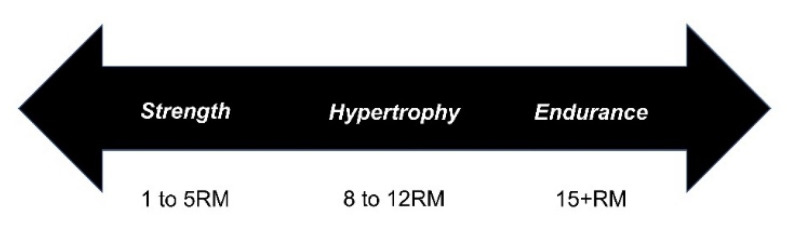
Loading recommendations for resistance training are typically prescribed along what has come to be known as the “repetition continuum”, which proposes that the number of repetitions performed at a given magnitude of load will result in specific adaptations. Specifically, the theory postulates that heavy load training optimizes increases maximal strength, moderate load training optimizes increases muscle hypertrophy, and low-load training optimizes increases local muscular endurance. However, despite the widespread acceptance of this theory, current research fails to support some of its underlying presumptions. Based on the emerging evidence, we propose a new paradigm whereby muscular adaptations can be obtained, and in some cases optimized, across a wide spectrum of loading zones. The nuances and implications of this paradigm are discussed herein.
Overview
CoChat Summary
TL;DR
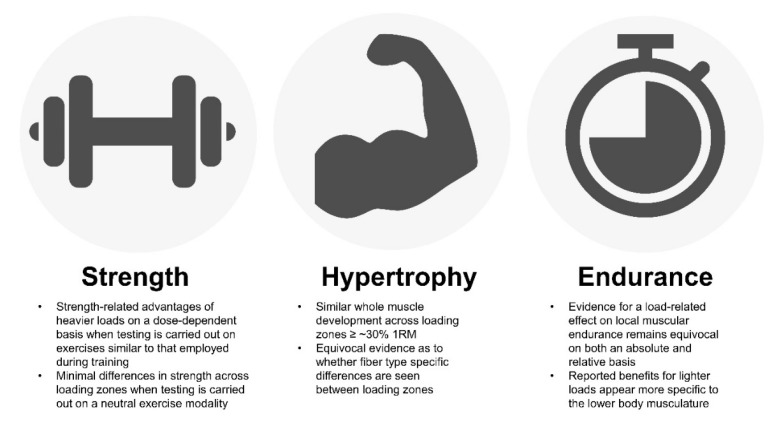
This review re-examines the “repetition continuum” and concludes that current research does not fully support its loading-zone presumptions. It proposes a new paradigm in which strength still benefits from heavy loads, hypertrophy can be achieved across a wide loading spectrum ≥ ~30% 1RM, and local endurance effects remain equivocal.
Key findings
- For strength, meta-analytic data show a moderate-to-large effect favoring high (>60% 1RM) vs. low (≤60% 1RM) loads (ES = 0.58), with a similar advantage in older individuals (ES = 0.43); however, when strength is tested on an isometric device, the benefit is small and non-significant (ES = 0.16).
- For hypertrophy, meta-analysis found no difference between high and low loads (trivial ES = 0.03; 95% CI −0.16 to 0.22), and similar whole-muscle growth can occur across loading ranges ≥ ~30% 1RM; a fiber-type meta-analysis found no significant difference for type I CSA and a non-significant effect favoring high load for type II CSA (ES = 0.30; 95% CI −0.05, 0.66; p = 0.089).
- For local muscular endurance, early work by Anderson and Kearney reported absolute endurance gains of 41% (low load), 39% (medium), and 28% (high), while relative endurance changed by 22% and 28% for low and medium loads but decreased 7% with high loads; later findings are conflicting and depend on whether pre- or post-intervention 1RM is used.
- Practically, moderate loads may be the most efficient for hypertrophy because light loads require many more repetitions and cause more discomfort, while heavy loads require more sets and increase joint stress/overtraining potential.
Methods
- Design: narrative critical review of the literature on the repetition continuum, intended to scrutinize research, identify gaps, and draw practical conclusions for exercise prescription.
- Data: published studies and meta-analyses on resistance training load and adaptations in muscle strength, hypertrophy, and local muscular endurance, including comparisons of high, moderate, and low loads.
- Analysis: narrative synthesis of acute mechanistic, longitudinal training, and meta-analytic evidence, with summary tables for strength, hypertrophy, and endurance studies.
Limitations
- The paper states a paucity of studies in women and suggests possible sex-specific differences in fatigue resistance and adaptations across the repetition continuum; it also notes limited research in highly trained/elite individuals and calls for further study on volume load, fiber-type responses, and minimum loading thresholds.
- The paper states that evidence for a load-specific effect on local muscular endurance remains equivocal and that findings are conflicting, particularly for relative endurance.
- Evident from the text: this is a narrative review without a stated systematic search or meta-analytic protocol, and many conclusions depend on studies with methodological differences such as training to failure vs. not, rest-interval differences, and pre- vs. post-intervention 1RM testing.
Model-written summary. Check it against the paper before relying on it.
Integrity signals
Registry
Cites
Statistics
Figures
Verification
Claims the paper makes
35 Valid · 1 Not valid · 54 Not checked · 59 Own results and interpretations
At least one cited source doesn’t support this claim or points to a different paper, and none confirmed it — see the verdicts below.
In the paper
“studies in which local muscular endurance testing is based on pre-study 1RM tend to refute the benefit of low-load training for this outcome.”
§ Loading Recommendations for Muscle Strength, Hypertrophy, and Local Endurance: A Re-Examination of the Repetition Continuum > 4. Muscular Endurance
What the sources say
- Disputedcites [31] Jessee M.B. Buckner S.L. Mouser J.G. Mattocks K.T. Dankel S.J. Abe T. Bell Z.W. Bentley J.P. Loenneke J.P. Muscle Adaptations to High-Load Training and Very Low-Load Training with and without Blood Flow Restriction Front. Physiol. 2018 9 1448 10.3389/fphys.2018.01448 30386254 PMC6198179 sourceExperimental — accuracy not yet measured
The Methods (Endurance; page not provided) confirm that endurance was tested at 42.5% of pre-training 1RM. But the Results (Endurance; page not provided) report significant increases in endurance in every low-load condition, with the high-BFR low-load condition improving more than high-load training. This study therefore does not refute a benefit of low-load training for endurance. (LLM, conf=0.86)
Checked by a reasoning model — may be wrong.
- Not checked — no full text of the sourcecites [79] Buckner S.L. Jessee M.B. Dankel S.J. Mattocks K.T. Mouser J.G. Bell Z.W. Abe T. Bentley J.P. Loenneke J.P. Blood flow restriction does not augment low force contractions taken to or near task failure Eur. J. Sport Sci. 2020 20 650 659 10.1080/17461391.2019.1664640 31486720 source
plain- Asserted: passes — The authors put it forward as true.
- Checkable: passes — It can be checked against evidence.
- Load-bearing: passes — The paper’s conclusions depend on it.
- Based: passes — The paper gives a reason why it holds.
- Disputed
The cited sources support only part of this claim — read each source’s verdict below.
In the paper
“In support of this theory, Jenkins et al. [8] demonstrated greater increases in percent voluntary muscle activation and electromyographic amplitude when performing leg extension RT to failure with 80% 1RM compared to 30% 1RM over a 6-week study period.”
§ Loading Recommendations for Muscle Strength, Hypertrophy, and Local Endurance: A Re-Examination of the Repetition Continuum > 2. Strength
What the sources say
- Partly supportedcites [8] Jenkins N.D.M. Miramonti A.A. Hill E.C. Smith C.M. Cochrane-Snyman K.C. Housh T.J. Cramer J.T. Greater Neural Adaptations following High- vs. Low-Load Resistance Training Front. Physiol. 2017 8 331 10.3389/fphys.2017.00331 28611677 PMC5447067 sourceExperimental — accuracy not yet measured
The Abstract and Results report six weeks of leg-extension training to failure and greater voluntary activation in the 80% 1RM group at Week 6. The Discussion’s Neural adaptations section says EMG amplitude increased significantly only within the 80% group, but it explicitly reports no between-group difference in EMG amplitude at Week 3 or Week 6. Thus the claim overstates the evidence for a greater EMG increase compared with 30% 1RM. (LLM, conf=0.88)
boostedstates a cause- Asserted: passes — The authors put it forward as true.
- Checkable: passes — It can be checked against evidence.
- Load-bearing: passes — The paper’s conclusions depend on it.
- Based: passes — The paper gives a reason why it holds.
- Partly supported
Every source the paper cites for this claim was checked and supports it.
In the paper
“Indeed, evidence shows a lack of correlation between acute post-exercise MPS measures and chronic increases in muscle mass [43].”
§ Loading Recommendations for Muscle Strength, Hypertrophy, and Local Endurance: A Re-Examination of the Repetition Continuum > 3. Hypertrophy
What the sources say
- Supportedcites [43] Mitchell C.J. Churchward-Venne T.A. Parise G. Bellamy L. Baker S.K. Smith K. Atherton P.J. Phillips S.M. Acute post-exercise myofibrillar protein synthesis is not correlated with resistance training-induced muscle hypertrophy in young men PLoS ONE 2014 9 e89431 10.1371/journal.pone.0089431 24586775 PMC3933567 source
The Results (Myofibrillar Protein Synthesis) report no correlation between MPS measured in any post-exercise period and the change in MRI-measured muscle volume. The Discussion specifies that this finding concerns MPS measured over six hours after exercise and nutrition and hypertrophy after 16 weeks of resistance training in the same subjects. (LLM, conf=0.94)
plain- Asserted: passes — The authors put it forward as true.
- Checkable: passes — It can be checked against evidence.
- Load-bearing: passes — The paper’s conclusions depend on it.
- Based: passes — The paper gives a reason why it holds.
- Supported
Every source the paper cites for this claim was checked and supports it.
In the paper
“Lopes et al. [48] found no differences in fat-free mass between volume load-equated low (3 sets of 20RM) and high (6 sets of 10RM) load training protocols in resistance-trained men who performed a total-body RT program for 6 weeks.”
§ Loading Recommendations for Muscle Strength, Hypertrophy, and Local Endurance: A Re-Examination of the Repetition Continuum > 3. Hypertrophy
What the sources say
- Supportedcites [48] Lopes C.R. Aoki M.S. Crisp A.H. de Mattos R.S. Lins M.A. da Mota G.R. Schoenfeld B.J. Marchetti P.H. The effect of different resistance training load schemes on strength and body composition in trained men J. Hum. Kinet. 2017 1 177 186 10.1515/hukin-2017-0081 PMC5548165 28828088 source
Split into 2 atoms — 2 confirmed, 0 partially supported, 0 disputed, 0 misattributed, 0 unverifiable. Expand the claim to see per-atom verdicts.
plain- Asserted: passes — The authors put it forward as true.
- Checkable: passes — It can be checked against evidence.
- Load-bearing: passes — The paper’s conclusions depend on it.
- Based: passes — The paper gives a reason why it holds.
- Supported
The sources with a verdict support this claim; the rest weren’t checked yet, have no full text we could read, or their verdicts aren’t rated yet.
In the paper
“That said, preliminary evidence for potential differences in intracellular anabolic signaling between loading zones cannot be discounted [40,41], and may have practical implications for RT program design.”
§ Loading Recommendations for Muscle Strength, Hypertrophy, and Local Endurance: A Re-Examination of the Repetition Continuum > 3. Hypertrophy
What the sources say
- Not checked — no full text of the sourcecites [40] Popov D.V. Lysenko E.A. Bachinin A.V. Miller T.F. Kurochkina N.S. Kravchenko I.V. Furalyov V.A. Vinogradova O.L. Influence of resistance exercise intensity and metabolic stress on anabolic signaling and expression of myogenic genes in skeletal muscle Muscle Nerve 2015 51 434 442 10.1002/mus.24314 24916884 source
- Supportedcites [41] Lysenko E.A. Popov D.V. Vepkhvadze T.F. Sharova A.P. Vinogradova O.L. Signaling responses to high and moderate load strength exercise in trained muscle Physiol. Rep. 2019 7 e14100 10.14814/phy2.14100 31090216 PMC6517334 source
The Discussion reports that high- and moderate-load exercise to failure activated different signaling cascades in trained skeletal muscle. The Conclusions specify mTORC1-dependent signaling after moderate-load exercise and MEK–ERK1/2 signaling and eEF2 after high-load exercise, supporting the cited claim of potential differences between loading zones. (LLM, conf=0.94)
hedged- Asserted: passes — The authors put it forward as true.
- Checkable: passes — It can be checked against evidence.
- Load-bearing: unclear — It is unclear whether the paper’s conclusions depend on it.
- Based: passes — The paper gives a reason why it holds.
97 more claims · 18 with their cited sources checked
Create a free account to see all 149 claims and to verify the 2 references still open.
- It may state two separate claims as one. 35
- Probably not a substantial claim. 15
Claims other papers make about this one
Each is checked against this paper’s own text: does it say what the citing paper says it does?
The source backs part of the claim, not all of it — or backs it for a different population, condition or comparison.
In the citing paper
“The method of testing muscular endurance (e.g., absolute vs relative, pre- vs postintervention strength) was not accounted for in the data synthesis and should be considered when designing future studies (196).”
From American College of Sports Medicine Position Stand. Resistance Training Prescription for Muscle Function, Hypertrophy, and Physical Performance in Healthy Adults: An Overview of Reviews (2026) · cites this paper as [196]
Experimental — accuracy not yet measured
Self-check
Percentages, sums and reported differences re-computed from the paper’s own numbers.
Each contradiction between two passages listed here was confirmed by an independent check.
Rated minor: it would not touch a result — a value no result rests on, a p-value that stays on the same side of the significance level, or a conflict that is clerical, resolved elsewhere in the paper, or outside its own findings.
In the paper
§ Loading Recommendations for Muscle Strength, Hypertrophy, and Local Endurance: A Re-Examination of the Repetition Continuum > 4. Muscular Endurance
“our group [20] showed greater improvements in relative upper body muscular endurance (50% 1RM in the bench press) when training with low- (25 to 35RM) compared to moderate- (8 to 12RM) loads.”
§ Loading Recommendations for Muscle Strength, Hypertrophy, and Local Endurance: A Re-Examination of the Repetition Continuum > 3. Hypertrophy
“Our group [20] randomized resistance-trained men to perform volume load-equated RT using either a bodybuilding-type protocol (3 sets of ~10RM) or a powerlifting-type protocol (7 sets of ~3RM).”
Citations
Cites
Progression Models in Resistance Training for Healthy Adults
(2009) · Medicine & Science in Sports & Exercise · doi:10.1249/mss.0b013e3181915670 · Cited by 4,332
Progression Models in Resistance Training for Healthy Adults
(2002) · Medicine and Science in Sports and Exercise · doi:10.1097/00005768-200202000-00027 · Cited by 2,979
Fundamentals of Resistance Training: Progression and Exercise Prescription
KRAEMER, W. J., & RATAMESS, N. A. (2004) · Medicine & Science in Sports & Exercise · doi:10.1249/01.mss.0000121945.36635.61 · Cited by 1,992 · cited 4×
“Evidence indicates that optimizing these adaptations requires manipulation of RT variables [1,2].”
BackgroundInfluentialThe mechanisms of muscle hypertrophy and their application to resistance training
Schoenfeld, B. J. (2010) · Journal of Strength and Conditioning Research · doi:10.1519/jsc.0b013e3181e840f3 · Cited by 1,214 · cited 1×
“Other research papers provide similar loading recommendations when training to maximize muscle development [1,34].”
BackgroundSelf-citationCampos, G., Luecke, T., Wendeln, H., Toma, K., Hagerman, F., Murray, T., Ragg, K., Ratamess, N., Kraemer, W., & Staron, R. (2002) · European Journal of Applied Physiology · doi:10.1007/s00421-002-0681-6 · Cited by 1,066 · cited 6×
“Campos et al. 2002 [19] Young untrained men(n = 27) 4 × 3–5RM 3 × 9–11RM 2 × 20–28RM 8 weeks; 2–3 times per week 1RM squat 1RM leg press 1RM knee extension 1RM squat: significantly greater gains in strength in the high load (3–5 RM) group.”
BackgroundInfluentialSchoenfeld, B. J., Grgic, J., Ogborn, D., & Krieger, J. W. (2017) · Journal of Strength and Conditioning Research · doi:10.1519/jsc.0000000000002200 · Cited by 851 · cited 5×
“For example, a recent meta-analysis [10] reported a moderate to large effect size (ES) difference (ES = 0.”
BackgroundMethodSelf-citationKumar, V., Selby, A., Rankin, D., Patel, R., Atherton, P., Hildebrandt, W., Williams, J., Smith, K., Seynnes, O., Hiscock, N., et al. (2009) · The Journal of Physiology · doi:10.1113/jphysiol.2008.164483 · Cited by 740 · cited 2×
“Some studies show an impaired acute MPS response when training with lower loads [37,38] while others report similar increases in mixed and myofibrillar protein synthesis rates [39].”
BackgroundSchoenfeld, B. J., Ogborn, D., & Krieger, J. W. (2017) · Journal of Sports Sciences · doi:10.1080/02640414.2016.1210197 · Cited by 671 · cited 1×
“Volume, expressed as the number of sets performed, is an important driver of muscle hypertrophy, with an established linear dose-response relationship [46].”
BackgroundSelf-citationResistance exercise load does not determine training-mediated hypertrophic gains in young men
Mitchell, C. J., Churchward-Venne, T. A., West, D. W. D., Burd, N. A., Breen, L., Baker, S. K., & Phillips, S. M. (2012) · Journal of Applied Physiology · doi:10.1152/japplphysiol.00307.2012 · Cited by 627 · cited 6×
“Given the evidence that training with 30% 1RM produces comparable hypertrophy to that with heavy loads [73], it can be inferred that the minimum threshold is somewhere in the range of 30% 1RM.”
BackgroundInfluentialSex differences in human fatigability: mechanisms and insight to physiological responses
Hunter, S. K. (2014) · Acta Physiologica · doi:10.1111/apha.12234 · Cited by 595 · cited 1×
“Given evidence that women possess a greater capacity to resist fatigue [87], it is conceivable there may be sex-specific differences in adaptations across the repetition continuum.”
BackgroundA review on the mechanisms of blood-flow restriction resistance training-induced muscle hypertrophy
Pearson, S. J., & Hussain, S. R. (2015) · Sports Medicine · doi:10.1007/s40279-014-0264-9 · Cited by 592 · cited 1×
“A detailed discussion of the hypertrophic effects of BFR is beyond the scope of this paper; interested readers are referred to recent reviews on the topic [61,62].”
BackgroundWernbom, M., Augustsson, J., & Thome??, R. (2007) · Sports Medicine · doi:10.2165/00007256-200737030-00004 · Cited by 583 · cited 1×
“[44] concluded a hypertrophic benefit to training with loads >60% 1RM.”
BackgroundBurd, N. A., West, D. W. D., Staples, A. W., Atherton, P. J., Baker, J. M., Moore, D. R., Holwerda, A. M., Parise, G., Rennie, M. J., Baker, S. K., et al. (2010) · PLoS ONE · doi:10.1371/journal.pone.0012033 · Cited by 531 · cited 2×
“Some studies show an impaired acute MPS response when training with lower loads [37,38] while others report similar increases in mixed and myofibrillar protein synthesis rates [39].”
BackgroundResultVigotsky, A. D., Halperin, I., Lehman, G. J., Trajano, G. S., & Vieira, T. M. (2018) · Frontiers in Physiology · doi:10.3389/fphys.2017.00985 · Cited by 503
Exercise effects on bone mass in postmenopausal women are site-specific and load-dependent
Kerr, D., Morton, A., Dick, I., & Prince, R. (1996) · Journal of Bone and Mineral Research · doi:10.1002/jbmr.5650110211 · Cited by 461 · cited 2×
“Kerr et al. 1996 [15] Untrained postmenopausal middle-aged woman (n = 46) 3 × 8RM 3 × 20RM 1 year; 3 times per week 1RM hip extension 1RM hip flexion 1RM hip abduction 1RM hip adduction 1RM leg press 1RM wrist curl 1RM reverse wrist curl 1RM wrist pronation/supination1RM elbow flexion 1RM elbow…”
BackgroundMethodSchoenfeld, B. J., Peterson, M. D., Ogborn, D., Contreras, B., & Sonmez, G. T. (2015) · Journal of Strength and Conditioning Research · doi:10.1519/jsc.0000000000000958 · Cited by 418 · cited 6×
“Even resistance-trained individuals show increases in strength when training with very light loads, albeit to a lesser extent than with the use of heavy lo ds [16,17].”
BackgroundMethodSelf-citationTransfer of Strength and Power Training to Sports Performance
Young, W. B. (2006) · International Journal of Sports Physiology and Performance · doi:10.1123/ijspp.1.2.74 · Cited by 414 · cited 1×
“Indeed, evidence indicates that the principle of specificity (also known as specific adaptation to imposed demands) becomes more relevant based on one’s level of training experience [18].”
BackgroundMorton, R. W., Oikawa, S. Y., Wavell, C. G., Mazara, N., McGlory, C., Quadrilatero, J., Baechler, B. L., Baker, S. K., & Phillips, S. M. (2016) · Journal of Applied Physiology · doi:10.1152/japplphysiol.00154.2016 · Cited by 404 · cited 7×
“[16] found that training with 8 to 12RM vs.”
BackgroundInfluentialPerformance and Physiologic Adaptations to Resistance Training
Deschenes, M. R., & Kraemer, W. J. (2002) · American Journal of Physical Medicine & Rehabilitation · doi:10.1097/00002060-200211001-00003 · Cited by 366 · cited 1×
“Local muscular endurance, operationally defined as the ability to resist muscular fatigue when using a submaximal resistance [82], is purported to be best developed at the rightward aspect of the repetition continuum, corresponding to 15+ repetitions (see Figure 1).”
BackgroundRESTORATION OF MUSCLE POWER BY HEAVY-RESISTANCE EXERCISES
Delorme, T. L. (1945) · Journal of Bone and Joint Surgery · Cited by 334
Tanimoto, M., & Ishii, N. (2006) · Journal of Applied Physiology · doi:10.1152/japplphysiol.00741.2005 · Cited by 269 · cited 3×
“Tanimoto & Ishii 2006 [97] Young untrained men (n = 24) 3 × 80% 1RM 3 × 50% 1RM (low velocity) 3 × 50% 1RM 12 weeks; 3 times per week 1RM knee extension Knee extension MVIC 1RM knee extension: no significant between-group differences.”
InfluentialCsapo, R., & Alegre, L. M. (2016) · Scandinavian Journal of Medicine & Science in Sports · doi:10.1111/sms.12536 · Cited by 239 · cited 2×
“[11] reported similar results in older individuals, with an overall pooled effect size ifference (ES = 0.”
ResultHolm, L., Reitelseder, S., Pedersen, T. G., Doessing, S., Petersen, S. G., Flyvbjerg, A., Andersen, J. L., Aagaard, P., & Kjaer, M. (2008) · Journal of Applied Physiology · doi:10.1152/japplphysiol.90538.2008 · Cited by 218 · cited 1×
“[49] reported a significantly greater increase in muscle CSA when training at 70% vs.”
BackgroundMitchell, C. J., Churchward-Venne, T. A., Parise, G., Bellamy, L., Baker, S. K., Smith, K., Atherton, P. J., & Phillips, S. M. (2014) · PLoS ONE · doi:10.1371/journal.pone.0089431 · Cited by 212 · cited 1×
“Indeed, evidence shows a lack of correlation between acute post-exercise MPS measures and chronic increases in muscle mass [43].”
BackgroundMangine, G. T., Hoffman, J. R., Gonzalez, A. M., Townsend, J. R., Wells, A. J., Jajtner, A. R., Beyer, K. S., Boone, C. H., Miramonti, A. A., Wang, R., et al. (2015) · Physiological Reports · doi:10.14814/phy2.12472 · Cited by 204 · cited 2×
“[22] reported similar changes in muscle thickness between high- and moderate-load training in a cohort of resistance-trained men following 8 weeks of total body RT exercise; interestingly, greater gains in dual x-ray absorptiometry-derived lean arm mass were noted for the heavier”
Anderson, T., & Kearney, J. T. (1982) · Research Quarterly for Exercise and Sport · doi:10.1080/02701367.1982.10605218 · Cited by 197 · cited 7×
“1982 [5] Male college students (n = 43) 3 × 6–8RM 2 × 30–40RM 1 × 100–150RM 9 weeks; 3 times per week Relative endurance: 40% 1RM (post-intervention values) in the bench press Absolute endurance: 27 kg in the bench press Relative endurance: significantly greater gains in muscular endurance in the low load groups.”
BackgroundMethodInfluentialGreater neural adaptations following high- vs. low-load resistance training
Jenkins, N. D. M., Miramonti, A. A., Hill, E. C., Smith, C. M., Cochrane-Snyman, K. C., Housh, T. J., & Cramer, J. T. (2017) · Frontiers in Physiology · doi:10.3389/fphys.2017.00331 · Cited by 197 · cited 4×
“2017 [8] Young untrained men (n = 26) 3 × 80% 1RM 3 × 30% 1RM 6 weeks; 3 times per week 1RM knee extension Knee extension MVIC 1RM knee extension: significantly greater gains in strength in the high load group.”
BackgroundInfluentialFarup, J., de Paoli, F., Bjerg, K., Riis, S., Ringgard, S., & Vissing, K. (2015) · Scandinavian Journal of Medicine & Science in Sports · doi:10.1111/sms.12396 · Cited by 195 · cited 1×
“Indeed, comparable increases in muscle size commonly are seen between traditional low-load training and low-load BFR training when sets are carried out to muscular failure [59,60].”
BackgroundThe Interference Effects of Training for Strength and Endurance Simultaneously.
Hennessy, L. C., & Watson, A. W. S. (1994) · Journal of Strength and Conditioning Research · doi:10.1519/00124278-199402000-00003 · Cited by 193
Haun, C. T., Vann, C. G., Roberts, B. M., Vigotsky, A. D., Schoenfeld, B. J., & Roberts, M. D. (2019) · Frontiers in Physiology · doi:10.3389/fphys.2019.00247 · Cited by 192 · cited 1×
“Muscle hypertrophy refers to the growth of muscle tissue, which can manifest in a variety of ultrastructural adaptations [32].”
BackgroundSelf-citationSchoenfeld, B. J., Ratamess, N. A., Peterson, M. D., Contreras, B., Sonmez, G. T., & Alvar, B. A. (2014) · Journal of Strength and Conditioning Research · doi:10.1519/jsc.0000000000000480 · Cited by 187 · cited 3×
“Our group [20] randomized resistance-trained men to perform volume load-equated RT using either a bodybuilding-type protocol (3 sets of ~10RM) or a powerlifting-type protocol (7 sets of ~3RM).”
BackgroundMethodSelf-citationLonger Interset Rest Periods Enhance Muscle Strength and Hypertrophy in Resistance-Trained Men
Schoenfeld, B. J., Pope, Z. K., Benik, F. M., Hester, G. M., Sellers, J., Nooner, J. L., Schnaiter, J. A., Bond-Williams, K. E., Carter, A. S., Ross, C. L., et al. (2016) · Journal of Strength and Conditioning Research · doi:10.1519/jsc.0000000000001272 · Cited by 184
Self-citationLasevicius, T., Ugrinowitsch, C., Schoenfeld, B. J., Roschel, H., Tavares, L. D., De Souza, E. O., Laurentino, G., & Tricoli, V. (2018) · European Journal of Sport Science · doi:10.1080/17461391.2018.1450898 · Cited by 180 · cited 4×
“[78] also employed a withinsubject design to investigate whether a minimum loading threshold exists for hypertrophic gains over a 12-week study period.”
MethodSelf-citationVan Roie, E., Delecluse, C., Coudyzer, W., Boonen, S., & Bautmans, I. (2013) · Experimental Gerontology · doi:10.1016/j.exger.2013.08.010 · Cited by 178 · cited 7×
“2013 [28] Untrained older males (n = 26) and females (n = 30) 2 × 10–15RM 1 × 80–100RM 1 × 60RM + 10–20RM 12 weeks; 3 times per week Quadriceps CSA No significant between-group differences.”
BackgroundMethodInfluentialMechanisms Behind Blood Flow–Restricted Training and its Effect Toward Muscle Growth
Hwang, P. S., & Willoughby, D. S. (2017) · The Journal of Strength and Conditioning Research · doi:10.1519/jsc.0000000000002384 · Cited by 175
Jessee, M. B., Buckner, S. L., Mouser, J. G., Mattocks, K. T., Dankel, S. J., Abe, T., Bell, Z. W., Bentley, J. P., & Loenneke, J. P. (2018) · Frontiers in Physiology · doi:10.3389/fphys.2018.01448 · Cited by 164 · cited 7×
“[31] showed similar increases in relative muscular endurance assessed at 42.”
BackgroundResultInfluentialTraining practices and ergogenic aids used by male bodybuilders
Hackett, D. A., Johnson, N. A., & Chow, C.-M. (2013) · Journal of Strength and Conditioning Research · doi:10.1519/jsc.0b013e318271272a · Cited by 163 · cited 1×
“The concept of a hypertrophy zone is consistent with anecdotal evidence that bodybuilders generally train with moderate loads [35].”
ResultManipulating Resistance Training Program Variables to Optimize Maximum Strength in Men: A Review
TAN, B. (1999) · Journal of Strength and Conditioning Research · doi:10.1519/00124278-199908000-00019 · Cited by 154
Muscle activation during three sets to failure at 80 vs. 30 % 1RM resistance exercise
Jenkins, N. D. M., Housh, T. J., Bergstrom, H. C., Cochrane, K. C., Hill, E. C., Smith, C. M., Johnson, G. O., Schmidt, R. J., & Cramer, J. T. (2015) · European Journal of Applied Physiology · doi:10.1007/s00421-015-3214-9 · Cited by 140
Specificity of training velocity and training load on gains in isokinetic knee joint strength
AAGAARD, P., SIMONSEN, E. B., TROLLE, M., BANGSBO, J., & KLAUSEN, K. (1996) · Acta Physiologica Scandinavica · doi:10.1046/j.1365-201x.1996.438162000.x · Cited by 140 · cited 2×
“There was a lack of sufficient data at the time to subanalyze isokinetic strength with meta-regression, but the findings from available evidence are conflicting; some studies show a benefit of heavy load training [27,28], others show a benefit to low-load training [29] and yet others show no differences between condit…”
BackgroundOgasawara, R., Loenneke, J. P., Thiebaud, R. S., & Abe, T. (2013) · International Journal of Clinical Medicine · doi:10.4236/ijcm.2013.42022 · Cited by 139 · cited 3×
“2013 [13] Young untrained men (n = 9) 3 × 75% 1RM 4 × 30% 1RM 6 weeks; 3 times per week Triceps brachii and pectoralis major CSA Triceps brachii: no significant between-group differences.”
BackgroundInfluentialMorton, R. W., Sonne, M. W., Farias Zuniga, A., Mohammad, I. Y. Z., Jones, A., McGlory, C., Keir, P. J., Potvin, J. R., & Phillips, S. M. (2019) · The Journal of Physiology · doi:10.1113/jp278056 · Cited by 139 · cited 1×
“[67] reported that glycogen was similarly depleted following high- (80% 1RM) and low- (30% 1RM) load training in both type I and type II fibers of the vastus lateralis, indicating similar recruitment across the available motor unit pool.”
BackgroundPracticing the Test Produces Strength Equivalent to Higher Volume Training
MATTOCKS, K. T., BUCKNER, S. L., JESSEE, M. B., DANKEL, S. J., MOUSER, J. G., & LOENNEKE, J. P. (2017) · Medicine & Science in Sports & Exercise · doi:10.1249/mss.0000000000001300 · Cited by 137 · cited 1×
“Thus, it can be inferred that load is the dominant variable for increasing 1RM, with other variables seemingly of secondary consequence [12].”
BackgroundHolm, L., van Hall, G., Rose, A. J., Miller, B. F., Doessing, S., Richter, E. A., & Kjaer, M. (2010) · American Journal of Physiology-Endocrinology and Metabolism · doi:10.1152/ajpendo.00609.2009 · Cited by 132 · cited 2×
“Some studies show an impaired acute MPS response when training with lower loads [37,38] while others report similar increases in mixed and myofibrillar protein synthesis rates [39].”
BackgroundTanimoto, M., Sanada, K., Yamamoto, K., Kawano, H., Gando, Y., Tabata, I., Ishii, N., & Miyachi, M. (2008) · Journal of Strength and Conditioning Research · doi:10.1519/jsc.0b013e318185f2b0 · Cited by 130 · cited 3×
“Tanimoto et al. 2008 [98] Young untrained men(n = 24) 3 × 80–90% 1RM 3 × 55–60% 1RM 13 weeks; 2 times per week 1RM squat 1RM chest press 1RM lat-pull down 1RM abdominal bend 1RM back extension No significant between-group differences in any of the 1RM tests.”
BackgroundInfluentialFisher, J. P., & Steele, J. (2017) · Muscle & Nerve · doi:10.1002/mus.25537 · Cited by 122 · cited 2×
“2016 [80] Young recreationally active men (n = 7) 3 × 80% MVT 3 × 50% MVT 6 weeks; 1 time per week Isokinetic knee extension No significant between-group differences.”
BackgroundMuscle activation during low- versus high-load resistance training in well-trained men
Schoenfeld, B. J., Contreras, B., Willardson, J. M., Fontana, F., & Tiryaki-Sonmez, G. (2014) · European Journal of Applied Physiology · doi:10.1007/s00421-014-2976-9 · Cited by 121
Self-citationType 1 Muscle Fiber Hypertrophy after Blood Flow-restricted Training in Powerlifters
BJØRNSEN, T., WERNBOM, M., KIRKETEIG, A., PAULSEN, G., SAMNØY, L., BÆKKEN, L., CAMERON-SMITH, D., BERNTSEN, S., & RAASTAD, T. (2019) · Medicine & Science in Sports & Exercise · doi:10.1249/mss.0000000000001775 · Cited by 115
Schuenke, M. D., Herman, J. R., Gliders, R. M., Hagerman, F. C., Hikida, R. S., Rana, S. R., Ragg, K. E., & Staron, R. S. (2012) · European Journal of Applied Physiology · doi:10.1007/s00421-012-2339-3 · Cited by 102 · cited 5×
“2012 [14,75] Young untrained women (n = 27) 3 × 6–10RM 3 × 6–10RM (low velocity) 3 × 20–30RM 6 weeks; 2–3 times per week Muscle fiber CSA (type I, IIa and IIx) Type I: significantly greater gains in the high load group.”
BackgroundInfluential(2016) · Europe PMC (PubMed Central) · Cited by 101
Self-citationStrength/Endurance Effects From Three Resistance Training Protocols With Women
Stone, W. J., & Coulter, S. P. (1994) · Journal of Strength and Conditioning Research · doi:10.1519/00124278-199411000-00005 · Cited by 101
Nóbrega, S. R., Ugrinowitsch, C., Pintanel, L., Barcelos, C., & Libardi, C. A. (2018) · Journal of Strength and Conditioning Research · doi:10.1519/jsc.0000000000001787 · Cited by 97 · cited 3×
“Nobrega et al. 2018 [93] Young untrained men(n = 32) 3 × 80% 1RM (to failure) 3 × 80% 1RM (not to failure) 3 × 30% 1RM (to failure) 3 × 30% 1RM (not to failure) 12 weeks; 2 times per week 1RM knee extension No significant between-group differences.”
InfluentialLasevicius, T., Schoenfeld, B. J., Silva-Batista, C., Barros, T. D. S., Aihara, A. Y., Brendon, H., Longo, A. R., Tricoli, V., Peres, B. D. A., & Teixeira, E. L. (2022) · Journal of Strength & Conditioning Research · doi:10.1519/jsc.0000000000003454 · Cited by 95 · cited 5×
“2019 [42] Young untrained men (n = 25) 3 × 80% 1RM (to failure) 3 × 80% 1RM (not to failure) 3 × 30% 1RM (to failure) 3 × 30% 1RM (not to failure) 8 weeks; 2 times per week 1RM knee extension Significantly greater gains in strength in the high load groups.”
BackgroundSelf-citationProgression of volume load and muscular adaptation during resistance exercise
Peterson, M. D., Pistilli, E., Haff, G. G., Hoffman, E. P., & Gordon, P. M. (2011) · European Journal of Applied Physiology · doi:10.1007/s00421-010-1735-9 · Cited by 89 · cited 1×
“However, some researchers have postulated that volume load may be the best metric for assessing exercise-induced hypertrophic changes [47].”
BackgroundGene Polymorphisms and Fiber-Type Composition of Human Skeletal Muscle
Ahmetov, I. I., Vinogradova, O. L., & Williams, A. G. (2012) · International Journal of Sport Nutrition and Exercise Metabolism · doi:10.1123/ijsnem.22.4.292 · Cited by 81 · cited 1×
“For one, type I fibers are considered “endurance-oriented” fibers, with a high capacity to resist fatigue but relatively low forceproducing capacity [53].”
BackgroundResistance exercise–induced changes in muscle phenotype are load dependent
LIM, C., KIM, H. J., MORTON, R. W., HARRIS, R., PHILLIPS, S. M., JEONG, T. S., & KIM, C. K. (2019) · Medicine & Science in Sports & Exercise · doi:10.1249/mss.0000000000002088 · Cited by 81
Hagstrom, A. D., Marshall, P. W., Halaki, M., & Hackett, D. A. (2020) · Sports Medicine · doi:10.1007/s40279-019-01247-x · Cited by 78 · cited 1×
“The mid-range of the repetition continuum (from 8 to 12 repetitions) is commonly referred to as the “hypertrophy zone” [33], reflecting the belief that such a loading scheme is ideal for building muscle (see Figure 1).”
BackgroundThe acute and chronic effects of “NO LOAD” resistance training
Counts, B. R., Buckner, S. L., Dankel, S. J., Jessee, M. B., Mattocks, K. T., Mouser, J. G., Laurentino, G. C., & Loenneke, J. P. (2016) · Physiology & Behavior · doi:10.1016/j.physbeh.2016.06.024 · Cited by 77 · cited 2×
“[77] allocated untrained men and women to perform elbow flexion using a load of 70% 1RM in one arm while the other arm trained without using an external load (i.”
BackgroundMethodSchoenfeld, B. J. (2013) · Journal of Strength and Conditioning Research · doi:10.1519/jsc.0b013e31828ddd53 · Cited by 74 · cited 2×
“Research-based support for the “hypertrophy zone” comes largely from acute studies showing greater post-exercise elevations in anabolic hormones when training in a moderate repetition range [36].”
BackgroundSelf-citationCHESTNUT, J. L., & DOCHERTY, D. (1999) · Journal of Strength and Conditioning Research · doi:10.1519/00124278-199911000-00009 · Cited by 70
Rana, S. R., Chleboun, G. S., Gilders, R. M., Hagerman, F. C., Herman, J. R., Hikida, R. S., Kushnick, M. R., Staron, R. S., & Toma, K. (2008) · Journal of Strength and Conditioning Research · doi:10.1519/jsc.0b013e31815f30e7 · Cited by 65 · cited 4×
“Rana et al. 2008 and Schuenke et al. 2012 [14,75] Young untrained women (n = 27) 3 × 6–10RM 3 × 6–10RM (low velocity) 3 × 20–30RM 6 weeks; 2–3 times per week 1RM squat 1RM leg press 1RM knee extension 1RM squat: no significant between-group differences.”
BackgroundInfluentialGrgic, J., & Schoenfeld, B. J. (2018) · Frontiers in Physiology · doi:10.3389/fphys.2018.00402 · Cited by 64 · cited 1×
“Some researchers have proposed that training across rep ranges may induce a fiber type-specific response whereby lower loads promote a preferential increase in hypertrophy of type I fibers and heavier loads favor hypertrophy of type II fibers [52].”
BackgroundSelf-citationFink, J., Kikuchi, N., Yoshida, S., Terada, K., & Nakazato, K. (2016) · SpringerPlus · doi:10.1186/s40064-016-2333-z · Cited by 61 · cited 6×
“Fink et al. 2016 [90] Young male gymnastics athletes(n = 21) 3 × 8–12RM 3 × 30–40RM Mixed high and low load group: 4 weeks of 3 × 8–12RM and 4 weeks of 3 × 30–40RM 8 weeks; 3 times per week Elbow flexor CSA No significant between-groupdifferences.”
BackgroundInfluentialKlemp, A., Dolan, C., Quiles, J. M., Blanco, R., Zoeller, R. F., Graves, B. S., & Zourdos, M. C. (2016) · Applied Physiology, Nutrition, and Metabolism · doi:10.1139/apnm-2015-0707 · Cited by 60 · cited 3×
“[24] randomized resistance-trained men to perform the squat and bench press 3 times per week at a loading range of either 8 to 12 repetitions or 2 to 6 repetitions in a daily undulating periodized fashion.”
BackgroundMethodBjørnsen, T., Wernbom, M., Løvstad, A., Paulsen, G., D’Souza, R. F., Cameron-Smith, D., Flesche, A., Hisdal, J., Berntsen, S., & Raastad, T. (2019) · Journal of Applied Physiology · doi:10.1152/japplphysiol.00397.2018 · Cited by 59
Biomechanical, Anthropometric, and Psychological Determinants of Barbell Back Squat Strength
Vigotsky, A. D., Bryanton, M. A., Nuckols, G., Beardsley, C., Contreras, B. M., Evans, J., & Schoenfeld, B. J. (2018) · The Journal of Strength and Conditioning Research · doi:10.1519/jsc.0000000000002535 · Cited by 57
Self-citationSchoenfeld, B. J., Vigotsky, A. D., Grgic, J., Haun, C., Contreras, B., Delcastillo, K., Francis, A., Cote, G., & Alto, A. (2020) · Physiological Reports · doi:10.14814/phy2.14427 · Cited by 56 · cited 5×
“2020 [26] Young untrained men (n = 27) 4 × 6–10RM 4 × 20–30RM 8 weeks; 2 times per week Calf muscle thickness No significant between-group differences.”
BackgroundSelf-citationEffects of rest intervals and training loads on metabolic stress and muscle hypertrophy
Fink, J., Kikuchi, N., & Nakazato, K. (2018) · Clinical Physiology and Functional Imaging · doi:10.1111/cpf.12409 · Cited by 54 · cited 2×
“2016 [91] Young male gymnastics athletes (n = 20) 3 × 8RM 3 × 20RM 8 weeks; 3 times per week Elbow flexion MVIC Significantly greater gains in strength in the high load group.”
BackgroundMcKendry, J., Pérez‐López, A., McLeod, M., Luo, D., Dent, J. R., Smeuninx, B., Yu, J., Taylor, A. E., Philp, A., & Breen, L. (2016) · Experimental Physiology · doi:10.1113/ep085647 · Cited by 54 · cited 1×
“Given research showing a potential hypertrophic detriment to employing short rest intervals in resistance-trained individuals [50,51], it is conceivable that differences in rest periods may have confounded the results of Mangine et al.”
ResultArterial stiffness is reduced regardless of resistance training load in young men
AU, J. S., OIKAWA, S. Y., Morton, R. W., MACDONALD, M. J., & PHILLIPS, S. M. (2017) · Medicine & Science in Sports & Exercise · doi:10.1249/mss.0000000000001106 · Cited by 50 · cited 2×
“2017 [88] Resistance-trained men (n = 32) 3 × 8–12RM 3 × 20–25RM 12 weeks; 4 times per week 1RM bench press 1RM leg press 1RM bench press: significantly greater gains in strength in the high load group.”
BackgroundHaun, C. T., Mumford, P. W., Roberson, P. A., Romero, M. A., Mobley, C. B., Kephart, W. C., Anderson, R. G., Colquhoun, R. J., Muddle, T. W. D., Luera, M. J., et al. (2017) · Physiological Reports · doi:10.14814/phy2.13457 · Cited by 48
Ozaki, H., Kubota, A., Natsume, T., Loenneke, J. P., Abe, T., Machida, S., & Naito, H. (2018) · Journal of Sports Sciences · doi:10.1080/02640414.2017.1331042 · Cited by 47 · cited 4×
“Ozaki et al. 2018 [94] Young untrained men(n = 9) 3 × 80% 1RM 3 × 30% 1RM 8 weeks; 2–3 times per week 1RM elbow flexion Elbow flexion MVIC 1RM elbow flexion: significantly greater gains in strength in the high load group.”
BackgroundInfluentialWEISS, L. W., CONEX, H. D., & CLARK, F. C. (1999) · Journal of Strength and Conditioning Research · doi:10.1519/00124278-199908000-00010 · Cited by 47
Straight, C. R., Fedewa, M. V., Toth, M. J., & Miller, M. S. (2020) · Journal of Applied Physiology · doi:10.1152/japplphysiol.00170.2020 · Cited by 46 · cited 1×
“[45] found that while older individuals responded to both higher and lower loading protocols, muscle hypertrophy was attenuated in type II muscle fibers when training with heavier loads; the difference between loading strategies explained ~15% of the variance in change in fiber size.”
BackgroundGrgic, J. (2020) · Journal of Human Kinetics · doi:10.2478/hukin-2020-0013 · Cited by 45 · cited 1×
“high-load on type I and type II muscle fiber CSA with training carried out to muscular failure [76].”
BackgroundInfluence of two different modes of resistance training in female subjects
HISAEDA, H., MIYAGAWA, K., KUNO, S.-Y., FUKUNAGA, T., & MURAOKA, I. (1996) · Ergonomics · doi:10.1080/00140139608964505 · Cited by 44 · cited 5×
“Hisaeda et al. 1996 [30] Young untrained women(n = 11) 8–9 × 4–6RM 5–6 × 15–20RM 8 weeks; 3 times per week Isokinetic knee extension No significant between-group differences.”
BackgroundInfluentialMuddle, T. W. D., Colquhoun, R. J., Magrini, M. A., Luera, M. J., DeFreitas, J. M., & Jenkins, N. D. M. (2018) · Physiological Reports · doi:10.14814/phy2.13675 · Cited by 41 · cited 1×
“[69] employed a decomposition technique that allowed extraction of single motor unit activities from surface EMG when training at high- (70% maximum voluntary isometric contraction) vs.”
MethodBlood flow restriction does not augment low force contractions taken to or near task failure
Buckner, S. L., Jessee, M. B., Dankel, S. J., Mattocks, K. T., Mouser, J. G., Bell, Z. W., Abe, T., Bentley, J. P., & Loenneke, J. P. (2020) · European Journal of Sport Science · doi:10.1080/17461391.2019.1664640 · Cited by 41
Popov, D. V., Swirkun, D. V., Netreba, A. I., Tarasova, O. S., Prostova, A. B., Larina, I. M., Borovik, A. S., & Vinogradova, O. L. (2006) · Human Physiology · doi:10.1134/s0362119706050161 · Cited by 40 · cited 3×
“Popov et al. 2006 [95] Physically active men(n = 18) 3 and 7 × 80% MVIC 1 and 4 × 50% MVIC 8 weeks; 3 times per week Knee extension MVIC No significant between-group differences.”
BackgroundInfluentialDinyer, T. K., Byrd, M. T., Garver, M. J., Rickard, A. J., Miller, W. M., Burns, S., Clasey, J. L., & Bergstrom, H. C. (2019) · Journal of Strength and Conditioning Research · doi:10.1519/jsc.0000000000003194 · Cited by 36 · cited 2×
“Dinyer et al. 2019 [89] Young untrained women(n = 23) 2–3 × 80% 1RM 2–3 × 30% 1RM 12 weeks; 2 times per week 1RM knee extension 1RM shoulder press 1RM knee flexion 1RM lat-pull down No significant between-group differences in any of the 1RM tests.”
BackgroundUpper body muscle activation during low- versus high-load resistance exercise in the bench press
Schoenfeld, B. J., Contreras, B., Vigotsky, A. D., Ogborn, D., Fontana, F., & Tiryaki-Sonmez, G. (2016) · Isokinetics and Exercise Science · doi:10.3233/ies-160620 · Cited by 35
Self-citationEffects of Varied Versus Constant Loading Zones on Muscular Adaptations in Trained Men
Schoenfeld, B., Contreras, B., Ogborn, D., Galpin, A., Krieger, J., & Sonmez, G. (2016) · International Journal of Sports Medicine · doi:10.1055/s-0035-1569369 · Cited by 33
Self-citationImpact of blood flow‐restricted bodyweight exercise on skeletal muscle adaptations
Jakobsgaard, J. E., Christiansen, M., Sieljacks, P., Wang, J., Groennebaek, T., de Paoli, F., & Vissing, K. (2018) · Clinical Physiology and Functional Imaging · doi:10.1111/cpf.12509 · Cited by 33
Popov, D. V., Lysenko, E. A., Bachinin, A. V., Miller, T. F., Kurochkina, N. S., Kravchenko, I. V., Furalyov, V. A., & Vinogradova, O. L. (2015) · Muscle & Nerve · doi:10.1002/mus.24314 · Cited by 32 · cited 3×
“That said, preliminary evidence for potential differences in intracellular anabolic signaling between loading zones cannot be discounted [40,41], and may have practical implications for RT program design.”
Background(2013) · PubMed · Cited by 32
Strength testing or strength training: considerations for future research
Spitz, R. W., Bell, Z. W., Wong, V., Yamada, Y., Song, J. S., Buckner, S. L., Abe, T., & Loenneke, J. P. (2020) · Physiological Measurement · doi:10.1088/1361-6579/abb1fa · Cited by 31
Acute Effects of Different Training Loads on Affective Responses in Resistance-trained Men
Ribeiro, A. S., dos Santos, E. D., Nunes, J. P., & Schoenfeld, B. J. (2019) · International Journal of Sports Medicine · doi:10.1055/a-0997-6680 · Cited by 30 · cited 2×
“Moreover, the high levels of metabolic acidosis that accompany the use of light loads tends to cause discomfort [81], which in turn can negatively impact adherence.”
BackgroundSelf-citationBig claims for big weights but with little evidence
Burd, N. A., Moore, D. R., Mitchell, C. J., & Phillips, S. M. (2013) · European Journal of Applied Physiology · doi:10.1007/s00421-012-2527-1 · Cited by 26 · cited 1×
“Although low-load BFR training and traditional lowload training have inherent differences, some researchers have called low-load training a “milder form of low-load blood flow restrictive exercise” [58], suggesting the two forms of exercise may induce adaptations through similar mechanistic actions.”
BackgroundLopes, C. R., Aoki, M. S., Crisp, A. H., de Mattos, R. S., Lins, M. A., da Mota, G. R., Schoenfeld, B. J., & Marchetti, P. H. (2017) · Journal of Human Kinetics · doi:10.1515/hukin-2017-0081 · Cited by 25 · cited 3×
“2017 [48] Resistance-trained men (n = 16) 6 × 10RM 3 × 20RM 6 weeks; 4 times per week 1RM bench press 1RM squat 1RM bench press: no significant between-group differences.”
Self-citationVan Roie, E., Bautmans, I., Boonen, S., Coudyzer, W., Kennis, E., & Delecluse, C. (2013) · Journal of Strength and Conditioning Research · doi:10.1519/jsc.0b013e3182606e35 · Cited by 22 · cited 6×
“Van Roie et al. 2013 [29] Young untrained males (n = 14) and females (n = 10) 1 × 10–12RM 1 × 60RM followed by 10–20RM 9 weeks; 3 times per week Isokinetic knee extensionmaximum work Significantly greater gains in muscular endurance in the low load group.”
MethodInfluentialFranco, C. M. D. C., Carneiro, M. A. D. S., Alves, L. T. H., Júnior, G. N. D. O., de Sousa, J. D. F. R., & Orsatti, F. L. (2019) · Journal of Strength and Conditioning Research · doi:10.1519/jsc.0000000000002970 · Cited by 21 · cited 1×
“Franco et al. 2019 [92] Undergraduate collegewomen (n = 32) 3 × 8–10RM 3 × 30–35RM 9 weeks; 2 times per week 1RM knee extension No significant between-group differences.”
Stefanaki, D. G. A., Dzulkarnain, A., & Gray, S. R. (2019) · Journal of Sports Sciences · doi:10.1080/02640414.2018.1559536 · Cited by 18 · cited 3×
“2019 [96] Young untrained women (n = 13) 1 × 80% 1RM 1 × 30% 1RM 6 weeks; 2 times per week Elbow flexor and quadriceps muscle thickness Elbow flexor: no significant between-group differences.”
BackgroundInfluentialEffects of Modified Pyramid System on Muscular Strength and Hypertrophy in Older Women
dos Santos, L., Ribeiro, A., Cavalcante, E., Nabuco, H., Antunes, M., Schoenfeld, B., & Cyrino, E. (2018) · International Journal of Sports Medicine · doi:10.1055/a-0634-6454 · Cited by 18
Self-citationAMPOMAH, K., AMANO, S., WAGES, N. P., VOLZ, L., CLIFT, R., LUDIN, A. F. M., NAKAZAWA, M., LAW, T. D., MANINI, T. M., THOMAS, J. S., et al. (2019) · Medicine & Science in Sports & Exercise · doi:10.1249/mss.0000000000001984 · Cited by 18 · cited 1×
“Indeed, comparable increases in muscle size commonly are seen between traditional low-load training and low-load BFR training when sets are carried out to muscular failure [59,60].”
Background(2013) · PubMed · Cited by 16
(2007) · PubMed · Cited by 13
Signaling responses to high and moderate load strength exercise in trained muscle
Lysenko, E. A., Popov, D. V., Vepkhvadze, T. F., Sharova, A. P., & Vinogradova, O. L. (2019) · Physiological Reports · doi:10.14814/phy2.14100 · Cited by 12 · cited 3×
“That said, preliminary evidence for potential differences in intracellular anabolic signaling between loading zones cannot be discounted [40,41], and may have practical implications for RT program design.”
BackgroundCarvalho, L., Junior, R. M., Truffi, G., Serra, A., Sander, R., De Souza, E. O., & Barroso, R. (2021) · Research in Sports Medicine · doi:10.1080/15438627.2020.1853546 · Cited by 9
Mechanisms of Blood Flow Restriction Exercise in Skeletal Muscle Adaptations
Gundermann, D. M. (2012) · Cited by 3
(2020) · doi:10.19193/0393-6384_2020_5_499
Strength/Endurance Effects From Three Resistance Training Protocols With Women
Stone, W. J., & Coulter, S. P. (1994) · The Journal of Strength and Conditioning Research · doi:10.1519/1533-4287(1994)008<0231:seeftr>2.3.co;2
Research works printed but not linked: 1
- Stone M. Position/policy statement and literature review for the National Strength and Conditioning Association on “Explosive Exercise” NSCA J. 1993 15 7 15
Cited by
Resistance exercise as a treatment for sarcopenia: prescription and delivery
Hurst, C., Robinson, S. M., Witham, M. D., Dodds, R. M., Granic, A., Buckland, C., De Biase, S., Finnegan, S., Rochester, L., Skelton, D. A., et al. (2022) · Age and Ageing · doi:10.1093/ageing/afac003 · Cited by 319
“An alternative approach is to prescribe RE intensity using an effort-based approach [53, 54].”
MethodThe molecular athlete: exercise physiology from mechanisms to medals
Furrer, R., Hawley, J. A., & Handschin, C. (2023) · Physiological Reviews · doi:10.1152/physrev.00017.2022 · Cited by 217
Schoenfeld, B., Fisher, J., Grgic, J., Haun, C., Helms, E., Phillips, S., Steele, J., & Vigotsky, A. (2021) · International Journal of Strength and Conditioning · doi:10.47206/ijsc.v1i1.81 · Cited by 124
Self-citationTraining Specificity for Athletes: Emphasis on Strength-Power Training: A Narrative Review
Stone, M. H., Hornsby, W. G., Suarez, D. G., Duca, M., & Pierce, K. C. (2022) · Journal of Functional Morphology and Kinesiology · doi:10.3390/jfmk7040102 · Cited by 142
The Role of the Skeletal Muscle Secretome in Mediating Endurance and Resistance Training Adaptations
Leuchtmann, A. B., Adak, V., Dilbaz, S., & Handschin, C. (2021) · Frontiers in Physiology · doi:10.3389/fphys.2021.709807 · Cited by 84
“Resistance training, which involves muscle contractions against external loads of a wide spectrum of ranges over several weeks or a lifetime, is an effective strategy to elicit substantial gains in, or to preserve skeletal muscle mass and strength in combination with adequate nutrition (Morton et al., 2018; Schoenfeld…”
Background
Metadata
- Authors
- Schoenfeld, B. J., Grgic, J., Van Every, D. W., & Plotkin, D. L.
- Affiliations
- Lehman College (US)
- Institute for Health and Sport, Victoria University, Melbourne, VIC 8001, Australia
- Department of Health Sciences, CUNY Lehman College, Bronx, NY 10468, USA
- Corresponding author
- Schoenfeld, Brad J.
- Venue
- Sports
- Publisher
- MDPI AG
- Published
- 2021-02-22
- Volume
- 9
- Issue
- 2
- Pages
- 32
- ISSN
- 2075-4663 (ISSN-L)
- PMC
- PMC7927075
- OpenAlex
- W3131924960
- Semantic Scholar
- 5362f4e0989fd10230d9fe23dfd4f63482d8047d
- Cited by
- 334
- References
- 98
- Citations by year
- 2026: 69 · 2025: 81 · 2024: 61 · 2023: 56 · 2022: 50 · 2021: 17
- FWCI
- 9.81
- Type
- journal article
- Language
- en
- Open access
- gold
- doi.org
- Licence
- Locations
- Sports (publishedVersion, cc-by)
- PubMed Central (publishedVersion, cc-by)
- PubMed (publishedVersion)
- Victoria University Research Repository (Victoria University) (submittedVersion, cc-by)
- DOAJ (DOAJ: Directory of Open Access Journals) (submittedVersion, cc-by-sa)
- Topics
- Health Sciences › Medicine › Orthopedics and Sports Medicine › Sports Performance and Training
- Health Sciences › Medicine › Physiology (medical) › Cardiovascular and exercise physiology
- Health Sciences › Nursing › Nutrition and Dietetics › Muscle metabolism and nutrition
- Keywords
- resistance training, training load, muscle strength, muscle hypertrophy, muscular endurance, loading zones, training effects
About these checks
Registry, retraction, Cites and statistics results are computed, not judged, with one exception: a printed reference that no index lists is read once by a model before it counts as a citation error. Claims are extracted by a model and kept only when their quote appears verbatim in the text; each cited source is then checked, with a model’s help, for whether it says what the claim relies on. Those verdicts can be wrong — read the claim’s quote and the cited source before relying on one.
The claim verdicts this report counts are experimental: their accuracy is not yet measured.
A language model drew the claims from the paper on 2026-11-02, under version 3 of the claim definition (model deepseek-v4.1-flash, prompt extract-v3).
A second model labelled each claim on 2026-11-02 (model jev-1.13-20260917, definition revision gold-guideline-v0.2).
Cited sources are checked with a language model’s help (gpt-6-sol).
Statistics and arithmetic are recomputed, not judged.
Confidence bands are shown only for fields calibrated on our annotated test set. None is calibrated yet, so no band is shown.
What counts as a claim ›How we measure confidence ›How we check this ›
Are you an author, or do you see a problem with this page? Request a review
Data sources
Bibliographic data: Semantic Scholar, OpenAlex, Crossref.
Contains information from the Semantic Scholar Academic Graph Datasets, made available under the ODC Attribution License (ODC-BY 1.0).
Semantic Scholar’s data is described in: Kinney, R., et al. (2023). The Semantic Scholar Open Data Platform. arXiv:2301.10140.
