

The DOI matches its Crossref record; 171 of the 183 references it cites were found in a registry or an index.
Current strategies for the design of PROTAC linkers: a critical review
Open accessAbstract
PROteolysis TArgeting Chimeras (PROTACs) are heterobifunctional molecules consisting of two ligands; an “anchor” to bind to an E3 ubiquitin ligase and a “warhead” to bind to a protein of interest, connected by a chemical linker. Targeted protein degradation by PROTACs has emerged as a new modality for the knock down of a range of proteins, with the first agents now reaching clinical evaluation. It has become increasingly clear that the length and composition of the linker play critical roles on the physicochemical properties and bioactivity of PROTACs. While linker design has historically received limited attention, the PROTAC field is evolving rapidly and currently undergoing an important shift from synthetically tractable alkyl and polyethylene glycol to more sophisticated functional linkers. This promises to unlock a wealth of novel PROTAC agents with enhanced bioactivity for therapeutic intervention. Here, the authors provide a timely overview of the diverse linker classes in the published literature, along with their underlying design principles and overall influence on the properties and bioactivity of the associated PROTACs. Finally, the authors provide a critical analysis of current strategies for PROTAC assembly. The authors highlight important limitations associated with the traditional “trial and error” approach around linker design and selection, and suggest potential future avenues to further inform rational linker design and accelerate the identification of optimised PROTACs. In particular, the authors believe that advances in computational and structural methods will play an essential role to gain a better understanding of the structure and dynamics of PROTAC ternary complexes, and will be essential to address the current gaps in knowledge associated with PROTAC design.
Overview
The claims and statistics of this paper haven’t been checked yet.
Run the check — free, no account needed. It reads the open-access text and checks the sources it cites.
Integrity signals
Registry
Cites
Statistics
Figures
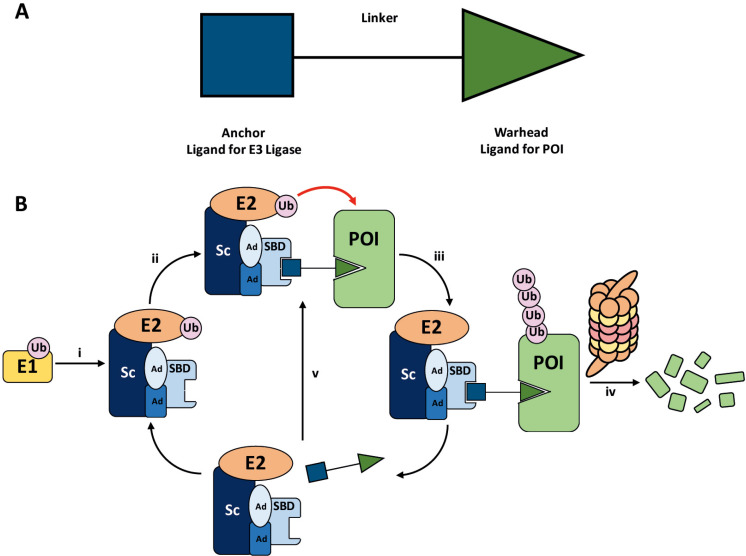
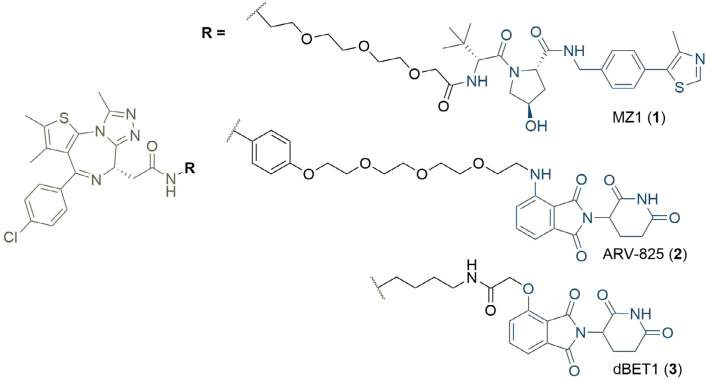
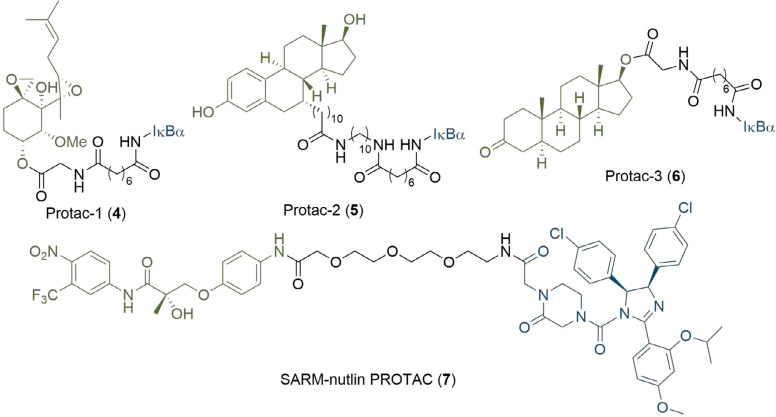
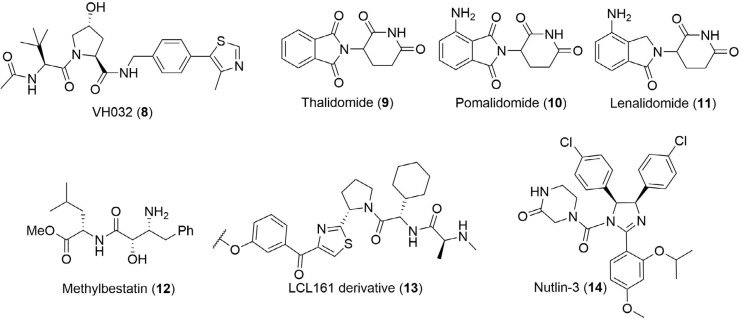
Verification
Claims the paper makes
The claims and statistics of this paper haven’t been checked yet.
Run the check — free, no account needed. It reads the open-access text and checks the sources it cites.
Claims other papers make about this one
Each is checked against this paper’s own text: does it say what the citing paper says it does?
The cited source says what the claim attributes to it.
In the citing paper
“The composition and length of linkers can affect the efficiency of degraders40,41.”
From An HDAC4-specific PROTAC degrader achieves radiation sensitization by enhancing ferroptosis in lung cancer (2026) · cites this paper as [41]
In the citing paper
“Short linkers can be used to modulate PROTAC molecular weights67 and properties65”
From PROTAC targeted protein degraders: the past is prologue (2022) · cites this paper as [67]
Self-check
Percentages, sums and reported differences re-computed from the paper’s own numbers.
The self-check needs the paper’s full text.
Citations
Cites
Lipinski, C. A., Lombardo, F., Dominy, B. W., & Feeney, P. J. (2001) · Advanced Drug Delivery Reviews · doi:10.1016/s0169-409x(00)00129-0 · Cited by 18,139
Molecular properties that influence the oral bioavailability of drug candidates
Veber, D. F., Johnson, S. R., Cheng, H.-Y., Smith, B. R., Ward, K. W., & Kopple, K. D. (2002) · Journal of Medicinal Chemistry · doi:10.1021/jm020017n · Cited by 8,420 · cited 1×
“PROTACs also tend to possess high TPSAs and large numbers of rotatable bonds (nRotB) which place them outside of similar guidelines from Veber [111].”
BackgroundLipinski, C. A., Lombardo, F., Dominy, B. W., & Feeney, P. J. (2012) · Advanced Drug Delivery Reviews · doi:10.1016/j.addr.2012.09.019 · Cited by 3,720 · cited 1×
“Due to their high MW, PROTACs invariably lie in chemical space beyond the guidelines of Lipinski’s rule-of-5 for achieving good oral bioavailability [107], although there are examples of orally available degraders [108] and many examples of beyond rule-of-5 oral drugs [109, 110].”
BackgroundPeptide therapeutics: current status and future directions
Fosgerau, K., & Hoffmann, T. (2014) · Drug Discovery Today · doi:10.1016/j.drudis.2014.10.003 · Cited by 3,160 · cited 1×
“However, the highly polar peptidic ligase-binding sequences of these early PROTACs caused poor cell permeability, presented potential issues with their proteolytic stability, and consequently limited their therapeutic scope [19].”
BackgroundRING Domain E3 Ubiquitin Ligases
Deshaies, R. J., & Joazeiro, C. A. P. (2009) · Annual Review of Biochemistry · doi:10.1146/annurev.biochem.78.101807.093809 · Cited by 2,679 · cited 5×
“An “anchor” ligand binds to the substrate binding domain (SBD) of an E3 ubiquitin (Ub) ligase, and a “warhead” ligand binds to a particular protein of interest (POI) to be targeted (Figure 1A).”
BackgroundInfluentialSakamoto, K. M., Kim, K. B., Kumagai, A., Mercurio, F., Crews, C. M., & Deshaies, R. J. (2001) · Proceedings of the National Academy of Sciences · doi:10.1073/pnas.141230798 · Cited by 2,609 · cited 1×
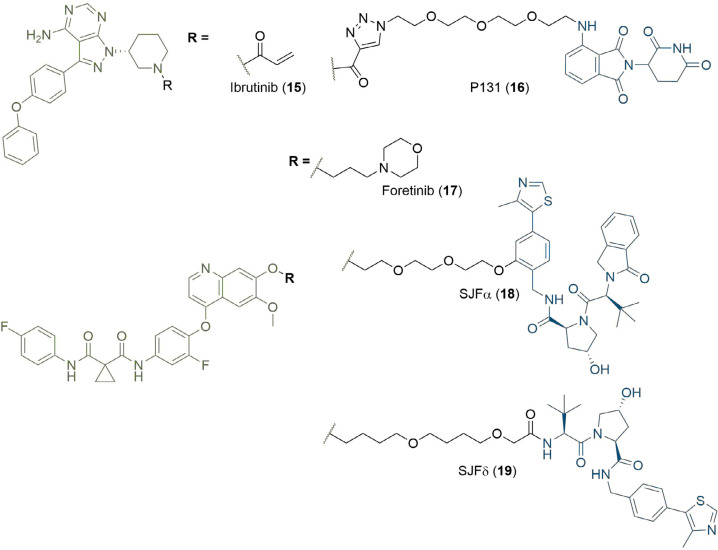
“[17], consisted of a ligand (ovalicin derivative) for mammalian methionine aminopeptidase type 2 (MetAP-2) connected by a flexible alkyl linker to an IκBα phosphopeptide, which is recognised by the Skp1-Cullin-F box complex (SCF).”
BackgroundThe growing applications of click chemistry
Moses, J. E., & Moorhouse, A. D. (2007) · Chemical Society Reviews · doi:10.1039/b613014n · Cited by 2,376 · cited 1×
“The copper-catalysed Huisgen 1,3-dipolar cycloaddition reaction between an alkyne and an azide has been extensively used to construct triazole motifs and generally proceeds in nearly quantitative yield, along with exceptional selectivity for the 1,4-disubstituted (anti) product [84].”
BackgroundPhthalimide conjugation as a strategy for in vivo target protein degradation
Winter, G. E., Buckley, D. L., Paulk, J., Roberts, J. M., Souza, A., Dhe-Paganon, S., & Bradner, J. E. (2015) · Science · doi:10.1126/science.aab1433 · Cited by 1,760 · cited 1×
“Contrastingly, the highly potent BRD4 degraders ARV-825 (2) and dBET1 (3) utilise a different E3 ligase and differ in linker structures, and are also able to degrade BRD2 and BRD3 very efficiently [15, 16].”
BackgroundTetrazine Ligation: Fast Bioconjugation Based on Inverse-Electron-Demand Diels−Alder Reactivity
Blackman, M. L., Royzen, M., & Fox, J. M. (2008) · Journal of the American Chemical Society · doi:10.1021/ja8053805 · Cited by 1,691 · cited 1×
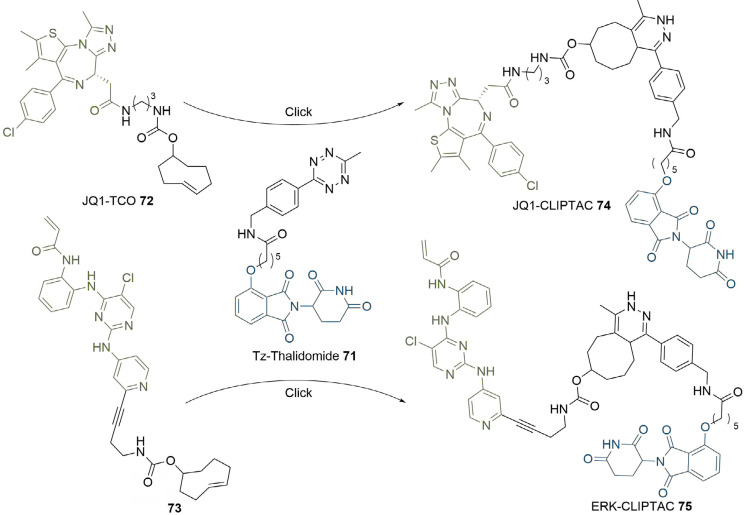
“Their approach relied on the bioorthogonal inverse electron demand Diels-Alder reaction between a tetrazine and trans-cyclooctene (TCO) fragment as their in cellulo PROTACforming step [91].”
MethodHonigberg, L. A., Smith, A. M., Sirisawad, M., Verner, E., Loury, D., Chang, B., Li, S., Pan, Z., Thamm, D. H., Miller, R. A., et al. (2010) · Proceedings of the National Academy of Sciences · doi:10.1073/pnas.1004594107 · Cited by 1,561 · cited 1×
“Inhibition of BTK activity is an established strategy for the treatment of Non-Hodgkin’s lymphoma and chronic lymphocytic leukaemia, which arise from B-cell malignancies [50].”
Method
Cited by
Sorted by citations
Items 301–400 of 429
PROTAC-based protein degradation: a window of opportunity for melanoma therapy
Gentile, G., D’Aguanno, S., Martile, M. D., Petricca, A., Valentini, E., Scalera, S., & Bufalo, D. D. (2026) · Journal of Biomedical Science · doi:10.1186/s12929-026-01225-2 · Cited by 1
“The use of “photoswitchable” and “clickable” linkers, as well as rigidifying motifs, was taken a step further by several researchers [30, 31] .”
Huang, Q., Mu, Q., Liu, N., Liu, G., & Liu, C. (2026) · Advanced Interventional Materials · doi:10.1016/j.advim.2026.100015 · Cited by 1
Contemporary Developments in PROTACs for Cancer Management: An In-Depth Review
Rahaman, S. A., Venkateswarlu, G., Patel, S., Mishra, P. S., Kumar, R., & Parvez, N. (2026) · Current Topics in Medicinal Chemistry · doi:10.2174/0115680266384226251013054011 · Cited by 1
Tanga, S., Das, P., Samoi, T. B., Hota, A., Karmakar, A., & Maji, B. (2026) · Advanced Drug Delivery Reviews · doi:10.1016/j.addr.2026.115874 · Cited by 1
Towards the targeted protein degradation of CK2: design and synthesis of CAM4066-based PROTACs
Day-Riley, S., Krajčovičová, S., Sokhal, A. R., Venne, J. L., Brear, P., Hyvönen, M., Whitehurst, B. C., Carroll, J. S., & Spring, D. R. (2026) · Beilstein Journal of Organic Chemistry · doi:10.3762/bjoc.22.47 · Cited by 1
Targeted proteoform degradation for precision drug design, delivery, and therapy
Cui, C., Zhang, H., Wang, X., Li, N., & Zhan, X. (2026) · Drug Delivery · doi:10.1080/10717544.2026.2665871 · Cited by 2
“The length, rigidity, and chemical properties of the linker directly affect the stability and degree of spatial conformational alignment of the PROTAC-induced ternary complex (target proteoform-PROTAC-E3 ligase) (Troup et al. 2020; Chen et al. 2022; Dong et al. 2024).”
Wang, Q., Li, R., & Zhang, H. (2026) · Biomedical Chromatography · doi:10.1002/bmc.70498 · Cited by 1
Brenner, C., Cui, Y., Schmidt, D., Kirchmair, J., Tan, L., & Braun, N. (2026) · Molecular Pharmaceutics · doi:10.1021/acs.molpharmaceut.5c01908 · Cited by 1
Maurya, A. K., Padrela, L., Agrawal, A. K., Kumar, A., & Kumar, D. M. (2026) · Expert Opinion on Drug Delivery · doi:10.1080/17425247.2026.2697992 · Cited by 1
“Linker architecture, including length, rigidity, and lipophilicity, critically determines cell membrane permeability [54].”
Discovery and Development of First-in-Class Cereblon-Recruiting RIPK1 Degraders
Lu, D., Yu, X., Lin, H., Cheng, R., Zhang, M., Yang, B., Chen, J., Li, F., Qi, X., & Wang, J. (2026) · Journal of Medicinal Chemistry · doi:10.1021/acs.jmedchem.6c01156 · Cited by 1
A General Photoredox Platform for the Hydroarylation of Olefins
Li, Y.-L., Wang, J. Z., & MacMillan, D. W. C. (2026) · Journal of the American Chemical Society · doi:10.1021/jacs.6c14333 · Cited by 1
PROTACs in the Management of Prostate Cancer
Mandlik, D. S., & Mandlik, S. K. (2024) · Springer eBooks · doi:10.1007/978-981-97-5077-1_11 · Cited by 1
Novel Technologies in PROTAC Design
Jain, K., Reddy, S. C., Moode, S., Mehra, P., Tarannum, S., Patel, M., Jain, V. K., & Popli, H. (2024) · Springer eBooks · doi:10.1007/978-981-97-5077-1_5 · Cited by 1
Modeling of FAK-PROTAC candidates from GSK2256098 analogs for targeted protein degradation
Kumar, V., Parate, S., Ro, H., Jung, T. S., & Lee, K. W. (2024) · Biochemical and Biophysical Research Communications · doi:10.1016/j.bbrc.2024.151001 · Cited by 1
Optimizing PROTAC Design: A Novel Approach Using Exposure Scores for Linker Site Selection
Jeong, Y., Choi, J.-M., & Kim, Y. (2025) · IEEE International Conference on Big Data and Smart Computing (BigComp) · doi:10.1109/bigcomp64353.2025.00011 · Cited by 1
“1[4].”
A Reliable and Sustainable Multicomponent Access to Protein DegradersPreprint
Bhela, I. P., Ranza, A., Serafini, M. T., & Pirali, T. (2021) · ChemRxiv · doi:10.26434/chemrxiv-2021-440t2 · Cited by 1
Arndt, C. M., Bitai, J., Brunner, J., Opatz, T., Martinelli, P., Gollner, A., Sokol, K. R., & Krumb, M. (2023) · ChemRxiv · doi:10.26434/chemrxiv-2023-64h6v · Cited by 1
WITHDRAWN: Targeted protein degradation: A promising approach for cancer treatment
Khan, M. Z. I., Nazli, A., Naz, I., Khan, D., Haq, I., & Chen, J. (2023) · Journal of Pharmaceutical Analysis · doi:10.1016/j.jpha.2023.09.004 · Cited by 1
RetractedRacioppo, B., Pechalrieu, D., Abegg, D., Dwyer, B. G., Ramseier, N. T., Hu, Y., & Adibekian, A. (2024) · ChemRxiv · doi:10.26434/chemrxiv-2024-4nm88
Racioppo, B., Pechalrieu, D., Abegg, D., Dwyer, B. G., Ramseier, N. T., Hu, Y., & Adibekian, A. (2024) · ChemRxiv · doi:10.26434/chemrxiv-2024-4nm88-v2
Development of LYTACs via incorporating a nucleolin-targeting and lysosome-directed aptamerPreprint
Qiu, F., Feng, Z., Chen, H., Zhang, X., Guo, J., Cao, C., Lü, A., & Liang, C. (2025) · bioRxiv (Cold Spring Harbor Laboratory) · doi:10.1101/2025.08.29.672993 · Cited by 1
Cheng, C., Sun, L., Yang, J., Liu, Z., Zhang, F., Qiu, L., Yu, M., Wang, T., Huang, J., Wang, L., et al. (2026) · Nature Communications · doi:10.1038/s41467-026-73682-0
“The composition and length of linkers can affect the ef fi ciency of degraders 40,41 .”
A Reliable and Sustainable Multicomponent Access to Protein DegradersPreprint
Bhela, I. P., Ranza, A., Serafini, M. T., & Pirali, T. (2021) · doi:10.33774/chemrxiv-2021-440t2-v2
ADME of Biologicals and New Therapeutic Modalities
Foti, R. (2021) · Elsevier eBooks · doi:10.1016/b978-0-12-820472-6.00141-9
Idegenerering i IT-bedrifter - åpenhet og nettverks betydning for idégenerering
Liafjell, T. A. (2014) · NORA - Norwegian Open Research Archives
Zhu, C., Luo, X., Tian, T., Rao, Z., Wang, H., Zhou, Z., Gao, Z., Mi, T., Chen, D., Xu, Y., et al. (2022) · SSRN Electronic Journal · doi:10.2139/ssrn.4056755
A Reliable and Sustainable Multicomponent Access to Protein DegradersPreprint
Bhela, I. P., Ranza, A., Serafini, M. T., & Pirali, T. (2021) · doi:10.33774/chemrxiv-2021-440t2
Kjølbye, L. R., Pereira, G. P., Bartocci, A., et al. (2022) · QRB Discovery · doi:10.1017/qrd.2022.16.pr5
Oun, A. (2022) · doi:10.33612/diss.253651629
Kjølbye, L. R., Pereira, G. P., Bartocci, A., et al. (2022) · QRB Discovery · doi:10.1017/qrd.2022.16.pr4
Review: Towards design of drugs and delivery systems with the Martini coarse-grained model — R0/PR1
Kjølbye, L. R., Pereira, G. P., Bartocci, A., et al. (2022) · QRB Discovery · doi:10.1017/qrd.2022.16.pr1
Review: Towards design of drugs and delivery systems with the Martini coarse-grained model — R0/PR3
Kjølbye, L. R., Pereira, G. P., Bartocci, A., et al. (2022) · QRB Discovery · doi:10.1017/qrd.2022.16.pr3
Review: Towards design of drugs and delivery systems with the Martini coarse-grained model — R0/PR2
Kjølbye, L. R., Pereira, G. P., Bartocci, A., et al. (2022) · QRB Discovery · doi:10.1017/qrd.2022.16.pr2
Ruthenium-catalysed C‒H amidation for the late-stage synthesis of PROTACsPreprint
Antermite, D., Friis, S. D., Johansson, J. R., Putra, O. D., Ackermann, L., & Johansson, M. J. (2023) · ChemRxiv · doi:10.26434/chemrxiv-2023-669wc
Epigenetic modification: key regulator of reprogramming in cancer stem cells
Palol, V. V., Saravanan, S. K., Chinnadurai, R. K., & Subramanyam, V. (2023) · Elsevier eBooks · doi:10.1016/b978-0-443-13212-4.00017-9
Unlocking Cellular Control: The Promise of PROTACs in Disease Intervention
Kumar, A., Yalini, T., & Sunil Kumar, C. (2024) · Science Reviews Biology · doi:10.57098/scirevs.biology.3.2.1
Small Molecules That Degrade RNA
Springer, N. A., Meyer, S. M., Taghavi, A., Childs‐Disney, J. L., & Disney, M. D. (2024) · Methods and principles in medicinal chemistry · doi:10.1002/9783527840458.ch9
Clinical Development of PROTACs
Dubey, A., Pal, K., & Gota, V. (2024) · Springer eBooks · doi:10.1007/978-981-97-5077-1_9
Structural Considerations and Chemistry of PROTACs
Wahi, A., Jadhav, H. R., Thakur, S., Dev, S., Mohanty, P., & Jain, P. (2024) · Springer eBooks · doi:10.1007/978-981-97-5077-1_3
Proteolysis-targeting vaccines (PROTAVs) for robust combination immunotherapy of melanomaPreprint
Wang, Q., Su, T., Cheng, F., Zhou, S., Liu, X., Wang, M., Xu, Y., Tang, R., Liao, S., Dailey, J. M., et al. (2024) · bioRxiv (Cold Spring Harbor Laboratory) · doi:10.1101/2024.10.01.616069 · Cited by 1
“22 Interestingly, recent evidence has emerged that PROTACs may promote antigen-specific immune responses against protein antigens 23 and antigenic peptides derived from target proteins for PROTAC 24 .”
InfluentialKamaraj, R., Nencka, R., & Pávek, P. (2024) · Annual reports in medicinal chemistry · doi:10.1016/bs.armc.2024.10.002
Application of DELs for E3 Ligase Ligand Discovery and Targeted Protein Degradation
Malone, M. L., Sanchez, N. A., Hu, S. L., & Phelps, C. B. (2025) · Royal Society of Chemistry eBooks · doi:10.1039/9781788016032-00134
Androgen receptor degraders as antiprostate cancer agents
Chen, Q. (2025) · Elsevier eBooks · doi:10.1016/b978-0-443-23585-6.00011-x
Annear, J. W., Nutt, M. J., Flematti, G. R., Rosenbluh, J., & Stewart, S. G. (2025) · Tetrahedron Letters · doi:10.1016/j.tetlet.2025.155692
Chen, H., Zhao, J., Qiu, F., Ying, S., Wang, Z., Lü, A., & Liang, C. (2025) · bioRxiv (Cold Spring Harbor Laboratory) · doi:10.1101/2025.07.22.666084
A Lipid Prodrug Strategy Enhances Targeted Protein Degrader CNS Pharmacokinetics
Leconte, G. A., Gadbois, G. E., Sepulveda, Y. J., Schwarz, A., Chang, E., Suhandynata, R. T., Momper, J. D., & Ferguson, F. M. (2025) · Journal of Medicinal Chemistry · doi:10.1021/acs.jmedchem.5c00866
From inhibition to degradation: Cutting-edge technology in COVID-19 drug discovery
Adediran, E. O., Ikhoyameh, M., & Gbadebo, O. S. (2025) · Annales Pharmaceutiques Françaises · doi:10.1016/j.pharma.2025.08.002
Gourineni, S., & Sharma, G. (2025) · IEEE Integrated STEM Education Conference (ISEC) · doi:10.1109/isec64801.2025.11147406
“[4] By joining these two components, the PROTAC signals the target protein for ubiquitin-based degradation by the cell's waste disposal enzyme, the proteasome.”
InfluentialTargeting the Undruggable: Design of Potent Bifunctional Degraders for the p53 Oncoprotein
Chen, N., & Sharma, G. (2025) · IEEE Integrated STEM Education Conference (ISEC) · doi:10.1109/isec64801.2025.11147243
“( 11 ) One part of the PROTAC binds to an E3 ligase, while the other binds to the target protein.”
AI-aided drug development for protein degraders: Design, lead identification, and optimization
Karki, R., Pokharel, B., Zaliani, A., Huchting, J., & Gribbon, P. M. (2025) · Annual reports in medicinal chemistry · doi:10.1016/bs.armc.2025.09.001
Liu, Y., Wu, J., Chen, D., & Han, L. (2025) · Biochemistry · doi:10.1021/acs.biochem.5c00381
Tseng, Y.-L., Lu, P.-C., Lee, C.-C., He, R.-Y., Huang, Y.-A., Tseng, Y.-C., Cheng, T.-J. R., Huang, J. J.-T., & Fang, J.-M. (2024) · Figshare · doi:10.6084/m9.figshare.26584962
Protacs Targeting ERα in the Effective Management of Endocrinal Resistance Breast Cancer
Singh, A., Khan, R., Erachampatt, N. A., Bhatia, N., Monga, V., & Thareja, S. (2025) · Archiv der Pharmazie · doi:10.1002/ardp.70176
“In the year 2001, the first entirely synthetic PROTACs, known as PROTAC‐1, demonstrated proof of principle concept through in vitro studies [30].”
Xiao, Q., Feng, J., Jiang, Y., Yin, G., Han, P., Ding, D., & Zhang, J. (2026) · Molecular Pharmaceutics · doi:10.1021/acs.molpharmaceut.5c01523
Michon, M., Curpanen, S., Pessey, O., Thaï, R., Gaillard, J., Herbette, G., Hinsinger, K., Gillet, D., Armengaud, J., Cintrat, J., et al. (2026) · European Journal of Medicinal Chemistry · doi:10.1016/j.ejmech.2026.118645
PROTAC-Mediated Ternary Complex Stability with Ricin Toxin A: A Computational Perspective
Botelho, F. D., Islam, S. T., LaPlante, S. R., & França, T. C. C. (2026) · ACS Omega · doi:10.1021/acsomega.5c10223
Polyhedral alkanes as hydrophobic tags for dual-functional ALK inhibitor-degrader
Chu, D., Han, H., Wei, C., Zhang, X., Yan, H., & Wang, J. (2026) · Bioorganic Chemistry · doi:10.1016/j.bioorg.2026.109674
Pro-GAT: Reconnecting Fragmented PROTACs Using Graph Attention Transformer
Vemuri, S., Bijigiri, L. P., Gogte, S., & Kondaparthi, V. (2026) · Journal of Chemical Information and Modeling · doi:10.1021/acs.jcim.6c01049 · Cited by 1
Direct-to-Biology Enables Rapid Identification of Potent FBXO22 DegradersPreprint
Brown, C., Patel, S., Habaz, L., Szewczyk, M. M., Istayeva, A., Loppnau, P., Green, S., Brown, J. S., Arrowsmith, C. H., Barsyte-Lovejoy, D., et al. (2026) · bioRxiv (Cold Spring Harbor Laboratory) · doi:10.64898/2026.03.01.708846
Kim, Y., Kim, J. E., Choi, J., Kim, J., Park, S., Choi, W., An, H., Kim, J., Kim, M., Choi, S., et al. (2026) · Cells · doi:10.3390/cells15050473 · Cited by 1
“Structurally, PROTAC molecules consist of three key components: a ligand that binds to the target protein, another that binds to the E3 ligase, and a linker that connects the two [21,22].”
Recent advance in the targeted protein degradation technology for overcoming acute leukemia
Jin, X., Shi, Z., Liang, Z., Chen, J., Wang, C., Lou, Y., Cao, X., Zhu, L., Zhao, Y., Zhao, C., et al. (2026) · European Journal of Medicinal Chemistry Reports · doi:10.1016/j.ejmcr.2026.100331
Opportunities and challenges in targeted protein degradation for antiviral drug discovery
Zhu, M., Yang, M., & Zhou, H. (2026) · Elsevier eBooks · doi:10.1016/b978-0-443-36518-8.00029-1
Xu, Y., Wang, S., Saneyoshi, H., Fujita, H., & Nagasawa, K. (2026) · Research Square · doi:10.21203/rs.3.rs-9143133/v1
Harnessing Targeted Protein Degradation for Developing Brain Cancer Therapy
Muhammad, O., White, S., Dumo, C. J., Park, T. I., Choi, P. J., & Jose, J. (2026) · Bioconjugate Chemistry · doi:10.1021/acs.bioconjchem.6c00123
PROTACs in Action: Bridging Chemical Biology and Drug Discovery for Protein Degradation
Vanajothi, R. (2026) · Journal of Medico Informatics · doi:10.64659/jomi/215914
Wu, Y., ZHANG, Z., Hawkins, N. J., Tang, W., & Huang, X. (2026) · JACS Au · doi:10.1021/jacsau.6c00260
Wang, X., Song, J., Zhao, Y., Li, W., Li, J., Xu, X., Liu, W., Tao, F., & Xu, Y. (2026) · Pharmacological Research · doi:10.1016/j.phrs.2026.108239 · Cited by 2
Singh, D. D., Yadav, D. K., & Shin, D. (2026) · Applied Food Research · doi:10.1016/j.afres.2026.102147
PROTACs: Next-generation cancer therapeutics revolutionizing targeted treatment strategies
Sireen, U., Thota, S., Amreen, N., Kumaraswamy, D., Katherashala, S., & Sriram, S. (2026) · In Silico Research in Biomedicine · doi:10.1016/j.insi.2026.100386
Proteolysis targeting chimeras (PROTAC) for targeting Alzheimer’s disease
Singh, A., Rani, A., & Mazumder, A. (2026) · Discover Neuroscience · doi:10.1186/s13064-026-00276-3 · Cited by 1
“Strategies to mitigate this issue include designing PROTACs that promote stronger or cooperative protein-protein interactions within the ternary complex, thereby maintaining productive complex formation even at higher concentrations [44].”
Leveraging AI and structural proteomics for rational design of a KAT6A degraderPreprint
Arad, G., Simchi, N., Brodsky, S., Shtrikman, A., Kedem, Y., Alchanati, I., Otonin, G., Shenoy, A., Kovalerchik, D., Shchory, M. R., et al. (2026) · bioRxiv (Cold Spring Harbor Laboratory) · doi:10.64898/2026.05.25.727609
“…state in water and a compact, polarity-shielded conformation in the membrane, two key structural metrics were calculated using the GROMACS [2021.7] software package: the radius of gyration (Rg) to assess molecular size and compaction (via gmx gyrate ), and the solvent-accessible 3D polar…”
InfluentialGenerative Models for PROTAC Linker Design Using Ternary Complex Geometry and Degradation Data
Wright, E., Bennett, C., & Turner, J. (2026) · Pharmacophore · doi:10.51847/jr4vtce12r
Research Progress of Proteolysis‐Targeting Chimera Technology and Its Linkers in Cancer Therapy
Yang, J., & Zhang, X. (2026) · ChemMedChem · doi:10.1002/cmdc.70291
“…linker is suggested to be 3 – 4 units, about 10 – 14 atoms; the starting length of alkyl chain is suggested to be 6 – 10 carbon atoms, and experiments are usually carried out across the length of 5 – 15 carbon atoms to determine the optimal linker length of a specific PROTAC molecule [39, 40, 41].”
Wu, X., Chen, Z.-M., Gao, C., Tian, M., Liu, X.-L., Wang, H., Chen, H.-J., Li, H.-X., Yang, W.-Q., & An, L. (2026) · Journal of Medicinal Chemistry · doi:10.1021/acs.jmedchem.6c00828
Marques, A.-S. M. C., Bauer, L. G., Nguyen, T., Orta, A. G., Venne, J. L., Cheng, C., Balıkçı, E., Liu, Y., Tivon, B., Kroupova, A., et al. (2026) · Nature Communications · doi:10.1038/s41467-026-74489-9 · Cited by 9
“In an attempt to further improve degradation ef fi ciency and limit anypotentialeffectonZFP91,wenextturnedourattentiontomorerigid linkers which have proven ef fi cient in increasing therapeutic potency and metabolic stability 18,19 .”
Scholtz, C. R., & Pomerantz, W. C. K. (2026) · ChemBioChem · doi:10.1002/cbic.70443
Atomic degradation: chemical design strategies and immunotherapeutic mechanisms of radio-PROTACs
Varol, T. Ö., & Varol, M. (2026) · Annals of Nuclear Medicine · doi:10.1007/s12149-026-02254-5
“…Breaks (DSBs) Synthetic Lethality (DSBs + Repair Inhibition) Target Scope Enzymatic pockets [ 120] Scaffolds & Enzymes (“Undruggables”) [ 41] Surface Receptors [ 121] Intracellular & Nuclear Targets Key Resistance Active-site mutations [ 122] E3 ligase loss/mutation [123 ] DNA repair…”
Microneedle‐Assisted Systems for the Delivery of Proteolysis Targeting Chimeras (PROTACs)
Tiwary, P., Oswal, K., Shirke, A., Maithania, H. V., Varghese, R., & Vora, L. K. (2026) · Advanced Therapeutics · doi:10.1002/adtp.70158
“Notably, chemical linkers play a central role in determining the solubility, pharmacokinetics, pharmacodynamics, and cell permeability of PROTACs [80, 81].”
Linker attachment points: “finishing touch” in PROTAC design
jiang, Q., Shi, H.-S., Zhao, C.-S., Wang, Z.-Y., Yu, M.-M., Zhang, X.-Y., & Liu, C.-J. (2026) · RSC Medicinal Chemistry · doi:10.1039/d6md00346j
Upadhyay, S., Khan, S., Bhardwaj, M., & Hassan, M. I. (2026) · Biochimica et Biophysica Acta (BBA) - Molecular Basis of Disease · doi:10.1016/j.bbadis.2026.168364
Discovery of a Potent and Selective KRAS G12D Degrader based on PROTAC Degradation
Jiang, L., Yang, W., Liu, Y., Li, G., Luo, X., Zhou, Y., Qin, J., Pan, Y., & Huang, W. (2026) · European Journal of Pharmaceutical Sciences · doi:10.1016/j.ejps.2026.107633
A nuclear-targeted PROTAC enables subcellular-selective degradation of AURKA
Qian, B., Liu, F., Liu, Q., Zhou, F., Zhu, D., Lei, X., Wen, S., Hou, Z., & Liu, Q. (2026) · Biochemical and Biophysical Research Communications · doi:10.1016/j.bbrc.2026.154458
Ma, S., Zhang, J., Zhou, S., Li, J., Ma, W., Yin, X., Wang, X., & Tong, J. (2026) · International Journal of Biological Macromolecules · doi:10.1016/j.ijbiomac.2026.154111
Chen, K., Huang, Z., Wang, Y., Shen, S., Song, J.-P., & Deng, L. (2026) · Bioinformatics · doi:10.1093/bioinformatics/btag431
“A PROTAC is a heterobifunctional molecule composed of a ligand targeting the protein of interest (POI) and a ligand recruiting an E3 ubiquitin ligase, connected by a flexible linker (Troup et al. 2020, Ishida and Ciulli 2021).”
Simultaneous Two-Directional Catalytic Radical Cross-Coupling
Imasuen, J. O., Jiang, B., Sofiadis, M., Harper, K. C., Yamamoto, D., Imai, T., Pollatos, A. S., Neigenfind, P., Kawamata, Y., & Baran, P. S. (2026) · ACS Applied Catalysis · doi:10.1021/acsappcat.6c00118
Joo, K. S., Kwon, I. A., Park, J.-Y., & Khang, D. (2026) · Materials Today Nano · doi:10.1016/j.mtnano.2026.100941
Wang, A., Sang, Y., Zheng, M., Zhang, D., & Ismail, M. (2026) · Asian Journal of Pharmaceutical Sciences · doi:10.1016/j.ajps.2026.101199
“Finally, current challenges that must be addressed to narrow the gap between laboratory innovation and clinical translation of PROTAC-based nanomedicines are summarized, including the “E3 ligase sink” effect, and chemistry, manufacturing and controls (CMC) hurdles [ 49–51 ].”
Supramolecular Degraders: An Emerging Paradigm in Targeted Protein Degradation
Liu, K., Yuan, X., Zhou, Y., Yuan, R., Xie, S., Chen, Y. X., Wang, P., Gao, J.-M., & Gong, Q. (2026) · Advanced Science · doi:10.1002/advs.77305
PROTACs in Oncology: Emerging Frontiers for Next-Generation Cancer Therapeutics
Salahuddin, S., Sharma, R., Ahsan, M. J., Mazumder, A., Rana, K., Kumar, R., & Majee, C. (2026) · Onco · doi:10.3390/onco6030048
“HIF1-testosterone PROTAC therapy was reported to drastically lower endogenous AR levels in expressing the ER malignant breast cells and limit proliferation in androgen-dependent prostate carcinoma [77].”
Linker Optimization of cMYC RIBOTAC for Efficient cMYC Modulation
Komachankandy, S., Heo, J., Kim, Y., Im, W., & Lee, Y. (2026) · ChemMedChem · doi:10.1002/cmdc.70495
Hydrophobic Tag Protein Degraders: An Emerging Therapeutic Strategy for Cancer
Pineda, T. A., Kumar, S., Ghosal, G., Natarajan, A., & Karpf, A. R. (2026) · Pharmaceuticals · doi:10.3390/ph19091477
“Once an optimal linker length is identified, replacing it with a rigid linker, such as a phenyl [113] or ethynyl [114] group, can further improve aqueous solubility, cell permeability, and the pharmacokinetic properties of the degrader [112].”
Zeng, S., Zhao, Y., Liu, Y., shen, Y., Zhu, Z., Chen, B., Li, X., Zhang, L., Zhang, J., Zhu, Y., et al. (2026) · European Journal of Medicinal Chemistry · doi:10.1016/j.ejmech.2026.119362
Discovery of Dual PARP/GPX4 Inhibitors for the Treatment of Triple-Negative Breast Cancer
Wang, Z.-A., Li, R.-K., Liu, J.-D., Wang, N., He, C.-Y., Tang, Q.-X., Liu, Y., Zhang, Z.-W., Li, D., & Liu, P. N. (2026) · Journal of Medicinal Chemistry · doi:10.1021/acs.jmedchem.6c01398
Guo, S., Tang, M., Yu, P., Yang, J., Lin, R., Zheng, L., Luo, Z., Jiang, Y., Guo, X., Wei, F., et al. (2026) · European Journal of Medicinal Chemistry · doi:10.1016/j.ejmech.2026.119359
Covalent Recruitment of E3 Ligases: A New Path for Rational Design of Protein Degraders
Yu, Z., Zhang, J., Tong, M., Zang, L., Sun, J., & Lu, X. (2026) · Medicinal Research Reviews · doi:10.1002/med.70111
Nagmoti, S., Kadam, E., Sakle, N. S., Kapare, H. S., & Karwa, P. N. (2026) · Cancer Chemotherapy and Pharmacology · doi:10.1007/s00280-026-04970-1
“This approach can be especially ben - eficial when attempting to address proteins like those with shallow binding pockets, or prediction of drug effects in genetics-defined patient cohorts [ 46, 47].”
Diao, C., Zhao, Z., Lu, X., Zang, K., Dong, Y., Dong, C., & Ren, J. (2026) · Analytical Chemistry · doi:10.1021/acs.analchem.6c03494
Zhou, R., Yang, S., Chen, Y., Wang, L., Fu, X., Cao, D., & Yao, X. (2026) · International Journal of Biological Macromolecules · doi:10.1016/j.ijbiomac.2026.154986
Metadata
- Authors
- Troup, R. I., Fallan, C., & Baud, M. G. J.
- Affiliations
- University of Southampton (GB)
- AstraZeneca (United Kingdom) (GB)
- Corresponding author
- Fallan, Charlene
- Baud, Matthias G. J.
- Venue
- Exploration of Targeted Anti-tumor Therapy
- Publisher
- Open Exploration Publishing
- Published
- 2020-10-11
- Volume
- 1
- Issue
- 5
- Pages
- 273-312
- ISSN
- 2692-3114 (ISSN-L)
- PMC
- PMC9400730
- OpenAlex
- W3093395956
- Cited by
- 424
- References
- 183
- Citations by year
- 2026: 91 · 2025: 102 · 2024: 96 · 2023: 66 · 2022: 48 · 2021: 19 · 2020: 1
- FWCI
- 3.28
- Type
- journal article
- Language
- en
- Open access
- diamond
- doi.org
- Locations
- Exploration of Targeted Anti-tumor Therapy (publishedVersion, cc-by)
- PubMed Central (publishedVersion, cc-by)
- PubMed (publishedVersion)
- ePrints Soton (University of Southampton) (acceptedVersion)
- DOAJ (DOAJ: Directory of Open Access Journals) (submittedVersion, cc-by-sa)
- Funders
- AstraZeneca
- Engineering and Physical Sciences Research Council (EP/R513325/1)
- Topics
- Life Sciences › Biochemistry, Genetics and Molecular Biology › Molecular Biology › Protein Degradation and Inhibitors
- Physical Sciences › Chemistry › Organic Chemistry › Chemical Synthesis and Analysis
- Life Sciences › Biochemistry, Genetics and Molecular Biology › Molecular Biology › Ubiquitin and proteasome pathways
- Keywords
- PROTACs, linker design, targeted protein degradation, E3 ubiquitin ligase, heterobifunctional molecules, ternary complex structure, rational drug design, polyethylene glycol linker, alkyl linkers
About these checks
Registry, retraction, Cites and statistics results are computed, not judged, with one exception: a printed reference that no index lists is read once by a model before it counts as a citation error. Claims are extracted by a model and kept only when their quote appears verbatim in the text; each cited source is then checked, with a model’s help, for whether it says what the claim relies on. Those verdicts can be wrong — read the claim’s quote and the cited source before relying on one.
Statistics and arithmetic are recomputed, not judged.
Confidence bands are shown only for fields calibrated on our annotated test set. None is calibrated yet, so no band is shown.
What counts as a claim ›How we measure confidence ›How we check this ›
Are you an author, or do you see a problem with this page? Request a review
