

The DOI matches its Crossref record; 171 of the 183 references it cites were found in a registry or an index.
Current strategies for the design of PROTAC linkers: a critical review
Open accessAbstract
PROteolysis TArgeting Chimeras (PROTACs) are heterobifunctional molecules consisting of two ligands; an “anchor” to bind to an E3 ubiquitin ligase and a “warhead” to bind to a protein of interest, connected by a chemical linker. Targeted protein degradation by PROTACs has emerged as a new modality for the knock down of a range of proteins, with the first agents now reaching clinical evaluation. It has become increasingly clear that the length and composition of the linker play critical roles on the physicochemical properties and bioactivity of PROTACs. While linker design has historically received limited attention, the PROTAC field is evolving rapidly and currently undergoing an important shift from synthetically tractable alkyl and polyethylene glycol to more sophisticated functional linkers. This promises to unlock a wealth of novel PROTAC agents with enhanced bioactivity for therapeutic intervention. Here, the authors provide a timely overview of the diverse linker classes in the published literature, along with their underlying design principles and overall influence on the properties and bioactivity of the associated PROTACs. Finally, the authors provide a critical analysis of current strategies for PROTAC assembly. The authors highlight important limitations associated with the traditional “trial and error” approach around linker design and selection, and suggest potential future avenues to further inform rational linker design and accelerate the identification of optimised PROTACs. In particular, the authors believe that advances in computational and structural methods will play an essential role to gain a better understanding of the structure and dynamics of PROTAC ternary complexes, and will be essential to address the current gaps in knowledge associated with PROTAC design.
Overview
The claims and statistics of this paper haven’t been checked yet.
Run the check — free, no account needed. It reads the open-access text and checks the sources it cites.
Integrity signals
Registry
Cites
Statistics
Figures
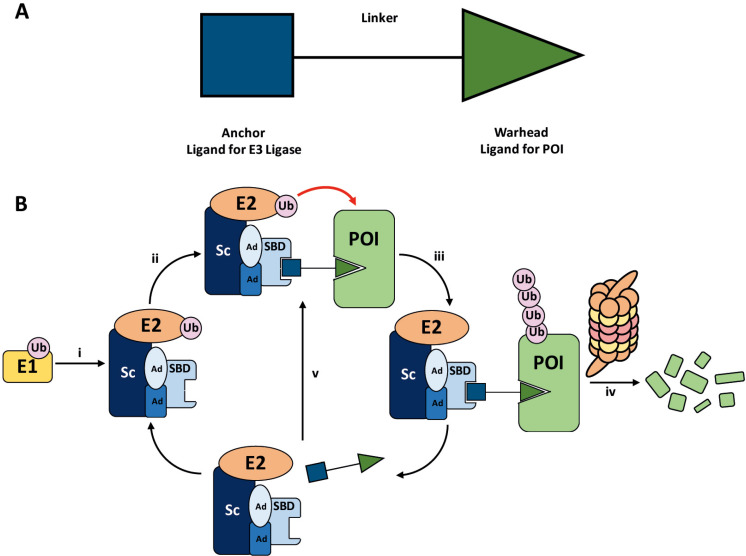
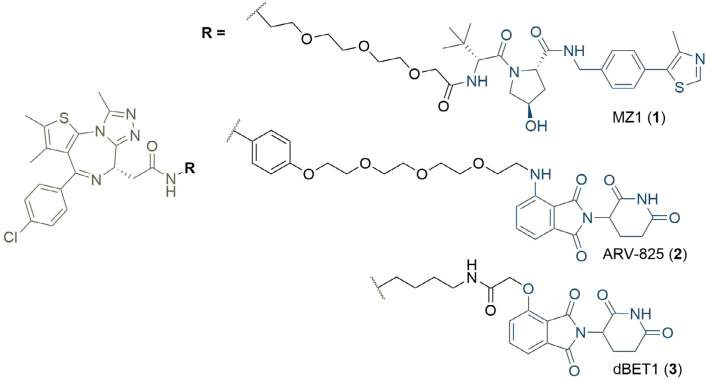
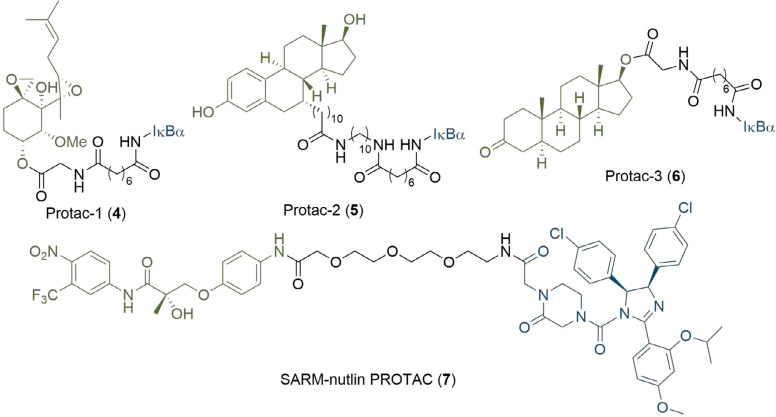
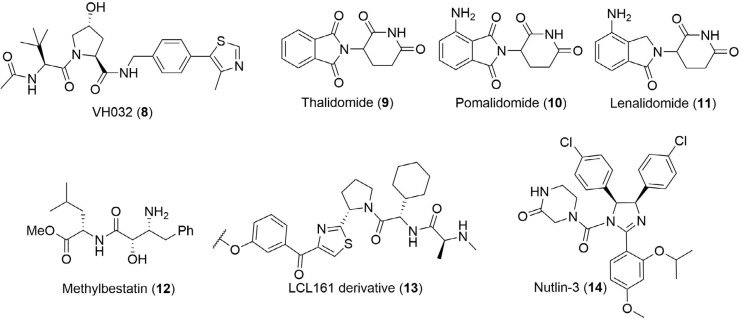
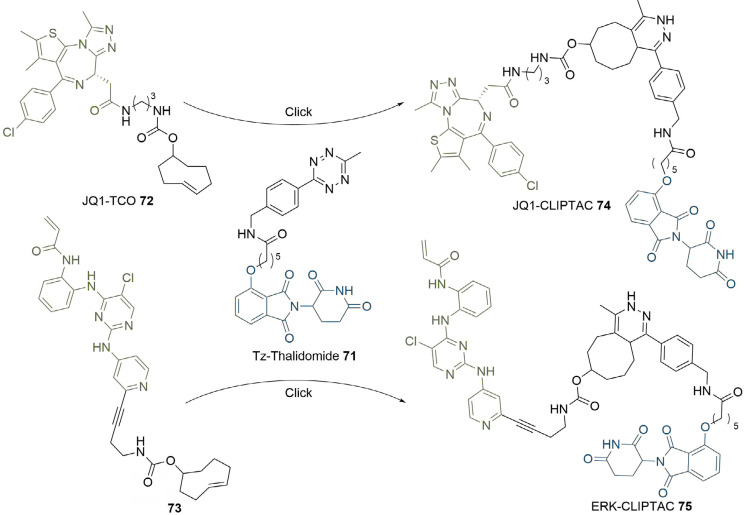
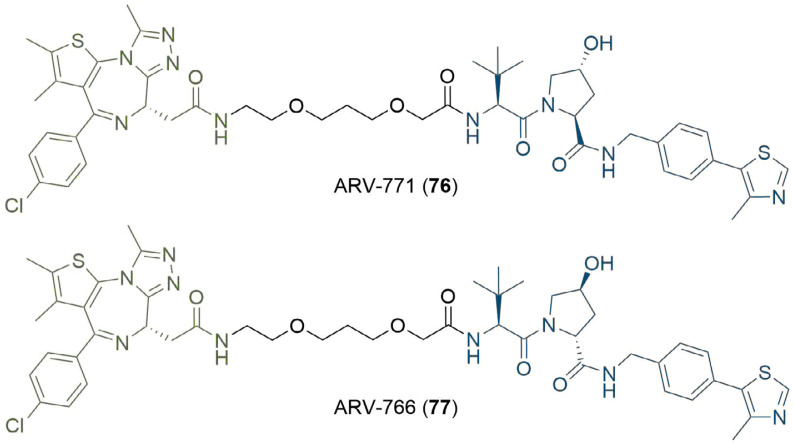
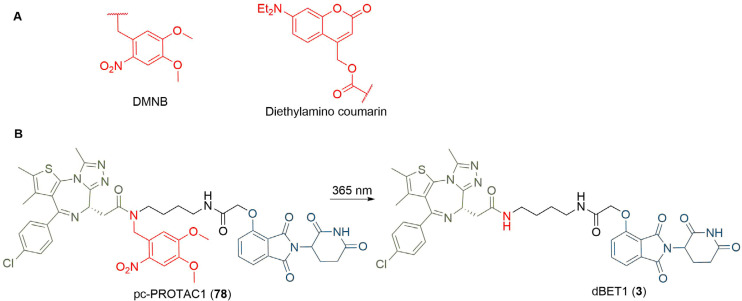
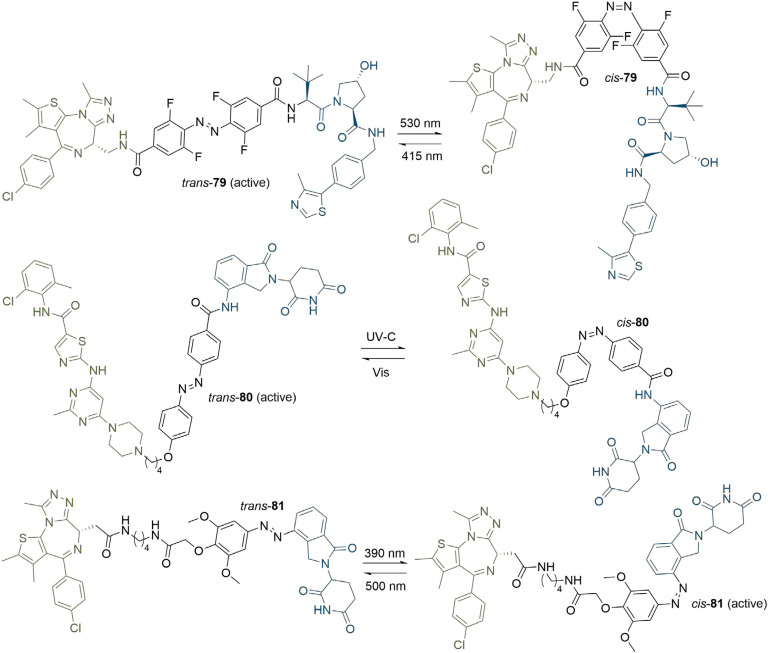
Verification
Claims the paper makes
The claims and statistics of this paper haven’t been checked yet.
Run the check — free, no account needed. It reads the open-access text and checks the sources it cites.
Claims other papers make about this one
Each is checked against this paper’s own text: does it say what the citing paper says it does?
The cited source says what the claim attributes to it.
In the citing paper
“The composition and length of linkers can affect the efficiency of degraders40,41.”
From An HDAC4-specific PROTAC degrader achieves radiation sensitization by enhancing ferroptosis in lung cancer (2026) · cites this paper as [41]
In the citing paper
“Short linkers can be used to modulate PROTAC molecular weights67 and properties65”
From PROTAC targeted protein degraders: the past is prologue (2022) · cites this paper as [67]
Self-check
Percentages, sums and reported differences re-computed from the paper’s own numbers.
The self-check needs the paper’s full text.
Citations
Cites
Lipinski, C. A., Lombardo, F., Dominy, B. W., & Feeney, P. J. (2001) · Advanced Drug Delivery Reviews · doi:10.1016/s0169-409x(00)00129-0 · Cited by 18,139
Molecular properties that influence the oral bioavailability of drug candidates
Veber, D. F., Johnson, S. R., Cheng, H.-Y., Smith, B. R., Ward, K. W., & Kopple, K. D. (2002) · Journal of Medicinal Chemistry · doi:10.1021/jm020017n · Cited by 8,420
Lipinski, C. A., Lombardo, F., Dominy, B. W., & Feeney, P. J. (2012) · Advanced Drug Delivery Reviews · doi:10.1016/j.addr.2012.09.019 · Cited by 3,720
Peptide therapeutics: current status and future directions
Fosgerau, K., & Hoffmann, T. (2014) · Drug Discovery Today · doi:10.1016/j.drudis.2014.10.003 · Cited by 3,160
RING Domain E3 Ubiquitin Ligases
Deshaies, R. J., & Joazeiro, C. A. P. (2009) · Annual Review of Biochemistry · doi:10.1146/annurev.biochem.78.101807.093809 · Cited by 2,679
Sakamoto, K. M., Kim, K. B., Kumagai, A., Mercurio, F., Crews, C. M., & Deshaies, R. J. (2001) · Proceedings of the National Academy of Sciences · doi:10.1073/pnas.141230798 · Cited by 2,609
The growing applications of click chemistry
Moses, J. E., & Moorhouse, A. D. (2007) · Chemical Society Reviews · doi:10.1039/b613014n · Cited by 2,376
Phthalimide conjugation as a strategy for in vivo target protein degradation
Winter, G. E., Buckley, D. L., Paulk, J., Roberts, J. M., Souza, A., Dhe-Paganon, S., & Bradner, J. E. (2015) · Science · doi:10.1126/science.aab1433 · Cited by 1,760
Tetrazine Ligation: Fast Bioconjugation Based on Inverse-Electron-Demand Diels−Alder Reactivity
Blackman, M. L., Royzen, M., & Fox, J. M. (2008) · Journal of the American Chemical Society · doi:10.1021/ja8053805 · Cited by 1,691
Honigberg, L. A., Smith, A. M., Sirisawad, M., Verner, E., Loury, D., Chang, B., Li, S., Pan, Z., Thamm, D. H., Miller, R. A., et al. (2010) · Proceedings of the National Academy of Sciences · doi:10.1073/pnas.1004594107 · Cited by 1,561
Cited by
Sorted by citations
Items 201–300 of 429
PROTAC: A Novel Drug Delivery Technology for Targeting Proteins in Cancer Cells
Bala, R., Sindhu, R. K., Madaan, R., & Yadav, S. K. (2022) · Current Drug Discovery Technologies · doi:10.2174/1570163820666221031124612 · Cited by 8
Volynkina, I. A., Бычкова, Е. Н., Karakchieva, A. O., Tikhomirov, A. S., Zatonsky, G. V., Solovieva, S. E., Martynov, M. M., Grammatikova, N. E., Tereshchenkov, A. G., Paleskava, A., et al. (2024) · Pharmaceuticals · doi:10.3390/ph17020187 · Cited by 8
Synthesis, SAR, and application of JQ1 analogs as PROTACs for cancer therapy
De, S., Sahu, R., Palei, S., & Nanda, L. N. (2024) · Bioorganic & Medicinal Chemistry · doi:10.1016/j.bmc.2024.117875 · Cited by 9
PROTAC technology for prostate cancer treatment
Wang, Z., Zhang, D., Inuzuka, H., & Wei, W. (2025) · Acta Materia Medica · doi:10.15212/amm-2024-0075 · Cited by 9
Use of ionic liquids in amidation reactions for proteolysis targeting chimera synthesis
Eleuteri, M., Desantis, J., Cruciani, G., Germani, R., & Goracci, L. (2024) · Organic & Biomolecular Chemistry · doi:10.1039/d4ob00304g · Cited by 8
PROTACs in Ovarian Cancer: Current Advancements and Future Perspectives
Vorderbruggen, M., Velázquez‐Martínez, C. A., Natarajan, A., & Karpf, A. R. (2024) · International Journal of Molecular Sciences · doi:10.3390/ijms25105067 · Cited by 8
Zhang, S.-H., Zeng, N., Xu, J., Liu, C., Xu, M., Sun, J., An, Y., Zhong, X., Miao, L.-T., Wang, S., et al. (2024) · Biomedicine & Pharmacotherapy · doi:10.1016/j.biopha.2024.117584 · Cited by 9
Use of Aldehyde–Alkyne–Amine Couplings to Generate Medicinal Chemistry-Relevant Linkers
McGown, A., Vetma, V., Crépin, D., Lin, Y., Adcock, C., Craigon, C., Nafie, J., von Emloh, D., Sutton, L., Bailey, K., et al. (2025) · ACS Medicinal Chemistry Letters · doi:10.1021/acsmedchemlett.4c00531 · Cited by 8
Xu, G., Havens, C. G., Deng, Q., Lowenstein, C. L., Samanta, D., Vidal, B., Behshad, E., Russell, M. R., Orth, P., Rice, C., et al. (2025) · Journal of Medicinal Chemistry · doi:10.1021/acs.jmedchem.5c00223 · Cited by 7
Discovery of PZ671, a highly potent and in vivo active CRBN-recruiting Bcl-xL degrader
Zhang, P., Thummuri, D., Hu, W., Khan, S. U., He, Y., Zhang, X., Pal, P., Lv, D., Zhou, D., & Zheng, G. (2025) · RSC Medicinal Chemistry · doi:10.1039/d5md00119f · Cited by 7
Dual functionality of MDM2 in PROTACs expands the horizons of targeted protein degradation
Zhao, J., Chen, H., & Liang, C. (2025) · Biomarker Research · doi:10.1186/s40364-025-00826-7 · Cited by 7
N-Acylhydrazones: applications and advances in drug discovery
Antoniolli, G., de Moraes, G. R., Deruvo, C., Altomare, C. D., Coelho, F., & de Candia, M. (2025) · European Journal of Medicinal Chemistry Reports · doi:10.1016/j.ejmcr.2025.100317 · Cited by 7
Hu, Q., Cao, Y., Ren, P., Zhang, X., Li, F., Zhang, X., Cai, F., Zhang, R., Zhou, Y., Mei, L., et al. (2026) · Proceedings of the National Academy of Sciences · doi:10.1073/pnas.2518248123 · Cited by 7
Zheng, M., Zhang, X., Chen, W., Xia, F., Yang, H., Yuan, K., & Yang, P. (2024) · Future Medicinal Chemistry · doi:10.4155/fmc-2023-0259 · Cited by 7
Linker Optimization Enhances the Potency of Ribonuclease-Targeting Chimeras in Cancer Models
Meyer, S. M., Kovachka, S., Wang, T., Cameron, M. D., Childs‐Disney, J. L., & Disney, M. D. (2025) · Journal of Medicinal Chemistry · doi:10.1021/acs.jmedchem.5c00749 · Cited by 9
N-Heterocycle based Degraders (PROTACs) Manifesting Anticancer Efficacy: Recent Advances
Banerjee, S., Sharma, S., Thakur, A., Sachdeva, R., Sharma, R., Nepali, K., & Liou, J. (2023) · Current Drug Targets · doi:10.2174/0113894501273969231102095615 · Cited by 7
Marques, A.-S. M. C., Bauer, L. G., Nguyen, T. A., Orta, A. G., Venne, J. L., Cheng, L., Balıkçı, E., Tivon, B., London, N., Kubicek, S., et al. (2025) · bioRxiv (Cold Spring Harbor Laboratory) · doi:10.1101/2025.03.16.643557 · Cited by 7
Hilbig, K., Towers, R., Schmitz, M., Bornhäuser, M., Lennig, P., & Zhang, Y. (2024) · Molecules · doi:10.3390/molecules29122779 · Cited by 6
Molecular features defining the efficiency of bioPROTACs
Winkelvoß, D., Vukovic, D., Hänny, A.-C., Riermeier, L., Udovcic, A., Kolibius, J., Honegger, A., Mittl, P. R. E., Michel, E., Hansen, S., et al. (2025) · Communications Biology · doi:10.1038/s42003-025-08352-w · Cited by 6
Montisci, F., Friggeri, L., Burusco, K. K., McCabe, P., Popovic, B., & Cole, J. C. (2025) · Journal of Chemical Information and Modeling · doi:10.1021/acs.jcim.5c00880 · Cited by 6
An overview of recent advancements in targeted cancer therapies and their potential clinical impact
Ahmed, S., Sakla, A. P., Jahan, K., Neshat, N., Akhter, M., Aaghaz, S., & Kamal, A. (2025) · RSC Medicinal Chemistry · doi:10.1039/d5md00740b · Cited by 6
Lu, P.-C., Huang, Y.-A., Wali, N., Tseng, M., He, R., Chern, Y., Wei, T.-T., Shie, J., & Huang, J. J. (2026) · Journal of the American Chemical Society · doi:10.1021/jacs.5c14078 · Cited by 7
Linkerology in PROTACs: learnings for proximity-inducing therapeutics
Prieto‐Díaz, R., Urbina, A., Rodriguez-Rios, M., & Ciulli, A. (2026) · Trends in Biochemical Sciences · doi:10.1016/j.tibs.2026.07.004 · Cited by 7
Solid‐Phase Synthesis of PROTACs and SNIPERs on Backbone Amide Linked (BAL) Resin
Hales, L. T., & Thompson, P. E. (2023) · Chemistry - A European Journal · doi:10.1002/chem.202301975 · Cited by 6
Wang, K., Zhou, Z., Ma, X., Xu, J., Xu, W., Zhou, G., Zhou, C., Li, H., Zheng, M., Zhang, S., et al. (2024) · Bioorganic & Medicinal Chemistry Letters · doi:10.1016/j.bmcl.2024.129780 · Cited by 6
Tarantelli, C., Cannas, E., Ekeh, H., Moscatello, C., Gaudio, E., Cascione, L., Napoli, S., Rech, C., Testa, A., Maniaci, C., et al. (2021) · Exploration of Targeted Anti-tumor Therapy · doi:10.37349/etat.2021.00065 · Cited by 7
De novo Semi‐Synthetic Platform for Monitoring Protein degradation in Live Cells
Hasan, M., Panda, D., Mann, G., & Brik, A. (2023) · ChemBioChem · doi:10.1002/cbic.202300731 · Cited by 6
Yırtıcı, Ü. (2024) · Archiv der Pharmazie · doi:10.1002/ardp.202400455 · Cited by 6
Lin, S., Wang, C., Chen, A., & Wang, T. A. (2024) · Chemistry - A European Journal · doi:10.1002/chem.202403184 · Cited by 5
Protein Phosphatase 5-Recruiting Chimeras for Accelerating Tau Dephosphorylation
Gu, J., He, C., Han, Z., Huang, Q., He, Y., Lu, Y., You, Q., Zhang, Q., & Wang, L. (2025) · ACS Chemical Biology · doi:10.1021/acschembio.5c00165 · Cited by 5
Sarnow, A., Nassar, H., Alfayomy, A. M., Robaa, D., & Sippl, W. (2025) · Computers in Biology and Medicine · doi:10.1016/j.compbiomed.2025.110570 · Cited by 4
Anugu, A., Singh, P., Kashyap, D., Jillwin, J., Naik, S., Sarkar, S., Zaman, K., Dhaliwal, M., Nagar, S., Gupta, T., et al. (2025) · Microorganisms · doi:10.3390/microorganisms13071557 · Cited by 5
Leveraging targeted kinase degradation as a novel therapeutic strategy for Alzheimer's disease
Tassinari, E., & Milelli, A. (2025) · RSC Medicinal Chemistry · doi:10.1039/d5md00681c · Cited by 5
Lu, D., Yu, X. Q., Lin, H., Cheng, R., Yang, B., Zhang, M., Chen, J., Li, F., Qi, X., & Wang, J. (2025) · Journal of Medicinal Chemistry · doi:10.1021/acs.jmedchem.5c00773 · Cited by 5
Seo, M., Lee, J., & Ueno, N. T. (2026) · Advanced Science · doi:10.1002/advs.202515498 · Cited by 5
Castagna, D., Gourdet, B., Hjerpe, R., MacFaul, P., Novak, A., Révol, G., Rochette, É., & Jordan, A. M. (2024) · Progress in medicinal chemistry · doi:10.1016/bs.pmch.2024.07.002 · Cited by 5
Application of a bivalent “click” approach to target tyrosyl-DNA phosphodiesterase 1 (TDP1)
Zhao, X. Z., Wang, W., Mahmud, M. R. A., Agama, K., Pommier, Y. G., & Burke, T. R. (2025) · RSC Medicinal Chemistry · doi:10.1039/d4md00824c · Cited by 5
Utilising the intrinsic fluorescence of pomalidomide for imaging applications
Brownsey, D. K., Gafuik, C. J., Kim, D., O’Sullivan, L., Gorobets, E., Krukowski, S., Turk, M., Jenne, C. N., Mahoney, D. J., & Derksen, D. J. (2023) · Chemical Communications · doi:10.1039/d3cc04314b · Cited by 5
He, C., Ba, X., Shunatona, H. P., Edwards, J. T., Li, Y., Keller, T. M., Sommer, R. D., Zapf, C. W., & Mortensen, D. S. (2024) · Organic Letters · doi:10.1021/acs.orglett.4c01696 · Cited by 5
A “Goldilocks Zone” for Recruiting BET Proteins with Bromodomain-1-Selective Ligands
Mohammed, A., Churion, K. A., Danda, A., Philips, S. J., & Ansari, A. Z. (2024) · ACS Chemical Biology · doi:10.1021/acschembio.4c00505 · Cited by 5
Tripathi, A., Chhabra, A., Rizvi, S., & Tyagi, R. K. (2025) · Molecular and Cellular Endocrinology · doi:10.1016/j.mce.2025.112569 · Cited by 4
Nanotechnology-based strategies for overcoming clinical limitations of PROTACs in cancer therapy
Cho, H., Kim, J., Lee, H.-Y., Kang, H., & Kim, K. (2025) · Journal of Materials Chemistry B · doi:10.1039/d5tb01162k · Cited by 5
Branching beyond bifunctional linkers: synthesis of macrocyclic and trivalent PROTACs
Cao, Y., Harris, A. L., & Ciulli, A. (2025) · Nature Protocols · doi:10.1038/s41596-025-01283-0 · Cited by 6
Shotgun Approach for PROTAC Ternary Complex Modeling and Evaluation
Zhao, T., & Gao, Y. Q. (2025) · Journal of Chemical Information and Modeling · doi:10.1021/acs.jcim.5c02037 · Cited by 4
Circular RNA in hepatocellular carcinoma: emerging therapeutic strategies
Jazbec, G., & Režen, T. (2025) · Frontiers in Immunology · doi:10.3389/fimmu.2025.1722576 · Cited by 4
PROTACs in targeted protein degradation: Advances in development and AI-enhanced drug discovery
Du, M., Liu, T., Wang, W., Fan, S., Tian, M., Du, Q., Wang, Z., Li, X., Liu, X., Xia, Q., et al. (2026) · European Journal of Medicinal Chemistry Reports · doi:10.1016/j.ejmcr.2026.100332 · Cited by 4
Mechanisms and Design Principles of Proteolysis-Targeting Chimeras and Their Emerging Applications
Knoll, N., Neamati, N., & Üren, A. (2026) · ACS Pharmacology & Translational Science · doi:10.1021/acsptsci.5c00730 · Cited by 5
Covalent Inhibitors - An Overview of Design Process, Challenges and Future Directions
Mugisa, S., & Murahari, M. (2025) · Current Organic Chemistry · doi:10.2174/0113852728361926250123092017 · Cited by 4
Janež, Š., Guzelj, S., & Jakopin, Ž. (2024) · Bioconjugate Chemistry · doi:10.1021/acs.bioconjchem.4c00321 · Cited by 4
Mahajan, A. A., Panzade, G., Bhuniya, T., Das, P., Bhattacharjee, B., Das, S., Chowdhury, A., Chakraborty, K., Guha, S., Samant, A., et al. (2024) · Current Problems in Cancer · doi:10.1016/j.currproblcancer.2024.101172 · Cited by 4
Lin, C., Hsu, J., Hsu, Y., Fan, K.-C., Wu, S., Lin, M., Guh, J., & Yu, C. (2025) · Journal of Enzyme Inhibition and Medicinal Chemistry · doi:10.1080/14756366.2025.2468355 · Cited by 3
PROTACs improve selectivity for targeted proteins
Liu, L., Guan, X., Zhuo, J., Wu, X., & Han, X. (2025) · Acta Materia Medica · doi:10.15212/amm-2025-0015 · Cited by 3
Targeted protein degradation: therapeutic potential and challenges of PROTACs and molecular glues
Kim, S., & Jeung, E. (2025) · Journal of Biomedical Translational Research · doi:10.12729/jbtr.2025.26.2.21 · Cited by 3
Targeted Protein Degradation for Agricultural Applications: Rationale, Challenges, and Outlook
Fourches, D., Pilotte, J. R., Watts, B. E., Saltzberg, D. J., & Cicchillo, R. M. (2025) · ACS Bio & Med Chem Au · doi:10.1021/acsbiomedchemau.5c00111 · Cited by 3
Wang, X., Meng, R.-J., Cao, W.-J., Cheng, L., Zhang, J., & Chen, S. (2025) · Bioorganic & Medicinal Chemistry · doi:10.1016/j.bmc.2025.118473 · Cited by 4
Context matters: E3 ligase–ligand pairing strategies for optimized PROTAC performance
Yin, L., Shu, P., & Peng, X. (2025) · Protein & Cell · doi:10.1093/procel/pwaf107 · Cited by 6
Discovery of KRAS-G12D degraders via exploration of various E3 ligases
Yim, H., Song, X., Zhong, Y., Hu, J., Xiong, Y., & Jin, J. J. (2026) · European Journal of Medicinal Chemistry · doi:10.1016/j.ejmech.2026.118635 · Cited by 3
Small-molecule degraders for oncogenic KRASG12C and pan-KRAS mutations
Deng, J., Shen, S., Huang, L., Xu, F., Huang, W., Huang, C., Zhang, Z., Liu, T., Tan, Y., & Li, Z. (2026) · Nature Communications · doi:10.1038/s41467-026-71093-9 · Cited by 4
Advantages of PROTACs in achieving selective degradation of homologous protein families
Yang, L., Mao, X., Zhang, J., Shu, J., Huang, W., Dong, X., Chen, Y., & Wu, M. (2026) · Beilstein Journal of Organic Chemistry · doi:10.3762/bjoc.22.49 · Cited by 3
Advancing PROTAC therapeutics through chemistry-guided design of smart delivery systems
Yao, T., Zhou, Z., Wang, G., Zhu, Z.-Y., & Li, X.-N. (2026) · Acta Pharmacologica Sinica · doi:10.1038/s41401-026-01853-2 · Cited by 5
Targeted delivery of proteolysis-targeting chimeras (PROTAC) and molecular glue degraders (MGD)
Banerjee, M., Detappe, A., & Lammers, T. (2026) · Advanced Drug Delivery Reviews · doi:10.1016/j.addr.2026.115922 · Cited by 4
George, N., Akhtar, M. J., Balushi, K. A. A., Safi, S. Z., Azmi, S. N. H., & Khan, S. A. (2023) · Medicinal Chemistry Research · doi:10.1007/s00044-023-03026-w · Cited by 3
Bruton Tyrosine Kinase Degraders in B-Cell Malignancies
Huynh, T., Rodrı́guez, S., & Danilov, A. V. (2024) · Molecular Cancer Therapeutics · doi:10.1158/1535-7163.mct-23-0520 · Cited by 4
Decoupled coordinates for machine learning-based molecular fragment linking
Fleck, M., Müller, M. G., Weber, N., & Trummer, C. (2022) · Machine Learning Science and Technology · doi:10.1088/2632-2153/ac50fc · Cited by 3
Kotagiri, S., Wang, Y., Han, Y., Liang, X., Blazanin, N., Nguyen, P. K., Jiang, Y., & Lissanu, Y. (2024) · bioRxiv (Cold Spring Harbor Laboratory) · doi:10.1101/2024.08.23.608456 · Cited by 3
Huang, W., Zhang, H., Zhou, Y., Liu, X., Zhang, Q., & Ma, X. (2025) · Biomedical Chromatography · doi:10.1002/bmc.6068 · Cited by 2
Filiberti, S., Renzi, G., Carta, F., Fantacuzzi, M., D’Agostino, I., Menendez, G. B., Angeli, A., Massardi, M. L., Şimşek, R., Capasso, C., et al. (2025) · RSC Medicinal Chemistry · doi:10.1039/d5md00109a · Cited by 2
Pierri, M., Bove, G., Gazzillo, E., Colarusso, E., Scala, F., Pepe, G., Terracciano, S., Chini, M. G., Simonelli, N., Bruno, I., et al. (2025) · Chemistry - A European Journal · doi:10.1002/chem.202404218 · Cited by 2
Berwanger, A., Stein, S. C., Brandner, S., Kany, A. M., Heinz, S., Loretz, B., Lehr, C., Hirsch, A. K. H., Lermyte, F., Schulz, T. F., et al. (2025) · ChemMedChem · doi:10.1002/cmdc.202500758 · Cited by 2
Design and Synthesis of Novel Candidate CK1δ Proteolysis Targeting Chimeras (PROTACs)
Arnold, M., Thompson, T., Glennie, L., Hollnagel, M., Sapkota, G. P., & Peifer, C. (2025) · Molecules · doi:10.3390/molecules30224452 · Cited by 2
Essa, K., Zacarı́as, N. V. O., Röth, S., Xin, B., de Winter, S., van der Horst, C., Bleijs, B. T. M., de Heiden, R. A., Voulgaraki, R., Neubert, E., et al. (2025) · Journal of Medicinal Chemistry · doi:10.1021/acs.jmedchem.5c02920 · Cited by 3
Emerging methods to improve PROTAC transport across cell membrane
Veisi, F., & Ataei, F. (2026) · Chemical Engineering Journal · doi:10.1016/j.cej.2026.173175 · Cited by 2
Targeted protein degradation as a novel therapeutic strategy against infectious diseases
Birkholtz, L., Olivier, T., Welcome, T., & Strauss, E. (2026) · Current Opinion in Chemical Biology · doi:10.1016/j.cbpa.2026.102655 · Cited by 2
Chen, H., Zhao, J., Qiu, F., Wang, Z., Li, J., Zhang, L., Lü, A., & Liang, C. (2026) · Journal of Extracellular Vesicles · doi:10.1002/jev2.70268 · Cited by 2
Lu, X., Qin, J., Dong, S., Yuan, Y., Zhang, Z., Zhang, B., Chen, X., Gan, X., Liang, H., & Liu, F. (2026) · Biomarker Research · doi:10.1186/s40364-026-00937-9 · Cited by 3
Evolving CRBN ligands enhance the drug-like properties of protein degraders
Ji, X.-Q., Wang, L., & Dai, X. (2026) · Journal of Enzyme Inhibition and Medicinal Chemistry · doi:10.1080/14756366.2026.2700038 · Cited by 2
Enabling formulations for PROTACs: A line-of-sight to clinic
Swedrowska, M., Fransson, R., Jacobs, E., Abouselo, A., Nash, S., Singhal, M., & Carlert, S. (2026) · Advanced Drug Delivery Reviews · doi:10.1016/j.addr.2026.115927 · Cited by 2
Modulating phosphorylation by proximity-inducing strategy: an update
Xia, Y., Zhai, D., You, Q., Wang, L., & Zhang, Q. (2026) · RSC Medicinal Chemistry · doi:10.1039/d6md00484a · Cited by 2
A protein–foldamer supramolecular synthon for self-assembled hybrid architectures
Sigl, J., Morozov, V., Wang, L., Sachs, J., Merlet, É., Largy, E., Geue, N., Österlund, N., Kwon, S., Sanchez, F., et al. (2026) · Nature Chemistry · doi:10.1038/s41557-026-02222-6 · Cited by 2
Protein degradation induced by PROTAC molecules as an emerging drug discovery strategy
Koravović, M., Marković, B. D., Kovačević, M., Rmandić, M., & Tasić, G. (2022) · Journal of the Serbian Chemical Society · doi:10.2298/jsc211209027k · Cited by 2
Li, C., Zhang, P., Chang, G., Pan, M., Lu, F., Huang, J., Wang, Y., Zhao, Q., Sun, B., Cui, Y., et al. (2023) · ChemistrySelect · doi:10.1002/slct.202300095 · Cited by 2
Nguyen, K. T., Nguyen, H. H., Phùng, H. T. T., Chung, K. L., & Vu, T. Y. (2024) · Journal of Biomolecular Structure and Dynamics · doi:10.1080/07391102.2024.2308778 · Cited by 2
Thinking Outside the Box: Indirect Myc Modulation in Canine B-Cell Lymphoma
Licenziato, L., Mazzone, E., Tarantelli, C., Accornero, P., Rinaldi, A., Divari, S., Leung, W., Webb, S., Maria, R. D., & Aresu, L. (2024) · Animals · doi:10.3390/ani14101466 · Cited by 2
PROTACs: Principles and Mechanisms
Saluja, R. S., Vaidya, M. P., & Kharkar, P. S. (2024) · Springer eBooks · doi:10.1007/978-981-97-5077-1_2 · Cited by 2
Sato, S., Matsukawa, M., Takemoto, M., Okamoto, T., Saito, A., Omura, I., Matsuhisa, K., Ikeda, H., Imaizumi, K., & Kaneko, M. (2025) · Biochemical and Biophysical Research Communications · doi:10.1016/j.bbrc.2025.151370 · Cited by 2
Kim, Y., Baek, S. J., Yoon, E.-K., Choi, M., Kim, J., Kim, K., Park, C. H., & Lee, B. I. (2025) · Scientific Reports · doi:10.1038/s41598-025-88166-2 · Cited by 3
Development of an Organoautocatalyzed Double σ‐Bond C(sp 2 )‐N Transamination Metathesis Reaction
Klein, V., Schuster, F., Amthor, J., Maid, H., Bijalwan, P., Himo, F., Santoro, S., & Tsogoeva, S. B. (2025) · Angewandte Chemie International Edition · doi:10.1002/anie.202505275 · Cited by 2
Development of an Organoautocatalyzed Double σ‐Bond C(sp 2 )‐N Transamination Metathesis Reaction
Klein, V., Schuster, F., Amthor, J., Maid, H., Bijalwan, P., Himo, F., Santoro, S., & Tsogoeva, S. B. (2025) · Angewandte Chemie · doi:10.1002/ange.202505275 · Cited by 2
Palyada, K., Hukkanen, R. R., Leuenroth-Quinn, S., Vitsky, A., Peterson, R. E., Stamp, K., Hoover, C., & Volak, L. P. (2024) · Toxicologic Pathology · doi:10.1177/01926233241300452 · Cited by 2
Discovery of an Antiviral PROTAC Targeting the SARS-CoV-2 Main Protease Using an Allosteric WarheadPreprint
Veeck, C., Laube, L., Werner, A., Diederich, W. E., & Becker, S. (2025) · bioRxiv (Cold Spring Harbor Laboratory) · doi:10.1101/2025.05.03.652023 · Cited by 2
Effective Tubulin Degradation by Rationally Designed Proteolysis Targeting ChimerasPreprint
Maiocchi, A., Abel, A., Basellini, M. J., Pérez‐Peña, H., Boiarska, Z., Ferrandi, E. E., Kozicka, Z., Fasano, V., Pieraccini, S., Cappelletti, G., et al. (2025) · bioRxiv (Cold Spring Harbor Laboratory) · doi:10.1101/2025.05.22.655572 · Cited by 2
Halilovic, M., Abdelsalam, M. A. M., Mieland, A. O., Neuroth, S., Ashry, R., Zabkiewicz, J., Lazenby, M., Alvares, C. L., Schmidt, M., Brenner, W., et al. (2025) · bioRxiv (Cold Spring Harbor Laboratory) · doi:10.1101/2025.06.20.660791 · Cited by 2
Cho, N., & Naito, M. (2022) · Methods in enzymology on CD-ROM/Methods in enzymology · doi:10.1016/bs.mie.2022.09.001 · Cited by 1
NR1D1 in tumorigenesis: dual roles, mechanisms, and therapeutic targeting
Lv, Z., Yang, R., Wu, J., Shi, X., Wang, R., Niu, Y., Qian, Z., Jiao, J., & Ma, Y. (2025) · Gene · doi:10.1016/j.gene.2025.149889 · Cited by 1
Synthesis and Evaluation of AS1411-Lenalidomide-Targeted Degradation Chimera in Antitumor Therapy
Ma, X., Liu, S., Dong, X., Li, X., Wang, F., Zhang, J., Xu, Z., Shi, W., Zheng, A., Zhang, A., et al. (2025) · Pharmaceuticals · doi:10.3390/ph18121867 · Cited by 1
Proteolysis-targeting Chimera efficacy prediction using a deep-learning–QSP model
Goo, S., Kim, J., Lee, S., Jung, S., Chae, J., Choi, J.-M., & Yun, H. (2026) · Journal of Cheminformatics · doi:10.1186/s13321-026-01152-2 · Cited by 1
2,5-Diazabicyclo[2.2.1]heptane in medicinal chemistry: a treasure trove of therapeutic opportunities
Ambast, P. K., Kapoor, S., Das, R., Chatterjee, D. R., & Shard, A. (2026) · RSC Medicinal Chemistry · doi:10.1039/d5md00992h · Cited by 1
Furuhata, T., Yoshida, K., 凌嘉, 藤., Miyamoto, J., Moriyama, C., Masuda-Ozawa, T., Tsuchiya, H., Saeki, Y., & Okamoto, A. (2026) · Communications Chemistry · doi:10.1038/s42004-026-01895-x · Cited by 1
Wan, H., Liu, Y., Chang, H., Zhang, K., Li, Z., Ni, H., Xu, J., Pan, B., Zhu, K., Hu, J., et al. (2026) · European Journal of Medicinal Chemistry · doi:10.1016/j.ejmech.2026.118668 · Cited by 1
Ding, B., Chen, X., Chen, Y., Cao, J., Yang, B., Jiang, L., & Zhu, C. (2026) · Chemistry - A European Journal · doi:10.1002/chem.202503641 · Cited by 1
Metadata
- Authors
- Troup, R. I., Fallan, C., & Baud, M. G. J.
- Affiliations
- University of Southampton (GB)
- AstraZeneca (United Kingdom) (GB)
- Corresponding author
- Fallan, Charlene
- Baud, Matthias G. J.
- Venue
- Exploration of Targeted Anti-tumor Therapy
- Publisher
- Open Exploration Publishing
- Published
- 2020-10-11
- Volume
- 1
- Issue
- 5
- Pages
- 273-312
- ISSN
- 2692-3114 (ISSN-L)
- PMC
- PMC9400730
- OpenAlex
- W3093395956
- Cited by
- 424
- References
- 183
- Citations by year
- 2026: 91 · 2025: 102 · 2024: 96 · 2023: 66 · 2022: 48 · 2021: 19 · 2020: 1
- FWCI
- 3.28
- Type
- journal article
- Language
- en
- Open access
- diamond
- doi.org
- Locations
- Exploration of Targeted Anti-tumor Therapy (publishedVersion, cc-by)
- PubMed Central (publishedVersion, cc-by)
- PubMed (publishedVersion)
- ePrints Soton (University of Southampton) (acceptedVersion)
- DOAJ (DOAJ: Directory of Open Access Journals) (submittedVersion, cc-by-sa)
- Funders
- AstraZeneca
- Engineering and Physical Sciences Research Council (EP/R513325/1)
- Topics
- Life Sciences › Biochemistry, Genetics and Molecular Biology › Molecular Biology › Protein Degradation and Inhibitors
- Physical Sciences › Chemistry › Organic Chemistry › Chemical Synthesis and Analysis
- Life Sciences › Biochemistry, Genetics and Molecular Biology › Molecular Biology › Ubiquitin and proteasome pathways
- Keywords
- PROTACs, linker design, targeted protein degradation, E3 ubiquitin ligase, heterobifunctional molecules, ternary complex structure, rational drug design, polyethylene glycol linker, alkyl linkers
About these checks
Registry, retraction, Cites and statistics results are computed, not judged, with one exception: a printed reference that no index lists is read once by a model before it counts as a citation error. Claims are extracted by a model and kept only when their quote appears verbatim in the text; each cited source is then checked, with a model’s help, for whether it says what the claim relies on. Those verdicts can be wrong — read the claim’s quote and the cited source before relying on one.
Statistics and arithmetic are recomputed, not judged.
Confidence bands are shown only for fields calibrated on our annotated test set. None is calibrated yet, so no band is shown.
What counts as a claim ›How we measure confidence ›How we check this ›
Are you an author, or do you see a problem with this page? Request a review
