

Ecdysteroids: A novel class of anabolic agents?
Open accessThe DOI matches its Crossref record; 21 of the 21 references it cites were found in a registry or an index; none of the 7 sources its claims cite is checked for support yet.
Abstract
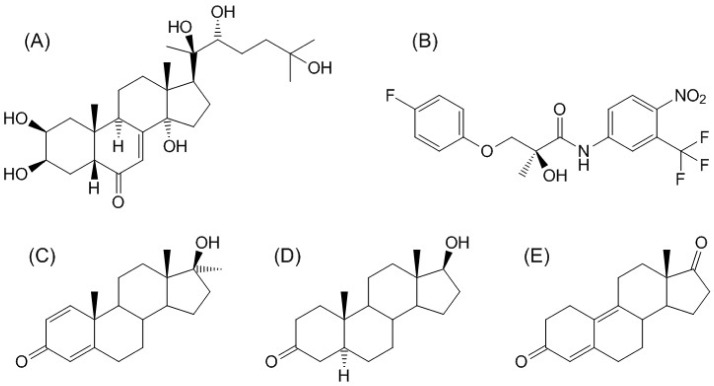
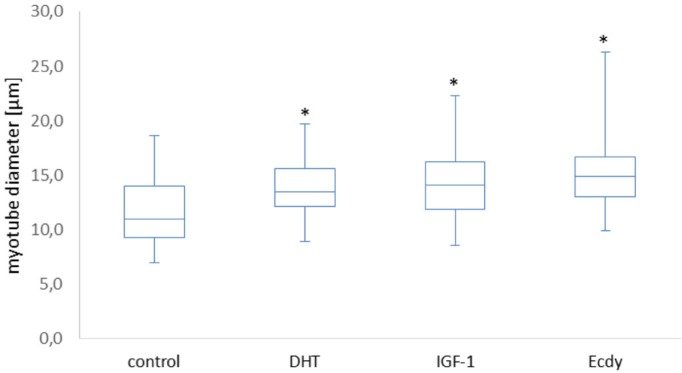
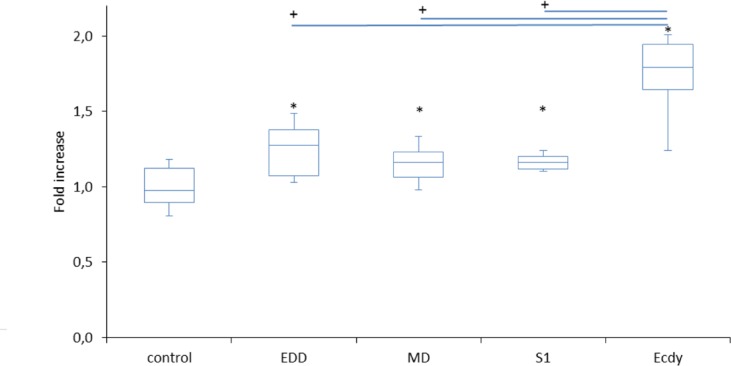
Increasing numbers of dietary supplements with ecdysteroids are marketed as "natural anabolic agents". Results of recent studies suggested that their anabolic effect is mediated by estrogen receptor (ER) binding. Within this study the anabolic potency of ecdysterone was compared to well characterized anabolic substances. Effects on the fiber sizes of the soleus muscle in rats as well the diameter of C2C12 derived myotubes were used as biological readouts. Ecdysterone exhibited a strong hypertrophic effect on the fiber size of rat soleus muscle that was found even stronger compared to the test compounds metandienone (dianabol), estradienedione (trenbolox), and SARM S 1, all administered in the same dose (5 mg/kg body weight, for 21 days). In C2C12 myotubes ecdysterone (1 µM) induced a significant increase of the diameter comparable to dihydrotestosterone (1 µM) and IGF 1 (1.3 nM). Molecular docking experiments supported the ERβ mediated action of ecdysterone. To clarify its status in sports, ecdysterone should be considered to be included in the class "S1.2 Other Anabolic Agents" of the list of prohibited substances of the World Anti-Doping Agency.
Overview
CoChat Summary
## TL;DR
This study reports that ecdysterone increased muscle hypertrophy in both rat soleus muscle and C2C12 myotubes, with effects comparable to or greater than several anabolic comparators. The authors argue the mechanism is likely ERβ-mediated rather than androgen receptor-mediated and suggest ecdysterone should be considered a prohibited anabolic agent.
## Key findings
- In C2C12-derived myotubes, ecdysterone at 1 µM significantly increased myotube diameter versus vehicle control, with a “slightly higher” effect than dihydrotestosterone (1 µM) and IGF-1 (1.3 nM), though that comparison was not statistically significant.
- In male Wistar rats (n = 42) treated once daily for 21 days at 5 mg/kg body weight, ecdysterone significantly increased soleus muscle fiber size.
- At the same dose, ecdysterone produced a significantly higher effect on soleus muscle fiber size than metandienone, estradienedione, and S-1.
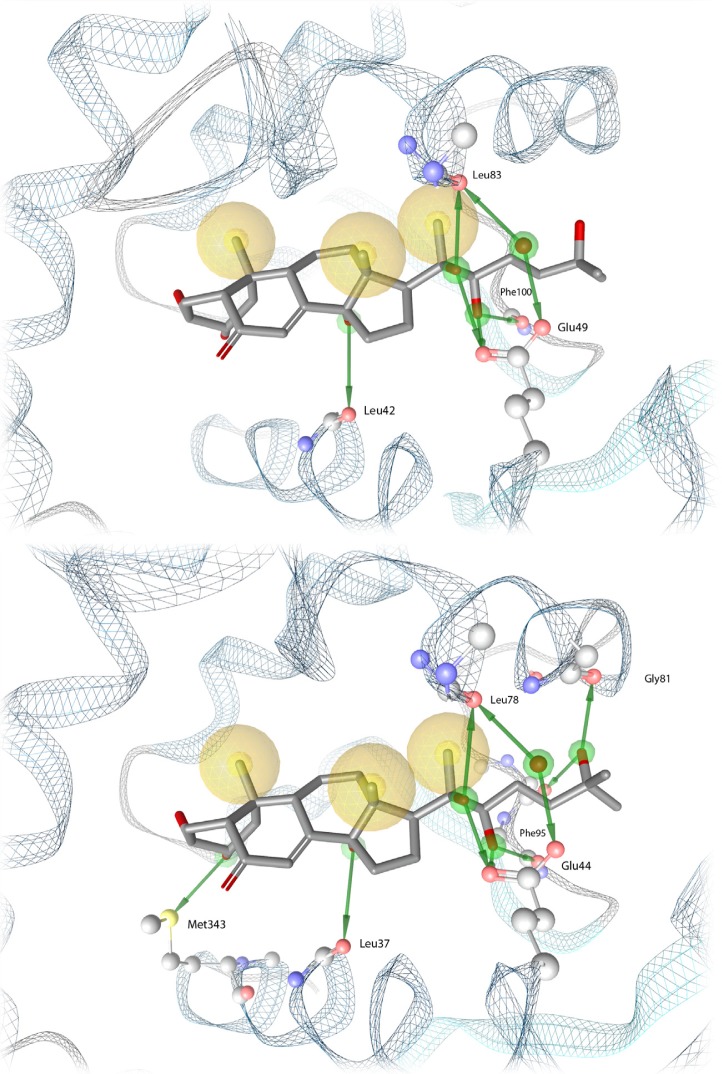
- Docking studies supported ERβ as the more plausible receptor target; the paper states ecdysterone showed no significant binding at the AR and that ERβ had three additional hydrogen bonds in the docking pose.
## Methods
- In-vitro hypertrophy model: C2C12-derived myotubes were incubated with test compounds, and diameters of 47 myotubes per group were measured.
- Animal study: 42 male Wistar rats were randomized to verum and control groups; intact rats received ecdysterone, metandienone, estradienedione, or S-1 at 5 mg/kg once daily for 21 days, with soleus muscle fiber size as the readout.
- In-silico modeling and statistics: Ecdysterone was docked into ERα, ERβ, and AR crystal structures using GOLD and analyzed with LigandScout; statistics used Kruskal–Wallis followed by Mann–Whitney U-tests with p ≤ 0.05.
## Limitations
- The paper does not report detailed sample sizes for each treatment group beyond the total rat number (n = 42) and the 47 myotubes per group measurement scheme, which limits interpretation of group-level precision.
- The mechanistic claim is based on in-silico docking and prior cited cell-culture work; the paper itself does not provide direct receptor-binding or causal mechanistic experiments beyond modeling, as stated in the text.
- The study is explicitly framed around rats and C2C12 myotubes, so any application to humans or doping policy is inferential from the paper’s data, not directly tested here.
Model-written summary. Check it against the paper before relying on it.
Integrity signals
Registry
Cites
Statistics
Figures
Verification
Claims the paper makes
0 Valid · 0 Not valid · 6 Not checked · 19 Own results and interpretations
A result the paper reports from its own data — it cites no other source for it, so there is none to check. The quote shows it is in the paper.
In the paper
“Significantly increased fiber sizes of the soleus muscle were determined following treatment with ecdysterone.”
- Also stated in: § Abstract · boosted
“Ecdysterone exhibited a strong hypertrophic effect on the fiber size of rat soleus muscle that was found even stronger compared to the test compounds metandienone (dianabol), estradienedione (trenbolox), and SARM S 1, all administered in the same dose (5 mg/kg body weight, for 21 days).”
§ Ecdysteroids: A novel class of anabolic agents? > RESULTS > Determination of Anabolic Properties
boostedstates a cause- Asserted: passes — The authors put it forward as true.
- Checkable: passes — It can be checked against evidence.
- Load-bearing: passes — The paper’s conclusions depend on it.
- Based: passes — The paper gives a reason why it holds.
- Also stated in: § Abstract · boosted
A result the paper reports from its own data — it cites no other source for it, so there is none to check. The quote shows it is in the paper.
In the paper
“In ERβ the ligand can adapt a conformation close enough to Met343 and form a hydrogen bond with the hydroxyl group in position 2 of ecdysterone.”
§ Ecdysteroids: A novel class of anabolic agents? > RESULTS > In-silico Investigation of Steroid Receptor Binding
plain- Asserted: passes — The authors put it forward as true.
- Checkable: passes — It can be checked against evidence.
- Load-bearing: passes — The paper’s conclusions depend on it.
- Based: passes — The paper gives a reason why it holds.
A result the paper reports from its own data — it cites no other source for it, so there is none to check. The quote shows it is in the paper.
In the paper
“Comparison with the animals treated with the anabolic androgenic steroids metandienone or estradienedione and the SARM S-1 yielded a significantly higher effect in the ecdysterone treated animals when the same doses were applied (Figure 3).”
- Also stated in: § Abstract · boosted
“Ecdysterone exhibited a strong hypertrophic effect on the fiber size of rat soleus muscle that was found even stronger compared to the test compounds metandienone (dianabol), estradienedione (trenbolox), and SARM S 1, all administered in the same dose (5 mg/kg body weight, for 21 days).”
§ Ecdysteroids: A novel class of anabolic agents? > RESULTS > Determination of Anabolic Properties
boostedstates a cause- Asserted: passes — The authors put it forward as true.
- Checkable: passes — It can be checked against evidence.
- Load-bearing: passes — The paper’s conclusions depend on it.
- Based: passes — The paper gives a reason why it holds.
- Also stated in: § Abstract · boosted
A result the paper reports from its own data — it cites no other source for it, so there is none to check. The quote shows it is in the paper.
In the paper
“At those positions where methyl groups are found for the endogenous ligand testosterone, hydroxyl groups sterically interfere with the receptor in case of ecdysterone.”
§ Ecdysteroids: A novel class of anabolic agents? > RESULTS > In-silico Investigation of Steroid Receptor Binding
plainstates a cause- Asserted: passes — The authors put it forward as true.
- Checkable: passes — It can be checked against evidence.
- Load-bearing: passes — The paper’s conclusions depend on it.
- Based: passes — The paper gives a reason why it holds.
A result the paper reports from its own data — it cites no other source for it, so there is none to check. The quote shows it is in the paper.
In the paper
“Additionally, two more hydrogen bonds with the terminal hydroxyl group to the backbone of the β-subtype (Leu346, Phe404 and Leu387, respectively) could be observed.”
§ Ecdysteroids: A novel class of anabolic agents? > RESULTS > In-silico Investigation of Steroid Receptor Binding
hedged- Asserted: passes — The authors put it forward as true.
- Checkable: passes — It can be checked against evidence.
- Load-bearing: passes — The paper’s conclusions depend on it.
- Based: passes — The paper gives a reason why it holds.
15 more claims
Create a free account to see all 25 claims and every source verdict.
- It may state two separate claims as one. 3
- Probably not a substantial claim. 2
Claims other papers make about this one
Each is checked against this paper’s own text: does it say what the citing paper says it does?
The cited source doesn’t support the claim as written.
In the citing paper
“The anabolic efficacy of TEAD and the isolated 20-HE was evaluated using testosterone enanthate and methandienone as positive controls in orchidectomized immature male Wistar rats [6].”
From Phytoecdysteroids and Anabolic Effect of Atriplex dimorphostegia: UPLC-PDA-MS/MS Profiling, In Silico and In Vivo Models (2023) · cites this paper as [6]
Checked by a reasoning model — may be wrong.
Experimental — accuracy not yet measuredThe source backs part of the claim, not all of it — or backs it for a different population, condition or comparison.
In the citing paper
“Interestingly, ecdysteroids, a class of hormones found in arthropods responsible for molting and reproduction, have shown anabolic effects in vertebrates and humans [5,6,7].”
From Phytoecdysteroids and Anabolic Effect of Atriplex dimorphostegia: UPLC-PDA-MS/MS Profiling, In Silico and In Vivo Models (2023) · cites this paper as [6]
Experimental — accuracy not yet measuredThe source backs part of the claim, not all of it — or backs it for a different population, condition or comparison.
In the citing paper
“When compared to AAS, ecdysteroids do not bind to androgenic receptors (ARs).”
From Phytoecdysteroids and Anabolic Effect of Atriplex dimorphostegia: UPLC-PDA-MS/MS Profiling, In Silico and In Vivo Models (2023) · cites this paper as [6]
Experimental — accuracy not yet measuredThe source backs part of the claim, not all of it — or backs it for a different population, condition or comparison.
In the citing paper
“Phytosteroids, like 20-hydroxyecdysone (20E) or diosgenin (DSG) are gaining attention for their potential performance-enhancing and anabolic effects [7–10].”
From How reliable is the labeling of a commercial phytosteroid product? A 12-week randomized double-blind training study (2025) · cites this paper as [10]
Experimental — accuracy not yet measuredThe cited source says what the claim attributes to it.
In the citing paper
“Parr et al. clearly confirmed the anabolic activity of ECD, comparing its effect to those of well-known AASs and selective androgen receptor modulators (SARMs) [7].”
6 more claims about this paper
Create a free account to see every claim other papers make about this one.
Citations
Cites
Improved protein–ligand docking using GOLD
Verdonk, M. L., Cole, J. C., Hartshorn, M. J., Murray, C. W., & Taylor, R. D. (2003) · Proteins: Structure, Function, and Bioinformatics · doi:10.1002/prot.10465 · Cited by 3,067
Wolber, G., & Langer, T. (2005) · Journal of Chemical Information and Modeling · doi:10.1021/ci049885e · Cited by 1,954
Self-citationDelfosse, V., Grimaldi, M., Pons, J.-L., Boulahtouf, A., le Maire, A., Cavailles, V., Labesse, G., Bourguet, W., & Balaguer, P. (2012) · Proceedings of the National Academy of Sciences · doi:10.1073/pnas.1203574109 · Cited by 405
Pereira de Jésus‐Tran, K., Côté, P., Cantin, L., Blanchet, J., Labrie, F., & Breton, R. (2006) · Protein Science · doi:10.1110/ps.051905906 · Cited by 278
Recent developments in the use and abuse of growth promoters
Courtheyn, D., Le Bizec, B., Brambilla, G., De Brabander, H. F., Cobbaert, E., Van de Wiele, M., Vercammen, J., & De Wasch, K. (2002) · Analytica Chimica Acta · doi:10.1016/s0003-2670(02)00753-5 · Cited by 256
Phytoecdysteroids and Anabolic Androgenic Steroids--Structure and Effects on Humans
Bathori, M., Toth, N., Hunyadi, A., Marki, A., & Zador, E. (2008) · Current Medicinal Chemistry · doi:10.2174/092986708783330674 · Cited by 201
Effects and applications of arthropod steroid hormones (ecdysteroids) in mammals
Dinan, L., & Lafont, R. (2006) · Journal of Endocrinology · doi:10.1677/joe.1.06900 · Cited by 200
Practical uses for ecdysteroids in mammals including humans: and update
Lafont, R., & Dinan, L. (2003) · Journal of Insect Science · doi:10.1093/jis/3.1.7 · Cited by 196
Phytoecdysteroids increase protein synthesis in skeletal muscle cells.
Gorelick-Feldman, J., MacLean, D., Ilic, N., Poulev, A., Lila, M. A., Cheng, D., & Raskin, I. (2008) · Journal of Agricultural and Food Chemistry · doi:10.1021/jf073059z · Cited by 166
Strategies for 3D pharmacophore-based virtual screening
Seidel, T., Ibis, G., Bendix, F., & Wolber, G. (2010) · Drug Discovery Today Technologies · doi:10.1016/j.ddtec.2010.11.004 · Cited by 156
Self-citation
Cited by
Isenmann, E., Ambrosio, G., Joseph, J. F., Mazzarino, M., de la Torre, X., Zimmer, P., Kazlauskas, R., Goebel, C., Botrè, F., Diel, P., et al. (2019) · Archives of Toxicology · doi:10.1007/s00204-019-02490-x · Cited by 127
Self-citationDinan, L., Dioh, W., Veillet, S., & Lafont, R. (2021) · Biomedicines · doi:10.3390/biomedicines9050492 · Cited by 99
“In silico docking studies suggest that 20E can interact with the ligand-binding domains of ER α and ER β but has the potential for stronger interaction with ER β [118].”
Kopylov, A. T., Malsagova, K. A., Stepanov, A. A., & Kaysheva, A. L. (2021) · Nutrients · doi:10.3390/nu13051623 · Cited by 55
20-Hydroxyecdysone activates the protective arm of the RAAS via the MAS receptor
Lafont, R., Serova, M., Didry-Barca, B., Raynal, S., Guibout, L., Dinan, L., Veillet, S., Latil, M., Dioh, W., & Dilda, P. J. (2022) · Journal of Molecular Endocrinology · doi:10.1530/jme-21-0033 · Cited by 50
Natural products: Potential therapeutic agents to prevent skeletal muscle atrophy
Yadav, A., Yadav, S. S., Singh, S., & Dabur, R. (2022) · European Journal of Pharmacology · doi:10.1016/j.ejphar.2022.174995 · Cited by 58
Roman, M., Roman, D. L., Ostafe, V., Ciorsac, A. A., & Isvoran, A. (2018) · Pharmaceutical Research · doi:10.1007/s11095-018-2353-1 · Cited by 52
“Another molecular docking study revealed that the biological action of ecdysterone, a dietary supplement, is mediated by the ERβ estrogen receptor (19).”
BackgroundPhysical exercise, nutrition and hormones: three pillars to fight sarcopenia
Sgrò, P., Sansone, M., Sansone, A., Sabatini, S., Borrione, P., Romanelli, F., & Luigi, L. D. (2018) · The Aging Male · doi:10.1080/13685538.2018.1439004 · Cited by 55
Targeting the administration of ecdysterone in doping control samples
Parr, M. K., Ambrosio, G., Wuest, B., Mazzarino, M., de la Torre, X., Sibilia, F., Joseph, J. F., Diel, P., & Botrè, F. (2020) · Forensic Toxicology · doi:10.1007/s11419-019-00504-y · Cited by 38
“Indeed, ecdysterone was already suspected to be used by Olympic athletes since the 1980s and was also called a “Russian secret” [11,19,20,24-26].”
BackgroundSelf-citationAnnual banned‐substance review: analytical approaches in human sports drug testing
Thevis, M., Kuuranne, T., Walpurgis, K., Geyer, H., & Schänzer, W. (2016) · Drug Testing and Analysis · doi:10.1002/dta.1928 · Cited by 38
Huang, S., Yi, Q., Lian, X., Xu, S., Yang, C., Sun, J., Wang, L., & Song, L. (2020) · Developmental & Comparative Immunology · doi:10.1016/j.dci.2020.103757 · Cited by 33
Vágvölgyi, M., Martins, A., Kulmány, Á., Zupkó, I., Gáti, T., Simon, A., Tóth, G., & Hunyadi, A. (2018) · European Journal of Medicinal Chemistry · doi:10.1016/j.ejmech.2017.12.032 · Cited by 37
Shuvalov, O., Fedorova, O., Tananykina, E., Gnennaya, Y., Daks, A., Petukhov, A., & Barlev, N. A. (2020) · Frontiers in Pharmacology · doi:10.3389/fphar.2020.561537 · Cited by 30
“A number of papers have shown an ecdysteronemediated increase in sport performance among both mice and humans (Azizov and Seĭfulla, 1998; Gorelick-Feldman et al., 2008; Parr et al., 2015; Isenmann et al., 2019).”
BackgroundLim, H.-S., Moon, B. C., Lee, J., Choi, G., & Park, G. (2020) · Free Radical Biology and Medicine · doi:10.1016/j.freeradbiomed.2020.07.010 · Cited by 30
Bezuglov, E., Talibov, O., Butovskiy, M., Khaitin, V., Achkasov, E., Waśkiewicz, Z., & Lazarev, A. (2021) · Asian Journal of Sports Medicine · doi:10.5812/asjsm.110753 · Cited by 26
“considered that this evidence was sufficient for placing ecdysterone in section S2 of the WADA’s prohibited list (74).”
BackgroundAmbrosio, G., Wirth, D., Joseph, J. F., Mazzarino, M., de la Torre, X., Botrè, F., & Parr, M. K. (2020) · Journal of Pharmaceutical and Biomedical Analysis · doi:10.1016/j.jpba.2019.112877 · Cited by 25
Self-citationGlazowska (2018) · doi:10.1002/jssc.201800506 · Cited by 22
Sustainable Production of Ajuga Bioactive Metabolites Using Cell Culture Technologies: A Review
Popova, E., Титова, М. В., Тыныкулов, М., Zakirova, R. P., Куличенко, И. Е., Prudnikova, O. N., & Nosov, A. M. (2023) · Nutrients · doi:10.3390/nu15051246 · Cited by 23
Kraiem, S., Al‐Jaber, M. Y., Al‐Mohammed, H., Al‐Menhali, A. S., Al‐Thani, N., Helaleh, M., Samsam, W., Touil, S., Beotra, A., Georgakopoulas, C., et al. (2021) · Drug Testing and Analysis · doi:10.1002/dta.3032 · Cited by 19
Bhardwaj, M., Mamadalieva, N. Z., Chauhan, A. K., & Kang, S. C. (2019) · International Immunopharmacology · doi:10.1016/j.intimp.2019.05.038 · Cited by 18
Analysis of triterpenes and triterpenoids
Garg, A., Sharma, R., Dey, P. K., Kundu, A. B., Kim, H. S., Bhakta, T., & Kumar, A. (2020) · Elsevier eBooks · doi:10.1016/b978-0-12-816455-6.00011-1 · Cited by 28
Ambrosio, G., Yuliandra, T., Wuest, B., Mazzarino, M., Torre, X. D. L., Botrè, F., Diel, P., Isenmann, E., & Parr, M. K. (2021) · doi:10.20944/preprints202105.0106.v1 · Cited by 14
“In vitro and in silico studies have shown that the anabolic effect of ecdysterone is mediated by activation of estrogen receptor beta (ER beta) [8,24–27].”
BackgroundSelf-citationCytology, function and dynamics of stem and progenitor cells in decapod crustaceans
Vogt, G. (2021) · Biological reviews/Biological reviews of the Cambridge Philosophical Society · doi:10.1111/brv.12824 · Cited by 16
“In mammals, 20-hydroxyecdysone exerts anabolic effects via increase of muscle fibres and activation of satellite cells (Parr et al., 2015; T oth et al., 2008).”
BackgroundBaev, A. Y., Charishnikova, O. S., Khasanov, F. A., Nebesnaya, K. S., Makhmudov, A. R., Rakhmedova, M. T., Khushbaktova, Z. A., Syrov, V. N., & Levitskaya, Y. V. (2022) · The Journal of Steroid Biochemistry and Molecular Biology · doi:10.1016/j.jsbmb.2022.106066 · Cited by 16
da Rosa, H. S., Koetz, M., Santos, M. C., Jandrey, E. H. F., Folmer, V., Henriques, A. T., & Mendez, A. S. L. (2018) · Steroids · doi:10.1016/j.steroids.2018.01.014 · Cited by 16
Pharmacology of doping agents—mechanisms promoting muscle hypertrophy
Kristina Parr, M., Pharmaceutical and Medicinal Chemistry, I. O. P., & Müller-Schöll, A. (2018) · AIMS Molecular Science · doi:10.3934/molsci.2018.2.131 · Cited by 15
“Furthermore, in a recent study, same doses of the phytoecdysteroid ecdysterone elicited stronger hypertrophic effects in mouse myoblastoma cell line C2C12 derived myotubes than the AAS metandienone, estradienedione and SARM S1 [122].”
BackgroundSelf-citationSida tuberculata reduces oxidative stress and pain caused by the knee osteoarthritis
Yamada, E. F., Olin, L. C., Pontel, C. L., da Rosa, H. S., Folmer, V., & da Silva, M. D. (2019) · Journal of Ethnopharmacology · doi:10.1016/j.jep.2019.112277 · Cited by 16
Ambrosio, G., Joseph, J. F., Wuest, B., Mazzarino, M., de la Torre, X., Diel, P., Botrè, F., & Parr, M. K. (2020) · Steroids · doi:10.1016/j.steroids.2020.108603 · Cited by 14
Self-citationTestosterone Boosters Intake in Athletes: Current Evidence and Further Directions
Lazarev, A., & Bezuglov, E. (2021) · Endocrines · doi:10.3390/endocrines2020011 · Cited by 14
“For example, the steroidlike substance ecdysterone [59], which is present in some TB, is already on the Monitoring list, and some authors demand to prohibit ecdysterone on the basis of single studies conducted on animals and healthy volunteers [60,61].”
BackgroundGrucza, K., Wicka, M., Drapała, A., & Kwiatkowska, D. (2021) · Separations · doi:10.3390/separations9010008 · Cited by 14
Functional Food from Endangered Ecosystems: Atriplex portulacoides as a Case Study
Zanella, L., & Vianello, F. (2020) · Foods · doi:10.3390/foods9111533 · Cited by 14
“portulacoides stands out for its high content of ecdysone-related compounds, which are not degraded by cooking and can produce an anabolic effect in vertebrates [47,48].”
Background20-Hydroxyecdysone attenuates cardiac remodeling in spontaneously hypertensive rats
Phungphong, S., Kijtawornrat, A., Chaiduang, S., Saengsirisuwan, V., & Bupha‐Intr, T. (2017) · Steroids · doi:10.1016/j.steroids.2017.08.004 · Cited by 17
da Rosa, H. S., Salgueiro, A. C. F., Colpo, A. Z. C., Paula, F. R., Mendez, A. S. L., & Folmer, V. (2016) · Brazilian Journal of Medical and Biological Research · doi:10.1590/1414-431x20165282 · Cited by 16
Chen, Y.-S., & Feng, Y. (2021) · Journal of Analysis and Testing · doi:10.1007/s41664-021-00179-8 · Cited by 13
“In addition, supplementation of 20E can improve the physical performance of mammals [9, 10].”
BackgroundKhan, M., Khan, S. A., Alshammary, F. L., Zaidi, S., Singh, V., Ahmad, I., Patel, H., Gupta, V. K., & Haque, S. (2023) · Journal of Biomolecular Structure and Dynamics · doi:10.1080/07391102.2023.2209648 · Cited by 19
“Parr et al. reported that Ecdysterone increases protein synthesis in skeletal muscle (Parr et al., 2015), similarly, scopolin is a coumarin glycoside reported to inhibit carbonic anhy-drases (Giovannuzzi et al., 2022).”
BackgroundUrinary Excretion of Ecdysterone and Its Metabolites Following Spinach Consumption
Yuliandra, T., Touvleliou, K., de la Torre, X., Botrè, F., Loke, S., Isenmann, E., Valder, S., Diel, P., & Parr, M. K. (2023) · Molecular Nutrition & Food Research · doi:10.1002/mnfr.202200518 · Cited by 12
Self-citationPhytoecdisteroids from Serratula coronata when growing ducklings
Khaziev, D., Galina, C., Gadiev, R., Valitov, F., Gumarova, G., & Galyautdinov, I. (2020) · Research in Veterinary Science · doi:10.1016/j.rvsc.2019.11.012 · Cited by 12
Pálinkás, Z., Békési, D., & Utczás, M. (2023) · Separations · doi:10.3390/separations10040242 · Cited by 11
Csábi, J., Rafai, T., Hunyadi, A., & Zádor, E. (2019) · Fitoterapia · doi:10.1016/j.fitote.2019.03.017 · Cited by 11
Bunu, M. I., Ndinteh, D. T., Macdonald, J. R., Langat, M. K., Isyaka, S. M., Sadgrove, N. J., Melnikovová, I., & Fernández-Cusimamani, E. (2021) · Antibiotics · doi:10.3390/antibiotics10080937 · Cited by 12
“Ecdysteroids are novel anabolic agents that work on the estrogen receptor [25].”
BackgroundMorel, S., Hugon, G., Vitou, M., Védère, M., Fons, F., Rapior, S., Saint, N., & Carnac, G. (2021) · Nutrients · doi:10.3390/nu13124190 · Cited by 13
“, Spinacia oleracea, Rhaponticum carthamoides) and their active ingredient ecdysterone (20-hydroxyecdysone, 20HE) can significantly increase muscle mass and decrease body fat [12].”
BackgroundZhang, K., Zhou, Z., Wang, C., Yu, M., Zhang, Y., Shi, Y., Wang, X., Liu, Y., Xu, L., Shi, W., et al. (2022) · Evidence-based Complementary and Alternative Medicine · doi:10.1155/2022/2624434 · Cited by 14
“2e synthesis of ecdysone in humans is regulated by the estrogen receptor (ER) [38].”
BackgroundZaghloul, E., Handousa, H., Singab, A. N. B., Elmazar, M. M., Ayoub, I. M., & Swilam, N. (2023) · Plants · doi:10.3390/plants12010206 · Cited by 11
“An effect even exceeding methandienone was found in vitro [6], and Chermnykh et al.”
BackgroundResultInfluentialDinan, L. N., Mamadalieva, N. Z., & Lafont, R. (2019) · Springer eBooks · doi:10.1007/978-981-13-1745-3_35-1 · Cited by 19
20-Hydroxyecdysone activates the protective arm of the renin angiotensin system via Mas receptor
Lafont, R., Raynal, S., Serova, M., Didry-Barca, B., Guibout, L., Latil, M., Dilda, P. J., Dioh, W., & Veillet, S. (2020) · doi:10.1101/2020.04.08.032607 · Cited by 11
“(19,22) have proposed that 20E effects are explained through its binding to estrogen receptor ERβ.”
BackgroundResultEcdysone Elicits Chronic Renal Impairment via Mineralocorticoid-Like Pathogenic Activities
Lu, M., Wang, P., Zhou, S., Flickinger, B., Malhotra, D. K., Ge, Y., Tatar, M., Dworkin, L. D., Liu, Z., & Gong, R. (2018) · Cellular Physiology and Biochemistry · doi:10.1159/000493499 · Cited by 12
Lu, M., Wang, P., Ge, Y., Dworkin, L. D., Brem, A. S., Liu, Z., & Gong, R. (2018) · Scientific Reports · doi:10.1038/s41598-018-29483-7 · Cited by 12
Orie, N. N., Raees, A., Al-Jaber, M., Mohamed-Ali, N., Bensmail, H., Hamza, M. M., Al-Ansari, N., Beotra, A., Mohamed‐Ali, V., & Al‐Maadheed, M. (2021) · Phytomedicine Plus · doi:10.1016/j.phyplu.2021.100078 · Cited by 9
Jiang, L., Piribauer, M., Kostov, T., Steidel, S., Bizjak, D., Steinacker, J., Parr, M., & Diel, P. (2023) · Toxicology Letters · doi:10.1016/j.toxlet.2023.08.007 · Cited by 8
Self-citationKostov, T., Diel, P., & Isenmann, E. (2024) · Toxicology Letters · doi:10.1016/j.toxlet.2024.10.005 · Cited by 7
Self-citationDenben, B., Sripinyowanich, S., Ruangthai, R., & Phoemsapthawee, J. (2023) · Sports · doi:10.3390/sports11090175 · Cited by 6
“Antiestrogen, but not antiandrogen, could counteract ecdysterone’s hypertrophic effect, which could be due to the modulation of phosphorylation effects [19,33].”
BackgroundKaratt, T. K., Sathiq, M. A., Laya, S., Ajeebsanu, M. M., Kal, A. K. K., Subhahar, M. B., & Perwad, Z. (2023) · Rapid Communications in Mass Spectrometry · doi:10.1002/rcm.9611 · Cited by 7
Marešová, L., Moos, M., Opekar, S., Kazek, M., Eichler, C., & Šimek, P. (2024) · Journal of Lipid Research · doi:10.1016/j.jlr.2024.100640 · Cited by 7
Phytoecdysteroids of Serratula centauroides Herb from Cisbaikalia
Olennikov, D. N., & Kashchenko, N. I. (2019) · Russian Journal of Bioorganic Chemistry · doi:10.1134/s1068162019070094 · Cited by 7
Tóth, G., Santa-Maria, A. R., Herke, I., Gáti, T., Galvis-Montes, D., Walter, F. R., Deli, M. A., & Hunyadi, A. (2023) · Journal of Natural Products · doi:10.1021/acs.jnatprod.2c00948 · Cited by 8
Dinan, L. N., Mamadalieva, N. Z., & Lafont, R. (2021) · Springer eBooks · doi:10.1007/978-981-15-4148-3_35 · Cited by 7
Isenmann, E., Yuliandra, T., Touvleliou, K., Broekmann, M., de la Torre, X., Botrè, F., Diel, P., & Parr, M. K. (2024) · Archiv der Pharmazie · doi:10.1002/ardp.202300689 · Cited by 5
Self-citationJędrejko, K., Lazarev, A., Jędrejko, M., & Muszyńska, B. (2024) · Food Reviews International · doi:10.1080/87559129.2023.2238055 · Cited by 4
“R 52–56] Studies have shown that ecdysteroids may exert many positive effects on human health.”
Molecular insights into the role of Estrogen Receptor Beta in Ecdysterone Mediated Anabolic Activity
Tariq, S. S., Sardar, M., Shafiq, M., Heinz, H., Nur-e-Alam, M., Ahmed, A., & Ul-Haq, Z. (2025) · PLoS One · doi:10.1371/journal.pone.0320865 · Cited by 4
“Recent in-vitro and in-vivo experimental studies conducted by Maria Kristina and colleagues suggest that Ecdysterone exerts its anabolic effects by binding to the estrogen (beta) receptor [6,7,8].”
A Quantitative Structure–Activity Relationship Study of the Anabolic Activity of Ecdysteroids
Usmanov, D. A., Yusupova, U. Y., Syrov, V. N., Casañola‐Martín, G. M., & Rasulev, B. (2025) · Computation · doi:10.3390/computation13080195 · Cited by 4
“Recent studies suggest that the anabolic effect of ecdysterone—a naturally occurring steroid hormone believed to enhance physical performance—is mediated through its interaction with estrogen receptors (ERs) [2,3].”
InfluentialNambaaru, S., Sahu, P. N., Katta, S., Ganapavarapu, V. R. S., Bhanukiran, K., & Sen, A. (2024) · ChemistrySelect · doi:10.1002/slct.202403146 · Cited by 4
On gonads and gadflies: the estrus angle
Hillier, S. G. (2017) · Journal of Endocrinology · doi:10.1530/joe-17-0136 · Cited by 4
“The anabolic potential of ecdysterone as a dietary supplement in humans is such that it could yet be prohibited as a performance-enhancing drug by the World Anti-Doping Agency (Parr et al. 2015).”
BackgroundSzerencsés, B., Vörös, M., Bagi, K., Háznagy, M. B., Hunyadi, A., Vágvölgyi, C., Pfeiffer, I., & Vágvölgyi, M. (2022) · Microbiology Research · doi:10.3390/microbiolres13040071 · Cited by 5
Alourfi, N. M., Mohammed, G. I., Nassef, H. M., et al. (2021) · Analytical Sciences · doi:10.2116/analsci.21p167 · Cited by 3
Isenmann, E., Yuliandra, T., Touvleliou, K., Broekmann, M., Torre, X. D. L., Botrè, F., Diel, P., & Parr, M. K. (2023) · doi:10.1101/2023.10.10.560427 · Cited by 2
“An increase in muscle fiber size, body weight, protein content, and enhancement in muscle strength was also observed in rats after administration of ecdysterone (Gorelick-Feldman et al., 2008; Parr et al., 2015; Parr et al., 2014; Syrov, 2000; Toth et al., 2008).”
BackgroundSelf-citationDissemond, J., Havers, T., Held, S., Geisler, S., Kostov, T., Diel, P., Türschmann, S., Parr, M. K., & Isenmann, E. (2025) · Journal of the International Society of Sports Nutrition · doi:10.1080/15502783.2025.2540408 · Cited by 2
“…in vitro studies suggest it may operate through various pathways, including a membrane G-protein coupled receptor (GPCR) and nuclear estrogen receptor-β (ERβ), with recent research proposing a combined interaction involving the GPCR Mas receptor and a membrane-bound estrogen receptor [10–15].”
Self-citationIvanovsky, A. A., Александровна, Л. Н., & Timkina, E. Y. (2020) · Agricultural science Euro-North-East · doi:10.30766/2072-9081.2020.21.5.597-604 · Cited by 2
Leach, F., Davidson, J., Burtenshaw, M., Harris, G., Tomlin, T., & Davis, P. (2023) · Archaeology in Oceania/Archæology & physical anthropology in Oceania · doi:10.1002/arco.5285 · Cited by 2
Propagation and Long-Term Storage of Rhaponticum carthamoides Under In Vitro Conditions
Raiser, O., Tagimanova, D., Туржанова, А., Magzumova, S., Nagmetova, G., Akhmetkarimova, Z. S., Premina, N., Филиппова, Н., & Khapilina, O. N. (2025) · Horticulturae · doi:10.3390/horticulturae11080952 · Cited by 4
Chester, N. J. (2021) · Routledge eBooks · doi:10.4324/9781003096160-10 · Cited by 1
A Review of Punarnava’s Pharmacological Profile Focusing on its Beneficial and Adverse Effects
Tiwari, P., Soni, N., Wal, P., & Srivastava, M. (2022) · Current Traditional Medicine · doi:10.2174/2215083809666221104143858 · Cited by 3
Laczkó, D., Chu, E.-L., Chang, C.-C., Chang, F.-R., Girst, G., Gáti, T., Tóth, G., Könczöl, Á., & Hunyadi, A. (2025) · ACS Omega · doi:10.1021/acsomega.4c10908 · Cited by 1
Risiko und Nutzen von Nahrungsergänzungsmitteln für die Behandlung von Wechseljahresbeschwerden
Diel, P. R., Kurrat, A., Oden, C., & Hanke, L. (2017) · Bundesgesundheitsblatt - Gesundheitsforschung - Gesundheitsschutz · doi:10.1007/s00103-016-2502-9 · Cited by 3
Self-citationPatent Highlights October–November 2018
Mucke, H. A. (2019) · Pharmaceutical Patent Analyst · doi:10.4155/ppa-2018-0035 · Cited by 1
Downregulation of CYP17A1 By 20-hydroxyecdysone: Plasma Progesterone and Its Vasodilatory Properties
Al-Jaber, M., Orie, N. N., Raees, A., Kraiem, S., Al-Jaber, M., Samsam, W., Hamza, M. M., Abraham, D., Kneteman, N. M., Beotra, A., et al. (2022) · Future Science OA · doi:10.2144/fsoa-2022-0006 · Cited by 1
The Effect of 20-Hydroxyecdysone on the Functioning of Isolated Mouse Skeletal Muscle Mitochondria
Semenova, A. A., Igoshkina, A. D., Mikina, N. V., Савченко, Р. Г., Parfenova, L. V., & Dubinin, M. V. (2024) · Biochemistry (Moscow) Supplement Series A Membrane and Cell Biology · doi:10.1134/s1990747824700144 · Cited by 1
“In 2015, Parr et al. showed that 20E exerts its effects in mammalian cells through interaction with estrogen receptor beta (ER-β ) [17].”
Leogrande, P., Jardines, D., Brito, D. M., de la Torre, X., Botrè, F., Luch, A., Diel, P., & Parr, M. K. (2024) · Journal of Chemometrics · doi:10.1002/cem.3594 · Cited by 1
“The first suspicion of ecdysteroid use by athletes dates back to 1980 by Russian Olympic athletes [10].”
Self-citationOlennikov, D. N., & Kashchenko, N. I. (2018) · chemistry of plant raw material · doi:10.14258/jcprm.2018033639 · Cited by 1
Osman, A. A., Laczkó, D., Vágvölgyi, M., Tóth, N., Kemény, K. K., Szatmári, P., Seres-Bokor, A., Hunyadi, A., & Ducza, E. (2026) · Nutrients · doi:10.3390/nu18122023
“Although 20E does not bind directly to the androgen receptor ( Ar ) [5], emerging evidence suggests it may exert some of its effects via estrogen receptor beta (ER β ) signaling [10,11].”
PHYTOECDYSTEROIDS OF SERRATULA CENTAUROIDES HERB FROM CISBAIKALIA
Olennikov, D. N., & Kashchenko, N. I. (2017) · chemistry of plant raw material · doi:10.14258/jcprm.2018022017
The effect of herbal phytoextract on metabolic parameters of sows and piglets
Ivanovsky, A. A., Александровна, Л. Н., & Timkina, E. Y. (2021) · Agricultural science Euro-North-East · doi:10.30766/2072-9081.2021.22.3.428-435
Vágvölgyi, M. (2023) · Az SZTE Gyógyszerésztudományi Kar ÚNKP díjazottjainak tudományos előadóülése · doi:10.14232/gytk.unkp.2023.22
Hermann, R. (2023) · Ernährung & Medizin · doi:10.1055/a-2100-0350
“Die Arbeitsgruppe um Parr ging dieser Frage nach und beleg-te eine im Vergleich zu den verbotenen anabolen Wirkstof-fen (z. B. Metandienon) höhere Wirksamkeit [32].”
BackgroundSuhatcho, K., Yingyongnarongkul, B., Kumpun, S., & Srikuea, R. (2023) · Tropical Journal of Pharmaceutical Research · doi:10.4314/tjpr.v22i10.11
“Increasing of C2C12 myotube diameter and skeletal muscle fiber size after 20E treatment was also reported in the following studies [9,41].”
BackgroundThe Effect of 20-Hydroxyecdysone on the Functioning of isolated Mouse Skeletal Muscle Mitochondria
Semenova, A. A., Igoshkina, A. D., Mikina, N. V., Савченко, Р. Г., Parfenova, L. V., & Dubinin, M. V. (2024) · Биологические мембраны Журнал мембранной и клеточной биологии · doi:10.31857/s0233475524030067
Silene genus: a review of its traditional uses, phytochemistry and pharmacology
BILAL, M. N., & Kutluay, V. M. (2025) · Phytochemistry Reviews · doi:10.1007/s11101-025-10208-4 · Cited by 5
Chowaniec, P., Miedziaszczyk, M., Kucia, M., Konieczny, M., & Idasiak‐Piechocka, I. (2026) · Cureus · doi:10.7759/cureus.104852 · Cited by 1
“Experiments with ER-selective agonists and antagonists suggest that ER β plays a key role in modulating β -ecdysterone-induced muscle hypertrophy [27,28].”
Dhaliwal, R., & Pope, H. G. (2026) · Performance Enhancement & Health · doi:10.1016/j.peh.2026.100424
Hirano, K., Eum, J., Nagata, H., Kamada-Futagami, Y., Hyodo, T., Kawabe, M., Michihara, S., Chiba, S., Inui, A., & Shiozaki, K. (2026) · Journal of Natural Medicines · doi:10.1007/s11418-026-02020-x
“Ecdysteroids, for instance, exert anabolic effects via estrogen receptor bind - ing and have been shown to increase muscle fiber size in rodents, leading to their marketing as dietary supplements for enhancing recovery, strength, and fatigue resistance [6].”
Ecdysterone: A Component of Dietary Supplements with Ergogenic Potential?
León, S. A., Robayna, B. P., Romero, C. D., & Brito, N. B. (2026) · Nutraceuticals · doi:10.3390/nutraceuticals6020031
“In rat models, daily oral supplementation at a dosage of 5 mg/kg over a 10-day period resulted in notable gains in both overall body mass and protein accumulation within the tibial muscle [17].”
InfluentialMetabolic and Hormonal Modulation by Phytoecdysteroids in Mammals
Lafont, R. (2026) · Springer eBooks · doi:10.1007/978-981-95-8423-9_3
Machine Learning and Artificial Intelligence in Phytoecdysteroid Discovery and Analysis
Usmanov, D. A., Yusupova, U. Y., & Rasulev, B. (2026) · Springer eBooks · doi:10.1007/978-981-95-8423-9_8
Phytoecdysteroids in Wound Healing, Bone Regeneration, and Tissue Repair
Syrov, V. N., & Эгамова, Ф. Р. (2026) · Springer eBooks · doi:10.1007/978-981-95-8423-9_6
Lautner, C., Dietzsch, J., Bulla, V., Goshteliani, K., Wiewelhove, T., Geisler, S., Diel, P. R., Parr, M. K., & Isenmann, E. (2026) · Performance Enhancement & Health · doi:10.1016/j.peh.2026.100457
Self-citationSuch, S., & Czernicka, M. (2026) · International Journal of Molecular Sciences · doi:10.3390/ijms27198565
Metadata
- Authors
- Parr, M., Botrè, F., Naß, A., Hengevoss, J., Diel, P., & Wolber, G.
- Affiliations
- Freie Universität Berlin (DE)
- Federazione Medico Sportiva Italiana (IT)
- German Sport University Cologne (DE)
- Corresponding author
- Parr, Maria
- Venue
- Biology of Sport
- Publisher
- Index Copernicus
- Published
- 2014-12-30
- Volume
- 32
- Issue
- 2
- Pages
- 169-173
- ISSN
- 0860-021X (ISSN-L)
- 2083-1862
- PMC
- PMC4447764
- OpenAlex
- W2084343248
- Cited by
- 95
- References
- 21
- Citations by year
- 2026: 10 · 2025: 6 · 2024: 7 · 2023: 16 · 2022: 6 · 2021: 17 · 2020: 8 · 2019: 10 · 2018: 8 · 2017: 5 · 2016: 2
- FWCI
- 7.60
- Type
- journal article
- Language
- en
- Open access
- green
- www.ncbi.nlm.nih.gov
- Licence
- cc-by-nc-nd
- Locations
- Biology of Sport (publishedVersion)
- PubMed Central (publishedVersion, cc-by-nc-nd)
- PubMed (publishedVersion)
- IRIS Research product catalog (Sapienza University of Rome) (submittedVersion, other-oa)
- DOAJ (DOAJ: Directory of Open Access Journals) (submittedVersion, cc-by-sa)
- Florence Research (University of Florence) (submittedVersion)
- Refubium (Universitätsbibliothek der Freien Universität Berlin) (submittedVersion)
- Topics
- Social Sciences › Sociology and Political Science › Doping in Sports
- Life Sciences › Agricultural and Biological Sciences › Animal Science and Zoology › Pharmacological Effects and Assays
- Health Sciences › Medicine › Endocrinology, Diabetes and Metabolism › Hormonal and reproductive studies
- Keywords
- 20-hydroxyecdysone, ecdysteroids, anabolic agents, dietary supplements, estrogen receptor beta, muscle hypertrophy, C2C12 myotubes, metandienone, Dianabol, insulin-like growth factor I, dihydrotestosterone, anti-doping, prohibited substances, molecular docking
About these checks
Registry, retraction, Cites and statistics results are computed, not judged, with one exception: a printed reference that no index lists is read once by a model before it counts as a citation error. Claims are extracted by a model and kept only when their quote appears verbatim in the text; each cited source is then checked, with a model’s help, for whether it says what the claim relies on. Those verdicts can be wrong — read the claim’s quote and the cited source before relying on one.
A language model drew the claims from the paper on 2026-10-10, under version 3 of the claim definition (model deepseek-v4.1-flash, prompt extract-v3).
A second model labelled each claim on 2026-10-10 (model jev-1.13-20260917, definition revision gold-guideline-v0.2).
Statistics and arithmetic are recomputed, not judged.
Confidence bands are shown only for fields calibrated on our annotated test set. None is calibrated yet, so no band is shown.
What counts as a claim ›How we measure confidence ›How we check this ›
Are you an author, or do you see a problem with this page? Request a review
Data sources
Bibliographic data: Semantic Scholar, OpenAlex, Crossref.
Contains information from the Semantic Scholar Academic Graph Datasets, made available under the ODC Attribution License (ODC-BY 1.0).
Semantic Scholar’s data is described in: Kinney, R., et al. (2023). The Semantic Scholar Open Data Platform. arXiv:2301.10140.
