

The DOI matches its Crossref record; 13 of the 13 references it cites were found in a registry or an index.
Salient experiences are represented by unique transcriptional signatures in the mouse brain
Published version of a preprint
Abstract
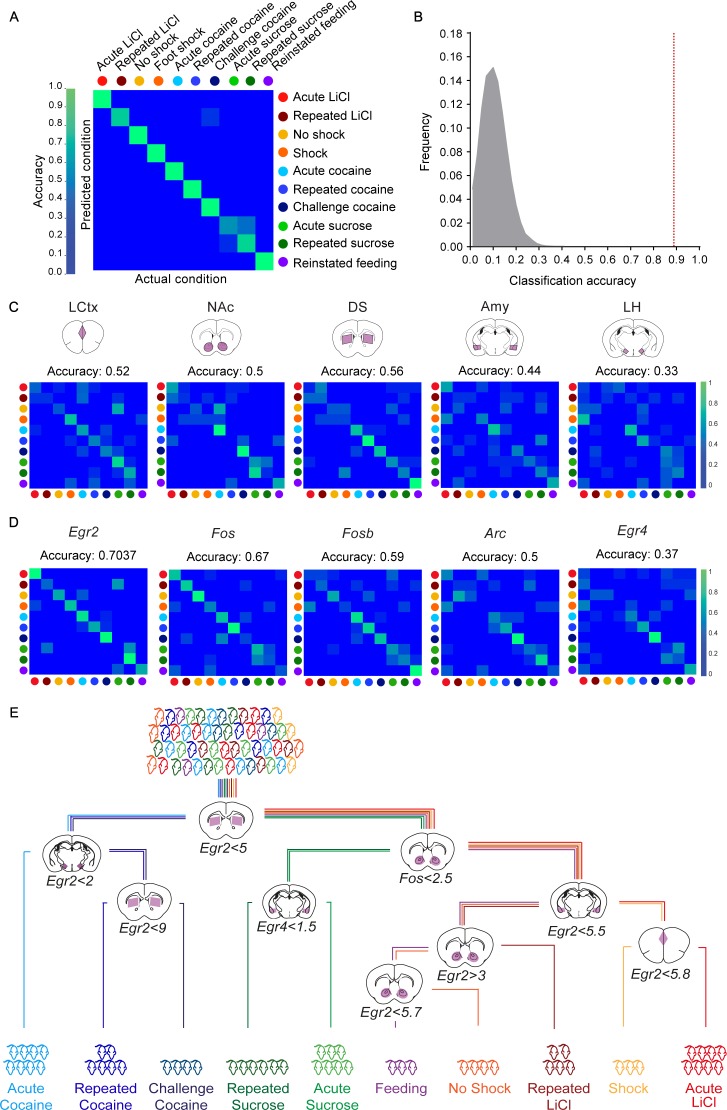
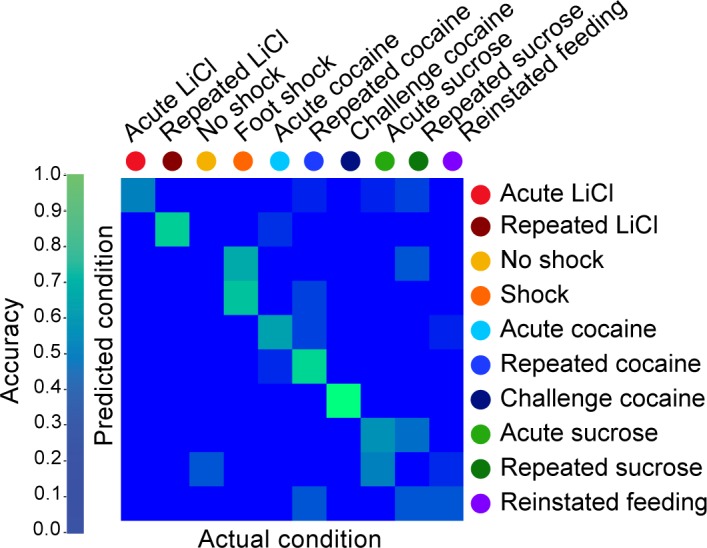
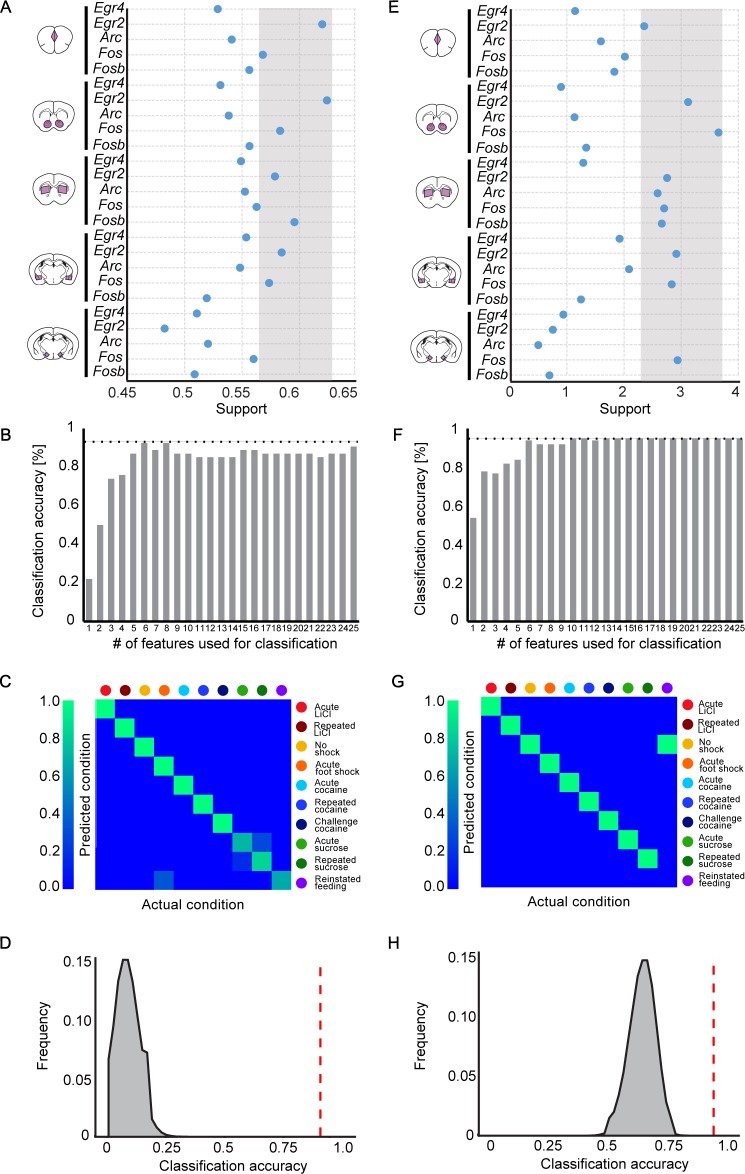
It is well established that inducible transcription is essential for the consolidation of salient experiences into long-term memory. However, whether inducible transcription relays information about the identity and affective attributes of the experience being encoded, has not been explored. To this end, we analyzed transcription induced by a variety of rewarding and aversive experiences, across multiple brain regions. Our results describe the existence of robust transcriptional signatures uniquely representing distinct experiences, enabling near-perfect decoding of recent experiences. Furthermore, experiences with shared attributes display commonalities in their transcriptional signatures, exemplified in the representation of valence, habituation and reinforcement. This study introduces the concept of a neural transcriptional code, which represents the encoding of experiences in the mouse brain. This code is comprised of distinct transcriptional signatures that correlate to attributes of the experiences that are being committed to long-term memory.
Overview
The claims and statistics of this paper haven’t been checked yet.
Run the check — free, no account needed. It reads the open-access text and checks the sources it cites.
Integrity signals
Registry
Cites
Statistics
Figures
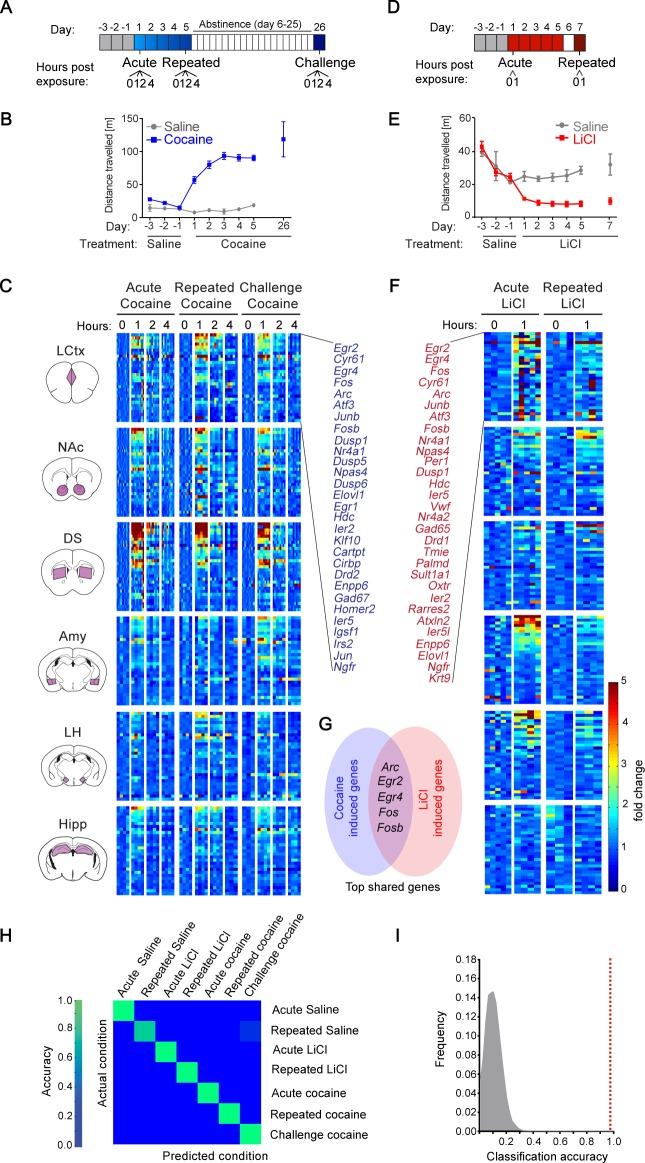
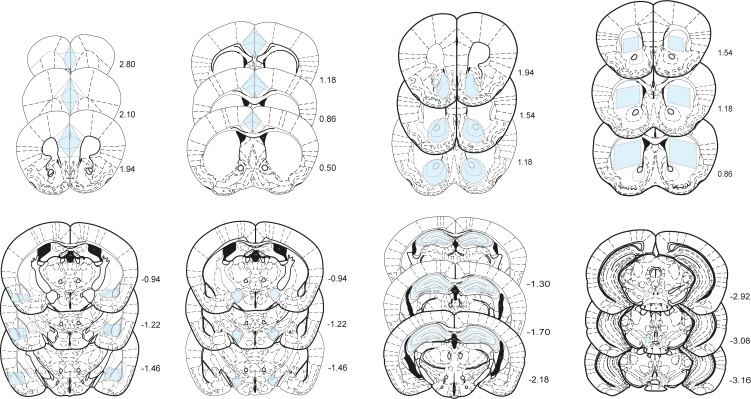
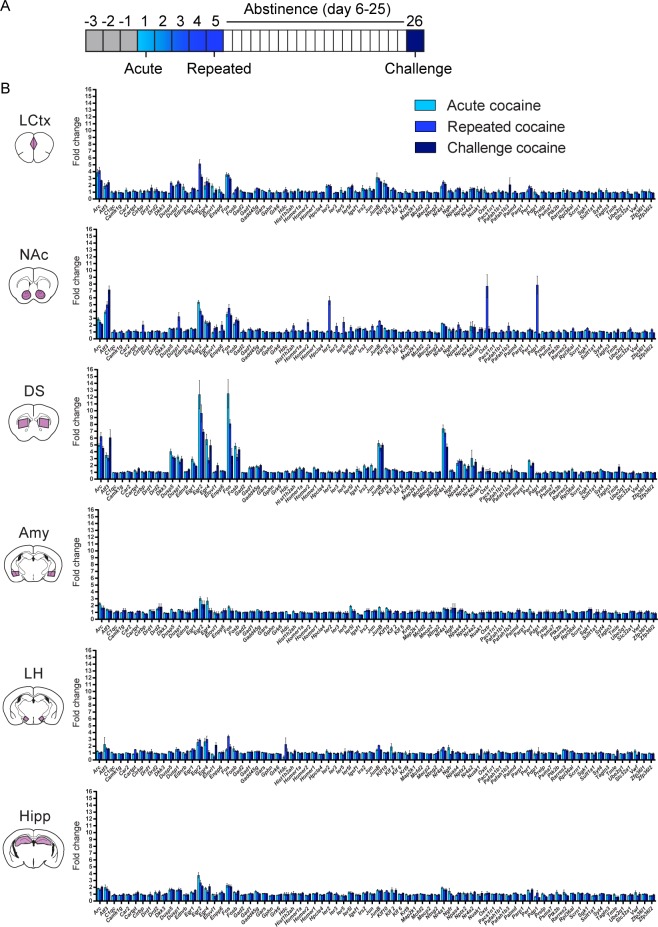
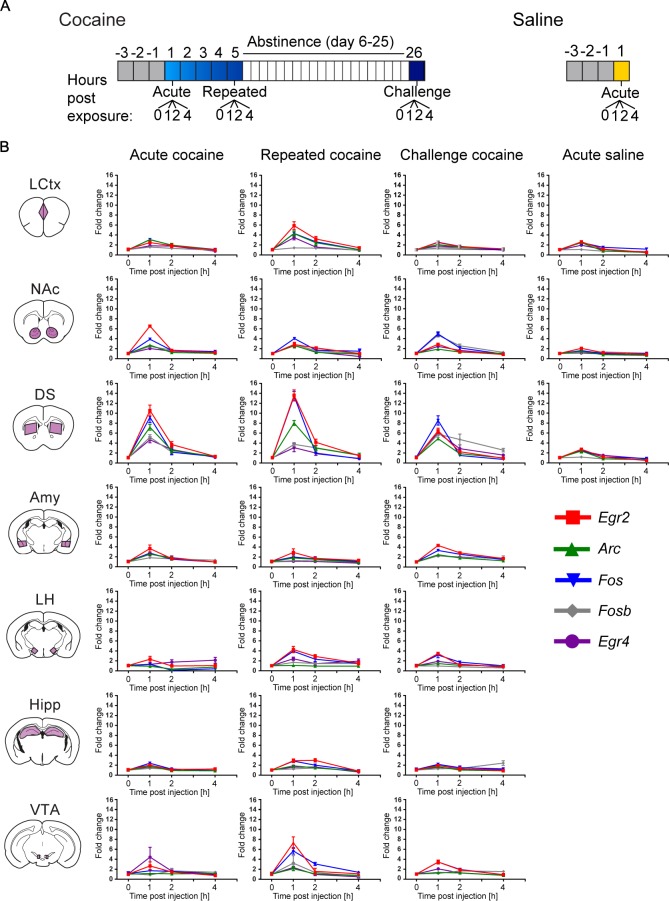
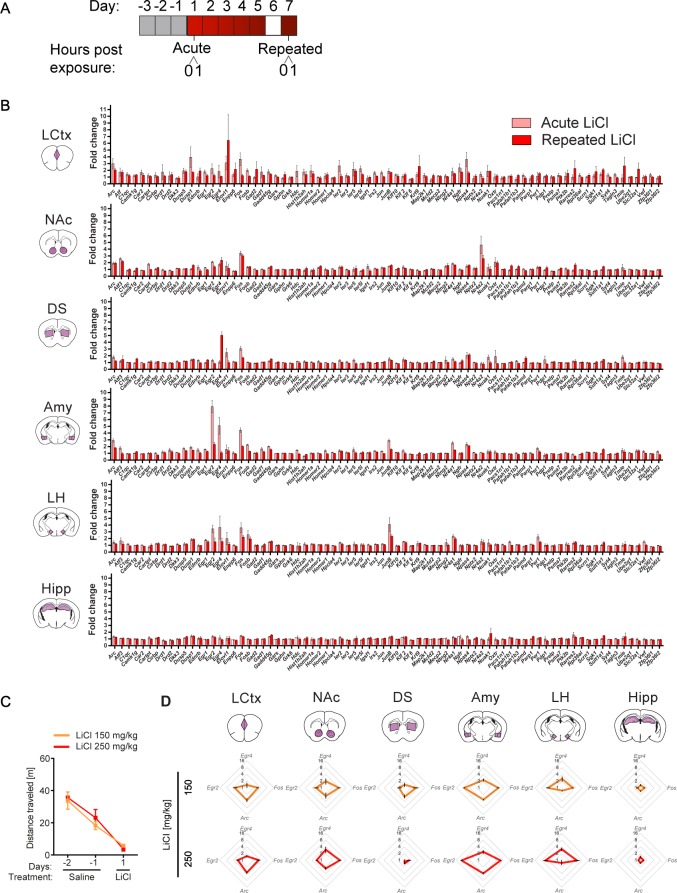
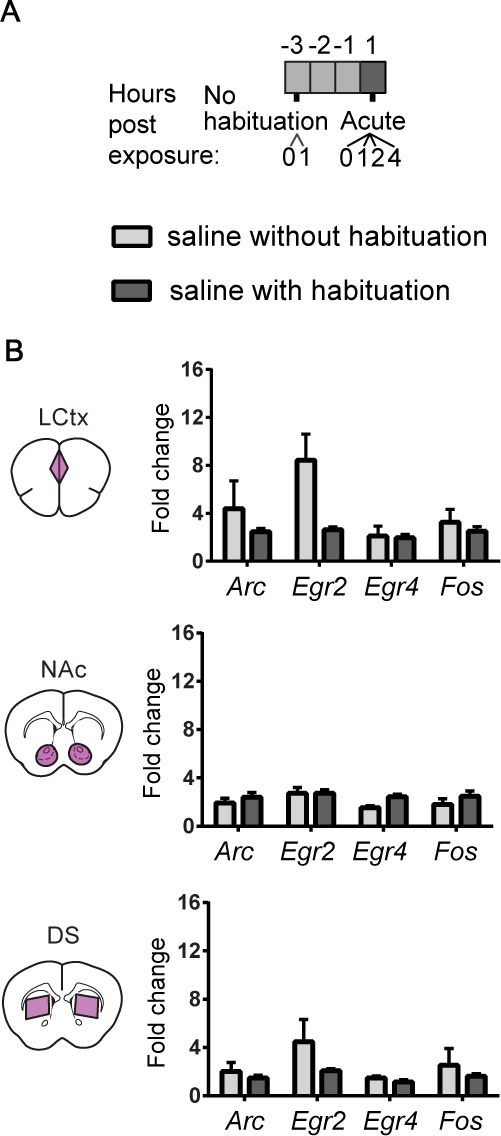
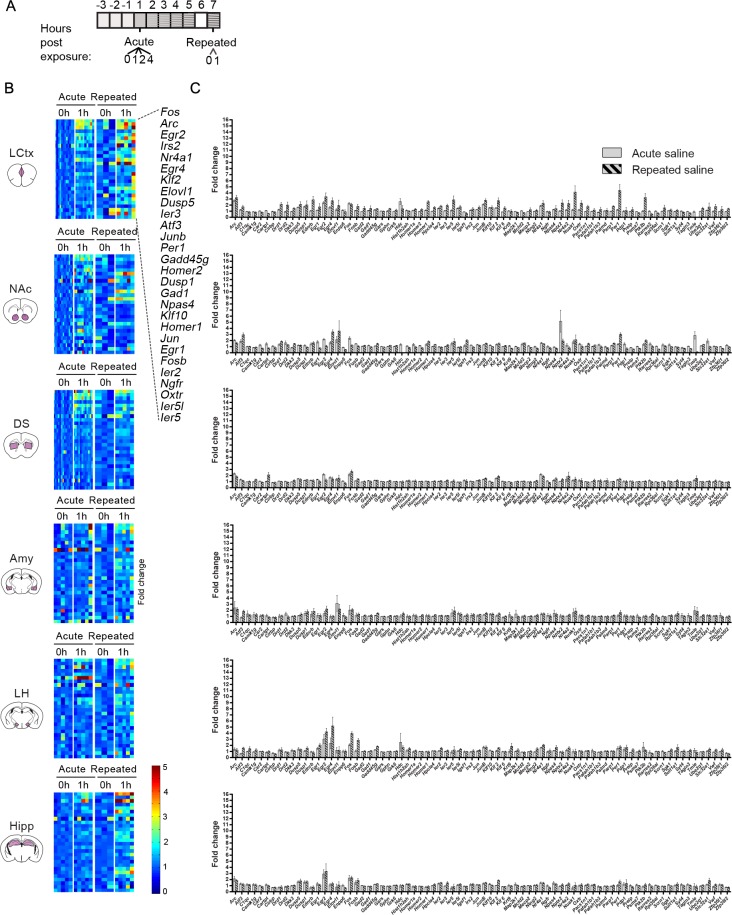
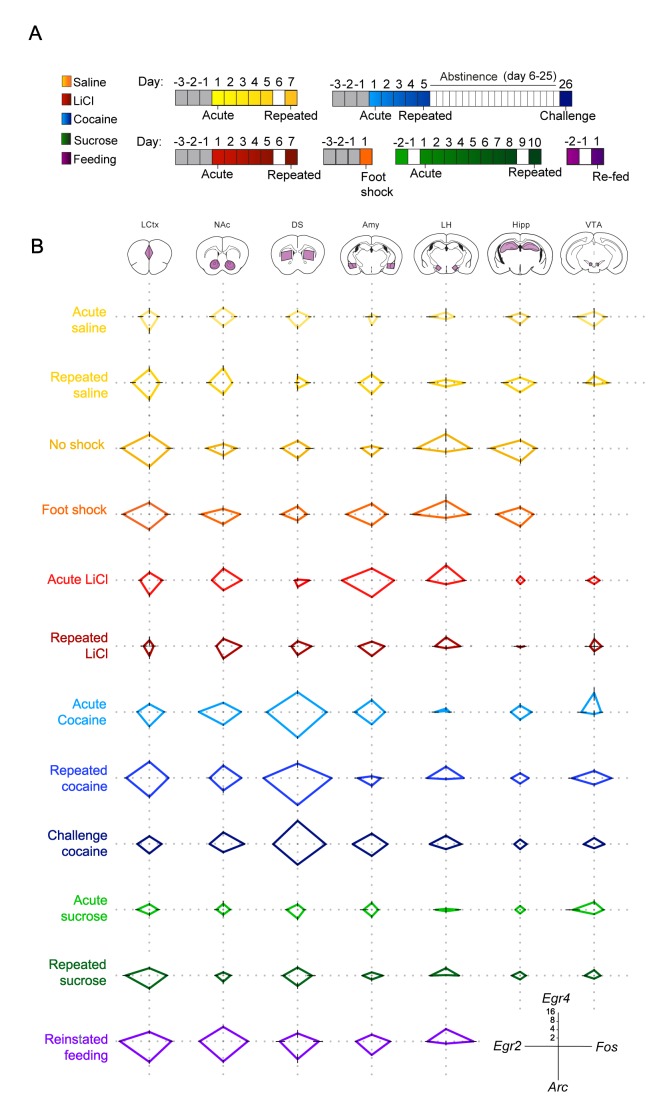
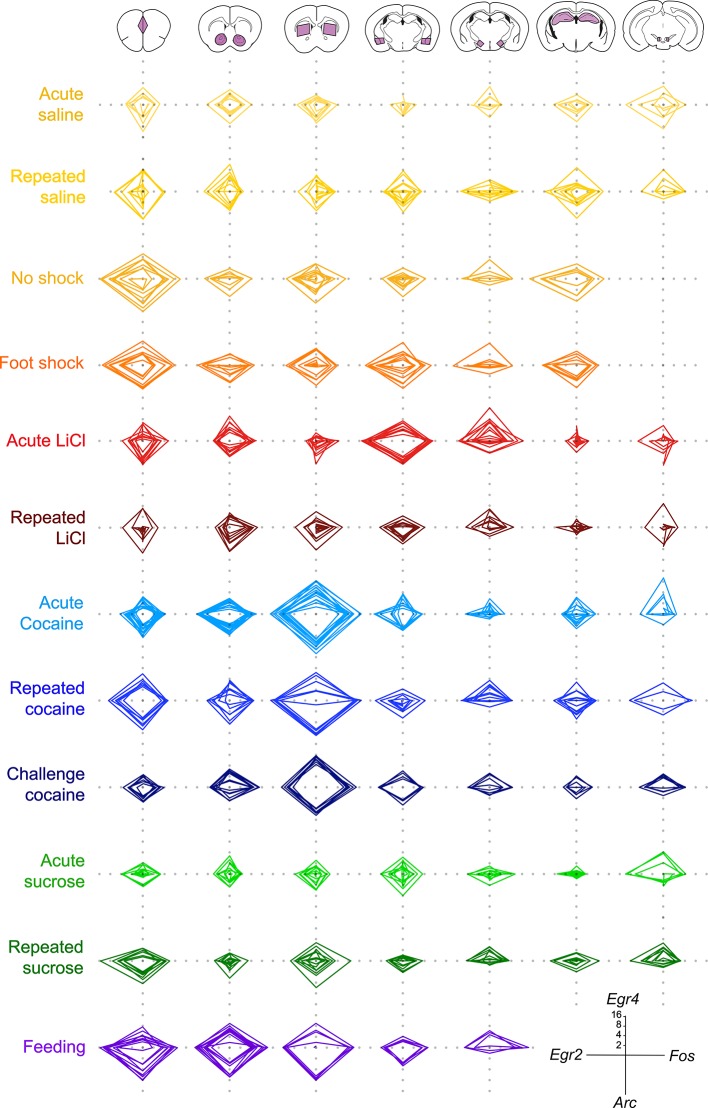
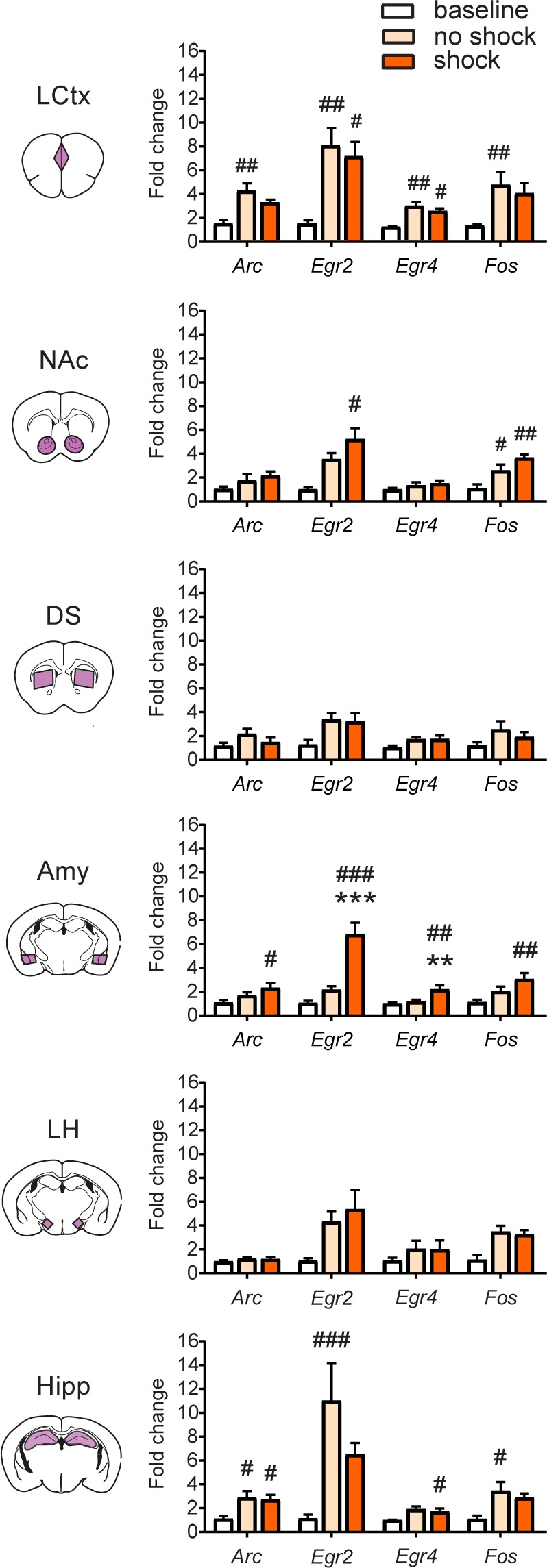
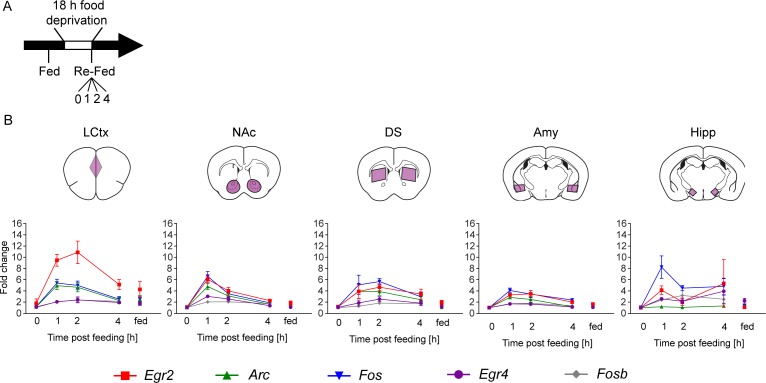
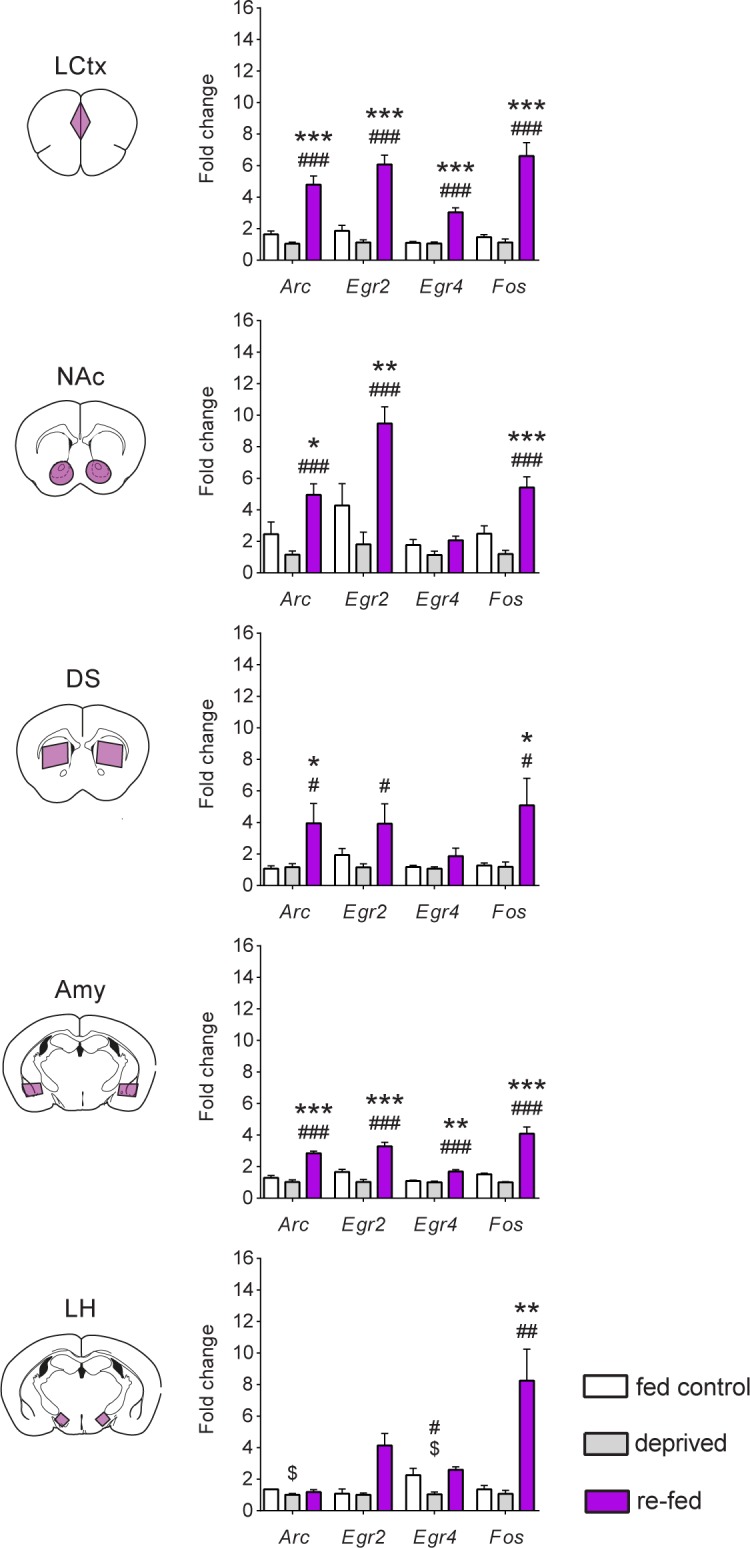
![Figure 2—figure supplement 3. Transcriptional representation of habituation and reinforcement. Comparison of the transcriptional profiles induced by acute and repeated aversive (LiCl) and rewarding (cocaine and sucrose) experiences reveal distinctions and commonalities in the encoding of an anticipated experience of defined valence. Results indicate mean ± s.e.m Sample numbers for each time point- LCtx: limbic cortex (n = 6–14), NAc: nucleus accumbens (n = 6–14), DS: dorsal striatum (n = 6–14), Amy: amygdala (n = 4–9), LH: lateral hypothalamus (n = 3–9), Hipp: hippocampus (n = 4–9); VTA: ventral tegmental area (n = 2–8)]. Two-way ANOVA followed by Tukey post hoc comparison: *p<0.05, **p<0.01, ***p<0.001 vs control (saline or water), #p<0.05, #p<0.01, ###p<0.001 vs acute/repeated treatment.](/paper-figures/7bc5dd126ba747e998e789e69291ec81/salient-experiences-are-represented-by-unique-transcriptional-signatures-in-the-figure-11.jpg)
Verification
Claims the paper makes
The claims and statistics of this paper haven’t been checked yet.
Run the check — free, no account needed. It reads the open-access text and checks the sources it cites.
Claims other papers make about this one
Each is checked against this paper’s own text: does it say what the citing paper says it does?
In the citing paper
“Many studies have found significant, predictable, and specific changes in brain gene expression profiles associated with behavioral responses to particular environmental stimuli (7–14).”
From Behavior-related gene regulatory networks: A new level of organization in the brain (2020) · cites this paper as [10]
In the citing paper
“Different behaviors are seen to induce different directions of change in brain gene expression profiles (10), and by extrapolation we expect that the number of distinct behaviorally related transcriptomic changes exceeds the diversity of paths normally taken from any given developmental state.”
From Behavior-related gene regulatory networks: A new level of organization in the brain (2020) · cites this paper as [10]
Self-check
Percentages, sums and reported differences re-computed from the paper’s own numbers.
The self-check needs the paper’s full text.
Citations
Cites
Understanding Machine Learning: From Theory to Algorithms
Shalev-Shwartz, S., & Ben-David, S. (2014) · doi:10.1017/cbo9781107298019 · Cited by 3,115
POSNER, J., RUSSELL, J. A., & PETERSON, B. S. (2005) · Development and Psychopathology · doi:10.1017/s0954579405050340 · Cited by 2,602 · cited 1×
“According to the Russell circumplex model (Russell, 1980; Posner et al., 2005), affect can be defined in two dimensions – valence and salience.”
MethodThe brain reward circuitry in mood disorders
Russo, S. J., & Nestler, E. J. (2013) · Nature Reviews Neuroscience · doi:10.1038/nrn3381 · Cited by 1,870
Rankin, C. H., Abrams, T., Barry, R. J., Bhatnagar, S., Clayton, D. F., Colombo, J., Coppola, G., Geyer, M. A., Glanzman, D. L., Marsland, S., et al. (2009) · Neurobiology of Learning and Memory · doi:10.1016/j.nlm.2008.09.012 · Cited by 1,665
Microglia development follows a stepwise program to regulate brain homeostasis
Matcovitch-Natan, O., Winter, D. R., Giladi, A., Vargas Aguilar, S., Spinrad, A., Sarrazin, S., Ben-Yehuda, H., David, E., Zelada González, F., Perrin, P., et al. (2016) · Science · doi:10.1126/science.aad8670 · Cited by 1,180 · cited 1×
“Transcriptional markers have been successfully utilized for the classification of developmental stages (Matcovitch-Natan et al., 2016), diseases (Lamb, 2007; McKinney et al.”
MethodSelf-citationTranscription Factors in Long-Term Memory and Synaptic Plasticity
Alberini, C. M. (2009) · Physiological Reviews · doi:10.1152/physrev.00017.2008 · Cited by 991
The Connectivity Map: A new tool for biomedical research
Lamb, J. (2007) · Nature Reviews Cancer · doi:10.1038/nrc2044 · Cited by 945
Mapping of Brain Activity by Automated Volume Analysis of Immediate Early Genes
Renier, N., Adams, E. L., Kirst, C., Wu, Z., Azevedo, R., Kohl, J., Autry, A. E., Kadiri, L., Umadevi Venkataraju, K., Zhou, Y., et al. (2016) · Cell · doi:10.1016/j.cell.2016.05.007 · Cited by 918
Dopamine signals for reward value and risk: basic and recent data
Schultz, W. (2010) · Behavioral and Brain Functions · doi:10.1186/1744-9081-6-24 · Cited by 653
Neuronal Activity-Regulated Gene Transcription in Synapse Development and Cognitive Function
West, A. E., & Greenberg, M. E. (2011) · Cold Spring Harbor Perspectives in Biology · doi:10.1101/cshperspect.a005744 · Cited by 532
Nuclear RNA-seq of single neurons reveals molecular signatures of activation
Lacar, B., Linker, S. B., Jaeger, B. N., Krishnaswami, S. R., Barron, J. J., Kelder, M. J. E., Parylak, S. L., Paquola, A. C. M., Venepally, P., Novotny, M., et al. (2016) · Nature Communications · doi:10.1038/ncomms11022 · Cited by 405
The Regulation of Transcription in Memory Consolidation
Alberini, C. M., & Kandel, E. R. (2015) · Cold Spring Harbor Perspectives in Biology · doi:10.1101/cshperspect.a021741 · Cited by 362
Neuroplasticity Mediated by Altered Gene Expression
McClung, C. A., & Nestler, E. J. (2008) · Neuropsychopharmacology · doi:10.1038/sj.npp.1301544 · Cited by 347
Research works printed but not linked: 36
- Bali, 2015, Electric foot shock stress: a useful tool in neuropsychiatric studies, Reviews in the Neurosciences, 26, 655, 10.1515/revneuro-2015-0015 · DOI
- Bialek, 1991, Reading a neural code, Science, 252, 1854, 10.1126/science.2063199 · DOI · Paper page
- Breiman, 1984, Classification and Regression Trees (The Wadsworth Statistics/Probability Series), 19
- Breiman, 2001, Random forests, Machine Learning, 45, 5, 10.1023/A:1010933404324 · DOI · Paper page
- Citri, 2011, Comprehensive qPCR profiling of gene expression in single neuronal cells, Nature Protocols, 7, 118, 10.1038/nprot.2011.430 · DOI
- Clayton, 2000, The genomic action potential, Neurobiology of Learning and Memory, 74, 185, 10.1006/nlme.2000.3967 · DOI · Paper page
- Collins, 2015, A new initiative on precision medicine, New England Journal of Medicine, 372, 793, 10.1056/NEJMp1500523 · DOI · Paper page
- Cruz, 2013, New technologies for examining the role of neuronal ensembles in drug addiction and fear, Nature Reviews Neuroscience, 14, 743, 10.1038/nrn3597 · DOI
- Eguchi, 2009, In vivo and in vitro visualization of gene expression dynamics over extensive areas of the brain, NeuroImage, 44, 1274, 10.1016/j.neuroimage.2008.10.046 · DOI
- Flavell, 2008, Signaling mechanisms linking neuronal activity to gene expression and plasticity of the nervous system, Annual Review of Neuroscience, 31, 563, 10.1146/annurev.neuro.31.060407.125631 · DOI · Paper page
- Fortin, 2016, The aversive agent lithium chloride suppresses phasic dopamine release through central GLP-1 receptors, Neuropsychopharmacology, 41, 906, 10.1038/npp.2015.220 · DOI
- Haber, 2010, The reward circuit: linking primate anatomy and human imaging, Neuropsychopharmacology, 35, 4, 10.1038/npp.2009.129 · DOI · Paper page
- Han H, Guo X, Yu H. 2016. Variable selection using mean decrease accuracy and mean decrease gini based on random forest. 7th IEEE Int. Conf. Softw.Eng. Serv. Sci.
- Horikawa, 2013, Neural decoding of visual imagery during sleep, Science, 340, 639, 10.1126/science.1234330 · DOI · Paper page
- Hyman, 2006, Neural mechanisms of addiction: the role of reward-related learning and memory, Annual Review of Neuroscience, 29, 565, 10.1146/annurev.neuro.29.051605.113009 · DOI · Paper page
- Kragel, 2016, Decoding spontaneous emotional states in the human brain, PLoS Biology, 14, e2000106, 10.1371/journal.pbio.2000106 · DOI
- Lanahan, 1998, Immediate-early genes and synaptic function, Neurobiology of Learning and Memory, 70, 37, 10.1006/nlme.1998.3836 · DOI
- Li, 2011, Random KNN feature selection - a fast and stable alternative to Random Forests, BMC Bioinformatics, 12, 450, 10.1186/1471-2105-12-450 · DOI
- Lin, 2005, Encoding social signals in the mouse main olfactory bulb, Nature, 434, 470, 10.1038/nature03414 · DOI · Paper page
- Lüscher, 2016, The emergence of a circuit model for addiction, Annual Review of Neuroscience, 39, 257, 10.1146/annurev-neuro-070815-013920 · DOI
- McKinney, 2010, A CD8+ T cell transcription signature predicts prognosis in autoimmune disease, Nature Medicine, 16, 586, 10.1038/nm.2130 · DOI · Paper page
- Minatohara, 2015, Role of immediate-early genes in synaptic plasticity and neuronal ensembles underlying the memory trace, Frontiers in Molecular Neuroscience, 8, 78, 10.3389/fnmol.2015.00078 · DOI
- Namburi, 2016, Architectural representation of valence in the limbic system, Neuropsychopharmacology, 41, 1697, 10.1038/npp.2015.358 · DOI
- Nestler, 2002, Common molecular and cellular substrates of addiction and memory, Neurobiology of Learning and Memory, 78, 637, 10.1006/nlme.2002.4084 · DOI
- Okuno, 2011, Regulation and function of immediate-early genes in the brain: beyond neuronal activity markers, Neuroscience Research, 69, 175, 10.1016/j.neures.2010.12.007 · DOI · Paper page
- Piechota, 2010, The dissection of transcriptional modules regulated by various drugs of abuse in the mouse striatum, Genome Biology, 11, R48, 10.1186/gb-2010-11-5-r48 · DOI
- Reber, 2002, Neural correlates of successful encoding identified using functional magnetic resonance imaging, Journal of Neuroscience, 22, 9541, 10.1523/JNEUROSCI.22-21-09541.2002 · DOI
- Robbins, 2008, Drug addiction and the memory systems of the brain, Annals of the New York Academy of Sciences, 1141, 1, 10.1196/annals.1441.020 · DOI
- Robinson, 2008, Review. The incentive sensitization theory of addiction: some current issues, Philosophical Transactions of the Royal Society B: Biological Sciences, 363, 3137, 10.1098/rstb.2008.0093 · DOI · Paper page
- Robison, 2011, Transcriptional and epigenetic mechanisms of addiction, Nature Reviews Neuroscience, 12, 623, 10.1038/nrn3111 · DOI · Paper page
- Russell, 1980, A circumplex model of affect, Journal of Personality and Social Psychology, 39, 1161, 10.1037/h0077714 · DOI · Paper page
- Santoro, 2017, Reconstructing the spectrotemporal modulations of real-life sounds from fMRI response patterns, PNAS, 114, 4799, 10.1073/pnas.1617622114 · DOI
- Stanley, 2013, Reading and writing the neural code, Nature Neuroscience, 16, 259, 10.1038/nn.3330 · DOI
- Sylwestrak, 2016, Multiplexed intact-tissue transcriptional analysis at cellular resolution, Cell, 164, 792, 10.1016/j.cell.2016.01.038 · DOI
- Turm, 2014, Comprehensive analysis of transcription dynamics from brain samples following behavioral experience, Journal of Visualized Experiments, 10.3791/51642 · DOI
- Ye, 2016, Wiring and molecular features of prefrontal ensembles representing distinct experiences, Cell, 165, 1776, 10.1016/j.cell.2016.05.010 · DOI · Paper page
Cited by
Behavior-related gene regulatory networks: A new level of organization in the brain
Sinha, S., Jones, B. M., Traniello, I. M., Bukhari, S. A., Halfon, M. S., Hofmann, H. A., Huang, S., Katz, P. S., Keagy, J., Lynch, V. J., et al. (2020) · Proceedings of the National Academy of Sciences · doi:10.1073/pnas.1921625117 · Cited by 85
Clayton, D. F., Anreiter, I., Aristizabal, M., Frankland, P. W., Binder, E. B., & Citri, A. (2020) · Proceedings of the National Academy of Sciences · doi:10.1073/pnas.1820837116 · Cited by 56
Self-citationHoney bee neurogenomic responses to affiliative and agonistic social interactions
Shpigler, H. Y., Saul, M. C., Murdoch, E. E., Corona, F., Cash‐Ahmed, A. C., Seward, C. H., Chandrasekaran, S., Stubbs, L. J., & Robinson, G. E. (2019) · Genes, Brain and Behavior · doi:10.1111/gbb.12509 · Cited by 29
Metadata
- Authors
- Mukherjee, D., Ignatowska-Jankowska, B. M., Itskovits, E., Gonzales, B. J., Turm, H., Izakson, L., Haritan, D., Bleistein, N., Cohen, C., Amit, I., Shay, T., Grueter, B., Zaslaver, A., & Citri, A.
- Affiliations
- Department of Biological Chemistry, Silberman Institute of Life Sciences, The Hebrew University, Jerusalem, Israel
- The Edmond and Lily Safra Center for Brain Sciences, The Hebrew University, Jerusalem, Israel
- Department of Genetics, Silberman Institute of Life Sciences, The Hebrew University, Jerusalem, Israel
- Department of Immunology, Weizmann Institute of Science, Rehovot, Israel
- Department of Life Sciences, Ben-Gurion University of the Negev, Beer-Sheva, Israel
- Department of Psychiatry, Vanderbilt University School of Medicine, Nashville, United States
- Venue
- eLife
- Publisher
- eLife Sciences Publications, Ltd
- Published
- 2018-02-07
- Volume
- 7
- ISSN
- 2050-084X
- PMC
- PMC5862526
- Cited by
- 46
- References
- 13
- Language
- en
- Licence
- creativecommons.org/licenses/by/4.0/ (vor)
- creativecommons.org/licenses/by/4.0/ (am)
- creativecommons.org/licenses/by/4.0/ (tdm)
- Funders
- Shimon Peres Postdoctoral Award (Postdoctoral stipend)
- ELSC Postdoctoral Award (Postdoctoral stipend)
- Lady Davis Fellowship Trust, Hebrew University of Jerusalem (Postdoctoral stipend)
- Israel Science Foundation (Personal Grant 393/12 & I-CORE 1796/12, 2341/1)
- German-Israeli Foundation for Scientific Research and Development (Young Investigator Award 2299-2291.1./2011)
- Brain and Behavior Research Foundation (Young Investigator Award #18795)
- Canadian Institute for Advanced Research (Research Support)
- Binational United-States Israel Research Foundation (Research Grant #2011266)
- Milton Rosenbaum Research Foundation (Research Grant)
- National Institute for Psychobiology in Israel, Hebrew University of Jerusalem (Research Grant 109-15-16)
- H2020 Marie Skłodowska-Curie Actions (PCIG13-GA-2013–61820)
- Stewart Resnick Foundation
About these checks
Registry, retraction, Cites and statistics results are computed, not judged, with one exception: a printed reference that no index lists is read once by a model before it counts as a citation error. Claims are extracted by a model and kept only when their quote appears verbatim in the text; each cited source is then checked, with a model’s help, for whether it says what the claim relies on. Those verdicts can be wrong — read the claim’s quote and the cited source before relying on one.
Statistics and arithmetic are recomputed, not judged.
Confidence bands are shown only for fields calibrated on our annotated test set. None is calibrated yet, so no band is shown.
What counts as a claim ›How we measure confidence ›How we check this ›
Are you an author, or do you see a problem with this page? Request a review
Data sources
Bibliographic data: Semantic Scholar, OpenAlex, Crossref.
Contains information from the Semantic Scholar Academic Graph Datasets, made available under the ODC Attribution License (ODC-BY 1.0).
Semantic Scholar’s data is described in: Kinney, R., et al. (2023). The Semantic Scholar Open Data Platform. arXiv:2301.10140.
