

The DOI matches its Crossref record; 32 of the 33 references it cites were found in a registry or an index.
Minocycline at 2 Different Dosages vs Placebo for Patients With Mild Alzheimer Disease: A Randomized Clinical Trial
Open accessAbstract
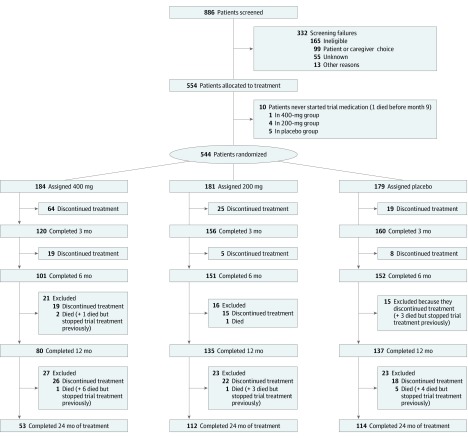
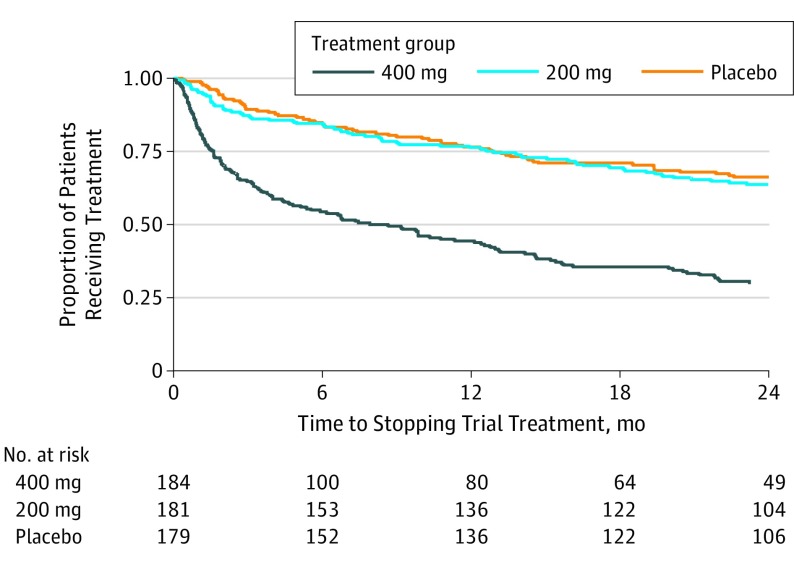
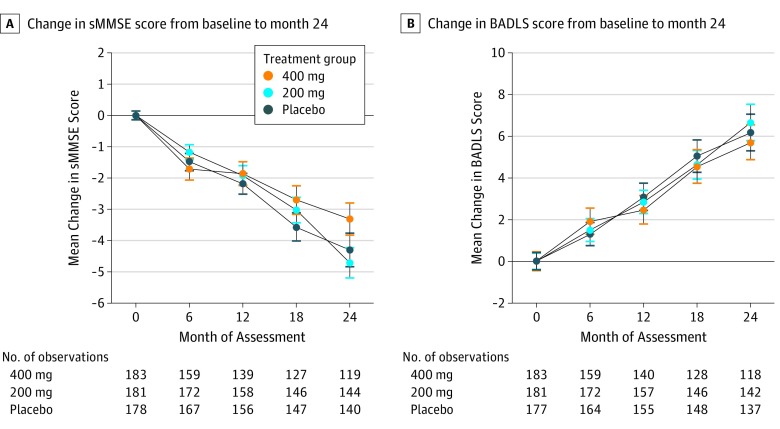
Importance: There are no disease-modifying treatments for Alzheimer disease (AD), the most common cause of dementia. Minocycline is anti-inflammatory, protects against the toxic effects of β-amyloid in vitro and in animal models of AD, and is a credible repurposed treatment candidate. Objective: To determine whether 24 months of minocycline treatment can modify cognitive and functional decline in patients with mild AD. Design, Setting, and Participants: Participants were recruited into a double-blind randomized clinical trial from May 23, 2014, to April 14, 2016, with 24 months of treatment and follow-up. This multicenter study in England and Scotland involved 32 National Health Service memory clinics within secondary specialist services for people with dementia. From 886 screened patients, 554 patients with a diagnosis of mild AD (Standardised Mini-Mental State Examination [sMMSE] score ≥24) were randomized. Interventions: Participants were randomly allocated 1:1:1 in a semifactorial design to receive minocycline (400 mg/d or 200 mg/d) or placebo for 24 months. Main Outcomes and Measures: Primary outcome measures were decrease in sMMSE score and Bristol Activities of Daily Living Scale (BADLS), analyzed by intention-to-treat repeated-measures regression. Results: Of 544 eligible participants (241 women and 303 men), the mean (SD) age was 74.3 (8.2) years, and the mean (SD) sMMSE score was 26.4 (1.9). Fewer participants completed 400-mg minocycline hydrochloride treatment (28.8% [53 of 184]) than 200-mg minocycline treatment (61.9% [112 of 181]) or placebo (63.7% [114 of 179]; P < .001), mainly because of gastrointestinal symptoms (42 in the 400-mg group, 15 in the 200-mg group, and 10 in the placebo group; P < .001), dermatologic adverse effects (10 in the 400-mg group, 5 in the 200-mg group, and 1 in the placebo group; P = .02), and dizziness (14 in the 400-mg group, 3 in the 200-mg group, and 1 in the placebo group; P = .01). Assessment rates were lower in the 400-mg group: 68.4% (119 of 174 expected) for sMMSE at 24 months compared with 81.8% (144 of 176) for the 200-mg group and 83.8% (140 of 167) for the placebo group. Decrease in sMMSE scores over 24 months in the combined minocycline group was similar to that in the placebo group (4.1 vs 4.3 points). The combined minocycline group had mean sMMSE scores 0.1 points higher than the placebo group (95% CI, -1.1 to 1.2; P = .90). The decrease in mean sMMSE scores was less in the 400-mg group than in the 200-mg group (3.3 vs 4.7 points; treatment effect = 1.2; 95% CI, -0.1 to 2.5; P = .08). Worsening of BADLS scores over 24 months was similar in all groups: 5.7 in the 400-mg group, 6.6 in the 200-mg group, and 6.2 in the placebo groups (treatment effect for minocycline vs placebo = -0.53; 95% CI, -2.4 to 1.3; P = .57; treatment effect for 400 mg vs 200 mg of minocycline = -0.31; 95% CI, -0.2 to 1.8; P = .77). Results were similar in different patient subgroups and in sensitivity analyses adjusting for missing data. Conclusions and Relevance: Minocycline did not delay the progress of cognitive or functional impairment in people with mild AD during a 2-year period. This study also found that 400 mg of minocycline is poorly tolerated in this population. Trial Registration: isrctn.org Identifier: ISRCTN16105064.
Overview
The claims and statistics of this paper haven’t been checked yet.
Run the check — free, no account needed. It reads the open-access text and checks the sources it cites.
Integrity signals
Registry
Cites
Statistics
Figures
Verification
Claims the paper makes
The claims and statistics of this paper haven’t been checked yet.
Run the check — free, no account needed. It reads the open-access text and checks the sources it cites.
Claims other papers make about this one
Each is checked against this paper’s own text: does it say what the citing paper says it does?
The cited source says what the claim attributes to it.
In the citing paper
“Minocycline, a tetracycline antibiotic which protects against the toxic effects of β -amyloid in vitro and in animal models of AD, did not delay the progression of cognitive impairment in people with mild AD over a 2-year period in a multicentre clinical trial.(364)”
From Dementia prevention, intervention, and care: 2024 report of the Lancet standing Commission (2024) · cites this paper as [364]
The cited source says what the claim attributes to it.
In the citing paper
“In a transgenic AD mouse model, minocycline prevented Aβ deposition and neuronal death, reduced tau phosphorylation and aggregation, and improved cognitive deficits; however, it failed to delay disease progression in individuals with mild AD in a clinical trial.542”
From Role of neuroinflammation in neurodegeneration development (2023) · cites this paper as [542]
The cited source says what the claim attributes to it.
In the citing paper
“however, it failed to delay disease progression in individuals with mild AD in a clinical trial.542”
From Role of neuroinflammation in neurodegeneration development (2023) · cites this paper as [542]
Self-check
Percentages, sums and reported differences re-computed from the paper’s own numbers.
The self-check needs the paper’s full text.
Citations
Cites
McKhann, G. M., Knopman, D. S., Chertkow, H., Hyman, B. T., Jack, C. R., Kawas, C. H., Klunk, W. E., Koroshetz, W. J., Manly, J. J., Mayeux, R., et al. (2011) · Alzheimer's & Dementia · doi:10.1016/j.jalz.2011.03.005 · Cited by 18,657
Cook, R. J., Dickens, B. M., & Fathalla, M. F. (2003) · Oxford University Press eBooks · doi:10.1093/acprof:oso/9780199241323.003.0025 · Cited by 10,825
Neuroinflammation in Alzheimer's disease
Heneka, M. T., Carson, M. J., Khoury, J. E., Landreth, G. E., Brosseron, F., Feinstein, D. L., Jacobs, A. H., Wyss-Coray, T., Vitorica, J., Ransohoff, R. M., et al. (2015) · The Lancet Neurology · doi:10.1016/s1474-4422(15)70016-5 · Cited by 6,226
Alzheimer’s Disease Risk Genes and Mechanisms of Disease Pathogenesis
Karch, C. M., & Goate, A. M. (2015) · Biological Psychiatry · doi:10.1016/j.biopsych.2014.05.006 · Cited by 1,357
Efficacy of minocycline in patients with amyotrophic lateral sclerosis: a phase III randomised trial
Gordon, P. H., Moore, D. H., Miller, R. G., Florence, J. M., Verheijde, J. L., Doorish, C., Hilton, J. F., Spitalny, G. M., MacArthur, R. B., Mitsumoto, H., et al. (2007) · The Lancet Neurology · doi:10.1016/s1474-4422(07)70270-3 · Cited by 649
Bucks, R. S., Ashworth, D. L., Wilcock, G. K., & Siegfried, K. (1996) · Age and Ageing · doi:10.1093/ageing/25.2.113 · Cited by 581
Self-citationInverse association of anti‐inflammatory treatments and Alzheimer's disease
Breitner, J. C. S., Gau, B. A., Welsh-Bohmer, K. A., Plassman, B. L., McDonald, W. M., Helms, M. J., & Anthony, J. C. (1994) · Neurology · doi:10.1212/wnl.44.2.227 · Cited by 569
A Guide to the Standardized Mini-Mental State Examination
Molloy, D. W., & Standish, T. I. M. (1997) · International Psychogeriatrics · doi:10.1017/s1041610297004754 · Cited by 505
NSAIDs and Alzheimer disease: Epidemiological, animal model and clinical studies
McGeer, P. L., & McGeer, E. G. (2007) · Neurobiology of Aging · doi:10.1016/j.neurobiolaging.2006.03.013 · Cited by 498
Research works printed but not linked: 1
- Alzheimer’s Disease International, 2015, World Alzheimer Report 2015: The Global Impact of Dementia
Cited by
Sorted by citations
Dementia prevention, intervention, and care: 2024 report of the Lancet standing Commission
Livingston, G., Huntley, J., Liu, K. Y., Costafreda, S. G., Selbæk, G., Alladi, S., Ames, D., Banerjee, S., Burns, A., Brayne, C., et al. (2024) · The Lancet · doi:10.1016/s0140-6736(24)01296-0 · Cited by 3,860
Self-citationNeuroinflammation and microglial activation in Alzheimer disease: where do we go from here?
Leng, F., & Edison, P. (2021) · Nature Reviews Neurology · doi:10.1038/s41582-020-00435-y · Cited by 3,179
Neuroinflammation in neurodegenerative disorders: the roles of microglia and astrocytes
Kwon, H. S., & Koh, S.-H. (2020) · Translational Neurodegeneration · doi:10.1186/s40035-020-00221-2 · Cited by 2,595
Role of neuroinflammation in neurodegeneration development
Zhang, W., Xiao, D., Mao, Q., & Xia, H. (2023) · Signal Transduction and Targeted Therapy · doi:10.1038/s41392-023-01486-5 · Cited by 1,668
Neuroinflammation in Alzheimer’s Disease: Current Progress in Molecular Signaling and Therapeutics
Thakur, S., Dhapola, R., Sarma, P., Medhi, B., & Reddy, D. H. (2023) · Inflammation · doi:10.1007/s10753-022-01721-1 · Cited by 557
Economic burden of Alzheimer disease and managed care considerations
Winston Wong, P. (2020) · The American Journal of Managed Care · doi:10.37765/ajmc.2020.88482 · Cited by 436
Ronaldson, P. T., & Davis, T. P. (2020) · Journal of Cerebral Blood Flow & Metabolism · doi:10.1177/0271678x20951995 · Cited by 392
Tau-targeting therapies for Alzheimer disease: Current status and future directions
Congdon, E. E., Ji, C., Tetlow, A. M., Jiang, Y., & Sigurdsson, E. M. (2023) · Nature Reviews Neurology · doi:10.1038/s41582-023-00883-2 · Cited by 371
Microglia Phenotypes in Aging and Neurodegenerative Diseases
Wendimu, M. Y., & Hooks, S. B. (2022) · Cells · doi:10.3390/cells11132091 · Cited by 336
Neuroinflammation in intracerebral haemorrhage: immunotherapies with potential for translation
Xue, M., & Yong, V. W. (2020) · The Lancet Neurology · doi:10.1016/s1474-4422(20)30364-1 · Cited by 327
Alzheimer’s Disease: An Update and Insights Into Pathophysiology
Abubakar, M. B., Sanusi, K. O., Ugusman, A., Mohamed, W. M. Y., Kamal, H., Ibrahim, N. H., Khoo, C. S., & Kumar, J. (2022) · Frontiers in Aging Neuroscience · doi:10.3389/fnagi.2022.742408 · Cited by 302
The Ageing Brain: Molecular and Cellular Basis of Neurodegeneration
Azam, S., Haque, M. E., Balakrishnan, R., Kim, I., & Choi, D. (2021) · Frontiers in Cell and Developmental Biology · doi:10.3389/fcell.2021.683459 · Cited by 273
Recent advances on drug development and emerging therapeutic agents for Alzheimer’s disease
Athar, T., Balushi, K. A. A., & Khan, S. A. (2021) · Molecular Biology Reports · doi:10.1007/s11033-021-06512-9 · Cited by 273
Microglia and Alzheimer’s Disease
Merighi, S., Nigro, M., Travagli, A., & Gessi, S. (2022) · International Journal of Molecular Sciences · doi:10.3390/ijms232112990 · Cited by 236
Development of Novel Therapeutics Targeting the Blood–Brain Barrier: From Barrier to Carrier
Li, J., Zheng, M., Shimoni, O., Banks, W. A., Bush, A. I., Gamble, J. R., & Shi, B. (2021) · Advanced Science · doi:10.1002/advs.202101090 · Cited by 202
Drug repositioning and repurposing for Alzheimer disease
Ballard, C., Aarsland, D., Cummings, J., O’Brien, J., Mills, R., Molinuevo, J. L., Fladby, T., Williams, G., Doherty, P., Corbett, A., et al. (2020) · Nature Reviews Neurology · doi:10.1038/s41582-020-0397-4 · Cited by 201
Self-citationMithaiwala, M. N., Santana-Coelho, D., Porter, G. A., & O’Connor, J. C. (2021) · Cells · doi:10.3390/cells10061548 · Cited by 190
The involvement of NLRP3 inflammasome in the treatment of Alzheimer’s disease
Feng, Y.-S., Tan, Z., Wu, L., Dong, F., & Zhang, F. (2020) · Ageing Research Reviews · doi:10.1016/j.arr.2020.101192 · Cited by 186
Cellular mechanisms and treatments for chemobrain: insight from aging and neurodegenerative diseases
Nguyen, L. D., & Ehrlich, B. E. (2020) · EMBO Molecular Medicine · doi:10.15252/emmm.202012075 · Cited by 181
Apoptosis and its therapeutic implications in neurodegenerative diseases
Erekat, N. S. (2021) · Clinical Anatomy · doi:10.1002/ca.23792 · Cited by 165
Signaling pathways in macrophages: molecular mechanisms and therapeutic targets
Li, M., Wang, M., Wen, Y., Zhang, H., Zhao, G., & Gao, Q. (2023) · MedComm · doi:10.1002/mco2.349 · Cited by 165
Neuroinflammation in neurological disorders: pharmacotherapeutic targets from bench to bedside
Mishra, A., Bandopadhyay, R., Singh, P. K., Mishra, P. S., Sharma, N., & Khurana, N. (2021) · Metabolic Brain Disease · doi:10.1007/s11011-021-00806-4 · Cited by 134
Microglia in Alzheimer’s Disease: A Target for Therapeutic Intervention
Zhang, G., Wang, Z., Hu, H., Zhao, M., & Sun, L. (2021) · Frontiers in Cellular Neuroscience · doi:10.3389/fncel.2021.749587 · Cited by 137
Cai, Y., Zhang, Y., Leng, S., Ma, Y., Jiang, Q., Wen, Q., Ju, S., & Hu, J. (2024) · Neurobiology of Disease · doi:10.1016/j.nbd.2024.106426 · Cited by 120
New therapeutics beyond amyloid-β and tau for the treatment of Alzheimer’s disease
Zhang, F., Zhong, R.-J., Cheng, C., Li, S., & Le, W.-D. (2021) · Acta Pharmacologica Sinica · doi:10.1038/s41401-020-00565-5 · Cited by 105
Inflammatory Cascade in Alzheimer’s Disease Pathogenesis: A Review of Experimental Findings
de Oliveira, J., Kucharska, E., Garcez, M. L., Rodrigues, M. S., Quevedo, J., Moreno‐González, I., & Budni, J. (2021) · Cells · doi:10.3390/cells10102581 · Cited by 110
Microglia and Astrocytes in Alzheimer’s Disease: Significance and Summary of Recent Advances
Deng, Q., Wu, C., Parker, E., Liu, T. C.-Y., Duan, R., & Yang, L. (2023) · Aging and disease · doi:10.14336/ad.2023.0907 · Cited by 102
Montero‐Odasso, M., Ismail, Z., & Livingston, G. (2020) · Alzheimer s Research & Therapy · doi:10.1186/s13195-020-00646-x · Cited by 95
Self-citationMinocycline in neurodegenerative and psychiatric diseases: An update
Romero‐Miguel, D., Lamanna‐Rama, N., Casquero‐Veiga, M., Gómez‐Rangel, V., Desco, M., & Soto‐Montenegro, M. L. (2020) · European Journal of Neurology · doi:10.1111/ene.14642 · Cited by 94
Senescent Microglia: The Key to the Ageing Brain?
Greenwood, E. K., & Brown, D. R. (2021) · International Journal of Molecular Sciences · doi:10.3390/ijms22094402 · Cited by 84
Tau at the interface between neurodegeneration and neuroinflammation
Didonna, A. (2020) · Genes & Immunity · doi:10.1038/s41435-020-00113-5 · Cited by 82
Present and future of microglial pharmacology
Šimončičová, E., de Andrade, E. G., Vecchiarelli, H. A., Awogbindin, I. O., Delage, C. I., & Tremblay, M. (2022) · Trends in Pharmacological Sciences · doi:10.1016/j.tips.2021.11.006 · Cited by 79
Coral‐Inspired Hollow Microneedle Patch with Smart Sensor Therapy for Wound Infection
Liu, Y., He, C., Qiao, T., Liu, G., Li, X., Wan, Q., Zhu, Z., & He, Y. (2024) · Advanced Functional Materials · doi:10.1002/adfm.202314071 · Cited by 75
Alzheimer’s disease clinical trial update 2019–2021
Pleen, J., & Townley, R. A. (2021) · Journal of Neurology · doi:10.1007/s00415-021-10790-5 · Cited by 69
Panizzutti, B., Skvarc, D., Lin, S. C., Croce, S., Meehan, A., Bortolasci, C. C., Marx, W., Walker, A. J., Hasebe, K., Kavanagh, B. E., et al. (2023) · International Journal of Molecular Sciences · doi:10.3390/ijms24065250 · Cited by 72
Current and evolving treatment strategies for the Alzheimer disease continuum
Marasco, R. (2020) · The American Journal of Managed Care · doi:10.37765/ajmc.2020.88481 · Cited by 67
Modulation of β-Amyloid Fibril Formation in Alzheimer’s Disease by Microglia and Infection
Brown, M. R., Radford, S. E., & Hewitt, E. W. (2020) · Frontiers in Molecular Neuroscience · doi:10.3389/fnmol.2020.609073 · Cited by 67
Towards PET imaging of the dynamic phenotypes of microglia
Beaino, W., Janssen, B., Vugts, D. J., de Vries, H. E., & Windhorst, A. D. (2021) · Clinical & Experimental Immunology · doi:10.1111/cei.13649 · Cited by 63
Hambali, A., Kumar, J., Hashim, N. F. M., Maniam, S., Mehat, M. Z., Cheema, M. S., Mustapha, M., Adenan, M. I., Stanslas, J., & Hamid, H. A. (2021) · Frontiers in Physiology · doi:10.3389/fphys.2021.712317 · Cited by 65
Gruenbaum, B. F., Zlotnik, A. A., Fleidervish, I. A., Frenkel, A., & Boyko, M. (2022) · International Journal of Molecular Sciences · doi:10.3390/ijms23179628 · Cited by 63
Immune mechanisms and shared immune targets in neurodegenerative diseases
Weiner, H. L. (2024) · Nature Reviews Neurology · doi:10.1038/s41582-024-01046-7 · Cited by 72
Cheng, D., Qin, Z., Zheng, Y. F., Xie, J.-Y., Liang, S., Zhang, J., Feng, Y., & Zhang, Z. (2022) · Brain Behavior and Immunity · doi:10.1016/j.bbi.2022.10.022 · Cited by 61
Ahluwalia, K., Ebright, B., Chow, K. V., Dave, P., Mead, A., Poblete, R. A., Louie, S. G., & Asante, I. (2022) · Metabolites · doi:10.3390/metabo12040333 · Cited by 56
Drug discovery and amyotrophic lateral sclerosis: Emerging challenges and therapeutic opportunities
Soares, P., Silva, C., Chavarria, D., Silva, F. S. G., Oliveira, P. J., & Borges, F. (2022) · Ageing Research Reviews · doi:10.1016/j.arr.2022.101790 · Cited by 56
Beyond Amyloid and Tau: The Critical Role of Microglia in Alzheimer’s Disease Therapeutics
Dias, D., & Socodato, R. (2025) · Biomedicines · doi:10.3390/biomedicines13020279 · Cited by 60
León, B. E., Kang, S., Franca-Solomon, G., Shang, P., & Choi, D. (2022) · Frontiers in Behavioral Neuroscience · doi:10.3389/fnbeh.2021.778456 · Cited by 56
McFarland, K. N., & Chakrabarty, P. (2022) · Neurotherapeutics · doi:10.1007/s13311-021-01179-3 · Cited by 48
Endothelial cells and macrophages as allies in the healthy and diseased brain
Dénes, Á., Hansen, C. E., Oezorhan, U., Figuerola, S., de Vries, H. E., Sorokin, L. M., Planas, A. M., Engelhardt, B., & Schwaninger, M. (2024) · Acta Neuropathologica · doi:10.1007/s00401-024-02695-0 · Cited by 53
Lista, S., Munafò, A., Caraci, F., Imbimbo, C., Emanuele, E., Minoretti, P., Pinto-Fraga, J., Merino-País, M., Crespo‐Escobar, P., López‐Ortiz, S., et al. (2025) · Ageing Research Reviews · doi:10.1016/j.arr.2025.102659 · Cited by 50
The clinical correlation between Alzheimer's disease and epilepsy
Zhang, D., Chen, S., Xu, S., Wu, J., Zhuang, Y., Cao, W., Chen, X., & Li, X. (2022) · Frontiers in Neurology · doi:10.3389/fneur.2022.922535 · Cited by 46
Targeting innate immunity to protect and cure Alzheimer’s disease: opportunities and pitfalls
Cisbani, G., & Rivest, S. (2021) · Molecular Psychiatry · doi:10.1038/s41380-021-01083-4 · Cited by 44
Rahmani, M., Negro, S., & Barcia, E. (2022) · European Journal of Pharmaceutical Sciences · doi:10.1016/j.ejps.2022.106237 · Cited by 43
In search of an anti-inflammatory drug for Alzheimer disease
Gyengési, E., & Münch, G. W. (2020) · Nature Reviews Neurology · doi:10.1038/s41582-019-0307-9 · Cited by 43
Lindbohm, J. V., Mars, N., Sipilä, P. N., Singh‐Manoux, A., Runz, H., FinnGen, Livingston, G., Seshadri, S. S., Xavier, R. J., Hingorani, A. D., et al. (2022) · Nature Aging · doi:10.1038/s43587-022-00293-x · Cited by 42
Self-citationEvolving therapeutic interventions for the management and treatment of Alzheimer’s disease
Ahmad, F., Karan, A., Sharma, R., Sharma, N. S., Sundar, V., Jayaraj, R. L., Mukherjee, S., & DeCoster, M. A. (2024) · Ageing Research Reviews · doi:10.1016/j.arr.2024.102229 · Cited by 40
Systemic inflammation as a central player in the initiation and development of Alzheimer’s disease
Bayraktaroğlu, I., Ortí-Casañ, N., Dam, D. V., Deyn, P. P. D., & Eisel, U. L. M. (2025) · Immunity & Ageing · doi:10.1186/s12979-025-00529-5 · Cited by 49
Lu, Y., Guan, L., Wu, J., Yang, Q., Zhang, M., Zhou, D., Yang, H., Pan, Y., Wang, L., Qiu, B., et al. (2026) · The Lancet · doi:10.1016/s0140-6736(25)01862-8 · Cited by 37
Challenges of Repurposing Tetracyclines for the Treatment of Alzheimer’s and Parkinson’s Disease
Markulin, I., Matasin, M., Turk, V. E., & Salković-Petrisic, M. (2022) · Journal of Neural Transmission · doi:10.1007/s00702-021-02457-2 · Cited by 36
Levin, L. A., Patrick, C., Choudry, N. B., Sharif, N. A., & Goldberg, J. L. (2022) · Frontiers in Neurology · doi:10.3389/fneur.2022.964197 · Cited by 37
Lathe, R., Schultek, N. M., Balin, B. J., Ehrlich, G. D., Alberi, L. A., Perry, G. L., Breitschwerdt, E. B., Corry, D. B., Doty, R. L., Rissman, R. A., et al. (2023) · Alzheimer s & Dementia · doi:10.1002/alz.13076 · Cited by 39
Shen, Y., Liu, F., & Zhang, M. (2024) · Biomedicine & Pharmacotherapy · doi:10.1016/j.biopha.2024.117235 · Cited by 36
Althafar, Z. M. (2022) · Molecules · doi:10.3390/molecules27134124 · Cited by 36
Targeting Infectious Agents as a Therapeutic Strategy in Alzheimer’s Disease
Fülöp, T., Munawara, U., Larbi, A., Desroches, M., Rodrigues, S., Catanzaro, M., Guidolin, A., Khalil, A., Bernier, F., Barron, A. E., et al. (2020) · CNS Drugs · doi:10.1007/s40263-020-00737-1 · Cited by 32
Discontinued disease-modifying therapies for Alzheimer’s disease: status and future perspectives
Imbimbo, B. P., Lozupone, M., Watling, M., & Panza, F. (2020) · Expert Opinion on Investigational Drugs · doi:10.1080/13543784.2020.1795127 · Cited by 31
The Role of Chronic Infection in Alzheimer’s Disease: Instigators, Co-conspirators, or Bystanders?
Butler, L., & Walker, K. A. (2021) · Current Clinical Microbiology Reports · doi:10.1007/s40588-021-00168-6 · Cited by 30
Brown, R. B., Tozer, D. J., Loubière, L. S., Harshfield, E. L., Hong, Y. T., Fryer, T. D., Williams, G. B., Graves, M. J., Aigbirhio, F. I., O'Brien, J. T., et al. (2024) · Alzheimer s & Dementia · doi:10.1002/alz.13830 · Cited by 30
Self-citationPotential Therapeutic Approaches for Cerebral Amyloid Angiopathy and Alzheimer’s Disease
Tanaka, M., Saitô, S., Inoue, T., Satoh‐Asahara, N., & Ihara, M. (2020) · International Journal of Molecular Sciences · doi:10.3390/ijms21061992 · Cited by 31
Novel therapeutic approaches to target neurodegeneration
de la Fuente, A. G., Pelucchi, S., Mertens, J., Luca, M. D., Mauceri, D., & Marcello, E. E. (2023) · British Journal of Pharmacology · doi:10.1111/bph.16078 · Cited by 32
Jain, S., Singh, R., Paliwal, S., & Sharma, S. K. (2023) · Mini-Reviews in Medicinal Chemistry · doi:10.2174/1389557523666230511122435 · Cited by 35
Prevention of microgliosis halts early memory loss in a mouse model of Alzheimer’s disease
Kater, M. S. J., Huffels, C. F. M., Oshima, T., Renckens, N. S., Middeldorp, J., Boddeke, E., Smit, A. B., Eggen, B. J. L., Hol, E. M., & Verheijen, M. H. G. (2022) · Brain Behavior and Immunity · doi:10.1016/j.bbi.2022.10.009 · Cited by 30
New Insights into Microglial Mechanisms of Memory Impairment in Alzheimer’s Disease
Li, N., Deng, M., Hu, G., Li, N., Yuan, H., & Zhou, Y. (2022) · Biomolecules · doi:10.3390/biom12111722 · Cited by 30
Metalloproteinases and their inhibitors in neurological disease
Lopez-Navarro, E. R., & Gutierrez, J. (2021) · Naunyn-Schmiedeberg s Archives of Pharmacology · doi:10.1007/s00210-021-02188-x · Cited by 26
Leigh, S., Kaakoush, N. O., Westbrook, R. F., & Morris, M. J. (2020) · Translational Psychiatry · doi:10.1038/s41398-020-0774-1 · Cited by 29
Gauthier, S. G., Aisen, P. S. S., Cummings, J. L., Detke, M. J., Longo, F. M., Raman, R., Sabbagh, M. N., Schneider, L. S., Tanzi, R. E., Tariot, P. N., et al. (2020) · The Journal of Prevention of Alzheimer s Disease · doi:10.14283/jpad.2020.18 · Cited by 29
The Significance of Subclinical Epileptiform Activity in Alzheimer's Disease: A Review
Csernus, E. A., Werber, T., Kamondi, A., & Horvath, A. A. (2022) · Frontiers in Neurology · doi:10.3389/fneur.2022.856500 · Cited by 29
The DMT and Psilocin Treatment Changes CD11b+ Activated Microglia Immunological PhenotypePreprint
Kozłowska, U., Klimczak, A., Wiatr, K., & Figiel, M. (2021) · bioRxiv (Cold Spring Harbor Laboratory) · doi:10.1101/2021.03.07.434103 · Cited by 27
Cutting-edge Strategies for Overcoming Therapeutic Barriers in Alzheimer's Disease
Inamdar, A., Gurupadayya, B., Halagali, P., Nandakumar, S., Pathak, R., Singh, H., & Sharma, H. (2024) · Current Pharmaceutical Design · doi:10.2174/0113816128344571241018154506 · Cited by 33
Ye, Y., Tong, H. Y. K., Chong, W. H., Li, Z., Tam, P. K. H., Baptista‐Hon, D. T., & Monteiro, O. (2024) · Scientific Reports · doi:10.1038/s41598-024-54553-4 · Cited by 26
Brown, R. B., Tozer, D. J., Loubière, L. S., Hong, Y. T., Fryer, T. D., Williams, G. B., Graves, M. J., Aigbirhio, F. I., O'Brien, J. T., & Markus, H. S. (2022) · European Stroke Journal · doi:10.1177/23969873221100338 · Cited by 25
Self-citationHuman Glial Cells as Innovative Targets for the Therapy of Central Nervous System Pathologies
Magni, G., Riboldi, B., & Ceruti, S. (2024) · Cells · doi:10.3390/cells13070606 · Cited by 30
What have we learned from past failures of investigational drugs for Alzheimer’s disease?
Imbimbo, B. P., & Watling, M. I. L. (2021) · Expert Opinion on Investigational Drugs · doi:10.1080/13543784.2021.2017881 · Cited by 24
Combined drug triads for synergic neuroprotection in retinal degeneration
Maneu, V., Lax, P., de Diego, A. M. G., Cuenca, N., & de Diego, A. M. G. (2022) · Biomedicine & Pharmacotherapy · doi:10.1016/j.biopha.2022.112911 · Cited by 23
Advances in the study of the molecular biological mechanisms of radiation-induced brain injury.
Chen, G., Li, W. J., Xu, J., Pang, L., Tang, L., Yu, S., Li, A., Ge, H., Huang, R., & Cheng, H. (2023) · PubMed Central · Cited by 24
Boltze, J., Aronowski, J. A., Badaut, J., Buckwalter, M. S., Caleo, M., Chopp, M., Dave, K. R., Didwischus, N., Dijkhuizen, R. M., Doeppner, T. R., et al. (2021) · Frontiers in Aging Neuroscience · doi:10.3389/fnagi.2021.623751 · Cited by 22
Human breast milk-derived exosomes attenuate lipopolysaccharide-induced activation in microglia
Akinduro, O., Kumar, S., Chen, Y., Thomas, B., Hassan, Q., & Sims, B. (2025) · Journal of Neuroinflammation · doi:10.1186/s12974-025-03345-2 · Cited by 21
Minocycline differentially modulates human spatial memory systems
Berens, S. C., Bird, C. M., & Harrison, N. A. (2020) · Neuropsychopharmacology · doi:10.1038/s41386-020-00811-8 · Cited by 21
Long‐Term Safety Profiles of Macrolides and Tetracyclines: A Systematic Review and Meta‐Analysis
Waitayangkoon, P., Moon, S. J., Ponnusamy, J. T., Zeng, L., Driban, J. B., & McAlindon, T. E. (2023) · The Journal of Clinical Pharmacology · doi:10.1002/jcph.2358 · Cited by 21
Haniff, Z. R., Bocharova, M., Mantingh, T., Rucker, J., Velayudhan, L., Taylor, D. M., Young, A. H., Aarsland, D., Vernon, A. C., & Thuret, S. (2024) · Pharmacology & Therapeutics · doi:10.1016/j.pharmthera.2024.108641 · Cited by 21
Su, Y., Li, H., Zhang, W., Tao, S., Wang, Q., Zhang, X., Zhou, M., Huang, X., Wang, C., Tang, Y., et al. (2025) · Nature Communications · doi:10.1038/s41467-025-60746-w · Cited by 28
Morén, C., Treder, N., Martínez-Pinteño, A., Rodríguez, N., Arbelo, N., Madero, S., Gómez, M., Mas, S., Gassó, P., & Parellada, E. (2022) · Antioxidants · doi:10.3390/antiox11112275 · Cited by 22
Repurposing of Antibiotics: Sense or Non-sense
Talat, A., Bashir, Y., & Khan, A. U. (2022) · Frontiers in Pharmacology · doi:10.3389/fphar.2022.833005 · Cited by 19
Voigt, S., Koemans, E. A., Rasing, I., van Etten, E. S., Terwindt, G. M., Baas, F., Kaushik, K., van Es, A. C. G. M., van Buchem, M. A., van Osch, M. J. P., et al. (2023) · Trials · doi:10.1186/s13063-023-07371-4 · Cited by 19
Nordengen, K., Kirsebom, B., Richter, G., Pålhaugen, L., Gísladóttir, B., Siafarikas, N., Nakling, A. E., Rongve, A., Bråthen, G., Grøntvedt, G. R., et al. (2023) · Journal of Neuroinflammation · doi:10.1186/s12974-023-02973-w · Cited by 21
Dong, X., & Qu, S. (2022) · Frontiers in Pharmacology · doi:10.3389/fphar.2022.877872 · Cited by 18
Luo, J. J., Wallace, W., & Kusiak, J. W. (2022) · Journal of the Neurological Sciences · doi:10.1016/j.jns.2022.120294 · Cited by 17
Minocycline as a prospective therapeutic agent for cancer and non-cancer diseases: a scoping review
Rezaei, A., Moqadami, A., & Khalaj‐Kondori, M. (2023) · Naunyn-Schmiedeberg s Archives of Pharmacology · doi:10.1007/s00210-023-02839-1 · Cited by 18
Tolédano, A., Rodríguez‐Casado, A., Álvarez, M., & Toledano‐Díaz, A. (2024) · Brain Sciences · doi:10.3390/brainsci14111101 · Cited by 19
Natsheh, I. Y., Alsaleh, M. M., Alkhawaldeh, A. K., Albadawi, D. K., Darwish, M. M., & Shammout, M. J. A. (2024) · Drug Target Insights · doi:10.33393/dti.2024.3019 · Cited by 17
Dalvi, S., Roll, M., Chatterjee, A., Kumar, L. K., Bhogavalli, A., Foley, N., Arduino, C., Spencer, W., Reuben-Thomas, C., Ortolan, D., et al. (2024) · Developmental Cell · doi:10.1016/j.devcel.2024.09.006 · Cited by 15
Shi, Y., Chen, Y., Pan, Y., Chen, G., Xiao, Z., Chen, X., Wang, M., & Liang, D. (2024) · International Immunopharmacology · doi:10.1016/j.intimp.2024.112703 · Cited by 14
Metadata
- Authors
- Howard, R., Zubko, O., Bradley, R., Harper, E., Pank, L., O’Brien, J., Fox, C., Tabet, N., Livingston, G., Bentham, P., McShane, R., Burns, A., Ritchie, C., Reeves, S., Lovestone, S., Ballard, C., Noble, W., Nilforooshan, R., Wilcock, G., Gray, R., & for the Minocycline in Alzheimer Disease Efficacy (MADE) Trialist Group
- Affiliations
- University College London (GB)
- King's College London (GB)
- University of Oxford (GB)
- Department of Psychiatry, University of Cambridge, Cambridge, United Kingdom
- University of East Anglia (GB)
- University of Sussex (GB)
- National Health Service (GB)
- University of Manchester (GB)
- University of Edinburgh (GB)
- University of Exeter (GB)
- Corresponding author
- Howard, Robert
- ORCID
- Venue
- JAMA Neurology
- Publisher
- American Medical Association (AMA)
- Published
- 2020-02-01
- Volume
- 77
- Issue
- 2
- Pages
- 164
- ISSN
- 2168-6149 (ISSN-L)
- PMC
- PMC6865324
- OpenAlex
- W2984563923
- Cited by
- 194
- References
- 33
- Citations by year
- 2026: 24 · 2025: 22 · 2024: 30 · 2023: 26 · 2022: 38 · 2021: 26 · 2020: 26
- FWCI
- 15.78
- Type
- journal article
- Language
- en
- Open access
- hybrid
- doi.org
- Licence
- cc-by
- Locations
- JAMA Neurology (publishedVersion, cc-by)
- Research Portal (King's College London) (publishedVersion, cc-by)
- PubMed Central (publishedVersion, cc-by)
- PubMed (publishedVersion)
- UEA Digital Repository (University of East Anglia) (acceptedVersion)
- Sussex Research Online (University of Sussex) (submittedVersion, cc-by)
- UCL Discovery (University College London) (submittedVersion)
- Figshare (submittedVersion, cc-by)
- Open Research Exeter (University of Exeter) (submittedVersion, cc-by)
- Edinburgh Research Explorer (University of Edinburgh) (submittedVersion, cc-by)
- Royal Devon and Exeter Research Repository (Royal Devon and Exeter) (submittedVersion)
- Funders
- South London and Maudsley NHS Foundation Trust
- Sussex Partnership NHS Foundation Trust
- National Institute for Health and Care Research (NF-SI-0616-10042, NIHR/CS/010/019)
- St George's University Hospitals NHS Foundation Trust
- Oxford Health NHS Foundation Trust
- Medical Research Council
- Topics
- Life Sciences › Neuroscience › Cellular and Molecular Neuroscience › Alzheimer's disease research and treatments
- Health Sciences › Medicine › Psychiatry and Mental health › Dementia and Cognitive Impairment Research
- Health Sciences › Medicine › Pharmacology (medical) › Cholinesterase and Neurodegenerative Diseases
- Keywords
- minocycline, Alzheimer's disease, mild Alzheimer disease, disease-modifying therapy, drug repurposing, anti-inflammatory therapy, amyloid-beta, cognitive decline, functional decline, activities of daily living, dose comparison, gastrointestinal adverse effects, dermatologic adverse effects, dizziness, medication adherence, memory clinics, dementia services, Mini-Mental State Examination
- MeSH terms
- Activities of Daily Living, Aged, Aged, 80 and over, Alzheimer Disease, Dose-Response Relationship, Drug, Double-Blind Method, Female, Humans, Male, Minocycline, Treatment Outcome, Disease Progression, Neuroprotective Agents
About these checks
Registry, retraction, Cites and statistics results are computed, not judged, with one exception: a printed reference that no index lists is read once by a model before it counts as a citation error. Claims are extracted by a model and kept only when their quote appears verbatim in the text; each cited source is then checked, with a model’s help, for whether it says what the claim relies on. Those verdicts can be wrong — read the claim’s quote and the cited source before relying on one.
Statistics and arithmetic are recomputed, not judged.
Confidence bands are shown only for fields calibrated on our annotated test set. None is calibrated yet, so no band is shown.
What counts as a claim ›How we measure confidence ›How we check this ›
Are you an author, or do you see a problem with this page? Request a review
