

Gut microbiota changes in the extreme decades of human life: a focus on centenarians
Open accessThe DOI matches its Crossref record; 178 of the 178 references it cites were found in a registry or an index.
Abstract
The gut microbiota (GM) is a complex, evolutionarily molded ecological system, which contributes to a variety of physiological functions. The GM is highly dynamic, being sensitive to environmental stimuli, and its composition changes over the host's entire lifespan. However, the basic question of how much these changes may be ascribed to variables such as population, diet, genetics and gender, and/or to the aging process per se is still largely unanswered. We argue that comparison among studies on centenarians-the best model of healthy aging and longevity-recruited from different geographical areas/populations (different genetics and dietary habits) can help to disentangle the contribution of aging and non-aging-related variables to GM remodeling with age. The current review focuses on the role of population, gender and host genetics as possible drivers of GM modification along the human aging process. The feedback impact of age-associated GM variation on the GM-brain axis and GM metabolomics is also discussed. We likewise address the role of GM in neurodegenerative diseases such as Parkinson's and Alzheimer's, and its possible therapeutic use, taking advantage of the fact that centenarians are characterized by an extreme (healthy) phenotype versus patients suffering from age-related pathologies. Finally, it is argued that longitudinal studies combining metagenomics sequencing and in-depth phylogenetic analysis with a comprehensive phenotypic characterization of centenarians and patients using up-to-date omics (metabolomics, transcriptomics and meta-transcriptomics) are urgently needed.
Overview
The claims and statistics of this paper haven’t been checked yet.
Free: it reads the open-access text and checks the first 5 claims that cite a source we can check. Create a free account to check every claim.
Integrity signals
Registry
Cites
Statistics
Figures
Verification
Claims the paper makes
The claims and statistics of this paper haven’t been checked yet.
Free: it reads the open-access text and checks the first 5 claims that cite a source we can check. Create a free account to check every claim.
Claims other papers make about this one
Each is checked against this paper’s own text: does it say what the citing paper says it does?
The check wasn’t confident either way, so it gives no verdict — never disputed.
In the citing paper
“Supporting this contention, we and others reported that primary responses to anti-PD-1/ PD-L1 antibodies in patients with epithelial tumours and melanoma could, at least in part, be attributed to the taxonomic composition of the gut microbial ecosystem 18,20,25 .”
From Intestinal Akkermansia muciniphila predicts clinical response to PD-1 blockade in patients with advanced non-small-cell lung cancer (2022) · cites this paper as [25]
Experimental — accuracy not yet measuredIn the citing paper
“A diverse microbiota and the presence of specific bacteria such as Akkermansia muciniphila, Ruminococcus or Bifidobacterium genera were associated with improved clinical response to ICI, correlating with increased systemic immune tonus 18,20,25 .”
From Intestinal Akkermansia muciniphila predicts clinical response to PD-1 blockade in patients with advanced non-small-cell lung cancer (2022) · cites this paper as [25]
Self-check
Percentages, sums and reported differences re-computed from the paper’s own numbers.
The self-check needs the paper’s full text.
Citations
Cites
Diet rapidly and reproducibly alters the human gut microbiome
David, L. A., Maurice, C. F., Carmody, R. N., Gootenberg, D. B., Button, J. E., Wolfe, B. E., Ling, A. V., Devlin, A. S., Varma, Y., Fischbach, M. A., et al. (2014) · Nature · doi:10.1038/nature12820 · Cited by 10,100 · cited 1×
“It seems possible to modulate GM composition and activity within a single day, switching from herbivorous to carnivorous diet and as a consequence modulating GM metabolic pathways [131].”
BackgroundDiversity of the Human Intestinal Microbial Flora
Eckburg, P. B., Bik, E. M., Bernstein, C. N., Purdom, E., Dethlefsen, L., Sargent, M., Gill, S. R., Nelson, K. E., & Relman, D. A. (2005) · Science · doi:10.1126/science.1110591 · Cited by 7,913 · cited 4×
“The human GM metacommunity is estimated to consist of over 1000 different microbial species [38] belonging to 5 predominant phyla: Firmicutes and Bacteroidetes followed by Actinobacteria, Verrucomicrobia and Proteobacteria [39, 40].”
BackgroundInfluentialHuman gut microbiome viewed across age and geography
Yatsunenko, T., Rey, F. E., Manary, M. J., Trehan, I., Dominguez-Bello, M. G., Contreras, M., Magris, M., Hidalgo, G., Baldassano, R. N., Anokhin, A. P., et al. (2012) · Nature · doi:10.1038/nature11053 · Cited by 7,815 · cited 2×
“Twin studies have revealed that the once similar microbial composition of opposite-sex twins becomes distinctly different after puberty when compared to that of same-sex twins which remains compositionally similar [57].”
BackgroundDe Filippo, C., Cavalieri, D., Di Paola, M., Ramazzotti, M., Poullet, J. B., Massart, S., Collini, S., Pieraccini, G., & Lionetti, P. (2010) · Proceedings of the National Academy of Sciences · doi:10.1073/pnas.1005963107 · Cited by 5,579 · cited 1×
“, Prevotella, Treponema, Bacteroidetes and Clostridiales) in the GM from ancestral populations [56, 57].”
BackgroundDiversity, stability and resilience of the human gut microbiota
Lozupone, C. A., Stombaugh, J. I., Gordon, J. I., Jansson, J. K., & Knight, R. (2012) · Nature · doi:10.1038/nature11550 · Cited by 5,533 · cited 4×
“The human GM metacommunity is estimated to consist of over 1000 different microbial species [38] belonging to 5 predominant phyla: Firmicutes and Bacteroidetes followed by Actinobacteria, Verrucomicrobia and Proteobacteria [39, 40].”
BackgroundInfluentialInflamm‐aging: An Evolutionary Perspective on Immunosenescence
FRANCESCHI, C., BONAFÈ, M., VALENSIN, S., OLIVIERI, F., DE LUCA, M., OTTAVIANI, E., & DE BENEDICTIS, G. (2000) · Annals of the New York Academy of Sciences · doi:10.1111/j.1749-6632.2000.tb06651.x · Cited by 5,358 · cited 1×
“Indeed, in certain circumstances the age-related pathophysiological changes in the gastrointestinal tract, modification of lifestyle, nutrition [42] and behavior, as well as immunosenescence and “inflammaging” (the chronic low-grade inflammatory status typical of the elderly, [23]) strongly impact on the GM, eventuall…”
BackgroundSelf-citationThe gut microbiota shapes intestinal immune responses during health and disease
Round, J. L., & Mazmanian, S. K. (2009) · Nature Reviews Immunology · doi:10.1038/nri2515 · Cited by 5,029 · cited 2×
“, inflammation, they may escape surveillance, prevail over mutualistic symbionts and induce pathology [44, 53].”
BackgroundMind-altering microorganisms: the impact of the gut microbiota on brain and behaviour
Cryan, J. F., & Dinan, T. G. (2012) · Nature Reviews Neuroscience · doi:10.1038/nrn3346 · Cited by 4,572
Gut microbiota regulate motor deficits and neuroinflammation in a model of Parkinson's disease
Sampson, T. R., Debelius, J. W., Thron, T., Janssen, S., Shastri, G. G., Ilhan, Z. E., Challis, C., Schretter, C. E., Rocha, S., Gradinaru, V., et al. (2016) · Cell · doi:10.1016/j.cell.2016.11.018 · Cited by 3,622 · cited 1×
“In a mouse model of PD, it has been demonstrated that GM is a key player in motor deficits and microglia activation [117].”
BackgroundGut microbiota composition correlates with diet and health in the elderly
Claesson, M. J., Jeffery, I. B., Conde, S., Power, S. E., O’Connor, E. M., Cusack, S., Harris, H. M. B., Coakley, M., Lakshminarayanan, B., O’Sullivan, O., et al. (2012) · Nature · doi:10.1038/nature11319 · Cited by 3,314 · cited 1×
“Indeed, in certain circumstances the age-related pathophysiological changes in the gastrointestinal tract, modification of lifestyle, nutrition [42] and behavior, as well as immunosenescence and “inflammaging” (the chronic low-grade inflammatory status typical of the elderly, [23]) strongly impact on the GM, eventuall…”
Background
Cited by
Items 101–200 of 263
Pro-Aging Effects of Xanthine Oxidoreductase Products
Battelli, M. G., Bortolotti, M., Bolognesi, A., & Polito, L. (2020) · Antioxidants · doi:10.3390/antiox9090839 · Cited by 38
“Centenarians represent an exception, since this group of successfully aged people is characterized by an antioxidant profile that is associated with a conserved correct immunological response and with the absence of age-related diseases [2].”
BackgroundBresciani, L., Dall’Asta, M., Favari, C., Calani, L., Rio, D. D., & Brighenti, F. (2018) · Food & Function · doi:10.1039/c8fo01778f · Cited by 41
Rebalancing the unbalanced aged immune system – A special focus on zinc
Baarz, B. R., & Rink, L. (2021) · Ageing Research Reviews · doi:10.1016/j.arr.2021.101541 · Cited by 41
Recent review on selected xenobiotics and their impacts on gut microbiome and metabolome
Jin, Y., Chi, J., LoMonaco, K., Boon, A., & Gu, H. (2023) · TrAC Trends in Analytical Chemistry · doi:10.1016/j.trac.2023.117155 · Cited by 39
Impacts of gut microbiota alteration on age-related chronic liver diseases
Adhikary, S., Esmeeta, A., Dey, A., Banerjee, A., Saha, B., Gopan, P., Duttaroy, A. K., & Pathak, S. (2023) · Digestive and Liver Disease · doi:10.1016/j.dld.2023.06.017 · Cited by 38
Huang, C., Li, X., Li, H., Chen, R., Li, Z., Li, D., Xu, X., Zhang, G., Qin, L., Li, B., et al. (2024) · Journal of Translational Medicine · doi:10.1186/s12967-024-05232-5 · Cited by 39
“Older adults tend to have lower levels of core commensal bacteria like Bacteroides , Bifidobacterium , and Firmicutes , which can contribute to health deterioration [57, 58].”
BackgroundWang, X., Ning, Y., Li, C., Gong, Y., Huang, R., Hu, M., Poulet, B., Xu, K., Zhao, G., Zhou, R., et al. (2021) · Cell Death and Disease · doi:10.1038/s41419-021-04322-2 · Cited by 48
Age-Related NAFLD: The Use of Probiotics as a Supportive Therapeutic Intervention
Campagnoli, L. I. M., Marchesi, N., Vairetti, M., Pascale, A., Ferrigno, A., & Barbieri, A. (2022) · Cells · doi:10.3390/cells11182827 · Cited by 37
“Furthermore, the GM is also involved in glucose and lipid metabolism, energy balance, detoxification, vitamin K synthesis, and production of short-chain fatty acids (SCFAs; acetate, propionate, and butyrate) [45,47].”
BackgroundFecal microbiota transplantation, a tool to transfer healthy longevity
Novelle, M. G., Naranjo-Martínez, B., Lopez-Canovas, J. L., & Díaz‐Ruiz, A. (2024) · Ageing Research Reviews · doi:10.1016/j.arr.2024.102585 · Cited by 37
“…is also associated to the maintenance of a higher gut microbiome diversity of core microbiota species and a higher prevalence of health-associated gut-microorganisms compared to younger individuals (Biagi et al., 2016; Kong et al., 2016; Pang et al., 2023; Santoro et al., 2018; Wu et al., 2019).”
Ning, Y., Hu, M., Gong, Y., Huang, R., Xu, K., Chen, S., Zhang, F., Liu, Y., Chen, F., Chang, Y., et al. (2022) · Arthritis Research & Therapy · doi:10.1186/s13075-022-02819-5 · Cited by 39
“It showed a decrease in anti-inflammatory species but an increasing trend of proinflammatory species [41].”
BackgroundAge-related diseases, therapies and gut microbiome: A new frontier for healthy aging
Barone, M., D’Amico, F., Rampelli, S., Brigidi, P., & Turroni, S. (2022) · Mechanisms of Ageing and Development · doi:10.1016/j.mad.2022.111711 · Cited by 35
Self-citationMarć, M. A., Jastrząb, R., & Mytych, J. (2022) · Nutrients · doi:10.3390/nu14193967 · Cited by 36
“Experimental studies demonstrated that even minor modifications in gut microbiota composition can lead to serious modification of brain functions, subsequently affecting intestinal activity through the secretion of specific hormones, neuropeptides, and neurotransmitters [23].”
BackgroundBotchway, B. O., Okoye, F. C., Chen, Y., Arthur, W. E., & Fang, M. (2022) · Aging and disease · doi:10.14336/ad.2021.0616 · Cited by 32
“Each person has an extensive gut microbiota that can be affected by diet and lifestyle, making the gut microbiota more susceptible to dysfunctional changes [94].”
BackgroundThe Many Ages of Microbiome–Gut–Brain Axis
Ratto, D., Roda, E., Romeo, M., Venuti, M. T., Desiderio, A., Lupo, G., Capelli, E., Sandionigi, A., & Rossi, P. (2022) · Nutrients · doi:10.3390/nu14142937 · Cited by 34
“To achieve those goals, we monitored the gut microbiota composition and the Cognitive Frailty Index (FI) during aging [43].”
MethodLifelong partners: Gut microbiota-immune cell interactions from infancy to old age
Brown, J. A., Bashir, H., & Zeng, M. Y. (2025) · Mucosal Immunology · doi:10.1016/j.mucimm.2025.01.006 · Cited by 35
Age-related dynamics of predominant methanogenic archaea in the human gut microbiome
Mohammadzadeh, R., Mahnert, A., Shinde, T., Kumpitsch, C., Weinberger, V., Schmidt, H., & Moissl‐Eichinger, C. (2025) · BMC Microbiology · doi:10.1186/s12866-025-03921-9 · Cited by 35
“This includes mitigating the depletion of Ruminococcaceae , Lachnospiraceae , and Bacteroidaceae through the promotion of potential health-enhancing subdominant species like Akkerman-sia , Bifidobacterium , and Christensenellaceae [2–5].”
From dysbiosis to longevity: a narrative review into the gut microbiome’s impact on aging
Tseng, C., & Wu, C. (2025) · Journal of Biomedical Science · doi:10.1186/s12929-025-01179-x · Cited by 32
“Beyond taxonomy composition, centenarians were generally recognized to have a gut microbiome with elevated richness and diversity [129].”
Gut microbiota in antiviral strategy from bats to humans: a missing link in COVID-19
Luo, J., Shan, L., & Jin, F. (2021) · Science China Life Sciences · doi:10.1007/s11427-020-1847-7 · Cited by 33
Dimonte, S., Sikora, V., Bové, M., Morgese, M. G., Tucci, P., Schiavone, S., & Trabace, L. (2022) · Biomedicine & Pharmacotherapy · doi:10.1016/j.biopha.2022.114181 · Cited by 33
Bacalini, M. G., Palombo, F., Garagnani, P., Giuliani, C., Fiorini, C., Caporali, L., Maserati, M. S., Capellari, S., Romagnoli, M., Fanti, S. D., et al. (2021) · GeroScience · doi:10.1007/s11357-021-00477-0 · Cited by 28
“Centenarians represent an extreme phenotype of successful aging [35], characterized by specific nutritional habits [36, 37], a peculiar gut microbiota [38, 39], a wellpreserved sleep quality and quantity [36, 40] and a particular genetic background [41].”
BackgroundSelf-citationUtilization of Host and Microbiome Features in Determination of Biological Aging
Ratiner, K., Abdeen, S. K., Goldenberg, K., & Elinav, E. (2022) · Microorganisms · doi:10.3390/microorganisms10030668 · Cited by 30
“In this review, we aim to highlight the importance of proper gut microbiome function in the latter decades of human life, identifying a remarkable signature of longevity, per se, which might constitute a key health indicator of old people that inversely correlates with age-related diseases [34,39].”
BackgroundLiterature review in support of adjuvanticity/immunogenicity assessment of proteins
Parenti, M. D., Santoro, A., Río, A. D., & Franceschi, C. (2019) · EFSA Supporting Publications · doi:10.2903/sp.efsa.2019.en-1551 · Cited by 30
Self-citationVaginal Aging—What We Know and What We Do Not Know
Szymański, J. K., Słabuszewska-Jóźwiak, A., & Jakiel, G. (2021) · International Journal of Environmental Research and Public Health · doi:10.3390/ijerph18094935 · Cited by 26
The gut microbiome and ageing trajectories: mechanisms and clinical implications
Ticinesi, A., Maggi, S., Nouvenne, A., Zuliani, G., & Franceschi, C. (2026) · Nature Reviews Endocrinology · doi:10.1038/s41574-026-01236-x · Cited by 29
“…individuals, the abundance of the core gut microbiome species maintained throughout the entire life shrinks in favour of a subdominant fraction of few taxa with anti-inflammatory properties, including Bifidobacterium longum , Akkermansia muciniphila , Gordonibacter pamelae and Ruminococcaceae 120 .”
Self-citationAn, R., Wilms, E., Logtenberg, M. J., van Trijp, M. P. H., Schols, H. A., Masclee, A., Smidt, H., Jonkers, D. M. A. E., & Zoetendal, E. G. (2021) · ISME Communications · doi:10.1038/s43705-021-00065-5 · Cited by 31
Role of microbiota-gut-brain axis in natural aging-related alterations in behavior
Jing, Y., Wang, Q., Bai, F., Li, Z., Li, Y., Liu, W., Yan, Y., Zhang, S., Chen, G., & Yu, Y. (2024) · Frontiers in Neuroscience · doi:10.3389/fnins.2024.1362239 · Cited by 27
“In the elderly, there is a decrease in the beneficial bacteria, such as Mycobacterium anomalum and Bifidobacterium bifidum (Santoro et al., 2018; Salazar et al., 2019), and an increase in the harmful bacteria, including Aspergillus and Clostridium (Claesson et al., 2011; Tavella et al., 2021).”
BackgroundThe Benefits of the Mediterranean Diet on Inflamm-Aging in Childhood Obesity
Calcaterra, V., Verduci, E., Milanta, C., Agostinelli, M., Bona, F., Croce, S., Valsecchi, C., Avanzini, M. A., & Zuccotti, G. (2024) · Nutrients · doi:10.3390/nu16091286 · Cited by 25
“However, age-related changes in human intestinal microbiota are physiological and depend on individual characteristics and lifestyles [34–36].”
BackgroundXiong, S., Xie, B., Yin, N., Zhu, H., Gao, H., Xu, X., Xiao, K., Cai, X., Sun, G., Sun, X., et al. (2025) · Nature Communications · doi:10.1038/s41467-025-60508-8 · Cited by 23
Barone, M., Martucci, M., Sciara, G., Conte, M., Medina, J., Iattoni, L., Miele, F., Fonti, C., Franceschi, C., Brigidi, P., et al. (2024) · The EPMA Journal · doi:10.1007/s13167-024-00369-1 · Cited by 23
“Furthermore, there is growing evidence that the availability and metabolism of the essential amino acid tryptophan by the serotonin/kynurenine pathway is a key regulator of this axis and a potential determinant of sleep disturbances [77, 78].”
BackgroundSelf-citationThe gut mycobiome signatures in long-lived populations
Pu, L., Pang, S., Mu, W., Chen, X., Zou, Y., Wang, Y., Ding, Y., Yan, Q., Huang, Y., Chen, X., et al. (2024) · iScience · doi:10.1016/j.isci.2024.110412 · Cited by 23
What is the collective effect of aging and HIV on the gut microbiome?
Dillon, S. M., & Wilson, C. C. (2019) · Current Opinion in HIV and AIDS · doi:10.1097/coh.0000000000000611 · Cited by 22
Aging at the Crossroads of Organ Interactions: Implications for the Heart
Sen, I., Trzaskalski, N. A., Hsiao, Y., Liu, P. P., Shimizu, I., & Dérumeaux, G. (2025) · Circulation Research · doi:10.1161/circresaha.125.325637 · Cited by 23
“186 190 These alterations include changes in the biosynthesis and metabolism of vitamins such as B12 (cobalamin), B1 (thiamin), B7 (biotin), and folate, 187 as well as a reduction in short-chain fatty acid through changes in the gut composition”
Lozada-Martínez, I. D., Diazgranados-Garcia, M. C., Toro, S. M. C., & Anaya, J. (2024) · Annals of Geriatric Medicine and Research · doi:10.4235/agmr.24.0043 · Cited by 21
Song, Q., Zhu, Y., Liu, X., Liu, H., Zhao, X., Xue, L., Yang, S., Wang, Y., & Liu, X. (2024) · Frontiers in Nutrition · doi:10.3389/fnut.2024.1429242 · Cited by 20
Rožman, P. J. (2018) · GeroScience · doi:10.1007/s11357-018-0027-x · Cited by 20
The Role of Intestinal Microbiota and Immune System Interactions in Autoimmune Diseases
Yurtseven, B., Aydemir, E., & Ayaz, F. (2025) · ImmunoTargets and Therapy · doi:10.2147/itt.s569016 · Cited by 26
“122,134,135 Furthermore, host genetics and immune responsiveness add to this complexity.”
Wang, S., Han, D., Pan, Y.-L., Yu, C.-P., Zhou, X., Xin, R., Wang, R., Ma, W., Wang, C., & Wu, Y.-H. (2020) · Archives of Biochemistry and Biophysics · doi:10.1016/j.abb.2020.108279 · Cited by 21
The Involvement of Kynurenine Pathway in Neurodegenerative Diseases
Martins, L. B., Silveira, A. L. M., & Teixeira, A. L. (2022) · Current Neuropharmacology · doi:10.2174/1570159x20666220922153221 · Cited by 18
“Gut microbiota is comprised of over 1,000 distinct species [82-85].”
Bouilloud, M., Galan, M., Pradel, J., Loiseau, A., Ferrero, J., Gallet, R., Roche, B., & Charbonnel, N. (2024) · Animal Microbiome · doi:10.1186/s42523-024-00301-y · Cited by 19
“On the other hand, the GM is shaped by host characteristics (e.g. genomics, age or sex, [8, 83]), environmental features (e.g. climatic factors, resources, [29, 113]) and their interactions [105].”
BackgroundZhou, Q., Gao, J., Sun, X., Du, J., Wu, Z., Liang, D., Ling, C., & Fang, B. (2024) · Foods · doi:10.3390/foods13182994 · Cited by 17
“…we used the R package ClusterProfiler and As importance Enrich-plot in in MetaboAnalyst, which mainly included carboxylic acids and their derivatives, steroids and their derivatives, organic oxygen compounds, benzene and substituted derivatives, and fatty acyl and indole and their derivatives.”
MethodGut Microbiota: An Ally in the Mechanisms and Interventions of Healthy Aging
Chatterjee, S. S., Hebbani, A. V., & Syed, K. (2025) · Gastrointestinal Disorders · doi:10.3390/gidisord7040068 · Cited by 17
Microbiome Alterations and Alzheimer’s Disease: Modeling Strategies with Transgenic Mice
López-Villodres, J. A., Escamilla, A., Mercado-Sáenz, S., Alba-Tercedor, C., Rodríguez‐Pérez, L., Arranz‐Salas, I., Sanchez-Varo, R. M., & Bermúdez, D. (2023) · Biomedicines · doi:10.3390/biomedicines11071846 · Cited by 20
Lozada-Martínez, I. D., Lozada‐Martinez, L. M., & Anaya, J. (2024) · Aging Medicine · doi:10.1002/agm2.12336 · Cited by 16
“66 There might not even be active prospective cohorts with open-access data revealing information about these characteristics, enabling a deeper understanding of the differences and impact of GM among very long-lived communities.”
BackgroundPirazzini, C., Azevedo, T., Baldelli, L., Bartoletti‐Stella, A., Buonaura, G. C., Molin, A. D., Dimitri, G. M., Doykov, I., Gómez‐Garre, P., Hägg, S., et al. (2020) · Mechanisms of Ageing and Development · doi:10.1016/j.mad.2020.111426 · Cited by 18
“The collection of stool samples is of particular interest given the emerging role of the gut microbiota and of the gut-brain-axis alterations in ageing and neurodegenerative diseases (Baizabal-Carvallo and Alonso-Juarez, 2020; Elfil et al., 2020; Quercia et al., 2014; Santoro et al., 2018).”
Self-citationBacteria in the ageing gut: did the taming of fire promote a long human lifespan?
Danchin, A. (2018) · Environmental Microbiology · doi:10.1111/1462-2920.14255 · Cited by 16
Food for healthier aging: power on your plate
Mafra, D., Ugochukwu, S. A., Borges, N. A., Cardozo, L., Stenvinkel, P., & Shiels, P. G. (2022) · Critical Reviews in Food Science and Nutrition · doi:10.1080/10408398.2022.2107611 · Cited by 16
“In general, lower microbial diversity and relative abundance accompany aging (Claesson et al. 2012; Santoro et al. 2018).”
BackgroundThe microbiome links between aging and lupus
Katz-Agranov, N. S., & Zandman‐Goddard, G. (2021) · Autoimmunity Reviews · doi:10.1016/j.autrev.2021.102765 · Cited by 15
Luan, Z., Fu, S., Qi, S., Li, C., Chen, J., Zhao, Y., Zhang, H., Wu, J., Zhao, Z. J., Zhang, J., et al. (2024) · Experimental Gerontology · doi:10.1016/j.exger.2023.112356 · Cited by 16
“Previous studies have investigated the differences in the gut microbiome in centenarians from different countries and regions in healthy and unhealthy states and the dynamic changes in the gut microbiome from health to death (Ghosh et al., 2022a; Luan et al., 2020; Santoro et al., 2018).”
BackgroundZhuang, Z., Zhao, Y., Huang, N., Li, Y., Wang, W., Song, Z., Dong, X. Y., Xiao, W., Jia, J., Liu, Z., et al. (2023) · GeroScience · doi:10.1007/s11357-023-00891-6 · Cited by 13
“We assumed that biological factors, such as sex hormones and telomere shortening, may at least partly contribute to such sex differences [37–39].”
Microbial-Based Bioactive Compounds to Alleviate Inflammation in Obesity
Apalowo, O. E., Adegoye, G. A., & Obuotor, T. M. (2024) · Current Issues in Molecular Biology · doi:10.3390/cimb46030119 · Cited by 13
“The host’s immune system and metabolic pathways can be influenced by the gut microbiota in response to food preferences and energy requirements because of its flexibility and adaptability [16].”
BackgroundShirinsky, V. S., & Shirinsky, I. V. (2020) · Medical Immunology (Russia) · doi:10.15789/1563-0625-pao-2042 · Cited by 13
Rowan-Nash, A. D., Araos, R., D’Agata, E. M. C., & Belenky, P. A. (2020) · iScience · doi:10.1016/j.isci.2020.100905 · Cited by 14
Zhou, X., Tian, X., Song, L., Luo, L., Ma, Z., & Zhang, F. (2022) · Food Science & Nutrition · doi:10.1002/fsn3.3111 · Cited by 13
“…region, diet habits, gender, and disease, but it is still considered to be one of the crucial factors in determining longevity (Han et al., 2017; Santoro et al., 2018) and has been found that the gut microbiota structure of the elderly is very different from that of the young (Gruber & Kennedy,…”
BackgroundLi, Y., Wu, M., Kong, M., Sui, S., Wang, Q., He, Y., & Gu, J. (2023) · Microorganisms · doi:10.3390/microorganisms11092306 · Cited by 12
“Several studies have reported that the abundance of Bacteroides, Bifidobacterium, and Lactobacilli decreases in old people [73,74].”
BackgroundMiyaho, K., Sanada, K., Kurokawa, S., Tanaka, A., Tachibana, T., Ishii, C., Noda, Y., Nakajima, S., Fukuda, S., Mimura, M., et al. (2022) · Journal of Personalized Medicine · doi:10.3390/jpm12111827 · Cited by 15
“Age-dependent alterations in the composition of gut microbiota have previously been reported both in preclinical studies [23,24] and clinical studies [4,6,25,26].”
BackgroundKhandayataray, P., & Murthy, M. K. (2024) · Neuroscience · doi:10.1016/j.neuroscience.2024.11.020 · Cited by 11
Santiago, M. D. S. A., Avellar, M. C. W., & Perobelli, J. E. (2024) · Toxicology · doi:10.1016/j.tox.2024.153751 · Cited by 13
Giacconi, R., D’Aquila, P., Malavolta, M., Piacenza, F., Bürkle, A., Moreno‐Villanueva, M., Dollé, M. E. T., Jansen, E. H. J. M., Grune, T., Gonos, E. S., et al. (2022) · The Journals of Gerontology Series A · doi:10.1093/gerona/glac154 · Cited by 11
“Previous evidence demonstrates that host genetic background influences gut microbiome composition (43,49), whereas the environmental factors such as smoking, exercise, and diet only partially explain changes in the microbiome (43,49).”
BackgroundSelf-citationSGLT2 Inhibitors in Aging-Related Cardiovascular Disease: A Review of Potential Mechanisms
Zhang, Y., He, Y., Liu, S., Deng, L., Zuo, Y., Huang, K., Liao, B., Li, G., & Feng, J. (2023) · American Journal of Cardiovascular Drugs · doi:10.1007/s40256-023-00602-8 · Cited by 10
“Older adults also exhibit reduced microbiota diversity (that is, a decrease in symbiotic bacteria and increase in conditioned bacteria [96]), which may reduce tolerance to infectious agents [97, 98].”
BackgroundThe Biomarkers in Extreme Longevity: Insights Gained from Metabolomics and Proteomics
Qiu, X., Lu, Y., Mu, C., Tang, P., Liu, Y., Huang, Y., Luo, H., Liu, J.-Y., & Li, X. (2024) · International Journal of Medical Sciences · doi:10.7150/ijms.98778 · Cited by 10
“Gut bacteria have been proven to involve human health and impact longevity by fatty acid metabolic pathway [32-34].”
BackgroundFranceschi, C., Capri, M., Garagnani, P., Ostan, R., Santoro, A., Monti, D., & Salvioli, S. (2017) · Springer eBooks · doi:10.1007/978-3-319-64597-1_45-1 · Cited by 11
Self-citationLi, W., Li, H., Wang, S., Han, K., Liu, Y., An, Z., Wu, H., Li, J., Song, J., & Wu, W. (2022) · Frontiers in Cellular and Infection Microbiology · doi:10.3389/fcimb.2022.1007161 · Cited by 11
“Gut microbiota is a complex, evolution-molded, and high dynamic ecological system, which plays important physiological roles in the human intestine and greatly extends the tolerance and regulation of the intestine to external stimulation and exposure (Santoro et al., 2018).”
BackgroundSuo, H., Shishir, M. R. I., Wang, Q., Wang, M., Chen, F., & Cheng, K. (2023) · Journal of Agricultural and Food Chemistry · doi:10.1021/acs.jafc.2c06459 · Cited by 10
Murai, T., & Matsuda, S. (2023) · Antioxidants · doi:10.3390/antiox12051056 · Cited by 12
“Specific signatures of the microbiota correlate with enhanced longevity in humans [90].”
BackgroundEffects of tea polysaccharides on gut microbiota and physiological health indicators in mice
Yang, J., Chi, Y., Zhu, Q., Chang, J., Ding, S., Min, L., & Ji, S. (2025) · Scientific Reports · doi:10.1038/s41598-025-09402-3 · Cited by 10
“Its composition is shaped by a multitude of individual, population, and environmental factors, including age, gender, genetic predispositions, immune status, geographical location, dietary habits, and overall health 23 .”
High-fat diet feeding exacerbates HIV-1 rectal transmission
Lohani, S. C., Ramer‐Tait, A. E., & Li, Q. (2024) · mSystems · doi:10.1128/msystems.01322-23 · Cited by 10
“Pathobionts such as Staphylococcaceae are known to prosper in an inflamed gut and support inflammation (57).”
BackgroundThe RESIST Senior Individuals Cohort: Design, participant characteristics and aims
Roesner, L. M., Gupta, M. K., Kopfnagel, V., van Unen, N., Kemmling, Y., Heise, J.-K., Castell, S., Jiang, X., Riemann, L., Traidl, S., et al. (2024) · GeroScience · doi:10.1007/s11357-024-01299-6 · Cited by 9
“Studies on longevity show that not only the triggering of the immune system by pathogens, but also lifestyle, nutrition and the microbiome are important factors that shape the immune aging over the years [18, 19].”
Multi-omics insights implicate the remodeling of the intestinal structure and microbiome in aging
Chen, S., Wang, C., Zou, X., Li, H., Yang, G., Su, X., & Mo, Z. (2024) · Frontiers in Genetics · doi:10.3389/fgene.2024.1450064 · Cited by 9
Medicinal Plant-based Functional Foods for the Management of Neurological HealthPreprint
Ahmed, M. N. (2020) · Preprints.org · doi:10.20944/preprints202006.0311.v1 · Cited by 10
“Different gut microbiota thrives on different foods to play multiple important roles in human physiology via extracting nutrients and energy from ingested foods and contributes to the immune function of the host [73-74].”
BackgroundGut microbiome and rheumatoid arthritis: Revisiting the gut-joint axis
Kapoor, B., & Gulati, M. (2025) · International Immunopharmacology · doi:10.1016/j.intimp.2025.115503 · Cited by 8
Ingestive Behavior and Precision Nutrition: Part of the Puzzle
Biruete, A., Buobu, P. S., Considine, R. V., Hoxha, E. M., Eicher‐Miller, H. A., Kinzig, K. P., Panjwani, A. A., Running, C. A., Rutigliani, G., Savaiano, D. A., et al. (2025) · Advances in Nutrition · doi:10.1016/j.advnut.2025.100531 · Cited by 7
“In particular, the loss of core taxa such as Bacteroides, Roseburia , and Faecalibacterium , along with an increase in rare taxa, has been noted [366,367].”
Phuc, P. T., Nguyen, P., Nguyen, N. N., Hsu, M., Le, N. Q. K., Tran, Q., Huang, C., Yang, H., Chen, C., Le, T. A. H., et al. (2024) · Journal of Medical Internet Research · doi:10.2196/52107 · Cited by 8
Riopelle, J. C., Shamsaddini, A., Holbrook, M. G., Bohrnsen, E., Zhang, Y., Lovaglio, J., Cordova, K., Hanley, P. W., Kendall, L. V., Bosio, C. M., et al. (2024) · Scientific Reports · doi:10.1038/s41598-024-53645-5 · Cited by 7
“Interestingly, though we observed statistically signi�cant sex differences by Bray-Curtis distance, we were able to �nd no individual families that signi�cantly contributed to these sex differences, indicating that these differences were likely due to several small changes in community composition.”
BackgroundZheng, D., Li, C., Ni, S., Zhang, T., Qian, S., Lim, K., Yang, Z., & Wang, Z. (2025) · Journal of Agricultural and Food Chemistry · doi:10.1021/acs.jafc.5c07793 · Cited by 7
Serotonin and the gut microbiome: Pathways, functions, and health implications
Abubaker, S., Miri, S., & Hammami, R. (2026) · The Microbe · doi:10.1016/j.microb.2026.100668 · Cited by 8
The gut as a central hub for multi-organ crosstalk in aging
Zhang, X., Li, R., Gao, Y., Zhang, W., Ni, T., & Liu, Y. (2026) · Cellular and Molecular Life Sciences · doi:10.1007/s00018-026-06129-w · Cited by 9
Gut microbiome and aging—A dynamic interplay of microbes, metabolites, and the immune system
Mehl, A., & Blacher, E. (2026) · FEBS Letters · doi:10.1002/1873-3468.70324 · Cited by 8
Aging induces changes in cancer formation and microbial content in a murine model of bladder cancer
Woolbright, B. L., Xuan, H. M., Ahmed, I., Rajendran, G., Abbott, E., Dennis, K. L., Zhong, C., Umar, S., & Taylor, J. A. (2024) · GeroScience · doi:10.1007/s11357-024-01064-9 · Cited by 6
“However, studies of human centenarians suggest this is not always a purely pathological progression [24, 25, 52, 53].”
A Trait of Longevity: The Microbiota of Centenarians
Biagi, E., & Santoro, A. (2021) · Elsevier eBooks · doi:10.1016/b978-0-12-819265-8.00052-8 · Cited by 6
Self-citationBacterial Biomarkers of the Oropharyngeal and Oral Cavity during SARS-CoV-2 Infection
Bourumeau, W., Tremblay, K., Jourdan, G., Girard, C., & Laprise, C. (2023) · Microorganisms · doi:10.3390/microorganisms11112703 · Cited by 5
“The conventional notion suggests that a healthy microbiome should be characterized by diversity to enhance resilience against disturbances [84,85].”
BackgroundMorgado-Cáceres, P., Huerta, H., Bergman, C., Figueroa, R., Farías, P., Quiroz, G., Woehlbier, U., Mella, K., Díaz-Rivera, O., Linsambarth, S., et al. (2025) · Aging and Disease · doi:10.14336/ad.2025.0188 · Cited by 7
“Notably, centenarians exhibit a highly diverse microbiome, correlating with successful aging and reduced chronic disease incidence [1, 2].”
Franceschi, C., Capri, M., Garagnani, P., Ostan, R., Santoro, A., Monti, D., & Salvioli, S. (2019) · Springer eBooks · doi:10.1007/978-3-319-99375-1_45 · Cited by 8
Self-citationKaragiannis, T. T., Chen, Y., Bald, S., Tai, A., Reed, E. R., Milman, S., Andersen, S. L., Perls, T. T., Segrè, D., Sebastiani, P., et al. (2026) · PLoS Computational Biology · doi:10.1371/journal.pcbi.1013883 · Cited by 4
Tekin, B., & Gurbanov, R. (2026) · World Journal of Microbiology and Biotechnology · doi:10.1007/s11274-026-05017-6 · Cited by 4
“…microbial diversity, which may include decreases, stability, or increases depending on host and environmental factors; and (iii) expansion of pro-inflammatory pathobionts from Enterobacteriaceae, Streptococcaceae, and Staphylococ-caceae (Biagi et al. 2016; Santoro et al. 2018; Toward et al. 2012).”
Prasad, P., Mathew, A., Jose, S., Akbarsh, M. A., & Panicker, S. P. (2024) · Springer eBooks · doi:10.1007/978-3-031-71674-4_27 · Cited by 11
Spaceflight exposome/microgravity effects on the psychoimmunoneuroendocrine system
Capri, M., Montano, N., Piccirillo, S., Narici, M. V., Ferranti, F., & Maccarrone, M. (2025) · npj Microgravity · doi:10.1038/s41526-025-00487-8 · Cited by 5
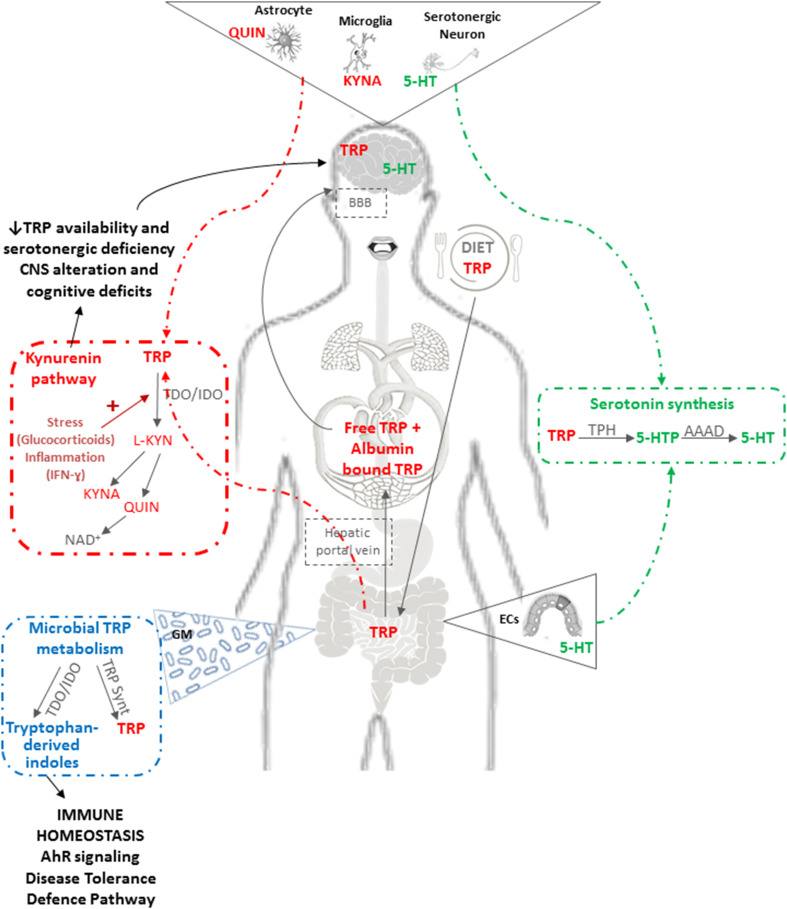
“As well known, diet-derived tryptophan (TRP) and gut microbiota-host interaction signi fi cantly in fl uence TRP availability and metabolism, which in turn may affect cognitive function 92 .”
Self-citationInter-relationship of the Intestinal Microbiome, Diet, and Mental Health
Pizarro, N., & de la Torre, R. (2018) · Current Behavioral Neuroscience Reports · doi:10.1007/s40473-018-0147-8 · Cited by 5
“Because of that, the study of GM in centenarians may help to a better understanding of the role of GM changes along life in age-related diseases [11].”
Gut Microbiota and Aging: Targets and Anti-aging Interventions
Singh, B., Catanzaro, R., Mal, G., Gautam, S., Mohania, He, F., Yadav, H., Bissi, L., & Marotta, F. (2019) · Elsevier eBooks · doi:10.1016/b978-0-12-801238-3.62181-5 · Cited by 4
AISA can control the inflammatory facet of SASP
d’Alessio, P., & Béné, M. C. (2020) · Mechanisms of Ageing and Development · doi:10.1016/j.mad.2019.111206 · Cited by 5
Human Microbiome: Implication of Age and External Factors
Bashir, H., Bawa, A., & Kumar, R. (2022) · Springer eBooks · doi:10.1007/978-981-16-7672-7_1 · Cited by 5
Dong, Y., Sun, Y., Xu, Q., Zang, Y., Yang, Z., Yu, G., Wu, Z., Xiao, H., & Zhang, X. (2025) · Marine Mammal Science · doi:10.1111/mms.70008 · Cited by 4
Hamdi, A., Truong, L. V., Hien, V. T., Nguyen, P. A., Duong, H. T. B., Lloyd, C., Eri, R. D., Stanley, D., Quyền, Đ. V., & Van, T. T. H. (2025) · Microorganisms · doi:10.3390/microorganisms13122803 · Cited by 4
Sena, G., Rango, F. D., Rose, E. D., Perrotta, A., Berardelli, M., Scorza, A., Cretella, B., Passarino, G., D’Aquila, P., & Bellizzi, D. (2026) · Nutrients · doi:10.3390/nu18030505 · Cited by 3
“What is more, they have reduced intestinal function, which may lead to constipation and affect digestion, nutrient absorption, and immune function [7,17–19].”
Kryczyk‐Poprawa, A., Rząsa-Duran, E., Varga, J. T., Ceglédi, A., Zábó, V., Fazekas‐Pongor, V., Major, D., Csípő, T., Szappanos, Á., Lipécz, Á., et al. (2026) · Nutrients · doi:10.3390/nu18152478 · Cited by 4
“Although exceptionally long-lived individuals frequently display distinct microbial and metabolic profiles, these are strongly influenced by genetics, diet, medication use, and geography [38,70–74].”
Fecal Microbiota Transplants as a Treatment Option for Parkinson’s Disease
Flameling, I. A., & Rijkers, G. T. (2018) · IntechOpen eBooks · doi:10.5772/intechopen.78666 · Cited by 3
Rolle des Mikrobioms und der Darm-Gehirn-Interaktion bei Anorexia nervosa
Trinh, S., Herpertz‐Dahlmann, B., & Seitz, J. (2020) · Nervenheilkunde · doi:10.1055/a-1037-2119 · Cited by 3
“Das menschliche Darm-Mikrobiom ist am Stoffwechsel, der Gewichtsregulierung, der Entwicklung des Immunsystems sowie an der Interaktion zwischen Darm und Gehirn des Wirtes beteiligt.”
BackgroundInfluentialMicrobiota-Brain-Gut Axis and Neurodegenerative Disorders
Abughazaleh, S. J., Euers, L. A., & Quigley, E. M. M. (2021) · Elsevier eBooks · doi:10.1016/b978-0-12-819265-8.00031-0 · Cited by 5
Shea, M. K., Lynch, S. D., Brinkley, T. E., & Kritchevsky, S. B. (2025) · Current Developments in Nutrition · doi:10.1016/j.cdnut.2025.107485 · Cited by 2
“However, the available evidence regarding age-related alterations in the gut microbiome in humans is based on cross-sectional comparisons [85,86], which is a limitation.”
Fecal Microbiota Transplantation in Healthy Aging: Challenges and Prospects in Personalized Medicine
Borrego-Ruiz, A., & Borrego, J. J. (2025) · Journal of Molecular and Clinical Medicine · doi:10.31083/jmcm40022 · Cited by 2
“Microbial diversity, in particular, is regarded as a pivotal marker of host health, as reductions in GM diversity have been linked to numerous pathological states, such as microbial infections, autoimmune diseases, and metabolic dysregulation [16].”
Ren, X., Ma, J., Zhao, Y., Yang, M., Li, Y., Song, W., & Wang, N. (2026) · Ageing Research Reviews · doi:10.1016/j.arr.2026.103269 · Cited by 2
Metadata
- Authors
- Santoro, A., Ostan, R., Candela, M., Biagi, E., Brigidi, P., Capri, M., & Franceschi, C.
- Affiliations
- University of Bologna (IT)
- Corresponding author
- Santoro, Aurelia
- ORCID
- Venue
- Cellular and Molecular Life Sciences
- Published
- 2017-10-14
- Volume
- 75
- Issue
- 1
- Pages
- 129-148
- ISSN
- 1420-682X (ISSN-L)
- 1420-9071
- PMC
- PMC5752746
- OpenAlex
- W2764276208
- Semantic Scholar
- 95061e48ae455c76798f600f18ef29529cdd06b5
- Cited by
- 250
- References
- 178
- Citations by year
- 2026: 16 · 2025: 26 · 2024: 38 · 2023: 26 · 2022: 34 · 2021: 27 · 2020: 37 · 2019: 25 · 2018: 19 · 2017: 2
- FWCI
- 2.12
- Type
- journal article
- Language
- en
- Open access
- hybrid
- doi.org
- Locations
- Cellular and Molecular Life Sciences (publishedVersion, cc-by)
- Europe PMC (PubMed Central) (publishedVersion, cc-by)
- PubMed Central (publishedVersion, cc-by)
- PubMed (publishedVersion)
- Archivio istituzionale della ricerca (Alma Mater Studiorum Università di Bologna) (submittedVersion, cc-by)
- Funders
- EU Joint Programme – Neurodegenerative Disease Research
- European Commission (266486, EU-FP7, H2020, 634821)
- Ministero della Salute
- Università di Bologna (RFBO120790)
- Horizon 2020 Framework Programme (634821)
- Topics
- Life Sciences › Biochemistry, Genetics and Molecular Biology › Molecular Biology › Gut microbiota and health
- Life Sciences › Biochemistry, Genetics and Molecular Biology › Aging › Genetics, Aging, and Longevity in Model Organisms
- Health Sciences › Dentistry › Periodontics › Oral microbiology and periodontitis research
- Keywords
- gut microbiota, centenarians, healthy aging, longevity, aging, host genetics, population differences, gender differences, diet, microbiota-brain axis, neurodegenerative diseases, Parkinson's disease, Alzheimer's disease, microbiota-based therapy, metagenomics, metatranscriptomics, metabolomics
- MeSH terms
- Gastrointestinal Microbiome, Aged, Aged, 80 and over, Aging, Diet, Female, Genetics, Population, Humans, Longevity, Male
About these checks
Registry, retraction, Cites and statistics results are computed, not judged, with one exception: a printed reference that no index lists is read once by a model before it counts as a citation error. Claims are extracted by a model and kept only when their quote appears verbatim in the text; each cited source is then checked, with a model’s help, for whether it says what the claim relies on. Those verdicts can be wrong — read the claim’s quote and the cited source before relying on one.
Statistics and arithmetic are recomputed, not judged.
Confidence bands are shown only for fields calibrated on our annotated test set. None is calibrated yet, so no band is shown.
What counts as a claim ›How we measure confidence ›How we check this ›
Are you an author, or do you see a problem with this page? Request a review
Data sources
Bibliographic data: Semantic Scholar, OpenAlex, Crossref.
Contains information from the Semantic Scholar Academic Graph Datasets, made available under the ODC Attribution License (ODC-BY 1.0).
Semantic Scholar’s data is described in: Kinney, R., et al. (2023). The Semantic Scholar Open Data Platform. arXiv:2301.10140.
