

Mechanisms of neuroimmune gene induction in alcoholism
Open accessThe DOI matches its Crossref record; 122 of the 124 references it cites were found in a registry or an index.
Abstract
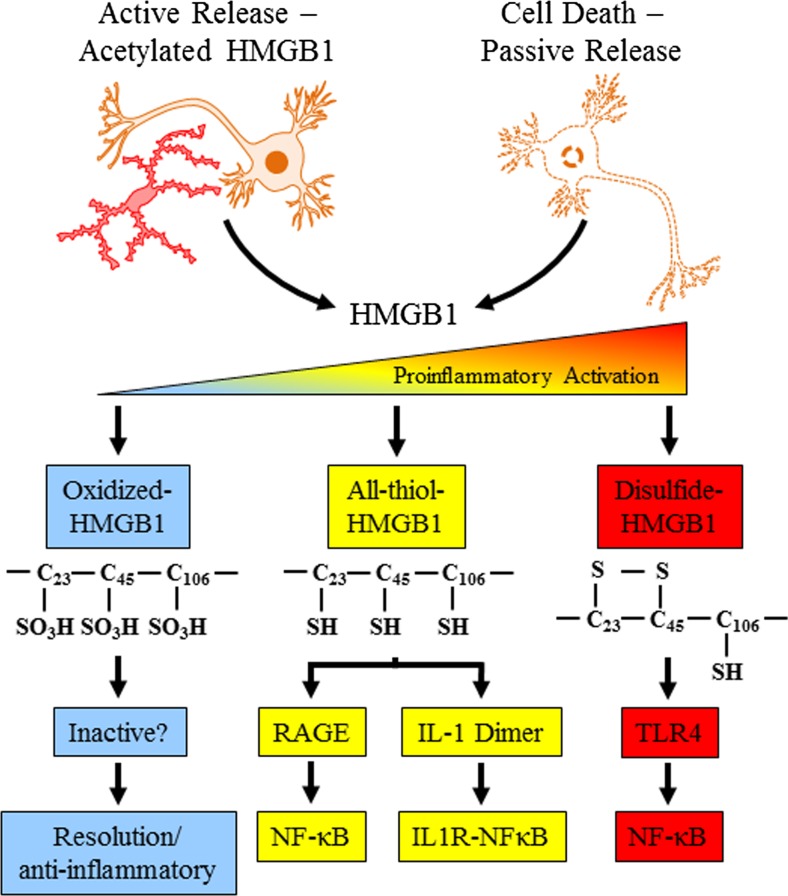
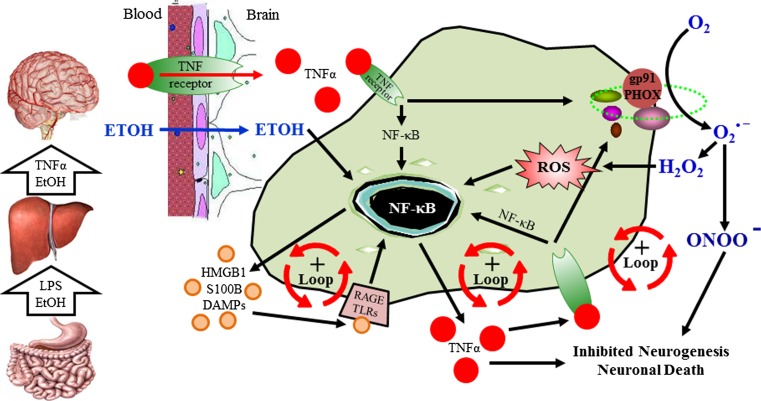
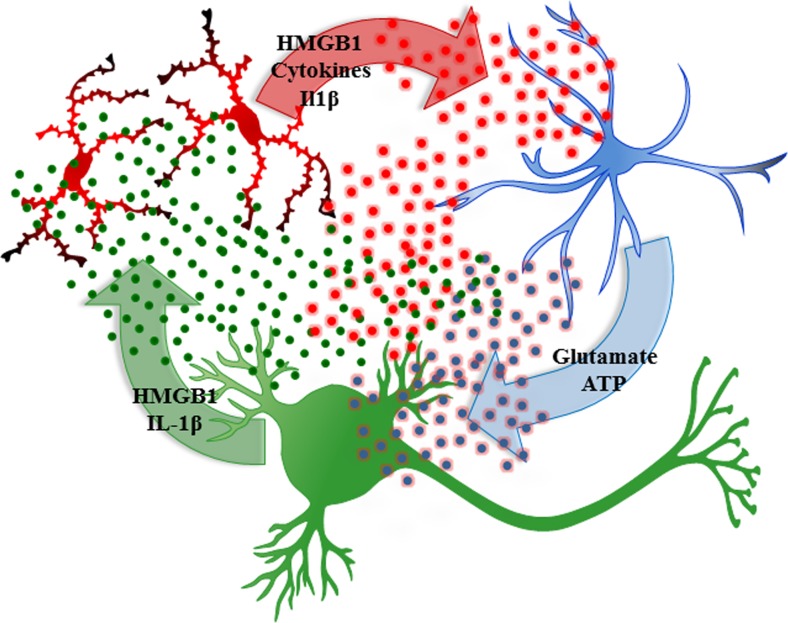
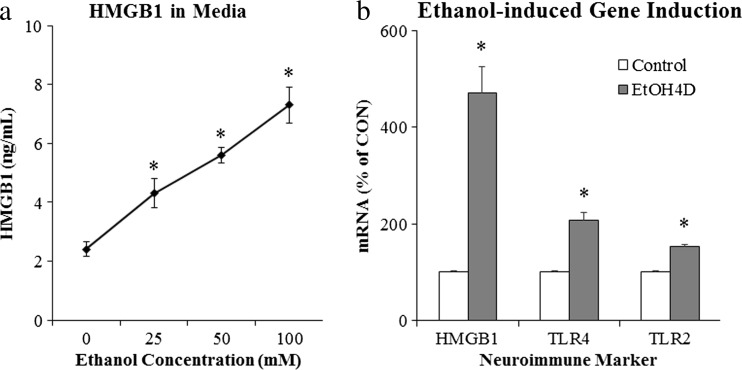
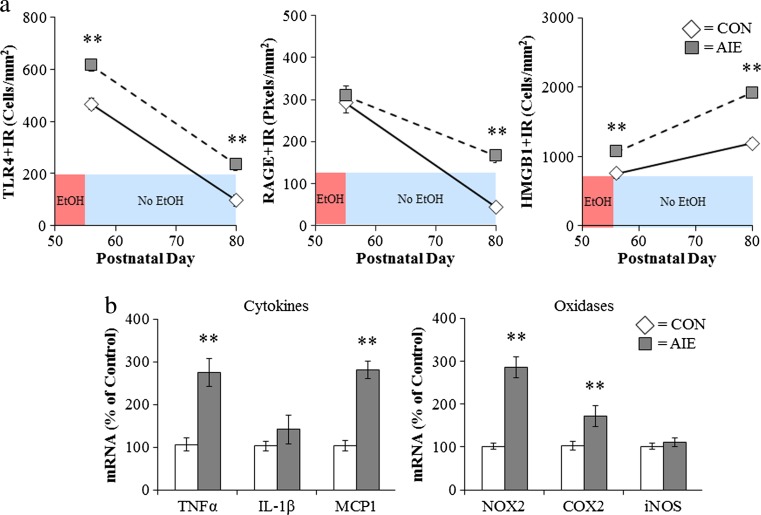
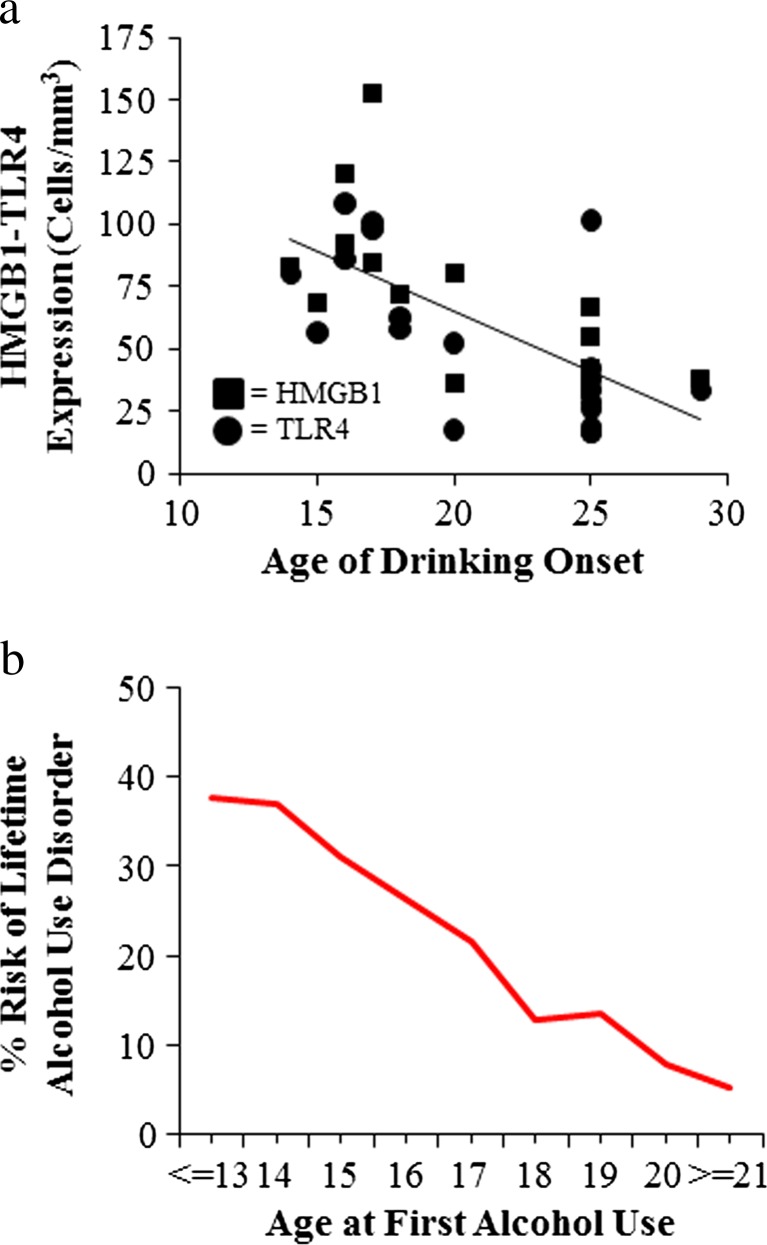
RATIONALE: Alcoholism is a primary, chronic relapsing disease of brain reward, motivation, memory, and related circuitry. It is characterized by an individual's continued drinking despite negative consequences related to alcohol use, which is exemplified by alcohol use leading to clinically significant impairment or distress. Chronic alcohol consumption increases the expression of innate immune signaling molecules (ISMs) in the brain that alter cognitive processes and promote alcohol drinking. OBJECTIVES: Unraveling the mechanisms of alcohol-induced neuroimmune gene induction is complicated by positive loops of multiple cytokines and other signaling molecules that converge on nuclear factor kappa-light-chain-enhancer of activated B cells and activator protein-1 leading to induction of additional neuroimmune signaling molecules that amplify and expand the expression of ISMs. RESULTS: Studies from our laboratory employing reverse transcription polymerase chain reaction (RT-PCR) to assess mRNA, immunohistochemistry and Western blot analysis to assess protein expression, and others suggest that ethanol increases brain neuroimmune gene and protein expression through two distinct mechanisms involving (1) systemic induction of innate immune molecules that are transported from blood to the brain and (2) the direct release of high-mobility group box 1 (HMGB1) from neurons in the brain. Released HMGB1 signals through multiple receptors, particularly Toll-like receptor (TLR) 4, that potentiate cytokine receptor responses leading to a hyperexcitable state that disrupts neuronal networks and increases excitotoxic neuronal death. Innate immune gene activation in brain is persistent, consistent with the chronic relapsing disease that is alcoholism. Expression of HMGB1, TLRs, and other ISMs is increased several-fold in the human orbital frontal cortex, and expression of these molecules is highly correlated with each other as well as lifetime alcohol consumption and age of drinking onset. CONCLUSIONS: The persistent and cumulative nature of alcohol on HMGB1 and TLR gene induction support their involvement in alcohol-induced long-term changes in brain function and neurodegeneration.
Overview
The claims and statistics of this paper haven’t been checked yet.
Free: it reads the open-access text and checks the first 5 claims that cite a source we can check. Create a free account to check every claim.
Integrity signals
Registry
Cites
Statistics
Figures
Verification
Claims the paper makes
The claims and statistics of this paper haven’t been checked yet.
Free: it reads the open-access text and checks the first 5 claims that cite a source we can check. Create a free account to check every claim.
Claims other papers make about this one
Each is checked against this paper’s own text: does it say what the citing paper says it does?
The source backs part of the claim, not all of it — or backs it for a different population, condition or comparison.
In the citing paper
“Of equal importance is that repeated AAE can cause neuroinflammation via the release of pro-inflammatory cytokines, which can disrupt synaptic plasticity and lead to neuropathology and cell death [37–39].”
From Consequences of adolescent drug use (2023) · cites this paper as [37]
Experimental — accuracy not yet measuredThe source backs part of the claim, not all of it — or backs it for a different population, condition or comparison.
In the citing paper
“Neuroinflammatory signaling pathways in the central nervous system are also hypothesized to contribute to neuroadaptive processes that mediate the dysregulation of hyperkatifeia that is associated with the withdrawal/negative affect stage of the addiction cycle (Koob and Volkow, 2010;Crews and Vetreno, 2016).”
From Drug Addiction: Hyperkatifeia/Negative Reinforcement as a Framework for Medications Development (2021) · cites this paper as Crews and Vetreno, 2016
Experimental — accuracy not yet measured
Self-check
Percentages, sums and reported differences re-computed from the paper’s own numbers.
The self-check needs the paper’s full text.
Citations
Cites
From inflammation to sickness and depression: when the immune system subjugates the brain
Dantzer, R., O'Connor, J. C., Freund, G. G., Johnson, R. W., & Kelley, K. W. (2008) · Nature Reviews Neuroscience · doi:10.1038/nrn2297 · Cited by 7,395
Fate Mapping Analysis Reveals That Adult Microglia Derive from Primitive Macrophages
Ginhoux, F., Greter, M., Leboeuf, M., Nandi, S., See, P., Gokhan, S., Mehler, M. F., Conway, S. J., Ng, L. G., Stanley, E. R., et al. (2010) · Science · doi:10.1126/science.1194637 · Cited by 5,175 · cited 2×
“Frontal cortex Introduction: microglia and innate immune genes Microglia are tissue-specific monocyte-like cells of mesodermal origin (Ginhoux et al. 2010), whereas all other brain cells are derived from the neuroectoderm.”
BackgroundMicroglia: a sensor for pathological events in the CNS
Kreutzberg, G. W. (1996) · Trends in Neurosciences · doi:10.1016/0166-2236(96)10049-7 · Cited by 4,396 · cited 2×
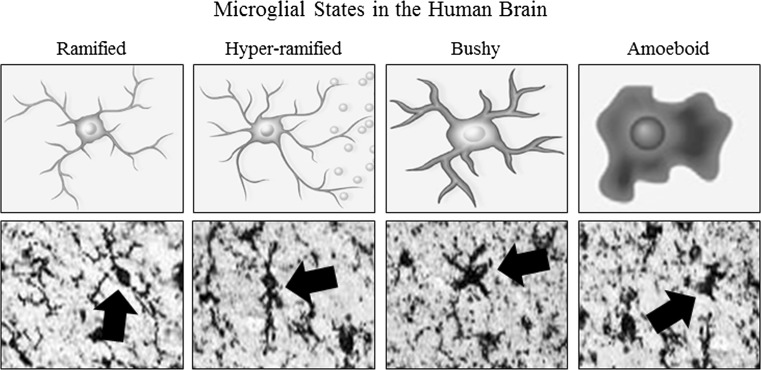
“Amoeboid or Bphagocytic^ microglia are characterized rounded macrophage-like morphology with no or few processes and are associated with maximal proinflammatory activation, oxidative-free radicals, and microglial apoptosis (Kreutzberg 1996; Raivich et al. 1999).”
BackgroundNF-κB regulation in the immune system
Li, Q., & Verma, I. M. (2002) · Nature Reviews Immunology · doi:10.1038/nri910 · Cited by 4,007
Mechanisms underlying inflammation in neurodegeneration
Glass, C. K., Saijo, K., Winner, B., Marchetto, M. C., & Gage, F. H. (2010) · Cell · doi:10.1016/j.cell.2010.02.016 · Cited by 3,580
Integrating cell-signalling pathways with NF-κB and IKK function
Perkins, N. D. (2007) · Nature Reviews Molecular Cell Biology · doi:10.1038/nrm2083 · Cited by 2,350
Systemic LPS causes chronic neuroinflammation and progressive neurodegeneration
Qin, L., Wu, X., Block, M. L., Liu, Y., Breese, G. R., Hong, J., Knapp, D. J., & Crews, F. T. (2007) · Glia · doi:10.1002/glia.20467 · Cited by 2,144 · cited 12×
“Proinflammatory cytokines in the blood are transported across the blood–brain barrier (Banks and Erickson 2010; Qin et al. 2007) such that both cytokines and alcohol enter the brain where they induce neuroimmune activation.”
BackgroundInfluentialSelf-citationFunction and regulation of CREB family transcription factors in the nervous system
Lonze, B. E., & Ginty, D. D. (2002) · Neuron · doi:10.1016/s0896-6273(02)00828-0 · Cited by 2,127 · cited 2×
“(CREB) and many of its target genes, including neuropeptide Y (NPY) and brain-derived neurotrophic factor (BDNF), promote neuronal survival and protect neurons from excitotoxicity and apoptosis (Lonze and Ginty 2002).”
BackgroundHMGB1 and RAGE in Inflammation and Cancer
Sims, G. P., Rowe, D. C., Rietdijk, S. T., Herbst, R., & Coyle, A. J. (2010) · Annual Review of Immunology · doi:10.1146/annurev.immunol.021908.132603 · Cited by 1,436 · cited 4×
“2006]) that activate gut innate immune signaling through disruption of gut tight junctions that allows the gut microbiome bacteria and their endotoxins to enter portal circulation leading to the liver inducing an innate immune response in blood (Sims et al. 2010).”
BackgroundInfluentialNew regulators of NF-κB in inflammation
Ghosh, S., & Hayden, M. S. (2008) · Nature Reviews Immunology · doi:10.1038/nri2423 · Cited by 1,334
Cited by
Items 101–200 of 269
Novel medications for problematic alcohol use
Heilig, M. A., Witkiewitz, K. A., Ray, L. A., & Leggio, L. (2024) · Journal of Clinical Investigation · doi:10.1172/jci172889 · Cited by 29
The neuroimmune system – Where aging and excess alcohol intersect
Carlson, E. R., Guerin, S. P., Nixon, K., & Fonken, L. K. (2022) · Alcohol · doi:10.1016/j.alcohol.2022.08.009 · Cited by 27
Villavicencio-Tejo, F., Flores-Bastías, O., Marambio-Ruiz, L., Pérez-Reytor, D., & Karahanian, E. (2021) · Frontiers in Pharmacology · doi:10.3389/fphar.2021.653175 · Cited by 27
The Significance of Toll-Like Receptors in the Neuroimmunologic Background of Alcohol Dependence
Czerwińska-Błaszczyk, A., Pawlak, E., & Pawłowski, T. (2022) · Frontiers in Psychiatry · doi:10.3389/fpsyt.2021.797123 · Cited by 26
Microglial IL-1β progressively increases with duration of alcohol consumption
Pradier, B., Erxlebe, E., Markert, A., & Rácz, I. (2018) · Naunyn-Schmiedeberg s Archives of Pharmacology · doi:10.1007/s00210-018-1475-7 · Cited by 26
Pratchayasakul, W., Jinawong, K., Pongkan, W., Jaiwongkam, T., Arunsak, B., Chunchai, T., Tokuda, M., Chattipakorn, N., & Chattipakorn, S. C. (2020) · Nutritional Neuroscience · doi:10.1080/1028415x.2020.1840050 · Cited by 26
Intracerebral Stem Cell Administration Inhibits Relapse-like Alcohol Drinking in Rats
Israel, Y., Ezquer, F. E., Quintanilla, M. E., Morales, P., Ezquer, M., & Herrera‐Marschitz, M. (2016) · Alcohol and Alcoholism · doi:10.1093/alcalc/agw068 · Cited by 26
Effective Reduction in High Ethanol Drinking by Semisynthetic Tetracycline Derivatives
Syapin, P. J., Martinez, J. M., Curtis, D. C., Marquardt, P. C., Allison, C. L., Groot, J. A., Baby, C., Al-Hasan, Y. M., Segura‐Ulate, I., Scheible, M., et al. (2016) · Alcoholism Clinical and Experimental Research · doi:10.1111/acer.13253 · Cited by 25
Jithoo, A., Penny, T. R., Pham, Y., Sutherland, A. E., Smith, M. J., Petraki, M. P., Fahey, M. C., Jenkin, G., Malhotra, A., Miller, S., et al. (2024) · Cells · doi:10.3390/cells13080660 · Cited by 25
Varodayan, F. P., Khom, S., Patel, R. R., Steinman, M. Q., Hedges, D. M., Oleata, C. S., Homanics, G. E., Roberto, M., & Bajo, M. (2018) · Alcohol and Alcoholism · doi:10.1093/alcalc/agx114 · Cited by 24
Molecular mechanisms of alcohol's effects on the human body: A review and update
Renu, K., Myakala, H., Chakraborty, R., Bhattacharya, S., Abuwani, A. M., Lokhandwala, M., Vellingiri, B., & Gopalakrishnan, A. V. (2023) · Journal of Biochemical and Molecular Toxicology · doi:10.1002/jbt.23502 · Cited by 23
Secci, M. E., Kelley, L. K., Avegno, E. M., Holmgren, E. B., Chen, L., Rein, S., Engi, S. A., Quinlan, V., Wilson, L., Gilpin, N. W., et al. (2023) · Biological Psychiatry · doi:10.1016/j.biopsych.2023.09.006 · Cited by 23
Arenas, Y. M., & Felipo, V. (2023) · Molecular Neurobiology · doi:10.1007/s12035-023-03264-4 · Cited by 23
Deak, T., Kelliher, K. T., Wojcik, H. J., & Gano, A. (2022) · Pharmacology Biochemistry and Behavior · doi:10.1016/j.pbb.2022.173390 · Cited by 22
Grifasi, I. R., Evans, W. A., Rexha, A. D., Sako, L. W., & Marshall, S. A. (2019) · International review of neurobiology · doi:10.1016/bs.irn.2019.10.018 · Cited by 21
Blednov, Y. A., Costa, A. D., Mayfield, J., Harris, R. A., & Messing, R. O. (2020) · Addiction Biology · doi:10.1111/adb.12932 · Cited by 21
Ethanol activates immune response in lymphoblastoid cells
McClintick, J. N., Tischfield, J. A., Deng, L., Kapoor, M., Xuei, X., & Edenberg, H. J. (2019) · Alcohol · doi:10.1016/j.alcohol.2019.01.001 · Cited by 20
Adolescent neuroimmune function and its interaction with alcohol
Doremus‐Fitzwater, T. L., & Deak, T. (2021) · International review of neurobiology · doi:10.1016/bs.irn.2021.08.006 · Cited by 20
Midkine in the mouse ventral tegmental area limits ethanol intake and Ccl2 gene expression
Chen, H., He, D., & Lasek, A. W. (2017) · Genes Brain & Behavior · doi:10.1111/gbb.12384 · Cited by 20
A Neuroimmune Modulator for Alcohol Use Disorder: A Randomized Clinical Trial
Ray, L. A., Meredith, L. R., Grodin, E. N., Belnap, M. A., Nieto, S. J., Baskerville, W., Donato, S., SHOPTAW, S. J., Gillis, A. J., Irwin, M. R., et al. (2025) · JAMA Network Open · doi:10.1001/jamanetworkopen.2025.7523 · Cited by 19
Liu, M., Guo, S., Huang, D., Hu, D., Wu, Y., Zhou, W., & Song, W. (2022) · Journal of Alzheimer s Disease · doi:10.3233/jad-215508 · Cited by 18
Psychoneuroimmunology: The new frontier in suicide research
Neupane, S. P. (2021) · Brain Behavior & Immunity - Health · doi:10.1016/j.bbih.2021.100344 · Cited by 17
Bernardo, H. T., Agostini, J. F., Toé, H. C. Z. D., Vieira, K. M., Baldin, S. L., Schuck, P. F., Cruz, C. U., Longo, L., da Silveira, T. R., Rosemberg, D. B., et al. (2019) · Pharmacology Biochemistry and Behavior · doi:10.1016/j.pbb.2019.172790 · Cited by 17
Clinical and Biochemical Changes Induced by Alcohol at the Patients with Mental Illness
Gheorman, V., Dinescu, V. C., Criciotoiu, O., Stanca, D. I., Calborean, V., Mită, A., Miscoci, S. A., Daviţoiu, D. V., Băleanu, V. D., Nedelcuta, R.-M., et al. (2019) · Revista de Chimie · doi:10.37358/rc.19.4.7138 · Cited by 17
Nelson, N. G., Suhaidi, F. A., Law, W. X., & Liang, N. (2017) · Alcohol · doi:10.1016/j.alcohol.2017.12.001 · Cited by 16
Hippocampal blood–brain barrier of methamphetamine self‐administering HIV‐1 transgenic rats
Ohene‐Nyako, M., Persons, A. L., & Napier, T. C. (2020) · European Journal of Neuroscience · doi:10.1111/ejn.14925 · Cited by 17
Airapetov, M. I., Eresko, S. O., Бычков, Э. Р., Aa, L., & Shabanov, P. D. (2020) · Medical Immunology (Russia) · doi:10.15789/1563-0625-eot-1836 · Cited by 16
Pan, X., Guo, A., Guan, K., Chen, C., Xu, S., Tang, Y., Li, X., & Huang, Z. (2024) · Addiction Biology · doi:10.1111/adb.13445 · Cited by 15
Zhang, Y., Wang, B., Liu, L., Huang, X., Cai, Y., Liao, L., Min, X., & Gu, Y. (2025) · APOPTOSIS · doi:10.1007/s10495-025-02125-w · Cited by 15
Arenas, Y. M., Pérez‐Martínez, G., Montoliu, C., Llansola, M., & Felipo, V. (2024) · Brain Behavior and Immunity · doi:10.1016/j.bbi.2024.10.002 · Cited by 15
Sánchez-Alavez, M., Nguyen, W., Mori, S., Wills, D. N., Otero, D. C., Aguirre, C., Singh, M., Ehlers, C. L., & Conti, B. (2019) · Alcoholism Clinical and Experimental Research · doi:10.1111/acer.14209 · Cited by 15
Gano, A., Lebonville, C. L., & Becker, H. C. (2022) · The American Journal of Drug and Alcohol Abuse · doi:10.1080/00952990.2022.2092492 · Cited by 14
Involvement of TOLL-like receptors in the neuroimmunology of alcoholism
Airapetov, M. I., Eresko, S. O., Aa, L., Бычков, Э. Р., & Shabanov, P. D. (2020) · Biomeditsinskaya Khimiya · doi:10.18097/pbmc20206603208 · Cited by 14
Flores-Bastías, O., Adriasola-Carrasco, A. A., & Karahanian, E. (2020) · Frontiers in Cellular Neuroscience · doi:10.3389/fncel.2020.00005 · Cited by 14
Massey, N., Shrestha, D., Bhat, S. M., Kondru, N. C., Charli, A., Karriker, L. A., Kanthasamy, A. G., & Charavaryamath, C. (2021) · Cell and Tissue Research · doi:10.1007/s00441-021-03422-x · Cited by 14
Elgazzaz, M., Berdasco, C., Garai, J., Baddoo, M., Lu, S.-P., Daoud, H., Zabaleta, J., Mauvais‐Jarvis, F., & Lazartigues, E. D. (2023) · Molecular Metabolism · doi:10.1016/j.molmet.2023.101864 · Cited by 13
Alcohol use disorder, neuroinflammation, and intake of dietary fibers: a new approach for treatment
Pérez-Reytor, D., & Karahanian, E. (2022) · The American Journal of Drug and Alcohol Abuse · doi:10.1080/00952990.2022.2114005 · Cited by 13
The effect of neuroimmune modulation on subjective response to alcohol in the natural environment
Meredith, L. R., Grodin, E. N., Montoya, A. K., Miranda, R., Squeglia, L. M., Towns, B., Evans, C., & Ray, L. A. (2022) · Alcoholism: Clinical and Experimental Research · doi:10.1111/acer.14821 · Cited by 12
Yao, X., Zhao, J., Yuan, Y., Wang, C., Yu, Z., Huang, Z., Chen, C., Yang, C., Ren, J., Ma, Y., et al. (2023) · American Journal Of Pathology · doi:10.1016/j.ajpath.2023.06.005 · Cited by 12
Ogundipe, E., & Obeng-Gyasi, E. (2025) · Journal of Xenobiotics · doi:10.3390/jox15010007 · Cited by 11
Zhan, J., Fegg, F. N., Kaddatz, H., Rühling, S., Frenz, J., Denecke, B., Amor, S., Ponsaerts, P., Hochstrasser, T., & Kipp, M. (2021) · Neurobiology of Disease · doi:10.1016/j.nbd.2021.105371 · Cited by 11
Ramirez, E. B. D., Arnold, M. E., & Schank, J. R. (2023) · Addiction Biology · doi:10.1111/adb.13357 · Cited by 10
Wen, W., Li, H., & Luo, J. (2022) · Molecular Neurobiology · doi:10.1007/s12035-022-02786-7 · Cited by 10
Wooden, J. I., Peacoe, L. E., Shaji, C. A., Melbourne, J. K., Chandler, C. M., Bardo, M. T., & Nixon, K. (2023) · Cells · doi:10.3390/cells12212572 · Cited by 10
Petralia, M. C., Mazzon, E., Mangano, K., Fagone, P., Marco, R. D., Falzone, L., Basile, M. S., Nicoletti, F., & Cavalli, E. (2020) · Experimental and Therapeutic Medicine · doi:10.3892/etm.2020.8410 · Cited by 10
Development of cerebral microhemorrhages in a mouse model of hypertension
Xie, D. F., Fang, C., Crouzet, C., Hung, Y.-H., Vallejo, A., Lee, D., Liu, J., Liu, H., Muvvala, S., Paganini‐Hill, A., et al. (2025) · Journal of Neuroinflammation · doi:10.1186/s12974-025-03378-7 · Cited by 9
Effects of chronic intermittent ethanol exposure and withdrawal on neuroblastoma cell transcriptome
McClintick, J. N., Thapa, K. S., Liu, Y., Xuei, X., & Edenberg, H. J. (2020) · Alcohol · doi:10.1016/j.alcohol.2019.12.004 · Cited by 9
Liu, W., Rohlman, A., Vetreno, R. P., & Crews, F. T. (2021) · Frontiers in Pharmacology · doi:10.3389/fphar.2021.651418 · Cited by 9
Self-citationA Pathway-Based Genomic Approach to Identify Medications: Application to Alcohol Use Disorder
Ferguson, L. B., Patil, S., Moskowitz, B. A., Ponomarev, I., Harris, R. A., Mayfield, R. D., & Messing, R. O. (2019) · Brain Sciences · doi:10.3390/brainsci9120381 · Cited by 9
Siemsen, B., Landin, J., McFaddin, J., Hooker, K., Chandler, L., & Scofield, M. (2019) · bioRxiv (Cold Spring Harbor Laboratory) · doi:10.1101/566034 · Cited by 9
Central amygdala neuroimmune signaling in alcohol use disorder
Melkumyan, M., Randall, P. A., & Silberman, Y. (2024) · Addiction Neuroscience · doi:10.1016/j.addicn.2024.100194 · Cited by 9
Wen, W., Li, H., Lauffer, M., Hu, D., Zhang, Z., Lin, H., Wang, Y., Leidinger, M., & Luo, J. (2024) · Frontiers in Pharmacology · doi:10.3389/fphar.2024.1407576 · Cited by 9
de Fonseca, F. R., Medina-Paz, F., Sapozhnikov, M., Hurtado-Guerrero, I., Rubio, L., Martín‐de‐las‐Heras, S., Requena-Ocaña, N., Flores-López, M., Fernández‐Arjona, M. D. M., Rivera, P., et al. (2024) · Toxics · doi:10.3390/toxics12030190 · Cited by 8
Effects of docosahexaenoic acid on locomotor activity in ethanol-treated HIV-1 transgenic rats
He, J., Huang, W., Zheng, S., Vigorito, M., & Chang, S. L. (2017) · Journal of NeuroVirology · doi:10.1007/s13365-017-0597-x · Cited by 8
Neuroimmune modulators as novel pharmacotherapies for substance use disorders
Grodin, E. N. (2024) · Brain Behavior & Immunity - Health · doi:10.1016/j.bbih.2024.100744 · Cited by 7
Getachew, B., Hauser, S. R., Bennani, S., Kouhen, N. E., Sari, Y., & Tizabi, Y. (2024) · Advances in Drug and Alcohol Research · doi:10.3389/adar.2024.11881 · Cited by 7
Development of a novel purification protocol to isolate and identify brain microglia
Doughty, D., Rajpurohit, S. K., Trang, A., Alptekin, A., Korkaya, A. K., Achyut, B. R., Arbab, A. S., & Bradford, J. W. (2022) · Experimental Biology and Medicine · doi:10.1177/15353702221096060 · Cited by 7
Converging mechanisms in ethanol neurotoxicity
Virgolini, M. B., & Pautassi, R. M. (2022) · Advances in neurotoxicology · doi:10.1016/bs.ant.2022.06.002 · Cited by 7
Biomarkers of Affective Dysregulation Associated with In Utero Exposure to EtOH
Darbinian, N., Merabova, N., Tatevosian, G., Morrison, M. F., Darbinyan, A., Zhao, H., Goetzl, L. M., & Selzer, M. E. (2023) · Cells · doi:10.3390/cells13010002 · Cited by 7
Epigenomic Impacts of Meditative Practices
Zahir, F. (2022) · Epigenomics · doi:10.2217/epi-2022-0306 · Cited by 6
Repurposing Tigecycline for the Treatment of Alcohol Use Disorder
Oliveros, A., & Choi, D. (2017) · Alcoholism Clinical and Experimental Research · doi:10.1111/acer.13312 · Cited by 6
Quilaqueo, M. E., Adasme, S., Solís-Egaña, F., Quintanilla, M. E., Vásquez, D., Morales, P., Herrera‐Marschitz, M., & Rivera‐Meza, M. (2023) · Life Sciences · doi:10.1016/j.lfs.2023.121876 · Cited by 6
Israel, Y., Quintanilla, M. E., Ezquer, F. E., Morales, P., Rivera‐Meza, M., Karahanian, E., Ezquer, M., & Herrera‐Marschitz, M. (2019) · Gene Therapy · doi:10.1038/s41434-019-0064-9 · Cited by 6
Golub, A., Ordak, M., Nasierowski, T., & Bujalska‐Zadrożny, M. (2023) · International Journal of Molecular Sciences · doi:10.3390/ijms24119413 · Cited by 6
Peripheral Markers of Nervous Tissue Damage in Addictive and Affective Disorders
Levchuk, L. A., Рощина, О. В., Simutkin, G. G., Bokhan, N. A., & Ivanova, S. А. (2021) · Neurochemical Journal · doi:10.1134/s1819712421010074 · Cited by 6
Zhong, J., Bæk, O., Doughty, R. W., Jørgensen, B. M., Jensen, H. E., Thymann, T., Sangild, P. T., Brunse, A., & Nguyen, D. N. (2025) · Biochimica et Biophysica Acta (BBA) - Molecular Basis of Disease · doi:10.1016/j.bbadis.2025.167723 · Cited by 6
Rice cultivation in Southern Nigeria
Mabogunje, A. L. (1959) · Nigerian Geographical journal · Cited by 6
Duffus, B.-L. M., Haggerty, D. L., Doud, E. H., Mosley, A. L., Yamamoto, B. K., & Atwood, B. K. (2024) · Frontiers in Pharmacology · doi:10.3389/fphar.2024.1405446 · Cited by 5
McNair, E. M., Dawkins, L., Materia, B. R., Ross, G., Barnett, A., Nakkala, P., Qin, L., Zou, J., Nikolova, V. D., Moy, S. S., et al. (2025) · American Journal Of Pathology · doi:10.1016/j.ajpath.2025.10.005 · Cited by 5
Shiga Toxin and Its Effect on the Central Nervous System
Pinto, A., Celi, A. B., & Goldstein, J. (2023) · Springer eBooks · doi:10.1007/978-3-031-29882-0_8 · Cited by 5
The Regulatory Role of miRNAs in Ethanol-induced TLR4 Activation and Neuroinflammation
Pascual, M., Ureña‐Peralta, J. R., & Guerri, C. (2020) · Current Pathobiology Reports · doi:10.1007/s40139-020-00208-8 · Cited by 5
Current Methods for the Isolation and Cultivation of Microglia (Review)
Malinovskaya, N. A., Васильевна, Ф. О., Shishelova, K. O., & Panina, Y. A. (2021) · Современные технологии в медицине · doi:10.17691/stm2021.13.6.10 · Cited by 5
Berdasco, C., Pinto, A., Blake, M. G., Correa, F., Carbajosa, N. A. L., Celi, A. B., Geoghegan, P. A., Cangelosi, A., Núñez, M., Gironacci, M. M., et al. (2022) · Cellular and Molecular Neurobiology · doi:10.1007/s10571-022-01298-1 · Cited by 4
Randall, P. A., Sun, D., & Randall, P. A. (2024) · Alcohol · doi:10.1016/j.alcohol.2024.08.003 · Cited by 4
Rey, M., & Aristizábal, F. (2023) · Genetics and Molecular Research · doi:10.4238/gmr19159 · Cited by 4
Folgeerkrankungen bei Alkoholmissbrauch
Wolter, D. K. (2018) · CME · doi:10.1007/s11298-018-6516-5 · Cited by 4
Radhakrishna, U., Radhakrishnan, R., Uppala, L. V., Trivedi, T. S., Prajapati, J., Rawal, R., Muvvala, S. B., Bahado-Singh, R. O., & Sadhasivam, S. (2025) · Frontiers in Pain Research · doi:10.3389/fpain.2025.1497801 · Cited by 4
Naidu, C., Cox, A. J., & Lewohl, J. M. (2024) · Brain Research · doi:10.1016/j.brainres.2024.148763 · Cited by 4
Biney, R. P., Agyei, P. E. O., Ameyaw, E. O., Afortude, J. K., Henneh, I. T., Obese, E., Nyarko, S. B., & Ekor, M. (2020) · Scientific African · doi:10.1016/j.sciaf.2020.e00316 · Cited by 4
Sokolova, S. I., Skryabin, V. Y., Pozdniakov, S. A., Ivanchenko, V. A., Vinokurova, N., Ardamatskaya, L. K., & Masyakin, A. V. (2026) · Psychoneuroendocrinology · doi:10.1016/j.psyneuen.2026.107771 · Cited by 3
Uncovering genetic mechanisms associated with harmful use of alcohol in admixed Latin Americans
Amaral, E. H. B., Britto, G. D. S. G., Pedro, R. B. D. S., Moreira, A. O., Scliar, M. O., Lyra, R., Lima, N. P., Feitosa, C. A., Figueiredo, C. A., Teixeira, H. M. P., et al. (2025) · BMC Genomics · doi:10.1186/s12864-025-11691-x · Cited by 3
Fenofibrate treatment during withdrawal reverses symptoms of ethanol-induced depression in male rats
León, M., Vásquez-Ulloa, C., Marambio-Ruiz, L., Pérez-Reytor, D., & Karahanian, E. (2025) · Frontiers in Pharmacology · doi:10.3389/fphar.2025.1626031 · Cited by 3
Immune influences on the brain: new findings and implications for treatment
Duka, T., Harrison, N. A., & Howes, O. D. (2016) · Psychopharmacology · doi:10.1007/s00213-016-4287-9 · Cited by 3
Crews, F. T., & Vetreno, R. P. (2026) · Addiction Biology · doi:10.1111/adb.70119 · Cited by 3
Self-citationNon-suppurative encephalitis and encephalopathies of unknown origin in horses from Brazil
Boos, G. S., & Justus Liebig University Giessen (2020) · University writing server of the Justus Liebig University Giessen (Justus-Liebig-Universität Gießen) · doi:10.22029/jlupub-11339 · Cited by 3
Peregud, D., Stepanichev, M. Y., & Gulyaeva, N. V. (2021) · Neuroreport · doi:10.1097/wnr.0000000000001646 · Cited by 3
Koob, G. F., Arends, M. A., McCracken, M. L., & Moal, M. L. (2023) · Elsevier eBooks · doi:10.1016/b978-0-12-816988-9.00001-1 · Cited by 2
Zhai, X., & Wang, D. (2026) · Neuroscience & Biobehavioral Reviews · doi:10.1016/j.neubiorev.2026.106653 · Cited by 2
Emerging evidence for pregnane steroid therapeutics for alcohol use disorders
Morrow, A. L., McFarland, M. H., O’Buckley, T. K., & Robinson, D. L. (2024) · International review of neurobiology · doi:10.1016/bs.irn.2024.07.004 · Cited by 2
Bajo, M., Gandhi, P. J., Fei, S. S., Yu, Y., Gao, L., Khadka, R., Blanton, M. B., Messaoudi, I., Warden, A. S., Mayfield, R. D., et al. (2025) · Brain Behavior and Immunity · doi:10.1016/j.bbi.2025.106227 · Cited by 2
Vegh, C., Walach, G., Dube, K., Dobson, B., Talukdar, R., Wear, D., Jayawardena, H., Dufault, K., Culmone, L., Srikantha, S., et al. (2025) · Nutrients · doi:10.3390/nu17162701 · Cited by 2
A dual mechanism fully blocks ethanol relapse: Role of vagal innervation
Quintanilla, M. E., Ezquer, F. E., Morales, P., Santapau, D., Ezquer, M., Herrera‐Marschitz, M., & Israel, Y. (2022) · Addiction Biology · doi:10.1111/adb.13140 · Cited by 2
Torres, J. M., Ponce, C. A., Pérez, V., Gutiérrez-Vega, I., Quintanilla, M. E., Vásquez, D., & Rivera‐Meza, M. (2026) · International Journal of Molecular Sciences · doi:10.3390/ijms27073248 · Cited by 2
Establishment of an AI-supported scoring system for neuroglial cells
Bitsch, A., Henrich, M., Körber, S. S. E., Büttner, K., & Herden, C. (2025) · Frontiers in Cellular Neuroscience · doi:10.3389/fncel.2025.1584422 · Cited by 2
The Role of Toll-Like Receptors in Neuroimmunology of Alcoholism
Airapetov, M. I., Eresko, S. O., Aa, L., Бычков, Э. Р., & Shabanov, P. D. (2021) · Biochemistry (Moscow) Supplement Series B Biomedical Chemistry · doi:10.1134/s1990750821010029 · Cited by 2
Association between opioid use disorder (tramadol) and serum level of interleukin-2
Darweesh, A. E. D. M., Agban, M. N., Mohammed, M. H. A., & Gabra, R. H. (2020) · Middle East Current Psychiatry · doi:10.1186/s43045-020-00037-w · Cited by 2
Gruol, D. L. (2017) · MDPI eBooks · doi:10.3390/books978-3-03842-571-7 · Cited by 1
Translational evidence for increased central amygdala IL-6 activity in alcohol dependence
Onge, C. M. S., Erikson, C. M., Cruz, B., Borgonetti, V., Hashimoto, J. G., Cucinello‐Ragland, J. A., Fitzpatrick‐Schmidt, T., Rodriguez, L., Khom, S., Palmisano, M., et al. (2026) · Journal of Neuroinflammation · doi:10.1186/s12974-026-03868-2 · Cited by 1
Mesenchymal stem cells as a promising therapy for alcohol use disorder
Gallardo, J., Berríos‐Cárcamo, P., & Ezquer, F. E. (2024) · International review of neurobiology · doi:10.1016/bs.irn.2024.07.002 · Cited by 1
Neuromolecular and behavioral effects of ethanol deprivation in DrosophilaPreprint
D’Silva, N. M., McCullar, K. S., Conard, A. M., Blackwater, T., Azanchi, R., Heberlein, U., Larschan, E., & Kaun, K. R. (2021) · bioRxiv (Cold Spring Harbor Laboratory) · doi:10.1101/2021.01.02.425101 · Cited by 1
Metadata
- Authors
- Crews, F. T., & Vetreno, R. P.
- Affiliations
- University of North Carolina at Chapel Hill (US)
- Corresponding author
- Crews, Fulton T.
- Venue
- Psychopharmacology
- Published
- 2015-03-20
- Volume
- 233
- Issue
- 9
- Pages
- 1543-1557
- ISSN
- 0033-3158 (ISSN-L)
- 1432-2072
- PMC
- PMC4828484
- OpenAlex
- W2048926737
- Cited by
- 232
- References
- 124
- Citations by year
- 2026: 15 · 2025: 18 · 2024: 19 · 2023: 26 · 2022: 18 · 2021: 19 · 2020: 26 · 2019: 21 · 2018: 25 · 2017: 25 · 2016: 18 · 2015: 1
- FWCI
- 1.83
- Type
- journal article
- Language
- en
- Open access
- hybrid
- doi.org
- Locations
- Psychopharmacology (publishedVersion, cc-by)
- PubMed Central (publishedVersion, cc-by)
- PubMed (publishedVersion)
- Carolina Digital Repository (University of North Carolina at Chapel Hill) (submittedVersion, other-oa)
- UNC Libraries
- Funders
- University of North Carolina at Chapel Hill
- National Institute on Alcohol Abuse and Alcoholism (P50AA011605, AA 11605, U24AA020022, U01AA020023, AA020023, L40 AA021590, AA 007573, F32AA021040, AA020022, AA020024, U24AA020024, U54AA019767, AA019767, P60AA011605, T32AA007573)
- Topics
- Life Sciences › Neuroscience › Neurology › Neuroinflammation and Neurodegeneration Mechanisms
- Life Sciences › Neuroscience › Biological Psychiatry › Tryptophan and brain disorders
- Health Sciences › Medicine › Pathology and Forensic Medicine › Alcohol Consumption and Health Effects
- Keywords
- alcoholism, high mobility group box 1, TLR4, NF-κB, activator protein-1, cytokines, excitotoxicity, orbitofrontal cortex, neurodegeneration, chronic alcohol consumption, age of onset of drinking, brain reward system
- MeSH terms
- Alcoholism, Humans, Psychoneuroimmunology, HMGB1 Protein, Toll-Like Receptors
About these checks
Registry, retraction, Cites and statistics results are computed, not judged, with one exception: a printed reference that no index lists is read once by a model before it counts as a citation error. Claims are extracted by a model and kept only when their quote appears verbatim in the text; each cited source is then checked, with a model’s help, for whether it says what the claim relies on. Those verdicts can be wrong — read the claim’s quote and the cited source before relying on one.
Statistics and arithmetic are recomputed, not judged.
Confidence bands are shown only for fields calibrated on our annotated test set. None is calibrated yet, so no band is shown.
What counts as a claim ›How we measure confidence ›How we check this ›
Are you an author, or do you see a problem with this page? Request a review
Data sources
Bibliographic data: Semantic Scholar, OpenAlex, Crossref.
Contains information from the Semantic Scholar Academic Graph Datasets, made available under the ODC Attribution License (ODC-BY 1.0).
Semantic Scholar’s data is described in: Kinney, R., et al. (2023). The Semantic Scholar Open Data Platform. arXiv:2301.10140.
