

Mechanisms of neuroimmune gene induction in alcoholism
Open accessThe DOI matches its Crossref record; 123 of the 124 references it cites were found in a registry or an index.
Abstract
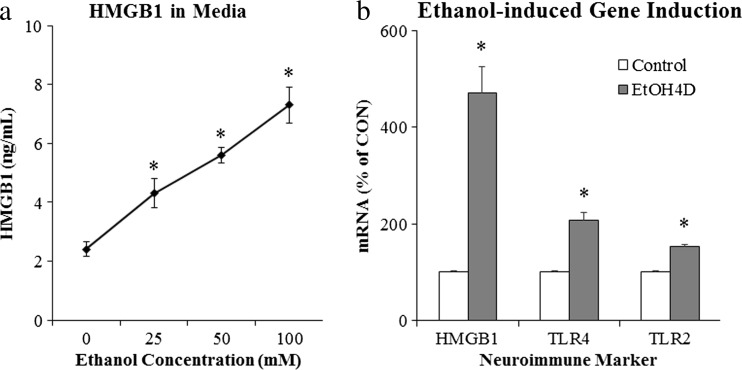
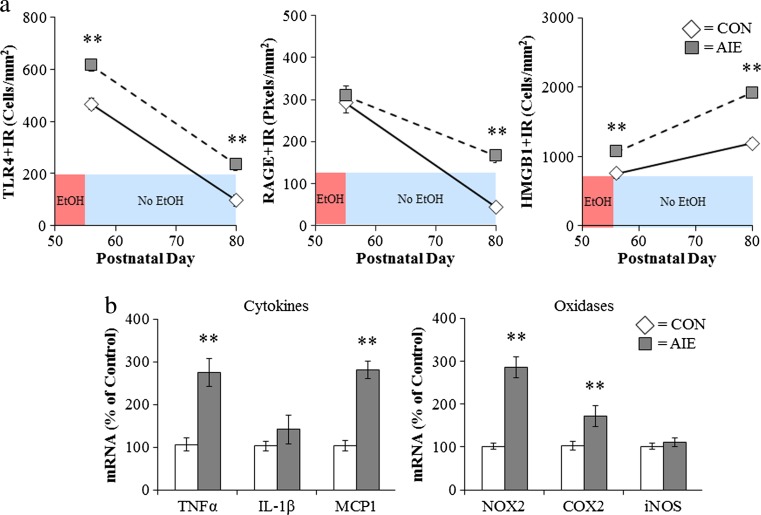
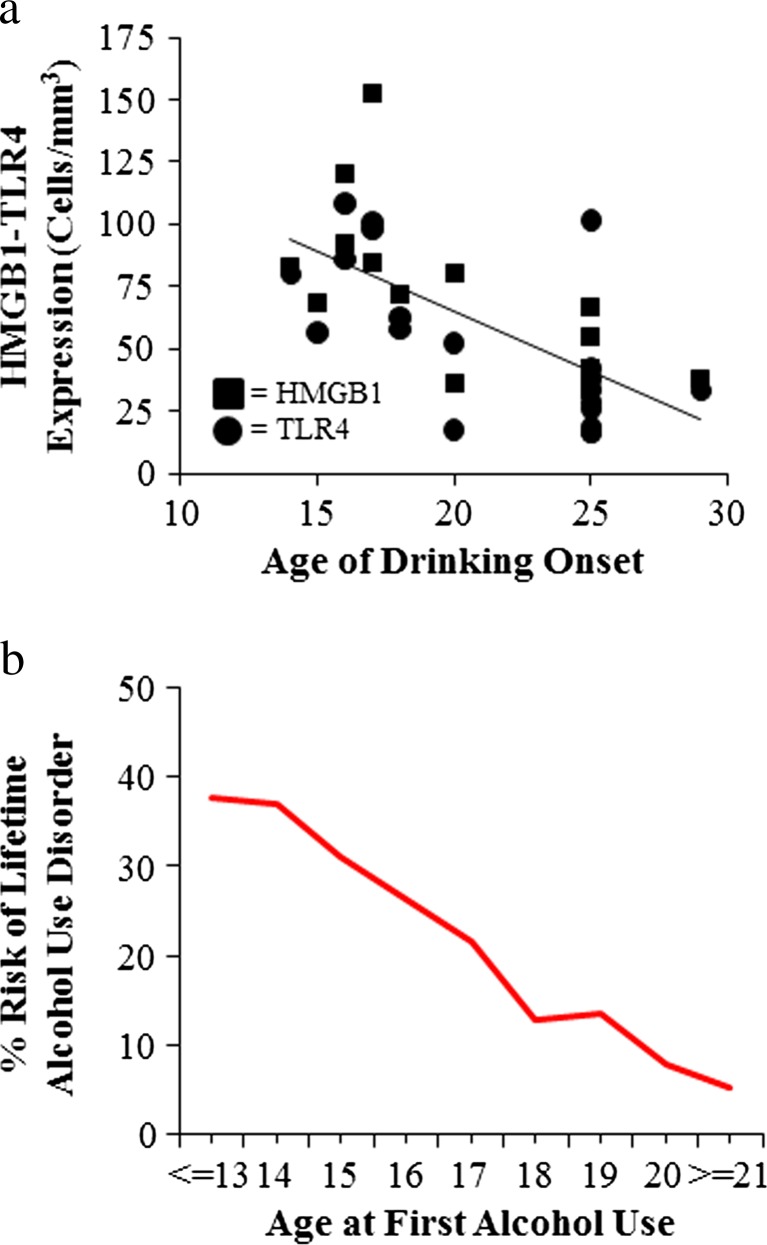
RATIONALE: Alcoholism is a primary, chronic relapsing disease of brain reward, motivation, memory, and related circuitry. It is characterized by an individual's continued drinking despite negative consequences related to alcohol use, which is exemplified by alcohol use leading to clinically significant impairment or distress. Chronic alcohol consumption increases the expression of innate immune signaling molecules (ISMs) in the brain that alter cognitive processes and promote alcohol drinking. OBJECTIVES: Unraveling the mechanisms of alcohol-induced neuroimmune gene induction is complicated by positive loops of multiple cytokines and other signaling molecules that converge on nuclear factor kappa-light-chain-enhancer of activated B cells and activator protein-1 leading to induction of additional neuroimmune signaling molecules that amplify and expand the expression of ISMs. RESULTS: Studies from our laboratory employing reverse transcription polymerase chain reaction (RT-PCR) to assess mRNA, immunohistochemistry and Western blot analysis to assess protein expression, and others suggest that ethanol increases brain neuroimmune gene and protein expression through two distinct mechanisms involving (1) systemic induction of innate immune molecules that are transported from blood to the brain and (2) the direct release of high-mobility group box 1 (HMGB1) from neurons in the brain. Released HMGB1 signals through multiple receptors, particularly Toll-like receptor (TLR) 4, that potentiate cytokine receptor responses leading to a hyperexcitable state that disrupts neuronal networks and increases excitotoxic neuronal death. Innate immune gene activation in brain is persistent, consistent with the chronic relapsing disease that is alcoholism. Expression of HMGB1, TLRs, and other ISMs is increased several-fold in the human orbital frontal cortex, and expression of these molecules is highly correlated with each other as well as lifetime alcohol consumption and age of drinking onset. CONCLUSIONS: The persistent and cumulative nature of alcohol on HMGB1 and TLR gene induction support their involvement in alcohol-induced long-term changes in brain function and neurodegeneration.
Overview
The claims and statistics of this paper haven’t been checked yet.
Free: it reads the open-access text and checks the first 5 claims that cite a source we can check. Create a free account to check every claim.
Integrity signals
Registry
Cites
Statistics
Figures
Verification
Claims the paper makes
The claims and statistics of this paper haven’t been checked yet.
Free: it reads the open-access text and checks the first 5 claims that cite a source we can check. Create a free account to check every claim.
Claims other papers make about this one
Each is checked against this paper’s own text: does it say what the citing paper says it does?
The source backs part of the claim, not all of it — or backs it for a different population, condition or comparison.
In the citing paper
“Of equal importance is that repeated AAE can cause neuroinflammation via the release of pro-inflammatory cytokines, which can disrupt synaptic plasticity and lead to neuropathology and cell death [37–39].”
From Consequences of adolescent drug use (2023) · cites this paper as [37]
Experimental — accuracy not yet measuredThe source backs part of the claim, not all of it — or backs it for a different population, condition or comparison.
In the citing paper
“Neuroinflammatory signaling pathways in the central nervous system are also hypothesized to contribute to neuroadaptive processes that mediate the dysregulation of hyperkatifeia that is associated with the withdrawal/negative affect stage of the addiction cycle (Koob and Volkow, 2010;Crews and Vetreno, 2016).”
From Drug Addiction: Hyperkatifeia/Negative Reinforcement as a Framework for Medications Development (2021) · cites this paper as Crews and Vetreno, 2016
Experimental — accuracy not yet measured
Self-check
Percentages, sums and reported differences re-computed from the paper’s own numbers.
The self-check needs the paper’s full text.
Citations
Cites
From inflammation to sickness and depression: when the immune system subjugates the brain
Dantzer, R., O'Connor, J. C., Freund, G. G., Johnson, R. W., & Kelley, K. W. (2008) · Nature Reviews Neuroscience · doi:10.1038/nrn2297 · Cited by 7,395
Fate Mapping Analysis Reveals That Adult Microglia Derive from Primitive Macrophages
Ginhoux, F., Greter, M., Leboeuf, M., Nandi, S., See, P., Gokhan, S., Mehler, M. F., Conway, S. J., Ng, L. G., Stanley, E. R., et al. (2010) · Science · doi:10.1126/science.1194637 · Cited by 5,175 · cited 2×
“Frontal cortex Introduction: microglia and innate immune genes Microglia are tissue-specific monocyte-like cells of mesodermal origin (Ginhoux et al. 2010), whereas all other brain cells are derived from the neuroectoderm.”
BackgroundMicroglia: a sensor for pathological events in the CNS
Kreutzberg, G. W. (1996) · Trends in Neurosciences · doi:10.1016/0166-2236(96)10049-7 · Cited by 4,396 · cited 2×
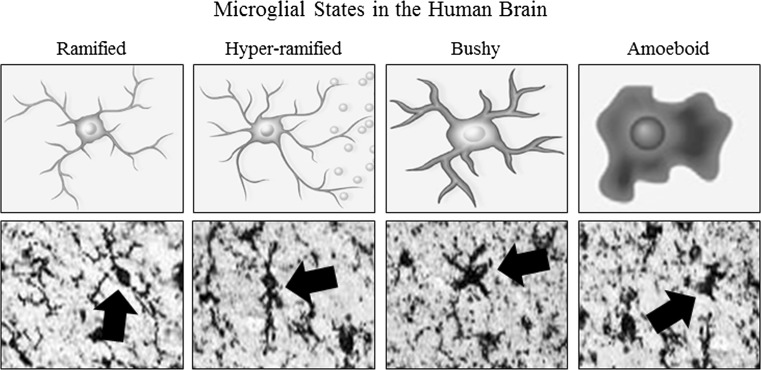
“Amoeboid or Bphagocytic^ microglia are characterized rounded macrophage-like morphology with no or few processes and are associated with maximal proinflammatory activation, oxidative-free radicals, and microglial apoptosis (Kreutzberg 1996; Raivich et al. 1999).”
BackgroundNF-κB regulation in the immune system
Li, Q., & Verma, I. M. (2002) · Nature Reviews Immunology · doi:10.1038/nri910 · Cited by 4,007
Mechanisms underlying inflammation in neurodegeneration
Glass, C. K., Saijo, K., Winner, B., Marchetto, M. C., & Gage, F. H. (2010) · Cell · doi:10.1016/j.cell.2010.02.016 · Cited by 3,580
Integrating cell-signalling pathways with NF-κB and IKK function
Perkins, N. D. (2007) · Nature Reviews Molecular Cell Biology · doi:10.1038/nrm2083 · Cited by 2,350
Systemic LPS causes chronic neuroinflammation and progressive neurodegeneration
Qin, L., Wu, X., Block, M. L., Liu, Y., Breese, G. R., Hong, J., Knapp, D. J., & Crews, F. T. (2007) · Glia · doi:10.1002/glia.20467 · Cited by 2,144 · cited 12×
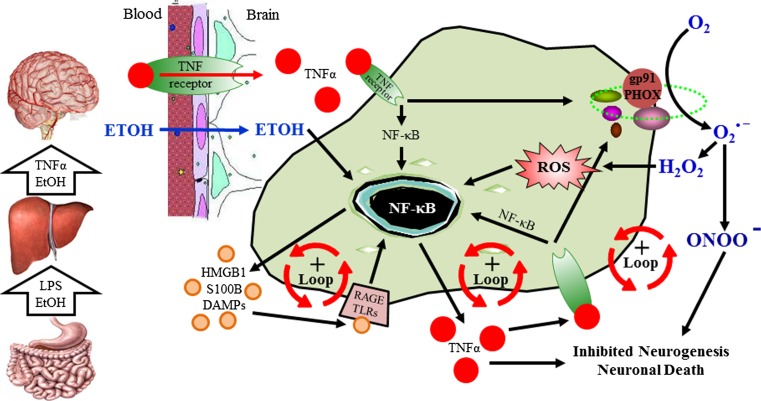
“Proinflammatory cytokines in the blood are transported across the blood–brain barrier (Banks and Erickson 2010; Qin et al. 2007) such that both cytokines and alcohol enter the brain where they induce neuroimmune activation.”
BackgroundInfluentialSelf-citationFunction and regulation of CREB family transcription factors in the nervous system
Lonze, B. E., & Ginty, D. D. (2002) · Neuron · doi:10.1016/s0896-6273(02)00828-0 · Cited by 2,127 · cited 2×
“(CREB) and many of its target genes, including neuropeptide Y (NPY) and brain-derived neurotrophic factor (BDNF), promote neuronal survival and protect neurons from excitotoxicity and apoptosis (Lonze and Ginty 2002).”
BackgroundHMGB1 and RAGE in Inflammation and Cancer
Sims, G. P., Rowe, D. C., Rietdijk, S. T., Herbst, R., & Coyle, A. J. (2010) · Annual Review of Immunology · doi:10.1146/annurev.immunol.021908.132603 · Cited by 1,436 · cited 4×
“2006]) that activate gut innate immune signaling through disruption of gut tight junctions that allows the gut microbiome bacteria and their endotoxins to enter portal circulation leading to the liver inducing an innate immune response in blood (Sims et al. 2010).”
BackgroundInfluentialNew regulators of NF-κB in inflammation
Ghosh, S., & Hayden, M. S. (2008) · Nature Reviews Immunology · doi:10.1038/nri2423 · Cited by 1,334
Cited by
Microglia in physiology and disease
Wolf, S. A., Boddeke, H. W. G. M., & Kettenmann, H. (2017) · Annual Review of Physiology · doi:10.1146/annurev-physiol-022516-034406 · Cited by 1,426
Byun, K., Yoo, Y., Son, M., Lee, J., Jeong, G.-B., Park, Y. M., Salekdeh, G. H., & Lee, B. (2017) · Pharmacology & Therapeutics · doi:10.1016/j.pharmthera.2017.02.030 · Cited by 357
“HMGB1 up-regulation leads to microglial activation in many diseases including alcoholic brain damage (Crews & Vetreno, 2014, 2016), stroke (Liesz et al., 2015; Xiong et al., 2016), spinal cord injury (SCI) (Kikuchi et al., 2011), AMI (Herzog et al., 2014) and acute lung injury (ALI) (Deng et al.,…”
Drug Addiction: Hyperkatifeia/Negative Reinforcement as a Framework for Medications Development
Koob, G. F. (2021) · Pharmacological Reviews · doi:10.1124/pharmrev.120.000083 · Cited by 337
Adolescent Alcohol Exposure Persistently Impacts Adult Neurobiology and Behavior
Crews, F. T., Vetreno, R. P., Broadwater, M. A., & Robinson, D. L. (2016) · Pharmacological Reviews · doi:10.1124/pr.115.012138 · Cited by 324
Self-citationThe role of neuroimmune signaling in alcoholism
Crews, F. T., Lawrimore, C. J., Walter, T. J., & Coleman, L. G. (2017) · Neuropharmacology · doi:10.1016/j.neuropharm.2017.01.031 · Cited by 321
“gene induction (Crews and Vetreno, 2016; He and Crews, 2008; Qin et al., 2008) that are linked to changes in executive function, reinforcement-reward and negative affect-craving-anxiety that promote alcohol abuse and addiction (Vetreno and Crews, 2014).”
Self-citationGlial and Neuroimmune Mechanisms as Critical Modulators of Drug Use and Abuse
Lacagnina, M. J., Rivera, P. D., & Bilbo, S. D. (2017) · Neuropsychopharmacology · doi:10.1038/npp.2016.121 · Cited by 271
“Increased catalytic production of superoxides can potentially lead to neurodegeneration either directly through oxidation of proteins and cell membranes, or indirectly through amplification of NF-κB-mediated transcription of TNFα or other proinflammatory cytokines (Crews and Vetreno, 2016).”
BackgroundConsequences of adolescent drug use
Steinfeld, M. R., & Torregrossa, M. M. (2023) · Translational Psychiatry · doi:10.1038/s41398-023-02590-4 · Cited by 237
“Of equal importance is that repeated AAE can cause neuroin fl ammation via the release of pro-in fl ammatory cytokines, which can disrupt synaptic plasticity and lead to neuropathology and cell death [37 – 39].”
BackgroundNeuroimmune signaling in alcohol use disorder
Erickson, E. K., Grantham, E. K., Warden, A. S., & Harris, R. A. (2019) · Pharmacology Biochemistry and Behavior · doi:10.1016/j.pbb.2018.12.007 · Cited by 223
Impact of the Innate Immune Response in the Actions of Ethanol on the Central Nervous System
Montesinos, J., Alfonso‐Loeches, S., & Guerri, C. (2016) · Alcoholism: Clinical and Experimental Research · doi:10.1111/acer.13208 · Cited by 184
Genetic studies of alcohol dependence in the context of the addiction cycle
Reilly, M. T., Noronha, A., Goldman, D. A., & Koob, G. F. (2017) · Neuropharmacology · doi:10.1016/j.neuropharm.2017.01.017 · Cited by 180
Crews, F. T., Robinson, D. L., Chandler, L. J., Ehlers, C. L., Mulholland, P. J., Pandey, S. C., Rodd, Z. A., Spear, L. P., Swartzwelder, H. S., & Vetreno, R. P. (2019) · Alcoholism: Clinical and Experimental Research · doi:10.1111/acer.14154 · Cited by 165
“NADIA studies have found that AIE persistently changes neuroimmune, neurotrophic, and epigenetic gene regulation and that these are key mechanisms underlying the AIE effects on adult physiology and behavior (for reviews, see Crews et al., 2017a; Crews and Vetreno, 2016; Crews et al., 2016; Kyzar et al., 2016; Pandey e…”
BackgroundSelf-citationToll-like receptor signaling and stages of addiction
Crews, F. T., Walter, T. J., Coleman, L. G., & Vetreno, R. P. (2017) · Psychopharmacology · doi:10.1007/s00213-017-4560-6 · Cited by 156
Self-citationZeng, T., Zhang, C., Xiao, M., Yang, R., & Xie, K. (2016) · Frontiers in Immunology · doi:10.3389/fimmu.2016.00538 · Cited by 138
Microglia Control Escalation of Drinking in Alcohol-Dependent Mice: Genomic and Synaptic Drivers
Warden, A. S., Wolfe, S. A., Khom, S., Varodayan, F. P., Patel, R. R., Steinman, M. Q., Bajo, M., Montgomery, S. E., Vlkolinsky, R., Nadav, T., et al. (2020) · Biological Psychiatry · doi:10.1016/j.biopsych.2020.05.011 · Cited by 127
Toll‐like receptors in neuroinflammation, neurodegeneration, and alcohol‐induced brain damage
Pascual, M., Calvo-Rodríguez, M., Núñez, L., Villalobos, C., Ureña, J., & Guerri, C. (2021) · IUBMB Life · doi:10.1002/iub.2510 · Cited by 124
Glial and neuroinflammatory targets for treating substance use disorders
Bachtell, R. K., Jones, J. D., Heinzerling, K. G., Beardsley, P. M., & Comer, S. D. (2017) · Drug and Alcohol Dependence · doi:10.1016/j.drugalcdep.2017.08.003 · Cited by 117
Nunes, P. T., Kipp, B. T., Reitz, N. L., & Savage, L. M. (2019) · International review of neurobiology · doi:10.1016/bs.irn.2019.09.002 · Cited by 114
Innate Immune Signaling and Alcohol Use Disorders
Coleman, L. G., & Crews, F. T. (2018) · Handbook of experimental pharmacology · doi:10.1007/164_2018_92 · Cited by 107
Self-citationNeuroimmune Interface in the Comorbidity between Alcohol Use Disorder and Major Depression
Neupane, S. P. (2016) · Frontiers in Immunology · doi:10.3389/fimmu.2016.00655 · Cited by 108
Wahab, D. Y. A. A., Gau, C. H., Zakaria, R., Karuppan, M. K. M., Al-Rahbi, B., Abdullah, Z., Alrafiah, A., Abdullah, J. M., & Muthuraju, S. (2019) · BioMed Research International · doi:10.1155/2019/1767203 · Cited by 106
Ikram, M., Saeed, K., Khan, A., Muhammad, T., Khan, M., Jo, M., Rehman, S., & Kim, M. (2019) · Nutrients · doi:10.3390/nu11051082 · Cited by 97
“The upregulation of TLR4, RAGE, and the iba-1 in the ethanol-treated mice brains is in accordance with the previous reported effects of ethanol [52].”
RetractedOleoylethanolamide, Neuroinflammation, and Alcohol Abuse
Orío, L., Alén, F., Pavón, F. J., Serrano, A., & García‐Bueno, B. (2019) · Frontiers in Molecular Neuroscience · doi:10.3389/fnmol.2018.00490 · Cited by 97
Li, J., Wang, H., Liu, D., Li, X., He, L., Pan, J., Shen, Q., & Peng, Y. (2023) · Brain Behavior and Immunity · doi:10.1016/j.bbi.2023.02.001 · Cited by 97
Ma, Y., Liu, S., Shu, H., Crawford, J. A., Xing, Y., & Tao, F. (2020) · Brain Behavior and Immunity · doi:10.1016/j.bbi.2020.01.016 · Cited by 91
Kyzar, E. J., Floreani, C., Teppen, T. L., & Pandey, S. C. (2016) · Frontiers in Neuroscience · doi:10.3389/fnins.2016.00222 · Cited by 90
Vetreno, R. P., Lawrimore, C. J., Rowsey, P. J., & Crews, F. T. (2018) · Frontiers in Neuroscience · doi:10.3389/fnins.2018.00200 · Cited by 88
Self-citationIn vivo imaging of translocator protein, a marker of activated microglia, in alcohol dependence
Hillmer, A. T., Sandiego, C. M., Hannestad, J., Angarita, G. A., Kumar, A., McGovern, E. M., Huang, Y., O'Connor, K. C., Carson, R. E., O'Malley, S. S., et al. (2017) · Molecular Psychiatry · doi:10.1038/mp.2017.10 · Cited by 83
Genetic and Pharmacologic Manipulation of TLR4 Has Minimal Impact on Ethanol Consumption in Rodents
Harris, R. A., Bajo, M., Bell, R. L., Blednov, Y. A., Varodayan, F. P., Truitt, J. M., de Guglielmo, G., Lasek, A. W., Logrip, M. L., Vendruscolo, L. F., et al. (2017) · The Journal of Neuroscience · doi:10.1523/jneurosci.2002-16.2016 · Cited by 80
HMGB1/IL-1β complexes regulate neuroimmune responses in alcoholism
Coleman, L. G., Zou, J., Qin, L., & Crews, F. T. (2018) · Brain, Behavior, and Immunity · doi:10.1016/j.bbi.2017.10.027 · Cited by 79
Self-citationRangan, P., Lobo, F., Parrella, E., Rochette, N. C., Morselli, M., Stephen, T., Cremonini, A. L., Tagliafico, L., Persia, A., Caffa, I., et al. (2022) · Cell Reports · doi:10.1016/j.celrep.2022.111417 · Cited by 79
Ethanol-Induced Neurodegeneration and Glial Activation in the Developing Brain
Saito, M., Chakraborty, G., Hui, M., Masiello, K., & Saito, M. (2016) · Brain Sciences · doi:10.3390/brainsci6030031 · Cited by 79
Vetreno, R. P., & Crews, F. T. (2018) · PLOS ONE · doi:10.1371/journal.pone.0204500 · Cited by 78
Self-citationAlcohol and Stress Activation of Microglia and Neurons: Brain Regional Effects
Walter, T. J., Vetreno, R. P., & Crews, F. T. (2017) · Alcoholism: Clinical and Experimental Research · doi:10.1111/acer.13511 · Cited by 75
Self-citationLawrimore, C. J., & Crews, F. T. (2017) · Alcoholism: Clinical and Experimental Research · doi:10.1111/acer.13368 · Cited by 73
Self-citationPascual, M., Montesinos, J., & Guerri, C. (2018) · Journal of Neuroscience Research · doi:10.1002/jnr.24203 · Cited by 71
Chronic ethanol consumption: role of TLR3/TRIF‐dependent signaling
McCarthy, G. M., Warden, A. S., Bridges, C. R., Blednov, Y. A., & Harris, R. A. (2018) · Addiction Biology · doi:10.1111/adb.12539 · Cited by 70
Schlett, J. S., Mettang, M., Skaf, A., Schweizer, P., Errerd, A., Mulugeta, E. A., Hein, T. M., Tsesmelis, K., Tsesmelis, M., Büttner, U. F. G., et al. (2023) · Molecular Neurodegeneration · doi:10.1186/s13024-023-00616-5 · Cited by 64
Mechanisms of microglia-mediated synapse turnover and synaptogenesis
Ball, J. B., Green‐Fulgham, S. M., & Watkins, L. R. (2022) · Progress in Neurobiology · doi:10.1016/j.pneurobio.2022.102336 · Cited by 67
Ezquer, F., Quintanilla, M. E., Morales, P., Santapau, D., Ezquer, M., Kogan, M. J., Salas‐Huenuleo, E., Herrera‐Marschitz, M., & Israel, Y. (2019) · Addiction Biology · doi:10.1111/adb.12675 · Cited by 65
Neurogenesis after traumatic brain injury - The complex role of HMGB1 and neuroinflammation
Manivannan, S., Marei, O., Elalfy, O., & Zaben, M. (2020) · Neuropharmacology · doi:10.1016/j.neuropharm.2020.108400 · Cited by 65
Glial mechanisms underlying substance use disorders
Linker, K. E., Cross, S. J., & Leslie, F. M. (2019) · European Journal of Neuroscience · doi:10.1111/ejn.14163 · Cited by 64
Toll-like receptor 3 activation increases voluntary alcohol intake in C57BL/6J male mice
Warden, A. S., Azzam, M. M., DaCosta, A., Mason, S., Blednov, Y. A., Messing, R. O., Mayfield, R. D., & Harris, R. A. (2018) · Brain Behavior and Immunity · doi:10.1016/j.bbi.2018.12.004 · Cited by 63
Ethanol Consumption in Mice Lacking CD14, TLR2, TLR4, or MyD88
Blednov, Y. A., Black, M., Chernis, J., Da Costa, A., Mayfield, J., & Harris, R. A. (2017) · Alcoholism: Clinical and Experimental Research · doi:10.1111/acer.13316 · Cited by 61
Gene expression profiling in the human alcoholic brain
Warden, A. S., & Mayfield, R. D. (2017) · Neuropharmacology · doi:10.1016/j.neuropharm.2017.02.017 · Cited by 59
Canepa, E., Parodi‐Rullán, R. M., Vázquez‐Torres, R., Gamallo‐Lana, B., Guzman‐Hernandez, R. A., Lemon, N. L., Angiulli, F., Debure, L., Ilies, M. A., Østergaard, L., et al. (2023) · Alzheimer s & Dementia · doi:10.1002/alz.13063 · Cited by 58
Macht, V. A., Crews, F. T., & Vetreno, R. P. (2019) · Current Opinion in Pharmacology · doi:10.1016/j.coph.2019.10.007 · Cited by 58
Self-citationUreña‐Peralta, J. R., Alfonso‐Loeches, S., Cuesta-Diaz, C. M., Garcia‐García, F., & Guerri, C. (2018) · Scientific Reports · doi:10.1038/s41598-018-34277-y · Cited by 57
A Rationale for Allopregnanolone Treatment of Alcohol Use Disorders: Basic and Clinical Studies
Morrow, A. L., Boero, G., & Porcu, P. (2019) · Alcoholism Clinical and Experimental Research · doi:10.1111/acer.14253 · Cited by 56
Immune treatments for alcohol use disorder: A translational framework
Meredith, L. R., Burnette, E. M., Grodin, E. N., Irwin, M. R., & Ray, L. A. (2021) · Brain, Behavior, and Immunity · doi:10.1016/j.bbi.2021.07.023 · Cited by 56
Koob, G. F., & Vendruscolo, L. F. (2023) · Current topics in behavioral neurosciences · doi:10.1007/7854_2023_424 · Cited by 54
Purple Corn Extract as Anti-allodynic Treatment for Trigeminal Pain: Role of Microglia
Magni, G., Marinelli, A., Riccio, D., Lecca, D., Tonelli, C., Abbracchio, M. P., Petroni, K., & Ceruti, S. (2018) · Frontiers in Cellular Neuroscience · doi:10.3389/fncel.2018.00378 · Cited by 54
Mayfield, J., Arends, M. A., Harris, R. A., & Blednov, Y. A. (2016) · International Review of Neurobiology · doi:10.1016/bs.irn.2016.02.014 · Cited by 53
Rivera, P., Fernández‐Arjona, M. D. M., Silva‐Peña, D., Blanco, E., Vargas, A., López-Ávalos, M. D., Grondona, J. M., Serrano, A., Pavón, F. J., de Fonseca, F. R., et al. (2018) · Biochemical Pharmacology · doi:10.1016/j.bcp.2018.08.005 · Cited by 53
Double screening for dual disorder, alcoholism and depression
Pavkovic, B., Zarić, M., Markovic, M., Klačar, M., Huljić, A., & Caričić, A. (2018) · Psychiatry Research · doi:10.1016/j.psychres.2018.10.013 · Cited by 52
Li, Q., Liu, D., Pan, F., Ho, C. S. H., & Ho, R. (2019) · Neural Plasticity · doi:10.1155/2019/1648736 · Cited by 51
Vetreno, R. P., Patel, Y. N., Patel, U., Walter, T. J., & Crews, F. T. (2016) · Brain Behavior and Immunity · doi:10.1016/j.bbi.2016.09.018 · Cited by 50
Self-citationSanchez-Alavez, M., Nguyen, W., Mori, S., Wills, D. N., Otero, D., Ehlers, C. L., & Conti, B. (2019) · Alcohol · doi:10.1016/j.alcohol.2018.07.005 · Cited by 50
Commonalities and Distinctions Among Mechanisms of Addiction to Alcohol and Other Drugs
Ozburn, A. R., Janowsky, A. J., & Crabbe, J. C. (2015) · Alcoholism Clinical and Experimental Research · doi:10.1111/acer.12810 · Cited by 50
Díaz, L. A., Winder, G. S., Leggio, L., Bajaj, J. S., Bataller, R. A., & Arab, J. P. (2025) · Hepatology · doi:10.1097/hep.0000000000000645 · Cited by 49
Phosphodiesterase 4b expression plays a major role in alcohol-induced neuro-inflammation
Avila, D. V., Myers, S. A., Zhang, J., Kharebava, G., McClain, C. J., Kim, H.-Y., Whittemore, S. R., Gobejishvili, L., & Barve, S. (2017) · Neuropharmacology · doi:10.1016/j.neuropharm.2017.08.011 · Cited by 48
Israel, Y., Quintanilla, M. E., Ezquer, F. E., Morales, P., Santapau, D., Berríos‐Cárcamo, P., Ezquer, M., Olivares, B., & Herrera‐Marschitz, M. (2019) · Addiction Biology · doi:10.1111/adb.12853 · Cited by 48
Ezquer, F. E., Morales, P., Quintanilla, M. E., Santapau, D., Lespay‐Rebolledo, C., Ezquer, M., Herrera‐Marschitz, M., & Israel, Y. (2018) · Scientific Reports · doi:10.1038/s41598-018-22750-7 · Cited by 48
Knapp, D. J., Harper, K. M., Whitman, B. A., Zimomra, Z. R., & Breese, G. R. (2016) · Brain Sciences · doi:10.3390/brainsci6030025 · Cited by 48
Randall, P. A., Vetreno, R. P., Makhijani, V. H., Crews, F. T., & Besheer, J. (2018) · Alcoholism Clinical and Experimental Research · doi:10.1111/acer.13919 · Cited by 48
Self-citationThe Neuroimmune Basis of Excessive Alcohol Consumption
Mayfield, J., & Harris, R. A. (2017) · Neuropsychopharmacology · doi:10.1038/npp.2016.177 · Cited by 45
Cannabinoid 1 Receptor Signaling on Hippocampal GABAergic Neurons Influences Microglial Activity
Ativie, F., Komorowska‐Müller, J. A., Beins, E. C., Albayram, Ö., Zimmer, T. S., Zimmer, A., Tejera, D., Heneka, M. T., & Bilkei‐Gorzó, A. (2018) · Frontiers in Molecular Neuroscience · doi:10.3389/fnmol.2018.00295 · Cited by 45
Freire, D., Reyes, R. E., Baghram, A., Davies, D. L., & Asatryan, L. (2018) · Journal of Neuroimmune Pharmacology · doi:10.1007/s11481-018-9816-3 · Cited by 45
Ethanol-mediated alterations in oligodendrocyte differentiation in the developing brain
Darbinian, N., Darbinyan, A., Merabova, N., Bajwa, A., Tatevosian, G., Martirosyan, D., Zhao, H., Selzer, M. E., & Goetzl, L. M. (2020) · Neurobiology of Disease · doi:10.1016/j.nbd.2020.105181 · Cited by 45
Arenas, Y. M., Cabrera‐Pastor, A., Juciute, N., Mora-Navarro, E., & Felipo, V. (2020) · Journal of Neuroinflammation · doi:10.1186/s12974-020-01941-y · Cited by 45
Chronic kidney disease promotes cerebral microhemorrhage formation
Fang, C., Lau, W. L., Sun, J., Chang, R., Vallejo, A., Lee, D., Liu, J., Liu, H., Hung, Y., Zhao, Y., et al. (2023) · Journal of Neuroinflammation · doi:10.1186/s12974-023-02703-2 · Cited by 44
MANF is neuroprotective against ethanol-induced neurodegeneration through ameliorating ER stress
Wang, Y., Wen, W., Li, H., Clementino, M., Xu, H., Xu, M., Ma, M., Frank, J. A., & Luo, J. (2020) · Neurobiology of Disease · doi:10.1016/j.nbd.2020.105216 · Cited by 43
Hourfar, H., Aliakbari, F., Aqdam, S. R., Nayeri, Z., Bardania, H., Otzen, D. E., & Morshedi, D. (2022) · International Journal of Biological Macromolecules · doi:10.1016/j.ijbiomac.2022.12.134 · Cited by 43
Terracina, S. A., Ferraguti, G., Tarani, L., Messina, M. P., Lucarelli, M., Vitali, M., Persis, S. D., Greco, A., Minni, A., Polimeni, A., et al. (2021) · Current Neuropharmacology · doi:10.2174/1570159x19666211101111430 · Cited by 43
Flores-Bastías, O., & Karahanian, E. (2017) · Neuropharmacology · doi:10.1016/j.neuropharm.2017.11.003 · Cited by 42
Toll-like receptor 3 dynamics in female C57BL/6J mice: Regulation of alcohol intake
Warden, A. S., Azzam, M. M., DaCosta, A., Mason, S., Blednov, Y. A., Messing, R. O., Mayfield, R. D., & Harris, R. A. (2018) · Brain Behavior and Immunity · doi:10.1016/j.bbi.2018.12.006 · Cited by 42
Inhibition of IKKβ Reduces Ethanol Consumption in C57BL/6J Mice
Truitt, J., Blednov, Y. A., Benavidez, J. M., Black, M., Ponomareva, O. Y., Law, J., Merriman, M., Horani, S., Jameson, K. G., Lasek, A. W., et al. (2016) · eNeuro · doi:10.1523/eneuro.0256-16.2016 · Cited by 42
Evans, L. P., Woll, A. W., Wu, S., Todd, B. P., Hehr, N., Hedberg‐Buenz, A., Anderson, M. G., Newell, E. A., Ferguson, P. J., Mahajan, V. B., et al. (2020) · Journal of Neurotrauma · doi:10.1089/neu.2019.6725 · Cited by 40
Apremilast Alters Behavioral Responses to Ethanol in Mice: I. Reduced Consumption and Preference
Blednov, Y. A., Costa, A. J. D., Tarbox, T., Ponomareva, O. Y., Messing, R. O., & Harris, R. A. (2018) · Alcoholism Clinical and Experimental Research · doi:10.1111/acer.13616 · Cited by 40
Singh, N., Nandy, S. K., Jyoti, A., Saxena, J., Sharma, A., Siddiqui, A. J., & Sharma, L. K. (2024) · Brain Sciences · doi:10.3390/brainsci14060554 · Cited by 39
Quintanilla, M. E., Ezquer, F. E., Morales, P., Santapau, D., Berríos‐Cárcamo, P., Ezquer, M., Herrera‐Marschitz, M., & Israel, Y. (2019) · Stem Cell Research & Therapy · doi:10.1186/s13287-019-1304-z · Cited by 39
Quintanilla, M. E., Morales, P., Ezquer, F. E., Ezquer, M., Herrera‐Marschitz, M., & Israel, Y. (2018) · Alcoholism Clinical and Experimental Research · doi:10.1111/acer.13842 · Cited by 39
Nunes, P. T., Vedder, L. C., Deak, T., & Savage, L. M. (2019) · Alcoholism Clinical and Experimental Research · doi:10.1111/acer.13946 · Cited by 38
Holloway, K. N., Douglas, J. C., Rafferty, T. M., Kane, C. J. M., & Drew, P. D. (2023) · Cells · doi:10.3390/cells12162109 · Cited by 38
Manzardo, A. M., Poje, A. B., Penick, E. C., & Butler, M. G. (2016) · International Journal of Molecular Sciences · doi:10.3390/ijms17040472 · Cited by 38
Low Vs. High Alcohol: Central Benefits Vs. Detriments
Tizabi, Y., Getachew, B., Ferguson, C. L., Csoka, A. B., Thompson, K. M., Gómez-Paz, A., Kučerová, J., & Taylor, R. E. (2018) · Neurotoxicity Research · doi:10.1007/s12640-017-9859-x · Cited by 37
Aurelian, L., & Balan, I. S. (2019) · Psychopharmacology · doi:10.1007/s00213-019-05220-4 · Cited by 37
Ezquer, F. E., Quintanilla, M. E., Morales, P., Ezquer, M., Lespay‐Rebolledo, C., Herrera‐Marschitz, M., & Israel, Y. (2017) · Addiction Biology · doi:10.1111/adb.12572 · Cited by 37
Tumour Necrosis Factor in Neuroplasticity, Neurogenesis and Alcohol Use Disorder
Cooper, I. A., Beecher, K., Chehrehasa, F., Belmer, A., & Bartlett, S. E. (2020) · Brain Plasticity · doi:10.3233/bpl-190095 · Cited by 36
AZP2006, a new promising treatment for Alzheimer’s and related diseases
Callizot, N., Estrella, C., Burlet, S., Henriques, A., Brantis, C., Barrier, M., Campanari, M. L., & Verwaerde, P. (2021) · Scientific Reports · doi:10.1038/s41598-021-94708-1 · Cited by 35
Role of cannabinoids in alcohol-induced neuroinflammation
García-Baos, A., Alegre-Zurano, L., Cantacorps, L., Martín‐Sánchez, A., & Valverde, O. (2020) · Progress in Neuro-Psychopharmacology and Biological Psychiatry · doi:10.1016/j.pnpbp.2020.110054 · Cited by 35
Quintanilla, M. E., Ezquer, F. E., Morales, P., Ezquer, M., Olivares, B., Santapau, D., Herrera‐Marschitz, M., & Israel, Y. (2020) · Frontiers in Behavioral Neuroscience · doi:10.3389/fnbeh.2020.00122 · Cited by 34
Ibáñez, C., Acuña, T., Quintanilla, M. E., Pérez-Reytor, D., Morales, P., & Karahanian, E. (2023) · Antioxidants · doi:10.3390/antiox12091758 · Cited by 33
Sedative and Motor Incoordination Effects of Ethanol in Mice Lacking CD14, TLR2, TLR4, or MyD88
Blednov, Y. A., Black, M., Benavidez, J. M., Costa, A. D., Mayfield, J., & Harris, R. A. (2017) · Alcoholism Clinical and Experimental Research · doi:10.1111/acer.13314 · Cited by 32
Innate immune activation: Parallels in alcohol use disorder and Alzheimer’s disease
Ramos, A., Joshi, R., & Szabó, G. (2022) · Frontiers in Molecular Neuroscience · doi:10.3389/fnmol.2022.910298 · Cited by 32
Qiang, Q., Manalo, J. M., Sun, H. J., Zhang, Y., Song, A., Wen, A. Q., Wen, Y. E., Chen, C., Liu, H., Cui, Y. J., et al. (2021) · PLoS Biology · doi:10.1371/journal.pbio.3001239 · Cited by 31
Acquisition, Maintenance and Relapse-Like Alcohol Drinking: Lessons from the UChB Rat Line
Israel, Y., Karahanian, E., Ezquer, F. E., Morales, P., Ezquer, M., Rivera‐Meza, M., Herrera‐Marschitz, M., & Quintanilla, M. E. (2017) · Frontiers in Behavioral Neuroscience · doi:10.3389/fnbeh.2017.00057 · Cited by 31
Terasaki, L. S., & Schwarz, J. M. (2017) · Brain Sciences · doi:10.3390/brainsci7100125 · Cited by 30
Siemsen, B. M., Landin, J. D., McFaddin, J. A., Hooker, K. N., Chandler, L. J., & Scofield, M. D. (2020) · Journal of Neuroscience Research · doi:10.1002/jnr.24683 · Cited by 30
Aghaie, C. I., Hausknecht, K. A., Wang, R., Dezfuli, P. H., Haj‐Dahmane, S., Kane, C. J. M., Sigurdson, W. J., & Shen, R. (2020) · Alcoholism Clinical and Experimental Research · doi:10.1111/acer.14275 · Cited by 31
High-mobility group box 1 (HMGB1) crosses the BBB bidirectionally
Banks, W. A., Hansen, K. M., Erickson, M. A., & Crews, F. T. (2023) · Brain Behavior and Immunity · doi:10.1016/j.bbi.2023.04.018 · Cited by 30
Self-citation
Metadata
- Authors
- Crews, F. T., & Vetreno, R. P.
- Affiliations
- University of North Carolina at Chapel Hill (US)
- Corresponding author
- Crews, Fulton T.
- Venue
- Psychopharmacology
- Published
- 2015-03-20
- Volume
- 233
- Issue
- 9
- Pages
- 1543-1557
- ISSN
- 0033-3158 (ISSN-L)
- 1432-2072
- PMC
- PMC4828484
- OpenAlex
- W2048926737
- Cited by
- 232
- References
- 124
- Citations by year
- 2026: 15 · 2025: 18 · 2024: 19 · 2023: 26 · 2022: 18 · 2021: 19 · 2020: 26 · 2019: 21 · 2018: 25 · 2017: 25 · 2016: 18 · 2015: 1
- FWCI
- 1.83
- Type
- journal article
- Language
- en
- Open access
- hybrid
- doi.org
- Locations
- Psychopharmacology (publishedVersion, cc-by)
- PubMed Central (publishedVersion, cc-by)
- PubMed (publishedVersion)
- Carolina Digital Repository (University of North Carolina at Chapel Hill) (submittedVersion, other-oa)
- UNC Libraries
- Funders
- University of North Carolina at Chapel Hill
- National Institute on Alcohol Abuse and Alcoholism (P50AA011605, AA 11605, U24AA020022, U01AA020023, AA020023, L40 AA021590, AA 007573, F32AA021040, AA020022, AA020024, U24AA020024, U54AA019767, AA019767, P60AA011605, T32AA007573)
- Topics
- Life Sciences › Neuroscience › Neurology › Neuroinflammation and Neurodegeneration Mechanisms
- Life Sciences › Neuroscience › Biological Psychiatry › Tryptophan and brain disorders
- Health Sciences › Medicine › Pathology and Forensic Medicine › Alcohol Consumption and Health Effects
- Keywords
- alcoholism, high mobility group box 1, TLR4, NF-κB, activator protein-1, cytokines, excitotoxicity, orbitofrontal cortex, neurodegeneration, chronic alcohol consumption, age of onset of drinking, brain reward system
- MeSH terms
- Alcoholism, Humans, Psychoneuroimmunology, HMGB1 Protein, Toll-Like Receptors
About these checks
Registry, retraction, Cites and statistics results are computed, not judged, with one exception: a printed reference that no index lists is read once by a model before it counts as a citation error. Claims are extracted by a model and kept only when their quote appears verbatim in the text; each cited source is then checked, with a model’s help, for whether it says what the claim relies on. Those verdicts can be wrong — read the claim’s quote and the cited source before relying on one.
Statistics and arithmetic are recomputed, not judged.
Confidence bands are shown only for fields calibrated on our annotated test set. None is calibrated yet, so no band is shown.
What counts as a claim ›How we measure confidence ›How we check this ›
Are you an author, or do you see a problem with this page? Request a review
Data sources
Bibliographic data: Semantic Scholar, OpenAlex, Crossref.
Contains information from the Semantic Scholar Academic Graph Datasets, made available under the ODC Attribution License (ODC-BY 1.0).
Semantic Scholar’s data is described in: Kinney, R., et al. (2023). The Semantic Scholar Open Data Platform. arXiv:2301.10140.
