

Reduced inattention and hyperactivity and improved cognition after marine oil extract (PCSO-524®) supplementation in children and adolescents with clinical and subclinical symptoms of attention-deficit hyperactivity disorder (ADHD): a randomised, double-blind, placebo-controlled trial
Open accessThe DOI matches its Crossref record; 61 of the 61 references it cites were found in a registry or an index.
Abstract
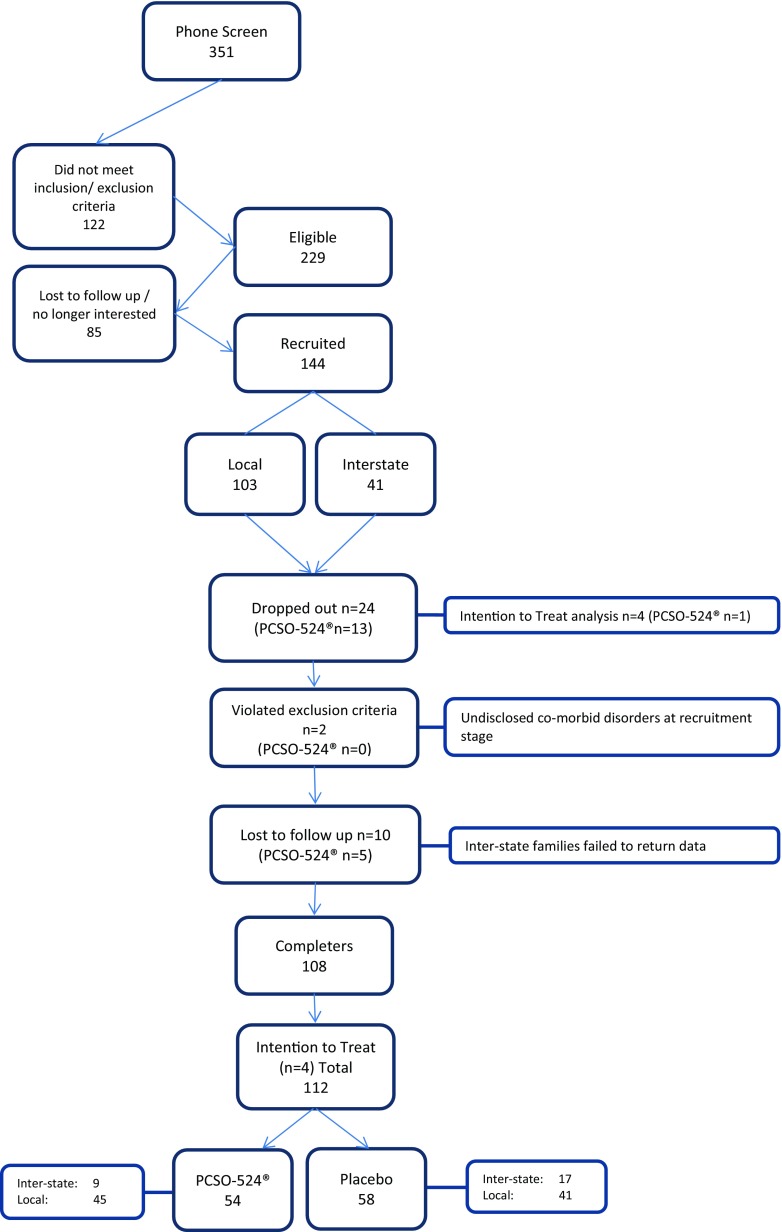
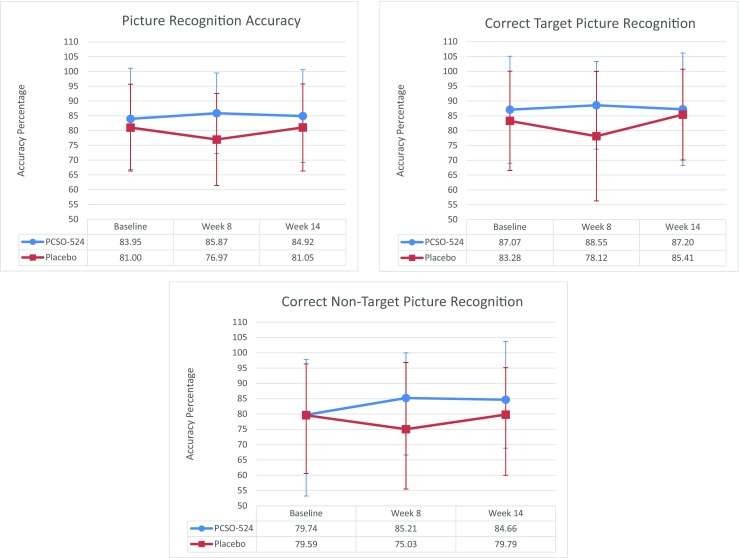
INTRODUCTION: This study investigated the effects of a marine oil extract (PCSO-524®) on inattention, hyperactivity, mood and cognition in children and adolescents. PCSO-524® is a standardised lipid extract of the New Zealand green-lipped mussel and is an inflammatory modulator that inhibits the 5'-lipoxygenase and cyclooxygenase pathways and decreases concentrations of the pro-inflammatory arachidonic acid (AA). METHODS: PCSO-524® or a matched placebo was administered for 14 weeks to 144 participants (123 males/21 females; mean age 8.7 years) with high hyperactivity and inattention in a randomised, double-blind, placebo-controlled study. The primary outcome was the Conners Parent Rating Scale assessing parental reports of behavioural problems. Secondary outcomes assessed changes in cognition and mood. RESULTS: The results of the present study did not support the hypothesis that PCSO-524® improves parental reports of hyperactivity, inattention and impulsivity in children ages 6 to 14 years over placebo. Repeated measures ANOVA on post hoc subsample analysis indicated significant improvements in hyperactivity (p = 0.04), attention (p = 0.02), learning (p = 0.05) and probability of ADHD (p = 0.04) with a medium to large average effect size (d = 0.65) in those children who did not meet criteria for combined hyperactivity and inattention. Furthermore, significant improvements in the PCSO-524® group were indicated in a whole sample repeated measures ANCOVA on recognition memory between baseline and week 8 over placebo (p = 0.02, d = 0.56); this difference was not sustained at week 14. CONCLUSIONS: The results presented indicate that PCSO-524® may be beneficial in reducing levels of hyperactivity and inattention in a population of children with clinical and subclinical symptoms of ADHD.
Overview
The claims and statistics of this paper haven’t been checked yet.
Free: it reads the open-access text and checks the first 5 claims that cite a source we can check. Create a free account to check every claim.
Integrity signals
Registry
Cites
Statistics
Figures
Verification
Claims the paper makes
The claims and statistics of this paper haven’t been checked yet.
Free: it reads the open-access text and checks the first 5 claims that cite a source we can check. Create a free account to check every claim.
Claims other papers make about this one
Each is checked against this paper’s own text: does it say what the citing paper says it does?
The source backs part of the claim, not all of it — or backs it for a different population, condition or comparison.
In the citing paper
“Complementary and alternative medicines (CAM) are fast becoming viable standalone or adjunctive treatment preferences in place of pharmaceutical treatment for a range of developmental disorders including attention-deficit/hyperactivity disorder (ADHD) [5,28,38], mental retardation [31,39], autism spectrum disorders [40], and learning disorders [41,42].”
From Systematic Overview of Bacopa monnieri (L.) Wettst. Dominant Poly-Herbal Formulas in Children and Adolescents (2017) · cites this paper as [38]
Experimental — accuracy not yet measured
Self-check
Percentages, sums and reported differences re-computed from the paper’s own numbers.
The self-check needs the paper’s full text.
Citations
Cites
Diagnostic and Statistical Manual of Mental Disorders ( DSM ‐ IV ‐ TR )
Segal, D. L. (2010) · The Corsini Encyclopedia of Psychology · doi:10.1002/9780470479216.corpsy0271 · Cited by 4,666
(2001) · Journal of Obstetrics and Gynaecology Research · doi:10.1111/j.1447-0756.2001.tb01222.x · Cited by 3,461
The clinical global impressions scale: applying a research tool in clinical practice.
Busner, J., & Targum, S. D. (2007) · PubMed Central · Cited by 2,817
Declaration of Helsinki. Ethical Principles for Medical Research Involving Human Subjects
(2014) · Jahrbuch für Wissenschaft und Ethik · doi:10.1515/jwiet-2014-0117 · Cited by 2,473
(1998) · Cited by 2,026
Conners, C. K., Sitarenios, G., Parker, J. D. A., & Epstein, J. N. (1998) · Journal of Abnormal Child Psychology · doi:10.1023/a:1022602400621 · Cited by 1,772 · cited 3×
“The primary outcome was the Conners Parent Rating Scales (CPRS), a comprehensive checklist for acquiring parental reports of the behavioural problems that presented, which was completed every 4 weeks (Conners et al. 1998).”
BackgroundMethodInfluentialAttention-Deficit/Hyperactivity Disorder: A Selective Overview
Biederman, J. (2005) · Biological Psychiatry · doi:10.1016/j.biopsych.2004.10.020 · Cited by 1,351 · cited 1×
“Attention-deficit/hyperactivity disorder (ADHD) is the most prevalent developmental disorder in school-aged children, with ADHD’s prevalence being estimated withinWestern cultures to be between 5 and 12% (Biederman 2005; Wolraich et al. 2005).”
BackgroundSonuga-Barke, E. J. S., Brandeis, D., Cortese, S., Daley, D., Ferrin, M., Holtmann, M., Stevenson, J., Danckaerts, M., van der Oord, S., Döpfner, M., et al. (2013) · American Journal of Psychiatry · doi:10.1176/appi.ajp.2012.12070991 · Cited by 1,167 · cited 1×
“Nevertheless, it should be noted that two recent meta-analyses have suggested positive but small effect sizes for LC PUFAs and behavioural symptoms with children and adolescents with ADHD (Sonuga-Barke et al. 2013; Bloch and Qawasmi 2011).”
ResultDeclaration of Helsinki. Ethical Principles for Medical Research Involving Human Subjects
World Medical Association (WMA) (2009) · Jahrbuch für Wissenschaft und Ethik · doi:10.1515/9783110208856.233 · Cited by 1,087
Journal of the Pakistan Medical Association
(2020) · Journal of the Pakistan Medical Association · doi:10.5455/jpma · Cited by 1,047
A Meta-Analytic Review of Gender Differences in ADHD
Gershon, J., & Gershon, J. (2002) · Journal of Attention Disorders · doi:10.1177/108705470200500302 · Cited by 875 · cited 2×
“…bias in the wider population; males with ADHD tend to exhibit more externalising behaviours such as hyperactivity, inattention and impulsivity, whereas females with ADHD tend to exhibit more social issues and internalising comorbidities (anxiety) (Gershon and Gershon 2002; Carlson et al. 1997).”
BackgroundCytokines and cognition–the case for a head-to-toe inflammatory paradigm.
Wilson, C. J., Finch, C. E., & Cohen, H. J. (2002) · Journal of the American Geriatrics Society · doi:10.1046/j.1532-5415.2002.50619.x · Cited by 637 · cited 1×
“Cytokines play a key role in the hypothalamic-pituitary-adrenal (HPA) axis and have been shown to be involved in cognitive processes, stress and depression (Wilson et al. 2002).”
BackgroundWehmeier, P. M., Schacht, A., & Barkley, R. A. (2010) · Journal of Adolescent Health · doi:10.1016/j.jadohealth.2009.09.009 · Cited by 628 · cited 1×
“Developmental disorders have detrimental effects on a child’s social, emotional and academic future (Wehmeier et al. 2010).”
BackgroundDevelopment and validation of a mood measure for adolescents
Terry, P. C., Lane, A. M., Lane, H. J., & Keohane, L. (1999) · Journal of Sports Sciences · doi:10.1080/026404199365425 · Cited by 548 · cited 2×
“Changes in mood were assessed by the use of the Brunel Mood Scale (BRUMS) for adolescents (Terry et al. 1999).”
BackgroundMethodMann, C. A., Lubar, J. F., Zimmerman, A. W., Miller, C. A., & Muenchen, R. A. (1992) · Pediatric Neurology · doi:10.1016/0887-8994(92)90049-5 · Cited by 479 · cited 2×
“…of Technology, PO Box 218 (H24), Hawthorn, VIC 3122, Australia 2 Department of Psychiatry, Melbourne Clinic, University of Melbourne, Melbourne, Australia ADHD has demonstrated to be a significant risk factor for alcohol and substance use disorders in later years (Shankman et al. 2009; Malmberg…”
BackgroundMethodDevelopmental Normative Data on The Test of Variables of Attention (T.O.V.A.™)
Greenberg, L. M., & Waldmant, I. D. (1993) · Journal of Child Psychology and Psychiatry · doi:10.1111/j.1469-7610.1993.tb01105.x · Cited by 446 · cited 8×
“Secondary outcomes investigated cognitive changes by the use of the Test of Variables of Attention (TOVA; Greenberg and Waldman 1993) and the Computerised Mental Performance Assessment System (COMPASS; Scholey et al. 2010).”
BackgroundMethodInfluentialBloch, M. H., & Qawasmi, A. (2011) · Journal of the American Academy of Child & Adolescent Psychiatry · doi:10.1016/j.jaac.2011.06.008 · Cited by 417 · cited 1×
“Nevertheless, it should be noted that two recent meta-analyses have suggested positive but small effect sizes for LC PUFAs and behavioural symptoms with children and adolescents with ADHD (Sonuga-Barke et al. 2013; Bloch and Qawasmi 2011).”
ResultWolraich, M. L., Wibbelsman, C. J., Brown, T. E., Evans, S. W., Gotlieb, E. M., Knight, J. R., Ross, E. C., Shubiner, H. H., Wender, E. H., & Wilens, T. (2005) · Pediatrics · doi:10.1542/peds.2004-1959 · Cited by 404 · cited 1×
“Attention-deficit/hyperactivity disorder (ADHD) is the most prevalent developmental disorder in school-aged children, with ADHD’s prevalence being estimated withinWestern cultures to be between 5 and 12% (Biederman 2005; Wolraich et al. 2005).”
BackgroundShankman, S. A., Lewinsohn, P. M., Klein, D. N., Small, J. W., Seeley, J. R., & Altman, S. E. (2009) · Journal of Child Psychology and Psychiatry · doi:10.1111/j.1469-7610.2009.02117.x · Cited by 300
Pincus, H. A., Davis, W. W., & McQueen, L. E. (1999) · British Journal of Psychiatry · doi:10.1192/bjp.174.4.288 · Cited by 283
Omega-3 fatty acids in ADHD and related neurodevelopmental disorders
Richardson, A. J. (2006) · International Review of Psychiatry · doi:10.1080/09540260600583031 · Cited by 267 · cited 2×
“Ritalin®) and other stimulant and non-stimulant pharmaceutical treatments (Richardson 2006; Sinn and Bryan 2007).”
BackgroundSinn, N., & Bryan, J. (2007) · Journal of Developmental & Behavioral Pediatrics · doi:10.1097/01.dbp.0000267558.88457.a5 · Cited by 262 · cited 2×
“Ritalin®) and other stimulant and non-stimulant pharmaceutical treatments (Richardson 2006; Sinn and Bryan 2007).”
BackgroundStonehouse, W., Conlon, C. A., Podd, J., Hill, S. R., Minihane, A. M., Haskell, C., & Kennedy, D. (2013) · The American Journal of Clinical Nutrition · doi:10.3945/ajcn.112.053371 · Cited by 252 · cited 3×
“Improvements in this AA/EPA status has correlated with a decrease in ADHD-associated symptoms (Stonehouse et al. 2013).”
BackgroundResultInfluentialElectroencephalogram differences in two subtypes of Attention-Deficit/Hyperactivity Disorder
CLARKE, A. R., BARRY, R. J., McCARTHY, R., & SELIKOWITZ, M. (2001) · Psychophysiology · doi:10.1017/s0048577201981764 · Cited by 240 · cited 2×
“The acquisition of resting-state electroencephalography (EEG) was based on previous research into the differentiation of theta/beta and theta/ alpha ratios from non-ADHD children (Mann et al. 1992) as well as between subtypes (Clarke et al. 2001).”
MethodCARLSON, C. L., TAMM, L., & GAUB, M. (1997) · Journal of the American Academy of Child & Adolescent Psychiatry · doi:10.1097/00004583-199712000-00019 · Cited by 224 · cited 2×
“…bias in the wider population; males with ADHD tend to exhibit more externalising behaviours such as hyperactivity, inattention and impulsivity, whereas females with ADHD tend to exhibit more social issues and internalising comorbidities (anxiety) (Gershon and Gershon 2002; Carlson et al. 1997).”
BackgroundJohnson, M., Östlund, S., Fransson, G., Kadesjö, B., & Gillberg, C. (2009) · Journal of Attention Disorders · doi:10.1177/1087054708316261 · Cited by 198 · cited 1×
“This outcome supports a previous study by Johnson et al. (2009) that demonstrated that responders to a combination of lipids were more likely to be male and have a diagnosis of ADHD inattentive subtype.”
ResultValidation of the ADHD Rating Scale as a clirlician administered and scored instrument
Faries, D. E., Yalcin, I., Harder, D., & Heiligenstein, J. H. (2001) · Journal of Attention Disorders · doi:10.1177/108705470100500204 · Cited by 183 · cited 1×
“The DSM-IVrating scale is a reliable and valid four-point (0 = never or rarely, 1 = sometimes, 2 = often, 3 = very often) 18-item semi-structured interview that assesses symptom severity (Faries et al. 2001).”
BackgroundADHD Symptoms and Subtypes: Relationship Between Childhood and Adolescent Symptoms
Hurtig, T. M., Ebeling, H. E., Taanila, A. M., Miettunen, J., Smalley, S. L., McGough, J. J., Loo, S. K., Järvelin, M., & Moilanen, I. K. (2007) · Journal of the American Academy of Child & Adolescent Psychiatry · doi:10.1097/chi.0b013e318157517a · Cited by 166 · cited 1×
“Hurtig et al. (2007) investigated the presence and severity of ADHD symptoms in a cohort of Finnish children and adolescents in whom ADHD had been diagnosed.”
BackgroundVaisman, N., Kaysar, N., Zaruk-Adasha, Y., Pelled, D., Brichon, G., Zwingelstein, G., & Bodennec, J. (2008) · The American Journal of Clinical Nutrition · doi:10.1093/ajcn/87.5.1170 · Cited by 160 · cited 2×
“Lower levels of omega-3 (DHA) within the adult brain have been shown to dysregulate the functions of the HPA axis (Vaisman et al. 2008).”
BackgroundGillies, D., Sinn, J. K., Lad, S. S., Leach, M. J., & Ross, M. J. (2012) · Cochrane Database of Systematic Reviews · doi:10.1002/14651858.cd007986.pub2 · Cited by 152 · cited 3×
“…lower level of omega-3s in PCSO-524®, previous evidence of its ability to block pro-inflammatory pathways highlights a possible mechanism of action via returning the AA/EPA ratio or inflammatory/antiinflammatory ratio to a more balanced state (Halpern 2000; Lello et al. 2012; Gillies et al. 2012).”
BackgroundScholey, A., Ossoukhova, A., Owen, L., Ibarra, A., Pipingas, A., He, K., Roller, M., & Stough, C. (2010) · Psychopharmacology · doi:10.1007/s00213-010-1964-y · Cited by 142 · cited 3×
“Secondary outcomes included the computerised COMPASS cognitive battery, designed to allow assessment across the major cognitive domains, i.e. attention, working memory, secondary memory and executive function (Scholey et al. 2010).”
MethodSelf-citationSorgi, P. J., Hallowell, E. M., Hutchins, H. L., & Sears, B. (2007) · Nutrition Journal · doi:10.1186/1475-2891-6-16 · Cited by 140 · cited 1×
“…actions of PCSO-524® may benefit children who have clinical or subclinical ADHD by decreasing the ratio of arachidonic acid (pro-inflammatory) to eicosapentaenoic acid (anti-inflammatory) (AA/EPA), which may lead to improvements in associated symptoms (Young et al. 2005; Sorgi et al. 2007).”
Anti-inflammatory activity of a lipid fraction (lyprinol) from the NZ green-lipped mussel
Whitehouse, M. W., Macrides, T. A., Kalafatis, N., Betts, W. H., Haynes, D. R., & Broadbent, J. (1997) · Inflammopharmacology · doi:10.1007/s10787-997-0002-0 · Cited by 138 · cited 2×
“Experimental studies demonstrate that the PCSO-524® extract is effective at modulating 5′-lipoxygenase (5-LOX), 12′-lipoxygenase (12LOX) and cyclooxygenase (COX) pathways, which are responsible for the production of eicosanoids, which include leukotrienes and prostaglandins (Halpern 2000; Whitehouse et al. 1997; White…”
BackgroundPsychological Test Usage with Adolescent Clients: Survey Update
Archer, R. P., & Newsom, C. R. (2000) · Assessment · doi:10.1177/107319110000700303 · Cited by 135
Subthreshold attention deficit hyperactivity in children and adolescents: a systematic review
Balázs, J., & Keresztény, Á. (2014) · European Child & Adolescent Psychiatry · doi:10.1007/s00787-013-0514-7 · Cited by 131 · cited 2×
“Marine oil”
BackgroundInfluentialSinn, N., Bryan, J., & Wilson, C. J. (2008) · Prostaglandins Leukotrienes and Essential Fatty Acids · doi:10.1016/j.plefa.2008.04.004 · Cited by 121 · cited 1×
“This is consistent with previous research indicating parental ratings of children’s behaviour correlates with mineral deficiencies (Sinn et al. 2008) as well as prevalence rates of ADHD (Visser et al. 2013).”
ResultEmelyanov, A., Fedoseev, G., Krasnoschekova, O., Abulimity, A., Trendeleva, T., & Barnes, P. J. (2002) · European Respiratory Journal · doi:10.1183/09031936.02.02632001 · Cited by 116 · cited 2×
“…PCSO-524® have been examined in adult, child and adolescent populations, with positive effects in terms of reduced asthmatic (Lello et al. 2012; Emelyanov et al. 2002; Mickleborough et al. 2013), inflammatory bowel disease (Tenikoff et al. 2005) and osteoarthritis symptoms (Zawadzki et al.…”
BackgroundBos, D. J., Oranje, B., Veerhoek, E. S., Van Diepen, R. M., Weusten, J. M., Demmelmair, H., Koletzko, B., de Sain-van der Velden, M. G., Eilander, A., Hoeksma, M., et al. (2015) · Neuropsychopharmacology · doi:10.1038/npp.2015.73 · Cited by 110 · cited 3×
“Significant improvements due to the treatment were observed for both the ADHD and control groups due to the EPA/DHA treatment on parent-rated inattention scores but not on the more objectively assessed cognitive processes (Bos et al. 2015).”
BackgroundInfluentialThe function of hypothalamus–pituitary–adrenal axis in children with ADHD
Ma, L., Chen, Y.-H., Chen, H., Liu, Y.-Y., & Wang, Y.-X. (2011) · Brain Research · doi:10.1016/j.brainres.2010.10.045 · Cited by 100 · cited 2×
“In a study by Ma et al. (2011), researchers established that children who were classified to have ADHD hyperactive/impulsive type had significantly lower cortisol levels than the ADHD combined type and ADHD inattentive-type children.”
BackgroundManor, I., Magen, A., Keidar, D., Rosen, S., Tasker, H., Cohen, T., Richter, Y., Zaaroor-Regev, D., Manor, Y., & Weizman, A. (2012) · European Psychiatry · doi:10.1016/j.eurpsy.2011.05.004 · Cited by 99 · cited 1×
“This type of exploratory subsample analysis allows researchers to understand the benefits of unique treatments such as PCSO-524® and has been utilised previously in rigorous intervention trials in child and adolescent populations (Manor et al. 2012).”
MethodGermano, M., Meleleo, D., Montorfano, G., Adorni, L., Negroni, M., Berra, B., & Rizzo, A. M. (2007) · Nutritional Neuroscience · doi:10.1080/10284150601153801 · Cited by 81 · cited 1×
“Germano et al. (2007) evaluated the effects of LC PUFAs in ADHD children against normal controls highlighting a significant correlation between improved clinical symptoms of hyperactivity and inattention with reduced disparity in the AA/EPA ratio.”
BackgroundKohlboeck, G., Glaser, C., Tiesler, C. M. T., Demmelmair, H., Standl, M., Romanos, M., Koletzko, B. V., Lehmann, I., & Heinrich, J. (2011) · American Journal of Clinical Nutrition · doi:10.3945/ajcn.111.015800 · Cited by 73 · cited 1×
“Longitudinal research into prenatal development has also shown that children who have low levels of docosahexaenoic acid (DHA) in cord blood have increased levels of inattention and hyperactivity at 10 years of age (Kohlboeck et al. 2011).”
BackgroundYoung, G. S., Conquer, J. A., & Thomas, R. (2005) · Reproduction Nutrition Development · doi:10.1051/rnd:2005045 · Cited by 69 · cited 2×
“With respect to the potential application for symptoms of inattention, impulsivity or hyperactivity, the anti-inflammatory actions of PCSO-524® may benefit children who have clinical or subclinical ADHD by decreasing the ratio of arachidonic acid (pro-inflammatory) to eicosapentaenoic acid (anti-inflammatory) (AA/EPA)…”
BackgroundHariri, M., Djazayery, A., Djalali, M., Saedisomeolia, A., Rahimi, A., & Abdolahian, E. (2012) · PubMed · Cited by 68
Visser, S. N., Danielson, M. L., Bitsko, R. H., Perou, R., & Blumberg, S. J. (2013) · JAMA Pediatrics · doi:10.1001/jamapediatrics.2013.2364 · Cited by 68 · cited 2×
“This is consistent with previous research indicating parental ratings of children’s behaviour correlates with mineral deficiencies (Sinn et al. 2008) as well as prevalence rates of ADHD (Visser et al. 2013).”
BackgroundResultDietary Omega-3 Fatty Acids Modulate Large-Scale Systems Organization in the Rhesus Macaque Brain
Grayson, D. S., Kroenke, C. D., Neuringer, M., & Fair, D. A. (2014) · The Journal of Neuroscience · doi:10.1523/jneurosci.3038-13.2014 · Cited by 68 · cited 2×
“Marine oil”
BackgroundAnti-inflammatory effects of a stabilized lipid extract of Perna canaliculus (Lyprinol).
Gm, H. (2000) · PubMed · Cited by 66
Tenikoff, D., Murphy, K. J., Le, M., Howe, P. R. C., & Howarth, G. S. (2005) · Journal of Gastroenterology · doi:10.1007/s00535-005-1551-x · Cited by 58 · cited 2×
“2013), inflammatory bowel disease (Tenikoff et al. 2005) and osteoarthritis symptoms (Zawadzki et al.”
BackgroundAn objective measure of methylphenidate response: clinical use of the MCA.
Lm, G. (1987) · PubMed · Cited by 57
Mickleborough, T. D., Vaughn, C. L., Shei, R., Davis, E. M., & Wilhite, D. P. (2013) · Respiratory Medicine · doi:10.1016/j.rmed.2013.04.010 · Cited by 52 · cited 1×
“…PCSO-524® have been examined in adult, child and adolescent populations, with positive effects in terms of reduced asthmatic (Lello et al. 2012; Emelyanov et al. 2002; Mickleborough et al. 2013), inflammatory bowel disease (Tenikoff et al. 2005) and osteoarthritis symptoms (Zawadzki et al. 2013).”
BackgroundPeer and Parenting Characteristics of Boys and Girls with Subclinical Attention Problems
Rielly, N. E., Craig, W., & Parker, K. C. H. (2006) · Journal of Attention Disorders · doi:10.1177/1087054705284245 · Cited by 43 · cited 2×
“…children with subclinical levels of ADHD may also aid in the broader understanding of gender differences in terms of symptom expression and severity (Rielly et al. 2006) as well as aid in the approach to treatment for those children who are at risk of developing the disorder (Kobor et al. 2012).”
BackgroundMalmberg, K., Edbom, T., Wargelius, H., & Larsson, J. (2011) · Acta Paediatrica · doi:10.1111/j.1651-2227.2011.02363.x · Cited by 42 · cited 2×
“…PO Box 218 (H24), Hawthorn, VIC 3122, Australia 2 Department of Psychiatry, Melbourne Clinic, University of Melbourne, Melbourne, Australia ADHD has demonstrated to be a significant risk factor for alcohol and substance use disorders in later years (Shankman et al. 2009; Malmberg et al. 2011).”
BackgroundZawadzki, M., Janosch, C., & Szechiński, J. (2013) · Marine Drugs · doi:10.3390/md11061920 · Cited by 36 · cited 2×
“2005) and osteoarthritis symptoms (Zawadzki et al. 2013).”
BackgroundAn evidence-based method for examining and reporting cognitive processes in nutrition research
Pase, M. P., & Stough, C. K. K. (2014) · Nutrition Research Reviews · doi:10.1017/s0954422414000158 · Cited by 31 · cited 1×
“A recent approach to better understand the cognitive domains measured by different tests has been suggested by Pase and Stough (2014), who have advocated for the use of the Cattell-Horn-Carroll (CHC) cognitive framework for interventions.”
MethodSelf-citationLyprinol inhibits LTB4 production by human monocytes.
Dugas, B. (2000) · PubMed · Cited by 27
Llorente, A. M., Voigt, R. G., Jensen, C. L., Fraley, J. K., Heird, W. C., & Rennie, K. M. (2008) · Child Neuropsychology · doi:10.1080/09297040701563578 · Cited by 21 · cited 1×
“It is considered to be a gold standard test for ADHD and associated symptoms (Llorente et al. 2008).”
BackgroundThe latent classes of subclinical ADHD symptoms: Convergences of multiple informant reports
Kóbor, A., Takács, Á., Urbán, R., & Csépe, V. (2012) · Research in Developmental Disabilities · doi:10.1016/j.ridd.2012.04.008 · Cited by 19 · cited 2×
“…children with subclinical levels of ADHD may also aid in the broader understanding of gender differences in terms of symptom expression and severity (Rielly et al. 2006) as well as aid in the approach to treatment for those children who are at risk of developing the disorder (Kobor et al. 2012).”
BackgroundKean, J. D., Camfield, D., Sarris, J. J., Kras, M., Silberstein, R. B., Scholey, A. B., & Stough, C. K. K. (2013) · Nutrition Journal · doi:10.1186/1475-2891-12-100 · Cited by 13
Self-citationLipoxygenase inhibition: the neglected frontier for regulating chronic inflammation and pain
Whitehouse, M. W., & Rainsford, K. D. (2006) · Inflammopharmacology · doi:10.1007/s10787-006-1523-7 · Cited by 10 · cited 2×
“Experimental studies demonstrate that the PCSO-524® extract is effective at modulating 5′-lipoxygenase (5-LOX), 12′-lipoxygenase (12LOX) and cyclooxygenase (COX) pathways, which are responsible for the production of eicosanoids, which include leukotrienes and prostaglandins (Halpern 2000; Whitehouse et al. 1997; White…”
BackgroundSubthreshold mental disorders.
Gadit, A. A. (2003) · PubMed · Cited by 4
(2012) · The Internet Journal of Asthma Allergy and Immunology · doi:10.5580/2baa · Cited by 4 · cited 2×
“…lower level of omega-3s in PCSO-524®, previous evidence of its ability to block pro-inflammatory pathways highlights a possible mechanism of action via returning the AA/EPA ratio or inflammatory/antiinflammatory ratio to a more balanced state (Halpern 2000; Lello et al. 2012; Gillies et al. 2012).”
Background
Cited by
Martinat, M., Rossitto, M., Miceli, M. D., & Layé, S. (2021) · Nutrients · doi:10.3390/nu13041185 · Cited by 161
Healy-Stoffel, M., & Levant, B. (2018) · CNS & Neurological Disorders - Drug Targets · doi:10.2174/1871527317666180412153612 · Cited by 133
Agostoni, C., Nobile, M., Ciappolino, V., Delvecchio, G., Tesei, A., Turolo, S., Crippa, A., Mazzocchi, A., Altamura, C., & Brambilla, P. (2017) · International Journal of Molecular Sciences · doi:10.3390/ijms18122608 · Cited by 125
“Concerning neuropsychological functioning, three RCTs using higher doses of EPA than DHA [82,86,87] found a treatment effect on visual sustained attention performance, delayed memory and working memory function.”
BackgroundMallick, R., Basak, S., & Duttaroy, A. K. (2021) · Progress in Lipid Research · doi:10.1016/j.plipres.2021.101116 · Cited by 135
Basak, S., Mallick, R., Banerjee, A., Pathak, S., & Duttaroy, A. K. (2021) · Nutrients · doi:10.3390/nu13062061 · Cited by 104
“strated significant improvement in ADHD symptoms[124,208-219].”
Metadata
- Authors
- Kean, J. D., Sarris, J., Scholey, A., Silberstein, R., Downey, L. A., & Stough, C.
- Affiliations
- Swinburne University of Technology (AU)
- The University of Melbourne (AU)
- Corresponding author
- Stough, Con
- Venue
- Psychopharmacology
- Published
- 2016-12-05
- Volume
- 234
- Issue
- 3
- Pages
- 403-420
- ISSN
- 0033-3158 (ISSN-L)
- 1432-2072
- PMC
- PMC5225177
- OpenAlex
- W2560670432
- Cited by
- 32
- References
- 61
- Citations by year
- 2026: 3 · 2025: 2 · 2024: 7 · 2023: 3 · 2022: 1 · 2021: 6 · 2020: 4 · 2019: 1 · 2018: 2 · 2017: 3
- FWCI
- 1.78
- Type
- journal article
- Language
- en
- Open access
- hybrid
- doi.org
- Locations
- Psychopharmacology (publishedVersion, cc-by)
- PubMed Central (publishedVersion, cc-by)
- PubMed (publishedVersion)
- Minerva Access (University of Melbourne) (submittedVersion, cc-by)
- Figshare (submittedVersion, cc-by)
- Swinburne figshare (Swinburne University of Technology) (submittedVersion, cc-by)
- Swinburne figshare (Swinburne University of Technology) (cc-by)
- Funders
- Pharmalink
- Topics
- Health Sciences › Medicine › Psychiatry and Mental health › Attention Deficit Hyperactivity Disorder
- Health Sciences › Nursing › Nutrition and Dietetics › Fatty Acid Research and Health
- Life Sciences › Agricultural and Biological Sciences › Aquatic Science › Seaweed-derived Bioactive Compounds
- Keywords
- attention deficit hyperactivity disorder, hyperactivity, inattention, children and adolescents, green-lipped mussel, lipid extracts, 5-lipoxygenase inhibition, cyclooxygenase inhibition, arachidonic acid, inflammation, cognition, recognition memory, mood, dietary supplementation
- MeSH terms
- Olive Oil, Adolescent, Affect, Attention, Attention Deficit Disorder with Hyperactivity, Child, Cognition, Double-Blind Method, Female, Humans, Lipids, Male, Vitamin E, Vitamins, Fatty Acids, Omega-3, Treatment Outcome, Dietary Supplements
About these checks
Registry, retraction, Cites and statistics results are computed, not judged, with one exception: a printed reference that no index lists is read once by a model before it counts as a citation error. Claims are extracted by a model and kept only when their quote appears verbatim in the text; each cited source is then checked, with a model’s help, for whether it says what the claim relies on. Those verdicts can be wrong — read the claim’s quote and the cited source before relying on one.
Statistics and arithmetic are recomputed, not judged.
Confidence bands are shown only for fields calibrated on our annotated test set. None is calibrated yet, so no band is shown.
What counts as a claim ›How we measure confidence ›How we check this ›
Are you an author, or do you see a problem with this page? Request a review
Data sources
Bibliographic data: Semantic Scholar, OpenAlex, Crossref.
Contains information from the Semantic Scholar Academic Graph Datasets, made available under the ODC Attribution License (ODC-BY 1.0).
Semantic Scholar’s data is described in: Kinney, R., et al. (2023). The Semantic Scholar Open Data Platform. arXiv:2301.10140.
