

Prebiotics, Bone and Mineral Metabolism
Open accessThe DOI matches its Crossref record; 130 of the 131 references it cites were found in a registry or an index.
Abstract
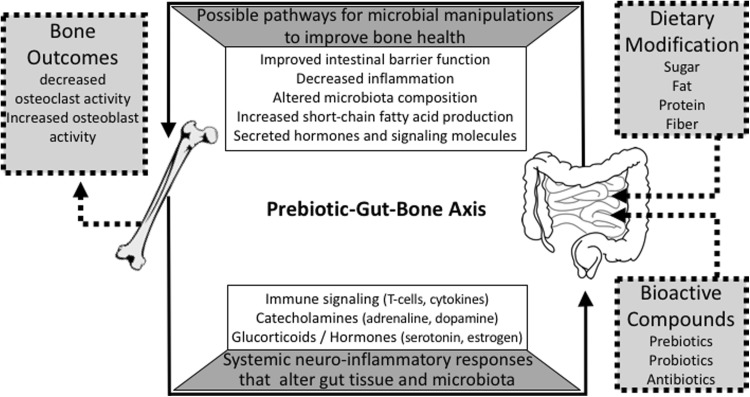
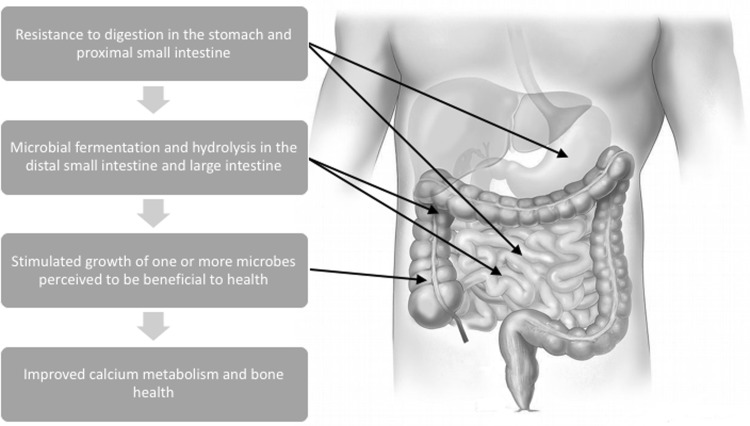
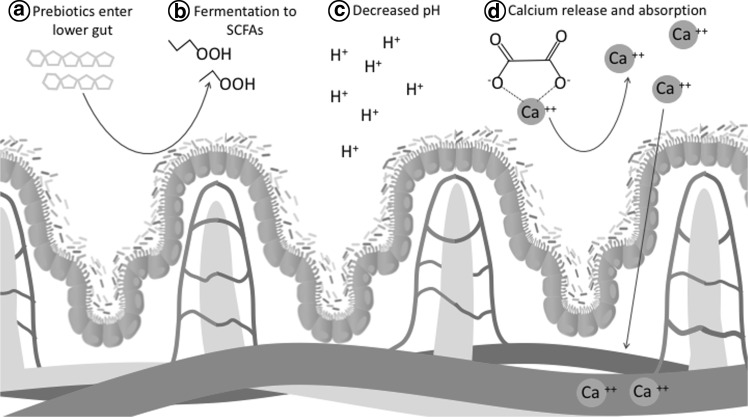
Increasing interest in functional foods has driven discovery in the area of bioactive compounds. Prebiotics are non-digestible carbohydrate compounds that, when consumed, elicit health benefits and aid in the prevention and treatment of chronic diseases. While prebiotics have been shown to improve a number of chronic, inflammatory conditions, growing evidence exists for prebiotic effects on calcium metabolism and bone health. These novel dietary fibers have been shown to increase calcium absorption in the lower intestines of both preclinical and human models. Rodent models have also been imperative for understanding prebiotic effects on bone mineral density and measures of skeletal strength. Although fewer data are available for humans, bone-related prebiotic effects exist across the lifecycle, suggesting benefits for attainment of peak bone mass during adolescence and minimized bone resorption among postmenopausal women. These effects are thought to occur through prebiotic-microbe interactions in the large intestine. Current prebiotic mechanisms for improved mineral absorption and skeletal health include alterations in gut microbiota composition, production of short-chain fatty acids, altered intestinal pH, biomarker modification, and immune system regulation. While the majority of available data support improved mineral bioavailability, emerging evidence suggests alternate microbial roles and the presence of an intricate gut-bone signaling axis. Overall, the current scientific literature supports prebiotic consumption as a cost-effective and sustainable approach for improved skeletal health and/or fracture prevention. The goal of this review is to discuss both foundational and recent research in the area of prebiotics, mineral metabolism, and bone health.
Overview
The claims and statistics of this paper haven’t been checked yet.
Free: it reads the open-access text and checks the first 5 claims that cite a source we can check. Create a free account to check every claim.
Integrity signals
Registry
Cites
Statistics
Figures
Verification
Claims the paper makes
The claims and statistics of this paper haven’t been checked yet.
Free: it reads the open-access text and checks the first 5 claims that cite a source we can check. Create a free account to check every claim.
Claims other papers make about this one
Each is checked against this paper’s own text: does it say what the citing paper says it does?
The source backs part of the claim, not all of it — or backs it for a different population, condition or comparison.
In the citing paper
“Several studies have reported an association of dysbiosis with chronic inflammation, which may in turn result in an association with bone diseases [129,132,215,216].”
From Bone diseases in patients with chronic liver disease (2019) · cites this paper as [132]
Experimental — accuracy not yet measured
Self-check
Percentages, sums and reported differences re-computed from the paper’s own numbers.
The self-check needs the paper’s full text.
Citations
Cites
A human gut microbial gene catalogue established by metagenomic sequencing
MetaHIT Consortium, Qin, J., Li, R., Raes, J., Arumugam, M., Burgdorf, K. S., Manichanh, C., Nielsen, T., Pons, N., Levenez, F., et al. (2010) · Nature · doi:10.1038/nature08821 · Cited by 11,624 · cited 1×
“Intestinal microbiota represent an immensely rich community of bacteria, fungi, viruses, and archaea that collectively contribute more than 3 million unique genes [70], the activities of which are farreaching as evidenced by the excretion of more than 200 microbially produced metabolites in urine [71].”
BackgroundDietary Modulation of the Human Colonic Microbiota: Introducing the Concept of Prebiotics
Gibson, G. R., & Roberfroid, M. B. (1995) · The Journal of Nutrition · doi:10.1093/jn/125.6.1401 · Cited by 7,667 · cited 1×
“Although prebiotics are classified under the umbrella of dietary fiber, the scientific concept of this more functional classification did not emerge until 1995 [10].”
BackgroundFiber and prebiotics: Mechanisms and health benefits
Slavin, J. (2013) · Nutrients · doi:10.3390/nu5041417 · Cited by 2,340 · cited 2×
“Beyond the compounds mentioned above, other functional fibers and prebiotics have been identified for their positive health effects [9, 14].”
BackgroundPrebiotic effects: metabolic and health benefits
Roberfroid, M., Gibson, G. R., Hoyles, L., McCartney, A. L., Rastall, R., Rowland, I., Wolvers, D., Watzl, B., Szajewska, H., Stahl, B., et al. (2010) · British Journal of Nutrition · doi:10.1017/s0007114510003363 · Cited by 2,085 · cited 4×
“Their effects on calcium absorption and bone mineral density have been reviewed [14, 15].”
BackgroundInfluentialThe microbiome and butyrate regulate energy metabolism and autophagy in the mammalian colon
Donohoe, D. R., Garge, N., Zhang, X., Sun, W., O'Connell, T. M., Bunger, M. K., & Bultman, S. J. (2011) · Cell Metabolism · doi:10.1016/j.cmet.2011.02.018 · Cited by 2,003 · cited 1×
“A possible reason for these morphological changes is greater SCFA production, as butyrate is the preferred energy source for colonocytes [82].”
BackgroundInteractions between commensal intestinal bacteria and the immune system
Macpherson, A. J., & Harris, N. L. (2004) · Nature Reviews Immunology · doi:10.1038/nri1373 · Cited by 1,610 · cited 1×
“Gut microbiota are believed to interact with the immune system as evidenced by germ-free mice presenting with reduced mucosal immune function and signaling [74, 86].”
BackgroundProbiotics, prebiotics and synbiotics- a review
Pandey, K. R., Naik, S. R., & Vakil, B. V. (2015) · Journal of Food Science and Technology · doi:10.1007/s13197-015-1921-1 · Cited by 1,291 · cited 1×
“Traditionally, the term ‘‘synbiotic’’ has been used to refer to the combination of prebiotics and probiotics which improve the viability of probiotics being consumed [45].”
BackgroundTowards a more comprehensive concept for prebiotics
Bindels, L. B., Delzenne, N. M., Cani, P. D., & Walter, J. (2015) · Nature Reviews Gastroenterology & Hepatology · doi:10.1038/nrgastro.2015.47 · Cited by 914 · cited 2×
“With rapid growth in the area of diet–gut microbiome interactions, a new definition has recently been proposed which challenges the idea that prebiotic effects must be selective or specific [8].”
BackgroundInulin-Type Fructans: Functional Food Ingredients
Roberfroid, M. B. (2007) · The Journal of Nutrition · doi:10.1093/jn/137.11.2493s · Cited by 878 · cited 1×
“Their effects on calcium absorption and bone mineral density have been reviewed [14, 15].”
BackgroundOn the presence of Inulin and Oligofructose as natural ingredients in the western diet
Van Loo, J., Coussement, P., De Leenheer, L., Hoebregs, H., & Smits, G. (1995) · Critical Reviews in Food Science and Nutrition · doi:10.1080/10408399509527714 · Cited by 836 · cited 1×
“Current prebiotic consumption in Western industrialized countries is quite low in comparison with estimated daily consumption ranging from 1 to 4 g in Americans and 3–11 g in Western Europeans [12].”
Background
Research works printed but not linked: 1
- Lugani Y Sooch S Xylitol, an emerging prebiotic: a review Int J Appl Pharm Biol Res 2017 2 67 73
Cited by
Gasaly, N., de Vos, P., & Hermoso, M. A. (2021) · Frontiers in Immunology · doi:10.3389/fimmu.2021.658354 · Cited by 578
“org 3 The human digestive system lacks enzymes to digest complex polysaccharides, such as pectins, xylan or celluloses, consequently reaching the colon with their intact structure, and subsequently fermented by GM bacteria (41, 42).”
BackgroundFunctions of Gut Microbiota Metabolites, Current Status and Future Perspectives
Liu, J., Tan, Y., Cheng, H., Zhang, D., Feng, W., & Peng, C. (2022) · Aging and disease · doi:10.14336/ad.2022.0104 · Cited by 529
“contents and changing the intestinal tissue morphology and transport proteins [82].”
BackgroundGut microbiota-derived short-chain fatty acids and their role in human health and disease
Mukhopadhya, I., & Louis, P. (2025) · Nature Reviews Microbiology · doi:10.1038/s41579-025-01183-w · Cited by 501
“In addition to providing energy to host tissues as discussed earlier, they are also implicated in aiding mineral absorption via several mechanisms of action, including a lowering of gut pH leading to enhanced mineral solubility, an increase in the intestinal surface area and regulatory effects 59 .”
Whole Fruits and Fruit Fiber Emerging Health Effects
Dreher, M. (2018) · Nutrients · doi:10.3390/nu10121833 · Cited by 370
Nutritional intake and bone health
Rizzoli, R., Biver, E., & Brennan-Speranza, T. C. (2021) · The Lancet Diabetes & Endocrinology · doi:10.1016/s2213-8587(21)00119-4 · Cited by 303
Rose, E. C., Odle, J., Blikslager, A. T., & Ziegler, A. L. (2021) · International Journal of Molecular Sciences · doi:10.3390/ijms22136729 · Cited by 239
Melse-Boonstra, A. (2020) · Frontiers in Nutrition · doi:10.3389/fnut.2020.00101 · Cited by 209
“As for calcium, unabsorbed lactose may act as a prebiotic and stimulate magnesium uptake in the large intestine, but this needs further investigation (84, 85).”
BackgroundThe Human Gut Microbiota: A Key Mediator of Osteoporosis and Osteogenesis
Seely, K. D., Kotelko, C. A., Douglas, H., Bealer, B., & Brooks, A. E. (2021) · International Journal of Molecular Sciences · doi:10.3390/ijms22179452 · Cited by 196
Plant Prebiotics and Their Role in the Amelioration of Diseases
Kaur, A. P., Bhardwaj, S., Dhanjal, D. S., Nepovimova, E., Cruz-Martins, N., Kuča, K., Chopra, C., Singh, R., Kumar, H., Șen, F., et al. (2021) · Biomolecules · doi:10.3390/biom11030440 · Cited by 168
“In addition, they also improve the absorption of calcium and magnesium, control anxiety, enhance bone density, boost the immune system, decrease the triglyceride level in blood, regulate weight and appetite, curb intestinal infection, improve bowel regularity, and reduce inflammation of colon walls [197,198].”
BackgroundHealth promoting microbial metabolites produced by gut microbiota after prebiotics metabolism
Peredo-Lovillo, A., Romero-Luna, H. E., & Jiménez-Fernández, M. (2020) · Food Research International · doi:10.1016/j.foodres.2020.109473 · Cited by 167
The microbiota-gut-bone axis and bone health
Tu, Y., Yang, R., Xu, X., & Zhou, X. (2021) · Journal of Leukocyte Biology · doi:10.1002/jlb.3mr0321-755r · Cited by 160
Praveen, M. A., Parvathy, K. R. K., Balasubramanian, P., & Jayabalan, R. (2019) · Trends in Food Science & Technology · doi:10.1016/j.tifs.2019.08.011 · Cited by 155
Alessandro de, S. I. R. E., de Sire, R., Curci, C., Castiglione, F., & Wahli, W. (2022) · Cells · doi:10.3390/cells11040743 · Cited by 159
“Modulating the gut microbiota with probiotics can promote the overgrowth of not only Lactobacillus and Bifidobacterium species, but also Faecalibacterium, Akkermansia, Ruminococcus, and Roseburia species, leading to a stimulation of SCFA production [143–146].”
BackgroundInfluentialVitetta, L., Vitetta, G., & Hall, S. (2018) · Frontiers in Immunology · doi:10.3389/fimmu.2018.02240 · Cited by 153
Gut microbiota and bone metabolism
Lu, L., Chen, X., Liu, Y., & Yu, X. (2021) · The FASEB Journal · doi:10.1096/fj.202100451r · Cited by 115
Zhang, N., Jin, M., Wang, K., Zhang, Z., Shah, N. P., & Wei, H. (2021) · Carbohydrate Polymers · doi:10.1016/j.carbpol.2021.119043 · Cited by 130
Review article: FODMAPS, prebiotics and gut health‐the FODMAP hypothesis revisited
Gibson, P. R., Halmos, E. P., & Muir, J. G. (2020) · Alimentary Pharmacology & Therapeutics · doi:10.1111/apt.15818 · Cited by 118
“For example, lowering luminal pH in response to prebiotic use inhibits absorption of ammonia and similar molecules (a mechanism for alleviating portosystemic encephalopathy in patients with portal hypertension) and may improve calcium absorption, although the physiological importance of colonic calcium absorption may…”
BackgroundThe Interplay between Immune System and Microbiota in Osteoporosis
Locantore, P., Gatto, V. D., Gelli, S., Paragliola, R. M., & Pontecorvi, A. (2020) · Mediators of Inflammation · doi:10.1155/2020/3686749 · Cited by 130
“In male mice, ingestion of FOS increases cortical and trabecular bone [59].”
BackgroundAre Probiotics the New Calcium and Vitamin D for Bone Health?
Rizzoli, R., & Biver, E. (2020) · Current Osteoporosis Reports · doi:10.1007/s11914-020-00591-6 · Cited by 126
Bone diseases in patients with chronic liver disease
Jeong, H., & Kim, D. (2019) · International Journal of Molecular Sciences · doi:10.3390/ijms20174270 · Cited by 113
“Several studies have reported an association of dysbiosis with chronic inflammation, which may in turn result in an association with bone diseases [129,132,215,216].”
BackgroundFunctional and nutraceutical properties of fructo-oligosaccharides derivatives: A review
Rahim, M. A., Saeed, F., Khalid, W., Hussain, M., & Anjum, F. M. (2021) · International Journal of Food Properties · doi:10.1080/10942912.2021.1986520 · Cited by 108
“Current hypothesis is that dietary lipid compounds include the effects of Mg, Ca, Cu and Fe in the intestines, as well as some other bone properties.([52])”
BackgroundThe Rising Era of “Immunoporosis”: Role of Immune System in the Pathophysiology of Osteoporosis
Srivastava, R. K., & Sapra, L. (2022) · Journal of Inflammation Research · doi:10.2147/jir.s351918 · Cited by 117
“, and exhibit bone health modulating potential.(143) These prebiotics exhibit the potential to stimulate the growth of bifidobacteria and to a lesser extent lactobacillus.”
BackgroundSatheesh, N. K., & Fanta, S. W. (2020) · Cogent Food & Agriculture · doi:10.1080/23311932.2020.1811048 · Cited by 133
Rondanelli, M., Faliva, M. A., Barrile, G. C., Cavioni, A., Mansueto, F., Mazzola, G., Oberto, L., Patelli, Z., Pirola, M., Tartara, A., et al. (2021) · Nutrients · doi:10.3390/nu14010074 · Cited by 128
“The review concludes by recommending to place a greater focus on those foods that naturally contain prebiotics and to incorporate them within the dietary recommendations for bone health [58].”
BackgroundThe Gut Microbiome Is Altered in Postmenopausal Women With Osteoporosis and Osteopenia
Rettedal, E. A., Ilesanmi-Oyelere, B. L., Roy, N. C., Coad, J., & Kruger, M. C. (2021) · JBMR Plus · doi:10.1002/jbm4.10452 · Cited by 108
“the use of prebiotics and/or probiotics can limit or prevent bone loss.((13-16)) Although the gut microbiome appears to be linked to”
BackgroundConsumer’s acceptability and health consciousness of probiotic and prebiotic of non-dairy products
Cosme, F., Inês, A., & Vilela, A. (2021) · Food Research International · doi:10.1016/j.foodres.2021.110842 · Cited by 104
Jackson, M. I., & Jewell, D. E. (2018) · Gut Microbes · doi:10.1080/19490976.2018.1526580 · Cited by 107
Gut microbiota and microbial metabolites for osteoporosis
Zheng, X.-Q., Wang, D.-B., Jiang, Y., & Song, C. (2024) · Gut Microbes · doi:10.1080/19490976.2024.2437247 · Cited by 98
Hemicellulose-Derived Oligosaccharides: Emerging Prebiotics in Disease Alleviation
Jana, U. K., Kango, N., & Pletschke, B. I. (2021) · Frontiers in Nutrition · doi:10.3389/fnut.2021.670817 · Cited by 102
“Thus, HDOs work as a silent health promoter, thus lowering the risk of different complex health issues (9, 10).”
BackgroundRatajczak, A. E., Zawada, A. E., Rychter, A. M., Dobrowolska, A., & Krela‐Kaźmierczak, I. (2021) · Nutrients · doi:10.3390/nu13041329 · Cited by 109
Qiu, Z., Qiao, Y., Zhang, B., Sun‐Waterhouse, D., & Zheng, Z. (2022) · Comprehensive Reviews in Food Science and Food Safety · doi:10.1111/1541-4337.12972 · Cited by 91
Targeting chronic inflammation as a potential adjuvant therapy for osteoporosis
Livshits, G., & Kalinkovich, A. (2022) · Life Sciences · doi:10.1016/j.lfs.2022.120847 · Cited by 89
Wongkrasant, P., Pongkorpsakol, P., Ariyadamrongkwan, J., Meesomboon, R., Satitsri, S., Pichyangkura, R., Barrett, K. E., & Muanprasat, C. (2020) · Biomedicine & Pharmacotherapy · doi:10.1016/j.biopha.2020.110415 · Cited by 83
Pascuta, M. S., Varvara, R.-A., Teleky, B., Szabo, K., Plamada, D., Nemeș, S. A., Mitrea, L., Martău, G. A., Ciont, C., Călinoiu, L. F., et al. (2022) · Gels · doi:10.3390/gels8080524 · Cited by 86
Nutritional influence on bone: role of gut microbiota
Rizzoli, R. (2019) · Aging Clinical and Experimental Research · doi:10.1007/s40520-019-01131-8 · Cited by 72
Opportunities for plant‐derived enhancers for iron, zinc, and calcium bioavailability: A review
Zhang, Y. Y., Stockmann, R., Ng, K., & Ajlouni, S. (2020) · Comprehensive Reviews in Food Science and Food Safety · doi:10.1111/1541-4337.12669 · Cited by 84
The potential mechanism of the microbiota-gut-bone axis in osteoporosis: a review
He, Y., & Chen, Y. (2022) · Osteoporosis International · doi:10.1007/s00198-022-06557-x · Cited by 80
“Increasing evidences from animal and human studies have indicated that prolonged intake of probiotics [81] or prebiotics [82] delay senile osteoporosis.”
BackgroundDietary fibre definition revisited - The case of low molecular weight carbohydrates
Stribling, P., & Ibrahim, F. (2023) · Clinical Nutrition ESPEN · doi:10.1016/j.clnesp.2023.04.014 · Cited by 80
Hou, T., & Tako, E. (2018) · Nutrients · doi:10.3390/nu10040418 · Cited by 78
Opportunities of prebiotics for the intestinal health of monogastric animals
Azad, M. A. K., Gao, J., Ma, J., Li, T., Tan, B., Huang, X., & Yin, J. (2020) · Animal nutrition · doi:10.1016/j.aninu.2020.08.001 · Cited by 78
Oršolić, N., Nemrava, J., Jeleč, Ž., Kukolj, M., Odeh, D., Jakopović, B., Jembrek, M. J., Bagatin, T., Fureš, R., & Bagatin, D. (2022) · International Journal of Molecular Sciences · doi:10.3390/ijms23052872 · Cited by 71
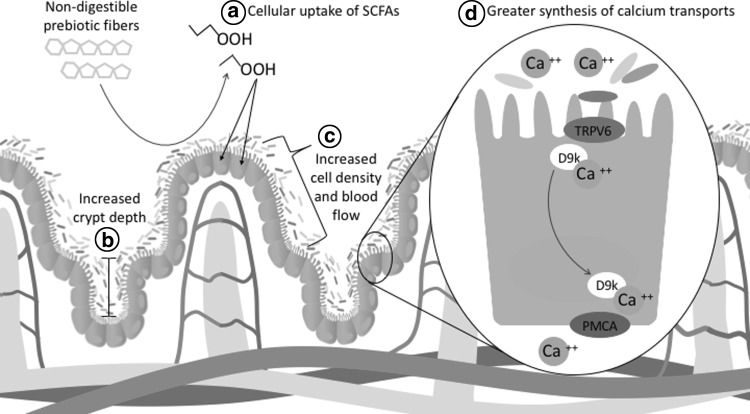
“The mechanisms by which prebiotics promote calcium and phosphorus absorption have been described [34] as: (1) increase intestinal solubility of minerals due to bacterial production of short-chain fatty acids; (2) increase the absorption surface area by stimulating enterocyte proliferation; (3) stabilize the intestinal…”
BackgroundDietary Fibers in Healthy Children and in Pediatric Gastrointestinal Disorders: A Practical Guide
Salvatore, S., Battigaglia, M. S., Murone, E., Dozio, E., Pensabene, L., & Agosti, M. A. (2023) · Nutrients · doi:10.3390/nu15092208 · Cited by 81
“Prebiotics are functional food components that can be naturally present in plant-based foods or are synthetically produced via the enzymatic conversion of sugars [12].”
BackgroundInfluentialTanabe, K., NAKAMURA, S., Moriyama-Hashiguchi, M., Kitajima, M., Ejima, H., Imori, C., & Oku, T. (2019) · Journal of Agricultural and Food Chemistry · doi:10.1021/acs.jafc.8b05164 · Cited by 71
Linkage of microbiota and osteoporosis: A mini literature review
II, D. Y., Pan, K., Shendge, V. B., Liu, J., & Ebraheim, N. A. (2019) · World Journal of Orthopedics · doi:10.5312/wjo.v10.i3.123 · Cited by 66
Ilesanmi-Oyelere, B. L., & Kruger, M. C. (2020) · Frontiers in Nutrition · doi:10.3389/fnut.2020.578702 · Cited by 76
Meta-Analysis Reveals Compositional and Functional Microbial Changes Associated with Osteoporosis
Akinsuyi, O., & Roesch, L. F. W. (2023) · Microbiology Spectrum · doi:10.1128/spectrum.00322-23 · Cited by 70
“A study reported that butyrate increases the expression of intracellular calcium transporters (54).”
BackgroundNutrition and Osteoporosis Prevention
Rizzoli, R., & Chevalley, T. (2024) · Current Osteoporosis Reports · doi:10.1007/s11914-024-00892-0 · Cited by 73
“Fermentation of fiber leads to the production of short chain fatty acids such as acetate, propionate, valerate, isovalerate, butyrate, and isobutyrate, which has been associated with gut health and improved mineral absorption [49, 50].”
BackgroundPersonalized Nutrition Through The Gut Microbiota: Current Insights And Future Perspectives
Vandeputte, D. (2020) · Nutrition Reviews · doi:10.1093/nutrit/nuaa098 · Cited by 66
The impact of a high fat diet on bones: potential mechanisms
Qiao, J., Wu, Y., & Ren, Y. (2021) · Food & Function · doi:10.1039/d0fo02664f · Cited by 62
Arp, C. G., Correa, M. J., & Ferrero, C. (2021) · Food Hydrocolloids · doi:10.1016/j.foodhyd.2021.106949 · Cited by 63
The role of agave fructans in health and food applications: A review
Espinosa‐Andrews, H., Urías‐Silvas, J. E., & Morales-Hernández, N. (2021) · Trends in Food Science & Technology · doi:10.1016/j.tifs.2021.06.022 · Cited by 62
Clemente‐Suárez, V. J., Redondo-Flórez, L., Rubio-Zarapuz, A., Martín-Rodríguez, A., & Tornero-Aguilera, J. F. (2024) · Biomedicines · doi:10.3390/biomedicines12010221 · Cited by 65
“This dysbiosis is characterized by a higher level of Firmicutes , which increases the chance of inflammation, therefore activating osteoclasts by stimulating the tumor necrosis factor alpha (TNF-α ) and the interleukin-1 (IL-1) pathways [254–256].”
BackgroundIndrio, F., & Salatto, A. (2025) · Annals of Nutrition and Metabolism · doi:10.1159/000541999 · Cited by 59
Dietary interventions for better management of osteoporosis: An overview
Guo, D., Zhao, M., Xu, W., He, H., Li, B., & Hou, T. (2021) · Critical Reviews in Food Science and Nutrition · doi:10.1080/10408398.2021.1944975 · Cited by 60
Modulatory Effect of Gut Microbiota on the Gut-Brain, Gut-Bone Axes, and the Impact of Cannabinoids
Ibrahim, I., Soumyakrishnan, S., Ayariga, J. A., Xu, J., Robertson, B. K., SREEPRIYA, M., & Ajayi, O. S. (2022) · Metabolites · doi:10.3390/metabo12121247 · Cited by 62
“This finding suggests microbes in the gut play a role in the prevention of osteoporosis [177].”
Nath, A., Molnár, M. A., Csighy, A., Kőszegi, K., Galambos, I., Pásztor‐Huszár, K., Koris, A. K., & Vatai, G. N. (2018) · Medicina · doi:10.3390/medicina54060098 · Cited by 60
“, 2007 [31]; Whisner and Castillo, 2018 [32]; McCabe et al.”
Effects of Probiotics and Gut Microbiota on Bone Metabolism in Chickens: A Review
Chen, P., Xu, T., Zhang, C., Tong, X., Shaukat, A., He, Y., Liu, K., & Huang, S. (2022) · Metabolites · doi:10.3390/metabo12101000 · Cited by 59
“SCFAs can create an acidic environment by reducing the pH value of the intestinal tract, thereby increasing the solubility of Ca or other mineral elements and promoting mineral absorption and bone mineralization [79].”
BackgroundPorwal, K., Pal, S., Kulkarni, C., Singh, P., Sharma, S., Singh, P., Prajapati, G., Gayen, J. R., Ampapathi⧧, R. S., Mullick, A., et al. (2020) · Biomedicine & Pharmacotherapy · doi:10.1016/j.biopha.2020.110448 · Cited by 55
Hidayat, K., Du, X., Shi, B., & Li, Q. (2020) · Osteoporosis International · doi:10.1007/s00198-020-05383-3 · Cited by 57
Prebiotics and iron bioavailability? Unveiling the hidden association - A review
Ahmad, A. M. R., Ahmed, W., Iqbal, S., Javed, M., Rashid, S., & Ul‐Haq, I. (2021) · Trends in Food Science & Technology · doi:10.1016/j.tifs.2021.01.085 · Cited by 52
Hahor, W., Thongprajukaew, K., & Suanyuk, N. (2019) · Aquaculture · doi:10.1016/j.aquaculture.2019.04.010 · Cited by 49
Gut microbiota and cardiac arrhythmia
Fan, H., Liu, X., Ren, Z., Fei, X., Luo, J., Yang, X., Xue, Y., Zhang, F., & Liang, B. (2023) · Frontiers in Cellular and Infection Microbiology · doi:10.3389/fcimb.2023.1147687 · Cited by 51
“The growing evidence summarized by Corrie M Whisner (Whisner and Castillo, 2018) showed that prebiotic effects increase calcium absorption and improve bone health.”
BackgroundFrom Cells to Environment: Exploring the Interplay between Factors Shaping Bone Health and Disease
Singh, S., Sarma, D. K., Verma, V., Nagpal, R., & Kumar, M. (2023) · Medicina · doi:10.3390/medicina59091546 · Cited by 57
“As the research continues to develop, modulating and balancing the gut microbiome using prebiotics, probiotics, synbiotics, postbiotics, or fecal microbiota transplantation is a promising component for therapeutic interventions that help mitigate or prevent bone loss [43,60,61] (Table 1).”
BackgroundThe Role of Depletion of Gut Microbiota in Osteoporosis and Osteoarthritis: A Narrative Review
Guan, Z., Luo, L., Liu, S., Guan, Z., Zhang, Q., Li, X., & Tao, K. (2022) · Frontiers in Endocrinology · doi:10.3389/fendo.2022.847401 · Cited by 48
Gut Microbiota and Serum Metabolic Signatures of High-Fat-Induced Bone Loss in Mice
Lu, L., Tang, M., Li, J., Xie, Y., Li, Y., Xie, J., Zhou, L., Liu, Y., & Yu, X. (2021) · Frontiers in Cellular and Infection Microbiology · doi:10.3389/fcimb.2021.788576 · Cited by 50
“Bifidobacterium are widely known to be beneficial for bone growth and development (Whisner and Castillo, 2018), which can normalize gut barrier function and reduce pro-inflammatory cytokine levels (Madsen et al.”
BackgroundEffects of inulin on calcium metabolism and bone health
Bakırhan, H., & Karabudak, E. (2021) · International Journal for Vitamin and Nutrition Research · doi:10.1024/0300-9831/a000700 · Cited by 46
Chang, M., Wang, F., Ma, F., Jin, Y., & Sun, P. (2022) · Animal nutrition · doi:10.1016/j.aninu.2022.04.009 · Cited by 45
Yang, L., Teng, P.-Y., & Olukosi, O. A. (2022) · Poultry Science · doi:10.1016/j.psj.2022.102125 · Cited by 43
“(2017) studies showed that prebiotic can produce improvement in mineral absorption, especially Ca, which resulted in enhanced eggshell quality (Han et al., 2017; Whisner and Castillo, 2018).”
BackgroundUpdate on Chronic Kidney Disease Mineral and Bone Disorder in Cardiovascular Disease
Lunyera, J., & Scialla, J. J. (2018) · Seminars in Nephrology · doi:10.1016/j.semnephrol.2018.08.001 · Cited by 45
Ratajczak, A. E., Rychter, A. M., Zawada, A. E., Dobrowolska, A., & Krela‐Kaźmierczak, I. (2020) · Nutrition · doi:10.1016/j.nut.2020.111043 · Cited by 45
Chavan, A. R., Singh, A. K., Gupta, R. K., Nakhate, S. P., Poddar, B. J., Gujar, V. V., Purohit, H. J., & Khardenavis, A. A. (2023) · Biotechnology and Genetic Engineering Reviews · doi:10.1080/02648725.2022.2152627 · Cited by 46
“In animal studies, consumption of GOS by rats increased the skeletal calcium owing to the high concentration of SCFAs produced during fermentation that caused a reduction in the colon pH thereby enhancing the absorption of minerals such as calcium and magnesium (Whisner & Castillo, 2018).”
Yang, X., Zhai, Y., Zhang, J., Chen, J., Liu, D., & Zhao, W. (2020) · World Journal of Pediatrics · doi:10.1007/s12519-019-00330-7 · Cited by 43
Massot‐Cladera, M., Azagra-Boronat, I., Franch, À., Castell, M., Rodríguez-Lagunas, M. J., & Pérez-Cano, F. J. (2020) · Nutrients · doi:10.3390/nu12082196 · Cited by 42
“On the other hand, either the promotion of the lactic-acid bacteria or the production of SCFA may result in an acidification of the colon compartment; thus, preventing the formation of complexes between mineral and negatively charged metabolites, and therefore improving the bioavailability of minerals [15].”
BackgroundResultInfluentialHe, W., Xie, Z., Thøgersen, R., Rasmussen, M. K., Zachariassen, L. F., Jørgensen, N. R., Nørgaard, J. V., Andersen, H. J., Nielsen, D. S., Hansen, A. K., et al. (2022) · Molecular Nutrition & Food Research · doi:10.1002/mnfr.202100883 · Cited by 38
Czarnowski, P., Mikuła, M., Ostrowski, J., & Żeber‐Lubecka, N. (2024) · Biomedicines · doi:10.3390/biomedicines12081904 · Cited by 38
Role of fructooligosaccharides in promoting beneficial gut bacteria: A Prebiotic perspective
Singh, P., Gupta, S., Kundu, A., Grover, M., & Saha, S. (2024) · Food Bioscience · doi:10.1016/j.fbio.2024.105726 · Cited by 37
Prebiotics and Gut Health: Mechanisms, Clinical Evidence, and Future Directions
Monteiro, C. R. A. V., Bogéa, E. G., Campos, C. D. L., Filho, J. L. P., Almeida, V. S. S., Vale, A. Á. M., de Azevedo-Santos, A. P. S., & Monteiro‐Neto, V. (2026) · Nutrients · doi:10.3390/nu18030372 · Cited by 41
“Furthermore, SCFAs may stimulate the expression of intracellular calcium transporter genes [65].”
Wang, Y., Zhang, X., Tang, G., Deng, P., Qin, Y., Han, J., Wang, S., Sun, X., Li, D., & Chen, Z. (2023) · Frontiers in Microbiology · doi:10.3389/fmicb.2023.1268935 · Cited by 40
“In early life, the diversity of gut microbiota is low (Whisner and Castillo, 2018), but over time, the gut microbiota gradually becomes more stable in adults (Zoetendal et al., 1998).”
BackgroundOlteanu, G., Pană, M.-A., Busnatu, Ș., Lupuliasa, D., Neacșu, S. M., Mititelu, M., Musuc, A. M., Ioniță-Mîndrican, C.-B., & Boroghină, S. C. (2024) · International Journal of Molecular Sciences · doi:10.3390/ijms25105561 · Cited by 39
“This concept significantly expands our understanding of the intestinal microbiota’s impact on skeletal system health, going beyond its conventional role of facilitating mineral absorption, which is essential for proper functioning [189].”
BackgroundFaheem, M. A., Akhtar, T., Naseem, N., Aftab, U., Zafar, M. S., Hussain, S., Shahzad, M., & Gobe, G. C. (2023) · Pharmaceutics · doi:10.3390/pharmaceutics15041225 · Cited by 36
“One of the rarely considered benefits of the flavonoids, which include chrysin, is their effect on the microbiome [63].”
BackgroundWei, J., Liu, Q., Yuen, H.-Y., Lam, A. C.-H., Jiang, Y., Yang, Y., Liu, Y., Zhao, X., & Xiao, L. (2025) · Journal of Orthopaedic Translation · doi:10.1016/j.jot.2024.11.003 · Cited by 40
“…reduce bone mineral loss with changes in abundance of specific bacteria [40], how probiotics and prebiotics can regulate Ca metabolism to target bone disorders [41], and how antibiotics and mucus supplements can prevent trabecular bone loss and may improve glucocorticoid-induced osteoporosis [42].”
Bone Homeostasis and Gut Microbial-Dependent Signaling Pathways
Zhong, X., Zhang, F., Yin, X., Cao, H., Wang, X., Liu, D., Chen, J., & Chen, X. (2021) · Journal of Microbiology and Biotechnology · doi:10.4014/jmb.2104.04016 · Cited by 36
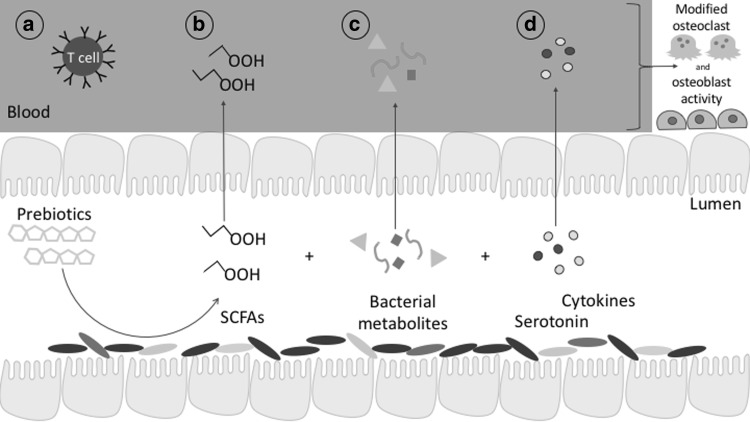
“Thus, alterations in gut microbial composition can improve mineral absorption and skeletal health [48].”
BackgroundDevelopment of Low-Calorie Food Products with Resistant Starch-Rich Sources. – a Review
Karunarathna, S., Wickramasinghe, I., Truong, T., Brennan, C. S., Navaratne, S. B., & Chandrapala, J. (2023) · Food Reviews International · doi:10.1080/87559129.2023.2204137 · Cited by 35
“[83] Inhibition of fat accumulation RS has been shown in several studies to have a high potential for modifying lipid oxidation.”
BackgroundPeak Bone Mass Formation: Modern View of the Problem
Akhiiarova, K. E., Khusainova, R. I., Minniakhmetov, I. R., Mokrysheva, N., & Tyurin, A. V. (2023) · Biomedicines · doi:10.3390/biomedicines11112982 · Cited by 39
Zhou, Y., Sheng, Y. J., Li, C. Y., Zou, L., Tong, C. Y., Zhang, Y., Cao, G., & Shou, D. (2023) · International Journal of Biological Macromolecules · doi:10.1016/j.ijbiomac.2023.127428 · Cited by 35
Use of Prebiotics as an Alternative to Antibiotic Growth Promoters in the Poultry Industry
Solís-Cruz, B., Hernández‐Patlan, D., Hargis, B. M., & Téllez‐Isaías, G. (2020) · IntechOpen eBooks · doi:10.5772/intechopen.89053 · Cited by 36
Effects of Probiotic Supplementation on Exercise and the Underlying Mechanisms
Zhang, L., Zhang, R., & Li, L. (2023) · Foods · doi:10.3390/foods12091787 · Cited by 36
Drabińska, N., Jarocka‐Cyrta, E., Złotkowska, D., Abramowicz, P., & Krupa‐Kozak, U. (2019) · Bone · doi:10.1016/j.bone.2019.03.001 · Cited by 35
Rawat, H. K., Nath, S., Sharma, I., & Kango, N. (2024) · Mycology: An International Journal on Fungal Biology · doi:10.1080/21501203.2024.2323713 · Cited by 33
“This environment is highly favourable for the absorption of mineral ions (Whisner and Castillo 2018; Azharia et al. 2021).”
Koç, F., Mills, S., Strain, C., Ross, R. P., & Stanton, C. (2020) · Nutrition Bulletin · doi:10.1111/nbu.12448 · Cited by 36
Effect of Fermented Soymilk-Honey from Different Probiotics on Osteocalcin Level in Menopausal Women
Desfita, S., Sari, W., Yusmarini, Y., Pato, U., Zakłos‐Szyda, M., & Budryn, G. (2021) · Nutrients · doi:10.3390/nu13103581 · Cited by 33
“Thus, the combination of probiotics and prebiotics, called synbiotics, can provide a synergistic effect that is beneficial to well-being [8,9].”
BackgroundDevelopment of a synbiotic that protects against ovariectomy-induced trabecular bone loss
Lawenius, L., Gustafsson, K. L., Wu, J., Nilsson, K. H., Movérare‐Skrtic, S., Schott, E. M., Soto-Girón, M. J., Toledo, G. V., Sjögren, K., & Ohlsson, C. (2022) · American Journal of Physiology-Endocrinology and Metabolism · doi:10.1152/ajpendo.00366.2021 · Cited by 32
Hwang, D., Chong, E. G., Li, Y., Li, Y., & Roh, K. (2025) · Frontiers in Endocrinology · doi:10.3389/fendo.2025.1553655 · Cited by 31
Yang, L., Lourenco, J. M., & Olukosi, O. A. (2023) · Poultry Science · doi:10.1016/j.psj.2023.102789 · Cited by 28
Altered gut microbiota ameliorates bone pathology in the mandible of obese–insulin-resistant rats
Eaimworawuthikul, S., Tunapong, W., Chunchai, T., Suntornsaratoon, P., Charoenphandhu, N., Thiennimitr, P., Chattipakorn, N., & Chattipakorn, S. C. (2019) · European Journal of Nutrition · doi:10.1007/s00394-019-02002-8 · Cited by 30
Gao, H., & Zhou, Z. (2020) · Nutrients · doi:10.3390/nu12113542 · Cited by 26
“Compared with other NDOs, such as GOS, FOS, and inulin, few data about XOS are available that support the evidence of mineral metabolism and bone health in an animal model [15].”
BackgroundThe metabolism and antioxidant properties of probiotics and prebiotics in fish: a review
Ng’onga, L., Amoah, K., Chen, H., Huang, Y., Wang, B., Shija, V. M., Yohana, M. A., Fachri, M. F., Cai, J. X., & Adjei‐Boateng, D. (2025) · Frontiers in Marine Science · doi:10.3389/fmars.2025.1622474 · Cited by 24
“Plants, algae, and yeasts are the sources of natural ingredients, including alginate, inulin, and various oligosaccharides (Su et al., 2020; Whisner and Castillo, 2018).”
Bone metabolism and fracture risk during and after critical illness
Rousseau, A., Kerschan‐Schindl, K., Scherkl, M., & Amrein, K. (2020) · Current Opinion in Critical Care · doi:10.1097/mcc.0000000000000734 · Cited by 26
“In humans, prebiotics consumption has also been associated with an enhanced calcium absorption and a favourable change in gut microbiota composition, leading to improved bone mass regulation [51].”
BackgroundAdithya, K. K., Rajeev, R., Selvin, J., & Kiran, G. S. (2021) · ACS Food Science & Technology · doi:10.1021/acsfoodscitech.0c00075 · Cited by 26
Smith, B. J., Hatter, B., Washburn, K. F., Graef-Downard, J., Ojo, B. A., El-Rassi, G. D., Cichewicz, R. H., Payton, M. E., & Lucas, E. A. (2022) · Nutrients · doi:10.3390/nu14091685 · Cited by 27
Metadata
- Authors
- Whisner, C. M., & Castillo, L. F.
- Affiliations
- Arizona State University (US)
- Corresponding author
- Whisner, Corrie M.
- Venue
- Calcified Tissue International
- Published
- 2017-10-27
- Volume
- 102
- Issue
- 4
- Pages
- 443-479
- ISSN
- 0171-967X (ISSN-L)
- 1432-0827
- PMC
- PMC5851694
- OpenAlex
- W2767047143
- Cited by
- 292
- References
- 131
- Citations by year
- 2026: 27 · 2025: 43 · 2024: 33 · 2023: 34 · 2022: 37 · 2021: 45 · 2020: 42 · 2019: 16 · 2018: 14
- FWCI
- 2.03
- Type
- journal article
- Language
- en
- Open access
- hybrid
- doi.org
- Locations
- Calcified Tissue International (publishedVersion, cc-by)
- PubMed Central (publishedVersion, cc-by)
- PubMed (publishedVersion)
- Funders
- National Institute of General Medical Sciences (UL1GM118970, TL4GM118971, RL5GM118969)
- Topics
- Health Sciences › Nursing › Nutrition and Dietetics › Microbial Metabolites in Food Biotechnology
- Health Sciences › Medicine › Orthopedics and Sports Medicine › Bone health and osteoporosis research
- Life Sciences › Biochemistry, Genetics and Molecular Biology › Molecular Biology › Gut microbiota and health
- Keywords
- prebiotics, bone health, mineral metabolism, calcium absorption, bone mineral density, gut microbiota, short-chain fatty acids, intestinal pH, peak bone mass, fracture prevention, gut-bone axis, dietary fiber, functional foods
- MeSH terms
- Gastrointestinal Microbiome, Animals, Bone and Bones, Dietary Fiber, Humans, Minerals, Bone Density, Prebiotics
About these checks
Registry, retraction, Cites and statistics results are computed, not judged, with one exception: a printed reference that no index lists is read once by a model before it counts as a citation error. Claims are extracted by a model and kept only when their quote appears verbatim in the text; each cited source is then checked, with a model’s help, for whether it says what the claim relies on. Those verdicts can be wrong — read the claim’s quote and the cited source before relying on one.
Statistics and arithmetic are recomputed, not judged.
Confidence bands are shown only for fields calibrated on our annotated test set. None is calibrated yet, so no band is shown.
What counts as a claim ›How we measure confidence ›How we check this ›
Are you an author, or do you see a problem with this page? Request a review
Data sources
Bibliographic data: Semantic Scholar, OpenAlex, Crossref.
Contains information from the Semantic Scholar Academic Graph Datasets, made available under the ODC Attribution License (ODC-BY 1.0).
Semantic Scholar’s data is described in: Kinney, R., et al. (2023). The Semantic Scholar Open Data Platform. arXiv:2301.10140.
