

Prebiotics, Bone and Mineral Metabolism
Open accessThe DOI matches its Crossref record; 130 of the 131 references it cites were found in a registry or an index.
Abstract
Increasing interest in functional foods has driven discovery in the area of bioactive compounds. Prebiotics are non-digestible carbohydrate compounds that, when consumed, elicit health benefits and aid in the prevention and treatment of chronic diseases. While prebiotics have been shown to improve a number of chronic, inflammatory conditions, growing evidence exists for prebiotic effects on calcium metabolism and bone health. These novel dietary fibers have been shown to increase calcium absorption in the lower intestines of both preclinical and human models. Rodent models have also been imperative for understanding prebiotic effects on bone mineral density and measures of skeletal strength. Although fewer data are available for humans, bone-related prebiotic effects exist across the lifecycle, suggesting benefits for attainment of peak bone mass during adolescence and minimized bone resorption among postmenopausal women. These effects are thought to occur through prebiotic-microbe interactions in the large intestine. Current prebiotic mechanisms for improved mineral absorption and skeletal health include alterations in gut microbiota composition, production of short-chain fatty acids, altered intestinal pH, biomarker modification, and immune system regulation. While the majority of available data support improved mineral bioavailability, emerging evidence suggests alternate microbial roles and the presence of an intricate gut-bone signaling axis. Overall, the current scientific literature supports prebiotic consumption as a cost-effective and sustainable approach for improved skeletal health and/or fracture prevention. The goal of this review is to discuss both foundational and recent research in the area of prebiotics, mineral metabolism, and bone health.
Overview
The claims and statistics of this paper haven’t been checked yet.
Free: it reads the open-access text and checks the first 5 claims that cite a source we can check. Create a free account to check every claim.
Integrity signals
Registry
Cites
Statistics
Figures
Verification
Claims the paper makes
The claims and statistics of this paper haven’t been checked yet.
Free: it reads the open-access text and checks the first 5 claims that cite a source we can check. Create a free account to check every claim.
Claims other papers make about this one
Each is checked against this paper’s own text: does it say what the citing paper says it does?
The source backs part of the claim, not all of it — or backs it for a different population, condition or comparison.
In the citing paper
“Several studies have reported an association of dysbiosis with chronic inflammation, which may in turn result in an association with bone diseases [129,132,215,216].”
From Bone diseases in patients with chronic liver disease (2019) · cites this paper as [132]
Experimental — accuracy not yet measured
Self-check
Percentages, sums and reported differences re-computed from the paper’s own numbers.
The self-check needs the paper’s full text.
Citations
Cites
A human gut microbial gene catalogue established by metagenomic sequencing
MetaHIT Consortium, Qin, J., Li, R., Raes, J., Arumugam, M., Burgdorf, K. S., Manichanh, C., Nielsen, T., Pons, N., Levenez, F., et al. (2010) · Nature · doi:10.1038/nature08821 · Cited by 11,624 · cited 1×
“Intestinal microbiota represent an immensely rich community of bacteria, fungi, viruses, and archaea that collectively contribute more than 3 million unique genes [70], the activities of which are farreaching as evidenced by the excretion of more than 200 microbially produced metabolites in urine [71].”
BackgroundDietary Modulation of the Human Colonic Microbiota: Introducing the Concept of Prebiotics
Gibson, G. R., & Roberfroid, M. B. (1995) · The Journal of Nutrition · doi:10.1093/jn/125.6.1401 · Cited by 7,667 · cited 1×
“Although prebiotics are classified under the umbrella of dietary fiber, the scientific concept of this more functional classification did not emerge until 1995 [10].”
BackgroundFiber and prebiotics: Mechanisms and health benefits
Slavin, J. (2013) · Nutrients · doi:10.3390/nu5041417 · Cited by 2,340 · cited 2×
“Beyond the compounds mentioned above, other functional fibers and prebiotics have been identified for their positive health effects [9, 14].”
BackgroundPrebiotic effects: metabolic and health benefits
Roberfroid, M., Gibson, G. R., Hoyles, L., McCartney, A. L., Rastall, R., Rowland, I., Wolvers, D., Watzl, B., Szajewska, H., Stahl, B., et al. (2010) · British Journal of Nutrition · doi:10.1017/s0007114510003363 · Cited by 2,085 · cited 4×
“Their effects on calcium absorption and bone mineral density have been reviewed [14, 15].”
BackgroundInfluentialThe microbiome and butyrate regulate energy metabolism and autophagy in the mammalian colon
Donohoe, D. R., Garge, N., Zhang, X., Sun, W., O'Connell, T. M., Bunger, M. K., & Bultman, S. J. (2011) · Cell Metabolism · doi:10.1016/j.cmet.2011.02.018 · Cited by 2,003 · cited 1×
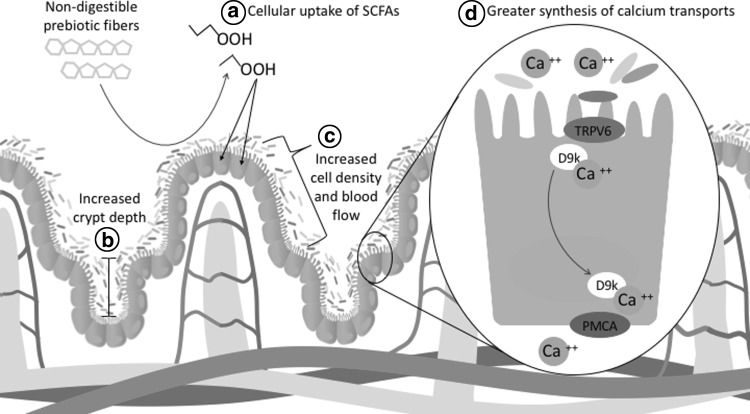
“A possible reason for these morphological changes is greater SCFA production, as butyrate is the preferred energy source for colonocytes [82].”
BackgroundInteractions between commensal intestinal bacteria and the immune system
Macpherson, A. J., & Harris, N. L. (2004) · Nature Reviews Immunology · doi:10.1038/nri1373 · Cited by 1,610 · cited 1×
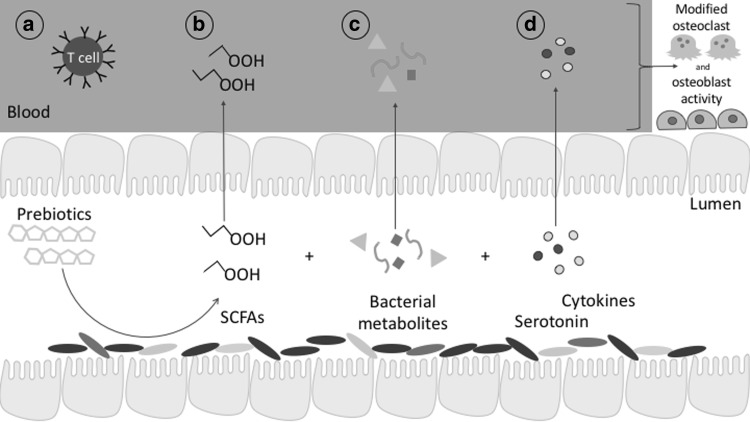
“Gut microbiota are believed to interact with the immune system as evidenced by germ-free mice presenting with reduced mucosal immune function and signaling [74, 86].”
BackgroundProbiotics, prebiotics and synbiotics- a review
Pandey, K. R., Naik, S. R., & Vakil, B. V. (2015) · Journal of Food Science and Technology · doi:10.1007/s13197-015-1921-1 · Cited by 1,291 · cited 1×
“Traditionally, the term ‘‘synbiotic’’ has been used to refer to the combination of prebiotics and probiotics which improve the viability of probiotics being consumed [45].”
BackgroundTowards a more comprehensive concept for prebiotics
Bindels, L. B., Delzenne, N. M., Cani, P. D., & Walter, J. (2015) · Nature Reviews Gastroenterology & Hepatology · doi:10.1038/nrgastro.2015.47 · Cited by 914 · cited 2×
“With rapid growth in the area of diet–gut microbiome interactions, a new definition has recently been proposed which challenges the idea that prebiotic effects must be selective or specific [8].”
BackgroundInulin-Type Fructans: Functional Food Ingredients
Roberfroid, M. B. (2007) · The Journal of Nutrition · doi:10.1093/jn/137.11.2493s · Cited by 878 · cited 1×
“Their effects on calcium absorption and bone mineral density have been reviewed [14, 15].”
BackgroundOn the presence of Inulin and Oligofructose as natural ingredients in the western diet
Van Loo, J., Coussement, P., De Leenheer, L., Hoebregs, H., & Smits, G. (1995) · Critical Reviews in Food Science and Nutrition · doi:10.1080/10408399509527714 · Cited by 836 · cited 1×
“Current prebiotic consumption in Western industrialized countries is quite low in comparison with estimated daily consumption ranging from 1 to 4 g in Americans and 3–11 g in Western Europeans [12].”
BackgroundLrp5 Controls Bone Formation by Inhibiting Serotonin Synthesis in the Duodenum
Yadav, V. K., Ryu, J.-H., Suda, N., Tanaka, K. F., Gingrich, J. A., Schütz, G., Glorieux, F. H., Chiang, C. Y., Zajac, J. D., Insogna, K. L., et al. (2008) · Cell · doi:10.1016/j.cell.2008.09.059 · Cited by 834 · cited 1×
“SCFAs may also be involved in hormonal signaling that affects bone, as specific gut microbial strains have been linked to peripheral serotonin production [88].”
BackgroundThe gut microbiota regulates bone mass in mice
Sjögren, K., Engdahl, C., Henning, P., Lerner, U. H., Tremaroli, V., Lagerquist, M. K., Bäckhed, F., & Ohlsson, C. (2012) · Journal of Bone and Mineral Research · doi:10.1002/jbmr.1588 · Cited by 822 · cited 2×
“Gut microbiota are believed to interact with the immune system as evidenced by germ-free mice presenting with reduced mucosal immune function and signaling [74, 86].”
BackgroundDietary prebiotics: current status and new definition
Gibson, G. R., Scott, K. P., Rastall, R. A., Tuohy, K. M., Hotchkiss, A., Dubert-Ferrandon, A., Gareau, M., Murphy, E. F., Saulnier, D., Loh, G., et al. (2010) · Food Science & Technology Bulletin: Functional Foods · doi:10.1616/1476-2137.15880 · Cited by 778
Campbell, J. M., Fahey, G. C., & Wolf, B. W. (1997) · The Journal of Nutrition · doi:10.1093/jn/127.1.130 · Cited by 719 · cited 2×
“XOS have been shown to increase cecal bifidobacterial counts and total anaerobic bacteria in the lower gut of rats fed non-digestible oligosaccharides which included a XOS treatment [68].”
BackgroundResultGalacto‐Oligosaccharides: Production, Properties, Applications, and Significance as Prebiotics
Torres, D. P. M., Gonçalves, M. D. P. F., Teixeira, J. A., & Rodrigues, L. R. (2010) · Comprehensive Reviews in Food Science and Food Safety · doi:10.1111/j.1541-4337.2010.00119.x · Cited by 606 · cited 1×
“The reaction is one of acid/base balance where the catalytic residues are stereochemically selected for hydrolysis [21].”
BackgroundScholz-Ahrens, K. E., Ade, P., Marten, B., Weber, P., Timm, W., Asil, Y., Glüer, C.-C., & Schrezenmeir, J. (2007) · The Journal of Nutrition · doi:10.1093/jn/137.3.838s · Cited by 591 · cited 1×
“Microbial Community Composition The interaction between gut microbiota and skeletal tissue became apparent when ovariectomized rats were fed antibiotics, or antibiotics in the presence of prebiotics or polyamines [72, 73] and very recently when germ-free mice treated with feces from conventionally raised mice 448 C.”
BackgroundBroekaert, W. F., Courtin, C. M., Verbeke, K., Van de Wiele, T., Verstraete, W., & Delcour, J. A. (2011) · Critical Reviews in Food Science and Nutrition · doi:10.1080/10408390903044768 · Cited by 562 · cited 1×
“Partial enzymatic hydrolysis of AX yields arabinoxylan oligosaccharides (AXOS) and xylooligosaccharides (XOS) which have been evaluated for their prebiotic and health effects in a recent review [64].”
BackgroundAbrams, S. A., Griffin, I. J., Hawthorne, K. M., Liang, L. K., Gunn, S., Darlington, G., & Ellis, K. J. (2005) · American Journal of Clinical Nutrition · doi:10.1093/ajcn.82.2.471 · Cited by 531 · cited 4×
“During the pubertal growth spurt, when poor calcium intakes can negatively influence attainment of peak bone mass, fructans, GOS, and SCF have been found to increase calcium absorption by 6–12% relative to control treatments in interventions ranging in length from 3 months to one year [42, 43, 47, 51, 121, 122].”
BackgroundInfluentialCostabile, A., Klinder, A., Fava, F., Napolitano, A., Fogliano, V., Leonard, C., Gibson, G. R., & Tuohy, K. M. (2008) · British Journal of Nutrition · doi:10.1017/s0007114507793923 · Cited by 444 · cited 1×
“More recent research with regard to intestinal microbiota effects suggests that arabinoxylan oligosaccharide-rich wheat bran extracts and whole-grain wheat may increase the composition of bifidobacteria and lactobacillus [131, 132], which have been linked to improvements in bone health.”
BackgroundInulin-type prebiotics--a review: part 1.
Kelly, G. S. (2008) · PubMed · Cited by 440
Dietary fructooligosaccharides and potential benefits on health
Sabater-Molina, M., Larqué, E., Torrella, F., & Zamora, S. (2009) · Journal of Physiology and Biochemistry · doi:10.1007/bf03180584 · Cited by 380 · cited 2×
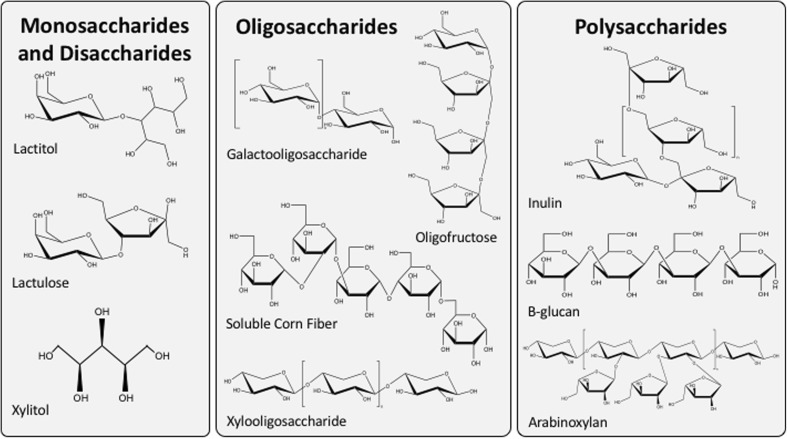
“A hallmark of these compounds is that the majority of glycosidic bonds in each chain are beta (b) (2–1) fructosyl-fructose linkages [16].”
BackgroundOligofructose stimulates calcium absorption in adolescents
van den Heuvel, E. G., Muys, T., van Dokkum, W., & Schaafsma, G. (1999) · The American Journal of Clinical Nutrition · doi:10.1093/ajcn/69.3.544 · Cited by 356 · cited 2×
“During the pubertal growth spurt, when poor calcium intakes can negatively influence attainment of peak bone mass, fructans, GOS, and SCF have been found to increase calcium absorption by 6–12% relative to control treatments in interventions ranging in length from 3 months to one year [42, 43, 47, 51, 121, 122].”
BackgroundYadav, V. K., Balaji, S., Suresh, P. S., Liu, X. S., Lu, X., Li, Z., Guo, X. E., Mann, J. J., Balapure, A. K., Gershon, M. D., et al. (2010) · Nature Medicine · doi:10.1038/nm.2098 · Cited by 333 · cited 1×
“When gut microbial production of serotonin was inhibited, ovariectomized rats developed significantly more bone mass [90].”
BackgroundThe Footprints of Gut Microbial–Mammalian Co-Metabolism
Zheng, X., Xie, G., Zhao, A., Zhao, L., Yao, C., Chiu, N. H. L., Zhou, Z., Bao, Y., Jia, W., Nicholson, J. K., et al. (2011) · Journal of Proteome Research · doi:10.1021/pr2007945 · Cited by 319
Recent Advances on Structure, Metabolism, and Function of Human Milk Oligosaccharides
Bode, L. (2006) · The Journal of Nutrition · doi:10.1093/jn/136.8.2127 · Cited by 311 · cited 1×
“Studies have shown that GOS fosters the growth of important gut microbes like bifidobacteria and lactobacillus during early life, as these compounds mimic human milk oligosaccharides known to promote gut health and immunity in nursing infants [19, 20].”
BackgroundPresence of Inulin and Oligofructose in the Diets of Americans
Moshfegh, A. J., Friday, J. E., Goldman, J. P., & Ahuja, J. K. C. (1999) · The Journal of Nutrition · doi:10.1093/jn/129.7.1407s · Cited by 305 · cited 1×
“Currently, the largest contributor of inulin and oligofructose in the American diet is wheat products [129].”
The impact of nutrition on the human microbiome
Flint, H. J. (2012) · Nutrition Reviews · doi:10.1111/j.1753-4887.2012.00499.x · Cited by 287 · cited 1×
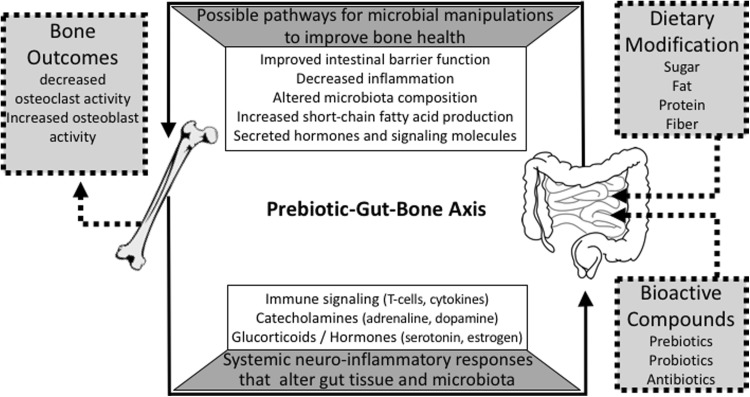
“While many studies have linked alterations in gut microbiota structure with obesity, gastrointestinal (GI) disorders and cardiometabolic diseases [3], new methods of genomic inquiry now allow for the study of gut microbial interactions with peripheral tissues, such as bone.”
BackgroundRudolf Schoenheimer and the Concept of the Dynamic State of Body Constituents
Guggenheim, K. Y. (1991) · The Journal of Nutrition · doi:10.1093/jn/121.11.1730 · Cited by 276 · cited 1×
“Because animal studies are more cost and time effective, they have been instrumental for understanding the effects of varying prebiotic doses, types, and chain lengths (DP) on mineral absorption [98, 99].”
BackgroundOhta, A., Ohtsuki, M., Baba, S., Adachi, T., Sakata, T., & Sakaguchi, E. (1995) · The Journal of Nutrition · doi:10.1093/jn/125.9.2417 · Cited by 261 · cited 1×
“Varying the dose of selected prebiotics in animal models appears to yield similar results with regard to calcium absorption [36, 109, 110]; however, chain length and branching of the prebiotic may have a greater impact on mineral bioavailability.”
ResultDiet, Gut Microbiome, and Bone Health
Weaver, C. M. (2015) · Current Osteoporosis Reports · doi:10.1007/s11914-015-0257-0 · Cited by 246 · cited 2×
“A growing body of preclinical and clinical literature shows that prebiotics are essential for improving the intestinal absorption of calcium and other minerals and also for enhancing skeletal health [5, 6].”
BackgroundEffect of Short‐Chain Fatty Acids on the Human Colonic Mucosa in Vitro
Scheppach, W., Bartram, P., Richter, A., Richter, F., Liepold, H., Dusel, G., Hofstetter, G., Rüthlein, J., & Kasper, H. (1992) · Journal of Parenteral and Enteral Nutrition · doi:10.1177/014860719201600143 · Cited by 234 · cited 1×
“which may explain the link between gut microbiota and increases in intestinal mucosal cell proliferation [83].”
BackgroundWhisner, C. M., Martin, B. R., Schoterman, M. H. C., Nakatsu, C. H., McCabe, L. D., McCabe, G. P., Wastney, M. E., van den Heuvel, E. G. H. M., & Weaver, C. M. (2013) · British Journal of Nutrition · doi:10.1017/s000711451300055x · Cited by 228 · cited 3×
“During the pubertal growth spurt, when poor calcium intakes can negatively influence attainment of peak bone mass, fructans, GOS, and SCF have been found to increase calcium absorption by 6–12% relative to control treatments in interventions ranging in length from 3 months to one year [42, 43, 47, 51, 121, 122].”
BackgroundSelf-citationLactose malabsorption and intolerance: pathogenesis, diagnosis and treatment
Misselwitz, B., Pohl, D., Frühauf, H., Fried, M., Vavricka, S. R., & Fox, M. (2013) · United European Gastroenterology Journal · doi:10.1177/2050640613484463 · Cited by 228 · cited 1×
“As humans age, the enzymatic activity of lactase decreases, possibly allowing for microbial digestion of this sugar as it reaches the lower GI tract [29].”
BackgroundPrebiotic and Probiotic Regulation of Bone Health: Role of the Intestine and its Microbiome
McCabe, L., Britton, R. A., & Parameswaran, N. (2015) · Current Osteoporosis Reports · doi:10.1007/s11914-015-0292-x · Cited by 227 · cited 2×
“A growing body of preclinical and clinical literature shows that prebiotics are essential for improving the intestinal absorption of calcium and other minerals and also for enhancing skeletal health [5, 6].”
BackgroundLy, N. P., Litonjua, A., Gold, D. R., & Celedón, J. C. (2011) · Journal of Allergy and Clinical Immunology · doi:10.1016/j.jaci.2011.02.015 · Cited by 214 · cited 1×
“This rapidly growing area of research is demonstrating the great importance of microbes for intestinal barrier function, energy metabolism, nutrient supply, immune and inflammatory responses as well as for disease prevention and treatment [1, 2].”
BackgroundEvaluation of Safety of Inulin and Oligofructose as Dietary Fiber
Carabin, I. G., & Flamm, W. G. (1999) · Regulatory Toxicology and Pharmacology · doi:10.1006/rtph.1999.1349 · Cited by 213 · cited 1×
“FOS synthesis from glucose is also common but results in shortchain inulin or FOS (DP of 2–4) with a higher proportion of glucose [18].”
BackgroundNon-digestible oligosaccharides and calcium absorption in girls with adequate calcium intakes
Griffin, I. J., Davila, P. M., & Abrams, S. A. (2002) · British Journal of Nutrition · doi:10.1079/bjn/2002536 · Cited by 203 · cited 1×
“Prebiotic Type, Dose, and Duration Effects Prebiotics have been shown to influence calcium absorption across a wide range of doses ranging from 8 to 20 g/day [27, 37, 42, 43, 47, 50, 51, 121, 122] with only a few studies showing no effect [123–125].”
BackgroundInulin, oligofructose and mineral metabolism — experimental data and mechanism
Scholz-Ahrens, K. E., & Schrezenmeir, J. (2002) · British Journal Of Nutrition · doi:10.1079/bjnbjn/2002535 · Cited by 196
Transgalactooligosaccharides Stimulate Calcium Absorption in Postmenopausal Women
van den Heuvel, E. G. H. M., Muijs, T., & Schoterman, M. H. C. (2000) · The Journal of Nutrition · doi:10.1093/jn/130.12.2938 · Cited by 191 · cited 3×
“Dietary GOS has also been observed to increase calcium absorption in postmenopausal women [27].”
BackgroundFanaro, S., Boehm, G., Garssen, J., Knol, J., Mosca, F., Stahl, B., & Vigi, V. (2005) · Acta Paediatrica · doi:10.1080/08035320510043538 · Cited by 188 · cited 1×
“Studies have shown that GOS fosters the growth of important gut microbes like bifidobacteria and lactobacillus during early life, as these compounds mimic human milk oligosaccharides known to promote gut health and immunity in nursing infants [19, 20].”
BackgroundHolloway, L., Moynihan, S., Abrams, S. A., Kent, K., Hsu, A. R., & Friedlander, A. L. (2007) · British Journal of Nutrition · doi:10.1017/s000711450733674x · Cited by 184 · cited 2×
“A slightly longer study with 6-week consumption of 10 g/day of both shortand long-chain inulin-type fructans observed significant increases in calcium and magnesium absorption among postmenopausal women [52].”
BackgroundNon-digestible long chain beta-glucans as novel prebiotics
Lam, K.-L., & Chi-Keung Cheung, P. (2013) · Bioactive Carbohydrates and Dietary Fibre · doi:10.1016/j.bcdf.2013.09.001 · Cited by 183 · cited 1×
“The prebiotic benefits of b-glucans have been reviewed and primarily highlight their blood lipid-lowering effects [62].”
BackgroundCoudray, C., Tressol, J. C., Gueux, E., & Rayssiguier, Y. (2003) · European Journal of Nutrition · doi:10.1007/s00394-003-0390-x · Cited by 180 · cited 3×
“Discrepancies have emerged such that findings have not been consistent among animal models meant to depict periods of juvenile skeletal growth [98, 116].”
BackgroundWastney, M. E., Zafar, T. A., Weaver, C. M., Zhao, Y., & Martin, B. R. (2004) · The Journal of Nutrition · doi:10.1093/jn/134.2.399 · Cited by 179 · cited 2×
“However, administering inulin and FOS reduced bone resorption, increased femoral calcium content, and improved bone mineral density [105].”
BackgroundWeaver, C. M., Martin, B. R., Nakatsu, C. H., Armstrong, A. P., Clavijo, A., McCabe, L. D., McCabe, G. P., Duignan, S., Schoterman, M. H. C., & van den Heuvel, E. G. H. M. (2011) · Journal of Agricultural and Food Chemistry · doi:10.1021/jf2009777 · Cited by 173 · cited 4×
“Similarly, GOS at varying intakes improved volumetric bone mineral density and breaking strength of both the femur and tibia [26].”
BackgroundInfluentialIsomerization of lactose and lactulose production: review
Aider, M., & Halleux, D. D. (2007) · Trends in Food Science & Technology · doi:10.1016/j.tifs.2007.03.005 · Cited by 173
Whisner, C. M., Martin, B. R., Nakatsu, C. H., Story, J. A., MacDonald-Clarke, C. J., McCabe, L. D., McCabe, G. P., & Weaver, C. M. (2016) · The Journal of Nutrition · doi:10.3945/jn.115.227256 · Cited by 169 · cited 6×
“Prebiotic Type, Dose, and Duration Effects Prebiotics have been shown to influence calcium absorption across a wide range of doses ranging from 8 to 20 g/day [27, 37, 42, 43, 47, 50, 51, 121, 122] with only a few studies showing no effect [123–125].”
BackgroundSelf-citationChonan, O., Matsumoto, K., & Watanuki, M. (1995) · Bioscience, Biotechnology, and Biochemistry · doi:10.1271/bbb.59.236 · Cited by 164 · cited 14×
“Animal Models—Prebiotic Effects at the Intestinal Level The majority of animal data exist for fructose-based prebiotics, primarily inulin and FOS [75, 80, 96], but positive impacts of GOS [24] and polydextrose [97] on calcium absorption have also been observed.”
BackgroundInfluentialOhta, A., Sakai, K., Takasaki, M., Uehara, M., Adlercreutz, H., Morohashi, T., & Ishimi, Y. (2002) · The Journal of Nutrition · doi:10.1093/jn/132.7.2048 · Cited by 158 · cited 1×
“Further, combining FOS and soy isoflavones improved bone mass of the femur in ovariectomized rats in one study [117], while no synergistic effect was observed in another [118].”
BackgroundIntestinal Calcium Absorption in Rats Is Stimulated by Dietary Lactulose and Other Resistant Sugars
Brommage, R., Binacua, C., Antille, S., & Carrié, A.-L. (1993) · Journal of Nutrition · doi:10.1093/jn/123.12.2186 · Cited by 155
Tahiri, M., Tressol, J. C., Arnaud, J., Bornet, F. R. J., Bouteloup‐Demange, C., Feillet‐Coudray, C., Brandolini, M., Ducros, V., Pépin, D., Brouns, F. J. P. H., et al. (2003) · American Journal of Clinical Nutrition · doi:10.1093/ajcn/77.2.449 · Cited by 152 · cited 1×
“One study of SCF that specifically focused on women during stable estrogen deficiency suggested that prebiotics improve calcium retention [44], while a study of utilizing 10 g/day short-chain FOS found that calcium absorption was improved in late-phase postmenopausal women but not early-phase postmenopausal women [123…”
BackgroundEffects of lactose on intestinal calcium absorption in normal and lactase-deficient subjects
Cochet, B., Jung, A., Griessen, M., Bartholdi, P., Schaller, P., & Alfred, D. (1983) · Gastroenterology · doi:10.1016/0016-5085(83)90194-4 · Cited by 147
Cloetens, L., Broekaert, W. F., Delaedt, Y., Ollevier, F., Courtin, C. M., Delcour, J. A., Rutgeerts, P., & Verbeke, K. (2010) · British Journal of Nutrition · doi:10.1017/s0007114509992248 · Cited by 147 · cited 1×
“Specifically, AX has been associated with greater fecal bifidobacteria content [65].”
BackgroundRaschka, L., & Daniel, H. (2005) · Bone · doi:10.1016/j.bone.2005.05.015 · Cited by 134 · cited 3×
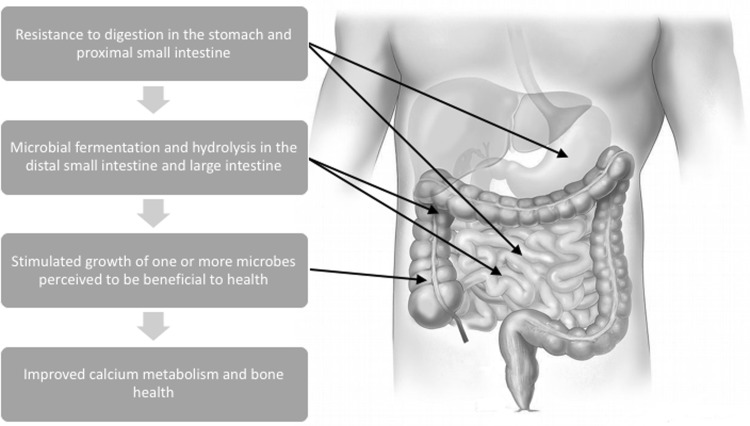
“With regard to bone health, morphological changes following prebiotic consumption have been associated with increases in calcium absorption in animal models [79].”
BackgroundYacon Flour and Bifidobacterium longum Modulate Bone Health in Rats
Rodrigues, F. C., Castro, A. S. B., Rodrigues, V. C., Fernandes, S. A., Fontes, E. A. F., de Oliveira, T. T., Martino, H. S. D., & de Luces Fortes Ferreira, C. L. (2012) · Journal of Medicinal Food · doi:10.1089/jmf.2011.0296 · Cited by 131 · cited 1×
“FOS combined with the bacterial species, Bifidobacterium longum, increased the calcium, magnesium, and phosphorus content of bone as well as bonebreaking force in rats [56].”
BackgroundDietary Chicory Inulin Increases Whole-Body Bone Mineral Density in Growing Male Rats
Roberfroid, M. B., Cumps, J., & Devogelaer, J. (2002) · Journal of Nutrition · doi:10.1093/jn/132.12.3599 · Cited by 130 · cited 27×
“FOS combined with dried plum fractions in soy-based diets have also resulted in greater whole-body BMD in ovariectomized rats [55].”
BackgroundInfluentialEnriched chicory inulin increases calcium absorption mainly in girls with lower calcium absorption
Griffin, I. J., Hicks, P. D., Heaney, R. P., & Abrams, S. A. (2003) · Nutrition Research · doi:10.1016/s0271-5317(03)00085-x · Cited by 130 · cited 2×
“During the pubertal growth spurt, when poor calcium intakes can negatively influence attainment of peak bone mass, fructans, GOS, and SCF have been found to increase calcium absorption by 6–12% relative to control treatments in interventions ranging in length from 3 months to one year [42, 43, 47, 51, 121, 122].”
BackgroundVilla, C. R., Ward, W. E., & Comelli, E. M. (2017) · Critical Reviews in Food Science and Nutrition · doi:10.1080/10408398.2015.1010034 · Cited by 129 · cited 1×
“In fact, several mechanisms to support a gut–bone axis have recently been reviewed [4], for which the gut microbiota play an important role.”
BackgroundGut microbiota and probiotics in maternal and infant health
Sanz, Y. (2011) · American Journal of Clinical Nutrition · doi:10.3945/ajcn.110.001172 · Cited by 124 · cited 1×
“This rapidly growing area of research is demonstrating the great importance of microbes for intestinal barrier function, energy metabolism, nutrient supply, immune and inflammatory responses as well as for disease prevention and treatment [1, 2].”
BackgroundFructooligosaccharide Consumption Enhances Femoral Bone Volume and Mineral Concentrations in Rats
Takahara, S., Morohashi, T., Sano, T., Ohta, A., Yamada, S., & Sasa, R. (2000) · Journal of Nutrition · doi:10.1093/jn/130.7.1792 · Cited by 123 · cited 2×
“Broadly, prebiotics have been shown to increase the mineral content [26, 111, 112], architecture, and strength [111, 113–115] of bone.”
BackgroundEffects of fructooligosaccharides on the absorption of magnesium and calcium by cecectomized rats.
Ohta, A., Ohtuki, M., Takizawa, T., Inaba, H., Adachi, T., & Kimura, S. (1994) · PubMed · Cited by 122
Lactose — a potential prebiotic
Szilagyi, A. (2002) · Alimentary Pharmacology & Therapeutics · doi:10.1046/j.1365-2036.2002.01321.x · Cited by 119
Whisner, C. M., Martin, B. R., Nakatsu, C. H., McCabe, G. P., McCabe, L. D., Peacock, M., & Weaver, C. M. (2014) · British Journal of Nutrition · doi:10.1017/s0007114514000981 · Cited by 118 · cited 34×
“Changes in the gut microbial composition have been associated with improvements in calcium absorption in adolescent girls and boys consuming 12 g/day of SCF [42].”
BackgroundSelf-citationTu, M.-Y., Chen, H.-L., Tung, Y.-T., Kao, C.-C., Hu, F.-C., & Chen, C.-M. (2015) · PLOS ONE · doi:10.1371/journal.pone.0144231 · Cited by 110
Abrams, S. A., Hawthorne, K. M., Aliu, O., Hicks, P. D., Chen, Z., & Griffin, I. J. (2007) · Journal of Nutrition · doi:10.1093/jn/137.10.2208 · Cited by 108
Weaver, C. M., Martin, B. R., Story, J. A., Hutchinson, I., & Sanders, L. (2010) · Journal of Agricultural and Food Chemistry · doi:10.1021/jf904086d · Cited by 107 · cited 6×
“Magnesium retention was only affected by soluble fiber dextrin, while copper retention was improved by all fibers except inulin, and zinc retention was improved by soluble fiber dextrin, both resistant starches, and the inulin– FOS mixture [41].”
BackgroundResultInfluentialOhta, A., Motohashi, Y., Ohtsuki, M., Hirayama, M., Adachi, T., & Sakuma, K. (1998) · Journal of Nutrition · doi:10.1093/jn/128.6.934 · Cited by 107
Scholz-Ahrens, K. E., Açil, Y., & Schrezenmeir, J. (2002) · British Journal of Nutrition · doi:10.1079/bjn2002661 · Cited by 107 · cited 4×
“Oligofructose proved more effective at increasing calcium absorption and retention in ovariectomized rats when consuming a high-calcium diet, while phosphorus absorption decreased relative to the control treatment at this intake of calcium [108].”
BackgroundMethodInfluentialLactulose Stimulates Calcium Absorption in Postmenopausal Women
van den heuvel, E. G. H. M., Muijs, T., van dokkum, W., & Schaafsma, G. (1999) · Journal of Bone and Mineral Research · doi:10.1359/jbmr.1999.14.7.1211 · Cited by 106 · cited 4×
“Lactulose consumption has been shown to significantly increase calcium absorption in both rats [36] and postmenopausal women [37].”
BackgroundResultInfluentialComparative structural characterization of 7 commercial galacto-oligosaccharide (GOS) products
van Leeuwen, S. S., Kuipers, B. J. H., Dijkhuizen, L., & Kamerling, J. P. (2016) · Carbohydrate Research · doi:10.1016/j.carres.2016.03.006 · Cited by 101 · cited 1×
“The resulting galactose chain with a glucose anchor has a mean DP of 2–8 and is connected via b(1–2), b(1–3), b(1–4), and b(1–6) glycosidic linkages [22, 23].”
BackgroundScholz-Ahrens, K. E., Adolphi, B., Rochat, F., Barclay, D. V., de Vrese, M., Açil, Y., & Schrezenmeir, J. (2016) · NFS Journal · doi:10.1016/j.nfs.2016.03.001 · Cited by 100 · cited 27×
“FOS combined with dried plum fractions in soy-based diets have also resulted in greater whole-body BMD in ovariectomized rats [55].”
BackgroundInfluentialHernández‐Hernández, O., Marín‐Manzano, M. C., Rubio, L. A., Moreno, F. J., Sanz, M. L., & Clemente, A. (2012) · Journal of Nutrition · doi:10.3945/jn.111.155762 · Cited by 98 · cited 1×
“The resulting galactose chain with a glucose anchor has a mean DP of 2–8 and is connected via b(1–2), b(1–3), b(1–4), and b(1–6) glycosidic linkages [22, 23].”
BackgroundLegette, L. L., Lee, W., Martin, B. R., Story, J. A., Campbell, J. K., & Weaver, C. M. (2012) · Journal of Food Science · doi:10.1111/j.1750-3841.2011.02612.x · Cited by 97 · cited 2×
“FOS alone has resulted in positive [80] and null effects [97] on bone mineral density.”
BackgroundCoudray, C., Rambeau, M., Feillet‐Coudray, C., Tressol, J. C., Demigné, C., Gueux, E., Mazur, A., & Rayssiguier, Y. (2005) · Nutrition Journal · doi:10.1186/1475-2891-4-29 · Cited by 96 · cited 2×
“Intestinal morphology and pH were modified by inulin but the effects did not differ by age; however, an age–inulin interaction emerged for SCFA content with greater acetate and butyrate in 10-month-old rats compared to the other three age groups [100].”
BackgroundJakeman, S. A., Henry, C., Martin, B. R., McCabe, G. P., McCabe, L. D., Jackson, G. S., Peacock, M., & Weaver, C. M. (2016) · American Journal of Clinical Nutrition · doi:10.3945/ajcn.116.132761 · Cited by 95 · cited 5×
“SCF studies in animals and humans have associated this fiber with improved calcium absorption and bone strength in rats [41], greater calcium absorption in adolescent boys and girls [42, 43], and improved calcium retention in postmenopausal women [44].”
BackgroundInfluentialTrue Calcium Absorption in the Intestine Is Enhanced by Fructooligosaccharide Feeding in Rats
Morohashi, T., Sano, T., Ohta, A., & Yamada, S. (1998) · Journal of Nutrition · doi:10.1093/jn/128.10.1815 · Cited by 93 · cited 1×
“Varying the dose of selected prebiotics in animal models appears to yield similar results with regard to calcium absorption [36, 109, 110]; however, chain length and branching of the prebiotic may have a greater impact on mineral bioavailability.”
ResultSlevin, M. M., Allsopp, P. J., Magee, P. J., Bonham, M. P., Naughton, V. R., Strain, J., Duffy, M. E., Wallace, J. M. W., & McSorley, E. M. (2014) · Journal of Nutrition · doi:10.3945/jn.113.188144 · Cited by 92 · cited 1×
“The largest (n = 300) and longest duration known to have measured bone turnover markers, as well as bone mineral density, in postmenopausal women was 24 months [127].”
BackgroundMineo, H., Hara, H., & Tomita, F. (2001) · Life Sciences · doi:10.1016/s0024-3205(01)01146-8 · Cited by 85 · cited 1×
“Findings suggested that only the SCFA treatment increased calcium transport across colonic cells [81].”
BackgroundPérez-Conesa, D., López, G., Abellán, P., & Ros, G. (2006) · Journal of the Science of Food and Agriculture · doi:10.1002/jsfa.2618 · Cited by 84 · cited 1×
“Another study reported that combining two species, Bifidobacterium bifidum and longum, with GOS significantly increased calcium, magnesium, and phosphorus bioavailability and hind limb bone mineral content [57, 58].”
BackgroundAgave Fructans: Their Effect on Mineral Absorption and Bone Mineral Content
García-Vieyra, M. I., Del Real, A., & López, M. G. (2014) · Journal of Medicinal Food · doi:10.1089/jmf.2013.0137 · Cited by 80 · cited 28×
“FOS combined with dried plum fractions in soy-based diets have also resulted in greater whole-body BMD in ovariectomized rats [55].”
BackgroundResultInfluentialDemigné, C., Jacobs, H., Moundras, C., Davicco, M.-J., Horcajada, M.-N., Bernalier, A., & Coxam, V. (2008) · European Journal of Nutrition · doi:10.1007/s00394-008-0736-5 · Cited by 77 · cited 1×
“Occasional findings have also been suggestive of improved bone architecture and strength when bone mineral density was not affected [113, 114].”
BackgroundAbrams, S. A., Griffin, I. J., & Hawthorne, K. M. (2007) · Journal of Nutrition · doi:10.1093/jn/137.11.2524s · Cited by 77
High dietary intake of prebiotic inulin-type fructans in the prehistoric Chihuahuan Desert
Leach, J. D., & Sobolik, K. D. (2010) · British Journal of Nutrition · doi:10.1017/s0007114510000966 · Cited by 77 · cited 1×
“Foods containing greater amounts of prebiotics have been consumed for centuries with intakes as high as 135 g/day estimated for hunter–gatherer populations [11].”
BackgroundSuzuki, T., & Hara, H. (2004) · Journal of Nutrition · doi:10.1093/jn/134.8.1935 · Cited by 76 · cited 1×
“Caco-2 cell monolayer studies indicate that difructose anhydride III, difructose anhydride IV, FOS, and raffinose (trisaccharide made of galactose, glucose, and fructose) all increased paracellular calcium absorption in a dose-dependent manner [93].”
BackgroundFructooligosaccharides improve bone mass and biomechanical properties in rats
Lobo, A. R., Colli, C., & Filisetti, T. M. C. C. (2006) · Nutrition Research · doi:10.1016/j.nutres.2006.06.019 · Cited by 76
François, I. E. J. A., Lescroart, O., Veraverbeke, W. S., Marzorati, M., Possemiers, S., Hamer, H., Windey, K., Welling, G. W., Delcour, J. A., Courtin, C. M., et al. (2014) · Journal of Pediatric Gastroenterology and Nutrition · doi:10.1097/mpg.0000000000000285 · Cited by 73 · cited 1×
“More recent research with regard to intestinal microbiota effects suggests that arabinoxylan oligosaccharide-rich wheat bran extracts and whole-grain wheat may increase the composition of bifidobacteria and lactobacillus [131, 132], which have been linked to improvements in bone health.”
BackgroundQing, Q., Li, H., Kumar, R., & Wyman, C. E. (2013) · Aqueous Pretreatment of Plant Biomass for Biological and Chemical Conversion to Fuels and Chemicals · doi:10.1002/9780470975831.ch19 · Cited by 72 · cited 1×
“Xylooligosaccharides Xylooligosaccharides (XOS) are non-digestible oligosaccharides with a mean DP of 2–6 and b(1–4) glycosidic bonds that also result from the direct enzymatic auto-hydrolysis of xylan-rich lignocellulosic materials [67].”
BackgroundCoxam, V. (2005) · British Journal Of Nutrition · doi:10.1079/bjn20041341 · Cited by 71 · cited 1×
“One approach to synbiotics is the mixing of prebiotics of varying chain lengths and monomer linkages as this has been shown to prolong the prebiotic effect across a larger portion of the GI tract [46].”
BackgroundCalcium absorption from milk in lactase-deficient and lactase-sufficient adults
Tremaine, W. J., Newcomer, A. D., Riggs, B. L., & McGill, D. B. (1986) · Digestive Diseases and Sciences · doi:10.1007/bf01311672 · Cited by 70 · cited 1×
“Lactase-deficient individuals have also been found to absorb more calcium than lactase-sufficient individuals when comparing unhydrolyzed milk to lactose-hydrolyzed milk [32].”
BackgroundAdolphi, B., Scholz-Ahrens, K. E., de Vrese, M., Açil, Y., Laue, C., & Schrezenmeir, J. (2008) · European Journal of Nutrition · doi:10.1007/s00394-008-0759-y · Cited by 67
Bryk, G., Coronel, M. Z., Pellegrini, G., Mandalunis, P., Rio, M. E., de Portela, M. L. P. M., & Zeni, S. N. (2015) · European Journal of Nutrition · doi:10.1007/s00394-014-0768-y · Cited by 67 · cited 1×
“Varying the type of prebiotics to include different sugar monomers has also been shown to be effective as greater trabecular bone mineral density, bone volume, osteoblast surface area, and measures of stiffness and elasticity have been observed in growing rat models following the consumption of a GOS and FOS mixture […”
BackgroundOhta, A. (1998) · Scandinavian Journal of Gastroenterology · doi:10.1080/003655298750026769 · Cited by 67 · cited 1×
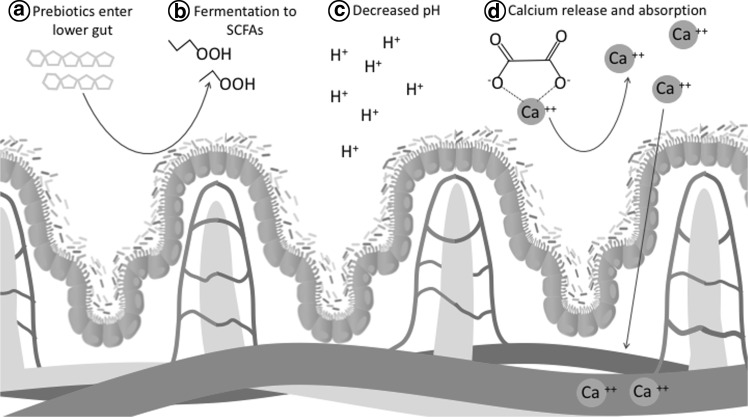
“In animal models, prebiotic consumption has been shown to increase cecal and colon expression of Calbindin D9k, an intracellular calcium transport protein [84].”
BackgroundGilman, J. C., & Cashman, K. D. (2006) · PubMed · Cited by 63
Colitis-induced Bone Loss is Gender Dependent and Associated with Increased Inflammation
Irwin, R., Lee, T., Young, V. B., Parameswaran, N., & McCabe, L. R. (2013) · Inflammatory Bowel Diseases · doi:10.1097/mib.0b013e318289e17b · Cited by 62 · cited 1×
“Beyond the gut, systemic inflammation and disrupted immune signaling have been linked to decreased bone mass [87].”
BackgroundChonan, O., & Watanuki, M. (1996) · PubMed · Cited by 61
Mathey, J., Puel, C., Kati-Coulibaly, S., Bennetau‐Pelissero, C., Davicco, M. J., Lebecque, P., Horcajada, M.-N., & Coxam, V. (2004) · Calcified Tissue International · doi:10.1007/s00223-004-0128-7 · Cited by 60
Tousen, Y., Abe, F., Ishida, T., Uehara, M., & Ishimi, Y. (2011) · Metabolism · doi:10.1016/j.metabol.2011.02.009 · Cited by 60
van den Heuvel, E. G. H. M., Muijs, T., Brouns, F. J. P. H., & Hendriks, H. (2009) · Nutrition Research · doi:10.1016/j.nutres.2009.03.005 · Cited by 58
Coudray, C., Coudray, C., Tressol, J. C., Gueux, E., Thien, S., Jaffrelo, L., Mazur, A., & Rayssiguier, Y. (2004) · European Journal of Nutrition · doi:10.1007/s00394-004-0526-7 · Cited by 58 · cited 2×
“75%) with and without inulin for 40 days, no effect of inulin was observed for either calcium or magnesium content of the tibia despite increases in intestinal mineral absorption [91].”
BackgroundCalcium absorption from milk in lactase-deficient subjects
Griessen, M., Cochet, B., Infante, F., Jung, A., Bartholdi, P., Donath, A., Loizeau, E., & Courvoisier, B. (1989) · American Journal of Clinical Nutrition · doi:10.1093/ajcn/49.2.377 · Cited by 55 · cited 1×
“This may result in greater mineral absorption as lactose-intolerant individuals have been observed to experience greater calcium absorption from lactose-containing milk compared to individuals with normal lactase activity [30].”
BackgroundLobo, A. R., Filho, J. M., Álvares, E. P., Cocato, M. L., & Colli, C. (2008) · Nutrition · doi:10.1016/j.nut.2008.08.002 · Cited by 54 · cited 1×
“Broadly, prebiotics have been shown to increase the mineral content [26, 111, 112], architecture, and strength [111, 113–115] of bone.”
BackgroundDietary Inulin Intake and Age Can Affect Intestinal Absorption of Zinc and Copper in Rats
Coudray, C., Feillet‐Coudray, C., Gueux, E., Mazur, A., & Rayssiguier, Y. (2006) · Journal of Nutrition · doi:10.1093/jn/136.1.117 · Cited by 54 · cited 1×
“5% inulin across age groups, inulin-induced zinc and copper absorption was lower in older rats (11 and 21 weeks) compared to younger animals (3 and 6 weeks) [104].”
ResultWeaver, C. M., Heaney, R. P., Teegarden, D., & Hinders, S. M. (1996) · Journal of Nutrition · doi:10.1093/jn/126.1.303 · Cited by 53 · cited 1×
“Wheat also contains compounds, especially in the bran fraction, which have been shown to decrease calcium bioavailability [130].”
BackgroundTousen, Y., Matsumoto, Y., Matsumoto, C., Nishide, Y., Nagahata, Y., Kobayashi, I., & Ishimi, Y. (2016) · British Journal Of Nutrition · doi:10.1017/s0007114516001537 · Cited by 52
The prebiotic effect of Anoectochilus formosanus and its consequences on bone health
Yang, L.-C., Wu, J.-B., Lu, T.-J., & Lin, W.-C. (2013) · British Journal of Nutrition · doi:10.1017/s0007114512003777 · Cited by 51 · cited 1×
“Prebiotic fibers have been shown to increase the cecal content of SCFAs (acetate, propionate, butyrate, isobutyrate, valerate, and isovalerate) in animal models [41, 78, 79].”
BackgroundPérez‐Conesa, D., López, G., & Ros, G. (2007) · Journal of the Science of Food and Agriculture · doi:10.1002/jsfa.2812 · Cited by 49 · cited 1×
“Another study reported that combining two species, Bifidobacterium bifidum and longum, with GOS significantly increased calcium, magnesium, and phosphorus bioavailability and hind limb bone mineral content [57, 58].”
BackgroundPrebiotic Potential of a Maize-Based Soluble Fibre and Impact of Dose on the Human Gut Microbiota
Costabile, A., Deaville, E. R., Morales, A. M., & Gibson, G. R. (2016) · PLOS ONE · doi:10.1371/journal.pone.0144457 · Cited by 48 · cited 1×
“Studies suggest that daily consumption of 8–21 g/day of SCF increases the proportions of Bifidobacteria in feces [39] and intakes of up to 65 g/day were better tolerated than inulin at lower doses [40].”
BackgroundInulin Effects on Bioavailability of Soy Isoflavones and Their Calcium Absorption Enhancing Ability
Zafar, T. A., Weaver, C. M., Jones, K., Moore, D. R., & Barnes, S. (2004) · Journal of Agricultural and Food Chemistry · doi:10.1021/jf035080f · Cited by 47 · cited 1×
“Discrepancies have emerged such that findings have not been consistent among animal models meant to depict periods of juvenile skeletal growth [98, 116].”
BackgroundFructo-Oligosaccharides and Calcium Absorption and Retention in Adolescent Girls
Martin, B. R., Braun, M. M., Wigertz, K., Bryant, R. J., Zhao, Y., Lee, W., Kempa-Steczko, A., & Weaver, C. M. (2010) · Journal of the American College of Nutrition · doi:10.1080/07315724.2010.10719855 · Cited by 46 · cited 1×
“In one of the null studies, calcium intakes (1500 mg/day) exceeded the recommended intake of 1300 mg/day suggesting that at high intakes the prebiotic effect may be overpowered by increased luminal calcium concentrations [125].”
BackgroundJohnson, C. D., Lucas, E. A., Hooshmand, S., Campbell, S. C., Akhter, M. P., & Arjmandi, B. H. (2008) · Evidence-based Complementary and Alternative Medicine · doi:10.1093/ecam/nen050 · Cited by 45 · cited 1×
“FOS combined with dried plum fractions in soy-based diets have also resulted in greater whole-body BMD in ovariectomized rats [55].”
BackgroundKrupa‐Kozak, U., Markiewicz, L. H., Lamparski, G., & Juśkiewicz, J. (2017) · Nutrients · doi:10.3390/nu9070702 · Cited by 42
Ohta, A., Ohtsuki, M., Baba, S., Hirayama, M., & Adachi, T. (1998) · Nutrition Research · doi:10.1016/s0271-5317(97)00205-4 · Cited by 41 · cited 1×
“Further, calcium absorption effects have been observed to decline slightly throughout prebiotic experimental trials suggestive of treatment adaptation [103].”
BackgroundYap, K. W., Mohamed, S., Manap, M. Y. A., Maznah, I., & Meyer, D. (2005) · Nutrition & Food Science · doi:10.1108/00346650510605603 · Cited by 40 · cited 1×
“25 g/day improved iron and magnesium retention in infants 6–12 months of age, calcium and copper absorption were not affected at these doses [119].”
BackgroundKrupa‐Kozak, U., Swiatecka, D., Bączek, N., & Brzoska, M. M. (2016) · Food & Function · doi:10.1039/c6fo00140h · Cited by 40 · cited 2×
“Conversely, in a similar Caco-2 cell model, inoculation with a human intestinal bacterial suspension resulted in a decreased presence of calcium in the basolateral filtrate but greater intracellular calcium content [94].”
BackgroundDevareddy, L., Khalil, D. A., Korlagunta, K., Hooshmand, S., Bellmer, D. D., & Arjmandi, B. H. (2006) · Menopause · doi:10.1097/01.gme.0000195372.74944.71 · Cited by 38 · cited 1×
“One study reported improvements in trabecular microarchitectural properties of the tibia despite no change in BMD following treatment with a FOS and soy isoflavone mixture in ovariectomized rats [54].”
BackgroundHicks, P. D., Hawthorne, K. M., Berseth, C. L., Marunycz, J. D., Heubi, J. E., & Abrams, S. A. (2012) · BMC Pediatrics · doi:10.1186/1471-2431-12-118 · Cited by 37 · cited 1×
“Similarly, delivery of a 1:1 ratio of GOS and polydextrose (4 g/L) to formulafed infants did not increase calcium absorption beyond that of formula-fed infants without prebiotic enrichment [120].”
BackgroundReilly, P., Sweeney, T., O’Shea, C. J., Pierce, K. M., Figat, S., Smith, A., Gahan, D. A., & O’Doherty, J. V. (2010) · Animal Feed Science and Technology · doi:10.1016/j.anifeedsci.2010.04.008 · Cited by 35 · cited 1×
“Among finisher pigs, b-glucans have been shown to increase short-chain fatty acid production in the intestine and promote the growth of beneficial bacteria such as bifidobacteria, but no effect of this prebiotic was observed for calcium and phosphorus digestibility or retention [63].”
BackgroundLegette, L. L., Lee, W., Martin, B. R., Story, J. A., Arabshahi, A., Barnes, S., & Weaver, C. M. (2011) · Menopause The Journal of The North American Menopause Society · doi:10.1097/gme.0b013e3182116e81 · Cited by 33 · cited 1×
“Further, combining FOS and soy isoflavones improved bone mass of the femur in ovariectomized rats in one study [117], while no synergistic effect was observed in another [118].”
BackgroundLactulose: a prebiotic, laxative and detoxifying agent
Dhiren, P., Sharma, R., & Pathak, H. (2017) · Drugs & Therapy Perspectives · doi:10.1007/s40267-017-0384-z · Cited by 32 · cited 1×
“Lactulose, a product of heat-treated lactose, has been utilized in the food, medical, and pharmaceutical industries for decades due to its beneficial interactions with gut microbes, laxation-promoting effects, and its activity as a detoxifying agent [34].”
BackgroundKruger, M. C., Chan, Y. M., Kuhn‐Sherlock, B., Lau, L. T., Lau, C., Chin, Y. S., Todd, J. M., & Schollum, L. M. (2015) · European Journal of Nutrition · doi:10.1007/s00394-015-1007-x · Cited by 31 · cited 1×
“FOS–inulin-supplemented milk consumption for 12 weeks among both preand postmenopausal women resulted in significant reductions in bone resorption (decreased urinary excretion of C-telopeptide of type I collagen) among postmenopausal but not premenopausal women [61].”
Yun, H., Park, K., Hong, J. T., & Kim, E.-C. (2016) · Scientific Reports · doi:10.1038/srep30985 · Cited by 29
Wang, S., Zhang, P., Kong, X., Xie, S., Li, Q., Li, Z., & Zhou, Z. (2017) · Animal Science Journal · doi:10.1111/asj.12837 · Cited by 29 · cited 1×
“Interestingly, a very recent investigation of dietary XOS on bone mineral crystallinity in swine femurs suggests that XOS increases the crystallinity of bone and that the influence of XOS on bone may be more prevalent during periods of growth, as the effects were not seen in bones collected during later stages of life…”
BackgroundEvaluation of digestive tolerance of a soluble corn fibre
Housez, B., Cazaubiel, M., Vergara, C., Bard, J., Adam, A., Einerhand, A. W. C., & Samuel, P. (2012) · Journal of Human Nutrition and Dietetics · doi:10.1111/j.1365-277x.2012.01252.x · Cited by 25 · cited 1×
“Studies suggest that daily consumption of 8–21 g/day of SCF increases the proportions of Bifidobacteria in feces [39] and intakes of up to 65 g/day were better tolerated than inulin at lower doses [40].”
BackgroundTakasaki, M., Inaba, H., Ohta, A., Motohashi, Y., Sakai, K., Morris, H. R., & Sakuma, K. (2000) · International Journal for Vitamin and Nutrition Research · doi:10.1024/0300-9831.70.5.206 · Cited by 25 · cited 1×
“A reduction in calcium transporters involved in active transport in the small intestine, but not the large intestine, has been observed with inulin consumption [101, 102].”
BackgroundKim, Y., Jang, K., Lee, E. Y., Cho, Y., Kang, S. A., Ha, W.-K., & Choue, R. (2004) · Nutritional Sciences · Cited by 25
Mitamura, R., & Hara, H. (2006) · European Journal of Nutrition · doi:10.1007/s00394-006-0592-0 · Cited by 18 · cited 1×
“Fourweek consumption of the prebiotic disaccharide, difructose anhydride III (DFAIII; 15 g/kg diet), increased calcium absorption in vitamin D-deficient ovariectomized rats [106].”
BackgroundEffect of dietary calcium supplementation with lactose on bone in vitamin D-deficient rats
Schaafsma, G., Visser, W. J., Dekker, P. R., & Schaik, M. V. (1987) · Bone · doi:10.1016/8756-3282(87)90067-6 · Cited by 15 · cited 1×
“Rats with a diet rich in lactose and calcium have been shown to have improved bone mineral content and strength [28].”
BackgroundLopes, V., de Oliveira-Junior, S. A., Cezar, M. D. M., Damatto, R. L., Bonomo, C., Pagan, L. U., Lima, A. F. M., Gomes, M. J., Zornoff, L. A. M., Okoshi, K., et al. (2014) · The FASEB Journal · doi:10.1096/fasebj.28.1_supplement.862.3 · Cited by 8
Prebiotics, Probiotics, Synbiotics and Foods with Regard to Bone Metabolism
Scholz-Ahrens, K. E. (2016) · Springer eBooks · doi:10.1007/978-3-319-32417-3_15 · Cited by 7 · cited 1×
“Although many foods naturally contain prebiotics, it is also important to consider other factors when evaluating their effectiveness, including prebiotic activity and probiotic/microbe-stimulating capacity [13].”
BackgroundHenagan, T. M., Navard, A. M., & Ye, J. (2014) · The FASEB Journal · doi:10.1096/fasebj.28.1_supplement.1072.1 · Cited by 4
Research works printed but not linked: 1
- Lugani Y Sooch S Xylitol, an emerging prebiotic: a review Int J Appl Pharm Biol Res 2017 2 67 73
Cited by
Gasaly, N., de Vos, P., & Hermoso, M. A. (2021) · Frontiers in Immunology · doi:10.3389/fimmu.2021.658354 · Cited by 578
“org 3 The human digestive system lacks enzymes to digest complex polysaccharides, such as pectins, xylan or celluloses, consequently reaching the colon with their intact structure, and subsequently fermented by GM bacteria (41, 42).”
BackgroundFunctions of Gut Microbiota Metabolites, Current Status and Future Perspectives
Liu, J., Tan, Y., Cheng, H., Zhang, D., Feng, W., & Peng, C. (2022) · Aging and disease · doi:10.14336/ad.2022.0104 · Cited by 529
“contents and changing the intestinal tissue morphology and transport proteins [82].”
BackgroundGut microbiota-derived short-chain fatty acids and their role in human health and disease
Mukhopadhya, I., & Louis, P. (2025) · Nature Reviews Microbiology · doi:10.1038/s41579-025-01183-w · Cited by 501
“In addition to providing energy to host tissues as discussed earlier, they are also implicated in aiding mineral absorption via several mechanisms of action, including a lowering of gut pH leading to enhanced mineral solubility, an increase in the intestinal surface area and regulatory effects 59 .”
Whole Fruits and Fruit Fiber Emerging Health Effects
Dreher, M. (2018) · Nutrients · doi:10.3390/nu10121833 · Cited by 370
Nutritional intake and bone health
Rizzoli, R., Biver, E., & Brennan-Speranza, T. C. (2021) · The Lancet Diabetes & Endocrinology · doi:10.1016/s2213-8587(21)00119-4 · Cited by 303
Metadata
- Authors
- Whisner, C. M., & Castillo, L. F.
- Affiliations
- Arizona State University (US)
- Corresponding author
- Whisner, Corrie M.
- Venue
- Calcified Tissue International
- Published
- 2017-10-27
- Volume
- 102
- Issue
- 4
- Pages
- 443-479
- ISSN
- 0171-967X (ISSN-L)
- 1432-0827
- PMC
- PMC5851694
- OpenAlex
- W2767047143
- Cited by
- 292
- References
- 131
- Citations by year
- 2026: 27 · 2025: 43 · 2024: 33 · 2023: 34 · 2022: 37 · 2021: 45 · 2020: 42 · 2019: 16 · 2018: 14
- FWCI
- 2.03
- Type
- journal article
- Language
- en
- Open access
- hybrid
- doi.org
- Locations
- Calcified Tissue International (publishedVersion, cc-by)
- PubMed Central (publishedVersion, cc-by)
- PubMed (publishedVersion)
- Funders
- National Institute of General Medical Sciences (UL1GM118970, TL4GM118971, RL5GM118969)
- Topics
- Health Sciences › Nursing › Nutrition and Dietetics › Microbial Metabolites in Food Biotechnology
- Health Sciences › Medicine › Orthopedics and Sports Medicine › Bone health and osteoporosis research
- Life Sciences › Biochemistry, Genetics and Molecular Biology › Molecular Biology › Gut microbiota and health
- Keywords
- prebiotics, bone health, mineral metabolism, calcium absorption, bone mineral density, gut microbiota, short-chain fatty acids, intestinal pH, peak bone mass, fracture prevention, gut-bone axis, dietary fiber, functional foods
- MeSH terms
- Gastrointestinal Microbiome, Animals, Bone and Bones, Dietary Fiber, Humans, Minerals, Bone Density, Prebiotics
About these checks
Registry, retraction, Cites and statistics results are computed, not judged, with one exception: a printed reference that no index lists is read once by a model before it counts as a citation error. Claims are extracted by a model and kept only when their quote appears verbatim in the text; each cited source is then checked, with a model’s help, for whether it says what the claim relies on. Those verdicts can be wrong — read the claim’s quote and the cited source before relying on one.
Statistics and arithmetic are recomputed, not judged.
Confidence bands are shown only for fields calibrated on our annotated test set. None is calibrated yet, so no band is shown.
What counts as a claim ›How we measure confidence ›How we check this ›
Are you an author, or do you see a problem with this page? Request a review
Data sources
Bibliographic data: Semantic Scholar, OpenAlex, Crossref.
Contains information from the Semantic Scholar Academic Graph Datasets, made available under the ODC Attribution License (ODC-BY 1.0).
Semantic Scholar’s data is described in: Kinney, R., et al. (2023). The Semantic Scholar Open Data Platform. arXiv:2301.10140.
